

The DOI matches its Crossref record; 91 of the 92 references it cites were found in a registry or an index.
Reversal of Fragile X Phenotypes by Manipulation of AβPP/Aβ Levels in Fmr1KO Mice
Open accessAbstract
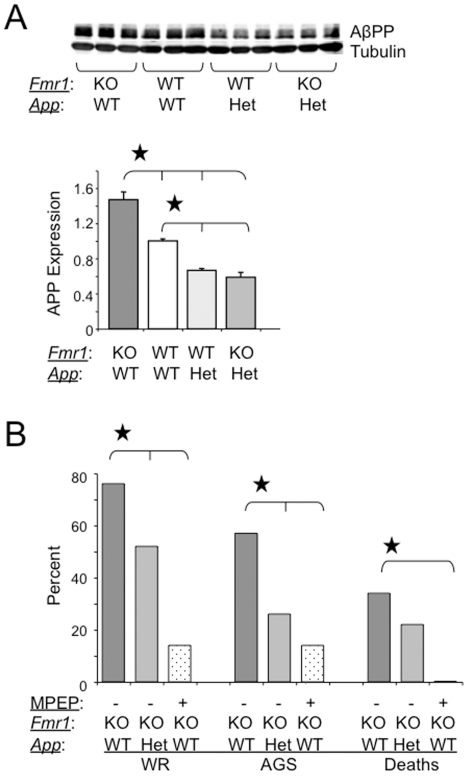
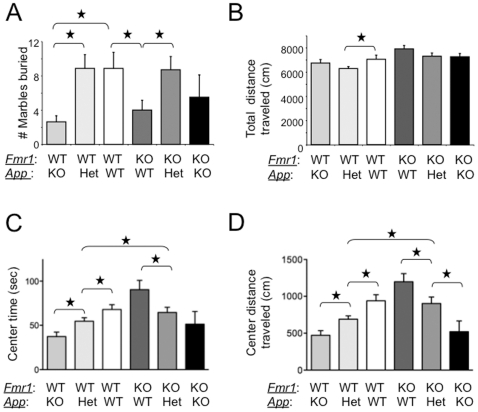
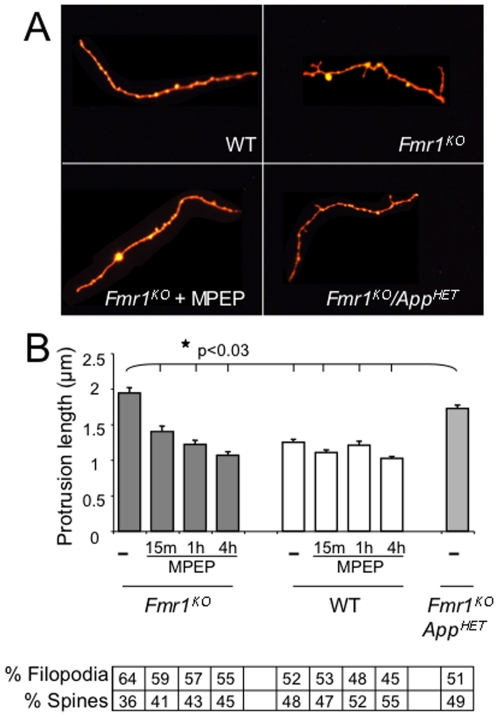
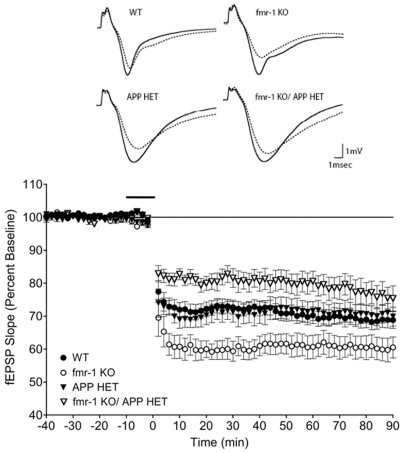
Fragile X syndrome (FXS) is the most common form of inherited intellectual disability and the leading known genetic cause of autism. Fragile X mental retardation protein (FMRP), which is absent or expressed at substantially reduced levels in FXS, binds to and controls the postsynaptic translation of amyloid β-protein precursor (AβPP) mRNA. Cleavage of AβPP can produce β-amyloid (Aβ), a 39-43 amino acid peptide mis-expressed in Alzheimer's disease (AD) and Down syndrome (DS). Aβ is over-expressed in the brain of Fmr1(KO) mice, suggesting a pathogenic role in FXS. To determine if genetic reduction of AβPP/Aβ rescues characteristic FXS phenotypes, we assessed audiogenic seizures (AGS), anxiety, the ratio of mature versus immature dendritic spines and metabotropic glutamate receptor (mGluR)-mediated long-term depression (LTD) in Fmr1(KO) mice after removal of one App allele. All of these phenotypes were partially or completely reverted to normal. Plasma Aβ(1-42) was significantly reduced in full-mutation FXS males compared to age-matched controls while cortical and hippocampal levels were somewhat increased, suggesting that Aβ is sequestered in the brain. Evolving therapies directed at reducing Aβ in AD may be applicable to FXS and Aβ may serve as a plasma-based biomarker to facilitate disease diagnosis or assess therapeutic efficacy.
Overview
The claims and statistics of this paper haven’t been checked yet.
Run the check — free, no account needed. It reads the open-access text and checks the sources it cites.
Integrity signals
Registry
Cites
Statistics
Figures
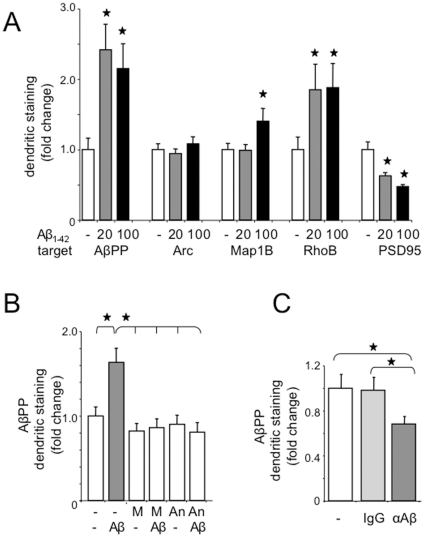
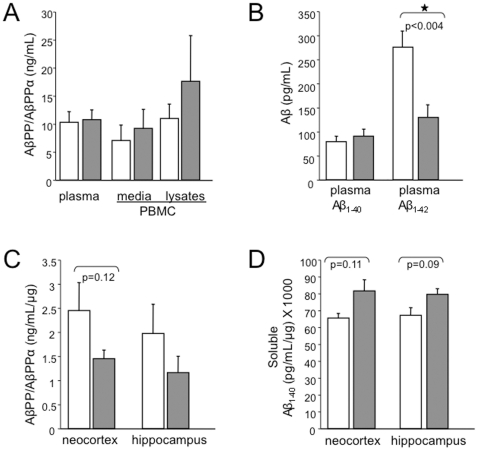
Verification
Claims the paper makes
The claims and statistics of this paper haven’t been checked yet.
Run the check — free, no account needed. It reads the open-access text and checks the sources it cites.
Claims other papers make about this one
Each is checked against this paper’s own text: does it say what the citing paper says it does?
In the citing paper
“many of the other classic behavioural phenotypes used as outcome measures in preclinical studies are inconsistently observed in Fmr1-KO mice (such as open field, rotarod, elevated plus-maze, marble burying, self-grooming and most social paradigms).”
From Drug development for neurodevelopmental disorders: lessons learned from fragile X syndrome (2018) · cites this paper as [65]
In the citing paper
“As a result, the rescue of these behavioural phenotypes has been difficult to consolidate and to use as a guide for clinical studies30,49,56,64,65.”
From Drug development for neurodevelopmental disorders: lessons learned from fragile X syndrome (2018) · cites this paper as [65]
In the citing paper
“Genetic reduction of AβPP in Fmr1 KO mice rescues characteristic FXS phenotypes, such as audiogenic seizures, the ratio of mature versus immature dendritic spines, and mGluR-LTD (91).”
From Fragile X syndrome: causes, diagnosis, mechanisms, and therapeutics (2012) · cites this paper as [91]
Self-check
Percentages, sums and reported differences re-computed from the paper’s own numbers.
The self-check needs the paper’s full text.
Citations
Cites
Amyloid plaque core protein in Alzheimer disease and Down syndrome.
Masters, C. L., Simms, G., Weinman, N. A., Multhaup, G., McDonald, B. L., & Beyreuther, K. (1985) · Proceedings of the National Academy of Sciences · doi:10.1073/pnas.82.12.4245 · Cited by 4,431
Walsh, D. M., Klyubin, I., Fadeeva, J. V., Cullen, W. K., Anwyl, R., Wolfe, M. S., Rowan, M. J., & Selkoe, D. J. (2002) · Nature · doi:10.1038/416535a · Cited by 4,291
Shankar, G. M., Li, S., Mehta, T. H., Garcia-Munoz, A., Shepardson, N. E., Smith, I., Brett, F. M., Farrell, M. A., Rowan, M. J., Lemere, C. A., et al. (2008) · Nature Medicine · doi:10.1038/nm1782 · Cited by 3,685
Diffusible, nonfibrillar ligands derived from Aβ 1–42 are potent central nervous system neurotoxins
Lambert, M. P., Barlow, A. K., Chromy, B. A., Edwards, C., Freed, R., Liosatos, M., Morgan, T. E., Rozovsky, I., Trommer, B., Viola, K. L., et al. (1998) · Proceedings of the National Academy of Sciences · doi:10.1073/pnas.95.11.6448 · Cited by 3,506
Verkerk, A. J. M. H., Pieretti, M., Sutcliffe, J. S., Fu, Y.-H., Kuhl, D. P. A., Pizzuti, A., Reiner, O., Richards, S., Victoria, M. F., Zhang, F., et al. (1991) · Cell · doi:10.1016/0092-8674(91)90397-h · Cited by 3,481
APP Processing and Synaptic Function
Kamenetz, F., Tomita, T., Hsieh, H., Seabrook, G., Borchelt, D., Iwatsubo, T., Sisodia, S., & Malinow, R. (2003) · Neuron · doi:10.1016/s0896-6273(03)00124-7 · Cited by 1,644
The mGluR theory of fragile X mental retardation
Bear, M. F., Huber, K. M., & Warren, S. T. (2004) · Trends in Neurosciences · doi:10.1016/j.tins.2004.04.009 · Cited by 1,580
Instability of a 550-Base Pair DNA Segment and Abnormal Methylation in Fragile X Syndrome
Oberlé, I., Rousseau, F., Heitz, D., Kretz, C., Devys, D., Hanauer, A., Boué, J., Bertheas, M. F., & Mandel, J. L. (1991) · Science · doi:10.1126/science.252.5009.1097 · Cited by 1,499
Altered synaptic plasticity in a mouse model of fragile X mental retardation
Huber, K. M., Gallagher, S. M., Warren, S. T., & Bear, M. F. (2002) · Proceedings of the National Academy of Sciences · doi:10.1073/pnas.122205699 · Cited by 1,349
Occurrence of neuropathological changes and dementia of Alzheimer’s disease in Down’s syndrome
Wisniewski, K. E., Wisniewski, H. M., & Wen, G. Y. (1985) · Annals of Neurology · doi:10.1002/ana.410170310 · Cited by 1,159
Research works printed but not linked: 2
- [1]Hagerman RJ Hagerman PJ 2002 Physical and behavioral phenotype Baltimore John Hopkins University Press 3 109
- [69]Miller LJ McIntosh DN McGrath J Shyu V Lampe M 1999 Electrodermal responses to sensory stimuli in individuals with fragile X syndrome: A preliminary report. Am J Med Genet 83 4 268 279 10208160
Cited by
Sorted by citations
Hagerman, R. J., Berry-Kravis, E., Hazlett, H. C., Bailey, D. B., Moine, H., Kooy, R. F., Tassone, F., Gantois, I., Sonenberg, N., Mandel, J. L., et al. (2017) · Nature Reviews Disease Primers · doi:10.1038/nrdp.2017.65 · Cited by 838
Self-citationThe Pathophysiology of Fragile X (and What It Teaches Us about Synapses)
Bhakar, A. L., Dölen, G., & Bear, M. F. (2012) · Annual Review of Neuroscience · doi:10.1146/annurev-neuro-060909-153138 · Cited by 370
Drug development for neurodevelopmental disorders: lessons learned from fragile X syndrome
Berry-Kravis, E. M., Lindemann, L., Jønch, A. E., Apostol, G., Bear, M. F., Carpenter, R. L., Crawley, J. N., Curie, A., Des Portes, V., Hossain, F., et al. (2018) · Nature Reviews Drug Discovery · doi:10.1038/nrd.2017.221 · Cited by 336
Self-citationFragile X syndrome: causes, diagnosis, mechanisms, and therapeutics
Bagni, C., Tassone, F., Neri, G., & Hagerman, R. (2012) · Journal of Clinical Investigation · doi:10.1172/jci63141 · Cited by 321
Dysregulation and restoration of translational homeostasis in fragile X syndrome
Richter, J. D., Bassell, G. J., & Klann, E. (2015) · Nature Reviews Neuroscience · doi:10.1038/nrn4001 · Cited by 275
Naviaux, J. C., Wang, L., Li, K., Bright, A., Alaynick, W. A., Williams, K. R., Powell, S. B., & Naviaux, R. K. (2015) · Molecular Autism · doi:10.1186/2040-2392-6-1 · Cited by 285
Down syndrome: the brain in trisomic mode
Dierssen, M. (2012) · Nature reviews. Neuroscience · doi:10.1038/nrn3314 · Cited by 288
Deidda, G., Parrini, M., Naskar, S., Bozarth, I. F., Contestabile, A., & Cancedda, L. (2015) · Nature Medicine · doi:10.1038/nm.3827 · Cited by 274
Martínez‐Cerdeño, V. (2017) · Developmental Neurobiology · doi:10.1002/dneu.22417 · Cited by 256
Fragile X mental retardation protein and synaptic plasticity
Sidorov, M. S., Auerbach, B. D., & Bear, M. F. (2013) · Molecular Brain · doi:10.1186/1756-6606-6-15 · Cited by 255
Progress toward treatments for synaptic defects in autism
Delorme, R., Ey, E., Toro, R., Leboyer, M., Gillberg, C., & Bourgeron, T. (2013) · Nature Medicine · doi:10.1038/nm.3193 · Cited by 218
Outcome Measures for Clinical Trials in Fragile X Syndrome
Berry‐Kravis, E., Hessl, D. R., Abbeduto, L., Reiss, A. L., Beckel-Mitchener, A. C., & Urv, T. K. (2013) · Journal of Developmental & Behavioral Pediatrics · doi:10.1097/dbp.0b013e31829d1f20 · Cited by 156
Self-citationFragile X syndrome and associated disorders: Clinical aspects and pathology
Salcedo‐Arellano, M. J., Dufour, B. D., McLennan, Y. A., Martínez‐Cerdeño, V., & Hagerman, R. J. (2020) · Neurobiology of Disease · doi:10.1016/j.nbd.2020.104740 · Cited by 141
Kim, K. C., Lee, D.-K., Go, H. S., Kim, P., Choi, C. S., Kim, J., Jeon, S. J., Song, M., & Shin, C. Y. (2013) · Molecular Neurobiology · doi:10.1007/s12035-013-8535-2 · Cited by 138
Hamilton, A., Esseltine, J. L., DeVries, R. A., Cregan, S. P., & Ferguson, S. S. G. (2014) · Molecular Brain · doi:10.1186/1756-6606-7-40 · Cited by 138
Of Men and Mice: Modeling the Fragile X Syndrome
Dahlhaus, R. (2018) · Frontiers in Molecular Neuroscience · doi:10.3389/fnmol.2018.00041 · Cited by 133
Genetic manipulation of STEP reverses behavioral abnormalities in a fragile X syndrome mouse model
Goebel‐Goody, S. M., Wilson‐Wallis, E. D., Royston, S., Tagliatela, S. M., Naegele, J. R., & Lombroso, P. J. (2012) · Genes, Brain and Behavior · doi:10.1111/j.1601-183x.2012.00781.x · Cited by 108
Kazim, S. F., Chuang, S.-C., Zhao, W., Wong, R. K. S., Bianchi, R., & Iqbal, K. (2017) · Frontiers in Aging Neuroscience · doi:10.3389/fnagi.2017.00071 · Cited by 109
Therapeutic Strategies in Fragile X Syndrome: From Bench to Bedside and Back
Gross, C., Hoffmann, A., Bassell, G. J., & Berry-Kravis, E. M. (2015) · Neurotherapeutics · doi:10.1007/s13311-015-0355-9 · Cited by 105
Self-citationDoll, C. A., & Broadie, K. S. (2014) · Frontiers in Cellular Neuroscience · doi:10.3389/fncel.2014.00030 · Cited by 86
Metformin for treatment of fragile X syndrome and other neurological disorders
Gantois, I., Popic, J., Khoutorsky, A., & Sonenberg, N. (2019) · Annual Review of Medicine · doi:10.1146/annurev-med-081117-041238 · Cited by 87
Santos, A. R., Kanellopoulos, A. K., & Bagni, C. (2014) · Learning & Memory · doi:10.1101/lm.035956.114 · Cited by 91
Cheng, C., Lau, S. K. M., & Doering, L. C. (2016) · Molecular Brain · doi:10.1186/s13041-016-0256-9 · Cited by 84
Ghosh, A., Mizuno, K., Tiwari, S. S., Proitsi, P., Gomez Perez-Nievas, B., Glennon, E., Martinez-Nunez, R. T., & Giese, K. P. (2020) · Translational Psychiatry · doi:10.1038/s41398-020-00882-7 · Cited by 78
Pasciuto, E., Ahmed, T., Wahle, T., Gardoni, F., D’Andrea, L., Pacini, L., Jacquemont, S., Tassone, F., Balschun, D., Dotti, C. G., et al. (2015) · Neuron · doi:10.1016/j.neuron.2015.06.032 · Cited by 71
Fatemi, S. H., Folsom, T. D., Kneeland, R. E., Yousefi, M. K., Liesch, S. B., & THURAS, P. D. (2013) · Molecular Autism · doi:10.1186/2040-2392-4-21 · Cited by 70
Gonzalez, D., Tomasek, M. P., Hays, S. A., Sridhar, V., Ammanuel, S. G., Chang, C.-W., Pawlowski, K. S., Huber, K. M., & Gibson, J. R. (2019) · Journal of Neuroscience · doi:10.1523/jneurosci.0886-19.2019 · Cited by 64
Tiwari, S. S., Mizuno, K., Ghosh, A., Aziz, W., Troakes, C., Daoud, J., Golash, V., Noble, W., Hortobágyi, T., & Giese, K. P. (2016) · Brain · doi:10.1093/brain/aww205 · Cited by 65
Rescue of NMDAR-Dependent Synaptic Plasticity in Fmr1 Knock-Out Mice
Bostrom, C. A., Majaess, N. M., Morch, K., White, E. R., Eadie, B. D., & Christie, B. R. (2013) · Cerebral Cortex · doi:10.1093/cercor/bht237 · Cited by 67
Westmark, C. J. (2012) · Molecular Psychiatry · doi:10.1038/mp.2012.122 · Cited by 63
Self-citationWęgiel, J., Frackowiak, J., Mazur‐Kolecka, B., Schanen, N. C., Cook, E. H., Sigman, M., Brown, W. T., Kuchna, I., Wegiel, J., Nowicki, K., et al. (2012) · PLoS ONE · doi:10.1371/journal.pone.0035414 · Cited by 65
Kumari, D., Bhattacharya, A., Nadel, J., Moulton, K., Zeak, N. M., Glicksman, A., Dobkin, C., Brick, D. J., Schwartz, P. H., Smith, C. B., et al. (2014) · Human Mutation · doi:10.1002/humu.22699 · Cited by 61
Marcello, E. E., Borroni, B., Pelucchi, S., Gardoni, F., & Luca, M. D. (2017) · Expert Opinion on Therapeutic Targets · doi:10.1080/14728222.2017.1386176 · Cited by 58
Fluorescent labeling of dendritic spines in cell cultures with the carbocyanine dye “DiI”
Cheng, C., Trzcinski, O., & Doering, L. C. (2014) · Frontiers in Neuroanatomy · doi:10.3389/fnana.2014.00030 · Cited by 57
Metabotropic Glutamate Receptors in Central Nervous System Diseases
Golubeva, A. V., Moloney, R. D., O’Connor, R. M., Dinan, T. G., & Cryan, J. F. (2016) · Current Drug Targets · doi:10.2174/1389450116666150316224011 · Cited by 51
Wegiel, J., Flory, M., Kuchna, I., Nowicki, K., Ma, S. Y., Imaki, H., Wegiel, J., Frackowiak, J., Kolecka, B. M., Wierzba-Bobrowicz, T., et al. (2015) · Acta Neuropathologica Communications · doi:10.1186/s40478-015-0183-5 · Cited by 47
Erickson, C. A., Ray, B., Maloney, B., Wink, L. K., Bowers, K. A., Schaefer, T. L., McDougle, C. J., Sokol, D. K., & Lahiri, D. K. (2014) · Journal of Psychiatric Research · doi:10.1016/j.jpsychires.2014.07.011 · Cited by 54
Self-citationFrom FMRP Function to Potential Therapies for Fragile X Syndrome
Sethna, F., Moon, C., & Wang, H. (2013) · Neurochemical Research · doi:10.1007/s11064-013-1229-3 · Cited by 49
Choi, C. H., Schoenfeld, B. P., Bell, A. J., Hinchey, J., Rosenfelt, C., Gertner, M. J., Campbell, S. R., Emerson, D., Hinchey, P., Kollaros, M., et al. (2016) · Frontiers in Behavioral Neuroscience · doi:10.3389/fnbeh.2016.00136 · Cited by 46
Kwon, K. J., Lee, E., Kim, M. K., Jeon, S., Choi, Y. Y., Shin, C. Y., & Han, S. (2015) · Neuroscience · doi:10.1016/j.neuroscience.2015.05.079 · Cited by 47
Novel roles of amyloid-beta precursor protein metabolites in fragile X syndrome and autism
Westmark, C. J., Sokol, D. K., Maloney, B., & Lahiri, D. K. (2016) · Molecular Psychiatry · doi:10.1038/mp.2016.134 · Cited by 45
Self-citationBryostatin-1 Restores Hippocampal Synapses and Spatial Learning and Memory in Adult Fragile X Mice
Sun, M., Hongpaisan, J., Lim, C. S., & Alkon, D. L. (2014) · Journal of Pharmacology and Experimental Therapeutics · doi:10.1124/jpet.114.214098 · Cited by 44
Khalfallah, O., Jarjat, M., Davidovic, L., Nottet, N., Cestèle, S., Mantegazza, M., & Bardoni, B. (2016) · Stem Cells · doi:10.1002/stem.2505 · Cited by 46
Emerging pharmacologic treatment options for fragile X syndrome
Erickson, C. A., Schaefer, T. L., & Davenport, M. H. (2015) · The Application of Clinical Genetics · doi:10.2147/tacg.s35673 · Cited by 44
Ray, B., Sokol, D. K., Maloney, B., & Lahiri, D. K. (2016) · Scientific Reports · doi:10.1038/srep26052 · Cited by 42
Self-citationSoy-Based Diet Exacerbates Seizures in Mouse Models of Neurological Disease
Westmark, C. J., Westmark, P. R., & Malter, J. S. (2013) · Journal of Alzheimer s Disease · doi:10.3233/jad-2012-121426 · Cited by 41
Self-citationBorreca, A., Gironi, K., Amadoro, G., & Ammassari‐Teule, M. (2015) · Molecular Neurobiology · doi:10.1007/s12035-015-9229-8 · Cited by 41
Persistent astrocyte activation in the fragile X mouse cerebellum
Pacey, L. K. K., Guan, S., Tharmalingam, S., Thomsen, C., & Hampson, D. R. (2015) · Brain and Behavior · doi:10.1002/brb3.400 · Cited by 39
Yetman, M. J., Lillehaug, S., Bjaalie, J. G., Leergaard, T. B., & Jankowsky, J. L. (2015) · Brain Structure and Function · doi:10.1007/s00429-015-1040-9 · Cited by 36
Molecular Biomarkers in Fragile X Syndrome
Zafarullah, M., & Tassone, F. (2019) · Brain Sciences · doi:10.3390/brainsci9050096 · Cited by 36
Fragile X syndrome neurobiology translates into rational therapy
Braat, S., & Kooy, R. F. (2014) · Drug Discovery Today · doi:10.1016/j.drudis.2014.01.013 · Cited by 35
Lü, P., Chen, X., Feng, Y., Zeng, Q., Jiang, C., Zhu, X., Fan, G., & Xue, Z. (2016) · Science China Life Sciences · doi:10.1007/s11427-016-0194-6 · Cited by 32
Xu, J., Marshall, J. J., Kraniotis, S., Nomura, T., Zhu, Y., & Contractor, A. (2021) · Behavioural Brain Research · doi:10.1016/j.bbr.2021.113378 · Cited by 34
Sleep deficiency as a driver of cellular stress and damage in neurological disorders
Coulson, R. L., Mourrain, P., & Wang, G. X. (2022) · Sleep Medicine Reviews · doi:10.1016/j.smrv.2022.101616 · Cited by 33
Xu, T., Li, L., Huang, C., Li, X., Peng, Y., & Li, . (2013) · Expert Opinion on Therapeutic Targets · doi:10.1517/14728222.2014.855201 · Cited by 32
Fragile X and APP: a Decade in Review, a Vision for the Future
Westmark, C. J. (2018) · Molecular Neurobiology · doi:10.1007/s12035-018-1344-x · Cited by 31
Self-citationThe Gut-Brain Axis in Autism Spectrum Disorder: A Focus on the Metalloproteases ADAM10 and ADAM17
Zheng, Y., Verhoeff, T. A., Perez‐Pardo, P., Garssen, J., & Kraneveld, A. D. (2020) · International Journal of Molecular Sciences · doi:10.3390/ijms22010118 · Cited by 33
Mouse models of fragile X-related disorders
Willemsen, R., & Kooy, R. F. (2023) · Disease Models & Mechanisms · doi:10.1242/dmm.049485 · Cited by 30
Zayachkivsky, A., Lehmkuhle, M. J., & Dudek, F. E. (2015) · Journal of Visualized Experiments · doi:10.3791/52554 · Cited by 26
Targeted pharmacological treatment of autism spectrum disorders: fragile X and Rett syndromes
Wang, H., Pati, S. B. B., Pozzo‐Miller, L. D., & Doering, L. C. (2015) · Frontiers in Cellular Neuroscience · doi:10.3389/fncel.2015.00055 · Cited by 28
Preclinical testing of the ketogenic diet in fragile X mice
Westmark, P. R., Gutierrez, A., Gholston, A. K., Wilmer, T. M., & Westmark, C. J. (2020) · Neurochemistry International · doi:10.1016/j.neuint.2020.104687 · Cited by 27
Self-citationAPP Causes Hyperexcitability in Fragile X Mice
Westmark, C. J., Chuang, S.-C., Hays, S. A., Filon, M. J., Ray, B. C., Westmark, P. R., Gibson, J. R., Huber, K. M., & Wong, R. K. S. (2016) · Frontiers in Molecular Neuroscience · doi:10.3389/fnmol.2016.00147 · Cited by 24
Self-citationTranscriptional and Post-Transcriptional Regulations of Amyloid-β Precursor Protein (APP) mRNA
Sato, K., Takayama, K., Hashimoto, M., & Inoue, S. (2021) · Frontiers in Aging · doi:10.3389/fragi.2021.721579 · Cited by 24
Fragile X mental retardation protein expression in Alzheimer’s disease
Renoux, A. J., Carducci, N. M., Ahmady, A. A., & Todd, P. K. (2014) · Frontiers in Genetics · doi:10.3389/fgene.2014.00360 · Cited by 23
Fragile X mental retardation protein: from autism to neurodegenerative disease
Wang, H. (2015) · Frontiers in Cellular Neuroscience · doi:10.3389/fncel.2015.00043 · Cited by 26
An “Omic” Overview of Fragile X Syndrome
Dionne, O., & Corbin, F. (2021) · Biology · doi:10.3390/biology10050433 · Cited by 24
The regulation of AβPP expression by RNA-binding proteins
Westmark, C. J., & Malter, J. S. (2012) · Ageing Research Reviews · doi:10.1016/j.arr.2012.03.005 · Cited by 21
Self-citationAAV‐delivered diacylglycerol kinase DGKk achieves long‐term rescue of fragile X syndrome mouse model
Habbas, K., Cakil, O., Zámbó, B., Tabet, R., Riet, F., Dembélé, D., Mandel, J., Hocquemiller, M., Laufer, R., Piguet, F., et al. (2022) · EMBO Molecular Medicine · doi:10.15252/emmm.202114649 · Cited by 20
Increasing our understanding of human cognition through the study of fragile X syndrome
Cook, D., Nuro, E., & Murai, K. K. (2013) · Developmental Neurobiology · doi:10.1002/dneu.22096 · Cited by 22
Westmark, C. J. (2014) · Frontiers in Neurology · doi:10.3389/fneur.2014.00169 · Cited by 20
Self-citationRescue of Fmr1 phenotypes with mGluR5 inhibitors: MRZ-8456 versus AFQ-056
Westmark, P. R., Dekundy, A., Gravius, A., Danysz, W., & Westmark, C. J. (2018) · Neurobiology of Disease · doi:10.1016/j.nbd.2018.08.008 · Cited by 22
Self-citationAnalysis of peripheral amyloid precursor protein in Angelman Syndrome
Erickson, C. A., Wink, L. K., Bayon, B. L., Ray, B., Schaefer, T. L., Pedapati, E. V., & Lahiri, D. K. (2016) · American Journal of Medical Genetics Part A · doi:10.1002/ajmg.a.37811 · Cited by 18
Self-citationReadhead, B., Haure‐Mirande, J., Zhang, B., Haroutunian, V. H., Gandy, S., Schadt, E. E., Dudley, J. T., & Ehrlich, M. E. (2015) · Molecular Psychiatry · doi:10.1038/mp.2015.167 · Cited by 15
Susco, S. G., Ghosh, S. D., Mazzucato, P., Angelini, G., Beccard, A., Barrera, V., Berryer, M. H., Messana, A., Lam, D., Hazelbaker, D. Z., et al. (2022) · Cell Reports · doi:10.1016/j.celrep.2022.111312 · Cited by 14
Of local translation control and lipid signaling in neurons
Moine, H., & Vitale, N. (2018) · Advances in Biological Regulation · doi:10.1016/j.jbior.2018.09.005 · Cited by 15
Acute stress enhances synaptic plasticity in male mice via a microbiota-dependent mechanism
Rosell‐Cardona, C., Collins, M., O’Riordan, K. J., Goodson, M. S., Kelley‐Loughnane, N., Cryan, J. F., & Clarke, G. A. (2025) · Neuropharmacology · doi:10.1016/j.neuropharm.2025.110434 · Cited by 12
Self-citationPietropaolo, S., & Subashi, E. (2014) · Cambridge University Press eBooks · doi:10.1017/cbo9781107360556.014 · Cited by 12
Sokol, D. K., & Lahiri, D. K. (2023) · Frontiers in Molecular Neuroscience · doi:10.3389/fnmol.2023.1201723 · Cited by 11
The quest for fragile X biomarkers
Westmark, C. J. (2014) · Molecular and Cellular Pediatrics · doi:10.1186/s40348-014-0001-3 · Cited by 12
Self-citationThe mGluR Theory of Fragile X: From Mice to Men
Stoppel, L. J., Osterweil, E. K., & Bear, M. F. (2017) · Elsevier eBooks · doi:10.1016/b978-0-12-804461-2.00009-3 · Cited by 9
Testing Fmr1KO Phenotypes in Response to GSK3 Inhibitors: SB216763 versus AFC03127
Westmark, P. R., Garrone, B., Ombrato, R., Milanese, C., Giorgio, F. P. D., & Westmark, C. J. (2021) · Frontiers in Molecular Neuroscience · doi:10.3389/fnmol.2021.751307 · Cited by 9
Self-citationDendrites in Autism Spectrum Disorders
Martínez‐Cerdeño, V., Maezawa, I., & Jin, L. (2016) · Springer eBooks · doi:10.1007/978-4-431-56050-0_20 · Cited by 8
Developing BACE-1 inhibitors for FXS
Westmark, C. J., Berry‐Kravis, E., Ikonomidou, C., Yin, J. C. P., & Puglielli, L. (2013) · Frontiers in Cellular Neuroscience · doi:10.3389/fncel.2013.00077 · Cited by 8
Self-citationMPTAC links alkylation damage signaling to sterol biosynthesis
Suganuma, T., & Workman, J. L. (2022) · Redox Biology · doi:10.1016/j.redox.2022.102270 · Cited by 7
Peripheral Amyloid Precursor Protein Derivative Expression in Fragile X Syndrome
McLane, R. D., Schmitt, L., Pedapati, E. V., Shaffer, R. C., Dominick, K. C., Horn, P. S., Groß, C., & Erickson, C. A. (2019) · Frontiers in Integrative Neuroscience · doi:10.3389/fnint.2019.00049 · Cited by 7
Use of biomarkers in the diagnosis of Alzheimer’s disease in adults with intellectual disability
McFeely, A., O’Connor, A., & Kennelly, S. (2024) · The Lancet Healthy Longevity · doi:10.1016/j.lanhl.2024.100639 · Cited by 6
Age-Dependent Dysregulation of APP in Neuronal and Skin Cells from Fragile X Individuals
Cencelli, G., Pacini, L., Luca, A. D., Messia, I., Gentile, A., Kang, Y., Nobile, V., Tabolacci, E., Jin, P., Farace, M. G., et al. (2023) · Cells · doi:10.3390/cells12050758 · Cited by 6
Westmark, C. J. (2017) · Frontiers in Molecular Neuroscience · doi:10.3389/fnmol.2017.00029 · Cited by 6
Self-citationToward an understanding of the role of the exposome on fragile X phenotypes
Westmark, C. J. (2023) · International review of neurobiology · doi:10.1016/bs.irn.2023.08.007 · Cited by 5
Self-citationUneri, A., McArdle, C. J., Deng, Z., Barth, S. H., Keene, D., Craft, S., & Raab‐Graham, K. F. (2024) · Journal of Alzheimer s Disease · doi:10.1177/13872877241291175 · Cited by 5
Human Pluripotent Stem Cells in Modeling Human Disorders: the Case of Fragile X Syndrome
Vershkov, D., & Benvenisty, N. (2016) · Regenerative Medicine · doi:10.2217/rme-2016-0100 · Cited by 6
sAPPα Inhibits Neurite Outgrowth in Primary Mouse Neurons via GABA B Receptor Subunit 1a
Barber, D., Salinas-Salinas, C., Houmam, S., Shukla, K., & Rice, H. C. (2026) · eNeuro · doi:10.1523/eneuro.0345-25.2026 · Cited by 4
Modeling Fragile X Syndrome Using Human Pluripotent Stem Cells
Vershkov, D., Ben‐Hur, T., & Benvenisty, N. (2017) · Elsevier eBooks · doi:10.1016/b978-0-12-804461-2.00006-8 · Cited by 4
Marroni, S. S., Santos, V. R., Castro, O. W., Tejada, J., Santos, J., de Oliveira, J. A. D., & Garcia-Cairasco, N. (2019) · bioRxiv · doi:10.1101/638452 · Cited by 2
Bergdolt, L., Anding, A., Alshaqi, O., Arbabi, Z., Douchey, M., Eldridge, E., Hoffman, K., Reid, A., Sapkota, K., Monaghan, D. T., et al. (2026) · Neurobiology of Disease · doi:10.1016/j.nbd.2026.107355 · Cited by 3
Drug Discovery for Targeted Pharmacotherapy of Fragile X Syndrome
Scharf, S. H., Gasparini, F., Spooren, W. P. J. M., & Lindemann, L. (2017) · Elsevier eBooks · doi:10.1016/b978-0-12-804461-2.00018-4 · Cited by 3
Impaired spatial processing in a mouse model of fragile X syndrome
Ghilan, M., Bettio, L. E. B., Noonan, A., Brocardo, P. S., Gil‐Mohapel, J., & Christie, B. R. (2018) · Behavioural Brain Research · doi:10.1016/j.bbr.2018.05.012 · Cited by 3
Beyond Moco Biosynthesis―Moonlighting Roles of MoaE and MOCS2
Suganuma, T. (2022) · Molecules · doi:10.3390/molecules27123733 · Cited by 3
Bekheet, M., Mansour, L. A., Elkaffas, R. H., Kamel, M. A., & Elmonem, M. A. (2023) · Clinical Biochemistry · doi:10.1016/j.clinbiochem.2023.110659 · Cited by 2
Hot iron branding--not a reasonable requirement for international trade in live ruminants.
Whiting, T. L. (2005) · PubMed Central · Cited by 2
Metadata
- Authors
- Westmark, C. J., Westmark, P. R., O'Riordan, K. J., Ray, B. C., Hervey, C. M., Salamat, M. S., Abozeid, S. H., Stein, K. M., Stodola, L. A., Tranfaglia, M., Burger, C., Berry-Kravis, E. M., & Malter, J. S.
- Affiliations
- University of Wisconsin–Madison (US)
- Rush University Medical Center (US)
- Fraxa Research Foundation (US)
- Corresponding author
- Westmark, Cara J.
- Venue
- PLoS ONE
- Publisher
- Public Library of Science (PLoS)
- Published
- 2011-10-26
- Volume
- 6
- Issue
- 10
- Pages
- e26549
- ISSN
- 1932-6203 (ISSN-L)
- PMC
- PMC3202540
- OpenAlex
- W1966255973
- Cited by
- 110
- References
- 92
- Citations by year
- 2026: 3 · 2025: 3 · 2024: 2 · 2023: 6 · 2022: 5 · 2021: 5 · 2020: 4 · 2019: 5 · 2018: 6 · 2017: 9 · 2016: 13 · 2015: 16 · 2014: 13 · 2013: 11 · 2012: 8
- FWCI
- 6.38
- Type
- journal article
- Language
- en
- Open access
- gold
- doi.org
- Locations
- PLoS ONE (publishedVersion, cc-by)
- Europe PMC (PubMed Central) (publishedVersion, cc-by)
- PubMed Central (publishedVersion, cc-by)
- PubMed (publishedVersion)
- RePEc: Research Papers in Economics (submittedVersion)
- DOAJ (DOAJ: Directory of Open Access Journals) (submittedVersion, cc-by-sa)
- Figshare (submittedVersion, cc-by)
- Funders
- FRAXA Research Foundation
- Waisman Center (P30 HD03352, HD03352)
- National Institutes of Health (HD033.52)
- National Institute on Drug Abuse (R01DA026067)
- Eunice Kennedy Shriver National Institute of Child Health and Human Development (P30HD03352., P30HD003352)
- Topics
- Life Sciences › Biochemistry, Genetics and Molecular Biology › Genetics › Genetics and Neurodevelopmental Disorders
- Life Sciences › Neuroscience › Cellular and Molecular Neuroscience › Alzheimer's disease research and treatments
- Life Sciences › Neuroscience › Cellular and Molecular Neuroscience › Neuroscience and Neuropharmacology Research
- Keywords
- fragile X syndrome, FMRP, amyloid precursor protein, amyloid-beta, Fmr1 knockout mice, audiogenic seizures, anxiety, dendritic spines, metabotropic glutamate receptors, long-term depression, plasma biomarkers, intellectual disability, autism spectrum disorder, Alzheimer's disease
- MeSH terms
- Animals, Brain Chemistry, Female, Fragile X Syndrome, Male, Neurons, Peptide Fragments, Phenotype, Genetic Therapy, Down-Regulation, Amyloid beta-Peptides, Amyloid beta-Protein Precursor, Receptors, Metabotropic Glutamate, Mice, Knockout, Dendritic Spines, Mice, Fragile X Mental Retardation Protein, Fragile X Messenger Ribonucleoprotein 1
About these checks
Registry, retraction, Cites and statistics results are computed, not judged, with one exception: a printed reference that no index lists is read once by a model before it counts as a citation error. Claims are extracted by a model and kept only when their quote appears verbatim in the text; each cited source is then checked, with a model’s help, for whether it says what the claim relies on. Those verdicts can be wrong — read the claim’s quote and the cited source before relying on one.
Statistics and arithmetic are recomputed, not judged.
Confidence bands are shown only for fields calibrated on our annotated test set. None is calibrated yet, so no band is shown.
What counts as a claim ›How we measure confidence ›How we check this ›
Are you an author, or do you see a problem with this page? Request a review
