

The DOI matches its Crossref record; 37 of the 38 references it cites were found in a registry or an index.
FGF21 Requires βklotho to Act In Vivo
Open accessAbstract
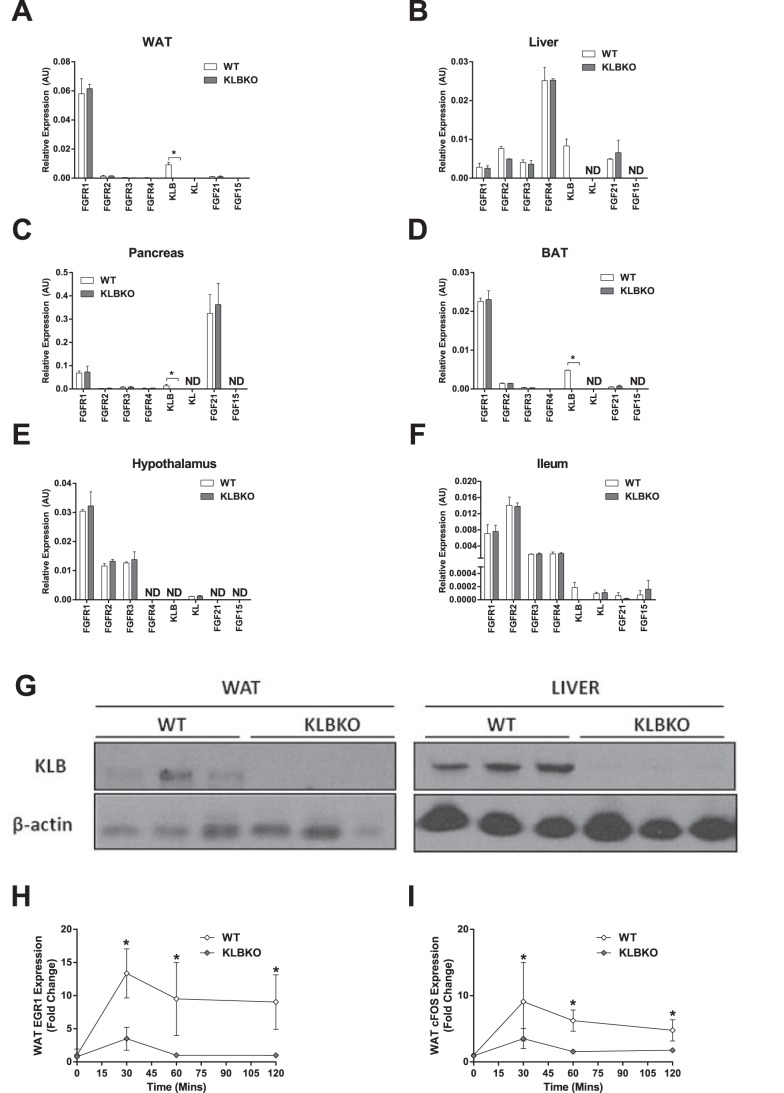
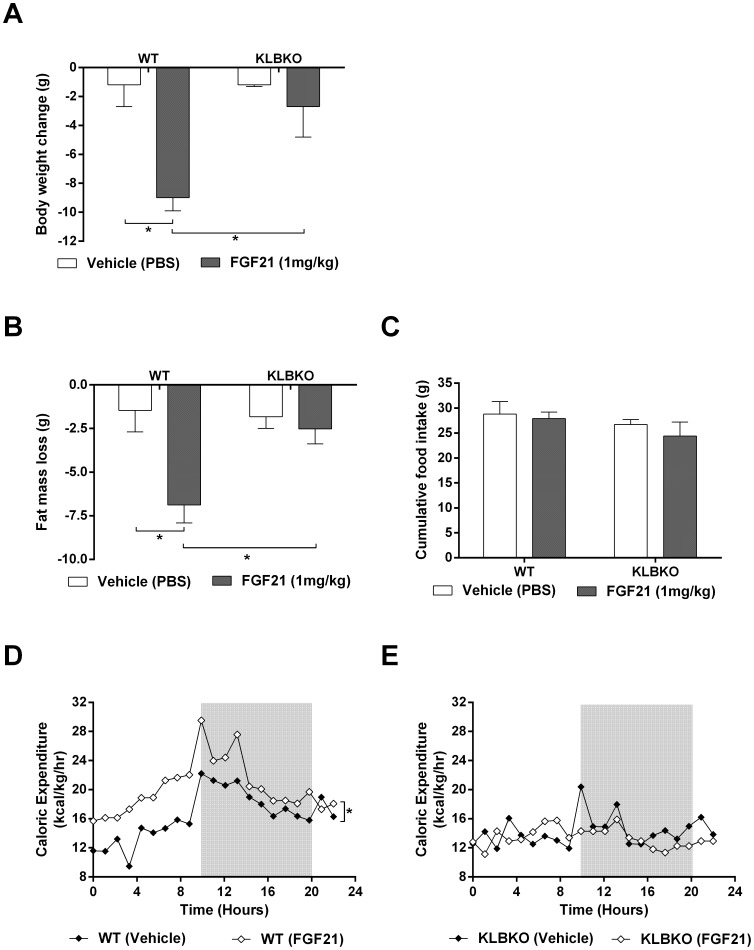
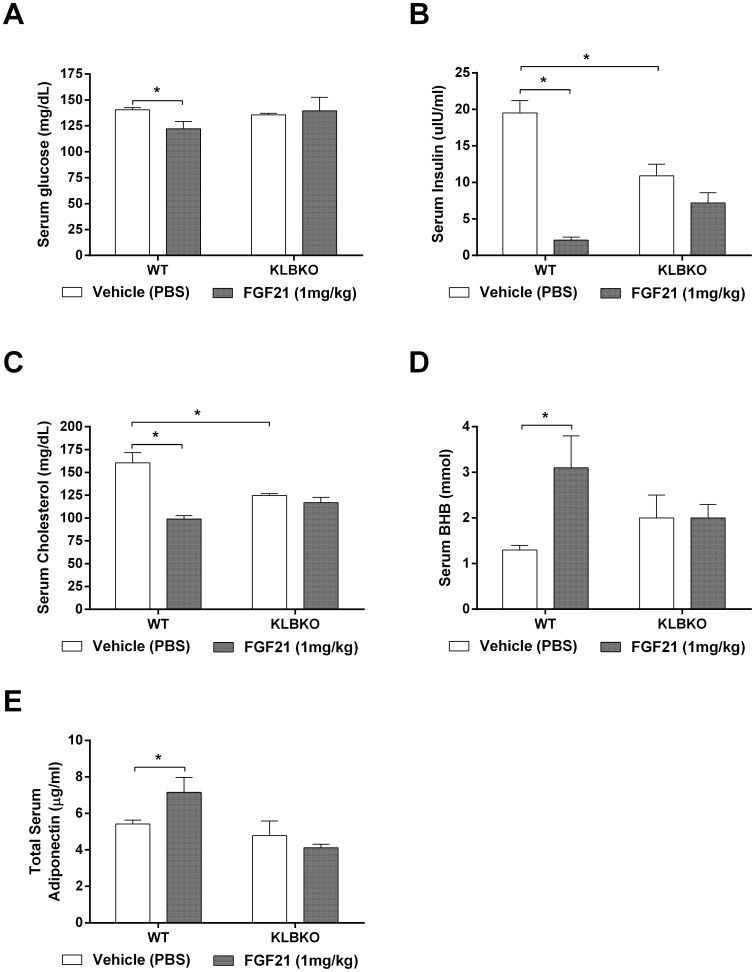
FGF21 has gradually become a focal point in metabolic research given its intriguing and complex biology and relevance to drug discovery. Despite the large amount of accumulated data, there remains a dearth of understanding of FGF21 physiology at the molecular/whole organism level. The scaffold protein βklotho (KLB) has previously been demonstrated in vitro to function as a co-factor permitting FGF21 mediated FGF receptor activation. However, the requirement for KLB in the propagation of FGF21 action in living animals has yet to be evaluated. To answer this question, we tested FGF21 in mice with total body ablation of KLB (KLBKO) and found no detectable activity. Firstly, we demonstrate that the disruption of KLB entirely abrogates acute FGF21 signaling in adipose tissue. We go on to show that this signaling defect translates to the absence of FGF21 mediated metabolic improvements in DIO mice. Indeed, KLBKO mice are totally refractory to FGF21-induced normalization of glucose homeostasis, attenuation of dyslipidemia, elevation of energy expenditure and weight loss. The lack of FGF21-driven effects was further substantiated at the transcriptional level with no FGF21 target gene signature detectable in adipose tissue and liver of KLBKO animals. Taken together our data show that KLB is a vital component of the FGF21 in vivo signaling machinery and is critically required for FGF21 action at the whole organism level.
Overview
The claims and statistics of this paper haven’t been checked yet.
Run the check — free, no account needed. It reads the open-access text and checks the sources it cites.
Integrity signals
Registry
Cites
Statistics
Figures
Verification
Claims the paper makes
The claims and statistics of this paper haven’t been checked yet.
Run the check — free, no account needed. It reads the open-access text and checks the sources it cites.
Claims other papers make about this one
Each is checked against this paper’s own text: does it say what the citing paper says it does?
In the citing paper
“loss of KLB abolishes all effects of FGF21 in vitro and in vivo46,53–56.”
From Metabolic messengers: FGF21 (2021) · cites this paper as [55]
In the citing paper
“FGF21 functions in target tissues that express the traditional FGF receptor FGFR1c and the obligate coreceptor β-klotho (2, 27, 71, 99, 124, 140).”
From Fibroblast Growth Factor 21: A Versatile Regulator of Metabolic Homeostasis (2018) · cites this paper as [2]
Self-check
Percentages, sums and reported differences re-computed from the paper’s own numbers.
The self-check needs the paper’s full text.
Citations
Cites
Mutation of the mouse klotho gene leads to a syndrome resembling ageing
Kuro-o, M., Matsumura, Y., Aizawa, H., Kawaguchi, H., Suga, T., Utsugi, T., Ohyama, Y., Kurabayashi, M., Kaname, T., Kume, E., et al. (1997) · Nature · doi:10.1038/36285 · Cited by 3,837
FGF-21 as a novel metabolic regulator
Kharitonenkov, A., Shiyanova, T. L., Koester, A., Ford, A. M., Micanovic, R., Galbreath, E. J., Sandusky, G. E., Hammond, L. J., Moyers, J. S., Owens, R. A., et al. (2005) · Journal of Clinical Investigation · doi:10.1172/jci23606 · Cited by 2,125
Self-citationReceptor Specificity of the Fibroblast Growth Factor Family
Ornitz, D. M., Xu, J., Colvin, J. S., McEwen, D. G., MacArthur, C. A., Coulier, F., Gao, G., & Goldfarb, M. (1996) · Journal of Biological Chemistry · doi:10.1074/jbc.271.25.15292 · Cited by 1,871
Badman, M. K., Pissios, P., Kennedy, A. R., Koukos, G., Flier, J. S., & Maratos-Flier, E. (2007) · Cell Metabolism · doi:10.1016/j.cmet.2007.05.002 · Cited by 1,495
FGF21 regulates PGC-1α and browning of white adipose tissues in adaptive thermogenesis
Fisher, F. M., Kleiner, S., Douris, N., Fox, E. C., Mepani, R. J., Verdeguer, F., Wu, J., Kharitonenkov, A., Flier, J. S., Maratos-Flier, E., et al. (2012) · Genes & Development · doi:10.1101/gad.177857.111 · Cited by 1,478 · cited 2×
“Of note, the metabolic effects of FGF21 in WT mice were largely reflected at the transcriptional level with significant induction of ‘‘browning’’ related genes in WAT such as UCP1 and PGC1a (Table 1), a phenomenon which has recently become synonymous with the mode of action of FGF21 in vivo [19,26,32,33].”
BackgroundSelf-citationReceptor Specificity of the Fibroblast Growth Factor Family
Zhang, X., Ibrahimi, O. A., Olsen, S. K., Umemori, H., Mohammadi, M., & Ornitz, D. M. (2006) · Journal of Biological Chemistry · doi:10.1074/jbc.m601252200 · Cited by 1,164
Fibroblast Growth Factor 21 Corrects Obesity in Mice
Coskun, T., Bina, H. A., Schneider, M. A., Dunbar, J. D., Hu, C. C., Chen, Y., Moller, D. E., & Kharitonenkov, A. (2008) · Endocrinology · doi:10.1210/en.2008-0816 · Cited by 1,031
Self-citationKurosu, H., Choi, M., Ogawa, Y., Dickson, A. S., Goetz, R., Eliseenkova, A. V., Mohammadi, M., Rosenblatt, K. P., Kliewer, S. A., & Kuro-o, M. (2007) · Journal of Biological Chemistry · doi:10.1074/jbc.m704165200 · Cited by 748
The metabolic state of diabetic monkeys is regulated by fibroblast growth factor-21
Kharitonenkov, A., Wroblewski, V. J., Koester, A., Chen, Y.-F., Clutinger, C. K., Tigno, X. T., Hansen, B. C., Shanafelt, A. B., & Etgen, G. J. (2007) · Endocrinology · doi:10.1210/en.2006-1168 · Cited by 738
Self-citationThermogenic Activation Induces FGF21 Expression and Release in Brown Adipose Tissue
Hondares, E., Iglesias, R., Giralt, A., Gonzalez, F. J., Giralt, M., Mampel, T., & Villarroya, F. (2011) · Journal of Biological Chemistry · doi:10.1074/jbc.m110.215889 · Cited by 623
Research works printed but not linked: 2
- Holland WL, Adams AC, Bauer S, Brozinick J, Kharitonenkov A, <etal>et al</etal>. (2012) Adiponectin is Critical for Acute Insulin Sensitizing Effects of FGF-21. International Symposium on Adiponectin Biology and Medicine. Tomakomai, Japan: Nature Publishing Group.
- AC Adams, 2012, Fundamentals of FGF19 & FGF21 action in vitro and in vivo, PLoS One, 7, e38438, 10.1371/journal.pone.0038438 · DOI · Paper page
Cited by
Sorted by citations
Understanding the Physiology of FGF21
Fisher, F. M., & Maratos-Flier, E. (2016) · Annual Review of Physiology · doi:10.1146/annurev-physiol-021115-105339 · Cited by 912
The effects of LY2405319, an FGF21 analog, in obese human subjects with type 2 diabetes
Gaich, G., Chien, J. Y., Fu, H., Glass, L. C., Deeg, M. A., Holland, W. L., Kharitonenkov, A., Bumol, T., Schilske, H. K., & Moller, D. E. (2013) · Cell Metabolism · doi:10.1016/j.cmet.2013.08.005 · Cited by 885
Self-citationThe therapeutic potential of FGF21 in metabolic diseases: from bench to clinic
Geng, L., Lam, K. S. L., & Xu, A. (2020) · Nature Reviews Endocrinology · doi:10.1038/s41574-020-0386-0 · Cited by 607
An FGF21-Adiponectin-Ceramide Axis Controls Energy Expenditure and Insulin Action in Mice
Holland, W., Adams, A., Brozinick, J., Bui, H., Miyauchi, Y., Kusminski, C., Bauer, S., Wade, M., Singhal, E., Cheng, C. C., et al. (2013) · Cell Metabolism · doi:10.1016/j.cmet.2013.03.019 · Cited by 525
Self-citationTherapeutic potential of the endocrine fibroblast growth factors FGF19, FGF21 and FGF23
Degirolamo, C., Sabbà, C., & Moschetta, A. (2016) · Nature Reviews Drug Discovery · doi:10.1038/nrd.2015.9 · Cited by 424
FGF21 mediates endocrine control of simple sugar intake and sweet taste preference by the liver
von Holstein-Rathlou, S., BonDurant, L. D., Peltekian, L., Naber, M. C., Yin, T. C., Claflin, K. E., Urizar, A. I., Madsen, A. N., Ratner, C., Holst, B., et al. (2016) · Cell Metabolism · doi:10.1016/j.cmet.2015.12.003 · Cited by 347
Flippo, K. H., & Potthoff, M. J. (2021) · Nature Metabolism · doi:10.1038/s42255-021-00354-2 · Cited by 311
Tissue-specific actions of the metabolic hormones FGF15/19 and FGF21
Owen, B. M., Mangelsdorf, D. J., & Kliewer, S. A. (2015) · Trends in Endocrinology & Metabolism · doi:10.1016/j.tem.2014.10.002 · Cited by 286
Fibroblast Growth Factor 21—Metabolic Role in Mice and Men
Staiger, H., Keuper, M., Berti, L., Hrabě de Angelis, M., & Häring, H.-U. (2017) · Endocrine Reviews · doi:10.1210/er.2017-00016 · Cited by 270
Lin, Z., Pan, X., Wu, F., Ye, D., Zhang, Y., Wang, Y., Jin, L., Lian, Q., Huang, Y., Ding, H., et al. (2015) · Circulation · doi:10.1161/circulationaha.115.015308 · Cited by 271
Bile acids and their receptors in metabolic disorders
Fiorucci, S., Distrutti, E., Carino, A., Zampella, A., & Biagioli, M. (2021) · Progress in Lipid Research · doi:10.1016/j.plipres.2021.101094 · Cited by 264
Interplay between FGF21 and insulin action in the liver regulates metabolism
Emanuelli, B., Vienberg, S. G., Smyth, G., Cheng, C., Stanford, K. I., Arumugam, M., Michael, M. D., Adams, A. C., Kharitonenkov, A., & Kahn, C. R. (2014) · Journal of Clinical Investigation · doi:10.1172/jci67353 · Cited by 251
Self-citationCellular Mechanisms by Which FGF21 Improves Insulin Sensitivity in Male Mice
Camporez, J. P., Jornayvaz, F. R., Petersen, M. C., Pesta, D. H., Guigni, B. A., Serr, J., Zhang, D., Kahn, M., Samuel, V. T., Jurczak, M. J., et al. (2013) · Endocrinology · doi:10.1210/en.2013-1191 · Cited by 232
Fibroblast Growth Factor 21: A Versatile Regulator of Metabolic Homeostasis
BonDurant, L. D., & Potthoff, M. J. (2018) · Annual Review of Nutrition · doi:10.1146/annurev-nutr-071816-064800 · Cited by 222
Adipose tissue plasticity from WAT to BAT and in between
Lee, Y., Mottillo, E. P., & Granneman, J. G. (2013) · Biochimica et Biophysica Acta (BBA) - Molecular Basis of Disease · doi:10.1016/j.bbadis.2013.05.011 · Cited by 236
Central Fibroblast Growth Factor 21 Browns White Fat via Sympathetic Action in Male Mice
Douris, N., Stevanovic, D. M., Fisher, F. M., Cisu, T. I., Chee, M. J., Nguyen, N. L., Zarebidaki, E., Adams, A. C., Kharitonenkov, A., Flier, J. S., et al. (2015) · Endocrinology · doi:10.1210/en.2014-2001 · Cited by 215
Self-citationInventing new medicines: The FGF21 story
Kharitonenkov, A., & Adams, A. C. (2014) · Molecular Metabolism · doi:10.1016/j.molmet.2013.12.003 · Cited by 198
Self-citationEndocrine Protection of Ischemic Myocardium by FGF21 from the Liver and Adipose Tissue
Liu, S. Q., Roberts, D., Kharitonenkov, A., Zhang, B., Hanson, S., Li, Y. C., Zhang, L., & Wu, Y. (2013) · Scientific Reports · doi:10.1038/srep02767 · Cited by 179
Self-citationGong, Q., Hu, Z., Zhang, F., Cui, A., Chen, X., Jiang, H., Gao, J., Chen, X., Han, Y., Liang, Q., et al. (2016) · Hepatology · doi:10.1002/hep.28523 · Cited by 171
LY2405319, an engineered FGF21 variant, improves the metabolic status of diabetic monkeys
Adams, A. C., Halstead, C. A., Hansen, B. C., Irizarry, A. R., Martin, J. A., Myers, S. R., Reynolds, V. L., Smith, H. W., Wroblewski, V. J., & Kharitonenkov, A. (2013) · PLoS ONE · doi:10.1371/journal.pone.0065763 · Cited by 169
Self-citationRational Design of a Fibroblast Growth Factor 21-Based Clinical Candidate, LY2405319
Kharitonenkov, A., Beals, J. M., Micanovic, R., Strifler, B. A., Rathnachalam, R., Wroblewski, V. J., Li, S., Köester, A., Ford, A. M., Coşkun, T., et al. (2013) · PLoS ONE · doi:10.1371/journal.pone.0058575 · Cited by 168
Self-citationGoing Back to the Biology of FGF21: New Insights
Lewis, J. E., Ebling, F. J. P., Samms, R. J., & Tsintzas, K. (2019) · Trends in Endocrinology and Metabolism · doi:10.1016/j.tem.2019.05.007 · Cited by 170
Jensen-Cody, S. O., Flippo, K. H., Claflin, K. E., Yavuz, Y., Sapouckey, S. A., Walters, G. C., Usachev, Y. M., Atasoy, D., Gillum, M. P., & Potthoff, M. J. (2020) · Cell Metabolism · doi:10.1016/j.cmet.2020.06.008 · Cited by 166
Pan, X., Shao, Y., Wu, F., Wang, Y., Xiong, R., Zheng, J., Tian, H., Wang, B., Wang, Y., Zhang, Y., et al. (2018) · Cell Metabolism · doi:10.1016/j.cmet.2018.04.002 · Cited by 163
FGF21-based pharmacotherapy – potential utility for metabolic disorders
Gimeno, R. E., & Moller, D. E. (2014) · Trends in Endocrinology & Metabolism · doi:10.1016/j.tem.2014.03.001 · Cited by 163
Cellular Stresses and Stress Responses in the Pathogenesis of Insulin Resistance
Onyango, A. N. (2018) · Oxidative Medicine and Cellular Longevity · doi:10.1155/2018/4321714 · Cited by 168
Discrete Aspects of FGF21 In Vivo Pharmacology Do Not Require UCP1
Samms, R. J., Smith, D. P., Cheng, C. C., Antonellis, P. P., Perfield, J. W., Kharitonenkov, A., Gimeno, R. E., & Adams, A. C. (2015) · Cell Reports · doi:10.1016/j.celrep.2015.04.046 · Cited by 154
Self-citationStructural basis for FGF hormone signalling
Chen, L., Fu, L., Sun, J., Huang, Z., Fang, M., Zinkle, A., Liu, X., Lu, J., Pan, Z., Wang, Y., et al. (2023) · Nature · doi:10.1038/s41586-023-06155-9 · Cited by 147
Wang, L., Ishihara, T., Ibayashi, Y., Tatsushima, K., Setoyama, D., Hanada, Y., Takeichi, Y., Sakamoto, S., Yokota, S., Mihara, K., et al. (2015) · Diabetologia · doi:10.1007/s00125-015-3704-7 · Cited by 138
Fibroblast Growth Factor Signaling in Metabolic Regulation
Nies, V. J. M., Sancar, G., Liu, W., van Zutphen, T., Struik, D., Yu, R. T., Atkins, A. R., Evans, R. M., Jonker, J. W., & Downes, M. (2016) · Frontiers in Endocrinology · doi:10.3389/fendo.2015.00193 · Cited by 137
Regulation of myokine expression: Role of exercise and cellular stress
Ost, M., Coleman, V., Kasch, J., & Klaus, S. (2016) · Free Radical Biology and Medicine · doi:10.1016/j.freeradbiomed.2016.02.018 · Cited by 135
Stress-induced FGF21 and GDF15 in obesity and obesity resistance
Keipert, S., & Ost, M. (2021) · Trends in Endocrinology and Metabolism · doi:10.1016/j.tem.2021.08.008 · Cited by 132
The Biological Role of Klotho Protein in the Development of Cardiovascular Diseases
Olejnik, A., Franczak, A., Krzywonos‐Zawadzka, A., Kałużna‐Oleksy, M., & Bil‐Lula, I. (2018) · BioMed Research International · doi:10.1155/2018/5171945 · Cited by 136
Sa‐nguanmoo, P., Tanajak, P., Kerdphoo, S., Satjaritanun, P., Wang, X., Liang, G., Li, X., Jiang, C., Pratchayasakul, W., Chattipakorn, N., et al. (2016) · Hormones and Behavior · doi:10.1016/j.yhbeh.2016.08.006 · Cited by 122
Assini, J. M., Mulvihill, E. E., Burke, A. C., Sutherland, B. G., Telford, D. E., Chhoker, S. S., Sawyez, C. G., Drangova, M., Adams, A. C., Kharitonenkov, A., et al. (2015) · Endocrinology · doi:10.1210/en.2014-2003 · Cited by 119
Self-citationFibroblast Growth Factor Receptor Functions in Glioblastoma
Jimenez‐Pascual, A., & Siebzehnrübl, F. A. (2019) · Cells · doi:10.3390/cells8070715 · Cited by 117
FGF21 suppresses alcohol consumption through an amygdalo-striatal circuit
Flippo, K. H., Trammell, S. A. J., Gillum, M. P., Aklan, İ., Perez, M. B., Yavuz, Y., Smith, N. K., Jensen-Cody, S. O., Zhou, B., Claflin, K. E., et al. (2022) · Cell Metabolism · doi:10.1016/j.cmet.2021.12.024 · Cited by 119
FGF21 Revolutions: Recent Advances Illuminating FGF21 Biology and Medicinal Properties
Kharitonenkov, A., & DiMarchi, R. D. (2015) · Trends in Endocrinology and Metabolism · doi:10.1016/j.tem.2015.09.007 · Cited by 114
Self-citationFGF21-receptor agonists: an emerging therapeutic class for obesity-related diseases
Sonoda, J., Chen, M. Z., & Baruch, A. (2017) · Hormone Molecular Biology and Clinical Investigation · doi:10.1515/hmbci-2017-0002 · Cited by 110
Alisi, A., Ceccarelli, S., Panera, N., Prono, F., Petrini, S., Stefanis, C. D., Pezzullo, M., Tozzi, A. E., Villani, A., Bedogni, G., et al. (2013) · PLoS ONE · doi:10.1371/journal.pone.0067160 · Cited by 105
Metabolic fibroblast growth factors (FGFs): Mediators of energy homeostasis
Markan, K. R., & Potthoff, M. J. (2016) · Seminars in Cell & Developmental Biology · doi:10.1016/j.semcdb.2015.09.021 · Cited by 103
The FGF21–adiponectin axis in controlling energy and vascular homeostasis
Hui, X. H., Feng, T., Liu, Q., Gao, Y., & Xu, A. (2016) · Journal of Molecular Cell Biology · doi:10.1093/jmcb/mjw013 · Cited by 103
Peripherally derived FGF21 promotes remyelination in the central nervous system
Kuroda, M., Muramatsu, R., Maedera, N., Koyama, Y., Hamaguchi, M., Fujimura, H., Yoshida, M., Konishi, M., Itoh, N., Mochizuki, H., et al. (2017) · Journal of Clinical Investigation · doi:10.1172/jci94337 · Cited by 101
Fibroblast growth factor 21 night watch: advances and uncertainties in the field
Kharitonenkov, A., & DiMarchi, R. D. (2016) · Journal of Internal Medicine · doi:10.1111/joim.12580 · Cited by 97
Self-citationSøberg, S., Andersen, E. S., Dalsgaard, N. B., Jarlhelt, I., Hansen, N. L., Hoffmann, N., Vilsbøll, T., Chenchar, A., Jensen, M., Grevengoed, T. J., et al. (2018) · Molecular Metabolism · doi:10.1016/j.molmet.2018.03.010 · Cited by 94
Ye, L., Wang, X. B., Cai, C., Zeng, S., Bai, J., Guo, K., Fang, M., HU, J. L., Liu, H., Zhu, L., et al. (2019) · Experimental Neurology · doi:10.1016/j.expneurol.2019.02.013 · Cited by 93
FGF21 in obesity and cancer: New insights
Lu, W., Li, X., & Luo, Y. (2020) · Cancer Letters · doi:10.1016/j.canlet.2020.11.026 · Cited by 93
Fibroblast Growth Factor 21 and the Adaptive Response to Nutritional Challenges
Martínez‐Garza, Ú., Torres‐Oteros, D., Yarritu, A., Marrero, P. F., Haro, D., & Relat, J. (2019) · International Journal of Molecular Sciences · doi:10.3390/ijms20194692 · Cited by 88
FGF19 and FGF21: In NASH we trust
Talukdar, S., & Kharitonenkov, A. (2020) · Molecular Metabolism · doi:10.1016/j.molmet.2020.101152 · Cited by 82
Self-citationCirculating FGF21 Levels in Human Health and Metabolic Disease
Keuper, M., Häring, H., & Staiger, H. (2019) · Experimental and Clinical Endocrinology & Diabetes · doi:10.1055/a-0879-2968 · Cited by 83
Jackson, T. C., & Kochanek, P. M. (2019) · Therapeutic Hypothermia and Temperature Management · doi:10.1089/ther.2019.0001 · Cited by 77
Cross-Talk between Fibroblast Growth Factor Receptors and Other Cell Surface Proteins
Latko, M., Czyrek, A. A., Porębska, N., Kucińska, M. K., Otlewski, J., Zakrzewska, M., & Opaliński, Ł. (2019) · Cells · doi:10.3390/cells8050455 · Cited by 76
FGF21 reverses MASH through coordinated actions on the CNS and liver
Rose, J. P., Morgan, D. A., Sullivan, A. I., Fu, X., Inigo-Vollmer, M., Burgess, S. C., Meyerholz, D. K., Rahmouni, K., & Potthoff, M. J. (2025) · Cell Metabolism · doi:10.1016/j.cmet.2025.04.014 · Cited by 75
Fibroblast growth factor 21 is not required for the antidiabetic actions of the thiazoladinediones
Adams, A. C., Coşkun, T., Cheng, C., O’Farrell, L. S., DuBois, S. L., & Kharitonenkov, A. (2013) · Molecular Metabolism · doi:10.1016/j.molmet.2013.05.005 · Cited by 75
Self-citationFibroblast growth factor 21, the endocrine FGF pathway and novel treatments for metabolic syndrome
Zhang, J., & Li, Y. (2013) · Drug Discovery Today · doi:10.1016/j.drudis.2013.10.021 · Cited by 73
Samms, R. J., Cheng, C. C., Kharitonenkov, A., Gimeno, R. E., & Adams, A. C. (2016) · Endocrinology · doi:10.1210/en.2015-1722 · Cited by 76
Self-citationPotential roles of fibroblast growth factor 21 in the brain
Sa‐nguanmoo, P., Chattipakorn, N., & Chattipakorn, S. C. (2016) · Metabolic Brain Disease · doi:10.1007/s11011-015-9789-3 · Cited by 70
The FGF21 Receptor Signaling Complex
Kilkenny, D. M., & Rocheleau, J. V. (2016) · Vitamins and hormones · doi:10.1016/bs.vh.2016.02.008 · Cited by 68
Pan, Y., Wang, B., Zheng, J., Xiong, R., Fan, Z., Ye, Y., Zhang, S., Li, Q., Gong, F., Wu, C., et al. (2018) · Journal of Cellular and Molecular Medicine · doi:10.1111/jcmm.14007 · Cited by 67
FGF21 Is an Insulin-Dependent Postprandial Hormone in Adult Humans
Samms, R. J., Lewis, J. E., Norton, L., Stephens, F. B., Gaffney, C. J., Butterfield, T., Smith, D. P., Cheng, C. C., Perfield, J. W., Adams, A. C., et al. (2017) · The Journal of Clinical Endocrinology & Metabolism · doi:10.1210/jc.2017-01257 · Cited by 65
Self-citationFGF21 as a mediator of adaptive responses to stress and metabolic benefits of anti-diabetic drugs
Kim, K. H., & Lee, M. (2015) · Journal of Endocrinology · doi:10.1530/joe-15-0160 · Cited by 66
Biological and pharmacological functions of the FGF19- and FGF21-coreceptor beta klotho
Aaldijk, A. S., Verzijl, C. R. C., Jonker, J. W., & Struik, D. (2023) · Frontiers in Endocrinology · doi:10.3389/fendo.2023.1150222 · Cited by 63
Cardiac actions of fibroblast growth factor 23
Faul, C. (2016) · Bone · doi:10.1016/j.bone.2016.10.001 · Cited by 64
Metabolic role of fibroblast growth factor 21 in liver, adipose and nervous system tissues
Lin, X., Liu, Y. B., & Hu, H. (2017) · Biomedical Reports · doi:10.3892/br.2017.890 · Cited by 61
Struik, D., Dommerholt, M. B., & Jonker, J. W. (2019) · Current Opinion in Lipidology · doi:10.1097/mol.0000000000000599 · Cited by 61
FGF21 Can Be Mimicked In Vitro and In Vivo by a Novel Anti-FGFR1c/β-Klotho Bispecific Protein
Smith, R. J., Duguay, A. N., Bakker, A., Li, P., Weiszmann, J., Thomas, M. R., Alba, B. M., Wu, X., Gupte, J., Li, Y., et al. (2013) · PLoS ONE · doi:10.1371/journal.pone.0061432 · Cited by 59
Liu, J., Foo, J. P., Liu, S., & Lim, S. C. (2015) · Diabetes Research and Clinical Practice · doi:10.1016/j.diabres.2015.02.032 · Cited by 58
Mottillo, E. P., Desjardins, E. M., Fritzen, A. M., Zou, V. Z., Crane, J. D., Yabut, J. M., Kiens, B., Erion, D. M., Lanba, A., Granneman, J. G., et al. (2017) · Molecular Metabolism · doi:10.1016/j.molmet.2017.04.001 · Cited by 57
Somm, E., Henry, H., Bruce, S. J., Aeby, S., Rosikiewicz, M., Sykiotis, G. P., Asrih, M., Jornayvaz, F. R., Denechaud, P., Albrecht, U., et al. (2017) · JCI Insight · doi:10.1172/jci.insight.91809 · Cited by 58
The potential therapeutic effect of statins in multiple sclerosis: beneficial or detrimental effects
Al-Kuraishy, H. M., Al-Gareeb, A. I., Saad, . M., & Batiha, G. E. (2023) · Inflammopharmacology · doi:10.1007/s10787-023-01240-x · Cited by 54
Fibroblast growth factor 21 in chronic kidney disease
Suassuna, P. G. D. A., de Paula, R. B., Sanders‐Pinheiro, H., Moe, O. W., & Hu, M. C. (2018) · Journal of Nephrology · doi:10.1007/s40620-018-0550-y · Cited by 57
FGF21 protects against HFpEF by improving cardiac mitochondrial bioenergetics in mice
Zhang, K., Gan, J., Wang, B., Lei, W., Dong, Z., Yang, J., Wang, N., Wen, C., Gao, X., Li, X., et al. (2025) · Nature Communications · doi:10.1038/s41467-025-56885-9 · Cited by 57
Gliniak, C. M., Gordillo, R., Youm, Y., Lin, Q., Crewe, C., Zhang, Z., Field, B. C., Fujikawa, T., Virostek, M., Zhao, S., et al. (2025) · Cell Metabolism · doi:10.1016/j.cmet.2025.05.011 · Cited by 53
Peng, X., Gennemark, P., O’Mahony, G., & Bartesaghi, S. (2015) · Frontiers in Endocrinology · doi:10.3389/fendo.2015.00174 · Cited by 49
Regulation of Energy Metabolism by Receptor Tyrosine Kinase Ligands
Zhao, M., Jung, Y., Jiang, Z., & Svensson, K. J. (2020) · Frontiers in Physiology · doi:10.3389/fphys.2020.00354 · Cited by 55
Multi-organ FGF21-FGFR1 signaling in metabolic health and disease
Kaur, N., Gare, S. R., Shen, J., Raja, R., Fonseka, O., & Liu, W. (2022) · Frontiers in Cardiovascular Medicine · doi:10.3389/fcvm.2022.962561 · Cited by 49
Flippo, K. H., Jensen-Cody, S. O., Claflin, K. E., & Potthoff, M. J. (2020) · Scientific Reports · doi:10.1038/s41598-020-76593-2 · Cited by 49
The Origins, Evolution, and Future of Dietary Methionine Restriction
Fang, H., Stone, K. P., Wanders, D., Forney, L. A., & Gettys, T. W. (2022) · Annual Review of Nutrition · doi:10.1146/annurev-nutr-062320-111849 · Cited by 47
Le, T. D. V., Fathi, P. A., Watters, A. B., Ellis, B. J., Besing, G.-L. K., Bozadjieva-Kramer, N., Perez, M. B., Sullivan, A. I., Rose, J. P., Baggio, L. L., et al. (2023) · Molecular Metabolism · doi:10.1016/j.molmet.2023.101718 · Cited by 49
Hepatic FGF21 preserves thermoregulation and cardiovascular function during bacterial inflammation
Huen, S. C., Wang, A., Feola, K. C., Desrouleaux, R., Luan, H. H., Hogg, R. T., Zhang, C., Zhang, Q.-J., Liu, Z., & Medzhitov, R. M. (2021) · The Journal of Experimental Medicine · doi:10.1084/jem.20202151 · Cited by 46
Central FGF21 production regulates memory but not peripheral metabolism
Zhou, B., Claflin, K. E., Flippo, K. H., Sullivan, A. I., Asghari, A., Tadinada, S. M., Jensen-Cody, S. O., Abel, T. G., & Potthoff, M. J. (2022) · Cell Reports · doi:10.1016/j.celrep.2022.111239 · Cited by 43
Zhang, J., & Li, Y. (2015) · Seminars in Cell and Developmental Biology · doi:10.1016/j.semcdb.2015.09.007 · Cited by 44
Implications of Fibroblast growth factor/Klotho system in glucose metabolism and diabetes
Donate‐Correa, J., Martín‐Núñez, E., Pérez‐Delgado, N., de Fuentes, M. M., Ortíz, A., Fernández, C. M., & Navarro‐González, J. F. (2015) · Cytokine & Growth Factor Reviews · doi:10.1016/j.cytogfr.2015.12.003 · Cited by 44
Molecular elements in FGF19 and FGF21 defining KLB/FGFR activity and specificity
Agrawal, A., Parlee, S. D., Pérez–Tilve, D., Li, P., Pan, J. H., Mroz, P. A., Hansen, A. M. K., Andersen, B., Finan, B., Kharitonenkov, A., et al. (2018) · Molecular Metabolism · doi:10.1016/j.molmet.2018.05.003 · Cited by 42
Self-citationMcKeown, N. M., Dashti, H. S., Ma, J., Haslam, D. E., Jong, J. C. K., Smith, C. E., Tanaka, T., Graff, M., Lemaître, R. N., Rybin, D. V., et al. (2017) · Diabetologia · doi:10.1007/s00125-017-4475-0 · Cited by 40
Beta-klotho in type 2 diabetes mellitus: From pathophysiology to therapeutic strategies
Hua, S., Liu, Q., Li, J., Fan, M., Yan, K., & Ye, D. (2021) · Reviews in Endocrine and Metabolic Disorders · doi:10.1007/s11154-021-09661-1 · Cited by 39
Claflin, K. E., Sullivan, A. I., Naber, M. C., Flippo, K. H., Morgan, D. A., Neff, T. J., Jensen-Cody, S. O., Zhu, Z., Zingman, L. V., Rahmouni, K., et al. (2022) · Molecular Metabolism · doi:10.1016/j.molmet.2022.101564 · Cited by 37
Patel, S., Haider, A., Álvarez-Guaita, A., Bidault, G., Moustafa, J. S. E.-S., Guiu‐Jurado, E., Tadross, J. A., Warner, J., Harrison, J., Virtue, S., et al. (2022) · Molecular Metabolism · doi:10.1016/j.molmet.2022.101589 · Cited by 42
Camacho, R. C., Zafian, P., Achanfuo-Yeboah, J., Manibusan, A., & Berger, J. P. (2013) · European Journal of Pharmacology · doi:10.1016/j.ejphar.2013.06.023 · Cited by 38
Lee, D. V., Li, D., Yan, Q., Zhu, Y., Goodwin, B. J., Calle, R. A., Brenner, M. B., & Talukdar, S. (2014) · PLoS ONE · doi:10.1371/journal.pone.0111767 · Cited by 38
Wang, N., Zhao, T., Li, S., Sun, X., Li, Z., Li, Y., Li, D., & Wang, W. (2019) · Obesity · doi:10.1002/oby.22376 · Cited by 38
Fève, B., Bastard, C., Fellahi, S., Bastard, J., & Capeau, J. (2016) · Annales d Endocrinologie · doi:10.1016/j.ando.2016.01.001 · Cited by 38
Emerging Structure–Function Paradigm of Endocrine FGFs in Metabolic Diseases
Luo, Y., Ye, S., Li, X., & Lu, W. (2019) · Trends in Pharmacological Sciences · doi:10.1016/j.tips.2018.12.002 · Cited by 37
Therapeutic Approaches to Alzheimer’s Type of Dementia: A Focus on FGF21 Mediated Neuroprotection
Taliyan, R., Chandran, S. K., & Kakoty, V. (2019) · Current Pharmaceutical Design · doi:10.2174/1381612825666190716101411 · Cited by 35
Sanchis‐Gomar, F., Pareja-Galeano, H., Santos‐Lozano, A., Garatachea, N., Fiuza‐Luces, C., Venturini, L., Ricevuti, G., Lucía, A., & Emanuele, E. (2015) · AGE · doi:10.1007/s11357-015-9776-y · Cited by 35
The Nuclear Receptor Rev-erbα Regulates Adipose Tissue-specific FGF21 Signaling
Jager, J., Wang, F., Fang, B., Lim, H., Peed, L. C., Steger, D. J., Won, K., Kharitonenkov, A., Adams, A. C., & Lazar, M. A. (2016) · Journal of Biological Chemistry · doi:10.1074/jbc.m116.719120 · Cited by 35
Self-citationGlucagon receptor signaling regulates weight loss via central KLB receptor complexes
Nason, S. R., Antipenko, J., Presedo, N., Cunningham, S. E., Pierre, T. H., Kim, T., Paul, J. R., Holleman, C., Young, M. E., Gamble, K. L., et al. (2021) · JCI Insight · doi:10.1172/jci.insight.141323 · Cited by 34
Self-citationDeletion of iRhom2 protects against diet-induced obesity by increasing thermogenesis
Badenes, M., Amin, A., González‐García, I., Félix, I., Burbridge, E., Cavadas, M. A. S., Ortega, F. J., de Carvalho, É., Faísca, P., Carobbio, S., et al. (2019) · Molecular Metabolism · doi:10.1016/j.molmet.2019.10.006 · Cited by 31
Modulation of energy balance by fibroblast growth factor 21
Ramos, D. C., & Aguilar-Salinas, C. A. (2016) · Hormone Molecular Biology and Clinical Investigation · doi:10.1515/hmbci-2016-0023 · Cited by 36
A systematic dissection of sequence elements determining β-Klotho and FGF interaction and signaling
Shi, S. Y., Lu, Y., Richardson, J., Min, X., Weiszmann, J., Richards, W. G., Wang, Z., Zhang, Z., Zhang, J., & Li, Y. (2018) · Scientific Reports · doi:10.1038/s41598-018-29396-5 · Cited by 31
Metadata
- Authors
- Adams, A. C., Cheng, C. C., Coskun, T., & Kharitonenkov, A.
- Affiliations
- Eli Lilly (United States) (US)
- Corresponding author
- Kharitonenkov, Alexei
- Venue
- PLoS ONE
- Publisher
- Public Library of Science (PLoS)
- Published
- 2012-11-27
- Volume
- 7
- Issue
- 11
- Pages
- e49977
- ISSN
- 1932-6203 (ISSN-L)
- PMC
- PMC3507945
- OpenAlex
- W2086624706
- Cited by
- 181
- References
- 38
- Citations by year
- 2026: 8 · 2025: 9 · 2024: 9 · 2023: 13 · 2022: 14 · 2021: 12 · 2020: 12 · 2019: 21 · 2018: 14 · 2017: 14 · 2016: 18 · 2015: 18 · 2014: 7 · 2013: 12
- FWCI
- 4.75
- Type
- journal article
- Language
- en
- Open access
- gold
- doi.org
- Locations
- PLoS ONE (publishedVersion, cc-by)
- Europe PMC (PubMed Central) (publishedVersion, cc-by)
- PubMed Central (publishedVersion, cc-by)
- PubMed (publishedVersion)
- DOAJ (DOAJ: Directory of Open Access Journals) (submittedVersion, cc-by-sa)
- Topics
- Life Sciences › Biochemistry, Genetics and Molecular Biology › Molecular Biology › Fibroblast Growth Factor Research
- Health Sciences › Medicine › Endocrinology, Diabetes and Metabolism › Adipokines, Inflammation, and Metabolic Diseases
- Health Sciences › Medicine › Nephrology › Parathyroid Disorders and Treatments
- Keywords
- FGF21, β-Klotho, KLB, FGF receptor signaling, adipose tissue, glucose homeostasis, dyslipidemia, energy expenditure, weight loss, diet-induced obesity, metabolic signaling
- MeSH terms
- Klotho Proteins, Animals, Energy Metabolism, Female, Fibroblast Growth Factors, Gene Expression Regulation, Liver, Male, Membrane Proteins, Mice, Knockout, Mice, Adipose Tissue, White
About these checks
Registry, retraction, Cites and statistics results are computed, not judged, with one exception: a printed reference that no index lists is read once by a model before it counts as a citation error. Claims are extracted by a model and kept only when their quote appears verbatim in the text; each cited source is then checked, with a model’s help, for whether it says what the claim relies on. Those verdicts can be wrong — read the claim’s quote and the cited source before relying on one.
Statistics and arithmetic are recomputed, not judged.
Confidence bands are shown only for fields calibrated on our annotated test set. None is calibrated yet, so no band is shown.
What counts as a claim ›How we measure confidence ›How we check this ›
Are you an author, or do you see a problem with this page? Request a review
