

Decreased Functional Brain Connectivity in Adolescents with Internet Addiction
Open accessThe DOI matches its Crossref record; 88 of the 88 references it cites were found in a registry or an index.
Abstract
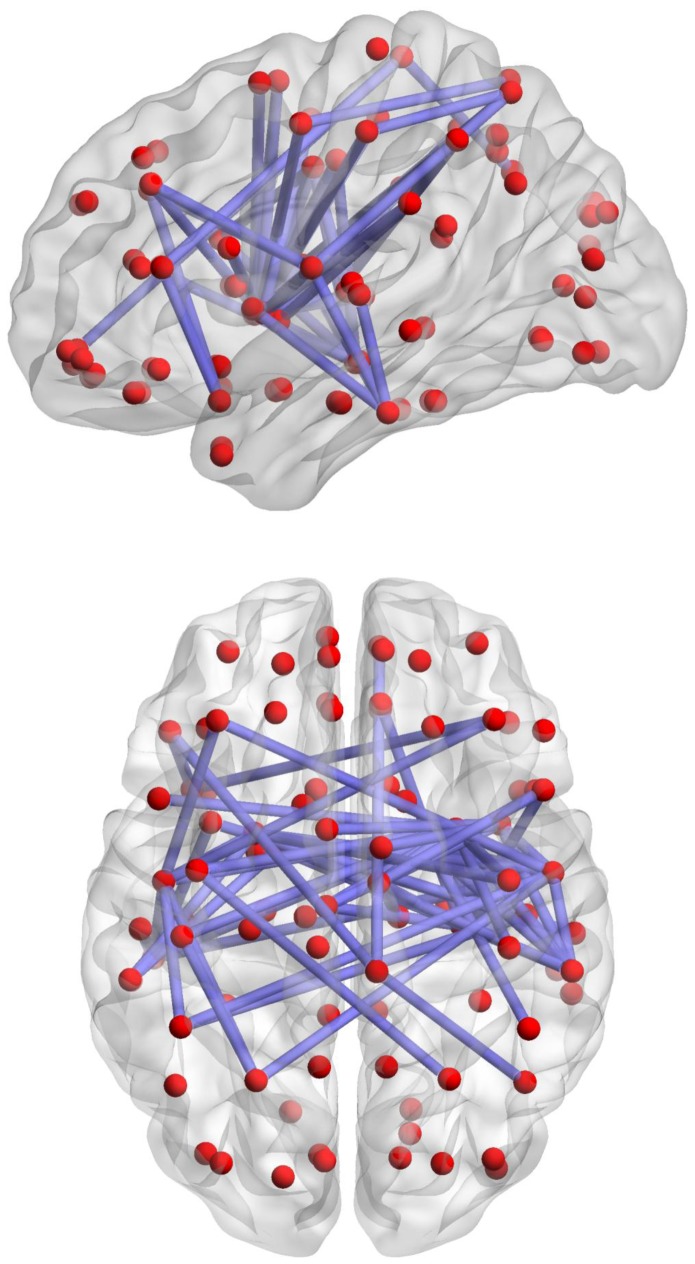
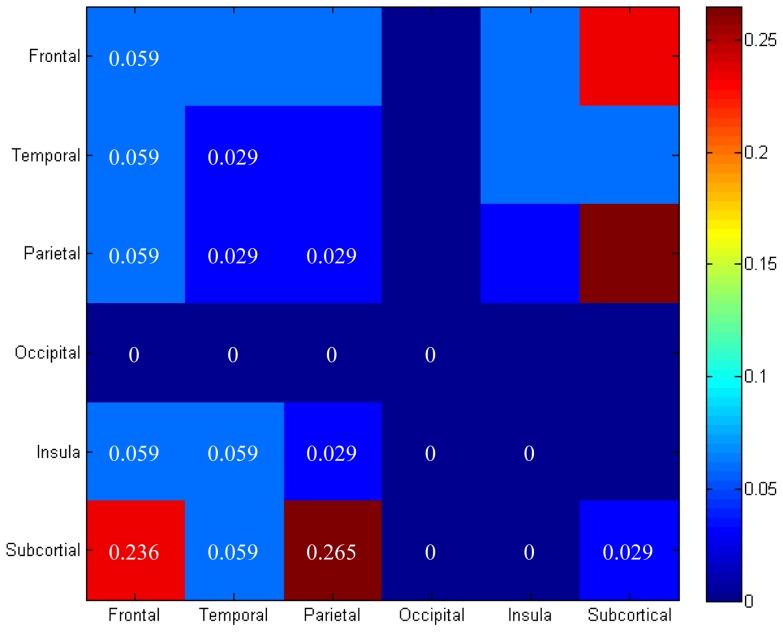
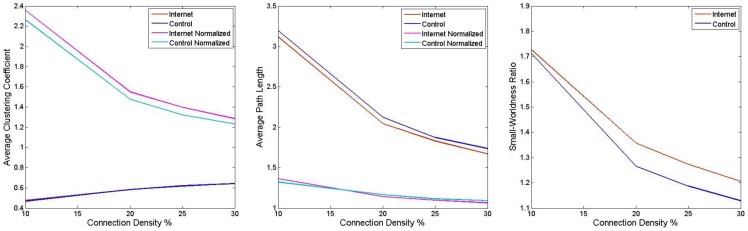
BACKGROUND: Internet addiction has become increasingly recognized as a mental disorder, though its neurobiological basis is unknown. This study used functional neuroimaging to investigate whole-brain functional connectivity in adolescents diagnosed with internet addiction. Based on neurobiological changes seen in other addiction related disorders, it was predicted that connectivity disruptions in adolescents with internet addiction would be most prominent in cortico-striatal circuitry. METHODS: Participants were 12 adolescents diagnosed with internet addiction and 11 healthy comparison subjects. Resting-state functional magnetic resonance images were acquired, and group differences in brain functional connectivity were analyzed using the network-based statistic. We also analyzed network topology, testing for between-group differences in key graph-based network measures. RESULTS: Adolescents with internet addiction showed reduced functional connectivity spanning a distributed network. The majority of impaired connections involved cortico-subcortical circuits (∼24% with prefrontal and ∼27% with parietal cortex). Bilateral putamen was the most extensively involved subcortical brain region. No between-group difference was observed in network topological measures, including the clustering coefficient, characteristic path length, or the small-worldness ratio. CONCLUSIONS: Internet addiction is associated with a widespread and significant decrease of functional connectivity in cortico-striatal circuits, in the absence of global changes in brain functional network topology.
Overview
The claims and statistics of this paper haven’t been checked yet.
Free: it reads the open-access text and checks the first 5 claims that cite a source we can check. Create a free account to check every claim.
Integrity signals
Registry
Cites
Statistics
Figures
Verification
Claims the paper makes
The claims and statistics of this paper haven’t been checked yet.
Free: it reads the open-access text and checks the first 5 claims that cite a source we can check. Create a free account to check every claim.
Claims other papers make about this one
Each is checked against this paper’s own text: does it say what the citing paper says it does?
The cited source says what the claim attributes to it.
In the citing paper
“Based on models of drug, alcohol, and gambling addictions, characteristic traits of internet addiction include fixation with playing online games, repeated failed attempts at cessation, increased negative affect, neglecting significant relationships or activities, and the development of tolerance and withdrawal symptoms [30,35,36].”
Self-check
Percentages, sums and reported differences re-computed from the paper’s own numbers.
The self-check needs the paper’s full text.
Citations
Cites
Tzourio-Mazoyer, N., Landeau, B., Papathanassiou, D., Crivello, F., Etard, O., Delcroix, N., Mazoyer, B., & Joliot, M. (2002) · NeuroImage · doi:10.1006/nimg.2001.0978 · Cited by 16,319 · cited 1×
“Finally, the residuals of this regression were extracted from 90 brain regions (nodes) based on the Automated Anatomical Labeling (AAL) atlas [40], and pair-wise associations were calculated resulting in a 90 by 90 connectivity matrix per each subject.”
MethodComplex brain networks: graph theoretical analysis of structural and functional systems
Bullmore, E., & Sporns, O. (2009) · Nature Reviews Neuroscience · doi:10.1038/nrn2575 · Cited by 11,820 · cited 2×
“We also conducted an analysis of network topological disturbances [28] to assess whether any between-group differences in connectivity strength were further associated with a global reconfiguration of functional interactions [26], as has been reported in many other psychiatric disorders [29,30].”
BackgroundMethodComplex network measures of brain connectivity: Uses and interpretations
Rubinov, M., & Sporns, O. (2010) · NeuroImage · doi:10.1016/j.neuroimage.2009.10.003 · Cited by 11,522
KAUFMAN, J., BIRMAHER, B., BRENT, D., RAO, U., FLYNN, C., MORECI, P., WILLIAMSON, D., & RYAN, N. (1997) · Journal of the American Academy of Child & Adolescent Psychiatry · doi:10.1097/00004583-199707000-00021 · Cited by 10,148 · cited 1×
“The diagnosis of internet addiction was established using the Young Internet Addiction Scale (YIAS), which consists of 20 items, each based on a 5-point Likert scale evaluating the degree of problems caused by internet use [32], and the Kiddie-Schedule for Affective Disorders and SchizophreniaPresent and Lifetime Vers…”
MethodPower, J. D., Barnes, K. A., Snyder, A. Z., Schlaggar, B. L., & Petersen, S. E. (2012) · NeuroImage · doi:10.1016/j.neuroimage.2011.10.018 · Cited by 7,429 · cited 1×
“emerged as an important confound in functional neuroimaging [38,88].”
BackgroundSpontaneous fluctuations in brain activity observed with functional magnetic resonance imaging
Fox, M. D., & Raichle, M. E. (2007) · Nature Reviews Neuroscience · doi:10.1038/nrn2201 · Cited by 6,700 · cited 1×
“Resting-state measures are reliable [19,20], under genetic control [21–23], and thought to index an intrinsic property of brain functional organization [24], subject to certain caveats [25].”
BackgroundNonparametric permutation tests for functional neuroimaging: A primer with examples
Nichols, T. E., & Holmes, A. P. (2002) · Human Brain Mapping · doi:10.1002/hbm.1058 · Cited by 6,256
Thresholding of statistical maps in functional neuroimaging using the false discovery rate
Genovese, C. R., Lazar, N. A., & Nichols, T. (2002) · NeuroImage · doi:10.1006/nimg.2001.1037 · Cited by 4,923 · cited 5×
“The false discovery rate (FDR) [51] was used to correct for multiple comparisons across the family of network densities and regions.”
MethodInfluentialConsistent resting-state networks across healthy subjects
Damoiseaux, J. S., Rombouts, S. A. R. B., Barkhof, F., Scheltens, P., Stam, C. J., Smith, S. M., & Beckmann, C. F. (2006) · Proceedings of the National Academy of Sciences · doi:10.1073/pnas.0601417103 · Cited by 4,326 · cited 1×
“Resting-state measures are reliable [19,20], under genetic control [21–23], and thought to index an intrinsic property of brain functional organization [24], subject to certain caveats [25].”
BackgroundDPARSF: a MATLAB toolbox for “pipeline” data analysis of resting-state fMRI
Yan (2010) · Frontiers in System Neuroscience · doi:10.3389/fnsys.2010.00013 · Cited by 3,475
Cited by
BrainNet Viewer: A Network Visualization Tool for Human Brain Connectomics
Xia, M., Wang, J., & He, Y. (2013) · PLoS ONE · doi:10.1371/journal.pone.0068910 · Cited by 4,106
“Since the BrainNet Viewer was released on the NITRC and SPM websites, many researchers have adopted this toolbox to visualize the characteristics and divergences of brain networks for connectome-based methodological studies [80,81] and under healthy and diseased conditions, such as age [34], gender [34,36], intelligen…”
MethodBrand, M., Young, K. S., Laier, C., Wölfling, K., & Potenza, M. N. (2016) · Neuroscience & Biobehavioral Reviews · doi:10.1016/j.neubiorev.2016.08.033 · Cited by 2,416
“Structural differences in individuals with and without Internetgaming disorder have been reported in both gray and white matter in prefrontal brain areas and additional brain regions, such as limbic structures (e.g., Hong et al., 2013a,b; Wang et al., 2015b; Zhou et al., 2011).”
Brand, M., Young, K. S., & Laier, C. (2014) · Frontiers in Human Neuroscience · doi:10.3389/fnhum.2014.00375 · Cited by 565
Epidemiology of Internet Behaviors and Addiction Among Adolescents in Six Asian Countries
Mak, K.-K., Lai, C.-M., Watanabe, H., Kim, D.-I., Bahar, N., Ramos, M., Young, K. S., Ho, R. C. M., Aum, N.-R., & Cheng, C. (2014) · Cyberpsychology, Behavior, and Social Networking · doi:10.1089/cyber.2014.0139 · Cited by 422
“In addition, clinical evidence of the adverse effect of Internet addictive behavior on brain functions has been reported.(8,9) Various treatments for Internet addiction have been developed and evaluated.”
Internet addiction in adolescence: neurobiological, psychosocial and clinical issues
Cerniglia, L., Zoratto, F., Cimino, S., Laviola, G., Ammaniti, M., & Adriani, W. (2017) · Neuroscience & Biobehavioral Reviews · doi:10.1016/j.neubiorev.2016.12.024 · Cited by 371
Internet addiction: coping styles, expectancies, and treatment implications
Brand, M., Laier, C., & Young, K. S. (2014) · Frontiers in Psychology · doi:10.3389/fpsyg.2014.01256 · Cited by 297
Neuroscience of Internet Pornography Addiction: A Review and Update
Love, T., Laier, C., Brand, M., Hatch, L., & Hajela, R. (2015) · Behavioral Sciences · doi:10.3390/bs5030388 · Cited by 262
“23 structural MRI studies [124,128,131,133,200–218], 6 nuclear imaging (PET/SPECT) studies [117,129,219–222], 15 EEG studies [42,139,141,143,144,146,148,149,150,152–155,223,224], and 7 physiological studies [121,138,225–229].”
New developments in brain research of internet and gaming disorder
Weinstein, A., Livny, A., & Weizman, A. (2017) · Neuroscience & Biobehavioral Reviews · doi:10.1016/j.neubiorev.2017.01.040 · Cited by 257
Kühn, S., & Gallinat, J. (2014) · JAMA Psychiatry · doi:10.1001/jamapsychiatry.2014.93 · Cited by 252
Connectomics: A new paradigm for understanding brain disease
Fornito, A., & Bullmore, E. T. (2015) · European Neuropsychopharmacology · doi:10.1016/j.euroneuro.2014.02.011 · Cited by 239
Self-citationDong, G., Lin, X., Zhou, H., & Lu, Q. (2014) · Addictive Behaviors · doi:10.1016/j.addbeh.2013.11.028 · Cited by 206
“, 2012; Mazhari, 2012; Zhou, Yuan, & Yao, 2012) and decreased functional brain connectivity (Hong et al., 2013; Lin et al., 2012) than healthy controls.”
Dong, G., Lin, X., & Potenza, M. N. (2015) · Progress in Neuro-Psychopharmacology and Biological Psychiatry · doi:10.1016/j.pnpbp.2014.10.012 · Cited by 193
“, found a widespread and decrease of functional connectivity in the cortico-subcortical circuit (∼24% with prefrontal and ∼27% with parietal cortex) in 12 adolescents who were diagnosed with IAD (Hong et al., 2013); Li et al.”
BackgroundHorowitz‐Kraus, T., & Hutton, J. S. (2018) · Acta Paediatrica · doi:10.1111/apa.14176 · Cited by 190
“cortical atrophy (27), lower cortico-striatal functional connectivity (28) and increased cortical thickness in”
BackgroundKo, C.-H. (2014) · Current Addiction Reports · doi:10.1007/s40429-014-0030-y · Cited by 167
Weinstein, A., & Lejoyeux, M. (2015) · The American Journal on Addictions · doi:10.1111/ajad.12110 · Cited by 157
León Méndez, M., Padrón, I., Fumero, A., & Marrero, R. J. (2024) · Neuroscience & Biobehavioral Reviews · doi:10.1016/j.neubiorev.2024.105572 · Cited by 148
“Adolescents with high IA scores have been found to have reduced FC in cortico-subcortical circuits (prefrontal and parietal) (Hong et al., 2013), in the right fronto-parietal circuit, mPFC and anterior DMN connectivity compared to controls.”
BackgroundResultInternet addiction disorder and youth
Wallace, P. E. (2014) · EMBO Reports · doi:10.1002/embr.201338222 · Cited by 176
“Findings from functional magnetic resonance imaging suggest that adolescents with Internet addiction have decreased brain functional connectivity [8].”
Jin, C., Zhang, T., Cai, C., Bi, Y., Li, Y., Yu, D., Zhang, M., & Yuan, K. (2015) · Brain Imaging and Behavior · doi:10.1007/s11682-015-9439-8 · Cited by 139
Manwell, L. A., Tadros, M., Ciccarelli, T. M., & Eikelboom, R. (2022) · Journal of Integrative Neuroscience · doi:10.31083/j.jin2101028 · Cited by 122
Abnormal gray matter and white matter volume in ‘Internet gaming addicts’
Lin, X., Dong, G., Wang, Q., & Du, X. (2014) · Addictive Behaviors · doi:10.1016/j.addbeh.2014.09.010 · Cited by 132
A Tripartite Neurocognitive Model of Internet Gaming Disorder
Wei, L., Zhang, S., Turel, O., Bechara, A., & He, Q. (2017) · Frontiers in Psychiatry · doi:10.3389/fpsyt.2017.00285 · Cited by 117
“…perfusion and functional magnetic resonance imaging found differences during resting state: IGD subjects showed significantly higher global cerebral blood flow in the left parahippocampal and amygdala (72) and revealed reduced functional connectivity with fronto-striatal circuits (73, 74).”
BackgroundAn Update Overview on Brain Imaging Studies of Internet Gaming Disorder
Weinstein, A. M. (2017) · Frontiers in Psychiatry · doi:10.3389/fpsyt.2017.00185 · Cited by 114
“Recent Studies in Adolescents Consistent with recent models emphasizing the role of cortical– subcortical pathology in addiction, adolescents with IGD showed reduced functional connectivity in cortical–subcortical circuits (44).”
ResultMarciano, L., Camerini, A.-L., & Morese, R. (2021) · Frontiers in Psychology · doi:10.3389/fpsyg.2021.671817 · Cited by 109
Behavioural addiction—A rising tide?
Chamberlain, S. R., Lochner, C., Stein, D. J., Goudriaan, A. E., van Holst, R. J., Zohar, J., & Grant, J. E. (2016) · European Neuropsychopharmacology · doi:10.1016/j.euroneuro.2015.08.013 · Cited by 110
“…small resting state fMRI study, internet addiction was associated with reduced functional connectivity versus controls across distributed neural circuitry, particularly implicating the bilateral dorsal striatum (putamen), and connections between cortical and subcortical regions (Hong et al. 2013).”
Challenges in Internet Addiction Disorder: Is a Diagnosis Feasible or Not?
Musetti, A., Cattivelli, R., Giacobbi, M., Zuglian, P., Ceccarini, M., Capelli, F., Pietrabissa, G., & Castelnuovo, G. (2016) · Frontiers in Psychology · doi:10.3389/fpsyg.2016.00842 · Cited by 106
“An increase in the gray matter density in the left ventral striatum was evident in experimental subjects (teenagers with IGD) relative to healthy subjects belonging to the control group (Hong et al., 2013).”
BackgroundLee, E. J., & Kim, H. S. (2018) · Journal of Addictions Nursing · doi:10.1097/jan.0000000000000254 · Cited by 105
“Children and adolescents addicted to smartphones may experience a delay in brain development (Hong et al., 2013), have difficulty reading nonverbal communication cues such as facial expressions (Nam, 2013), risk exposure to harmful content such as pornography or online gambling (Kang, Kim, & Hwang,…”
Self-citationZhang, J.-T., Yao, Y.-W., Li, C.-S. R., Zang, Y.-F., Shen, Z.-J., Liu, L., Wang, L.-J., Liu, B., & Fang, X.-Y. (2016) · Addiction Biology · doi:10.1111/adb.12247 · Cited by 104
Hong, S.-B., Zalesky, A., Fornito, A., Park, S., Yang, Y.-H., Park, M.-H., Song, I.-C., Sohn, C.-H., Shin, M.-S., Kim, B.-N., et al. (2014) · Biological Psychiatry · doi:10.1016/j.biopsych.2013.12.013 · Cited by 99
“analyses can be used to identify and characterize interconnected networks affected by disease (13,16) and thus provide an unbiased means for testing network-based hypotheses.”
Self-citationAtypical resting synchrony in autism spectrum disorder: Resting MEG Synchrony in ASD
Ye, A. X., Leung, R. C., Schäfer, C. B., Taylor, M. J., & Doesburg, S. M. (2014) · Human Brain Mapping · doi:10.1002/hbm.22604 · Cited by 97
“1), and similar to previous studies [Fornito et al. 2011; Hong et al. 2013].”
ResultWee, C.-Y., Zhao, Z., Yap, P.-T., Wu, G., Shi, F., Price, T., Du, Y., Xu, J., Zhou, Y., & Shen, D. (2014) · PLoS ONE · doi:10.1371/journal.pone.0107306 · Cited by 92
“According to the prescription provided by the YDQ, a person is considered having IAD if he or she meets at least five or more of following criteria [2]: 1.”
MethodResultInfluentialImpaired Frontal-Basal Ganglia Connectivity in Adolescents with Internet Addiction
Li, B., Friston, K. J., Liu, J., Liu, Y., Zhang, G., Cao, F., Su, L., Yao, S., Lu, H., & Hu, D. (2014) · Scientific Reports · doi:10.1038/srep05027 · Cited by 87
Lee, E. J., & Ogbolu, Y. (2018) · Journal of Addictions Nursing · doi:10.1097/jan.0000000000000222 · Cited by 85
Chang, S., Hsieh, M., & Lin, S. S. J. (2018) · Computers & Education · doi:10.1016/j.compedu.2018.03.007 · Cited by 101
Imperatori, C., Fabbricatore, M., Innamorati, M., Farina, B., Quintiliani, M. I., Lamis, D. A., Mazzucchi, E., Contardi, A., Vollono, C., & Marca, G. D. (2014) · Brain Imaging and Behavior · doi:10.1007/s11682-014-9324-x · Cited by 94
Munno, D., Cappellin, F., Saroldi, M., Bechon, E., Guglielmucci, F., Passera, R., & Zullo, G. (2016) · Psychiatry Research · doi:10.1016/j.psychres.2016.11.008 · Cited by 114
Wang, Y., Yin, Y., Sun, Y.-W., Zhou, Y., Chen, X., Ding, W.-N., Wang, W., Li, W., Xu, J.-R., & Du, Y.-S. (2015) · PLOS ONE · doi:10.1371/journal.pone.0118733 · Cited by 78
“[12] found that adolescents with Internet addiction showed reduced functional connectivity (FC) spanning a distributed network, and the majority of impaired connections involved cortico-subcortical circuits (predominantly prefrontal and parietal cortex).”
BackgroundNeurobiological findings related to Internet use disorders
Park, B., Han, D. H., & Roh, S. (2017) · Psychiatry and Clinical Neurosciences · doi:10.1111/pcn.12422 · Cited by 73
“In another study that researched resting-state functional connectivity in IA adolescents, functional connectivity decreased mainly in cortico-subcortical circuits, particularly with prefrontal and parietal cortices.(13) In subcortical brain regions, the bilateral putamen was largely invaded.”
BackgroundFang, Y., Wang, M., Potter, G. G., & Liu, M. (2022) · Medical Image Analysis · doi:10.1016/j.media.2022.102707 · Cited by 81
The Relationship between Internet Addiction and Anxiety among students of University of Sargodha
Azher, M., Khan, R. B., Salim, M., Bilal, M., Hussain, A., & Haseeb, M. (2014) · Cited by 82
Neurobiological Risk Factors for the Development of Internet Addiction in Adolescents
Tereshchenko, S., & Kasparov, E. (2019) · Behavioral Sciences · doi:10.3390/bs9060062 · Cited by 64
“Based on the listed methods, the following IA-associated structural transformations in the brain have been detected [35–37]: lowered density of gray matter in different regions, including the prefrontal, orbitofrontal cortex, and supplementary motor area [38]; abnormal functional activity of brain regions associated w…”
BackgroundMethodA selective involvement of putamen functional connectivity in youth with internet gaming disorder
Hong, S., Harrison, B. J., Dandash, O., Choi, E., Kim, S.-C., Kim, H., Shim, D.-H., Kim, C.-D., Kim, J.-W., & Yi, S.-H. (2014) · Brain Research · doi:10.1016/j.brainres.2014.12.042 · Cited by 68
Self-citationDing, K., Shen, Y., Liu, Q., & Li, H. (2023) · Healthcare · doi:10.3390/healthcare12010015 · Cited by 113
“In particular, Study 9 [33] reported that IGD was related to reduced functional connectivity in cortico–striatal circuits and impaired connection in cortico–subcortical circuits (24% with prefrontal and 27% with parietal cortex).”
BackgroundTedford, S. E., Persons, A. L., & Napier, T. C. (2015) · PLoS ONE · doi:10.1371/journal.pone.0122063 · Cited by 74
“Adolescents with internet addiction demonstrate reduced connectivity of the putamen with frontal, temporal and parietal cortices [14,15].”
BackgroundD’Hondt, F., Billieux, J., & Maurage, P. (2015) · Neuroscience & Biobehavioral Reviews · doi:10.1016/j.neubiorev.2015.10.005 · Cited by 74
Cimino, S., & Cerniglia, L. (2018) · BioMed Research International · doi:10.1155/2018/4038541 · Cited by 59
“Some authors have demonstrated a diminished inhibitory control [13] connected with an altered activity in the anterior and posterior cingulate cortices [14] and a reduced frontostriatal top-down control.”
BackgroundWang, L., Wu, L., Lin, X., Zhang, Y., Zhou, H., Du, X., & Dong, G. (2016) · Psychiatry Research Neuroimaging · doi:10.1016/j.pscychresns.2016.07.001 · Cited by 60
“No statistical significant group difference was observed in small-world properties, which is consistent with previous studies (Hong et al., 2013; Wee et al., 2014).”
ResultMolecular and Functional Imaging of Internet Addiction
Zhu, Y., Zhang, H., & Tian, M. (2015) · BioMed Research International · doi:10.1155/2015/378675 · Cited by 54
“putamen was the most extensively involved subcortical brain region [51].”
BackgroundComparison of frontostriatal circuits in adolescent nicotine addiction and internet gaming disorder
von Deneen, K. M., Hussain, H., Waheed, J., Xinwen, W., Yu, D., & Yuan, K. (2022) · Journal of Behavioral Addictions · doi:10.1556/2006.2021.00086 · Cited by 51
“(2013) investigated the changes of the functional network in IGD by doing a cross-sectional study and the results showed that adolescents with IGD had reduced FC spanning in a distributed network (Hong et al., 2013).”
BackgroundResultInfluentialAyub, S., Jain, L., Parnia, S., Bachu, A. K., Farhan, R., Kumar, H., Sullivan, A., & Ahmed, S. (2023) · Journal of Clinical Medicine · doi:10.3390/jcm12093345 · Cited by 64
“Functional magnetic resonance imaging (fMRI) studies have shown altered neural responses in the reward-related regions of the brain in individuals with internet addiction, including the prefrontal cortex, anterior cingulate cortex, and striatum [21,29,30,32,33].”
BackgroundIs the Internet gaming‐addicted brain close to be in a pathological state?
Park, C.-H., Chun, J.-W., Cho, H.-M., Jung, Y., Choi, J., & Kim, D.-J. (2017) · Addiction Biology · doi:10.1111/adb.12282 · Cited by 52
Wang, R., Li, M., Zhao, M., Yu, D., Hu, Y., Wiers, C. E., Wang, G., Volkow, N. D., & Yuan, K. (2018) · Brain Imaging and Behavior · doi:10.1007/s11682-018-9929-6 · Cited by 56
Tereshchenko, S. Y. (2023) · World Journal of Psychiatry · doi:10.5498/wjp.v13.i5.160 · Cited by 82
Abnormalities of functional brain networks in pathological gambling: a graph-theoretical approach
Tschernegg, M., Crone, J. S., Eigenberger, T., Schwartenbeck, P., Fauth-Bühler, M., Lemènager, T., Mann, K., Thon, N., Wurst, F. M., & Kronbichler, M. (2013) · Frontiers in Human Neuroscience · doi:10.3389/fnhum.2013.00625 · Cited by 48
“This may contribute to the ongoing discussion whether PG is characterized by a hyper- or a hypoactive reward system (Hommer et al., 2011; van Holst et al., 2012b).”
BackgroundAberrant corticostriatal functional circuits in adolescents with Internet addiction disorder
Lin, F., Zhou, Y., Du, Y., Zhao, Z., Qin, L.-D., Xu, J., & Lei, H. C. (2015) · Frontiers in Human Neuroscience · doi:10.3389/fnhum.2015.00356 · Cited by 49
Du, X., Yang, Y., Gao, P., Qi, X., Du, G., Zhang, Y., Li, X., & Zhang, Q. (2016) · Brain Imaging and Behavior · doi:10.1007/s11682-016-9655-x · Cited by 51
Seok, J., & Sohn, J. (2018) · Frontiers in Psychiatry · doi:10.3389/fpsyt.2018.00077 · Cited by 48
“Studies evaluating cortical thickness to observe structural changes in the brains of individuals with IGD have revealed decreased cortical thickness in the orbitofrontal cortex, insula, parietal cortex, and postcentral gyrus (17, 22).”
BackgroundFosch‐Villaronga, E., & Albó-Canals, J. (2019) · Paladyn Journal of Behavioral Robotics · doi:10.1515/pjbr-2019-0006 · Cited by 60
Chang, M. L. Y., & Lee, I. (2024) · PLOS mental health. · doi:10.1371/journal.pmen.0000022 · Cited by 80
Forster, M., Rogers, C. J., Sussman, S. Y., Watts, J., Rahman, T., Yu, S., & Benjamin, S. M. (2021) · International Journal of Environmental Research and Public Health · doi:10.3390/ijerph18115978 · Cited by 50
“In the context of PIU and PSU, there is burgeoning evidence that in comparison to individuals who do not report PSU or PIU, individuals who score as compulsive users on diagnostic instruments have significant structural and neural functioning differences that are similar to those of persons with substance use disorder…”
BackgroundAlterations in White Matter Integrity in Young Adults with Smartphone Dependence
Hu, Y., Long, X., Lyu, H., Zhou, Y., & Chen, J. (2017) · Frontiers in Human Neuroscience · doi:10.3389/fnhum.2017.00532 · Cited by 53
“…et al., 2011; Weng et al., 2013), cortical thickness (Hong et al., 2012; Yuan et al., 2013), cerebral blood flow (Feng et al., 2013), and functional connectivity (Ding et al., 2013; Hong et al., 2013) in regions involved in addictive or compulsive behaviors in subjects with Internet addiction.”
BackgroundLin, Y., Hsiao, R. C.-J., Liu, T., & Yen, C. (2019) · Journal of the Formosan Medical Association · doi:10.1016/j.jfma.2019.10.006 · Cited by 57
Altbäcker, A., Plózer, E., Darnai, G., Perlaki, G., Horváth, R., Orsi, G., Nagy, S. A., Bogner, P., Schwarcz, A., Kovács, N., et al. (2016) · Brain Imaging and Behavior · doi:10.1007/s11682-015-9454-9 · Cited by 42
“Functional changes in the striatum have already been related to misuse of the Internet, as putamen is revealed to be the mostly involved subcortical region of the brain reward system with decreased functional connectivity (Hong et al. 2013a, b).”
BackgroundResultIs it Contagious? Does Parents’ Internet Addiction Impact Their Adolescents’ Internet Addiction?
Chemnad, K., Alshakhsi, S. A. A., Al-Harahsheh, S. T., Abdelmoneium, A., Al‐Khalaf, M. S., Baghdady, A., & Ali, R. (2022) · Social Science Computer Review · doi:10.1177/08944393221117408 · Cited by 44
Áfra, E., Janszky, J., Perlaki, G., Orsi, G., Nagy, S. A., Arató, Á., Szente, A. T., Alhour, H. A., Kis-Jakab, G., & Darnai, G. (2023) · Brain Imaging and Behavior · doi:10.1007/s11682-023-00825-y · Cited by 60
“They also claimed that it is impossible to decide whether the existing psychological-cognitive factors were the causes of PIU or if it works the opposite way.”
BackgroundInfluentialLai, C., Wu, Y., & Hou, Y. (2017) · Journal of Affective Disorders · doi:10.1016/j.jad.2017.03.073 · Cited by 43
Delayed convergence between brain network structure and function in rolandic epilepsy
Besseling, R. M. H., Jansen, J. F. A., Overvliet, G. M., van der Kruijs, S. J. M., Ebus, S. C. M., de Louw, A. J. A., Hofman, P. A. M., Aldenkamp, A. P., & Backes, W. H. (2014) · Frontiers in Human Neuroscience · doi:10.3389/fnhum.2014.00704 · Cited by 45
“Sparsity values were incremented at a step size of 0.01.”
InfluentialInternet and video game addictions: a cognitive behavioral approach
Lemos, I. L., de Abreu, C. N., & Sougey, É. B. (2014) · Archives of Clinical Psychiatry (São Paulo) · doi:10.1590/0101-60830000000016 · Cited by 48
Different brain networks underlying intelligence in autism spectrum disorders
Pua, E. P. K., Malpas, C. B., Bowden, S. C., & Seal, M. L. (2018) · Human Brain Mapping · doi:10.1002/hbm.24074 · Cited by 32
Kim, D., Lee, D., Lee, J., Namkoong, K., & Jung, Y. (2017) · Journal of Behavioral Addictions · doi:10.1556/2006.6.2017.044 · Cited by 35
“Similarly, recent studies have demonstrated that IA might cause functional, structural changes, and abnormalities in brain (Hong et al., 2013a, 2013b; Kuss & Grif fi ths, 2012; Lin et al., 2012; Weng et al., 2013; Yuan et al., 2011; Zhou et al., 2011).”
BackgroundResultZhang, Y., Mei, W., Zhang, J. X., Wu, Q., & Zhang, W. (2016) · Experimental Brain Research · doi:10.1007/s00221-016-4659-8 · Cited by 33
“…matter abnormalities (Lin et al. 2012; Weng et al. 2013; Yuan et al. 2013; Ko et al. 2015), altered resting CBF perfusion (Feng et al. 2013), altered and disrupted brain functional network (Ding et al. 2013; Hong et al. 2013; Wee et al. 2014; Dong et al. 2015; Han et al. 2015b; Ko et al. 2015).”
BackgroundSeok, J.-W., & Sohn, J.-H. (2018) · Brain Research · doi:10.1016/j.brainres.2018.01.035 · Cited by 29
The topological organization of white matter network in internet gaming disorder individuals
Zhai, J., Luo, L., Qiu, L., Kang, Y., Liu, B., Yu, D., Lu, X., & Yuan, K. (2016) · Brain Imaging and Behavior · doi:10.1007/s11682-016-9652-0 · Cited by 30
Disrupted inter-hemispheric functional and structural coupling in Internet addiction adolescents
Bi, Y., Yuan, K., Feng, D., Xing, L., Li, Y., Wang, H., Yu, D., Xue, T., Jin, C., Qin, W., et al. (2015) · Psychiatry Research Neuroimaging · doi:10.1016/j.pscychresns.2015.08.012 · Cited by 30
“Although resting state methods had been used to investigate the IA (Ding et al., 2013; Hong et al., 2013; Yuan et al., 2013b), few studies examined the functional connectivity between homotopic regions within bilateral hemispheres.”
BackgroundMethodInternet Addiction Impacts on Time Management That Results in Poor Academic Performance
Siddiqi, S., & Memon, Z. A. (2016) · International Conference on Frontiers of Information Technology (FIT) · doi:10.1109/fit.2016.020 · Cited by 37
“…internet dependency, time management I. INTRODUCTION The usage and access to the internet is growing rapidly with approximately 1,802 million users in 2009, 2,110 million users in 2011, 2,802 million in 2013, and 3,366 million in 2015 [1], indicating an increase in digitally literacy rate all…”
BackgroundKim, H., Kim, Y. K., Lee, J. Y., Choi, A. R., Kim, D., & Choi, J. (2019) · Progress in Neuro-Psychopharmacology and Biological Psychiatry · doi:10.1016/j.pnpbp.2019.109680 · Cited by 33
Self-citationSlow-Wave EEG Activity Correlates with Impaired Inhibitory Control in Internet Addiction Disorder
Qi, Y., Liu, Y., Yan, Z., Hu, S., Zhang, X., Zhao, J. L., Turel, O., & He, Q. (2022) · International Journal of Environmental Research and Public Health · doi:10.3390/ijerph19052686 · Cited by 29
“The decreased activity of the prefrontal cortex (PFC) [27,28] and anterior cingulate cortex (ACC) [38,60] characterize people with IAD.”
BackgroundResting state FMRI research in child psychiatric disorders
Oldehinkel, M., Francx, W., Beckmann, C. F., Buitelaar, J. K., & Mennes, M. (2013) · European Child & Adolescent Psychiatry · doi:10.1007/s00787-013-0480-0 · Cited by 37
Effect of Maternal Factors on Problematic Smartphone Use among Elementary School Children
Lee, E. J., & Kim, H. S. (2021) · International Journal of Environmental Research and Public Health · doi:10.3390/ijerph18179182 · Cited by 35
Self-citationNetwork-Based Analysis Reveals Functional Connectivity Related to Internet Addiction Tendency
Wen, T., & Hsieh, S. (2016) · Frontiers in Human Neuroscience · doi:10.3389/fnhum.2016.00006 · Cited by 27
“…“subcortical – parietal” edges that although is not particularly highlighted in the four-circuit model, these connections have been observed in the internet addiction literature (e.g., Ding et al., 2013; Hong et al., 2013, 2015), which could be due to a practice effect relating to internet usage.”
BackgroundMethodInfluentialResting-State fMRI Study of ADHD and Internet Gaming Disorder
Han, D. H., Bae, S., Hong, J., Kim, S. M., Son, Y. D., & Renshaw, P. F. (2019) · Journal of Attention Disorders · doi:10.1177/1087054719883022 · Cited by 30
“Coincidentally, decreased FC between the cortical and subcortical areas has also been reported in patients with IGD (Hong et al., 2013).”
BackgroundAltered topological connectivity of internet addiction in resting-state EEG through network analysis
Sun, Y., Wang, H., & Bo, S. (2019) · Addictive Behaviors · doi:10.1016/j.addbeh.2019.02.015 · Cited by 25
Chen, S., Li, H., Wang, L., Du, X., & Dong, G. (2019) · Addictive Behaviors · doi:10.1016/j.addbeh.2019.106202 · Cited by 25
Li, Z.-K., Li-juan, S., & Cai, X. (2022) · Frontiers in Psychology · doi:10.3389/fpsyg.2022.1044190 · Cited by 32
“An immature brain and poor self-control (Hong et al., 2013)can easily lead adolescents falling into trouble with IGD (Spada, 2014) and SPA (Lopez-Fernandez et al.”
BackgroundZanchi, D., Brody, A. L., Montandon, M., Kopel, R., Emmert, K., Preti, M. G., Ville, D. V. D., & Haller, S. (2015) · Addiction Biology · doi:10.1111/adb.12292 · Cited by 28
A neuroscience agenda for counseling psychology research.
Gonçalves, Ó. F., & Perrone, K. M. (2014) · Journal of Counseling Psychology · doi:10.1037/cou0000026 · Cited by 28
“Several studies have shown that addictions, such as Internet addiction, sexual addiction, and gambling addiction, have been found to significantly alter cortical-subcortical connectivity in the motivational network (e.g., Hong et al., 2013; Katehakis, 2009; Sescousse & den Ouden, 2013).”
BackgroundSon, S.-J., Kim, J., Seo, J., Lee, J., & Park, H. (2015) · Neuroscience Research · doi:10.1016/j.neures.2015.04.002 · Cited by 19
Self-citationNestor, L. J., Behan, B., Suckling, J., & Garavan, H. (2019) · Addiction Biology · doi:10.1111/adb.12752 · Cited by 22
Wilcox, C. E., Mayer, A. R., Bogenschutz, M. P., Ling, J. M., Dekonenko, C. J., & Cumbo, H. (2014) · Substance Use & Misuse · doi:10.3109/10826084.2014.957771 · Cited by 20
Weinstein, A. M., & Lejoyeux, M. (2013) · American Journal on Addictions · doi:10.1111/j.1521-0391.2013.12110.x · Cited by 18
Changes in the network association of Internet addiction among heterogeneous high-risk adolescents
Chen, S., Qu, D., Bu, H., LIANG, K., Zhang, P., & Chi, X. (2023) · Acta Psychologica Sinica · doi:10.3724/sp.j.1041.2023.01465 · Cited by 19
“…T2 时症状之间的全局强度最高,其次为 T1 时间点,最后为 T3 时间点。T1 与 T2 的网络结构及全局强度之间 均无显著差异。尽管 T1、T2 与 T3 的网络结构无显著的差异,但 T3 时间点的网络全局强度显著强于 T1 和 T2。根据病理网络理论,全局强度的增加意味着当一个症状被激活时,其它症状也更容易被激活,从而 表现为疾病的恶化(Robinaugh et al.,…”
Wen, X., Yue, L., Du, Z., Zhao, J., Ge, M., Yuan, C., Wang, H., He, Q., & Yuan, K. (2025) · NeuroImage · doi:10.1016/j.neuroimage.2025.121010 · Cited by 23
Nestor, L. J., Suckling, J., Ersche, K. D., Murphy, A., McGonigle, J., Orbán, C., Paterson, L. M., Reed, L. J., Taylor, E., Flechais, R., et al. (2020) · NeuroImage Clinical · doi:10.1016/j.nicl.2020.102297 · Cited by 18
“Similar analysis approaches have also revealed differences across sub-networks in addiction, however, during resting state (Hong et al., 2013; Morris et al., 2018; Wee et al., 2014).”
ResultAltered Resting-State Network in Adolescents with Problematic Internet Use
Siste, K., Pandelaki, J., Miyata, J., Oishi, N., Tsurumi, K., Fujiwara, H., Murai, T., Nasrun, M. W. S., Wiguna, T., Bardosono, S., et al. (2022) · Journal of Clinical Medicine · doi:10.3390/jcm11195838 · Cited by 24
“Studies using rsfMRI on PIU patients revealed diminished connectivity between subcortical regions and the PFC and parietal cortex [20], which are the cortices of the central executive network (CEN).”
BackgroundResultKim, M., Kim, D., Bae, S., Han, D. H., & Jeong, B. (2020) · NeuroImage Clinical · doi:10.1016/j.nicl.2020.102263 · Cited by 22
Abnormal Profiles of Local Functional Connectivity Proximal to Focal Cortical Dysplasias
Besseling, R. M. H., Jansen, J. F. A., de Louw, A. J. A., Vlooswijk, M. C. G., Hoeberigs, M. C., Aldenkamp, A. P., Backes, W. H., & Hofman, P. A. M. (2016) · PLoS ONE · doi:10.1371/journal.pone.0166022 · Cited by 18
Feng, X., Ren, S., & Shi, P. (2025) · Frontiers in Public Health · doi:10.3389/fpubh.2025.1533327 · Cited by 34
Bai, Y., Jian-guo, Q., Li, D., & Yin, H. (2023) · International Journal of Psychophysiology · doi:10.1016/j.ijpsycho.2023.112264 · Cited by 18
Lee, Y.-S., Son, J. H., Park, J., Kim, S., Kee, B., & Han, D. (2017) · Journal of Mental Health · doi:10.1080/09638237.2016.1276530 · Cited by 14
“deficit within the corticostriatal tract (Ding et al., 2013; Hong et al., 2013).”
BackgroundTheoretical Models of the Development and Maintenance of Internet Addiction
Brand, M. (2017) · Studies in neuroscience, psychology and behavioral economics · doi:10.1007/978-3-319-46276-9_2 · Cited by 16
“Recent studies, mostly addressing Internet gaming disorder, revealed both gray and white matter abnormalities in prefrontal brain areas and additional brain regions, such as limbic structures (e.g., Hong et al. 2013a, b; Zhou et al. 2011).”
BackgroundTereshchenko, S. Y., & Smolnikova, M. V. (2020) · Social Psychology and Society · doi:10.17759/sps.2020110104 · Cited by 51
“тальный, корковые слои и дополнительную моторную область [55]; аномальная функциональная активность отделов головного мозга, связанных с зависимостью от вознаграждений [26]; активизация сенсорно-моторной синхронизации с одновременным снижением аудиовизуальной синхронизации [36]; активация отделов головного мозга, связ…”
Metadata
- Authors
- Hong, S.-B., Zalesky, A., Cocchi, L., Fornito, A., Choi, E.-J., Kim, H.-H., Suh, J.-E., Kim, C.-D., Kim, J.-W., & Yi, S.-H.
- Affiliations
- Seoul National University (KR)
- The University of Melbourne (AU)
- The University of Queensland (AU)
- Corresponding author
- Yi, Soon-Hyung
- Venue
- PLoS ONE
- Publisher
- Public Library of Science (PLoS)
- Published
- 2013-02-25
- Volume
- 8
- Issue
- 2
- Pages
- e57831
- ISSN
- 1932-6203 (ISSN-L)
- PMC
- PMC3581468
- OpenAlex
- W2065953611
- Cited by
- 175
- References
- 88
- Citations by year
- 2026: 5 · 2025: 7 · 2024: 12 · 2023: 20 · 2022: 13 · 2021: 6 · 2020: 10 · 2019: 13 · 2018: 10 · 2017: 16 · 2016: 14 · 2015: 23 · 2014: 21 · 2013: 5
- FWCI
- 11.52
- Type
- journal article
- Language
- en
- Open access
- gold
- doi.org
- Locations
- PLoS ONE (publishedVersion, cc-by)
- Europe PMC (PubMed Central) (publishedVersion, other-oa)
- PubMed Central (publishedVersion, cc-by)
- PubMed (publishedVersion)
- DOAJ (DOAJ: Directory of Open Access Journals) (submittedVersion, cc-by-sa)
- Figshare (submittedVersion, cc-by)
- Minerva Access (University of Melbourne) (submittedVersion, cc-by)
- Minerva Access (University of Melbourne) (submittedVersion)
- Funders
- National Research Foundation
- Seoul National University
- National Research Foundation of Korea
- Medical Research Council
- National Health and Medical Research Council (454797)
- Topics
- Life Sciences › Neuroscience › Cognitive Neuroscience › Functional Brain Connectivity Studies
- Social Sciences › Sociology and Political Science › Impact of Technology on Adolescents
- Social Sciences › Psychology › Experimental and Cognitive Psychology › Mental Health Research Topics
- Keywords
- internet addiction, adolescents, brain functional connectivity, corticostriatal circuits, putamen, prefrontal cortex, parietal cortex, network topology, small-worldness, network-based statistics, resting-state fMRI
- MeSH terms
- Adolescent, Brain, Brain Mapping, Cerebral Cortex, Corpus Striatum, Female, Humans, Functional Laterality, Male, Neural Pathways, Behavior, Addictive, Internet, Functional Neuroimaging
About these checks
Registry, retraction, Cites and statistics results are computed, not judged, with one exception: a printed reference that no index lists is read once by a model before it counts as a citation error. Claims are extracted by a model and kept only when their quote appears verbatim in the text; each cited source is then checked, with a model’s help, for whether it says what the claim relies on. Those verdicts can be wrong — read the claim’s quote and the cited source before relying on one.
Statistics and arithmetic are recomputed, not judged.
Confidence bands are shown only for fields calibrated on our annotated test set. None is calibrated yet, so no band is shown.
What counts as a claim ›How we measure confidence ›How we check this ›
Are you an author, or do you see a problem with this page? Request a review
Data sources
Bibliographic data: Semantic Scholar, OpenAlex, Crossref.
Contains information from the Semantic Scholar Academic Graph Datasets, made available under the ODC Attribution License (ODC-BY 1.0).
Semantic Scholar’s data is described in: Kinney, R., et al. (2023). The Semantic Scholar Open Data Platform. arXiv:2301.10140.
