

The DOI matches its Crossref record; 62 of the 62 references it cites were found in a registry or an index.
Archaea and Fungi of the Human Gut Microbiome: Correlations with Diet and Bacterial Residents
Open accessAbstract
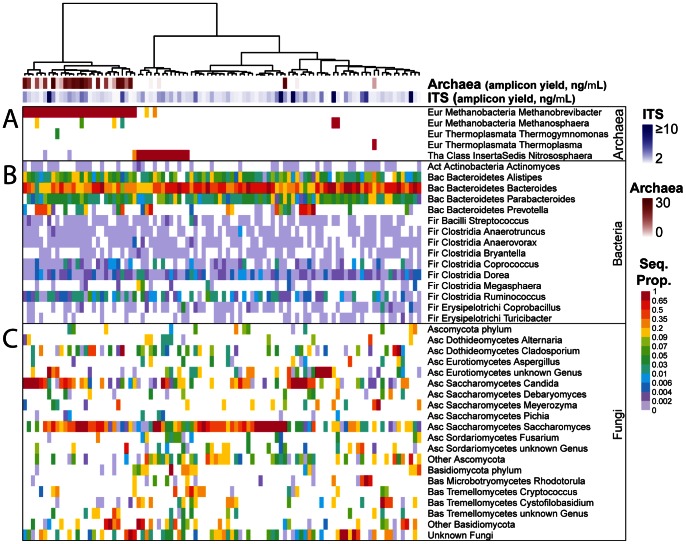
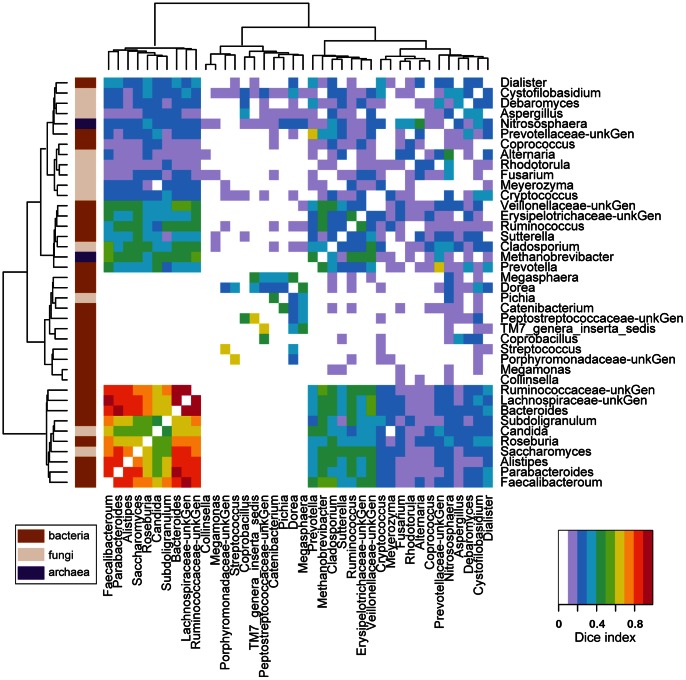
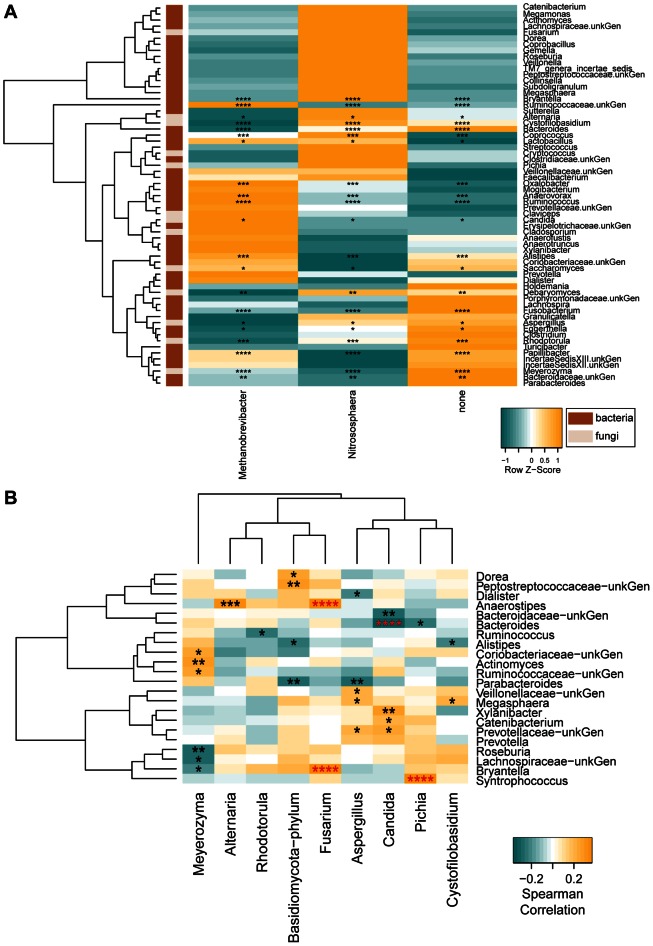
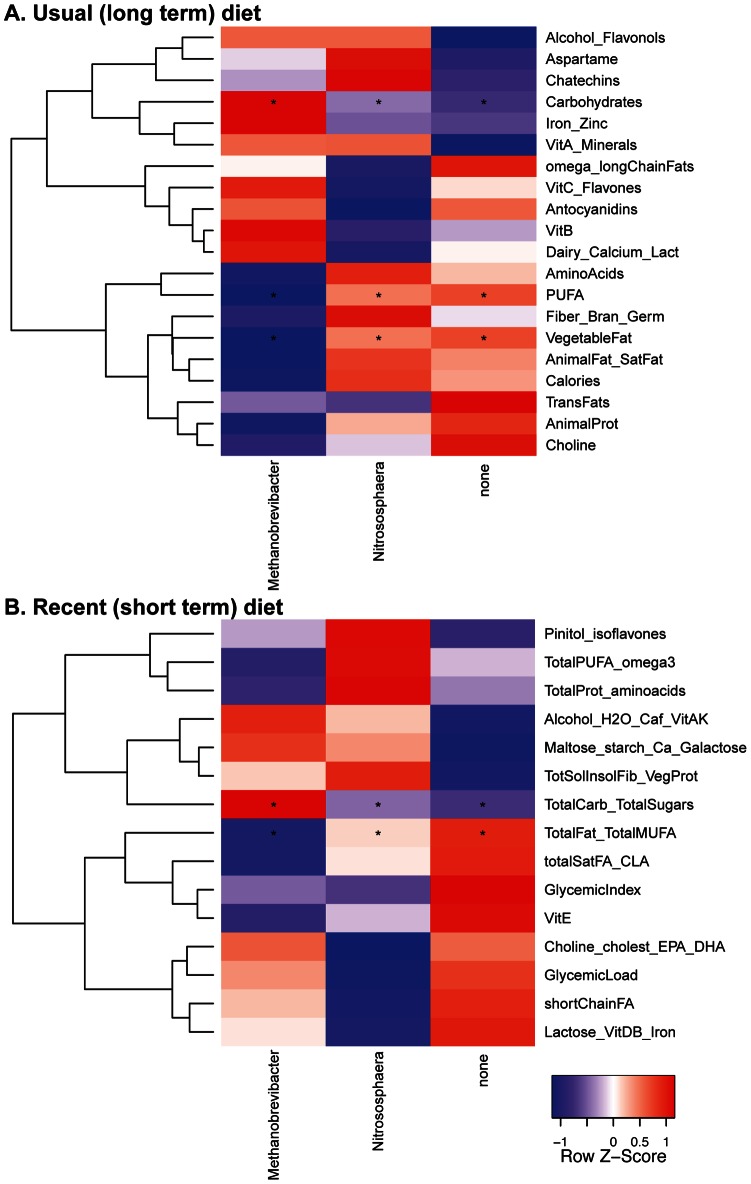
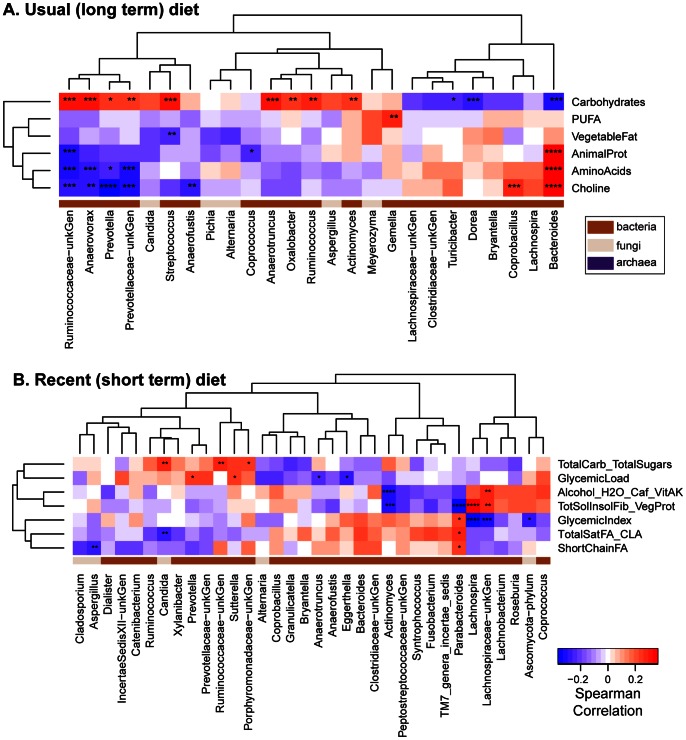
Diet influences health as a source of nutrients and toxins, and by shaping the composition of resident microbial populations. Previous studies have begun to map out associations between diet and the bacteria and viruses of the human gut microbiome. Here we investigate associations of diet with fungal and archaeal populations, taking advantage of samples from 98 well-characterized individuals. Diet was quantified using inventories scoring both long-term and recent diet, and archaea and fungi were characterized by deep sequencing of marker genes in DNA purified from stool. For fungi, we found 66 genera, with generally mutually exclusive presence of either the phyla Ascomycota or Basiodiomycota. For archaea, Methanobrevibacter was the most prevalent genus, present in 30% of samples. Several other archaeal genera were detected in lower abundance and frequency. Myriad associations were detected for fungi and archaea with diet, with each other, and with bacterial lineages. Methanobrevibacter and Candida were positively associated with diets high in carbohydrates, but negatively with diets high in amino acids, protein, and fatty acids. A previous study emphasized that bacterial population structure was associated primarily with long-term diet, but high Candida abundance was most strongly associated with the recent consumption of carbohydrates. Methobrevibacter abundance was associated with both long term and recent consumption of carbohydrates. These results confirm earlier targeted studies and provide a host of new associations to consider in modeling the effects of diet on the gut microbiome and human health.
Overview
The claims and statistics of this paper haven’t been checked yet.
Run the check — free, no account needed. It reads the open-access text and checks the sources it cites.
Integrity signals
Registry
Cites
Statistics
Figures
Verification
Claims the paper makes
The claims and statistics of this paper haven’t been checked yet.
Run the check — free, no account needed. It reads the open-access text and checks the sources it cites.
Claims other papers make about this one
Each is checked against this paper’s own text: does it say what the citing paper says it does?
The cited source says what the claim attributes to it.
In the citing paper
“In addition, members of the microbiome may drastically affect the growth of co-habitants (Hoffmann et al., 2013).”
From Iron at the Centre of Candida albicans Interactions (2018) · cites this paper as Hoffmann et al., 2013
In the citing paper
“carbohydrate consumption is associated with the proportion of the archaeon, Methanobrevibacter,46 in the intestinal microbiota.”
From Diet and the Intestinal Microbiome: Associations, Functions, and Implications for Health and Disease (2014) · cites this paper as [46]
In the citing paper
“Diet has also been associated with other types of microbes in the gut, such as archaea, fungi, and bacteriophage (Figure 2)45-47.”
From Diet and the Intestinal Microbiome: Associations, Functions, and Implications for Health and Disease (2014) · cites this paper as [46]
In the citing paper
“Infections with C. albicans can range from superficial mucosal and dermatological infections to life-threatening infections of the bloodstream and vital organs.”
From Molecular and genetic basis of azole antifungal resistance in the opportunistic pathogenic fungus Candida albicans (2020) · cites this paper as [1]
Self-check
Percentages, sums and reported differences re-computed from the paper’s own numbers.
The self-check needs the paper’s full text.
Citations
Cites
1 retracted
RETRACTED: Molecular Detection of Eukaryotes in a Single Human Stool Sample from Senegal
Hamad, I., Sokhna, C., Raoult, D., & Bittar, F. (2012) · PLoS ONE · doi:10.1371/journal.pone.0040888 · Cited by 99 · cited 1×
“We detected no fewer than 62 fungal genera and 184 species level OTUs, paralleling and extending a study of one subject, which also yielded a high number of fungal lineages [35].”
BackgroundRetractedQIIME allows analysis of high-throughput community sequencing data
Caporaso, J. G., Kuczynski, J., Stombaugh, J., Bittinger, K., Bushman, F. D., Costello, E. K., Fierer, N., Peña, A. G., Goodrich, J. K., Gordon, J. I., et al. (2010) · Nature Methods · doi:10.1038/nmeth.f.303 · Cited by 34,887 · cited 1×
“Sequences obtained were decoded and quality controlled using the QIIME pipeline [54].”
MethodSelf-citationMeasures of the Amount of Ecologic Association Between Species
Dice, L. R. (1945) · Ecology · doi:10.2307/1932409 · Cited by 12,187 · cited 1×
“Co-occurrence The Dice index [58] was used to determine the co-occurrence of genera across the entire dataset.”
MethodGardes, M., & Bruns, T. (1993) · Molecular Ecology · doi:10.1111/j.1365-294x.1993.tb00005.x · Cited by 10,249 · cited 1×
“Archaeal specific 16S rDNA primers and ITS1 fungal primers were adapted from the literature and used to amplify a rDNA 16S fragment; the final PCR cycling conditions were optimized to maximize specificity [51], [52], [38], [40],(Tables S5 and S6).”
MethodDiversity of the Human Intestinal Microbial Flora
Eckburg, P. B., Bik, E. M., Bernstein, C. N., Purdom, E., Dethlefsen, L., Sargent, M., Gill, S. R., Nelson, K. E., & Relman, D. A. (2005) · Science · doi:10.1126/science.1110591 · Cited by 7,913 · cited 1×
“Inspection of published work showed detection of Nitrosophaera in metagenomic sequences from one of two individuals studied by [25], and in both 16S and metagenomic sequences in another cohort [41].”
BackgroundHuman gut microbiome viewed across age and geography
Yatsunenko, T., Rey, F. E., Manary, M. J., Trehan, I., Dominguez-Bello, M. G., Contreras, M., Magris, M., Hidalgo, G., Baldassano, R. N., Anokhin, A. P., et al. (2012) · Nature · doi:10.1038/nature11053 · Cited by 7,815 · cited 4×
“Inspection of published work showed detection of Nitrosophaera in metagenomic sequences from one of two individuals studied by [25], and in both 16S and metagenomic sequences in another cohort [41].”
BackgroundInfluentialEnterotypes of the human gut microbiome
MetaHIT Consortium (additional members), Arumugam, M., Raes, J., Pelletier, E., Le Paslier, D., Yamada, T., Mende, D. R., Fernandes, G. R., Tap, J., Bruls, T., et al. (2011) · Nature · doi:10.1038/nature09944 · Cited by 7,548
The ade4 Package: Implementing the Duality Diagram for Ecologists
Dray, S., & Dufour, A. (2007) · Journal of Statistical Software · doi:10.18637/jss.v022.i04 · Cited by 6,740
Linking long-term dietary patterns with gut microbial enterotypes
Wu, G. D., Chen, J., Hoffmann, C., Bittinger, K., Chen, Y.-Y., Keilbaugh, S. A., Bewtra, M., Knights, D., Walters, W. A., Knight, R., et al. (2011) · Science · doi:10.1126/science.1208344 · Cited by 6,513 · cited 10×
“Bacterial 16S sequences data and diet data from [10] was used here.”
BackgroundMethodInfluentialThe Ribosomal Database Project: improved alignments and new tools for rRNA analysis
Cole, J. R., Wang, Q., Cardenas, E., Fish, J., Chai, B., Farris, R. J., Kulam-Syed-Mohideen, A. S., McGarrell, D. M., Marsh, T. L., Garrity, G. M., et al. (2008) · Nucleic Acids Research · doi:10.1093/nar/gkn879 · Cited by 4,873 · cited 1×
“Taxonomy was assigned to OTU representative sequences using the RDPclassifier [55] for archaeal sequences and BROCC [36] for fungal sequences.”
Method
Cited by
Sorted by citations
Items 401–500 of 815
Huang, Y., Wang, Y., Huang, X., & Yu, X. (2024) · Gut Pathogens · doi:10.1186/s13099-024-00651-7 · Cited by 22
“In terms of phyla, the most abundant in the human gut are Ascomycota and Basidiomycota, distributed in inverse proportions in most samples [3].”
BackgroundThe Pathology of Methanogenic Archaea in Human Gastrointestinal Tract Disease
Ishaq, S. L., Moses, P. L., & Wright, A. G. (2016) · InTech eBooks · doi:10.5772/64637 · Cited by 22
Yeasts in Insects and Other Invertebrates
Blackwell, M. (2017) · Springer eBooks · doi:10.1007/978-3-319-62683-3_13 · Cited by 24
Anti-microbial Antibodies, Host Immunity, and Autoimmune Disease
Zhang, P., Minardi, L. M., Kuenstner, J. T., Zekan, S. M., & Kruzelock, R. (2018) · Frontiers in Medicine · doi:10.3389/fmed.2018.00153 · Cited by 22
Association of diabetes and microbiota: An update
Al-Jameel, S. S. (2021) · Saudi Journal of Biological Sciences · doi:10.1016/j.sjbs.2021.04.041 · Cited by 22
“Human intestine is inhabitant to trillions of not only bacteria but viruses, fungi and archaea, that makeup a complex ecological community with which an individual lives in a symbiotic manner all his life (Hoffmann et al., 2013).”
BackgroundFiorindi, C., Russo, E., Balocchini, L., Amedei, A., & Giudici, F. (2022) · Nutrients · doi:10.3390/nu14194117 · Cited by 23
Intestinal fungi and systemic autoimmune diseases
Wang, H., Wu, H., Li, K., Wang, Y., Huang, R., Du, Y., Xue, J., Zhang, Q., Li, X., & Li, B. (2022) · Autoimmunity Reviews · doi:10.1016/j.autrev.2022.103234 · Cited by 20
Gut mycobiome in metabolic diseases: Mechanisms and clinical implication
Zhou, X., Zhang, X., & Yu, J. Q. (2023) · Biomedical Journal · doi:10.1016/j.bj.2023.100625 · Cited by 22
Microbial community composition in the dung of five sympatric European herbivore species
Sun, X., Sitters, J., Ruytinx, J., Wassen, M. J., & Venterink, H. O. (2024) · Ecology and Evolution · doi:10.1002/ece3.11071 · Cited by 21
“…composed of bacteria, fungi, and archaea, but most studies have focused on the bac - terial community because of the absolute dominance of bacte - ria (Dougal et al., 2017 ; Dowd et al., 2008 ; Durso et al., 2010; Hoffmann et al., 2013 ; Newbold & Ramos-Morales, 2020; O'Donnell et al., 2013 ).”
BackgroundPitarch, A., Gil, C., & Blanco, G. (2020) · The Science of The Total Environment · doi:10.1016/j.scitotenv.2020.138166 · Cited by 21
Gibson, J. F., Pidwill, G. R., Carnell, O. T., Surewaard, B. G. J., Shamarina, D., Sutton, J. A. F., Jeffery, C., Derré‐Bobillot, A., Archambaud, C., Siggins, M. K., et al. (2021) · PLoS Pathogens · doi:10.1371/journal.ppat.1009880 · Cited by 20
“In contrast, Saccharomyces cerevisiae, an occasional human commensal which rarely becomes pathogenic [29,30], did not increase S.”
ResultGatya, M., Fibri, D. L. N., Utami, T., Suroto, D. A., & Rahayu, E. S. (2022) · Microorganisms · doi:10.3390/microorganisms10091748 · Cited by 21
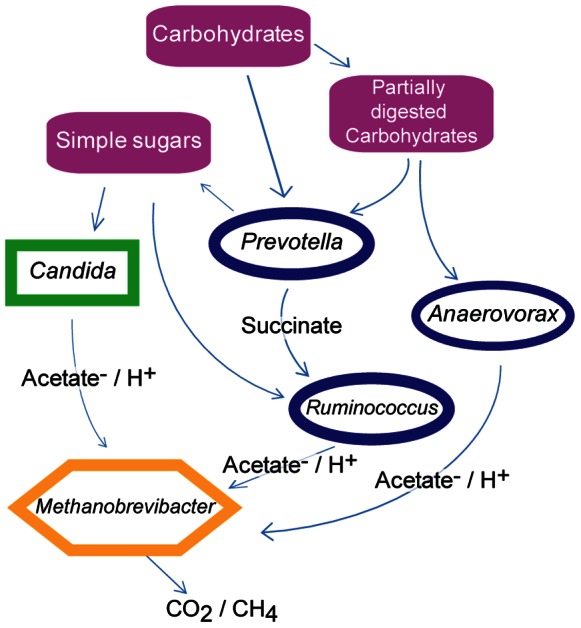
“Ruminococcus increases carbohydrate intake and can degrade starch into simple sugar, allowing substrate fermentation to produce energy [35].”
BackgroundDiet-gut microbial interactions influence cancer immunotherapy
Wang, X., & Geng, S.-T. (2023) · Frontiers in Oncology · doi:10.3389/fonc.2023.1138362 · Cited by 21
“Previous study (72) also showed a direct association between diet and fungi, such as Methanobrevibacter and Candida were positively associated with a diet high in carbohydrates but negatively associated with a diet high in amino acids, proteins and fatty acids.”
BackgroundGrosicki, G. J., Pugh, J. N., Wosinska, L., Quilter, K., Mattimoe, D., Allen, J. M., Joyce, S. A., O’Sullivan, Ó., & Close, G. L. (2023) · Journal of Applied Physiology · doi:10.1152/japplphysiol.00024.2023 · Cited by 20
Liu, Q., Zhang, W., Pei, Y., Tao, H., Ma, J., Li, R., Zhang, F., Wang, L., Shen, L., Liu, Y., et al. (2023) · BMC Medicine · doi:10.1186/s12916-023-03095-z · Cited by 21
“Hoff-man et al. [41] have reported that Saccharomyces , Candida , and Cladosporium are the most abundant genera in healthy subjects.”
BackgroundEmerging methods of human microbiome analysis and its forensic applications: Review
Singh, A. A., & Okpeku, M. (2024) · Forensic Science International Reports · doi:10.1016/j.fsir.2024.100355 · Cited by 20
Microbial Community Analysis Using High-Throughput Amplicon Sequencing
Ionescu, D., Overholt, W. A., Lynch, M. D. J., Neufeld, J. D., Naqib, A. D., & Green, S. J. (2015) · ASM Press eBooks · doi:10.1128/9781555818821.ch2.4.2 · Cited by 20
Duarte-Silva, M., Afonso, P. C., de Souza, P. R., Peghini, B. C., Rodrigues, V., & Cardoso, C. R. D. B. (2019) · Autoimmunity · doi:10.1080/08916934.2019.1588889 · Cited by 20
Yang, J., Yu, Z., Wang, B., & Ndayisenga, F. (2021) · Environmental Microbiology · doi:10.1111/1462-2920.15782 · Cited by 21
Fungal feelings in the irritable bowel syndrome: the intestinal mycobiome and abdominal pain
van Thiel, I. A. M., de Jonge, W., & van den Wijngaard, R. M. (2023) · Gut Microbes · doi:10.1080/19490976.2023.2168992 · Cited by 20
Gut mycobiome alterations in obesity in geographically different regions
Zhan, H., Wan, Y., Sun, Y., Xu, Z., Zhang, F., Yang, K., Zhu, W., Cheung, C. P., Tang, W., Ng, E. K., et al. (2024) · Gut Microbes · doi:10.1080/19490976.2024.2367297 · Cited by 19
“54–56 In contrast, a decreased proportion of the bacterial genus Bacteroide , 57 known to be associated with high protein and fat consumption, were identified in the gut of obese subjects in the KM cohort than those in the HK cohort.”
ResultThe gut mycobiome signatures in long-lived populations
Pu, L., Pang, S., Mu, W., Chen, X., Zou, Y., Wang, Y., Ding, Y., Yan, Q., Huang, Y., Chen, X., et al. (2024) · iScience · doi:10.1016/j.isci.2024.110412 · Cited by 22
“4,16,53 As we used the ITS (internal transcribed spacers) sequencing technique to profile fungi in this study, we failed to identify the aging-related Candida species at a high resolution.”
The gastrointestinal immune system: Implications for the surgical patient
Pierre, J. F., Busch, R. A., & Kudsk, K. A. (2015) · Current Problems in Surgery · doi:10.1067/j.cpsurg.2015.10.005 · Cited by 20
The role of fungi in C. difficile infection: An underappreciated transkingdom interaction
Stewart, D. A., Romo, J. A., Lamendella, R., & Kumamoto, C. A. (2019) · Fungal Genetics and Biology · doi:10.1016/j.fgb.2019.04.007 · Cited by 19
Digestive tract mycobiota and microbiota and the effects on the immune system
Gouba, N., Hien, Y. E., Guissou, M. L., Fonkou, M. D. M., Traoré, Y., & Tarnagda, Z. (2019) · Human Microbiome Journal · doi:10.1016/j.humic.2019.100056 · Cited by 19
Jeziorek, M., Frej−Mądrzak, M., & Choroszy−Król, I. (2019) · Roczniki Państwowego Zakładu Higieny · doi:10.32394/rpzh.2019.0070 · Cited by 19
“Hoffmann et al. [7] in 2013 reported a positive correlation between the presence of Candida spp. in the human gastrointestinal tract, high carbohydrate intake and a negative correlation between the presence of Candida spp. and saturated fatty acids intake.”
The Role of Intestinal Fungi and Its Metabolites in Chronic Liver Diseases
You, N., Zhuo, L., Zhou, J., Song, Y., & Shi, J. (2019) · Gut and Liver · doi:10.5009/gnl18579 · Cited by 19
Holmes, I. A., Monagan, I. V., Rabosky, D. L., & Rabosky, A. R. D. (2019) · Ecology and Evolution · doi:10.1002/ece3.5691 · Cited by 19
“Mammals generally have eukaryotic mi‐ crobiomes dominated by either Ascomycota or Basidiomycota, but the two taxa do not cooccur (Hoffmann et al., 2013).”
BackgroundFecal Microbiota Transplantation for Ulcerative Colitis: An Evolving Therapy
Sood, A., Singh, A., Midha, V., Mahajan, R., Kao, D. H., Rubin, D. T., & Bernstein, C. N. (2020) · Crohn s & Colitis 360 · doi:10.1093/crocol/otaa067 · Cited by 21
Hu, J., Wei, S., Gu, Y., Wang, Y., Feng, Y., Sheng, J., Hu, L., Gu, C., Peng, J. C., Tian, Y., et al. (2022) · Frontiers in Immunology · doi:10.3389/fimmu.2022.843695 · Cited by 20
Balderramo, D. C., Romagnoli, P. A., Granlund, A. V. B., & Catalán‐Serra, I. (2023) · Gut and Liver · doi:10.5009/gnl220537 · Cited by 24
Tissue macrophages as mediators of a healthy relationship with gut commensal microbiota
Nakagaki, B. N., Vieira, A. T., Rezende, R. M., David, B. A., & Menezes, G. B. (2018) · Cellular Immunology · doi:10.1016/j.cellimm.2018.01.017 · Cited by 18
“tract of vertebrates are colonized by a large number of microorganisms bacteria, fungi, archea, protozoa, yeasts and bacteriophages [13-15] –”
BackgroundDoron, I., Leonardi, I., & Iliev, I. D. (2019) · Fungal Genetics and Biology · doi:10.1016/j.fgb.2019.03.001 · Cited by 18
Chaudhary, P. P., Gaci, N., Borrel, G., O’Toole, P. W., & Brugère, J. (2015) · Applied Microbiology and Biotechnology · doi:10.1007/s00253-015-6739-2 · Cited by 18
“This approach has been successfully used recently for human gut archaea (Hoffmann et al. 2013).”
BackgroundDowley, A., Sweeney, T., Conway, E., Vigors, S., Ryan, M. T., Yadav, S., Wilson, J., & O’Doherty, J. V. (2023) · Journal of Animal Science and Biotechnology/Journal of animal science and biotechnology · doi:10.1186/s40104-022-00808-x · Cited by 19
“Both Prevotella and Ruminococcus are involved in the degradation of complex plant carbohydrates, thus their abundance usually increases in plant rich diets [58].”
BackgroundZhang, M., Xie, R., Wang, H., Wen, X., Wang, J., He, L., Zhang, M., & Yang, X. (2023) · Molecules · doi:10.3390/molecules28031060 · Cited by 17
“the pathogenesis of IBD has attracted critical attention [8,9].”
BackgroundVonaesch, P., Billy, V., Mann, A. E., Morien, E., Habib, A., Collard, J., Dédé, M., Kapel, N., Sansonetti, P. J., Parfrey, L. W., et al. (2023) · microLife · doi:10.1093/femsml/uqad033 · Cited by 16
Hongjin, L. I. U., Zhao, X., Xu, S., Zhao, L., Han, X., Xu, X., Zhao, N., Hu, L., Luo, C., Wang, X., et al. (2024) · Integrative Zoology · doi:10.1111/1749-4877.12830 · Cited by 19
“In the gut, the breakdown of nutrients is often accompanied by the production of hydrogen, which archaea use to produce greenhouse gases, such as methane and carbon dioxide (Hoffmann et al. 2013; Su et al. 2022).”
Microbiome and Cardiovascular Disease
Herrema, H., Nieuwdorp, M., & Groen, A. K. (2020) · Handbook of experimental pharmacology · doi:10.1007/164_2020_356 · Cited by 17
Partida‐Rodríguez, O., Nieves, M., Laforest‐Lapointe, I., Brown, E., Parfrey, L. W., Reynolds, L., Valadez-Salazar, A., Thorson, L., Moran, P., González, E., et al. (2021) · mSphere · doi:10.1128/msphere.00083-21 · Cited by 16
Block, J. (2019) · Medical Hypotheses · doi:10.1016/j.mehy.2019.02.044 · Cited by 16
“Methanobrevibacter smithii is an archaebacteria which is frequently found along with candida species in the gut microbiota [39].”
BackgroundInfluentialSatapathy, P., Khan, K., Devi, A. T., Patil, A. G., Govindaraju, A. M., Gopal, S., Prasad, M. N. N., More, V. S., Kakarla, R. R., Raghu, A. V., et al. (2019) · Methods in microbiology · doi:10.1016/bs.mim.2019.02.001 · Cited by 17
Alookaran, J., Liu, Y., Auchtung, T. A., Tahanan, A., Hessabi, M., Asgarisabet, P., Rahbar, M. H., Fatheree, N. Y., Pearson, D. A., Mansour, R., et al. (2021) · Journal of Pediatric Gastroenterology and Nutrition · doi:10.1097/mpg.0000000000003349 · Cited by 16
“abundance being strongly associated with recent consumption of carbohydrate (19).”
BackgroundTian, Y., Gou, W., Ma, Y., Shuai, M., Liang, X., Fu, Y., & Zheng, J. (2023) · Nutrients · doi:10.3390/nu15092152 · Cited by 16
“Another cohort study of 98 individuals found that the abundance of Candida was strongly correlated with carbohydrate intake [26].”
BackgroundResultYang, L., Wang, P., & Chen, J. (2024) · Bioinformatics · doi:10.1093/bioinformatics/btae035 · Cited by 17
“The first data-set, “Combo” (Wu et al. 2011, Hoffmann et al. 2013), is a microbiome dataset studying the relationship between nutrient intake and bacterial genus abundance.”
BackgroundYadav, A., Yadav, R., Sharma, V., & Dutta, U. (2024) · Indian Journal of Gastroenterology · doi:10.1007/s12664-023-01510-0 · Cited by 18
“Similarly, recent intake of short-chain fatty acids has negative impact on the Aspergillus abundance and saturated fatty acids increase Aspergillus abundance [17, 23].”
Early-life factors shaping the gut microbiota of Common buzzard nestlings
Pereira, H., Chakarov, N., Hoffman, J. I., Rinaud, T., Ottensmann, M., Gladow, K., Busche, T., Caspers, B. A., Maracı, Ö., & Krüger, O. (2024) · Animal Microbiome · doi:10.1186/s42523-024-00313-8 · Cited by 16
“The decrease in microbiota diversity during this period may be related to reduced parental contact and dietary shifts [32, 43].”
BackgroundLearning from other diseases: protection and pathology in chronic fungal infections
Zelante, T., Pieraccini, G., Scaringi, L., Aversa, F., & Romani, L. R. (2015) · Seminars in Immunopathology · doi:10.1007/s00281-015-0523-3 · Cited by 17
Specific changes of enteric mycobiota and virome in inflammatory bowel disease
Chu, Y., Jiang, M. Z., Xu, B., Wang, W. J., Chen, D., Li, X. W., Zhang, Y. J., & Liang, J. (2017) · Journal of Digestive Diseases · doi:10.1111/1751-2980.12570 · Cited by 15
Composition and Function of the Gut Microbiome
Blaut, M. (2018) · Springer eBooks · doi:10.1007/978-3-319-90545-7_2 · Cited by 20
Candida albicans in celiac disease: A wolf in sheep’s clothing
Lerner, A., & Matthias, T. (2020) · Autoimmunity Reviews · doi:10.1016/j.autrev.2020.102621 · Cited by 17
Could Candida Overgrowth Be Involved in the Pathophysiology of Autism?
Herman, A., & Herman, A. P. (2022) · Journal of Clinical Medicine · doi:10.3390/jcm11020442 · Cited by 20
Baker's yeast ( S accharomyces cerevisiae) antigen in obese and normal weight subjects
Salamati, S., Martins, C., & Kulseng, B. E. (2014) · Clinical Obesity · doi:10.1111/cob.12079 · Cited by 17
“(37) found that Saccharomyces was the most prevalent genus (89% of the samples) in the gut of healthy individuals (96) included in their study.”
BackgroundProbiotics in inflammatory bowel disease: Does it work?
Silva, N. O. E., Brito, B. B. D., Silva, F. A. F. D., Santos, M. L. C., & Melo, F. F. D. (2020) · World Journal of Meta-Analysis · doi:10.13105/wjma.v8.i2.54 · Cited by 17
Guzzo, G. L., Mittinty, M., Llamas, B., Andrews, J. M., & Weyrich, L. S. (2022) · Microorganisms · doi:10.3390/microorganisms10101910 · Cited by 17
Neglected mycobiome in HIV infection: Alterations, common fungal diseases and antifungal immunity
Li, S., Yang, X., Moog, C., Wu, H., Su, B., & Zhang, T. (2022) · Frontiers in Immunology · doi:10.3389/fimmu.2022.1015775 · Cited by 16
“In a study of 96 healthy individuals, the most common genera in fecal samples were Saccharomyces, Candida and Cladosporium (present in 89%, 57% and 42%, respectively) (52).”
BackgroundCARD9 Promotes Sex-Biased Colon Tumors in the APCmin Mouse Model
Leo, V. I., Tan, S. H., Bergmann, H., Cheah, P. Y., Chew, M. H., Lim, K. H., Ruland, J., & Reilly, P. T. (2015) · Cancer Immunology Research · doi:10.1158/2326-6066.cir-14-0148 · Cited by 15
A Soluble Immune Effector Binds Both Fungi and Bacteria via Separate Functional Domains
Liberti, A., Cannon, J. P., Litman, G. W., & Dishaw, L. J. (2019) · Frontiers in Immunology · doi:10.3389/fimmu.2019.00369 · Cited by 15
High-Throughput Multiparallel Enteropathogen Detection via Nano-Liter qPCR
Grembi, J. A., Mayer-Blackwell, K., Luby, S. P., & Spormann, A. M. (2020) · Frontiers in Cellular and Infection Microbiology · doi:10.3389/fcimb.2020.00351 · Cited by 13
“We included an additional 10 published assays (see Table 1) to assess the suitability for inclusion of previously validated assays optimized at similar PCR conditions (Niesters, 2002; Maeda et al., 2003; Verweij et al., 2004; Yu et al., 2005; Wiria et al., 2010; Hoffmann et al., 2013; Liu et al., 2013).”
MethodMannoside recognition and degradation by bacteria
Ladevèze, S., Laville, É., Despres, J., Mosoni, P., & Potocki-Véronèse, G. (2016) · Biological reviews/Biological reviews of the Cambridge Philosophical Society · doi:10.1111/brv.12316 · Cited by 16
“For instance, the human gut microbiota contains many different fungi (Hoffmann et al., 2013), of which the N-glycan structures have not all been determined.”
BackgroundFungal Diversity: Global Perspective and Ecosystem Dynamics
Bajpai, A., Rawat, S., & Johri, B. N. (2019) · Springer eBooks · doi:10.1007/978-981-13-8315-1_4 · Cited by 15
IBDs and the pediatric age: Their peculiarities and the involvement of the microbiota
Cococcioni, L., Panelli, S., Varotto-Boccazzi, I., Carlo, D. D., Pistone, D., Leccese, G., Zuccotti, G., & Comandatore, F. (2020) · Digestive and Liver Disease · doi:10.1016/j.dld.2020.10.033 · Cited by 15
Mechanisms of Rice Endophytic Bradyrhizobial Cell Differentiation and Its Role in Nitrogen Fixation
Greetatorn, T., Hashimoto, S., Maeda, T., Fukudome, M., Piromyou, P., Teamtisong, K., Tittabutr, P., Boonkerd, N., Kawaguchi, M., Uchiumi, T., et al. (2020) · Microbes and Environments · doi:10.1264/jsme2.me20049 · Cited by 15
Mochochoko, B. M., Pohl, C. H., & O’Neill, H. G. (2022) · iScience · doi:10.1016/j.isci.2022.105870 · Cited by 14
Kanj, A., & Skalski, J. H. (2024) · Journal of Fungi · doi:10.3390/jof10030192 · Cited by 15
“For example, one study observed that Candida was positively associated with diets high in carbohydrates, but negatively associated with diets rich in amino acids, proteins, and fatty acids [105].”
ResultCai, Y., Li, Y., Xiong, Y., Geng, X., Kang, Y., & Ying, Y. (2024) · Nutrition and Diabetes · doi:10.1038/s41387-024-00328-9 · Cited by 14
Syntrophic imbalance and the etiology of bacterial endoparasitism diseases
White, J. F. (2017) · Medical Hypotheses · doi:10.1016/j.mehy.2017.07.015 · Cited by 14
Lewis, J. D. (2014) · Nestlé Nutrition Institute Workshop series · doi:10.1159/000360664 · Cited by 14
In-vitro model for studying methanogens in human gut microbiota
Tottey, W., Gaci, N., Borrel, G., Alric, M., O’Toole, P. W., & Brugère, J. (2015) · Anaerobe · doi:10.1016/j.anaerobe.2015.04.009 · Cited by 14
The Microbiome in Infectious Diseases
Mitreva, M. (2016) · Elsevier eBooks · doi:10.1016/b978-0-7020-6285-8.00008-3 · Cited by 16
Goren, I., Godny, L., Reshef, L., Yanai, H. A., Gophna, U., Tulchinsky, H., & Dotan, I. (2018) · Inflammatory Bowel Diseases · doi:10.1093/ibd/izy370 · Cited by 14
Update on Autoimmune Diseases Pathogenesis
Kechida, M. (2019) · Current Pharmaceutical Design · doi:10.2174/1381612825666190709205421 · Cited by 14
Exploring the archaeome: detection of archaeal signatures in the human bodyPreprint
Pausan, M. R., Csorba, C., Singer, G., Till, H., Schöpf, V., Santigli, E., Klug, B., Högenauer, C., Blohs, M., & Moissl-Eichinger, C. (2018) · bioRxiv (Cold Spring Harbor Laboratory) · doi:10.1101/334748 · Cited by 18
Wild herbivorous mammals (genus Neotoma) host a diverse but transient assemblage of fungi
Weinstein, S. B., Stephens, W. Z., Greenhalgh, R., Round, J. L., & Dearing, M. D. (2022) · Symbiosis · doi:10.1007/s13199-022-00853-0 · Cited by 14
“…are better characterized in laboratory mice and humans, and in humans, assemblages vary between individuals (Nash et al. 2017), with evidence that host genetics, immune function, lifestyle, and diet contribute to community composition (Cui et al. 2013; David et al. 2014; Hoffmann et al. 2013).”
BackgroundAcar, C., Küçükyıldırım, S., Özdemirel, H. Ö., Erdem, B., Alan, S., & Mergen, H. (2023) · Folia Microbiologica · doi:10.1007/s12223-023-01072-w · Cited by 13
“Likewise, fungi members are residents of the healthy intestinal microbiota, and related to that prior studies revealed that fungal community structure has been changed by an increased Basidiomycota:Ascomycota ratio in IBD (Hoffmann et al. 2013; Ni et al. 2017).”
Feehan, B. J., Ran, Q., Dorman, V., Rumback, K., Pogranichniy, S., Ward, K., Goodband, R. D., Niederwerder, M. C., & Lee, S. T. M. (2023) · Animal Microbiome · doi:10.1186/s42523-023-00256-6 · Cited by 16
“Although, exactly how these changes impact archaea is relatively understudied, as most research evaluates bacteria, and therefore archaea-stage dynamics are a topic for future research [63, 64].”
BackgroundInfluentialThe gut-lung axis in the CFTR modulator era
Lussac‐Sorton, F., Charpentier, É., Imbert, S., Lefranc, M., Bui, S., Fayon, M. J., Berger, P., Enaud, R., & Delhaès, L. (2023) · Frontiers in Cellular and Infection Microbiology · doi:10.3389/fcimb.2023.1271117 · Cited by 14
“Nutrient–fungi–host” tripartite interaction in cancer progression
Wu, D., Guan, Y., Li, C., Zheng, Q., Yin, Z., Wang, H., & Liu, N. (2024) · iMeta · doi:10.1002/imt2.170 · Cited by 13
“A previous study emphasized that Methanobrevibacter and Candida abundance were positively associated with recent high ‐ carbohydrates diets, despite bacterial population structure was predominantly with long ‐ term one [97].”
ResultIntestinal microbiota transplant – current state of knowledge
Leszczyszyn, J., Radomski, M. W., & Leszczyszyn, A. (2016) · Reumatologia/Rheumatology · doi:10.5114/reum.2016.58758 · Cited by 13
“Although the Candida genus is most common in the digestive tract [20], the intestinal microbiome, under physiological conditions, can contain more than 50 genera of fungi, most common among them being Candida, Saccharomyces and Cladosporium [22, 23].”
BackgroundMittelbach, M., & Vannette, R. L. (2017) · Springer eBooks · doi:10.1007/978-3-319-61575-2_6 · Cited by 13
A Novel Description of the Human Sinus Archaeome During Health and Chronic Rhinosinusitis
Mackenzie, B. W., West, A. G., Waite, D. W., Lux, C. A., Douglas, R. G., Taylor, M. W., & Biswas, K. (2020) · Frontiers in Cellular and Infection Microbiology · doi:10.3389/fcimb.2020.00398 · Cited by 13
“, 2016) However, recent advances in sequencing technologies have expanded research to include fungi, other eukaryotes, archaea, and viruses (Hoffmann et al., 2013; Lim et al., 2015; Monaco et al., 2016; Hannigan et al., 2018; Hoggard et al., 2019).”
BackgroundHost Defense Proteins in Breast Milk and Neonatal Yeast Colonization
Chow, B. D. W., Reardon, J. L., Perry, E. O., Laforce‐Nesbitt, S. S., Tucker, R. J., & Bliss, J. M. (2015) · Journal of Human Lactation · doi:10.1177/0890334415592402 · Cited by 13
“Human milk components, including certain oligosaccharides, can influence the human neonatal gut microbiome,(5) and diet variation is known to alter the gut microbiome in healthy adult volunteers.(6) Regarding Candida species, diets higher in amino acids, protein, and fatty acids were negatively correlated 592402 JHLXX…”
BackgroundThe dietary modification and treatment of intestinal Candida overgrowth – a pilot study
Otašević, S., Momčilović, S., Petrović, M., Radulović, O., Stojanović, N. M., & Arsić-Arsenijević, V. S. (2018) · Journal de Mycologie Médicale · doi:10.1016/j.mycmed.2018.08.002 · Cited by 13
The Human Mycobiome: Composition, Immune Interactions, and Impact on Disease
Carrillo‐Serradell, L., Liu-Tindall, J., Planells-Romeo, V., Aragón-Serrano, L., Isamat, M., Gabaldón, T., Lozano, F., & Andrés, M. V. (2025) · International Journal of Molecular Sciences · doi:10.3390/ijms26157281 · Cited by 14
“In this context, high levels of Candida correlate with carbohydrate intake, whereas Aspergillus spp. becomes scarce following short-chain acid consumption [45].”
Fukuchi, M., Sugita, M., Banjo, M., Yonekura, K., & Sasuga, Y. (2022) · PLoS ONE · doi:10.1371/journal.pone.0262906 · Cited by 13
“The relationship between diet and fungi has also been studied, and Candida is abundant in relation to recent carbohydrate consumption [30].”
BackgroundSiebieszuk, A., Sejbuk, M., & Witkowska, A. M. (2023) · International Journal of Molecular Sciences · doi:10.3390/ijms242216169 · Cited by 12
“In general, the mycobiome is dominated by yeasts, with the genus Saccharomyces being the most abundant [288,292].”
BackgroundHuman associated Archaea: a neglected microbiome worth investigating
Guerra, A. (2024) · World Journal of Microbiology and Biotechnology · doi:10.1007/s11274-023-03842-7 · Cited by 12
“Various factors such as age, diet, lifestyle, environment, and gastrointestinal and immune changes can influence the composition of the gut microbiome (Nam et al. 2008; Hoffmann et al. 2013; Tyakht et al. 2013).”
Role of Fungi in Tumorigenesis: Promises and Challenges
Guglietta, S., Li, X., & Saxena, D. (2025) · Annual Review of Pathology Mechanisms of Disease · doi:10.1146/annurev-pathmechdis-111523-023524 · Cited by 14
The Gut Mycobiome for Precision Medicine
Jaddaoui, I. E., Sehli, S., Idrissi, N. A., Bakri, Y., Belyamani, L., & Ghazal, H. (2025) · Journal of Fungi · doi:10.3390/jof11040279 · Cited by 14
“Diverse fungal communities in all sections of the human gut have been revealed, consisting mainly of the phyla Zygomycota, Basidiomycota , Chytridiomycota, and Ascomycota [18,19].”
Huang, X., Chaparro, J. M., Reardon, K. F., Judd, T. M., & Vivanco, J. M. (2016) · Microbial Ecology · doi:10.1007/s00248-016-0792-y · Cited by 14
“Diet has a direct effect on the gut microbiome [1, 2], which has been shown to be intimately associated with health [3–5].”
Keller, C., Wei, P., Wancewicz, B., Cross, T.-W., Rey, F. E., & Li, L. (2020) · Journal of Mass Spectrometry · doi:10.1002/jms.4625 · Cited by 12
Intestinal microbiota: The hidden gems in the gut?
Piewngam, P., Mets, F. D., & Otto, M. J. (2020) · Asian Pacific Journal of Allergy and Immunology · doi:10.12932/ap-020720-0897 · Cited by 14
Identifying correlations driven by influential observations in large datasets
Bu, K., Wallach, D. S., Wilson, Z., Shen, N., Segal, L. N., Bagiella, E., & Clemente, J. C. (2021) · Briefings in Bioinformatics · doi:10.1093/bib/bbab482 · Cited by 11
The interplay of fungal and bacterial microbiomes on rainforest frogs following a disease outbreak
McKnight, D. T., Huerlimann, R., Bower, D. S., Schwarzkopf, L., Alford, R. A., & Zenger, K. R. (2022) · Ecosphere · doi:10.1002/ecs2.4037 · Cited by 12
Kann, S., Eberhardt, K. A., Hinz, R., Schwarz, N. G., Dib, J. C., Aristizábal, A., Concha, G., Hagen, R. M., Frickmann, H., Barrantes, I., et al. (2023) · Microorganisms · doi:10.3390/microorganisms11030625 · Cited by 12
Synergism of Diet, Genetics, and Microbiome on Health
Das, P., Banka, R., Ghosh, J., Singh, K., Choudhury, S. R., & Koner, S. (2024) · Advances in medical diagnosis, treatment, and care (AMDTC) book series · doi:10.4018/979-8-3693-5528-2.ch006 · Cited by 11
Deng, X., Li, H., Wu, A., He, J., Mao, X., Dai, Z., Tian, G., Cai, J., Tang, J., & Luo, Y. (2025) · Animals · doi:10.3390/ani15050710 · Cited by 13
“Candida spp. exhibit a negative correlation with diets rich in amino acids, protein, and fatty acids [118].”
Linoleic acid, mitochondria, gut microbiome, and metabolic health: a mechanistic review
Mercola, J. M. (2025) · Advances in Redox Research · doi:10.1016/j.arres.2025.100128 · Cited by 11
Bataineh, M. T. A., Alzaatreh, A., Hajjo, R., Banimfreg, B. H., & Dash, N. R. (2021) · Nutrition and Healthy Aging · doi:10.3233/nha-210130 · Cited by 12
Probiotics attenuate alcohol-induced muscle mechanical hyperalgesia: Preliminary observations
Green, P. G., Álvarez, P., & Levine, J. D. (2022) · Molecular Pain · doi:10.1177/17448069221075345 · Cited by 12
Metadata
- Authors
- Hoffmann, C., Dollive, S., Grunberg, S., Chen, J., Li, H., Wu, G. D., Lewis, J. D., & Bushman, F. D.
- Affiliations
- Universidade Federal de Goiás (BR)
- University of Pennsylvania (US)
- Harvard University (US)
- Corresponding author
- Wu, Gary D.
- Lewis, James D.
- Bushman, Frederic D.
- Venue
- PLoS ONE
- Publisher
- Public Library of Science (PLoS)
- Published
- 2013-06-17
- Volume
- 8
- Issue
- 6
- Pages
- e66019
- ISSN
- 1932-6203 (ISSN-L)
- PMC
- PMC3684604
- OpenAlex
- W2110345840
- Cited by
- 808
- References
- 62
- Citations by year
- 2026: 38 · 2025: 56 · 2024: 73 · 2023: 59 · 2022: 86 · 2021: 85 · 2020: 87 · 2019: 76 · 2018: 60 · 2017: 62 · 2016: 36 · 2015: 45 · 2014: 40 · 2013: 4
- FWCI
- 18.65
- Type
- journal article
- Language
- en
- Open access
- gold
- doi.org
- Locations
- PLoS ONE (publishedVersion, cc-by)
- Europe PMC (PubMed Central) (publishedVersion, other-oa)
- PubMed Central (publishedVersion, cc-by)
- PubMed (publishedVersion)
- Digital Access to Scholarship at Harvard (DASH) (Harvard University) (submittedVersion, cc-by)
- DOAJ (DOAJ: Directory of Open Access Journals) (submittedVersion, cc-by-sa)
- Figshare (submittedVersion, cc-by)
- Funders
- Pennsylvania Department of Health
- University of Pennsylvania (UL1 RR024134)
- National Institutes of Health (and K24, DK050306)
- National Institute of Diabetes and Digestive and Kidney Diseases (K24DK078228, DK 089472, R01DK089472, UH2/3 DK083981, UH3DK083981, UH2DK083981, P30DK050306)
- National Center for Research Resources (UL1RR024134, S10RR024525)
- Topics
- Life Sciences › Biochemistry, Genetics and Molecular Biology › Molecular Biology › Gut microbiota and health
- Health Sciences › Medicine › Gastroenterology › Gastrointestinal motility and disorders
- Physical Sciences › Environmental Science › Ecology › Microbial Community Ecology and Physiology
- Keywords
- gut microbiota, archaea, fungi, diet, Methanobrevibacter, Candida, Ascomycota, carbohydrate intake, long-term diet, microbial co-occurrence, human health
- MeSH terms
- Archaea, Bacteria, Diet, Fungi, Humans, Intestines, Microbiota
About these checks
Registry, retraction, Cites and statistics results are computed, not judged, with one exception: a printed reference that no index lists is read once by a model before it counts as a citation error. Claims are extracted by a model and kept only when their quote appears verbatim in the text; each cited source is then checked, with a model’s help, for whether it says what the claim relies on. Those verdicts can be wrong — read the claim’s quote and the cited source before relying on one.
Statistics and arithmetic are recomputed, not judged.
Confidence bands are shown only for fields calibrated on our annotated test set. None is calibrated yet, so no band is shown.
What counts as a claim ›How we measure confidence ›How we check this ›
Are you an author, or do you see a problem with this page? Request a review
