

The DOI matches its Crossref record; 62 of the 62 references it cites were found in a registry or an index.
Archaea and Fungi of the Human Gut Microbiome: Correlations with Diet and Bacterial Residents
Open accessAbstract
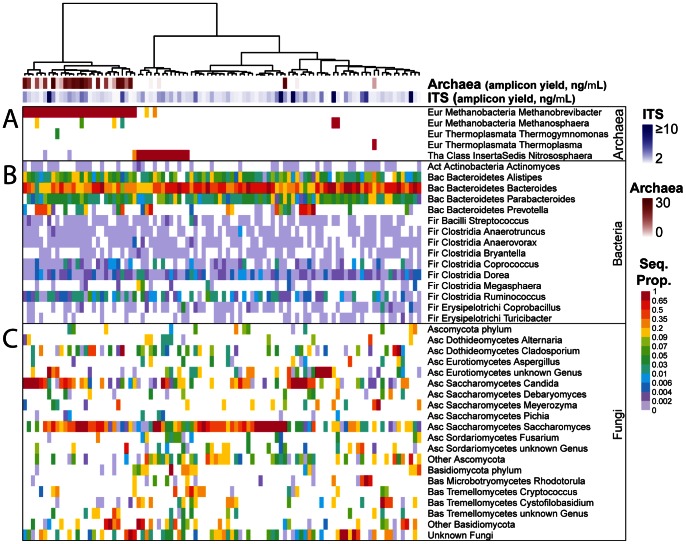
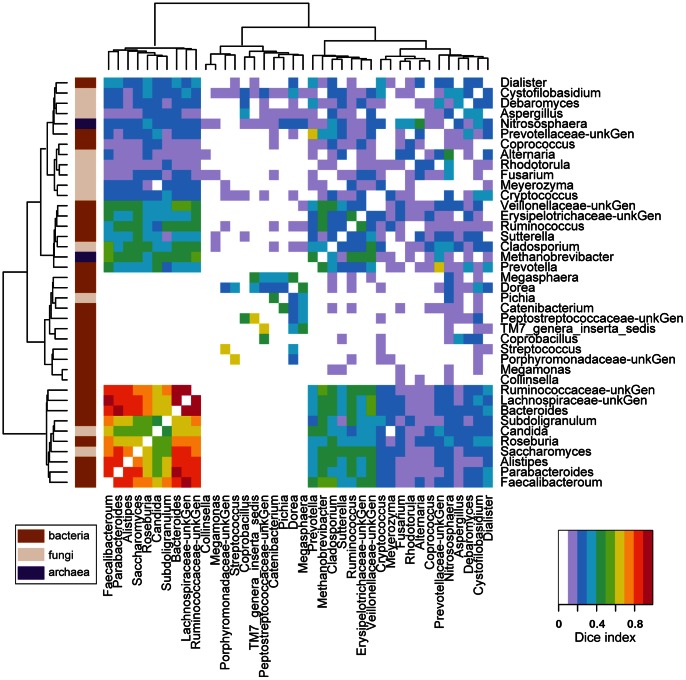
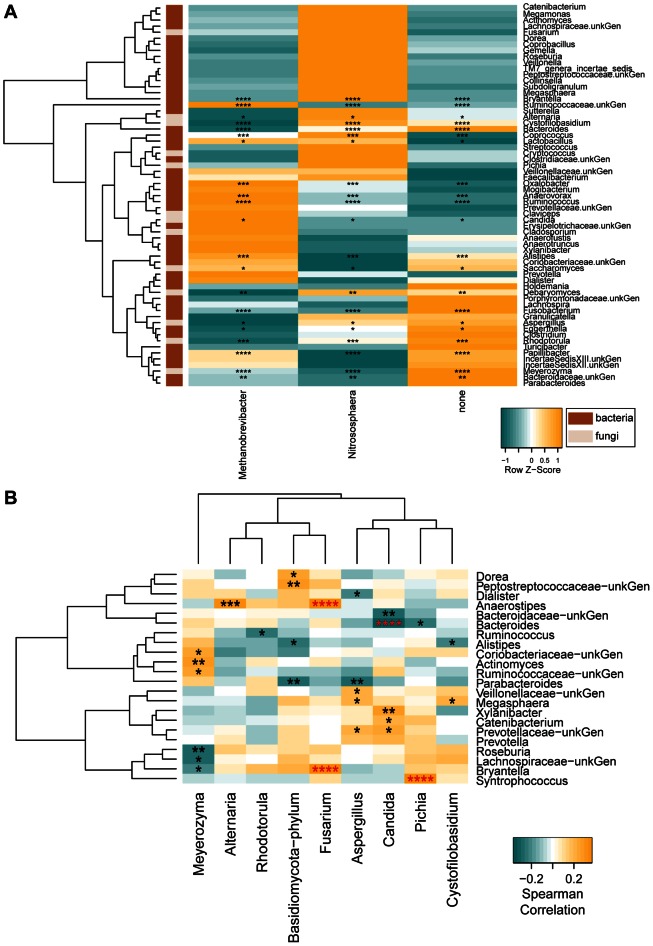
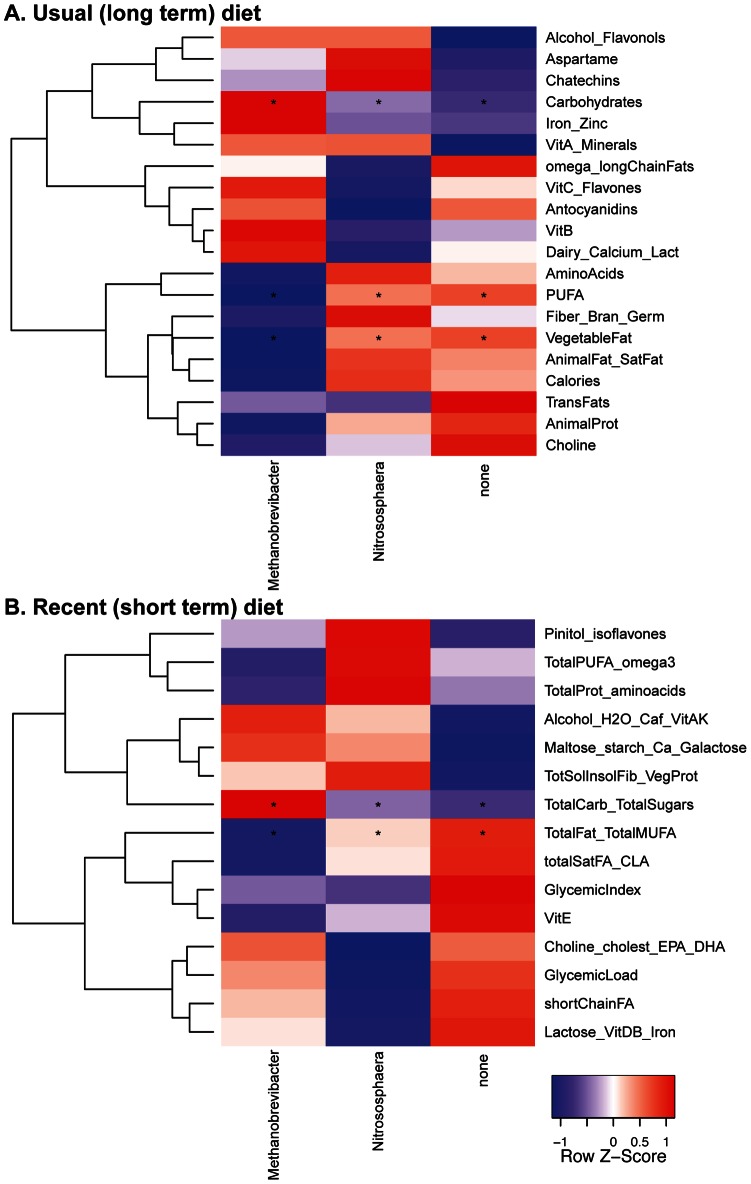
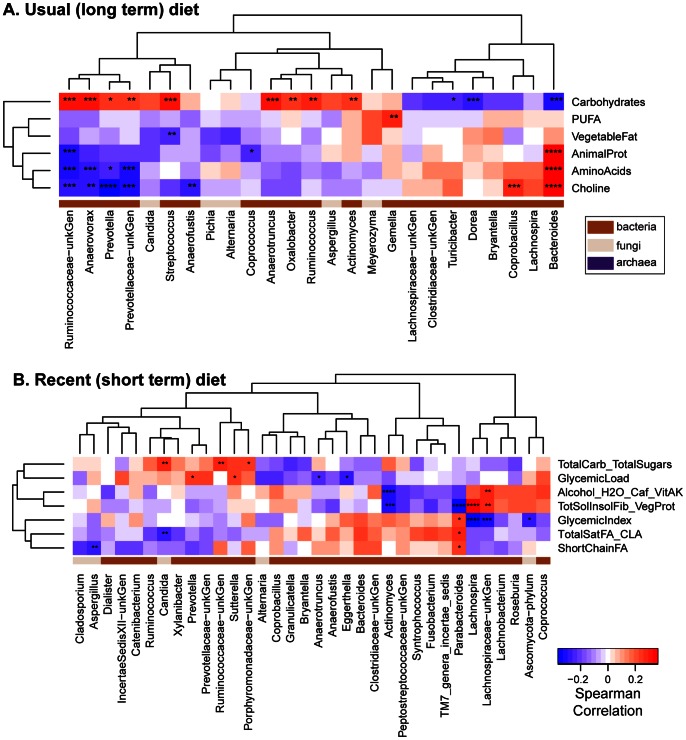
Diet influences health as a source of nutrients and toxins, and by shaping the composition of resident microbial populations. Previous studies have begun to map out associations between diet and the bacteria and viruses of the human gut microbiome. Here we investigate associations of diet with fungal and archaeal populations, taking advantage of samples from 98 well-characterized individuals. Diet was quantified using inventories scoring both long-term and recent diet, and archaea and fungi were characterized by deep sequencing of marker genes in DNA purified from stool. For fungi, we found 66 genera, with generally mutually exclusive presence of either the phyla Ascomycota or Basiodiomycota. For archaea, Methanobrevibacter was the most prevalent genus, present in 30% of samples. Several other archaeal genera were detected in lower abundance and frequency. Myriad associations were detected for fungi and archaea with diet, with each other, and with bacterial lineages. Methanobrevibacter and Candida were positively associated with diets high in carbohydrates, but negatively with diets high in amino acids, protein, and fatty acids. A previous study emphasized that bacterial population structure was associated primarily with long-term diet, but high Candida abundance was most strongly associated with the recent consumption of carbohydrates. Methobrevibacter abundance was associated with both long term and recent consumption of carbohydrates. These results confirm earlier targeted studies and provide a host of new associations to consider in modeling the effects of diet on the gut microbiome and human health.
Overview
The claims and statistics of this paper haven’t been checked yet.
Run the check — free, no account needed. It reads the open-access text and checks the sources it cites.
Integrity signals
Registry
Cites
Statistics
Figures
Verification
Claims the paper makes
The claims and statistics of this paper haven’t been checked yet.
Run the check — free, no account needed. It reads the open-access text and checks the sources it cites.
Claims other papers make about this one
Each is checked against this paper’s own text: does it say what the citing paper says it does?
The cited source says what the claim attributes to it.
In the citing paper
“In addition, members of the microbiome may drastically affect the growth of co-habitants (Hoffmann et al., 2013).”
From Iron at the Centre of Candida albicans Interactions (2018) · cites this paper as Hoffmann et al., 2013
In the citing paper
“carbohydrate consumption is associated with the proportion of the archaeon, Methanobrevibacter,46 in the intestinal microbiota.”
From Diet and the Intestinal Microbiome: Associations, Functions, and Implications for Health and Disease (2014) · cites this paper as [46]
In the citing paper
“Diet has also been associated with other types of microbes in the gut, such as archaea, fungi, and bacteriophage (Figure 2)45-47.”
From Diet and the Intestinal Microbiome: Associations, Functions, and Implications for Health and Disease (2014) · cites this paper as [46]
In the citing paper
“Infections with C. albicans can range from superficial mucosal and dermatological infections to life-threatening infections of the bloodstream and vital organs.”
From Molecular and genetic basis of azole antifungal resistance in the opportunistic pathogenic fungus Candida albicans (2020) · cites this paper as [1]
Self-check
Percentages, sums and reported differences re-computed from the paper’s own numbers.
The self-check needs the paper’s full text.
Citations
Cites
1 retracted
RETRACTED: Molecular Detection of Eukaryotes in a Single Human Stool Sample from Senegal
Hamad, I., Sokhna, C., Raoult, D., & Bittar, F. (2012) · PLoS ONE · doi:10.1371/journal.pone.0040888 · Cited by 99 · cited 1×
“We detected no fewer than 62 fungal genera and 184 species level OTUs, paralleling and extending a study of one subject, which also yielded a high number of fungal lineages [35].”
BackgroundRetractedQIIME allows analysis of high-throughput community sequencing data
Caporaso, J. G., Kuczynski, J., Stombaugh, J., Bittinger, K., Bushman, F. D., Costello, E. K., Fierer, N., Peña, A. G., Goodrich, J. K., Gordon, J. I., et al. (2010) · Nature Methods · doi:10.1038/nmeth.f.303 · Cited by 34,887 · cited 1×
“Sequences obtained were decoded and quality controlled using the QIIME pipeline [54].”
MethodSelf-citationMeasures of the Amount of Ecologic Association Between Species
Dice, L. R. (1945) · Ecology · doi:10.2307/1932409 · Cited by 12,187 · cited 1×
“Co-occurrence The Dice index [58] was used to determine the co-occurrence of genera across the entire dataset.”
MethodGardes, M., & Bruns, T. (1993) · Molecular Ecology · doi:10.1111/j.1365-294x.1993.tb00005.x · Cited by 10,249 · cited 1×
“Archaeal specific 16S rDNA primers and ITS1 fungal primers were adapted from the literature and used to amplify a rDNA 16S fragment; the final PCR cycling conditions were optimized to maximize specificity [51], [52], [38], [40],(Tables S5 and S6).”
MethodDiversity of the Human Intestinal Microbial Flora
Eckburg, P. B., Bik, E. M., Bernstein, C. N., Purdom, E., Dethlefsen, L., Sargent, M., Gill, S. R., Nelson, K. E., & Relman, D. A. (2005) · Science · doi:10.1126/science.1110591 · Cited by 7,913 · cited 1×
“Inspection of published work showed detection of Nitrosophaera in metagenomic sequences from one of two individuals studied by [25], and in both 16S and metagenomic sequences in another cohort [41].”
BackgroundHuman gut microbiome viewed across age and geography
Yatsunenko, T., Rey, F. E., Manary, M. J., Trehan, I., Dominguez-Bello, M. G., Contreras, M., Magris, M., Hidalgo, G., Baldassano, R. N., Anokhin, A. P., et al. (2012) · Nature · doi:10.1038/nature11053 · Cited by 7,815 · cited 4×
“Inspection of published work showed detection of Nitrosophaera in metagenomic sequences from one of two individuals studied by [25], and in both 16S and metagenomic sequences in another cohort [41].”
BackgroundInfluentialEnterotypes of the human gut microbiome
MetaHIT Consortium (additional members), Arumugam, M., Raes, J., Pelletier, E., Le Paslier, D., Yamada, T., Mende, D. R., Fernandes, G. R., Tap, J., Bruls, T., et al. (2011) · Nature · doi:10.1038/nature09944 · Cited by 7,548
The ade4 Package: Implementing the Duality Diagram for Ecologists
Dray, S., & Dufour, A. (2007) · Journal of Statistical Software · doi:10.18637/jss.v022.i04 · Cited by 6,740
Linking long-term dietary patterns with gut microbial enterotypes
Wu, G. D., Chen, J., Hoffmann, C., Bittinger, K., Chen, Y.-Y., Keilbaugh, S. A., Bewtra, M., Knights, D., Walters, W. A., Knight, R., et al. (2011) · Science · doi:10.1126/science.1208344 · Cited by 6,513 · cited 10×
“Bacterial 16S sequences data and diet data from [10] was used here.”
BackgroundMethodInfluentialThe Ribosomal Database Project: improved alignments and new tools for rRNA analysis
Cole, J. R., Wang, Q., Cardenas, E., Fish, J., Chai, B., Farris, R. J., Kulam-Syed-Mohideen, A. S., McGarrell, D. M., Marsh, T. L., Garrity, G. M., et al. (2008) · Nucleic Acids Research · doi:10.1093/nar/gkn879 · Cited by 4,873 · cited 1×
“Taxonomy was assigned to OTU representative sequences using the RDPclassifier [55] for archaeal sequences and BROCC [36] for fungal sequences.”
Method
Cited by
Sorted by citations
A new view of the tree of life
Hug, L. A., Baker, B. J., Anantharaman, K., Brown, C. T., Probst, A. J., Castelle, C. J., Butterfield, C. N., Hernsdorf, A. W., Amano, Y., Ise, K., et al. (2016) · Nature Microbiology · doi:10.1038/nmicrobiol.2016.48 · Cited by 2,039
You are what you eat: Diet, health and the gut microbiota
Zmora, N., Suez, J., & Elinav, E. (2019) · Nature Reviews Gastroenterology & Hepatology · doi:10.1038/s41575-018-0061-2 · Cited by 1,792
Fungal microbiota dysbiosis in IBD
Sokol, H., Leducq, V., Aschard, H., Pham, H., Jégou, S., Landman, C., Cohen, D., Liguori, G., Bourrier, A., Nion–Larmurier, I., et al. (2016) · Gut · doi:10.1136/gutjnl-2015-310746 · Cited by 1,382
Strains, functions and dynamics in the expanded Human Microbiome Project
Lloyd-Price, J., Mahurkar, A., Rahnavard, G., Crabtree, J., Orvis, J., Hall, A. B., Brady, A., Creasy, H. H., McCracken, C., Giglio, M. G., et al. (2017) · Nature · doi:10.1038/nature23889 · Cited by 1,267
Neonatal gut microbiota associates with childhood multisensitized atopy and T cell differentiation
Fujimura, K. E., Sitarik, A. R., Havstad, S. L., Lin, D. L., Levan, S., Fadrosh, D. W., Panzer, A. R., LaMere, B. J., Rackaityte, E., Lukacs, N. W., et al. (2016) · Nature Medicine · doi:10.1038/nm.4176 · Cited by 1,198
Gut Microbiome: Profound Implications for Diet and Disease
Hills, R. D., Pontefract, B., Mishcon, H. R., Black, C. A., Sutton, S. C., & Theberge, C. R. (2019) · Nutrients · doi:10.3390/nu11071613 · Cited by 1,143
The gut mycobiome of the Human Microbiome Project healthy cohort
Nash, A. K., Auchtung, T. A., Wong, M. C., Smith, D. P., Gesell, J. R., Ross, M. C., Stewart, C. J., Metcalf, G., Muzny, D. M., Gibbs, R. A., et al. (2017) · Microbiome · doi:10.1186/s40168-017-0373-4 · Cited by 1,039
“In a study investigating correlations of archaea and fungi with diet, volunteers had an abundance of Candida and Saccharomyces species in their stool, with high Candida abundance associated with recent consumption of carbohydrates [9].”
BackgroundLewis, J. D., Chen, E. Z., Baldassano, R. N., Otley, A. R., Griffiths, A. M., Lee, D., Bittinger, K., Bailey, A., Friedman, E. S., Hoffmann, C., et al. (2015) · Cell Host & Microbe · doi:10.1016/j.chom.2015.09.008 · Cited by 823
“Graphical abstract INTRODUCTION The human gut microbiota is densely populated by microbes from all three domains of life together with their viruses (Hoffmann et al., 2013; Human Microbiome Project, 2012; Samuel et al., 2007).”
BackgroundInfluentialLagier, J., Hugon, P., Khelaifia, S., Fournier, P., Scola, B. L., & Raoult, D. (2015) · Clinical Microbiology Reviews · doi:10.1128/cmr.00014-14 · Cited by 876
The amazing potential of fungi: 50 ways we can exploit fungi industrially
Hyde, K. D., Xu, J., Rapior, S., Jeewon, R., Lumyong, S., Niego, A. G. T., Abeywickrama, P. D., Aluthmuhandiram, J. V. S., Brahamanage, R. S., Brooks, S., et al. (2019) · Fungal Diversity · doi:10.1007/s13225-019-00430-9 · Cited by 876
Sartor, R. B., & Wu, G. D. (2017) · Gastroenterology · doi:10.1053/j.gastro.2016.10.012 · Cited by 808
Bacterial–fungal interactions: ecology, mechanisms and challenges
Deveau, A., Bonito, G. M., Uehling, J., Paoletti, M., Becker, M., Bindschedler, S., Hacquard, S., Hervé, V., Labbé, J., Lastovetsky, O. A., et al. (2018) · FEMS Microbiology Reviews · doi:10.1093/femsre/fuy008 · Cited by 823
Khan, I., Ullah, N., Zha, L., Bai, Y., Khan, A., Zhao, T., Che, T., & Zhang, C. (2019) · Pathogens · doi:10.3390/pathogens8030126 · Cited by 771
Bacteriophages of the Human Gut: The “Known Unknown” of the Microbiome
Shkoporov, A. N., & Hill, C. (2019) · Cell Host & Microbe · doi:10.1016/j.chom.2019.01.017 · Cited by 783
“Instead, it seems that the metabolic cost of resistance leads to slower growth of bacteria, while the generally lower efficiency of generalist phages toward a particular host prevents them from taking over the specialists (Howard-Varona et al., 2018).”
BackgroundHuman gut microbiota in health and disease: Unveiling the relationship
Afzaal, M., Saeed, F., Shah, Y. A., Hussain, M., Rabail, R., Socol, C. T., Hassoun, A., Pateiro, M., Lorenzo, J. M., Rusu, A. V., et al. (2022) · Frontiers in Microbiology · doi:10.3389/fmicb.2022.999001 · Cited by 762
“It is a prominent and essential Archean in the gut microbiota (Hoffmann et al., 2013; Berry, 2016).”
BackgroundEnaud, R., Prével, R., Ciarlo, E., Beaufils, F., Wieërs, G., Guery, B. P., & Delhaès, L. (2020) · Frontiers in Cellular and Infection Microbiology · doi:10.3389/fcimb.2020.00009 · Cited by 786
The mycobiota: interactions between commensal fungi and the host immune system
Underhill, D. M., & Iliev, I. D. (2014) · Nature reviews. Immunology · doi:10.1038/nri3684 · Cited by 721
Current and Past Strategies for Bacterial Culture in Clinical Microbiology
Lagier, J., Edouard, S., Pagnier, I., Mediannikov, O., Drancourt, M., & Raoult, D. (2015) · Clinical Microbiology Reviews · doi:10.1128/cmr.00110-14 · Cited by 657
“An increased prevalence of Methanobrevibacter spp. correlated, albeit nonsignificantly, with short-term and long-term carbohydrate ingestion (160), as was the case in anorexic patients (175), whereas the prevalence of Nitrososphaera spp. correlated, albeit…”
BackgroundEngineering Microbiomes to Improve Plant and Animal Health
Mueller, U. G., & Sachs, J. L. (2015) · Trends in Microbiology · doi:10.1016/j.tim.2015.07.009 · Cited by 650
“Microbiomes of animals and plants are often dominated by eubacteria, but fungi, protozoa, archaea, and viruses also can play important roles in these communities [1–5].”
BackgroundDiet and the Intestinal Microbiome: Associations, Functions, and Implications for Health and Disease
Albenberg, L. G., & Wu, G. D. (2014) · Gastroenterology · doi:10.1053/j.gastro.2014.01.058 · Cited by 606
The Role of Lung and Gut Microbiota in the Pathology of Asthma
Barcik, W., Boutin, R. C. T., Sokołowska, M., & Finlay, B. B. (2020) · Immunity · doi:10.1016/j.immuni.2020.01.007 · Cited by 636
The Gut Microbiota in the Pathogenesis and Therapeutics of Inflammatory Bowel Disease
Zuo, T., & Ng, S. C. (2018) · Frontiers in Microbiology · doi:10.3389/fmicb.2018.02247 · Cited by 605
Microbial Ecology along the Gastrointestinal Tract
Hillman, E. T., Lu, H., Yao, T., & Nakatsu, C. H. (2017) · Microbes and Environments · doi:10.1264/jsme2.me17017 · Cited by 614
“Transkingdom commensal relationships among microbiota (including Viruses) are considered to form from infancy (29, 30, 106, 200) and several co-occurring relationships have been identified (35, 75, 76, 85, 214).”
BackgroundInfluentialThe hologenome concept of evolution after 10 years
ROSENBERG, E. B., & Zilber‐Rosenberg, I. (2018) · Microbiome · doi:10.1186/s40168-018-0457-9 · Cited by 566
“The gut microbiome also contains abundant and diverse viruses [12] and fungi [13], but they have not been studied extensively.”
BackgroundFungi in the healthy human gastrointestinal tract
Hallen‐Adams, H. E., & Haute, M. J. S. V. (2016) · Virulence · doi:10.1080/21505594.2016.1247140 · Cited by 549
Candida albicans cell-type switching and functional plasticity in the mammalian host
Noble, S. M., Gianetti, B. A., & Witchley, J. N. (2016) · Nature Reviews Microbiology · doi:10.1038/nrmicro.2016.157 · Cited by 548
Enteric fungal microbiota dysbiosis and ecological alterations in colorectal cancer
Coker, O. O., Nakatsu, G., Dai, R. Z., Wu, W. K. K., Wong, S. H., Ng, S. C., Chan, F. K. L., Sung, J. J. Y., & Yu, J. (2019) · Gut · doi:10.1136/gutjnl-2018-317178 · Cited by 511
Mycotoxin: Its Impact on Gut Health and Microbiota
Liew, W.-P.-P., & Sabran, M. R. (2018) · Frontiers in Cellular and Infection Microbiology · doi:10.3389/fcimb.2018.00060 · Cited by 472
“Nevertheless, the gut microbiota has recently become a blooming research area (Hoffmann et al., 2013).”
BackgroundMahmud, M. R., Akter, S., Tamanna, S. K., Mazumder, L., Esti, I. Z., Banerjee, S., Akter, S., Hasan, M. R., Acharjee, M., Hossain, M. S., et al. (2022) · Gut Microbes · doi:10.1080/19490976.2022.2096995 · Cited by 513
“Retrieved from https://app.biorender.com/biorender-templates, associated information based on .25–27,28 and Thermoplasma.33,35 Viruses and phages, on the other hand, can act as reservoirs of genetic material in the gut and destroy microbial cells.36”
BackgroundInfluentialZhang, J., Guo, Z., Xue, Z., Sun, Z., Zhang, M., Wang, L., Wang, G., Wang, F., Xu, J., Cao, H., et al. (2015) · The ISME Journal · doi:10.1038/ismej.2015.11 · Cited by 462
“%) was relatively higher than that reported previously (Dridi et al., 2009, Hoffmann et al., 2013, Lecours et al., 2014).”
BackgroundResultThe Human Microbiome and Its Impacts on Health
Ogunrinola, G. A., Oyewale, J. O., Oshamika, O. O., & Olasehinde, G. I. (2020) · International Journal of Microbiology · doi:10.1155/2020/8045646 · Cited by 482
“Also, the intestinal microbiota helps to improve and maintain the gastrointestinal functions [31].”
BackgroundThe Gut Microbiota in Immune-Mediated Inflammatory Diseases
Forbes, J. D., Domselaar, G. V., & Bernstein, C. N. (2016) · Frontiers in Microbiology · doi:10.3389/fmicb.2016.01081 · Cited by 444
“Figure 1 shows a schematic illustration of the interaction between the immune system and gut microbiota in IMID.”
BackgroundArchaea and the Human Gut: New Beginning of an Old Story
Gaci, N., Borrel, G., Tottey, W., O’Toole, P. W., & Brugère, J.-F. (2014) · World Journal of Gastroenterology · doi:10.3748/wjg.v20.i43.16062 · Cited by 422
Community characteristics of the gut microbiomes of competitive cyclists
Petersen, L. M., Bautista, E. J., Nguyen, H., Hanson, B. M., Chen, L., Lek, S. H., Sodergren, E., & Weinstock, G. M. (2017) · Microbiome · doi:10.1186/s40168-017-0320-4 · Cited by 377
“smithii is positively associated with diets high in carbohydrates [22].”
BackgroundRichard, M. L., & Sokol, H. (2019) · Nature Reviews Gastroenterology & Hepatology · doi:10.1038/s41575-019-0121-2 · Cited by 428
Ménage à trois in the human gut: interactions between host, bacteria and phages
Mirzaei, M. K., & Maurice, C. F. (2017) · Nature Reviews Microbiology · doi:10.1038/nrmicro.2017.30 · Cited by 420
Zhang, F., Aschenbrenner, D., Yoo, J. Y., & Zuo, T. (2022) · The Lancet Microbe · doi:10.1016/s2666-5247(22)00203-8 · Cited by 424
Fungal dysbiosis: immunity and interactions at mucosal barriers
Iliev, I. D., & Leonardi, I. (2017) · Nature reviews. Immunology · doi:10.1038/nri.2017.55 · Cited by 400
Host–microorganism interactions in lung diseases
Marsland, B. J., & Gollwitzer, E. S. (2014) · Nature reviews. Immunology · doi:10.1038/nri3769 · Cited by 374
d’Enfert, C., Kaune, A.-K., Alaban, L. R., Chakraborty, S., Cole, N. L., Delavy, M., Kosmala, D., Marsaux, B., Fróis-Martins, R., Morelli, M., et al. (2020) · FEMS Microbiology Reviews · doi:10.1093/femsre/fuaa060 · Cited by 377
Commensal Fungi in Health and Disease
Limon, J. J., Skalski, J. H., & Underhill, D. M. (2017) · Cell Host & Microbe · doi:10.1016/j.chom.2017.07.002 · Cited by 336
“In a study looking at human fecal material from 96 healthy individuals, a total of 66 fungal genera were reported (Hoffmann et al., 2013).”
BackgroundFungal Dysbiosis in Mucosa-associated Microbiota of Crohn’s Disease Patients
Liguori, G., Lamas, B., Richard, M. L., Brandi, G., Costa, G. D., Hoffmann, T. W., Simone, M. P. D., Calabrese, C., Poggioli, G., Langella, P., et al. (2015) · Journal of Crohn s and Colitis · doi:10.1093/ecco-jcc/jjv209 · Cited by 344
Chong, P. P., Chin, V. K., Looi, C. Y., Wong, W. F., Madhavan, P., & Yong, P. V. C. (2019) · Frontiers in Microbiology · doi:10.3389/fmicb.2019.01136 · Cited by 353
Mitsou, E. K., Kakali, A., Antonopoulou, S., Mountzouris, K. C., Yannakoulia, M., Panagiotakos, D. B., & Kyriacou, A. (2017) · British Journal of Nutrition · doi:10.1017/s0007114517001593 · Cited by 325
“Candida and other yeasts are associated with features of diet((43,44)), and the connection of high adherence with increased levels of yeasts could be attributed to ingestion of foodstuff that are carriers of yeasts, such as fruits, juices and fermented food products((44,45)).”
Commensal Fungi Recapitulate the Protective Benefits of Intestinal Bacteria
Jiang, T. T., Shao, T., Ang, W. X. G., Kinder, J. M., Turner, L. H., Pham, G. H., Whitt, J., Alenghat, T., & Way, S. S. (2017) · Cell Host & Microbe · doi:10.1016/j.chom.2017.10.013 · Cited by 301
“…Overturns Disease Susceptibility Induced by Commensal Bacteria Depletion Saccharomyces cerevisiae, another yeast naturally found in the mammalian gut (Hoffmann et al., 2013; Sokol et al., 2017), was used to evaluate whether these protective benefits are shared by other species of commensal fungi.”
BackgroundGut microbiota as a source of novel antimicrobials
García-Gutiérrez, E., Mayer, M. J., Cotter, P. D., & Narbad, A. (2018) · Gut Microbes · doi:10.1080/19490976.2018.1455790 · Cited by 306
“Despite the fact that bacteria have been most extensively studied, there are other groups of microbes in the human GI tract that have not been as well researched but have an important role in the ecological dynamics, like archaea, viruses and eukaryotes.(10,20) Archaea is represented by Euryarcheota and Crenarchaeota.”
BackgroundInvestigating Colonization of the Healthy Adult Gastrointestinal Tract by Fungi
Auchtung, T. A., Fofanova, T. Y., Stewart, C. J., Nash, A. K., Wong, M. C., Gesell, J. R., Auchtung, J. M., Ajami, N. J., & Petrosino, J. F. (2018) · mSphere · doi:10.1128/msphere.00092-18 · Cited by 296
“(37) observed a positive correlation between fecal Candida levels and the consumption of carbohydrates.”
BackgroundGut Microbiota beyond Bacteria—Mycobiome, Virome, Archaeome, and Eukaryotic Parasites in IBD
Matijašić, M., Meštrović, T., Paljetak, H. Č., Perić, M., Barešić, A., & Verbanac, D. (2020) · International Journal of Molecular Sciences · doi:10.3390/ijms21082668 · Cited by 315
“Reports suggest that the human gut is populated by three fungal phyla, Ascomycota, Basidiomycota, and Zygomycota [25,26], with the “core” 10 genera identified in the majority of gastrointestinal tract samples consisting of Candida (particularly C.”
BackgroundInfluentialForgotten fungi—the gut mycobiome in human health and disease
Huseyin, C. E., O’Toole, P. W., Cotter, P. D., & Scanlan, P. D. (2017) · FEMS Microbiology Reviews · doi:10.1093/femsre/fuw047 · Cited by 284
“For example, Candida and Saccharomyces specieswere positively correlated with the Archaea Methanobrevibacter and both fungal species were also negatively correlated with Nitrososphaera prevalence in one study of the gut mycobiome (Hoffmann et al. 2013).”
BackgroundMethodResultInfluentialGut microbiomes of wild great apes fluctuate seasonally in response to diet
Hicks, A. L., Lee, K. J., Couto-Rodriguez, M., Patel, J., Sinha, R., Guo, C., Olson, S. H., Seimon, A., Seimon, T. A., Ondzie, A. U., et al. (2018) · Nature Communications · doi:10.1038/s41467-018-04204-w · Cited by 277
Fungal identification biases in microbiome projects
Tedersoo, L., & Lindahl, B. D. (2016) · Environmental Microbiology Reports · doi:10.1111/1758-2229.12438 · Cited by 271
“(LaTuga et al., 2011; Huffnagle and Noverr, 2013; Hallen-Adams et al., 2015).”
Obesity changes the human gut mycobiome
Rodríguez, M. M., Pérez, D., Chaves, F. J., Esteve, E., Marín-García, P., Xifra, G., Vendrell, J. J., Jové, M., Pamplona, R., Ricart, W., et al. (2015) · Scientific Reports · doi:10.1038/srep14600 · Cited by 276
Accounting for reciprocal host–microbiome interactions in experimental science
Stappenbeck, T. S., & Virgin, H. W. (2016) · Nature · doi:10.1038/nature18285 · Cited by 272
Kalan, L., Loesche, M., Hodkinson, B. P., Heilmann, K., Ruthel, G., Gardner, S. E., & Grice, E. A. (2016) · mBio · doi:10.1128/mbio.01058-16 · Cited by 246
“Although this saprophytic dematiaceous fungus is widespread in the environment, it has been reported as one of the most common fungal species associated with the human body in different body sites, including the oral, nasal, vaginal, and gut mycobiomes (31, 34, 48–50).”
Legrand, T. P. R. A., Wynne, J. W., Weyrich, L. S., & Oxley, A. P. A. (2019) · Reviews in Aquaculture · doi:10.1111/raq.12375 · Cited by 277
Fungal Signature in the Gut Microbiota of Pediatric Patients With Inflammatory Bowel Disease
Chehoud, C., Albenberg, L. G., Judge-Golden, C. P., Hoffmann, C., Grunberg, S., Bittinger, K. L., Baldassano, R. N., Lewis, J. D., Bushman, F. D., & Wu, G. D. (2015) · Inflammatory Bowel Diseases · doi:10.1097/mib.0000000000000454 · Cited by 265
“Fungi and archaea are known to be normal components of the gut microbiota.(1,4,5,48) In this study, we recovered abundant”
InfluentialBorrel, G., Brugère, J., Gribaldo, S., Schmitz, R. A., & Moissl‐Eichinger, C. (2020) · Nature Reviews Microbiology · doi:10.1038/s41579-020-0407-y · Cited by 269
Microbial impact on cholesterol and bile acid metabolism: current status and future prospects
Kriaa, A., Bourgin, M., Potiron, A., Mkaouar, H., Jablaoui, A., Gérard, P., Maguin, E., & Rhimi, M. (2019) · Journal of Lipid Research · doi:10.1194/jlr.r088989 · Cited by 264
“microbial communities, including bacteria, viruses, archaea, parasites, and fungi (10, 11).”
Gut microorganisms as promising targets for the management of type 2 diabetes
Delzenne, N. M., Cani, P. D., Everard, A., Neyrinck, A. M., & Bindels, L. B. (2015) · Diabetologia · doi:10.1007/s00125-015-3712-7 · Cited by 271
“15 he al th y in di vi du al s; cr os so ve r in te rv en tio n B re ak fa st co nt ai ni ng 6 g of A X = po st pr an di al gl yc ae m ia ,↓ po st pr an di al in su lin ae m ia [1 08 ]”
BackgroundInfluentialXu, J. (2016) · Genome · doi:10.1139/gen-2016-0046 · Cited by 277
The microbiota in inflammatory bowel disease
Sheehan, D., Moran, C. P., & Shanahan, F. (2015) · Journal of Gastroenterology · doi:10.1007/s00535-015-1064-1 · Cited by 260
Fungi as mediators linking organisms and ecosystems
Bahram, M., & Netherway, T. (2021) · FEMS Microbiology Reviews · doi:10.1093/femsre/fuab058 · Cited by 271
“Carbohydrate substrates of fungi play an important role in their fitness in the gut, as evidenced by increased abundance of Candida following the consumption of carbohydrate rich foods, whereas they respond negatively to saturated fatty acids (Hoffmann et al. 2013).”
Gut Mycobiota in Immunity and Inflammatory Disease
Li, X. V., Leonardi, I., & Iliev, I. D. (2019) · Immunity · doi:10.1016/j.immuni.2019.05.023 · Cited by 246
Fungal-Bacterial Interactions in Health and Disease
Krüger, W., Vielreicher, S., Kapitan, M., Jacobsen, I. D., & Niemiec, M. J. (2019) · Pathogens · doi:10.3390/pathogens8020070 · Cited by 234
“Defining the gut mycobiota from healthy stool identified Ascomycota and Basidiomycota as the most abundant taxa, and the dominant genera are Saccharomyces , Candida , Malassezia , and Cladosporium [53,54,205].”
Age and Gender Affect the Composition of Fungal Population of the Human Gastrointestinal Tract
Strati, F., Paola, M. D., Stefanini, I., Albanese, D., Rizzetto, L., Lionetti, P., Calabrò, A., Jousson, O., Donati, C., Cavalieri, D., et al. (2016) · Frontiers in Microbiology · doi:10.3389/fmicb.2016.01227 · Cited by 231
“As occurs for the bacterial microbiota, the intestinal mycobiota is shaped by host’s age, gender, diet, and geographical environment (Yatsunenko et al., 2012; Hoffmann et al., 2013; David et al., 2014).”
BackgroundFungi stabilize connectivity in the lung and skin microbial ecosystems
Tipton, L., Müller, C. L., Kurtz, Z. D., Huang, L., Kleerup, E. C., Morris, A., Bonneau, R., & Ghedin, E. (2018) · Microbiome · doi:10.1186/s40168-017-0393-0 · Cited by 234
Homeostasis and dysbiosis of the gut microbiome in health and disease
Das, B., & Nair, G. B. (2019) · Journal of Biosciences · doi:10.1007/s12038-019-9926-y · Cited by 225
Impact of Diet on Human Intestinal Microbiota and Health
Salonen, A., & de Vos, W. M. (2014) · Annual Review of Food Science and Technology · doi:10.1146/annurev-food-030212-182554 · Cited by 220
Analyses of Intestinal Microbiota: Culture versus Sequencing: Figure 1
Hiergeist, A., Gläsner, J., Reischl, U., & Gessner, A. (2015) · ILAR Journal · doi:10.1093/ilar/ilv017 · Cited by 221
“…least half of the gut-residing bacteria are gram-positive (Gossling and Slack 1974; Lagier, Million et al. 2012), and the commonly hardto-lyse domain of the Archaea is represented predominantly by methanogenicMethanobrevibacter spp.with a variable and overall low prevalence (Hoffmann et al. 2013).”
BackgroundThe Fungal Mycobiome and Its Interaction with Gut Bacteria in the Host
Sam, Q. H., Chang, M. W., & Chai, L. Y. A. (2017) · International Journal of Molecular Sciences · doi:10.3390/ijms18020330 · Cited by 226
“[17] reported a strong link between consumed foods and fungal abundance in the gut.”
Mycobiota in gastrointestinal diseases
Mukherjee, P. K., Sendid, B., Hoarau, G., Colombel, J., Poulain, D., & Ghannoum, M. A. (2014) · Nature Reviews Gastroenterology & Hepatology · doi:10.1038/nrgastro.2014.188 · Cited by 215
Microbial ‘old friends’, immunoregulation and socioeconomic status
Rook, G. A. W., Raison, C. L., & Lowry, C. A. (2014) · Clinical & Experimental Immunology · doi:10.1111/cei.12269 · Cited by 218
Diet and Inflammatory Bowel Disease: Review of Patient-Targeted Recommendations
Hou, J. K., Lee, D. Y., & Lewis, J. D. (2013) · Clinical Gastroenterology and Hepatology · doi:10.1016/j.cgh.2013.09.063 · Cited by 204
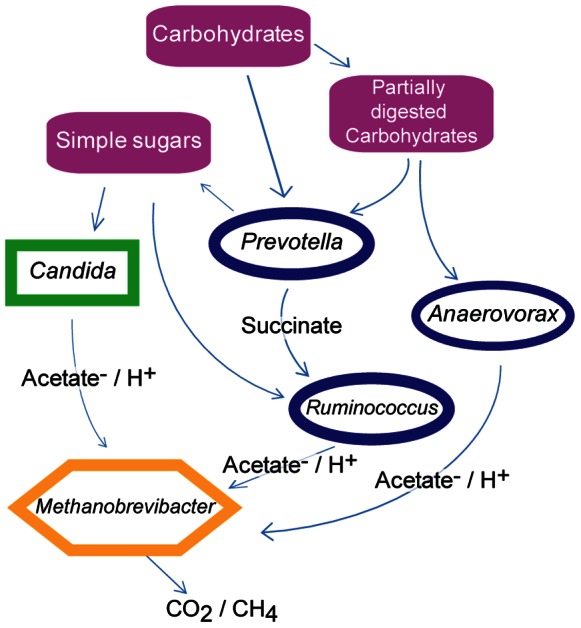
“For example, Candida may utilize starch, liberating simple carbohydrates that are used by bacteria such as Prevotella and Ruminococcus , which in turn produce substrates for fermentation that can be used by Methanobrevibacter to produce CH 4 and or CO 2 .”
The human gut mycobiome: pitfalls and potentials—a mycologist’s perspective
Haute, M. J. S. V., & Hallen‐Adams, H. E. (2015) · Mycologia · doi:10.3852/15-147 · Cited by 205
“An estimated 75% of women will suffer a yeast infection during their lifetime and roughly 20–25% of the world’s population has skin mycoses (Sobel 2007, Havlickova et al. 2008).”
BackgroundModelling approaches for studying the microbiome
Kumar, M., Ji, B., Zengler, K., & Nielsen, J. (2019) · Nature Microbiology · doi:10.1038/s41564-019-0491-9 · Cited by 200
Norman, J. M., Handley, S. A., & Virgin, H. W. (2014) · Gastroenterology · doi:10.1053/j.gastro.2014.02.001 · Cited by 186
Tan, D.-X., Zheng, X., Kong, J., Manchester, L., Hardeland, R., Kim, S., Xu, X., & Reiter, R. (2014) · International Journal of Molecular Sciences · doi:10.3390/ijms150915858 · Cited by 188
“Many archaea also inhabit the gastrointestinal tract of animals including that of the human [146,147].”
BackgroundStress and the gut microbiota-brain axis
Molina‐Torres, G., Rodríguez-Arrastia, M. J., Román, P., Sánchez‐Labraca, N., & Cardona, D. (2019) · Behavioural Pharmacology · doi:10.1097/fbp.0000000000000478 · Cited by 189
“Despite previous probiotic health claims having been exaggerated (Shanahan, 2002; Hoffmann et al., 2013; Sanders, 2016), it is particularly interesting to consider the possibility that probiotics can affect emotion in health and disease by modulating the GMB and confer a health benefit on the host (Dinan et al.”
Early gut mycobiota and mother-offspring transfer
Schei, K., Avershina, E., Øien, T., Rudi, K., Follestad, T., Salamati, S., & Ødegård, R. A. (2017) · Microbiome · doi:10.1186/s40168-017-0319-x · Cited by 179
“These fungi consume nutrients and may facilitate nutrient extraction and assist in digestion through enzyme and vitamin production [7, 8].”
BackgroundReview article: the gut microbiome in inflammatory bowel disease—avenues for microbial management
Mcilroy, J. R., Ianiro, G., Mukhopadhya, I., Hansen, R., & Hold, G. L. (2017) · Alimentary Pharmacology & Therapeutics · doi:10.1111/apt.14384 · Cited by 178
Viral communities of the human gut: metagenomic analysis of composition and dynamics
Aggarwala, V., Liang, G., & Bushman, F. D. (2017) · Mobile DNA · doi:10.1186/s13100-017-0095-y · Cited by 185
Fungi of the human gut microbiota: Roles and significance
Pérez, J. C. (2021) · International Journal of Medical Microbiology · doi:10.1016/j.ijmm.2021.151490 · Cited by 189
Meta'omic Analytic Techniques for Studying the Intestinal Microbiome
Morgan, X. C., & Huttenhower, C. (2014) · Gastroenterology · doi:10.1053/j.gastro.2014.01.049 · Cited by 181
Intestinal mycobiota in health and diseases: from a disrupted equilibrium to clinical opportunities
Wu, X., Xia, Y., He, F., Zhu, C., & Ren, W. (2021) · Microbiome · doi:10.1186/s40168-021-01024-x · Cited by 177
Fungi inhabiting the healthy human gastrointestinal tract: a diverse and dynamic community
Hallen‐Adams, H. E., Kachman, S. D., Kim, J., Legge, R. M., & Martínez, I. (2015) · Fungal ecology · doi:10.1016/j.funeco.2015.01.006 · Cited by 169
“…it is expected that the role of human-associated eukaryotes will come under increasing scrutiny in the next several years, and papers are just beginning to address the role of organisms other than bacteria in the healthy human ( Andersen et al., 2013, Gouba et al., 2013 and Hoffmann et al., 2013).”
InfluentialShuai, M., Fu, Y., Zhong, H., Gou, W., Jiang, Z., Liang, Y., Miao, Z., Xu, J., Huynh, T., Wahlqvist, M. L., et al. (2022) · Gut · doi:10.1136/gutjnl-2021-326298 · Cited by 161
Cross-Domain and Viral Interactions in the Microbiome
Rowan-Nash, A. D., Korry, B. J., Mylonakis, E. E., & Belenky, P. A. (2019) · Microbiology and Molecular Biology Reviews · doi:10.1128/mmbr.00044-18 · Cited by 173
“A few groups have used ITS sequencing in humans to identify potential members of a core oral mycobiome, including Candida, Cladosporium, Alternaria, Aspergillus, Fusarium, Cryptococcus, and Aureobasidium (211–213).”
BackgroundInfluentialVemuri, R., Shankar, E. M., Chieppa, M., Eri, R., & Kavanagh, K. (2020) · Microorganisms · doi:10.3390/microorganisms8040483 · Cited by 162
“For example, Candida abundance is found to be strongly associated with the recent ingestion of carbohydrates [100].”
BackgroundYeasts as probiotics: Mechanisms, outcomes, and future potential
Sen, S., & Mansell, T. J. (2020) · Fungal Genetics and Biology · doi:10.1016/j.fgb.2020.103333 · Cited by 169
Mycobiome in the Gut: A Multiperspective Review
Chin, V. K., Yong, P. V. C., Chong, P. P., Nordin, S. A., Basir, R., & Abdullah, M. (2020) · Mediators of Inflammation · doi:10.1155/2020/9560684 · Cited by 161
“Although this study has identified various fungal communities in the gut, one of the concerns raised in this study is whether these fungal mycobiota identified are permanent residents in the gut or just transient species [19].”
BackgroundKumar, S., Indugu, N., Vecchiarelli, B., & Pitta, D. (2015) · Frontiers in Microbiology · doi:10.3389/fmicb.2015.00781 · Cited by 161
“The resulting amplified PCR products were bead purified using a Beckman Coulter Agencourt AMPure XP Beads (Beckman-Coulter, Pasadena, CA, USA) as described by Hoffmann et al. (2013).”
MethodMycobiome: Approaches to analysis of intestinal fungi
Tang, J., Iliev, I. D., Brown, J. S., Underhill, D. M., & Funari, V. A. (2015) · Journal of Immunological Methods · doi:10.1016/j.jim.2015.04.004 · Cited by 157
“While most studies of the gastrointestinal microbiota focus on commensal and pathogenic bacteria, we and others have recently begun to explore the fungi that are also present in these communities (Scupham et al., 2006; Iliev et al., 2012; Dollive et al., 2013; Hoffmann et al., 2013).”
BackgroundThe role of the microbiome in nonhealing diabetic wounds
Kalan, L., & Brennan, M. B. (2018) · Annals of the New York Academy of Sciences · doi:10.1111/nyas.13926 · Cited by 162
Archaea: Essential Inhabitants of the Human Digestive Microbiota
Nkamga, V. D., Henrissat, B., & Drancourt, M. (2017) · Human Microbiome Journal · doi:10.1016/j.humic.2016.11.005 · Cited by 141
“A higher intake of carbohydrates correlated with Methanobrevibacterpositive samples [59].”
BackgroundStructural diversity, functional aspects and future therapeutic applications of human gut microbiome
Ghosh, S., & Pramanik, S. (2021) · Archives of Microbiology · doi:10.1007/s00203-021-02516-y · Cited by 158
Temporal dynamics in the ruminal microbiome of dairy cows during the transition period
Pitta, D., Kumar, S., Vecchiarelli, B., Shirley, D. J., Bittinger, K. L., Baker, L. D., Ferguson, J. D., & Thomsen, N. K. (2014) · Journal of Animal Science · doi:10.2527/jas.2014-7621 · Cited by 154
The Human MycobiomePreprint
Seed, P. C. (2014) · Cold Spring Harbor Perspectives in Medicine · doi:10.1101/cshperspect.a019810 · Cited by 149
“The investigators suggest that Candida, Prevotella, Ruminococcus, and Methanobrevibacter may form a syntrophic guild with Candida providing metabolisms of complex carbohydrates, whereas Prevotella and Ruminococcus ferment the more simple sugars liberated by Candida.”
BackgroundMethodInfluentialBittinger, K. L., Charlson, E. S., Loy, E., Shirley, D. J., Haas, A. R., Laughlin, A. L., Yi, Y., Wu, G. D., Lewis, J. D., Frank, I., et al. (2014) · Genome biology · doi:10.1186/s13059-014-0487-y · Cited by 149
“However, fungal-bacterial interactions have not been studied extensively using culture-independent sequencebased methods (for a few examples see [5-9]).”
BackgroundHuman Gut Microbiota: Toward an Ecology of Disease
Selber‐Hnatiw, S., Rukundo, B., Ahmadi, M., Akoubi, H., Al-Bizri, H., Aliu, A. F., Ambeaghen, T. U., Avetisyan, L., Bahar, I., Baird, A., et al. (2017) · Frontiers in Microbiology · doi:10.3389/fmicb.2017.01265 · Cited by 151
“Human-associated Archaea, among which Methanobrevibacter smithii found in almost 96% of healthy subjects, synthesize methane from H2 produced by bacterial catabolism (Hoffmann et al., 2013; Lurie-Weinberger and Gophna, 2015).”
BackgroundInfluentialGeurden, I., Mennigen, J. A., Plagnes‐Juan, E., Véron, V., Cerezo, T., Mazurais, D., Zambonino‐Infante, J., Gatesoupe, F.-J., Cassy, S., & Panserat, S. (2014) · Journal of Experimental Biology · doi:10.1242/jeb.106062 · Cited by 145
Metadata
- Authors
- Hoffmann, C., Dollive, S., Grunberg, S., Chen, J., Li, H., Wu, G. D., Lewis, J. D., & Bushman, F. D.
- Affiliations
- Universidade Federal de Goiás (BR)
- University of Pennsylvania (US)
- Harvard University (US)
- Corresponding author
- Wu, Gary D.
- Lewis, James D.
- Bushman, Frederic D.
- Venue
- PLoS ONE
- Publisher
- Public Library of Science (PLoS)
- Published
- 2013-06-17
- Volume
- 8
- Issue
- 6
- Pages
- e66019
- ISSN
- 1932-6203 (ISSN-L)
- PMC
- PMC3684604
- OpenAlex
- W2110345840
- Cited by
- 808
- References
- 62
- Citations by year
- 2026: 38 · 2025: 56 · 2024: 73 · 2023: 59 · 2022: 86 · 2021: 85 · 2020: 87 · 2019: 76 · 2018: 60 · 2017: 62 · 2016: 36 · 2015: 45 · 2014: 40 · 2013: 4
- FWCI
- 18.65
- Type
- journal article
- Language
- en
- Open access
- gold
- doi.org
- Locations
- PLoS ONE (publishedVersion, cc-by)
- Europe PMC (PubMed Central) (publishedVersion, other-oa)
- PubMed Central (publishedVersion, cc-by)
- PubMed (publishedVersion)
- Digital Access to Scholarship at Harvard (DASH) (Harvard University) (submittedVersion, cc-by)
- DOAJ (DOAJ: Directory of Open Access Journals) (submittedVersion, cc-by-sa)
- Figshare (submittedVersion, cc-by)
- Funders
- Pennsylvania Department of Health
- University of Pennsylvania (UL1 RR024134)
- National Institutes of Health (and K24, DK050306)
- National Institute of Diabetes and Digestive and Kidney Diseases (K24DK078228, DK 089472, R01DK089472, UH2/3 DK083981, UH3DK083981, UH2DK083981, P30DK050306)
- National Center for Research Resources (UL1RR024134, S10RR024525)
- Topics
- Life Sciences › Biochemistry, Genetics and Molecular Biology › Molecular Biology › Gut microbiota and health
- Health Sciences › Medicine › Gastroenterology › Gastrointestinal motility and disorders
- Physical Sciences › Environmental Science › Ecology › Microbial Community Ecology and Physiology
- Keywords
- gut microbiota, archaea, fungi, diet, Methanobrevibacter, Candida, Ascomycota, carbohydrate intake, long-term diet, microbial co-occurrence, human health
- MeSH terms
- Archaea, Bacteria, Diet, Fungi, Humans, Intestines, Microbiota
About these checks
Registry, retraction, Cites and statistics results are computed, not judged, with one exception: a printed reference that no index lists is read once by a model before it counts as a citation error. Claims are extracted by a model and kept only when their quote appears verbatim in the text; each cited source is then checked, with a model’s help, for whether it says what the claim relies on. Those verdicts can be wrong — read the claim’s quote and the cited source before relying on one.
Statistics and arithmetic are recomputed, not judged.
Confidence bands are shown only for fields calibrated on our annotated test set. None is calibrated yet, so no band is shown.
What counts as a claim ›How we measure confidence ›How we check this ›
Are you an author, or do you see a problem with this page? Request a review
