

Graphical Tools for Network Meta-Analysis in STATA
Open accessThe DOI matches its Crossref record; 51 of the 51 references it cites were found in a registry or an index.
Abstract
Network meta-analysis synthesizes direct and indirect evidence in a network of trials that compare multiple interventions and has the potential to rank the competing treatments according to the studied outcome. Despite its usefulness network meta-analysis is often criticized for its complexity and for being accessible only to researchers with strong statistical and computational skills. The evaluation of the underlying model assumptions, the statistical technicalities and presentation of the results in a concise and understandable way are all challenging aspects in the network meta-analysis methodology. In this paper we aim to make the methodology accessible to non-statisticians by presenting and explaining a series of graphical tools via worked examples. To this end, we provide a set of STATA routines that can be easily employed to present the evidence base, evaluate the assumptions, fit the network meta-analysis model and interpret its results.
Overview
The claims and statistics of this paper haven’t been checked yet.
Free: it reads the open-access text and checks the first 5 claims that cite a source we can check. Create a free account to check every claim.
Integrity signals
Registry
Cites
Statistics
Figures





Verification
Claims the paper makes
The claims and statistics of this paper haven’t been checked yet.
Free: it reads the open-access text and checks the first 5 claims that cite a source we can check. Create a free account to check every claim.
Claims other papers make about this one
Each is checked against this paper’s own text: does it say what the citing paper says it does?
The source backs part of the claim, not all of it — or backs it for a different population, condition or comparison.
In the citing paper
“We used comparisonadjusted funnel plots to assess publi cation bias.23”
From Comparative efficacy and acceptability of antidepressants, psychotherapies, and their combination for acute treatment of children and adolescents with depressive disorder: a systematic review and network meta-analysis (2020) · cites this paper as [23]
Experimental — accuracy not yet measuredThe source backs part of the claim, not all of it — or backs it for a different population, condition or comparison.
In the citing paper
“The statistical examination of the transitivity assumption was conducted using tests of local and global inconsistency 20 .”
From Psychotherapies for depression: a network meta-analysis covering efficacy, acceptability and long-term outcomes of all main treatment types (2021) · cites this paper as [20]
Experimental — accuracy not yet measuredThe source backs part of the claim, not all of it — or backs it for a different population, condition or comparison.
In the citing paper
“Small-study effects and potential publication bias were investigated by visual inspection of contour-enhanced, comparison-adjusted funnel plots, and an Egger's test.[26][27][28]”
From Comparative efficacy and tolerability of pharmacological interventions for acute bipolar depression in adults: a systematic review and network meta-analysis (2023) · cites this paper as [27]
Experimental — accuracy not yet measuredThe cited source says what the claim attributes to it.
In the citing paper
“We used comparison-adjusted funnel plots to investigate whether results in imprecise trials differ from those in more precise trials.17”
The cited source says what the claim attributes to it.
In the citing paper
“For each outcome with ≥10 studies, the comparison-adjusted funnel plot was used to assess small-study effects,17 where the overall treatment effect for each comparison was estimated under the fixed-effect meta-analysis model.”
2 more claims about this paper
Create a free account to see every claim other papers make about this one.
Self-check
Percentages, sums and reported differences re-computed from the paper’s own numbers.
The self-check needs the paper’s full text.
Citations
Cites
Bias in meta-analysis detected by a simple, graphical test
Egger, M., Smith, G. D., Schneider, M., & Minder, C. (1997) · BMJ · doi:10.1136/bmj.315.7109.629 · Cited by 56,722 · cited 1×
“It is the most common tool used to assess the presence of small-study effects in a meta-analysis [34].”
MethodMeta-analysis in clinical trials
DerSimonian, R., & Laird, N. (1986) · Controlled Clinical Trials · doi:10.1016/0197-2456(86)90046-2 · Cited by 39,552 · cited 1×
“Method of moments and restricted maximum likelihood are those most commonly used and have been implemented in STATA’s metan command along with an empirical Bayes method [32,33].”
MethodThe Handbook of Research Synthesis and Meta-Analysis
(2019) · doi:10.7758/9781610448864 · Cited by 4,553 · cited 1×
“freedom (in NMA we suggest this is set to number of studies – number of comparisons with data – 1 [41]) and m̂ is the metaanalysis summary effect.”
BackgroundSalanti, G., Ades, A. E., & Ioannidis, J. P. A. (2011) · Journal of Clinical Epidemiology · doi:10.1016/j.jclinepi.2010.03.016 · Cited by 3,766 · cited 4×
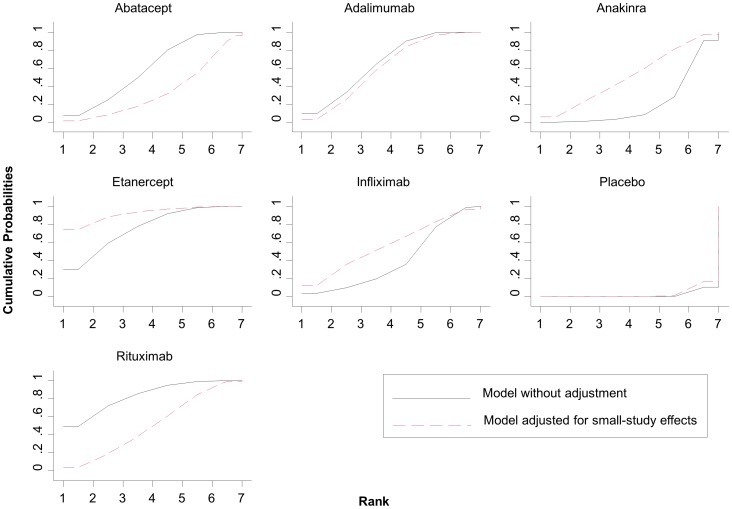
“So-called rankograms and cumulative ranking probability plots have been suggested as a reliable and comprehensive graphical way to present ranking probabilities and their uncertainty [2].”
BackgroundMethodInfluentialSelf-citationInterpretation of random effects meta-analyses
Riley, R. D., Higgins, J. P. T., & Deeks, J. J. (2011) · BMJ · doi:10.1136/bmj.d549 · Cited by 2,884 · cited 2×
“and predictive ranking probabilities (the probability that each treatment will be placed in each rank in a future study [39,40]) can be estimated with the suboption predict.”
BackgroundSelf-citationA Re-Evaluation of Random-Effects Meta-Analysis
Higgins, J. P. T., Thompson, S. G., & Spiegelhalter, D. J. (2009) · Journal of the Royal Statistical Society Series A: Statistics in Society · doi:10.1111/j.1467-985x.2008.00552.x · Cited by 2,569 · cited 2×
“and predictive ranking probabilities (the probability that each treatment will be placed in each rank in a future study [39,40]) can be estimated with the suboption predict.”
BackgroundSelf-citationChecking consistency in mixed treatment comparison meta-analysis
Dias, S., Welton, N. J., Caldwell, D. M., & Ades, A. E. (2010) · Statistics in Medicine · doi:10.1002/sim.3767 · Cited by 2,521 · cited 1×
“Several approaches have been developed to deal with inconsistency in a network of interventions [26–29].”
BackgroundCombination of direct and indirect evidence in mixed treatment comparisons
Lu, G., & Ades, A. E. (2004) · Statistics in Medicine · doi:10.1002/sim.1875 · Cited by 2,166 · cited 1×
“Thus, in the presence of multi-arm trials, researchers have often preferred to perform NMA in a Bayesian framework that offers more flexibility [21,22].”
BackgroundConsistency and inconsistency in network meta-analysis: concepts and models for multi-arm studies
Higgins, J. P. T., Jackson, D., Barrett, J. K., Lu, G., Ades, A. E., & White, I. R. (2012) · Research Synthesis Methods · doi:10.1002/jrsm.1044 · Cited by 2,098 · cited 1×
“recently described NMA as a multivariate meta-analysis model [23,24].”
MethodSelf-citationBucher, H. C., Guyatt, G. H., Griffith, L. E., & Walter, S. D. (1997) · Journal of Clinical Epidemiology · doi:10.1016/s0895-4356(97)00049-8 · Cited by 2,052 · cited 1×
“The integration of direct evidence (from studies directly comparing interventions) with indirect evidence (information about two treatments derived via a common comparator) increases the precision in the estimates and produces a relative ranking of all treatments for the studied outcome [1,2].”
Background
Cited by
Items 601–700 of 1,012
Best practices for MRI systematic reviews and meta‐analyses
McGrath, T. A., Bossuyt, P. M., Cronin, P., Salameh, J., Kraaijpoel, N., Schieda, N., & McInnes, M. D. F. (2018) · Journal of Magnetic Resonance Imaging · doi:10.1002/jmri.26198 · Cited by 38
“the relative mean effects, predictions, and the impact of heterogeneity on each comparison.(46) Visual tools can also be”
BackgroundMethodResultInfluentialYeo, Y. H., Hsu, C., Lee, C., Ho, H. J., Lin, J., Wu, M., Liou, J., & Wu, C. (2018) · Journal of Gastroenterology and Hepatology · doi:10.1111/jgh.14462 · Cited by 36
Treatment for ascites in adults with decompensated liver cirrhosis: a network meta-analysis
Benmassaoud, A., Freeman, S. C., Roccarina, D., Torres, M. C. P., Sutton, A. J., Cooper, N. J., Prat, L. I., Cowlin, M., Milne, E., Hawkins, N., et al. (2020) · Cochrane Database of Systematic Reviews · doi:10.1002/14651858.cd013123.pub2 · Cited by 49
Foroutan, N., Hopkins, R. B., Tarride, J., Flórez, I. D., & Levine, M. (2019) · Clinical and investigative medicine · doi:10.25011/cim.v42i1.32393 · Cited by 38
Schwingshackl, L., Schwarzer, G., Rücker, G., & Meerpohl, J. J. (2019) · Advances in Nutrition · doi:10.1093/advances/nmz036 · Cited by 37
“(95) introduced a comparison-adjusted funnel plot which shows all pairwise comparisons in a single plot, which typically contains the recommended number of at least ten estimates for the evaluation of funnel plot asymmetry (96, 97).”
Iannone, A., Ruospo, M., Palmer, S. C., Principi, M., Barone, M., Leo, A. D., & Strippoli, G. F. (2019) · Alimentary Pharmacology & Therapeutics · doi:10.1111/apt.15493 · Cited by 37
Russo, G. I., Scandura, C., Mauro, M. D., Cacciamani, G. E., Albersen, M., Hatzichristodoulou, G., Fode, M. M., Capogrosso, P., Cimino, S., Marcelissen, T. A. T., et al. (2020) · European Urology Focus · doi:10.1016/j.euf.2020.01.002 · Cited by 36
“The integration of direct evidence (from studies directly comparing interventions) with indirect evidence (information about two treatments derived via a common comparator) increases the precision in the estimates and produces a relative ranking of all treatments for the studied outcome [6].”
BackgroundMethodInfluentialBarbato, L., Selvaggi, F., Kalemaj, Z., Buti, J., Bendinelli, E., Marca, M. L., & Cairo, F. (2020) · Clinical Oral Investigations · doi:10.1007/s00784-020-03229-0 · Cited by 36
Franco, J. V. A., Jung, J. H., Imamura, M., Borofsky, M. S., Omar, M. I., Liquitay, C. M. E., Young, S., Veroniki, A. A., Garegnani, L., & Dahm, P. (2020) · Cochrane Database of Systematic Reviews · doi:10.1002/14651858.cd013656 · Cited by 37
Saeteaw, M., Sanguanboonyaphong, P., Yoodee, J., Craft, K., Sawangjit, R., Ngamphaiboon, N., Shantavasinkul, P. C., Subongkot, S., & Chaiyakunapruk, N. (2020) · BMJ Supportive & Palliative Care · doi:10.1136/bmjspcare-2020-002601 · Cited by 39
Savoldi, A., Carrara, E., Piddock, L. J. V., Franceschi, F. J., Ellis, S., Chiamenti, M., Bragantini, D., Righi, E., & Tacconelli, E. (2021) · BMC Infectious Diseases · doi:10.1186/s12879-021-06253-x · Cited by 36
“Given that several studies did not offer a direct comparison, we selected the NMA approach that can integrate both direct evidence (from studies directly comparing two antibiotic regimens) with indirect evidence (information on two antibiotic regimens derived via a common comparator), increase the precision in the est…”
BackgroundTäger, T., Frankenstein, L., Atar, D., Agewall, S., Frey, N., Grundtvig, M., Clark, A. L., Cleland, J. G. F., & Fröhlich, H. (2021) · Clinical Research in Cardiology · doi:10.1007/s00392-021-01913-z · Cited by 39
Howle, R., Ng, S. C., Wong, H.-Y., Onwochei, D. N., & Desai, N. (2021) · Canadian Journal of Anesthesia/Journal canadien d anesthésie · doi:10.1007/s12630-021-02128-6 · Cited by 36
“), with the intent of performing network metaanalysis for an outcome of interest using the frequentist method if three or more competing interventions could be connected into a network through the direct comparisons between the trials.(24,25) Each outcome subjected to network meta-analysis utilized a common heterogene…”
MethodPhillips, M., Sadeghirad, B., Busse, J. W., Brignardello‐Petersen, R., Cuello‐García, C. A., Nampo, F. K., Guo, Y. J., Bzovsky, S., Bannuru, R. R., Thabane, L., et al. (2022) · BMJ Open · doi:10.1136/bmjopen-2021-056400 · Cited by 37
Hao, Z., Wang, X., & Zhang, X. (2018) · Journal of Orthopaedic Surgery and Research · doi:10.1186/s13018-018-0852-8 · Cited by 38
“The Cochrane Q test and the I(2) statistic were assessed to determine the effect of between-study heterogeneity [7, 8].”
MethodLi, W., Chen, X., Xie, X., Xu, M., Xu, L., Liu, P., & Luo, B. (2022) · Journal of Cardiovascular Pharmacology · doi:10.1097/fjc.0000000000001197 · Cited by 35
Gazendam, A., Ekhtiari, S., Axelrod, D. E., Gouveia, K., Gyemi, L. A., Ayeni, O. R., & Bhandari, M. (2021) · Clinical Journal of Sport Medicine · doi:10.1097/jsm.0000000000000924 · Cited by 36
“Surface under the cumulative ranking curve scores are reported as percentages, with a score closer to 100% representing a greater chance of that treatment being the most effective of all studied treatments for that outcome.(19) In addition, random forest plots were generated comparing treatment outcomes with a common…”
BackgroundMethodBoni, L., Huo, B., Alberici, L., Ricci, C., Tsokani, S., Mavridis, D., Amer, Y. S., Andreou, A., Berriman, T., Donatelli, G., et al. (2022) · Surgical Endoscopy · doi:10.1007/s00464-022-09662-4 · Cited by 44
“This process facilitates assessment of both the certainty of the evidence on each intervention along with their ranking [31].”
BackgroundSelf-citationZhou, Y., Zhao, D., Zhu, X., Liu, L., Meng, M., Shao, X., Zhu, X., Xiang, J., He, J., Zhao, Y., et al. (2022) · Translational Psychiatry · doi:10.1038/s41398-023-02604-1 · Cited by 40
“From these studies, 25 randomized controlled trials with 2871 patients were included in the network meta-analysis (Fig.”
BackgroundXie, W., Lu, D., Liu, S., Li, J., & Li, R. (2024) · Preventive Medicine · doi:10.1016/j.ypmed.2024.107955 · Cited by 40
Tian, S., Liang, Z., Qui, F., Yu, Y., Wang, C., Zhang, M., & Wang, X. (2024) · Journal of Psychiatric Research · doi:10.1016/j.jpsychires.2024.06.031 · Cited by 42
Miladinović, B., Chaimani, A., Hozo, I., & Djulbegović, B. (2014) · The Stata Journal Promoting communications on statistics and Stata · doi:10.1177/1536867x1401400106 · Cited by 37
“Interested readers are directed toward a special issue of Research Synthesis Methods for further information (Salanti and Schmid 2012), especially about how network meta-analysis can accommodate more complicated networks in Stata (White et al. 2012; Chaimani et al. 2013).”
BackgroundSelf-citationZhang, Z., Zhu, Y. M., Ling, Y., Zhang, L., & Wan, H. (2016) · OncoTargets and Therapy · doi:10.2147/ott.s101983 · Cited by 38
Wu, S., Gao, Y., & Ge, Z. (2017) · Current Medical Research and Opinion · doi:10.1080/03007995.2017.1308922 · Cited by 38
“0 and the command mvmeta [9] and Stata routines as previously described [10].”
MethodSkoetz, N., Haque, M., Weigl, A., Kuhr, K., Monsef, I., Becker, I., & Jordan, K. (2017) · Cochrane Database of Systematic Reviews · doi:10.1002/14651858.cd012775 · Cited by 35
Qin, B., Chen, H.-T., Gao, W. H., Zhao, L., Zhao, M. J., Qin, H., Chen, W., Chen, L., & Yang, M. X. (2018) · Brazilian Journal of Medical and Biological Research · doi:10.1590/1414-431x20187218 · Cited by 36
Percutaneous patent foramen ovale closure for secondary stroke prevention: Network meta-analysis
Tsivgoulis, G. K., Katsanos, A. H., Mavridis, D., Frogoudaki, A., Vrettou, A., Ikonomidis, I., Parissis, J., Deftereos, S. G., Karapanayiotides, T., Palaiodimou, L., et al. (2018) · Neurology · doi:10.1212/wnl.0000000000005739 · Cited by 39
“Pooled analysis of prevalence rates and NMA were performed with the Stata Statistical Software release 13 for Windows (StataCorp LP, College Station, TX) using the functions metaprop,(31) network,(32) and also the codes developed by Chaimani et al.(33)”
MethodSelf-citationHur, M. S., Park, S.-K., Yoon, H., Yoo, S., Lee, H., Kim, W. H., Kim, J., Ku, J. H., & Bahk, J.-H. (2019) · Journal of Anesthesia · doi:10.1007/s00540-018-2597-2 · Cited by 38
Cheng, J., Cai, M., Shuai, X., Gao, J., Wang, G., & Tao, K. (2019) · Therapeutic Advances in Medical Oncology · doi:10.1177/1758835919877726 · Cited by 37
Cheng, Y., Tseng, P., Wu, M., Tu, Y., Wu, Y., Li, D., Chen, T., Su, K., Stubbs, B., Carvalho, A. F., et al. (2021) · Sleep Medicine Reviews · doi:10.1016/j.smrv.2021.101469 · Cited by 40
Kim, J., Kim, M. K., Choi, G. J., Shin, H. Y., Kim, B. G., & Kang, H. (2021) · The Korean journal of pain · doi:10.3344/kjp.2021.34.4.509 · Cited by 45
“A frequentist random-effects NMA was performed using the STATA software (version 15; StataCorp LP, College Station, TX) based on mvmeta with NMA graphical tools developed by Chaimani et al. [20].”
Zhang, L., Cao, H., Zhao, S., Yuan, L., Han, D., Jiang, H., Wu, S., & Wu, H. (2015) · Pulmonary Pharmacology & Therapeutics · doi:10.1016/j.pupt.2015.08.005 · Cited by 36
Interventions for myopia control in children: a living systematic review and network meta-analysis
Lawrenson, J. G., Dhakal, R., Verkicharla, P. K., Shah, R., Huntjens, B., Downie, L. E., Kernohan, A., Li, T., Virgili, G., & Walline, J. J. (2021) · Cochrane Database of Systematic Reviews · doi:10.1002/14651858.cd014758 · Cited by 35
“…studies are suCiciently similar with respect to the distribution of eCect modifiers, we will conduct a NMA for myopia progression as defined by change in spherical equivalent refractive error and axial length using random-eCects multivariate models (Chaimani 2013; Chaimani 2015; White 2015).”
InfluentialFu, P., Sun, H., Zhang, L., & Liu, R. (2024) · American Journal of Obstetrics & Gynecology MFM · doi:10.1016/j.ajogmf.2024.101328 · Cited by 45
Wang, Z., Zhu, W., Li, G., & Guo, X. (2024) · BMC Musculoskeletal Disorders · doi:10.1186/s12891-024-08223-1 · Cited by 46
Risk of Bias in Network Meta-Analysis (RoB NMA) tool
Lunny, C., Higgins, J. P. T., White, I. R., Dias, S., Hutton, B., Wright, J. M., Veroniki, A. A., Whiting, P. F., & Tricco, A. C. (2025) · BMJ · doi:10.1136/bmj-2024-079839 · Cited by 41
Self-citationResearch Note: Comparing interventions with network meta-analysis
Bagg, M. K., Salanti, G., & McAuley, J. H. (2018) · Journal of physiotherapy · doi:10.1016/j.jphys.2018.02.014 · Cited by 37
Self-citationAl‐Moraissi, E. A., Elsharkawy, A., Al-Tairi, N. H., Farhan, A., Abotaleb, B. M., Al-Sharaee, Y., Oginni, F. O., & Al-zabidi, A. (2018) · Journal of Cranio-Maxillofacial Surgery · doi:10.1016/j.jcms.2018.09.001 · Cited by 41
Pillay, J., Riva, J. J., Tessier, L. A., Colquhoun, H. L., Lang, E., Moore, A. E., Thombs, B. D., Wilson, B. J., Tzenov, A., Donnelly, C. A., et al. (2021) · Systematic Reviews · doi:10.1186/s13643-020-01572-7 · Cited by 41
Chang, P., Chen, K.-H., Jhou, H., Chen, P., Huang, C., Lee, C., & Chang, T. (2021) · Scientific Reports · doi:10.1038/s41598-021-94716-1 · Cited by 37
Canullo, L., Pesce, P., Antonacci, D., Ravidà, A., Galli, M., Khijmatgar, S., Tommasato, G., Sculean, A., & FABBRO, M. D. (2021) · Clinical Oral Investigations · doi:10.1007/s00784-021-04192-0 · Cited by 34
Zeraatkar, D., Cusano, E., Martinez, J. P. D., Qasim, A., Mangala, S., Kum, E., Bartoszko, J. J., Devji, T., Agoritsas, T., Guyatt, G. H., et al. (2022) · BMJ Medicine · doi:10.1136/bmjmed-2021-000036 · Cited by 40
“18 We performed both fixed effect and random effects network meta-analysis.”
Wu, X., Wong, C. H. L., Ho, R. S. T., Cheung, W. K. W., Ford, A. C., Wu, J. C. Y., Mak, A. D. P., Cramer, H., & Chung, V. C. (2019) · Therapeutic Advances in Gastroenterology · doi:10.1177/1756284818820438 · Cited by 38
Comparative effects of different types of cardioplegia in cardiac surgery: A network meta-analysis
Tan, J., Bi, S., Li, J., Gu, J., Wang, Y., Xiong, J., Yu, X., & Du, L. (2022) · Frontiers in Cardiovascular Medicine · doi:10.3389/fcvm.2022.996744 · Cited by 39
“SUCRA ranking based on direct and indirect comparisons assigned a higher ranking to St. Thomas.”
MethodInfluentialZhou, Y., Dai, M., Sun, L., Tang, X., Zhou, L. Y., Tang, Z., Jiang, J., & Xia, X. (2023) · Frontiers in Public Health · doi:10.3389/fpubh.2023.1279718 · Cited by 35
“To assess the publication bias across studies, a graphic tool was developed by Chai (14).”
MethodLi, Y., Feng, Y., Zhong, J., Zou, Z., Lan, W., Shen, Y., Gong, J.-H., Zhao, B., Tong, C., Sit, C. H. P., et al. (2023) · Review Journal of Autism and Developmental Disorders · doi:10.1007/s40489-023-00418-x · Cited by 45
“The inconsistency of the model was assessed using node splitting (Chaimani et al., 2013).”
Lorenzo‐García, P., Cavero‐Redondo, I., de Arenas‐Arroyo, S. N., Guzmán‐Pavón, M. J., Priego-Jiménez, S., & Álvarez‐Bueno, C. (2024) · Journal of Rehabilitation Medicine · doi:10.2340/jrm.v56.10329 · Cited by 83
“(33) Moreover, the surface under the cumulative ranking (SUCRA) was estimated for each intervention.”
Tommasato, G., FABBRO, M. D., Oliva, N., Khijmatgar, S., Grusovin, M. G., Sculean, A., & Canullo, L. (2024) · Clinical Oral Investigations · doi:10.1007/s00784-024-05684-5 · Cited by 41
“The network meta-analysis was performed by using the principles explained by Chaimani et al. 2013 [11].”
Chen, C., Zhang, D., Ye, M., You, Y., Song, Y., & Chen, X. (2024) · International Journal of Obesity · doi:10.1038/s41366-024-01649-6 · Cited by 37
“1.”
Li, M.-J., Li, Q., Sun, M., & Liu, L. (2017) · Medicine · doi:10.1097/md.0000000000008120 · Cited by 33
Tsikopoulos, K., Mavridis, D., Georgiannos, D., & Cain, M. S. (2018) · Journal of science and medicine in sport · doi:10.1016/j.jsams.2018.01.017 · Cited by 33
Self-citationQian, D., Zhang, T., Zheng, P., Liang, Z., Wang, S., Xie, J., Zhao, L., Zhang, Y., & Situ, B. (2018) · Diabetes Therapy · doi:10.1007/s13300-018-0482-5 · Cited by 36
Roberts, D. A., Best, L. M., Freeman, S. C., Sutton, A. J., Cooper, N. J., Arunan, S., Begum, T., Williams, N. R., Walshaw, D., Milne, E., et al. (2021) · Cochrane Database of Systematic Reviews · doi:10.1002/14651858.cd013155.pub2 · Cited by 37
Shu, W.-B., Zhang, X., Lu, H.-Y., Wang, H.-H., & Lan, G.-H. (2018) · International Journal of Surgery · doi:10.1016/j.ijsu.2018.11.011 · Cited by 35
Wang, H., Yang, J., Chen, X., Qiu, F., & Li, J. (2019) · Clinical Therapeutics · doi:10.1016/j.clinthera.2019.01.001 · Cited by 36
Wade, R. G., Burr, N. E., McCauley, G., Bourke, G., & Efthimiou, O. (2021) · White Rose Research Online (University of Leeds, The University of Sheffield, University of York) · doi:10.7892/boris.145978 · Cited by 33
Zhang, X., Shuai, J., & Li, L. (2015) · Scientific Reports · doi:10.1038/srep10559 · Cited by 40
Network meta-analysis of protocol-driven care and laparoscopic surgery for colorectal cancer
Currie, A., Malietzis, G. A., Jenkins, J. T., Yamada, T., Ashrafian, H., Athanasiou, T., Okabayashi, K., & Kennedy, R. H. (2016) · British journal of surgery · doi:10.1002/bjs.10306 · Cited by 38
Luo, Y., Zhang, Z., Guo, X., Tang, X., Li, S., Gong, G., Gao, S. L., Zhang, Y., & Lin, S. (2023) · Lung Cancer · doi:10.1016/j.lungcan.2023.107319 · Cited by 39
Phinyo, P., Krikeerati, T., Vichara-Anont, I., & Thongngarm, T. (2023) · The Journal of Allergy and Clinical Immunology In Practice · doi:10.1016/j.jaip.2023.11.007 · Cited by 35
Maqsood, M. H., Yong, C. M., Rao, S. V., Cohen, M. G., Pancholy, S. B., & Bangalore, S. (2024) · Circulation Cardiovascular Interventions · doi:10.1161/circinterventions.124.014186 · Cited by 39
Pharmacological management of gambling disorder: A systematic review and network meta-analysis
Ioannidis, K., Giovane, C. D., Tzagarakis, C., Solly, J. E., Westwood, S. J., Parlatini, V., Bowden‐Jones, H., Grant, J. E., Cortese, S., & Chamberlain, S. R. (2024) · Comprehensive Psychiatry · doi:10.1016/j.comppsych.2024.152566 · Cited by 32
Liu, S., Wu, J., Zhang, D., Wang, K.-H., Zhang, B., Zhang, X., Tan, D., Duan, X., Cui, Y., & Liu, X. (2018) · BMC Complementary and Alternative Medicine · doi:10.1186/s12906-018-2178-9 · Cited by 33
“Clustering methods and 2-dimensional plots were used to produce clusters of treatments [42].”
MethodRoccarina, D., Best, L. M., Freeman, S. C., Roberts, D. A., Cooper, N. J., Sutton, A. J., Benmassaoud, A., Torres, M. C. P., Prat, L. I., Csenar, M., et al. (2021) · Cochrane Database of Systematic Reviews · doi:10.1002/14651858.cd013121.pub2 · Cited by 42
Brandão, M., Maurer, C., Ziegelmann, P. K., Ponde, N. F., Ferreira, A. R., Martel, S., Piccart, M. J., de Azambuja, E., Debiasi, M., & Lambertini, M. (2020) · ESMO Open · doi:10.1136/esmoopen-2020-000842 · Cited by 34
He, L., Zhao, W., Xia, Z., Su, A., Li, Z., & Zhu, J. (2021) · PLoS ONE · doi:10.1371/journal.pone.0243864 · Cited by 39
“A higher SUCRA value was regarded as a better result for individual interventions [26,30].”
BackgroundXu, Z., Sun, W. J., Zhang, D., Chung, V. C., Sit, R. W. S., & Wong, S. Y. S. (2021) · Frontiers in Aging Neuroscience · doi:10.3389/fnagi.2021.653340 · Cited by 39
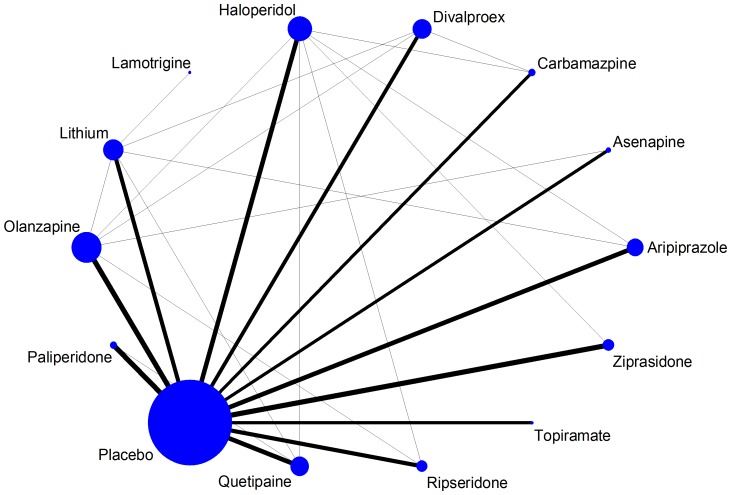
“A network plot was generated to visualize the relative amount of the evidence on the included interventions targetingMCI (Chaimani et al., 2013).”
BackgroundMethodSealing materials for post-extraction site: a systematic review and network meta-analysis
FABBRO, M. D., Tommasato, G., Pesce, P., Ravidà, A., Khijmatgar, S., Sculean, A., Galli, M., Antonacci, D., & Canullo, L. (2021) · Clinical Oral Investigations · doi:10.1007/s00784-021-04262-3 · Cited by 32
Ma, H., Liu, Y., Ding, K., Liu, Y., Zhao, W.-J., Zhu, Y.-J., Chang, X., Chen, Y., Xiao, Z., Yu, Y., et al. (2021) · BMC Cancer · doi:10.1186/s12885-021-08977-0 · Cited by 36
Ronsini, C., Köhler, C., FRANCISCIS, P. D., Verde, M. L., Mosca, L., Solazzo, M. C., & Colacurci, N. (2022) · Gynecologic Oncology · doi:10.1016/j.ygyno.2022.04.010 · Cited by 34
Yang, A., Pechlivanoglou, P., & Aoyama, K. (2022) · Journal of Anesthesia · doi:10.1007/s00540-022-03072-5 · Cited by 35
Nury, E., Stadelmaier, J., Morze, J., Nagavci, B., Grummich, K., Schwarzer, G., HOFFMANN, G. E., Angele, C. M., Steinacker, J. M., Wendt, J., et al. (2022) · BMJ Medicine · doi:10.1136/bmjmed-2022-000346 · Cited by 45
Villacampa, G. J., Matikas, A., Oliveira, M., Prat, A., Pascual, T., & Papakonstantinou, A. (2023) · European Journal of Cancer · doi:10.1016/j.ejca.2023.03.042 · Cited by 43
Shen, O. Y.-J., Chen, C.-T., Jupiter, J. B., Chen, N. C., & Liu, W. (2023) · Injury · doi:10.1016/j.injury.2023.04.054 · Cited by 42
Patathong, T., Klaewkasikum, K., Woratanarat, P., Rattanasiri, S., Anothaisintawee, T., Woratanarat, T., & Thakkinstian, A. (2023) · Journal of Orthopaedic Surgery and Research · doi:10.1186/s13018-022-03459-w · Cited by 38
“Surface under the cumulative ranking curve (SUCRA) and rankogram plot were used for ranking treatments [23].”
MethodRonsini, C., Iavarone, I., Braca, E., Vastarella, M. G., FRANCISCIS, P. D., & Torella, M. (2023) · Medicina · doi:10.3390/medicina59091643 · Cited by 40
“Heterogeneity among comparative studies was tested using the Chi-square test and I-square tests [15]. variables.”
MethodMa, Y., Xiong, R., Liu, Z., Young, C. A., Wu, Y., Zheng, D., Zhang, X., & Jin, G. (2023) · American Journal of Ophthalmology · doi:10.1016/j.ajo.2023.09.009 · Cited by 34
Li, R., Wang, M., Chen, S., & Zhang, L. (2024) · International Journal of Nursing Studies · doi:10.1016/j.ijnurstu.2024.104845 · Cited by 36
Martínez‐Pozas, O., Corbellini, C., Cuenca‐Zaldívar, J. N., Oliva, E. M., Sinatti, P., & Romero, E. A. S. (2024) · European Journal of Physical and Rehabilitation Medicine · doi:10.23736/s1973-9087.24.08540-x · Cited by 37
Rokkas, T., Ekmektzoglou, K. A., Niv, Y., & Graham, D. Y. (2024) · The American Journal of Gastroenterology · doi:10.14309/ajg.0000000000003084 · Cited by 31
Pitre, T., Lupas, D., Mah, J. C., Stanbrook, M. B., Blazer, A. J., Zeraatkar, D., & Ho, T. N. (2025) · COPD Journal of Chronic Obstructive Pulmonary Disease · doi:10.1080/15412555.2025.2449889 · Cited by 31
“We performed all analyses using the meta and netmeta packages in R (version 4.1.2) and produced network plots using the network plot command in Stata version 18.0 [18, 19].”
InfluentialZheng, Q., Djohan, A. H., Lim, E., Ding, Z. P., Ling, L. H., Shi, L., Chan, E. S.-Y., & Chin, C. W. L. (2017) · Scientific Reports · doi:10.1038/s41598-017-05021-9 · Cited by 35
Cai, Z., Yin, Y., Yin, Y., Shen, C., Wang, J., Yin, X., Chen, Z., Zhou, Y., & Zhang, B. (2018) · Gastric Cancer · doi:10.1007/s10120-018-0831-0 · Cited by 31
“4 did not show the evidence of apparent asymmetry, suggesting the absence of publication bias [35].”
BackgroundTsikopoulos, K., Mavridis, D., Georgiannos, D., & Vasiliadis, H. S. (2018) · Clinical Orthopaedics and Related Research · doi:10.1097/01.blo.0000534691.24149.a2 · Cited by 35
Self-citationKim, T., Lee, M. S., Alræk, T., & Birch, S. (2019) · Acupuncture in Medicine · doi:10.1136/acupmed-2018-011671 · Cited by 32
Wang, Y., Chang, X., Li, J., & Han, Z. (2020) · International braz j urol · doi:10.1590/s1677-5538.ibju.2019.0550 · Cited by 31
“The larger the SUCRA value, the greater the probability of being effective (11).”
BackgroundTreatments for infantile Hemangioma: A systematic review and network meta-analysis
Fei, Q., Lin, Y., & Chen, X. (2020) · EClinicalMedicine · doi:10.1016/j.eclinm.2020.100506 · Cited by 32
“A surface under the cumulative ranking curve (SUCRA), considered the more precise estimation of cumulative ranking probabilities, was used to provide a hierarchy of the efficacy, success rate and adverse reactions of the treatments (in the ‘Treatment relative ranking of model’ section of Supplement 6 12), the higher t…”
MethodXie, P.-W., Yan, J., Ye, L., Wang, C., Li, Y., Chen, Y., & Li, G. (2021) · Surgical Endoscopy · doi:10.1007/s00464-021-08386-1 · Cited by 34
“Comparison-adjusted funnel plots were used to evaluate the small-study effects if more than 10 studies were included in each comparison [27].”
MethodWeng, C., Xue, L., Wang, Q., Lu, W., Xu, J., & Liu, Z. (2021) · Therapeutic Advances in Musculoskeletal Disease · doi:10.1177/1759720x21999564 · Cited by 33
Partelli, S., Ricci, C., Cinelli, L., Montorsi, R. M., Ingaldi, C., Andreasi, V., Crippa, S., Alberici, L., Casadei, R., & Falconi, M. (2021) · The American Journal of Surgery · doi:10.1016/j.amjsurg.2021.03.066 · Cited by 33
Sakuraya, M., Okano, H., Masuyama, T., Kimata, S., & Hokari, S. (2021) · Critical Care · doi:10.1186/s13054-021-03835-8 · Cited by 33
“Higher values of the SUCRA statistic, which range from 0 to 100%, increase the likelihood that a therapy is ranked among the best in an NMA [19].”
BackgroundMethodInfluentialPeng, L., Lu, D., Xia, Y., Hong, S., Selvaggi, G., Stebbing, J., Sun, Y., & Liang, F. (2021) · Frontiers in Oncology · doi:10.3389/fonc.2021.754768 · Cited by 31
“0) was used to generate network plots to illustrate the geometries, to clarify which treatments were compared directly or indirectly in the included studies (3).”
MethodZhu, Z., Zeng, Q., Liu, Q., Wen, J., & Chen, G. (2022) · JAMA Network Open · doi:10.1001/jamanetworkopen.2022.44652 · Cited by 34
Tseng, P., Chiu, H., Suen, M., Zeng, B., Wu, M., Tu, Y., Hung, K., Wu, Y., Su, K., Li, D., et al. (2023) · Psychiatry Research · doi:10.1016/j.psychres.2023.115316 · Cited by 34
Systematic review with network meta-analysis: dual therapy for high-risk bleeding peptic ulcers
Shi, K., Shen, Z., Zhu, G., Meng, F.-S., Gu, M., & Ji, F. (2017) · BMC Gastroenterology · doi:10.1186/s12876-017-0610-0 · Cited by 31
Zaccardi, F., Dhalwani, N. N., Dales, J., Mani, H., Khunti, K., Davies, M. J., & Webb, D. R. (2018) · Diabetes, Obesity and Metabolism · doi:10.1111/dom.13185 · Cited by 30
“For each background dual therapy failure and duration of follow-up, we summarized the available evidence using network diagrams; we reported number of participants and events, pairwise and network metaanalyses results and ranking probabilities in tables; we displayed network meta-analysis results against a common comp…”
MethodParacetamol, NSAIDS and opioid analgesics for chronic low back pain: a network meta-analysis
Bagg, M. K., McLachlan, A. J., Maher, C. G., Kamper, S. J., Williams, C. M., Henschke, N., Wand, B. M., Moseley, G. L., Hübscher, M., O'Connell, N. E., et al. (2018) · Cochrane Database of Systematic Reviews · doi:10.1002/14651858.cd013045 · Cited by 34
Liew, T. M., & Lee, C. S. (2019) · The Gerontologist · doi:10.1093/geront/gny061 · Cited by 31
Cai, Y., Ren, X., Wang, J., Ma, B., & Chen, O. (2023) · Archives of Physical Medicine and Rehabilitation · doi:10.1016/j.apmr.2023.04.014 · Cited by 40
Chen, W., Liu, C., Mnisi, Z., Chen, C., & Kang, Y. (2019) · International Journal of Surgery · doi:10.1016/j.ijsu.2019.09.006 · Cited by 35
Metadata
- Authors
- Chaimani, A., Higgins, J. P. T., Mavridis, D., Spyridonos, P., & Salanti, G.
- Affiliations
- University of Ioannina (GR)
- University of Bristol (GB)
- Corresponding author
- Salanti, Georgia
- Venue
- PLoS ONE
- Publisher
- Public Library of Science (PLoS)
- Published
- 2013-10-03
- Volume
- 8
- Issue
- 10
- Pages
- e76654
- ISSN
- 1932-6203 (ISSN-L)
- PMC
- PMC3789683
- OpenAlex
- W2091808438
- Semantic Scholar
- c99555607f865f8e0d32e5054195b29ccecc06cf
- Cited by
- 2,473
- References
- 51
- Citations by year
- 2026: 222 · 2025: 237 · 2024: 256 · 2023: 252 · 2022: 267 · 2021: 298 · 2020: 228 · 2019: 186 · 2018: 182 · 2017: 154 · 2016: 99 · 2015: 65 · 2014: 26 · 2013: 1
- FWCI
- 70.14
- Type
- journal article
- Language
- en
- Open access
- gold
- doi.org
- Locations
- PLoS ONE (publishedVersion, cc-by)
- Europe PMC (PubMed Central) (publishedVersion, cc-by)
- PubMed Central (publishedVersion, cc-by)
- PubMed (publishedVersion)
- RePEc: Research Papers in Economics (submittedVersion)
- DOAJ (DOAJ: Directory of Open Access Journals) (submittedVersion)
- Figshare (submittedVersion, cc-by)
- Bristol Research (University of Bristol) (submittedVersion)
- Funders
- FP7 Ideas: European Research Council (260559)
- Topics
- Social Sciences › Decision Sciences › Statistics, Probability and Uncertainty › Meta-analysis and systematic reviews
- Physical Sciences › Mathematics › Statistics and Probability › Statistical Methods in Clinical Trials
- Social Sciences › Sociology and Political Science › Delphi Technique in Research
- Keywords
- network meta-analysis, graphical tools, treatment ranking, non-statisticians
- MeSH terms
- Acute Disease, Arthritis, Rheumatoid, Bipolar Disorder, Data Interpretation, Statistical, Humans, Research Design, Meta-Analysis as Topic, Models, Statistical, Odds Ratio, Treatment Outcome, Antirheumatic Agents, Antimanic Agents
About these checks
Registry, retraction, Cites and statistics results are computed, not judged, with one exception: a printed reference that no index lists is read once by a model before it counts as a citation error. Claims are extracted by a model and kept only when their quote appears verbatim in the text; each cited source is then checked, with a model’s help, for whether it says what the claim relies on. Those verdicts can be wrong — read the claim’s quote and the cited source before relying on one.
Statistics and arithmetic are recomputed, not judged.
Confidence bands are shown only for fields calibrated on our annotated test set. None is calibrated yet, so no band is shown.
What counts as a claim ›How we measure confidence ›How we check this ›
Are you an author, or do you see a problem with this page? Request a review
Data sources
Bibliographic data: Semantic Scholar, OpenAlex, Crossref.
Contains information from the Semantic Scholar Academic Graph Datasets, made available under the ODC Attribution License (ODC-BY 1.0).
Semantic Scholar’s data is described in: Kinney, R., et al. (2023). The Semantic Scholar Open Data Platform. arXiv:2301.10140.
