

The DOI matches its Crossref record; 50 of the 51 references it cites were found in a registry or an index.
Sigma-1 receptor chaperone at the ER-mitochondrion interface mediates the mitochondrion-ER-nucleus signaling for cellular survival.
Open accessAbstract
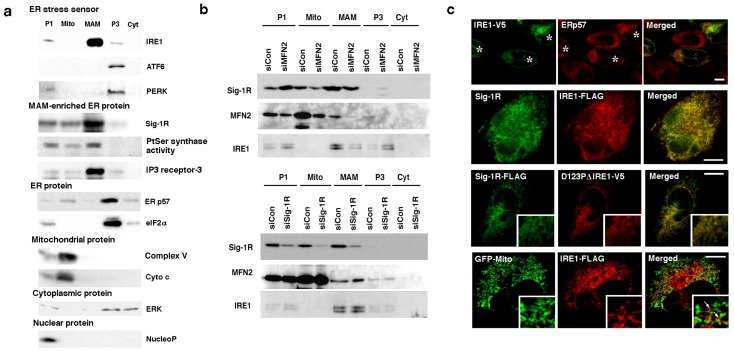
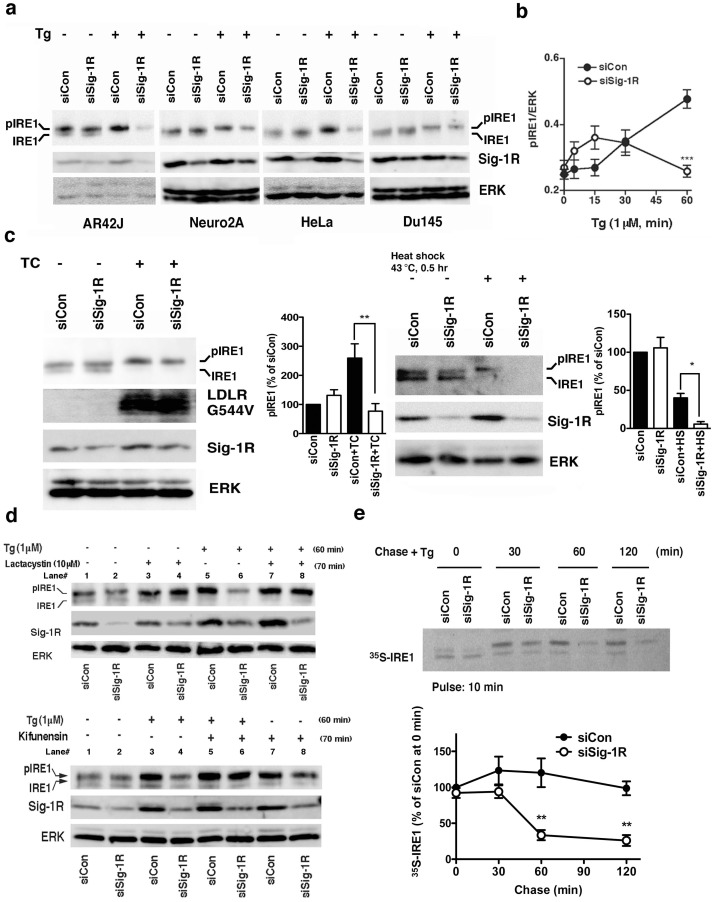
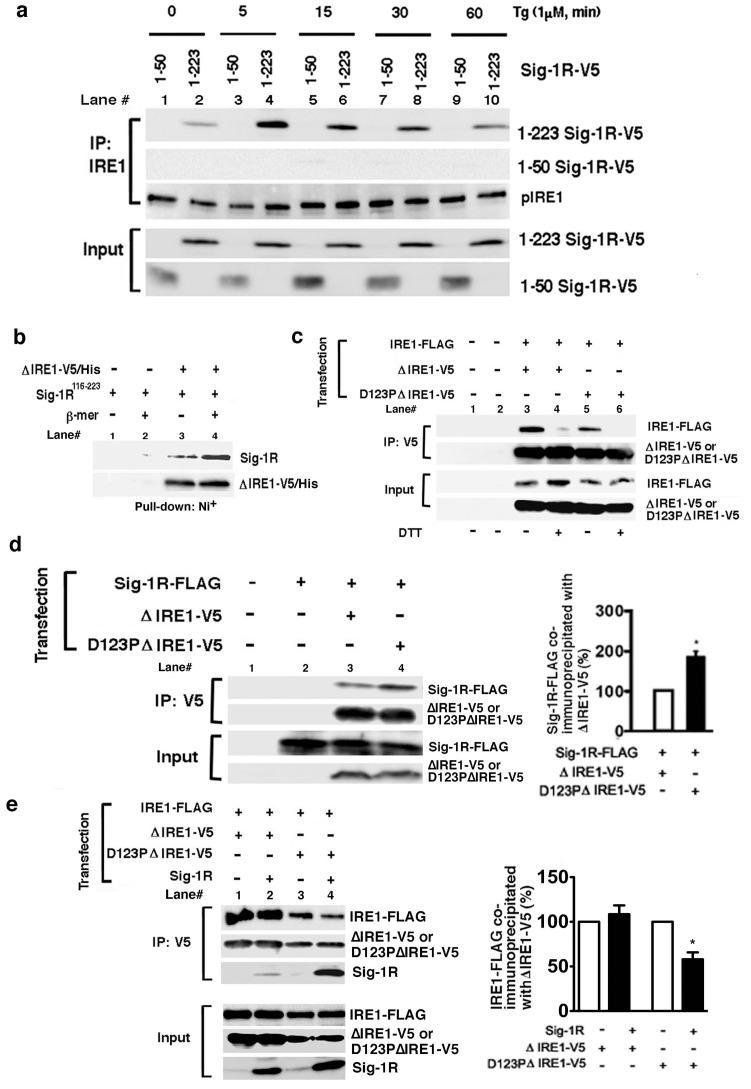
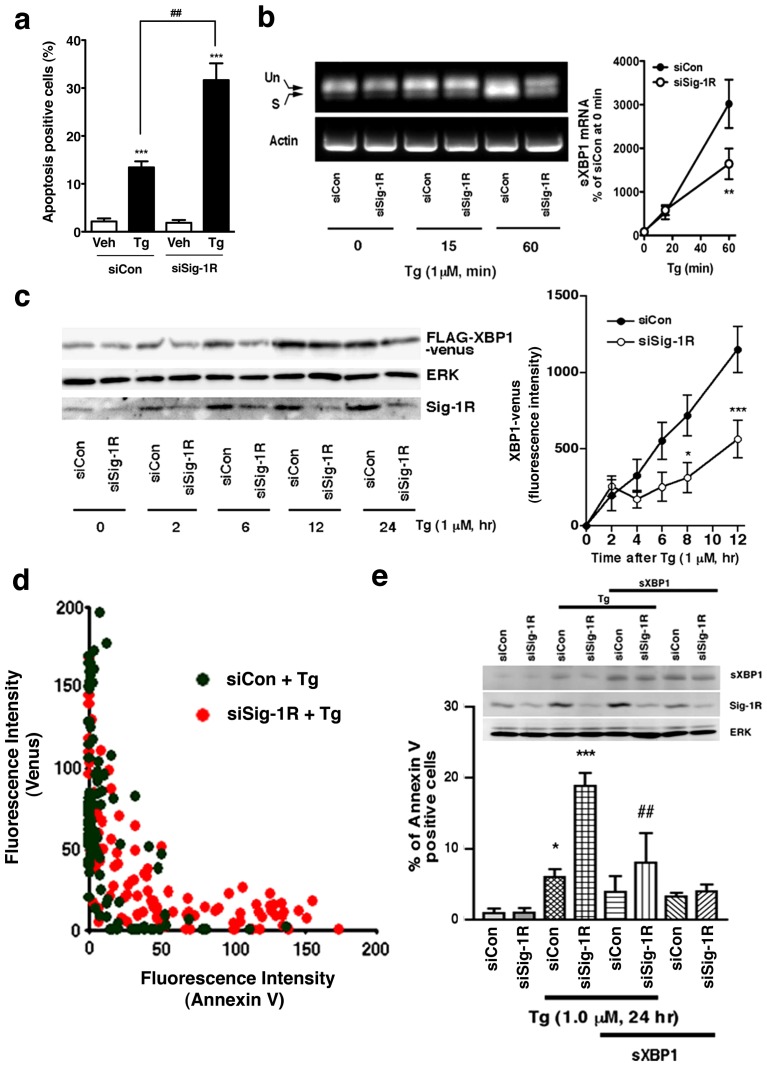
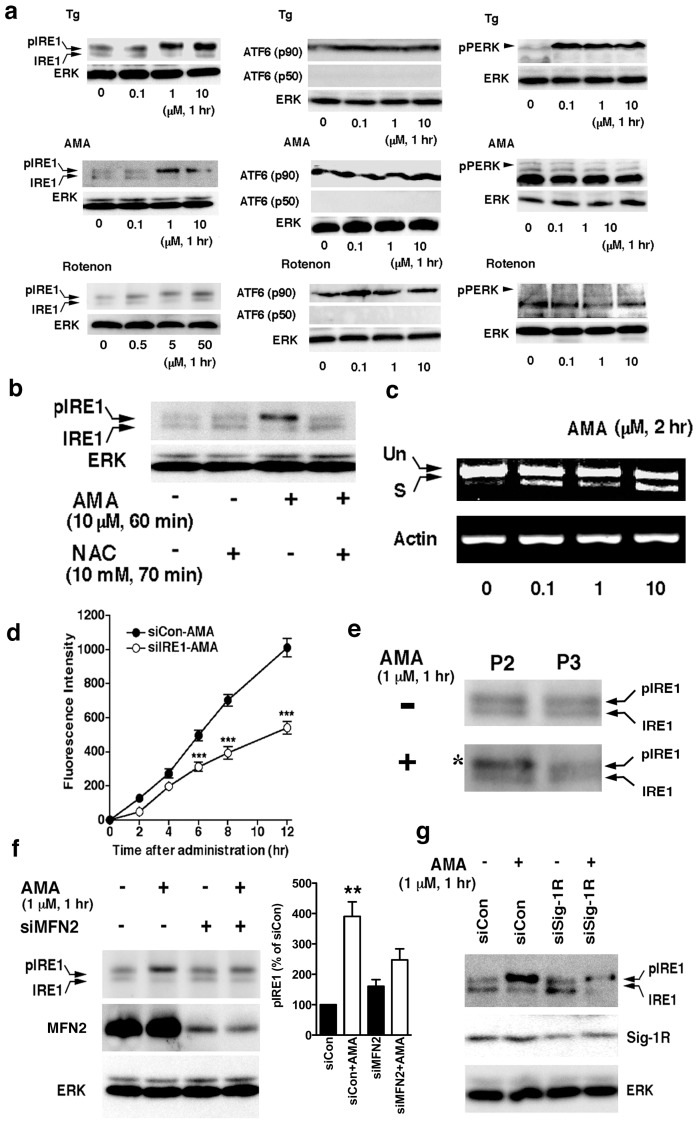
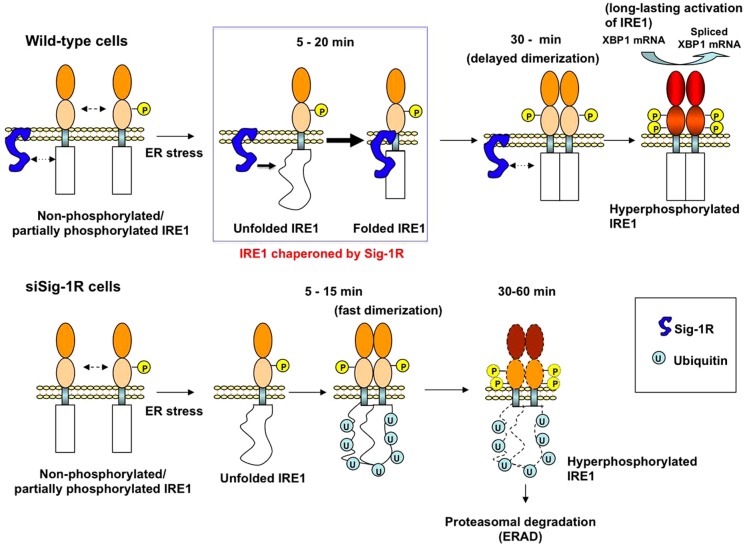
The membrane of the endoplasmic reticulum (ER) of a cell forms contacts directly with mitochondria whereby the contact is referred to as the mitochondrion-associated ER membrane or the MAM. Here we found that the MAM regulates cellular survival via an MAM-residing ER chaperone the sigma-1 receptor (Sig-1R) in that the Sig-1R chaperones the ER stress sensor IRE1 to facilitate inter-organelle signaling for survival. IRE1 is found in this study to be enriched at the MAM in CHO cells. We found that IRE1 is stabilized at the MAM by Sig-1Rs when cells are under ER stress. Sig-1Rs stabilize IRE1 and thus allow for conformationally correct IRE1 to dimerize into the long-lasting, activated endonuclease. The IRE1 at the MAM also responds to reactive oxygen species derived from mitochondria. Therefore, the ER-mitochondrion interface serves as an important subcellular entity in the regulation of cellular survival by enhancing the stress-responding signaling between mitochondria, ER, and nucleus.
Overview
The claims and statistics of this paper haven’t been checked yet.
Run the check — free, no account needed. It reads the open-access text and checks the sources it cites.
Integrity signals
Registry
Cites
Statistics
Figures
Verification
Claims the paper makes
The claims and statistics of this paper haven’t been checked yet.
Run the check — free, no account needed. It reads the open-access text and checks the sources it cites.
Claims other papers make about this one
Each is checked against this paper’s own text: does it say what the citing paper says it does?
In the citing paper
“Inside the cell Sig-1R is located mainly at the ER–mitochondrion interface—referred to as the MAM—and regulates cellular bioenergetics, particularly under stressful conditions (Su et al., 2010; Mori et al., 2013; Hayashi, 2015).”
From The therapeutic potentials of Ayahuasca: possible effects against various diseases of civilization (2016) · cites this paper as Mori et al., 2013
Self-check
Percentages, sums and reported differences re-computed from the paper’s own numbers.
The self-check needs the paper’s full text.
Citations
Cites
1 retracted
Proapoptotic BAX and BAK Modulate the Unfolded Protein Response by a Direct Interaction with IRE1α
Hetz, C. A., Bernasconi, P., Fisher, J. K., Lee, A., Bassik, M. C., Antonsson, B. E., Brandt, G. S., Iwakoshi, N. N., Schinzel, A. C., Glimcher, L. H., et al. (2006) · Science · doi:10.1126/science.1123480 · Cited by 688
RetractedControl of inositol 1,4,5-trisphosphate-induced Ca2+ release by cytosolic Ca2+
Bootman, M. D., Missiaen, L., Parys, J. B., SMEDT, H. D., & Casteels, R. (1995) · Biochemical Journal · doi:10.1042/bj3060445 · Cited by 5,131
Yoshida, H., Matsui, T., Yamamoto, A., Okada, T., & Mori, K. (2001) · Cell · doi:10.1016/s0092-8674(01)00611-0 · Cited by 4,054
Mutation of the mouse klotho gene leads to a syndrome resembling ageing
Kuro-o, M., Matsumura, Y., Aizawa, H., Kawaguchi, H., Suga, T., Utsugi, T., Ohyama, Y., Kurabayashi, M., Kaname, T., Kume, E., et al. (1997) · Nature · doi:10.1038/36285 · Cited by 3,837
An Integrated Stress Response Regulates Amino Acid Metabolism and Resistance to Oxidative Stress
Harding, H. P., Zhang, Y., Zeng, H., Novoa, I., Lu, P. D., Calfon, M. A., Sadri, N., Yun, C., Popko, B., Paules, R. S., et al. (2003) · Molecular Cell · doi:10.1016/s1097-2765(03)00105-9 · Cited by 3,336
THE MAMMALIAN UNFOLDED PROTEIN RESPONSE
Schröder, M., & Kaufman, R. J. (2005) · Annual Review of Biochemistry · doi:10.1146/annurev.biochem.73.011303.074134 · Cited by 3,099
IRE1 couples endoplasmic reticulum load to secretory capacity by processing the XBP-1 mRNA
Calfon, M. A., Zeng, H., Urano, F., Till, J. H., Hubbard, S. R., Harding, H. P., Clark, S. G., & Ron, D. (2002) · Nature · doi:10.1038/415092a · Cited by 2,907
Dynamic interaction of BiP and ER stress transducers in the unfolded-protein response
Bertolotti, A., Zhang, Y., Hendershot, L. M., Harding, H. P., & Ron, D. (2000) · Nature Cell Biology · doi:10.1038/35014014 · Cited by 2,871
Mitofusin 2 tethers endoplasmic reticulum to mitochondria
de Brito, O. M., & Scorrano, L. (2008) · Nature · doi:10.1038/nature07534 · Cited by 2,442
Close Contacts with the Endoplasmic Reticulum as Determinants of Mitochondrial Ca 2+ Responses
Rizzuto, R., Pinton, P., Carrington, W., Fay, F. S., Fogarty, K. E., Lifshitz, L. M., Tuft, R. A., & Pozzan, T. (1998) · Science · doi:10.1126/science.280.5370.1763 · Cited by 2,257
Cited by
Sorted by citations
Endoplasmic reticulum stress: molecular mechanism and therapeutic targets
Chen, X., Shi, C., He, M., Xiong, S., & Xia, X. (2023) · Signal Transduction and Targeted Therapy · doi:10.1038/s41392-023-01570-w · Cited by 1,102
Endoplasmic reticulum stress signalling-from basic mechanisms to clinical applications
Almanza, A., Carlesso, A., Chintha, C., Creedican, S., Doultsinos, D., Leuzzi, B., Luís, A., McCarthy, N., Montibeller, L., More, S., et al. (2019) · The FEBS Journal · doi:10.1111/febs.14608 · Cited by 1,034
Proteostasis control by the unfolded protein response
Hetz, C. A., Chevet, É., & Oakes, S. A. (2015) · Nature Cell Biology · doi:10.1038/ncb3184 · Cited by 790
Mitochondria-associated membranes (MAMs) and inflammation
Missiroli, S., Patergnani, S., Caroccia, N., Pedriali, G., Perrone, M., Previati, M., Wieckowski, M. R., & Giorgi, C. (2018) · Cell Death and Disease · doi:10.1038/s41419-017-0027-2 · Cited by 398
The Sigma-1 Receptor as a Pluripotent Modulator in Living Systems
Su, T., Su, T., Nakamura, Y., & Tsai, S. (2016) · Trends in Pharmacological Sciences · doi:10.1016/j.tips.2016.01.003 · Cited by 332
Self-citationCalcium signaling at the endoplasmic reticulum: fine-tuning stress responses
Carreras‐Sureda, A., Pihán, P., & Hetz, C. A. (2017) · Cell Calcium · doi:10.1016/j.ceca.2017.08.004 · Cited by 331
Carreras‐Sureda, A., Jaña, F., Urra, H., Durand, S., Mortenson, D. E., Sagredo, A. I., Bustos, G., Hazari, Y., Ramos‐Fernández, E., Sassano, M. L., et al. (2019) · Nature Cell Biology · doi:10.1038/s41556-019-0329-y · Cited by 299
Rosen, D. A., Seki, S. M., Fernández-Castañeda, A., Beiter, R. M., Eccles, J. D., Woodfolk, J. A., & Gaultier, A. (2019) · Science Translational Medicine · doi:10.1126/scitranslmed.aau5266 · Cited by 285
Szymański, J., Janikiewicz, J., Michalska, B., Patalas‐Krawczyk, P., Perrone, M., Ziółkowski, W., Duszyński, J., Pinton, P., Dobrzyń, A., & Wieckowski, M. R. (2017) · International Journal of Molecular Sciences · doi:10.3390/ijms18071576 · Cited by 280
Roles of XBP1s in Transcriptional Regulation of Target Genes
Park, S.-M., Kang, T.-I., & So, J. (2021) · Biomedicines · doi:10.3390/biomedicines9070791 · Cited by 288
Environmental Control of Astrocyte Pathogenic Activities in CNS Inflammation
Wheeler, M. A., Jaronen, M., Covacu, R., Zandee, S., Scalisi, G., Rothhammer, V., Tjon, E. C., Chao, C., Kenison, J. E., Blain, M., et al. (2019) · Cell · doi:10.1016/j.cell.2018.12.012 · Cited by 258
The therapeutic potentials of Ayahuasca: possible effects against various diseases of civilization
Frecska, E., Bokor, P., & Winkelman, M. (2016) · Frontiers in Pharmacology · doi:10.3389/fphar.2016.00035 · Cited by 242
Role of sigma-1 receptors in neurodegenerative diseases
Nguyen, L., Lucke-Wold, B. P., Mookerjee, S. A., Cavendish, J. Z., Robson, M. J., Scandinaro, A. L., & Matsumoto, R. R. (2014) · Journal of Pharmacological Sciences · doi:10.1016/j.jphs.2014.12.005 · Cited by 236
Neuronal Sigma-1 Receptors: Signaling Functions and Protective Roles in Neurodegenerative Diseases
Ryskamp, D. A., Korban, S. A., Zhemkov, V., Kraskovskaya, N., & Борисович, Б. И. (2019) · Frontiers in Neuroscience · doi:10.3389/fnins.2019.00862 · Cited by 233
Barrera, M.-J., Aguilera, S., Castro, I., Carvajal, P., Jara, D., Molina, C., González, S., & González, M.-J. (2021) · Autoimmunity Reviews · doi:10.1016/j.autrev.2021.102867 · Cited by 213
Endoplasmic reticulum stress associated responses in cancer
Wang, W., Groenendyk, J., & Michalak, M. (2014) · Biochimica et Biophysica Acta (BBA) - Molecular Cell Research · doi:10.1016/j.bbamcr.2014.01.012 · Cited by 192
Szabo, A., Kovacs, A., Frecska, E., & Rajnavolgyi, E. (2014) · PLoS ONE · doi:10.1371/journal.pone.0106533 · Cited by 191
Redox controls UPR to control redox
Eletto, D., Chevet, É., Argon, Y., & Appenzeller‐Herzog, C. (2014) · Journal of Cell Science · doi:10.1242/jcs.153643 · Cited by 180
The Molecular Function of σ Receptors: Past, Present, and Future
Schmidt, H. R., & Kruse, A. C. (2019) · Trends in Pharmacological Sciences · doi:10.1016/j.tips.2019.07.006 · Cited by 177
Sepúlveda, D., Rojas‐Rivera, D., Rodríguez, D. A., Groenendyk, J., Kohler, A., Lebeaupin, C., Ito, S., Urra, H., Carreras‐Sureda, A., Hazari, Y., et al. (2018) · Molecular Cell · doi:10.1016/j.molcel.2017.12.028 · Cited by 163
Calcium signaling and endoplasmic reticulum stress
Groenendyk, J., Agellon, L. B., & Michalak, M. (2021) · International review of cytology · doi:10.1016/bs.ircmb.2021.03.003 · Cited by 146
Fan, Y., & Simmen, T. (2019) · Cells · doi:10.3390/cells8091071 · Cited by 145
Moltedo, O., Remondelli, P., & Amodio, G. (2019) · Frontiers in Cell and Developmental Biology · doi:10.3389/fcell.2019.00172 · Cited by 147
Roles of sigma-1 receptors on mitochondrial functions relevant to neurodegenerative diseases
Weng, T.-Y., Tsai, S., & Su, T. (2017) · Journal of Biomedical Science · doi:10.1186/s12929-017-0380-6 · Cited by 142
Self-citationWang, J., Shanmugam, A. K., Markand, S., Zorrilla, E. P., Ganapathy, V., & Smith, S. B. (2015) · Free Radical Biology and Medicine · doi:10.1016/j.freeradbiomed.2015.04.009 · Cited by 136
The Role of Sigma-1 Receptor, an Intracellular Chaperone in Neurodegenerative Diseases
Penke, B., Fülöp, L., Szűcs, M., & Frecska, E. (2017) · Current Neuropharmacology · doi:10.2174/1570159x15666170529104323 · Cited by 132
The role of mitochondria-associated membranes in cellular homeostasis and diseases
Perrone, M., Caroccia, N., Genovese, I., Missiroli, S., Modesti, L., Pedriali, G., Vezzani, B., Vitto, V. A. M., Antenori, M., Lebiedzińska, M., et al. (2019) · International review of cytology · doi:10.1016/bs.ircmb.2019.11.002 · Cited by 132
Metabolic signaling functions of ER–mitochondria contact sites: role in metabolic diseases
Tubbs, E., & Rieusset, J. (2016) · Journal of Molecular Endocrinology · doi:10.1530/jme-16-0189 · Cited by 130
Biochemical Pharmacology of the Sigma-1 Receptor
Chu, U. B., & Ruoho, A. E. (2015) · Molecular Pharmacology · doi:10.1124/mol.115.101170 · Cited by 123
MITOL prevents ER stress‐induced apoptosis by IRE1α ubiquitylation at ER–mitochondria contact sites
Takeda, K., Nagashima, S., Shiiba, I., Uda, A., Tokuyama, T., Ito, N., Fukuda, T., Matsushita, N., Ishido, S., Iwawaki, T., et al. (2019) · The EMBO Journal · doi:10.15252/embj.2018100999 · Cited by 123
Szabo, A., Kovacs, A., Riba, J., Djurovic, S., Rajnavolgyi, E., & Frecska, E. (2016) · Frontiers in Neuroscience · doi:10.3389/fnins.2016.00423 · Cited by 121
Nguyen, L., Lucke-Wold, B. P., Mookerjee, S. A., Kaushal, N., & Matsumoto, R. R. (2017) · Advances in experimental medicine and biology · doi:10.1007/978-3-319-50174-1_10 · Cited by 119
ER Stress-Sensor Proteins and ER-Mitochondrial Crosstalk—Signaling Beyond (ER) Stress Response
Kumar, V., & Maity, S. (2021) · Biomolecules · doi:10.3390/biom11020173 · Cited by 121
ER-to-mitochondria miscommunication and metabolic diseases
López‐Crisosto, C., Bravo, R., Rodriguez–Peña, M., Mera, C., Castro, P., Quest, A. F. G., Rothermel, B. A., Cifuentes, M., & Lavandero, S. (2015) · Biochimica et Biophysica Acta (BBA) - Molecular Basis of Disease · doi:10.1016/j.bbadis.2015.07.011 · Cited by 117
Tsai, S., Chuang, J., Tsai, M.-S., Wang, X.-F., Xi, Z., Hung, J., Chang, W., Bonci, A., & Su, T. (2015) · Proceedings of the National Academy of Sciences · doi:10.1073/pnas.1518894112 · Cited by 120
Self-citationSTING, the Endoplasmic Reticulum, and Mitochondria: Is Three a Crowd or a Conversation?
Smith, J. A. (2021) · Frontiers in Immunology · doi:10.3389/fimmu.2020.611347 · Cited by 116
The Role of Impaired Mitochondrial Dynamics in MFN2-Mediated Pathology
Zaman, M., & Shutt, T. E. (2022) · Frontiers in Cell and Developmental Biology · doi:10.3389/fcell.2022.858286 · Cited by 116
Sigma-1 receptor: The novel intracellular target of neuropsychotherapeutic drugs
Hayashi, T. (2014) · Journal of Pharmacological Sciences · doi:10.1016/j.jphs.2014.07.001 · Cited by 110
Self-citationSigmar1’s Molecular, Cellular, and Biological Functions in Regulating Cellular Pathophysiology
Aishwarya, R., Abdullah, C. S., Morshed, M., Remex, N. S., & Bhuiyan, M. S. (2021) · Frontiers in Physiology · doi:10.3389/fphys.2021.705575 · Cited by 106
Riaz, T. A., Junjappa, R. P., Handigund, M., Ferdous, J., Kim, H., & Chae, H. (2020) · Cells · doi:10.3390/cells9051160 · Cited by 108
Mitochondria-Associated Membranes As Networking Platforms and Regulators of Cancer Cell Fate
Sassano, M. L., van Vliet, A. R., & Agostinis, P. (2017) · Frontiers in Oncology · doi:10.3389/fonc.2017.00174 · Cited by 100
The Sigma-1 Receptor in Cellular Stress Signaling
Hayashi, T. (2019) · Frontiers in Neuroscience · doi:10.3389/fnins.2019.00733 · Cited by 98
Self-citationGregianin, E., Pallafacchina, G., Zanin, S., Crippa, V., Rusmini, P., Poletti, A., Fang, M., Li, Z., Diano, L., Petrucci, A., et al. (2016) · Human Molecular Genetics · doi:10.1093/hmg/ddw220 · Cited by 97
Repurposing Sigma-1 Receptor Ligands for COVID-19 Therapy?
Vela, J. M. (2020) · Frontiers in Pharmacology · doi:10.3389/fphar.2020.582310 · Cited by 99
The ER-mitochondria interface, where Ca2+ and cell death meet
de Ridder, I., Kerkhofs, M., Lemos, F. O., Loncke, J., Bultynck, G., & Parys, J. B. (2023) · Cell Calcium · doi:10.1016/j.ceca.2023.102743 · Cited by 104
Xiong, S., Chng, W. J., & Zhou, J. (2021) · Cellular and Molecular Life Sciences · doi:10.1007/s00018-021-03756-3 · Cited by 99
Sigma1 receptors inhibit store-operated Ca2+ entry by attenuating coupling of STIM1 to Orai1
Srivats, S., Balasuriya, D., Pasche, M., Vistal, G., Edwardson, J. M., Taylor, C. W., & Murrell‐Lagnado, R. D. (2016) · The Journal of Cell Biology · doi:10.1083/jcb.201506022 · Cited by 92
Ionescu, A., Gradus, T., Altman, T., Maimon, R., Avraham, N. S., Geva, M., Hayden, M. R., & Perlson, E. (2019) · Cell Death and Disease · doi:10.1038/s41419-019-1451-2 · Cited by 99
PACS-2: A key regulator of mitochondria-associated membranes (MAMs)
Li, C., Li, L., Yang, M., Zeng, L., & Sun, L. (2020) · Pharmacological Research · doi:10.1016/j.phrs.2020.105080 · Cited by 91
Wolfram syndrome: MAMs’ connection?
Delprat, B., Maurice, T., & Delettre, C. (2018) · Cell Death and Disease · doi:10.1038/s41419-018-0406-3 · Cited by 91
Cheng, H., Gang, X., He, G., Liu, Y., Wang, Y., Zhao, X. Y., & Wang, G. (2020) · Frontiers in Endocrinology · doi:10.3389/fendo.2020.592129 · Cited by 89
Thoudam, T., Jeon, J., Ha, C., & Lee, I. (2016) · Mediators of Inflammation · doi:10.1155/2016/1851420 · Cited by 91
Hayashi, T. (2015) · Psychiatry and Clinical Neurosciences · doi:10.1111/pcn.12262 · Cited by 87
Self-citationThe molecular mechanism and functional diversity of UPR signaling sensor IRE1
Bashir, S., Banday, M., Qadri, O., Bashir, A., Hilal, N., Nida-i-Fatima, Rader, S. D., & Fazili, K. M. (2020) · Life Sciences · doi:10.1016/j.lfs.2020.118740 · Cited by 82
Imeglimin Ameliorates β-Cell Apoptosis by Modulating the Endoplasmic Reticulum Homeostasis Pathway
Li, J., Inoue, R., Togashi, Y., Okuyama, T., Satoh, A., Kyohara, M., Nishiyama, K., Tsuno, T., Miyashita, D., Kin, T., et al. (2021) · Diabetes · doi:10.2337/db21-0123 · Cited by 78
Jiang, R.-Q., Li, Q., & Sheng, R. (2023) · Pharmacological Research · doi:10.1016/j.phrs.2023.106761 · Cited by 79
Resende, R., Fernandes, T., Pereira, A. C., Marques, A. P., & Pereira, C. (2022) · Antioxidants and Redox Signaling · doi:10.1089/ars.2020.8231 · Cited by 78
Tsai, S., Pokrass, M. J., Klauer, N. R., Nohara, H., & Su, T. (2015) · Proceedings of the National Academy of Sciences · doi:10.1073/pnas.1422001112 · Cited by 79
Self-citationRole of the early secretory pathway in SARS-CoV-2 infection
Sicari, D., Chatziioannou, A. A., Koutsandreas, T., Sitia, R., & Chevet, É. (2020) · The Journal of Cell Biology · doi:10.1083/jcb.202006005 · Cited by 76
At the Crossing of ER Stress and MAMs: A Key Role of Sigma-1 Receptor?
Delprat, B., Crouzier, L., Su, T., & Maurice, T. (2019) · Advances in experimental medicine and biology · doi:10.1007/978-3-030-12457-1_28 · Cited by 76
Self-citationRole of the Sigma-1 receptor in Amyotrophic Lateral Sclerosis (ALS)
Mavlyutov, T. A., Guo, L., Epstein, M. L., & Ruoho, A. E. (2015) · Journal of Pharmacological Sciences · doi:10.1016/j.jphs.2014.12.013 · Cited by 77
Sambo, D. O., Lebowitz, J. J., & Khoshbouei, H. (2018) · Pharmacology & Therapeutics · doi:10.1016/j.pharmthera.2018.01.009 · Cited by 75
ER membranes associated with mitochondria: Possible therapeutic targets in heart-associated diseases
Silva‐Palacios, A., Zazueta, C., & Pedraza‐Chaverrí, J. (2020) · Pharmacological Research · doi:10.1016/j.phrs.2020.104758 · Cited by 74
Targeting Sigma Receptors for the Treatment of Neurodegenerative and Neurodevelopmental Disorders
Malar, D. S., Thitilertdecha, P., Ruckvongacheep, K. S., Brimson, S., Tencomnao, T., & Brimson, J. M. (2023) · CNS Drugs · doi:10.1007/s40263-023-01007-6 · Cited by 77
Ooi, K., Hu, L., Feng, Y., Han, C., Ren, X., Qian, X., Huang, H., Chen, S., Shi, Q., Lin, H. Q., et al. (2021) · Molecular Neurobiology · doi:10.1007/s12035-021-02488-6 · Cited by 75
Sigma-1 receptor chaperones in neurodegenerative and psychiatric disorders
Tsai, S., Pokrass, M. J., Klauer, N. R., Credico, N. E. D., & Su, T. (2014) · Expert Opinion on Therapeutic Targets · doi:10.1517/14728222.2014.972939 · Cited by 73
Self-citationPERK Pathway and Neurodegenerative Disease: To Inhibit or to Activate?
Shacham, T., Patel, C., & Lederkremer, G. Z. (2021) · Biomolecules · doi:10.3390/biom11030354 · Cited by 72
Revisiting the sigma-1 receptor as a biological target to treat affective and cognitive disorders
Sałaciak, K., & Pytka, K. (2021) · Neuroscience & Biobehavioral Reviews · doi:10.1016/j.neubiorev.2021.10.037 · Cited by 71
Wang, J., SAUL, A. B., Roon, P., & Smith, S. B. (2016) · Proceedings of the National Academy of Sciences · doi:10.1073/pnas.1521749113 · Cited by 70
Zhang, C., Lan, X., Wang, Q., Zheng, Y., Cheng, J., Han, J., Li, C., Cheng, F., & Wang, X. (2025) · Redox Biology · doi:10.1016/j.redox.2025.103622 · Cited by 72
Zhao, L., Chen, G., Li, J., Fu, Y., Mavlyutov, T. A., Yao, A., Nickells, R. W., Gong, S., & Guo, L. (2017) · Journal of Controlled Release · doi:10.1016/j.jconrel.2016.12.038 · Cited by 67
Castany, S., Gris, G., Vela, J. M., Verdú, E., & Boadas‐Vaello, P. (2018) · Scientific Reports · doi:10.1038/s41598-018-22217-9 · Cited by 66
The role of sigma 1 receptor in organization of endoplasmic reticulum signaling microdomains
Zhemkov, V., Ditlev, J. A., Lee, W.-R., Wilson, M., Liou, J., Rosen, M. K., & Борисович, Б. И. (2021) · eLife · doi:10.7554/elife.65192 · Cited by 66
Tesei, A., Cortesi, M., Zamagni, A., Arienti, C., Pignatta, S., Zanoni, M., Paolillo, M., Curti, D., Rui, M., Rossi, D., et al. (2018) · Frontiers in Pharmacology · doi:10.3389/fphar.2018.00711 · Cited by 67
σ1-Receptor Agonism Protects against Renal Ischemia-Reperfusion Injury
Hosszú, Á., Antal, Z., Lénárt, L., Hodrea, J., Kőszegi, S., Balogh, D. B., Bánki, N. F., Wagner, L. J., Dénes, Á., Hamar, P., et al. (2016) · Journal of the American Society of Nephrology · doi:10.1681/asn.2015070772 · Cited by 64
Sigma-1 Receptors in Depression: Mechanism and Therapeutic Development
Ren, P., Wang, J., Li, N., Li, G., Ma, H., Zhao, Y., & Li, Y. (2022) · Frontiers in Pharmacology · doi:10.3389/fphar.2022.925879 · Cited by 63
Sigma 1 receptor as a therapeutic target for amyotrophic lateral sclerosis
Herrando‐Grabulosa, M., Gaja‐Capdevila, N., Vela, J. M., & Navarro, X. (2020) · British Journal of Pharmacology · doi:10.1111/bph.15224 · Cited by 64
Abdullah, C. S., Aishwarya, R., Alam, S., Morshed, M., Remex, N. S., Nitu, S. S., Kolluru, G. K., Traylor, J. G., Miriyala, S., Panchatcharam, M., et al. (2020) · Communications Biology · doi:10.1038/s42003-020-01408-z · Cited by 65
Balancing energy and protein homeostasis at ER-mitochondria contact sites
Carreras‐Sureda, A., Kroemer, G., Cárdenas, C., & Hetz, C. A. (2022) · Science Signaling · doi:10.1126/scisignal.abm7524 · Cited by 62
Alam, S., Abdullah, C. S., Aishwarya, R., Orr, A. W., Traylor, J. G., Miriyala, S., Panchatcharam, M., Pattillo, C. B., & Bhuiyan, M. S. (2017) · Bioscience Reports · doi:10.1042/bsr20170898 · Cited by 61
Saito, A., & Imaizumi, K. (2018) · International Journal of Molecular Sciences · doi:10.3390/ijms19103215 · Cited by 62
Molecular Dysfunctions of Mitochondria-Associated Membranes (MAMs) in Alzheimer’s Disease
Eysert, F., Kinoshita, P. F., Mary, A., Vaillant-Beuchot, L., Checler, F., & Chami, M. (2020) · International Journal of Molecular Sciences · doi:10.3390/ijms21249521 · Cited by 63
Marchi, S., Giorgi, C., Prill, M., Duszyński, J., Wieckowski, M. R., & Pinton, P. (2014) · Molecular & Cellular Oncology · doi:10.4161/23723548.2014.956469 · Cited by 60
Liu, Y., Qiao, Y., Pan, S., Chen, J., Mao, Z., Ren, K., Yang, Y., Feng, Q., Liu, D., & Liu, Z. (2023) · International Journal of Biological Sciences · doi:10.7150/ijbs.86608 · Cited by 60
Mitochondria orchestrate macrophage effector functions in atherosclerosis
Dumont, A., Lee, M., Barouillet, T., Murphy, A. J., & Yvan‐Charvet, L. (2020) · Molecular Aspects of Medicine · doi:10.1016/j.mam.2020.100922 · Cited by 60
Sigma-1 receptor: a potential therapeutic target for traumatic brain injury
Shi, M., Chen, F., Chen, Z., Yang, W., Yue, S., Zhang, J., & Chen, X. (2021) · Frontiers in Cellular Neuroscience · doi:10.3389/fncel.2021.685201 · Cited by 58
Sigma-1 receptor: A potential target for the development of antidepressants
Wang, Y., Xia, C., Jia, H., He, J., Lian, W., Yan, Y., Wang, W., Zhang, W., & Xu, J. (2022) · Neurochemistry International · doi:10.1016/j.neuint.2022.105390 · Cited by 57
Amodio, G., Moltedo, O., Faraonio, R., & Remondelli, P. (2018) · Oxidative Medicine and Cellular Longevity · doi:10.1155/2018/4946289 · Cited by 58
Interorganelle communication, aging, and neurodegenerationPreprint
Petković, M., O’Brien, C. E., & Jan, Y. N. (2021) · Genes & Development · doi:10.1101/gad.346759.120 · Cited by 58
Yang, K., Wang, C., & Sun, T. (2019) · Frontiers in Pharmacology · doi:10.3389/fphar.2019.00528 · Cited by 55
Carreras‐Sureda, A., Pihán, P., & Hetz, C. A. (2017) · Frontiers in Oncology · doi:10.3389/fonc.2017.00055 · Cited by 57
Allosteric Modulators of Sigma-1 Receptor: A Review
Vavers, E., Zvejniece, L., Maurice, T., & Dambrova, M. (2019) · Frontiers in Pharmacology · doi:10.3389/fphar.2019.00223 · Cited by 54
Williams, A., Hayashi, T., Wolozny, D., Yin, B., Su, T., Betenbaugh, M. J., & Su, T. (2016) · Journal of Bioenergetics and Biomembranes · doi:10.1007/s10863-016-9664-x · Cited by 58
Self-citationNakamura, Y., Dryanovski, D. I., Kimura, Y., Jackson, S. N., Woods, A. S., Yasui, Y., Tsai, S., Patel, S., Covey, D. P., Su, T., et al. (2019) · eLife · doi:10.7554/elife.47209 · Cited by 52
Self-citationER-Mitochondria Communication in Cells of the Innate Immune System
Namgaladze, D., Khodzhaeva, V., & Brüne, B. (2019) · Cells · doi:10.3390/cells8091088 · Cited by 52
Balancing life and death: BCL‐2 family members at diverse ER–mitochondrial contact sites
Means, R. E., & Katz, S. G. (2021) · FEBS Journal · doi:10.1111/febs.16241 · Cited by 50
Endoplasmic reticulum-mitochondria Ca2+ crosstalk in the control of the tumor cell fate
Missiroli, S., Danese, A., Iannitti, T., Patergnani, S., Perrone, M., Previati, M., Giorgi, C., & Pinton, P. (2017) · Biochimica et Biophysica Acta (BBA) - Molecular Cell Research · doi:10.1016/j.bbamcr.2016.12.024 · Cited by 50
Cao, Z., Xiao, Q., Dai, X., Zhou, Z., Jiang, R., Cheng, Y., Yang, X., Guo, H., Wang, J., Xi, Z., et al. (2017) · Cell Death and Disease · doi:10.1038/s41419-017-0017-4 · Cited by 50
Wang, J., Zhao, J., Cui, X., Mysona, B. A., Navneet, S., SAUL, A. B., Ahuja, M., Lambert, N. A., Gazaryan, I. G., Thomas, B., et al. (2019) · Free Radical Biology and Medicine · doi:10.1016/j.freeradbiomed.2019.02.001 · Cited by 51
Hampel, H. J., Vergallo, A., Caraci, F., Cuello, A. C., Lemercier, P., Vellas, B. J., Giudici, K. V., Baldacci, F., Hänisch, B., Haberkamp, M., et al. (2020) · Neuropharmacology · doi:10.1016/j.neuropharm.2020.108081 · Cited by 52
Metadata
- Authors
- Mori, T., Hayashi, T., Hayashi, E., & Su, T.-P.
- Affiliations
- United States Department of Health and Human Services (US)
- Corresponding author
- Su, Tsung-Ping
- Venue
- PLoS ONE
- Publisher
- Public Library of Science (PLoS)
- Published
- 2013-10-18
- Volume
- 8
- Issue
- 10
- Pages
- e76941
- ISSN
- 1932-6203 (ISSN-L)
- PMC
- PMC3799859
- OpenAlex
- W1994289493
- Cited by
- 317
- References
- 51
- Citations by year
- 2026: 22 · 2025: 24 · 2024: 20 · 2023: 29 · 2022: 26 · 2021: 38 · 2020: 33 · 2019: 34 · 2018: 18 · 2017: 29 · 2016: 16 · 2015: 10 · 2014: 17
- FWCI
- 8.51
- Type
- journal article
- Language
- en
- Open access
- gold
- doi.org
- Licence
- Locations
- PLoS ONE (publishedVersion, public-domain)
- Europe PMC (PubMed Central) (publishedVersion, public-domain)
- PubMed Central (publishedVersion, public-domain)
- PubMed (publishedVersion)
- DOAJ (DOAJ: Directory of Open Access Journals) (submittedVersion, cc-by-sa)
- Figshare (submittedVersion, cc-by)
- Funders
- U.S. Department of Health and Human Services
- National Institutes of Health
- National Institute on Drug Abuse
- Topics
- Life Sciences › Biochemistry, Genetics and Molecular Biology › Cell Biology › Endoplasmic Reticulum Stress and Disease
- Life Sciences › Pharmacology, Toxicology and Pharmaceutics › Pharmacology › Pharmacological Receptor Mechanisms and Effects
- Life Sciences › Neuroscience › Sensory Systems › Ion Channels and Receptors
- Keywords
- sigma-1 receptor, mitochondria-associated membranes, endoplasmic reticulum, IRE1, endoplasmic reticulum stress, mitochondrial reactive oxygen species, molecular chaperones, protein stabilization, endonuclease activation, cell survival
- MeSH terms
- Sigma-1 Receptor, Animals, Cell Nucleus, Cell Survival, Cricetulus, Endoplasmic Reticulum, Endoribonucleases, Cricetinae, HeLa Cells, Humans, Immunohistochemistry, Intracellular Membranes, Mitochondria, Mutation, Protein Binding, Blotting, Western, Signal Transduction, CHO Cells, Protein Serine-Threonine Kinases, Reactive Oxygen Species, Receptors, sigma, Microscopy, Confocal, Molecular Chaperones, RNA Interference, Cell Line, Tumor, Mice
About these checks
Registry, retraction, Cites and statistics results are computed, not judged, with one exception: a printed reference that no index lists is read once by a model before it counts as a citation error. Claims are extracted by a model and kept only when their quote appears verbatim in the text; each cited source is then checked, with a model’s help, for whether it says what the claim relies on. Those verdicts can be wrong — read the claim’s quote and the cited source before relying on one.
Statistics and arithmetic are recomputed, not judged.
Confidence bands are shown only for fields calibrated on our annotated test set. None is calibrated yet, so no band is shown.
What counts as a claim ›How we measure confidence ›How we check this ›
Are you an author, or do you see a problem with this page? Request a review
