

Cisplatin Induces a Mitochondrial-ROS Response That Contributes to Cytotoxicity Depending on Mitochondrial Redox Status and Bioenergetic Functions
Open accessThe DOI matches its Crossref record; 67 of the 67 references it cites were found in a registry or an index.
Abstract
Cisplatin is one of the most effective and widely used anticancer agents for the treatment of several types of tumors. The cytotoxic effect of cisplatin is thought to be mediated primarily by the generation of nuclear DNA adducts, which, if not repaired, cause cell death as a consequence of DNA replication and transcription blockage. However, the ability of cisplatin to induce nuclear DNA (nDNA) damage per se is not sufficient to explain its high degree of effectiveness nor the toxic effects exerted on normal, post-mitotic tissues. Oxidative damage has been observed in vivo following exposure to cisplatin in several tissues, suggesting a role for oxidative stress in the pathogenesis of cisplatin-induced dose-limiting toxicities. However, the mechanism of cisplatin-induced generation of ROS and their contribution to cisplatin cytotoxicity in normal and cancer cells is still poorly understood. By employing a panel of normal and cancer cell lines and the budding yeast Saccharomyces cerevisiae as model system, we show that exposure to cisplatin induces a mitochondrial-dependent ROS response that significantly enhances the cytotoxic effect caused by nDNA damage. ROS generation is independent of the amount of cisplatin-induced nDNA damage and occurs in mitochondria as a consequence of protein synthesis impairment. The contribution of cisplatin-induced mitochondrial dysfunction in determining its cytotoxic effect varies among cells and depends on mitochondrial redox status, mitochondrial DNA integrity and bioenergetic function. Thus, by manipulating these cellular parameters, we were able to enhance cisplatin cytotoxicity in cancer cells. This study provides a new mechanistic insight into cisplatin-induced cell killing and may lead to the design of novel therapeutic strategies to improve anticancer drug efficacy.
Overview
The claims and statistics of this paper haven’t been checked yet.
Free: it reads the open-access text and checks the first 5 claims that cite a source we can check. Create a free account to check every claim.
Integrity signals
Registry
Cites
Statistics
Figures
Verification
Claims the paper makes
The claims and statistics of this paper haven’t been checked yet.
Free: it reads the open-access text and checks the first 5 claims that cite a source we can check. Create a free account to check every claim.
Claims other papers make about this one
Each is checked against this paper’s own text: does it say what the citing paper says it does?
In the citing paper
“For example, cisplatin, which is one of the most effective and widely used chemotherapeutic agents for various cancers, induces mitochondria‐dependent ROS that contributes to cell death via the formation of nuclear DNA damage.”
From Reactive Oxygen Species in Cancer: Current Findings and Future Directions (2021) · cites this paper as [55]
Self-check
Percentages, sums and reported differences re-computed from the paper’s own numbers.
The self-check needs the paper’s full text.
Citations
Cites
Analysis of Relative Gene Expression Data Using Real-Time Quantitative PCR and the 2−ΔΔCT Method
Livak, K. J., & Schmittgen, T. D. (2001) · Methods · doi:10.1006/meth.2001.1262 · Cited by 180,860
Understanding the Warburg Effect: The Metabolic Requirements of Cell Proliferation
Vander Heiden, M. G., Cantley, L. C., & Thompson, C. B. (2009) · Science · doi:10.1126/science.1160809 · Cited by 16,197
Mutation of the mouse klotho gene leads to a syndrome resembling ageing
Kuro-o, M., Matsumura, Y., Aizawa, H., Kawaguchi, H., Suga, T., Utsugi, T., Ohyama, Y., Kurabayashi, M., Kaname, T., Kume, E., et al. (1997) · Nature · doi:10.1038/36285 · Cited by 3,837
Bonnet, S., Archer, S. L., Allalunis-Turner, J., Haromy, A., Beaulieu, C., Thompson, R., Lee, C. T., Lopaschuk, G. D., Puttagunta, L., Bonnet, S., et al. (2007) · Cancer Cell · doi:10.1016/j.ccr.2006.10.020 · Cited by 1,530 · cited 3×
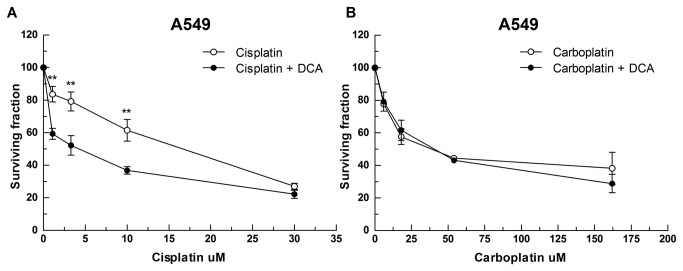
“To validate our prediction we used the pyruvate dehydrogenase kinase inhibitor dichloroacetate (DCA) to switch the metabolism of cancer cells from glycolysis to glucose oxidation [44].”
BackgroundMethodInfluentialFichtinger-Schepman, A. M. J., Van der Veer, J. L., Den Hartog, J. H. J., Lohman, P. H. M., & Reedijk, J. (1985) · Biochemistry · doi:10.1021/bi00324a025 · Cited by 1,024
Azzoli, C. G., Baker, S., Temin, S., Pao, W., Aliff, T., Brahmer, J., Johnson, D. H., Laskin, J. L., Masters, G., Milton, D., et al. (2009) · Journal of Clinical Oncology · doi:10.1200/jco.2009.23.5622 · Cited by 915 · cited 1×
“We used the non-small cell lung cancer cell line A549, as cisplatin-based chemotherapy is a standard of care for this type of tumor [37].”
MethodReview of the Comparative Pharmacology and Clinical Activity of Cisplatin and Carboplatin
Go, R. S., & Adjei, A. A. (1999) · Journal of Clinical Oncology · doi:10.1200/jco.1999.17.1.409 · Cited by 697 · cited 1×
“To confirm the essential role of mitochondrial protein synthesis impairment in enhancing cisplatin cytotoxicity, we evaluated the effects of another platinum-based drug, carboplatin, which forms similar types of nDNA lesions, but is substantially less toxic than cisplatin [40].”
BackgroundShen, H.-M., & Liu, Z.-G. (2006) · Free Radical Biology and Medicine · doi:10.1016/j.freeradbiomed.2005.10.056 · Cited by 629 · cited 2×
“have been shown to be activated by ROS and induce cell death [55–57].”
BackgroundMarroquin, L. D., Hynes, J., Dykens, J. A., Jamieson, J. D., & Will, Y. (2007) · Toxicological Sciences · doi:10.1093/toxsci/kfm052 · Cited by 628 · cited 1×
“Such a metabolic adaptation results in lower susceptibility toward the effects of mitochondrial toxicants on cell viability and growth [64]; therefore, the contribution of cisplatin-induced mitochondrial impairment to its cytotoxic effect may have been underestimated in our study as well as in those performed by other…”
ResultMitochondria as a Target of Environmental Toxicants
Meyer, J. N., Leung, M. C. K., Rooney, J. P., Sendoel, A., Hengartner, M. O., Kisby, G. E., & Bess, A. S. (2013) · Toxicological Sciences · doi:10.1093/toxsci/kft102 · Cited by 562
Cited by
Items 601–700 of 796
Queirós, V., Azeiteiro, U. M., Santos, J. L., Alonso, E., Soares, A. M. V. M., Barata, C., & Freitas, R. (2024) · The Science of The Total Environment · doi:10.1016/j.scitotenv.2024.173668 · Cited by 4
Wu, D., Zhu, B., Yang, X., Sun, D., Zhu, J., Jiang, K., Jiang, K., Yang, X., & Yang, X. (2024) · International Immunopharmacology · doi:10.1016/j.intimp.2024.112639 · Cited by 4
Melones-Herrero, J., Rico, F. A., Matesanz, A. I., Calés, C., Sánchez‐Pérez, I., & Quiroga, A. G. (2025) · Journal of Inorganic Biochemistry · doi:10.1016/j.jinorgbio.2025.112923 · Cited by 5
Review of the biological effects due to high-power microwaves exposure
Gao, A., Dong, G., & Wang, C. (2025) · Electromagnetic Biology and Medicine · doi:10.1080/15368378.2025.2547806 · Cited by 4
“This process facilitates enhanced molecular transport, intracellular bio-chemical alterations, and targeted cancer cell apoptosis, offering new opportunities for drug delivery and cancer treatment (Marullo et al. 2013; Schmidt et al. 2019).”
Cell-cell death communication by signals passing through non-aqueous environments: A reply
Mould, R. R., Thomas, E. L., Guy, G. W., Nunn, A. V. W., & Bell, J. D. (2022) · Results in Chemistry · doi:10.1016/j.rechem.2022.100538 · Cited by 4
Chemotherapy-Induced Oxidative Stress and Infertility
Najafi, T. (2017) · International Journal of Women s Health and Reproduction Sciences · doi:10.15296/ijwhr.2017.15 · Cited by 6
“A few others reported that treatment with antioxidants attenuates the cytotoxic effects of cisplatin on different organs, suggesting an involvement of oxidative stress in the pathogenesis of cisplatin-induced cytotoxicity which also seen in reproductive system (7).”
BackgroundVatan, Ö. (2019) · Uludağ Üniversitesi Tıp Fakültesi Dergisi · doi:10.32708/uutfd.613912 · Cited by 4
Franskevych, D., Prylutska, S., Grynyuk, І. І., Pasichnyk, G. V., Дробот, Л. Б., Matyshevska, O., & Ritter, U. (2019) · Bioimpacts · doi:10.15171/bi.2019.26 · Cited by 4
Lin, S.-Y., Syu, J.-P., Lo, Y., Chau, Y., Don, M., Shy, H.-T., Lai, S.-M., & Kung, H. (2022) · Phytomedicine · doi:10.1016/j.phymed.2022.154094 · Cited by 4
Cantini, F., Calderone, V., Mannelli, L. D. C., Korsak, M., Gonnelli, L., Francesconi, O., Ghelardini, C., Banci, L., & Nativi, C. (2018) · ACS Medicinal Chemistry Letters · doi:10.1021/acsmedchemlett.8b00199 · Cited by 4
das Neves, W., Rivelli, T. G., Simão, E. F., Kulcsar, M. A. V., & Junior, G. D. C. (2025) · Clinics · doi:10.1016/j.clinsp.2025.100851 · Cited by 3
Tillio, F. D., Wijaya, L. S., Kunnen, S. J., Eugenio, C. J., Buzzanca, G., Bruns, I. B., Martens, M., Kramer, N. I., Kers, J., Callegaro, G., et al. (2026) · Toxicological Sciences · doi:10.1093/toxsci/kfaf177 · Cited by 3
Soltau, C. P., Tay, B. Q., Richard, D. J., Bottle, S. E., & Adams, M. N. (2026) · Biomedicine & Pharmacotherapy · doi:10.1016/j.biopha.2026.119348 · Cited by 3
Cancer Drug Resistance and Metabolic Reprogramming
Jan, S., Fatima, K., Wani, A., Malik, F. A., & Khan, S. U. (2024) · Springer eBooks · doi:10.1007/978-981-97-1666-1_6 · Cited by 3
Evaluation of cytotoxic effect of siphonochilone from African ginger: an in vitro analysis
Palomo, A. O., Fuentes‐Ríos, D., Quiñonero, F., Melguizo, C., Ortíz, R., López‐Romero, J. M., & Prados, J. C. (2024) · Environmental Toxicology · doi:10.1002/tox.24308 · Cited by 3
“In fact, some classical cytotoxic drugs used in clinical practice such as cis-platin 43 are able to activate this cellular death mechanism.”
Moulaeian, M., Ferdousmakan, S., Banihashemi, S., Homayounfar, S., Pasupulla, A. P., & Malekzadegan, Y. (2024) · Heliyon · doi:10.1016/j.heliyon.2024.e40297 · Cited by 4
“The direct damage that cisplatin causes to mitochondrial DNA results in an increase in ROS generation, which hinders the synthesis of proteins necessary for the electron transport chain [138].”
Artemisinin alleviates cisplatin-induced damage in GC-1 spermatogonia through ER stress mechanisms
Lee, R., Lee, W.-Y., Kim, D.-W., & Park, H.-J. (2025) · Heliyon · doi:10.1016/j.heliyon.2025.e42579 · Cited by 4
“Additionally, cisplatin binds to both nuclear DNA and mitochondrial DNA (mtDNA) [43].”
Kang, S., Choi, G., Kim, D., Kim, H., Cheon, C., & Ko, S. (2025) · Integrative Cancer Therapies · doi:10.1177/15347354251339121 · Cited by 3
“54,55 Antioxidant properties of both TK extract and CucD have been previously documented, suggesting a potential protective effect against ROS induction by CDDP, which might contribute to a reduction in apoptosis.”
The Counter Effect of Exercise on Cisplatin-Induced Cognitive and Proliferation Impairments
ELBeltagy, M., Al-Horani, R., Alsharaeh, T., Alkhatib, A. H., Alawaisheh, I., Abuhani, A. A., & Salman, A. (2024) · Cureus · doi:10.7759/cureus.52526 · Cited by 4
“Marullo et al. observed that, eventually, cisplatin induces cytochrome c release, which contributes to apoptosis [26].”
BackgroundKim, H. R., Hong, J., Kim, Y., & Choi, J. (2024) · Toxicological Research · doi:10.1007/s43188-024-00249-w · Cited by 3
“…the cytoprotective mechanisms of HEBP2 in relation to DNA damage, repair, and reactive oxygen species, given the varying oxidative stress induced by cisplatin [30], BCNU [31], and MMS [32], along with the ongoing controversy regarding its heme-binding activity, in contrast to HEBP1 [33].”
Wei, Q., Xiao, Y., Wu, Q., Jing, C., Dong, Z., Chen, P., & Pan, M. (2025) · International Journal of Molecular Sciences · doi:10.3390/ijms26051890 · Cited by 3
“[44].”
Effect of combination of cisplatin with brassinosteroids on the growth of cancer cells
Panibrat, O. V., Zhabinskii, V. N., & Khripach, V. A. (2019) · Doklady of the National Academy of Sciences of Belarus · doi:10.29235/1561-8323-2019-63-4-437-444 · Cited by 3
Savenkova, D., Havrysh, K. V., Сергеевна, С. В., Ионова, Н. Э., Nurgalieva, A. K., Minigulova, L. F., Bogdanov, M. V., & Kiyamova, R. (2020) · BioNanoScience · doi:10.1007/s12668-020-00740-2 · Cited by 3
Drug- or toxin-induced mitochondrial toxicity
Castanares‐Zapatero, D., & Hantson, P. (2021) · Elsevier eBooks · doi:10.1016/b978-0-323-85666-9.00003-6 · Cited by 3
Petrović, S. Ž., & Leskovac, A. R. (2022) · Springer eBooks · doi:10.1007/978-981-15-9411-3_130 · Cited by 3
Somashekara, S. C., & Muniyappa, K. (2022) · G3 Genes Genomes Genetics · doi:10.1093/g3journal/jkac066 · Cited by 3
“In parallel, similar analysis of lysates using antibodies against Ydj1 and histone H3 informed the purity of the mitochondrial fraction and lack of cross-contamination from cytosolic and nuclear fraction, respectively. et al. 2009; Marullo et al. 2013; Yimit et al. 2019).”
MethodAn overview of cervical cancer, chemotherapy as treatment and chemotherapy resistance
Mbodi, L., Maringa, V. D., Moroeng, M. W., Bassa, S., Kaufmann, A. M., & Dlamini, Z. (2024) · Elsevier eBooks · doi:10.1016/b978-0-443-28985-9.00017-3 · Cited by 3
Tetrastigma hemsleyanum flavones exert antihepatic carcinoma property both in vitro and in vivo
Liu, Y., Li, Y., Chen, W., Ye, X., Jia, R., Yu, L., Tang, Q., Tu, P., Jiang, Y., Chu, Q., et al. (2021) · Food Quality and Safety · doi:10.1093/fqsafe/fyab025 · Cited by 3
“In agreement with our results, reports have revealed that cisplatin could cause a mitochondrial-dependent ROS response which could promote the cytotoxic effect on nuclear DNA damage against cancer cells (Marullo et al., 2013).”
ResultResolution of cisplatin-induced fatigue does not require endogenous interleukin-10 in male mice
Scott, K. A., Boukelmoune, N., Taniguchi, C. M., West, A. P., Heijnen, C. J., & Dantzer, R. (2023) · Behavioural Brain Research · doi:10.1016/j.bbr.2023.114381 · Cited by 3
alameen, R., Bairam, A. F., & Al-Haddad, M. (2023) · F1000Research · doi:10.12688/f1000research.139277.1 · Cited by 4
Abdalbari, F. H., Forgie, B. N., Zorychta, E., Goyeneche, A. A., Noman, A. S. M., & Telleria, C. M. (2025) · Biochemistry and Biophysics Reports · doi:10.1016/j.bbrep.2025.101996 · Cited by 2
“Similarly, CDDP generates ROS through mitochondrial damage and electron transport chain impairment [4] in lung and prostate cancer cells [36].”
Mitotic MTH1 inhibitor karonudib kills epithelial ovarian cancer independent of platinum sensitivity
Hurley, R. M., Wagner, J. M., Kanakkanthara, A., Venkatachalam, A., Deisinger, A. M., Correia, C., Schneider, P. A., Peterson, K. L., Macon, E. P., Heinzen, E. P., et al. (2025) · Experimental Hematology and Oncology · doi:10.1186/s40164-025-00681-0 · Cited by 2
Majumder, C., Manna, A., Halder, S., Roy, S., Mandal, S. C., Jana, K., & Pal, M. (2025) · Biotechnology Reports · doi:10.1016/j.btre.2025.e00937 · Cited by 2
Redox-active nitroxides enhance cisplatin efficacy against cervical cancer
Soltau, C. P., Sinha, D., Patil, L. P., Moseley, P. M., Rayner, C. L., Barnett, N. L., Richard, D. J., Bottle, S. E., Frazer, I. H., & Martyn, A. P. (2025) · Redox Biology · doi:10.1016/j.redox.2025.103989 · Cited by 2
“ROS generated by cisplatin play a key role in its cytotoxicity [11,12], and the presence of antioxidants or free radical scavengers can affect both its efficacy and side effects [13,14].”
Mitochondrial dynamics in cisplatin resistance: molecular mechanisms and therapeutic targeting
Huang, W., Sun, W., Yang, Z., Li, Y., & Wang, Z. (2026) · Frontiers in Oncology · doi:10.3389/fonc.2025.1736487 · Cited by 4
“This morphological adaptation enhances the mitochondrial antioxidant defense capacity, thereby protecting cells from oxidative damage (81).”
Molina-Vila, M. A., Tsourti, Z., Vervita, K., Bertrán-Alamillo, J., García‐Peláez, B., Kerr, K. M., Bubendorf, L., Madsen, L. B., Biernat, W., Stenzinger, A., et al. (2026) · European Journal of Cancer · doi:10.1016/j.ejca.2026.116583 · Cited by 5
Platinum accumulation in chemotherapy: toxicity mechanisms, challenges, and mitigation strategies
Lai, Y., Qiu, G., Zheng, Z., Huang, X., Guo, P., Zhang, Y., & Fang, L. (2026) · BioMetals · doi:10.1007/s10534-026-00812-y · Cited by 4
“…and enter the mitochondrial matrix (Kleih et al. 2019), platinum ions entering mitochondria can bind to mitochondrial DNA (mtDNA) to form stable platinum-mtDNA adducts (Darwish et al. 2017), with the number of adducts being 300–500-fold higher than that of nuclear DNA (Marullo et al. 2013).”
Nayak, R., Kajol, Rawat, K., Rani, N., Yadav, S., Rani, S., Gupta, K., Shrivastava, A., Saini, K., & Maity, D. (2026) · Frontiers in Chemistry · doi:10.3389/fchem.2026.1825119 · Cited by 2
Mitochondrial redox imbalance in triggering regulated cell death in kidney diseases
Zhu, W., Zou, R., Liu, R., Jia, Z., Zhang, Y., & Wu, M. (2026) · iScience · doi:10.1016/j.isci.2026.116405 · Cited by 3
“46 Aminoglyco-sides, another class of commonly used clinical drugs, are considered to exert nephrotoxicity primarily through the inhibition of mitochondrial ETC activity and subsequent excessive ROS production.”
ROS‐Activatable Prodrug of Doxazolidine as Novel Cancer Therapy Paradigm
Tamura, R., Carpenter, C. I., Thomas, C. M., Kamyabi, G., Hsu, H., Vergnolle, O., Balderes, P. J., & Grimm, J. (2024) · Advanced Therapeutics · doi:10.1002/adtp.202400340 · Cited by 2
Kabelíková, P., Ivovič, D., Sumbalová, Z., Karhánek, M., TATAYOVA, L., Škopková, M., Cagalinec, M., Bruderová, V., Roška, J., & Jurkovičová, D. (2024) · Cancer Drug Resistance · doi:10.20517/cdr.2024.141 · Cited by 2
Ototoxicidad inducida por quimio-radioterapia basada en platinos: Una revisión
Ignacio Cortés, F., María Celeste Casanova, O., Pía Michael, L., & Gerardo Oberreuter, E. (2019) · Revista de otorrinolaringología y cirugía de cabeza y cuello · doi:10.4067/s0718-48162019000200229 · Cited by 2
s-Ethyl cysteine, an amino acid derivative, attenuated cisplatin induced nephrotoxicity
Kuo, H., Mong, M., Chen, H.-C., Wang, Z., & Yin, M.-C. (2020) · Amino Acids · doi:10.1007/s00726-020-02882-9 · Cited by 2
Protective effects of quercetin against cisplatin induced urogenital organ toxicity
Şener, T. E., Çadırcı, S., Çevik, Ö. D., Ercan, F., & Köroğlu, M. K. (2020) · Journal of Research in Pharmacy · doi:10.35333/jrp.2020.219 · Cited by 2
“Among mechanisms responsible in cisplatin cytotoxicity, reactive oxygen species (ROS) formation that causes oxidant damage is known as an important contributor [5-7].”
BackgroundSystemic Metabolomic Changes Associated with Chemotherapy: Role in Personalized Therapy
Kalita, B., Barik, G. K., Sharma, T., Taunk, K., Bhavsar, P. P., Santra, M. K., & Rapole, S. (2022) · Wiley eBooks · doi:10.1002/9781119851042.ch24 · Cited by 2
Yoo, B.-G., Hong, J.-P., Song, H.-Y., & Byun, E. (2022) · Journal of the Korean Society of Food Science and Nutrition · doi:10.3746/jkfn.2022.51.12.1252 · Cited by 2
Chlorogenic acid co‐administration alleviates cisplatin‐induced peripheral neuropathy in rats
Ünel, Ç. Ç., Eroglu, E., Özatik, O., & Erol, K. (2023) · Fundamental and Clinical Pharmacology · doi:10.1111/fcp.12970 · Cited by 2
“Moreover, CIS tends to increase intra-cellular overproduction of reactive oxygen species (ROS) and reactive nitrogen species (RNS) as a result of mitochondrial dysfunction and apoptosis [5].”
BackgroundEnhancing ovarian cancer treatment with maleimide-modified Pt(IV) prodrug nanoparticles
Bai, Y., Wang, Z., Liu, D., Meng, X., Wang, H., Yu, M., Zhang, S., & Sun, T. (2024) · Materials Today Bio · doi:10.1016/j.mtbio.2024.101131 · Cited by 4
“In addition, cisplatin-induced oxidative stress can lead to mitochondrial damage and dysfunction [5], depletion of glutathione (GSH) [6], lipid peroxidation [7], activation of apoptotic pathways [8], and the cumulative effect of multiple pathways culminating in apoptosis.”
BackgroundALK Inhibitor and Chemotherapy Combinations in Models of ALK-Translocated NSCLC
Luukkainen, M. E. K., & Koivunen, J. P. (2024) · Anticancer Research · doi:10.21873/anticanres.17092 · Cited by 2
“Of these agents, the former is non-phase-specific (17, 18), whereas the latter is phase-specific (19).”
BackgroundSnehaa, C. P. S., Issac, P. K., Rajaguru, P., & Pugalenthi, V. (2024) · 3 Biotech · doi:10.1007/s13205-024-04109-0 · Cited by 2
“Further, they seem to have induced mitochondrial ROS resulting in cytotoxicity in A549 cells when treated individually (Marullo et al. 2013).”
Mehmood, S., Bhatia, P., Doyon‐Reale, N., & Jamesdaniel, S. (2025) · Current Research in Toxicology · doi:10.1016/j.crtox.2025.100241 · Cited by 2
“It is well established that cisplatin treatment increases the levels of free radicals, specifically ROS, which leads to cell death or apoptosis (Marullo et al., 2013; Xue et al., 2020).”
Kalra, P., Karwasra, R., Nag, T. C., Gupta, Y. K., & Singh, S. (2017) · Bulletin of Faculty of Pharmacy Cairo University · doi:10.1016/j.bfopcu.2017.04.001 · Cited by 2
Oxidative Stress and Therapeutic Development in Lung Cancer
Chowdhury, A., Sarkar, S., Ghosh, S., Noronha, A., Chakraborti, T., & Chakraborti, S. (2019) · Springer eBooks · doi:10.1007/978-981-32-9366-3_19 · Cited by 3
Wu, C.-H., Feng, C., Wang, C., Wen, Z., Long, C., & Tang, F. (2023) · Cancers · doi:10.3390/cancers15051586 · Cited by 2
“Prior studies have depicted that the anti-cancer effect influenced by cisplatin is through generating reactive oxygen species (ROS) or DNA double-strand breaks (DSBs) [11,12].”
BackgroundRowe, M. R. (2020) · Open Access Victoria University of Wellington | Te Herenga Waka (Figshare) · doi:10.26686/wgtn.17145686.v1 · Cited by 2
Tahir, M. S., Almezgagi, M., Zhang, Y., Zhonglei, D., Bashir, A., Ali, M., & Zhang, W. (2022) · Pakistan Journal of Medical and Health Sciences · doi:10.53350/pjmhs2216754 · Cited by 1
Effects of pyrrolopyrimidine derivatives on cancer cells cultured in vitro and potential mechanism
Kılıç-Kurt, Z., Celik, A., & Bakar‐Ates, F. (2023) · Naunyn-Schmiedeberg s Archives of Pharmacology · doi:10.1007/s00210-023-02799-6 · Cited by 1
“Previous studies have demonstrated that some anticancer drugs such as doxorubicin, bleomycin, and platinum induce cellular ROS generation (Yang et al. 2018; Marullo et al. 2013; Conklin 2004).”
Effect of amifostine on apoptotic inflammatory makers in cisplatin induced brain damage in rats
Masoud, M. M., El-Laithy, N. A., Youness, E. R., Ahmed, N. M., Mahdy, E.-S. M. E., & Shousha, W. G. (2025) · Journal of Complementary and Integrative Medicine · doi:10.1515/jcim-2024-0250 · Cited by 1
“Therefore, the oxidative modi fi cation of proteins and lipids may be one of the reasons for the cisplatin-induced neurotoxicity that has been documented [17].”
Moon, H.-R., Lee, W., & Yun, J. (2025) · Food & Nutrition Research · doi:10.29219/fnr.v69.10764 · Cited by 1
“Mechanistically, cisplatin-induced ROS generation facilitates the translocation of activated Bax to the outer mitochondrial membrane, initiating apoptotic cell death (23, 24).”
Iyer, S., & Schlichtholz, B. (2025) · Biochimica et Biophysica Acta (BBA) - Molecular Basis of Disease · doi:10.1016/j.bbadis.2025.168024 · Cited by 1
Courbon, G., Lugnier, L., Bass, J. K., Merchant, T. E., Morlet, T. G., & Richard, C. (2025) · Current Oncology · doi:10.3390/curroncol32090509 · Cited by 1
“Cisplatin ototoxicity involves multiple mechanisms that induce sustained cellular stress, primarily through the generation of reactive oxygen species (ROS) [33,34] along with a reduction in antioxidant defenses and increased intracellular calcium levels [35,36] among other pathways [37].”
Shimizu, T., Koyama, Y., & Shimada, S. (2025) · Next research. · doi:10.1016/j.nexres.2025.100952 · Cited by 1
TRAP1 induced cisplatin resistance in gastric cancer cells by regulating oxidative stress
Ji, Z., Liu, L., Chen, J., Zhu, W., Zhao, Y., & Wu, H. (2025) · Frontiers in Molecular Biosciences · doi:10.3389/fmolb.2025.1676811 · Cited by 2
Navigating the Genetic Risk of Chemotherapy‐Induced Hearing Loss in the Stria Vascularis
Lazetic, T., Miao, D. N. R., Drögemöller, B. I., Dabdoub, A., & Abitbol, J. M. (2025) · Clinical Pharmacology & Therapeutics · doi:10.1002/cpt.70160 · Cited by 1
“64 Oxidative stress has been extensively linked to other forms of hearing loss 66 and is also regarded as a major factor in CIO.”
Wang, L., Asheghabadi, P. S., Mashhadikhan, S., Nasirzade, S., Ettehad, Y., Gholamrezaie, S., Jafari, F., Rahmani, M., Mehdizadeh, S., Zali, N., et al. (2025) · Nutrition & Metabolism · doi:10.1186/s12986-025-01055-3 · Cited by 1
Hosney, S. N., Matouk, A. I., Ali, F. E. M., & Heeba, G. H. (2025) · Naunyn-Schmiedeberg s Archives of Pharmacology · doi:10.1007/s00210-025-04867-5 · Cited by 1
“Moreover, upon binding of Cis to mitochondrial DNA, it disrupts the mitochondrial function and activates NADPH oxidase, leading to a substantial release of reactive oxygen species (ROS), which induce testicular damage (Marullo et al. 2013).”
Hirasaki, M., Miyawaki, Y., Kamakura, Y., Kawasaki, T., Yamasaki, S., Fukushima, H., Makino, Y., Sato, H., & Hamaguchi, T. (2026) · BMC Gastroenterology · doi:10.1186/s12876-026-04664-1 · Cited by 1
Popović, S., Petrovic, M., Matić, S., Markovic, T., Stojković, D. L., Jevtić, V. V., & Todorović, D. (2026) · International Journal of Radiation Biology · doi:10.1080/09553002.2026.2631008 · Cited by 1
“In parallel, cis-Pt interacts with proteins and nucleic acids, modulating calcium signaling via copper transporters and inducing oxidative stress (Marullo et al. 2013; Fong 2016; Stojanovska et al. 2017).”
Huq, T. B., Dam, S. K., Awad, D., Jeeja, P. A. K., Ferdous, F., & Vivero-Escoto, J. L. (2026) · Advanced NanoBiomed Research · doi:10.1002/anbr.202500255 · Cited by 1
“Both Gem and cisPt exert their cytotoxicity through ROS-dependent DNA and mitochondrial damage followed by externalization of phosphatidylserine on cell surface leading to programmed cell death [57, 58].”
Shi, Y., Liao, W., Bai, G., & Chen, B. (2026) · Frontiers in Physiology · doi:10.3389/fphys.2026.1790855 · Cited by 3
Pabisa, L., Ahmad, A., & Karim, H. (2026) · Jurnal Kimia Sains dan Aplikasi · doi:10.14710/jksa.29.3.227-244 · Cited by 1
Zhang, T., Zhu, J., Li, G., Jin, Z., Xie, Z., Liu, W., Yang, M., Ding, H., & Chen, Y. (2026) · Discover Oncology · doi:10.1007/s12672-026-05268-7 · Cited by 1
“In recent studies, CDDP was shown to trigger a mitochondrial ROS-dependent response, thereby potentiating cytotoxicity through exacerbated mitochondrial DNA damage [20].”
Meng, W., Lang, C., Gan, J., Mu, X., Tang, L., Wang, J., Liu, Y., Zhu, Y., Du, Y., Zhang, H., et al. (2026) · Journal of Translational Medicine · doi:10.1186/s12967-026-08404-7 · Cited by 2
“Platinum-based drugs such as cisplatin (DDP) induce reactive oxygen species (ROS) and mitochondrial apoptosis, but tumor cells can counteract this by enhancing antioxidant capacity (e.g., SOD2) or mitochondrial biogenesis (e.g., PGC-1α) [13].”
An AOP-guided in vitro platform for mechanistic screening of platinum-based nephrotoxicity
Barnes, D. A., Redegeld, F. A., & Masereeuw, R. (2026) · NAM journal. · doi:10.1016/j.namjnl.2026.100110 · Cited by 1
“Cisplatin induces mitochondrial DNA damage, reduces mitochondrial proteins, inhibits electron transport chain assembly, and promotes ROS generation, which further exacerbates mitochondrial dysfunction (Marullo et al., 2013; Zsengeller et al., 2012).”
ORHANER, C., Orhaner, A., Tuncer, M. C., & Özdemır, İ. (2026) · Cells · doi:10.3390/cells15151419 · Cited by 1
“RA has also been reported to modulate cellular redox homeostasis; depending on the cellular context and experimental conditions, it may exert antioxidant or pro-oxidant effects, thus influencing cell survival and apoptosis [16].”
Primadewi, N., Kariosentono, H., Probandari, A. N., & Wiboworini, B. (2022) · Open Access Macedonian Journal of Medical Sciences · doi:10.3889/oamjms.2022.9628 · Cited by 1
Redox-Active Compounds in the Therapy of Drug-Resistant Murine Leukemia P388 Strains
Raevskaya, T. A., Soldatova, Y. V., Гончарова, С. А., & Faingold, I. I. (2024) · Bulletin of Experimental Biology and Medicine · doi:10.1007/s10517-024-06170-4 · Cited by 1
“Nu - merous ROS-producing anticancer drugs shifting the redox balance towards cell death are used in clinical practice, including anthracycline antibiotics, cisplatin, and others [3,4].”
Jiang, J., Zhan, L., Jiang, B., Pan, J., Hong, C., Chen, Z., & Yang, L. (2025) · Cancer Letters · doi:10.1016/j.canlet.2025.217679 · Cited by 1
Nerush, A. S., Shchukina, K. M., & Orlova, A. (2018) · Современные технологии в медицине · doi:10.17691/stm2018.10.3.9 · Cited by 1
“[1, 2] Along with direct action on DNA, this agent causes the formation of reactive oxygen species (ROS), including hydrogen peroxide (H2O2) [3, 4].”
Background[Effect of the chemoprotectant tempol on anti-tumor activity of cisplatin].
Ye, S., Zeng, S., Huang, M., Chen, J., Chen, X., Xu, P., Wang, Q., Gao, W., Yang, B., Hao, B., et al. (2019) · Europe PMC (PubMed Central) · doi:10.12122/j.issn.1673-4254.2019.08.02 · Cited by 2
“[18]Marullo R, Werner E, Degtyareva N, et al.”
BackgroundHow to Alleviate Side Effects of Anti-Neoplastic Drug Cisplatin by using Nanotechnology?
El-Sheikh, S. M. A., Edrees, N. E., El-sayed, H. A., & Eleiwa, N. Z. H. (2020) · Journal of Animal Health and Production · doi:10.17582/journal.jahp/2020/9.s1.1.8 · Cited by 1
“…ROS, Bax is transferred to the outer membrane of the mitochondria, and changes its permeability; this opens the mitochondrial pores and trigger cytochrome C leakage into the cytosol, this activates the pro-apoptotic caspase 9 and its caspase-dependent downstream sequence (Marullo et al., 2013).”
BackgroundBorovskaya, T. G., Goldberg, V. E., Poluektova, M. E., Вычужанина, А. В., Shchemerovа, Y. А., Grigoreva, V. A., Ligacheva, A. A., & Bokhan, E. A. (2021) · Siberian Journal of Oncology · doi:10.21294/1814-4861-2021-20-1-87-96 · Cited by 1
Targeting Redox Signaling and ROS Metabolism in Cancer Treatment
Ali, E. S., Barua, D., Saha, S. K., Ahmed, M. U., Mishra, S. K., & Mubarak, M. S. (2022) · Springer eBooks · doi:10.1007/978-981-15-9411-3_119 · Cited by 1
Wang, S.-C., Yen, C., Shiau, J., Chang, M., Hou, M., Tang, J., & Chang, H. (2022) · Biomedicines · doi:10.3390/biomedicines10051196 · Cited by 1
Targeting Reactive Oxygen Species (ROS) for Cancer Therapy
Mohan, H., Vandna, V., Soni, S., & Syed, S. M. (2022) · Handbook of Oxidative Stress in Cancer: Therapeutic Aspects · doi:10.1007/978-981-16-1247-3_273-1 · Cited by 1
Role of ROS in Combined Radiation Effect in Cancer Therapy
Gautam, A., & Goyal, L. (2022) · Handbook of Oxidative Stress in Cancer: Therapeutic Aspects · doi:10.1007/978-981-16-5422-0_65 · Cited by 2
(2022) · Biointerface Research in Applied Chemistry · doi:10.33263/briac133.297 · Cited by 2
Exploring the role of LDH in cancer cells through the use of small-molecule inhibitors.
Ianni, L. D. (2018) · AMS Dottorato Institutional Doctoral Theses Repository (University of Bologna) · doi:10.6092/unibo/amsdottorato/8642 · Cited by 2
Sheraton, V. M. (2019) · DR-NTU (Nanyang Technological University) · doi:10.32657/10356/105587 · Cited by 1
Investigating mechanisms of acquired drug resistance in Triple Negative Breast Cancer
Grimsley, H. E. (2021) · Kent Academic Repository (University of Kent) · doi:10.22024/unikent/01.02.88062 · Cited by 1
Limpose, K. L., Corbett, A. H., & Doetsch, P. W. (2014) · Wiley eBooks · doi:10.1002/9780470015902.a0000557.pub3 · Cited by 1
Self-citationThorne, L. S. (2016) · University of Birmingham Institutional Research Archive (University of Birmingham)
Oxidative Status Evaluation of Morinda citrifolia Or IgINal
de Moraes, G. P., de Alencar, O. B., Araújo, L. D. S., Sobral, A. L. P., Machado, K. D. C., Pablo, R., de Aguiar, S., Júnior, A. L. G., Corrêa, D. S., Fernanda, M., et al. (2016)
Al-Salmani, K. K. S. (2017) · Figshare
Investigating the Synergistic Effects of Cisplatin and Two Curcuminoid Compounds on Cancer
Hodzic, D. (2017) · TopSCHOLAR (Western Kentucky University)
Characterization of the Molecular Chaperone Get3
Voth, W. (2017) · eDiss (Georg-August-Universität Göttingen) · doi:10.53846/goediss-6410
Millay, M. H. (2018) · TopSCHOLAR (Western Kentucky University)
Intracytoplasmic lipid droplets in high grade glioma : metabolism and target for therapy
Murren, R. (2018) · University of Birmingham Institutional Research Archive (University of Birmingham)
Biomarcadores urinarios de riesgo de daño renal en el ámbito de la terapéutica oncológica
Casanova, A. G. (2018) · Gredos (University of Salamanca) · doi:10.14201/gredos.137353
Gil, F., & Irene, B. (2019) · Institutional Repository of the University of Granada (University of Granada)
Metadata
- Authors
- Marullo, R., Werner, E., Degtyareva, N., Moore, B., Altavilla, G., Ramalingam, S. S., & Doetsch, P. W.
- Affiliations
- University of Messina (IT)
- Emory University (US)
- Geisinger Medical Center (US)
- Corresponding author
- Doetsch, Paul W.
- ORCID
- Venue
- PLoS ONE
- Publisher
- Public Library of Science (PLoS)
- Published
- 2013-11-19
- Volume
- 8
- Issue
- 11
- Pages
- e81162
- ISSN
- 1932-6203 (ISSN-L)
- PMC
- PMC3834214
- OpenAlex
- W1987702513
- Cited by
- 777
- References
- 67
- Citations by year
- 2026: 44 · 2025: 61 · 2024: 63 · 2023: 64 · 2022: 102 · 2021: 81 · 2020: 86 · 2019: 82 · 2018: 57 · 2017: 50 · 2016: 37 · 2015: 33 · 2014: 15
- FWCI
- 12.70
- Type
- journal article
- Language
- en
- Open access
- gold
- doi.org
- Licence
- Locations
- PLoS ONE (publishedVersion, cc-by)
- Europe PMC (PubMed Central) (publishedVersion, cc-by)
- PubMed Central (publishedVersion, cc-by)
- PubMed (publishedVersion)
- RePEc: Research Papers in Economics (submittedVersion)
- DOAJ (DOAJ: Directory of Open Access Journals) (submittedVersion, cc-by-sa)
- Figshare (submittedVersion, cc-by)
- Funders
- National Institute of Environmental Health Sciences (P01ES011163, ES011163)
- Topics
- Life Sciences › Biochemistry, Genetics and Molecular Biology › Molecular Biology › Mitochondrial Function and Pathology
- Health Sciences › Medicine › Oncology › Metal complexes synthesis and properties
- Life Sciences › Biochemistry, Genetics and Molecular Biology › Molecular Biology › Cell death mechanisms and regulation
- Keywords
- cisplatin, reactive oxygen species, mitochondrial dysfunction, oxidative stress, cisplatin cytotoxicity, mitochondrial redox status, mitochondrial DNA integrity, mitochondrial bioenergetics, DNA damage, anticancer drug toxicity, Saccharomyces cerevisiae
- MeSH terms
- Animals, Antineoplastic Agents, Cell Nucleus, Cisplatin, DNA, DNA Damage, DNA Repair, Humans, Mitochondria, Oxidation-Reduction, Saccharomyces cerevisiae, Apoptosis, Reactive Oxygen Species, DNA Adducts, Cell Line, Tumor, Mice
About these checks
Registry, retraction, Cites and statistics results are computed, not judged, with one exception: a printed reference that no index lists is read once by a model before it counts as a citation error. Claims are extracted by a model and kept only when their quote appears verbatim in the text; each cited source is then checked, with a model’s help, for whether it says what the claim relies on. Those verdicts can be wrong — read the claim’s quote and the cited source before relying on one.
Statistics and arithmetic are recomputed, not judged.
Confidence bands are shown only for fields calibrated on our annotated test set. None is calibrated yet, so no band is shown.
What counts as a claim ›How we measure confidence ›How we check this ›
Are you an author, or do you see a problem with this page? Request a review
Data sources
Bibliographic data: Semantic Scholar, OpenAlex, Crossref.
Contains information from the Semantic Scholar Academic Graph Datasets, made available under the ODC Attribution License (ODC-BY 1.0).
Semantic Scholar’s data is described in: Kinney, R., et al. (2023). The Semantic Scholar Open Data Platform. arXiv:2301.10140.
