

Cisplatin Induces a Mitochondrial-ROS Response That Contributes to Cytotoxicity Depending on Mitochondrial Redox Status and Bioenergetic Functions
Open accessThe DOI matches its Crossref record; 67 of the 67 references it cites were found in a registry or an index.
Abstract
Cisplatin is one of the most effective and widely used anticancer agents for the treatment of several types of tumors. The cytotoxic effect of cisplatin is thought to be mediated primarily by the generation of nuclear DNA adducts, which, if not repaired, cause cell death as a consequence of DNA replication and transcription blockage. However, the ability of cisplatin to induce nuclear DNA (nDNA) damage per se is not sufficient to explain its high degree of effectiveness nor the toxic effects exerted on normal, post-mitotic tissues. Oxidative damage has been observed in vivo following exposure to cisplatin in several tissues, suggesting a role for oxidative stress in the pathogenesis of cisplatin-induced dose-limiting toxicities. However, the mechanism of cisplatin-induced generation of ROS and their contribution to cisplatin cytotoxicity in normal and cancer cells is still poorly understood. By employing a panel of normal and cancer cell lines and the budding yeast Saccharomyces cerevisiae as model system, we show that exposure to cisplatin induces a mitochondrial-dependent ROS response that significantly enhances the cytotoxic effect caused by nDNA damage. ROS generation is independent of the amount of cisplatin-induced nDNA damage and occurs in mitochondria as a consequence of protein synthesis impairment. The contribution of cisplatin-induced mitochondrial dysfunction in determining its cytotoxic effect varies among cells and depends on mitochondrial redox status, mitochondrial DNA integrity and bioenergetic function. Thus, by manipulating these cellular parameters, we were able to enhance cisplatin cytotoxicity in cancer cells. This study provides a new mechanistic insight into cisplatin-induced cell killing and may lead to the design of novel therapeutic strategies to improve anticancer drug efficacy.
Overview
The claims and statistics of this paper haven’t been checked yet.
Free: it reads the open-access text and checks the first 5 claims that cite a source we can check. Create a free account to check every claim.
Integrity signals
Registry
Cites
Statistics
Figures
Verification
Claims the paper makes
The claims and statistics of this paper haven’t been checked yet.
Free: it reads the open-access text and checks the first 5 claims that cite a source we can check. Create a free account to check every claim.
Claims other papers make about this one
Each is checked against this paper’s own text: does it say what the citing paper says it does?
In the citing paper
“For example, cisplatin, which is one of the most effective and widely used chemotherapeutic agents for various cancers, induces mitochondria‐dependent ROS that contributes to cell death via the formation of nuclear DNA damage.”
From Reactive Oxygen Species in Cancer: Current Findings and Future Directions (2021) · cites this paper as [55]
Self-check
Percentages, sums and reported differences re-computed from the paper’s own numbers.
The self-check needs the paper’s full text.
Citations
Cites
Analysis of Relative Gene Expression Data Using Real-Time Quantitative PCR and the 2−ΔΔCT Method
Livak, K. J., & Schmittgen, T. D. (2001) · Methods · doi:10.1006/meth.2001.1262 · Cited by 180,860
Understanding the Warburg Effect: The Metabolic Requirements of Cell Proliferation
Vander Heiden, M. G., Cantley, L. C., & Thompson, C. B. (2009) · Science · doi:10.1126/science.1160809 · Cited by 16,197
Mutation of the mouse klotho gene leads to a syndrome resembling ageing
Kuro-o, M., Matsumura, Y., Aizawa, H., Kawaguchi, H., Suga, T., Utsugi, T., Ohyama, Y., Kurabayashi, M., Kaname, T., Kume, E., et al. (1997) · Nature · doi:10.1038/36285 · Cited by 3,837
Bonnet, S., Archer, S. L., Allalunis-Turner, J., Haromy, A., Beaulieu, C., Thompson, R., Lee, C. T., Lopaschuk, G. D., Puttagunta, L., Bonnet, S., et al. (2007) · Cancer Cell · doi:10.1016/j.ccr.2006.10.020 · Cited by 1,530 · cited 3×
“To validate our prediction we used the pyruvate dehydrogenase kinase inhibitor dichloroacetate (DCA) to switch the metabolism of cancer cells from glycolysis to glucose oxidation [44].”
BackgroundMethodInfluentialFichtinger-Schepman, A. M. J., Van der Veer, J. L., Den Hartog, J. H. J., Lohman, P. H. M., & Reedijk, J. (1985) · Biochemistry · doi:10.1021/bi00324a025 · Cited by 1,024
Azzoli, C. G., Baker, S., Temin, S., Pao, W., Aliff, T., Brahmer, J., Johnson, D. H., Laskin, J. L., Masters, G., Milton, D., et al. (2009) · Journal of Clinical Oncology · doi:10.1200/jco.2009.23.5622 · Cited by 915 · cited 1×
“We used the non-small cell lung cancer cell line A549, as cisplatin-based chemotherapy is a standard of care for this type of tumor [37].”
MethodReview of the Comparative Pharmacology and Clinical Activity of Cisplatin and Carboplatin
Go, R. S., & Adjei, A. A. (1999) · Journal of Clinical Oncology · doi:10.1200/jco.1999.17.1.409 · Cited by 697 · cited 1×
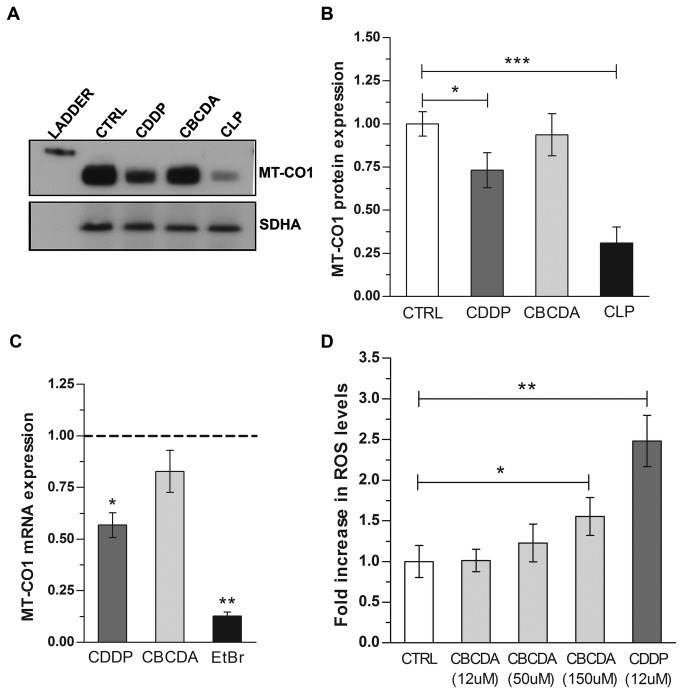
“To confirm the essential role of mitochondrial protein synthesis impairment in enhancing cisplatin cytotoxicity, we evaluated the effects of another platinum-based drug, carboplatin, which forms similar types of nDNA lesions, but is substantially less toxic than cisplatin [40].”
BackgroundShen, H.-M., & Liu, Z.-G. (2006) · Free Radical Biology and Medicine · doi:10.1016/j.freeradbiomed.2005.10.056 · Cited by 629 · cited 2×
“have been shown to be activated by ROS and induce cell death [55–57].”
BackgroundMarroquin, L. D., Hynes, J., Dykens, J. A., Jamieson, J. D., & Will, Y. (2007) · Toxicological Sciences · doi:10.1093/toxsci/kfm052 · Cited by 628 · cited 1×
“Such a metabolic adaptation results in lower susceptibility toward the effects of mitochondrial toxicants on cell viability and growth [64]; therefore, the contribution of cisplatin-induced mitochondrial impairment to its cytotoxic effect may have been underestimated in our study as well as in those performed by other…”
ResultMitochondria as a Target of Environmental Toxicants
Meyer, J. N., Leung, M. C. K., Rooney, J. P., Sendoel, A., Hengartner, M. O., Kisby, G. E., & Bess, A. S. (2013) · Toxicological Sciences · doi:10.1093/toxsci/kft102 · Cited by 562
Cited by
Items 101–200 of 796
Ginsenoside Rb1 ameliorates cisplatin-induced learning and memory impairments
Chen, C., Zhang, H., Xu, H., Zheng, Y., Wu, T., & Lian, Y. (2017) · Journal of Ginseng Research · doi:10.1016/j.jgr.2017.07.009 · Cited by 75
“This impairs the synthesis of electron transport chain proteins and accelerates the nuclear DNA impairments, which leads to the enhancement of cytotoxic effect [48].”
BackgroundStructurally Strained Half-Sandwich Iridium(III) Complexes As Highly Potent Anticancer Agents
Carrasco, A. C., Rodríguez‐Fanjul, V., Habtemariam, A., & Pizarro, A. M. (2020) · Journal of Medicinal Chemistry · doi:10.1021/acs.jmedchem.9b02000 · Cited by 77
Tibbs, T. N., Lopez, L. R., & Arthur, J. C. (2019) · Microbial Cell · doi:10.15698/mic2019.08.685 · Cited by 68
“The DNA damage incited by cisplatin is augmented via the production of mitochondrial ROS within tumor-associated inflammatory cells and cancer cells themselves [83, 84].”
BackgroundFong, C. W. (2016) · Free Radical Biology and Medicine · doi:10.1016/j.freeradbiomed.2016.03.006 · Cited by 83
Limpose, K. L., Corbett, A. H., & Doetsch, P. W. (2017) · DNA Repair · doi:10.1016/j.dnarep.2017.06.007 · Cited by 66
Self-citationNanoparticle-based drug delivery systems with platinum drugs for overcoming cancer drug resistance
Xie, P., Wang, Y., Wei, D., Zhang, L., Zhang, B., Xiao, H., Song, H., & Mao, X. (2021) · Journal of Materials Chemistry B · doi:10.1039/d1tb00753j · Cited by 76
Evaluating protective and therapeutic effects of alpha-lipoic acid on cisplatin-induced ototoxicity
Kim, K., Lee, B., Kim, Y., Kim, M.-A., Ryu, N., Jung, D. J., Kim, U., Baek, J., & Lee, K.-Y. (2018) · Cell Death and Disease · doi:10.1038/s41419-018-0888-z · Cited by 77
Shendge, A. K., Chaudhuri, D., Basu, T., & Mandal, N. (2020) · Clinical & Translational Oncology · doi:10.1007/s12094-020-02461-0 · Cited by 77
Recent Perspective of Lactobacillus in Reducing Oxidative Stress to Prevent Disease
Zhao, T., Wang, H., Liu, Z., Liu, Y., DeJi, Li, B., & Huang, X. (2023) · Antioxidants · doi:10.3390/antiox12030769 · Cited by 81
“, cisplatin, carboplatin), and other alkylating drugs exert therapeutic effects by stimulating the high intracellular production of ROS [76,77].”
BackgroundGlycyrrhizin Suppresses Lung Adenocarcinoma Cell Growth Through Inhibition of Thromboxane Synthase
Huang, R.-Y., Chu, Y.-L., Jiang, Z.-B., Chen, X., Zhang, X., & Zeng, X. (2014) · Cellular Physiology and Biochemistry · doi:10.1159/000356677 · Cited by 65
Ma, Q., Xu, Y., Tang, L., Yang, X., Chen, Z., Wei, Y., Shao, X., Shao, X., Xin, Z., Cai, B., et al. (2020) · BioMed Research International · doi:10.1155/2020/2851349 · Cited by 75
“Mitochondrial-dependent ROS response is the possible underlying mechanism of cisplatin-induced ROS generation [28].”
BackgroundMartín‐Saldaña, S., Palao‐Suay, R., Aguilar, M. R., Ramírez‐Camacho, R., & Román, J. S. (2017) · Acta Biomaterialia · doi:10.1016/j.actbio.2017.02.019 · Cited by 70
Mitochondria Participate in Chemoresistance to Cisplatin in Human Ovarian Cancer Cells
Zampieri, L. X., Grasso, D., Bouzin, C., Brusa, D., Rossignol, R., & Sonveaux, P. (2020) · Molecular Cancer Research · doi:10.1158/1541-7786.mcr-19-1145 · Cited by 64
“Cancer cell killing by cisplatin also depends on cisplatin-induced ROS production (6, 7).”
BackgroundThe Phytoestrogen Genistein Affects Breast Cancer Cells Treatment Depending on the ERα/ERβ Ratio
Pons, D. G., Nadal‐Serrano, M., Torrens‐Mas, M., Oliver, J., & Roca, P. (2016) · Journal of Cellular Biochemistry · doi:10.1002/jcb.25268 · Cited by 63
“, 2014] and the estrogen receptor antagonism [Jensen and Jordan, 2003], respectively, can affect mitochondria, diminishing the mitochondrial functionality, which results in a rise in ROS production and, in most cases, cell death [Andre et al., 2002; Marullo et al., 2013; Razandi et al., 2013], contributing to the acti…”
BackgroundOxidative stress and aging: Learning from yeast lessons
Eleuthério, E. C. A., Brasil, A. D. A., França, M. B., de Almeida, D. S. G., Rona, G. B., & Magalhães, R. S. S. (2017) · Fungal Biology · doi:10.1016/j.funbio.2017.12.003 · Cited by 70
Anticancer Activity and Catalytic Potential of Ruthenium(II)–Arene Complexes with N,O-Donor Ligands
Haghdoost, M. M., Guard, J., Golbaghi, G., & Castonguay, A. (2018) · Inorganic Chemistry · doi:10.1021/acs.inorgchem.8b00346 · Cited by 66
Targeting Redox Metabolism in Pancreatic Cancer
Hadi, N. A., Reyes‐Castellanos, G., & Carrier, A. (2021) · International Journal of Molecular Sciences · doi:10.3390/ijms22041534 · Cited by 69
Galgamuwa, R., Hardy, K., Dahlstrom, J. E., Blackburn, A. C., Wium, E., Rooke, M., Cappello, J. Y., Tummala, P., Patel, H. R., Chuah, A., et al. (2016) · Journal of the American Society of Nephrology · doi:10.1681/asn.2015070827 · Cited by 63
Rebollido-Rios, R., Venton, G., Sánchez‐Redondo, S., Iglesias, C., Fournet, G., González, E., Romero‐Fernandez, W., Escuela, D. O. B., Stefano, A. B. D., Penarroche-Díaz, R., et al. (2020) · Oncogene · doi:10.1038/s41388-020-1184-9 · Cited by 67
Lewis, J. E., Forshaw, T. E., Boothman, D. A., Furdui, C. M., & Kemp, M. L. (2021) · Cell Systems · doi:10.1016/j.cels.2020.12.001 · Cited by 61
Shan, K., Feng, N., Zhu, D., Qu, H., Fu, G., Li, J., Cui, J., Chen, H., Wang, R., Qi, Y., et al. (2022) · European Journal of Nutrition · doi:10.1007/s00394-022-02940-w · Cited by 66
Xing, J., Hou, J., Liu, Y., Zhang, R.-B., Jiang, S., Ren, S., Wang, Y., Shen, Q. “., Li, W., Li, X., et al. (2019) · Antioxidants · doi:10.3390/antiox8090347 · Cited by 72
“When cisplatin induces generation of ROS, Bax is activated and transported to the mitochondrial outer membrane and changes its permeability, resulting the opening of the mitochondrial permeability transition pores (MPTPs) and the release of cytochrome C into the cytosol, and therefore causing activation of caspase 9 a…”
BackgroundTAp73 is a marker of glutamine addiction in medulloblastoma
Niklison-Chirou, M. V., Erngren, I., Engskog, M. K. R., Haglöf, J., Picard, D. J., Remke, M., McPolin, P. H. R., Selby, M. P., Williamson, D., Clifford, S. C., et al. (2017) · Genes & Development · doi:10.1101/gad.302349.117 · Cited by 63
“Indeed, the combination of glutamine starvation with cisplatin (a chemotherapy agent of choice in MB therapy) induced a dramatic apoptotic response, possibly because of a mitochondria ROS response known to be triggered by cisplatin (Marullo et al. 2013).”
BackgroundShendge, A. K., Chaudhuri, D., & Mandal, N. (2021) · Molecular Biology Reports · doi:10.1007/s11033-020-06087-x · Cited by 60
Neurotoxicity of antineoplastic drugs: Mechanisms, susceptibility, and neuroprotective strategies
Pellacani, C., & Eleftheriou, G. (2020) · Advances in Medical Sciences · doi:10.1016/j.advms.2020.04.001 · Cited by 64
Zhang, Y., Chen, Y., Li, B., Ding, P., Jin, D., Hou, S., Cai, X., & Sheng, X. (2020) · Biomedicine & Pharmacotherapy · doi:10.1016/j.biopha.2020.110408 · Cited by 62
Hui, L., Wu, H., Wang, T.-W., Yang, N., Guo, X., & JANG, X. (2018) · Clinical & Translational Oncology · doi:10.1007/s12094-018-1958-5 · Cited by 60
Cytosolic and mitochondrial NADPH fluxes are independently regulated
Niu, X., Stancliffe, E., Gelman, S. J., Wang, L., Schwaiger-Haber, M., Rowles, J. L., Shriver, L. P., & Patti, G. J. (2023) · Nature Chemical Biology · doi:10.1038/s41589-023-01283-9 · Cited by 60
Ashrafizadeh, M., Javanmardi, S., Moradi-Ozarlou, M., Mohammadinejad, R., Farkhondeh, T., Samarghandian, S., & Garg, M. (2020) · Bioscience Reports · doi:10.1042/bsr20200257 · Cited by 61
Cellular Mechanisms of Circulating Tumor Cells During Breast Cancer Metastasis
Park, H., Brown, S. R., & Kim, Y. (2020) · International Journal of Molecular Sciences · doi:10.3390/ijms21145040 · Cited by 64
P53 Contributes to Cisplatin Induced Renal Oxidative Damage via Regulating P66shc and MnSOD
Yuan, Y., Wang, H., Wu, Y., Zhang, B., Wang, N., Mao, H., & Xing, C. (2015) · Cellular Physiology and Biochemistry · doi:10.1159/000430247 · Cited by 63
Limpose, K. L., Trego, K. S., Li, Z., Leung, S. W., Sarker, A. H., Shah, J. A., Ramalingam, S. S., Werner, E., Dynan, W. S., Cooper, P. K., et al. (2018) · Nucleic Acids Research · doi:10.1093/nar/gky162 · Cited by 57
“DNA damage can be caused by reactive oxygen species (ROS) produced by both endogenous and exogenous sources (1–4).”
BackgroundSelf-citationAllen, C. M., Lopes, F., Mitchell, R. T., & Spears, N. (2020) · Molecular Human Reproduction · doi:10.1093/molehr/gaaa008 · Cited by 58
“between the two drugs, with cisplatin producing higher levels of oxidative stress than carboplatin at patient-equivalent concentrations (Marullo et al., 2013); it might be of interest to explore the oxidative”
BackgroundTiwari, R., Mondal, Y., Bharadwaj, K., Mahajan, M., Mondal, S., & Sarkar, A. (2025) · Drug Development Research · doi:10.1002/ddr.70107 · Cited by 58
Fatima, S., Al‐Mohaimeed, N., Al‐Shaikh, Y., Tyagi, P., Banu, N., Hasan, S., & Arjumand, S. (2016) · Food and Chemical Toxicology · doi:10.1016/j.fct.2016.05.023 · Cited by 58
Ommati, M. M., Amjadinia, A., Mousavi, K., Azarpira, N., Jamshidzadeh, A., & Heidari, R. (2020) · Stress · doi:10.1080/10253890.2020.1777970 · Cited by 58
“Moreover, NAC administration significantly mitigated mitochondria-mediated cell death (Fries & Kapczinski, 2011; Marullo et al., 2013; Wright et al., 2015; Xiao et al., 2016).”
BackgroundHuang, S., He, T., Yang, S., Sheng, H., Tang, X., Bao, F., Wang, Y., Lin, X., Yu, W., Cheng, F., et al. (2020) · Translational Lung Cancer Research · doi:10.21037/tlcr-20-1072 · Cited by 54
“Elevated ROS levels can damage cellular components, resulting in a further increase in ROS levels, which induces cell cycle arrest and apoptosis (36).”
Casanova, A. G., Hernández-Sánchez, M. T., López-Hernández, F. J., Martínez‐Salgado, C., Prieto, M., Vicente-Vicente, L., & Morales, A. I. (2019) · European Journal of Clinical Pharmacology · doi:10.1007/s00228-019-02771-5 · Cited by 56
“Cisplatin is one of the lead drugs in this family [11, 12] that is currently being used to treat a wide range of pediatric and adult solid tumors, such as head, neck, lung, and genitourinary tract tumors [13, 14].”
ER-Mitochondria Calcium Flux by β-Sitosterol Promotes Cell Death in Ovarian Cancer
Bae, H., Park, S., Ham, J., Song, J., Hong, T., Choi, J.-H., Song, G., & Lim, W. (2021) · Antioxidants · doi:10.3390/antiox10101583 · Cited by 63
“Cisplatin, a representative anticancer agent for ovarian cancer, induces cytotoxicity via increased ROS production [38].”
BackgroundSantos, I. P., Ramos, C., Mendes, C., Sequeira, C. O., Tomé, C. S., Fernandes, D., Mota, P., Pires, R. F., Urso, D., Hipólito, A., et al. (2019) · Nutrients · doi:10.3390/nu11102523 · Cited by 56
“As oxidative/alkylating agents, platinum drugs are responsible for GSH decrease through direct chemical interactions, leading to the formation of GSH conjugates, as well as ROS [9,66,67].”
BackgroundInfluentialPotočnjak, I., Šimić, L., Vukelić, I., & Domitrović, R. (2019) · Food and Chemical Toxicology · doi:10.1016/j.fct.2019.110676 · Cited by 53
Impact of pharmacological agents on mitochondrial function: a growing opportunity?
Stoker, M. L., Newport, E., Hulit, J., West, A. P., & Morten, K. (2019) · Biochemical Society Transactions · doi:10.1042/bst20190280 · Cited by 57
Chung, I., Chen, L., Tsang, N., Chuang, W., Liao, T.-C., Yuan, S.-N., OuYang, C., Ojcius, D. M., Wu, C., & Chang, Y. (2019) · Molecular & Cellular Proteomics · doi:10.1074/mcp.ra119.001808 · Cited by 57
“cisplatin) alter the mitochondrial-dependent ROS response to trigger cell death by greatly enhancing the mtROS level (48).”
BackgroundThe importance of Ras in drug resistance in cancer
Healy, F. M., Prior, I. A., & MacEwan, D. J. (2021) · British Journal of Pharmacology · doi:10.1111/bph.15420 · Cited by 53
“Cisplatin also induces mitochondrial ROS, which further increase DNA damage and thus increase the cytotoxic properties of the drug (Marullo et al., 2013; Srinivas et al., 2019).”
BackgroundKong, M. J., Han, S. J., Kim, J. I., Park, J., & Park, K. M. (2018) · Cell Death and Disease · doi:10.1038/s41419-018-0537-6 · Cited by 52
Gurunathan, S., Jeyaraj, M., Kang, M.-H., & Kim, J. (2019) · Polymers · doi:10.3390/polym11040733 · Cited by 52
Potent and selective in vitro and in vivo antiproliferative effects of metal–organic trefoil knots
Benyettou, F., Prakasam, T., Nair, A. R., Witzel, I., Alhashimi, M., Škorjanc, T., Olsen, J., Sadler, K. C., & Trabolsi, A. (2019) · Chemical Science · doi:10.1039/c9sc01218d · Cited by 53
Anticancer therapeutic effect of cerium-based nanoparticles: known and unknown molecular mechanisms
Amaldoss, M. J. N., Mehmood, R., Yang, J., Koshy, P., Kumar, N., Unnikrishnan, A., & Sorrell, C. C. (2022) · Biomaterials Science · doi:10.1039/d2bm00334a · Cited by 51
Sonodynamic therapy: transforming sound into light for hard-to-treat tumours
Cressey, P., Shukor, S. A., & Thanou, M. (2025) · Advanced Drug Delivery Reviews · doi:10.1016/j.addr.2025.115696 · Cited by 53
Cruz, A., Mota, P., Ramos, C., Pires, R. F., Mendes, C., Silva, J., Nunes, S. C., Bonifácio, V. D. B., & Serpa, J. (2020) · Antioxidants · doi:10.3390/antiox9020133 · Cited by 52
“Therefore, carboplatin will act through its mecha isms of action, ROS generatio and addu s formation, culminating in cancer cells death.”
BackgroundInfluentialCounteracting Cisplatin-Induced Testicular Damages by Natural Polyphenol Constituent Honokiol
Wang, T., Lai, Y.-H., Yang, K., Lin, S., Chen, C., & Tsai, P. (2020) · Antioxidants · doi:10.3390/antiox9080723 · Cited by 52
Sabbatino, F., Conti, V., Liguori, L., Polcaro, G., Corbi, G., Manzo, V., Tortora, V., Carlomagno, C., Vecchione, C., Filippelli, A., et al. (2021) · Life · doi:10.3390/life11020105 · Cited by 55
“Specifically, as confirmed in a variety of cytotoxicity models, cisplatin breaks the intracellular oxidative– antioxidant balance, leading to increased ROS production and cardiomyocyte apoptosis and necrosis through activation of Bax, a main regulator of Bcl-2 family [52].”
BackgroundBadea, M. A., Prodana, M., Dinischiotu, A., Crihana, C., Ioniță, D., & Balaș, M. (2018) · Pharmaceutics · doi:10.3390/pharmaceutics10040228 · Cited by 50
“However, other studies demonstrated that CDDP induced a mitochondrial-ROS response that contributed to its cytotoxicity [44].”
BackgroundHasse, S., Seebauer, C., Wende, K., Schmidt, A., Metelmann, H., von Woedtke, T., & Bekeschus, S. (2019) · Applied Sciences · doi:10.3390/app9102061 · Cited by 49
Cao, L., Wu, G., Zhu, J., Tan, Z., Shi, D., Wu, X., Tang, M., Li, Z., Hu, Y., Zhang, S., et al. (2019) · Nature Communications · doi:10.1038/s41467-019-11696-7 · Cited by 52
Vitamin D derivatives enhance cytotoxic effects of H2O2 or cisplatin on human keratinocytes
Piotrowska, A., Wierzbicka, J., Ślebioda, T., Woźniak, M., Tuckey, R. C., Slominski, A. T., & Żmijewski, M. A. (2016) · Steroids · doi:10.1016/j.steroids.2016.04.002 · Cited by 48
“Cisplatin is a well-known anticancer drug, which in addition to its ability to intercalate with DNA, can induce production of ROS [70].”
BackgroundMola, S., Pandolfo, C., Sica, A., & Porta, C. (2020) · International Journal of Molecular Sciences · doi:10.3390/ijms21186866 · Cited by 47
Peng, X., Zhang, S., Jiao, W., Zhong, Z., Yang, Y., Claret, F. X., Elkabets, M., Wang, F., Wang, R., Zhong, Y., et al. (2021) · Journal of Experimental & Clinical Cancer Research · doi:10.1186/s13046-021-02176-2 · Cited by 64
Ma, M., Lin, X., Liu, H., Zhang, R., & Chen, R. (2020) · Oncology Reports · doi:10.3892/or.2020.7476 · Cited by 52
Moradi‐Marjaneh, R., Hassanian, S. M., Mehramiz, M., Rezayi, M., Ferns, G. A., Khazaei, M., & Avan, A. (2018) · Journal of Cellular Physiology · doi:10.1002/jcp.27881 · Cited by 48
Magnano, S., Barroeta, P. H., Duffy, R., O’Sullivan, J., & Zisterer, D. M. (2021) · Toxicology and Applied Pharmacology · doi:10.1016/j.taap.2021.115646 · Cited by 48
Repurposing FDA-approved drugs against the toxicity of platinum-based anticancer drugs
Famurewa, A. C., Mukherjee, A. G., Wanjari, U. R., Sukumar, A., Murali, R., Renu, K., Vellingiri, B., Dey, A., & Gopalakrishnan, A. V. (2022) · Life Sciences · doi:10.1016/j.lfs.2022.120789 · Cited by 48
Manerba, M., Ianni, L. D., FIUME, L., Roberti, M., Recanatini, M., & Stefano, G. D. (2015) · European Journal of Pharmaceutical Sciences · doi:10.1016/j.ejps.2015.04.022 · Cited by 49
Abad, E., Garcia‐Mayea, Y., Mir, C., Sebastián, D., Antonio Zorzano, A., Potěšil, D., Zdráhal, Z., Lyakhovich, A., & LLeonart, M. E. (2018) · Molecular & Cellular Proteomics · doi:10.1074/mcp.ra118.001102 · Cited by 46
Cereus jamacaru D.C. Hydroalcoholic Extract Promotes Anti-Cytotoxic and Antitumor Activity
Dutra, J. C. V., Ferreira, J. M., Pereira, P. R. C., de Oliveira, J. B.-H., Gervásio, S. V., Xavier, M. B., da Mota, M. M., da Luz, A. C., Pretti, I. R., França, H. S., et al. (2018) · Pharmaceuticals · doi:10.3390/ph11040130 · Cited by 49
“significantly contributes to cell death by enhancing the cytotoxic effect exerted through the formation of nuclear DNA damage [14].”
BackgroundInfluentialZhang, X., He, C., Yan, R., Chen, Y., Zhao, P., Li, M., Fan, T., Yang, T., Lu, Y., Luo, J., et al. (2019) · Chemical Engineering Journal · doi:10.1016/j.cej.2019.122540 · Cited by 48
Nan, Y. (2019) · Oncology Reports · doi:10.3892/or.2019.7323 · Cited by 46
Platinum-Based Drugs Cause Mitochondrial Dysfunction in Cultured Dorsal Root Ganglion Neurons
Leo, M., Schmitt, L.-I., Küsterarent, P., Kutritz, A., Rassaf, T., Kleinschnitz, C., Hendgen-Cotta, U. B., & Hagenacker, T. (2020) · International Journal of Molecular Sciences · doi:10.3390/ijms21228636 · Cited by 45
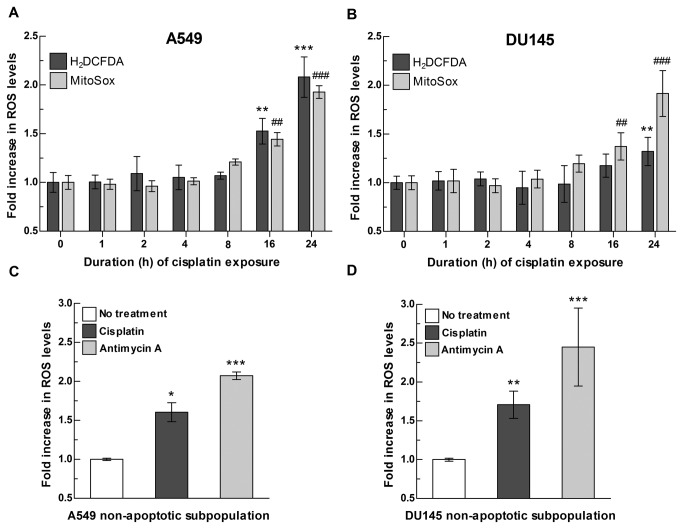
“In prostate cancer cell line, exposure with cisplatin for 24 h led to an increase in ROS production [36].”
BackgroundThe Role of ROS as a Double-Edged Sword in (In)Fertility: The Impact of Cancer Treatment
Mendes, S., Sá, R., Ferreira‐Magalhães, M., Marques, F., Sousa, M., & Silva, E. (2022) · Cancers · doi:10.3390/cancers14061585 · Cited by 53
Mahmoud, A. M. A., Mantawy, E. M., Wahdan, S. A., Ammar, R. M., & El‐Demerdash, E. (2023) · Biomedicine & Pharmacotherapy · doi:10.1016/j.biopha.2023.114238 · Cited by 45
DNA damage response signaling: A common link between cancer and cardiovascular diseases
Nikfarjam, S., & Singh, K. K. (2022) · Cancer Medicine · doi:10.1002/cam4.5274 · Cited by 52
Cisplatin in the era of PARP inhibitors and immunotherapy
Duan, M., Leng, S., & Mao, P. (2024) · Pharmacology & Therapeutics · doi:10.1016/j.pharmthera.2024.108642 · Cited by 54
Bishr, A., Sallam, N. A., El-Din, M. N., Awad, A. S., & Kenawy, S. A. (2018) · Canadian Journal of Physiology and Pharmacology · doi:10.1139/cjpp-2018-0528 · Cited by 44
Kikuchi, R., Iwai, Y., Tsuji, T., Watanabe, Y., Koyama, N., Yamaguchi, K., Nakamura, H., & Aoshiba, K. (2019) · Free Radical Biology and Medicine · doi:10.1016/j.freeradbiomed.2019.01.014 · Cited by 45
Role of epigenetic mechanisms in cisplatin-induced toxicity
Quintanilha, J. C. F., Saavedra, K., Visacri, M. B., Moriel, P., & Salazar, L. A. (2019) · Critical Reviews in Oncology/Hematology · doi:10.1016/j.critrevonc.2019.03.004 · Cited by 47
Malfatti, M. C., Gerratana, L., Dalla, E., Isola, M., Damante, G., Loreto, C. D., Puglisi, F., & Tell, G. (2019) · Journal of Experimental & Clinical Cancer Research · doi:10.1186/s13046-019-1294-9 · Cited by 49
“Interestingly, several authors have hypothesized an indirect involvement of BER in mediating cisplatin cytotoxicity [64, 65].”
BackgroundCisplatin Resistance and Redox-Metabolic Vulnerability: A Second Alteration
Wangpaichitr, M., Theodoropoulos, G., Nguyen, D. J. M., Wu, C., Spector, S. A., Feun, L. G., & Savaraj, N. (2021) · International Journal of Molecular Sciences · doi:10.3390/ijms22147379 · Cited by 47
Repurposed anti-cancer drugs: the future for anti-infective therapy?
Quezada, H., Martínez‐Vázquez, M., López-Jácome, L. E., González‐Pedrajo, B., Andrade, Á., Fernández-Presas, A. M., Tovar-García, A., & García‐Contreras, R. (2020) · Expert Review of Anti-infective Therapy · doi:10.1080/14787210.2020.1752665 · Cited by 44
Kim, T., Kim, Y., Kim, H.-T., Park, S.-R., Lee, M.-Y., Park, Y.-D., Lee, C., & Jung, J. (2016) · Antioxidants and Redox Signaling · doi:10.1089/ars.2015.6386 · Cited by 46
“The cytotoxic effect of cisplatin is owing to both nuclear and mitochondrial DNA damage, which results in the accumulation of ROS (31, 48).”
Sánchez, M., Castro-Eguiluz, D., Luvián‐Morales, J., Jiménez-Lima, R., Aguilar-Ponce, J. L., Isla‐Ortiz, D., & Cetina, L. (2019) · Journal of Human Nutrition and Dietetics · doi:10.1111/jhn.12649 · Cited by 52
Raviadaran, R., Ng, M. H., Chandran, D., Ooi, K. K., & Manickam, S. (2020) · Materials Science and Engineering C · doi:10.1016/j.msec.2020.111808 · Cited by 47
Targeting the redox imbalance in mitochondria: A novel mode for cancer therapy
Mani, S., Swargiary, G., & Ralph, S. J. (2021) · Mitochondrion · doi:10.1016/j.mito.2021.11.002 · Cited by 45
Nanotherapeutic approaches to target mitochondria in cancer
Mani, S., Swargiary, G., Tyagi, S., Singh, M., Jha, N. K., & Singh, K. K. (2021) · Life Sciences · doi:10.1016/j.lfs.2021.119773 · Cited by 49
Yan, F., Liu, J. J., Ip, V., Jamieson, S. M. F., & McKeage, M. J. (2015) · Journal of Neurochemistry · doi:10.1111/jnc.13355 · Cited by 43
“Platinum drugs may also increase production of reactive oxygen species and induce oxidative DNA damage in some cell types including DRG cells (Marullo et al. 2013; Kelley et al. 2014).”
BackgroundLin, L., Zheng, J., Zhu, W., & Ning, J. (2014) · Cell Biochemistry and Biophysics · doi:10.1007/s12013-014-0231-y · Cited by 42
Sharawy, N., Rashed, L. A., & Youakim, M. F. (2015) · Experimental and Toxicologic Pathology · doi:10.1016/j.etp.2015.02.003 · Cited by 43
Martín‐Saldaña, S., Palao‐Suay, R., Aguilar, M. R., García‐Fernández, L., Arévalo, H., Trinidad, A., Ramírez‐Camacho, R., & Román, J. S. (2017) · Journal of Controlled Release · doi:10.1016/j.jconrel.2017.11.032 · Cited by 44
Kozak, J., Jonak, K. E., & Maciejewski, R. (2020) · Biomedicine & Pharmacotherapy · doi:10.1016/j.biopha.2020.110037 · Cited by 44
Sepand, M. R., Ranjbar, S., Kempson, I. M., Akbariani, M., Muganda, W. C. A., Müller, M., Ghahremani, M. H., & Raoufi, M. (2020) · Nanomedicine Nanotechnology Biology and Medicine · doi:10.1016/j.nano.2020.102243 · Cited by 45
Targeting the mitochondria in chronic respiratory diseases
Chellappan, D. K., Paudel, K. R., Tan, N. W., Cheong, K. S., Khoo, S. S. Q., Seow, S. M., Chellian, J., Candasamy, M., Patel, V. K., Arora, P., et al. (2022) · Mitochondrion · doi:10.1016/j.mito.2022.09.003 · Cited by 43
Kim, S., Kim, Y., Yu, S.-H., Lee, S.-E., Park, J.-H., Cho, G., Choi, C. W., Han, K., Kim, C., & Kang, Y. C. (2022) · Platelets · doi:10.1080/09537104.2022.2151996 · Cited by 46
“Additionally, we investigated intracellular ROS and mitochondrial superoxide levels induced by cisplatin and TGF-β both of which could increase the production of ROS by impairing mitochondrial function [20,21].”
BackgroundCisplatin ototoxicity mechanism and antagonistic intervention strategy: a scope review
Li, Y., Zhang, T., Song, Q., Gao, D., Li, Y., Jie, H., Huang, P., Zheng, G., Yang, J., & He, J. (2023) · Frontiers in Cellular Neuroscience · doi:10.3389/fncel.2023.1197051 · Cited by 47
“Excess ROS leads to increased mitochondrial membrane permeability, impaired mitochondrial redox status, respiratory chain damage, and potassium ion efflux, ultimately leading to an irreversible cascade amplification reaction (Marullo et al., 2013).”
BackgroundWang, P., Cui, J., Wen, J., Guo, Y., Zhang, L., & Chen, X. (2016) · Oncology Letters · doi:10.3892/ol.2016.5288 · Cited by 47
“Currently, treatment with platinum-based chemotherapy is one the main means of drug therapy for HCC. Cisplatin, the first generation of platinum drugs, is one of the most active anticancer chemo-therapeutic drugs (3).”
Mukherjee, S., Mitra, I., B., V. P. R., Fouzder, C., Mukherjee, S., Ghosh, S., Chatterji, U., & Moi, S. C. (2017) · Journal of Molecular Liquids · doi:10.1016/j.molliq.2017.09.104 · Cited by 43
Almeer, R., Ali, D., Alarifi, S. A., Alkahtani, S., & Almansour, M. I. (2018) · Dose-Response · doi:10.1177/1559325818807382 · Cited by 42
Chen, Y., Zhang, Y., Song, W., Zhang, Y., Xiu, D., & Tan, M. (2019) · Anti-Cancer Agents in Medicinal Chemistry · doi:10.2174/1871520619666191209091230 · Cited by 42
Irokawa, H., Numasaki, S., Kato, S., Iwai, K., Inose-Maruyama, A., Ohdate, T., Hwang, G., Toyama, T., Watanabe, T., & Kuge, S. (2021) · Biochemical Journal · doi:10.1042/bcj20200897 · Cited by 46
Paeonol alleviates epirubicin-induced renal injury in mice by regulating Nrf2 and NF-κB pathways
Wu, J., Xu, L., Sun, C., Zhang, B., Li, J., Sun, J., Zhang, Y., & Sun, D. (2016) · European Journal of Pharmacology · doi:10.1016/j.ejphar.2016.12.005 · Cited by 41
Autocrine activation of JAK2 by IL-11 promotes platinum drug resistance
Zhou, W., Sun, W., Yung, M. M. H., Dai, S., Cai, Y., Chen, C., Meng, Y., Lee, J. B., Braisted, J. C., Xu, Y., et al. (2018) · Oncogene · doi:10.1038/s41388-018-0238-8 · Cited by 42
“nificantly enhance the cytotoxic effect [5, 6].”
Metadata
- Authors
- Marullo, R., Werner, E., Degtyareva, N., Moore, B., Altavilla, G., Ramalingam, S. S., & Doetsch, P. W.
- Affiliations
- University of Messina (IT)
- Emory University (US)
- Geisinger Medical Center (US)
- Corresponding author
- Doetsch, Paul W.
- ORCID
- Venue
- PLoS ONE
- Publisher
- Public Library of Science (PLoS)
- Published
- 2013-11-19
- Volume
- 8
- Issue
- 11
- Pages
- e81162
- ISSN
- 1932-6203 (ISSN-L)
- PMC
- PMC3834214
- OpenAlex
- W1987702513
- Cited by
- 777
- References
- 67
- Citations by year
- 2026: 44 · 2025: 61 · 2024: 63 · 2023: 64 · 2022: 102 · 2021: 81 · 2020: 86 · 2019: 82 · 2018: 57 · 2017: 50 · 2016: 37 · 2015: 33 · 2014: 15
- FWCI
- 12.70
- Type
- journal article
- Language
- en
- Open access
- gold
- doi.org
- Licence
- Locations
- PLoS ONE (publishedVersion, cc-by)
- Europe PMC (PubMed Central) (publishedVersion, cc-by)
- PubMed Central (publishedVersion, cc-by)
- PubMed (publishedVersion)
- RePEc: Research Papers in Economics (submittedVersion)
- DOAJ (DOAJ: Directory of Open Access Journals) (submittedVersion, cc-by-sa)
- Figshare (submittedVersion, cc-by)
- Funders
- National Institute of Environmental Health Sciences (P01ES011163, ES011163)
- Topics
- Life Sciences › Biochemistry, Genetics and Molecular Biology › Molecular Biology › Mitochondrial Function and Pathology
- Health Sciences › Medicine › Oncology › Metal complexes synthesis and properties
- Life Sciences › Biochemistry, Genetics and Molecular Biology › Molecular Biology › Cell death mechanisms and regulation
- Keywords
- cisplatin, reactive oxygen species, mitochondrial dysfunction, oxidative stress, cisplatin cytotoxicity, mitochondrial redox status, mitochondrial DNA integrity, mitochondrial bioenergetics, DNA damage, anticancer drug toxicity, Saccharomyces cerevisiae
- MeSH terms
- Animals, Antineoplastic Agents, Cell Nucleus, Cisplatin, DNA, DNA Damage, DNA Repair, Humans, Mitochondria, Oxidation-Reduction, Saccharomyces cerevisiae, Apoptosis, Reactive Oxygen Species, DNA Adducts, Cell Line, Tumor, Mice
About these checks
Registry, retraction, Cites and statistics results are computed, not judged, with one exception: a printed reference that no index lists is read once by a model before it counts as a citation error. Claims are extracted by a model and kept only when their quote appears verbatim in the text; each cited source is then checked, with a model’s help, for whether it says what the claim relies on. Those verdicts can be wrong — read the claim’s quote and the cited source before relying on one.
Statistics and arithmetic are recomputed, not judged.
Confidence bands are shown only for fields calibrated on our annotated test set. None is calibrated yet, so no band is shown.
What counts as a claim ›How we measure confidence ›How we check this ›
Are you an author, or do you see a problem with this page? Request a review
Data sources
Bibliographic data: Semantic Scholar, OpenAlex, Crossref.
Contains information from the Semantic Scholar Academic Graph Datasets, made available under the ODC Attribution License (ODC-BY 1.0).
Semantic Scholar’s data is described in: Kinney, R., et al. (2023). The Semantic Scholar Open Data Platform. arXiv:2301.10140.
