

The DOI matches its Crossref record; 29 of the 29 references it cites were found in a registry or an index.
Potential Role of the Bovine Rumen Microbiome in Modulating Milk Composition and Feed Efficiency
Open accessAbstract
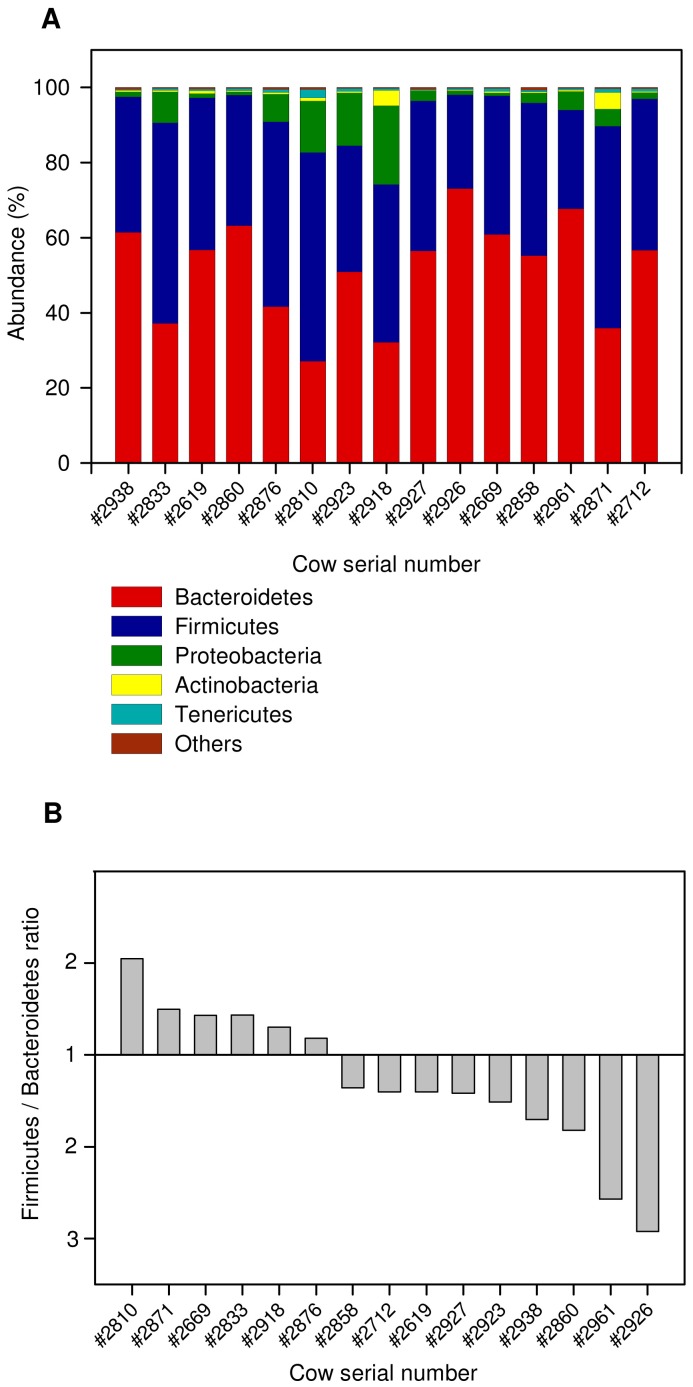
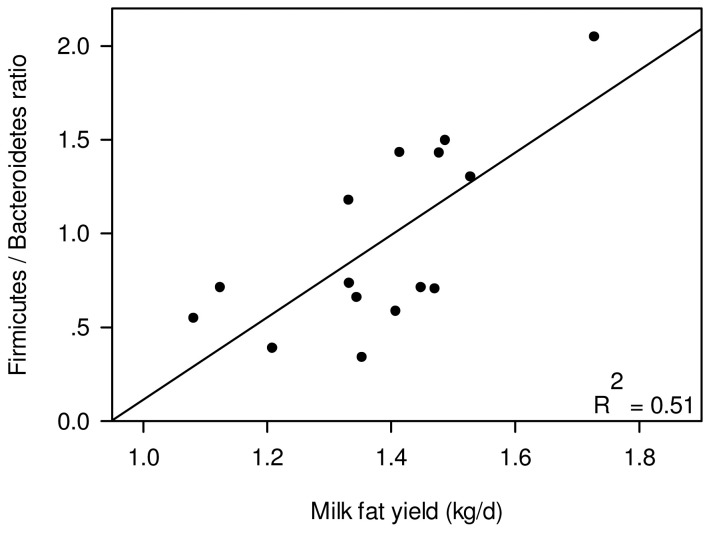
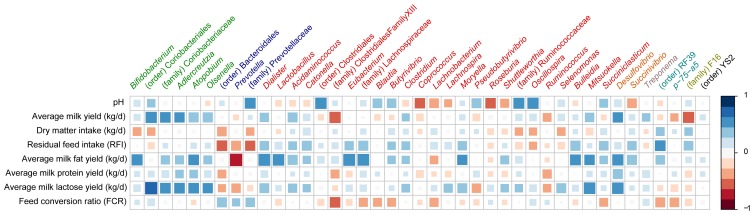
Ruminants are completely dependent on their microbiota for feed digestion and consequently, their viability. It is therefore tempting to hypothesize a connection between the composition and abundance of resident rumen bacterial taxa and the physiological parameters of the host. Using a pyrosequencing approach, we characterized the rumen bacterial community composition in 15 dairy cows and their physiological parameters. We analyzed the degree of divergence between the different animals and found that some physiological parameters, such as milk yield and composition, are highly correlated with the abundance of various bacterial members of the rumen microbiome. One apparent finding was a strong correlation between the ratio of the phyla Firmicutes to Bacteroidetes and milk-fat yield. These findings paralleled human studies showing similar trends of increased adiposity with an increase in Bacteroidetes. This correlation remained evident at the genus level, where several genera showed correlations with the animals' physiological parameters. This suggests that the bacterial community has a role in shaping host physiological parameters. A deeper understanding of this process may allow us to modulate the rumen microbiome for better agricultural yield through bacterial community design.
Overview
The claims and statistics of this paper haven’t been checked yet.
Run the check — free, no account needed. It reads the open-access text and checks the sources it cites.
Integrity signals
Registry
Cites
Statistics
Figures
Verification
Claims the paper makes
The claims and statistics of this paper haven’t been checked yet.
Run the check — free, no account needed. It reads the open-access text and checks the sources it cites.
Claims other papers make about this one
Each is checked against this paper’s own text: does it say what the citing paper says it does?
In the citing paper
“Jami et al. (2014) also reported a positive correlation between RFI and the uncultured rumen bacterium RF39,”
From Addressing global ruminant agricultural challenges through understanding the rumen microbiome: past, present, and future (2018) · cites this paper as Jami et al., 2014
Self-check
Percentages, sums and reported differences re-computed from the paper’s own numbers.
The self-check needs the paper’s full text.
Citations
Cites
QIIME allows analysis of high-throughput community sequencing data
Caporaso, J. G., Kuczynski, J., Stombaugh, J., Bittinger, K., Bushman, F. D., Costello, E. K., Fierer, N., Peña, A. G., Goodrich, J. K., Gordon, J. I., et al. (2010) · Nature Methods · doi:10.1038/nmeth.f.303 · Cited by 34,887
Search and clustering orders of magnitude faster than BLAST
Edgar, R. C. (2010) · Bioinformatics · doi:10.1093/bioinformatics/btq461 · Cited by 21,098
PAST: PALEONTOLOGICAL STATISTICAL SOFTWARE PACKAGE FOR EDUCATION AND DATA ANALYSIS
Hammer, Ø., Harper, D. A. T., & Ryan, P. D. (2001) · Palaeontologia Electronica · Cited by 17,871
An obesity-associated gut microbiome with increased capacity for energy harvest
Turnbaugh, P. J., Ley, R. E., Mahowald, M. A., Magrini, V., Mardis, E. R., & Gordon, J. I. (2006) · Nature · doi:10.1038/nature05414 · Cited by 12,444
Human gut microbes associated with obesity
Ley, R. E., Turnbaugh, P. J., Klein, S., & Gordon, J. I. (2006) · Nature · doi:10.1038/4441022a · Cited by 8,785
Enterotypes of the human gut microbiome
MetaHIT Consortium (additional members), Arumugam, M., Raes, J., Pelletier, E., Le Paslier, D., Yamada, T., Mende, D. R., Fernandes, G. R., Tap, J., Bruls, T., et al. (2011) · Nature · doi:10.1038/nature09944 · Cited by 7,548
Estimación lineal de los requerimientos nutricionales del NRC para ganado de leche.
Elizondo-Salazar, J. A. (2014) · Agronomía Mesoamericana · doi:10.15517/am.v13i1.13244 · Cited by 6,497
Gut Microbiota from Twins Discordant for Obesity Modulate Metabolism in Mice
Ridaura, V. K., Faith, J. J., Rey, F. E., Cheng, J., Duncan, A. E., Kau, A. L., Griffin, N. W., Lombard, V., Henrissat, B., Bain, J. R., et al. (2013) · Science · doi:10.1126/science.1241214 · Cited by 3,788
Chimeric 16S rRNA sequence formation and detection in Sanger and 454-pyrosequenced PCR ampliconsPreprint
Haas, B. J., Gevers, D., Earl, A. M., Feldgarden, M., Ward, D. V., Giannoukos, G., Ciulla, D., Tabbaa, D., Highlander, S. K., Sodergren, E. J., et al. (2011) · Genome Research · doi:10.1101/gr.112730.110 · Cited by 3,527
Polysaccharide utilization by gut bacteria: potential for new insights from genomic analysis
Flint, H. J., Bayer, E. A., Rincón, M. T., Lamed, R., & White, B. A. (2008) · Nature Reviews Microbiology · doi:10.1038/nrmicro1817 · Cited by 1,759
Cited by
Sorted by citations
Items 201–300 of 592
Niu, Y., Meng, Q., Li, S., Ren, L., Zhou, B., Schonewille, J. T., & Zhou, Z. (2016) · PLoS ONE · doi:10.1371/journal.pone.0156836 · Cited by 24
“There is a correlation between host physiology and microbial abundance [11].”
Castillo‐Lopez, E., Jenkins, C. J. R., Aluthge, N. D., Tom, W. A., Kononoff, P. J., & Fernando, S. C. (2017) · Journal of Applied Microbiology · doi:10.1111/jam.13583 · Cited by 26
“…(Fernando et al. 2010; Anderson et al. 2016), ruminal pH and the extent of ruminal digestibility and fermentation efficiency (Mackie and Gilchrist 1979; Callaway et al. 2010), metabolizable protein supply (Castillo-Lopez et al. 2013) and milk composition in dairy cattle (Jami et al. 2014).”
BackgroundVariation in animal performance explained by the rumen microbiome or by diet composition1
Gleason, C. B., & White, R. R. (2018) · Journal of Animal Science · doi:10.1093/jas/sky332 · Cited by 29
Li, W., Edwards, A., Riehle, C., Cox, M. S., Raabis, S. M., Skarlupka, J. H., Steinberger, A. J., Walling, J. G., Bickhart, D. M., & Suen, G. (2019) · Scientific Reports · doi:10.1038/s41598-018-37033-4 · Cited by 24
Cattle intestinal microbiota shifts following Escherichia coli O157:H7 vaccination and colonization
Mir, R. A., Schaut, R. G., Allen, H. K., Looft, T. P., Loving, C. L., Kudva, I. T., & Sharma, V. K. (2019) · PLoS ONE · doi:10.1371/journal.pone.0226099 · Cited by 23
“We did not observe a significant difference in relative abundance of Proteobacteria due to E. coli O157:H7 challenge alone, except for week 0 sampling when Vx-Ch calves had higher Proteobacteria compared to the NonVx-NonCh group.”
BackgroundInfluentialJiang, Y., Ogunade, I. M., Pech-Cervantes, A. A., Fan, P. F., Li, X., Kim, D. H., Arriola, K. G., Poindexter, M. B., Jeong, K. C., Vyas, D., et al. (2019) · Journal of Dairy Science · doi:10.3168/jds.2019-16851 · Cited by 23
Cao, N., Wu, H., Zhang, X. Z., Meng, Q. X., & Zhou, Z. (2020) · Journal of Dairy Science · doi:10.3168/jds.2019-16964 · Cited by 30
“The Firmicutes to Bacteroidetes ratio is often used to assess host weight gain because this ratio is linked to energy metabolism (Ley et al., 2006; Jami et al., 2014; Koliada et al., 2017).”
BackgroundIdentification of a Candidate Starch Utilizing Strain of Prevotella albensis from Bovine Rumen
Bandarupalli, V. V. K., & St‐Pierre, B. (2020) · Microorganisms · doi:10.3390/microorganisms8122005 · Cited by 24
Szeligowska, N., Cholewińska, P., Czyż, K., Wojnarowski, K., & Janczak, M. (2021) · BMC Veterinary Research · doi:10.1186/s12917-021-02922-w · Cited by 23
“, an increase in one phylum level is accompanied by a decrease in the second one [31].”
BackgroundMetagenomic investigation of faecal microbiota in sheep and goats of the same ages
Shabana, I., Albakri, N. N., & Bouqellah, N. A. (2020) · Journal of Taibah University for Science · doi:10.1080/16583655.2020.1864930 · Cited by 23
Bailoni, L., Carraro, L., Cardin, M., & Cardazzo, B. (2021) · Microorganisms · doi:10.3390/microorganisms9040754 · Cited by 26
D’Alò, F., Baldrián, P., Odriozola, I., Morais, D., Větrovský, T., Zucconi, L., Ripa, C., Cannone, N., Malfasi, F., & Onofri, S. (2022) · FEMS Microbiology Ecology · doi:10.1093/femsec/fiac025 · Cited by 22
Alfalfa hay substitution for wheat straw improves beef quality via rumen microflora alteration
Gao, Z., Liu, B., La, S., Li, D., Zhu, X., Sun, H., Ma, S., Cui, Y., & Shi, Y. (2023) · Heliyon · doi:10.1016/j.heliyon.2023.e20803 · Cited by 21
Sato, Y., Takebe, H., Tominaga, K., Yasuda, J., Kumagai, H., Hirooka, H., & Yoshida, T. (2023) · Applied and Environmental Microbiology · doi:10.1128/aem.01581-23 · Cited by 23
Raw milk and fecal microbiota of commercial Alpine dairy cows varies with herd, fat content and diet
Albonico, F., Barelli, C., Albanese, D., Manica, M., Partel, E., Rosso, F., Ripellino, S., Pindo, M., Donati, C., Zecconi, A., et al. (2020) · PLoS ONE · doi:10.1371/journal.pone.0237262 · Cited by 23
Mavrommatis, A., Skliros, D., Simoni, M., Righi, F., Flemetakis, E., & Tsiplakou, E. (2021) · Sustainability · doi:10.3390/su13020607 · Cited by 21
Indugu, N., Bittinger, K. L., Kumar, S., Vecchiarelli, B., & Pitta, D. (2016) · PeerJ · doi:10.7717/peerj.1599 · Cited by 20
“The use of next generation platforms has greatly enhanced our knowledge of rumen microbes, their genes and enzymes (Brulc et al., 2009; Hess et al., 2011; Jami et al., 2014).”
BackgroundRumen bacteria influence milk protein yield of yak grazing on the Qinghai-Tibet plateau
Fan, Q., Wanapat, M., & Hou, F. (2020) · Animal Bioscience · doi:10.5713/ab.20.0601 · Cited by 20
“Although these differences are often as cribed to differences in animal genetics [11,12], evidence is accumulating that differences in efficiency are associated with differences in the composition of the ruminal microbial community [5,13,14].”
BackgroundMarie‐Etancelin, C., Tortereau, F., Gabinaud, B., Boggio, G. M., Graverand, Q. L., Marcon, D., de Almeida, M., Pascal, G., Weisbecker, J., & Meynadier, A. (2021) · Frontiers in Microbiology · doi:10.3389/fmicb.2021.759432 · Cited by 22
“Studies have reported a link between ruminal bacteria and RFI in beef cattle (Carberry et al., 2012; Hernandez-Sanabria et al., 2012; Li and Guan, 2017), dairy cows (Rius et al., 2012; Jami et al., 2014; Jewell et al., 2015), and more recently in sheep (Ellison et al., 2017; Perea et al., 2017).”
BackgroundResultInfluentialRabee, A. E., Kewan, K. Z., Sabra, E. A., Shaer, H. M. E., & Lamara, M. (2021) · PeerJ · doi:10.7717/peerj.12447 · Cited by 20
Cholewińska, P., Wołoszyńska, M., Michalak, M., Czyż, K., Rant, W., Smoliński, J., Wyrostek, A., & Wojnarowski, K. (2021) · Scientific Reports · doi:10.1038/s41598-021-03207-w · Cited by 22
Siberski, C. J., & Koltes, J. E. (2021) · Animals · doi:10.3390/ani12010015 · Cited by 21
Li, Y., Wang, J., Mei, J., Huang, L., & Liu, H. (2022) · Fermentation · doi:10.3390/fermentation8020086 · Cited by 20
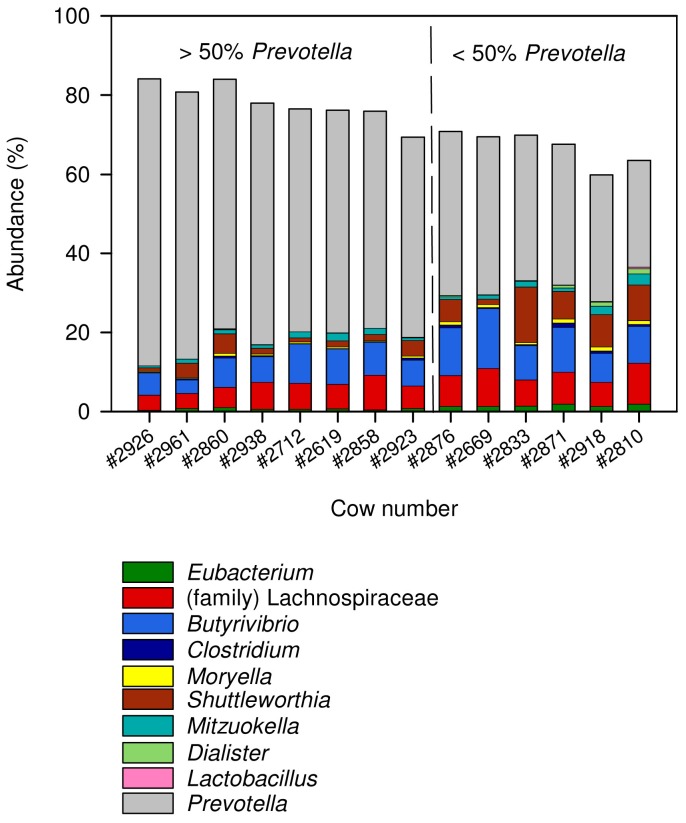
“However, the abundance of Prevotella was shown to be negatively correlated with the milk fat yield [30].”
BackgroundThe Association between Gut Microbiome Diversity and Composition and Heat Tolerance in Cattle
Zhang, X., Cui, K., Wen, X., Li, L., Yu, X., Li, B., Lin, H., He, H., & Wang, F. (2022) · Microorganisms · doi:10.3390/microorganisms10081672 · Cited by 20
Jiang, Q., Xie, C., Chen, L., Xiao, H., Xie, Z., Zhu, X., Ma, L., & Yan, X. (2022) · Animal nutrition · doi:10.1016/j.aninu.2022.09.005 · Cited by 20
“Phylum Bacteroidetes has been shown to be more abundant in pigs with high feed efficiency or lean pigs compared to those with lower feed efficiency or obese pigs (Jami et al., 2014).”
BackgroundZhan, M., Liang, X., Chen, J., Yang, X., Han, Y., Zhao, C., Xiao, J., Cao, Y., Xiao, H., & Song, M. (2023) · Food & Function · doi:10.1039/d3fo00516j · Cited by 21
Occurrence and Function of the Na+-Translocating NADH:Quinone Oxidoreductase in Prevotella spp.
Deusch, S., Bok, E., Schleicher, L., Seifert, J., & Steuber, J. (2019) · Microorganisms · doi:10.3390/microorganisms7050117 · Cited by 20
Rault, L., Lévêque, P.-A., Barbey, S., Launay, F., Larroque, H., Loir, Y. L., Germon, P., Guinard-Flament, J., & Even, S. (2020) · Frontiers in Microbiology · doi:10.3389/fmicb.2020.602404 · Cited by 20
Zhu, Z., Difford, G. F., Noel, S. J., Lassen, J., Løvendahl, P., & Højberg, O. (2021) · Frontiers in Microbiology · doi:10.3389/fmicb.2021.636223 · Cited by 20
“This observation is comparable to a previous finding that the abundance of Prevotella, was negatively correlated with milk-fat yield (Pearson r = –0.69) (Jami et al., 2014).”
BackgroundResultInfluentialRawal, S., Kaur, H., Bhathan, S., Mittal, D., Kaur, G., & Ali, S. A. (2024) · Sustainable agriculture reviews · doi:10.1007/978-3-031-54372-2_7 · Cited by 23
Chuang, S.-T., Li, K., Tu, P.-W., Ho, S., Hsu, C., Hsieh, J.-C., & Chen, M. (2021) · Animals · doi:10.3390/ani11113108 · Cited by 19
“Studies of diet [12], fermentation efficiency [13], milk production, and feed efficiency [14] suggest that ruminal microbiota play a crucial role in growth and production performance.”
BackgroundRanilla, M. J., Andrés, S., Gini, C., Biscarini, F., Saro, C., Martín, A., Mateos, I., López, S., Giráldez, F. J., Abdennebi‐Najar, L., et al. (2023) · Scientific Reports · doi:10.1038/s41598-023-31370-9 · Cited by 19
Zheng, Y., Hu, G., Wu, W., Qiu, L., Li, D., Bing, X., & Chen, J. (2019) · Canadian Journal of Microbiology · doi:10.1139/cjm-2018-0497 · Cited by 19
The ruminal bacterial community in lactating dairy cows has limited variation on a day-to-day basis
Skarlupka, J. H., Kamenetsky, M. E., Jewell, K. A., & Suen, G. (2019) · Journal of Animal Science and Biotechnology/Journal of animal science and biotechnology · doi:10.1186/s40104-019-0375-0 · Cited by 19
Rabee, A. E., Forster, R. J., Elekwachi, C. O., Kewan, K. Z., Sabra, E. A., Mahrous, H. A., Khamiss, O., & Shawket, S. M. (2019) · International Microbiology · doi:10.1007/s10123-019-00093-1 · Cited by 19
Chen, D., Jingcai, Y., Shen, W., Song, Y., Lan, X., Yi, K., & Rahman, M. A. U. (2020) · Journal of Animal Physiology and Animal Nutrition · doi:10.1111/jpn.13270 · Cited by 21
Colombini, S., Graziosi, A. R., Parma, P., Iriti, M., Vitalini, S., Sarnataro, C., & Spanghero, M. (2021) · Animal nutrition · doi:10.1016/j.aninu.2020.11.001 · Cited by 21
“Other studies (Jami et al., 2014; Li et al., 2009) reported a considerable variation between animals concerning the abundance of the main bacterial phyla.”
BackgroundInfluentialTao, J., McCourt, C., Sultana, H., Nelson, C. D., Driver, J. P., & Hackmann, T. J. (2019) · Applied and Environmental Microbiology · doi:10.1128/aem.03018-18 · Cited by 18
“likely important in the rumen and have been associated with efficiency of milk production by the cow (33, 34).”
BackgroundSex Differences in Intestinal Microbial Composition and Function of Hainan Special Wild Boar
Wang, X., Zhang, Y., Wen, Q., Wang, Y., Wang, Z., Tan, Z., & Wu, K. (2020) · Animals · doi:10.3390/ani10091553 · Cited by 18
Zhang, H., Lang, X., Li, X., Chen, G., & Wang, C. (2022) · PLoS ONE · doi:10.1371/journal.pone.0272310 · Cited by 21
“The main function of members of the phylum Firmicutes in the host is to enhance energy metabolism [33].”
BackgroundSong, C., Zhang, T., Xu, D., Zhu, M., Mei, S., BiJun, Z., KaiGong, W., Chen, C., Zhu, E., & Cheng, Z. (2023) · Frontiers in Microbiology · doi:10.3389/fmicb.2023.1171563 · Cited by 20
“, 2021), which facilitates fat deposition, milk fat production and nutrient digestion and absorption (Spence et al., 2006; Brulc et al., 2009; Jami et al., 2014).”
BackgroundXiong, L., Yao, X., Pei, J., Wang, X., Guo, S., Cao, M., Bao, P., Wang, H., Yan, P., & Guo, X. (2023) · International Journal of Biological Macromolecules · doi:10.1016/j.ijbiomac.2023.128632 · Cited by 17
Parmar, N. R., Pandit, P. D., Purohit, H. J., Kumar, J., & Joshi, C. G. (2017) · Indian Journal of Microbiology · doi:10.1007/s12088-016-0635-z · Cited by 17
Hinsu, A., Parmar, N. R., Nathani, N. M., Pandit, R. J., Patel, A. B., Patel, A. K., & Joshi, C. G. (2017) · Anaerobe · doi:10.1016/j.anaerobe.2017.02.021 · Cited by 18
“Apart from their individual abundance several studi es have also correlated the ratios of 318 Firmicutes/Bacteroidetes with milk fat yield in cows [39] and body fat in h uman [40, 41] and 319 mice [42].”
BackgroundCastillo‐Lopez, E., Moats, J., Aluthge, N. D., Ramírez, H., Christensen, D. A., Mutsvangwa, T., Penner, G. B., & Fernando, S. C. (2017) · Journal of Applied Microbiology · doi:10.1111/jam.13630 · Cited by 18
“…influences production performance (Myer et al. 2015), ruminal fermentation (Fernando et al. 2010; Anderson et al. 2016), ruminal pH and fermentation efficiency (Callaway et al. 2010), metabolizable protein supply (Castillo-Lopez et al. 2013) and milk composition in dairy cattle (Jami et al. 2014).”
BackgroundMethodMiura, H., Hashimoto, T., Kawanishi, Y., Kawauchi, H., Inoüe, R., Shoji, N., Saito, K., Sekiya, M., Saito, Y., Yasuda, J., et al. (2021) · Animal Science Journal · doi:10.1111/asj.13601 · Cited by 18
A collection of rumen bacteriome data from 334 mid-lactation dairy cows
Sun, H., Xue, M., Guan, L. L., & Liu, J. (2019) · Scientific Data · doi:10.1038/sdata.2018.301 · Cited by 18
Zeleke, A. W., Dimonaco, N. J., Lawther, K., Lavery, A., Ferris, C. P., Moorby, J. M., & Huws, S. (2025) · Journal of Animal Science and Biotechnology/Journal of animal science and biotechnology · doi:10.1186/s40104-025-01240-7 · Cited by 23
“This is supported by Jami et al. [16], who stated that bacteria from the phylum Bacteroidetes , which includes Bacteroidaceae, are key contributors to carbohydrate degradation and propionate production in the rumen.”
Ebeid, H. M., Hassan, F., Li, M., Peng, L., Peng, K., Liang, X., & Yang, C. (2020) · Frontiers in Veterinary Science · doi:10.3389/fvets.2020.00550 · Cited by 18
“Earlier study has reported the potential association of this ratio of two major bacterial phyla (Firmicutes: Bacteroidetes) with energy homeostasis in animals (adipogenesis) and milk-fat yield in dairy cattle (64).”
BackgroundWang, X., Hu, C., Ding, L., Tang, Y., Wei, H., Jiang, C., Yan, Q., Dong, Q., & Degen, A. A. (2021) · Animals · doi:10.3390/ani11113236 · Cited by 17
“In turn, the rumen microbiota composition and activity can influence the performance, health, and immune system of the host [11].”
BackgroundStockler, R. M., Hallowell, H. A., Higgins, K. V., Groover, E. S., Hiltbold, E. M., Newcomer, B. W., & Walz, P. H. (2022) · Frontiers in Veterinary Science · doi:10.3389/fvets.2022.799063 · Cited by 17
“A positive relationship between the rumen microbiome and certain physiological parameters in the lactating dairy cow has been identified (9).”
BackgroundInfluentialWang, X., Zeng, H., Xu, J., Zhai, Y., Xia, H., Xi, Y., & Han, Z. (2022) · Journal of Animal Science · doi:10.1093/jas/skac253 · Cited by 18
Wang, X., Shi, B., Zuo, Z., Qi, Y., Zhao, S., Zhang, X., Lan, L., Shi, Y., Liu, X., Li, S., et al. (2023) · Animals · doi:10.3390/ani13030335 · Cited by 20
“The ratio of Firmicutes and Bacteroides (F/B) is used as an important parameter to assess the impact of microorganisms on the energy requirements of host [47].”
BackgroundChen, Q., Sha, Y., Liu, X., He, Y., Chen, X., Yang, W., Gao, M., Huang, W., Wang, J., He, J., et al. (2024) · Frontiers in Microbiology · doi:10.3389/fmicb.2024.1471732 · Cited by 17
“These findings suggest that Tibetan sheep have a stable energy utilization mechanism when the pasture supply is insufficient at high altitudes, which is important for maintaining homeostasis in the rumen and adapting to harsh environments (Jami et al., 2014).”
BackgroundThe Rumen Specific Bacteriome in Dry Dairy Cows and Its Possible Relationship with Phenotypes
Chuang, S.-T., Ho, S., Tu, P.-W., Li, K., Kuo, Y., Shiu, J.-S., Wang, S., & Chen, M. (2020) · Animals · doi:10.3390/ani10101791 · Cited by 19
“[13] reported that Ruminococcus was negatively correlated with milk production, whereas Streptococcus was positively correlated with starchy diets.”
BackgroundArce, J., Fan, P. F., Monteiro, H. F., Dai, X., Jeong, K. C., & Faciola, A. P. (2022) · Journal of Dairy Science · doi:10.3168/jds.2021-21591 · Cited by 17
Sha, Y., Hu, J., Shi, B., Dingkao, R., Wang, J., Li, S., Zhang, W., Luo, Y., & Liu, X. (2021) · PeerJ · doi:10.7717/peerj.11048 · Cited by 17
Differential Effects of Natural Grazing and Feedlot Feeding on Yak Fecal Microbiota
Shah, T., Ding, L., Din, A. U., Hassan, F., Ahmad, A. A., Wei, H., Wang, X., Yan, Q., Ishaq, M., Ali, N., et al. (2022) · Frontiers in Veterinary Science · doi:10.3389/fvets.2022.791245 · Cited by 17
“Moreover, the Firmicutes-to-Bacteroidetes ratio is an important factor in assessing the effect of gut microbes on host energy requirements (36).”
BackgroundJiao, P., Wang, Z., Wang, X., Zuo, Y., Yang, Y., Hu, G., Lu, C., Xie, X., Wang, L., & Yang, W. Z. (2022) · Frontiers in Microbiology · doi:10.3389/fmicb.2022.912042 · Cited by 16
“It was reported that the Firmicutes to Bacteroidetes ratio is closely associated with adipogenesis metabolism and degradation of structural polysaccharides (Jami et al., 2013; Zened et al., 2013).”
BackgroundBuffalo milk and rumen fluid metabolome are significantly affected by green feed
Neglia, G., Cotticelli, A., Vassetti, A., Matera, R., Staropoli, A., Vinale, F., Salzano, A., & Campanile, G. (2023) · Scientific Reports · doi:10.1038/s41598-022-25491-w · Cited by 16
Prairie Agroecosystems: Interconnected Microbiomes of Livestock, Soil and Insects
Liu, X., Floate, K. D., Gorzelak, M. A., Holman, D. B., Hrycauk, S., Kubota, H., Lupwayi, N. Z., Neilson, J. A. D., Polo, R. O., Petri, R. M., et al. (2023) · Agriculture · doi:10.3390/agriculture13020326 · Cited by 20
The Impact of Essential Amino Acids on the Gut Microbiota of Broiler Chickens
Taylor-Bowden, T., Bhogoju, S., Khwatenge, C. N., & Nahashon, S. N. (2024) · Microorganisms · doi:10.3390/microorganisms12040693 · Cited by 18
“Shifts in ratios of Firmicutes and Bacteriodetes have been associated with obesity in humans [66,67] and this phenomenon was similar in the cattle rumen concerning energy harvesting and correlated increases of fat [68].”
BackgroundGuo, W., Bi, S., Kang, J., Zhang, Y., Long, R., Huang, X., Shan, M., & Anderson, R. C. (2018) · Anaerobe · doi:10.1016/j.anaerobe.2018.07.013 · Cited by 16
Crossland, W. L., Tedeschi, L. O., Callaway, T. R., Miller, M. D., Smith, W. B., & Cravey, M. D. (2017) · Journal of Animal Science · doi:10.2527/jas2017.1665 · Cited by 19
In vitro fermentation of key dietary compounds with rumen fluid: A genome-centric perspective
Campanaro, S., Treu, L., Cattani, M., Kougias, P., Vendramin, V., Schiavon, S., Tagliapietra, F., Giacomini, A., & Corich, V. (2017) · The Science of The Total Environment · doi:10.1016/j.scitotenv.2017.01.096 · Cited by 15
Lignocelluloytic activities and composition of bacterial community in the camel rumen
Rabee, A. E., Forster, R. J., & Sabra, E. A. (2021) · AIMS Microbiology · doi:10.3934/microbiol.2021022 · Cited by 16
“Alpha diversity indices were similar to values were observed in cattle [11,35] and higher than values of Surti Buffalo [36].”
BackgroundResultBiotechnology of Rumen Microorganisms: Recent Advances
Adetunji, C. O., Olaniyan, O. T., Osemwegie, O. O., Dash, R., & Varma, A. K. (2022) · Soil biology · doi:10.1007/978-3-030-97291-2_1 · Cited by 15
Plant Extracts to Alleviating Heat Stress in Dairy Cows
Guo, Y., Li, L., Yan, S., & Shi, B. (2023) · Animals · doi:10.3390/ani13182831 · Cited by 15
“An increase in the ratio of Bacteroidetes to Firmicutes is associated with a reduction in fat mobilization [34] to meet the energy needs of lactating”
Guo, J., Zhang, Z., Guan, L. L., Yoon, I., Plaizier, J. C. B., & Khafipour, E. (2024) · Journal of Animal Science and Biotechnology/Journal of animal science and biotechnology · doi:10.1186/s40104-024-01056-x · Cited by 17
“Y axis represent taxa that were promoted by Control (blue lines) and SCFPa (red lines) groups during corresponding stages.”
BackgroundAndersen-Ranberg, E., Barnes, C. J., Rasmussen, L., Flores, A., Grøndahl, C., Mosbacher, J. B., Hansen, A. J., Sundset, M. A., Schmidt, N. M., & Sonne, C. (2018) · Microorganisms · doi:10.3390/microorganisms6030076 · Cited by 15
“Furthermore, the composition of the gut bacterial community, specifically a high Firmicutes/Bacteroidetes ratio in the rumen, has been found to correlate with higher fat content in milk [45], a factor of high importance for the new-born muskoxen in the high Arctic.”
BackgroundWei, J., Wei, L., Ullah, A., Geng, M., Zhang, X., Wang, C., Khan, M. Z., Wang, C., & Zhang, Z. (2025) · Animals · doi:10.3390/ani15202938 · Cited by 19
“Conversely, decreased populations of beneficial microbes, including Bifidobacterium and Lactobacillus , have been linked to reduced production efficiency and compromised animal health [248,249].”
Castro-Tardón, D., Hoffmann, C., Santos, F. C. R., Decaris, N., Pinheiro, F. A., Queiroz, L. L., Hurley, D. J., & Gomes, V. (2021) · Animals · doi:10.3390/ani12010003 · Cited by 14
“Another study showed an increase in the relative abundance of the genus Ruminococcus 2 in cows after calving in the ruminal microbiota [47].”
BackgroundPotential role of rumen bacteria in modulating milk production and composition of admixed dairy cows
Lilian, M. M., Bett, R. C., Charles, G., & Kibegwa, F. M. (2023) · Letters in Applied Microbiology · doi:10.1093/lambio/ovad007 · Cited by 14
Golder, H. M., Thomson, J. M., Rehberger, J. M., Smith, A. H., Block, E., & Lean, I. J. (2023) · Journal of Dairy Science · doi:10.3168/jds.2022-22573 · Cited by 15
Jia, Y., Shi, Y., & Qiao, H. (2024) · Scientific Reports · doi:10.1038/s41598-024-51828-8 · Cited by 17
“When the diet of adult cows was changed to a high fibre diet, the abundance of the phylum Bacteroides increased considerably and the composition of the rumen microbiota changes 28 .”
BackgroundLee, H., Kim, M., Masaki, T., Ikuta, K., Iwamoto, E., Nishihara, K., Nonaka, I., ASHIHARA, A., Baek, Y.-C., Lee, S., et al. (2024) · Scientific Reports · doi:10.1038/s41598-024-55539-y · Cited by 17
Nathani, N. M., Kothari, R. K., Patel, A. K., & Joshi, C. G. (2015) · Microbial Physiology · doi:10.1159/000437265 · Cited by 14
“Metagenomic Shotgun Sequencing The dominance of the Bacteroidetes and the Firmicutes phyla observed in the metagenomic results was in accordance with a number of earlier studies [Jami et al., 2014; Sundset et al., 2007] related to gut and rumen of cattle [Kalyuzhnaya et al.”
ResultZheng, Y., Hu, G., Wu, W., Qiu, L., Bing, X., & Chen, J. (2019) · Archives of Microbiology · doi:10.1007/s00203-019-01712-1 · Cited by 14
Honan, M. C., & Greenwood, S. L. (2020) · Scientific Reports · doi:10.1038/s41598-020-59974-5 · Cited by 14
Corrêa, P. S., Jimenez, C. R., Mendes, L. W., Rymer, C., Ray, P. P., Gerdes, L., Ovani, V. S., Fernandes, E. A. D. N., Abdalla, A. L., & Louvandini, H. (2021) · Frontiers in Microbiology · doi:10.3389/fmicb.2021.768480 · Cited by 14
“(2017) suggested that increased F/B can improve performance in bovines, citing previous studies that reported a correlation between F/B and phenotypic parameters of performance such as body weight gain and milk fat yield (Jami et al., 2014; Myer et al., 2015).”
BackgroundKameshwar, A. K. S., Ramos, L. P., & Qin, W. (2019) · Journal of Genomics · doi:10.7150/jgen.32164 · Cited by 13
“Rumen microbiota can be potentially used in preparation of industrially important enzyme mixtures such as cellulases, xylanases, pectinases, amylases, lipases and proteases, which are widely used in various industrial processes [80, 81].”
BackgroundMicrobial patterns in rumen are associated with gain of weight in beef cattle
de Freitas, A. S., de David, D. B., Takagaki, B. M., & Roesch, L. F. W. (2020) · Antonie van Leeuwenhoek · doi:10.1007/s10482-020-01440-3 · Cited by 14
Mir, R. A., Schaut, R. G., Looft, T. P., Allen, H. K., Sharma, V. K., & Kudva, I. T. (2020) · Frontiers in Microbiology · doi:10.3389/fmicb.2020.00693 · Cited by 16
“These three bacterial phyla and certain genera comprising these phyla including, Faecalibacterium and Ruminococcus (Firmicutes), Prevotella, and Bacteroides (Bacteroidetes), and Succinovibrio (Proteobacteria) have been consistently observed in bovine feces and are suggested to be a part of the bovine resident microbio…”
BackgroundInfluentialDu, J., Gan, M., Xie, Z., Zhou, C., Jing, Y., Li, M., Liu, C., Wang, M., Dai, H., Huang, Z., et al. (2023) · Frontiers in Microbiology · doi:10.3389/fmicb.2023.1209389 · Cited by 13
“The phylum Bacteroidetes has been found to exhibit higher abundance in pigs characterized by high feed efficiency or lean body composition, in contrast to pigs with lower feed efficiency or obesity (Jami et al., 2014).”
BackgroundZhang, H., Wang, Y., Hu, L., Cong, J., Xu, Z., Chen, X., Rao, S., Li, M., Shen, Z., Mauck, J., et al. (2024) · Animals · doi:10.3390/ani14101493 · Cited by 13
“Further, Jami et al. reported that the ratio of Firmicutes to Bacteroidetes was strongly correlated with milk fat content [25].”
BackgroundWang, H., Zhan, J., Jia, H., Jiang, H., Yue, P., Zhong, X., Zhao, S., & Huo, J. (2024) · Animals · doi:10.3390/ani14101509 · Cited by 13
Brulin, L., Ducrocq, S., Even, G., Sanchez, M.-P., Martel, S., Merlin, S., Audebert, C., Croiseau, P., & Estellé, J. (2024) · Scientific Reports · doi:10.1038/s41598-024-69715-7 · Cited by 20
Rumen Bacterial Community Responses to Three DHA Supplements: A Comparative In Vitro Study
Zou, J., Ba, G., Wang, D., Li, M., Shao-hong, J., Chen, C., Tan, W. L., He, J., Du, H., Wang, P., et al. (2025) · Animals · doi:10.3390/ani15020196 · Cited by 13
Thi, H. H. P., Thi, T. V. P., Huynh, N. P., Doan, V., Onoda, S., & Nguyen, T. L. (2022) · Acta Tropica · doi:10.1016/j.actatropica.2022.106537 · Cited by 14
Li, M., Zhong, H., Li, M., Zheng, N., Wang, J., & Zhao, S. (2022) · Frontiers in Microbiology · doi:10.3389/fmicb.2022.815225 · Cited by 16
Dixit, S., Kumar, S., Sharma, R., Banakar, P. S., Deb, R., & Tyagi, A. K. (2022) · Animal Biotechnology · doi:10.1080/10495398.2022.2053696 · Cited by 13
“The gut Firmicutes/Bacteroidetes ratio has been recommended as a measure of animal’s energy harvesting efficiency.(8) The ratio strongly depends over the diet, and decreases from younger ages to later stages of life, when diet mostly consists of forages;(62) however a narrow shift in composition of feed from roughage…”
BackgroundMethodLiu, X., Fan, Y., Tao, M., Chen, Q., & Chen, W. (2022) · Metabolites · doi:10.3390/metabo12121193 · Cited by 12
“In addition, the increased presence of Firmicutes and Proteobacteria in the cultivated and wild groups indicates that the gut microbiota of this species are more efficient at digesting food to help hosts obtain energy, which is a favorable adaptive strategy for living in complex habitats [63,70].”
BackgroundGuo, T., Wang, X., Zhang, Q., Jia, Y., Wang, Y., Wei, L. S., Li, N., Xu, X., Liu, H., Hu, L., et al. (2024) · BMC Microbiology · doi:10.1186/s12866-024-03182-y · Cited by 12
Taiwo, G. A., Morenikeji, O. B., Idowu, M. D., Sidney, T. S., Ajiboye, A. O., Pech-Cervantes, A. A., PETERS, S. O., & Ogunade, I. M. (2024) · BMC Genomics · doi:10.1186/s12864-024-10150-3 · Cited by 15
“Studies have shown that the rumen microbiota have a profound impact on the health, performance, and immune system of the host [2, 3].”
BackgroundTea Polyphenols Inhibit Methanogenesis and Improve Rumen Epithelial Transport in Dairy Cows
Teng, Z., Liu, S., Zhang, L., Zhang, L., Liu, S., Fu, T., Zhang, N., & Gao, T. (2024) · Animals · doi:10.3390/ani14172569 · Cited by 16
“Rumen microbes ferment the ingested feed to produce nutrients such as volatile fatty acids (VFAs) and microbial crude protein, providing the nutrients necessary for the host’s growth, reproduction, and milk production, thus supporting various physiological activities [5,6].”
BackgroundCersosimo, L. M., Sullivan, K. E., & Valdes, E. V. (2021) · Journal of Animal Physiology and Animal Nutrition · doi:10.1111/jpn.13520 · Cited by 12
“Our findings of low intra- animal variation and greater inter- animal variation coincide with previous findings in other herbivores (Bian et al., 2013; Daly et al., 2012; Jami et al., 2014).”
ResultZhou, M., O’Hara, E., Tang, S., Chen, Y., Walpole, M. E., Górka, P., Penner, G. B., & Guan, L. L. (2021) · Veterinary Sciences · doi:10.3390/vetsci8070138 · Cited by 13
“The relationship between this microbiome and valuable production traits like feed efficiency [1–3] and milk quality [4] has resulted in many studies investigating rumen microbial diversity, with a view to potentially manipulating the rumen microbiome to improve host performance.”
BackgroundRumen multi-omics addressing diet–host–microbiome interplay in farm animals: a review
Dixit, S., Kumar, S., Sharma, R., Banakar, P. S., Singh, M., Keshri, A., & Tyagi, A. K. (2022) · Animal Biotechnology · doi:10.1080/10495398.2022.2078979 · Cited by 13
Zhao, H., Lv, F., Liu, G., Pang, X., Han, X., & Wang, X. (2023) · Frontiers in Veterinary Science · doi:10.3389/fvets.2023.1064774 · Cited by 12
“Recent studies have shown that rumenmicrobial community diversity has a direct impact on ruminant performance and the rumen environment (39, 40).”
BackgroundWang, D., Tang, G., Li, Y. Y., Yu, J. J., Lei, X. J., Cao, Y. C., & Yao, J. H. (2023) · Journal of Proteomics · doi:10.1016/j.jprot.2023.104982 · Cited by 11
Metadata
- Authors
- Jami, E., White, B. A., & Mizrahi, I.
- Affiliations
- Tel Aviv University (IL)
- University of Illinois Urbana-Champaign (US)
- Agricultural Research Organization (IL)
- Corresponding author
- Mizrahi, Itzhak
- Venue
- PLoS ONE
- Publisher
- Public Library of Science (PLoS)
- Published
- 2014-01-22
- Volume
- 9
- Issue
- 1
- Pages
- e85423
- ISSN
- 1932-6203 (ISSN-L)
- PMC
- PMC3899005
- OpenAlex
- W2042473229
- Cited by
- 588
- References
- 29
- Citations by year
- 2026: 26 · 2025: 46 · 2024: 78 · 2023: 54 · 2022: 67 · 2021: 82 · 2020: 55 · 2019: 46 · 2018: 38 · 2017: 47 · 2016: 22 · 2015: 20 · 2014: 7
- FWCI
- 63.79
- Type
- journal article
- Language
- en
- Open access
- gold
- doi.org
- Licence
- Locations
- PLoS ONE (publishedVersion, cc-by)
- Europe PMC (PubMed Central) (publishedVersion, cc-by)
- PubMed Central (publishedVersion, cc-by)
- PubMed (publishedVersion)
- DOAJ (DOAJ: Directory of Open Access Journals) (submittedVersion)
- Figshare (submittedVersion, cc-by)
- Topics
- Life Sciences › Agricultural and Biological Sciences › Animal Science and Zoology › Ruminant Nutrition and Digestive Physiology
- Life Sciences › Biochemistry, Genetics and Molecular Biology › Molecular Biology › Gut microbiota and health
- Life Sciences › Agricultural and Biological Sciences › Animal Science and Zoology › Animal Nutrition and Physiology
- Keywords
- rumen microbiome, dairy cattle, milk composition, milk yield, feed efficiency, rumen bacterial community, Firmicutes/Bacteroidetes ratio, milk fat yield, host-microbe interactions, rumen bacteria
- MeSH terms
- Animals, Animal Feed, Animal Nutritional Physiological Phenomena, Bacteria, Cattle, DNA, Bacterial, Fats, Female, Milk, Phylogeny, RNA, Ribosomal, 16S, Rumen, Sequence Analysis, DNA, Bacteroidetes, Host-Pathogen Interactions, Microbiota
About these checks
Registry, retraction, Cites and statistics results are computed, not judged, with one exception: a printed reference that no index lists is read once by a model before it counts as a citation error. Claims are extracted by a model and kept only when their quote appears verbatim in the text; each cited source is then checked, with a model’s help, for whether it says what the claim relies on. Those verdicts can be wrong — read the claim’s quote and the cited source before relying on one.
Statistics and arithmetic are recomputed, not judged.
Confidence bands are shown only for fields calibrated on our annotated test set. None is calibrated yet, so no band is shown.
What counts as a claim ›How we measure confidence ›How we check this ›
Are you an author, or do you see a problem with this page? Request a review
