

The DOI matches its Crossref record; 29 of the 29 references it cites were found in a registry or an index.
Potential Role of the Bovine Rumen Microbiome in Modulating Milk Composition and Feed Efficiency
Open accessAbstract
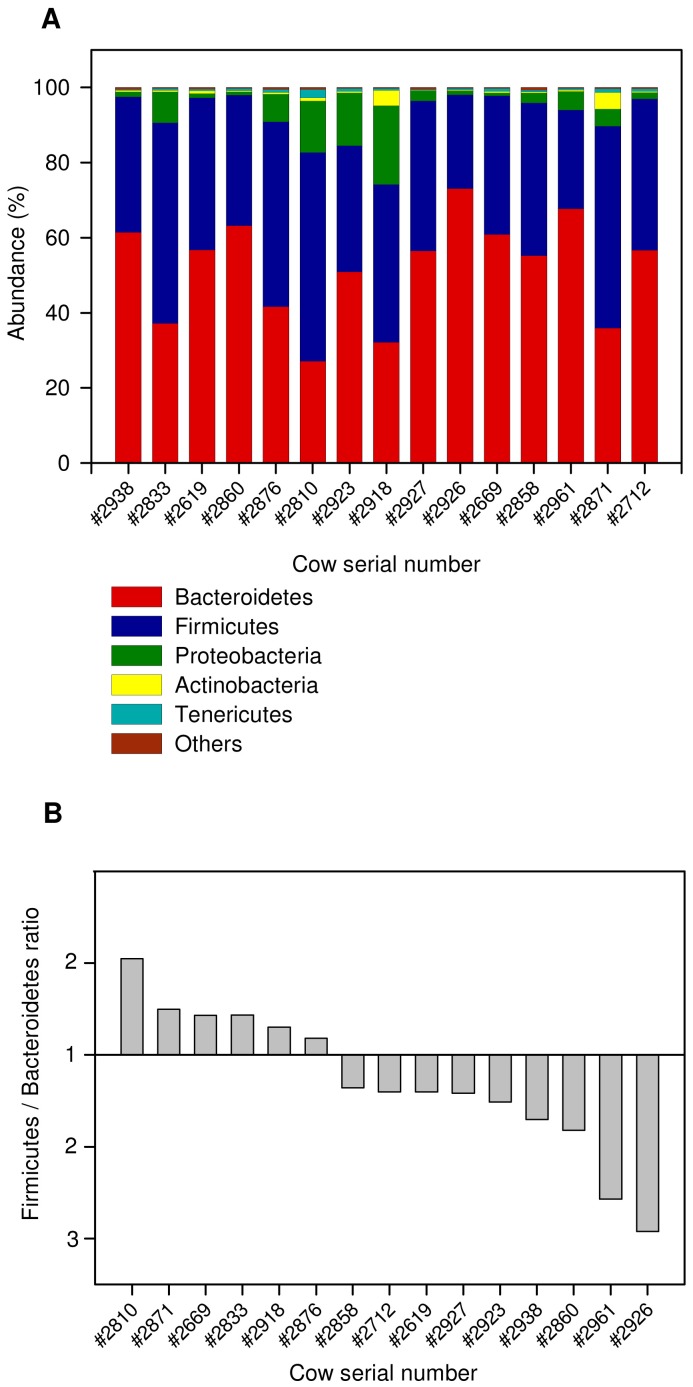
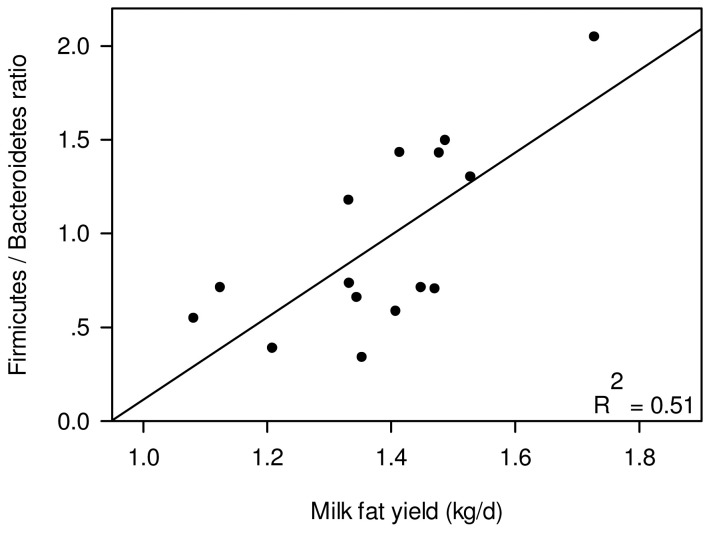
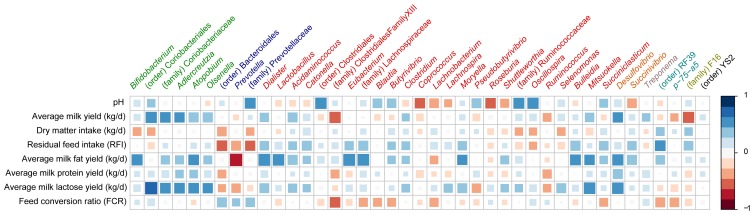
Ruminants are completely dependent on their microbiota for feed digestion and consequently, their viability. It is therefore tempting to hypothesize a connection between the composition and abundance of resident rumen bacterial taxa and the physiological parameters of the host. Using a pyrosequencing approach, we characterized the rumen bacterial community composition in 15 dairy cows and their physiological parameters. We analyzed the degree of divergence between the different animals and found that some physiological parameters, such as milk yield and composition, are highly correlated with the abundance of various bacterial members of the rumen microbiome. One apparent finding was a strong correlation between the ratio of the phyla Firmicutes to Bacteroidetes and milk-fat yield. These findings paralleled human studies showing similar trends of increased adiposity with an increase in Bacteroidetes. This correlation remained evident at the genus level, where several genera showed correlations with the animals' physiological parameters. This suggests that the bacterial community has a role in shaping host physiological parameters. A deeper understanding of this process may allow us to modulate the rumen microbiome for better agricultural yield through bacterial community design.
Overview
The claims and statistics of this paper haven’t been checked yet.
Run the check — free, no account needed. It reads the open-access text and checks the sources it cites.
Integrity signals
Registry
Cites
Statistics
Figures
Verification
Claims the paper makes
The claims and statistics of this paper haven’t been checked yet.
Run the check — free, no account needed. It reads the open-access text and checks the sources it cites.
Claims other papers make about this one
Each is checked against this paper’s own text: does it say what the citing paper says it does?
In the citing paper
“Jami et al. (2014) also reported a positive correlation between RFI and the uncultured rumen bacterium RF39,”
From Addressing global ruminant agricultural challenges through understanding the rumen microbiome: past, present, and future (2018) · cites this paper as Jami et al., 2014
Self-check
Percentages, sums and reported differences re-computed from the paper’s own numbers.
The self-check needs the paper’s full text.
Citations
Cites
QIIME allows analysis of high-throughput community sequencing data
Caporaso, J. G., Kuczynski, J., Stombaugh, J., Bittinger, K., Bushman, F. D., Costello, E. K., Fierer, N., Peña, A. G., Goodrich, J. K., Gordon, J. I., et al. (2010) · Nature Methods · doi:10.1038/nmeth.f.303 · Cited by 34,887
Search and clustering orders of magnitude faster than BLAST
Edgar, R. C. (2010) · Bioinformatics · doi:10.1093/bioinformatics/btq461 · Cited by 21,098
PAST: PALEONTOLOGICAL STATISTICAL SOFTWARE PACKAGE FOR EDUCATION AND DATA ANALYSIS
Hammer, Ø., Harper, D. A. T., & Ryan, P. D. (2001) · Palaeontologia Electronica · Cited by 17,871
An obesity-associated gut microbiome with increased capacity for energy harvest
Turnbaugh, P. J., Ley, R. E., Mahowald, M. A., Magrini, V., Mardis, E. R., & Gordon, J. I. (2006) · Nature · doi:10.1038/nature05414 · Cited by 12,444
Human gut microbes associated with obesity
Ley, R. E., Turnbaugh, P. J., Klein, S., & Gordon, J. I. (2006) · Nature · doi:10.1038/4441022a · Cited by 8,785
Enterotypes of the human gut microbiome
MetaHIT Consortium (additional members), Arumugam, M., Raes, J., Pelletier, E., Le Paslier, D., Yamada, T., Mende, D. R., Fernandes, G. R., Tap, J., Bruls, T., et al. (2011) · Nature · doi:10.1038/nature09944 · Cited by 7,548
Estimación lineal de los requerimientos nutricionales del NRC para ganado de leche.
Elizondo-Salazar, J. A. (2014) · Agronomía Mesoamericana · doi:10.15517/am.v13i1.13244 · Cited by 6,497
Gut Microbiota from Twins Discordant for Obesity Modulate Metabolism in Mice
Ridaura, V. K., Faith, J. J., Rey, F. E., Cheng, J., Duncan, A. E., Kau, A. L., Griffin, N. W., Lombard, V., Henrissat, B., Bain, J. R., et al. (2013) · Science · doi:10.1126/science.1241214 · Cited by 3,788
Chimeric 16S rRNA sequence formation and detection in Sanger and 454-pyrosequenced PCR ampliconsPreprint
Haas, B. J., Gevers, D., Earl, A. M., Feldgarden, M., Ward, D. V., Giannoukos, G., Ciulla, D., Tabbaa, D., Highlander, S. K., Sodergren, E. J., et al. (2011) · Genome Research · doi:10.1101/gr.112730.110 · Cited by 3,527
Polysaccharide utilization by gut bacteria: potential for new insights from genomic analysis
Flint, H. J., Bayer, E. A., Rincón, M. T., Lamed, R., & White, B. A. (2008) · Nature Reviews Microbiology · doi:10.1038/nrmicro1817 · Cited by 1,759
Cited by
Sorted by citations
Henderson, G., Cox, F., Ganesh, S., Jonker, A., Young, W., Collaborators, G. R. C., Abecia, L., Angarita, E., Aravena, P., Nora Arenas, G., et al. (2015) · Scientific Reports · doi:10.1038/srep14567 · Cited by 1,682
Self-citationSpecific microbiome-dependent mechanisms underlie the energy harvest efficiency of ruminants.
Shabat, S. K. B., Sasson, G., Doron-Faigenboim, A., Durman, T., Yaacoby, S., Berg Miller, M. E., White, B. A., Shterzer, N., & Mizrahi, I. (2016) · The ISME Journal · doi:10.1038/ismej.2016.62 · Cited by 823
“…between high and low RFI animals have been reported in terms of methane production, as well as of some differences in microbial composition (Nkrumah et al., 2006; Mizrahi, 2011; Hernandez-Sanabria et al., 2012; Jami et al., 2014; Kittelmann et al., 2014; Shi et al., 2014; Wallace et al., 2015).”
BackgroundLi, F., Li, C., Chen, Y., Liu, J., Zhang, C., Irving, B., Fitzsimmons, C., Plastow, G., & Guan, L. L. (2019) · Microbiome · doi:10.1186/s40168-019-0699-1 · Cited by 530
“ca (1)Department of Agricultural, Food and Nutritional Science, University of Alberta, Edmonton, Alberta T6G 2P5, Canada Full list of author information is available at the end of the article have suggested that differences in rumen microbiota are associated with cattle production and health traits, such as feed effic…”
BackgroundHuws, S. A., Creevey, C. J., Oyama, L. B., Mizrahi, I., Denman, S. E., Popova, M., Muñoz-Tamayo, R., Forano, E., Waters, S. M., Hess, M., et al. (2018) · Frontiers in Microbiology · doi:10.3389/fmicb.2018.02161 · Cited by 487
Self-citationMatthews, C., Crispie, F., Lewis, E., Reid, M., O’Toole, P. W., & Cotter, P. D. (2018) · Gut Microbes · doi:10.1080/19490976.2018.1505176 · Cited by 511
“With regards tomicroorganisms associatedwithmilkfat yield, Jami (2014) identified Firmicutes: Bacteroidetes to be strongly correlated to milk-fat yield.(30) Higher percentages of Firmicutes compensated for the lower abundances of Bacteroidetes.”
BackgroundRumen Microbiome from Steers Differing in Feed Efficiency
Myer, P. R., Smith, T. P. L., Wells, J. E., Kuehn, L. A., & Freetly, H. C. (2015) · PLoS ONE · doi:10.1371/journal.pone.0129174 · Cited by 434
“Bacteroidetes (53–63%) and Firmicutes (23–33%) dominated the phylum dataset within each subsampled group (in terms of percent of the total reads; Table 2), similar to previous studies of rumen microflora [23].”
BackgroundResultInvited review: Learning from the future—A vision for dairy farms and cows in 2067
Britt, J. H., Cushman, R. A., Dechow, C. D., Dobson, H., Humblot, P., Hutjens, M. F., Jones, G. A., Ruegg, P. L., Sheldon, I. M., & Stevenson, J. S. (2018) · Journal of Dairy Science · doi:10.3168/jds.2017-14025 · Cited by 285
“Jami et al. (2014) fed primiparous Holstein cows the same TMR during first lactation but found that the ratio of the 2 dominant phyla of rumen organisms (Firmicutes and Bacteroidetes) ranged from 2:1 to 1:3, and this ratio was correlated (R2 = 0.52) with milk fat yield.”
BackgroundInfluentialJewell, K. A., McCormick, C. A., Odt, C. L., Weimer, P. J., & Suen, G. (2015) · Applied and Environmental Microbiology · doi:10.1128/aem.00720-15 · Cited by 287
“To date, studies on the ruminal microbiota of dairy cows in relation to their milk production metrics have been limited by restricted sampling periods (12, 20), making it difficult to address issues of long-term community stability with host metrics.”
BackgroundResultInfluentialThe Role of the Gut Microbiome in Cattle Production and Health: Driver or Passenger?
O’Hara, E., Neves, A. L. A., Song, Y., & Guan, L. L. (2020) · Annual Review of Animal Biosciences · doi:10.1146/annurev-animal-021419-083952 · Cited by 254
“Microbial composition of the rumen is associated with variations in FE (26), intensity of CH4 emission (27), health (28), and milk composition (29).”
BackgroundDeusch, S., Camarinha‐Silva, A., Conrad, J., Beifuß, U., Rodehutscord, M., & Seifert, J. (2017) · Frontiers in Microbiology · doi:10.3389/fmicb.2017.01605 · Cited by 248
“In general, the bacterial community composition of the rumen samples was dominated by Bacteroidetes and Firmicutes species as reported by other nucleic acid-based studies (Jami andMizrahi, 2012; Jami et al., 2014).”
BackgroundMcCann, J. C., Wickersham, T. A., & Loor, J. J. (2014) · Bioinformatics and Biology Insights · doi:10.4137/bbi.s15389 · Cited by 244
Sasson, G., Kruger Ben-Shabat, S., Seroussi, E., Doron-Faigenboim, A., Shterzer, N., Yaacoby, S., Berg Miller, M. E., White, B. A., Halperin, E., & Mizrahi, I. (2017) · mBio · doi:10.1128/mbio.00703-17 · Cited by 219
“This finding corresponds with our previous study where we show that specific microbial lineages are correlated with specific physiological traits of the host (8).”
Lan, W., & Yang, C. (2018) · The Science of The Total Environment · doi:10.1016/j.scitotenv.2018.11.180 · Cited by 223
Antimicrobial usage and resistance in beef production
Cameron, A., & McAllister, T. A. (2016) · Journal of Animal Science and Biotechnology · doi:10.1186/s40104-016-0127-3 · Cited by 207
Microbial succession in the gastrointestinal tract of dairy cows from 2 weeks to first lactation
Dill‐McFarland, K. A., Breaker, J. D., & Suen, G. (2017) · Scientific Reports · doi:10.1038/srep40864 · Cited by 207
Malmuthuge, N., & Guan, L. L. (2017) · Journal of Animal Science and Biotechnology/Journal of animal science and biotechnology · doi:10.1186/s40104-016-0135-3 · Cited by 217
“In a recent study Jami and colleagues [18] reported a linkage between the rumen bacteria and milk composition in dairy cattle.”
Backgroundde Lima, F. S., Oikonomou, G., Lima, S. F., Bicalho, M. L. S., Ganda, E., Filho, J. C. D. O., Lorenzo, G., Trojačanec, P., & Bicalho, R. C. (2014) · Applied and Environmental Microbiology · doi:10.1128/aem.03138-14 · Cited by 199
“(11) reported that milk yield and composition were highly correlated with the abundance of various bacterial members of the rumen microbiota.”
BackgroundPaz, H. A., Anderson, C. L., Muller, M. J., Kononoff, P. J., & Fernando, S. C. (2016) · Frontiers in Microbiology · doi:10.3389/fmicb.2016.01206 · Cited by 209
“Alpha diversity metrics, Chao1 and observed OTUs estimates, displayed higher (P = 0.02) bacterial richness in Holstein compared to Jersey cows and no difference (P > 0.70) in bacterial community richness due to sampling method.”
BackgroundResultInfluentialFalentin, H., Rault, L., Nicolas, A., Bouchard, D. S., Lassalas, J., Lamberton, P., Aubry, J. M., Marnet, P., Loir, Y. L., & Even, S. (2016) · Frontiers in Microbiology · doi:10.3389/fmicb.2016.00480 · Cited by 198
“…efficiency including the production of greenhouse gases such as CO2 and methane, and animal performance (feed efficiency, milk composition; Jami et al., 2014, p. 2; McCann et al., 2014; Mohammed et al., 2014; Sandri et al., 2014; Henderson et al., 2015; Jewell et al., 2015; Kumar et al.,…”
BackgroundDelgado, B., Bach, À., Guasch, I., González, C., Elcoso, G., Pryce, J. E., & González-Recio, Ó. (2019) · Scientific Reports · doi:10.1038/s41598-018-36673-w · Cited by 193
Xue, M., Xie, Y., Zhong, Y., Ma, X., Sun, H., & Liu, J. (2022) · Microbiome · doi:10.1186/s40168-022-01228-9 · Cited by 198
Costa, M., Bessegatto, J. A., Alfieri, A. A., Weese, J. S., Filho, J. A. B., & Oba, A. (2017) · PLoS ONE · doi:10.1371/journal.pone.0171642 · Cited by 193
Land-use system shapes soil bacterial communities in Southeastern Amazon region
Mendes, L. W., Brossi, M. J. D. L., Kuramae, E. E., & Tsai, S. M. (2015) · Applied Soil Ecology · doi:10.1016/j.apsoil.2015.06.005 · Cited by 167
Xue, M., Sun, H., Wu, X., Guan, L. L., & Liu, J. (2018) · Applied and Environmental Microbiology · doi:10.1128/aem.00970-18 · Cited by 168
“Compared with previous studies (4, 14, 15), a lower number of strong correlations in our study were observed, which could be due to the interindividual variations in both bacteriomes (CVs of core taxa abundances ranging from 14.”
BackgroundResultKumar, S., Indugu, N., Vecchiarelli, B., & Pitta, D. (2015) · Frontiers in Microbiology · doi:10.3389/fmicb.2015.00781 · Cited by 161
“Recently, investigating the functional role of the rumen microbiome in dairy cows has become the holy grail of several scientists (Jami et al., 2013, 2014; Mao et al., 2014; Pitta et al., 2014).”
BackgroundSiegerstetter, S.-C., Schmitz‐Esser, S., Magowan, E. A., Wetzels, S. U., Zebeli, Q., Lawlor, P. G., O’Connell, N. E., & Metzler-Zebeli, B. U. (2017) · PLoS ONE · doi:10.1371/journal.pone.0187766 · Cited by 156
Zhao, J., Yao, Y., Li, D., Xu, H., Wu, J., Wen, A., Xie, M., Ni, Q., Zhang, M., Peng, G., et al. (2018) · Microbial Ecology · doi:10.1007/s00248-018-1146-8 · Cited by 148
Temporal dynamics in the ruminal microbiome of dairy cows during the transition period
Pitta, D., Kumar, S., Vecchiarelli, B., Shirley, D. J., Bittinger, K. L., Baker, L. D., Ferguson, J. D., & Thomsen, N. K. (2014) · Journal of Animal Science · doi:10.2527/jas.2014-7621 · Cited by 154
Mizrahi, I., & Jami, E. (2018) · animal · doi:10.1017/s1751731118001957 · Cited by 155
“In a study assessing the potential correlation between taxa abundance of the microbiome components and physiological parameters of 15 cows, a high correlation was observed between the ratio of Firmicutes/Bacteroidetes and daily fat production in the milk (Jami et al., 2014).”
BackgroundWang, D., Chen, L., Tang, G., Yu, J., Chen, J., Li, Z., Cao, Y., Lei, X., Deng, L., Wu, S., et al. (2023) · Microbiome · doi:10.1186/s40168-023-01652-5 · Cited by 145
“Moreover, the abundance of Prevotella was found to be negatively correlated with milk performance [8, 50], and feed efficiency [51] in ruminants.”
BackgroundSaponin-induced shifts in the rumen microbiome and metabolome of young cattle
Wang, B., Ma, M. P., Diao, Q. Y., & Tu, Y. (2019) · Frontiers in Microbiology · doi:10.3389/fmicb.2019.00356 · Cited by 140
“It has been established that the composition and activity of the rumen microbiota have a profound impact on the performance, health, and immune system of the host (Jami et al., 2014; Huws et al., 2018).”
BackgroundTannins and Bacitracin Differentially Modulate Gut Microbiota of Broiler Chickens
Carrasco, J. M. D., Redondo, E. A., Viso, N. P., Redondo, L. M., Farber, M. D., & Fernández-Miyakawa, M. E. (2018) · BioMed Research International · doi:10.1155/2018/1879168 · Cited by 140
The microbiome of the digestive system of ruminants – a review
Cholewińska, P., Czyż, K., Nowakowski, P., & Wyrostek, A. (2020) · Animal Health Research Reviews · doi:10.1017/s1466252319000069 · Cited by 149
Metagenomic assessment of the functional potential of the rumen microbiome in Holstein dairy cows
Pitta, D., Indugu, N., Kumar, S., Vecchiarelli, B., Sinha, R., Baker, L. D., Bhukya, B., & Ferguson, J. D. (2015) · Anaerobe · doi:10.1016/j.anaerobe.2015.12.003 · Cited by 138
Assessment of rumen bacteria in dairy cows with varied milk protein yield
Xue, M., Sun, H., Wu, X. H., Guan, L. L., & Liu, J. (2019) · Journal of Dairy Science · doi:10.3168/jds.2018-15974 · Cited by 135
“6, 2019 microbiota and milking traits of dairy cows have revealed that specific bacterial taxa are associated with milk yield and milk composition (Jami et al., 2014; Jewell et al., 2015), it is unknown whether the rumen microbiota also plays a role in MPY.”
BackgroundDietary energy drives the dynamic response of bovine rumen viral communities
Anderson, C. L., Sullivan, M. B., & Fernando, S. C. (2017) · Microbiome · doi:10.1186/s40168-017-0374-3 · Cited by 135
“Due to the influence of rumen microbes on host nutrient acquisition, rumen microbial community composition has been linked to host feed efficiency [7] and animal productivity measures [8, 9].”
BackgroundDeusch, S., Tilocca, B., Camarinha‐Silva, A., & Seifert, J. (2014) · Computational and Structural Biotechnology Journal · doi:10.1016/j.csbj.2014.12.005 · Cited by 124
“and compared to production parameters and milk composition [88].”
Clemmons, B. A., Voy, B. H., & Myer, P. R. (2018) · Microbial Ecology · doi:10.1007/s00248-018-1234-9 · Cited by 134
Rumen fluid metabolomics analysis associated with feed efficiency on crossbred steers
Artegoitia, V. M., Foote, A. P., Lewis, R. M., & Freetly, H. C. (2017) · Scientific Reports · doi:10.1038/s41598-017-02856-0 · Cited by 123
Schären, M., Frahm, J., Kersten, S., Meyer, U., Hummel, J., Breves, G., & Dänicke, S. (2018) · Journal of Dairy Science · doi:10.3168/jds.2017-13736 · Cited by 122
Huang, C. H., Ge, F., Yao, X., Guo, X., Bao, P., Ma, X., Wu, X., Chu, M., Yan, P., & Liang, C. (2021) · Frontiers in Microbiology · doi:10.3389/fmicb.2021.682989 · Cited by 118
“In ruminants, rumen functions as an important intermediate between light energy absorbed through photosynthesis and the production of easily digestible compounds such as milk and meat (Jami et al., 2014).”
BackgroundPasture feeding changes the bovine rumen and milk metabolome
O’Callaghan, T., Vázquez-Fresno, R., Serra-Cayuela, A., Dong, E., Mandal, R., Hennessy, D., McAuliffe, S., Dillon, P., Wishart, D., Stanton, C., et al. (2018) · Metabolites · doi:10.3390/metabo8020027 · Cited by 117
“Prevotella has previously been reported as the most abundant genera in the rumen [16–18], and as such has been suggested to play a fundamental role in the rumen ecosystems [11].”
Identification of rumen microbial biomarkers linked to methane emission in Holstein dairy cows
Ramayo‐Caldas, Y., Zingaretti, L. M., Popova, M., Estellé, J., Bernard, A., Pons, N., Bellot, P., Mach, N., Rau, A., Roume, H., et al. (2019) · Journal of Animal Breeding and Genetics · doi:10.1111/jbg.12427 · Cited by 121
“…in ruminants have explored the relationship of the rumen microbiota composition with feed efficiency and CH 4 emission (Delgado et al., 2019; Jami, White, & Mizrahi, 2014; Jewell, McCormick, Odt, Weimer, & Suen, 2015; Li et al., 2019; Myer, Smith, Wells, Kuehn, & Freetly, 2015; Wallace et…”
Firkins, J. L., & Yu, Z. (2015) · Journal of Animal Science · doi:10.2527/jas.2014-8754 · Cited by 120
Synergetic action between the rumen microbiota and bovine health
Zeineldin, M. M., Barakat, R., Elolimy, A. A., Salem, A. Z. M., Elghandour, M. M. M. Y., & Monroy, J. C. (2018) · Microbial Pathogenesis · doi:10.1016/j.micpath.2018.08.038 · Cited by 119
Tapio, I., Fischer, D., Blasco, L., Tapio, M., Wallace, R. J., Bayat, A. R., Ventto, L., Kahala, M. M., Negussie, E., Shingfield, K. J., et al. (2017) · PLoS ONE · doi:10.1371/journal.pone.0180260 · Cited by 112
Impact of Chestnut and Quebracho Tannins on Rumen Microbiota of Bovines
Carrasco, J. M. D., Cabral, C., Redondo, L. M., Viso, N. P., Colombatto, D., Farber, M. D., & Fernández-Miyakawa, M. E. (2017) · BioMed Research International · doi:10.1155/2017/9610810 · Cited by 121
“In cows, the Firmicutes to Bacteroidetes ratio was found to be strongly correlated with daily milk-fat yield [17].”
BackgroundInfluentialBickhart, D. M., & Weimer, P. J. (2017) · Journal of Dairy Science · doi:10.3168/jds.2017-13328 · Cited by 108
“Comparisons of 16S profiles in lactating cows suggest that milk fat production is correlated with the Firmicutes: Bacteroidetes ratio, explaining ~50% of the variance in milk fat production between individuals (Jami et al., 2014).”
Henderson, G., Yilmaz, P., Kumar, S., Forster, R. J., Kelly, W. J., Leahy, S. C., Guan, L. L., & Janssen, P. H. (2019) · PeerJ · doi:10.7717/peerj.6496 · Cited by 106
Dill‐McFarland, K. A., Weimer, P. J., Breaker, J. D., & Suen, G. (2018) · Applied and Environmental Microbiology · doi:10.1128/aem.02141-18 · Cited by 110
“In the beef and dairy industries, differences in the microbiota have been linked to bovine milk production (Elie Jami et al., 2014; Jewell et al., 2015), weight gain (Carberry et al., 2012), and methane emissions (Wallace et al., 2015).”
BackgroundThe microbiome of the buffalo digestive tract
Feng, T., Wang, T., Gao, N., Liu, Z., Cui, K., Duan, Y., Wu, S., Luo, Y., Li, Z., Yang, C., et al. (2022) · Nature Communications · doi:10.1038/s41467-022-28402-9 · Cited by 102
Metagenomic analysis of the rumen microbiome of steers with wheat-induced frothy bloat
Pitta, D. W., Pinchak, W. E., Indugu, N., Vecchiarelli, B., Sinha, R., & Fulford, J. D. (2016) · Frontiers in Microbiology · doi:10.3389/fmicb.2016.00689 · Cited by 100
“For example, the ratio of Firmicutes to Bacteroidetes was found to have a positive correlation with milk fat in dairy cows (Jami et al., 2014).”
BackgroundBainbridge, M. L., Cersosimo, L. M., Wright, A. G., & Kraft, J. (2016) · FEMS Microbiology Ecology · doi:10.1093/femsec/fiw059 · Cited by 96
Tong, J., Zhang, H., Yang, D., Zhang, Y., Xiong, B., & Jiang, L. (2018) · PLoS ONE · doi:10.1371/journal.pone.0198225 · Cited by 100
“Recent efforts to study the rumen microbiome have focused on identifying and quantifying ruminal microbial communities [8, 16].”
BackgroundWang, H., He, Y., Li, H., Wu, F., Qiu, Q., Niu, W., Gao, Z., Su, H., & Cao, B. (2019) · Applied Microbiology and Biotechnology · doi:10.1007/s00253-019-09839-3 · Cited by 96
Minuti, A., Palladino, A., Khan, M. J., Alqarni, S., Agrawal, A., Piccioli-Cappelli, F., Hidalgo, F., Cardoso, F. C., Trevisi, E., & Loor, J. J. (2015) · Journal of Dairy Science · doi:10.3168/jds.2015-9722 · Cited by 95
“Similarly, ruminal microbiome structure is related to production traits such as milk production (Jami et al., 2014; Lima et al., 2015).”
BackgroundHartinger, T., Gresner, N., & Südekum, K. (2018) · Journal of Animal Science and Biotechnology/Journal of animal science and biotechnology · doi:10.1186/s40104-018-0249-x · Cited by 101
“The scientists observed high correlations between milkfat yield and the Firmicutes to Bacteroidetes ratio, which were still present at the genus level [135].”
Xie, Y., Sun, H., Xue, M., & Liu, J. (2022) · Animal Microbiome · doi:10.1186/s42523-022-00170-3 · Cited by 99
“Previous studies have reported differences in the rumen microbial composition between efficient and inefficient beef cattle [10, 11].”
ResultShaani, Y., Zehavi, T., Eyal, S., Miron, J., & Mizrahi, I. (2018) · The ISME Journal · doi:10.1038/s41396-018-0203-0 · Cited by 89
Xue, D., Chen, H., Zhao, X., Xu, S., Hu, L., Xu, T., Jiang, L., & Zhan, W. (2017) · Systematic and Applied Microbiology · doi:10.1016/j.syapm.2017.03.006 · Cited by 87
Vaginal and Uterine Bacterial Communities in Postpartum Lactating Cows
Clemmons, B. A., Reese, S. T., Dantas, F. G., Franco, G. A., Smith, T. P. L., Adeyosoye, O. I., Pohler, K. G., & Myer, P. R. (2017) · Frontiers in Microbiology · doi:10.3389/fmicb.2017.01047 · Cited by 88
“…relationships are not well characterized, there is a clear relationship between host phenotype and presence of different bacterial communities, abundances, and diversity in many species (Human Microbiome Project Consortium, 2012; Le Chatelier et al., 2013; Jami et al., 2014; Romero et al., 2014).”
BackgroundMyer, P. R., Kim, M., Freetly, H. C., & Smith, T. P. L. (2016) · Journal of Microbiological Methods · doi:10.1016/j.mimet.2016.06.004 · Cited by 88
Weimer, P. J., Cox, M. S., Vieira de Paula, T., Lin, M., Hall, M. B., & Suen, G. (2017) · Journal of Dairy Science · doi:10.3168/jds.2017-12746 · Cited by 86
“1 Corresponding author: Paul.Weimer@ars.usda.gov Journal of Dairy Science Vol. 100 No. 9, 2017 differences in the composition of the ruminal microbial community, interactions between the microbiome and host genetics, or both (Jami et al., 2014; Jewell et al., 2015; Shabat et al., 2016).”
BackgroundLima, J., Auffret, M. D., Stewart, R. D., Dewhurst, R. J., Duthie, C.-A., Snelling, T. J., Walker, A. W., Freeman, T. C., Watson, M., & Roehe, R. (2019) · Frontiers in Genetics · doi:10.3389/fgene.2019.00701 · Cited by 92
The microbiota of water buffalo milk during mastitis
Catozzi, C., Sánchez, A., Francino, O., Lecchi, C., Carlo, E. D., Vecchio, D., Martucciello, A., Fraulo, P., Bronzo, V., Cuscó, A., et al. (2017) · PLoS ONE · doi:10.1371/journal.pone.0184710 · Cited by 86
Tiny but mighty: The role of the rumen microbes in livestock production
Cammack, K. M., Austin, K. J., Lamberson, W. R., Conant, G. C., & Cunningham-Hollinger, H. C. (2018) · Journal of Animal Science · doi:10.1093/jas/skx053 · Cited by 105
Dynamic Changes in Fecal Microbial Communities of Neonatal Dairy Calves by Aging and Diarrhea
Kim, E. T., Lee, S.-J., Kim, T.-Y., Lee, H. G., Atikur, R. M., Gu, B., Kim, D. H., Park, B.-Y., Son, J.-K., & Kim, M. (2021) · Animals · doi:10.3390/ani11041113 · Cited by 90
“Most importantly, gut microbes degrade and transform carbohydrates, lipids or proteins, into a usable form, which are critical for livestock performance, such as weight gain [5] and milk production [6,7].”
BackgroundMonteiro, H. F., Zhou, Z., Gomes, M. S., Peixoto, P. M. G., Bonsaglia, É. C. R., Canisso, I. F., Weimer, B. C., & de Lima, F. S. (2022) · Scientific Reports · doi:10.1038/s41598-022-08761-5 · Cited by 93
Comparison of rumen bacterial communities in dairy herds of different production
Indugu, N., Vecchiarelli, B., Baker, L. D., Ferguson, J. D., Vanamala, J. K. P., & Pitta, D. (2017) · BMC Microbiology · doi:10.1186/s12866-017-1098-z · Cited by 88
“Recent reports include changes in the composition of ruminal microbiota in dairy cows in association with parity [15–17], diet [18, 19], breed [20, 21], feed efficiency [14, 15, 22], milk yield and composition [19, 23] and physiological status [16, 18, 24, 25].”
BackgroundBronzo, V., Lopreiato, V., Riva, F., Amadori, M., Curone, G., Addis, M. F., Cremonesi, P., Moroni, P., Trevisi, E., & Castiglioni, B. (2020) · Animals · doi:10.3390/ani10081397 · Cited by 91
“Recent studies using an omics-based structure have suggested that differences in rumen microbiota are associated with cattle production and health traits, such as feed efficiency [130,131], methane (CH4) yield [132], milk composition [133], and ruminal acidosis [134].”
BackgroundAssessment of Ruminal Bacterial and Archaeal Community Structure in Yak (Bos grunniens)
Zhou, Z., Fang, L., Meng, Q., Li, S., Chai, S., Liu, S., & Schonewille, J. T. (2017) · Frontiers in Microbiology · doi:10.3389/fmicb.2017.00179 · Cited by 83
“Similar to previous ruminant studies (Petri et al., 2013; Jami et al., 2014; Kim et al., 2014; Pitta et al., 2014b; Jewell et al., 2015), Bacteroidetes and Firmicutes were the predominant phyla regardless of feeding regime.”
ResultImpact of the rumen microbiome on milk fatty acid composition of Holstein cattle
Buitenhuis, B., Lassen, J., Noel, S. J., Plichta, D. R., Sørensen, P. B., Difford, G. F., & Poulsen, N. A. (2019) · Genetics Selection Evolution · doi:10.1186/s12711-019-0464-8 · Cited by 87
Assessing the relationship between the rumen microbiota and feed efficiency in Nellore steers
Lopes, D. R. G., Duarte, M. D. S., Reau, A. J. L., Zúñiga-Chaves, I., Mendes, T. A. D. O., Detmann, E., Bento, C. B. P., Mercadante, M. E. Z., Bonilha, S. F. M., Suen, G., et al. (2021) · Journal of Animal Science and Biotechnology/Journal of animal science and biotechnology · doi:10.1186/s40104-021-00599-7 · Cited by 86
Hu, X., Liu, G., Shafer, A. B. A., Wei, Y., Zhou, J., Lin, S., Wu, H., Zhou, M., Hu, D., & Liu, S. (2017) · Frontiers in Microbiology · doi:10.3389/fmicb.2017.00572 · Cited by 78
“Firmicutes are the predominant cellulolytic bacteria and degrade fiber into volatile fatty acids for utilization by hosts, while the main function of Bacteroidetes is to degrade carbohydrates and proteins, and facilitate the development of gastrointestinal immune system (Fernando et al., 2010; Jami et al., 2014; Waite…”
BackgroundLiu, X., Sha, Y., Dingkao, R., Zhang, W., Lv, W., Hong Kui, W. E. I., Shi, H., Hu, J., Wang, J., Li, S., et al. (2020) · Frontiers in Microbiology · doi:10.3389/fmicb.2020.593062 · Cited by 77
Metagenomic analysis of the cow, sheep, reindeer and red deer rumen
Glendinning, L., Genç, B., Wallace, R. J., & Watson, M. (2021) · Scientific Reports · doi:10.1038/s41598-021-81668-9 · Cited by 81
Metabolic influence of core ciliates within the rumen microbiome
Andersen, T. O., Altshuler, I., de León, A. V., Walter, J. M., McGovern, E., Keogh, K. A., Martin, C., Bernard, L., Morgavi, D., Park, T., et al. (2023) · The ISME Journal · doi:10.1038/s41396-023-01407-y · Cited by 92
AlZahal, O., Li, F., Guan, L. L., Walker, N. D., & McBride, B. W. (2017) · Journal of Dairy Science · doi:10.3168/jds.2016-11473 · Cited by 76
“Recent efforts to study the rumen microbiome have focused on analyzing the ruminal microbial communities (i.e., identification and quantification), whereas microbial activities are extrapolated based upon measuring changes in microbial communities (Jami et al., 2014).”
BackgroundImpact of selected environmental factors on microbiome of the digestive tract of ruminants
Cholewińska, P., Górniak, W., & Wojnarowski, K. (2021) · BMC Veterinary Research · doi:10.1186/s12917-021-02742-y · Cited by 81
Cui, Y., Liu, H., Gao, Z., Xu, J., Liu, B., Guo, M., Yang, X., Niu, J., Zhu, X., Ma, S., et al. (2022) · Applied Microbiology and Biotechnology · doi:10.1007/s00253-022-11956-5 · Cited by 78
“[11] and Huws et al [12] show that rumen microbiota has an important effect on the growth, health, and immunity of the host.”
BackgroundSolomon, R., Wein, T., Levy, B., Eshed, S., Dror, R., Reiss, V., Zehavi, T., Furman, O., Mizrahi, I., & Jami, E. (2021) · The ISME Journal · doi:10.1038/s41396-021-01170-y · Cited by 85
Pitta, D., Indugu, N., Narayan, K. S., & Hennessy, M. L. (2022) · Journal of Dairy Science · doi:10.3168/jds.2021-21466 · Cited by 88
Pitta, D. W., Indugu, N., Vecchiarelli, B., Rico, D. E., & Harvatine, K. J. (2018) · Journal of Dairy Science · doi:10.3168/jds.2016-12514 · Cited by 73
“Interestingly, Jami et al. (2014) reported the ratio of Firmicutes to Bacteroidetes is positively correlated with milk fat percentage.”
BackgroundResultMyer, P. R., Freetly, H. C., Wells, J. E., Smith, T. P. L., & Kuehn, L. A. (2017) · Journal of Animal Science · doi:10.2527/jas.2016.1059 · Cited by 85
Nathani, N. M., Patel, A. K., Mootapally, C. S., Reddy, B., Shah, S. V., Lunagariya, P. M., Kothari, R. K., & Joshi, C. G. (2015) · BMC Genomics · doi:10.1186/s12864-015-2340-4 · Cited by 73
“Previous studies on bovine rumen have reported Bacteroidetes to be negatively correlated with Firmicutes [31, 34].”
BackgroundResultInfluentialZhang, Y., Choi, S. H., Nogoy, K. M. C., & Liang, S. (2021) · animal · doi:10.1016/j.animal.2021.100316 · Cited by 76
Biscarini, F., Palazzo, F., Castellani, F., Masetti, G., Grotta, L., Cichelli, A., & Martino, G. (2018) · PLoS ONE · doi:10.1371/journal.pone.0205670 · Cited by 76
Linking Peripartal Dynamics of Ruminal Microbiota to Dietary Changes and Production Parameters
Derakhshani, H., Tun, H. M., Cardoso, F. C., Plaizier, J. C., Khafipour, E., & Loor, J. J. (2017) · Frontiers in Microbiology · doi:10.3389/fmicb.2016.02143 · Cited by 74
“This inter-animal variability has been extensively reported (Li et al., 2009; Weimer et al., 2010; Jami and Mizrahi, 2012; Jami et al., 2014), highlighting the impact of host genotype and phenotype on the development of the ruminal microbial ecosystem.”
BackgroundResult— Invited Review — Metagenomic investigation of gastrointestinal microbiome in cattle
Kim, M., Park, T., & Yu, Z. (2017) · Asian-Australasian Journal of Animal Sciences · doi:10.5713/ajas.17.0544 · Cited by 75
Understanding the Diversity and Roles of the Ruminal Microbiome
Keum, G. B., Pandey, S., Kim, E. S., Doo, H., Kwak, J., Ryu, S., Choi, Y., Kang, J., Kim, S., & Kim, H. B. (2024) · The Journal of Microbiology · doi:10.1007/s12275-024-00121-4 · Cited by 82
“…biological processes connected to host, a number of studies have established links between the rumen micro-biome and residual feed intake (RFI) phenotypes in beef cattle (Bowen et al., 2020; Carberry et al., 2012; Guan et al., 2008) as well as dairy cow (Jami et al., 2014; Jewell et al., 2015).”
Microbial community profiles of the colon from steers differing in feed efficiency
Myer, P. R., Wells, J. E., Smith, T. P. L., Kuehn, L. A., & Freetly, H. C. (2015) · SpringerPlus · doi:10.1186/s40064-015-1201-6 · Cited by 70
Min, B. R., Gurung, N. K., Shange, R. S., & Solaiman, S. G. (2019) · Journal of Animal Science · doi:10.1093/jas/skz193 · Cited by 67
Evolving understanding of rumen methanogen ecophysiology
Khairunisa, B. H., Heryakusuma, C., Ike, K. A., Mukhopadhyay, B., & Susanti, D. (2023) · Frontiers in Microbiology · doi:10.3389/fmicb.2023.1296008 · Cited by 78
“…in shaping the rumen microbiome and determining the efficiency of energy harvest from feed and extent of methane emission (Carberry et al., 2012; Jami et al., 2014; Kittelmann et al., 2014; McCann et al., 2014; Wallace et al., 2015; Roehe et al., 2016; Sasson et al., 2017; Difford et al., 2018;…”
BackgroundMu, Y., Lin, X., Wang, Z., Hou, Q., Wang, Y., & Hu, Z. (2018) · MicrobiologyOpen · doi:10.1002/mbo3.673 · Cited by 67
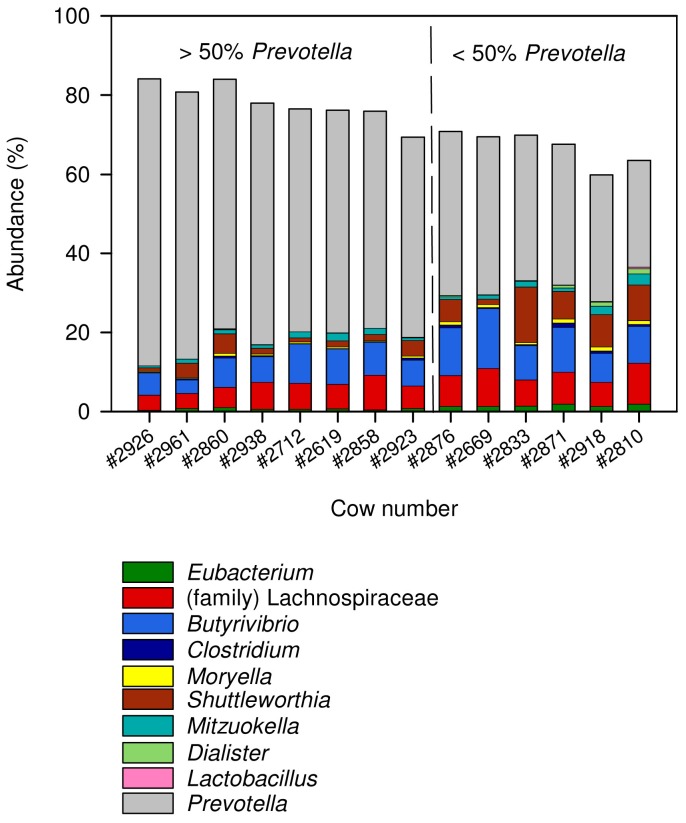
“Prevotella was found negatively associated with RFI in dairy cows (Jami et al., 2014), and the same study also suggested there was a strong negative correlation (Pearson R = −0.69, p = 5 × 10⁻³) between Prevotella and milk- fat yield.”
BackgroundResultInfluentialKala, A., Kamra, D. N., Kumar, A., Agarwal, N., Chaudhary, L. C., & Joshi, C. G. (2017) · PLoS ONE · doi:10.1371/journal.pone.0172051 · Cited by 65
Schären, M., Kiri, K., Riede, S., Gardener, M. C., Meyer, U., Hummel, J., Urich, T., Breves, G., & Dänicke, S. (2017) · Frontiers in Microbiology · doi:10.3389/fmicb.2017.00744 · Cited by 65
“…that the rumen microbiota of dairy cows and steers can be linked to different phenotypic characteristics such as milk production and composition (Jami et al., 2014; Lima et al., 2015), feed efficiency (Guan et al., 2008; Zhou et al., 2009, 2010; Hernandez-Sanabria et al., 2010, 2012; Carberry…”
BackgroundReview: The application of omics to rumen microbiota function
Denman, S. E., Morgavi, D., & McSweeney, C. S. (2018) · animal · doi:10.1017/s175173111800229x · Cited by 66
“Ef fi cient dairy cattle de fi ned by RFI exhibited a lower richness of abundant microbial species for both 16S rRNA and at the microbial functional gene level (Shabat et al., 2016).”
InfluentialJiang, Y., Ogunade, I. M., Arriola, K. G., Qi, M., Vyas, D., Staples, C. R., & Adesogan, A. T. (2017) · Journal of Dairy Science · doi:10.3168/jds.2016-12371 · Cited by 66
“Jami et al. (2014) reported that the abundance of various rumen bacterial taxa and milk composition or feed efficiency are highly correlated, suggesting that the bacterial community plays an important role in regulating host physiological parameters.”
BackgroundResultHu, R., Zou, H., Wang, H., Wang, Z., Wang, X., Ma, J., Shah, A. M., Peng, Q., Bai, X., Wang, L., et al. (2020) · Animals · doi:10.3390/ani10091474 · Cited by 61
“[7] reported a strong relationship between rumen fermentation and dairy cow milk fat yield.”
BackgroundStarch-Rich Diet Induced Rumen Acidosis and Hindgut Dysbiosis in Dairy Cows of Different Lactations
Neubauer, V., Petri, R. M., Humer, E. C., Kröger, I., Reisinger, N., Baumgartner, W., Wagner, M., & Zebeli, Q. (2020) · Animals · doi:10.3390/ani10101727 · Cited by 67
“Another major contributing factor is the adaptation of the gut microbiome, of which the rumen and fecal microbiome vary in high and low producing dairy cattle [14,15] and with age [16].”
Background
Metadata
- Authors
- Jami, E., White, B. A., & Mizrahi, I.
- Affiliations
- Tel Aviv University (IL)
- University of Illinois Urbana-Champaign (US)
- Agricultural Research Organization (IL)
- Corresponding author
- Mizrahi, Itzhak
- Venue
- PLoS ONE
- Publisher
- Public Library of Science (PLoS)
- Published
- 2014-01-22
- Volume
- 9
- Issue
- 1
- Pages
- e85423
- ISSN
- 1932-6203 (ISSN-L)
- PMC
- PMC3899005
- OpenAlex
- W2042473229
- Cited by
- 588
- References
- 29
- Citations by year
- 2026: 26 · 2025: 46 · 2024: 78 · 2023: 54 · 2022: 67 · 2021: 82 · 2020: 55 · 2019: 46 · 2018: 38 · 2017: 47 · 2016: 22 · 2015: 20 · 2014: 7
- FWCI
- 63.79
- Type
- journal article
- Language
- en
- Open access
- gold
- doi.org
- Licence
- Locations
- PLoS ONE (publishedVersion, cc-by)
- Europe PMC (PubMed Central) (publishedVersion, cc-by)
- PubMed Central (publishedVersion, cc-by)
- PubMed (publishedVersion)
- DOAJ (DOAJ: Directory of Open Access Journals) (submittedVersion)
- Figshare (submittedVersion, cc-by)
- Topics
- Life Sciences › Agricultural and Biological Sciences › Animal Science and Zoology › Ruminant Nutrition and Digestive Physiology
- Life Sciences › Biochemistry, Genetics and Molecular Biology › Molecular Biology › Gut microbiota and health
- Life Sciences › Agricultural and Biological Sciences › Animal Science and Zoology › Animal Nutrition and Physiology
- Keywords
- rumen microbiome, dairy cattle, milk composition, milk yield, feed efficiency, rumen bacterial community, Firmicutes/Bacteroidetes ratio, milk fat yield, host-microbe interactions, rumen bacteria
- MeSH terms
- Animals, Animal Feed, Animal Nutritional Physiological Phenomena, Bacteria, Cattle, DNA, Bacterial, Fats, Female, Milk, Phylogeny, RNA, Ribosomal, 16S, Rumen, Sequence Analysis, DNA, Bacteroidetes, Host-Pathogen Interactions, Microbiota
About these checks
Registry, retraction, Cites and statistics results are computed, not judged, with one exception: a printed reference that no index lists is read once by a model before it counts as a citation error. Claims are extracted by a model and kept only when their quote appears verbatim in the text; each cited source is then checked, with a model’s help, for whether it says what the claim relies on. Those verdicts can be wrong — read the claim’s quote and the cited source before relying on one.
Statistics and arithmetic are recomputed, not judged.
Confidence bands are shown only for fields calibrated on our annotated test set. None is calibrated yet, so no band is shown.
What counts as a claim ›How we measure confidence ›How we check this ›
Are you an author, or do you see a problem with this page? Request a review
