

The Musicality of Non-Musicians: An Index for Assessing Musical Sophistication in the General Population
Open accessThe DOI matches its Crossref record; 141 of the 147 references it cites were found in a registry or an index.
Abstract
Musical skills and expertise vary greatly in Western societies. Individuals can differ in their repertoire of musical behaviours as well as in the level of skill they display for any single musical behaviour. The types of musical behaviours we refer to here are broad, ranging from performance on an instrument and listening expertise, to the ability to employ music in functional settings or to communicate about music. In this paper, we first describe the concept of 'musical sophistication' which can be used to describe the multi-faceted nature of musical expertise. Next, we develop a novel measurement instrument, the Goldsmiths Musical Sophistication Index (Gold-MSI) to assess self-reported musical skills and behaviours on multiple dimensions in the general population using a large Internet sample (n = 147,636). Thirdly, we report results from several lab studies, demonstrating that the Gold-MSI possesses good psychometric properties, and that self-reported musical sophistication is associated with performance on two listening tasks. Finally, we identify occupation, occupational status, age, gender, and wealth as the main socio-demographic factors associated with musical sophistication. Results are discussed in terms of theoretical accounts of implicit and statistical music learning and with regard to social conditions of sophisticated musical engagement.
Overview
The claims and statistics of this paper haven’t been checked yet.
Free: it reads the open-access text and checks the first 5 claims that cite a source we can check. Create a free account to check every claim.
Integrity signals
Registry
Cites
Statistics
Figures
Verification
Claims the paper makes
The claims and statistics of this paper haven’t been checked yet.
Free: it reads the open-access text and checks the first 5 claims that cite a source we can check. Create a free account to check every claim.
Claims other papers make about this one
Each is checked against this paper’s own text: does it say what the citing paper says it does?
The source backs part of the claim, not all of it — or backs it for a different population, condition or comparison.
In the citing paper
“all score 75% and over indicating their strong musical skills”
From Reflection Across AI-based Music Composition (2024) · cites this paper as [74]
Experimental — accuracy not yet measured
Self-check
Percentages, sums and reported differences re-computed from the paper’s own numbers.
The self-check needs the paper’s full text.
Citations
Cites
R: A Language and Environment for Statistical Computing
R Core Team (2025) · doi:10.32614/r.manuals · Cited by 352,181
Breiman, L. (2001) · Machine Learning · doi:10.1023/a:1010933404324 · Cited by 133,538
The Elements of Statistical Learning
Hastie, T., Tibshirani, R., & Friedman, J. (2009) · Springer Series in Statistics · doi:10.1007/978-0-387-84858-7 · Cited by 25,970
Classification and Regression by randomForest
Liaw, A. I., & Wiener, M. C. (2007) · Cited by 18,594
The Scree Test For The Number Of Factors
Cattell, R. B. (1966) · Multivariate Behavioral Research · doi:10.1207/s15327906mbr0102_10 · Cited by 13,554 · cited 1×
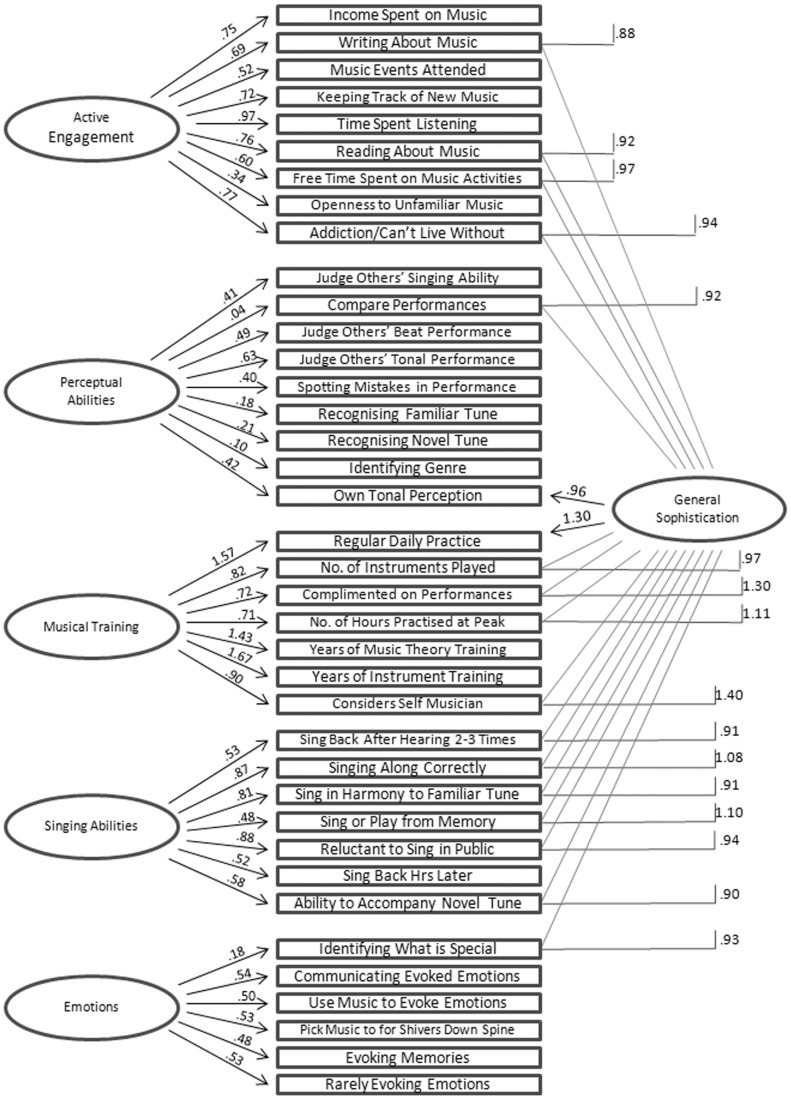
“We used different factor extraction methods (maximum likelihood factor analysis, principal axis factoring using an iterative least squares optimisation, minimum residual factor analysis) and as criteria employed the screeplot [67], Kaiser’s criterion of eigenvalues .”
MethodA very brief measure of the Big-Five personality domains
Gosling, S. D., Rentfrow, P. J., & Swann, W. B. (2003) · Journal of Research in Personality · doi:10.1016/s0092-6566(03)00046-1 · Cited by 8,307 · cited 7×
“The pattern of correlations between the five GoldMSI subscales/general factor and the ‘Big Five’ from the TIPI is given in Table 5.”
MethodInfluentialStatistical learning by 8-month-old infants
Saffran, J. R., Aslin, R. N., & Newport, E. L. (1996) · Science · doi:10.1126/science.274.5294.1926 · Cited by 5,659 · cited 1×
“Implicit learning of this sort relies upon the brain’s ability to internalise statistical regularities from its exposure to auditory stimuli [51–56].”
BackgroundCategorization and Representation of Physics Problems by Experts and Novices*
Chi, M. T. H., Feltovich, P. J., & Glaser, R. (1981) · Cognitive Science · doi:10.1207/s15516709cog0502_2 · Cited by 5,248 · cited 1×
“physics [27]; wine [28– 29]; computer programming [31]; badminton [32]).”
BackgroundStatistical Modeling: The Two Cultures (with comments and a rejoinder by the author)
Breiman, L. (2001) · Statistical Science · doi:10.1214/ss/1009213726 · Cited by 4,340 · cited 1×
“They also have the additional advantage that results can be generalised to new datasets, because they do not tend to overfit on training data [134].”
Background(1999) · Cited by 2,653
Research works printed but not linked: 5
- Merriam AP (1964) The anthropology of music. Chicago: Northwestern University Press.
- Ericsson KA, Smith J (1991) Toward a general theory of exercise: Prospects and limits. Cambridge - England: Cambridge University Press.
- Gordon EE (1975) Fourth year and fifth year results of a longitudinal study of the musical achievement of culturally disadvantaged students. Research in the Psychology of Music 10 (Iowa City: University of Iowa Press, 1975), 24.
- Kemp AE (1981) Personality differences between the players of string, woodwind, brass and keyboard instruments, and singers. Bulletin of the Council for Research in Music Education 66–67: 33– 38.
- Hargreaves D, North A (2002) Musical development and learning - Response. Br J Educ Psychol 72: 139– 140.
Cited by
Cheung, V. K. M., Harrison, P. M. C., Meyer, L., Pearce, M. T., Haynes, J.-D., & Koelsch, S. (2019) · Current Biology · doi:10.1016/j.cub.2019.09.067 · Cited by 298
Origins of music in credible signaling
Mehr, S. A., Krasnow, M. M., Bryant, G. A., & Hagen, E. H. (2021) · Behavioral and Brain Sciences · doi:10.1017/s0140525x20000345 · Cited by 252
Predictability and Uncertainty in the Pleasure of Music: A Reward for Learning?
Gold, B. P., Pearce, M. T., Mas-Herrero, E., Dagher, A., & Zatorre, R. J. (2019) · The Journal of Neuroscience · doi:10.1523/jneurosci.0428-19.2019 · Cited by 250
“The Goldsmiths Musical Sophistication Index (Gold-MSI) measured their abilities to engage with music, with questions about their musical recognition, discernment, education, and more (Müllensiefen et al., 2014).”
BackgroundMethodInfluentialMusicians have better memory than nonmusicians: A meta-analysis
Talamini, F., Altoè, G., Carretti, B., & Grassi, M. (2017) · PLOS ONE · doi:10.1371/journal.pone.0186773 · Cited by 215
The definition of a musician in music psychology: A literature review and the six-year rule
Zhang, J. D., Susino, M., McPherson, G. E., & Schubert, E. (2020) · Psychology of Music · doi:10.1177/0305735618804038 · Cited by 181
“In recent decades, the inclusion of multiple external elements of musicality, such as musical achievements and musical engagement, has led to the idea of musical sophistication; most notably, the Ollen Musical Sophistication Index (Ollen, 2006) and the Goldsmiths Musical Sophistication Index (Müllensiefen et al., 2014…”
BackgroundBAASTA: Battery for the Assessment of Auditory Sensorimotor and Timing Abilities
Dalla Bella, S., Farrugia, N., Benoit, C.-E., Begel, V., Verga, L., Harding, E., & Kotz, S. A. (2017) · Behavior Research Methods · doi:10.3758/s13428-016-0773-6 · Cited by 176
Baird, A., & Samson, S. (2015) · Progress in brain research · doi:10.1016/bs.pbr.2014.11.028 · Cited by 180
Millecamp, M., Htun, N. N., Conati, C., & Verbert, K. (2019) · Proceedings of the 24th International Conference on Intelligent User Interfaces · doi:10.1145/3301275.3302313 · Cited by 148
“The Goldsmiths Musical Sophistication Index (Gold-MSI) [36] has been considered an effective way to measure domain knowledge of users and has shown a strong correlation with personality [21] and music preferences [36].”
BackgroundTuning the mind: Exploring the connections between musical ability and executive functions
Slevc, L. R., Davey, N. S., Buschkuehl, M., & Jaeggi, S. M. (2016) · Cognition · doi:10.1016/j.cognition.2016.03.017 · Cited by 145
Preckel, F., Golle, J., Grabner, R. H., Jarvin, L., Kozbelt, A., Müllensiefen, D., Olszewski‐Kubilius, P., Schneider, W., Subotnik, R. F., Vock, M., et al. (2020) · Perspectives on Psychological Science · doi:10.1177/1745691619895030 · Cited by 200
Self-citationMusic-evoked autobiographical memories in everyday life
Jakubowski, K., & Ghosh, A. (2019) · Psychology of Music · doi:10.1177/0305735619888803 · Cited by 166
“The Musical Training and Active Engagement subscales of the Goldsmiths Musical Sophistication Index (Gold-MSI; Müllensiefen et al., 2014) were administered to measure formal training in music (e.g., private lessons, instrumental practice) and engagement with music (e.g., concert attendance, buying…”
MethodRoden, I., Könen, T., Bongard, S., Frankenberg, E., Friedrich, E. K., & Kreutz, G. (2014) · Applied Cognitive Psychology · doi:10.1002/acp.3034 · Cited by 113
Mental health and music engagement: review, framework, and guidelines for future studies
Gustavson, D. E., Coleman, P. L., Iversen, J. R., MAES, H. H. M., Gordon, R. L., & Lense, M. (2021) · Translational Psychiatry · doi:10.1038/s41398-021-01483-8 · Cited by 157
“Although most large samples with genomic data still lack measures of music engagement, key musical phenotypes could be added to existing study protocols (or to similar studies under development) with relatively low participant burden [135].”
BackgroundSchaal, N. K., Bauer, A. R., & Müllensiefen, D. (2014) · Musicae Scientiae · doi:10.1177/1029864914541851 · Cited by 161
“Dieses Ergebnis wird auch von Müllensiefen et al. (2014) bestätigt.”
BackgroundInfluentialSelf-citationBorn to Speak and Sing: Musical Predictors of Language Development in Pre-schoolers
Politimou, N., Bella, S. D., Farrugia, N., & Franco, F. (2019) · Frontiers in Psychology · doi:10.3389/fpsyg.2019.00948 · Cited by 159
“The Goldsmith’s Musical Sophistication Index (henceforth Gold-MSI; Müllensiefen et al., 2014) was used to assess the parents’ degree of musicality.”
Predicting who takes music lessons: parent and child characteristics
Corrigall, K. A., & Schellenberg, E. G. (2015) · Frontiers in Psychology · doi:10.3389/fpsyg.2015.00282 · Cited by 121
“…in the arts, intellectual curiosity, and a tendency to try new activities and learn various skills, including how to play a musical instrument (Dyce and O’Connor, 1994; Gillespie and Myors, 2000; Corrigall et al., 2013; Hille and Schupp, 2014; Müllensiefen et al., 2014; Butkovic et al., 2015).”
BackgroundMusical Competence is Predicted by Music Training, Cognitive Abilities, and Personality
Swaminathan, S., & Schellenberg, E. G. (2018) · Scientific Reports · doi:10.1038/s41598-018-27571-2 · Cited by 121
Content-driven music recommendation: Evolution, state of the art, and challenges
Deldjoo, Y., Schedl, M., & Knees, P. (2024) · Computer Science Review · doi:10.1016/j.cosrev.2024.100618 · Cited by 170
Identifying auditory attention with ear-EEG: cEEGrid versus high-density cap-EEG comparison
Bleichner, M. G., Mirkovic, B., & Debener, S. (2016) · Journal of Neural Engineering · doi:10.1088/1741-2560/13/6/066004 · Cited by 149
Trahan, T., Durrant, S. J., Müllensiefen, D., & Williamson, V. J. (2018) · PLOS ONE · doi:10.1371/journal.pone.0206531 · Cited by 113
Self-citationGenome-wide association study of musical beat synchronization demonstrates high polygenicity
Niarchou, M., Gustavson, D. E., Sathirapongsasuti, J. F., Anglada-Tort, M., Eising, E., Bell, E., McArthur, E., Straub, P., Aslibekyan, S. W., Auton, A., et al. (2022) · Nature Human Behaviour · doi:10.1038/s41562-022-01359-x · Cited by 135
Zentner, M. R., & Strauß, H. (2017) · Annals of the New York Academy of Sciences · doi:10.1111/nyas.13410 · Cited by 105
Preservation of musical memory and engagement in healthy aging and Alzheimer's disease
Cuddy, L. L., Sikka, R., & Vanstone, A. D. (2015) · Annals of the New York Academy of Sciences · doi:10.1111/nyas.12617 · Cited by 137
Czepiel, A. M., Fink, L., Fink, L. T., Wald‐Fuhrmann, M., Tröndle, M., & Merrill, J. (2021) · Scientific Reports · doi:10.1038/s41598-021-00492-3 · Cited by 122
Kasdan, A. V., Burgess, A. N., Pizzagalli, F., Scartozzi, A., Chern, A., Kotz, S. A., Wilson, S. M., & Gordon, R. L. (2022) · Neuroscience & Biobehavioral Reviews · doi:10.1016/j.neubiorev.2022.104588 · Cited by 122
“Given the wide range of musical experience in the population, future studies might approach the challenge of characterizing musicianship by using continuous measures of musical engagement (e.g., Gold MSI, Müllensiefen et al., 2014) to avoid artificially placing individuals in dichotomous categories.”
Zhang, J. D., & Schubert, E. (2019) · Music Perception An Interdisciplinary Journal · doi:10.1525/mp.2019.36.5.457 · Cited by 96
James, C. E., ALTENMÜLLER, E. O., Kliegel, M., Krüger, T. H. C., Ville, D. V. D., Worschech, F., Abdili, L., Scholz, D. S., Jünemann, K., Hering, A., et al. (2020) · BMC Geriatrics · doi:10.1186/s12877-020-01761-y · Cited by 110
“Music questionnaires Send/receive by post Musical history (in-house questionnaire; GEMMI lab): amount and intensity of music listening and extracurricular music training: solfege/theory, instrumental training, choir singing, intracurricular music training in school Goldsmiths Musical Sophistication Index (GOLD MSI): s…”
BackgroundPerforming Music Research: Methods in Music Education, Psychology, and Performance Science
Williamon, A., Ginsborg, J., Perkins, R., & Waddell, G. (2021) · doi:10.1093/oso/9780198714545.001.0001 · Cited by 156
Music Training and Nonmusical Abilities
Schellenberg, E. G., & Lima, C. F. (2023) · Annual Review of Psychology · doi:10.1146/annurev-psych-032323-051354 · Cited by 132
Rhythmic abilities and musical training in Parkinson’s disease: do they help?
Cock, V. C. D., Dotov, D. G., Ihalainen, P., Bégel, V., Galtier, F., Lebrun, C., Picot, M., Driss, V., Landragin, N., Gény, C., et al. (2018) · npj Parkinson s Disease · doi:10.1038/s41531-018-0043-7 · Cited by 124
“Subjects’ musicality was assessed with the Gold-MSI (Goldsmiths Musical Sophistication Index).(1) This is a 39-item self-report inventory for selfreported musical skills, divided into five subscales that allow assessing active engagement, perceptual abilities, musical training, singing abilities, and emotions.”
BackgroundMethodDefining the biological bases of individual differences in musicality
Gingras, B., Honing, H., Peretz, I., Trainor, L. J., & Fisher, S. E. (2015) · Philosophical Transactions of the Royal Society B Biological Sciences · doi:10.1098/rstb.2014.0092 · Cited by 104
Self-citationMetacognitive ability correlates with hippocampal and prefrontal microstructure
Allen, M., Glen, J. C., Müllensiefen, D., Schwarzkopf, D. S., Fardo, F., Frank, D., Callaghan, M. F., & Rees, G. (2017) · NeuroImage · doi:10.1016/j.neuroimage.2017.02.008 · Cited by 85
Self-citationMusic@Home: A novel instrument to assess the home musical environment in the early years
Politimou, N., Stewart, L., Müllensiefen, D., & Franco, F. (2018) · PLoS ONE · doi:10.1371/journal.pone.0193819 · Cited by 98
Self-citationReduced prediction error responses in high-as compared to low-uncertainty musical contexts
Quiroga‐Martinez, D. R., Hansen, N. C., Højlund, A., Pearce, M. T., Brattico, E., & Vuust, P. (2019) · Cortex · doi:10.1016/j.cortex.2019.06.010 · Cited by 85
Development and Validation of the Computerised Adaptive Beat Alignment Test (CA-BAT)
Harrison, P. M. C., & Müllensiefen, D. (2018) · Scientific Reports · doi:10.1038/s41598-018-30318-8 · Cited by 95
Self-citationHarrison, P. M. C., Collins, T., & Müllensiefen, D. (2017) · Scientific Reports · doi:10.1038/s41598-017-03586-z · Cited by 96
Self-citationHansen, N. C., Vuust, P., & Pearce, M. T. (2016) · PLoS ONE · doi:10.1371/journal.pone.0163584 · Cited by 91
Music and big data: a new frontier
Greenberg, D. M., & Rentfrow, P. J. (2017) · Current Opinion in Behavioral Sciences · doi:10.1016/j.cobeha.2017.07.007 · Cited by 100
Personality predicts musical sophistication
Greenberg, D. M., Müllensiefen, D., Lamb, M. E., & Rentfrow, P. J. (2015) · Journal of Research in Personality · doi:10.1016/j.jrp.2015.06.002 · Cited by 78
Self-citationIndividual differences in musical training and executive functions: A latent variable approach
Okada, B. M., & Slevc, L. R. (2018) · Memory & Cognition · doi:10.3758/s13421-018-0822-8 · Cited by 91
“Musical sophisticationWe conducted a similar CFA on the responses from the Goldsmiths Musical Sophistication Index (Müllensiefen et al., 2014) to assess whether our participants’ data fit with the distinct components of musical sophistication proposed in previous work (i.e., musical training, general sophistication, a…”
BackgroundMethodInfluentialFerreri, L., Singer, N., McPhee, M., Ripollés, P., Zatorre, R. J., & Herrero, E. M. (2021) · Frontiers in Psychology · doi:10.3389/fpsyg.2021.673772 · Cited by 86
“This would indicate that, while skilled musical behavior positively influences the engagement in musical production activities (Müllensiefen et al., 2014), music listening or singing could act as an effective emotional regulation strategy also in musically untrained individuals (Mas-Herrero et al.”
BackgroundGoltz, F., & Sadakata, M. (2021) · Acta Psychologica · doi:10.1016/j.actpsy.2021.103417 · Cited by 108
Dolan, D., Jensen, H. J., Mediano, P. A. M., Molina-Solana, M., Rajpal, H., Rosas, F. E., & SLOBODA, J. A. (2018) · Frontiers in Psychology · doi:10.3389/fpsyg.2018.01341 · Cited by 87
“Levels of musical engagement/training were assessed through seven scaled items adapted from the Goldsmith’s Musical Sophistication Index (Müllensiefen et al., 2014).”
MethodFarrugia, N., Jakubowski, K., Cusack, R., & Stewart, L. (2015) · Consciousness and Cognition · doi:10.1016/j.concog.2015.04.020 · Cited by 84
“Individuals who are musically trained or who actively engage with music in other ways, experience INMI more frequently (Beaty et al., 2013; Liikkanen, 2011; Müllensiefen et al., 2014).”
Self-citationThe Cognitive Mechanisms in Music Listening Interventions for Pain: A Scoping Review
Howlin, C., & Rooney, B. (2020) · Journal of Music Therapy · doi:10.1093/jmt/thaa003 · Cited by 82
Herrero, E. M., Singer, N., Ferreri, L., McPhee, M., Zatorre, R. J., & Ripollés, P. (2022) · Annals of the New York Academy of Sciences · doi:10.1111/nyas.14931 · Cited by 91
Anglada-Tort, M., Harrison, P. M. C., Lee, H., & Jacoby, N. (2023) · Current Biology · doi:10.1016/j.cub.2023.02.070 · Cited by 98
“61,62 This analysis revealed some differences but generally similar melodic distributions across subgroups, further suggesting that individual differences alone cannot explain our results.”
ResultDynamic intersubject neural synchronization reflects affective responses to sad music
Sachs, M. E., Habibi, A., Damásio, A. R., & Kaplan, J. (2019) · NeuroImage · doi:10.1016/j.neuroimage.2019.116512 · Cited by 78
Individual differences in mental imagery in different modalities and levels of intentionality
Floridou, G. A., Peerdeman, K. J., & Schaefer, R. S. (2022) · Memory & Cognition · doi:10.3758/s13421-021-01209-7 · Cited by 66
“…encompassing several music-related skills and behaviors, including formal musical training, as well as engagement with music at an informal level; Müllensiefen et al., 2014) and for some activities, there are sex biases (e.g., males report increased video game engagement; Shaw, 2012) The second…”
BackgroundResultBouwer, F. L., Werner, C. M., Knetemann, M., & Honing, H. (2016) · Neuropsychologia · doi:10.1016/j.neuropsychologia.2016.02.018 · Cited by 89
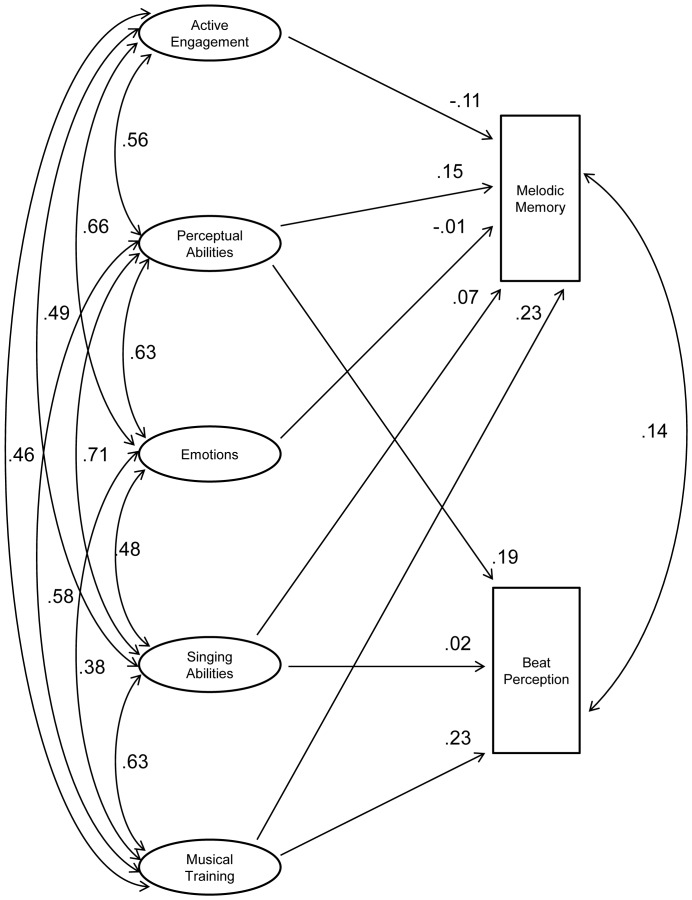
“To account for the possible correlation between scores on the BAT and musical training scores (Müllensiefen et al., 2014), each musical ability measure was correlated with beat perception while controlling for the other measure.”
InfluentialMüllensiefen, D., Harrison, P. M. C., Caprini, F., & Fancourt, A. (2015) · Frontiers in Psychology · doi:10.3389/fpsyg.2015.01702 · Cited by 91
“…confounding variables investigated in the past are the socio-economic status (SES) of the parents’ home (Corrigall et al., 2013), genetic endowment (Mosing et al., 2014a), personality factors (Corrigall et al., 2013), and beliefs and concepts about one’s own abilities (Degé et al., 2014).”
BackgroundResultSelf-citationQuinci, M. A., Belden, A. G., Goutama, V., Gong, D., Hanser, S. B., Donovan, N. J., Geddes, M. R., & Loui, P. (2022) · Scientific Reports · doi:10.1038/s41598-022-15687-5 · Cited by 86
An ALE meta-analytic review of musical expertise
Criscuolo, A., Pando‐Naude, V., Bonetti, L., Vuust, P., & Brattico, E. (2022) · Scientific Reports · doi:10.1038/s41598-022-14959-4 · Cited by 80
You got rhythm, or more: The multidimensionality of rhythmic abilities
Fiveash, A., Bella, S. D., Bigand, E., Gordon, R. L., & Tillmann, B. (2022) · Attention Perception & Psychophysics · doi:10.3758/s13414-022-02487-2 · Cited by 92
“To measure musicality/ music engagement, three questions were selected from the Goldsmiths Musical Sophistication Index (Gold-MSI; Müllensiefen et al., 2014) based on their face validity for musicality/music engagement.”
MethodThe Eye is Listening: Music-Induced Arousal and Individual Differences Predict Pupillary Responses
Gingras, B., Marin, M. M., Puig‐Waldmueller, E., & Fitch, W. T. (2015) · Frontiers in Human Neuroscience · doi:10.3389/fnhum.2015.00619 · Cited by 93
“…lives and physiological responses, such as pupil dilation, may be further investigated by assessing participants’ degree of musical engagement (e.g., Müllensiefen et al., 2014) and absorption (Sandstrom and Russo, 2013) using standardized Frontiers in Human Neuroscience | www.frontiersin.org 9…”
BackgroundSelf-citationDecoding the neural signatures of emotions expressed through sound
Sachs, M. E., Habibi, A., Damásio, A. R., & Kaplan, J. (2018) · NeuroImage · doi:10.1016/j.neuroimage.2018.02.058 · Cited by 77
The Involuntary Musical Imagery Scale (IMIS).
Floridou, G. A., Williamson, V. J., Stewart, L., & Müllensiefen, D. (2015) · Psychomusicology Music Mind and Brain · doi:10.1037/pmu0000067 · Cited by 77
Self-citationThe Power of Music: An Exploration of the Evidence
Hallam, S., & Himonides, E. (2022) · Open Book Publishers · doi:10.11647/obp.0292 · Cited by 131
The right inferior frontal gyrus processes nested non-local dependencies in music
Cheung, V. K. M., Meyer, L., Friederici, A. D., & Koelsch, S. (2018) · Scientific Reports · doi:10.1038/s41598-018-22144-9 · Cited by 84
Biological principles for music and mental health
Bowling, D. L. (2023) · Translational Psychiatry · doi:10.1038/s41398-023-02671-4 · Cited by 64
“Nevertheless, there is still considerable variation in basic test scores, and this is increased for tests that probe more sophisticated musical abilities [234].”
BackgroundMethodInfluential“Knowing me, knowing you”: personalized explanations for a music recommender system
Millecamp, M., Conati, C., & Verbert, K. (2022) · User Modeling and User-Adapted Interaction · doi:10.1007/s11257-021-09304-9 · Cited by 82
“It is an effective way to measure the music expertise of users, and it has shown a strong correlation with individuals’ music preference (Müllensiefen et al. 2014) and listening behavior (Fer-werda and Graus 2018).”
Stefano, N. D., Vuust, P., & Brattico, E. (2022) · Physics of Life Reviews · doi:10.1016/j.plrev.2022.10.004 · Cited by 77
Genetic Pleiotropy Explains Associations between Musical Auditory Discrimination and Intelligence
Mosing, M. A., Pedersen, N. L., Madison, G., & Ullén, F. (2014) · PLoS ONE · doi:10.1371/journal.pone.0113874 · Cited by 63
Musical Training and Brain Volume in Older Adults
Chaddock‐Heyman, L., Loui, P., Weng, T. B., Weisshappel, R., McAuley, E., & Kramer, A. F. (2021) · Brain Sciences · doi:10.3390/brainsci11010050 · Cited by 78
“relative to data norms of Gold-MSI [34].”
BackgroundMethodInfluentialKüssner, M. B., & Eerola, T. (2019) · Psychomusicology Music Mind and Brain · doi:10.1037/pmu0000238 · Cited by 80
A review of psychological and neuroscientific research on musical groove
Etani, T., Miura, A., Kawase, S., Fujii, S., Keller, P. E., Vuust, P., & Kudo, K. (2023) · Neuroscience & Biobehavioral Reviews · doi:10.1016/j.neubiorev.2023.105522 · Cited by 87
“…potentially affect the groove experience, such as the duration and intensity of musical training and general levels of everyday musical engagement, which can be assessed by the Goldsmiths Musical Sophistication Index (Gold-MSI) (Müllensiefen et al., 2014) as suggested by O ’ Connell et al. (2022).”
MethodThe mistuning perception test: A new measurement instrument
Larrouy-Maestri, P., Harrison, P. M. C., & Müllensiefen, D. (2019) · Behavior Research Methods · doi:10.3758/s13428-019-01225-1 · Cited by 69
Self-citationThe auditory dynamic attending theory revisited: A closer look at the pitch comparison task
Bauer, A. R., Jaeger, M., Thorne, J. D., Bendixen, A., & Debener, S. (2015) · Brain Research · doi:10.1016/j.brainres.2015.04.032 · Cited by 72
“Musical expertise was assessed with the Goldsmiths Musical Sophistication Index (Gold-MSI; Müllensiefen et al., 2014; German version: Schaal et al., 2014) which uses a multi-facet approach to determine an individual’s musical expertise.”
MethodThe pleasantness of sensory dissonance is mediated by musical style and expertise
Popescu, T., Neuser, M. P., Neuwirth, M., Bravo, F., Mende, W., Boneh, O., Moss, F. C., & Rohrmeier, M. (2019) · Scientific Reports · doi:10.1038/s41598-018-35873-8 · Cited by 60
White-matter structural connectivity predicts short-term melody and rhythm learning in non-musicians
Vaquero, L., Ramos‐Escobar, N., Clément, F., Penhune, V. B., & Rodríguez‐Fornells, A. (2018) · NeuroImage · doi:10.1016/j.neuroimage.2018.06.054 · Cited by 70
Impacts of Personal Characteristics on User Trust in Conversational Recommender Systems
Cai, W., Jin, Y., & Chen, L. (2022) · CHI Conference on Human Factors in Computing Systems · doi:10.1145/3491102.3517471 · Cited by 55
“” Because our system was built for the music domain, we used the nine statements from the “Active Musical Engagement” facet of Goldsmiths Musical Sophistication Index [53] to assess participants’ musical sophistication as their domain knowledge .”
BackgroundMethodIndividual differences in musical ability are stable over time in childhood
Kragness, H. E., Swaminathan, S., Cirelli, L. K., & Schellenberg, E. G. (2021) · Developmental Science · doi:10.1111/desc.13081 · Cited by 79
Greenberg, D. M., Rentfrow, P. J., & Baron‐Cohen, S. (2015) · Empirical Musicology Review · doi:10.18061/emr.v10i1-2.4603 · Cited by 84
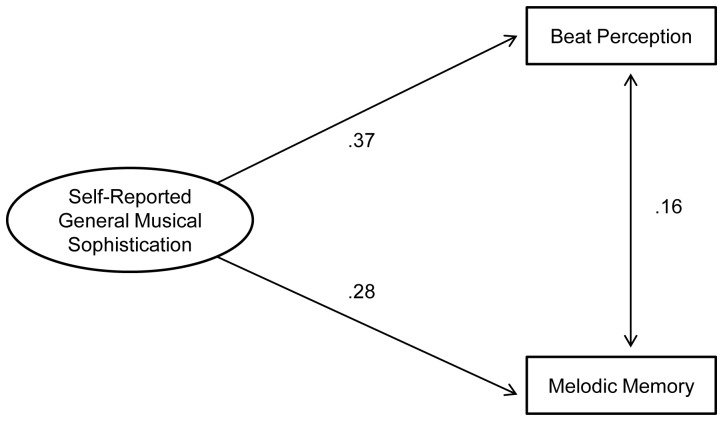
“As part of a study on musical sophistication, Müllensiefen, Gingras, Musil, and Stewart (2014) asked participants from the general population to complete a beat perception task adopted from Iverson and Patel (2008).”
What makes a rhythm complex? The influence of musical training and accent type on beat perception
Bouwer, F. L., Burgoyne, J., Odijk, D., Honing, H., & Grahn, J. A. (2018) · PLoS ONE · doi:10.1371/journal.pone.0190322 · Cited by 70
“For example, as has been noted before, the number of years of music lessons may not accurately estimate musical ability [67,68], which itself may also depend on exposure to different music styles [53], innate ability, and/or musicality [69].”
Nave-Blodgett, J. E., Snyder, J. S., & Hannon, E. E. (2021) · Journal of Experimental Psychology General · doi:10.1037/xge0000903 · Cited by 64
Weineck, K., Wen, O. X., & Henry, M. J. (2022) · eLife · doi:10.7554/elife.75515 · Cited by 69
Individual musical tempo preference correlates with EEG beta rhythm
Bauer, A. R., Kreutz, G., & Herrmann, C. S. (2014) · Psychophysiology · doi:10.1111/psyp.12375 · Cited by 65
“On test day 1, an estimate of an individual’s preferred tempo was assessed with the tempo fading task, followed by the assessment of musicality with the Gold-MSI (Müllensiefen et al., 2014; German version: Schaal, Bauer, & Müllensiefen, 2014) and familiarity with the musical stimuli.”
MethodQuiroga‐Martinez, D. R., Hansen, N. C., Højlund, A., Pearce, M. T., Brattico, E., & Vuust, P. (2020) · NeuroImage · doi:10.1016/j.neuroimage.2020.116816 · Cited by 63
Fischinger, T., Kaufmann, M., & Schlotz, W. (2018) · Psychology of Music · doi:10.1177/0305735618812216 · Cited by 68
Music influences vividness and content of imagined journeys in a directed visual imagery task
Herff, S. A., Cecchetti, G., Taruffi, L., & Déguernel, K. (2021) · Scientific Reports · doi:10.1038/s41598-021-95260-8 · Cited by 67
Musicians react faster and are better multisensory integrators
Landry, S. P., & Champoux, F. (2016) · Brain and Cognition · doi:10.1016/j.bandc.2016.12.001 · Cited by 80
Rose, D., Delevoye, Y., Ott, L., Annett, L. E., & Lovatt, P. J. (2019) · Parkinson s Disease · doi:10.1155/2019/6530838 · Cited by 74
MusicBot: Evaluating Critiquing-Based Music Recommenders with Conversational Interaction
Jin, Y., Cai, W., Chen, L., Htun, N. N., & Verbert, K. (2019) · ACM International Conference on Information and Knowledge Management (CIKM) · doi:10.1145/3357384.3357923 · Cited by 67
“The Goldsmiths Musical Sophistication Index (Gold-MSI) [29] is an effective test for measuring domain knowledge of participants.”
BackgroundDecoding emotions in expressive music performances: A multi-lab replication and extension study
Akkermans, J., Schapiro, R., Müllensiefen, D., Jakubowski, K., Shanahan, D. T., Baker, D. J., Busch, V., Lothwesen, K., Elvers, P., Fischinger, T., et al. (2018) · Cognition & Emotion · doi:10.1080/02699931.2018.1541312 · Cited by 65
“Musical training and emotional musical sophistication (Gold-MSI) Additionally, musical training as well as emotional engagement and expertise with music were assessed using the self-report questionnaire portion of the Gold-MSI (Müllensiefen et al., 2014).”
BackgroundMethodInfluentialSelf-citationThe aesthetic experience of live concerts: Self-reports and psychophysiology.
Merrill, J., Czepiel, A. M., Fink, L. T., Toelle, J., & Wald‐Fuhrmann, M. (2023) · Psychology of Aesthetics Creativity and the Arts · doi:10.1037/aca0000390 · Cited by 66
Jin, Y., Tintarev, N., & Verbert, K. (2018) · ACM Conference on Recommender Systems (RecSys) · doi:10.1145/3240323.3240358 · Cited by 71
“Moreover, the musical sophistication index (MSI) is regarded as an effective way to measure domain knowledge for music recommenders, and it shows a strong correlation with music preferences [22].”
BackgroundJin, Y., Tintarev, N., Htun, N. N., & Verbert, K. (2019) · User Modeling and User-Adapted Interaction · doi:10.1007/s11257-019-09247-2 · Cited by 73
Chills in music: A systematic review.
de Fleurian, R., & Pearce, M. T. (2021) · Psychological Bulletin · doi:10.1037/bul0000341 · Cited by 58
Microtiming in Swing and Funk affects the body movement behavior of music expert listeners
Kilchenmann, L., & Senn, O. (2015) · Frontiers in Psychology · doi:10.3389/fpsyg.2015.01232 · Cited by 64
“This rough estimation of musical expertise could be replaced by a more accurate test of musicality, e.g., the Goldsmith Music Sophistication Index (Müllensiefen et al., 2014) or the SwedishMusical Discrimination Test (Ullén et al. , 2014).”
MethodIndividual Differences Predict Patterns in Spontaneous Involuntary Musical Imagery
Müllensiefen, D., Fry, J., Jones, R., Jilka, S., Stewart, L., & Williamson, V. J. (2012) · Music Perception An Interdisciplinary Journal · doi:10.1525/mp.2014.31.4.323 · Cited by 60
Self-citationΖιώγα, Ι., Harrison, P. M. C., Pearce, M. T., Bhattacharya, J., & Luft, C. D. B. (2019) · NeuroImage · doi:10.1016/j.neuroimage.2019.116311 · Cited by 65
“Participants were non-musicians, as self-reported and validated by the ‘Goldsmiths Musical Sophistication Index’ (Gold-MSI) questionnaire (Müllensiefen et al., 2014).”
Kern, P., Heilbron, M., de Lange, F. P., & Spaak, E. (2022) · eLife · doi:10.7554/elife.80935 · Cited by 59
“After the experiment, participants completed a questionnaire including a validated measure of musicality, the Goldsmith Musical Sophistication Index (Müllensiefen et al., 2014).”
MethodFiveash, A., Ferreri, L., Bouwer, F. L., Kösem, A., Moghimi, S., Ravignani, A., Keller, P. E., & Tillmann, B. (2023) · Neuroscience & Biobehavioral Reviews · doi:10.1016/j.neubiorev.2023.105153 · Cited by 62
Newbold, J. W., Bianchi‐Berthouze, N., Gold, N., Tajadura‐Jiménez, A., & Williams, A. C. D. C. (2016) · CHI Conference on Human Factors in Computing Systems · doi:10.1145/2858036.2858302 · Cited by 67
“58) [10], therefore we assume the effects seen are not due to musical training.”
BackgroundThe perceptual relevance of balance, evenness, and entropy in musical rhythms
Milne, A. J., & Herff, S. A. (2020) · Cognition · doi:10.1016/j.cognition.2020.104233 · Cited by 67
Enhanced recognition of vocal emotions in individuals with naturally good musical abilities.
Correia, A. I., Castro, S. L., MacGregor, C., Müllensiefen, D., Schellenberg, E. G., & Lima, C. F. (2022) · Emotion · doi:10.1037/emo0000770 · Cited by 69
Self-citationExperience of Groove Questionnaire
Senn, O., Bechtold, T., Rose, D., Câmara, G. S., Düvel, N., Jerjen, R., Kilchenmann, L., Hoesl, F., Baldassarre, A., & Alessandri, E. (2020) · Music Perception An Interdisciplinary Journal · doi:10.1525/mp.2020.38.1.46 · Cited by 74
Heller, K. M., Bullerjahn, C., & von Georgi, R. (2015) · Frontiers in Psychology · doi:10.3389/fpsyg.2015.01901 · Cited by 67
“Considering the results found by Müllensiefen et al. (2014) and Greenberg et al. (2015) it would have been interesting, how openness relates to the variables in our study.”
MethodResultMusic Uses in Preschool Classrooms in the U.S.: A Multiple-Methods Study
Kirby, A. L., Dahbi, M., Surrain, S., Rowe, M. L., & Luk, G. (2022) · Early Childhood Education Journal · doi:10.1007/s10643-022-01309-2 · Cited by 72
What's in a User? Towards Personalising Transparency for Music Recommender Interfaces
Millecamp, M., Htun, N. N., Conati, C., & Verbert, K. (2020) · Proceedings of the 28th ACM Conference on User Modeling, Adaptation and Personalization · doi:10.1145/3340631.3394844 · Cited by 50
“The Goldsmiths Musical Sophistication Index (Gold-MSI) 1 is regarded as an effective way to measure music expertise of users, and has shown a strong correlation with individuals’ music preference [56], listening behaviour [21] and interaction with visual elements in recommender interfaces [53, 54].”
Background
Metadata
- Authors
- Müllensiefen, D., Gingras, B., Musil, J., & Stewart, L.
- Affiliations
- Goldsmiths University of London (GB)
- University of Vienna (AT)
- Corresponding author
- Müllensiefen, Daniel
- Venue
- PLoS ONE
- Publisher
- Public Library of Science (PLoS)
- Published
- 2014-02-26
- Volume
- 9
- Issue
- 2
- Pages
- e89642
- ISSN
- 1932-6203 (ISSN-L)
- PMC
- PMC3935919
- OpenAlex
- W1981455444
- Cited by
- 1,155
- References
- 147
- Citations by year
- 2026: 106 · 2025: 150 · 2024: 124 · 2023: 134 · 2022: 153 · 2021: 130 · 2020: 81 · 2019: 78 · 2018: 77 · 2017: 41 · 2016: 35 · 2015: 28 · 2014: 14
- FWCI
- 21.94
- Type
- journal article
- Language
- en
- Update notices
- correction (2014-06-24)
- Open access
- gold
- doi.org
- Locations
- PLoS ONE (publishedVersion, cc-by)
- Europe PMC (PubMed Central) (publishedVersion, other-oa)
- PubMed Central (publishedVersion, cc-by)
- PubMed (publishedVersion)
- Goldsmiths (University of London) (acceptedVersion)
- Phaidra (Universität Wien) (submittedVersion, cc-by-nc-nd)
- DOAJ (DOAJ: Directory of Open Access Journals) (submittedVersion, cc-by-sa)
- Figshare (submittedVersion, cc-by)
- Topics
- Life Sciences › Neuroscience › Cognitive Neuroscience › Neuroscience and Music Perception
- Social Sciences › Arts and Humanities › Music › Diverse Music Education Insights
- Life Sciences › Neuroscience › Cognitive Neuroscience › Aesthetic Perception and Analysis
- Keywords
- musical sophistication, non-musicians, musicianship, Goldsmiths Musical Sophistication Index, music listening, statistical learning, sociodemographic factors, occupational status, scale development
- MeSH terms
- Adult, Aptitude Tests, Auditory Perception, Female, Humans, Male, Memory, Music, Self Report
About these checks
Registry, retraction, Cites and statistics results are computed, not judged, with one exception: a printed reference that no index lists is read once by a model before it counts as a citation error. Claims are extracted by a model and kept only when their quote appears verbatim in the text; each cited source is then checked, with a model’s help, for whether it says what the claim relies on. Those verdicts can be wrong — read the claim’s quote and the cited source before relying on one.
Statistics and arithmetic are recomputed, not judged.
Confidence bands are shown only for fields calibrated on our annotated test set. None is calibrated yet, so no band is shown.
What counts as a claim ›How we measure confidence ›How we check this ›
Are you an author, or do you see a problem with this page? Request a review
Data sources
Bibliographic data: Semantic Scholar, OpenAlex, Crossref.
Contains information from the Semantic Scholar Academic Graph Datasets, made available under the ODC Attribution License (ODC-BY 1.0).
Semantic Scholar’s data is described in: Kinney, R., et al. (2023). The Semantic Scholar Open Data Platform. arXiv:2301.10140.
