

The Musicality of Non-Musicians: An Index for Assessing Musical Sophistication in the General Population
Open accessThe DOI matches its Crossref record; 141 of the 147 references it cites were found in a registry or an index.
Abstract
Musical skills and expertise vary greatly in Western societies. Individuals can differ in their repertoire of musical behaviours as well as in the level of skill they display for any single musical behaviour. The types of musical behaviours we refer to here are broad, ranging from performance on an instrument and listening expertise, to the ability to employ music in functional settings or to communicate about music. In this paper, we first describe the concept of 'musical sophistication' which can be used to describe the multi-faceted nature of musical expertise. Next, we develop a novel measurement instrument, the Goldsmiths Musical Sophistication Index (Gold-MSI) to assess self-reported musical skills and behaviours on multiple dimensions in the general population using a large Internet sample (n = 147,636). Thirdly, we report results from several lab studies, demonstrating that the Gold-MSI possesses good psychometric properties, and that self-reported musical sophistication is associated with performance on two listening tasks. Finally, we identify occupation, occupational status, age, gender, and wealth as the main socio-demographic factors associated with musical sophistication. Results are discussed in terms of theoretical accounts of implicit and statistical music learning and with regard to social conditions of sophisticated musical engagement.
Overview
The claims and statistics of this paper haven’t been checked yet.
Free: it reads the open-access text and checks the first 5 claims that cite a source we can check. Create a free account to check every claim.
Integrity signals
Registry
Cites
Statistics
Figures
Verification
Claims the paper makes
The claims and statistics of this paper haven’t been checked yet.
Free: it reads the open-access text and checks the first 5 claims that cite a source we can check. Create a free account to check every claim.
Claims other papers make about this one
Each is checked against this paper’s own text: does it say what the citing paper says it does?
The source backs part of the claim, not all of it — or backs it for a different population, condition or comparison.
In the citing paper
“all score 75% and over indicating their strong musical skills”
From Reflection Across AI-based Music Composition (2024) · cites this paper as [74]
Experimental — accuracy not yet measured
Self-check
Percentages, sums and reported differences re-computed from the paper’s own numbers.
The self-check needs the paper’s full text.
Citations
Cites
R: A Language and Environment for Statistical Computing
R Core Team (2025) · doi:10.32614/r.manuals · Cited by 352,181
Breiman, L. (2001) · Machine Learning · doi:10.1023/a:1010933404324 · Cited by 133,538
The Elements of Statistical Learning
Hastie, T., Tibshirani, R., & Friedman, J. (2009) · Springer Series in Statistics · doi:10.1007/978-0-387-84858-7 · Cited by 25,970
Classification and Regression by randomForest
Liaw, A. I., & Wiener, M. C. (2007) · Cited by 18,594
The Scree Test For The Number Of Factors
Cattell, R. B. (1966) · Multivariate Behavioral Research · doi:10.1207/s15327906mbr0102_10 · Cited by 13,554 · cited 1×
“We used different factor extraction methods (maximum likelihood factor analysis, principal axis factoring using an iterative least squares optimisation, minimum residual factor analysis) and as criteria employed the screeplot [67], Kaiser’s criterion of eigenvalues .”
MethodA very brief measure of the Big-Five personality domains
Gosling, S. D., Rentfrow, P. J., & Swann, W. B. (2003) · Journal of Research in Personality · doi:10.1016/s0092-6566(03)00046-1 · Cited by 8,307 · cited 7×
“The pattern of correlations between the five GoldMSI subscales/general factor and the ‘Big Five’ from the TIPI is given in Table 5.”
MethodInfluentialStatistical learning by 8-month-old infants
Saffran, J. R., Aslin, R. N., & Newport, E. L. (1996) · Science · doi:10.1126/science.274.5294.1926 · Cited by 5,659 · cited 1×
“Implicit learning of this sort relies upon the brain’s ability to internalise statistical regularities from its exposure to auditory stimuli [51–56].”
BackgroundCategorization and Representation of Physics Problems by Experts and Novices*
Chi, M. T. H., Feltovich, P. J., & Glaser, R. (1981) · Cognitive Science · doi:10.1207/s15516709cog0502_2 · Cited by 5,248 · cited 1×
“physics [27]; wine [28– 29]; computer programming [31]; badminton [32]).”
BackgroundStatistical Modeling: The Two Cultures (with comments and a rejoinder by the author)
Breiman, L. (2001) · Statistical Science · doi:10.1214/ss/1009213726 · Cited by 4,340 · cited 1×
“They also have the additional advantage that results can be generalised to new datasets, because they do not tend to overfit on training data [134].”
Background(1999) · Cited by 2,653
Research works printed but not linked: 5
- Merriam AP (1964) The anthropology of music. Chicago: Northwestern University Press.
- Ericsson KA, Smith J (1991) Toward a general theory of exercise: Prospects and limits. Cambridge - England: Cambridge University Press.
- Gordon EE (1975) Fourth year and fifth year results of a longitudinal study of the musical achievement of culturally disadvantaged students. Research in the Psychology of Music 10 (Iowa City: University of Iowa Press, 1975), 24.
- Kemp AE (1981) Personality differences between the players of string, woodwind, brass and keyboard instruments, and singers. Bulletin of the Council for Research in Music Education 66–67: 33– 38.
- Hargreaves D, North A (2002) Musical development and learning - Response. Br J Educ Psychol 72: 139– 140.
Cited by
Items 201–300 of 1,000
REPP: A robust cross-platform solution for online sensorimotor synchronization experiments
Anglada-Tort, M., Harrison, P. M. C., & Jacoby, N. (2022) · Behavior Research Methods · doi:10.3758/s13428-021-01722-2 · Cited by 34
“Musical training was measured using a reduced version of the Gold-MSI musical training factor (Müllensiefen et al., 2014).”
MethodGustavson, D. E., Friedman, N. P., Stallings, M. C., Reynolds, C. A., Coon, H., Corley, R. P., Hewitt, J. K., & Gordon, R. L. (2021) · Developmental Psychology · doi:10.1037/dev0001245 · Cited by 26
Ready, E. A., Holmes, J. D., & Grahn, J. A. (2022) · Human Movement Science · doi:10.1016/j.humov.2022.102972 · Cited by 34
Marjieh, R., Harrison, P. M. C., Lee, H., Deligiannaki, F., & Jacoby, N. (2024) · Nature Communications · doi:10.1038/s41467-024-45812-z · Cited by 45
“This consistency may be due to universal psychoacoustic processes, but it may also be due to the sophisticated implicit musical knowledge that listeners are known to develop even in the absence of formal musical training 50,51 .”
BackgroundMarin, M. M., & Leder, H. (2018) · Personality and Individual Differences · doi:10.1016/j.paid.2017.12.027 · Cited by 34
The time course of sound category identification: Insights from acoustic features
Ogg, M., Slevc, L. R., & Idsardi, W. J. (2017) · The Journal of the Acoustical Society of America · doi:10.1121/1.5014057 · Cited by 30
What Does it Take to Flow? Investigating Links Between Grit, Growth Mindset, and Flow in Musicians
Tan, J. S., Yap, K., & Bhattacharya, J. (2021) · Music & Science · doi:10.1177/2059204321989529 · Cited by 27
“0 (Gold-MSI) (Müllensiefen et al., 2014) comprises 39 items (a 1⁄4 .”
InfluentialSarasso, P., Perna, P., Barbieri, P., Neppi-Mòdona, M., Sacco, K., & Ronga, I. (2021) · Psychonomic Bulletin & Review · doi:10.3758/s13423-021-01922-z · Cited by 28
“Future studies should address this point by controlling for individual musical skills and listening expertise by means of ad hoc musical sophistication inventories, such as the OMSI (J. D. Zhang& Schubert, 2019) or the Gold-MSI (Müllensiefen et al., 2014) indexes.”
Effect of audio-tactile congruence on vibrotactile music enhancement
Aker, S. C., Innes-Brown, H., Faulkner, K. F., Vatti, M., & Marozeau, J. (2022) · The Journal of the Acoustical Society of America · doi:10.1121/10.0016444 · Cited by 29
Confronting ethical and social issues related to the genetics of musicality
Gordon, R. L., Martschenko, D. O., Nayak, S., Niarchou, M., Morrison, M. D., Bell, E., Jacoby, N., & Davis, L. K. (2023) · Annals of the New York Academy of Sciences · doi:10.1111/nyas.14972 · Cited by 28
Jünemann, K., Engels, A., Marié, D., Worschech, F., Scholz, D. S., Grouiller, F., Kliegel, M., Ville, D. V. D., ALTENMÜLLER, E. O., Krüger, T. H. C., et al. (2023) · Scientific Reports · doi:10.1038/s41598-023-46513-1 · Cited by 30
“The general sophistication scale of the Goldsmiths Musical Sophistication Index (Gold-MSI) was assessed to measure their musical sophistication at baseline (minimum/maximum achievable score = 18/128) 54 .”
MethodPersonality Correlates for Digital Concert Program Notes
Tkalčič, M., Ferwerda, B., Hauger, D., & Schedl, M. (2015) · Lecture notes in computer science · doi:10.1007/978-3-319-20267-9_32 · Cited by 26
“Furthermore, we will use the Goldsmiths Music Sophistication Index (MSI) [12] to assess the musical background of the users (the MSI instrument was published after we already carried out the study presented here).”
MethodWenhart, T., Bethlehem, R. A. I., Baron‐Cohen, S., & ALTENMÜLLER, E. O. (2019) · Molecular Autism · doi:10.1186/s13229-019-0272-6 · Cited by 32
“Musical 116 ability and musical experience were controlled for with the use of AMMA (Advanced Measures of 117 Music Audiation, [67]), Musical-Sophistication Index (GOLD-MSI, [68]) and estimated total hours 118”
MethodSensitivity to Melody, Rhythm, and Beat in Supporting Speech-in-Noise Perception in Young Adults
Yates, K. M., Moore, D. R., Amitay, S., & Barry, J. G. (2018) · Ear and Hearing · doi:10.1097/aud.0000000000000621 · Cited by 32
“…Musical Sophistication Index—Musical Experience • The Musical Training subscale of the Goldsmiths’ Musical Sophistication Index version 0.9 (Gold-MSI: Müllensiefen et al. 2014) consisted of nine statements encompassing both formal instrument training and informal musical experience, such as…”
BackgroundInfluentialRøshol, A. W., & Sørbø, E. (2020) · doi:10.23865/noasp.108.ch6 · Cited by 26
Mind-wandering during contemporary live music: An exploratory study
Deil, J., Markert, N., Normand, P., Kammen, P., Küssner, M. B., & Taruffi, L. (2022) · Musicae Scientiae · doi:10.1177/10298649221103210 · Cited by 26
fNIRS is sensitive to leg activity in the primary motor cortex after systemic artifact correction
Cockx, H., Oostenveld, R., Tabor, M., Savenco, E., van Setten, A., Cameron, I. G. M., & Wezel, R. J. A. V. (2023) · NeuroImage · doi:10.1016/j.neuroimage.2023.119880 · Cited by 27
“Participants also completed the “musical training” subpart of the Goldsmiths Musical Sophistication Index (Gold-MSI, range 7 to 49) (Müllensiefen et al., 2014).”
Musical training shapes neural responses to melodic and prosodic expectation
Ζιώγα, Ι., Luft, C. D. B., & Bhattacharya, J. (2016) · Brain Research · doi:10.1016/j.brainres.2016.09.015 · Cited by 34
Microtiming Deviations and Swing Feel in Jazz
Datseris, G., Ziereis, A. C., Albrecht, T., Hagmayer, Y., Priesemann, V., & Geisel, T. (2019) · Scientific Reports · doi:10.1038/s41598-019-55981-3 · Cited by 23
Ehninger, J., Knigge, J., Schurig, M., & Rolle, C. (2021) · Frontiers in Education · doi:10.3389/feduc.2021.668538 · Cited by 23
“The general musical sophistication of the participants was assessed with a subscale from the Gold-MSI study (Müllensiefen et al., 2014) which consisted of 18 items (α 0.87).”
BackgroundMethodInfluentialTierney, A. T., Patel, A. D., Jasmin, K. M., & Breen, M. E. (2021) · Journal of Experimental Psychology Human Perception & Performance · doi:10.1037/xhp0000968 · Cited by 29
Weir, G., Williamson, V. J., & Müllensiefen, D. (2015) · Psychomusicology Music Mind and Brain · doi:10.1037/pmu0000076 · Cited by 31
Self-citationSchaal, N. K., Krause, V., Lange, K., Banissy, M. J., Williamson, V. J., & Pollok, B. (2014) · Cerebral Cortex · doi:10.1093/cercor/bhu075 · Cited by 26
Personalized Recommendations for Music Genre Exploration
Liang, Y., & Willemsen, M. C. (2019) · ACM Conference on User Modeling, Adaptation and Personalization (UMAP) · doi:10.1145/3320435.3320455 · Cited by 30
“Finally, we expect some of these effects to be moderated by the expertise of the user, as measured by the Musical Sophistication Index [22].”
MethodBedtime Music, Involuntary Musical Imagery, and Sleep
Scullin, M. K., Gao, C., & Fillmore, P. (2021) · Psychological Science · doi:10.1177/0956797621989724 · Cited by 24
“To assess music-listening frequency, we asked participants to complete the items on active listening/ engagement from the Goldsmiths Musical Sophistica-tion Index (Gold-MSI; Müllensiefen et al., 2014).”
Reflection Across AI-based Music Composition
Ford, C., Noel-Hirst, A., Cardinale, S., Loth, J., Sarmento, P., Wilson, E., Wolstanholme, L., Worrall, K., & Bryan-Kinns, N. (2024) · Creativity and Cognition · doi:10.1145/3635636.3656185 · Cited by 22
“Their characteristics are shown in Table 2, drawn from a questionnaire (see Appendix) which included the Goldsmith’s Musical Sophistication Index [74] to quantify musical expertise – all score 75% and over indicating their strong musical skills; and the Self-Reflection and In-sight Scale [49] to…”
BackgroundTwirling Triplets: The Qualia of Rotation and Musical Rhythm
Hansen, N. C., & Huron, D. (2019) · Music & Science · doi:10.1177/2059204318812243 · Cited by 26
Baker, D. J., Ventura, J. A., Calamia, M. R., Shanahan, D. T., & Elliott, E. M. (2018) · Musicae Scientiae · doi:10.1177/1029864918811879 · Cited by 28
“Although these data were not reported in the original paper (Müllensiefen et al., 2014), we noted a number of items that did not exhibit normal distributions.”
BackgroundMethodResultInfluentialThe use of rhythm in rehabilitation for patients with movement disorders
Bella, S. D. (2020) · Elsevier eBooks · doi:10.1016/b978-0-12-817422-7.00015-8 · Cited by 31
Melodic expectations in 5- and 6-year-old children
Politimou, N., Douglass-Kirk, P., Pearce, M. T., Stewart, L., & Franco, F. (2020) · Journal of Experimental Child Psychology · doi:10.1016/j.jecp.2020.105020 · Cited by 26
Self-citationThe effect of exercise-induced arousal on chosen tempi for familiar melodies
Jakubowski, K., Halpern, A. R., Grierson, M., & Stewart, L. (2014) · Psychonomic Bulletin & Review · doi:10.3758/s13423-014-0687-1 · Cited by 22
Self-citationProbing imagined tempo for music: Effects of motor engagement and musical experience
Jakubowski, K., Farrugia, N., & Stewart, L. (2016) · Psychology of Music · doi:10.1177/0305735615625791 · Cited by 22
“…differences and task performance, the Musical Training and Active Engagement subscales of the Goldsmiths Musical Sophistication Index (Gold-MSI; Müllensiefen et al., 2014) were administered to measure formal musical training (music lessons, instrumental practice, etc.) and engagement with…”
MethodSelf-citationImpaired auditory-to-motor entrainment in Parkinson’s disease
Woerd, E. S. T., Oostenveld, R., de Lange, F. P., & Praamstra, P. (2017) · Journal of Neurophysiology · doi:10.1152/jn.00547.2016 · Cited by 30
Understanding inner music: A dimensional approach to musical imagery.
Cotter, K. N., Christensen, A. P., & Silvia, P. J. (2019) · Psychology of Aesthetics Creativity and the Arts · doi:10.1037/aca0000195 · Cited by 28
Do the shuffle: Exploring reasons for music listening through shuffled play
Sanfilippo, K. R. M., Spiro, N., Molina-Solana, M., & Lamont, A. M. (2020) · PLoS ONE · doi:10.1371/journal.pone.0228457 · Cited by 26
Manting, C. L., Gulyás, B. Z., Ullén, F., & Lundqvist, D. (2021) · NeuroImage · doi:10.1016/j.neuroimage.2021.117962 · Cited by 23
The Associations Between Music Training, Musical Working Memory, and Visuospatial Working Memory
Silas, S. J., Müllensiefen, D., Gelding, R. W., Frieler, K., & Harrison, P. M. C. (2022) · Music Perception An Interdisciplinary Journal · doi:10.1525/mp.2022.39.4.401 · Cited by 32
Self-citationOnline group music therapy: proactive management of undergraduate students’ stress and anxiety
Finnerty, R., McWeeny, S., & Trainor, L. J. (2023) · Frontiers in Psychiatry · doi:10.3389/fpsyt.2023.1183311 · Cited by 35
“ANOVAs using the average change scores (pre-session scores subtracted from post-session scores) for each therapy group found no significant differences among therapy groups for either change in STAI-S scores [F(2,61) = 0.”
BackgroundMethodInfluentialWardatzky, K., Inel, O., Rossetto, L., & Bernstein, A. (2025) · ACM Transactions on Recommender Systems · doi:10.1145/3716394 · Cited by 35
“Liang and Willemsen [78] and Martijn et al. [88], for example, both assess the musical sophistication of their participants measured by the Musical Sophistica-tion Index [98].”
Siedenburg, K., Röttges, S., Wagener, K. C., & Hohmann, V. (2020) · Trends in Hearing · doi:10.1177/2331216520945826 · Cited by 28
“The following self-report items (and corresponding weightings in brackets) were used to assess musical training (Müllensiefen et al., 2014): Number of instruments played (0.”
MethodInfluentialExperience of Groove Questionnaire
Düvel, N., Labonde, P., Bechtold, T., Senn, O., & Kopiez, R. (2021) · Music Perception An Interdisciplinary Journal · doi:10.1525/mp.2021.39.1.83 · Cited by 25
Multisensory integration of musical emotion perception in singing
Lange, E. B., Fünderich, J., & Grimm, H. (2022) · Psychological Research · doi:10.1007/s00426-021-01637-9 · Cited by 30
“The session started with the assessment of the General Musical Sophistication and the questionnaire on listening habits regarding opera and song recitals (see Participant section), split and counterbalanced across sessions.”
InfluentialHammerschmidt, D., & Wöllner, C. (2022) · Psychological Research · doi:10.1007/s00426-022-01646-2 · Cited by 27
“Musical sophistication, measured with the general factor of Musical Sophistication Index (Müllensiefen et al., 2014), did not show an effect on the pace of the SMT.”
BackgroundMethodInfluentialGustavson, D. E., Coleman, P. L., Wang, Y., Nitin, R., Petty, L. E., Bush, C. T., Mosing, M. A., Wesseldijk, L. W., Ullén, F., Below, J. E., et al. (2023) · Annals of the New York Academy of Sciences · doi:10.1111/nyas.14964 · Cited by 24
Does music help children grow up? Parental views from a longitudinal panel study
Kreutz, G., & Feldhaus, M. (2018) · Musicae Scientiae · doi:10.1177/1029864918782581 · Cited by 24
Mütze, H., Kopiez, R., & Wolf, A. D. (2018) · Musicae Scientiae · doi:10.1177/1029864918817805 · Cited by 27
Separable neural representations of sound sources: Speaker identity and musical timbre
Ogg, M., Moraczewski, D., Kuchinsky, S. E., & Slevc, L. R. (2019) · NeuroImage · doi:10.1016/j.neuroimage.2019.01.075 · Cited by 24
“product moment correlations between the participant’s musical training subscale of the Goldsmith’s Musical Sophistication Index (Gold-MSI; Müllensiefen et al., 2014) and their”
Vuvan, D. T., Simon, E. S., Baker, D. J., Monzingo, E., & Elliott, E. M. (2020) · Memory & Cognition · doi:10.3758/s13421-020-01031-7 · Cited by 27
Martins, M. J. D., Fischmeister, F. P. S., Gingras, B., Bianco, R., Puig‐Waldmueller, E., Villringer, A., Fitch, W. T., & Beisteiner, R. (2020) · Brain Structure and Function · doi:10.1007/s00429-020-02105-7 · Cited by 26
Self-citationInteractive Music Genre Exploration with Visualization and Mood Control
Liang, Y., & Willemsen, M. C. (2021) · ACM International Conference on Intelligent User Interfaces (IUI) · doi:10.1145/3397481.3450700 · Cited by 30
“They were then asked to log in with their Spotify account and redirected to the Musical Sophistication Index survey [25], which measured their musical expertise in active engagement and emotional engagement.”
MethodA specific relationship between musical sophistication and auditory working memory
Lad, M., Billig, A. J., Kumar, S., & Griffiths, T. D. (2022) · Scientific Reports · doi:10.1038/s41598-022-07568-8 · Cited by 28
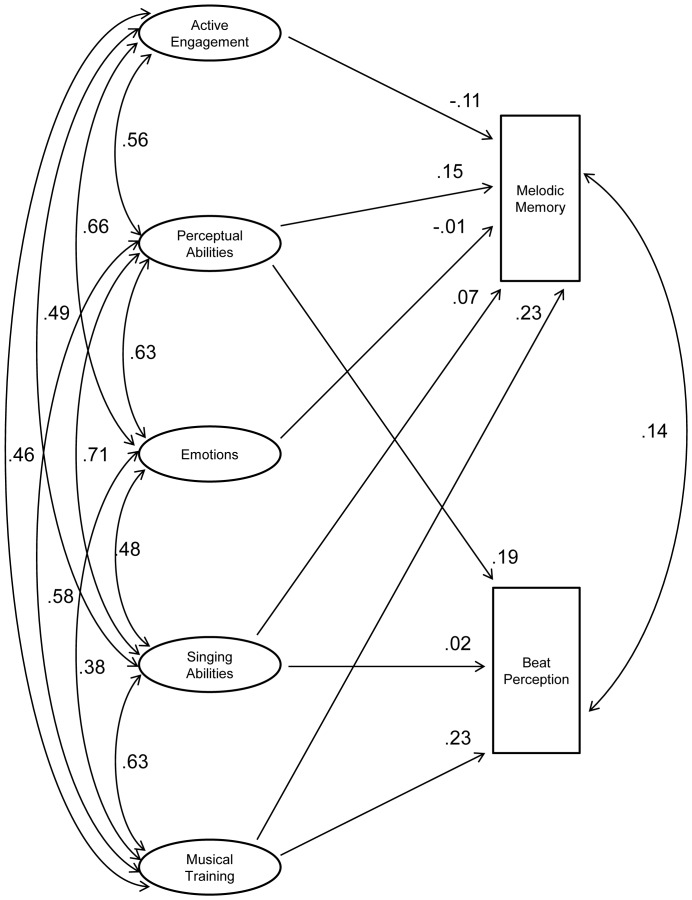
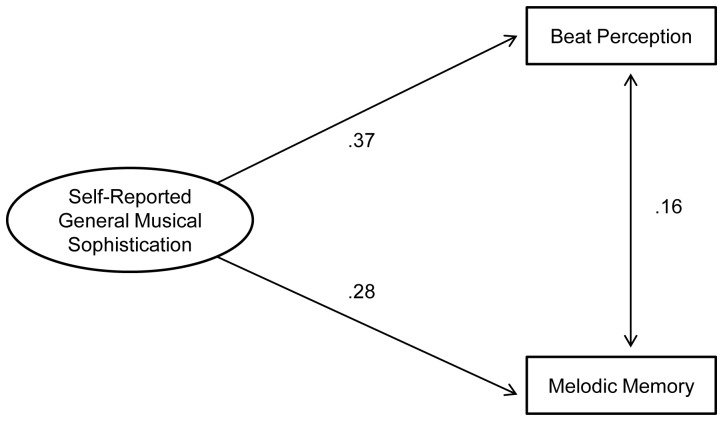
“The Gold-MSI captures this multifaceted nature of musical expertise and is shown to correlate with listening tests of musical ability in the form of melodic memory and musical beat perception (Müllensiefen et al., 2014).”
BackgroundMethodInfluentialRoberts, B. S., Ready, E. A., & Grahn, J. A. (2021) · Gait & Posture · doi:10.1016/j.gaitpost.2021.04.008 · Cited by 25
The sound of silence: Predictive error responses to unexpected sound omission in adults
Prete, D. A., Heikoop, D., McGillivray, J. E., Reilly, J. P., & Trainor, L. J. (2022) · European Journal of Neuroscience · doi:10.1111/ejn.15660 · Cited by 23
“After the EEG testing, participants completed the Goldsmith Musical Sophistication Index (Müllensiefen, Gingras, Musil, & Stewart, 2014).”
MethodEye Closure Interacts with Music to Influence Vividness and Content of Directed Imagery
Herff, S. A., McConnell, S., Ji, J. L., & Prince, J. B. (2022) · Music & Science · doi:10.1177/20592043221142711 · Cited by 24
“The Goldsmith-Musical Sophistication Index (Gold-MSI) (Müllensiefen, Gingras, Musil, & Stewart, 2014) was the fi rst questionnaire participants completed after the main exper-iment fi nished.”
Engler, B. H., Zamm, A., & Møller, C. M. (2024) · Scientific Reports · doi:10.1038/s41598-024-65788-6 · Cited by 25
Modelling Melodic Discrimination Tests: Descriptive and Explanatory Approaches
Harrison, P. M. C., Musil, J. J., & Müllensiefen, D. (2016) · Journal of New Music Research · doi:10.1080/09298215.2016.1197953 · Cited by 23
Self-citationDevelopment and Validation of the Musical Ear Training Assessment (META)
Wolf, A. D., & Kopiez, R. (2018) · Journal of Research in Music Education · doi:10.1177/0022429418754845 · Cited by 32
Tan, J. S., Tsakok, F. H. M., Ow, E. K. T., Lanskey, B., Lim, K. S. D., Goh, L. G., Tan, C., Cheah, I. K.-M., Larbi, A., Foo, R., et al. (2018) · Frontiers in Aging Neuroscience · doi:10.3389/fnagi.2018.00195 · Cited by 22
“We also collect data on musical skill and engagement (Goldsmiths Musical Sophistication Index; Müllensiefen et al., 2014), social cognition and rhythmic entrainment but these measures will not be used as trial outcomes for primary analysis.”
MethodDegrave, P., & Dedonder, J. (2018) · Journal of New Music Research · doi:10.1080/09298215.2018.1499779 · Cited by 20
“Table 1 provides the means, standard deviations and the three measures of internal consistency for the five subscales and for the general musical sophistication scale, compared to the original (English (Müllensiefen et al., 2014) and German (Schaal et al.”
BackgroundMethodResultInfluentialEngagement and visual imagery in music listening: An exploratory study.
Presicce, G., & Bailes, F. (2019) · Psychomusicology Music Mind and Brain · doi:10.1037/pmu0000243 · Cited by 26
Newbold, J. W., Gold, N., & Bianchi‐Berthouze, N. (2020) · Journal on Multimodal User Interfaces · doi:10.1007/s12193-020-00322-2 · Cited by 22
Cross-Modal Associations Between Harmonic Dissonance and Visual Roughness
Giannos, K., Athanasopoulos, G., & Cambouropoulos, E. (2021) · Music & Science · doi:10.1177/20592043211055484 · Cited by 22
“Since all participants in this study scored significantly higher than Müllensiefen and colleagues’ original findings (M= 97.61, SD= 12.86 in this study, compared to M= 81.58, SD= 20.62 in (Müllensiefen et al., 2014), they have been classified as possessing a high level of musical sophistication.”
BackgroundResultInfluentialVincenzi, M., Correia, A. I., Vanzella, P., Pinheiro, A. P., Lima, C. F., & Schellenberg, E. G. (2024) · Psychology of Aesthetics Creativity and the Arts · doi:10.1037/aca0000481 · Cited by 25
Senn, O., Bechtold, T., Jerjen, R., Kilchenmann, L., & Hoesl, F. (2023) · Music & Science · doi:10.1177/20592043231185663 · Cited by 19
“After the last trial, participants fi lled the Gold-MSI training scale (Müllensiefen et al., 2014); and they were informed about the purposes of the study in a debrie fi ng.”
BackgroundResultInfluentialThematic Contents of Mental Imagery are Shaped by Concurrent Task-Irrelevant Music
Taruffi, L., Ayyildiz, C., & Herff, S. A. (2023) · Imagination Cognition and Personality · doi:10.1177/02762366231193145 · Cited by 22
“Participants ’ scores ranged from 7 to 39 (out of a possible range of 7 – 49), with a mean score of 12.05 ( SD = 9.73), which corresponds to the 14th – 15th percentile of the data norms from Müllensiefen et al. (2014).”
MethodInfluentialGold, B. P., Pearce, M. T., McIntosh, A. R., Chang, C., Dagher, A., & Zatorre, R. J. (2023) · Frontiers in Neuroscience · doi:10.3389/fnins.2023.1209398 · Cited by 23
“These participants placed at approximately the 33rd percentile of normative Goldsmiths Musical Sophistication Index scores (Müllensiefen et al., 2014) (mean total score ± standard deviation = 72.78 ± 20.96), and within typical ranges on the Barcelona Music Reward Questionnaire (Mas-Herrero et al.,…”
BackgroundInfluentialWenhart, T., & ALTENMÜLLER, E. O. (2019) · Frontiers in Psychology · doi:10.3389/fpsyg.2019.00031 · Cited by 22
“AMMA (Advanced Measures of Music Audiation; Gordon, 1989), Musical-Sophistication Index (GOLD-MSI; Müllensiefen et al., 2014) and estimated total hours of musical training within life span (internal online questionnaire) served to control for musical ability and musical experience.”
BackgroundOmigie, D., Frieler, K., Bar, C. V., Muralikrishnan, R., Wald‐Fuhrmann, M., & Fischinger, T. (2021) · Psychology of Aesthetics Creativity and the Arts · doi:10.1037/aca0000271 · Cited by 22
Gauer, J., Nagathil, A., Martin, R., Thomas, J. P., & Völter, C. (2019) · Frontiers in Neuroscience · doi:10.3389/fnins.2019.01206 · Cited by 19
“Also there is a large variation in musical skills, listening expertise and the abilities to play a musical instrument or to communicate about music (Müllensiefen et al., 2014).”
BackgroundMethodHennessy, S., Wood, A., Wilcox, R. R., & Habibi, A. (2021) · Aging · doi:10.18632/aging.202931 · Cited by 21
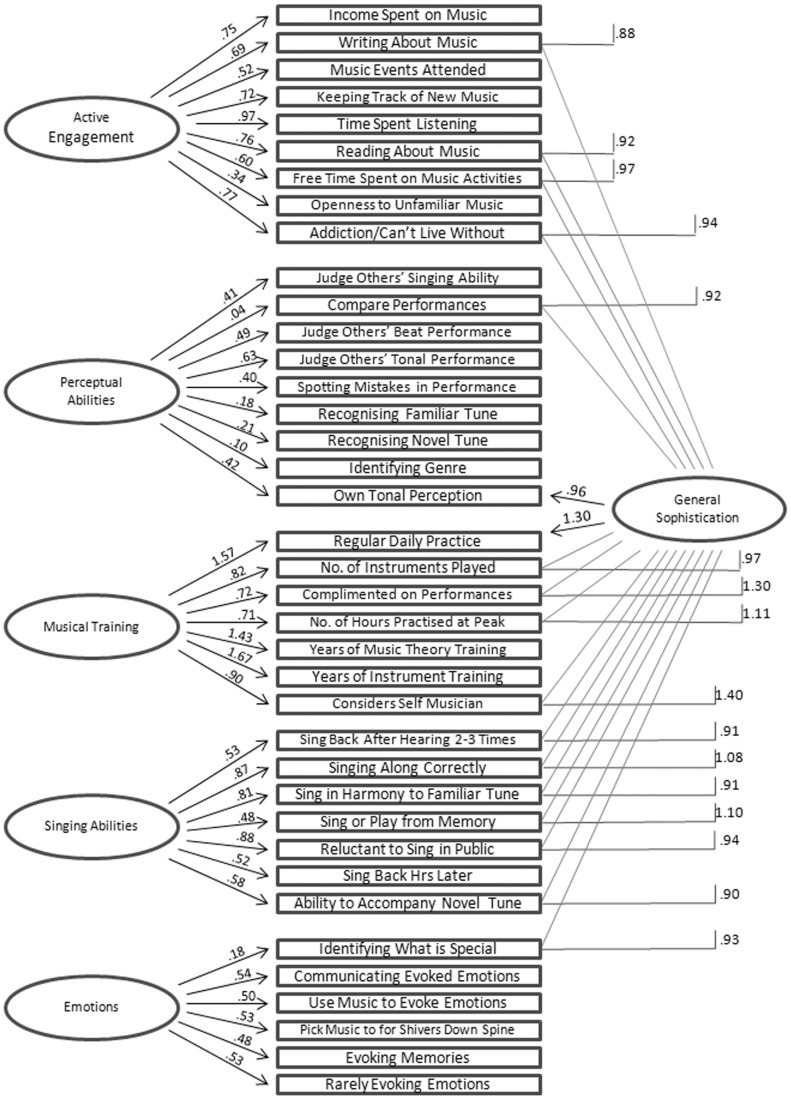
“Musical experience was measured at pre-test only using the Goldsmiths’ Musical Sophistication Index [119], which measures musical experience as a function of six facets: active engagement, perceptual abilities, musical training, singing abilities, emotions, and general sophistication.”
MethodExploring annotations for musical pattern discovery gathered with digital annotation tools
Tomašević, D., Wells, S., Ren, I. Y., Volk, A., & Pesek, M. (2021) · Journal of Mathematics and Music · doi:10.1080/17459737.2021.1943026 · Cited by 19
“In future experiments, more sophisticated musical expertise indexes could be used, following Müllensiefen et al. (2014). The PAF tool was used by experts only, namely 13 students attending three faculty study programmes: 4 students from the musicology masters programme at the Faculty of Arts, University of Ljubljana (…”
MethodLiang, Y., & Willemsen, M. C. (2021) · ACM Conference on Recommender Systems (RecSys) · doi:10.1145/3460231.3474253 · Cited by 25
“Additionally, participants needed to fill in their basic demographics and we measured their musical expertise with the Goldsmiths Musical Sophistication survey on Active Engagement (MSAE) and Emotion (MSE) [19].”
BackgroundMethodInfluentialSotiropoulos, M. G., & Anagnostouli, M. C. (2021) · Journal of Integrative Neuroscience · doi:10.31083/j.jin2004110 · Cited by 22
“It is common knowledge that musical talent is not equally distributed among all individuals [58].”
BackgroundStaff, T. P. O. (2014) · PLoS ONE · doi:10.1371/journal.pone.0101091 · Cited by 19
Passarotto, E., Preckel, F., Schneider, M., & Müllensiefen, D. (2022) · Psychology of Music · doi:10.1177/03057356211065172 · Cited by 25
“, 2015; Jørgensen, 2002) and Musical training (Müllensiefen et al., 2014) in the analysis, measuring the amount of practice and musical training received during lifetime.”
BackgroundMethodSelf-citationBeat Perception and Production in Musicians and Dancers
Nguyen, T. N. B., Sidhu, R. K., Everling, J. C., Wickett, M. C., Gibbings, A., & Grahn, J. A. (2022) · Music Perception An Interdisciplinary Journal · doi:10.1525/mp.2022.39.3.229 · Cited by 20
Musical training refines audiovisual integration but does not influence temporal recalibration
O'Donohue, M. P., Lacherez, P. F., & Yamamoto, N. (2022) · Scientific Reports · doi:10.1038/s41598-022-19665-9 · Cited by 16
Liang, Y., & Willemsen, M. C. (2022) · ACM Conference on Recommender Systems (RecSys) · doi:10.1145/3523227.3546772 · Cited by 18
“…experience in this longitudinal setup differed for users with different musical expertise, we also measured users’ musical expertise level with the Goldsmiths Musical Sophistication Index [15] on Active Engagement (MSAE) and Emotional Engagement (MSE) at the beginning of the study in Session 1.”
BackgroundMethodInfluentialSensorimotor synchronization with visual, auditory, and tactile modalities
Whitton, S. A., & Jiang, F. (2023) · Psychological Research · doi:10.1007/s00426-023-01801-3 · Cited by 22
“Musical general sophistication might be a more sensitive measure in future studies examining the influence of musicality on SMS performance, due to the finding that scores positively correlate with personality traits of extroversion and openness (Müllensiefen et al., 2014).”
BackgroundInfluentialA Stimulus Set of 40 Popular Music Drum Patterns with Perceived Complexity Measures
Senn, O., Hoesl, F., Jerjen, R., Bechtold, T., Kilchenmann, L., Rose, D., & Alessandri, E. (2023) · Music & Science · doi:10.1177/20592043231202576 · Cited by 23
“The high-training group consists of participants who had an MSI Training score above 26.52 ( n = 105), which is a score that is higher than the UK population average for this scale (Müllensiefen et al., 2014, p. 10).”
BackgroundMethodInfluentialImaginings from an unfamiliar world: Narrative engagement with a new musical system.
Loui, P., Kubit, B. M., Ou, Y., & Margulis, E. H. (2023) · Psychology of Aesthetics Creativity and the Arts · doi:10.1037/aca0000629 · Cited by 20
Korsmit, I. R., Montrey, M., Wong-Min, A. Y. T., & McAdams, S. E. (2023) · Frontiers in Psychology · doi:10.3389/fpsyg.2023.1287334 · Cited by 21
Hake, R., Bürgel, M., Nguyen, N. K., Greasley, A., Müllensiefen, D., & Siedenburg, K. (2023) · Behavior Research Methods · doi:10.3758/s13428-023-02279-y · Cited by 22
“Goldsmiths Musical Sophistication Index (GMS; Müllensiefen et al., 2014) The Gold-MSI is a brief, 39-item self-report questionnaire that assesses several aspects of musical expertise.”
Self-citationThe virtual drum circle: polyrhythmic music interactions in mixed reality
Kerrebroeck, B. V., Crombé, K., de Leymarie, S. M., Leman, M., & Maes, P. (2023) · Journal of New Music Research · doi:10.1080/09298215.2024.2339244 · Cited by 24
“) (Müllensiefen et al., 2014), [ M , SD] = [4.1, 1 .9], range = 1–6.57) were recruited to participate in the experiment.”
InfluentialNull effect of perceived drum pattern complexity on the experience of groove
Senn, O., Hoesl, F., Bechtold, T., Kilchenmann, L., Jerjen, R., & Witek, M. A. G. (2024) · PLoS ONE · doi:10.1371/journal.pone.0311877 · Cited by 22
Analysis Of Interactive Intonation In Unaccompanied Satb Ensembles.
Dai, J., & Dixon, S. (2017) · Zenodo (CERN European Organization for Nuclear Research) · doi:10.5281/zenodo.1418326 · Cited by 18
Anglada-Tort, M., Keller, S., Steffens, J., & Müllensiefen, D. (2020) · Journal of Advertising Research · doi:10.2501/jar-2020-016 · Cited by 26
“Note that the Gold–MSI is a widely established self-report inventory to measure individual differences in musical sophistication (Müllensiefen et al., 2014).”
BackgroundMethodSelf-citationMøller, C. M., Garza‐Villarreal, E. A., Hansen, N. C., Højlund, A., Bærentsen, K. B., Chakravarty, M. M., & Vuust, P. (2021) · Scientific Reports · doi:10.1038/s41598-021-83135-x · Cited by 20
Okely, J. A., Deary, I. J., & Overy, K. (2021) · PLoS ONE · doi:10.1371/journal.pone.0254176 · Cited by 27
“music, the extent to which they respond emotionally to music, or whether they interact with music through activities such as attending concerts or festivals, dancing or discussing music with others [18].”
BackgroundMethodResultInfluentialQuiroga‐Martinez, D. R., Hansen, N. C., Højlund, A., Pearce, M. T., Brattico, E., Holmes, E., Friston, K. J., & Vuust, P. (2021) · Human Brain Mapping · doi:10.1002/hbm.25638 · Cited by 21
“Musical expertise and musical competence (Table 1) were assessed with the Goldsmiths Musical Sophistication Index (GMSI) (Müllensiefen et al., 2014) and the Musical Ear Test (MET) (Wallentin et al., 2010).”
MethodInfluentialSmit, E. A., Milne, A. J., & Escudero, P. (2022) · Frontiers in Psychology · doi:10.3389/fpsyg.2022.801263 · Cited by 20
“The musical background questionnaire is the Goldsmiths Musical Sophistication Index (GMSI; Müllensiefen et al., 2014), which aims to collect widerange data related to one’s engagement with music (e.g., music listening and music performance behavior).”
The Music Self-Perception Inventory: Development of parallel forms A and B
Morin, A. J. S., Scalas, L. F., & Vispoel, W. P. (2016) · Psychology of Music · doi:10.1177/0305735616669426 · Cited by 26
Jakubowski, K., Bashir, Z., Farrugia, N., & Stewart, L. (2018) · Memory & Cognition · doi:10.3758/s13421-018-0792-x · Cited by 24
“…background, and cognitive styles that predict INMI frequency and reactions to INMI (Beaman & Williams, 2013; Beaty et al., 2013; Liikkanen, 2012; Müllensiefen et al., 2014), strategies for alleviating unwanted INMI (Beaman & Williams, 2010; Williamson, Liikkanen, Jakubowski, & Stewart, 2014),…”
BackgroundSelf-citationMusical Expertise and Brain Structure: The Causes and Consequences of Training
Penhune, V. B. (2019) · Oxford University Press eBooks · doi:10.1093/oxfordhb/9780198804123.013.17 · Cited by 24
Dissociating sensory and cognitive theories of harmony perception through computational modelingPreprint
Harrison, P. M. C., & Pearce, M. T. (2018) · doi:10.31234/osf.io/wgjyv · Cited by 18
“After the main part of the experiment, the participant completed a short questionnaire concerning basic demographic details and familiarity with popular music, and then completed the musical training component of the Goldsmiths Musical Sophistication Index (Gold-MSI; Müllensiefen et al., 2014).”
MethodInfluentialSchaal, N. K., Politimou, N., Franco, F., Stewart, L., & Müllensiefen, D. (2020) · PLoS ONE · doi:10.1371/journal.pone.0235923 · Cited by 19
“214 Furthermore, in order to evaluate musical engagement of the caregiver, we included two 215 dimensions of the Goldsmiths Musical Sophistication Index (Gold-MSI, (21, 27), namely 216 Musical Training and Active Engagement.”
MethodInfluentialSelf-citationWhat Makes Babies Musical? Conceptions of Musicality in Infants and Toddlers
Buren, V., Müllensiefen, D., Roeske, T. C., & Degé, F. (2021) · Frontiers in Psychology · doi:10.3389/fpsyg.2021.736833 · Cited by 19
“…differences in musical interest might also be linked to the Big Five personality trait openness-to-experience which has been associated with aesthetic interest (McManus and Furnham, 2006) and musical engagement in both children and adults (Corrigall et al., 2013; Müllensiefen et al., 2014).”
BackgroundMethodSelf-citationElements of musical and dance sophistication predict musical groove perception
O’Connell, S. R., Nave-Blodgett, J. E., Wilson, G. E., Hannon, E. E., & Snyder, J. S. (2022) · Frontiers in Psychology · doi:10.3389/fpsyg.2022.998321 · Cited by 23
“Goldsmiths musical sophistication index Upon completion of the MGJT, participants completed the Goldsmiths Musical Sophistication Index Self-Report Inventory (Gold-MSI), a 39-item psychometric instrument used to quantify the amount of musical engagement, skill, and behavior of an individual (Müllensiefen et al., 2013).”
BackgroundMethodInfluentialOnline assessment of musical ability in 10 minutes: Development and validation of the Micro-PROMS
Strauß, H., Reiche, S., Dick, M., & Zentner, M. R. (2023) · Behavior Research Methods · doi:10.3758/s13428-023-02130-4 · Cited by 27
“More specifically, convergent and discriminant validity could be demonstrated against both objective ability tests (i.e., MET, DS) and self-report scales (Gold-MSI, MMQ).”
BackgroundInfluentialFrontoparietal network topology as a neural marker of musical perceptual abilities
Lumaca, M., Keller, P. E., Baggio, G., Pando‐Naude, V., Bajada, C. J., Martinez, M. A., Hansen, J. H., Ravignani, A., Joe, N., Vuust, P., et al. (2024) · Nature Communications · doi:10.1038/s41467-024-52479-z · Cited by 19
“This addition allows us to explore whether the positive relationship between affective and perceptual capacities reported in previous studies 10 is partly rooted in the neural organization of WM systems.”
Influential
Metadata
- Authors
- Müllensiefen, D., Gingras, B., Musil, J., & Stewart, L.
- Affiliations
- Goldsmiths University of London (GB)
- University of Vienna (AT)
- Corresponding author
- Müllensiefen, Daniel
- Venue
- PLoS ONE
- Publisher
- Public Library of Science (PLoS)
- Published
- 2014-02-26
- Volume
- 9
- Issue
- 2
- Pages
- e89642
- ISSN
- 1932-6203 (ISSN-L)
- PMC
- PMC3935919
- OpenAlex
- W1981455444
- Cited by
- 1,155
- References
- 147
- Citations by year
- 2026: 106 · 2025: 150 · 2024: 124 · 2023: 134 · 2022: 153 · 2021: 130 · 2020: 81 · 2019: 78 · 2018: 77 · 2017: 41 · 2016: 35 · 2015: 28 · 2014: 14
- FWCI
- 21.94
- Type
- journal article
- Language
- en
- Update notices
- correction (2014-06-24)
- Open access
- gold
- doi.org
- Locations
- PLoS ONE (publishedVersion, cc-by)
- Europe PMC (PubMed Central) (publishedVersion, other-oa)
- PubMed Central (publishedVersion, cc-by)
- PubMed (publishedVersion)
- Goldsmiths (University of London) (acceptedVersion)
- Phaidra (Universität Wien) (submittedVersion, cc-by-nc-nd)
- DOAJ (DOAJ: Directory of Open Access Journals) (submittedVersion, cc-by-sa)
- Figshare (submittedVersion, cc-by)
- Topics
- Life Sciences › Neuroscience › Cognitive Neuroscience › Neuroscience and Music Perception
- Social Sciences › Arts and Humanities › Music › Diverse Music Education Insights
- Life Sciences › Neuroscience › Cognitive Neuroscience › Aesthetic Perception and Analysis
- Keywords
- musical sophistication, non-musicians, musicianship, Goldsmiths Musical Sophistication Index, music listening, statistical learning, sociodemographic factors, occupational status, scale development
- MeSH terms
- Adult, Aptitude Tests, Auditory Perception, Female, Humans, Male, Memory, Music, Self Report
About these checks
Registry, retraction, Cites and statistics results are computed, not judged, with one exception: a printed reference that no index lists is read once by a model before it counts as a citation error. Claims are extracted by a model and kept only when their quote appears verbatim in the text; each cited source is then checked, with a model’s help, for whether it says what the claim relies on. Those verdicts can be wrong — read the claim’s quote and the cited source before relying on one.
Statistics and arithmetic are recomputed, not judged.
Confidence bands are shown only for fields calibrated on our annotated test set. None is calibrated yet, so no band is shown.
What counts as a claim ›How we measure confidence ›How we check this ›
Are you an author, or do you see a problem with this page? Request a review
Data sources
Bibliographic data: Semantic Scholar, OpenAlex, Crossref.
Contains information from the Semantic Scholar Academic Graph Datasets, made available under the ODC Attribution License (ODC-BY 1.0).
Semantic Scholar’s data is described in: Kinney, R., et al. (2023). The Semantic Scholar Open Data Platform. arXiv:2301.10140.
