

The DOI matches its Crossref record; 53 of the 53 references it cites were found in a registry or an index.
Inhibition of Fatty Acid Binding Proteins Elevates Brain Anandamide Levels and Produces Analgesia
Open accessAbstract
The endocannabinoid anandamide (AEA) is an antinociceptive lipid that is inactivated through cellular uptake and subsequent catabolism by fatty acid amide hydrolase (FAAH). Fatty acid binding proteins (FABPs) are intracellular carriers that deliver AEA and related N-acylethanolamines (NAEs) to FAAH for hydrolysis. The mammalian brain expresses three FABP subtypes: FABP3, FABP5, and FABP7. Recent work from our group has revealed that pharmacological inhibition of FABPs reduces inflammatory pain in mice. The goal of the current work was to explore the effects of FABP inhibition upon nociception in diverse models of pain. We developed inhibitors with differential affinities for FABPs to elucidate the subtype(s) that contributes to the antinociceptive effects of FABP inhibitors. Inhibition of FABPs reduced nociception associated with inflammatory, visceral, and neuropathic pain. The antinociceptive effects of FABP inhibitors mirrored their affinities for FABP5, while binding to FABP3 and FABP7 was not a predictor of in vivo efficacy. The antinociceptive effects of FABP inhibitors were mediated by cannabinoid receptor 1 (CB1) and peroxisome proliferator-activated receptor alpha (PPARα) and FABP inhibition elevated brain levels of AEA, providing the first direct evidence that FABPs regulate brain endocannabinoid tone. These results highlight FABPs as novel targets for the development of analgesic and anti-inflammatory therapeutics.
Overview
The claims and statistics of this paper haven’t been checked yet.
Run the check — free, no account needed. It reads the open-access text and checks the sources it cites.
Integrity signals
Registry
Cites
Statistics
Figures
Verification
Claims the paper makes
The claims and statistics of this paper haven’t been checked yet.
Run the check — free, no account needed. It reads the open-access text and checks the sources it cites.
Claims other papers make about this one
Each is checked against this paper’s own text: does it say what the citing paper says it does?
In the citing paper
“The FABP inhibitors SBFI26 and SBFI50 attenuate carrageenan-induced acute paw edema and thermal hyperalgesia (Kaczocha et al, 2014).”
From The endogenous cannabinoid system: a budding source of targets for treating inflammatory and neuropathic pain (2018) · cites this paper as Kaczocha et al, 2014
Self-check
Percentages, sums and reported differences re-computed from the paper’s own numbers.
The self-check needs the paper’s full text.
Citations
Cites
UCSF Chimera—A visualization system for exploratory research and analysis
Pettersen, E. F., Goddard, T. D., Huang, C. C., Couch, G. S., Greenblatt, D. M., Meng, E. C., & Ferrin, T. E. (2004) · Journal of Computational Chemistry · doi:10.1002/jcc.20084 · Cited by 46,047
Isolation and Structure of a Brain Constituent That Binds to the Cannabinoid Receptor
Devane, W. A., Hanuš, L., Breuer, A., Pertwee, R. G., Stevenson, L. A., Griffin, G., Gibson, D., Mandelbaum, A., Etinger, A., & Mechoulam, R. (1992) · Science · doi:10.1126/science.1470919 · Cited by 5,633 · cited 1×
“NAEs activate diverse receptor systems, including cannabinoid and PPARa receptors [12,13].”
BackgroundA peripheral mononeuropathy in rat that produces disorders of pain sensation like those seen in man
Bennett, G. J., & Xie, Y.-K. (1988) · Pain · doi:10.1016/0304-3959(88)90209-6 · Cited by 5,376
A new and sensitive method for measuring thermal nociception in cutaneous hyperalgesia
Hargreaves, K., Dubner, R. A., Brown, F. J., Flores, C., & Joris, J. L. (1988) · Pain · doi:10.1016/0304-3959(88)90026-7 · Cited by 5,155 · cited 1×
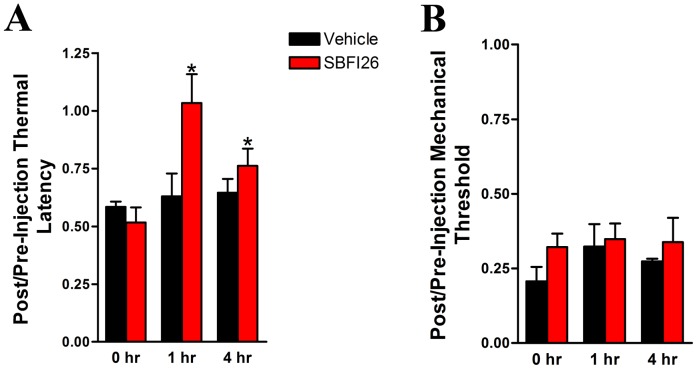
“The Hargreaves test was used to assess thermal hyperalgesia [36].”
An anatomically comprehensive atlas of the adult human brain transcriptome
Hawrylycz, M. J., Lein, E. S., Guillozet-Bongaarts, A. L., Shen, E. H., Ng, L., Miller, J. A., van de Lagemaat, L. N., Smith, K. A., Ebbert, A., Riley, Z. L., et al. (2012) · Nature · doi:10.1038/nature11405 · Cited by 3,083
The Economic Costs of Pain in the United States
Gaskin, D. J., & Richard, P. (2012) · The Journal of Pain · doi:10.1016/j.jpain.2012.03.009 · Cited by 2,359 · cited 1×
“Chronic pain affects approximately fifteen percent of the population [43,44].”
BackgroundFatty acid-binding proteins: role in metabolic diseases and potential as drug targets
Furuhashi, M., & Hotamışlıgil, G. S. (2008) · Nature Reviews Drug Discovery · doi:10.1038/nrd2589 · Cited by 1,811 · cited 1×
“Fatty acid binding proteins (FABPs) comprise a family of small cytoplasmic lipid transport proteins [1].”
BackgroundCravatt, B. F., Demarest, K., Patricelli, M. P., Bracey, M. H., Giang, D. K., Martin, B. R., & Lichtman, A. H. (2001) · Proceedings of the National Academy of Sciences · doi:10.1073/pnas.161191698 · Cited by 1,310 · cited 1×
“(FAAH), the principal NAE hydrolyzing enzyme in mice [8,9,26].”
BackgroundIdentification of a Lipokine, a Lipid Hormone Linking Adipose Tissue to Systemic Metabolism
Cao, H., Gerhold, K. A., Mayers, J. R., Wiest, M. M., Watkins, S. M., & Hotamışlıgil, G. S. (2008) · Cell · doi:10.1016/j.cell.2008.07.048 · Cited by 1,174 · cited 1×
“FABPs regulate a plethora of physiological processes including lipid metabolism, neurite outgrowth, inflammation, sleep, and neuronal signaling [14–20].”
BackgroundSelective blockade of 2-arachidonoylglycerol hydrolysis produces cannabinoid behavioral effects
Long, J. Z., Li, W., Booker, L., Burston, J. J., Kinsey, S. G., Schlosburg, J. E., Pavón, F. J., Serrano, A., Selley, D. E., Parsons, L. H., et al. (2008) · Nature Chemical Biology · doi:10.1038/nchembio.129 · Cited by 954 · cited 1×
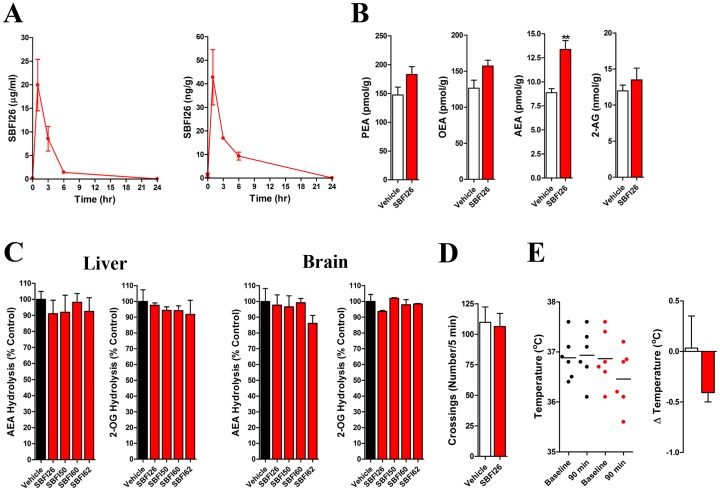
“Quantification of endogenous NAEs and 2-AG were performed as previously described with minor modifications [30].”
MethodHotamışlıgil, G. S., Johnson, R. S., Distel, R. J., Ellis, R., Papaioannou, V. E., & Spiegelman, B. M. (1996) · Science · doi:10.1126/science.274.5291.1377 · Cited by 915 · cited 1×
“FABPs regulate a plethora of physiological processes including lipid metabolism, neurite outgrowth, inflammation, sleep, and neuronal signaling [14–20].”
BackgroundLo Verme, J., Fu, J., Astarita, G., La Rana, G., Russo, R., Calignano, A., & Piomelli, D. (2005) · Molecular Pharmacology · doi:10.1124/mol.104.006353 · Cited by 882
Treatment of diabetes and atherosclerosis by inhibiting fatty-acid-binding protein aP2
Furuhashi, M., Tuncman, G., Görgün, C. Z., Makowski, L., Atsumi, G., Vaillancourt, E., Kono, K., Babaev, V. R., Fazio, S., Linton, M. F., et al. (2007) · Nature · doi:10.1038/nature05844 · Cited by 730
Cavanaugh, D. J., Lee, H., Lo, L., Shields, S. D., Zylka, M. J., Basbaum, A. I., & Anderson, D. J. (2009) · Proceedings of the National Academy of Sciences · doi:10.1073/pnas.0901507106 · Cited by 706
Schug, T. T., Berry, D. C., Shaw, N. S., Travis, S. N., & Noy, N. (2007) · Cell · doi:10.1016/j.cell.2007.02.050 · Cited by 680
Clinical Effectiveness and Cost-Effectiveness of Treatments for Patients With Chronic Pain
Turk, D. C. (2002) · Clinical Journal of Pain · doi:10.1097/00002508-200211000-00003 · Cited by 638 · cited 1×
“Chronic pain affects approximately fifteen percent of the population [43,44].”
BackgroundErbay, E., Babaev, V. R., Mayers, J. R., Makowski, L., Charles, K. N., Snitow, M. E., Fazio, S., Wiest, M. M., Watkins, S. M., Linton, M. F., et al. (2009) · Nature Medicine · doi:10.1038/nm.2067 · Cited by 490 · cited 1×
“These effects are mediated through distinct targets including kinases, PPAR gamma, and through attenuation of proinflammatory cytokine release [20,23–25].”
BackgroundMaeda, K., Cao, H., Kono, K., Görgün, C. Z., Furuhashi, M., Uysal, K. T., Cao, Q., Atsumi, G., Malone, H., Krishnan, B. S., et al. (2005) · Cell Metabolism · doi:10.1016/j.cmet.2004.12.008 · Cited by 485 · cited 1×
“Indeed, genetic or pharmacological inhibition of FABPs protects against atherosclerosis, diet induced obesity, experimental autoimmune encephalomyelitis and ameliorates dyslipidemias [20–22].”
BackgroundThe Cell and Molecular Basis of Mechanical, Cold, and Inflammatory Pain
Abrahamsen, B., Zhao, J., Asante, C. O., Cendán, C. M., Marsh, S., Martı́nez-Barberá, J. P., Nassar, M. A., Dickenson, A. H., & Wood, J. N. (2008) · Science · doi:10.1126/science.1156916 · Cited by 483 · cited 1×
“Because heat and mechanical stimuli can be gated by non-overlapping peripheral sensory neurons [50– 52], the selective modulation of heat sensitivity by FABPs may result from their expression in heat sensitive fibers and possibly their exclusion from mechanically-sensitive fibers.”
BackgroundDiscovery and Characterization of a Highly Selective FAAH Inhibitor that Reduces Inflammatory Pain
Ahn, K., Johnson, D. S., Mileni, M., Beidler, D., Long, J. Z., McKinney, M. K., Weerapana, E., Sadagopan, N., Liimatta, M., Smith, S. E., et al. (2009) · Chemistry & Biology · doi:10.1016/j.chembiol.2009.02.013 · Cited by 439 · cited 1×
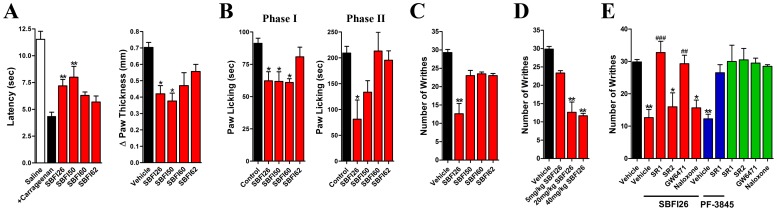
“Rimonabant also blocked the antinociceptive effects of the FAAH inhibitor PF-3845, which is known to produce CB1-mediated analgesia by potentiating AEA signaling [40].”
BackgroundThe pharmacological activity of anandamide, a putative endogenous cannabinoid, in mice.
Smith, P. B., Compton, D. M., Welch, S. P., Razdan, R. K., Mechoulam, R., & Martin, B. R. (1994) · Journal of Pharmacology and Experimental Therapeutics · doi:10.1016/s0022-3565(25)22356-4 · Cited by 394 · cited 1×
“3D and 3E), effects that are observed following administration of CB1 agonists [41,42].”
BackgroundEgertová, M., Cravatt, B. F., & Elphick, M. R. (2003) · Neuroscience · doi:10.1016/s0306-4522(03)00145-3 · Cited by 347
Anandamide suppresses pain initiation through a peripheral endocannabinoid mechanism
Clapper, J. R., Moreno-Sanz, G., Russo, R., Guijarro, A., Vacondio, F., Duranti, A., Tontini, A., Sanchini, S., Sciolino, N. R., Spradley, J. M., et al. (2010) · Nature Neuroscience · doi:10.1038/nn.2632 · Cited by 346 · cited 1×
“Therefore, it is possible that the PPARa-mediated antinociceptive effects may stem from elevated PEA levels in peripheral nerves [29] or possibly in subsets of brain regions that regulate nociception, such that local changes in PEA levels may have eluded our analysis.”
BackgroundFuruhashi, M., Fucho, R., Görgün, C. Z., Tuncman, G., Cao, H., & Hotamisligil, G. S. (2008) · Journal of Clinical Investigation · doi:10.1172/jci34750 · Cited by 332
Identification of intracellular carriers for the endocannabinoid anandamide
Kaczocha, M., Glaser, S. T., & Deutsch, D. G. (2009) · Proceedings of the National Academy of Sciences · doi:10.1073/pnas.0901515106 · Cited by 326 · cited 4×
“(FAAH), the principal NAE hydrolyzing enzyme in mice [8,9,26].”
BackgroundMethodInfluentialSelf-citationRequirement for the heart‐type fatty acid binding protein in cardiac fatty acid utilization
Binas, B., Danneberg, H., McWhir, J., Mullins, L. J., & Clark, A. J. (1999) · The FASEB Journal · doi:10.1096/fasebj.13.8.805 · Cited by 317 · cited 1×
“As an additional objective, the inhibitors were designed to exhibit limited binding to FABP3 because ablation of this protein has been previously shown to contribute to age-related cardiac hypertrophy [39].”
BackgroundRapid Broad-Spectrum Analgesia through Activation of Peroxisome Proliferator-Activated Receptor-α
LoVerme, J., Russo, R., La Rana, G., Fu, J., Farthing, J., Mattace-Raso, G., Meli, R., Hohmann, A., Calignano, A., & Piomelli, D. (2006) · The Journal of Pharmacology and Experimental Therapeutics · doi:10.1124/jpet.106.111385 · Cited by 316
TRPV1‐lineage neurons are required for thermal sensation
Mishra, S. K., Tisel, S. M., Orestes, P., Bhangoo, S. K., & Hoon, M. A. (2010) · The EMBO Journal · doi:10.1038/emboj.2010.325 · Cited by 312
Lichtman, A. H., Shelton, C. C., Advani, T., & Cravatt, B. F. (2004) · Pain · doi:10.1016/j.pain.2004.01.022 · Cited by 301 · cited 1×
“inflammatory, and neuropathic pain [26–29].”
Docking Validation Resources: Protein Family and Ligand Flexibility Experiments
Mukherjee, S., Balius, T. E., & Rizzo, R. C. (2010) · Journal of Chemical Information and Modeling · doi:10.1021/ci1001982 · Cited by 246 · cited 2×
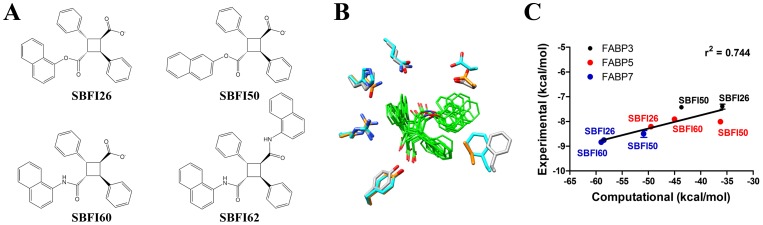
“3 Å resolution and re-docking of SBFI26 was performed [31] using the standard DOCK flexible ligand (FLX) protocol [32].”
MethodSelf-citationDinh, T. P., Kathuria, S., & Piomelli, D. (2004) · Molecular Pharmacology · doi:10.1124/mol.104.002071 · Cited by 234
Owada, Y., Yoshimoto, T., & Kondo, H. (1996) · Journal of Chemical Neuroanatomy · doi:10.1016/s0891-0618(96)00192-5 · Cited by 218
Insights into binding of fatty acids by fatty acid binding proteins
Hanhoff, T., Lücke, C., & Spener, F. (2002) · Molecular and Cellular Biochemistry · doi:10.1023/a:1020502624234 · Cited by 209 · cited 1×
“FABPs are expressed in numerous tissues, including the central and peripheral nervous systems [2–6] and bind to a subset of endogenous ligands including fatty acids, retinoic acid, and N-acylethanolamines (NAEs) [7–10].”
BackgroundThe endogenous cannabinoid system and its role in nociceptive behavior
Cravatt, B. F., & Lichtman, A. H. (2004) · Journal of Neurobiology · doi:10.1002/neu.20080 · Cited by 203 · cited 1×
“However, cannabinoid receptor agonists suffer from untoward psychotropic effects [45,48], highlighting the need to develop novel non-narcotic analgesics that lack the side-effects and abuse potential of cannabinoid receptor agonists and other clinically used analgesics.”
BackgroundKaczocha, M., Vivieca, S., Sun, J. Y., Glaser, S. T., & Deutsch, D. G. (2011) · Journal of Biological Chemistry · doi:10.1074/jbc.m111.304907 · Cited by 188
Self-citationHui, X. H., Li, H., Zhou, Z., Lam, K. S. L., Xiao, Y., Wu, D., Ding, K., Wang, Y., Vanhoutte, P. M., & Xu, A. (2010) · Journal of Biological Chemistry · doi:10.1074/jbc.m109.097907 · Cited by 186
Berger, W. T., Ralph, B. P., Kaczocha, M., Sun, J. Y., Balius, T. E., Rizzo, R. C., Haj‐Dahmane, S., Ojima, I., & Deutsch, D. G. (2012) · PLoS ONE · doi:10.1371/journal.pone.0050968 · Cited by 166 · cited 16×
“Rimonabant also blocked the antinociceptive effects of the FAAH inhibitor PF-3845, which is known to produce CB1-mediated analgesia by potentiating AEA signaling [40].”
BackgroundMethodInfluentialSelf-citationNotcutt, W. G., Langford, R. M., Davies, P., Ratcliffe, S. H., & Potts, R. R. (2011) · Multiple Sclerosis Journal · doi:10.1177/1352458511419700 · Cited by 166
Potent and selective biphenyl azole inhibitors of adipocyte fatty acid binding protein (aFABP)
Sulsky, R. B., Magnin, D. R., Huang, Y., Simpkins, L. M., Taunk, P. C., Patel, M. M., Zhu, Y., Stouch, T. R., Bassolino‐Klimas, D., Parker, R. A., et al. (2006) · Bioorganic & Medicinal Chemistry Letters · doi:10.1016/j.bmcl.2006.12.044 · Cited by 149 · cited 1×
“6) [53], inhibitors built upon this chemical scaffold may be better tolerated in vivo.”
BackgroundBooker, L., Kinsey, S. G., Abdullah, R. A., Blankman, J. L., Long, J. Z., Ezzili, C., Boger, D. L., Cravatt, B. F., & Lichtman, A. H. (2012) · British Journal of Pharmacology · doi:10.1111/j.1476-5381.2011.01445.x · Cited by 116 · cited 1×
“Alternatively, it is possible that greater CNS penetration of FABP inhibitors is required to modulate mechanical allodynia as reported for FAAH inhibitors [28].”
BackgroundHeart-Type Fatty Acid Binding Protein Regulates Dopamine D2Receptor Function in Mouse Brain
Shioda, N., Yamamoto, Y., Watanabe, M., Binas, B., Owada, Y., & Fukunaga, K. (2010) · Journal of Neuroscience · doi:10.1523/jneurosci.4140-09.2010 · Cited by 101
Kinsey, S. G., Mahadevan, A., Zhao, B., Sun, H., Naidu, P. S., Razdan, R. K., Selley, D. E., Damaj, M. I., & Lichtman, A. H. (2010) · Neuropharmacology · doi:10.1016/j.neuropharm.2010.09.004 · Cited by 94 · cited 1×
“3D and 3E), effects that are observed following administration of CB1 agonists [41,42].”
BackgroundReynolds, J. M., Liu, Q., Brittingham, K. C., Liu, Y., Gruenthal, M., Görgün, C. Z., Hotamışlıgil, G. S., Stout, R. D., & Suttles, J. (2007) · The Journal of Immunology · doi:10.4049/jimmunol.179.1.313 · Cited by 79 · cited 3×
“These effects are mediated through distinct targets including kinases, PPAR gamma, and through attenuation of proinflammatory cytokine release [20,23–25].”
BackgroundBestard, J. A., & Toth, C. C. (2011) · Pain Practice · doi:10.1111/j.1533-2500.2010.00427.x · Cited by 76 · cited 1×
“However, cannabinoid receptor agonists suffer from untoward psychotropic effects [45,48], highlighting the need to develop novel non-narcotic analgesics that lack the side-effects and abuse potential of cannabinoid receptor agonists and other clinically used analgesics.”
BackgroundBabaev, V. R., Runner, R. P., Fan, D., Ding, L., Zhang, Y., Tao, H., Erbay, E., Görgün, C. Z., Fazio, S., Hotamışlıgil, G. S., et al. (2011) · Arteriosclerosis Thrombosis and Vascular Biology · doi:10.1161/atvbaha.111.225839 · Cited by 76
Fatty-Acid Binding Proteins Modulate Sleep and Enhance Long-Term Memory Consolidation in Drosophila
Gerstner, J. R., Vanderheyden, W. M., Shaw, P. J., Landry, C. F., & Yin, J. C. P. (2011) · PLoS ONE · doi:10.1371/journal.pone.0015890 · Cited by 71
Liu, J., Almaguel, F. G., Bu, L., León, D. D., & León, M. A. D. (2008) · Journal of Neurochemistry · doi:10.1111/j.1471-4159.2008.05507.x · Cited by 71
Boneva, N. B., Kaplamadzhiev, D. B., Sahara, S., Kikuchi, H., Pyko, I. V., Kikuchi, M., Tonchev, A. B., & Yamashima, T. (2009) · Hippocampus · doi:10.1002/hipo.20732 · Cited by 53 · cited 1×
“FABPs are expressed in numerous tissues, including the central and peripheral nervous systems [2–6] and bind to a subset of endogenous ligands including fatty acids, retinoic acid, and N-acylethanolamines (NAEs) [7–10].”
BackgroundYamamoto, T., Yamamoto, A., Watanabe, M., Matsuo, T., Yamazaki, N., Kataoka, M., Terada, H., & Shinohara, Y. (2009) · Biotechnology Letters · doi:10.1007/s10529-009-0065-7 · Cited by 39 · cited 1×
“FABPs are expressed in numerous tissues, including the central and peripheral nervous systems [2–6] and bind to a subset of endogenous ligands including fatty acids, retinoic acid, and N-acylethanolamines (NAEs) [7–10].”
BackgroundDore‐Duffy, P., Balabanov, R. D., Rafols, J. A., & Swanborg, R. H. (1996) · Journal of Neuroscience Research · doi:10.1002/(sici)1097-4547(19960501)44:3 · Cited by 32
Balius, T. E., Allen, W. J., Mukherjee, S., & Rizzo, R. C. (2013) · Journal of Computational Chemistry · doi:10.1002/jcc.23245 · Cited by 29 · cited 1×
“Energy minimizations were performed in Cartesian space and with 6–12 Lennard-Jones exponents [34].”
MethodSelf-citationFlachenecker, P. (2013) · Expert Review of Neurotherapeutics · doi:10.1586/ern.13.1 · Cited by 28 · cited 1×
“The endocannabinoid/NAE system has emerged as a promising target for the development of pain medications and cannabinoid receptor agonists have shown therapeutic efficacy in patients suffering from peripheral neuropathies [45–47].”
BackgroundDifferential expression of FABP 3, 5, 7 in infantile and adult monkey cerebellum
Boneva, N. B., Mori, Y., Kaplamadzhiev, D. B., Kikuchi, H., Zhu, H., Kikuchi, M., Tonchev, A. B., & Yamashima, T. (2010) · Neuroscience Research · doi:10.1016/j.neures.2010.07.2028 · Cited by 24 · cited 1×
“FABPs are expressed in numerous tissues, including the central and peripheral nervous systems [2–6] and bind to a subset of endogenous ligands including fatty acids, retinoic acid, and N-acylethanolamines (NAEs) [7–10].”
Background
Cited by
Sorted by citations
Endocannabinoid signaling at the periphery: 50 years after THC
Maccarrone, M., Bab, I., Bíró, T., Cabral, G. A., Dey, S. K., Marzo, V. D., Konje, J. C., Kunos, G., Mechoulam, R., Pacher, P., et al. (2015) · Trends in Pharmacological Sciences · doi:10.1016/j.tips.2015.02.008 · Cited by 677
“In line with this concept, recent evidence based on pharmacological and genetic manipulation has demonstrated that different EITs may drive AEA signaling at different receptors, and/or AEA to be metabolized by different enzymes [157, 158].”
An update on PPAR activation by cannabinoids
O'Sullivan, S. E. (2016) · British Journal of Pharmacology · doi:10.1111/bph.13497 · Cited by 449
“On the other hand, inhibition of FABPs reduces inflammatory pain in mice, and this can be inhibited by CB1 receptor or PPARα antagonists (Kaczocha et al., 2014), suggesting here that the FABP-direct degradation of endocannabinoids can also limit their ability to activate PPARα.”
BackgroundInfluentialCannabinoids and Pain: New Insights From Old Molecules
Vučković, S., Srebro, D., Vujović, K. S., Vučetić, Č., & Prostran, M. S. (2018) · Frontiers in Pharmacology · doi:10.3389/fphar.2018.01259 · Cited by 440
Elmes, M. W., Kaczocha, M., Berger, W. T., Leung, K., Ralph, B. P., Wang, L., Sweeney, J., Miyauchi, J. T., Tsirka, S. E., Ojima, I., et al. (2015) · Journal of Biological Chemistry · doi:10.1074/jbc.m114.618447 · Cited by 315
“Inhibitors of the FABPs have recently been shown to raise brain levels of AEA by limiting its transport into the cell to FAAH (11, 12, 16).”
Self-citationDonvito, G., Nass, S. R., Wilkerson, J. L., Curry, Z. A., Schurman, L. D., Kinsey, S. G., & Lichtman, A. H. (2018) · Neuropsychopharmacology · doi:10.1038/npp.2017.204 · Cited by 301
Metadata
- Authors
- Kaczocha, M., Rebecchi, M. J., Ralph, B. P., Teng, Y.-H. G., Berger, W. T., Galbavy, W., Elmes, M. W., Glaser, S. T., Wang, L., Rizzo, R. C., Deutsch, D. G., & Ojima, I.
- Affiliations
- Stony Brook University (US)
- Kingsborough Community College (US)
- Corresponding author
- Kaczocha, Martin
- ORCID
- Venue
- PLoS ONE
- Publisher
- Public Library of Science (PLoS)
- Published
- 2014-04-04
- Volume
- 9
- Issue
- 4
- Pages
- e94200
- ISSN
- 1932-6203 (ISSN-L)
- PMC
- PMC3976407
- OpenAlex
- W2057639794
- Cited by
- 142
- References
- 53
- Citations by year
- 2026: 7 · 2025: 14 · 2024: 15 · 2023: 10 · 2022: 12 · 2021: 4 · 2020: 10 · 2019: 14 · 2018: 15 · 2017: 15 · 2016: 10 · 2015: 15 · 2014: 1
- FWCI
- 10.20
- Type
- journal article
- Language
- en
- Open access
- gold
- doi.org
- Locations
- PLoS ONE (publishedVersion, cc-by)
- Europe PMC (PubMed Central) (publishedVersion, cc-by)
- PubMed Central (publishedVersion, cc-by)
- PubMed (publishedVersion)
- CUNY Academic Works (City University of New York) (submittedVersion)
- DOAJ (DOAJ: Directory of Open Access Journals) (submittedVersion, cc-by-sa)
- Funders
- National Institutes of Health (DA032232)
- National Institute on Drug Abuse (DA032232, R01DA035923, DA035923, R01DA016419, DA016419, R21DA032232)
- Topics
- Health Sciences › Medicine › Pharmacology (medical) › Cannabis and Cannabinoid Research
- Health Sciences › Medicine › Physiology (medical) › Pain Mechanisms and Treatments
- Health Sciences › Nursing › Nutrition and Dietetics › Fatty Acid Research and Health
- Keywords
- fatty acid binding protein, anandamide, endocannabinoid system, fatty acid amide hydrolase, FABP5, FABP3, FABP7, antinociception, analgesia, inflammatory pain, visceral pain, neuropathic pain, CB1 receptor, PPARα, N-acylethanolamines
- MeSH terms
- Analgesia, Analgesics, Animals, Arachidonic Acids, Brain, Disease Models, Animal, Hyperalgesia, Male, Models, Molecular, Molecular Conformation, Neuralgia, Protein Binding, Receptor, Cannabinoid, CB1, PPAR alpha, Fatty Acid-Binding Proteins, Mice, Rats, Polyunsaturated Alkamides, Molecular Docking Simulation, Endocannabinoids
About these checks
Registry, retraction, Cites and statistics results are computed, not judged, with one exception: a printed reference that no index lists is read once by a model before it counts as a citation error. Claims are extracted by a model and kept only when their quote appears verbatim in the text; each cited source is then checked, with a model’s help, for whether it says what the claim relies on. Those verdicts can be wrong — read the claim’s quote and the cited source before relying on one.
Statistics and arithmetic are recomputed, not judged.
Confidence bands are shown only for fields calibrated on our annotated test set. None is calibrated yet, so no band is shown.
What counts as a claim ›How we measure confidence ›How we check this ›
Are you an author, or do you see a problem with this page? Request a review
