

The Contribution of Social Networks to the Health and Self-Management of Patients with Long-Term Conditions: A Longitudinal Study
Open accessThe DOI matches its Crossref record; 53 of the 53 references it cites were found in a registry or an index.
Abstract
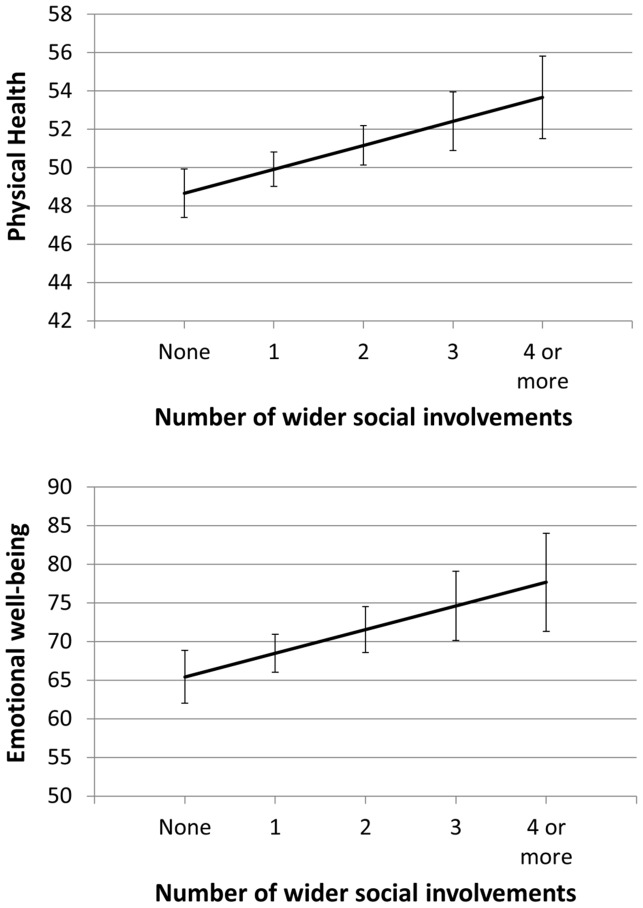
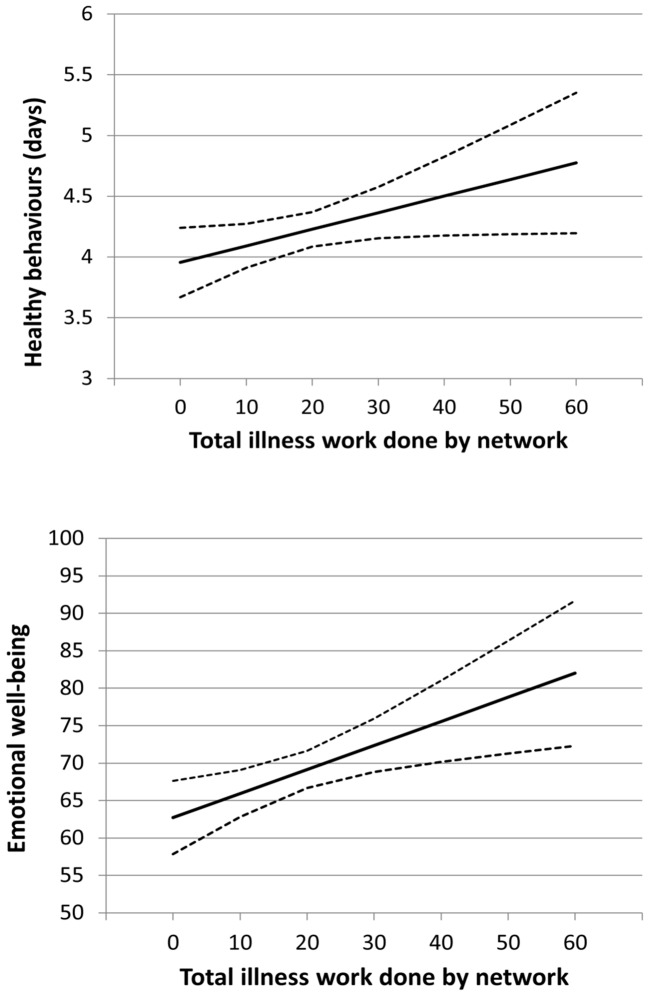
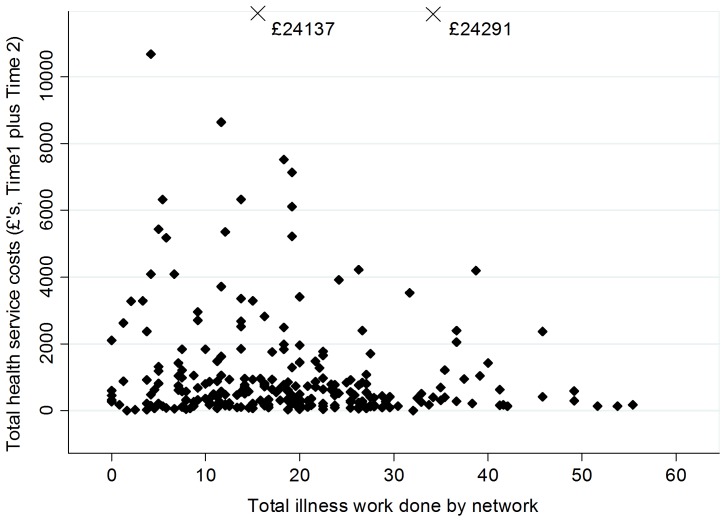
UNLABELLED: Evidence for the effectiveness of patient education programmes in changing individual self-management behaviour is equivocal. More distal elements of personal social relationships and the availability of social capital at the community level may be key to the mobilisation of resources needed for long-term condition self-management to be effective. AIM: To determine how the social networks of people with long-term conditions (diabetes and heart disease) are associated with health-related outcomes and changes in outcomes over time. METHODS: Patients with chronic heart disease (CHD) or diabetes (n = 300) randomly selected from the disease registers of 19 GP practices in the North West of England. Data on personal social networks collected using a postal questionnaire, alongside face-to-face interviewing. Follow-up at 12 months via postal questionnaire using a self-report grid for network members identified at baseline. ANALYSIS: Multiple regression analysis of relationships between health status, self-management and health-economics outcomes, and characteristics of patients' social networks. RESULTS: Findings indicated that: (1) social involvement with a wider variety of people and groups supports personal self-management and physical and mental well-being; (2) support work undertaken by personal networks expands in accordance with health needs helping people to cope with their condition; (3) network support substitutes for formal care and can produce substantial saving in traditional health service utilisation costs. Health service costs were significantly (p<0.01) reduced for patients receiving greater levels of illness work through their networks. CONCLUSIONS: Support for self-management which achieves desirable policy outcomes should be construed less as an individualised set of actions and behaviour and more as a social network phenomenon. This study shows the need for a greater focus on harnessing and sustaining the capacity of networks and the importance of social involvement with community groups and resources for producing a more desirable and cost-effective way of supporting long term illness management.
Overview
The claims and statistics of this paper haven’t been checked yet.
Free: it reads the open-access text and checks the first 5 claims that cite a source we can check. Create a free account to check every claim.
Integrity signals
Registry
Cites
Statistics
Figures
Verification
Claims the paper makes
The claims and statistics of this paper haven’t been checked yet.
Free: it reads the open-access text and checks the first 5 claims that cite a source we can check. Create a free account to check every claim.
Claims other papers make about this one
Each is checked against this paper’s own text: does it say what the citing paper says it does?
The cited source doesn’t support the claim as written.
In the citing paper
“This led to a successful intervention.”
From Implementation, context and complexity (2016) · cites this paper as [85]
Checked by a reasoning model — may be wrong.
Experimental — accuracy not yet measuredThe source backs part of the claim, not all of it — or backs it for a different population, condition or comparison.
In the citing paper
“Kennedy et al. [57, 84–86] overcame this by shifting the focus of their interventions to the normative and relational restructuring of informal social networks, where intervention components and implementation participants were much more loosely coupled.”
From Implementation, context and complexity (2016) · cites this paper as [85]
Experimental — accuracy not yet measuredThe cited source says what the claim attributes to it.
In the citing paper
“Indeed, studies of those with long-term health conditions show social networks can benefit wellbeing even if made up of ‘weak’ ties outside of family and friends51.”
From The experience of Anxiety for people with Parkinson’s disease (2023) · cites this paper as [51]
Self-check
Percentages, sums and reported differences re-computed from the paper’s own numbers.
The self-check needs the paper’s full text.
Citations
Cites
A Caution Regarding Rules of Thumb for Variance Inflation Factors
O’brien, R. M. (2007) · Quality & Quantity · doi:10.1007/s11135-006-9018-6 · Cited by 11,217
Analysis of serial measurements in medical research.
Matthews, J. N., Altman, D. G., Campbell, M. J., & Royston, P. (1990) · BMJ · doi:10.1136/bmj.300.6719.230 · Cited by 3,136
Adjusting for multiple testing—when and how?
Bender, R., & Lange, S. (2001) · Journal of Clinical Epidemiology · doi:10.1016/s0895-4356(00)00314-0 · Cited by 3,004 · cited 1×
“We conducted a large number of statistical tests but used an alpha level of 5% throughout: exploratory studies need to balance the risks of both Type 1 (false positive) and Type 2 (false negative) errors and we did not want to miss potentially important findings by setting too high an alpha level [56].”
MethodThe reliability of a two-item scale: Pearson, Cronbach, or spearman-brown?
Eisinga, R., Grotenhuis, M. T., & Pelzer, B. (2013) · International Journal of Public Health · doi:10.1007/s00038-012-0416-3 · Cited by 2,695 · cited 1×
“The two items had an internal consistency coefficient (Spearman-Brown reliability as just two items [37]) of 0.”
BackgroundThe summary of diabetes self-care activities measure: results from 7 studies and a revised scale.
Toobert, D. J., Hampson, S. E., & Glasgow, R. E. (2000) · Diabetes Care · doi:10.2337/diacare.23.7.943 · Cited by 2,561
The collective dynamics of smoking in a large social network
Christakis, N. A., & Fowler, J. H. (2008) · New England Journal of Medicine · doi:10.1056/nejmsa0706154 · Cited by 2,390
Marsden, P. V. (1990) · Annual Review of Sociology · doi:10.1146/annurev.so.16.080190.002251 · Cited by 2,176 · cited 1×
“8 [45,46].”
Different Strokes from Different Folks: Community Ties and Social Support
Wellman, B., & Wortley, S. (1990) · American Journal of Sociology · doi:10.1086/229572 · Cited by 2,034 · cited 1×
“Also, different types of relationships provide different kinds of support, thus a variety of types of ties are required to ensure stable and adaptable support [15].”
BackgroundFowler, J. H., & Christakis, N. A. (2008) · BMJ · doi:10.1136/bmj.a2338 · Cited by 1,990
Social capital and self-rated health: a contextual analysis.
Kawachi, I., Kennedy, B. P., & Glass, R. (1999) · American Journal of Public Health · doi:10.2105/ajph.89.8.1187 · Cited by 1,856 · cited 2×
“Low stocks of social capital, both at the community and individual levels, have been consistently shown to be strongly associated with poorer health outcomes [16,17].”
Background
Cited by
Items 101–200 of 238
Bloom, I., Welch, L., Vassilev, I., Rogers, A. E., Jameson, K., Cooper, C. C., Robinson, S. M., & Baird, J. (2020) · Pilot and Feasibility Studies · doi:10.1186/s40814-020-0553-z · Cited by 20
Self-citationBand, R. J., Ewings, S. M., Cheetham‐Blake, T. J., Ellis, J., Breheny, K., Vassilev, I., Portillo, M. C., Yardley, L., Blickem, C., Kandiyali, R., et al. (2019) · BMJ Open · doi:10.1136/bmjopen-2018-028718 · Cited by 21
“Previous testing of the principles has shown that it is both appropriate and acceptable to implement for individuals with a long- term condition [26-28].”
BackgroundInfluentialSelf-citationHashem, F., & Merritt, R. (2018) · ERJ Open Research · doi:10.1183/23120541.00076-2017 · Cited by 20
Healing faith: knowledge, learning and social relationships of healers from Araripe plateau, Brazil
Zank, S., & Hanazaki, N. (2016) · Ethnobiology and Conservation · doi:10.15451/ec2016-6-5.3-1-15 · Cited by 19
“Over time, members of a network may move away, become ill or die, which will bring changes to the network structure (Reeves et al. 2014).”
Feng, D., Serrano, R., Ye, T., Tang, S., Duan, L., Xu, Y., Yang, J., Liang, Y., Chen, S., Feng, Z., et al. (2016) · International Journal of Environmental Research and Public Health · doi:10.3390/ijerph13121268 · Cited by 19
“This finding may come from two things: (1) the elderly may have more free time to seek care; and (2) the elderly may be more conscious of their healthcare needs [43].”
BackgroundSanzari, J. K., Krigsfeld, G. S., Shuman, A. L., Diener, A., Lin, L., Maï, W., & Kennedy, A. R. (2015) · Life Sciences in Space Research · doi:10.1016/j.lssr.2015.03.002 · Cited by 19
Self-citationÓ’Caoimh, R., Cornally, N., Svendrovski, A., Weathers, E., Fitzgerald, C., HEALY, E., O’Connell, E., O’Keeffe, G., O’Herlihy, E. A., GAO, Y., et al. (2016) · The Journal of Frailty & Aging · doi:10.14283/jfa.2016.86 · Cited by 18
Sahar, J., Riasmini, N. M., Kusumawati, D. N., & Erawati, E. (2017) · Current Gerontology and Geriatrics Research · doi:10.1155/2017/3879067 · Cited by 21
“[31], through their findings, indicated that social involvement and groups could maintain personal self-management and physical and mental wellbeing.”
BackgroundAmoah, P. A., Koduah, A. O., & Gyasi, R. M. (2018) · International Journal of Qualitative Studies on Health and Well-Being · doi:10.1080/17482631.2018.1435108 · Cited by 18
“The contradictory findings nonetheless, help to clarify the dilemma about the role of BSC in care delivery (Reeves et al., 2014).”
BackgroundWarren, J. R., Muller, C. L., Hummer, R. A., Grodsky, E., & Humphries, M. (2020) · Socius Sociological Research for a Dynamic World · doi:10.1177/2378023120918082 · Cited by 18
“Recent scholarship suggests that the attributes of social networks in schools and elsewhere, and perhaps especially the healthiness and health behaviors of close network ties, can have consequences for people’s own health and well-being (e.g., Berkman 1995; Kawachi, Kennedy, and Glass 1999; Menéndez-Villalva et al. 20…”
BackgroundVassilev, I., Lin, S. X., Calman, L. A., Turner, J., Frankland, J., Wright, D. N. M., & Foster, C. L. (2023) · PLoS ONE · doi:10.1371/journal.pone.0282183 · Cited by 17
“This confirms published research that demonstrates the important role social network members play in supporting self-management [19, 44, 66], including in the recovery of an individual’s health and wellbeing following cancer treatment [11, 67–69].”
BackgroundSelf-citationReidy, C., Foster, C. L., & Rogers, A. E. (2020) · Journal of Medical Internet Research · doi:10.2196/13980 · Cited by 17
“An SN approach focuses on available and underused collective support from network members as well as on behavior change at a cognitive level [21-27]; therefore, a web-based social support network intervention could provide a currently underutilized avenue for improved psychological well-being and blood glucose levels.”
Self-citationMultiple domains of social support are associated with diabetes self-management among Veterans
Gray, K. E., Hoerster, K. D., Reiber, G. E., Bastian, L. A., & Nelson, K. M. (2018) · Chronic Illness · doi:10.1177/1742395318763489 · Cited by 17
People-centred integration in a refugee primary care service: A complex adaptive systems perspective
Phillips, C. B., Dykgraaf, S. H., Elmitt, N., Bookallil, M., & Douglas, K. A. (2017) · Journal of Integrated Care · doi:10.1108/jica-10-2016-0040 · Cited by 18
“Participants visually represented these networks using a diagram that indicated relative proximity of individuals to the patient (ego) and to other individuals (alters) in the network (Reeves et al., 2014).”
The Scottish Health Survey Topic Report: Mental Health and Wellbeing; 2015
Wilson, M., Kellock, C., Adams, D., & Landsberg, J. (2015) · Stirling Online Research Repository (University of Stirling) · Cited by 17
Chen, Y., Xue, H., Ai, S., Liu, Y., Nie, Y., Ai, Q. Y. H., Zhang, J., & Liang, Y. Y. (2024) · Diabetes & Metabolism · doi:10.1016/j.diabet.2024.101526 · Cited by 16
Lu, Q., Qu, L., Xie, C., Shu, Y., Gao, F., Zou, M., Fan, X., Luo, X., Meng, J., Xue, Y., et al. (2024) · BMJ Open · doi:10.1136/bmjopen-2023-076106 · Cited by 16
Ó’Caoimh, R., Fitzgerald, C., Cronin, U. M., Svendrovski, A., Gao, Y., Healy, E., O’Connell, E., O’Keeffe, G., O’Herlihy, E. A., Weathers, E., et al. (2015) · Journal of Aging Research · doi:10.1155/2015/256414 · Cited by 16
“This would be expected, particularly for institutionalisation, as patients’ social and caregiver networks play an important role in the mental [26] and physical health [27] of community-dwelling older adults.”
BackgroundLocal networks of community and healthcare organisations: a mixed methods study
Kemper‐Koebrugge, W., Koetsenruijter, J., Rogers, A. E., Laurant, M. G. H., & Wensing, M. (2016) · BMC Research Notes · doi:10.1186/s13104-016-2135-y · Cited by 16
Self-citationCommunication networks of men facing a diagnosis of prostate cancer
Brown, D., OETZEL, J. G., & Henderson, A. (2016) · Journal of Clinical Nursing · doi:10.1111/jocn.13369 · Cited by 14
Dumit, N. Y., Noureddine, S., & Magilvy, J. K. (2016) · International Journal of Nursing Studies · doi:10.1016/j.ijnurstu.2016.03.009 · Cited by 13
Exploring medicines management by COPD patients and their social networks after hospital discharge
Schafheutle, E. I., Fegan, T., & Ashcroft, D. M. (2018) · International Journal of Clinical Pharmacy · doi:10.1007/s11096-018-0688-7 · Cited by 13
Levy, M., Deschênes, S. S., Burns, R. J., Elgendy, R., & Schmitz, N. (2018) · International Journal of Geriatric Psychiatry · doi:10.1002/gps.5042 · Cited by 13
Self-management and Related Psychosocial Variables Among Renal Transplant Patients
Xie, J., Liu, J., Liu, M., Yan, J., Ding, S., & Ma, K. (2019) · Transplantation Proceedings · doi:10.1016/j.transproceed.2019.01.033 · Cited by 13
Takagi, D., Yokouchi, N., & Hashimoto, H. (2020) · Social Science & Medicine · doi:10.1016/j.socscimed.2020.113207 · Cited by 13
Standard medical care for psychogenic nonepileptic seizures in Brazil
Valente, K. D. R., Rzezak, P., & LaFrance, W. C., Jr. (2015) · Epilepsy & Behavior · doi:10.1016/j.yebeh.2015.02.032 · Cited by 13
“032 chronic diseases is part of the Brazilian culture; and (iii) family support promotes understanding of the diagnosis [9,18] and supplies a supportive social network [19].”
BackgroundLiang, Z., Shi, Y., Zhang, Y., Zhang, H., Yu, Z., Lv, N., Gao, G., & Li, J. (2024) · Public Health Nursing · doi:10.1111/phn.13482 · Cited by 12
“Besides, patients with long-term conditions who had good family network showed better self-management behavior (Reeves et al. 2014).”
Srour, P., Cvetkovski, B., Azzi, E., Rand, C. S., Cheong, L. H. M., Kritikos, V. S., & Bosnic-Anticevich, S. Z. (2021) · Pulmonary Therapy · doi:10.1007/s41030-021-00145-w · Cited by 12
“Studies have shown that patient behavior is highly influenced by family members and friends, resulting in decreased risk of serious illness or death [48, 49].”
BackgroundMethodLeBlanc, R., Chiodo, L. M., & Jacelon, C. S. (2022) · International Journal of Older People Nursing · doi:10.1111/opn.12450 · Cited by 12
Discomfort With Suffering and Dying, a Cross-Sectional Survey of the General Public
Quintiens, B., Smets, T., Chambaere, K., den Block, L. V., Deliëns, L., Sallnow, L., & Cohen, J. (2023) · Journal of Pain and Symptom Management · doi:10.1016/j.jpainsymman.2023.07.003 · Cited by 12
Scheer, E. R., Werner, N. E., Coller, R. J., Nacht, C. L., Petty, L., Tang, M., Ehlenbach, M. L., Kelly, M. M., Finesilver, S., Warner, G., et al. (2024) · Journal of the American Medical Informatics Association · doi:10.1093/jamia/ocae026 · Cited by 11
Main, A. S. D., Powers, D. A., Xie, B., & Choi, N. G. (2023) · Aging & Mental Health · doi:10.1080/13607863.2023.2220304 · Cited by 11
“Social involvement with community groups, connections in the community and social network were found to be related to better emotional well-being, specifically among older adults with chronic conditions (Reeves et al., 2014).”
Clarkson, P., Vassilev, I., Rogers, A. E., Brooks, C., Wilson, N., Lawson, J., & Adams, J. (2020) · JMIR Formative Research · doi:10.2196/18565 · Cited by 11
“Other approaches that use a social network approach, which seeks to improve engagement with existing network members and resources and build new connections in the community to meet the needs of individuals, also enhance self-management [18,21,22].”
BackgroundSelf-citationHollingdrake, O., Dean, J. A., Mutch, A. J., Lui, C., Howard, C., & Fitzgerald, L. (2021) · Journal of the Association of Nurses in AIDS Care · doi:10.1097/jnc.0000000000000272 · Cited by 11
“Meaningful social engagement fosters trust, a sense of belonging, and support to minimize treatment nonadherence, reduce health service disengagement, and counteract stigma (Berkman et al., 2000; Reeves et al., 2014).”
BackgroundValaitis, R. K., Cleghorn, L., Vassilev, I., Rogers, A. E., Ploeg, J., Kothari, A. R., Risdon, C., Gillett, J., Guenter, D., & Dolovich, L. R. (2021) · JMIR Formative Research · doi:10.2196/25285 · Cited by 11
“Reeves et al [10] established associations between connections with and the use of local networks, resulting in improved physical and mental well-being and better coping with their conditions.”
BackgroundSelf-citationCausal Relationships between Personal Networks and Health: A Comparison of Three Modeling Strategies
Ruppel, E. H., Child, S. T., Fischer, C. S., & Botchway, M. (2022) · Journal of Health and Social Behavior · doi:10.1177/00221465211072310 · Cited by 11
“As cross-sectional research continues, panel studies have emerged assessing how changes in the network or the ties themselves precede changes in health and well-being (Guida et al. 2020; Reeves et al. 2014; Schaefer, Haas, and Bishop 2012; Schneider et al. 2017; Yousefi-Nooraie et al. 2015).”
BackgroundBrooks, H. L., Devereux‐Fitzgerald, A., Richmond, L., Caton, N., Newton, A., Downs, J. L., Lovell, K., Bee, P., Cherry, M. G., Young, B., et al. (2022) · BMC Health Services Research · doi:10.1186/s12913-022-08521-1 · Cited by 11
“In doing so, they extend access to sources of support that can help to both prevent and manage mental health difficulties [17].”
BackgroundSelf-citationChen, W., Kuo, C., Lin, C., & Wu, C. (2021) · Geriatric Nursing · doi:10.1016/j.gerinurse.2021.01.011 · Cited by 11
Litchman, M. L., & Edelman, L. S. (2019) · JMIR Aging · doi:10.2196/10857 · Cited by 10
“Among those with chronic conditions, including diabetes, having a large network of social connections is associated with better self-management, physical and mental well-being, and coping [28].”
BackgroundBand, R. J., Kinsella, K., Ellis, J., James, E., Ciccognani, S., Breheny, K., Kandiyali, R., Ewings, S. M., & Rogers, A. E. (2025) · Public Health Research · doi:10.3310/wtjh4379 · Cited by 9
Self-citationMogan, C., Davies, N., Dening, K. H., & Lloyd‐Williams, M. (2024) · Age and Ageing · doi:10.1093/ageing/afae169 · Cited by 9
“The links between social support and health and well-being have been demonstrated [46, 47], and, increasingly, evidence suggests that engaging communities in tackling health issues leads to better results than leaving it solely to professionals [48].”
BackgroundHeijmans, N., van Lieshout, J., & Wensing, M. (2017) · PLoS ONE · doi:10.1371/journal.pone.0185341 · Cited by 9
Empowering People Living with Heart Failure
Wohlfahrt, P., Stehlik, J., Pan, I. Z., & Ryan, J. J. (2020) · Heart Failure Clinics · doi:10.1016/j.hfc.2020.06.002 · Cited by 9
An Exploration of the Health Information Seeking Behaviours of Older People
Hurst, G. (2017) · University of Hertfordshire Research Archive (University of Hertfordshire) · doi:10.18745/th.18298 · Cited by 9
Drennan, V. M., Ross, F., Saunders, M., & West, P. A. (2017) · Research Repository (Kingston University London) · Cited by 8
Healy, G. N., Goode, A. D., Campbell, L., Sikder, A., Giguere, D., & Gomersall, S. R. (2024) · American Journal of Lifestyle Medicine · doi:10.1177/15598276241262721 · Cited by 9
“22 Conversely, loneliness increases risk of morbidity and all-cause mortality.”
Walshe, C., Barnes, H., Turner, M., & Hughes, S. (2021) · Health & Social Care in the Community · doi:10.1111/hsc.13315 · Cited by 8
“…networks where the majority of us, especially when death results from progressive illness or old age, spend the last months and weeks of our lives (Abel et al., 2013; Greene, Aranda, Tieman, Fazekas, & Currow, 2012; Leonard, Horsfall, & Noonan, 2013; Reeves et al., 2014; Sampson et al., 2018).”
BackgroundBotchway, M., Davis, R. E., Merchant, A. T., Appiah, L. T., Sarfo‐Kantanka, O., & Moore, S. (2022) · Ethnicity and Health · doi:10.1080/13557858.2022.2033172 · Cited by 8
“Previous studies have suggested that compositional and structural dimensions of social networks, specifically kin composition, household composition, and network density, are critical for T2DM management and control (Knutsen et al. 2017; Patel et al. 2017; Reeves et al. 2014).”
BackgroundInfluentialKong, L., He, S., Li, L., Lei, Q., Wang, T., & Yao, Y. (2019) · Journal of Clinical Nursing · doi:10.1111/jocn.15037 · Cited by 7
An analysis of changes in wellbeing during the COVID-19 pandemic in the UK
Murphy, J., & Elliot, M. J. (2022) · Discover Social Science and Health · doi:10.1007/s44155-022-00009-x · Cited by 7
Guldager, R., Nordentoft, S., Bruun-Pedersen, M., & Hindhede, A. L. (2023) · BMJ Open · doi:10.1136/bmjopen-2023-076337 · Cited by 6
“16 Therefore, it seems important to facilitate and encourage the resourceful relationships in the social network after the young adult has been diagnosed with a brain tumour and receives neurosurgical and oncology treatment, as well as follow-up treatment in an outpatient clinic.”
BackgroundBecker, M., Dai, J., Chang, A. L., Feyaerts, D., Stelzer, I. A., Zhang, M., Berson, E., Saarunya, G., Francesco, D. D., Espinosa, C. A., et al. (2022) · Frontiers in Pediatrics · doi:10.3389/fped.2022.933266 · Cited by 6
The determinants of time spent on self-care
Forbes, H., Sutton, M., Richardson, G. A., & Rogers, A. E. (2015) · Chronic Illness · doi:10.1177/1742395315614380 · Cited by 6
Self-citationThe role of social capital for wellbeing in people with long-term illness and disease
Ihlebæk, C., Katralen, H., Nordbø, E. C. A., & Skipstein, A. (2023) · Nordic Journal of Wellbeing and Sustainable Welfare Development · doi:10.18261/njwel.2.2.5 · Cited by 5
Supporting someone after their stroke: family members’ views and experiences of self-management
McCarthy, L., Kylén, M., Gustavsson, C., Finch, T. L., Jones, F., & Elf, M. (2025) · Disability and Rehabilitation · doi:10.1080/09638288.2025.2500067 · Cited by 5
“The social networks that influence self-management ability may also include healthcare professionals, friends, neighbours, colleagues, other acquaintances and even pets [22,24,26,27].”
General practice and patients’ views of the social networks of patients with multimorbidity
McKinlay, E. M., Young, J. E., & Gray, B. V. (2018) · Journal of Primary Health Care · doi:10.1071/hc17050 · Cited by 5
Prochnow, T. M., Patterson, M. S., Park, J.-H., Sherman, L. D., & Smith, M. L. (2025) · Journal of Behavioral Medicine · doi:10.1007/s10865-025-00599-2 · Cited by 4
“This measure was included because more diverse networks may provide complementary forms of support that collectively enhance diabetes management self-efficacy (Reeves et al., 2014).”
Gillham, J., Vassilev, I., & Band, R. J. (2021) · Health Science Reports · doi:10.1002/hsr2.336 · Cited by 4
“Consequently, access to social network support that is acceptable to people may facilitate improved use of medications, healthier lifestyles (eg, smoking cessation or healthy eating practices),(14,15) improved experiences of poor health (eg, by managing adjustment; sharing the burden of health, emotional and practical…”
BackgroundSelf-citationNovel Criteria for When and How to Exit a COVID-19 Pandemic Lockdown
Li, C., Romagnani, P., & Anders, H. (2020) · Frontiers in Big Data · doi:10.3389/fdata.2020.00026 · Cited by 4
Blakoe, M., Christensen, A. V., Højskov, I. E., Palm, P., Bernild, C., & Berg, S. K. (2023) · Pilot and Feasibility Studies · doi:10.1186/s40814-023-01255-9 · Cited by 4
“psychology with the theory of dyadic processes [12, 35] and nursing with self-care theory [36, 37].”
BackgroundZeilinger, B., & Reiner, C. (2019) · Staat - Souveränität - Nation · doi:10.1007/978-3-658-25419-3_10 · Cited by 3
Khalid, A., Rogers, A. E., Vicary, E., & Brooks, H. L. (2021) · People and Animals The International Journal of Research and Practice · doi:10.62845/qemql2i · Cited by 3
Self-citationA systematic scoping review of how people with ME/CFS use the internet
Shortland, D. L., Fazil, Q., Lavis, A., & Hallett, N. (2024) · Fatigue Biomedicine Health & Behavior · doi:10.1080/21641846.2024.2303887 · Cited by 3
“Those with diverse social networks were found to self-manage their illness better however [84].”
BackgroundKowal, P. R., Tun, M. N., Leik, S. K., & Rocco, I. (2021) · Health · doi:10.4236/health.2021.1312109 · Cited by 3
Spencer, M. (2017) · British Journal of Diabetes · doi:10.15277/bjd.2017.138 · Cited by 3
Social resource as a critical and overlooked factor for patient safety in low-resource settings
Edgcombe, H., Murithi, G., Mungai, M., Okelo, S., Molyneux, S. C., Higham, H., & English, M. (2025) · Frontiers in Health Services · doi:10.3389/frhs.2025.1625409 · Cited by 2
McCallum, M., Mair, F. S., Macdonald, S., Hannah, M. K., Skivington, K., & Lewsey, J. (2025) · BMC Medicine · doi:10.1186/s12916-025-04337-y · Cited by 2
“This meant that the influence of the number, or type of social networks (shown to be important in other literature [38, 39]), could not be explored in any depth.”
The role of social networks in supporting self-management in CKD: a narrative synthesis
Bonfield, B., Veighey, K. V., Blakeman, T., Murphy, E., & Vassilev, I. (2025) · BMC Nephrology · doi:10.1186/s12882-025-04658-3 · Cited by 2
Self-citationGillham, J., Vassilev, I., & Band, R. J. (2024) · Health & Social Care in the Community · doi:10.1155/2024/6942462 · Cited by 2
Self-citationParenthood and Depression – a Systematic Review
Mircea, R. A. D. U., Licu, M., Golu, F., David, I., & Cotel, A. (2024) · Medicina Moderna - Modern Medicine · doi:10.31689/rmm.2024.31.4.287 · Cited by 2
Empowerment of Community Members
El-Osta, A. A. R., Smith, P., Leyns, C., Steenfeldt‐Foss, O. W., & Webber, D. E. (2023) · Springer eBooks · doi:10.1007/978-3-031-17650-0_41 · Cited by 2
Personalised self-management support in primary care: one size does not fit all
Eikelenboom, N. (2017) · Radboud Repository (Radboud University) · Cited by 2
Hanrop, S., Sriyuktasuth, A., Pongthavornkamol, K., Piaseu, N., & Chawanasuntorapoj, R. (2024) · Belitung Nursing Journal · doi:10.33546/bnj.3257 · Cited by 1
“Social networks improve SMB in patients with chronic heart disease and diabetes mellitus (Heijmans et al., 2017; Reeves et al., 2014).”
BackgroundThe development and evaluation of two compassionate cities
Quintiens, B. (2024) · VUBIR (Vrije Universiteit Brussel) · Cited by 1
Kolić, P. V., Hearn, J. H., Jacques, M. F., Ramdharry, G. M., & Morse, C. I. (2026) · Journal of Health Psychology · doi:10.1177/13591053261417031 · Cited by 1
“…and online communities (e.g. social media), to develop self-management strategies that facilitated healthy eating and, more broadly, to better cope with the practical and emotional challenges that living with a progressive disease, like CMT, entailed (Audulv et al., 2021; Reeves et al., 2014).”
Kim, E., Juon, H. S., Lee, G., Smith, K. C., Chang, M., & Klassen, A. C. (2026) · Journal of Racial and Ethnic Health Disparities · doi:10.1007/s40615-025-02819-6 · Cited by 1
“[62].”
InfluentialHeshmati, S., Rajaei, A., Bhattacharya, S., Rombaoa, J. P., Heshmati, H., & Badakhshan, T. (2026) · International Perspectives in Psychology · doi:10.1027/2157-3891/a000148 · Cited by 1
Babenko, N., Rijnhart, J. J. M., Extermann, M., & Haley, W. E. (2026) · The Gerontologist · doi:10.1093/geront/gnag178 · Cited by 1
“…support from a broader range of sources, including family, friends, community or health-care provider; our results showed that only family support played a significant role for dual-role individuals (Cohen & Wills, 1985; Gutiérrez-S � anchez et al., 2023; Reeves et al., 2014; Yoo et al., 2017).”
Botchway, M. (2019) · Scholar Commons (University of South Carolina) · Cited by 1
Patient clustering in primary care settings: Outcomes and quality of care
Hogg, W. E., Kotb, A., Chu, A., Gozdyra, P., Sivaswamy, A., Fang, J., Kendall, C., & Tu, J. V. (2022) · Canadian Family Physician · doi:10.46747/cfp.6809671 · Cited by 1
India’s Centenarians: An Enquiry
Rajan, S. I., & Arya, U. R. (2023) · Springer eBooks · doi:10.1007/978-981-16-1914-4_144-1 · Cited by 1
Masculinities, social capital and men’s experiences of chronic ill health
Griffiths, J. E. (2026) · e-space (Manchester Metropolitan University) · doi:10.83056/mmu.32439486 · Cited by 1
Social support networks of diabetes patients
Koetsenruijter, J. (2017) · Radboud Repository (Radboud University) · Cited by 1
Facilitators and Inhibitors of Independent Self-Management of Adolescents with Type 1 Diabetes
Meadows, R. E. (2020) · UA Campus Repository (The University of Arizona) · Cited by 1
Examining the Experience of People Aging with Scoliosis: A Narrative Analysis
Pan, Q. (2023) · Open Access Victoria University of Wellington | Te Herenga Waka (Figshare) · doi:10.26686/wgtn.24131118 · Cited by 1
Milette, K. (2018) · eScholarship@McGill (McGill) · doi:10.82308/48340 · Cited by 1
NIHR CLAHRC West: Stakeholder Priorities for Health and Wellbeing
Redwood, S., & Andrews, V. (2014) · Bristol Research (University of Bristol)
Cardiovascular Risk Factors Among Latinos : Select Behavioral and Social Determinants of Health
Lopez, N. V. (2015) · eScholarship (California Digital Library)
Social networks of patients and health care providers in cardiovascular risk management
Heijmans, N. (2017) · Radboud Repository (Radboud University)
Integrating care: Learning from first generation integrated primary health care centres
Douglas, K. A., Phillips, C. B., Bookallil, M., Dykgraaf, S. H., & Elmitt, N. (2017) · ANU Open Research (Australian National University)
Social networks in relation to infectious diseases and type 2 diabetes
Brinkhues, S. (2018) · Research Publications (Maastricht University) · doi:10.26481/dis.20181031sb
Kong, H. M. (2019) · Queensland University of Technology · doi:10.5204/thesis.eprints.125532
Sawitri, N. K. A. (2019) · ERA
Improving the diets of old people
Bloom, I. (2019) · ePrints Soton (University of Southampton)
Self-management support and goal setting in group programmes for long term conditions
Hughes, S. (2019) · The Sydney eScholarship Repository (The University of Sydney)
An exploratory study of healthcare technology development using a Lean thinking perspective
McComb, S. (2018) · Ulster University Research Portal (Ulster University)
A transição para o autocuidado terapêutico em pessoas com diabetes mellitus
Cardoso, A. F. (2018) · Portuguese National Funding Agency for Science, Research and Technology (RCAAP Project by FCT)
OPERATING EXPERIENCE AT SEFOR.
Steele, M. L. (1971) · OSTI OAI (U.S. Department of Energy Office of Scientific and Technical Information)
Wellbeing during the COVID-19 pandemic in the UK: a secondary data analysisPreprint
Murphy, J., & Elliot, M. J. (2021) · SocArXiv (OSF Preprints) · doi:10.31235/osf.io/pv4qs
Metadata
- Authors
- Reeves, D., Blickem, C., Vassilev, I., Brooks, H., Kennedy, A., Richardson, G., & Rogers, A.
- Affiliations
- University of Manchester (GB)
- National Institute for Health and Care Research (GB)
- University of York (GB)
- Corresponding author
- Reeves, David
- Venue
- PLoS ONE
- Publisher
- Public Library of Science (PLoS)
- Published
- 2014-06-02
- Volume
- 9
- Issue
- 6
- Pages
- e98340
- ISSN
- 1932-6203 (ISSN-L)
- PMC
- PMC4041782
- OpenAlex
- W2104545849
- Cited by
- 213
- References
- 53
- Citations by year
- 2026: 13 · 2025: 13 · 2024: 14 · 2023: 15 · 2022: 21 · 2021: 13 · 2020: 21 · 2019: 18 · 2018: 23 · 2017: 17 · 2016: 19 · 2015: 20 · 2014: 5
- FWCI
- 25.88
- Type
- journal article
- Language
- en
- Open access
- gold
- doi.org
- Locations
- PLoS ONE (publishedVersion, cc-by)
- PubMed Central (publishedVersion, cc-by)
- PubMed (publishedVersion)
- Liverpool John Moores University (acceptedVersion)
- ePrints Soton (University of Southampton) (acceptedVersion)
- DOAJ (DOAJ: Directory of Open Access Journals) (submittedVersion, cc-by-sa)
- Research Explorer (The University of Manchester) (submittedVersion)
- Funders
- National Institute for Health and Care Research
- University of Manchester
- Topics
- Social Sciences › Health › Health disparities and outcomes
- Health Sciences › Medicine › Endocrinology, Diabetes and Metabolism › Diabetes Management and Education
- Health Sciences › Medicine › Epidemiology › Chronic Disease Management Strategies
- Keywords
- social networks, self-management, chronic disease, chronic heart disease, diabetes mellitus, social capital, informal support, patient well-being, community participation, patient education
- MeSH terms
- Adult, Aged, Aged, 80 and over, Chronic Disease, England, Female, Health Status, Humans, Longitudinal Studies, Male, Middle Aged, Self Care, Social Support, Young Adult
About these checks
Registry, retraction, Cites and statistics results are computed, not judged, with one exception: a printed reference that no index lists is read once by a model before it counts as a citation error. Claims are extracted by a model and kept only when their quote appears verbatim in the text; each cited source is then checked, with a model’s help, for whether it says what the claim relies on. Those verdicts can be wrong — read the claim’s quote and the cited source before relying on one.
Statistics and arithmetic are recomputed, not judged.
Confidence bands are shown only for fields calibrated on our annotated test set. None is calibrated yet, so no band is shown.
What counts as a claim ›How we measure confidence ›How we check this ›
Are you an author, or do you see a problem with this page? Request a review
Data sources
Bibliographic data: Semantic Scholar, OpenAlex, Crossref.
Contains information from the Semantic Scholar Academic Graph Datasets, made available under the ODC Attribution License (ODC-BY 1.0).
Semantic Scholar’s data is described in: Kinney, R., et al. (2023). The Semantic Scholar Open Data Platform. arXiv:2301.10140.
