

The Contribution of Social Networks to the Health and Self-Management of Patients with Long-Term Conditions: A Longitudinal Study
Open accessThe DOI matches its Crossref record; 53 of the 53 references it cites were found in a registry or an index.
Abstract
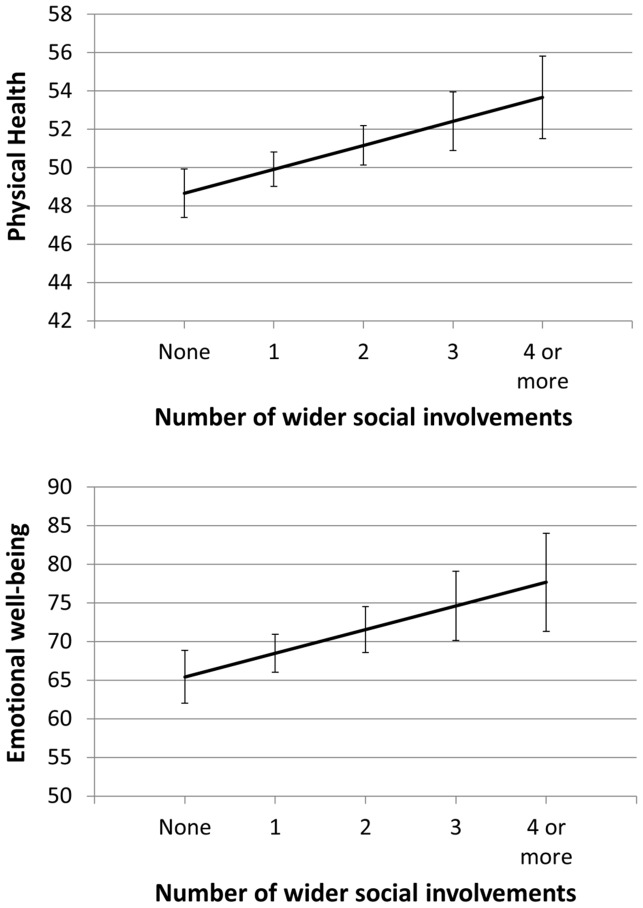
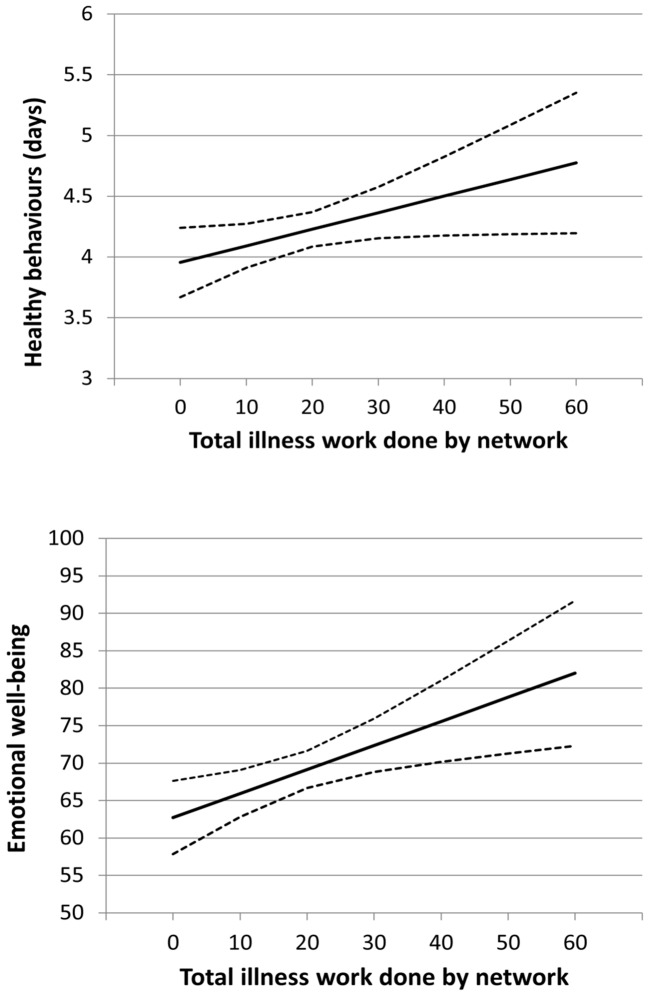
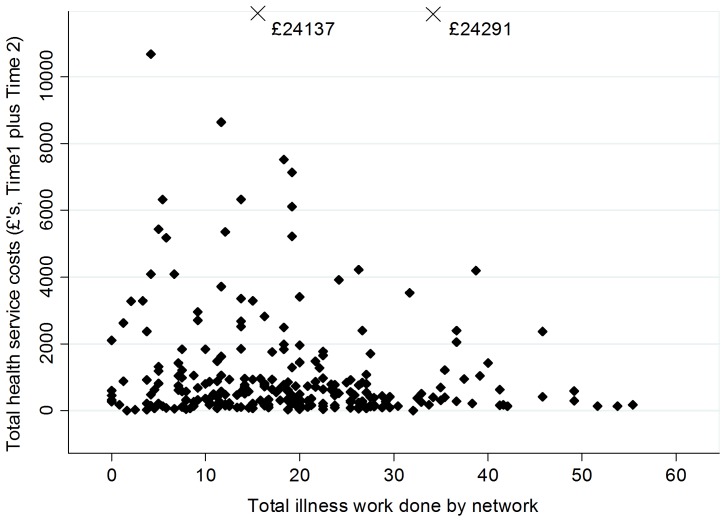
UNLABELLED: Evidence for the effectiveness of patient education programmes in changing individual self-management behaviour is equivocal. More distal elements of personal social relationships and the availability of social capital at the community level may be key to the mobilisation of resources needed for long-term condition self-management to be effective. AIM: To determine how the social networks of people with long-term conditions (diabetes and heart disease) are associated with health-related outcomes and changes in outcomes over time. METHODS: Patients with chronic heart disease (CHD) or diabetes (n = 300) randomly selected from the disease registers of 19 GP practices in the North West of England. Data on personal social networks collected using a postal questionnaire, alongside face-to-face interviewing. Follow-up at 12 months via postal questionnaire using a self-report grid for network members identified at baseline. ANALYSIS: Multiple regression analysis of relationships between health status, self-management and health-economics outcomes, and characteristics of patients' social networks. RESULTS: Findings indicated that: (1) social involvement with a wider variety of people and groups supports personal self-management and physical and mental well-being; (2) support work undertaken by personal networks expands in accordance with health needs helping people to cope with their condition; (3) network support substitutes for formal care and can produce substantial saving in traditional health service utilisation costs. Health service costs were significantly (p<0.01) reduced for patients receiving greater levels of illness work through their networks. CONCLUSIONS: Support for self-management which achieves desirable policy outcomes should be construed less as an individualised set of actions and behaviour and more as a social network phenomenon. This study shows the need for a greater focus on harnessing and sustaining the capacity of networks and the importance of social involvement with community groups and resources for producing a more desirable and cost-effective way of supporting long term illness management.
Overview
The claims and statistics of this paper haven’t been checked yet.
Free: it reads the open-access text and checks the first 5 claims that cite a source we can check. Create a free account to check every claim.
Integrity signals
Registry
Cites
Statistics
Figures
Verification
Claims the paper makes
The claims and statistics of this paper haven’t been checked yet.
Free: it reads the open-access text and checks the first 5 claims that cite a source we can check. Create a free account to check every claim.
Claims other papers make about this one
Each is checked against this paper’s own text: does it say what the citing paper says it does?
The cited source doesn’t support the claim as written.
In the citing paper
“This led to a successful intervention.”
From Implementation, context and complexity (2016) · cites this paper as [85]
Checked by a reasoning model — may be wrong.
Experimental — accuracy not yet measuredThe source backs part of the claim, not all of it — or backs it for a different population, condition or comparison.
In the citing paper
“Kennedy et al. [57, 84–86] overcame this by shifting the focus of their interventions to the normative and relational restructuring of informal social networks, where intervention components and implementation participants were much more loosely coupled.”
From Implementation, context and complexity (2016) · cites this paper as [85]
Experimental — accuracy not yet measuredThe cited source says what the claim attributes to it.
In the citing paper
“Indeed, studies of those with long-term health conditions show social networks can benefit wellbeing even if made up of ‘weak’ ties outside of family and friends51.”
From The experience of Anxiety for people with Parkinson’s disease (2023) · cites this paper as [51]
Self-check
Percentages, sums and reported differences re-computed from the paper’s own numbers.
The self-check needs the paper’s full text.
Citations
Cites
A Caution Regarding Rules of Thumb for Variance Inflation Factors
O’brien, R. M. (2007) · Quality & Quantity · doi:10.1007/s11135-006-9018-6 · Cited by 11,217
Analysis of serial measurements in medical research.
Matthews, J. N., Altman, D. G., Campbell, M. J., & Royston, P. (1990) · BMJ · doi:10.1136/bmj.300.6719.230 · Cited by 3,136
Adjusting for multiple testing—when and how?
Bender, R., & Lange, S. (2001) · Journal of Clinical Epidemiology · doi:10.1016/s0895-4356(00)00314-0 · Cited by 3,004 · cited 1×
“We conducted a large number of statistical tests but used an alpha level of 5% throughout: exploratory studies need to balance the risks of both Type 1 (false positive) and Type 2 (false negative) errors and we did not want to miss potentially important findings by setting too high an alpha level [56].”
MethodThe reliability of a two-item scale: Pearson, Cronbach, or spearman-brown?
Eisinga, R., Grotenhuis, M. T., & Pelzer, B. (2013) · International Journal of Public Health · doi:10.1007/s00038-012-0416-3 · Cited by 2,695 · cited 1×
“The two items had an internal consistency coefficient (Spearman-Brown reliability as just two items [37]) of 0.”
BackgroundThe summary of diabetes self-care activities measure: results from 7 studies and a revised scale.
Toobert, D. J., Hampson, S. E., & Glasgow, R. E. (2000) · Diabetes Care · doi:10.2337/diacare.23.7.943 · Cited by 2,561
The collective dynamics of smoking in a large social network
Christakis, N. A., & Fowler, J. H. (2008) · New England Journal of Medicine · doi:10.1056/nejmsa0706154 · Cited by 2,390
Marsden, P. V. (1990) · Annual Review of Sociology · doi:10.1146/annurev.so.16.080190.002251 · Cited by 2,176 · cited 1×
“8 [45,46].”
Different Strokes from Different Folks: Community Ties and Social Support
Wellman, B., & Wortley, S. (1990) · American Journal of Sociology · doi:10.1086/229572 · Cited by 2,034 · cited 1×
“Also, different types of relationships provide different kinds of support, thus a variety of types of ties are required to ensure stable and adaptable support [15].”
BackgroundFowler, J. H., & Christakis, N. A. (2008) · BMJ · doi:10.1136/bmj.a2338 · Cited by 1,990
Social capital and self-rated health: a contextual analysis.
Kawachi, I., Kennedy, B. P., & Glass, R. (1999) · American Journal of Public Health · doi:10.2105/ajph.89.8.1187 · Cited by 1,856 · cited 2×
“Low stocks of social capital, both at the community and individual levels, have been consistently shown to be strongly associated with poorer health outcomes [16,17].”
Background
Cited by
Implementation, context and complexity
May, C. R., Johnson, M., & Finch, T. (2016) · Implementation Science · doi:10.1186/s13012-016-0506-3 · Cited by 978
Dover, D. C., & Belon, A. P. (2019) · International Journal for Equity in Health · doi:10.1186/s12939-019-0935-0 · Cited by 218
“Finally, Material Circumstances may mediate the relationship between Utilisation of Health-promoting Resources and Health Outcome [1].”
BackgroundInfluentialSharp, C., & Rutherford, L. (2014) · SAGE Publications Ltd eBooks · doi:10.4135/978144627305013501440 · Cited by 214
The impact of a new public health approach to end-of-life care: A systematic review
Sallnow, L., Richardson, H., Murray, S. A., & Kellehear, A. (2016) · Palliative Medicine · doi:10.1177/0269216315599869 · Cited by 193
Harrison, R., Blickem, C., Lamb, J. N., Kirk, S. A., & Vassilev, I. (2019) · SAGE Open · doi:10.1177/2158244018823081 · Cited by 191
“The development and implementation of programs following an ABCD approach is promising in supporting such an agenda, and links with evidence that engagement with social networks and access to programs of work/enterprises that support such engagement play an important role in supporting health (mental and physical) of…”
BackgroundSelf-citationHealth Care 2020: Reengineering Health Care Delivery to Combat Chronic Disease
Milani, R. V., & Lavie, C. J. (2015) · The American Journal of Medicine · doi:10.1016/j.amjmed.2014.10.047 · Cited by 185
“A recent study in patients with either chronic heart disease or diabetes revealed that higher levels of social network involvement was linked to the maintenance of healthy behaviors over time, leading to reductions in hospitalizations and total cost of care.(52) Social networks appear adaptable and responsive to level…”
BackgroundAllen, C., Vassilev, I., Kennedy, A., & Rogers, A. (2016) · Journal of Medical Internet Research · doi:10.2196/jmir.5260 · Cited by 182
“Recent research has begun examining the social context of long-term condition self-management and, more specifically, the role of others in shaping and supporting self-management practices [1,7,9,10].”
Self-citationBoger, E., Ellis, J., Latter, S., Foster, C., Kennedy, A., Jones, F., Fenerty, V., Kellar, I., & Demain, S. (2015) · PLOS ONE · doi:10.1371/journal.pone.0130990 · Cited by 174
“Having a positive social network was also a necessary SM outcome for patients in accord with recent findings on the illness support work performed by personal communities [79,80].”
Self-citationBlickem, C., Dawson, S., Kirk, S. A., Vassilev, I., Mathieson, A., Harrison, R., Bower, P., & Lamb, J. N. (2018) · SAGE Open · doi:10.1177/2158244018787223 · Cited by 160
“This links with evidence that social networks play an important role in health management and that engagement with meaningful activity can significantly influence health outcomes (Reeves et al., 2014; Vassilev et al., 2013).”
BackgroundSelf-citationDesveaux, L., Shaw, J., Saragosa, M., Soobiah, C., Marani, H., Hensel, J., Agarwal, P., Onabajo, N., Bhatia, R. S., & Jeffs, L. (2018) · Journal of Medical Internet Research · doi:10.2196/jmir.8712 · Cited by 133
Vassilev, I., Rowsell, A., Pope, C., Kennedy, A., O’Cathain, A., Salisbury, C., & Rogers, A. (2015) · Implementation Science · doi:10.1186/s13012-015-0238-9 · Cited by 137
“enhance individual self-management [1].”
Self-citationWray, F., & Clarke, D. J. (2017) · BMJ Open · doi:10.1136/bmjopen-2017-017944 · Cited by 138
“Future interventions should acknowledge the role of social networks and explore how these might be harnessed to further support the stroke survivor and improve quality of life.(130)”
BackgroundDunkler, D., Kohl, M., Heinze, G., Teo, K. K., Rosengren, A., Pogue, J., Gao, P., Gerstein, H. C., Yusuf, S., Oberbauer, R. W., et al. (2014) · Kidney International · doi:10.1038/ki.2014.370 · Cited by 136
Koetsenruijter, J., van Eikelenboom, N., van Lieshout, J., Vassilev, I., Lionis, C., Todorova, E., Portillo, M. C., Foss, C., Serrano Gil, M., Roukova, P., et al. (2016) · Patient Education and Counseling · doi:10.1016/j.pec.2015.10.029 · Cited by 135
Self-citationSinging for Lung Health—a systematic review of the literature and consensus statement
Lewis, A., Cave, P., Stern, M., Welch, L., Taylor, K., Russell, J., Doyle, A.-M., Russell, A.-M., McKee, H., Clift, S., et al. (2016) · npj Primary Care Respiratory Medicine · doi:10.1038/npjpcrm.2016.80 · Cited by 123
Effect of Diabetes Online Community Engagement on Health Indicators: Cross-Sectional Study
Litchman, M. L., Edelman, L. S., & Donaldson, G. W. (2018) · JMIR Diabetes · doi:10.2196/diabetes.8603 · Cited by 93
The Role of Technology in Chronic Disease Care
Milani, R. V., Bober, R., & Lavie, C. J. (2016) · Progress in Cardiovascular Diseases · doi:10.1016/j.pcad.2016.01.001 · Cited by 103
“networks can effect the self-management of patients with chronic conditions, and in addition to influencing lifestyle choices, social connections can impact medication and appointment adherence, further impacting health outcomes and subsequent healthcare costs.(8) Prescribed aspirin (ASA) as a cardiovascular (CV) prev…”
BackgroundToukhsati, S. R., Driscoll, A. L., & Hare, D. L. (2015) · Cardiac failure review · doi:10.15420/cfr.2015.1.2.128 · Cited by 101
Koetsenruijter, J., van Lieshout, J., Lionis, C. D., Portillo, M. C., Vassilev, I., Todorova, E., Foss, C., Serrano‐Gil, M., Knutsen, I. R., Angelaki, A., et al. (2015) · PLoS ONE · doi:10.1371/journal.pone.0135079 · Cited by 98
“Social support may function as a compensation for austerity measures as previous research found that large and varied individual social networks were associated with better health outcomes [8,9].”
ResultSelf-citationPatel, N. R., Chew-Graham, C. A., Bundy, C., Kennedy, A. P., Blickem, C., & Reeves, D. (2015) · BMC Family Practice · doi:10.1186/s12875-015-0269-y · Cited by 96
“[49].”
Self-citationSocial Media Content Analysis of Public Diabetes Facebook Groups
Stellefson, M., Paige, S. R., Apperson, A., & Spratt, S. (2019) · Journal of Diabetes Science and Technology · doi:10.1177/1932296819839099 · Cited by 76
Quintiens, B., D’Eer, L., Deliëns, L., den Block, L. V., Chambaere, K., Donder, L. D., Cohen, J., & Smets, T. (2022) · Palliative Medicine · doi:10.1177/02692163211067363 · Cited by 74
Kennedy, A., Vassilev, I., James, E., & Rogers, A. (2015) · Implementation Science · doi:10.1186/s13012-016-0384-8 · Cited by 63
“We focussed on identifying a deprived and marginalised setting as an area where people were most likely to benefit from network support strategies [3].”
BackgroundSelf-citationBal, M. I., Sattoe, J. N. T., Roelofs, P. D. D. M., Bal, R. A., van Staa, A., & Miedema, H. S. (2016) · Patient Education and Counseling · doi:10.1016/j.pec.2016.02.012 · Cited by 70
“John Wiley & Sons, New Jersey (2007) [103].”
BackgroundVicary, E., Kapadia, D., Bee, P., Bennion, M., & Brooks, H. L. (2024) · Journal of Mental Health · doi:10.1080/09638237.2024.2408237 · Cited by 69
“…between support networks, effective social support and mental health and wellbeing has been established in diverse populations including vulnerable children (Nevard et al., 2021), individuals with chronic health conditions (Reeves et al., 2014), and elderly people with dementia (Lau et al., 2019).”
Self-citationJager, M., van der Sande, R., Essink‐Bot, M., & van den Muijsenbergh, M. E. T. C. (2018) · European Journal of Public Health · doi:10.1093/eurpub/cky186 · Cited by 70
Werfalli, M., Kalula, S., Manning, K., & Levitt, N. S. (2020) · PLoS ONE · doi:10.1371/journal.pone.0230173 · Cited by 66
“Income and financial issues are possible barriers to optimum self-management for many older diabetic patients because of the costs of blood glucose testing, medication and following diet recommendations [39].”
BackgroundPigott, J., Kane, E. J., Ambler, G., Walters, K. R., & Schrag, A. E. (2022) · BMC Geriatrics · doi:10.1186/s12877-021-02656-2 · Cited by 65
Vassilev, I., Rogers, A. E., Kennedy, A. P., Wensing, M., Koetsenruijter, J., Orlando, R., Portillo, M. C., & Culliford, D. J. (2016) · PLoS ONE · doi:10.1371/journal.pone.0161027 · Cited by 66
“Support work undertaken by personal network members has been shown to have the potential to expand in accordance with health needs assisting individuals to cope with their condition and has the potential to substitute for formal care [5,6].”
BackgroundMethodResultInfluentialSelf-citationWalshe, C., Dodd, S., Hill, M., Ockenden, N., Payne, S. A., Preston, N. J., & Algorta, G. P. (2016) · BMC Medicine · doi:10.1186/s12916-016-0746-8 · Cited by 65
“Effective personal network support can substitute for formal care and reduce health service utilisation costs [8].”
BackgroundBanbury, A., Chamberlain, D., Nancarrow, S., Dart, J., Gray, L., & Parkinson, L. (2017) · Health & Social Care in the Community · doi:10.1111/hsc.12382 · Cited by 47
Wulfovich, S., Fiordelli, M., Rivas, H., Concepcion, W., & Wac, K. (2019) · Frontiers in Psychology · doi:10.3389/fpsyg.2019.02388 · Cited by 65
Dunkler, D., Kohl, M., Teo, K. K., Heinze, G., Dehghan, M., Clase, C. M., Gao, P., Yusuf, S., Mann, J. F. E., & Oberbauer, R. W. (2016) · American Journal of Kidney Diseases · doi:10.1053/j.ajkd.2015.12.019 · Cited by 64
Brinkhues, S., Dukers–Muijrers, N. H. T. M., Hoebe, C. J. P. A., Kallen, C., Koster, A., Henry, R. M. A., Stehouwer, C. D. A., Savelkoul, P. H. M., Schaper, N. C., & Schram, M. T. (2018) · Diabetes Care · doi:10.2337/dc17-2144 · Cited by 63
“In the general population, a smaller network has been associated with the incidence of stroke (18) and mortality (19), whereas in patients with a chronic condition, a wider variety of social interactions was found to support physical health and emotional well-being (7).”
BackgroundTuijt, R., Tan, A., Armstrong, M., Pigott, J., Read, J., Davies, N., Walters, K. R., & Schrag, A. E. (2020) · Parkinson s Disease · doi:10.1155/2020/8857385 · Cited by 63
“A component where people reported similar issues was social engagement, which has previously been reported as important for people with long-term conditions [25], 8 Parkinson’s Disease”
BackgroundPoureslami, I. M., FitzGerald, J. M., Tregobov, N., Goldstein, R. S., Lougheed, M. D., & Gupta, S. (2022) · Respiratory Research · doi:10.1186/s12931-022-02290-5 · Cited by 62
The role of collective efficacy in long‐term condition management: A metasynthesis
Vassilev, I., Band, R. J., Kennedy, A. P., James, E., & Rogers, A. E. (2019) · Health & Social Care in the Community · doi:10.1111/hsc.12779 · Cited by 57
“…where many network members do not know each other) report better self‐management support and well‐being than people whose personal communities primarily consisting of family members F I G U R E 3 Second and third order constructs (Litwin, 1998; Reeves et al., 2014; Vassilev et al., 2016).”
BackgroundSelf-citationBordes, J. D., González, E., Lopez-Olivo, M. A., Shethia, M., Nayak, P., & Suarez-Almazor, M. E. (2018) · Clinical Rheumatology · doi:10.1007/s10067-018-4047-9 · Cited by 55
Doekhie, K. D., Buljac‐Samardžić, M., Strating, M. M. H., & Paauwe, J. (2020) · BMC Geriatrics · doi:10.1186/s12877-020-1458-7 · Cited by 55
Hester, K. L. M., Newton, J. L., Rapley, T., & Soyza, A. D. (2018) · BMC Pulmonary Medicine · doi:10.1186/s12890-018-0633-5 · Cited by 51
Social vulnerability and aging of elderly people in the United States
Abeliansky, A. L., Erel, D., & Strulik, H. (2021) · SSM - Population Health · doi:10.1016/j.ssmph.2021.100924 · Cited by 51
“Moreover, for frail individuals, social support allows to maintain activities of daily living at home without use of professional care, it delays nursing home entry (Bonsang, 2009; Reeves et al., 2014; Van Houtven & Norton, 2004), and may through this channel be conducive to well-being and slower aging.”
BackgroundAmin, S. M., Khedr, M. A., Tawfik, A. F., Malek, M. G. N., & El‐Ashry, A. M. (2025) · BMC Nursing · doi:10.1186/s12912-025-02743-4 · Cited by 53
Mo, P. K. H., Wong, E. L. Y., Yeung, N. C. Y., Wong, S. Y. S., Chung, R. Y., Tong, A. C. Y., Ko, C. C. Y., Li, J., & Yeoh, E.-K. (2022) · Health and Quality of Life Outcomes · doi:10.1186/s12955-022-01931-z · Cited by 48
“Other studies have also shown that people who are married [35, 36], have a larger social network [37, 38], or involved in religious communities [39] have a higher chance of adopting optimal health behaviors.”
BackgroundDementia caregiver burden association with community participation aspect of social capital
Papastavrou, E., Andreou, P., Middleton, N., Tsangari, H., & Papacostas, S. (2015) · Journal of Advanced Nursing · doi:10.1111/jan.12762 · Cited by 43
Sheaff, R., Halliday, J. E., Øvretveit, J., Byng, R., Exworthy, M., Peckham, S., & Asthana, S. (2015) · Health Services and Delivery Research · doi:10.3310/hsdr03350 · Cited by 47
“An important way in which patients co-ordinate their own care is by mobilising their informal social support networks, differentiating between friends, relatives and others from whom they obtain different kinds and amounts of support.(120,121) Formal services can also help patients self-manage their care (e.”
BackgroundConsumer perceptions of using social media for health purposes: Benefits and drawbacks
Benetoli, A., Chen, T. F., & Aslani, P. (2018) · Health Informatics Journal · doi:10.1177/1460458218796664 · Cited by 47
Nevard, I., Green, C., Bell, V., Gellatly, J. L., Brooks, H. L., & Bee, P. (2020) · Social Psychiatry and Psychiatric Epidemiology · doi:10.1007/s00127-020-01968-9 · Cited by 49
Self-citationEllis, J., Band, R. J., Kinsella, K., Cheetham‐Blake, T. J., James, E., Ewings, S. M., & Rogers, A. E. (2020) · Implementation Science · doi:10.1186/s13012-020-00997-x · Cited by 47
Self-citationResearch in public health and end-of-life care – Building on the past and developing the new
Sallnow, L., Tishelman, C., Lindqvist, O., Richardson, H., & Cohen, J. (2016) · Progress in Palliative Care · doi:10.1080/09699260.2015.1101260 · Cited by 44
“Holt-Lunstad et al.13 showed the impact a strong social network has on mortality whist Reeves et al.14 demonstrated the improvements in physical and mental wellbeing a strong social network confers in chronic illness, along with cost savings to formal healthcare services.”
BackgroundMorris, R., Kennedy, A. P., & Sanders, C. (2015) · Health Expectations · doi:10.1111/hex.12394 · Cited by 43
Self-citationRogers, A. E., Vassilev, I., Pumar, M. J. J., Todorova, E., Portillo, M. C., Foss, C., Koetsenruijter, J., Ratsika, N., Serrano, M., Knutsen, I. R., et al. (2015) · BMC Public Health · doi:10.1186/s12889-015-1957-1 · Cited by 43
“There is recent evidence pointing to the relevance of collective and network contributions of support for chronic illness and for the need to address inequalities in health provision in different European countries [8–11].”
BackgroundSelf-citationThe experience of Anxiety for people with Parkinson’s disease
Blundell, E. K., Grover, L. E., Stott, J., & Schrag, A. (2023) · npj Parkinson's Disease · doi:10.1038/s41531-023-00512-1 · Cited by 41
“Indeed, studies of those with long-term health conditions show social networks can bene fi t wellbeing even if made up of ‘ weak ’ ties outside of family and friends 51 .”
Wilkinson, A., Bowen, L., Gustavsson, E., Håkansson, S., Littleton, N., McCormick, J., Thompson, M. A., & Mulligan, H. F. (2019) · International Journal of Environmental Research and Public Health · doi:10.3390/ijerph16111875 · Cited by 42
“Equally, change resulting in loss of social connection and thus downsizing of networks may impact on access to the social capital “resources” available to the individual [15,36].”
BackgroundThe Role of Technology in Healthy Living Medicine
Milani, R. V., & Franklin, N. C. (2017) · Progress in Cardiovascular Diseases · doi:10.1016/j.pcad.2017.02.001 · Cited by 40
Hughes, S., Lewis, S. C., Willis, K. F., Rogers, A. E., Wyke, S., & Smith, L. D. (2017) · Patient Education and Counseling · doi:10.1016/j.pec.2017.06.035 · Cited by 40
“conditions to connect and rebuild diminished support networks [70, 71].”
BackgroundSelf-citationCramm, J. M., & Nieboer, A. P. (2015) · BMC Family Practice · doi:10.1186/s12875-015-0340-8 · Cited by 40
“Patient’s social network and their involvement in the work of supporting management of long-term conditions have indeed been identified to be important [46, 47].”
BackgroundMultiple sclerosis in men: management considerations
Bove, R. M., McHenry, A., Hellwig, K., Houtchens, M. K., Razaz, N., Smyth, P. S., Tremlett, H. L., Sadovnick, A. D., & Rintell, D. J. (2016) · Journal of Neurology · doi:10.1007/s00415-015-8005-z · Cited by 38
“Bearing the Pain”: The Experience of Aging African Americans With Osteoarthritis Pain
Booker, S. Q., Tripp‐Reimer, T., & Herr, K. (2020) · Global Qualitative Nursing Research · doi:10.1177/2333393620925793 · Cited by 37
Diabetes-Related Stigma and its Influence on Social Networks, Social Support, and HbA1c in Ghana
Botchway, M., Davis, R. E., Merchant, A. T., Appiah, L. T., & Moore, S. (2021) · Ethnicity & Disease · doi:10.18865/ed.31.1.57 · Cited by 37
Milette, K., Thombs, B. D., Maiorino, K., Nielson, W. R., Körner, A., & Peláez, S. (2018) · Disability and Rehabilitation · doi:10.1080/09638288.2018.1470263 · Cited by 37
“Finally, investigating the different ways that social support can impact SSc disease management efforts might also be beneficial[66-69] as this has been identified as a key factor for improving patient health[70, 71] and self-management behaviours[72] for patients diagnosed with more common chronic diseases.”
BackgroundNiebuur, J., Vonk, J. M., Du, Y., de Bock, G. H., Lunter, G. A., Krabbe, P. F. M., Alizadeh, B. Z., Snieder, H., Smidt, N., Boezen, M., et al. (2023) · PLoS ONE · doi:10.1371/journal.pone.0287263 · Cited by 36
“Improved social resources will help support patients with chronic disease self-management [51].”
BackgroundKennedy, A. P., Rogers, A. E., Vassilev, I., Todorova, E., Roukova, P., Foss, C., Knutsen, I. R., Portillo, M. C., Mujika, A., Serrano‐Gil, M., et al. (2014) · Health Expectations · doi:10.1111/hex.12306 · Cited by 37
Self-citationNichol, L., Wallace, S. J., Pitt, R., Rodriguez, A. D., Diong, Z. Z., & Hill, A. J. (2021) · Disability and Rehabilitation · doi:10.1080/09638288.2021.1989501 · Cited by 36
Jonasson, J. M., HENDRYX, M. S., Shadyab, A. H., Kelley, E. L., Johnson, K., Kroenke, C. H., García, L., Lawesson, S. S., Santosa, A., Sealy-Jefferson, S. M., et al. (2020) · Diabetes Care · doi:10.2337/dc19-2065 · Cited by 35
A Cross-Sectional Relationship Between Social Capital, Self-Compassion, and Perceived HIV Symptoms
Webel, A. R., Wantland, D. J., Rose, C. D., Kemppainen, J. K., Holzemer, W. L., Chen, W., Johnson, M. O., Nicholas, P. K., Eller, L. S., Chaiphibalsarisdi, P., et al. (2015) · Journal of Pain and Symptom Management · doi:10.1016/j.jpainsymman.2014.12.013 · Cited by 35
“This may help explain the variable success of evidence-based, efficacious symptom management interventions(58) and is consistent with analysis suggesting that higher social capital mediates limited literacy and health outcomes(59) and improves chronic disease self-management.(60) For example, a person living with HIV…”
ResultWalker, S., Kennedy, A. P., Vassilev, I., & Rogers, A. E. (2017) · Health Expectations · doi:10.1111/hex.12620 · Cited by 35
Self-citationMirkovic, J., Jessen, S., Kristjansdottir, O. B., Krogseth, T., Koricho, A. T., & Ruland, C. M. (2018) · JMIR Formative Research · doi:10.2196/10774 · Cited by 27
“The findings from this study also support the importance of cultivating social relations, which in previous literature were identified as highly relevant ingredients of self-management programs [60,61].”
ResultAylmer, K., Doty, T., Taff, S. D., Kniepmann, K., & Foster, E. R. (2017) · Physical & Occupational Therapy In Geriatrics · doi:10.1080/02703181.2017.1288673 · Cited by 34
“Regardless, supportive communities and social networks are positively associated with self-management behaviors and outcomes, and our results suggest that the CDSMP can facilitate this process to some extent (Li, 2013; Reeves et al., 2014; Vassilev et al., 2014).”
BackgroundDuggleby, W., Pesut, B., Cottrell, L., Friesen, L., Sullivan, K., & Warner, G. (2017) · American Journal of Hospice and Palliative Medicine® · doi:10.1177/1049909117740122 · Cited by 34
Fernández‐Peña, R., Molina, J. L., & Valero, O. (2020) · International Journal of Environmental Research and Public Health · doi:10.3390/ijerph17082706 · Cited by 34
Brooks, H. L., Devereux‐Fitzgerald, A., Richmond, L., Bee, P., Lovell, K., Caton, N., Cherry, M. G., Edwards, B. M., Downs, J. L., Bush, L. E., et al. (2022) · Social Psychiatry and Psychiatric Epidemiology · doi:10.1007/s00127-022-02242-w · Cited by 33
Self-citationInfluence of social networks on cancer survivors' self‐management support: A mixed methods study
Howard‐Jones, G., Vassilev, I., Fenlon, D., Ewings, S. M., & Richardson, A. M. (2022) · European Journal of Cancer Care · doi:10.1111/ecc.13578 · Cited by 33
“Few studies have examined how Socio-Economic Status (SES) could influence social network access to self-management resources for people with cancer or long-term conditions (Juárez-Ramírez et al., 2015; Reeves et al., 2014).”
Self-citationGellatly, J. L., Bee, P., Kolade, A., Hunter, D., Gega, L., Callender, C., Hope, H. F., & Abel, K. M. (2019) · Frontiers in Psychiatry · doi:10.3389/fpsyt.2019.00155 · Cited by 32
Palafox, B., Goryakin, Y., Stückler, D., Suhrcke, M., Balabanova, D., AlHabib, K. F., Avezum, Á., Bahonar, A., Bai, X., Chifamba, J., et al. (2017) · BMJ Global Health · doi:10.1136/bmjgh-2017-000443 · Cited by 32
“For example, a Swedish study found some evidence for an association between low social participation and poor adherence to antihypertensive treatment(25), while a study of British patients with chronic heart disease or diabetes found that social networks provided a substitute for formal care, improving self-management…”
BackgroundCoorey, G., Peiris, D., Neubeck, L., & Redfern, J. (2020) · BMC Health Services Research · doi:10.1186/s12913-020-05597-5 · Cited by 31
Self-management behaviors in adults with chronic hepatitis B: A structural equation model
Kong, L., Zhu, W., Li, L., Lei, Q., Wang, T., & Li, Y. (2019) · International Journal of Nursing Studies · doi:10.1016/j.ijnurstu.2019.06.013 · Cited by 30
Wegleitner, K., Schuchter, P., & Prieth, S. (2018) · Sociology of Health & Illness · doi:10.1111/1467-9566.12738 · Cited by 30
“2010) as well as of social networks on health (Reeves et al. 2014) and mortality; particularly in low-income countries (Santini et al.”
BackgroundLewis, J. A., Gee, P. M., Ho, C.-L. L., & Miller, L. M. S. (2018) · JMIR Aging · doi:10.2196/10649 · Cited by 28
Help seeking for antibiotics; is the influence of a personal social network relevant?
Ellis, J., Vassilev, I., Kennedy, A. P., Moore, M., & Rogers, A. E. (2019) · BMC Family Practice · doi:10.1186/s12875-019-0955-2 · Cited by 28
Self-citationSocial networks, social capital and end-of-life care for people with dementia: a realist review
Sawyer, J. M., Sallnow, L., Kupeli, N., Stone, P. C., & Sampson, E. L. (2019) · BMJ Open · doi:10.1136/bmjopen-2019-030703 · Cited by 28
A Web-Based Application for Complex Health Care Populations: User-Centered Design Approach
Ferrucci, F., Jorio, M., Marci, S., Bezenchek, A., Diella, G., Nulli, C., Miranda, F., & Gattinara, G. C. (2021) · JMIR Human Factors · doi:10.2196/18587 · Cited by 27
“• Make the most of a proximity support network, which includes informal relationships with relatives, friends, and key figures in the territory, which is a crucial health care management factor [16,17].”
BackgroundPallotti, F., Tubaro, P., Casilli, A. A., & Valente, T. W. (2017) · Health Communication · doi:10.1080/10410236.2017.1339371 · Cited by 27
“While many studies rely just on simple measures (count of alters), others draw on complex indicators such as breadth of relationship types (Ellwardt, Van Tilburg and Aartsen 2014), existence of ties between alters (Reeves et al. 2014), organization of alters into social circles (Tubaro, Casilli and Mounier 2014), reci…”
BackgroundMcIntyre, M., Ehrlich, C., & Kendall, E. (2018) · Disability and Rehabilitation · doi:10.1080/09638288.2018.1508511 · Cited by 27
“As substitutes for formal care, these informal networks substantially reduce the cost of care to health services and governments [7].”
BackgroundMolecular diagnosis and precision medicine in allergy management
Riccio, A., Ferrari, L. D., Chiappori, A., Ledda, S., Passalacqua, G., Melioli, G., & Canonica, G. W. (2016) · Clinical Chemistry and Laboratory Medicine (CCLM) · doi:10.1515/cclm-2016-0007 · Cited by 26
“The reasons why PM is considered one of the most important advances in life science is mainly related to the availability of extremely efficient techniques of sequencing of the human genome [the next generation sequencing (NGS)], the improved technologies for biomedical analysis (including proteomics and metabolomics)…”
BackgroundMcKinlay, E. M., McDonald, J., Darlow, B. J. S., & Perry, M. (2017) · Journal of Primary Health Care · doi:10.1071/hc16062 · Cited by 26
Reblin, M., Wu, Y. P., Pok, J., Kane, L., Colman, H., Cohen, A. L., Mendivil, E., Warner, E. L., Meyer, M., & Agutter, J. (2017) · JMIR Human Factors · doi:10.2196/humanfactors.7845 · Cited by 25
“Caregivers who report adequate support have better health and quality of life [22,23].”
Telemonitoring in asthma control: a randomized controlled trial
Nemanič, T., Šarc, I., Škrgat, S., Fležar, M., Cukjati, I., & Malovrh, M. M. (2018) · Journal of Asthma · doi:10.1080/02770903.2018.1493599 · Cited by 25
“reminders, feedback on treatment success) can enhance self-efficacy, and support mechanisms may influence health behaviour and enhance self-management of chronic illnesses [14,15].”
BackgroundPrevention of occupational injuries and accidents: A social capital perspective
Hafeez, H., Abdullah, M. I., Riaz, A., & Shafique, I. (2020) · Nursing Inquiry · doi:10.1111/nin.12354 · Cited by 25
Advances in Psychological and Social Aetiology of Patients with Diabetes
Liu, X. (2023) · Diabetes Metabolic Syndrome and Obesity · doi:10.2147/dmso.s439767 · Cited by 24
Findings from a pilot randomised trial of a social network self-management intervention in COPD
Welch, L., Orlando, R., Lin, S. X., Vassilev, I., & Rogers, A. E. (2020) · BMC Pulmonary Medicine · doi:10.1186/s12890-020-1130-1 · Cited by 24
Self-citationRe-imagining the role of the physiotherapist when managing people with long-term conditions
Hartley, S. E. (2018) · Physiotherapy Theory and Practice · doi:10.1080/09593985.2018.1467989 · Cited by 24
“Peer support has also been shown to promote adherence to positive lifestyle changes, improve health outcomes (Kennedy, Vassilev, James and Rogers, 2016; Reeves et al., 2014) and reduce healthcare costs (Reeves et al.”
BackgroundAndreou, A., Dhand, A., Vassilev, I., Griffiths, C., Panzarasa, P., & Simoni, A. D. (2022) · JMIR Formative Research · doi:10.2196/35244 · Cited by 23
“There is also evidence to suggest that involvement in multiple support groups can foster an individual’s ability to self-manage and improve their well-being and ability to cope practically and emotionally [52].”
BackgroundSelf-citationJames, E., Kennedy, A. P., Vassilev, I., Ellis, J., & Rogers, A. E. (2020) · Health Expectations · doi:10.1111/hex.13048 · Cited by 23
Self-citationHolley, L. C., Oh, H., & Thomas, D. (2018) · American Journal of Orthopsychiatry · doi:10.1037/ort0000360 · Cited by 23
Smyth, N., Alwan, N. A., Band, R. J., Chaudhry, A., Chew-Graham, C. A., Gopal, D. P., Jackson, M., Kingstone, T., Wright, A., & Ridge, D. (2022) · PLoS ONE · doi:10.1371/journal.pone.0275166 · Cited by 22
“For example, increased social interaction with wider support systems promotes self-management, better physical health and greater emotional well-being [19].”
BackgroundStagg, A. L., Hatch, S. L., Fear, N. T., Dorrington, S., Madan, I., & Stevelink, S. A. M. (2022) · BMJ Open · doi:10.1136/bmjopen-2022-062115 · Cited by 22
Patel, N. R., Kennedy, A. P., Blickem, C., Reeves, D., & Chew-Graham, C. A. (2015) · Journal of Diabetes Research · doi:10.1155/2016/5436174 · Cited by 22
“, strong family ties and friends) contribute to diabetes management as well as providing practical and emotional support to the work individuals with diabetes undertake for their diabetes [17, 18].”
InfluentialSelf-citationBradley, N., Dowrick, C. F., & Lloyd‐Williams, M. (2023) · Palliative Care and Social Practice · doi:10.1177/26323524231214549 · Cited by 22
“28 Social resources in the pre-sent contribute to trust in future support whereas loneliness impacts negatively on self-efficacy and initiative-taking to improve health, 29 and is associated with increasing frailty over time.”
BackgroundAn integrated mHealth model for type 2 diabetes patients using mobile tablet devices
Park, S., Burford, S. J., Hanlen, L., Dawda, P., Dugdale, P., Nolan, C. J., & Burns, J. (2016) · Journal of Mobile Technology in Medicine · doi:10.7309/jmtm.5.2.4 · Cited by 21
“A longitudinal study on relationship between the patients’ social networks and their self-management of chronic illness shows that social involvement with wider resources supports not only the day-to-day tasks but also helps manage long term conditions and the patients’ emotional well-being.(5)”
Hughes, S., Lewis, S. C., Willis, K. F., Rogers, A. E., Wyke, S., & Smith, L. D. (2019) · Psychology and Health · doi:10.1080/08870446.2019.1623891 · Cited by 21
“Different models of self-management support where linkages to ongoing support in the participants’ communities are provided would address this concern (Holman et al., 2017; Reeves et al., 2014).”
BackgroundSelf-citation
Metadata
- Authors
- Reeves, D., Blickem, C., Vassilev, I., Brooks, H., Kennedy, A., Richardson, G., & Rogers, A.
- Affiliations
- University of Manchester (GB)
- National Institute for Health and Care Research (GB)
- University of York (GB)
- Corresponding author
- Reeves, David
- Venue
- PLoS ONE
- Publisher
- Public Library of Science (PLoS)
- Published
- 2014-06-02
- Volume
- 9
- Issue
- 6
- Pages
- e98340
- ISSN
- 1932-6203 (ISSN-L)
- PMC
- PMC4041782
- OpenAlex
- W2104545849
- Cited by
- 213
- References
- 53
- Citations by year
- 2026: 13 · 2025: 13 · 2024: 14 · 2023: 15 · 2022: 21 · 2021: 13 · 2020: 21 · 2019: 18 · 2018: 23 · 2017: 17 · 2016: 19 · 2015: 20 · 2014: 5
- FWCI
- 25.88
- Type
- journal article
- Language
- en
- Open access
- gold
- doi.org
- Locations
- PLoS ONE (publishedVersion, cc-by)
- PubMed Central (publishedVersion, cc-by)
- PubMed (publishedVersion)
- Liverpool John Moores University (acceptedVersion)
- ePrints Soton (University of Southampton) (acceptedVersion)
- DOAJ (DOAJ: Directory of Open Access Journals) (submittedVersion, cc-by-sa)
- Research Explorer (The University of Manchester) (submittedVersion)
- Funders
- National Institute for Health and Care Research
- University of Manchester
- Topics
- Social Sciences › Health › Health disparities and outcomes
- Health Sciences › Medicine › Endocrinology, Diabetes and Metabolism › Diabetes Management and Education
- Health Sciences › Medicine › Epidemiology › Chronic Disease Management Strategies
- Keywords
- social networks, self-management, chronic disease, chronic heart disease, diabetes mellitus, social capital, informal support, patient well-being, community participation, patient education
- MeSH terms
- Adult, Aged, Aged, 80 and over, Chronic Disease, England, Female, Health Status, Humans, Longitudinal Studies, Male, Middle Aged, Self Care, Social Support, Young Adult
About these checks
Registry, retraction, Cites and statistics results are computed, not judged, with one exception: a printed reference that no index lists is read once by a model before it counts as a citation error. Claims are extracted by a model and kept only when their quote appears verbatim in the text; each cited source is then checked, with a model’s help, for whether it says what the claim relies on. Those verdicts can be wrong — read the claim’s quote and the cited source before relying on one.
Statistics and arithmetic are recomputed, not judged.
Confidence bands are shown only for fields calibrated on our annotated test set. None is calibrated yet, so no band is shown.
What counts as a claim ›How we measure confidence ›How we check this ›
Are you an author, or do you see a problem with this page? Request a review
Data sources
Bibliographic data: Semantic Scholar, OpenAlex, Crossref.
Contains information from the Semantic Scholar Academic Graph Datasets, made available under the ODC Attribution License (ODC-BY 1.0).
Semantic Scholar’s data is described in: Kinney, R., et al. (2023). The Semantic Scholar Open Data Platform. arXiv:2301.10140.
