

The DOI matches its Crossref record; 78 of the 79 references it cites were found in a registry or an index.
Analytical and Clinical Validation of a Digital Sequencing Panel for Quantitative, Highly Accurate Evaluation of Cell-Free Circulating Tumor DNA
Open accessAbstract
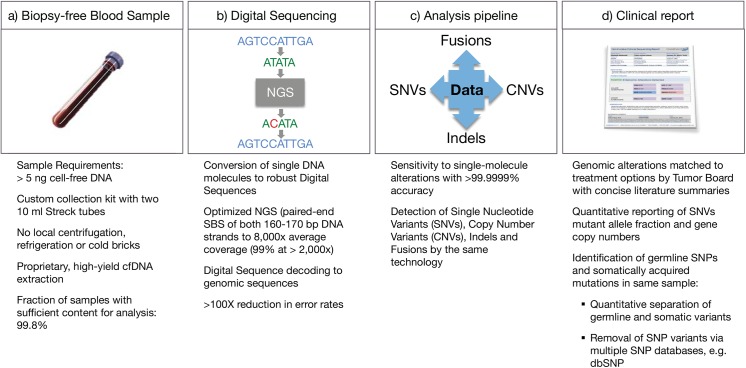
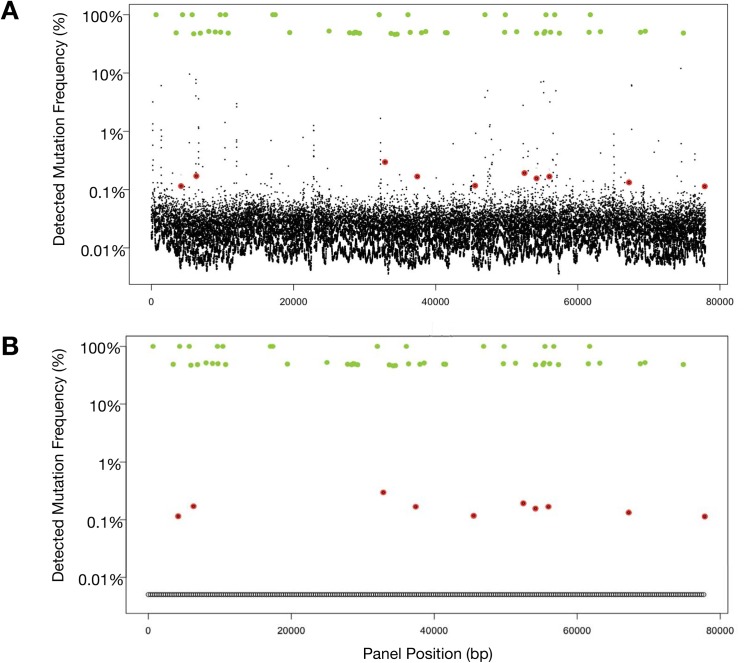
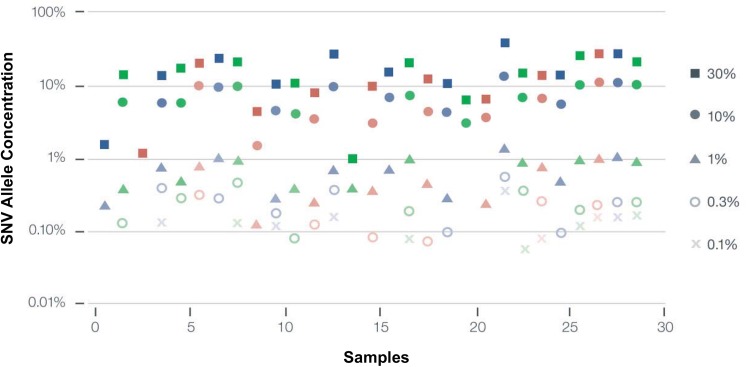
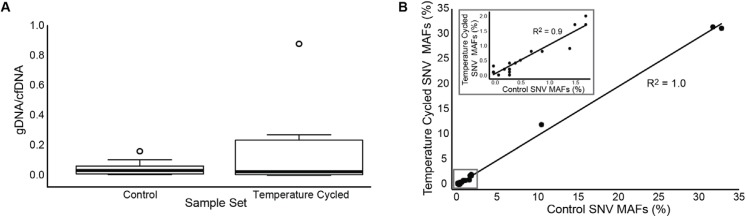
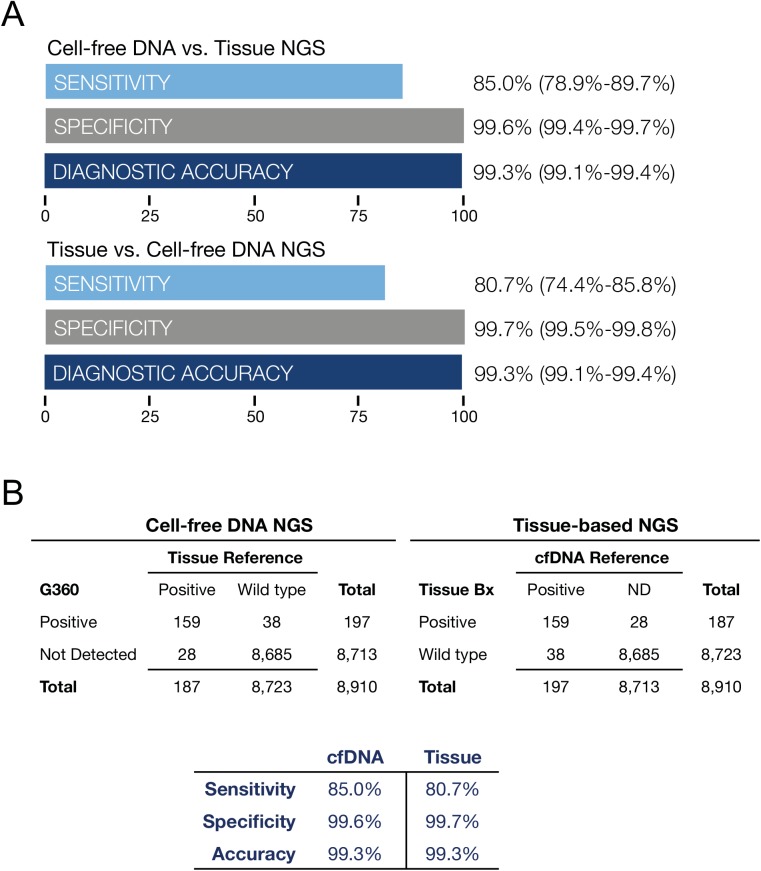
Next-generation sequencing of cell-free circulating solid tumor DNA addresses two challenges in contemporary cancer care. First this method of massively parallel and deep sequencing enables assessment of a comprehensive panel of genomic targets from a single sample, and second, it obviates the need for repeat invasive tissue biopsies. Digital Sequencing™ is a novel method for high-quality sequencing of circulating tumor DNA simultaneously across a comprehensive panel of over 50 cancer-related genes with a simple blood test. Here we report the analytic and clinical validation of the gene panel. Analytic sensitivity down to 0.1% mutant allele fraction is demonstrated via serial dilution studies of known samples. Near-perfect analytic specificity (> 99.9999%) enables complete coverage of many genes without the false positives typically seen with traditional sequencing assays at mutant allele frequencies or fractions below 5%. We compared digital sequencing of plasma-derived cell-free DNA to tissue-based sequencing on 165 consecutive matched samples from five outside centers in patients with stage III-IV solid tumor cancers. Clinical sensitivity of plasma-derived NGS was 85.0%, comparable to 80.7% sensitivity for tissue. The assay success rate on 1,000 consecutive samples in clinical practice was 99.8%. Digital sequencing of plasma-derived DNA is indicated in advanced cancer patients to prevent repeated invasive biopsies when the initial biopsy is inadequate, unobtainable for genomic testing, or uninformative, or when the patient's cancer has progressed despite treatment. Its clinical utility is derived from reduction in the costs, complications and delays associated with invasive tissue biopsies for genomic testing.
Overview
The claims and statistics of this paper haven’t been checked yet.
Run the check — free, no account needed. It reads the open-access text and checks the sources it cites.
Integrity signals
Registry
Cites
Statistics
Figures
Verification
Claims the paper makes
The claims and statistics of this paper haven’t been checked yet.
Run the check — free, no account needed. It reads the open-access text and checks the sources it cites.
Claims other papers make about this one
Each is checked against this paper’s own text: does it say what the citing paper says it does?
In the citing paper
“Moreover, ctDNA is readily detectable in lung cancer patient blood (20, 27, 29, 30), and sensitivity of variant detection was recently shown to be higher in ctDNA than CTCs (25).”
Self-check
Percentages, sums and reported differences re-computed from the paper’s own numbers.
The self-check needs the paper’s full text.
Citations
Cites
Initial sequencing and analysis of the human genome
International Human Genome Sequencing Consortium, Whitehead Institute for Biomedical Research, C. F. G. R., Lander, E. S., Linton, L. M., Birren, B., Nusbaum, C., Zody, M. C., Baldwin, J., Devon, K., Dewar, K., et al. (2001) · Nature · doi:10.1038/35057062 · Cited by 24,216
Intratumor Heterogeneity and Branched Evolution Revealed by Multiregion Sequencing
Gerlinger, M., Rowan, A. J., Horswell, S., Larkin, J., Endesfelder, D., Gronroos, E., Martinez, P., Matthews, N., Stewart, A., Tarpey, P., et al. (2012) · New England Journal of Medicine · doi:10.1056/nejmoa1113205 · Cited by 7,774 · cited 1×
“different biopsies of the two tumors each typically missed one-third of the nonsynonymous somatic mutations found elsewhere in the tumor despite sequencing to 250-fold coverage [13].”
BackgroundNowell, P. C. (1976) · Science · doi:10.1126/science.959840 · Cited by 6,471 · cited 1×
“Peter Nowell posited almost 40 years ago that “each patient's cancer may require individual specific therapy, and even this may be thwarted by emergence of a genetically variant subline [subclone] resistant to the treatment” [62].”
BackgroundDetection of Circulating Tumor DNA in Early- and Late-Stage Human Malignancies
Bettegowda, C., Sausen, M., Leary, R. J., Kinde, I., Wang, Y., Agrawal, N., Bartlett, B. R., Wang, H., Luber, B., Alani, R. M., et al. (2014) · Science Translational Medicine · doi:10.1126/scitranslmed.3007094 · Cited by 5,067
Glucocorticoid-induced thymocyte apoptosis is associated with endogenous endonuclease activation
Wyllie, A. H. (1980) · Nature · doi:10.1038/284555a0 · Cited by 4,495 · cited 1×
“Cell-free circulating tumor DNA consists mainly of 166 base pair double-stranded DNA fragments resulting from apoptosis, necrosis or release of nuclear DNA into the circulation [18,19].”
BackgroundAccurate whole human genome sequencing using reversible terminator chemistry
Bentley, D. R., Balasubramanian, S., Swerdlow, H. P., Smith, G. P., Milton, J., Brown, C. G., Hall, K. P., Evers, D. J., Barnes, C. L., Bignell, H. R., et al. (2008) · Nature · doi:10.1038/nature07517 · Cited by 3,684 · cited 2×
“The 165 matched plasma and tissue samples were both analyzed on the Illumina Hi-Seq 2500 platform, the cfDNA analyzed using the digital sequencing method described herein and the DNA isolated from tissue samples analyzed using standard prep as per the manufacturer’s instructions [76].”
MethodA collection of breast cancer cell lines for the study of functionally distinct cancer subtypes
Neve, R. M., Chin, K., Fridlyand, J., Yeh, J., Baehner, F. L., Fevr, T., Clark, L., Bayani, N., Coppé, J., Tong, F. K., et al. (2006) · Cancer Cell · doi:10.1016/j.ccr.2006.10.008 · Cited by 3,224
Towards complete and accurate reporting of studies of diagnostic accuracy: The STARD Initiative.
Bossuyt, P. M., Reitsma, J. B., Bruns, D. E., Gatsonis, C. A., Glasziou, P. P., Irwig, L. M., Lijmer, J. G., Moher, D., Rennie, D., de Vet, H. C. W., et al. (2003) · Annals of Internal Medicine · doi:10.7326/0003-4819-138-1-200301070-00010 · Cited by 3,219
Towards complete and accurate reporting of studies of diagnostic accuracy: the STARD initiative
Bossuyt, P. M., Reitsma, J. B., Bruns, D. E., Gatsonis, C. A., Glasziou, P. P., Irwig, L. M., Lijmer, J. G., Moher, D., Rennie, D., & de Vet, H. C. W. (2003) · BMJ · doi:10.1136/bmj.326.7379.41 · Cited by 3,215
Cell-free nucleic acids as biomarkers in cancer patients
Schwarzenbach, H., Hoon, D. S. �., & Pantel, K. (2011) · Nature reviews. Cancer · doi:10.1038/nrc3066 · Cited by 2,897
Research works printed but not linked: 5
- Rosen S. World Market for Cancer Diagnostics, 5th Edition. 2013.
- P Mandel, 1948, Les acides nucléiques du plasma sanguin chez l’homme, CR Acad Sci Paris, 142, 241
- AmirAli Talasaz, 2014, Non-invasive and sequential profiling of metastatic solid tumors by Digital Sequencing of cell-free DNA [Abstract 3422S], Am Soc Hum Genet Annu Meet
- A Drilon, 2015, Broad, hybrid capture-based next-generation sequencing identifies actionable genomic alterations in “driver-negative” lung adenocarcinomas, Clin Cancer Res Off J Am Assoc Cancer Res
- Maryke Appel Victoria van Kets, 2014, Kapa Hyper Prep: A next-generation kit for fast and efficient library construction from challenging DNA samples. [Abstract], Adv Genome Biol Technol
Cited by
Sorted by citations
Liquid biopsies come of age: Towards implementation of circulating tumour DNA
Wan, J. C. M., Massie, C., Garcia-Corbacho, J., Mouliere, F., Brenton, J. D., Caldas, C., Pacey, S., Baird, R., & Rosenfeld, N. (2017) · Nature Reviews Cancer · doi:10.1038/nrc.2017.7 · Cited by 2,809
Integrating liquid biopsies into the management of cancer
Siravegna, G., Marsoni, S., Siena, S., & Bardelli, A. (2017) · Nature Reviews Clinical Oncology · doi:10.1038/nrclinonc.2017.14 · Cited by 1,971
STK11/LKB1 Mutations and PD-1 Inhibitor Resistance in KRAS -Mutant Lung Adenocarcinoma
Skoulidis, F., Goldberg, M. E., Greenawalt, D. M., Hellmann, M. D., Awad, M. M., Gainor, J. F., Schrock, A. B., Hartmaier, R. J., Trabucco, S. E., Gay, L., et al. (2018) · Cancer Discovery · doi:10.1158/2159-8290.cd-18-0099 · Cited by 1,641
Kim, S. T., Cristescu, R., Bass, A. J., Kim, K., Odegaard, J. I., Kim, K., Liu, X. Q., Sher, X., Jung, H., Lee, M.-J., et al. (2018) · Nature Medicine · doi:10.1038/s41591-018-0101-z · Cited by 1,680
Direct detection of early-stage cancers using circulating tumor DNA
Phallen, J. A., Sausen, M., Adleff, V., Leal, A., Hruban, C., White, J. R., Anagnostou, V., Fiksel, J., Cristiano, S., Papp, E., et al. (2017) · Science Translational Medicine · doi:10.1126/scitranslmed.aan2415 · Cited by 1,149
“(11-105240), the Danish Council for Strategic Research (1309-00006B), the Novo Nordisk”
BackgroundScalable whole-exome sequencing of cell-free DNA reveals high concordance with metastatic tumors
Adalsteinsson, V. A., Ha, G., Freeman, S. S., Choudhury, A. D., Stover, D. G., Parsons, H. A., Gydush, G., Reed, S. C., Rotem, D., Rhoades, J., et al. (2017) · Nature Communications · doi:10.1038/s41467-017-00965-y · Cited by 1,055
Blauwkamp, T. A., Thair, S., Rosen, M. J., Blair, L., Lindner, M. S., Vilfan, I. D., Kawli, T., Christians, F. C., Venkatasubrahmanyam, S., Wall, G. D., et al. (2019) · Nature Microbiology · doi:10.1038/s41564-018-0349-6 · Cited by 962
Application of Cell-free DNA Analysis to Cancer Treatment
Corcoran, R. B., & Chabner, B. A. (2018) · New England Journal of Medicine · doi:10.1056/nejmra1706174 · Cited by 980
High-intensity sequencing reveals the sources of plasma circulating cell-free DNA variants
Razavi, P., Li, B. T., Brown, D. N., Jung, B., Hubbell, E. A., Shen, R., Abida, W. M., Juluru, K., de Bruijn, I., Hou, C., et al. (2019) · Nature Medicine · doi:10.1038/s41591-019-0652-7 · Cited by 808
Rolfo, C., Mack, P., Scagliotti, G. V., Aggarwal, C., Arcila, M. E., Barlesi, F., Bivona, T., Diehn, M., Dive, C., Dziadziuszko, R., et al. (2021) · Journal of Thoracic Oncology · doi:10.1016/j.jtho.2021.06.017 · Cited by 683
Liquid Biopsy for Advanced Non-Small Cell Lung Cancer (NSCLC): A Statement Paper from the IASLC
Rolfo, C. D., Mack, P. C., Scagliotti, G. V., Baas, P., Barlési, F., Bivona, T. G., Herbst, R. S., Mok, T. S. K., Peled, N., Pirker, R., et al. (2018) · Journal of Thoracic Oncology · doi:10.1016/j.jtho.2018.05.030 · Cited by 677
“57,58 This, in turn, leads to greater sensitivity (in this context: detection of low frequency variants) by increasing con fi dence in calls made from extremely limited counts.”
Non-invasive early detection of cancer four years before conventional diagnosis using a blood test
Chen, X., Gole, J., Gore, A., He, Q., Lü, M., Min, J., Yuan, Z., Yang, X., Jiang, Y., Zhang, T., et al. (2020) · Nature Communications · doi:10.1038/s41467-020-17316-z · Cited by 649
Leighl, N. B., Page, R. D., Raymond, V. M., Daniel, D. B., Divers, S. G., Reckamp, K. L., Villalona-Calero, M. A., Dix, D., Odegaard, J. I., Lanman, R. B., et al. (2019) · Clinical Cancer Research · doi:10.1158/1078-0432.ccr-19-0624 · Cited by 593
“Accordingly, we aimed to build on previous findings and help directly address this remaining perception by evaluating, in the clinical practice setting, whether a validated (17, 18) and highly sensitive comprehensive cfDNA test utilized at diagnosis of mNSCLC is noninferior to physician discretion SOC tissue genotypin…”
MethodBlakely, C. M., Watkins, T. B. K., Wu, W., Gini, B., Chabon, J. J., McCoach, C. E., McGranahan, N., Wilson, G. A., Birkbak, N. J., Olivas, V. R., et al. (2017) · Nature Genetics · doi:10.1038/ng.3990 · Cited by 571
The emerging role of cell-free DNA as a molecular marker for cancer management
Bronkhorst, A. J., Ungerer, V., & Holdenrieder, S. (2019) · Biomolecular Detection and Quantification · doi:10.1016/j.bdq.2019.100087 · Cited by 566
Goyal, L., Saha, S. K., Liu, L. Y., Siravegna, G., Leshchiner, I., Ahronian, L. G., Lennerz, J. K., Vu, P., Deshpande, V., Kambadakone, A. R., et al. (2016) · Cancer Discovery · doi:10.1158/2159-8290.cd-16-1000 · Cited by 567
Parikh, A. R., Leshchiner, I., Elagina, L., Goyal, L., Levovitz, C., Siravegna, G., Livitz, D., Rhrissorrakrai, K., Martin, E. E., Van Seventer, E. E., et al. (2019) · Nature Medicine · doi:10.1038/s41591-019-0561-9 · Cited by 518
Implementing Genome-Driven Oncology
Hyman, D. M., Taylor, B. S., & Baselga, J. M. (2017) · Cell · doi:10.1016/j.cell.2016.12.015 · Cited by 516
Early Assessment of Lung Cancer Immunotherapy Response via Circulating Tumor DNA
Goldberg, S. B., Narayan, A., Kole, A. J., Decker, R. H., Teysir, J., Carriero, N. J., Lee, A. Y., Nemati, R., Nath, S. K., Mane, S., et al. (2018) · Clinical Cancer Research · doi:10.1158/1078-0432.ccr-17-1341 · Cited by 443
Odegaard, J. I., Vincent, J. J., Mortimer, S., Vowles, J. V., Ulrich, B. C., Banks, K. C., Fairclough, S. R., Zill, O. A., Sikora, M., Mokhtari, R. B., et al. (2018) · Clinical Cancer Research · doi:10.1158/1078-0432.ccr-17-3831 · Cited by 437
“Congruent with previous reports of high ctDNA–gDNA concordance (8, 9, 24, 34, 35), per-variant and VAF-normalized relative tumor mutation burden landscape analyses closely match those of previous reports (Fig.”
MethodResultLin, K., Harrell, M. I., Oza, A. M., Oaknin, A., Ray-Coquard, I. L., Tinker, A. V., Helman, E., Radke, M. R., Say, C., Vo, L.-T., et al. (2018) · Cancer Discovery · doi:10.1158/2159-8290.cd-18-0715 · Cited by 449
Aberrant FGFR signaling mediates resistance to CDK4/6 inhibitors in ER+ breast cancer
Formisano, L., Lu, Y., Servetto, A., Hanker, A. B., Jansen, V. M., Bauer, J. A., Sudhan, D. R., Zotano, Á. G., Croessmann, S., Guo, Y. P., et al. (2019) · Nature Communications · doi:10.1038/s41467-019-09068-2 · Cited by 416
Morris, V. K., Salem, M. E., Nimeiri, H. S., Iqbal, S., Singh, P. P., Ciombor, K. K., Polite, B. N., Deming, D. A., Chan, E. W., Wade, J. L., et al. (2017) · The Lancet Oncology · doi:10.1016/s1470-2045(17)30104-3 · Cited by 409
Condorelli, R., Spring, L. M., O’Shaughnessy, J., Lacroix, L., Bailleux, C., Scott, V., Dubois, J. S., Nagy, R. J., Lanman, R. B., Iafrate, A. J., et al. (2017) · Annals of Oncology · doi:10.1093/annonc/mdx784 · Cited by 407
Zill, O. A., Banks, K. C., Fairclough, S. R., Mortimer, S. A., Vowles, J. V., Mokhtari, R., Gandara, D. R., Mack, P. C., Odegaard, J. I., Nagy, R. J., et al. (2018) · Clinical Cancer Research · doi:10.1158/1078-0432.ccr-17-3837 · Cited by 391
“The clinical cfDNA sequencing platform (Guardant360) used in this study has been previously described (13), and additional information on the assay and variant calling is provided in the Supplementary Methods and in the accompanying paper by Odegaard and colleagues (16).”
MethodSelf-citationKopetz, S., Guthrie, K. A., Morris, V. K., Lenz, H., Magliocco, A. M., Maru, D. M., Yan, Y., Lanman, R. B., Manyam, G. C., Hong, D. S., et al. (2020) · Journal of Clinical Oncology · doi:10.1200/jco.20.01994 · Cited by 390
Parikh, A. R., Seventer, E. E. V., Siravegna, G., Hartwig, A. V., Jaimovich, A., He, Y., Kanter, K. N., Fish, M. G., Fosbenner, K. D., Miao, B., et al. (2021) · Clinical Cancer Research · doi:10.1158/1078-0432.ccr-21-0410 · Cited by 400
“cfDNA was extracted from plasma as described previously (29).”
Shaw, A. T., Solomon, B., Besse, B., Bauer, T. M., Lin, C., Soo, R. A., Riely, G. J., Ou, S. I., Clancy, J. S., Li, S., et al. (2019) · Journal of Clinical Oncology · doi:10.1200/jco.18.02236 · Cited by 391
“0; Guardant Health, Redwood City, CA), as previously described.(18-20) Results of the cfDNA analysis are reported here for ALK kinase domain mutations.”
Goyal, L., Shi, L., Liu, L. Y., de la Cruz, F. F., Lennerz, J. K., Raghavan, S., Leschiner, I., Elagina, L., Siravegna, G., Ng, R. W. S., et al. (2019) · Cancer Discovery · doi:10.1158/2159-8290.cd-19-0182 · Cited by 384
“complete sequencing at 15,000× read depth of the critical exons in a targeted panel of 70 genes was performed at a CLIA-certified, College of American Pathologists–accredited laboratory (Guardant Health)(43).”
MethodInfluentialTechniques of using circulating tumor DNA as a liquid biopsy component in cancer management
Elazezy, M., & Joosse, S. A. (2018) · Computational and Structural Biotechnology Journal · doi:10.1016/j.csbj.2018.10.002 · Cited by 372
“01–90% of the total cell-free DNA (cfDNA) found in blood [27,28].”
BackgroundDasari, A. N., Morris, V. K., Allegra, C. J., Atreya, C. E., Benson, A. B., Boland, P. M., Chung, K., Copur, M. S., Corcoran, R. B., Deming, D. A., et al. (2020) · Nature Reviews Clinical Oncology · doi:10.1038/s41571-020-0392-0 · Cited by 386
Review of Clinical Next-Generation Sequencing
Yohe, S. L., & Thyagarajan, B. (2017) · Archives of Pathology & Laboratory Medicine · doi:10.5858/arpa.2016-0501-ra · Cited by 393
Janjigian, Y. Y., Maron, S. B., Chatila, W. K., Millang, B. M., Chavan, S. S., Alterman, C., Chou, J. F., Segal, M. F., Simmons, M. Z., Momtaz, P., et al. (2020) · The Lancet Oncology · doi:10.1016/s1470-2045(20)30169-8 · Cited by 358
Tumor evolution: Linear, branching, neutral or punctuated?
Davis, A., Gao, R., & Navin, N. E. (2017) · Biochimica et Biophysica Acta (BBA) - Reviews on Cancer · doi:10.1016/j.bbcan.2017.01.003 · Cited by 371
Cell-free DNA (cfDNA): Clinical Significance and Utility in Cancer Shaped By Emerging Technologies
Volik, S. V., Alcaide, M., Morin, R. D., & Collins, C. C. (2016) · Molecular Cancer Research · doi:10.1158/1541-7786.mcr-16-0044 · Cited by 351
Thompson, J. C., Yee, S. S., Troxel, A. B., Savitch, S. L., Fan, R., Balli, D., Lieberman, D. B., Morrissette, J. D., Evans, T. L., Bauml, J., et al. (2016) · Clinical Cancer Research · doi:10.1158/1078-0432.ccr-16-1231 · Cited by 325
MET-dependent solid tumours — molecular diagnosis and targeted therapy
Guo, R., Luo, J., Chang, J. C., Rekhtman, N., Arcila, M. E., & Drilon, A. E. D. C. (2020) · Nature Reviews Clinical Oncology · doi:10.1038/s41571-020-0377-z · Cited by 333
Song, P., Wu, L. R., Yan, Y. H., Zhang, J. X., Chu, T., Kwong, L. N., Patel, A. A., & Zhang, D. Y. (2022) · Nature Biomedical Engineering · doi:10.1038/s41551-021-00837-3 · Cited by 334
Gorgannezhad, L., Umer, M., Islam, M. N., Nguyen, N., & Shiddiky, M. J. A. (2018) · Lab on a Chip · doi:10.1039/c8lc00100f · Cited by 316
Evaluating the analytical validity of circulating tumor DNA sequencing assays for precision oncology
Deveson, I. W., Gong, B., Lai, K., LoCoco, J. S., Richmond, T., Schageman, J. J., Zhang, Z., Novoradovskaya, N., Willey, J. C., Jones, W. D., et al. (2021) · Nature Biotechnology · doi:10.1038/s41587-021-00857-z · Cited by 288
Array‐based “Chemical Nose” Sensing in Diagnostics and Drug Discovery
Geng, Y., Peveler, W. J., & Rotello, V. M. (2018) · Angewandte Chemie International Edition · doi:10.1002/anie.201809607 · Cited by 272
Willis, J. A., Lefterova, M. I., Artyomenko, A., Kasi, P. M., Nakamura, Y., Mody, K., Catenacci, D. V. T., Fakih, M., Bárbácioru, C., Zhao, J., et al. (2019) · Clinical Cancer Research · doi:10.1158/1078-0432.ccr-19-1324 · Cited by 246
“To address this, Digital Sequencing error correction was used to define true biological insertion– deletion events at microsatellite loci at high fidelity as described previously (25, 26).”
BackgroundMethodInfluentialClinicopathological features, treatment approaches, and outcomes in Rosai-Dorfman disease
Goyal, G., Ravindran, A., Young, J. R., Shah, M. V., Bennani, N. N., Patnaik, M. M., Nowakowski, G. S., Thanarajasingam, G., Habermann, T. M., Vassallo, R., et al. (2019) · Haematologica · doi:10.3324/haematol.2019.219626 · Cited by 229
Shu, Y., Wu, X., Tong, X., Wang, X., Chang, Z., Mao, Y., Chen, X., Sun, J., Wang, Z., Hong, Z., et al. (2017) · Scientific Reports · doi:10.1038/s41598-017-00520-1 · Cited by 226
Hong, D. S., Morris, V. K., El Osta, B., Sorokin, A. V., Janku, F., Fu, S., Overman, M. J., Piha-Paul, S., Subbiah, V., Kee, B., et al. (2016) · Cancer Discovery · doi:10.1158/2159-8290.cd-16-0050 · Cited by 219
Swisher, E. M., Kwan, T. T., Oza, A. M., Tinker, A. V., Ray-Coquard, I. L., Oaknin, A., Coleman, R. L., Aghajanian, C. A., Konecny, G. E., O’Malley, D. M., et al. (2021) · Nature Communications · doi:10.1038/s41467-021-22582-6 · Cited by 209
Gutierrez, M. E., Choi, K., Lanman, R. B., Licitra, E. J., Skrzypczak, S. M., Benito, R. P., Wu, T., Arunajadai, S. G., Kaur, S., Harper, H. D., et al. (2017) · Clinical Lung Cancer · doi:10.1016/j.cllc.2017.04.004 · Cited by 206
Lucas, F. A. S., Allenson, K., Bernard, V., Castillo, J., Kim, D. U., Ellis, K. E. S., Ehli, E. A., Davies, G. E., Petersen, J. L., Li, D., et al. (2015) · Annals of Oncology · doi:10.1093/annonc/mdv604 · Cited by 209
“To this end, several investigators have identified tumor-specific genetic mutations in patient plasma-derived circulating cell-free DNA (cfDNA) including activating mutations in KRAS, BRAF, epidermal growth factor receptor (EGFR) and other cancer genes using highly sensitive targeted approaches such as digital PCR and…”
BackgroundMYC targeting by OMO-103 in solid tumors: a phase 1 trial
Garralda, E., Beaulieu, M.-È., Moreno, V., Casacuberta‐Serra, S., Martínez-Martín, S., Foradada, L., Alonso, G., Massó-Vallés, D., López‐Estévez, S., Jauset, T., et al. (2024) · Nature Medicine · doi:10.1038/s41591-024-02805-1 · Cited by 219
Khagi, Y., Goodman, A. M., Daniels, G. A., Patel, S. P., Sacco, A. G., Randall, J. M., Bazhenova, L. A., & Kurzrock, R. (2017) · Clinical Cancer Research · doi:10.1158/1078-0432.ccr-17-1439 · Cited by 203
Clark, T. A., Chung, J. H., Kennedy, M., Hughes, J. D., Chennagiri, N., Lieber, D. S., Fendler, B., Young, L., Zhao, M., Coyne, M., et al. (2018) · The Journal of Molecular Diagnostics · doi:10.1016/j.jmoldx.2018.05.004 · Cited by 200
Tumor Evolution as a Therapeutic Target
Amirouchene-Angelozzi, N., Swanton, C., & Bardelli, A. (2017) · Cancer Discovery · doi:10.1158/2159-8290.cd-17-0343 · Cited by 197
Ma, C. X., Bose, R., Gao, F., Freedman, R. A., Telli, M. L., Kimmick, G., Winer, E., Naughton, M., Goetz, M. P., Russell, C., et al. (2017) · Clinical Cancer Research · doi:10.1158/1078-0432.ccr-17-0900 · Cited by 193
“Postsequencing bioinformatics matches the complementary strands of each barcoded DNA fragment to remove false-positive results (35).”
BackgroundSelf-citationOberg, J. A., Bender, J. G., Sulis, M. L., Pendrick, D., Sireci, A. N., Hsiao, S. J., Turk, A. T., Cruz, F. S. D., Hibshoosh, H. H., Remotti, H. E., et al. (2016) · Genome Medicine · doi:10.1186/s13073-016-0389-6 · Cited by 188
Detection of Solid Tumor Molecular Residual Disease (MRD) Using Circulating Tumor DNA (ctDNA)
Chin, R.-I., Chen, K., Usmani, A., Chua, C., Harris, P. K., Binkley, M. S., Azad, T. D., Dudley, J. C., & Chaudhuri, A. A. (2019) · Molecular Diagnosis & Therapy · doi:10.1007/s40291-019-00390-5 · Cited by 191
Patient-Paired Sample Congruence Between 2 Commercial Liquid Biopsy Tests
Torga, G., & Pienta, K. J. (2017) · JAMA Oncology · doi:10.1001/jamaoncol.2017.4027 · Cited by 180
Gale, D. G., Lawson, A. R. J., Howarth, K., Madi, M., Durham, B., Smalley, S., Calaway, J. D., Blais, S., Jones, G., Clark, J., et al. (2018) · PLoS ONE · doi:10.1371/journal.pone.0194630 · Cited by 177
Widschwendter, M., Zikán, M., Wahl, B., Lempiäinen, H., Paprotka, T., Evans, I., Jones, A., Ghazali, S., Reisel, D., Eichner, J., et al. (2017) · Genome Medicine · doi:10.1186/s13073-017-0500-7 · Cited by 176
“1% (which is one mutant molecule in a background of 1000 wild-type molecules) [12, 17].”
BackgroundMack, P. C., Banks, K. C., Espenschied, C. R., Burich, R. A., Zill, O. A., Lee, C. E., Riess, J. W., Mortimer, S., Talasaz, A. H., Lanman, R. B., et al. (2020) · Cancer · doi:10.1002/cncr.32876 · Cited by 172
Comparison of 2 Commercially Available Next-Generation Sequencing Platforms in Oncology
Kuderer, N. M., Burton, K. A., Blau, S. H., Rose, A. L., Parker, S., Lyman, G. H., & Blau, C. A. (2016) · JAMA Oncology · doi:10.1001/jamaoncol.2016.4983 · Cited by 170
Piccioni, D. E., Achrol, A. S., Kiedrowski, L. A., Banks, K. C., Boucher, N., Barkhoudarian, G., Kelly, D. F., Juarez, T., Lanman, R. B., Raymond, V. M., et al. (2019) · CNS Oncology · doi:10.2217/cns-2018-0015 · Cited by 171
Rossi, G., Mu, Z., RADEMAKER, A. W., Austin, L., Strickland, K. S., Costa, R. L. B., Nagy, R. J., Zagonel, V., Taxter, T., Behdad, A., et al. (2017) · Clinical Cancer Research · doi:10.1158/1078-0432.ccr-17-2092 · Cited by 161
Alterations in PTEN and ESR1 promote clinical resistance to alpelisib plus aromatase inhibitors
Razavi, P., Dickler, M. N., Shah, P. D., Toy, W., Brown, D. N., Won, H. H., Li, B. T., Shen, R., Vasan, N., Modi, S., et al. (2020) · Nature Cancer · doi:10.1038/s43018-020-0047-1 · Cited by 163
Neoadjuvant BRAF- and Immune-Directed Therapy for Anaplastic Thyroid Carcinoma
Cabanillas, M. E., Ferrarotto, R., Garden, A. S., Ahmed, S., Busaidy, N. L., Dadu, R., Williams, M. D., Skinner, H. D., Gunn, G. B., Grosu, H. B., et al. (2018) · Thyroid · doi:10.1089/thy.2018.0060 · Cited by 159
Diagnostics based on nucleic acid sequence variant profiling: PCR, hybridization, and NGS approaches
Khodakov, D. A., Wang, C., & Zhang, D. Y. (2016) · Advanced Drug Delivery Reviews · doi:10.1016/j.addr.2016.04.005 · Cited by 159
Use of Liquid Biopsies in Clinical Oncology: Pilot Experience in 168 Patients
Schwaederle, M. C., Husain, H., Fanta, P. T., Piccioni, D. E., Kesari, S., Schwab, R. B., Patel, S. P., Harismendy, O., Ikeda, M., Parker, B. A., et al. (2016) · Clinical Cancer Research · doi:10.1158/1078-0432.ccr-16-0318 · Cited by 154
McCoach, C. E., Blakely, C. M., Banks, K. C., Levy, B. P., Chue, B. M.-F., Raymond, V. M., Le, A. T., Lee, C. E., Diaz, J., Waqar, S. N., et al. (2018) · Clinical Cancer Research · doi:10.1158/1078-0432.ccr-17-2588 · Cited by 152
“Analytic and clinical validation has been previously reported (20, 28).”
MethodPotential of Aqueous Humor as a Surrogate Tumor Biopsy for Retinoblastoma
Berry, J. L., Xu, L., Murphree, A. L., Krishnan, S., Stachelek, K., Zolfaghari, E. J., McGovern, K., Lee, T. C., Carlsson, A., Kühn, P., et al. (2017) · JAMA Ophthalmology · doi:10.1001/jamaophthalmol.2017.4097 · Cited by 151
Sánchez-Vega, F., Hechtman, J. F., Castel, P., Ku, G. Y., Tuvy, Y., Won, H. H., Fong, C. J., Bouvier, N., Nanjangud, G. J., Soong, J., et al. (2018) · Cancer Discovery · doi:10.1158/2159-8290.cd-18-0598 · Cited by 150
“cfDNA collected during treatment of patient 28 was analyzed using the Guardant360 assay (35).”
MethodEngstrom, L. D., Aranda, R., Lee, M., Tovar, E. A., Essenburg, C. J., Madaj, Z., Chiang, H., Briere, D. M., Hallin, J. F., Lopez-Casas, P. P., et al. (2017) · Clinical Cancer Research · doi:10.1158/1078-0432.ccr-17-1192 · Cited by 149
Schwaederle, M. C., Patel, S. P., Husain, H., Ikeda, M., Lanman, R. B., Banks, K. C., Talasaz, A. H., Bazhenova, L. A., & Kurzrock, R. (2017) · Clinical Cancer Research · doi:10.1158/1078-0432.ccr-16-2497 · Cited by 144
Pal, S. K., Sonpavde, G., Agarwal, N., Vogelzang, N. J., Srinivas, S., Haas, N. B., Signoretti, S., McGregor, B. A., Jones, J. O., Lanman, R. B., et al. (2017) · European Urology · doi:10.1016/j.eururo.2017.03.046 · Cited by 140
Lee, K. H. (2017) · Pharmacology & Therapeutics · doi:10.1016/j.pharmthera.2017.02.001 · Cited by 142
Krook, M. A., Lenyo, A. M., Wilberding, M., Barker, H. D., Dantuono, M., Bailey, K. M., Chen, H., Reeser, J. W., Wing, M. R., Miya, J., et al. (2020) · Molecular Cancer Therapeutics · doi:10.1158/1535-7163.mct-19-0631 · Cited by 144
Chae, Y. K., & Oh, M. S. (2018) · Journal of Thoracic Oncology · doi:10.1016/j.jtho.2018.09.022 · Cited by 142
Chae, Y. K., Davis, A. A., Jain, S., Santa-Maria, C. A., Flaum, L., Beaubier, N. T., Platanias, L. C., Gradishar, W. J., Giles, F. J., & Cristofanilli, M. (2017) · Molecular Cancer Therapeutics · doi:10.1158/1535-7163.mct-17-0061 · Cited by 140
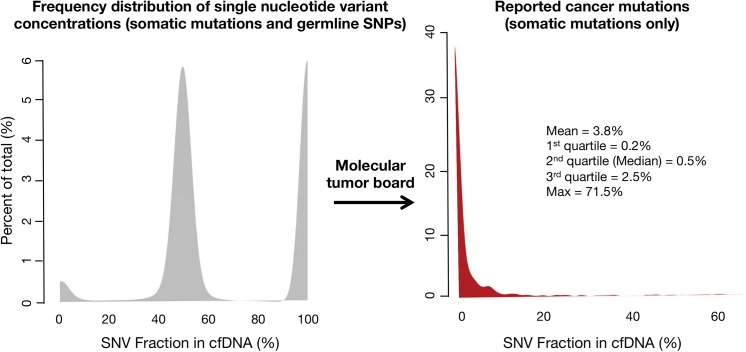
“9999% for Guardant360 for single nucleotide variants with mutant allele frequency (MAF) greater than 2% and wild type sequences (42).”
BackgroundWu, L. R., Chen, S. X., Wu, Y., Patel, A. A., & Zhang, D. Y. (2017) · Nature Biomedical Engineering · doi:10.1038/s41551-017-0126-5 · Cited by 133
Cell-free circulating tumor DNA in cancer
Qin, Z., Ljubimov, V. A., Zhou, C., Tong, Y., & Liang, J. (2016) · 癌症:英文版 · doi:10.1186/s40880-016-0092-4 · Cited by 137
“These high-throughput, low-cost, sequencing technologies identify widespread ctDNA alterations across wide genomic regions [61–63].”
BackgroundUtility of Genomic Analysis In Circulating Tumor DNA from Patients with Carcinoma of Unknown Primary
Kato, S., Krishnamurthy, N., Banks, K. C., De, P. K., Williams, K. A., Williams, C. B., Leyland-Jones, B. R., Lippman, S. M., Lanman, R. B., & Kurzrock, R. (2017) · Cancer Research · doi:10.1158/0008-5472.can-17-0628 · Cited by 134
“NGS ctDNA was extracted from whole blood collected in 10 mL Streck tubes, and 5 to 30ng of ctDNAwas prepared for sequencing as previously described (25).”
InfluentialSiravegna, G., Bianchi, A. S., Nagy, R. J., Raghav, K. P. S., Odegaard, J. I., Lanman, R. B., Trusolino, L., Marsoni, S., Siena, S., & Bardelli, A. (2019) · Clinical Cancer Research · doi:10.1158/1078-0432.ccr-18-3389 · Cited by 134
Kato, S., Okamura, R., Baumgartner, J. M., Patel, H., Leichman, L., Kelly, K. J., Sicklick, J. K., Fanta, P. T., Lippman, S. M., & Kurzrock, R. (2018) · Clinical Cancer Research · doi:10.1158/1078-0432.ccr-18-1128 · Cited by 129
“The variant allele fraction or fractional concentration for a given somaticmutation is derived from the fraction of ctDNAharboring that mutation in a background of wild-type ctDNA fragments at the same nucleotide position (19).”
BackgroundMethodAlborelli, I., Generali, D., Jermann, P. M., Cappelletti, M. R., Ferrero, G., Scaggiante, B., Bortul, M., Zanconati, F., Nicolet, S., Haegele, J., et al. (2019) · Cell Death and Disease · doi:10.1038/s41419-019-1770-3 · Cited by 133
Kumar, P., Gupta, S., & Das, B. C. (2023) · Translational Oncology · doi:10.1016/j.tranon.2023.101827 · Cited by 136
“Large-scale, multi-centric clinical trials involving various stake-holders including healthcare institutions, research organizations, academic institutions, pharmaceutical companies, and regulatory bodies are essential for establishing the clinical utility of saliva-based di-agnostics [238,239].”
BackgroundThe value of cell‐free DNA for molecular pathology
Stewart, C. M., Kothari, P. D., Mouliere, F. C., Mair, R. J., Somnay, S., Benayed, R., Zehir, A., Weigelt, B., Dawson, S., Arcila, M. E., et al. (2018) · The Journal of Pathology · doi:10.1002/path.5048 · Cited by 129
Response to Anti-EGFR Therapy in Patients with BRAF non-V600–Mutant Metastatic Colorectal Cancer
Yaeger, R. D., Kotani, D., Mondaca, S., Parikh, A. R., Bando, H., Seventer, E. E. V., Taniguchi, H., Zhao, H., Thant, C. N., de Stanchina, E., et al. (2019) · Clinical Cancer Research · doi:10.1158/1078-0432.ccr-19-2004 · Cited by 130
Costs of Diagnostic Assessment for Lung Cancer: A Medicare Claims Analysis
Lokhandwala, T., Bittoni, M. A., Dann, R. A., D’Souza, A. O., Johnson, M., Nagy, R. J., Lanman, R. B., Merritt, R. E., & Carbone, D. P. (2016) · Clinical Lung Cancer · doi:10.1016/j.cllc.2016.07.006 · Cited by 119
“microRNAs, autoantibodies, or cell-free circulating tumor DNA assays.(36)”
Bagley, S. J., Nabavizadeh, S. A., Mays, J. J., Till, J. E., Ware, J. B., Levy, S. C., Sarchiapone, W., Hussain, J., Prior, T., Guiry, S., et al. (2019) · Clinical Cancer Research · doi:10.1158/1078-0432.ccr-19-2533 · Cited by 120
“The Guardant360 cfDNA test has demonstrated extensive analytical and clinical validity and utility (7, 29, 30).”
BackgroundChae, Y. K., Davis, A. A., Agte, S., Pan, A. P., Simon, N. I., Iams, W. T., Cruz, M. R. D. S., Tamragouri, K., Rhee, K., Mohindra, N. A., et al. (2019) · The Oncologist · doi:10.1634/theoncologist.2018-0433 · Cited by 118
“Clinical sensitivity was approximately 85% and specificity was >99% [28, 29].”
BackgroundHassan, R., Butler, M. O., O'Cearbhaill, R. E., Oh, D. Y., Johnson, M. L., Zikaras, K., Smalley, M., Ross, M. G., Tanyi, J. L., Ghafoor, A., et al. (2023) · Nature Medicine · doi:10.1038/s41591-023-02452-y · Cited by 123
Slavin, T. P., Banks, K. C., Chudova, D. I., Oxnard, G. R., Odegaard, J. I., Nagy, R. J., Tsang, K. W. K., Neuhausen, S. L., Gray, S. W., Cristofanilli, M., et al. (2018) · Journal of Clinical Oncology · doi:10.1200/jco.18.00328 · Cited by 115
“cfDNA was extracted from plasma, quantified, and used to prepare sequencing libraries, which were sequenced to approximately 15,000 times the average read depth usingmethods previously described.(15,16) The Guardant360 assay detects single nucleotide variants, small (fewer than 50 bases) indels,METexon 14 large indels…”
MethodSi, H., Kuziora, M. A., Quinn, K., Helman, E., Ye, J., Liu, F., Scheuring, U. J., Peters, S., Rizvi, N. A., Brohawn, P. Z., et al. (2020) · Clinical Cancer Research · doi:10.1158/1078-0432.ccr-20-3771 · Cited by 113
“Upon receipt, samples were accessioned and cfDNA was extracted, prepared, and sequenced as described previously (35, 37, 38).”
MethodRaez, L. E., Brice, K., Dumais, K., Lopez-Cohen, A., Wietecha, D. A., Izquierdo, P. A., Santos, E. S., & Powery, H. (2022) · Clinical Lung Cancer · doi:10.1016/j.cllc.2022.11.007 · Cited by 113
Circulating cell-free DNA for non-invasive cancer management
Stewart, C. M., & Tsui, D. W. Y. (2018) · Cancer Genetics · doi:10.1016/j.cancergen.2018.02.005 · Cited by 109
“Numerous companies have begun to capitalize on the prospect of ctDNA screening, including Guardant Health, who have developed a 73gene ctDNA assay called Guardant 360 [67,158].”
BackgroundSchwaederle, M. C., Chattopadhyay, R., Kato, S., Fanta, P. T., Banks, K. C., Choi, I. S., Piccioni, D. E., Ikeda, S., Talasaz, A. H., Lanman, R. B., et al. (2017) · Cancer Research · doi:10.1158/0008-5472.can-17-0885 · Cited by 110
“This test identifies potential tumor-related alterations within 54 cancer-related genes (Supplemental Table 1) including amplifications in ERBB2, EGFR, and MET through analysis of cell-free DNA extracted from plasma (from two 10 ml blood tubes; indels and fusions were not detected as part of this panel)(13).”
The Role of Extracellular Vesicles in Cancer: Cargo, Function, and Therapeutic Implications
Jabalee, J., Towle, R. M., & Garnis, C. (2018) · Cells · doi:10.3390/cells7080093 · Cited by 112
“Many companies offer panels for the comprehensive detection of cfDNA mutations in cancer-related genes, and analysis of mutations in cfDNA is currently being used to guide patient management [104].”
BackgroundPei, X. M., Yeung, M. H. Y., Wong, A. N. N., Tsang, H. F., Yu, A. C.-S., Yim, A. K., & Wong, S. C. C. (2023) · Cells · doi:10.3390/cells12030493 · Cited by 116
“A study using a commercial sequencing panel was done [83].”
MethodNext-Generation Sequencing in High-Sensitive Detection of Mutations in Tumors
Singh, R. R. (2020) · Journal of Molecular Diagnostics · doi:10.1016/j.jmoldx.2020.04.213 · Cited by 106
Thompson, J. C., Carpenter, E. L., Silva, B. A., Rosenstein, J., Chien, A. L., Quinn, K., Espenschied, C. R., Mak, A. J., Kiedrowski, L. A., Lefterova, M. I., et al. (2021) · JCO Precision Oncology · doi:10.1200/po.20.00321 · Cited by 108
“Samples were analyzed using the Guardant360 74 gene panel and OMNI assay as described previously (Data Supplement [online only]).(7,16-21) CONTEXT Key Objective For patients with metastatic non–small-cell lung cancer without a targetable mutation, programmed death 1 or programmed death ligand 1 antibody therapy alone,…”
MethodAgarwal, N., Pal, S. K., Hahn, A. W., Nussenzveig, R. H., Pond, G. R., Gupta, S. V., Wang, J., Bilen, M. A., Naik, G., Ghatalia, P., et al. (2018) · Cancer · doi:10.1002/cncr.31314 · Cited by 103
“0 ng of cfDNA from plasma and analyzed as described previously.(17) Patient demographics were obtained by retrospective review of specimen submissions for both cohorts (Table 1).”
MethodWan, Y., Liu, B., Lei, H., Zhang, B., Wang, Y., Huang, H. J., Chen, S., Feng, Y., Zhu, L., Gu, Y., et al. (2018) · Annals of Oncology · doi:10.1093/annonc/mdy458 · Cited by 106
Metadata
- Authors
- Lanman, R. B., Mortimer, S. A., Zill, O. A., Sebisanovic, D., Lopez, R., Blau, S., Collisson, E. A., Divers, S. G., Hoon, D. S. B., Kopetz, E. S., Lee, J., Nikolinakos, P. G., Baca, A. M., Kermani, B. G., Eltoukhy, H., & Talasaz, A.
- Affiliations
- Guardant (United States) (US)
- Northwest Medical Specialties (US)
- University of California, San Francisco (US)
- Saint John's Health Center (US)
- Samsung Medical Center (KR)
- University Cancer and Blood Center (US)
- Corresponding author
- Lanman, Richard B.
- Talasaz, AmirAli
- ORCID
- Venue
- PLoS ONE
- Publisher
- Public Library of Science (PLoS)
- Published
- 2015-10-16
- Volume
- 10
- Issue
- 10
- Pages
- e0140712
- ISSN
- 1932-6203 (ISSN-L)
- PMC
- PMC4608804
- OpenAlex
- W1864344361
- Cited by
- 695
- References
- 79
- Citations by year
- 2026: 24 · 2025: 46 · 2024: 40 · 2023: 66 · 2022: 57 · 2021: 60 · 2020: 82 · 2019: 92 · 2018: 102 · 2017: 91 · 2016: 31 · 2015: 3
- FWCI
- 25.02
- Type
- journal article
- Language
- en
- Open access
- gold
- doi.org
- Licence
- Locations
- PLoS ONE (publishedVersion, cc-by)
- Europe PMC (PubMed Central) (publishedVersion, cc-by)
- PubMed Central (publishedVersion, cc-by)
- PubMed (publishedVersion)
- DOAJ (DOAJ: Directory of Open Access Journals) (submittedVersion, cc-by-sa)
- eScholarship (California Digital Library) (submittedVersion, cc-by)
- Figshare (submittedVersion, cc-by)
- Funders
- National Cancer Institute (P30CA016672)
- Topics
- Life Sciences › Biochemistry, Genetics and Molecular Biology › Cancer Research › Cancer Genomics and Diagnostics
- Health Sciences › Medicine › Pediatrics, Perinatology and Child Health › Prenatal Screening and Diagnostics
- Life Sciences › Biochemistry, Genetics and Molecular Biology › Genetics › BRCA gene mutations in cancer
- Keywords
- circulating tumor DNA, cell-free DNA, liquid biopsy, cancer gene panel, clinical validation, mutant allele fraction, solid tumors, biopsy alternative
- MeSH terms
- DNA, Neoplasm, Female, Humans, Male, Neoplasms, High-Throughput Nucleotide Sequencing
About these checks
Registry, retraction, Cites and statistics results are computed, not judged, with one exception: a printed reference that no index lists is read once by a model before it counts as a citation error. Claims are extracted by a model and kept only when their quote appears verbatim in the text; each cited source is then checked, with a model’s help, for whether it says what the claim relies on. Those verdicts can be wrong — read the claim’s quote and the cited source before relying on one.
Statistics and arithmetic are recomputed, not judged.
Confidence bands are shown only for fields calibrated on our annotated test set. None is calibrated yet, so no band is shown.
What counts as a claim ›How we measure confidence ›How we check this ›
Are you an author, or do you see a problem with this page? Request a review
