

The DOI matches its Crossref record; 89 of the 89 references it cites were found in a registry or an index.
A Comprehensive Behavioral Test Battery to Assess Learning and Memory in 129S6/Tg2576 Mice
Open accessAbstract
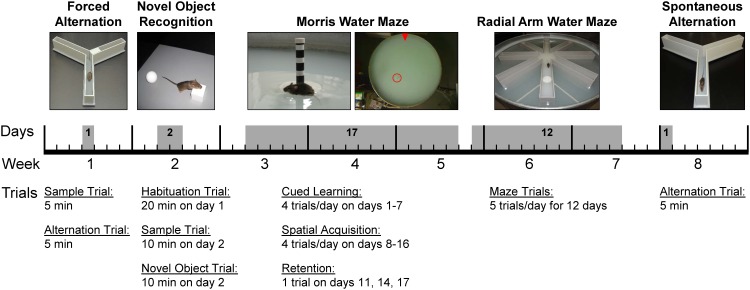
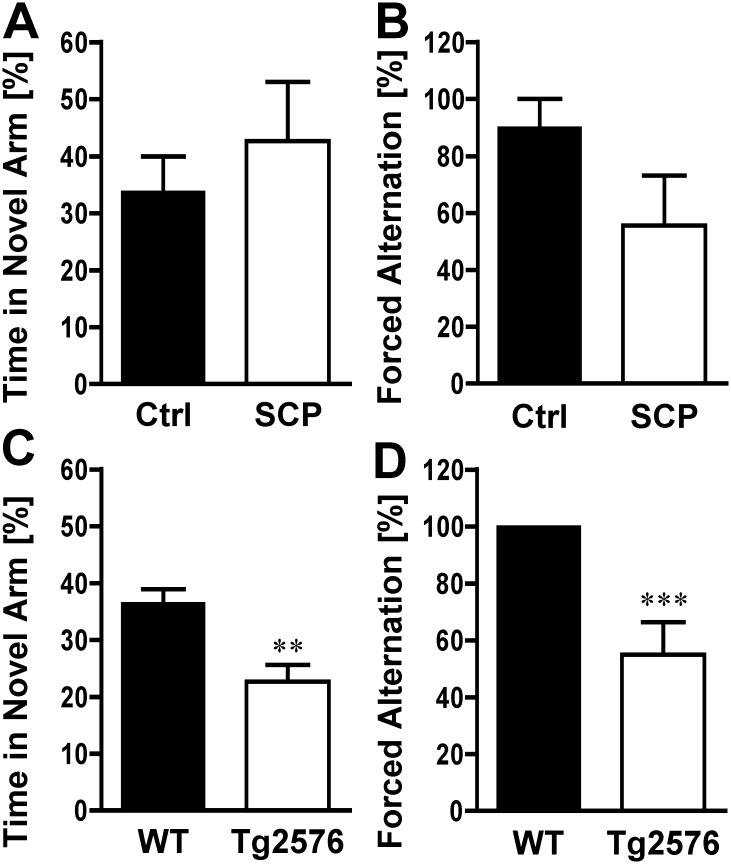
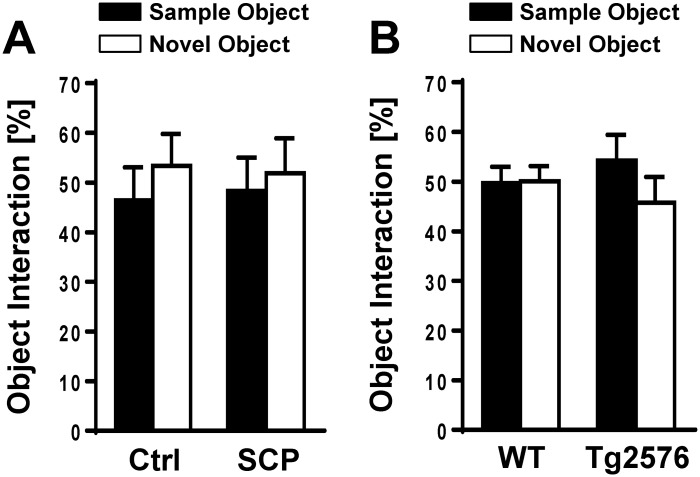
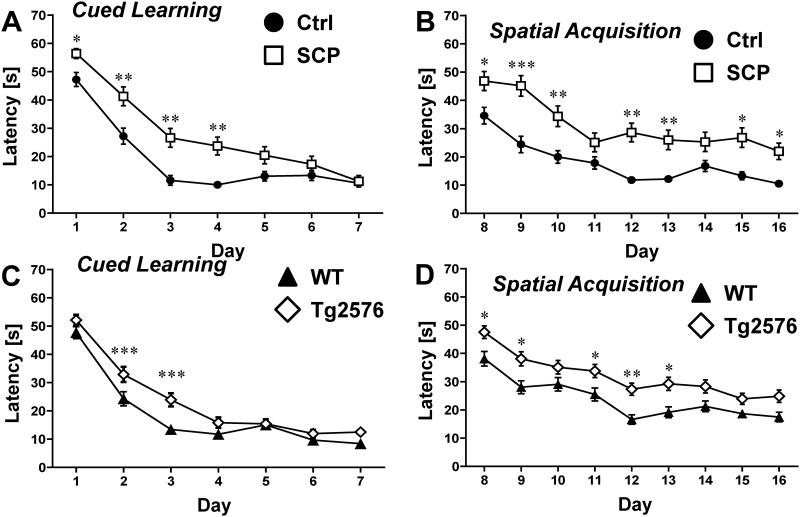
Transgenic Tg2576 mice overexpressing human amyloid precursor protein (hAPP) are a widely used Alzheimer's disease (AD) mouse model to evaluate treatment effects on amyloid beta (Aβ) pathology and cognition. Tg2576 mice on a B6;SJL background strain carry a recessive rd1 mutation that leads to early retinal degeneration and visual impairment in homozygous carriers. This can impair performance in behavioral tests that rely on visual cues, and thus, affect study results. Therefore, B6;SJL/Tg2576 mice were systematically backcrossed with 129S6/SvEvTac mice resulting in 129S6/Tg2576 mice that lack the rd1 mutation. 129S6/Tg2576 mice do not develop retinal degeneration but still show Aβ accumulation in the brain that is comparable to the original B6;SJL/Tg2576 mouse. However, comprehensive studies on cognitive decline in 129S6/Tg2576 mice are limited. In this study, we used two dementia mouse models on a 129S6 background--scopolamine-treated 129S6/SvEvTac mice (3-5 month-old) and transgenic 129S6/Tg2576 mice (11-13 month-old)-to establish a behavioral test battery for assessing learning and memory. The test battery consisted of five tests to evaluate different aspects of cognitive impairment: a Y-Maze forced alternation task, a novel object recognition test, the Morris water maze, the radial arm water maze, and a Y-maze spontaneous alternation task. We first established this behavioral test battery with the scopolamine-induced dementia model using 129S6/SvEvTac mice and then evaluated 129S6/Tg2576 mice using the same testing protocol. Both models showed distinctive patterns of cognitive impairment. Together, the non-invasive behavioral test battery presented here allows detecting cognitive impairment in scopolamine-treated 129S6/SvEvTac mice and in transgenic 129S6/Tg2576 mice. Due to the modular nature of this test battery, more behavioral tests, e.g. invasive assays to gain additional cognitive information, can easily be added.
Overview
The claims and statistics of this paper haven’t been checked yet.
Run the check — free, no account needed. It reads the open-access text and checks the sources it cites.
Integrity signals
Registry
Cites
Statistics
Figures
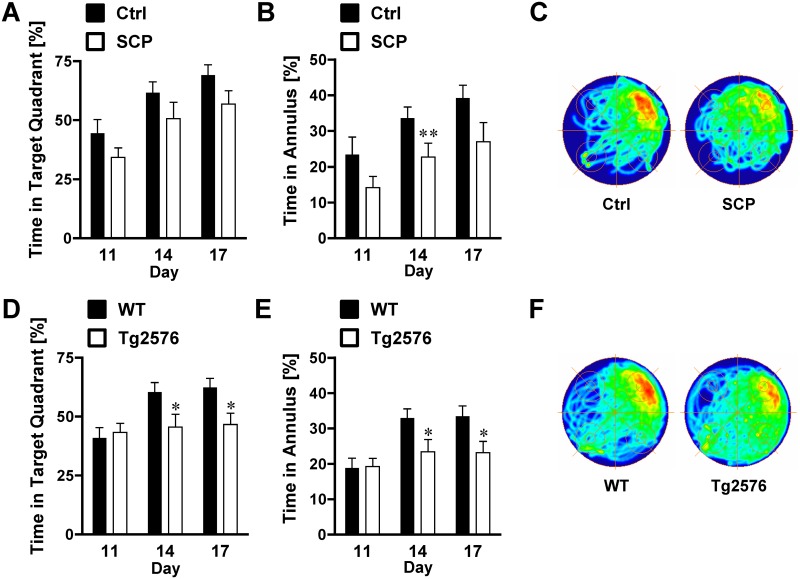
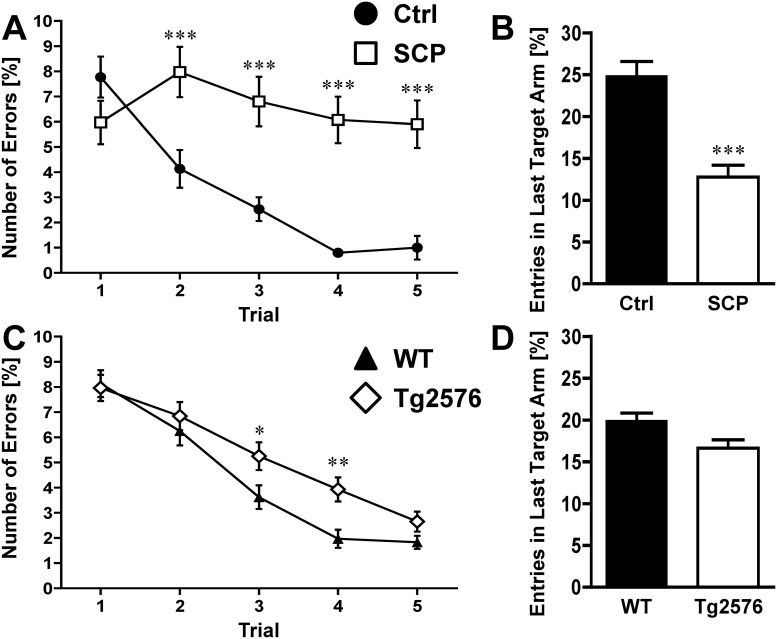
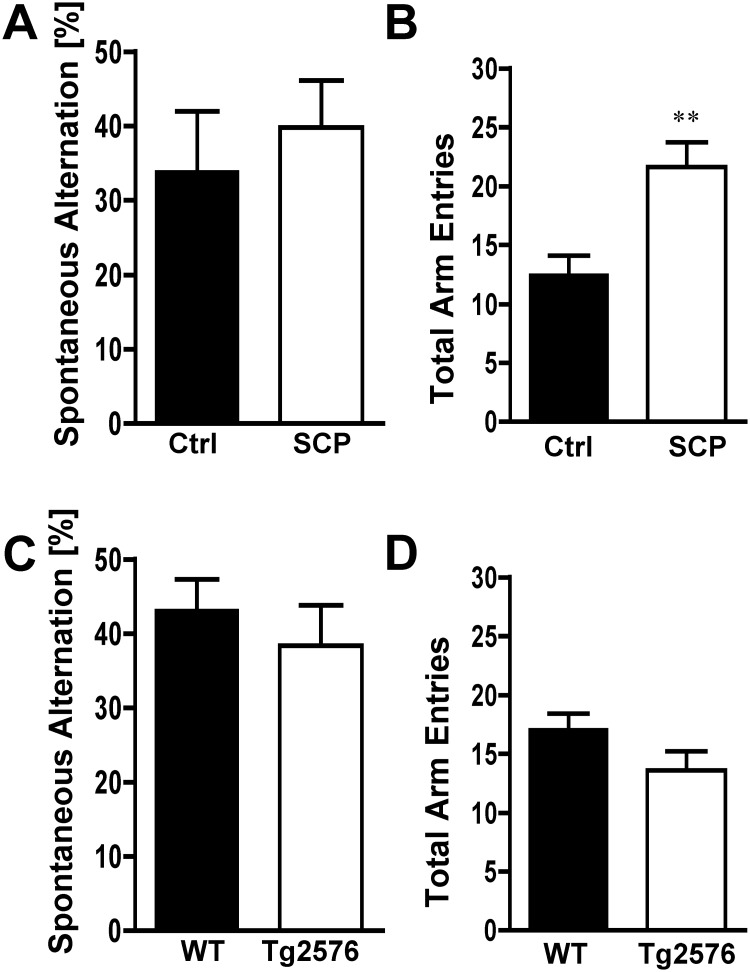
Verification
Claims the paper makes
The claims and statistics of this paper haven’t been checked yet.
Run the check — free, no account needed. It reads the open-access text and checks the sources it cites.
Claims other papers make about this one
Each is checked against this paper’s own text: does it say what the citing paper says it does?
In the citing paper
“For behavioral tests, exclusion criteria were pre-established following published guidance 71,79,80.”
From Exercise hormone irisin is a critical regulator of cognitive function (2021) · cites this paper as [71]
Self-check
Percentages, sums and reported differences re-computed from the paper’s own numbers.
The self-check needs the paper’s full text.
Citations
Cites
McKhann, G., Drachman, D., Folstein, M., Katzman, R., Price, D., & Stadlan, E. M. (1984) · Neurology · doi:10.1212/wnl.34.7.939 · Cited by 27,915
The Amyloid Hypothesis of Alzheimer’s Disease: Progress and Problems on the Road to Therapeutics
Hardy, J., & Selkoe, D. J. (2002) · Science · doi:10.1126/science.1072994 · Cited by 13,864
Amyloid oligomers exacerbate tau pathology in a mouse model of tauopathy
Selenica, M.-L. B., Brownlow, M., Jimenez, J. P., Lee, D. C., Pena, G., Dickey, C. A., Gordon, M. N., & Morgan, D. (2013) · Neurodegenerative Diseases · doi:10.1159/000337230 · Cited by 10,359
Developments of a water-maze procedure for studying spatial learning in the rat
Morris, R. (1984) · Journal of Neuroscience Methods · doi:10.1016/0165-0270(84)90007-4 · Cited by 7,180
The cholinergic hypothesis of geriatric memory dysfunction
Bartus, R. T., Dean, R. L., Beer, B., & Lippa, A. S. (1982) · Science · doi:10.1126/science.7046051 · Cited by 5,545 · cited 1×
“Scopolamine-induced dementia has been studied in rodents and humans, but no work has been published on scopolamine-induced dementia in 129S6 mice [42, 43].”
Background2016 Alzheimer's disease facts and figures
Alzheimer's Association (2016) · Alzheimer's & Dementia · doi:10.1016/j.jalz.2016.03.001 · Cited by 5,069
Morris water maze: procedures for assessing spatial and related forms of learning and memory
Vorhees, C. V., & Williams, M. T. (2006) · Nature Protocols · doi:10.1038/nprot.2006.116 · Cited by 4,629
Correlative Memory Deficits, Aβ Elevation, and Amyloid Plaques in Transgenic Mice
Hsiao, K., Chapman, P., Nilsen, S., Eckman, C., Harigaya, Y., Younkin, S., Yang, F., & Cole, G. (1996) · Science · doi:10.1126/science.274.5284.99 · Cited by 4,210 · cited 4×
“B6;SJL/Tg2576 mice overexpress the human amyloid precursor protein (hAPP) 695 isoform that harbors the Swedish double mutation found in some cases of familial AD [5].”
BackgroundMethodInfluentialHearing loss and cognitive decline in older adults
Lin, F. R., Yaffe, K., Xia, J., Xue, Q.-L., Harris, T. B., Purchase-Helzner, E., Satterfield, S., Ayonayon, H. N., Ferrucci, L., Simonsick, E. M., et al. (2013) · JAMA Internal Medicine · doi:10.1001/jamainternmed.2013.1868 · Cited by 4,017
2013 Alzheimer's disease facts and figures
Thies, W. H., & Bleiler, L. (2013) · Alzheimer s & Dementia · doi:10.1016/j.jalz.2013.02.003 · Cited by 3,372
Cited by
Sorted by citations
Inflammation and aging: signaling pathways and intervention therapies
Li, X., Li, C., Zhang, W., Wang, Y., Qian, P., & Huang, H. (2023) · Signal Transduction and Targeted Therapy · doi:10.1038/s41392-023-01502-8 · Cited by 1,443
Yousef, H., Czupalla, C. J., Lee, D., Chen, M. B., Burke, A. N., Zera, K. A., Zandstra, J., Berber, E., Lehallier, B., Mathur, V., et al. (2019) · Nature Medicine · doi:10.1038/s41591-019-0440-4 · Cited by 442
CD22 blockade restores homeostatic microglial phagocytosis in ageing brains
Pluvinage, J. V., Haney, M. S., Smith, B. A. H., Sun, J., Iram, T., Bonanno, L., Li, L., Lee, D. P., Morgens, D. W., Yang, A. C., et al. (2019) · Nature · doi:10.1038/s41586-019-1088-4 · Cited by 459
Exercise hormone irisin is a critical regulator of cognitive function
Islam, M. R., Valaris, S., Young, M. F., Haley, E. B., Luo, R., Bond, S. F., Mazuera, S., Kitchen, R. R., Caldarone, B. J., Bettio, L. E. B., et al. (2021) · Nature Metabolism · doi:10.1038/s42255-021-00438-z · Cited by 403
Novel Object Recognition and Object Location Behavioral Testing in Mice on a Budget
Denninger, J. K., Smith, B. M., & Kirby, E. D. (2018) · Journal of Visualized Experiments · doi:10.3791/58593 · Cited by 273
Tripathi, P. N., Srivastava, P., Sharma, P. A., Tripathi, M. K., Seth, A., Tripathi, A., Nand, S., Singh, S. P., & Shrivastava, S. K. (2018) · Bioorganic Chemistry · doi:10.1016/j.bioorg.2018.12.017 · Cited by 212
“The “memory improvement score” can be calculated as % alternations = (Number of alternations/(total arm entries – 2))× 100 [52].”
Yang, S., Wang, L., Zeng, Y., Wang, Y., Pei, T., Xie, Z., Xiong, Q., Wei, H., Li, W., Li, J., et al. (2023) · Phytomedicine · doi:10.1016/j.phymed.2023.154762 · Cited by 153
Oliveros, E., Vázquez, E., Barranco, A., Ramírez, M., Gruart, A., Delgado-Garcia, J. M., Buck, R. H., Rueda, R., & Martín, M. J. (2018) · Nutrients · doi:10.3390/nu10101519 · Cited by 145
“The Y maze with blocked arm test measures the ability of rodents to explore new environments and assesses exploratory behavior and memory [45].”
BackgroundLynch, C. M. K., Cowan, C. S. M., Bastiaanssen, T. F. S., Moloney, G. M., Theune, N., van de Wouw, M., Florensa-Zanuy, E., Ventura‐Silva, A. P., Codagnone, M. G., Villalobos-Manríquez, F., et al. (2022) · Brain Behavior and Immunity · doi:10.1016/j.bbi.2022.12.008 · Cited by 137
“Alternations as a percentage of total possible alternations (number of arm entries minus 2) were used to index spatial working memory (Wolf et al., 2016).”
Bacteriophage-mediated manipulation of the gut microbiome – promises and presents limitations
Rasmussen, T. S., Koefoed, A. K., Jakobsen, R. R., Deng, L., Castro-Mejía, J. L., Brunse, A., Neve, H., Vogensen, F. K., & Nielsen, D. S. (2020) · FEMS Microbiology Reviews · doi:10.1093/femsre/fuaa020 · Cited by 123
Preclinical Models of Alzheimer's Disease: Relevance and Translational Validity
Mullane, K., & Williams, M. J. (2019) · Current Protocols in Pharmacology · doi:10.1002/cpph.57 · Cited by 129
“In a behavioral assessment of the 129S6/Tg2546 transgenic mouse, Wolf et al. (2016) used a battery of tests (Fig.”
MethodInfluentialHonarpisheh, P., Reynolds, C. R., Conesa, M. P. B., Moruno-Manchon, J. F., Putluri, N., Bhattacharjee, M. B., Urayama, A., McCullough, L. D., & Ganesh, B. P. (2020) · International Journal of Molecular Sciences · doi:10.3390/ijms21051711 · Cited by 129
“Tg2576 mice develop cerebral Aβ aggregates, white matter injury, and cognitive impairment beginning around 9 months of age [32].”
BackgroundFrom Synapses to Circuits, Astrocytes Regulate Behavior
Lyon, K. A., & Allen, N. J. (2022) · Frontiers in Neural Circuits · doi:10.3389/fncir.2021.786293 · Cited by 123
Yin, Z., Herron, S., Silveira, S., Kleemann, K., Gauthier, C., Mallah, D., Cheng, Y., Margeta, M. A., Pitts, K. M., Barry, J.-L., et al. (2023) · Nature Neuroscience · doi:10.1038/s41593-023-01355-y · Cited by 120
Sun, Y., Sommerville, N. R., Liu, J. Y. H., Ngan, M. P., Poon, D., Ponomarev, E. D., Lu, Z., Kung, J. S. C., & Rudd, J. A. (2020) · The Journal of Physiology · doi:10.1113/jp279919 · Cited by 118
“Other murine dementia models reported insignificant differences (Faucher et al. 2016; Wolf et al. 2016).”
BackgroundWahl, D., Coogan, S. C. P., Solon‐Biet, S. M., de Cabo, R., Haran, J. B., Raubenheimer, D., Cogger, V. C., Mattson, M. P., Simpson, S. J., & Couteur, D. G. L. (2017) · Clinical Interventions in Aging · doi:10.2147/cia.s145247 · Cited by 114
“After a brief training period, results are quantified by the number of errors (ie, incorrect arm entries) and the number of seconds the mouse takes to reach the escape platform.(49)”
Sharma, P. A., Tripathi, A., Tripathi, P. N., Prajapati, S. K., Seth, A., Tripathi, M. K., Srivastava, P., Tiwari, V., Krishnamurthy, S., & Shrivastava, S. K. (2019) · European Journal of Medicinal Chemistry · doi:10.1016/j.ejmech.2019.02.030 · Cited by 102
Behavioural phenotypes in the cuprizone model of central nervous system demyelination
Sen, M. K., Mahns, D. A., Coorssen, J. R., & Shortland, P. J. (2019) · Neuroscience & Biobehavioral Reviews · doi:10.1016/j.neubiorev.2019.08.008 · Cited by 101
Ten Years of Tau-Targeted Immunotherapy: The Path Walked and the Roads Ahead
Novak, P., Kontsekova, E., Zilka, N., & Novak, M. (2018) · Frontiers in Neuroscience · doi:10.3389/fnins.2018.00798 · Cited by 87
Natural hypothalamic circuit dynamics underlying object memorization
Kosse, C., & Burdakov, D. (2019) · Nature Communications · doi:10.1038/s41467-019-10484-7 · Cited by 84
Adar3 Is Involved in Learning and Memory in Mice
Mladenova, D. N., Barry, G., Konen, L. M., Pineda, S. S., Guennewig, B., Avesson, L., Zinn, R., Schönrock, N., Bitar, M., Jonkhout, N., et al. (2018) · Frontiers in Neuroscience · doi:10.3389/fnins.2018.00243 · Cited by 82
Denver, P., & McClean, P. L. (2018) · Neural Regeneration Research · doi:10.4103/1673-5374.238608 · Cited by 89
“Some (Wolf et al., 2016; Portbury et al., 2017), but not all (Bizon et al., 2007) have observed learning and memory impairments in aged adult Tg2576 mice, while early cognitive deficits have been detected in the 3xTg AD model (Stover et al., 2015).”
BackgroundTripathi, A., Choubey, P. K., Sharma, P. A., Seth, A., Tripathi, P. N., Tripathi, M. K., Prajapati, S. K., Krishnamurthy, S., & Shrivastava, S. K. (2019) · European Journal of Medicinal Chemistry · doi:10.1016/j.ejmech.2019.111707 · Cited by 81
Ueno, H., Takahashi, Y., Suemitsu, S., Murakami, S., Kitamura, N., Wani, K., Matsumoto, Y., Okamoto, M., & Ishihara, T. (2020) · Scientific Reports · doi:10.1038/s41598-020-60530-4 · Cited by 80
Effect of simultaneous testing of two mice in the tail suspension test and forced swim test
Ueno, H., Takahashi, Y., Murakami, S., Wani, K., Matsumoto, Y., Okamoto, M., & Ishihara, T. (2022) · Scientific Reports · doi:10.1038/s41598-022-12986-9 · Cited by 81
Ali, W., Ikram, M. A., Park, H. Y., Jo, M. G., Ullah, R., Ahmad, S., Abid, N. B., & Kim, M. O. (2020) · Cells · doi:10.3390/cells9030667 · Cited by 78
“For the evaluation of spatial working memory, the Y-Maze assembly was used, which was made of three arms and arranged in a Y-shaped manner with dimensions of 30 × 15 × 15 cm, with an indicator at the top [36].”
MethodZhang, C., Xu, Y., Chowdhary, A., Fox, D. N. A., Gurney, M. E., Zhang, H., Auerbach, B. D., Salvi, R., Yang, M., Li, G., et al. (2018) · Neuropsychopharmacology · doi:10.1038/s41386-018-0178-6 · Cited by 77
Sharma, P. A., Tripathi, A., Tripathi, P. N., Singh, S. S., Singh, S. P., & Shrivastava, S. K. (2019) · ACS Chemical Neuroscience · doi:10.1021/acschemneuro.9b00430 · Cited by 75
Dekens, D. W., Naudé, P. J. W., Keijser, J. N., Boerema, A. S., Deyn, P. P. D., & Eisel, U. L. M. (2018) · Journal of Neuroinflammation · doi:10.1186/s12974-018-1372-5 · Cited by 70
Monforte‐Royo, C., Crespo, I., Rodríguez‐Prat, A., Marimón, F., Porta-Sales, J., & Balaguer, A. (2018) · Psycho-Oncology · doi:10.1002/pon.4900 · Cited by 62
Moghaddam, B. F., & Fereidoni, M. (2020) · PLoS ONE · doi:10.1371/journal.pone.0229769 · Cited by 63
“Based on the previous study, spontaneous alternation (%) as an index for short-term memory, was calculated by the ratio of actual alternations to possible alternations, multiplied by 100 [39].”
MethodOrtí-Casañ, N., Zuhorn, I. S., Naudé, P. J. W., Deyn, P. P. D., van Schaik, P. E. M., Wajant, H., & Eisel, U. L. M. (2022) · Proceedings of the National Academy of Sciences · doi:10.1073/pnas.2201137119 · Cited by 62
Lu, Y., Chen, L., Ye, J., Chen, C., Zhou, Y., Li, K., Zhang, Z., & Peng, M. (2020) · Aging · doi:10.18632/aging.102659 · Cited by 64
“The Y maze test was performed as described in the previous studies with modifications [75, 76].”
MethodMishra, P., Sharma, P. A., Tripathi, P. N., Gupta, S. K., Srivastava, P., Seth, A., Tripathi, A., Krishnamurthy, S., & Shrivastava, S. K. (2019) · Bioorganic Chemistry · doi:10.1016/j.bioorg.2019.103025 · Cited by 58
“The Y-maze test is the standard animal model used for evaluation of hippocampal-dependent short-term working memory in the rodents [47].”
MethodInflammation promotes synucleinopathy propagation
Kim, T.-K., Bae, E.-J., Jung, B. C., Choi, M.-S., Shin, S. J., Park, S. J., Kim, J. T., Jung, M. K., Ulusoy, A., Song, M., et al. (2022) · Experimental & Molecular Medicine · doi:10.1038/s12276-022-00895-w · Cited by 61
“To measure the prefrontal cortex-and hippocampus-dependent spatial memory de fi cits 16 , we tested the spontaneous alternation behavior (SAB) and continuous alternation (CA) of mice using a standard protocol 17 .”
MethodTrx-1 ameliorates learning and memory deficits in MPTP-induced Parkinson's disease model in mice
Zhang, X., Bai, L., Zhang, S., Zhou, X., Li, Y., & Bai, J. (2018) · Free Radical Biology and Medicine · doi:10.1016/j.freeradbiomed.2018.06.029 · Cited by 56
MouBeAT: A New and Open Toolbox for Guided Analysis of Behavioral Tests in Mice
Bello-Arroyo, E., Roque, H., Marcos, A., Orihuel, J., Higuera‐Matas, A., Desco, M., Caiolfa, V. R., Ambrosio, E., Lara‐Pezzi, E., & Gómez‐Gaviro, M. V. (2018) · Frontiers in Behavioral Neuroscience · doi:10.3389/fnbeh.2018.00201 · Cited by 56
“In order to calculate the percentage of alternation between maze arms, we measured three consecutive entries in different arms divided by the total of entries minus 2 (Wolf et al., 2016).”
MethodVeening-Griffioen, D. H., Ferreira, G. S., van Meer, P. J. K., Boon, W., Wied, C. C. G., Moors, E. H. M., & Schellekens, H. (2019) · European Journal of Pharmacology · doi:10.1016/j.ejphar.2019.172524 · Cited by 59
“For complex diseases such as Alzheimer's disease one could consider a (properly designed) test battery of different (animal) models simulating different aspects of the disease (Stukalin and Einat, 2019; Webster et al., 2014; Wolf et al., 2016).”
BackgroundPoon, C. H., Wong, S. T. N., Roy, J., Wang, Y., Chan, H. W. H., Steinbusch, H. W. M., Blokland, A., Temel, Y., Aquili, L., & Lim, L. W. (2023) · Cells · doi:10.3390/cells12050780 · Cited by 58
“The percentage of spontaneous alternation, which indicates the animal’s spatial working memory, was defined as the consecutive entries into the three arms divided by the number of possible alternations (total arm entry minus 2) [18].”
BackgroundIshida, K., Misawa, K., Nishimura, H., Hirata, T., Yamamoto, M., & Ota, N. (2020) · Nutrients · doi:10.3390/nu12020494 · Cited by 53
“The Y-maze test is a spatial learning task based on working memory [34], whereas the novel object recognition test evaluates the spatial and temporal context of object recognition and visual recognition memory [34,35].”
MethodChoubey, P. K., Tripathi, A., Tripathi, M. K., Seth, A., & Shrivastava, S. K. (2021) · Bioorganic Chemistry · doi:10.1016/j.bioorg.2021.104922 · Cited by 53
Noshy, P. A., & Azouz, R. A. (2021) · Neurotoxicology and Teratology · doi:10.1016/j.ntt.2021.106981 · Cited by 51
Codocedo, J. F., Mera-Reina, C., Bor-Chian Lin, P., Fallen, P. B., Puntambekar, S. S., Casali, B. T., Jury-Garfe, N., Martinez, P., Lasagna-Reeves, C. A., & Landreth, G. E. (2024) · Cell Reports · doi:10.1016/j.celrep.2024.114488 · Cited by 52
“36 The partial loss of HK2 significantly improved the cognitive performance of the mice (Figure 2P).”
Jackson, L., Dumanli, S., Johnson, M. H., Fagan, S. C., & Ergul, A. (2020) · Journal of Neuroinflammation · doi:10.1186/s12974-020-01815-3 · Cited by 50
Reutzel, M., Grewal, R., Silaidos, C. V., Zotzel, J., Marx, S. P., Tretzel, J., & Eckert, G. P. (2018) · Oxidative Medicine and Cellular Longevity · doi:10.1155/2018/4070935 · Cited by 48
“Spontaneous alternation was determined using the formula (number of alternations/number of entries)/2 [36].”
MethodZhao, R., Jiang, J., Li, H., Chen, M., Liu, R., Sun, S., Ma, D., Liang, X., & Wang, S. (2018) · Journal of Neuroinflammation · doi:10.1186/s12974-018-1368-1 · Cited by 48
Parikh, A. R., Kathawala, K., Li, J.-T., Chen, C., Shan, Z., Cao, X., Zhou, X., & Garg, S. (2018) · Drug Delivery and Translational Research · doi:10.1007/s13346-018-0570-0 · Cited by 48
Ahmad, S., & Hafeez, A. (2022) · Molecular Neurobiology · doi:10.1007/s12035-022-03089-7 · Cited by 45
Ameliorative effect of carvacrol against propiconazole-induced neurobehavioral toxicity in rats
Noshy, P. A., Elhady, M. A., Khalaf, A. A. A., Kamel, M. M., & Hassanen, E. I. (2018) · NeuroToxicology · doi:10.1016/j.neuro.2018.05.005 · Cited by 45
Combining P301L and S320F tau variants produces a novel accelerated model of tauopathy
Koller, E. J., Gonzalez De La Cruz, E., Machula, T., Ibanez, K. R., Lin, W.-L., Williams, T., Riffe, C. J., Ryu, D., Strang, K. H., Liu, X., et al. (2019) · Human Molecular Genetics · doi:10.1093/hmg/ddz151 · Cited by 63
“Y maze testing was conducted as described previously (43).”
MethodGarcía, Y., & Esquivel, N. (2018) · Behavioral Sciences · doi:10.3390/bs8010014 · Cited by 45
Shepherd, A. L., Tyebji, S., Hannan, A. J., & Burrows, E. L. (2016) · Journal of Molecular Neuroscience · doi:10.1007/s12031-016-0837-1 · Cited by 43
“Finally, impaired vision has been reported in a number of mouse models due to A-induced retinal deterioration and mutation-background strain interactions (Wolf et al. 2016).”
BackgroundOmotoso, G. O., Inelo, U. I., Arietarhire, L. O., Sulaimon, F. A., & Gbadamosi, I. (2018) · Pathophysiology · doi:10.1016/j.pathophys.2018.04.004 · Cited by 44
Reutzel, M., Grewal, R., Dilberger, B., Silaidos, C. V., Joppe, A., & Eckert, G. P. (2020) · Oxidative Medicine and Cellular Longevity · doi:10.1155/2020/4060769 · Cited by 41
Hassanen, E. I., Ibrahim, M. A., Hassan, A. M., Mehanna, S., Aljuaydi, S. H., & Issa, M. Y. (2021) · Neurochemical Research · doi:10.1007/s11064-021-03264-7 · Cited by 43
Campagna, J. J., Spilman, P. R., Jagodzinska, B. M., Bai, D., Hatami, A., Zhu, C., Bilousova, T. V., Jun, M., Elias, C. J., Pham, J. D., et al. (2018) · Scientific Reports · doi:10.1038/s41598-018-35687-8 · Cited by 39
Meneses, L., Pereira, J. R., Sevrin, C., Grandfils, C., Paiva, A., Reis, M. A. M., & Freitas, F. (2019) · New Biotechnology · doi:10.1016/j.nbt.2019.10.002 · Cited by 39
Ji, M., Xie, X.-X., Liu, D., Yu, X., Zhang, Y., Zhang, L. L., Wang, S., Huang, Y., & Liu, R. (2018) · Alzheimer s Research & Therapy · doi:10.1186/s13195-018-0378-7 · Cited by 38
“culated as (actual alternations/maximum alternations) × 100% as described previously [28].”
Combined effects of aquaporin-4 and hypoxia produce age-related hydrocephalus
Trillo-Contreras, J. L., Ramírez‐Lorca, R., Hiraldo-González, L., Sánchez-Gomar, I., Galán‐Cobo, A., Suárez‐Luna, N., Pedro, E. S. D. R.-D., Toledo‐Aral, J. J., Villadiego, J., & Echevarrı́a, M. (2018) · Biochimica et Biophysica Acta (BBA) - Molecular Basis of Disease · doi:10.1016/j.bbadis.2018.08.006 · Cited by 41
Henderson, Y. O., Bithi, N., Link, C., Yang, J., Schugar, R. C., Llarena, N. C., Brown, J. M., & Hine, C. (2021) · GeroScience · doi:10.1007/s11357-021-00330-4 · Cited by 39
Shen, J., Lü, Z., Wang, J., Hao, Q., Ji, W., Wu, Y., Peng, H., Zhao, R., Yang, J., Li, Y., et al. (2021) · Advanced Materials · doi:10.1002/adma.202101993 · Cited by 38
Cognitive, emotional and social phenotyping of mice in an observer-independent setting
Dere, E., Ronnenberg, A., Tampe, B., Arinrad, S., Schmidt, M., Zeisberg, E. M., & Ehrenreich, H. (2018) · Neurobiology of Learning and Memory · doi:10.1016/j.nlm.2018.02.023 · Cited by 37
Gile, J. J., Scott, B. K., & Eckle, T. D. L. G. (2018) · Critical Care Medicine · doi:10.1097/ccm.0000000000003077 · Cited by 38
Elhady, M. A., Khalaf, A. A. A., Kamel, M. M., & Noshy, P. A. (2018) · NeuroToxicology · doi:10.1016/j.neuro.2018.10.008 · Cited by 36
“Although, there was no significant difference between all groups in the time spent in exploration of the novel object; the time spent in exploration of the familiar object was significantly higher in PCZ treated rats which is considered as an indicator for cognitive impairment (Wolf et al., 2016).”
BackgroundRamrao, S. P., Verma, A., Waiker, D. K., Tripathi, P. N., & Shrivastava, S. K. (2021) · Journal of Molecular Structure · doi:10.1016/j.molstruc.2021.131152 · Cited by 36
Structure-activity relationship study of tryptophan-based butyrylcholinesterase inhibitors
Meden, A., Knez, D., Malikowska‐Racia, N., Brazzolotto, X., Nachon, F., Svete, J., Sałat, K., Grošelj, U., & Gobec, S. (2020) · European Journal of Medicinal Chemistry · doi:10.1016/j.ejmech.2020.112766 · Cited by 34
Tournissac, M., Vu, T.-M., Vrabic, N., Hozer, C., Tremblay, C., Mélançon, K., Planel, E., Pifferi, F., & Calon, F. (2021) · Alzheimer s Research & Therapy · doi:10.1186/s13195-021-00842-3 · Cited by 34
Robinson, J. M., & Breed, M. F. (2020) · Science of The Total Environment · doi:10.1016/j.scitotenv.2020.137626 · Cited by 30
A novel molecular class that recruits HDAC/MECP2 complexes to PU.1 motifs reduces neuroinflammation
Ralvenius, W. T., Mungenast, A. E., Woolf, H., Huston, M. M., Gillingham, T. Z., Godin, S. K., Penney, J., Cam, H. P., Gao, F., Fernandez, C. G., et al. (2023) · Journal of Experimental Medicine · doi:10.1084/jem.20222105 · Cited by 29
“CK-p25 mice that were induced (off-Dox) for 6 wk and 1-yr-old P301STau mice underwent the behavioral tasks of open field activity, Y maze, and Morris water maze (Wolf et al., 2016).”
Li, K., Wang, J., Chen, L., Guo, M., Zhou, Y., Li, X., 张宗泽, & Peng, M. (2022) · Frontiers in Molecular Neuroscience · doi:10.3389/fnmol.2021.751570 · Cited by 31
“Mice underwent testing in the Y-maze test to assess spatial learning and memory ability following surgery/anesthesia (Chen et al., 2014; Wolf et al., 2016).”
MethodThe Neuropeptide Oxytocin Enhances Information Sharing and Group Decision Making Quality
de Wilde, T. R. W., Velden, F. S. T., & Dreu, C. K. W. D. (2017) · Scientific Reports · doi:10.1038/srep40622 · Cited by 32
Yan, P., Xu, D., Ji, Y., Yin, F., Cui, J., Su, R., Wang, Y., Zhu, Y., Wei, S., & Lai, J. (2019) · The International Journal of Neuropsychopharmacology · doi:10.1093/ijnp/pyz001 · Cited by 30
“In contrast to previous studies, to increase recognition and navigation in the novel space, we marked the wall of the novel arm with a black and white pattern that was entirely different from the other 2 arms (Dellu et al., 2000; Melnikova et al., 2006; Wolf et al., 2016).”
MethodResultAdolescent behavioral abnormalities in a Scn1a+/− mouse model of Dravet syndrome
Bahceci, D., Anderson, L. L., Brown, C., Zhou, C., & Arnold, J. C. (2019) · Epilepsy & Behavior · doi:10.1016/j.yebeh.2019.106842 · Cited by 30
Silva, L. F. A., Reschke, C. R., Nguyen, T. N., Langa, E., Sanz‐Rodriguez, A., Gerbatin, R. R., Temp, F. R., de Freitas, M. L., Conroy, R. M., Brennan, G. P., et al. (2020) · Molecular Brain · doi:10.1186/s13041-020-00653-x · Cited by 29
PERK Regulates Working Memory and Protein Synthesis-Dependent Memory Flexibility
Zhu, S., Henninger, K., McGrath, B. C., & Cavener, D. R. (2016) · PLoS ONE · doi:10.1371/journal.pone.0162766 · Cited by 29
Martini, F., Pesarico, A. P., Brüning, C. A., Zeni, G. R., & Nogueira, C. W. (2018) · Journal of Cellular Biochemistry · doi:10.1002/jcb.26731 · Cited by 29
de Souza, R. M., de Souza, L., Machado, A. E., Alves, A. C. D. B., Rodrigues, F. S., Aguiar, A. S., Santos, A. R. S., Bem, A. F. D., & Moreira, E. L. G. (2018) · Behavioural Brain Research · doi:10.1016/j.bbr.2018.09.022 · Cited by 27
Transcranial Ultrasound Stimulation of Hypothalamus in Aging Mice
Pang, N., Huang, X., Zhou, H., Xia, X., Liu, X., Wang, Y., Meng, W., Bian, T., Meng, L., Xu, L., et al. (2020) · IEEE Transactions on Ultrasonics Ferroelectrics and Frequency Control · doi:10.1109/tuffc.2020.2968479 · Cited by 30
Illendula, M., Osuru, H. P., Ferrarese, B., Atluri, N., Dulko, E., Zuo, Z., & Lunardi, N. (2020) · Frontiers in Aging Neuroscience · doi:10.3389/fnagi.2020.542421 · Cited by 31
Melatonin Improves Short-Term Spatial Memory in a Mouse Model of Alzheimer’s Disease
Labban, S. Y., Alshehri, F. S., Kurdi, M. E., Alatawi, Y. M., & Alghamdi, B. S. A. (2021) · Degenerative Neurological and Neuromuscular Disease · doi:10.2147/dnnd.s291172 · Cited by 29
“Between each trial, the maze arms were wiped with 70% alcohol to avoid odour cues.(52) The maze arms were labelled A, B, and C.”
MethodEl-Ganainy, S. O., Gowayed, M. A., Agami, M. A., Mohamed, P., Belal, M., Farid, R. M., & Hanafy, A. S. (2021) · Nanomedicine · doi:10.2217/nnm-2021-0051 · Cited by 28
Gerbatin, R. R., Augusto, J., Boutouil, H., Reschke, C. R., & Henshall, D. C. (2022) · Experimental Neurology · doi:10.1016/j.expneurol.2022.114090 · Cited by 29
“Spatial reference, working and recognition memory was assessed with the Y maze and novel object recognition test, respectively (Wolf et al., 2016; Lueptow, 2017).”
MethodRajkumar, M., Sakthivel, M., Senthilkumar, K., Thangaraj, R., & Kannan, S. (2022) · Current Research in Pharmacology and Drug Discovery · doi:10.1016/j.crphar.2022.100100 · Cited by 29
“However, the Y-maze test based on the transfer latency for food intake showed that memory improvement occurred in the hydrogel-based drug treated rats compared with ICV-STZ induced rats, thereby indicating a greater effect on cognitive improvement (Wolf et al., 2016; Kitanaka et al., 2015).”
MethodBile duct ligation of C57BL/6 mice as a model of hepatic encephalopathy
Cho, I., Koo, B., Kam, E. H., Lee, S. K., Oh, H., & Kim, S. Y. (2020) · Anesthesia and Pain Medicine · doi:10.17085/apm.2020.15.1.19 · Cited by 28
“After 1 h, one of the familiar objects was replaced with a novel object and free exploration was allowed for 10 min [17].”
BackgroundSouza, L. D., Barros, W. D. M., de Souza, R. M., Delanogare, E., Machado, A. E., Braga, S. P., Rosa, G. K., Nardi, G. M., Rafacho, A., Speretta, G. F. F., et al. (2020) · Physiology & Behavior · doi:10.1016/j.physbeh.2020.113187 · Cited by 30
Filho, A. J. M. C., Cunha, N. L., Rodrigues, P. D. A., de Souza, A. G., Soares, M. V.-R., Jucá, P. M., de Queiroz, T., Clemente, D. C. D. S., Mottin, M., Andrade, C. H., et al. (2020) · European Neuropsychopharmacology · doi:10.1016/j.euroneuro.2020.11.007 · Cited by 28
Ghazvineh, S., Salimi, M., Nazari, M., Garousi, M., Tabasi, F., Dehdar, K., Salimi, A., Jamaati, H., Mirnajafi‐Zadeh, J., Arabzadeh, E., et al. (2021) · Respiratory Physiology & Neurobiology · doi:10.1016/j.resp.2021.103627 · Cited by 27
Shu, J., Huang, X., Liao, Q., Wang, J., Zhou, Y., Chen, Y., Chen, M., Qian, C., Zhang, Y., Hu, X., et al. (2022) · Oxidative Medicine and Cellular Longevity · doi:10.1155/2022/9771743 · Cited by 27
“During the test phase, the mouse was returned to the arena with two di ff erent objects: one is identical to the old and the other one is novel (A+B) [23].”
Behavioral analysis of motor and non-motor impairment in rodent models of Parkinson's disease
Sheta, R., Bérard, M., Musiol, D., Martínez-Drudis, L., & Oueslati, A. (2024) · Frontiers in Aging Neuroscience · doi:10.3389/fnagi.2024.1464706 · Cited by 26
Hoang, T. H. X., Hồ, Đ. V., Phan, K. V., Le, Q. V., Raal, A., & Nguyen, H. T. (2020) · Pharmaceutical Biology · doi:10.1080/13880209.2020.1841810 · Cited by 27
“The Y-maze test, Morris water-maze test and recognition tests are usually applied in previous studies (Wolf et al. 2016; Lueptow 2017; Kraeuter et al. 2019).”
BackgroundMethodRamadan, W. S., & Alkarim, S. (2021) · Cells · doi:10.3390/cells10123511 · Cited by 27
“Behavioral tests, such as the Y-maze test, Morris water-maze test, and NORT, have been used to study memory [37–39].”
The Antidepressant and Cognitive Improvement Activities of the Traditional Chinese Herb Cistanche
Wang, D., Wang, H., & Gu, L. (2017) · Evidence-based Complementary and Alternative Medicine · doi:10.1155/2017/3925903 · Cited by 26
Reutzel, M., Grewal, R., Joppe, A., & Eckert, G. P. (2022) · Frontiers in Aging Neuroscience · doi:10.3389/fnagi.2022.875989 · Cited by 25
“The Y-Maze test provides insight into motor skills and spatial learning memory (Wolf et al., 2016).”
MethodHassanen, E. I., Issa, M. Y., Hassan, N. H., Ibrahim, M. A., Fawzy, I. M., Fahmy, S. A., & Mehanna, S. (2023) · ACS Omega · doi:10.1021/acsomega.2c08295 · Cited by 26
A fully automated home cage for long-term continuous phenotyping of mouse cognition and behavior
Ho, H., Kejzar, N., Sasaguri, H., Saito, T., Saido, T. C., Strooper, B. D., Bauža, M., & Krupic, J. (2023) · Cell Reports Methods · doi:10.1016/j.crmeth.2023.100532 · Cited by 26
“These tasks constitute some of the most widely used spatial memory tasks and are part of most standard behavioral test batteries designed to assess learning and memory.(18) In addition, the system monitors an animal’s position, water consumption, quiescence, and locomotion patterns.”
BackgroundAltered dietary selenium influences brain iron content and behavioural outcomes
Sharma, S. K., Bansal, M. P., & Sandhir, R. (2019) · Behavioural Brain Research · doi:10.1016/j.bbr.2019.112011 · Cited by 25
Waiker, D. K., Verma, A., Saraf, P., Gajendra, T. A., Krishnamurthy, S., Chaurasia, R. N., & Shrivastava, S. K. (2023) · ACS Omega · doi:10.1021/acsomega.2c08061 · Cited by 25
Verma, A., Waiker, D. K., Singh, N. D., Roy, A., Singh, N., Saraf, P., Bhardwaj, B., Krishnamurthy, S., Trigun, S. K., & Shrivastava, S. K. (2024) · ACS Chemical Neuroscience · doi:10.1021/acschemneuro.3c00653 · Cited by 25
Hagl, S., Asseburg, H., Heinrich, M., Sus, N., Blumrich, E., Dringen, R., Frank, J., & Eckert, G. P. (2016) · NeuroMolecular Medicine · doi:10.1007/s12017-016-8420-z · Cited by 24
Marshall, B. M., Strine, C. T., Jones, M. D., Artchawakom, T., Silva, I., Suwanwaree, P., & Goode, M. (2018) · Amphibia-Reptilia · doi:10.1163/15685381-18000008 · Cited by 24
Metadata
- Authors
- Wolf, A., Bauer, B., Abner, E. L., Ashkenazy-Frolinger, T., & Hartz, A. M. S.
- Affiliations
- University of Minnesota, Duluth (US)
- University of Kentucky (US)
- Corresponding author
- Hartz, Anika M. S.
- Venue
- PLOS ONE
- Publisher
- Public Library of Science (PLoS)
- Published
- 2016-01-25
- Volume
- 11
- Issue
- 1
- Pages
- e0147733
- ISSN
- 1932-6203 (ISSN-L)
- PMC
- PMC4726499
- OpenAlex
- W2426168356
- Cited by
- 281
- References
- 89
- Citations by year
- 2026: 16 · 2025: 20 · 2024: 28 · 2023: 37 · 2022: 30 · 2021: 33 · 2020: 37 · 2019: 28 · 2018: 40 · 2017: 6 · 2016: 6
- FWCI
- 21.46
- Type
- journal article
- Language
- en
- Open access
- gold
- doi.org
- Licence
- Locations
- PLoS ONE (publishedVersion, cc-by)
- Europe PMC (PubMed Central) (publishedVersion, cc-by)
- PubMed Central (publishedVersion, cc-by)
- PubMed (publishedVersion)
- UKnowledge (University of Kentucky) (submittedVersion, cc-by)
- DOAJ (DOAJ: Directory of Open Access Journals) (submittedVersion, cc-by-sa)
- Figshare (submittedVersion, cc-by)
- Funders
- University of Kentucky (P30 AG028383, AG028383)
- National Institute on Aging (AG-028383, P30AG028383, R01AG039621)
- Topics
- Life Sciences › Neuroscience › Cellular and Molecular Neuroscience › Alzheimer's disease research and treatments
- Life Sciences › Neuroscience › Cognitive Neuroscience › Memory and Neural Mechanisms
- Health Sciences › Medicine › Psychiatry and Mental health › Dementia and Cognitive Impairment Research
- Keywords
- mouse models of Alzheimer's disease, amyloid precursor protein overexpression, retinal degeneration, scopolamine-induced dementia, cognitive impairment, learning and memory, novel object recognition, Morris water maze, radial arm water maze, spontaneous alternation, amyloid-beta pathology
- MeSH terms
- Animals, Behavior, Animal, Male, Memory, Mice, Transgenic, Maze Learning, Mice
About these checks
Registry, retraction, Cites and statistics results are computed, not judged, with one exception: a printed reference that no index lists is read once by a model before it counts as a citation error. Claims are extracted by a model and kept only when their quote appears verbatim in the text; each cited source is then checked, with a model’s help, for whether it says what the claim relies on. Those verdicts can be wrong — read the claim’s quote and the cited source before relying on one.
Statistics and arithmetic are recomputed, not judged.
Confidence bands are shown only for fields calibrated on our annotated test set. None is calibrated yet, so no band is shown.
What counts as a claim ›How we measure confidence ›How we check this ›
Are you an author, or do you see a problem with this page? Request a review
