

Activation of the Nrf2 Cell Defense Pathway by Ancient Foods: Disease Prevention by Important Molecules and Microbes Lost from the Modern Western Diet
Open accessThe DOI matches its Crossref record; 150 of the 150 references it cites were found in a registry or an index.
Abstract
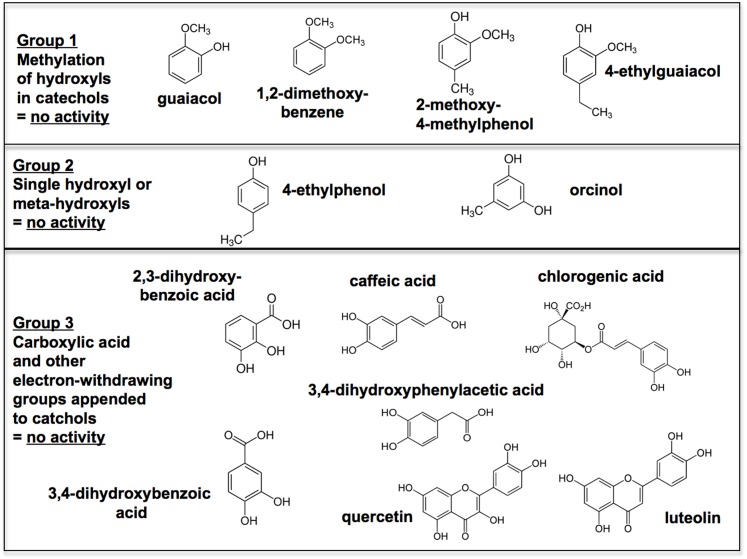
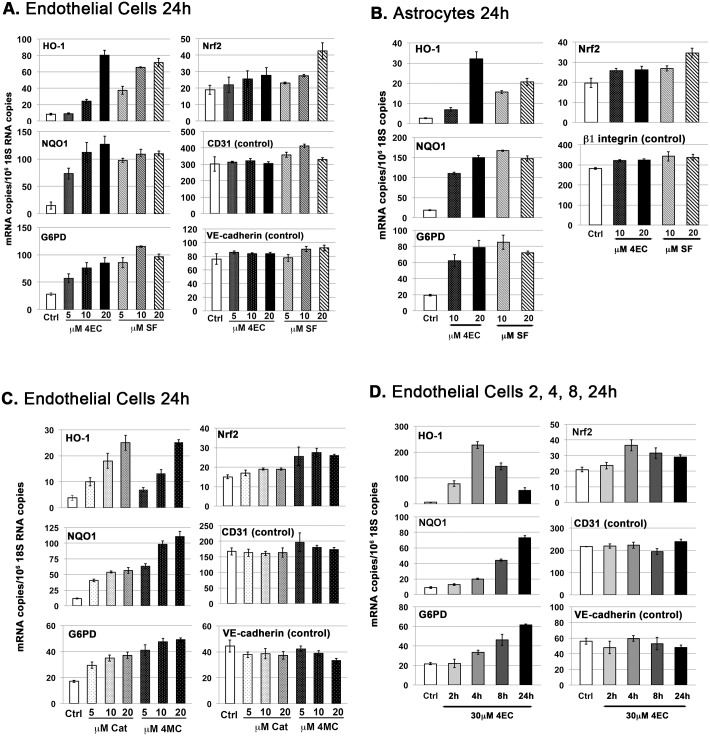
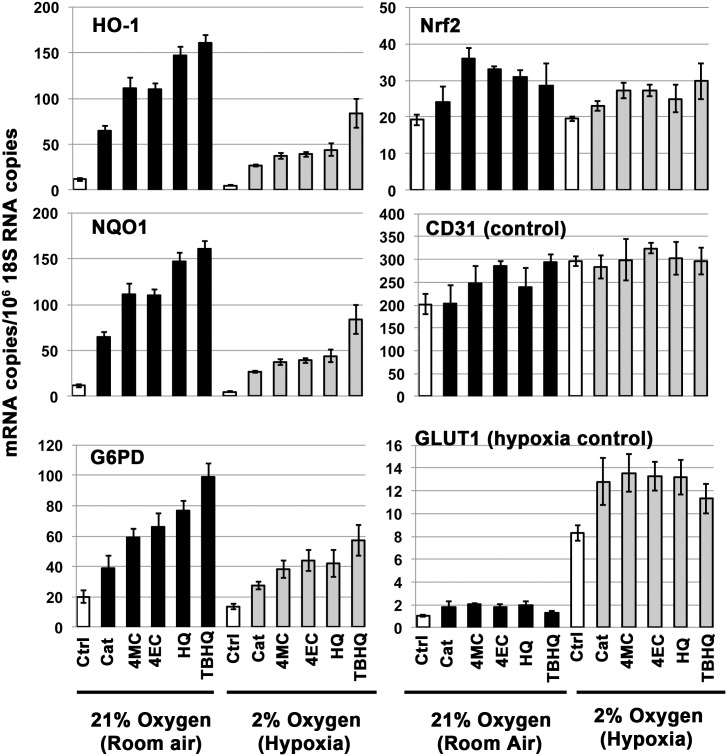
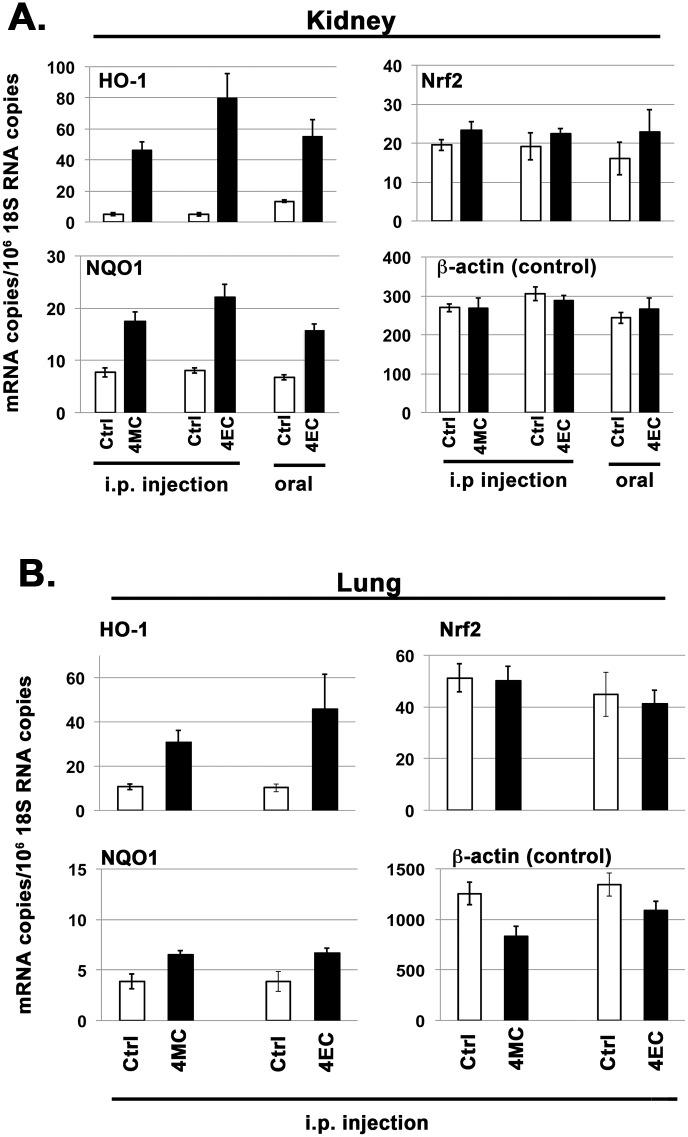
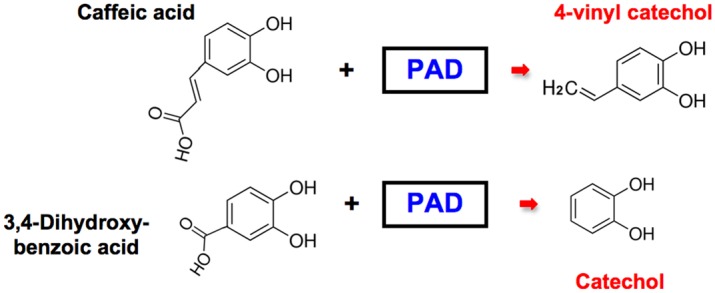
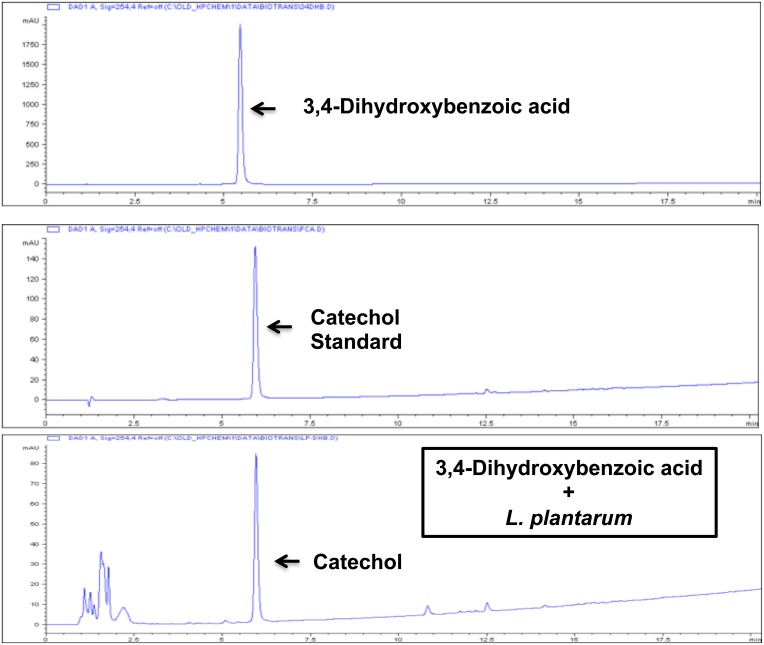
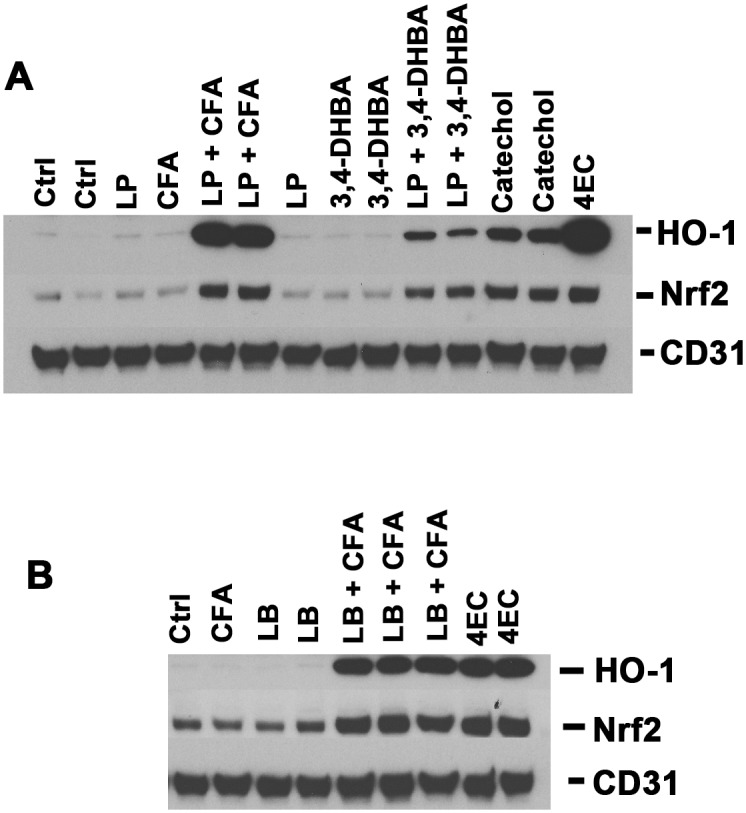
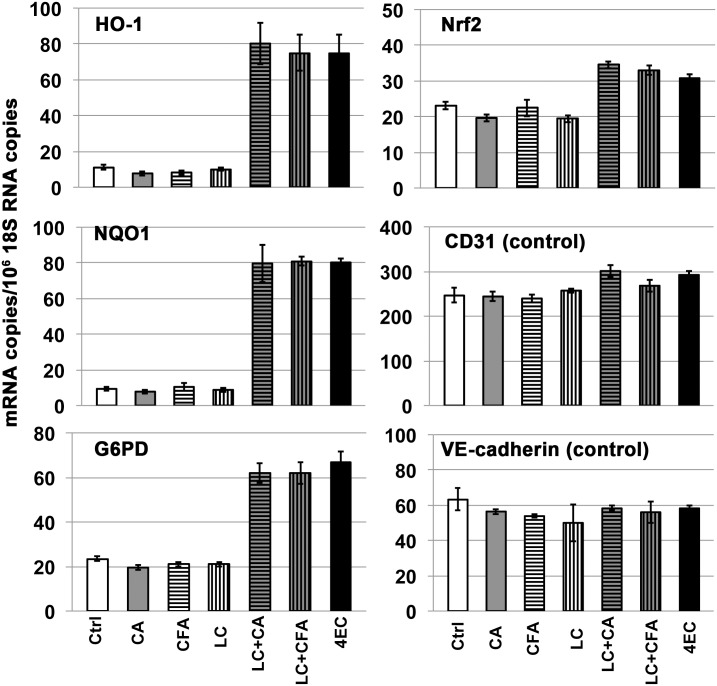
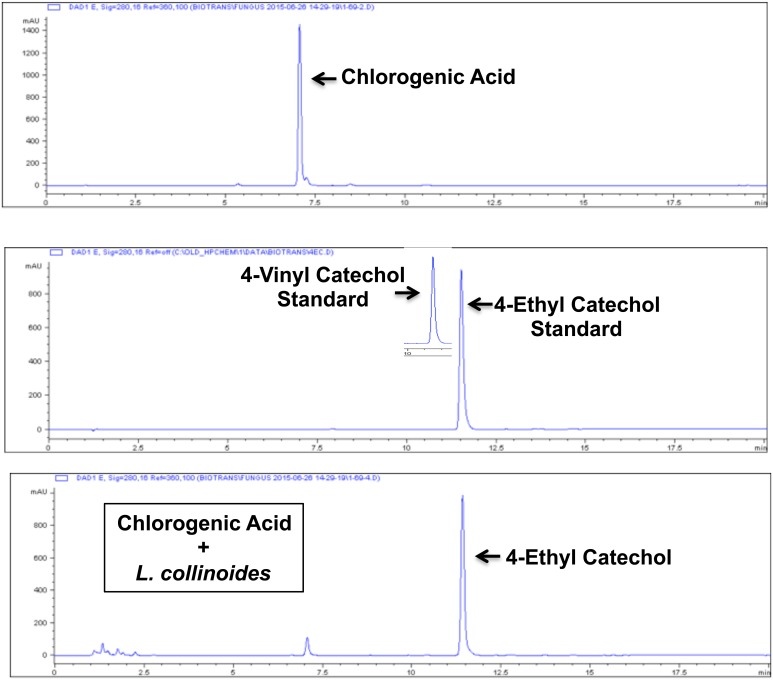
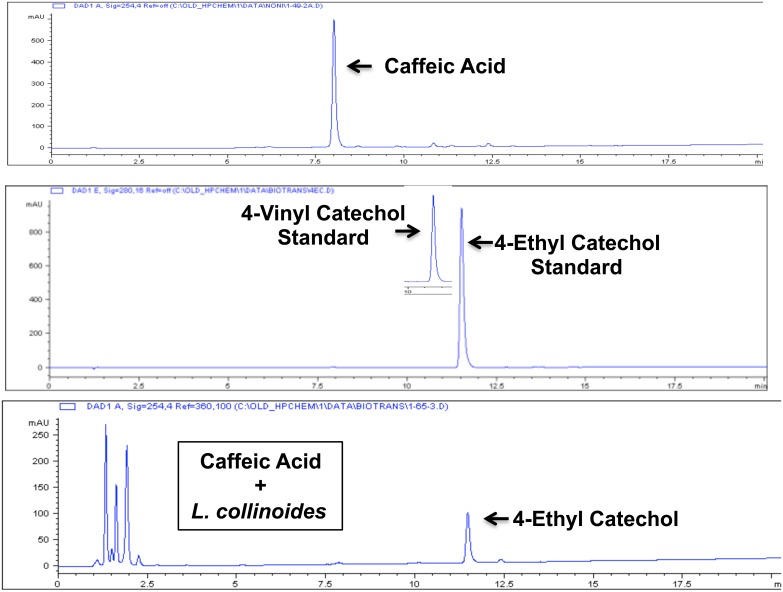
The Nrf2 (NFE2L2) cell defense pathway protects against oxidative stress and disorders including cancer and neurodegeneration. Although activated modestly by oxidative stress alone, robust activation of the Nrf2 defense mechanism requires the additional presence of co-factors that facilitate electron exchange. Various molecules exhibit this co-factor function, including sulforaphane from cruciferous vegetables. However, natural co-factors that are potent and widely available from dietary sources have not been identified previously. The objectives of this study were to investigate support of the Nrf2 cell defense pathway by the alkyl catechols: 4-methylcatechol, 4-vinylcatechol, and 4-ethylcatechol. These small electrochemicals are naturally available from numerous sources but have not received attention. Findings reported here illustrate that these compounds are indeed potent co-factors for activation of the Nrf2 pathway both in vitro and in vivo. Each strongly supports expression of Nrf2 target genes in a variety of human cell types; and, in addition, 4-ethylcatechol is orally active in mice. Furthermore, findings reported here identify important and previously unrecognized sources of these compounds, arising from biotransformation of common plant compounds by lactobacilli that express phenolic acid decarboxylase. Thus, for example, Lactobacillus plantarum, Lactobacillus brevis, and Lactobacillus collinoides, which are consumed from a diet rich in traditionally fermented foods and beverages, convert common phenolic acids found in fruits and vegetables to 4-vinylcatechol and/or 4-ethylcatechol. In addition, all of the alkyl catechols are found in wood smoke that was used widely for food preservation. Thus, the potentially numerous sources of alkyl catechols in traditional foods suggest that these co-factors were common in ancient diets. However, with radical changes in food preservation, alkyl catechols have been lost from modern foods. The absence of alkyl catechols from the modern Western diet suggests serious negative consequences for Nrf2 cell defense, resulting in reduced protection against multiple chronic diseases associated with oxidative stress.
Overview
The claims and statistics of this paper haven’t been checked yet.
Free: it reads the open-access text and checks the first 5 claims that cite a source we can check. Create a free account to check every claim.
Integrity signals
Registry
Cites
Statistics
Figures

Verification
Claims the paper makes
The claims and statistics of this paper haven’t been checked yet.
Free: it reads the open-access text and checks the first 5 claims that cite a source we can check. Create a free account to check every claim.
Claims other papers make about this one
Each is checked against this paper’s own text: does it say what the citing paper says it does?
The cited source says what the claim attributes to it.
In the citing paper
“Salutogenic (i.e., health‐promoting) bacteria can process dietary‐derived polyphenols to produce alkyl catechols that activate Nrf2.”
From Ignoring the planet: A critical blind spot for research on ageing (2025) · cites this paper as [71]
Self-check
Percentages, sums and reported differences re-computed from the paper’s own numbers.
The self-check needs the paper’s full text.
Citations
Cites
Free radicals in biology and medicine
(1991) · General Pharmacology: The Vascular System · doi:10.1016/0306-3623(91)90478-o · Cited by 17,178
Polyphenols: Food sources and bioavailability
Manach, C., Scalbert, A., Morand, C., Rémésy, C., & Jiménez, L. (2004) · The American Journal of Clinical Nutrition · doi:10.1093/ajcn/79.5.727 · Cited by 8,175 · cited 2×
“3,4-DHBA, also known as protocatechuic acid, is found in brightly colored berries [96].”
Mitochondrial Dysfunction and Oxidative Stress in Neurodegenerative Diseases
Lin, M. T., & Beal, M. F. (2006) · Nature · doi:10.1038/nature05292 · Cited by 6,455 · cited 2×
“In addition, oxidative stress contributes to insulin resistance [17] and the pathological consequences of diabetes [18], kidney disease [19], multiple sclerosis [20], and aging [11, 21, 22], and can contribute to neurodevelopmental defects in the embryo [5].”
Increased oxidative stress in obesity and its impact on metabolic syndrome
Furukawa, S., Fujita, T., Shimabukuro, M., Iwaki, M., Yamada, Y., Nakajima, Y., Nakayama, O., Makishima, M., Matsuda, M., & Shimomura, I. (2004) · Journal of Clinical Investigation · doi:10.1172/jci21625 · Cited by 5,508 · cited 1×
“…contributes to many common diseases, including cancer [3 – 5], coronary artery disease [3, 6], osteoporosis [7, 8], inflammatory bowel diseases [9], metabolic syndrome [3, 10], and neuro-degeneration [11 – 13] including Parkinson ’ s disease [14] and possibly also Alzheimer ’ s disease [3, 15, 16].”
Oxidative stress and diabetic complications
Giacco, F., & Brownlee, M. (2010) · Circulation Research · doi:10.1161/circresaha.110.223545 · Cited by 5,461
Free Radicals in Biology and Medicine
Land, E. T. (1990) · International Journal of Radiation Biology · doi:10.1080/09553009014552071 · Cited by 4,854
Polyphenols: Chemistry, dietary sources, metabolism, and nutritional significance
Bravo, L. (2009) · Nutrition Reviews · doi:10.1111/j.1753-4887.1998.tb01670.x · Cited by 4,030 · cited 1×
“Although there is a general consensus that diets rich in fruits and vegetables are beneficial for health (reviewed in [146, 147]); and, similarly, that probiotic bacteria are beneficial (reviewed in [103, 148, 149]), mechanistic understanding of such benefits is incomplete.”
Cell Survival Responses to Environmental Stresses Via the Keap1-Nrf2-ARE Pathway
Kensler, T. W., Wakabayashi, N., & Biswal, S. (2007) · Annual Review of Pharmacology and Toxicology · doi:10.1146/annurev.pharmtox.46.120604.141046 · Cited by 3,630 · cited 5×
“Nrf2 null mice also are more sensitive to a multitude of chemical toxins, resulting in increased inflammation and damage to lung, brain, and kidney [24, 40].”
InfluentialProtein Oxidation in Aging, Disease, and Oxidative Stress
Berlett, B. S., & Stadtman, E. R. (1997) · Journal of Biological Chemistry · doi:10.1074/jbc.272.33.20313 · Cited by 3,332 · cited 1×
“In addition, oxidative stress contributes to insulin resistance [17] and the pathological consequences of diabetes [18], kidney disease [19], multiple sclerosis [20], and aging [11, 21, 22], and can contribute to neurodevelopmental defects in the embryo [5].”
Oxidative Stress, Caloric Restriction, and Aging
Sohal, R. S., & Weindruch, R. (1996) · Science · doi:10.1126/science.273.5271.59 · Cited by 3,131 · cited 1×
“In addition, oxidative stress contributes to insulin resistance [17] and the pathological consequences of diabetes [18], kidney disease [19], multiple sclerosis [20], and aging [11, 21, 22], and can contribute to neurodevelopmental defects in the embryo [5].”
Research works printed but not linked: 3
- Doe P. Fish Drying and Smoking: Production and Quality; CRC Press, Boca Raton FL ISBN 1-56676-668-0. 1998: 44.
- Borgstrom G. Fish as Food V3: Processing:, Part 1; Elsevier, ISBN 9780323147927 2012: 72.
- Chatonnet P D D, Boidron JN. The influence of Brettanomyces/Dekkera sp. yeasts and lactic acid bacteria on the ethylphenol content of red wines. Am J Enol Vitic. 1995; 46(4): 463– 8. · DOI · Paper page
Cited by
Items 101–123 of 123
Kim, M. K., Jang, S., Namkoong, S., Lee, J. W., Park, Y., Kim, S. H., Lee, S. R., & Sohn, E. (2020) · Journal of Microbiology and Biotechnology · doi:10.4014/jmb.1911.11003 · Cited by 2
“It is possible that, as shown in traditional fermented foods [33], bacterial components involved in radioresistance of D.”
BackgroundInhibitory effect of 4-ethylcatechol on β-glucuronidase activity
Kuji, M., Itoh, N., Ohba, Y., Yamada, K., & Hashimoto, K. (2021) · Food Science and Technology Research · doi:10.3136/fstr.27.797 · Cited by 3
Valorization of PPI waste—Present and upcoming bioproducts
Bajpai, P. (2025) · Elsevier eBooks · doi:10.1016/b978-0-443-33663-8.00009-6 · Cited by 1
Examining the Relationship between Urinary Pathogens, Antibiotic Exposure and Urolithiasis
Bjazevic, J. (2019) · Scholarship@Western (Western University) · Cited by 1
Dietary patterns of Brazilian adults with neurofibromatosis type 1
Vilela, D. L. D. S., Souza, M. A. D. P. C. E., Jansen, A. K., de Rezende, N. A., Rodrigues, L. O. C., & de Souza, M. L. R. (2020) · Revista chilena de nutrición · doi:10.4067/s0717-75182020000500772 · Cited by 1
Brassicaceae and Viral Diseases
Ross, I. A. (2024) · Springer eBooks · doi:10.1007/978-3-031-63681-3_14 · Cited by 1
Kimchi and Asian fermented vegetables: candidates for the partial control of the COVID-19 pandemicPreprint
Bousquet, J. J., Antó, J. M., Czarlewski, W., Haahtela, T., Fonseca, S. C., Iaccarino, G., Blain, H., Park, H., Sheikh, A., Akdiş, C. A., et al. (2020) · Authorea · doi:10.22541/au.159593999.91554264
““Ancient foods”, and particularly those containing Lactobacillus, activate Nrf2.”
BackgroundInfluentialENVIRONMENTALLY RELATED OXIDATIVE STRESS (EROS) IN CHILDREN CARCINOGENESIS: AN OVERVIEW AND OWN DATA
Pinaev, S. K. (2020) · RAD Conference Proceedings. · doi:10.21175/radproc.2020.18
“plantarum, Lactobacillus brevis and Lactobacillus collinoides, synthesizing them from phenolic acids found in fruit and vegetables [40,41].”
BackgroundBioactive Components in Fermented Foods and Food By-Products
Verardo, V., Gómez‐Caravaca, A. M., & Tabanelli, G. (2020) · MDPI eBooks · doi:10.3390/books978-3-03928-852-6 · Cited by 4
Jeong, C. H., Lee, H. J., Hwang, H., Kim, T.-W., Roh, S. W., Park, B., Seo, S. W., Shin, Y. K., & Hong, S. W. (2022) · SSRN Electronic Journal · doi:10.2139/ssrn.4160479
Mattivi, F., & Ulaszewska, M. (2023) · Wiley eBooks · doi:10.1002/9781119844792.ch6
CARCINOGENIC EFFECT OF VARIOUS TYPES OF SMOKE
Pinaev, S. K., Pinaeva, O. G., & Chizhov, A. Y. (2024) · Ulyanovsk Medico-biological Journal · doi:10.34014/2227-1848-2024-1-6-27
Gut Microbiome and Age-Related Diseases
Shilovsky, G. A., Сорокина, Е. В., & Akhaev, D. N. (2025) · Biology Bulletin Reviews · doi:10.1134/s2079086424601285
“The presence of alkylcatechols (as well as other biotransformable substances, including sulforaphane) in a complete diet contribute to the maintenance of the cell antioxidant protection with age (Senger et al., 2016).”
Lactobacillus Plantarum for Human Life: Molecular Approach
Ruth Rize Paas Megahati, S. (2025) · RADINKA JOURNAL OF SCIENCE AND SYSTEMATIC LITERATURE REVIEW · doi:10.56778/rjslr.v3i2.576
“It modulates the expression of antioxidant proteins that safeguard against oxidative damage induced by injury and inflammation (Senger et al., 2016).”
Fibrose intestinale, récepteur minéralocorticoide,alimentation.
Leboutte, M. (2023) · theses.fr (ABES) · doi:10.70675/a47cb697z212az4a17za4d6zeaf9d5cbaf24
Santos, M. D. S., Costa, F. R., Protásio, J., Santos, G. S., Martins, R. A., Pires, L., Kruel, A., Azzini, G. O. M., & Lana, J. F. (2026) · International Journal of Molecular Sciences · doi:10.3390/ijms27093749 · Cited by 1
“Senger and colleagues compared the potencies of dietary Nrf2 activators, finding sulforaphane (from cruciferous vegetables) approximately 13.5-fold more potent than curcumin at inducing NQO1, a canonical Nrf2 target gene [95].”
InfluentialHironao, K.-Y., Fujino, S., Johta, Y., Odongo, K., Ashida, H., & Yamashita, Y. (2026) · PLoS ONE · doi:10.1371/journal.pone.0347055
Estrogen receptors and the NRF2 pathway: bridging hormonal regulation and stress response in the gut
Kopacz, A., Tomaszewska, Z., & Piechota-Polańczyk, A. (2026) · Frontiers in Endocrinology · doi:10.3389/fendo.2026.1861565
Xu, Y., Zhao, Y., Yang, S., Li, H., Diao, X., Zhang, Q., Yu, S., Wang, S., Jiang, F., Wang, Q., et al. (2026) · iScience · doi:10.1016/j.isci.2026.117527
Bousquet, J., Fonseca, S., Basagaña, X., Romaguera, D., Quijal, M., Czarlewski, W., Vidal, A., Fonseca, J., Antó, J. M., & Cunha, L. (2024) · International Archives of BioMedical and Clinical Research · doi:10.21276/6hehwb56
Engineering 4‐Vinylcatechol Biosynthesis in Escherichia coli Through Host–Enzyme Combination
Kaynak, E., Seven, M., Balcı, H., Aysan, A., Koffas, M. A. G., & Akdemir, H. (2026) · Biotechnology and Bioengineering · doi:10.1002/bit.70414
Cheng, S., Sun, J., Pang, X., Li, X., Chen, C., & Lu, Y. (2026) · Critical Reviews in Food Science and Nutrition · doi:10.1080/10408398.2026.2751219
Metadata
- Authors
- Senger, D. R., Li, D., Jaminet, S.-C., & Cao, S.
- Affiliations
- Beth Israel Deaconess Medical Center (US)
- University of Hawaii at Hilo (US)
- Corresponding author
- Senger, Donald R.
- Li, Dan
- Jaminet, Shou-Ching
- Cao, Shugeng
- Venue
- PLOS ONE
- Publisher
- Public Library of Science (PLoS)
- Published
- 2016-02-17
- Volume
- 11
- Issue
- 2
- Pages
- e0148042
- ISSN
- 1932-6203 (ISSN-L)
- PMC
- PMC4757558
- OpenAlex
- W2278050465
- Semantic Scholar
- 4c991123e17639ec55151da042887d250088e0fd
- Cited by
- 124
- References
- 150
- Citations by year
- 2026: 8 · 2025: 10 · 2024: 8 · 2023: 10 · 2022: 15 · 2021: 19 · 2020: 25 · 2019: 13 · 2018: 4 · 2017: 7 · 2016: 5
- FWCI
- 5.03
- Type
- journal article
- Language
- en
- Open access
- gold
- doi.org
- Licence
- Locations
- PLoS ONE (publishedVersion, cc-by)
- Europe PMC (PubMed Central) (publishedVersion, cc-by)
- PubMed Central (publishedVersion, cc-by)
- PubMed (publishedVersion)
- Digital Access to Scholarship at Harvard (DASH) (Harvard University) (submittedVersion, cc-by)
- DOAJ (DOAJ: Directory of Open Access Journals) (submittedVersion, cc-by-sa)
- Figshare (submittedVersion, cc-by)
- Funders
- National Institutes of Health
- National Center for Complementary and Integrative Health (R01AT007022)
- Topics
- Life Sciences › Biochemistry, Genetics and Molecular Biology › Molecular Biology › Genomics, phytochemicals, and oxidative stress
- Health Sciences › Medicine › Biochemistry (medical) › Phytochemicals and Antioxidant Activities
- Health Sciences › Nursing › Nutrition and Dietetics › Food Science and Nutritional Studies
- Keywords
- Nrf2, 4-methylcatechol, cofactors, oxidative stress, lactobacilli, phenolic acid decarboxylase, Lactobacillus plantarum, Lactobacillus brevis, fermented foods, wood smoke, traditional diet, Western diet, disease prevention
- MeSH terms
- Animals, Bacteria, Biotransformation, Caffeic Acids, Carboxy-Lyases, Catechols, Cells, Cultured, Chlorogenic Acid, Food, Gene Expression Regulation, Humans, Immunohistochemistry, Male, Mice, Inbred BALB C, Models, Biological, Oxygen, RNA, Messenger, Sulfoxides, Blotting, Western, Signal Transduction, Isothiocyanates, RNA, Small Interfering, NF-E2-Related Factor 2, Heme Oxygenase-1, Real-Time Polymerase Chain Reaction, Human Umbilical Vein Endothelial Cells, Hydroxybenzoates, Diet, Western
About these checks
Registry, retraction, Cites and statistics results are computed, not judged, with one exception: a printed reference that no index lists is read once by a model before it counts as a citation error. Claims are extracted by a model and kept only when their quote appears verbatim in the text; each cited source is then checked, with a model’s help, for whether it says what the claim relies on. Those verdicts can be wrong — read the claim’s quote and the cited source before relying on one.
Statistics and arithmetic are recomputed, not judged.
Confidence bands are shown only for fields calibrated on our annotated test set. None is calibrated yet, so no band is shown.
What counts as a claim ›How we measure confidence ›How we check this ›
Are you an author, or do you see a problem with this page? Request a review
Data sources
Bibliographic data: Semantic Scholar, OpenAlex, Crossref.
Contains information from the Semantic Scholar Academic Graph Datasets, made available under the ODC Attribution License (ODC-BY 1.0).
Semantic Scholar’s data is described in: Kinney, R., et al. (2023). The Semantic Scholar Open Data Platform. arXiv:2301.10140.
