

Activation of the Nrf2 Cell Defense Pathway by Ancient Foods: Disease Prevention by Important Molecules and Microbes Lost from the Modern Western Diet
Open accessThe DOI matches its Crossref record; 150 of the 150 references it cites were found in a registry or an index.
Abstract
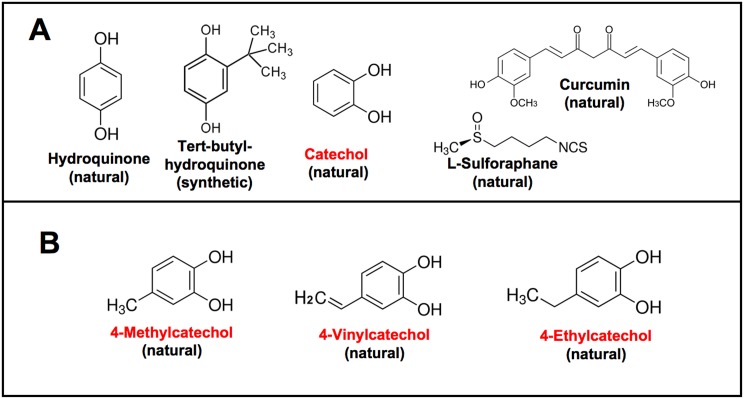
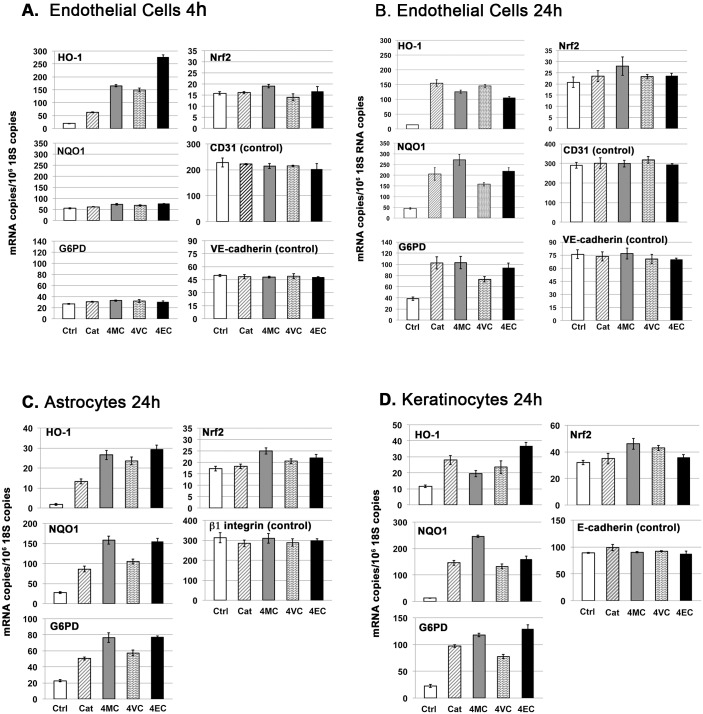
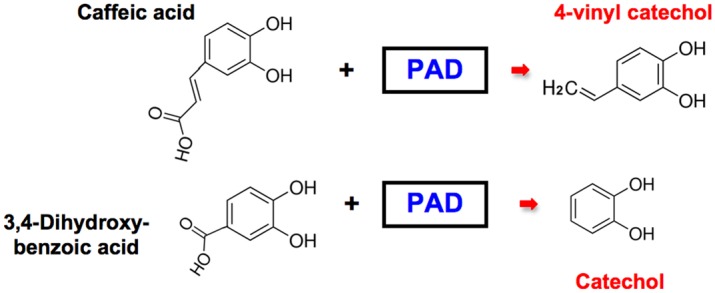
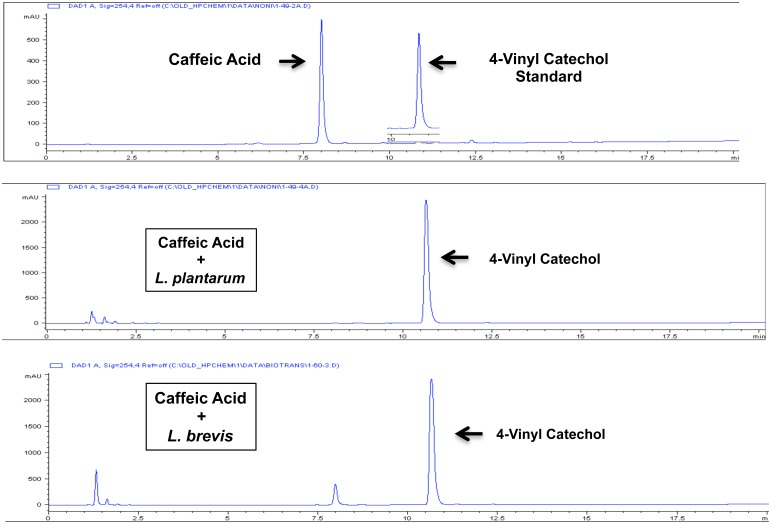
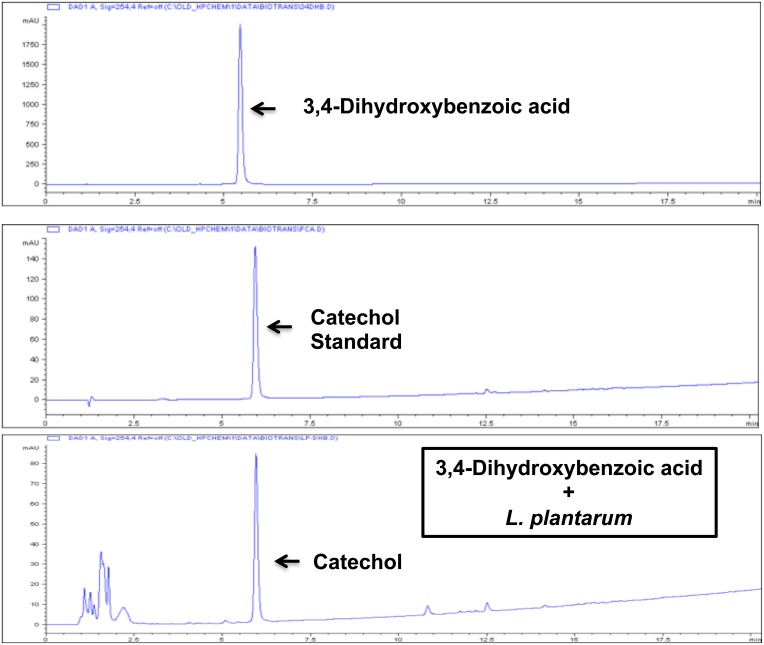
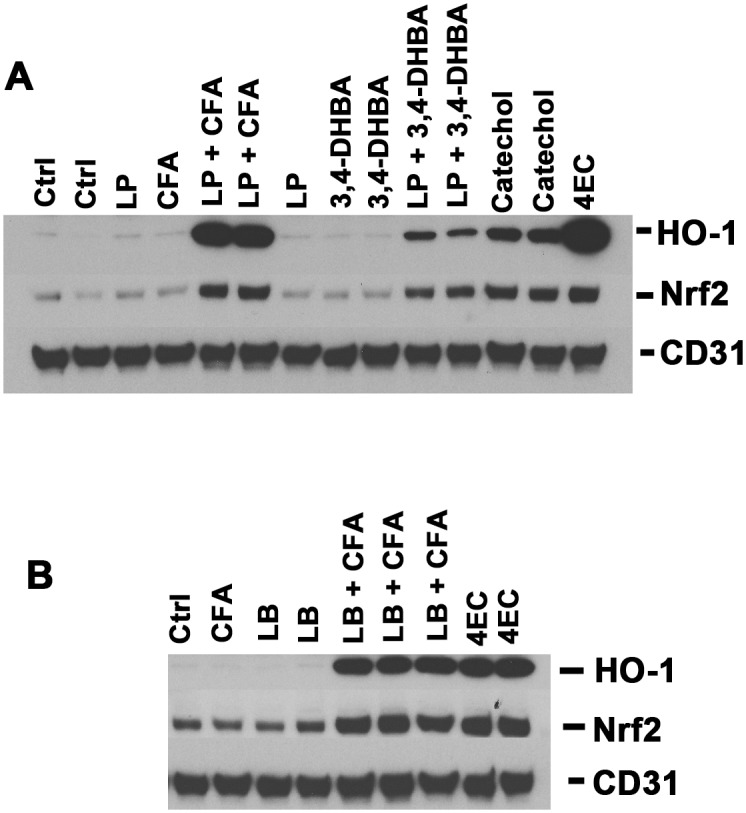
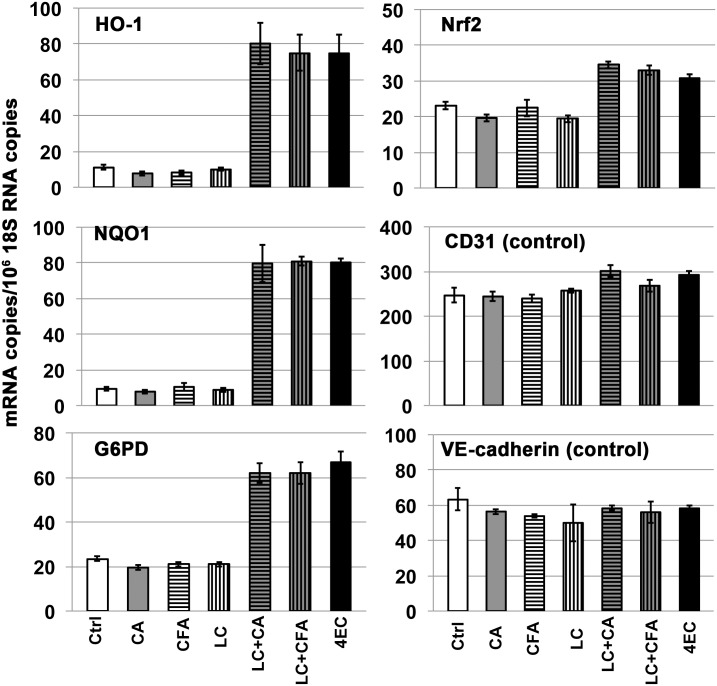
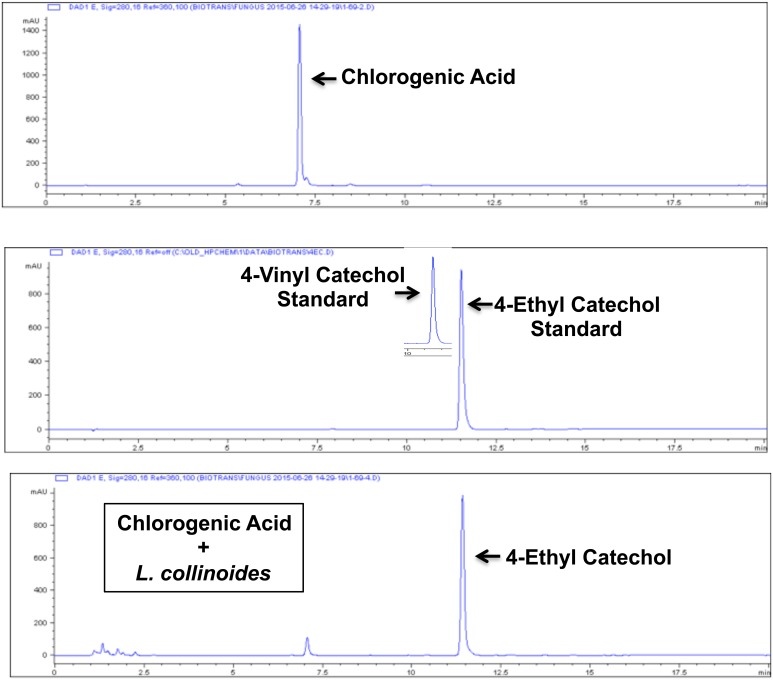
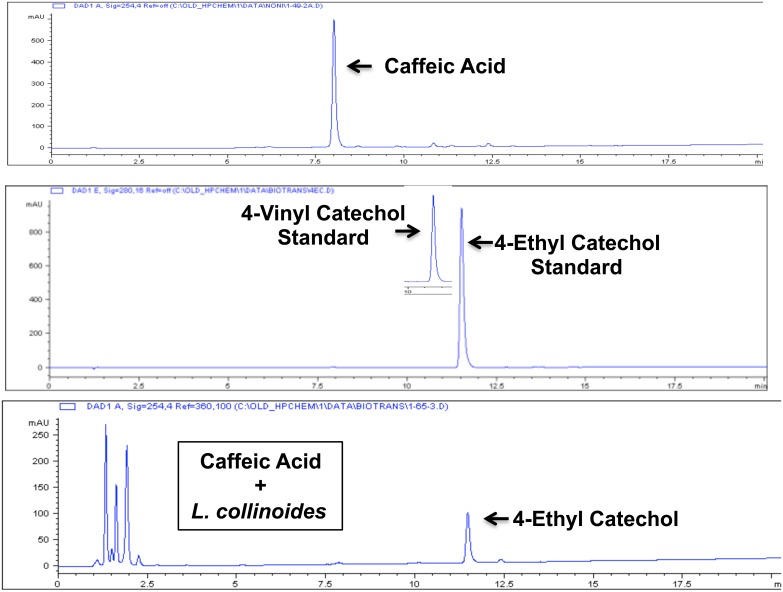
The Nrf2 (NFE2L2) cell defense pathway protects against oxidative stress and disorders including cancer and neurodegeneration. Although activated modestly by oxidative stress alone, robust activation of the Nrf2 defense mechanism requires the additional presence of co-factors that facilitate electron exchange. Various molecules exhibit this co-factor function, including sulforaphane from cruciferous vegetables. However, natural co-factors that are potent and widely available from dietary sources have not been identified previously. The objectives of this study were to investigate support of the Nrf2 cell defense pathway by the alkyl catechols: 4-methylcatechol, 4-vinylcatechol, and 4-ethylcatechol. These small electrochemicals are naturally available from numerous sources but have not received attention. Findings reported here illustrate that these compounds are indeed potent co-factors for activation of the Nrf2 pathway both in vitro and in vivo. Each strongly supports expression of Nrf2 target genes in a variety of human cell types; and, in addition, 4-ethylcatechol is orally active in mice. Furthermore, findings reported here identify important and previously unrecognized sources of these compounds, arising from biotransformation of common plant compounds by lactobacilli that express phenolic acid decarboxylase. Thus, for example, Lactobacillus plantarum, Lactobacillus brevis, and Lactobacillus collinoides, which are consumed from a diet rich in traditionally fermented foods and beverages, convert common phenolic acids found in fruits and vegetables to 4-vinylcatechol and/or 4-ethylcatechol. In addition, all of the alkyl catechols are found in wood smoke that was used widely for food preservation. Thus, the potentially numerous sources of alkyl catechols in traditional foods suggest that these co-factors were common in ancient diets. However, with radical changes in food preservation, alkyl catechols have been lost from modern foods. The absence of alkyl catechols from the modern Western diet suggests serious negative consequences for Nrf2 cell defense, resulting in reduced protection against multiple chronic diseases associated with oxidative stress.
Overview
The claims and statistics of this paper haven’t been checked yet.
Free: it reads the open-access text and checks the first 5 claims that cite a source we can check. Create a free account to check every claim.
Integrity signals
Registry
Cites
Statistics
Figures

Verification
Claims the paper makes
The claims and statistics of this paper haven’t been checked yet.
Free: it reads the open-access text and checks the first 5 claims that cite a source we can check. Create a free account to check every claim.
Claims other papers make about this one
Each is checked against this paper’s own text: does it say what the citing paper says it does?
The cited source says what the claim attributes to it.
In the citing paper
“Salutogenic (i.e., health‐promoting) bacteria can process dietary‐derived polyphenols to produce alkyl catechols that activate Nrf2.”
From Ignoring the planet: A critical blind spot for research on ageing (2025) · cites this paper as [71]
Self-check
Percentages, sums and reported differences re-computed from the paper’s own numbers.
The self-check needs the paper’s full text.
Citations
Cites
Free radicals in biology and medicine
(1991) · General Pharmacology: The Vascular System · doi:10.1016/0306-3623(91)90478-o · Cited by 17,178
Polyphenols: Food sources and bioavailability
Manach, C., Scalbert, A., Morand, C., Rémésy, C., & Jiménez, L. (2004) · The American Journal of Clinical Nutrition · doi:10.1093/ajcn/79.5.727 · Cited by 8,175 · cited 2×
“3,4-DHBA, also known as protocatechuic acid, is found in brightly colored berries [96].”
Mitochondrial Dysfunction and Oxidative Stress in Neurodegenerative Diseases
Lin, M. T., & Beal, M. F. (2006) · Nature · doi:10.1038/nature05292 · Cited by 6,455 · cited 2×
“In addition, oxidative stress contributes to insulin resistance [17] and the pathological consequences of diabetes [18], kidney disease [19], multiple sclerosis [20], and aging [11, 21, 22], and can contribute to neurodevelopmental defects in the embryo [5].”
Increased oxidative stress in obesity and its impact on metabolic syndrome
Furukawa, S., Fujita, T., Shimabukuro, M., Iwaki, M., Yamada, Y., Nakajima, Y., Nakayama, O., Makishima, M., Matsuda, M., & Shimomura, I. (2004) · Journal of Clinical Investigation · doi:10.1172/jci21625 · Cited by 5,508 · cited 1×
“…contributes to many common diseases, including cancer [3 – 5], coronary artery disease [3, 6], osteoporosis [7, 8], inflammatory bowel diseases [9], metabolic syndrome [3, 10], and neuro-degeneration [11 – 13] including Parkinson ’ s disease [14] and possibly also Alzheimer ’ s disease [3, 15, 16].”
Oxidative stress and diabetic complications
Giacco, F., & Brownlee, M. (2010) · Circulation Research · doi:10.1161/circresaha.110.223545 · Cited by 5,461
Free Radicals in Biology and Medicine
Land, E. T. (1990) · International Journal of Radiation Biology · doi:10.1080/09553009014552071 · Cited by 4,854
Polyphenols: Chemistry, dietary sources, metabolism, and nutritional significance
Bravo, L. (2009) · Nutrition Reviews · doi:10.1111/j.1753-4887.1998.tb01670.x · Cited by 4,030 · cited 1×
“Although there is a general consensus that diets rich in fruits and vegetables are beneficial for health (reviewed in [146, 147]); and, similarly, that probiotic bacteria are beneficial (reviewed in [103, 148, 149]), mechanistic understanding of such benefits is incomplete.”
Cell Survival Responses to Environmental Stresses Via the Keap1-Nrf2-ARE Pathway
Kensler, T. W., Wakabayashi, N., & Biswal, S. (2007) · Annual Review of Pharmacology and Toxicology · doi:10.1146/annurev.pharmtox.46.120604.141046 · Cited by 3,630 · cited 5×
“Nrf2 null mice also are more sensitive to a multitude of chemical toxins, resulting in increased inflammation and damage to lung, brain, and kidney [24, 40].”
InfluentialProtein Oxidation in Aging, Disease, and Oxidative Stress
Berlett, B. S., & Stadtman, E. R. (1997) · Journal of Biological Chemistry · doi:10.1074/jbc.272.33.20313 · Cited by 3,332 · cited 1×
“In addition, oxidative stress contributes to insulin resistance [17] and the pathological consequences of diabetes [18], kidney disease [19], multiple sclerosis [20], and aging [11, 21, 22], and can contribute to neurodevelopmental defects in the embryo [5].”
Oxidative Stress, Caloric Restriction, and Aging
Sohal, R. S., & Weindruch, R. (1996) · Science · doi:10.1126/science.273.5271.59 · Cited by 3,131 · cited 1×
“In addition, oxidative stress contributes to insulin resistance [17] and the pathological consequences of diabetes [18], kidney disease [19], multiple sclerosis [20], and aging [11, 21, 22], and can contribute to neurodevelopmental defects in the embryo [5].”
Research works printed but not linked: 3
- Doe P. Fish Drying and Smoking: Production and Quality; CRC Press, Boca Raton FL ISBN 1-56676-668-0. 1998: 44.
- Borgstrom G. Fish as Food V3: Processing:, Part 1; Elsevier, ISBN 9780323147927 2012: 72.
- Chatonnet P D D, Boidron JN. The influence of Brettanomyces/Dekkera sp. yeasts and lactic acid bacteria on the ethylphenol content of red wines. Am J Enol Vitic. 1995; 46(4): 463– 8. · DOI · Paper page
Cited by
Health benefits of fermented foods: Microbiota and beyond
Marco, M. L., Heeney, D., Binda, S., Cifelli, C. J., Cotter, P. D., Foligné, B., Gänzle, M., Kort, R., Pasin, G., Pihlanto, A., et al. (2017) · Current Opinion in Biotechnology · doi:10.1016/j.copbio.2016.11.010 · Cited by 1,674
Marco, M. L., Sanders, M. E., Gänzle, M., Arrieta, M. C., Cotter, P. D., De Vuyst, L., Hill, C., Holzapfel, W., Lebeer, S., Merenstein, D., et al. (2021) · Nature Reviews Gastroenterology & Hepatology · doi:10.1038/s41575-020-00390-5 · Cited by 937
Metabolic and Functional Paths of Lactic Acid Bacteria in Plant Foods: Get out of the Labyrinth
Filannino, P., Di Cagno, R., & Gobbetti, M. (2018) · Current Opinion in Biotechnology · doi:10.1016/j.copbio.2017.07.016 · Cited by 420
Centella asiatica: Phytochemistry and mechanisms of neuroprotection and cognitive enhancement
Gray, N. E., Alcazar Magana, A., Lak, P., Wright, K. M., Quinn, J., Stevens, J. F., Maier, C. S., & Soumyanath, A. (2018) · Phytochemistry Reviews · doi:10.1007/s11101-017-9528-y · Cited by 299
“Further breakdown of caffeic acid to ethyl, methyl and vinyl catechols by gut microflora has been proposed (Senger et al. 2016).”
BackgroundBehera, S. S., El Sheikha, A. F., Hammami, R., & Kumar, A. (2020) · Journal of Functional Foods · doi:10.1016/j.jff.2020.103971 · Cited by 279
Fermented foods and gastrointestinal health: underlying mechanisms
Mukherjee, A., Breselge, S., Dimidi, E., Marco, M. L., & Cotter, P. D. (2024) · Nature Reviews Gastroenterology & Hepatology · doi:10.1038/s41575-023-00869-x · Cited by 245
“Some of these metabolites, such as alkyl catechols, can activate the master regulator of oxidative stress response in mammals, NRF2 , and induce the expression of anti-oxidant and detoxifying enzymes that provide protection against free radical and chemical damage 206 .”
Food as medicine: targeting the uraemic phenotype in chronic kidney disease
Mafra, D., Borges, N. A., Lindholm, B., Shiels, P. G., Evenepoel, P., & Stenvinkel, P. (2021) · Nature Reviews Nephrology · doi:10.1038/s41581-020-00345-8 · Cited by 238
How Fermentation Affects the Antioxidant Properties of Cereals and Legumes
Verni, M., Verardo, V., & Rizzello, C. (2019) · Foods · doi:10.3390/foods8090362 · Cited by 185
“Phenolic acids metabolism is influenced by the composition and intrinsic factors of the matrices, therefore, depending on the substrate, the metabolism can shift from decarboxylase to reductase [72]; nevertheless, the derivatives exert higher biological activities than their precursors [73].”
BackgroundPotential Applications of NRF2 Modulators in Cancer Therapy
Panieri, E., Buha, A., Telkoparan-Akillilar, P., Cevik, D., Kouretas, D., Veskoukis, A., Skaperda, Z., Tsatsakis, A., Wallace, D., Suzen, S., et al. (2020) · Antioxidants · doi:10.3390/antiox9030193 · Cited by 161
“A 2016 review systematically examined the activation of NRF2 by dietary factors, but also extended these findings to discuss how diet changes may restrict the nutritional utility of some activators [84].”
BackgroundOxidative stress and Parkinson’s disease: conflict of oxidant-antioxidant systems
Hemmati-Dinarvand, M., Saedi, S., Valilo, M., Kalantary‐Charvadeh, A., Sani, M. A., Kargar, R., Safari, H., & Samadi, N. (2019) · Neuroscience Letters · doi:10.1016/j.neulet.2019.134296 · Cited by 163
Dietary Components That May Influence the Disturbed Gut Microbiota in Chronic Kidney Disease
Mafra, D., Borges, N., Alvarenga, L., Esgalhado, M., Cardozo, L., Lindholm, B., & Stenvinkel, P. (2019) · Nutrients · doi:10.3390/nu11030496 · Cited by 152
Bousquet, J., Anto, J. M., Czarlewski, W., Haahtela, T., Fonseca, S. C., Iaccarino, G., Blain, H., Vidal, A., Sheikh, A., Akdis, C. A., et al. (2021) · Allergy · doi:10.1111/all.14549 · Cited by 123
““Ancient foods”, and particularly those containing Lactobacillus , activate Nrf2 69 .”
BackgroundVargas, B. K., Fabricio, M. F., & Ayub, M. A. Z. (2021) · Food Bioscience · doi:10.1016/j.fbio.2021.101332 · Cited by 132
Satoh, T., & Lipton, S. A. (2017) · F1000Research · doi:10.12688/f1000research.12111.1 · Cited by 106
Bio-Based Valorization of Lignin-Derived Phenolic Compounds: A Review
Martínková, L., Grulich, M., Pátek, M., Křístková, B., & Winkler, M. (2023) · Biomolecules · doi:10.3390/biom13050717 · Cited by 105
“The two catechol products that also naturally occur in some fermented or smoked foods were found (together with catechol and 4-vinylcatechol) to have beneficial effects on the Nrf2 pathway of cell defense [119].”
BackgroundSaadat, Y. R., Khosroushahi, A. Y., Movassaghpour, A. A., Talebi, M., & Gargari, B. P. (2019) · Journal of Functional Foods · doi:10.1016/j.jff.2019.103675 · Cited by 92
Rastogi, Y. R., Thakur, R., Thakur, P., Mittal, A., Chakrabarti, S., Siwal, S. S., Thakur, V. K., Saini, R. V., & Saini, A. K. (2022) · International Journal of Food Microbiology · doi:10.1016/j.ijfoodmicro.2022.109666 · Cited by 95
Fructose-rich niches traced the evolution of lactic acid bacteria toward fructophilic species
Filannino, P., Cagno, R. D., Tlais, A. Z. A., Cantatore, V., & Gobbetti, M. (2019) · Critical Reviews in Microbiology · doi:10.1080/1040841x.2018.1543649 · Cited by 84
“Alkyl catechols (e.g. 4-vinylcatechol and 4-ethylcatechol) have been shown both in vitro and in vivo as important co-factors for activation of the Nrf2 cellular defense pathway against oxidative stress in mammalian cells (Senger et al. 2016).”
BackgroundStenvinkel, P., Meyer, C. J., Block, G. A., Chertow, G. M., & Shiels, P. G. (2020) · Nephrology Dialysis Transplantation · doi:10.1093/ndt/gfz120 · Cited by 72
“Alkyl catechols are known NRF2 agonists [43] and it can be hypothesized that NRF2 activation might be responsible, in part, for prolonged life expectancy in these populations.”
BackgroundInfluentialEvolutionary basis for the human diet: consequences for human health
Andrews, P., & Johnson, R. J. (2019) · Journal of Internal Medicine · doi:10.1111/joim.13011 · Cited by 90
Kerimi, A., & Williamson, G. (2018) · Antioxidants and Redox Signaling · doi:10.1089/ars.2017.7086 · Cited by 73
“However, some studies have suggested that quercetin does not interact with Nrf2 in endothelial cells (214), although we have data showing that quercetin is a potent HO-1 inducer in HUVECs (unpublished data).”
O'Toole, P. W., & Shiels, P. G. (2020) · Journal of Internal Medicine · doi:10.1111/joim.13021 · Cited by 62
Sun, Z., Park, S. Y., Hwang, E., Park, B., Seo, S. A., Cho, J.-G., Zhang, M., & Yi, T.-H. (2016) · Phytomedicine · doi:10.1016/j.phymed.2016.06.008 · Cited by 57
Tlais, A. Z. A., Ros, A. D., Filannino, P., Vincentini, O., Gobbetti, M., & Cagno, R. D. (2020) · Food Chemistry · doi:10.1016/j.foodchem.2020.127616 · Cited by 50
Wright, K. M., Bollen, M., David, J., Speers, A. B., Brandes, M. S., Gray, N. E., Magaña, A. A., McClure, C., Stevens, J. F., Maier, C. S., et al. (2022) · Antioxidants · doi:10.3390/antiox11020215 · Cited by 62
“The metabolism of CQAs to caffeic and ferulic acid derivatives [74–77], as well as to ethyl, methyl, and vinyl catechols [78], by gastrointestinal microflora, and Phase I and II metabolism is well documented.”
BackgroundAboulgheit, A., Karbasiafshar, C., Zhang, Z., Sabra, M., Shi, G., Tucker, A., Sodha, N. R., Abid, M. R., & Sellke, F. W. (2021) · American Journal of Physiology-Heart and Circulatory Physiology · doi:10.1152/ajpheart.00278.2021 · Cited by 56
Rong, J., Shan, C., Liu, S., Zheng, H., Liu, C., Liu, M., Jin, F., & Wang, L. (2017) · Journal of Applied Microbiology · doi:10.1111/jam.13506 · Cited by 51
“In addition, some lactobacillus that originated from food were recently considered an important source of active compounds, which strongly supports the activation of the Nrf2 pathway in various cell types (Senger et al. 2016).”
BackgroundIdentification of Anti-Inflammatory Compounds from Hawaiian Noni (Morinda citrifolia L.) Fruit Juice
Lee, D. Y., Yu, J. S., Huang, P., Qader, M., Manavalan, A., Wu, X., Kim, J., Pang, C., Cao, S., Kang, K. S., et al. (2020) · Molecules · doi:10.3390/molecules25214968 · Cited by 45
“In our previous studies on noni juice, we identified alkyl catechols (4-methyl catechol, 4-ethyl catechol, and 4-vinyl catechol) [12] and scopoletin [13], among which 4-methyl catechol, 4-ethyl catechol, and 4-vinyl catechol are potent molecules that provide protection against diseases, like cancer associated with oxi…”
BackgroundSelf-citationHorlacher, N., Oey, I., & Agyei, D. (2023) · Fermentation · doi:10.3390/fermentation9050452 · Cited by 57
Manipulating the exposome to enable better ageing
Shiels, P. G., Painer, J., Natterson-Horowitz, B., Johnson, R. J., Miranda, J. J., & Stenvinkel, P. (2021) · Biochemical Journal · doi:10.1042/bcj20200958 · Cited by 42
Foolchand, A., Ghazi, T., & Chuturgoon, A. A. (2022) · International Journal of Molecular Sciences · doi:10.3390/ijms23052654 · Cited by 49
“Nrf2 can be activated by natural compounds in vegetables, fungi, plants and micronutrients [76], as well as foods containing lactobacillus [77].”
BackgroundMelnik, B. C. (2021) · Biomolecules · doi:10.3390/biom11030404 · Cited by 52
Fuentes, J., de Camargo, A. C., Atala, E., Gotteland, M., Olea‐Azar, C., & Speisky, H. (2021) · Journal of Agricultural and Food Chemistry · doi:10.1021/acs.jafc.0c07085 · Cited by 44
Хараева, З. Ф., Shokarova, A., Shomakhova, Z., Ibragimova, G. A., Trakhtman, P., Trakhtman, I., Chung, J., Mayer, W., Luca, C. D., & Korkina, L. G. (2022) · Nutrients · doi:10.3390/nu14112203 · Cited by 43
“Energy conserving/generating effect of FFS could be explained in terms of hormesislike action of fermented fruits, due to which cell functions and their defence against excessive oxidation improve through Nrf2-related mechanisms [40,41,63].”
BackgroundTang, J. S., Vissers, M. C. M., Anderson, R. F., Sreebhavan, S., Bozonet, S. M., Scheepens, A., & Melton, L. D. (2017) · Molecular Nutrition & Food Research · doi:10.1002/mnfr.201700647 · Cited by 35
Zweig, J. A., Brandes, M. S., Brumbach, B. H., Caruso, M. A., Wright, K. M., Quinn, J. F., Soumyanath, A., & Gray, N. E. (2020) · Neurobiology of Aging · doi:10.1016/j.neurobiolaging.2020.11.019 · Cited by 39
“We and others have shown that various drugs which can activate NRF2 enhance cognitive and mitochondrial function in animal models of healthy as well as pathological aging (Gray et al., 2018b,c; Majkutewicz, 2016; Majkutewicz et al., 2018; Senger et al., 2016; Zheng et al., 2017).”
BackgroundFonseca, S. C., Rivas, I., Romaguera, D., Quijal-Zamorano, M., Czarlewski, W., Vidal, A., Fonseca, J., Ballester, J., Antó, J. M., Basagaña, X., et al. (2020) · medRxiv · doi:10.1101/2020.07.06.20147025 · Cited by 46
“Nrf2 activation may decrease the intensity of the cytokine storm seen in COVID-19 (25).”
BackgroundBaron, G., Altomare, A., Vedova, L. D., Gado, F., Quagliano, O., Casati, S., Tosi, N., Bresciani, L., Rio, D. D., Roda, G., et al. (2023) · Redox Biology · doi:10.1016/j.redox.2023.102981 · Cited by 35
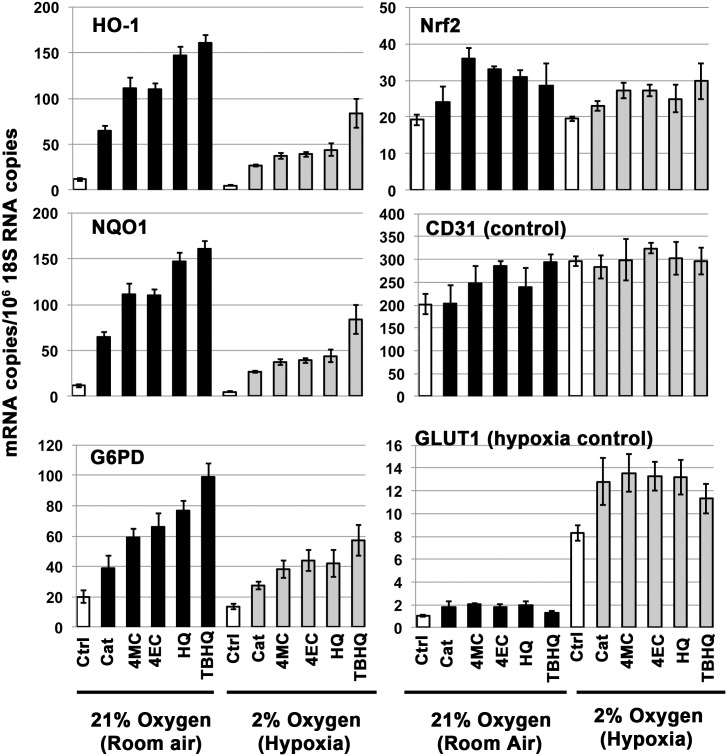
“It has been observed, indeed, that the ability of different phenolic compounds to activate Nrf2 decreases significantly dropping from the commonly used 20 % level used in cell experiments to just 2 % [60].”
BackgroundAjiboye, T., Ajala‐Lawal, R. A., & Adeyiga, A. (2019) · Human & Experimental Toxicology · doi:10.1177/0960327119851257 · Cited by 32
Ali, Q., Ma, S., Farooq, U., Niu, J., Li, F., Li, D., Wang, Z., Sun, H., Cui, Y., & Shi, Y. (2022) · Frontiers in Immunology · doi:10.3389/fimmu.2022.1041070 · Cited by 35
“Several studies revealed that Nrf2 activity is modulated with different dietary interventions such as a high-fat diet or dietary energy restriction (83, 84).”
BackgroundSelf-citationPruimboom, L., & Muskiet, F. A. J. (2018) · Medical Hypotheses · doi:10.1016/j.mehy.2018.08.002 · Cited by 35
Gospodaryov, D. V., Strilbytska, O. M., Semaniuk, U. V., Perkhulyn, N. V., Rovenko, B. M., Yurkevych, I. S., Barata, A. G., Dick, T. P., Lushchak, O. V., & Jacobs, H. T. (2019) · Biogerontology · doi:10.1007/s10522-019-09849-8 · Cited by 31
The sweet side of dark chocolate for chronic kidney disease patients
Fanton, S., Cardozo, L., Combet, E., Shiels, P. G., Stenvinkel, P., Vieira, I. O., Narciso, H. R., Schmitz, J., & Mafra, D. (2020) · Clinical Nutrition · doi:10.1016/j.clnu.2020.06.039 · Cited by 36
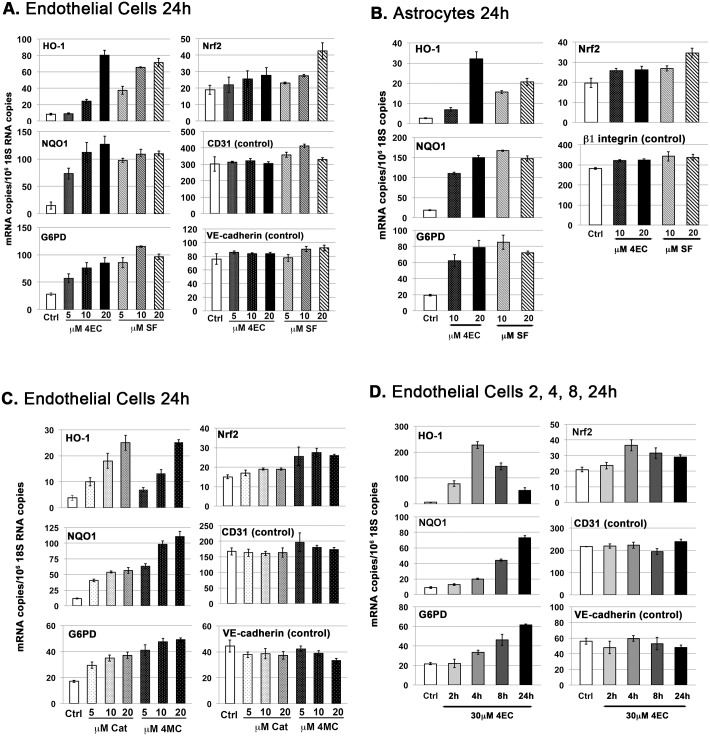
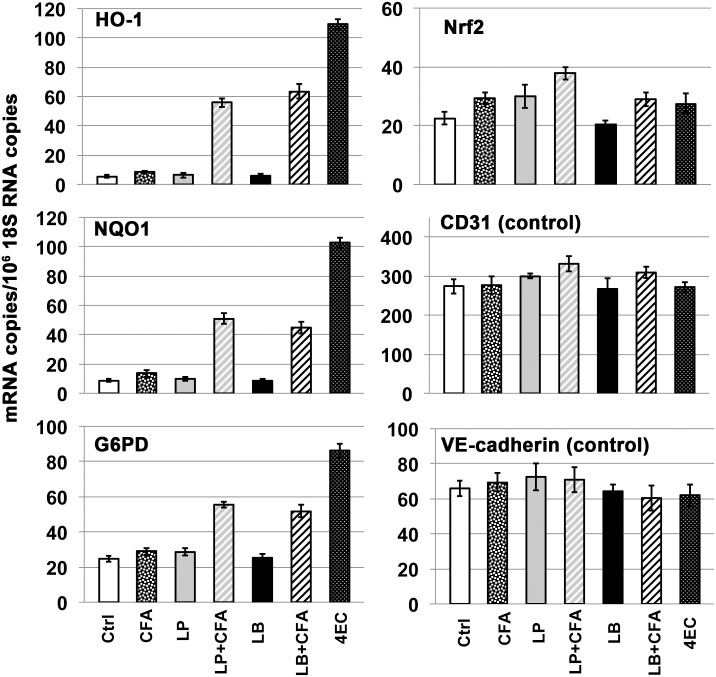
“These compounds can liberate Nrf2 from Keap1in the cytoplasm, which can be translocated to the nucleous and increase the heme oxygenase-1 (HO-1), NAD(P) H:quinone oxidoreductase1 (NQO1), and glucose-6-phosphate dehydrogenase (G6PD) mRNA expression (Senger et al. 2016).”
BackgroundFood Polyphenols as Preventive Medicine
Kanner, J. (2023) · Antioxidants · doi:10.3390/antiox12122103 · Cited by 33
“…polyphenol derivatives, absorbed in the blood system, are alkyl catechols derived from the colonic microbial processing of polyphenols that are present in fruits, vegetables, red wine, tea, coffee or cacao which are found in Mediterranean diets and are missing in the Western diet [48,235,236].”
BackgroundLomascolo, A., Odinot, E., Villeneuve, P., & Lecomte, J. (2023) · Biotechnology for Biofuels and Bioproducts · doi:10.1186/s13068-023-02425-w · Cited by 28
“For instance, Senger et al. [55, 56] linked the presence of 4-VC and some alkyl cat-echols to the anti-inflammatory properties of Barleria lupulina , an essential medicinal plant from Southeast Asia, India and southern China, and demonstrated the powerful action of these cofactors for activation of…”
BackgroundFermented curly kale as a new source of gentisic and salicylic acids with antitumor potential
Michalak-Tomczyk, M., Szwajgier, D., Paduch, R., Kukuła‐Koch, W., Waśko, A., & Polak‐Berecka, M. (2020) · Journal of Functional Foods · doi:10.1016/j.jff.2020.103866 · Cited by 29
Naturally-derived modulators of the Nrf2 pathway and their roles in the intervention of diseases
Wang, T., Liu, M., Li, X., Zhang, S., Gu, H., Wei, X., Wang, X., Xu, Z., & Shen, T. (2024) · Free Radical Biology and Medicine · doi:10.1016/j.freeradbiomed.2024.09.035 · Cited by 29
Senger, D. R., Hoang, M. V., Kim, K. H., Li, C., & Cao, S. (2016) · Journal of Ethnopharmacology · doi:10.1016/j.jep.2016.09.017 · Cited by 31
“Compelling evidence for the importance of the Nrf2 pathway for disease prevention and control of tissue damage associated with inflammation comes from numerous studies with mice lacking the Nrf2 gene (reviewed in Senger et al. (2016)).”
BackgroundSelf-citationWu, X., Xu, J., Cai, Y., Yang, Y., Liu, Y., & Cao, S. (2021) · Molecules · doi:10.3390/molecules26133852 · Cited by 24
“Each Western blot analysis was performed in triplicate [42].”
MethodSelf-citationYousuf, S., Shabir, S., & Singh, M. P. (2022) · Journal of the American Nutrition Association · doi:10.1080/27697061.2022.2089403 · Cited by 26
Socioeconomic position links circulatory microbiota differences with biological age
Craven, H., McGuinness, D., Buchanan, S., Galbraith, N., McGuinness, D. H., Jones, B., Combet, E., Mafra, D., Bergman, P., Ellaway, A., et al. (2021) · Scientific Reports · doi:10.1038/s41598-021-92042-0 · Cited by 21
Redox Imbalance in Neurological Disorders in Adults and Children
Rey, F., Berardo, C., Maghraby, E., Mauri, A., Messa, L., Esposito, L., Casili, G., Ottolenghi, S., Bonaventura, E., Cuzzocrea, S., et al. (2023) · Antioxidants · doi:10.3390/antiox12040965 · Cited by 26
Begum, R., Kim, C.-S., Fadriquela, A., Bajgai, J., Jing, X., Kim, D.-H., Kim, S., & Lee, K. (2020) · Molecular & Cellular Toxicology · doi:10.1007/s13273-020-00074-w · Cited by 22
Deciphering the microbiome shift during fermentation of medicinal plants
Köberl, M., Erschen, S., Etemadi, M., White, R. A., III, El-Arabi, T. F., & Berg, G. (2019) · Scientific Reports · doi:10.1038/s41598-019-49799-2 · Cited by 21
Dairy associations for the targeted control of opportunistic Candida
Aitzhanova, A., Oleinikova, Y., Mounier, J., Hymery, N., Salas, M. L., Amangeldi, A., Saubenova, M., Alimzhanova, M. B., Ashimuly, K., & САДАНОВ, А. К. (2021) · World Journal of Microbiology and Biotechnology · doi:10.1007/s11274-021-03096-1 · Cited by 23
Dietary hormesis: beyond nutrition and energy supply
Wang, Y., & Wang, Z. (2025) · npj Science of Food · doi:10.1038/s41538-025-00518-4 · Cited by 25
Diabetic Wound Healing and Activation of Nrf2 by Herbal Medicine.
Senger, D. R., & Cao, S. (2016) · PubMed · Cited by 21
Self-citationBrasil, F. B., de Almeida, F. J. S., Luckachaki, M. D., Dall’Oglio, E. L., & de Oliveira, M. R. (2022) · Metabolic Brain Disease · doi:10.1007/s11011-022-00966-x · Cited by 20
“Xenobiotics are well-known inducers of Nrf2, including those originated from plants (Stefanson and Bakovic 2014; Senger et al. 2016).”
BackgroundBiotransformation of Monocyclic Phenolic Compounds by Bacillus licheniformis TAB7
Mpofu, E., Chakraborty, J., Suzuki‐Minakuchi, C., Okada, K., Kimura, T., & Nojiri, H. (2019) · Microorganisms · doi:10.3390/microorganisms8010026 · Cited by 18
Ahmed, H. M., Shehata, H. H., El-Saeed, G. S. M., Gabal, H. H. A., & El‐Daly, S. M. (2022) · Journal of Genetic Engineering and Biotechnology · doi:10.1186/s43141-022-00422-4 · Cited by 21
“Our findings can be interpreted in light of the results of previous studies highlighting the significant connection between the defense role of Nrf2 and probiotic administration [58].”
ResultNutrition-Based Management of Inflammaging in CKD and Renal Replacement Therapies
Losappio, V., Infante, B., Leo, S., Troise, D. E., Calvaruso, M., Vitale, P., Renzi, S., Stallone, G., & Castellano, G. (2021) · Nutrients · doi:10.3390/nu13010267 · Cited by 26
“Increased red meat consumption and lack of traditional food observed in WD perfectly fits this outline [98], impairing oxidant defense in mammalian cells [106].”
BackgroundLaccases and Tyrosinases in Organic Synthesis
Martínková, L., Křístková, B., & Křen, V. (2022) · International Journal of Molecular Sciences · doi:10.3390/ijms23073462 · Cited by 19
“, methyl, ethyl) are promising as agents against oxidative stress [85].”
BackgroundEpigenetic Treatment of Neurodegenerative Ophthalmic Disorders: An Eye Toward the Future
Moos, W. H., Faller, D. V., Glavas, I. P., Harpp, D. N., Irwin, M. H., Kanara, I., Pinkert, C. A., Powers, W. R., Steliou, K., Vavvas, D. G., et al. (2017) · BioResearch open access · doi:10.1089/biores.2017.0036 · Cited by 21
Caffeic acid and protocatechuic acid modulate Nrf2 and inhibit Ehrlich ascites carcinomas in mice
Bovilla, V. R., Anantharaju, P. G., Dornadula, S., Veeresh, P. M., Kuruburu, M. G., Bettada, V. G., Ramkumar, K. M., & Madhunapantula, S. V. (2021) · Asian Pacific Journal of Tropical Biomedicine · doi:10.4103/2221-1691.314045 · Cited by 18
Smoking, coffee intake, and Parkinson’s disease: Potential protective mechanisms and components
Hong, S. W., Page, R., & Truman, P. (2024) · NeuroToxicology · doi:10.1016/j.neuro.2024.12.003 · Cited by 24
The link of smoke and solar activity with human neoplasms
Pinaev, S. K., Chizhov, A. Y., & Pinaeva, O. G. (2022) · Kazan medical journal · doi:10.17816/kmj2022-650 · Cited by 14
“щих их из содержащихся в растениях фенольных кислот [40].”
Alu'datt, M. H., Rababah, T., Sakandar, H. A., Imran, M., Mustafa, N., Alhamad, M. N., Mhaidat, N. M., Kubow, S. J., Tranchant, C. C., Al-Tawaha, A. R., et al. (2018) · Springer eBooks · doi:10.1007/978-981-10-8548-2_7 · Cited by 18
Fattah, A., Amiri, F., Mohammadian, M., Alipourfard, I., Valilo, M., Taheraghdam, A., & Hemmati-Dinarvand, M. (2020) · Neuroscience Letters · doi:10.1016/j.neulet.2020.135297 · Cited by 14
Fermented food: Should patients with cardiometabolic diseases go back to an early neolithic diet?
Mafra, D., Borges, N. A., Alvarenga, L., Ribeiro, M., Fonseca, L., Leal, V. O., Shiels, P. G., & Stenvinkel, P. (2023) · Critical Reviews in Food Science and Nutrition · doi:10.1080/10408398.2022.2077300 · Cited by 13
“…acids, and flavanols present in fermented food by LAB during the fermentation process potentiates antioxidant and anti-inflammatory action of such compounds by improving their bioavailability (Bautista-Expósito et al. 2019; Chiu et al. 2019; Khan et al. 2020; Senger et al. 2016; Wu et al. 2018).”
BackgroundAmeur, H., Cantatore, V., Filannino, P., Cavoski, I., Nikoloudaki, O., Gobbetti, M., & Cagno, R. D. (2022) · Frontiers in Microbiology · doi:10.3389/fmicb.2022.873432 · Cited by 14
“…(Sánchez-Maldonado et al., 2011; Santamaría et al., 2018a,b; Gaur et al., 2020), which may exert higher antioxidative, immunomodulatory, and antimutagenic properties compared with their precursors (Nićiforović and Abramovič, 2014; Senger et al., 2016; Septembre-Malaterre et al., 2018).”
BackgroundAntioxidants protect against gingival overgrowth induced by cyclosporine A
Chin, Y., Tu, H., Lin, C., Kuo, P., Chiu, H., Liu, S., Lee, S., & Fu, E. (2021) · Journal of Periodontal Research · doi:10.1111/jre.12832 · Cited by 13
Zheng, R., Varney, S. D., Wu, L., DiPersio, C. M., & Water, L. V. D. (2021) · Wound Repair and Regeneration · doi:10.1111/wrr.12938 · Cited by 14
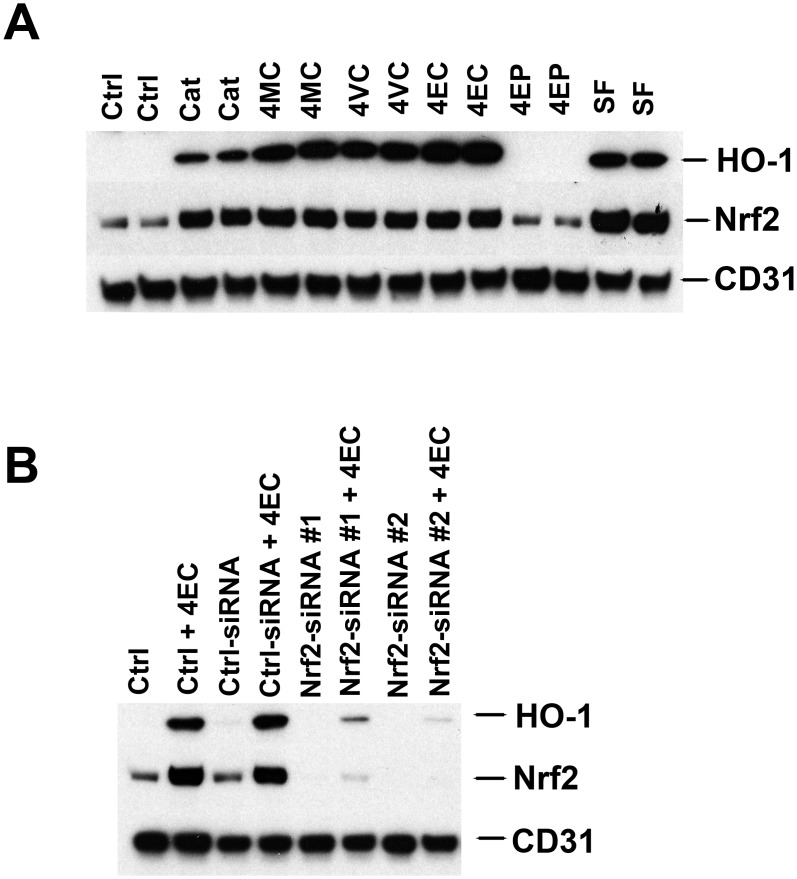
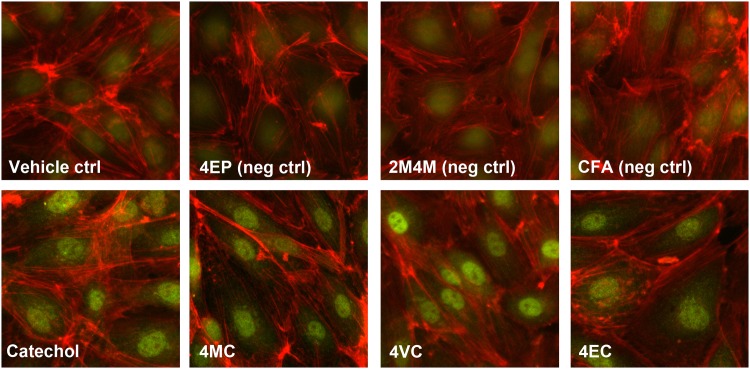
“Nrf2 activating compounds such as 4-ethyl catechol (4-EC) lead to the activation of Nrf2 target genes (validated by Nrf2-targeting siRNAs) and to reductions in stress fibres in human endothelial cells.(13,14) We find that 4-EC inhibits, in a dose-dependent fashion, Transforming Growth Factor-beta (TGFβ)-induced stress…”
BackgroundAn Update on the Role of Nrf2 and its Activators in Diseases Associated with Oxidative Stress
Sugumar, D., Saravanan, J., Rymbai, E., & PRAVEEN, T. K. (2020) · Indian Journal of Pharmaceutical Sciences · doi:10.36468/pharmaceutical-sciences.638 · Cited by 12
“These leads to a conclusion that the beneficial effects of Nrf2 activation depends on the organ affected, duration of inflammation, stage of the disease and injury model[68-71].”
BackgroundSaadat, Y. R., Gargari, B. P., Shahabi, A., Nami, Y., & Khosroushahi, A. Y. (2020) · Pharmaceutical Sciences · doi:10.34172/ps.2020.39 · Cited by 15
Bauman, B. M., Jeong, C., Savage, M., Briker, A., Janigian, N. G., Nguyen, L. L., Kemmerer, Z. A., & Eggler, A. L. (2018) · Free Radical Biology and Medicine · doi:10.1016/j.freeradbiomed.2018.06.039 · Cited by 11
Biomimetics provides lessons from nature for contemporary ways to improve human health
Stenvinkel, P., Avesani, C. M., Gordon, L. J., Schalling, M., & Shiels, P. G. (2021) · Journal of Clinical and Translational Science · doi:10.1017/cts.2021.790 · Cited by 11
Dry eye disease: an (in)convenient truth
Tavakoli, A., & Flanagan, J. (2021) · Clinical and Experimental Optometry · doi:10.1080/08164622.2021.1945410 · Cited by 13
“oxidative stress.(84) With a palate no longer attuned to the flavours alkyl catechols or phenols, modern industrial fermentation often eliminates these ‘inconvenient’ microbes(85,86) so in modern recapitulation of ancient fermented or smoked techniques, chances are that some of the most beneficial metabolites are lack…”
BackgroundInfluentialNrf2 signaling in bone health: unlocking new avenues for osteoporosis management
Lavhale, M. P., Mandlik, S. K., Shinde, V. M., & Mandlik, D. S. (2025) · Inflammopharmacology · doi:10.1007/s10787-025-01985-7 · Cited by 12
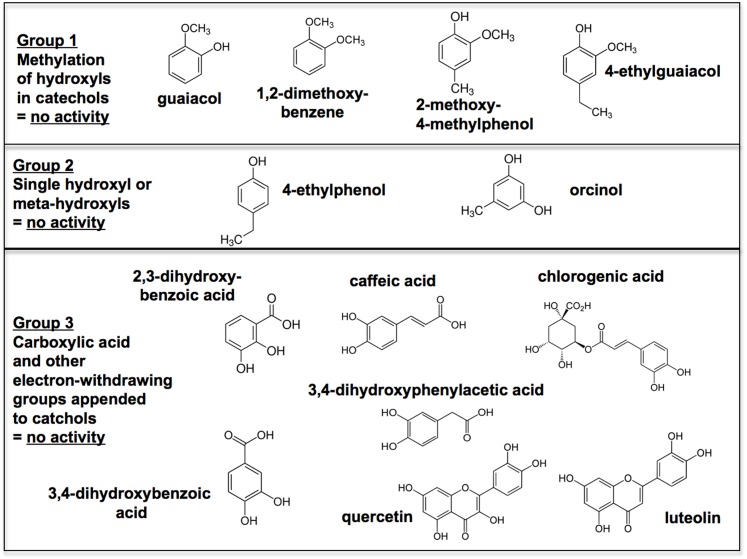
“The antioxidant potential of polyphenols is largely attributed to their para-and ortho-hydroxyl groups, which enable free radical scavenging, while meta-hydroxyl groups do not contribute to this activity (Senger et al. 2016).”
Comparison of Antiplatelet Effects of Phenol Derivatives in Humans
Hrubša, M., Alva, R., Parvin, M. S., Macáková, K., Karlíčková, J., Fadraersada, J., Konečný, L., Moravcová, M., Carazo, A., & Mladěnka, P. (2022) · Biomolecules · doi:10.3390/biom12010117 · Cited by 10
“Importantly such effect was observed even in a concentration of 5 μM [25].”
BackgroundEosinophils in inflammatory bowel disease pathogenesis: an ROS-centric view
Tomii, T., & Kano, G. (2025) · Frontiers in Allergy · doi:10.3389/falgy.2025.1608202 · Cited by 11
Nawaz, M., Afridi, M. N., Ullah, I., Khan, I. A., Ishaq, M. S., Su, Y., Rizwan, H. M., Cheng, K., Zhou, Q., & Wang, M. (2024) · International Journal of Biological Macromolecules · doi:10.1016/j.ijbiomac.2024.131869 · Cited by 10
CRITICAL PERIODS OF ADAPTATION TO SMOKE AND SOLAR ACTIVITY IN HUMAN ONTOGENESIS: A REVIEW
Pinaev, S. K., Chizhov, A. Y., & Pinaeva, O. G. (2021) · Экология человека · doi:10.33396/1728-0869-2021-11-4-11 · Cited by 10
Metabolic syndrome in combination with chronic kidney disease—It´s a gut feeling
Stenvinkel, P., & Shiels, P. G. (2021) · Journal of Internal Medicine · doi:10.1111/joim.13363 · Cited by 9
A normative microbiome is not restored following kidney transplantation
Craven, H., Erlandsson, H., McGuinness, D., McGuinness, D. H., Mafra, D., Ijaz, U. Z., Bergman, P., Shiels, P. G., & Stenvinkel, P. (2023) · Clinical Science · doi:10.1042/cs20230779 · Cited by 7
Diet in Intestinal Fibrosis: A Double-Edged Sword
Marion‐Letellier, R., Leboutte, M., Amamou, A., Raman, M., Savoye, G., & Ghosh, S. (2021) · Nutrients · doi:10.3390/nu13093148 · Cited by 7
“Very interestingly, biotransformation of plants by various lactobacillus leads to compounds that are dietary ligands of Nrf2 and the Western diet is also characterized by a low consumption of fermented foods compared to our ancient traditional dietary patterns [66].”
BackgroundBousquet, J., Antó, J. M., Czarlewski, W., Haahtela, T., Fonseca, S. C., Iaccarino, G., Blain, H., Akdiş, C. A., & Zuberbier, T. (2020) · doi:10.22541/au.159493397.79345039 · Cited by 7
“17”
The Potential for Reducing Lynch Syndrome Cancer Risk with Nutritional Nrf2 Activators
Aussem, A., & Ludwig, K. (2020) · Nutrition and Cancer · doi:10.1080/01635581.2020.1751215 · Cited by 6
Biocatalyzed Reactions towards Functional Food Components 4-Alkylcatechols and Their Analogues
Martínková, L., Příhodová, R., Kulik, N., Pelantová, H., Křístková, B., Petrásková, L., & Biedermann, D. (2020) · Catalysts · doi:10.3390/catal10091077 · Cited by 6
“They are present in some traditional foods preserved by fermentation with lactobacilli or by wood smoke (“functional foods”) but they are largely missing in current Western diets [9].”
BackgroundMinich, D. M., & Hanaway, P. J. (2020) · PubMed Central · Cited by 7
Ignoring the planet: A critical blind spot for research on ageing
Shiels, P., Neytchev, O., Borland, G., Germushkina, P., Johnson, R., Stenvinkel, P., & Woods, T. (2025) · Journal of Internal Medicine · doi:10.1111/joim.70032 · Cited by 4
“These bacteria thrive on traditional diets incorporating fermentation for preservation [71], but not on the Western diet.”
Ng, M. Y., & Hagen, T. (2025) · Journal of Biological Chemistry · doi:10.1016/j.jbc.2025.108487 · Cited by 3
The links between solar activity and smoke with trends in hematological malignancies in Russia
Pinaev, S. K., Chizhov, A. Y., & Pinaeva, O. G. (2022) · Radiation and Risk Bulletin of the National Radiation and Epidemiological Registry · doi:10.21870/0131-3878-2022-31-3-100-110 · Cited by 3
Loss of food fermentation in Westernized diet: a risk factor for severe COVID-19?Preprint
Bousquet, J. J., Antó, J. M., Czarlewski, W., Haahtela, T., Fonseca, S. C., Iaccarino, G., Blain, H., Akdiş, C. A., & Zuberbier, T. (2020) · Authorea · doi:10.22541/au.159526902.25301228 · Cited by 4
Li, Q., Chen, Y., Zhao, H., Cheng, Y., Hu, K., Li, J., Liu, A., Zhao, N., He, L., Yang, Y., et al. (2025) · BMC Biotechnology · doi:10.1186/s12896-025-01064-3 · Cited by 2
“…(4-VC), which correspond to FA, pCA, SA, and CafA, respectively, play pivotal roles in food flavour while exhibiting remarkable antioxidant and anti-inflammatory properties that make them highly promising for diverse applications in the food, cosmetic, and pharmaceutical industries [4–7].”
Li, E., Horn, N. L., & Ajuwon, K. M. (2026) · Toxicon · doi:10.1016/j.toxicon.2026.109068 · Cited by 2
Functional properties of foods in chronic kidney disease
Cardozo, L., Stenvinkel, P., & Mafra, D. (2024) · Elsevier eBooks · doi:10.1016/b978-0-323-91747-6.00008-1 · Cited by 4
Wevers, A., Román-Mata, S. S., Ledesma, S. N., & Pruimboom, L. (2024) · Biomedicines · doi:10.3390/biomedicines12112539 · Cited by 8
“…a study including in vitro and in vivo experiments in a variety of human cell types shows the activation of Nrf2 cell defense pathways by ancient foods, including fermented vegetables [154], as well as fermented vegetables and spices as NRF2-induced enzyme agonists [64] influencing mitochondria.”
2,5-Dihydroxyphenylethanone: an anti-melanogenic bioactive compound isolated from Ganoderma cochlear
Ning, M., Liu, X.-C., He, M., Peng, X., & Qiu, M. (2025) · Journal of Enzyme Inhibition and Medicinal Chemistry · doi:10.1080/14756366.2025.2495364 · Cited by 2
Lee, H. J., Jeong, C. H., Kim, T.-W., Seo, S. W., Jeong, D., & Hong, S. W. (2025) · Brazilian Journal of Microbiology · doi:10.1007/s42770-025-01703-z · Cited by 4
Possible Role of Nrf2 in Oxidative and Inflammatory Processes During Menopause
Mendoza, C. C. C., Zamarripa, C. A. J., Ocharan-Hernández, M. E., & Iglesias, G. G. (2016) · InTech eBooks · doi:10.5772/65244 · Cited by 2
Metadata
- Authors
- Senger, D. R., Li, D., Jaminet, S.-C., & Cao, S.
- Affiliations
- Beth Israel Deaconess Medical Center (US)
- University of Hawaii at Hilo (US)
- Corresponding author
- Senger, Donald R.
- Li, Dan
- Jaminet, Shou-Ching
- Cao, Shugeng
- Venue
- PLOS ONE
- Publisher
- Public Library of Science (PLoS)
- Published
- 2016-02-17
- Volume
- 11
- Issue
- 2
- Pages
- e0148042
- ISSN
- 1932-6203 (ISSN-L)
- PMC
- PMC4757558
- OpenAlex
- W2278050465
- Semantic Scholar
- 4c991123e17639ec55151da042887d250088e0fd
- Cited by
- 124
- References
- 150
- Citations by year
- 2026: 8 · 2025: 10 · 2024: 8 · 2023: 10 · 2022: 15 · 2021: 19 · 2020: 25 · 2019: 13 · 2018: 4 · 2017: 7 · 2016: 5
- FWCI
- 5.03
- Type
- journal article
- Language
- en
- Open access
- gold
- doi.org
- Licence
- Locations
- PLoS ONE (publishedVersion, cc-by)
- Europe PMC (PubMed Central) (publishedVersion, cc-by)
- PubMed Central (publishedVersion, cc-by)
- PubMed (publishedVersion)
- Digital Access to Scholarship at Harvard (DASH) (Harvard University) (submittedVersion, cc-by)
- DOAJ (DOAJ: Directory of Open Access Journals) (submittedVersion, cc-by-sa)
- Figshare (submittedVersion, cc-by)
- Funders
- National Institutes of Health
- National Center for Complementary and Integrative Health (R01AT007022)
- Topics
- Life Sciences › Biochemistry, Genetics and Molecular Biology › Molecular Biology › Genomics, phytochemicals, and oxidative stress
- Health Sciences › Medicine › Biochemistry (medical) › Phytochemicals and Antioxidant Activities
- Health Sciences › Nursing › Nutrition and Dietetics › Food Science and Nutritional Studies
- Keywords
- Nrf2, 4-methylcatechol, cofactors, oxidative stress, lactobacilli, phenolic acid decarboxylase, Lactobacillus plantarum, Lactobacillus brevis, fermented foods, wood smoke, traditional diet, Western diet, disease prevention
- MeSH terms
- Animals, Bacteria, Biotransformation, Caffeic Acids, Carboxy-Lyases, Catechols, Cells, Cultured, Chlorogenic Acid, Food, Gene Expression Regulation, Humans, Immunohistochemistry, Male, Mice, Inbred BALB C, Models, Biological, Oxygen, RNA, Messenger, Sulfoxides, Blotting, Western, Signal Transduction, Isothiocyanates, RNA, Small Interfering, NF-E2-Related Factor 2, Heme Oxygenase-1, Real-Time Polymerase Chain Reaction, Human Umbilical Vein Endothelial Cells, Hydroxybenzoates, Diet, Western
About these checks
Registry, retraction, Cites and statistics results are computed, not judged, with one exception: a printed reference that no index lists is read once by a model before it counts as a citation error. Claims are extracted by a model and kept only when their quote appears verbatim in the text; each cited source is then checked, with a model’s help, for whether it says what the claim relies on. Those verdicts can be wrong — read the claim’s quote and the cited source before relying on one.
Statistics and arithmetic are recomputed, not judged.
Confidence bands are shown only for fields calibrated on our annotated test set. None is calibrated yet, so no band is shown.
What counts as a claim ›How we measure confidence ›How we check this ›
Are you an author, or do you see a problem with this page? Request a review
Data sources
Bibliographic data: Semantic Scholar, OpenAlex, Crossref.
Contains information from the Semantic Scholar Academic Graph Datasets, made available under the ODC Attribution License (ODC-BY 1.0).
Semantic Scholar’s data is described in: Kinney, R., et al. (2023). The Semantic Scholar Open Data Platform. arXiv:2301.10140.
