

Activation of the Nrf2 Cell Defense Pathway by Ancient Foods: Disease Prevention by Important Molecules and Microbes Lost from the Modern Western Diet
Open accessThe DOI matches its Crossref record; 150 of the 150 references it cites were found in a registry or an index.
Abstract
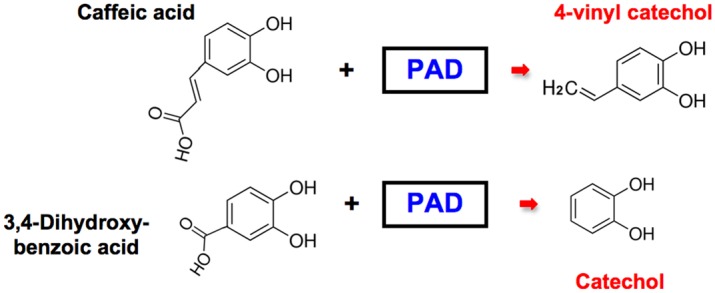
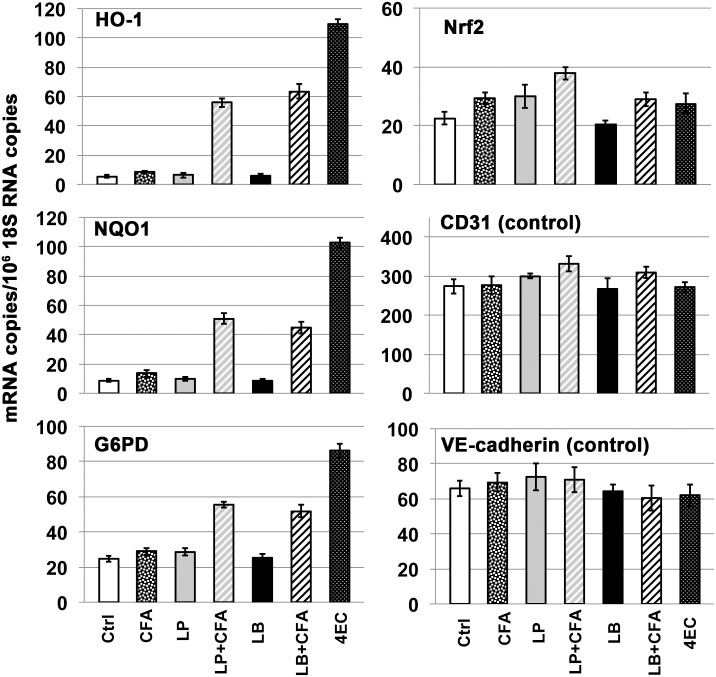
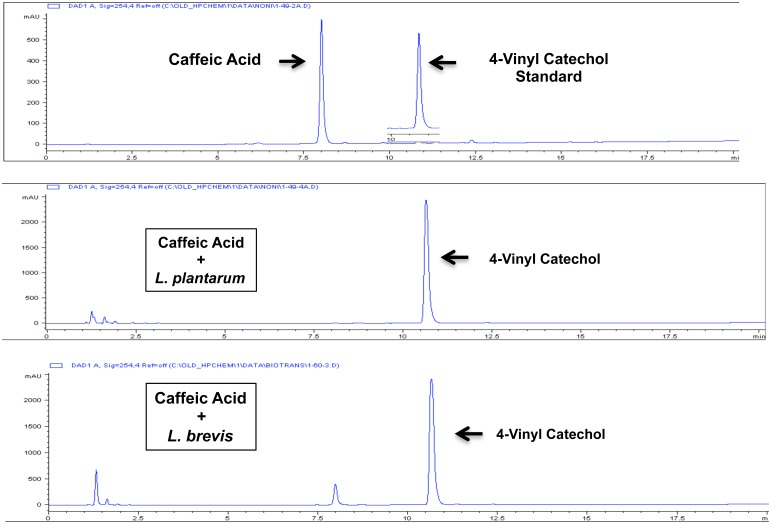
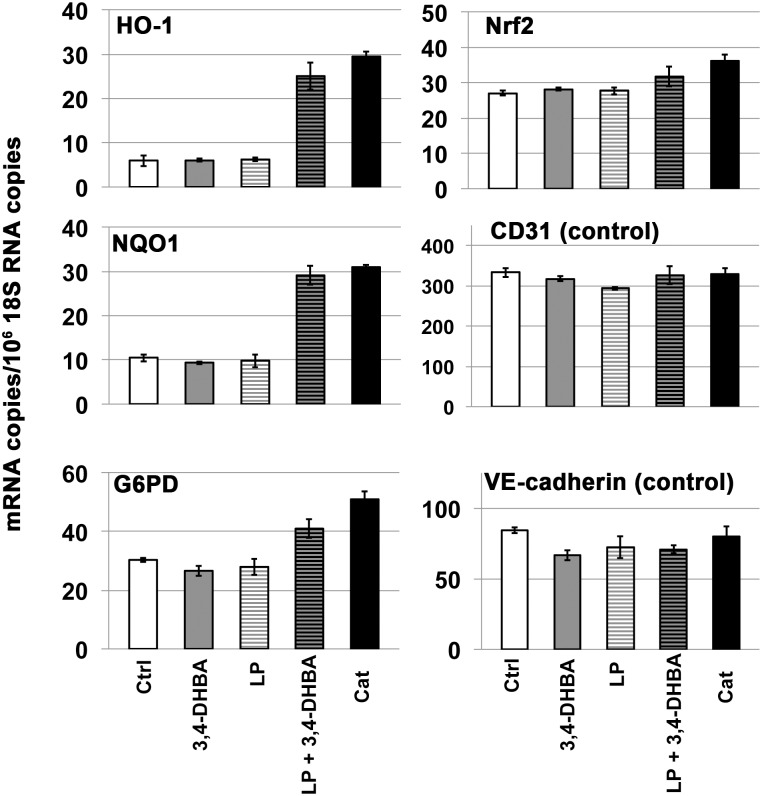
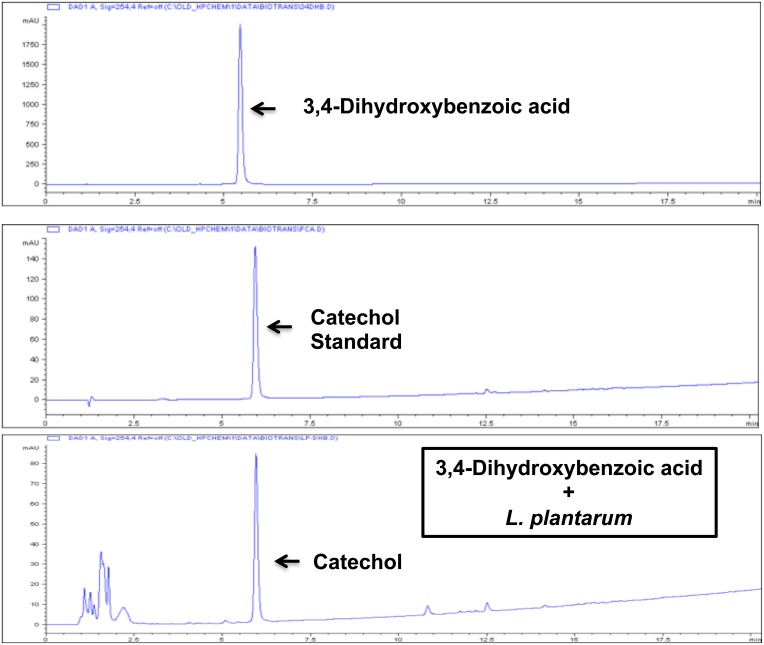
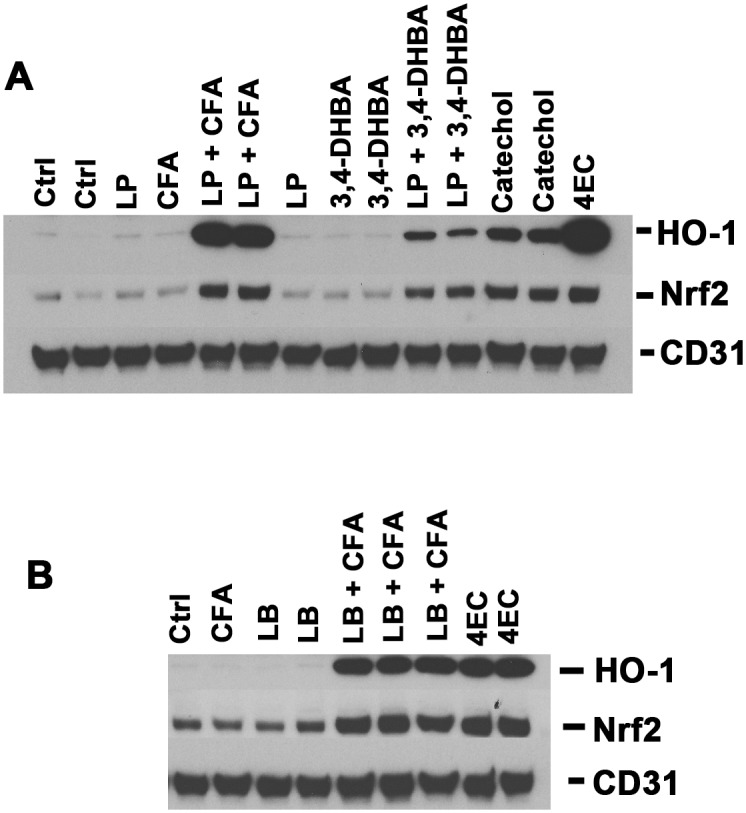
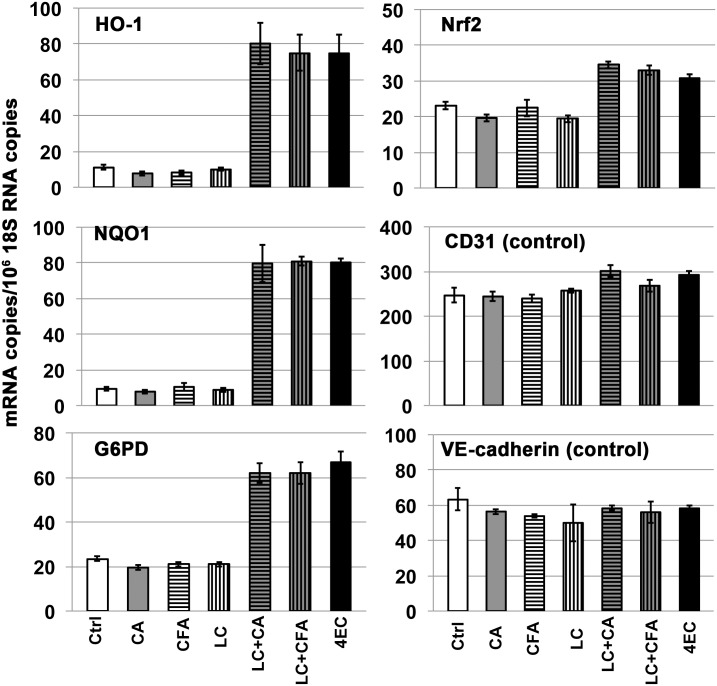
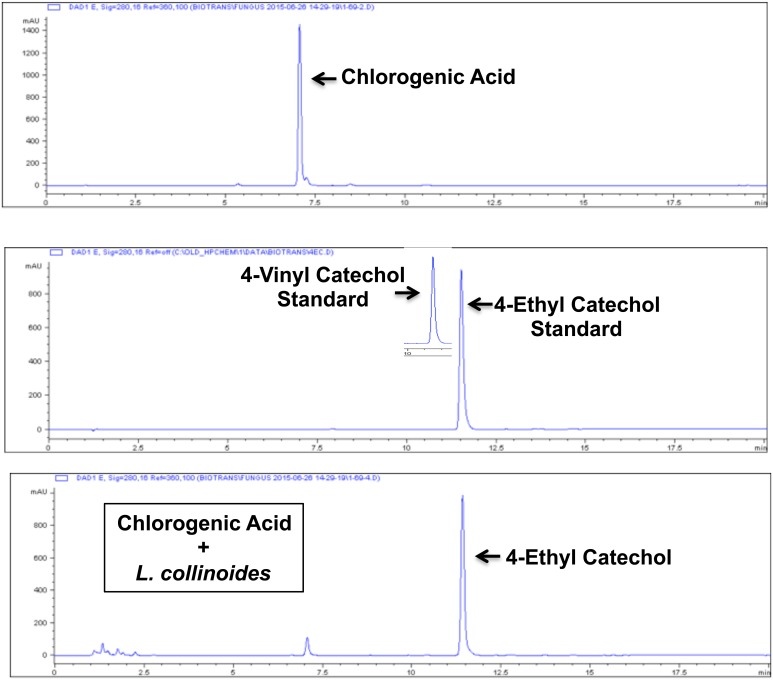
The Nrf2 (NFE2L2) cell defense pathway protects against oxidative stress and disorders including cancer and neurodegeneration. Although activated modestly by oxidative stress alone, robust activation of the Nrf2 defense mechanism requires the additional presence of co-factors that facilitate electron exchange. Various molecules exhibit this co-factor function, including sulforaphane from cruciferous vegetables. However, natural co-factors that are potent and widely available from dietary sources have not been identified previously. The objectives of this study were to investigate support of the Nrf2 cell defense pathway by the alkyl catechols: 4-methylcatechol, 4-vinylcatechol, and 4-ethylcatechol. These small electrochemicals are naturally available from numerous sources but have not received attention. Findings reported here illustrate that these compounds are indeed potent co-factors for activation of the Nrf2 pathway both in vitro and in vivo. Each strongly supports expression of Nrf2 target genes in a variety of human cell types; and, in addition, 4-ethylcatechol is orally active in mice. Furthermore, findings reported here identify important and previously unrecognized sources of these compounds, arising from biotransformation of common plant compounds by lactobacilli that express phenolic acid decarboxylase. Thus, for example, Lactobacillus plantarum, Lactobacillus brevis, and Lactobacillus collinoides, which are consumed from a diet rich in traditionally fermented foods and beverages, convert common phenolic acids found in fruits and vegetables to 4-vinylcatechol and/or 4-ethylcatechol. In addition, all of the alkyl catechols are found in wood smoke that was used widely for food preservation. Thus, the potentially numerous sources of alkyl catechols in traditional foods suggest that these co-factors were common in ancient diets. However, with radical changes in food preservation, alkyl catechols have been lost from modern foods. The absence of alkyl catechols from the modern Western diet suggests serious negative consequences for Nrf2 cell defense, resulting in reduced protection against multiple chronic diseases associated with oxidative stress.
Overview
The claims and statistics of this paper haven’t been checked yet.
Free: it reads the open-access text and checks the first 5 claims that cite a source we can check. Create a free account to check every claim.
Integrity signals
Registry
Cites
Statistics
Figures

Verification
Claims the paper makes
The claims and statistics of this paper haven’t been checked yet.
Free: it reads the open-access text and checks the first 5 claims that cite a source we can check. Create a free account to check every claim.
Claims other papers make about this one
Each is checked against this paper’s own text: does it say what the citing paper says it does?
The cited source says what the claim attributes to it.
In the citing paper
“Salutogenic (i.e., health‐promoting) bacteria can process dietary‐derived polyphenols to produce alkyl catechols that activate Nrf2.”
From Ignoring the planet: A critical blind spot for research on ageing (2025) · cites this paper as [71]
Self-check
Percentages, sums and reported differences re-computed from the paper’s own numbers.
The self-check needs the paper’s full text.
Citations
Cites
Free radicals in biology and medicine
(1991) · General Pharmacology: The Vascular System · doi:10.1016/0306-3623(91)90478-o · Cited by 17,178
Polyphenols: Food sources and bioavailability
Manach, C., Scalbert, A., Morand, C., Rémésy, C., & Jiménez, L. (2004) · The American Journal of Clinical Nutrition · doi:10.1093/ajcn/79.5.727 · Cited by 8,175 · cited 2×
“3,4-DHBA, also known as protocatechuic acid, is found in brightly colored berries [96].”
Mitochondrial Dysfunction and Oxidative Stress in Neurodegenerative Diseases
Lin, M. T., & Beal, M. F. (2006) · Nature · doi:10.1038/nature05292 · Cited by 6,455 · cited 2×
“In addition, oxidative stress contributes to insulin resistance [17] and the pathological consequences of diabetes [18], kidney disease [19], multiple sclerosis [20], and aging [11, 21, 22], and can contribute to neurodevelopmental defects in the embryo [5].”
Increased oxidative stress in obesity and its impact on metabolic syndrome
Furukawa, S., Fujita, T., Shimabukuro, M., Iwaki, M., Yamada, Y., Nakajima, Y., Nakayama, O., Makishima, M., Matsuda, M., & Shimomura, I. (2004) · Journal of Clinical Investigation · doi:10.1172/jci21625 · Cited by 5,508 · cited 1×
“…contributes to many common diseases, including cancer [3 – 5], coronary artery disease [3, 6], osteoporosis [7, 8], inflammatory bowel diseases [9], metabolic syndrome [3, 10], and neuro-degeneration [11 – 13] including Parkinson ’ s disease [14] and possibly also Alzheimer ’ s disease [3, 15, 16].”
Oxidative stress and diabetic complications
Giacco, F., & Brownlee, M. (2010) · Circulation Research · doi:10.1161/circresaha.110.223545 · Cited by 5,461
Free Radicals in Biology and Medicine
Land, E. T. (1990) · International Journal of Radiation Biology · doi:10.1080/09553009014552071 · Cited by 4,854
Polyphenols: Chemistry, dietary sources, metabolism, and nutritional significance
Bravo, L. (2009) · Nutrition Reviews · doi:10.1111/j.1753-4887.1998.tb01670.x · Cited by 4,030 · cited 1×
“Although there is a general consensus that diets rich in fruits and vegetables are beneficial for health (reviewed in [146, 147]); and, similarly, that probiotic bacteria are beneficial (reviewed in [103, 148, 149]), mechanistic understanding of such benefits is incomplete.”
Cell Survival Responses to Environmental Stresses Via the Keap1-Nrf2-ARE Pathway
Kensler, T. W., Wakabayashi, N., & Biswal, S. (2007) · Annual Review of Pharmacology and Toxicology · doi:10.1146/annurev.pharmtox.46.120604.141046 · Cited by 3,630 · cited 5×
“Nrf2 null mice also are more sensitive to a multitude of chemical toxins, resulting in increased inflammation and damage to lung, brain, and kidney [24, 40].”
InfluentialProtein Oxidation in Aging, Disease, and Oxidative Stress
Berlett, B. S., & Stadtman, E. R. (1997) · Journal of Biological Chemistry · doi:10.1074/jbc.272.33.20313 · Cited by 3,332 · cited 1×
“In addition, oxidative stress contributes to insulin resistance [17] and the pathological consequences of diabetes [18], kidney disease [19], multiple sclerosis [20], and aging [11, 21, 22], and can contribute to neurodevelopmental defects in the embryo [5].”
Oxidative Stress, Caloric Restriction, and Aging
Sohal, R. S., & Weindruch, R. (1996) · Science · doi:10.1126/science.273.5271.59 · Cited by 3,131 · cited 1×
“In addition, oxidative stress contributes to insulin resistance [17] and the pathological consequences of diabetes [18], kidney disease [19], multiple sclerosis [20], and aging [11, 21, 22], and can contribute to neurodevelopmental defects in the embryo [5].”
Dietary polyphenols and the prevention of diseases
Scalbert, A., Manach, C., Morand, C., Rémésy, C., & Jiménez, L. (2005) · Critical Reviews in Food Science and Nutrition · doi:10.1080/1040869059096 · Cited by 2,999 · cited 1×
“Although there is a general consensus that diets rich in fruits and vegetables are beneficial for health (reviewed in [146, 147]); and, similarly, that probiotic bacteria are beneficial (reviewed in [103, 148, 149]), mechanistic understanding of such benefits is incomplete.”
Reactive oxygen species have a causal role in multiple forms of insulin resistance
Houstis, N., Rosen, E. D., & Lander, E. S. (2006) · Nature · doi:10.1038/nature04634 · Cited by 2,525 · cited 1×
“In addition, oxidative stress contributes to insulin resistance [17] and the pathological consequences of diabetes [18], kidney disease [19], multiple sclerosis [20], and aging [11, 21, 22], and can contribute to neurodevelopmental defects in the embryo [5].”
The Nrf2 regulatory network provides an interface between redox and intermediary metabolism
Hayes, J. D., & Dinkova-Kostova, A. T. (2014) · Trends in Biochemical Sciences · doi:10.1016/j.tibs.2014.02.002 · Cited by 2,141 · cited 1×
“…Nrf2 transcription factor, through binding to antioxidant response elements (AREs), induces expression of anti-oxidant and detoxifying enzymes that protect against oxidative damage and also provide protection against toxic foreign chemical substances through phase II enzyme modification [25, 26].”
Oxidative stress in Parkinson's disease
Jenner, P. (2003) · Annals of Neurology · doi:10.1002/ana.10483 · Cited by 2,053
Heitzer, T., Schlinzig, T., Krohn, K., Meinertz, T., & Münzel, T. (2001) · Circulation · doi:10.1161/hc4601.099485 · Cited by 1,961 · cited 1×
“…that excessive oxidative stress directly causes or contributes to many common diseases, including cancer [3 – 5], coronary artery disease [3, 6], osteoporosis [7, 8], inflammatory bowel diseases [9], metabolic syndrome [3, 10], and neuro-degeneration [11 – 13] including Parkinson ’ s…”
Dinkova-Kostova, A. T., Holtzclaw, W. D., Cole, R. N., Itoh, K., Wakabayashi, N., Katoh, Y., Yamamoto, M., & Talalay, P. (2002) · Proceedings of the National Academy of Sciences · doi:10.1073/pnas.172398899 · Cited by 1,947 · cited 1×
“These “ inducers ” or “ Nrf2 activators ” amplify the effects of ROS by cycling through oxidation-reduction reactions [51], and ultimately by modifying sulfhydryl groups to liberate Nrf2 from negative control by Keap1 [31, 32].”
Nrf2–Keap1 defines a physiologically important stress response mechanism
Motohashi, H., & Yamamoto, M. (2004) · Trends in Molecular Medicine · doi:10.1016/j.molmed.2004.09.003 · Cited by 1,725 · cited 4×
“The Nrf2 pathway and its target genes are designed to mitigate the deleterious consequences of oxidative stress, and Nrf2 pathway activation is tightly regulated for this purpose [23, 24].”
InfluentialZhang, Y., Talalay, P., Cho, C. G., & Posner, G. H. (1992) · Proceedings of the National Academy of Sciences · doi:10.1073/pnas.89.6.2399 · Cited by 1,682 · cited 1×
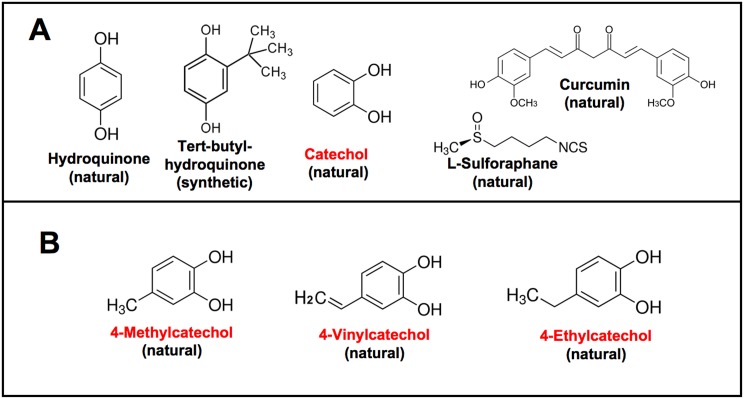
“…compounds were identified as 1,4-benzenediol (hydroquinone), tert-butylhydroquinone, and 1,2-benzendiol (catechol), and more complex examples include the isothiocyanate sulforaph-ane isolated from broccoli [52, 53] and curcumin from the turmeric plant [54, 55] (see Fig 1 for structures).”
Sharma, R. A., Gescher, A. J., & Steward, W. P. (2005) · European Journal of Cancer · doi:10.1016/j.ejca.2005.05.009 · Cited by 1,658 · cited 1×
“Among those that qualify, sulforaphane [53] is found only in cruciferous vegetables; another well-characterized and natural Nrf2 inducer, curcumin [55, 63, 107], is limited to a few sources such as turmeric; and, similarly, hydroquinone [51] is rare in natural sources.”
Zhang, D. D., & Hannink, M. (2003) · Molecular and Cellular Biology · doi:10.1128/mcb.23.22.8137-8151.2003 · Cited by 1,480 · cited 1×
“The “ redox sensor ” mechanism that releases Nrf2 from Keap1, thereby allowing Nrf2 transport to the nucleus, involves oxidation-sensitive sulfhydryl groups in cysteine residues of Keap1 [31 – 34].”
Oxidative stress and cancer: Have we moved forward?
Halliwell, B. (2007) · Biochemical Journal · doi:10.1042/bj20061131 · Cited by 1,302
Oxidative Stress as a Major Culprit in Kidney Disease in Diabetes
Forbes, J. M., Coughlan, M. T., & Cooper, M. E. (2008) · Diabetes · doi:10.2337/db08-0057 · Cited by 1,203 · cited 1×
“In addition, oxidative stress contributes to insulin resistance [17] and the pathological consequences of diabetes [18], kidney disease [19], multiple sclerosis [20], and aging [11, 21, 22], and can contribute to neurodevelopmental defects in the embryo [5].”
Ramos-Gomez, M., Kwak, M.-K., Dolan, P. M., Itoh, K., Yamamoto, M., Talalay, P., & Kensler, T. W. (2001) · Proceedings of the National Academy of Sciences · doi:10.1073/pnas.051618798 · Cited by 1,102
Prasad, S., Tyagi, A. K., & Aggarwal, B. B. (2014) · Cancer Research and Treatment · doi:10.4143/crt.2014.46.1.2 · Cited by 1,057 · cited 1×
“Current challenges with the application of sulforaphane and curcumin for clinical benefits appear to involve bioavailability of these compounds [61 – 65].”
BALOGUN, E., HOQUE, M., GONG, P., KILLEEN, E., GREEN, C. J., FORESTI, R., ALAM, J., & MOTTERLINI, R. (2003) · Biochemical Journal · doi:10.1042/bj20021619 · Cited by 1,036 · cited 1×
“With the discovery of Nrf2, it became clear that these previously identified redox-cycling, cancer-protective compounds worked as important co-factors for Nrf2 activation [30, 56, 57].”
Wakabayashi, N., Dinkova-Kostova, A. T., Holtzclaw, W. D., Kang, M.-I., Kobayashi, A., Yamamoto, M., Kensler, T. W., & Talalay, P. (2004) · Proceedings of the National Academy of Sciences · doi:10.1073/pnas.0307301101 · Cited by 986 · cited 2×
“These “ inducers ” or “ Nrf2 activators ” amplify the effects of ROS by cycling through oxidation-reduction reactions [51], and ultimately by modifying sulfhydryl groups to liberate Nrf2 from negative control by Keap1 [31, 32].”
The emerging role of Nrf2 in mitochondrial function
Dinkova-Kostova, A. T., & Abramov, A. Y. (2015) · Free Radical Biology and Medicine · doi:10.1016/j.freeradbiomed.2015.04.036 · Cited by 983 · cited 1×
“The Nrf2 transcription factor, through binding to antioxidant response elements (AREs), induces expression of anti-oxidant and detoxifying enzymes that protect against oxidative damage and also provide protection against toxic foreign chemical substances through phase II enzyme modification [25, 26].”
Chlorogenic Acid and Caffeic Acid Are Absorbed in Humans
Olthof, M. R., Katan, M. B., & Hollman, P. C. H. (2001) · The Journal of Nutrition · doi:10.1093/jn/131.1.66 · Cited by 975 · cited 2×
“Chlorogenic acid is an ester of caffeic acid with quinic acid, and it is found in a wide range of fruits and vegetables and in particularly high concentrations in coffee [102].”
Keap1-null mutation leads to postnatal lethality due to constitutive Nrf2 activation
Wakabayashi, N., Itoh, K., Wakabayashi, J., Motohashi, H., Noda, S., Takahashi, S., Imakado, S., Kotsuji, T., Otsuka, F., Roop, D. R., et al. (2003) · Nature Genetics · doi:10.1038/ng1248 · Cited by 883 · cited 2×
“Data presented here illustrate that the alkyl catechols, This is important because the Nrf2 pathway is tightly regulated to control oxidative stress [23, 24]; and constitutive, unregulated activation of Nrf2 can have deleterious consequences [86].”
Catching fire: how cooking made us human
(2010) · Choice Reviews Online · doi:10.5860/choice.47-5113 · Cited by 868
Itoh, K., Wakabayashi, N., Katoh, Y., Ishii, T., O'Connor, T., & Yamamoto, M. (2003) · Genes to Cells · doi:10.1046/j.1365-2443.2003.00640.x · Cited by 816
Walter, J. (2008) · Applied and Environmental Microbiology · doi:10.1128/aem.00753-08 · Cited by 751 · cited 1×
“Although there is a general consensus that diets rich in fruits and vegetables are beneficial for health (reviewed in [146, 147]); and, similarly, that probiotic bacteria are beneficial (reviewed in [103, 148, 149]), mechanistic understanding of such benefits is incomplete.”
Rao, C. V., Rivenson, A., Simi, B., & Reddy, B. S. (1995) · PubMed · Cited by 749
Zhang, Y., Kensler, T. W., Cho, C. G., Posner, G. H., & Talalay, P. (1994) · Proceedings of the National Academy of Sciences · doi:10.1073/pnas.91.8.3147 · Cited by 745 · cited 3×
“Collectively, these findings suggested that support of Nrf2 activation by redox-sensitive co-factors, particularly dietary factors such as sulforaphane and curcumin, could be employed as an effective cancer prevention strategy [51 – 53, 56, 58 – 60].”
Food phenolics and lactic acid bacteria
Rodríguez, H., Curiel, J. A., Landete, J. M., de las Rivas, B., de Felipe, F. L., Gómez-Cordovés, C., Mancheño, J. M., & Muñoz, R. (2009) · International Journal of Food Microbiology · doi:10.1016/j.ijfoodmicro.2009.03.025 · Cited by 684 · cited 5×
“These foods and beverages include many fermented vegetables such as olives, cabbage, cucum-bers, eggplants, caper berries, and grape extracts (reviewed in [93]), and also traditional ciders [99, 100, 109, 110], wines [108, 111], malt whiskeys [92], and sourdough breads [112].”
InfluentialOffen, D., Gilgun-Sherki, Y., & Melamed, E. (2004) · Journal of Neurology · doi:10.1007/s00415-004-0348-9 · Cited by 638 · cited 1×
“In addition, oxidative stress contributes to insulin resistance [17] and the pathological consequences of diabetes [18], kidney disease [19], multiple sclerosis [20], and aging [11, 21, 22], and can contribute to neurodevelopmental defects in the embryo [5].”
Oxidative stress hypothesis in Alzheimer’s disease: a reappraisal
Praticò, D. (2008) · Trends in Pharmacological Sciences · doi:10.1016/j.tips.2008.09.001 · Cited by 606 · cited 1×
“…contributes to many common diseases, including cancer [3 – 5], coronary artery disease [3, 6], osteoporosis [7, 8], inflammatory bowel diseases [9], metabolic syndrome [3, 10], and neuro-degeneration [11 – 13] including Parkinson ’ s disease [14] and possibly also Alzheimer ’ s disease [3, 15, 16].”
Catching Fire. How Cooking Made Us Human
Williams, P. (2010) · Nutrition & Dietetics · doi:10.1111/j.1747-0080.2010.01432.x · Cited by 599
Kwak, M.-K., Itoh, K., Yamamoto, M., & Kensler, T. W. (2002) · Molecular and Cellular Biology · doi:10.1128/mcb.22.9.2883-2892.2002 · Cited by 593 · cited 2×
“Nonetheless, some contribution due to increase in Nrf2 copy number is plausible; and, as discussed previously, the Nrf2 promoter contains antioxidant response element sequences [77].”
The Nrf2–ARE Pathway: An Indicator and Modulator of Oxidative Stress in Neurodegeneration
Johnson, J. A., Johnson, D. A., Kraft, A. D., Calkins, M. J., Jakel, R. J., Vargas, M. R., & Chen, P. (2008) · Annals of the New York Academy of Sciences · doi:10.1196/annals.1427.036 · Cited by 589
Disruption of Nrf2 enhances susceptibility to severe airway inflammation and asthma in mice
Rangasamy, T., Guo, J., Mitzner, W. A., Roman, J., Singh, A., Fryer, A. D., Yamamoto, M., Kensler, T. W., Tuder, R. M., Georas, S. N., et al. (2005) · The Journal of Experimental Medicine · doi:10.1084/jem.20050538 · Cited by 580 · cited 1×
“Furthermore, Nrf2 null mice exhibit impaired liver regeneration [41], increased susceptibility to asthma [42], reduced bone acquisition [43], defects in bone repair [44], accelerated neuro-degeneration [12, 13], accelerated UVB-induced photo-ageing of skin [45], increased rheumatoid arthritis [46],…”
Cell death and diseases related to oxidative stress: 4-hydroxynonenal (HNE) in the balance
Dalleau, S., Baradat, M., Guéraud, F., & Huc, L. (2013) · Cell Death & Differentiation · doi:10.1038/cdd.2013.138 · Cited by 580 · cited 1×
“Nonetheless, much evidence indicates that excessive oxidative stress directly causes or contributes to many common diseases, including cancer [3–5], coronary artery disease [3, 6], osteoporosis [7, 8], inflammatory bowel diseases [9], metabolic syndrome [3, 10], and neuro-degeneration [11–13] including Parkinson’s dis…”
Kang, M.-I., Kobayashi, A., Wakabayashi, N., Kim, S.-G., & Yamamoto, M. (2004) · Proceedings of the National Academy of Sciences · doi:10.1073/pnas.0308347100 · Cited by 534
Association between Oxidative Stress and Bone Mineral Density
Basu, S., Michaëlsson, K., Olofsson, H., Johansson, S., & Melhus, H. (2001) · Biochemical and Biophysical Research Communications · doi:10.1006/bbrc.2001.5747 · Cited by 522 · cited 1×
“…oxidative stress directly causes or contributes to many common diseases, including cancer [3 – 5], coronary artery disease [3, 6], osteoporosis [7, 8], inflammatory bowel diseases [9], metabolic syndrome [3, 10], and neuro-degeneration [11 – 13] including Parkinson ’ s disease [14] and…”
Discovery of the Negative Regulator of Nrf2, Keap1: A Historical Overview
Itoh, K., Mimura, J., & Yamamoto, M. (2010) · Antioxidants & Redox Signaling · doi:10.1089/ars.2010.3222 · Cited by 510 · cited 3×
“With the discovery of Nrf2, it became clear that these previously identified redox-cycling, cancer-protective compounds worked as important co-factors for Nrf2 activation [30, 56, 57].”
Phase IIa Clinical Trial of Curcumin for the Prevention of Colorectal Neoplasia
Carroll, R. E., Benya, R. V., Turgeon, D. K., Vareed, S., Neuman, M., Rodriguez, L., Kakarala, M., Carpenter, P. M., McLaren, C., Meyskens, F. L., et al. (2011) · Cancer Prevention Research · doi:10.1158/1940-6207.capr-10-0098 · Cited by 503
The pharmacokinetics of anthocyanins and their metabolites in humans
de Ferrars, R. M., Czank, C., Zhang, Q., Botting, N. P., Kroon, P. A., Cassidy, A., & Kay, C. D. (2014) · British Journal of Pharmacology · doi:10.1111/bph.12676 · Cited by 495 · cited 1×
“dietary intermediate in the metabolism of anthocyanins found in these same foods [97, 98].”
Action of Nrf2 and Keap1 in ARE-mediated NQO1 expression by quercetin
Tanigawa, S., Fujii, M., & Hou, D.-X. (2007) · Free Radical Biology and Medicine · doi:10.1016/j.freeradbiomed.2007.02.017 · Cited by 480 · cited 1×
“Regarding quercetin, two previous reports claim that quercetin activates Nrf2 [82, 83] whereas another indicates that quercetin is inactive or very weak relative to classical Nrf2 inducers [84].”
Fermented Fruits and Vegetables of Asia: A Potential Source of Probiotics
Swain, M. R., Anandharaj, M., Ray, R. C., & Parveen Rani, R. (2014) · Biotechnology Research International · doi:10.1155/2014/250424 · Cited by 478
Holmström, K. M., Baird, L., Zhang, Y., Hargreaves, I., Chalasani, A., Land, J. M., Stanyer, L., Yamamoto, M., Dinkova-Kostova, A. T., & Abramov, A. Y. (2013) · Biology Open · doi:10.1242/bio.20134853 · Cited by 448 · cited 2×
“The Nrf2 cell defense pathway provides natural protection against oxidative stress and chemical toxicity through the induction of numerous target genes [23, 24, 27].”
The Nrf2/ARE Pathway as a Potential Therapeutic Target in Neurodegenerative Disease
Calkins, M. J., Johnson, D. A., Townsend, J. A., Vargas, M. R., Dowell, J. A., Williamson, T. P., Kraft, A. D., Lee, J.-M., Li, J., & Johnson, J. A. (2009) · Antioxidants & Redox Signaling · doi:10.1089/ars.2008.2242 · Cited by 438 · cited 1×
“…[41], increased susceptibility to asthma [42], reduced bone acquisition [43], defects in bone repair [44], accelerated neuro-degeneration [12, 13], accelerated UVB-induced photo-ageing of skin [45], increased rheumatoid arthritis [46], development of lupus-like autoimmune kidney disease…”
Bas, A., Forsberg, G., Hammarström, S., & Hammarström, M. ‐. (2004) · Scandinavian Journal of Immunology · doi:10.1111/j.0300-9475.2004.01440.x · Cited by 434 · cited 1×
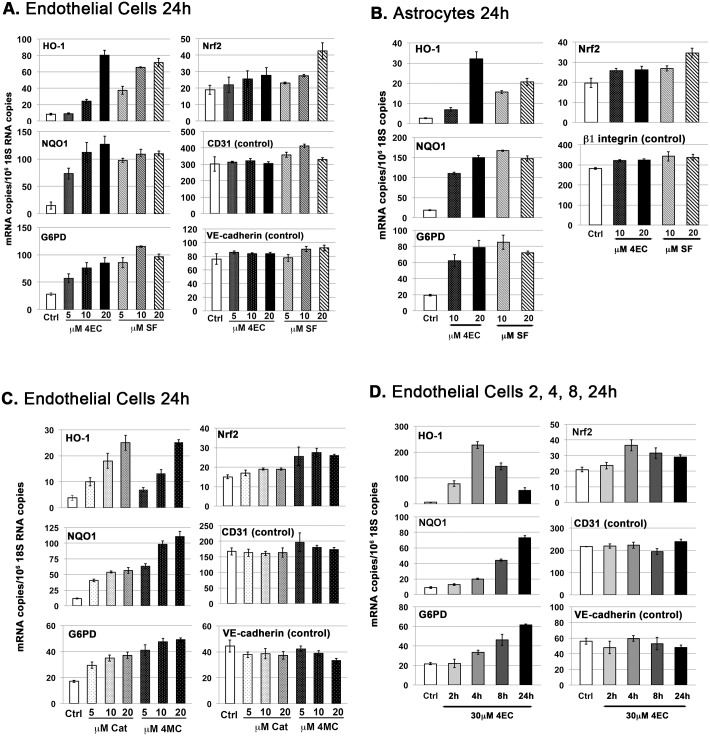
“Data were expressed as copy number/10 6 copies of 18S rRNA that is superior to using housekeeping genes for normalizing across multiple cell types [67, 69, 70].”
Enzymatic and bacterial conversions during sourdough fermentation
Gänzle, M. G. (2014) · Food Microbiology · doi:10.1016/j.fm.2013.04.007 · Cited by 432 · cited 1×
“These foods and beverages include many fermented vegetables such as olives, cabbage, cucumbers, eggplants, caper berries, and grape extracts (reviewed in [93]), and also traditional ciders [99, 100, 109, 110], wines [108, 111], malt whiskeys [92], and sourdough breads [112].”
Wells, P. G., McCallum, G. P., Chen, C. S., Henderson, J. T., Lee, C. J. J., Perstin, J., Preston, T. J., Wiley, M. J., & Wong, A. W. (2009) · Toxicological Sciences · doi:10.1093/toxsci/kfn263 · Cited by 430 · cited 2×
“Nonetheless, much evidence indicates that excessive oxidative stress directly causes or contributes to many common diseases, including cancer [3 – 5], coronary artery disease [3, 6], osteoporosis [7, 8], inflammatory bowel diseases [9], metabolic syndrome [3, 10], and neuro-degeneration [11 – 13]…”
The Lactobacillus and Bifidobacterium microflora of the human intestine: composition and succession.
Reuter, G. (2001) · PubMed · Cited by 416
Hypoxia induces severe right ventricular dilatation and infarction in heme oxygenase-1 null mice
Yet, S.-F., Perrella, M. A., Layne, M. D., Hsieh, C.-M., Maemura, K., Kobzik, L., Wiesel, P., Christou, H., Kourembanas, S., & Lee, M.-E. (1999) · Journal of Clinical Investigation · doi:10.1172/jci6163 · Cited by 410 · cited 1×
“Mice lacking HO-1 are more susceptible to myocardial infarction [71] and atherosclerosis [72]; mice lacking NQO1 are more susceptible to chemically induced carcinogenesis [73] and chemical toxicity [74], and mice lacking G6PD exhibit increased renal oxidative stress [75] and are more susceptible to…”
Sánchez-Maldonado, A. F., Schieber, A., & Gänzle, M. G. (2011) · Journal of Applied Microbiology · doi:10.1111/j.1365-2672.2011.05141.x · Cited by 409 · cited 1×
“L . reuteri [95, 120, 121]), or express PAD but not phenolic acid reductase (e.g., L . plantarum [93, 95]).”
Xu, C., Huang, M.-T., Shen, G., Yuan, X., Lin, W., Khor, T. O., Conney, A. H., & Kong, A.-N. T. (2006) · Cancer Research · doi:10.1158/0008-5472.can-06-0300 · Cited by 380 · cited 1×
“With the discovery of Nrf2, it became clear that these previously identified redoxcycling, cancer-protective compounds worked as important co-factors for Nrf2 activation [30, 56, 57].”
Keap1–Nrf2 Signaling: A Target for Cancer Prevention by Sulforaphane
Kensler, T. W., Egner, P. A., Agyeman, A. S., Visvanathan, K., Groopman, J. D., Chen, J.-G., Chen, T.-Y., Fahey, J. W., & Talalay, P. (2012) · Topics in Current Chemistry · doi:10.1007/128_2012_339 · Cited by 361 · cited 1×
“This provided impetus for clinical trials [61, 62] that are continuing.”
Filannino, P., Bai, Y., Di Cagno, R., Gobbetti, M., & Gänzle, M. G. (2015) · Food Microbiology · doi:10.1016/j.fm.2014.08.018 · Cited by 354 · cited 4×
“L . reuteri [95, 120, 121]), or express PAD but not phenolic acid reductase (e.g., L . plantarum [93, 95]).”
InfluentialChatonnet, P., Dubourdieu, D., & Boidron, J. N. (1995) · American Journal of Enology and Viticulture · doi:10.5344/ajev.1995.46.4.463 · Cited by 347
Yoh, K., Itoh, K., Enomoto, A., Hirayama, A., Yamaguchi, N., Kobayashi, M., Morito, N., Koyama, A., Yamamoto, M., & Takahashi, S. (2001) · Kidney International · doi:10.1046/j.1523-1755.2001.00939.x · Cited by 344 · cited 1×
“Furthermore, Nrf2 null mice exhibit impaired liver regeneration [41], increased susceptibility to asthma [42], reduced bone acquisition [43], defects in bone repair [44], accelerated neuro-degeneration [12, 13], accelerated UVB-induced photo-ageing of skin [45], increased rheumatoid arthritis [46], development of lupu…”
Importance of lactic acid bacteria in Asian fermented foods
Rhee, S., Lee, J.-E., & Lee, C.-H. (2011) · Microbial Cell Factories · doi:10.1186/1475-2859-10-s1-s5 · Cited by 335 · cited 1×
“In contrast, Asian, Middle Eastern, and African diets still contain many foods prepared and preserved by traditional methods through fermentation with PAD-expressing lactobacilli (reviewed in [141 – 145]) and thereby continue to provide sources of akyl and catechol Nrf2 co-factors.”
Tang, X., Wang, H., Fan, L., Wu, X., Xin, A., Ren, H., & Wang, X. J. (2011) · Free Radical Biology and Medicine · doi:10.1016/j.freeradbiomed.2011.03.008 · Cited by 325
Preclinical and clinical evaluation of sulforaphane for chemoprevention in the breast
Cornblatt, B. S., Ye, L., Dinkova-Kostova, A. T., Erb, M., Fahey, J. W., Singh, N. K., Chen, M.-S. A., Stierer, T., Garrett-Mayer, E., Argani, P., et al. (2007) · Carcinogenesis · doi:10.1093/carcin/bgm049 · Cited by 320 · cited 2×
“Collectively, these findings suggested that support of Nrf2 activation by redox-sensitive co-factors, particularly dietary factors such as sulforaphane and curcumin, could be employed as an effective cancer prevention strategy [51 – 53, 56, 58 – 60].”
Increased susceptibility of Nrf2 knockout mice to colitis-associated colorectal cancer
Khor, T. O., Huang, M.-T., Prawan, A., Liu, Y., Hao, X., Yu, S., Cheung, W. K. L., Chan, J. Y., Reddy, B. S., Yang, C. S., et al. (2008) · Cancer Prevention Research · doi:10.1158/1940-6207.capr-08-0028 · Cited by 306 · cited 1×
“Although viable and fertile, Nrf2 null mice are considerably more sensitive to chemical carcinogens, with increased incidence of cancers demonstrated in skin, stomach, colon, bladder, and mammary gland [24, 35 – 39].”
Transcription factor Nrf2 is protective during ischemic and nephrotoxic acute kidney injury in mice
Liu, M., Grigoryev, D. N., Crow, M. T., Haas, M., Yamamoto, M., Reddy, S. P., & Rabb, H. (2009) · Kidney International · doi:10.1038/ki.2009.157 · Cited by 304 · cited 1×
“Nrf2 null mice also are more sensitive to a multitude of chemical toxins, resulting in increased inflammation and damage to lung, brain, and kidney [24, 40].”
Age-Related Retinopathy in NRF2-Deficient Mice
Zhao, Z., Chen, Y., Wang, J., Sternberg, P., Freeman, M. L., Grossniklaus, H. E., & Cai, J. (2011) · PLoS ONE · doi:10.1371/journal.pone.0019456 · Cited by 303 · cited 1×
“…[44], accelerated neuro-degeneration [12, 13], accelerated UVB-induced photo-ageing of skin [45], increased rheumatoid arthritis [46], development of lupus-like autoimmune kidney disease [47], development of age-related retinopathy [48], and increased loss of skeletal muscle cells with aging [49].”
Svensson, L., Sekwati-Monang, B., Lutz, D. L., Schieber, A., & Gänzle, M. G. (2010) · Journal of Agricultural and Food Chemistry · doi:10.1021/jf101504v · Cited by 298 · cited 1×
“L . reuteri [95, 120, 121]), or express PAD but not phenolic acid reductase (e.g., L . plantarum [93, 95]).”
Role of oxidative stress in rheumatoid arthritis: insights from the Nrf2-knockout mice
Wruck, C. J., Fragoulis, A., Gurzynski, A., Brandenburg, L.-O., Kan, Y. W., Chan, K., Hassenpflug, J., Freitag-Wolf, S., Varoga, D., Lippross, S., et al. (2011) · Annals of the Rheumatic Diseases · doi:10.1136/ard.2010.132720 · Cited by 283 · cited 1×
“…in bone repair [44], accelerated neuro-degeneration [12, 13], accelerated UVB-induced photo-ageing of skin [45], increased rheumatoid arthritis [46], development of lupus-like autoimmune kidney disease [47], development of age-related retinopathy [48], and increased loss of skeletal muscle…”
Absence of heme oxygenase‐1 exacerbates atherosclerotic lesion formation and vascular remodeling
Yet, S.-F., Layne, M. D., Liu, X., Chen, Y.-H., Ith, B., Sibinga, N. E. S., & Perrella, M. A. (2003) · The FASEB Journal · doi:10.1096/fj.03-0187fje · Cited by 280 · cited 1×
“Mice lacking HO-1 are more susceptible to myocardial infarction [71] and atherosclerosis [72]; mice lacking NQO1 are more susceptible to chemically induced carcinogenesis [73] and chemical toxicity [74], and mice lacking G6PD exhibit increased renal oxidative stress [75] and are more susceptible to…”
Impaired liver regeneration in Nrf2 knockout mice: role of ROS‐mediated insulin/IGF‐1 resistance
Beyer, T. A., Xu, W., Teupser, D., auf dem Keller, U., Bugnon, P., Hildt, E., Thiery, J., Kan, Y. W., & Werner, S. (2008) · The EMBO Journal · doi:10.1038/sj.emboj.7601950 · Cited by 266 · cited 1×
“Furthermore, Nrf2 null mice exhibit impaired liver regeneration [41], increased susceptibility to asthma [42], reduced bone acquisition [43], defects in bone repair [44], accelerated neuro-degeneration [12, 13], accelerated UVB-induced photo-ageing of skin [45], increased rheumatoid arthritis [46],…”
A review of traditional fermented foods and beverages of Zimbabwe
Gadaga, T. (1999) · International Journal of Food Microbiology · doi:10.1016/s0168-1605(99)00154-3 · Cited by 262 · cited 1×
“In contrast, Asian, Middle Eastern, and African diets still contain many foods prepared and preserved by traditional methods through fermentation with PAD-expressing lactobacilli (reviewed in [141 – 145]) and thereby continue to provide sources of akyl and catechol Nrf2 co-factors.”
Disruption of the DT Diaphorase (NQO1) Gene in Mice Leads to Increased Menadione Toxicity
Radjendirane, V., Joseph, P., Lee, Y.-H., Kimura, S., Klein-Szanto, A. J. P., Gonzalez, F. J., & Jaiswal, A. K. (1998) · Journal of Biological Chemistry · doi:10.1074/jbc.273.13.7382 · Cited by 262 · cited 1×
“…to myocardial infarction [71] and atherosclerosis [72]; mice lacking NQO1 are more susceptible to chemically induced carcinogenesis [73] and chemical toxicity [74], and mice lacking G6PD exhibit increased renal oxidative stress [75] and are more susceptible to myocardial dysfunction [76].”
An Introduction to the Traditional Fermented Foods and Beverages of Turkey
Kabak, B., & Dobson, A. D. W. (2011) · Critical Reviews in Food Science and Nutrition · doi:10.1080/10408390903569640 · Cited by 259
On the mechanisms of induction of cancer-protective enzymes: a unifying proposal.
Prochaska, H. J., De Long, M. J., & Talalay, P. (1985) · Proceedings of the National Academy of Sciences · doi:10.1073/pnas.82.23.8232 · Cited by 257 · cited 10×
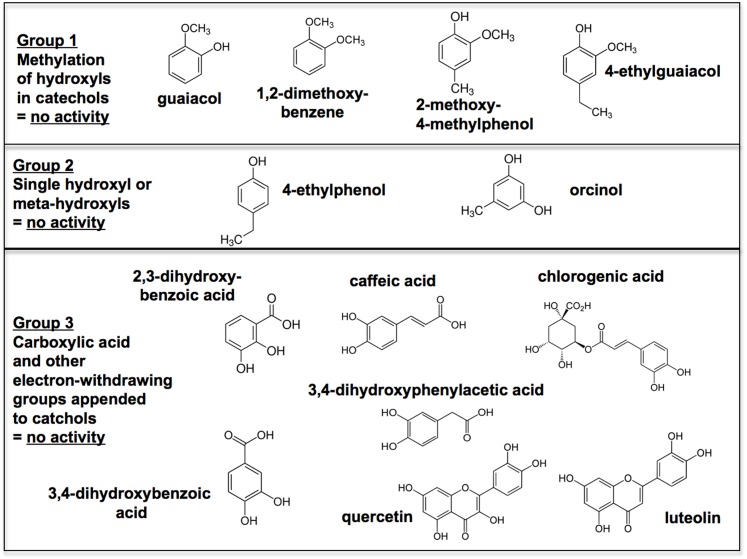
“Thus, all of the compounds depicted in ), with methylation of one or both hydroxyl groups of the catechol moiety, lacked detectable activity, as reported previously for methylated hydro-quinones [51].”
InfluentialNitrative and Oxidative Stress in Toxicology and Disease
Roberts, R. A., Laskin, D. L., Smith, C. V., Robertson, F. M., Allen, E. M. G., Doorn, J. A., & Slikker, W. (2009) · Toxicological Sciences · doi:10.1093/toxsci/kfp179 · Cited by 256 · cited 1×
“Oxidative stress, mediated by reactive oxygen species and free radicals, chemically damages proteins, nucleic acids, lipids, and mitochondria and ultimately harms living cells, resulting in cell senescence and death [1, 2].”
Dinkova-Kostova, A. T., Jenkins, S. N., Fahey, J. W., Ye, L., Wehage, S. L., Liby, K. T., Stephenson, K. K., Wade, K. L., & Talalay, P. (2006) · Cancer Letters · doi:10.1016/j.canlet.2005.09.012 · Cited by 230 · cited 1×
“Collectively, these findings suggested that support of Nrf2 activation by redox-sensitive co-factors, particularly dietary factors such as sulforaphane and curcumin, could be employed as an effective cancer prevention strategy [51 – 53, 56, 58 – 60].”
Nrf2: control of sensitivity to carcinogens
Slocum, S. L., & Kensler, T. W. (2011) · Archives of Toxicology · doi:10.1007/s00204-011-0675-4 · Cited by 219
Energetic consequences of thermal and nonthermal food processing
Carmody, R. N., Weintraub, G. S., & Wrangham, R. W. (2011) · Proceedings of the National Academy of Sciences · doi:10.1073/pnas.1112128108 · Cited by 219 · cited 1×
“Anthropologists have estimated that humans may have begun cooking with fire as early as 1.8 million years ago, and it has been postulated that this change in diet corresponded closely with a major increase in human brain size that was a major advance in human evolution [132 – 135].”
InfluentialAlzheimer´s Disease and Oxidative Stress: A Review
Pohanka, M. (2013) · Current Medicinal Chemistry · doi:10.2174/09298673113206660258 · Cited by 218
Impaired Nuclear Nrf2 Translocation Undermines the Oxidative Stress Response in Friedreich Ataxia
Paupe, V., Dassa, E. P., Goncalves, S., Auchère, F., Lönn, M., Holmgren, A., & Rustin, P. (2009) · PLoS ONE · doi:10.1371/journal.pone.0004253 · Cited by 218 · cited 2×
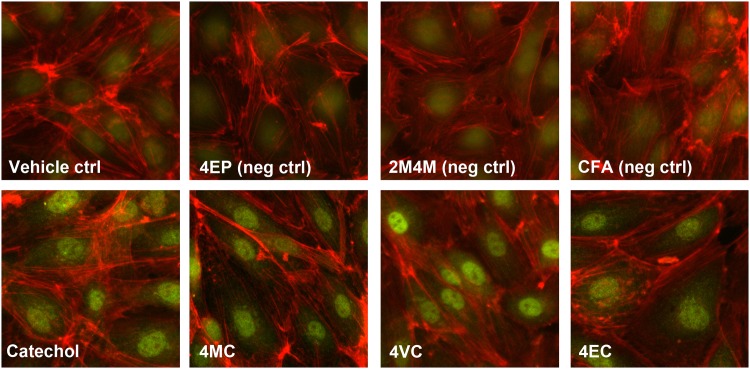
“For immunohistochemical staining of Nrf2, cells were fixed and stained exactly as described [66].”
Inhibitory effects of phenolic compounds on benzo(a)pyrene-induced neoplasia.
Wattenberg, L. W., Coccia, J. B., & Lam, L. K. T. (1980) · PubMed · Cited by 216
Egner, P. A., Chen, J. G., Wang, J. B., Wu, Y., Sun, Y., Lu, J. H., Zhu, J., Zhang, Y. H., Chen, Y. S., Friesen, M. D., et al. (2011) · Cancer Prevention Research · doi:10.1158/1940-6207.capr-10-0296 · Cited by 208 · cited 1×
“This provided impetus for clinical trials [61, 62] that are continuing.”
Fonseca-Azevedo, K., & Herculano-Houzel, S. (2012) · Proceedings of the National Academy of Sciences · doi:10.1073/pnas.1206390109 · Cited by 196 · cited 1×
“Anthropologists have estimated that humans may have begun cooking with fire as early as 1.8 million years ago, and it has been postulated that this change in diet corresponded closely with a major increase in human brain size that was a major advance in human evolution [132 – 135].”
InfluentialDiet and bacterial colonization: role of probiotics and prebiotics
Walker, W. A., & Duffy, L. C. (1998) · The Journal of Nutritional Biochemistry · doi:10.1016/s0955-2863(98)00058-8 · Cited by 193 · cited 1×
“Although there is a general consensus that diets rich in fruits and vegetables are beneficial for health (reviewed in [146, 147]); and, similarly, that probiotic bacteria are beneficial (reviewed in [103, 148, 149]), mechanistic understanding of such benefits is incomplete.”
Metabolism of food phenolic acids by Lactobacillus plantarum CECT 748T
Rodríguez, H., Landete, J. M., Rivas, B. D. L., & Muñoz, R. (2008) · Food Chemistry · doi:10.1016/j.foodchem.2007.09.067 · Cited by 184 · cited 1×
“In contrast, L . plantarum , L . brevis , and L . collinoides , all of which express PAD, are typically associated with plant fermentations [99, 106], suggesting a logical connection between bacterial expression of PAD and natural co-residence with plants that produce phenolic acids.”
Significance of Brettanomyces and Dekkera during winemaking: A synoptic review
Oelofse, A., Pretorius, I. S., & du Toit, M. (2008) · South African Journal of Enology and Viticulture · doi:10.21548/29-2-1445 · Cited by 184
Selection of appropriate control genes to assess expression of tumor antigens using real-time RT-PCR
Aerts, J. L., Gonzales, M. I., & Topalian, S. L. (2004) · BioTechniques · doi:10.2144/04361st04 · Cited by 177 · cited 1×
“Data were expressed as copy number/10 6 copies of 18S rRNA that is superior to using housekeeping genes for normalizing across multiple cell types [67, 69, 70].”
Ji, L.-L., Sheng, Y.-C., Zheng, Z.-Y., Shi, L., & Wang, Z.-T. (2015) · Free Radical Biology and Medicine · doi:10.1016/j.freeradbiomed.2015.03.035 · Cited by 169 · cited 1×
“Regarding quercetin, two previous reports claim that quercetin activates Nrf2 [82, 83] whereas another indicates that quercetin is inactive or very weak relative to classical Nrf2 inducers [84].”
Luteolin inhibits the Nrf2 signaling pathway and tumor growth in vivo
Chian, S., Thapa, R., Chi, Z., Wang, X. J., & Tang, X. (2014) · Biochemical and Biophysical Research Communications · doi:10.1016/j.bbrc.2014.04.039 · Cited by 166 · cited 1×
“There are several previous reports that luteolin does not activate but rather inhibits the Nrf2 pathway [79 – 81].”
Miller, C. J., Gounder, S. S., Kannan, S., Karan, G., Muthusamy, V. R., Firpo, M. A., Symons, J. D., Paine, R., Hoidal, J. R., & Rajasekaran, N. S. (2012) · Biochimica et Biophysica Acta (BBA) - Molecular Basis of Disease · doi:10.1016/j.bbadis.2012.02.007 · Cited by 160 · cited 1×
“…[44], accelerated neuro-degeneration [12, 13], accelerated UVB-induced photo-ageing of skin [45], increased rheumatoid arthritis [46], development of lupus-like autoimmune kidney disease [47], development of age-related retinopathy [48], and increased loss of skeletal muscle cells with aging [49].”
Chemical characterization of commercial liquid smoke products
Montazeri, N., Oliveira, A. C. M., Himelbloom, B. H., Leigh, M. B., & Crapo, C. A. (2013) · Food Science & Nutrition · doi:10.1002/fsn3.9 · Cited by 160 · cited 2×
“Each of these compounds is generated from wood lignins, a major structural component of hard and soft woods, by thermal degradation (pyrolysis); and all likely contribute to the flavor of traditionally smoked foods [127 – 131].”
Long, D. J., Waikel, R. L., Wang, X., Perlaky, L., Roop, D. R., & Jaiswal, A. K. (2000) · PubMed · Cited by 157
Frank, O., Blumberg, S., Kunert, C., Zehentbauer, G., & Hofmann, T. (2007) · Journal of Agricultural and Food Chemistry · doi:10.1021/jf0632280 · Cited by 156 · cited 1×
“Interestingly, thermal decomposition of caffeic acid during roasting of coffee also yields 4-vinyl catechol [137] suggesting that thermal roasting of plant materials may have provided an additional early dietary source of catechols.”
Saw, C. L., Huang, M., Liu, Y., Khor, T. O., Conney, A. H., & Kong, A. (2011) · Molecular Carcinogenesis · doi:10.1002/mc.20725 · Cited by 148
Phenolic metabolites of anthocyanins following a dietary intervention study in post‐menopausal women
de Ferrars, R. M., Cassidy, A., Curtis, P. J., & Kay, C. D. (2013) · Molecular Nutrition & Food Research · doi:10.1002/mnfr.201300322 · Cited by 148 · cited 1×
“dietary intermediate in the metabolism of anthocyanins found in these same foods [97, 98].”
van Beek, S., & Priest, F. G. (2000) · Applied and Environmental Microbiology · doi:10.1128/aem.66.12.5322-5328.2000 · Cited by 147 · cited 3×
“They are also likely present in in malt whiskeys fermented by PAD-expressing lactobacilli [92].”
Cavin, J. F., Barthelmebs, L., & Diviès, C. (1997) · Applied and Environmental Microbiology · doi:10.1128/aem.63.5.1939-1944.1997 · Cited by 142 · cited 4×
“In contrast, L . plantarum , which is also a commercially available probiotic, does indeed express PAD [91] (Figs 9 – 14).”
InfluentialJain, M., Cui, L., Brenner, D. A., Wang, B., Handy, D. E., Leopold, J. A., Loscalzo, J., Apstein, C. S., & Liao, R. (2004) · Circulation · doi:10.1161/01.cir.0000112605.43318.ca · Cited by 141 · cited 1×
“Mice lacking HO-1 are more susceptible to myocardial infarction [71] and atherosclerosis [72]; mice lacking NQO1 are more susceptible to chemically induced carcinogenesis [73] and chemical toxicity [74], and mice lacking G6PD exhibit increased renal oxidative stress [75] and are more susceptible to myocardial dysfunct…”
Traditional Indian fermented foods: a rich source of lactic acid bacteria
Kumar, R., Kanmani, P., Yuvaraj, N., Paari, K. A., Pattukumar, V., & Arul, V. (2012) · International Journal of Food Sciences and Nutrition · doi:10.3109/09637486.2012.746288 · Cited by 140
The biotransformation of simple phenolic compounds by Brettanomyces anomalus
Edlin, D. A. N., Narbad, A., Dickinson, J. R., & Lloyd, D. (1995) · FEMS Microbiology Letters · doi:10.1016/0378-1097(94)00516-t · Cited by 140
Wu, R. P., Hayashi, T., Cottam, H. B., Jin, G., Yao, S., Wu, C. C. N., Rosenbach, M. D., Corr, M., Schwab, R. B., & Carson, D. A. (2010) · Proceedings of the National Academy of Sciences · doi:10.1073/pnas.1002890107 · Cited by 126 · cited 1×
“Regarding quercetin, two previous reports claim that quercetin activates Nrf2 [82, 83] whereas another indicates that quercetin is inactive or very weak relative to classical Nrf2 inducers [84].”
auf dem Keller, U., Huber, M., Beyer, T. A., Kümin, A., Siemes, C., Braun, S., Bugnon, P., Mitropoulos, V., Johnson, D. A., Johnson, J. A., et al. (2006) · Molecular and Cellular Biology · doi:10.1128/mcb.26.10.3773-3784.2006 · Cited by 123 · cited 1×
“Similarly to Nrf2 null mice, mice engineered with an inactive, dominant-negative Nrf2 mutant transgene develop skin cancer at three times the frequency of control mice in a classical two-stage model of chemical carcinogenesis [39].”
Sulforaphane prevents mouse skin tumorigenesis during the stage of promotion
Gills, J. J., Jeffery, E. H., Matusheski, N. V., Moon, R. C., Lantvit, D. D., & Pezzuto, J. M. (2005) · Cancer Letters · doi:10.1016/j.canlet.2005.05.007 · Cited by 122
Inano, H. (1999) · Carcinogenesis · doi:10.1093/carcin/20.6.1011 · Cited by 118 · cited 2×
“Among those that qualify, sulforaphane [53] is found only in cruciferous vegetables; another well-characterized and natural Nrf2 inducer, curcumin [55, 63, 107], is limited to a few sources such as turmeric; and, similarly, hydroquinone [51] is rare in natural sources.”
Chemistry of the Cysteine Sensors in Kelch-Like ECH-Associated Protein 1
Holland, R., & Fishbein, J. C. (2010) · Antioxidants & Redox Signaling · doi:10.1089/ars.2010.3273 · Cited by 109
Ability of Lactobacillus brevis strains to degrade food phenolic acids
Curiel, J. A., Rodríguez, H., Landete, J. M., Rivas, B. D. L., & Múñoz, R. (2009) · Food Chemistry · doi:10.1016/j.foodchem.2009.10.012 · Cited by 106 · cited 1×
“PAD is expressed by a subset of lactobacillus species found ubiquitously in nature [91, 92, 94, 100, 108].”
Caffeic Acid Metabolism by Bacteria of the Human Gastrointestinal Tract
Peppercorn, M. A., & Goldman, P. (1971) · Journal of Bacteriology · doi:10.1128/jb.108.3.996-1000.1971 · Cited by 102 · cited 1×
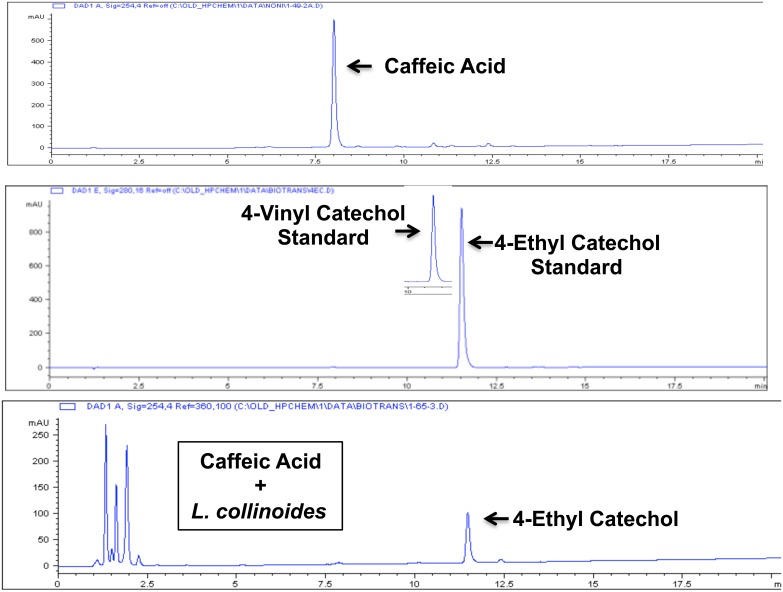
“In studies on caffeic acid metabolism in vitro by bacteria of the human gastrointestinal tract, mixed cultures of fecal bacteria were found to convert caffeic acid to 4-ethylcatechol [125].”
Xu, Y., Zhang, Z., Hu, J., Stillman, I. E., Leopold, J. A., Handy, D. E., Loscalzo, J., & Stanton, R. C. (2010) · The FASEB Journal · doi:10.1096/fj.09-135731 · Cited by 94
Takagi, H., King, G. L., & Aiello, L. P. (1998) · Diabetes · doi:10.2337/diabetes.47.9.1480 · Cited by 92 · cited 1×
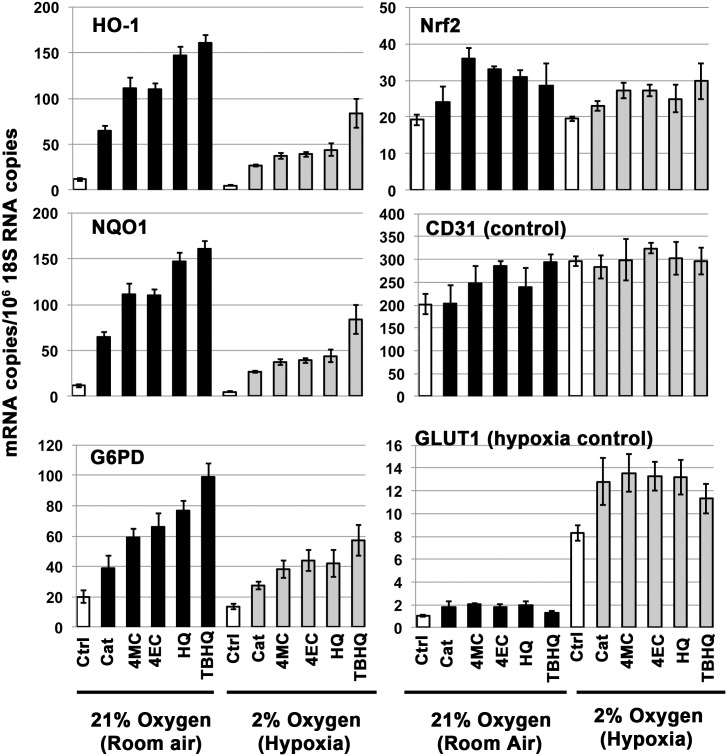
“In contrast, the hypoxia-induced gene, glucose transporter 1 (GLUT1), was markedly induced by 2% oxygen, as expected [89].”
Hirota, A., Kawachi, Y., Yamamoto, M., Koga, T., Hamada, K., & Otsuka, F. (2011) · Experimental Dermatology · doi:10.1111/j.1600-0625.2011.01292.x · Cited by 88 · cited 1×
“…reduced bone acquisition [43], defects in bone repair [44], accelerated neuro-degeneration [12, 13], accelerated UVB-induced photo-ageing of skin [45], increased rheumatoid arthritis [46], development of lupus-like autoimmune kidney disease [47], development of age-related retinopathy [48], and…”
SHARPE, M. E., LATHAM, M. J., GARVIE, E. I., ZIRNGIBL, J., & KANDLER, O. (1973) · Journal of General Microbiology · doi:10.1099/00221287-77-1-37 · Cited by 84
Chlorogenic acid and caffeic acid are absorbed in humans
Olthof (2001) · Journal of Nutrition · Cited by 76
Genetic screening of wine-related enzymes inLactobacillusspecies isolated from South African wines
Mtshali, P. S., Divol, B., van Rensburg, P., & du Toit, M. (2009) · Journal of Applied Microbiology · doi:10.1111/j.1365-2672.2009.04535.x · Cited by 75 · cited 2×
“These foods and beverages include many fermented vegetables such as olives, cabbage, cucumbers, eggplants, caper berries, and grape extracts (reviewed in [93]), and also traditional ciders [99, 100, 109, 110], wines [108, 111], malt whiskeys [92], and sourdough breads [112].”
Guglielmetti, S., Noni, I. D., Caracciolo, F., Molinari, F., Parini, C., & Mora, D. (2007) · Applied and Environmental Microbiology · doi:10.1128/aem.02093-07 · Cited by 73 · cited 1×
“In addition to L . colloinoides , other lactobacilli also express cinnamoyl esterase including L . helveticus [118], L . reuteri [95], and L . johnsonii [119].”
Becks, L., Prince, M., Burson, H., Christophe, C., Broadway, M., Itoh, K., Yamamoto, M., Mathis, M., Orchard, E., Shi, R., et al. (2010) · BMC Cancer · doi:10.1186/1471-2407-10-540 · Cited by 71
Pivotal Role of Electrophilicity in Glutathione S-Transferase Induction by tert-Butylhydroquinone
Nakamura, Y., Kumagai, T., Yoshida, C., Naito, Y., Miyamoto, M., Ohigashi, H., Osawa, T., & Uchida, K. (2003) · Biochemistry · doi:10.1021/bi0340090 · Cited by 70 · cited 1×
“In addition to 4-ethylcatechol, 4-methylcatechol, and catechol, we tested two well known activators of Nrf2, hydroquinone and tert-butylhydroquinone [51, 78, 87, 88] (see Fig 1 for structures).”
Kim, J.-H., Xing, W., Wergedal, J. E., Chan, J. Y., & Mohan, S. (2009) · Physiological Genomics · doi:10.1152/physiolgenomics.00105.2009 · Cited by 69 · cited 1×
“Furthermore, Nrf2 null mice exhibit impaired liver regeneration [41], increased susceptibility to asthma [42], reduced bone acquisition [43], defects in bone repair [44], accelerated neuro-degeneration [12, 13], accelerated UVB-induced photo-ageing of skin [45], increased rheumatoid arthritis [46],…”
(2017) · Routledge eBooks · doi:10.1201/9780203756003 · Cited by 68
Caffeic Acid Metabolism by Gnotobiotic Rats and Their Intestinal Bacteria
Peppercorn, M. A., & Goldman, P. (1972) · Proceedings of the National Academy of Sciences · doi:10.1073/pnas.69.6.1413 · Cited by 66 · cited 1×
“Also, when caffeic acid was fed to conventional laboratory rats, 4-ethylcatechol was detected in urine; however, in parallel experiments with germ-free rats fed caffeic acid, 4-ethylcatechol was not found [124].”
Reactive oxygen species downregulate glucose transport system in retinal endothelial cells
Fernandes, R., Hosoya, K.-I., & Pereira, P. (2011) · American Journal of Physiology-Cell Physiology · doi:10.1152/ajpcell.00140.2010 · Cited by 58 · cited 1×
“Interestingly, reactive oxygen species (ROS) have been reported to depress GLUT1 mRNA in retinal endothelial cells [90].”
Oxidative stress and inflammatory bowel disease
Hazem, A. A. (2012) · Frontiers in Bioscience-Elite · doi:10.2741/e463 · Cited by 58
Formation of Smoke Flavor Compounds by Thermal Lignin Degradation
Wittkowski, R., Rüther, J., Drinda, H., & Rafiei-Taghanaki, F. (1992) · ACS symposium series · doi:10.1021/bk-1992-0490.ch018 · Cited by 56
Bensasson, R. V., Zoete, V., Dinkova‐Kostova, A. T., & Talalay, P. (2008) · Chemical Research in Toxicology · doi:10.1021/tx7002883 · Cited by 55 · cited 4×
“Few natural compounds truly satisfy the structural criteria for “ oxidation-reduction lability ” [51, 78].”
InfluentialOxidative stress and inflammatory bowel disease
Hazem, A. A. (2011) · Frontiers in Bioscience-Elite · doi:10.2741/463 · Cited by 54
Nrf2 Deficiency Impairs Fracture Healing in Mice
Lippross, S., Beckmann, R., Streubesand, N., Ayub, F., Tohidnezhad, M., Campbell, G., Kan, Y. W., Horst, F., Sönmez, T. T., Varoga, D. J., et al. (2014) · Calcified Tissue International · doi:10.1007/s00223-014-9900-5 · Cited by 53 · cited 1×
“…null mice exhibit impaired liver regeneration [41], increased susceptibility to asthma [42], reduced bone acquisition [43], defects in bone repair [44], accelerated neuro-degeneration [12, 13], accelerated UVB-induced photo-ageing of skin [45], increased rheumatoid arthritis [46], development of…”
Metabolism of Cinnamic Acid and Hydroxy-Cinnamic Acids by Lactobacillus pastorianus var. quinicus
Whiting, G. C., & Carr, J. G. (1959) · Nature · doi:10.1038/1841427a0 · Cited by 53 · cited 1×
“These foods and beverages include many fermented vegetables such as olives, cabbage, cucumbers, eggplants, caper berries, and grape extracts (reviewed in [93]), and also traditional ciders [99, 100, 109, 110], wines [108, 111], malt whiskeys [92], and sourdough breads [112].”
Quantitative multi-gene transcriptional profiling using real-time PCR with a master template
Shih, S., & Smith, L. E. H. (2005) · Experimental and Molecular Pathology · doi:10.1016/j.yexmp.2005.03.004 · Cited by 52 · cited 2×
“All PCR reactions were performed in duplicate and copy numbers were calculated from standard curves generated from a master template [68].”
Huys, G. R. B., D'Haene, K., Danielsen, M., Mättö, J., Egervärn, M., & Vandamme, P. A. R. (2008) · Journal of Food Protection · doi:10.4315/0362-028x-71.2.339 · Cited by 49
Zhang, T., Kimura, Y., Jiang, S., Harada, K., Yamashita, Y., & Ashida, H. (2014) · Archives of Biochemistry and Biophysics · doi:10.1016/j.abb.2014.05.023 · Cited by 47 · cited 1×
“There are several previous reports that luteolin does not activate but rather inhibits the Nrf2 pathway [79 – 81].”
Curcumin Chemoprevention: The Long Road to Clinical Translation
Shureiqi, I., & Baron, J. A. (2011) · Cancer Prevention Research · doi:10.1158/1940-6207.capr-11-0060 · Cited by 47 · cited 1×
“Among those that qualify, sulforaphane [53] is found only in cruciferous vegetables; another well-characterized and natural Nrf2 inducer, curcumin [55, 63, 107], is limited to a few sources such as turmeric; and, similarly, hydroquinone [51] is rare in natural sources.”
Oxidative stress and osteoporosis
Wilson, C. (2013) · Nature Reviews Endocrinology · doi:10.1038/nrendo.2013.225 · Cited by 47 · cited 1×
“…oxidative stress directly causes or contributes to many common diseases, including cancer [3 – 5], coronary artery disease [3, 6], osteoporosis [7, 8], inflammatory bowel diseases [9], metabolic syndrome [3, 10], and neuro-degeneration [11 – 13] including Parkinson ’ s disease [14] and possibly…”
Buron, N., Coton, M., LEGENDRE, P., Ledauphin, J., Bouchart, V., Guichard, H., Barillier, D., & Coton, E. (2011) · International Journal of Food Microbiology · doi:10.1016/j.ijfoodmicro.2011.11.002 · Cited by 44 · cited 3×
“For example, 4-ethylcatechol is considered an undesirable off-flavor defect of commercial French ciders that is attributable to the conversion of caffeic acid by two PAD-expressing microbes, Lactobacillus collinoides and Dekkara anomala (yeast) [99, 101].”
Metabolism of ferulic acid during growth of Lactobacillus plantarum and Lactobacillus collinoides
Knockaert, D., Raes, K., Wille, C., Struijs, K., & Camp, J. V. (2012) · Journal of the Science of Food and Agriculture · doi:10.1002/jsfa.5623 · Cited by 44 · cited 1×
“Also L . plantarum is reportedly unable to demethylate ferulic acid to form caffeic acid [122].”
Larcher, R., Nicolini, G., Bertoldi, D., & Nardin, T. (2008) · Analytica Chimica Acta · doi:10.1016/j.aca.2007.12.038 · Cited by 43 · cited 1×
“…PAD-expressing lactobacilli and yeasts in foods fermented by traditional methods, alkyl catechols have been identified in ciders and wines [99, 109, 116], catechol has been identified in fermented cherry juice [95], and 4-vinlycatechol and 4-ethycatechol have been identified in traditional beers…”
Bel-Rhlid, R., Thapa, D., Kraehenbuehl, K., Hansen, C., & Fischer, L. (2013) · AMB Express · doi:10.1186/2191-0855-3-28 · Cited by 42 · cited 1×
“In addition to L . colloinoides , other lactobacilli also express cinnamoyl esterase including L . helveticus [118], L . reuteri [95], and L . johnsonii [119].”
Godoy, L., García, V., Peña, R., Martínez, C., & Ganga, M. A. (2014) · Food Control · doi:10.1016/j.foodcont.2014.03.041 · Cited by 40
Silva, I., Campos, F. M., Hogg, T. A., & Couto, J. A. (2011) · Journal of Applied Microbiology · doi:10.1111/j.1365-2672.2011.05052.x · Cited by 39 · cited 1×
“These foods and beverages include many fermented vegetables such as olives, cabbage, cucum-bers, eggplants, caper berries, and grape extracts (reviewed in [93]), and also traditional ciders [99, 100, 109, 110], wines [108, 111], malt whiskeys [92], and sourdough breads [112].”
Chlorogenic Acid Metabolism in Cider Fermentation
Whiting, G. C., & Carr, J. G. (1957) · Nature · doi:10.1038/1801479a0 · Cited by 39 · cited 2×
“…of PAD-expressing lactobacilli and yeasts in foods fermented by traditional methods, alkyl catechols have been identified in ciders and wines [99, 109, 116], catechol has been identified in fermented cherry juice [95], and 4-vinlycatechol and 4-ethycatechol have been identified in traditional…”
Screening of representative cider yeasts and bacteria for volatile phenol-production ability
Buron, N., Coton, M., Desmarais, C., Ledauphin, J., Guichard, H., Barillier, D., & Coton, E. (2011) · Food Microbiology · doi:10.1016/j.fm.2011.05.001 · Cited by 39 · cited 6×
“In addition to PAD and cinnamoyl esterase that, together, can convert chlorogenic acid to 4-vinylcatechol (Fig 15), L . collinoides also expresses phenolic acid reductase (vinylphenol reductase) [100] that can reduce 4-vinylcatechol to 4-ethylcatechol.”
InfluentialEvidence of 4-ethylcatechol as one of the main phenolic off-flavour markers in French ciders
Buron, N., Guichard, H., Coton, E., Ledauphin, J., & Barillier, D. (2010) · Food Chemistry · doi:10.1016/j.foodchem.2010.09.046 · Cited by 39
Satoh, T., Saitoh, S., Hosaka, M., & Kosaka, K. (2008) · Biochemical and Biophysical Research Communications · doi:10.1016/j.bbrc.2008.12.106 · Cited by 38 · cited 1×
“In addition to 4-ethylcatechol, 4-methylcatechol, and catechol, we tested two well known activators of Nrf2, hydroquinone and tert-butylhydroquinone [51, 78, 87, 88] (see Fig 1 for structures).”
Urinary Simple Phenols in Rats Fed Purified and Nonpurified Diets
Bakke, O. M. (1969) · Journal of Nutrition · doi:10.1093/jn/98.2.209 · Cited by 37 · cited 1×
“Interestingly, 4-methylcatechol and catechol have been detected in the urine of rats fed crude vegetable diets [123].”
Complete Genome Sequence of Probiotic Strain Lactobacillus acidophilus La-14
Stahl, B., & Barrangou, R. (2013) · Genome Announcements · doi:10.1128/genomea.00376-13 · Cited by 31 · cited 1×
“For example, the genome of Lactobacillus acidophilus , a popular commercially available probiotic, has been sequenced [126]; and it lacks the phenolic acid decarboxylase gene.”
Cabrita, M. J., Palma, V., Patão, R., & Freitas, A. M. C. (2012) · Food Science and Technology · doi:10.1590/s0101-20612012005000024 · Cited by 27
A multi-gene transcriptional profiling approach to the discovery of cell signature markers
Wada, Y., Li, D., Merley, A., Zukauskas, A., Aird, W. C., Dvorak, H. F., & Shih, S. (2010) · Cytotechnology · doi:10.1007/s10616-010-9315-8 · Cited by 23 · cited 8×
“For these experiments we used human umbilical vein endothelial cells (see above) because they are particularly well suited for transfection that was performed with the Lipofectamine RNAiMAX Reagent in Opti-MEM Reduced Serum Medium (both from Life Technologies) according to manufacturer ’ s instructions.”
InfluentialSelf-citationCooking clue to human dietary diversity
Lucas, P. W. (2011) · Proceedings of the National Academy of Sciences · doi:10.1073/pnas.1116813108 · Cited by 8
PHENOL COMPOUNDS IDENTIFIED IN SELECTED LIQUID SMOKES
SCHWANKE, S. K., IKINS, W. G., & Brewer, M. S. (1995) · Journal of Food Lipids · doi:10.1111/j.1745-4522.1995.tb00046.x · Cited by 5
The biotransformation of simple phenolic compounds by Brettanomyces anomalus
Edlin, D. A. N., Narbad, A., Dickinson, J. R., & Lloyd, D. (1995) · FEMS Microbiology Letters · doi:10.1111/j.1574-6968.1995.tb07374.x
Research works printed but not linked: 3
- Doe P. Fish Drying and Smoking: Production and Quality; CRC Press, Boca Raton FL ISBN 1-56676-668-0. 1998: 44.
- Borgstrom G. Fish as Food V3: Processing:, Part 1; Elsevier, ISBN 9780323147927 2012: 72.
- Chatonnet P D D, Boidron JN. The influence of Brettanomyces/Dekkera sp. yeasts and lactic acid bacteria on the ethylphenol content of red wines. Am J Enol Vitic. 1995; 46(4): 463– 8. · DOI · Paper page
Cited by
Health benefits of fermented foods: Microbiota and beyond
Marco, M. L., Heeney, D., Binda, S., Cifelli, C. J., Cotter, P. D., Foligné, B., Gänzle, M., Kort, R., Pasin, G., Pihlanto, A., et al. (2017) · Current Opinion in Biotechnology · doi:10.1016/j.copbio.2016.11.010 · Cited by 1,674
Marco, M. L., Sanders, M. E., Gänzle, M., Arrieta, M. C., Cotter, P. D., De Vuyst, L., Hill, C., Holzapfel, W., Lebeer, S., Merenstein, D., et al. (2021) · Nature Reviews Gastroenterology & Hepatology · doi:10.1038/s41575-020-00390-5 · Cited by 937
Metabolic and Functional Paths of Lactic Acid Bacteria in Plant Foods: Get out of the Labyrinth
Filannino, P., Di Cagno, R., & Gobbetti, M. (2018) · Current Opinion in Biotechnology · doi:10.1016/j.copbio.2017.07.016 · Cited by 420
Centella asiatica: Phytochemistry and mechanisms of neuroprotection and cognitive enhancement
Gray, N. E., Alcazar Magana, A., Lak, P., Wright, K. M., Quinn, J., Stevens, J. F., Maier, C. S., & Soumyanath, A. (2018) · Phytochemistry Reviews · doi:10.1007/s11101-017-9528-y · Cited by 299
“Further breakdown of caffeic acid to ethyl, methyl and vinyl catechols by gut microflora has been proposed (Senger et al. 2016).”
BackgroundBehera, S. S., El Sheikha, A. F., Hammami, R., & Kumar, A. (2020) · Journal of Functional Foods · doi:10.1016/j.jff.2020.103971 · Cited by 279
Metadata
- Authors
- Senger, D. R., Li, D., Jaminet, S.-C., & Cao, S.
- Affiliations
- Beth Israel Deaconess Medical Center (US)
- University of Hawaii at Hilo (US)
- Corresponding author
- Senger, Donald R.
- Li, Dan
- Jaminet, Shou-Ching
- Cao, Shugeng
- Venue
- PLOS ONE
- Publisher
- Public Library of Science (PLoS)
- Published
- 2016-02-17
- Volume
- 11
- Issue
- 2
- Pages
- e0148042
- ISSN
- 1932-6203 (ISSN-L)
- PMC
- PMC4757558
- OpenAlex
- W2278050465
- Semantic Scholar
- 4c991123e17639ec55151da042887d250088e0fd
- Cited by
- 124
- References
- 150
- Citations by year
- 2026: 8 · 2025: 10 · 2024: 8 · 2023: 10 · 2022: 15 · 2021: 19 · 2020: 25 · 2019: 13 · 2018: 4 · 2017: 7 · 2016: 5
- FWCI
- 5.03
- Type
- journal article
- Language
- en
- Open access
- gold
- doi.org
- Licence
- Locations
- PLoS ONE (publishedVersion, cc-by)
- Europe PMC (PubMed Central) (publishedVersion, cc-by)
- PubMed Central (publishedVersion, cc-by)
- PubMed (publishedVersion)
- Digital Access to Scholarship at Harvard (DASH) (Harvard University) (submittedVersion, cc-by)
- DOAJ (DOAJ: Directory of Open Access Journals) (submittedVersion, cc-by-sa)
- Figshare (submittedVersion, cc-by)
- Funders
- National Institutes of Health
- National Center for Complementary and Integrative Health (R01AT007022)
- Topics
- Life Sciences › Biochemistry, Genetics and Molecular Biology › Molecular Biology › Genomics, phytochemicals, and oxidative stress
- Health Sciences › Medicine › Biochemistry (medical) › Phytochemicals and Antioxidant Activities
- Health Sciences › Nursing › Nutrition and Dietetics › Food Science and Nutritional Studies
- Keywords
- Nrf2, 4-methylcatechol, cofactors, oxidative stress, lactobacilli, phenolic acid decarboxylase, Lactobacillus plantarum, Lactobacillus brevis, fermented foods, wood smoke, traditional diet, Western diet, disease prevention
- MeSH terms
- Animals, Bacteria, Biotransformation, Caffeic Acids, Carboxy-Lyases, Catechols, Cells, Cultured, Chlorogenic Acid, Food, Gene Expression Regulation, Humans, Immunohistochemistry, Male, Mice, Inbred BALB C, Models, Biological, Oxygen, RNA, Messenger, Sulfoxides, Blotting, Western, Signal Transduction, Isothiocyanates, RNA, Small Interfering, NF-E2-Related Factor 2, Heme Oxygenase-1, Real-Time Polymerase Chain Reaction, Human Umbilical Vein Endothelial Cells, Hydroxybenzoates, Diet, Western
About these checks
Registry, retraction, Cites and statistics results are computed, not judged, with one exception: a printed reference that no index lists is read once by a model before it counts as a citation error. Claims are extracted by a model and kept only when their quote appears verbatim in the text; each cited source is then checked, with a model’s help, for whether it says what the claim relies on. Those verdicts can be wrong — read the claim’s quote and the cited source before relying on one.
Statistics and arithmetic are recomputed, not judged.
Confidence bands are shown only for fields calibrated on our annotated test set. None is calibrated yet, so no band is shown.
What counts as a claim ›How we measure confidence ›How we check this ›
Are you an author, or do you see a problem with this page? Request a review
Data sources
Bibliographic data: Semantic Scholar, OpenAlex, Crossref.
Contains information from the Semantic Scholar Academic Graph Datasets, made available under the ODC Attribution License (ODC-BY 1.0).
Semantic Scholar’s data is described in: Kinney, R., et al. (2023). The Semantic Scholar Open Data Platform. arXiv:2301.10140.
