

The DOI matches its Crossref record; 70 of the 70 references it cites were found in a registry or an index.
Effects of Arabinoxylan and Resistant Starch on Intestinal Microbiota and Short-Chain Fatty Acids in Subjects with Metabolic Syndrome: A Randomised Crossover Study
Open accessAbstract
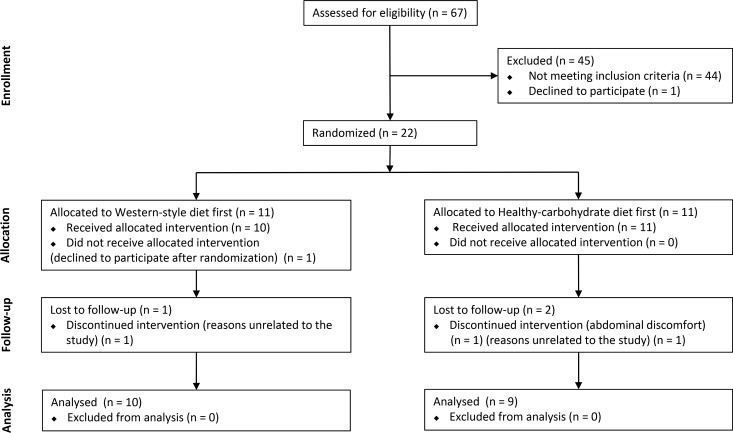
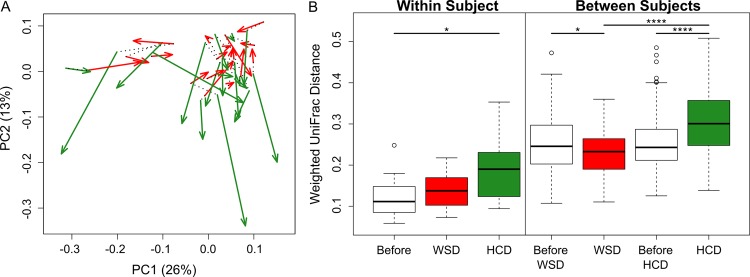
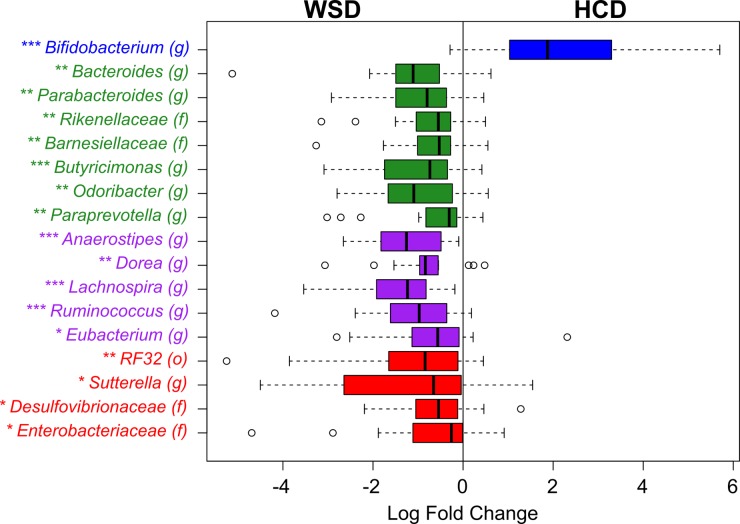
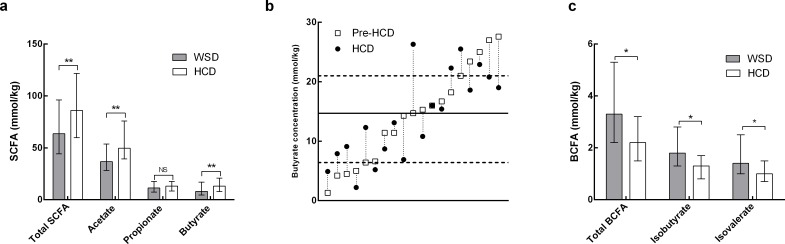
Recently, the intestinal microbiota has been emphasised as an important contributor to the development of metabolic syndrome. Dietary fibre may exert beneficial effects through modulation of the intestinal microbiota and metabolic end products. We investigated the effects of a diet enriched with two different dietary fibres, arabinoxylan and resistant starch type 2, on the gut microbiome and faecal short-chain fatty acids. Nineteen adults with metabolic syndrome completed this randomised crossover study with two 4-week interventions of a diet enriched with arabinoxylan and resistant starch and a low-fibre Western-style diet. Faecal samples were collected before and at the end of the interventions for fermentative end-product analysis and 16S ribosomal RNA bacterial gene amplification for identification of bacterial taxa. Faecal carbohydrate residues were used to verify compliance. The diet enriched with arabinoxylan and resistant starch resulted in significant reductions in the total species diversity of the faecal-associated intestinal microbiota but also increased the heterogeneity of bacterial communities both between and within subjects. The proportion of Bifidobacterium was increased by arabinoxylan and resistant starch consumption (P<0.001), whereas the proportions of certain bacterial genera associated with dysbiotic intestinal communities were reduced. Furthermore, the total short-chain fatty acids (P<0.01), acetate (P<0.01) and butyrate concentrations (P<0.01) were higher by the end of the diet enriched with arabinoxylan and resistant starch compared with those resulting from the Western-style diet. The concentrations of isobutyrate (P = 0.05) and isovalerate (P = 0.03) decreased in response to the arabinoxylan and resistant starch enriched diet, indicating reduced protein fermentation. In conclusion, arabinoxylan and resistant starch intake changes the microbiome and short-chain fatty acid compositions, with potential beneficial effects on colonic health and metabolic syndrome. TRIAL REGISTRATION: ClinicalTrials.gov NCT01618526.
Overview
The claims and statistics of this paper haven’t been checked yet.
Run the check — free, no account needed. It reads the open-access text and checks the sources it cites.
Integrity signals
Registry
Cites
Statistics
Figures
Verification
Claims the paper makes
The claims and statistics of this paper haven’t been checked yet.
Run the check — free, no account needed. It reads the open-access text and checks the sources it cites.
Claims other papers make about this one
Each is checked against this paper’s own text: does it say what the citing paper says it does?
In the citing paper
“BCFAs could be especially important microbial messengers in scenarios of high-protein, low-complex carbohydrate (i.e., dietary fiber) consumption, as studies have shown that consumption of these diets can increase the microbial production of BCFAs (121, 380, 381).”
From Diet and the Microbiota–Gut–Brain Axis: Sowing the Seeds of Good Mental Health (2021) · cites this paper as [381]
Self-check
Percentages, sums and reported differences re-computed from the paper’s own numbers.
The self-check needs the paper’s full text.
Citations
Cites
1 retracted
An overview of randomization techniques: An unbiased assessment of outcome in clinical research
Suresh, K. (2011) · Journal of Human Reproductive Sciences · doi:10.4103/0974-1208.82352 · Cited by 1,070 · cited 1×
“The diet allocation sequence was determined by the study coordinators using a simple randomisation method.[29] The cereal key foods were incorporated into the subjects’ habitual diets (see dietary counselling) and constituted approximately 50% of their total daily energy needs.”
RetractedR: A Language and Environment for Statistical Computing
R Core Team (2000) · doi:10.32614/r.manuals · Cited by 355,893
QIIME allows analysis of high-throughput community sequencing data
Caporaso, J. G., Kuczynski, J., Stombaugh, J., Bittinger, K., Bushman, F. D., Costello, E. K., Fierer, N., Peña, A. G., Goodrich, J. K., Gordon, J. I., et al. (2010) · Nature Methods · doi:10.1038/nmeth.f.303 · Cited by 34,887 · cited 1×
“0.[41] Demultiplexing and quality filtering were performed with the default settings, except that a minimum average quality score of 30 was used for quality filtering instead of the default score of 25, and the reverse primer sequences were removed.”
MethodSearch and clustering orders of magnitude faster than BLAST
Edgar, R. C. (2010) · Bioinformatics · doi:10.1093/bioinformatics/btq461 · Cited by 21,098
Greengenes, a Chimera-Checked 16S rRNA Gene Database and Workbench Compatible with ARB
DeSantis, T. Z., Hugenholtz, P., Larsen, N., Rojas, M., Brodie, E. L., Keller, K., Huber, T., Dalevi, D., Hu, P., & Andersen, G. L. (2006) · Applied and Environmental Microbiology · doi:10.1128/aem.03006-05 · Cited by 10,891 · cited 1×
“The open-reference OTU picking strategy in QIIME was used to select operational taxonomic units (OTUs) with 97% sequence identity to sequences in Greengenes (release 13_8) database[42] and to each other, according to the UCLUST algorithm.”
The metabolic syndrome—a new worldwide definition
Alberti, K. G. M., Zimmet, P., & Shaw, J. (2005) · The Lancet · doi:10.1016/s0140-6736(05)67402-8 · Cited by 9,352 · cited 7×
“In conclusion, the results of our study support the hypothesis that high intake of both RS and AX is capable of changing the intestinal microbiota and SCFA production in subjects with MetS in contrast with a low-fibre WSD.”
InfluentialUniFrac: a New Phylogenetic Method for Comparing Microbial Communities
Lozupone, C., & Knight, R. (2005) · Applied and Environmental Microbiology · doi:10.1128/aem.71.12.8228-8235.2005 · Cited by 8,227
Linking long-term dietary patterns with gut microbial enterotypes
Wu, G. D., Chen, J., Hoffmann, C., Bittinger, K., Chen, Y.-Y., Keilbaugh, S. A., Bewtra, M., Knights, D., Walters, W. A., Knight, R., et al. (2011) · Science · doi:10.1126/science.1208344 · Cited by 6,513
Conservation evaluation and phylogenetic diversity
Faith, D. (1992) · Biological Conservation · doi:10.1016/0006-3207(92)91201-3 · Cited by 5,495 · cited 1×
“The Chao1 diversity index, Phylogenetic Diversity Whole Tree,[45] and observed species were determined for increasing numbers of randomly sampled sequences per sample to generate alpha diversity rarefaction curves.”
MethodRichness of human gut microbiome correlates with metabolic markers
Le Chatelier, E., Nielsen, T., Qin, J., Prifti, E., Hildebrand, F., Falony, G., Almeida, M., Arumugam, M., Batto, J.-M., Kennedy, S., et al. (2013) · Nature · doi:10.1038/nature12506 · Cited by 4,662
Cited by
Sorted by citations
Short chain fatty acids in human gut and metabolic health
Blaak, E. E., Canfora, E. E., Theis, S., Frost, G., Groen, A. K., Mithieux, G., Nauta, A., Scott, K., Stahl, B., van Harsselaar, J., et al. (2020) · Beneficial Microbes · doi:10.3920/bm2020.0057 · Cited by 1,103
“Of note, an increased saccharolytic fermentation in the distal colon may also decrease microbial products derived from proteolytic fermentation (Hald et al. , 2016), such as the branched SCFA isobutyrate and isovalerate, ammonia and hydrogen sulphide.”
Gut Microbiota and Short Chain Fatty Acids: Implications in Glucose Homeostasis
Portincasa, P., Bonfrate, L., Vacca, M., Angelis, M. D., Farella, I., Lanza, E., Khalil, M., Wang, D. Q. ‐., Sperandio, M., & Ciaula, A. D. (2022) · International Journal of Molecular Sciences · doi:10.3390/ijms23031105 · Cited by 1,053
“[117] investigated, in MetS subjects, the effects of arabinoxylan (from whole grain rye and wheat bran) and resistant starch type 2 (from raw potato starch and maize starch) on intestinal microbiota and also included a specific focus onto SCFAs.”
BackgroundImpact of Diet-Modulated Butyrate Production on Intestinal Barrier Function and Inflammation
Bach Knudsen, K. E., Lærke, H. N., Hedemann, M. S., Nielsen, T. S., Ingerslev, A. K., Gundelund Nielsen, D. S., Theil, P. K., Purup, S., Hald, S., Schioldan, A. G., et al. (2018) · Nutrients · doi:10.3390/nu10101499 · Cited by 572
“AX + RS Human MetS Faecal SCFA ↑ Faecal butyrate ↑ MCP1 ↓ IL-23A ↓ F-calprotectin ↓ [50,52]”
BackgroundMethodInfluentialSelf-citationLazăr, V., Diţu, L.-M., Pîrcălăbioru, G. G., Gheorghe, I., Curuțiu, C., Holban, A. M., Picu, A. A., Petcu, L. M., & Chifiriuc, M. C. (2018) · Frontiers in Immunology · doi:10.3389/fimmu.2018.01830 · Cited by 552
Role of Dietary Nutrients in the Modulation of Gut Microbiota: A Narrative Review
Yang, Q., Liang, Q., Balakrishnan, B., Belobrajdic, D. P., Feng, Q.-J., & Zhang, W. Y. (2020) · Nutrients · doi:10.3390/nu12020381 · Cited by 487
“Arabinoxylan Hald et al. (2016) Arabinoxylan (AX)-enriched diet (whole-grain rye and enzyme-treated wheat bran) for 4 weeks and baseline as reference/clinical trials (24 subjects: 39–75 years with metabolic syndrome) [174] ↑ ↓ Arabinoxylan (AX)-enriched diet (whole-grain rye and enzyme-treated…”
MethodDiet and the Microbiota–Gut–Brain Axis: Sowing the Seeds of Good Mental Health
Berding, K., Vlckova, K., Marx, W., Schellekens, H., Stanton, C., Clarke, G., Jacka, F., Dinan, T. G., & Cryan, J. F. (2021) · Advances in Nutrition · doi:10.1093/advances/nmaa181 · Cited by 451
You Are What You Eat—The Relationship between Diet, Microbiota, and Metabolic Disorders—A Review
Moszak, M., Szulińska, M., & Bogdański, P. (2020) · Nutrients · doi:10.3390/nu12041096 · Cited by 397
“2016 [48] randomized crossover study adults with metabolic syndrome (n = 19) a diet enriched with AX (arabinoxylan) and RS2 (resistant starch type 2) vs.”
MethodInfluentialRíos-Covián, D., González, S., Nogacka, A. M., Arboleya, S., Salazar, N., Gueimonde, M., & Reyes-Gavilán, C. G. D. L. (2020) · Frontiers in Microbiology · doi:10.3389/fmicb.2020.00973 · Cited by 344
“, 2016), which has been further corroborated in some dietary interventions carried out in animals and humans (Pieper et al., 2012; Hald et al., 2016).”
BackgroundShared mechanisms among probiotic taxa: implications for general probiotic claims
Sanders, M. E., Benson, A. K., Lebeer, S., Merenstein, D. J., & Klaenhammer, T. R. (2017) · Current Opinion in Biotechnology · doi:10.1016/j.copbio.2017.09.007 · Cited by 265
Short-Chain Fatty Acids, Maternal Microbiota and Metabolism in Pregnancy
Ziętek, M., Celewicz, Z., & Szczuko, M. (2021) · Nutrients · doi:10.3390/nu13041244 · Cited by 245
“[11], it was reported that the concentrations of isobutyrate (p = 0.”
BackgroundPolysaccharides: bowel health and gut microbiota
Do, M. H., Seo, Y.-S., & Park, H. (2020) · Critical Reviews in Food Science and Nutrition · doi:10.1080/10408398.2020.1755949 · Cited by 231
“Moreover, Hald et al. found that RS2 from raw potato starch and high-amylose maize starch caused an increase in all major components comprising SCFA by increasing the proportion of Bifidobacterium (Hald et al. 2016).”
BackgroundGut Microbiota, Host Organism, and Diet Trialogue in Diabetes and Obesity
Lazăr, V., Diţu, L.-M., Pîrcălăbioru, G. G., Picu, A. A., Petcu, L. M., Cucu, N., & Chifiriuc, M. C. (2019) · Frontiers in Nutrition · doi:10.3389/fnut.2019.00021 · Cited by 211
“A diet rich in arabinoxylan and resistant starch lead to increased Bifidobacterium and butyrate levels in patients with metabolic syndrome (201).”
BackgroundChristensen, L., Vuholm, S., Roager, H. M., Nielsen, D. S., Krych, L., Kristensen, M., Astrup, A., & Hjorth, M. F. (2019) · The Journal of Nutrition · doi:10.1093/jn/nxz198 · Cited by 162
Short-chain fatty acid: An updated review on signaling, metabolism, and therapeutic effects
Rekha, K., Venkidasamy, B., Samynathan, R., Nagella, P., Ребезов, М. Б., Khayrullin, M., Ponomarev, E., Bouyahya, A., Sarkar, T., Shariati, M. A., et al. (2022) · Critical Reviews in Food Science and Nutrition · doi:10.1080/10408398.2022.2124231 · Cited by 172
Zeng, H., Huang, C., Lin, S., Zheng, M., Chen, C., Zheng, B., & Zhang, Y. (2017) · Journal of Agricultural and Food Chemistry · doi:10.1021/acs.jafc.7b02860 · Cited by 161
Microbiota-derived butyrate regulates intestinal inflammation: Focus on inflammatory bowel disease
Couto, M. R., Gonçalves, P., Magro, F., & Martel, F. (2020) · Pharmacological Research · doi:10.1016/j.phrs.2020.104947 · Cited by 153
Horvath, T. D., Ihekweazu, F. D., Haidacher, S. J., Ruan, W. H., Engevik, K. A., Fultz, R., Hoch, K. M., Luna, R. A., Oezguen, N., Spinler, J. K., et al. (2022) · iScience · doi:10.1016/j.isci.2022.104158 · Cited by 144
“Consistent with this notion, high-protein and low-complex carbohydrate diets, like the western diet, result in higher concentrations of branched SCFA in vitro and in vivo (Aguirre et al., 2016; Hald et al., 2016; Pieper et al., 2012).”
BackgroundChronic Inflammation in the Context of Everyday Life: Dietary Changes as Mitigating Factors
Margina, D. M., Ungurianu, A., Purdel, C. N., Tsoukalas, D., Sarandi, E., Thanasoula, M., Tekos, F., Mesnage, R., Kouretas, D., & Tsatsakis, A. M. (2020) · International Journal of Environmental Research and Public Health · doi:10.3390/ijerph17114135 · Cited by 146
“C reactive protein; NF-κB – nuclear factor kappa B; TNF-α – tumor necrosis factor α; TBARS – thiobarbituric acid reactive substances; FFA – free fatty acids; LPS – lipopolysaccharide; MDA – malondialdehyde; 4-HNE – 4- hydroxynonenal; IF-γ – interferon γ; ICAM-1 –intercellular adhesion molecule 1.”
MethodInfluentialSalamone, D., Rivellese, A. A., & Vetrani, C. (2021) · Acta Diabetologica · doi:10.1007/s00592-021-01727-5 · Cited by 141
“[25] Crossover 19 individuals with MetS BMI 25,9–41 kg/m2 4 weeks Diet enriched with Arabinoxylan and Resistant starch (fibre:64 g) vs Western diet (fibre:17.”
BackgroundMethodVelikonja, A., Lipoglavšek, L., Zorec, M., Orel, R., & Avguštin, G. (2018) · Anaerobe · doi:10.1016/j.anaerobe.2018.11.002 · Cited by 121
Yang, C., Xu, Z., Deng, Q., Huang, Q., Wang, X., & Huang, F. (2020) · Food Research International · doi:10.1016/j.foodres.2020.108994 · Cited by 117
Barouei, J., Bendiks, Z., Martinic, A., Mishchuk, D. O., Heeney, D. D., Hsieh, Y., Kieffer, D. A., Zaragoza, J., Martin, R. J., Slupsky, C. M., et al. (2017) · Molecular Nutrition & Food Research · doi:10.1002/mnfr.201700184 · Cited by 112
Conserved and variable responses of the gut microbiome to resistant starch type 2
Bendiks, Z. A., Knudsen, K. E. B., Keenan, M. J., & Marco, M. L. (2020) · Nutrition Research · doi:10.1016/j.nutres.2020.02.009 · Cited by 116
Beneficial effects of butyrate on brain functions: A view of epigenetic
Alpino, G. D. C. Á., Pereira-Sol, G. A., Dias, M. D. M. E., Aguiar, A. S. D., & Peluzio, M. D. C. G. (2024) · Critical Reviews in Food Science and Nutrition · doi:10.1080/10408398.2022.2137776 · Cited by 110
“…metabolic syndrome, the group that consumed a fiber-rich diet derived from whole grains, wheat bran, corn starch, and potato starch (64 g/kg) had significantly increased contents of acetate and butyrate in the stool compared to the group receiving a fiber-poor diet (17.6 g/kg) (Hald et al. 2016).”
BackgroundInfluentialWang, Y., An, Y., Ma, W., Yu, H., Lu, Y., Zhang, X., Wang, Y., Liu, W., Wang, T., & Xiao, R. (2020) · Journal of Neuroinflammation · doi:10.1186/s12974-020-01873-7 · Cited by 106
“In a randomized crossover study, the fecal concentrations of both isobutyrate and isovalerate were significantly decreased in subjects with metabolic syndrome, including dyslipidemia, insulin sensitivity, and abdominal obesity, in response to dietary fiber intervention [44], indicating that increased cholesterol level…”
Classifying compounds as prebiotics — scientific perspectives and recommendations
Hutkins, R. W., Walter, J., Gibson, G. R., Bedu-Ferrari, C., Scott, K. P., Tancredi, D. J., Wijeyesekera, A., & Sanders, M. E. (2024) · Nature Reviews Gastroenterology & Hepatology · doi:10.1038/s41575-024-00981-6 · Cited by 120
“Notably, highly specific shifts in the gut microbiota in humans, both in composition and functional output, have now been established for a wide variety of dietary fibres, several of which have selective activity, including certain resistant starches and arabinoxylan 27,70–72 .”
Beisner, J., Gonzalez‐Granda, A., Basrai, M., Damms-Machado, A., & Bischoff, S. C. (2020) · Nutrients · doi:10.3390/nu12113444 · Cited by 106
“Similarly, other studies described a decreased abundance of the Bacteroidetes taxon after a fiber rich diet, e.g., of the class Bacteroidia [53] and genus Bacteroides [54].”
BackgroundInfluentialMetagenomic Insights into the Degradation of Resistant Starch by Human Gut Microbiota
Vital, M., Howe, A., Bergeron, N., Krauss, R. M., Jansson, J. K., & Tiedje, J. M. (2018) · Applied and Environmental Microbiology · doi:10.1128/aem.01562-18 · Cited by 103
“Previous studies support specific parts of the proposed model, such as increases in acetate and butyrate concentrations after the administration of RS2 (12, 22), enrichment for certain butyrate-producing taxa (9, 12), and R.”
MethodGao, Y., Guo, M., Wang, D., Zhao, D., & Wang, M. (2022) · International Journal of Biological Macromolecules · doi:10.1016/j.ijbiomac.2022.11.099 · Cited by 97
Qin, R., Yu, J., Li, Y., Copeland, L., Wang, S., & Wang, S. (2019) · Journal of Agricultural and Food Chemistry · doi:10.1021/acs.jafc.8b06371 · Cited by 94
Dietary Interventions to Modulate the Gut Microbiome—How Far Away Are We From Precision Medicine
Filippis, F. D., Vitaglione, P., Cuomo, R., Canani, R. B., & Ercolini, D. (2018) · Inflammatory Bowel Diseases · doi:10.1093/ibd/izy080 · Cited by 90
Fei, Y., Wang, Y., Pang, Y., Wang, W., Zhu, D., Xie, M., Lan, S., & Wang, Z. (2020) · Frontiers in Physiology · doi:10.3389/fphys.2019.01601 · Cited by 91
Margina, D. M., Ungurianu, A., Purdel, C. N., Nițulescu, G. M., Tsoukalas, D., Sarandi, E., Thanasoula, M., Burykina, T. I., Tekos, F., Djordjević, A. B., et al. (2020) · Food and Chemical Toxicology · doi:10.1016/j.fct.2020.111558 · Cited by 86
Aguayo-Patrón, S., & de la Barca, A. M. C. (2017) · Foods · doi:10.3390/foods6110100 · Cited by 88
“[53] found that a combination of arabinoxylan and naturally resistant starch-enriched diet increased the abundance of Bifidobacterium and production of butyrate and acetate in adults with metabolic syndrome.”
BackgroundWu, Y., & Zhang, G. (2018) · LWT · doi:10.1016/j.lwt.2018.03.034 · Cited by 85
Microbiota and Obesity: Where Are We Now?
Ballini, A., Scacco, S., Boccellino, M., Santacroce, L., & Arrigoni, R. (2020) · Biology · doi:10.3390/biology9120415 · Cited by 80
“Western style diet 4 weeks ↑ Bifidobacterium, ↓ Bacteroides, Odoribacter, Desulfovibrionaceae, Ruminococcus No effect reported [77]”
BackgroundImprovement of Colonic Immune Function with Soy Isoflavones in High-Fat Diet-Induced Obese Rats
Luo, Q., Cheng, D., Huang, C., Li, Y., Lao, C., Xia, Y., Liu, W., Gong, X., Hu, D., Ли, Б., et al. (2019) · Molecules · doi:10.3390/molecules24061139 · Cited by 79
“Previous studies supported that Prevotella [55,56], Roseburia [57] and Bacteroides [58] could synthetize SCFAs using carbohydrate as substrate, and HFD-fed significantly reduced the proportion of these bacteria.”
ResultSwanson, K. S., de Vos, W. M., Martens, E. C., Gilbert, J. A., Menon, R. S., Soto‐Vaca, A., Hautvast, J., Meyer, P., Borewicz, K., Vaughan, E. E., et al. (2020) · Beneficial Microbes · doi:10.3920/bm2019.0082 · Cited by 80
“The effect of a diet enriched with RS2 from both potato and maize with arabinoxylan was studied in adults with metabolic syndrome who consumed a low fibre diet and compared to the low-fibre diet as control (Hald et al., 2016).”
BackgroundKadyan, S., Sharma, A., Arjmandi, B. H., Singh, P. R., & Nagpal, R. (2022) · Nutrients · doi:10.3390/nu14091726 · Cited by 90
Lynch, K. M., Strain, C., Johnson, C. N., Patangia, D. V., Stanton, C., Koç, F., Gil-Martínez, J., O’Riordan, P., Sahin, A. W., Ross, R. P., et al. (2021) · European Journal of Nutrition · doi:10.1007/s00394-021-02570-8 · Cited by 78
Altered Metabolome of Lipids and Amino Acids Species: A Source of Early Signature Biomarkers of T2DM
Hameed, A., Mojsak, P., Buczyńska, A., Suleria, H. A. R., Kretowski, A. J., & Ciborowski, M. (2020) · Journal of Clinical Medicine · doi:10.3390/jcm9072257 · Cited by 75
The role of bread in the UK diet: An update
Lockyer, S., & Spiro, A. (2020) · Nutrition Bulletin · doi:10.1111/nbu.12435 · Cited by 78
Shang, W., Si, X., Zhou, Z., Li, Y., Strappe, P., & BLANCHARD, C. L. (2017) · Food & Function · doi:10.1039/c7fo01244f · Cited by 69
Microbiota, Fiber, and NAFLD: Is There Any Connection?
de, A. P.-M., Julián, M. T., Ramos, A., Puig‐Domingo, M., & Alonso, N. (2020) · Nutrients · doi:10.3390/nu12103100 · Cited by 69
Ratajczak, W., Mizerski, A., Rył, A., Słojewski, M., Sipak‐Szmigiel, O., Piasecka, M., & Laszczyńska, M. (2021) · Aging · doi:10.18632/aging.202968 · Cited by 70
“Studies in which adult patients diagnosed with MetS were subjected to dietary interventions have confirmed this thesis [57, 97, 98].”
BackgroundThe Role of Probiotics and Their Metabolites in the Treatment of Depression
Jach, M. E., Serefko, A., Szopa, A., Sajnaga, E., Golczyk, H., Santos, L. S., Borowicz, K. K., & Sieniawska, E. (2023) · Molecules · doi:10.3390/molecules28073213 · Cited by 75
Deciphering the Anti-obesity Benefits of Resveratrol: The “Gut Microbiota-Adipose Tissue” Axis
Zhou, L., Xiao, X., Zhang, Q., Zheng, J., & Deng, M. (2019) · Frontiers in Endocrinology · doi:10.3389/fendo.2019.00413 · Cited by 67
The potential of outdoor environments to supply beneficial butyrate-producing bacteria to humans
Brame, J. E., Liddicoat, C., Abbott, C. A., & Breed, M. F. (2021) · The Science of The Total Environment · doi:10.1016/j.scitotenv.2021.146063 · Cited by 60
Ain, H. B. U., Saeed, F., Ahmad, N., Imran, A., Niaz, B., Afzaal, M., Imran, M., Tufail, T., & Javed, A. (2018) · International Journal of Food Properties · doi:10.1080/10942912.2018.1489837 · Cited by 59
Yan, F., Tian, S., Du, K., Xue, X., Gao, P., & Chen, Z. (2022) · Frontiers in Nutrition · doi:10.3389/fnut.2022.977548 · Cited by 62
Nielsen, T. S., Bendiks, Z., Thomsen, B., Wright, M. E., Theil, P. K., Scherer, B. L., & Marco, M. L. (2019) · International Journal of Molecular Sciences · doi:10.3390/ijms20092137 · Cited by 60
“This finding was in agreement with our prior studies, wherein reductions in alpha-diversity were found in humans [32] and rodents [33], following RS consumption.”
ResultArp, C. G., Correa, M. J., & Ferrero, C. (2021) · Food Hydrocolloids · doi:10.1016/j.foodhyd.2021.106949 · Cited by 59
Ferulic acid mediates prebiotic responses of cereal-derived arabinoxylans on host health
Zhang, Z., Yang, P., & Zhao, J. (2021) · Animal nutrition · doi:10.1016/j.aninu.2021.08.004 · Cited by 59
“Humans and animals do not secret endogenous digestive enzymes to degrade feruloylated arabinoxylan, but it can be fermented by intestinal microbiota in the caecum and colon to produce SCFA (Hald et al., 2016).”
BackgroundAttaye, I., Warmbrunn, M. V., Boot, A. N. A. F., van der Wolk, S. C., Hutten, B. A., Daams, J. G., Herrema, H., & Nieuwdorp, M. (2022) · Gastroenterology · doi:10.1053/j.gastro.2022.02.011 · Cited by 53
Gut microbial utilization of xylan and its implication in gut homeostasis and metabolic response
Zhang, B., Zhong, Y., Dong, D., Zheng, Z., & Hu, J. (2022) · Carbohydrate Polymers · doi:10.1016/j.carbpol.2022.119271 · Cited by 54
Bongiovanni, T., Ong, M. L. Y., & Heaney, L. M. (2021) · International Journal of Sports Medicine · doi:10.1055/a-1524-2095 · Cited by 62
“reported that a 4-week diet enriched with arabinoxylan and resistant starch resulted in a significant increase in the Bifidobacterium proportion as well as acetate and butyrate concentrations and a decrease in the levels of isobutyrate and isovalerate, indicating reduced protein fermentation [123].”
BackgroundDiet-Related Changes of Short-Chain Fatty Acids in Blood and Feces in Obesity and Metabolic Syndrome
Ilyés, T., Silaghi, C. N., & Craciun, A. M. (2022) · Biology · doi:10.3390/biology11111556 · Cited by 59
“Arabinoxylan ↑bAc, bBu [171] ↑fAc, fBu [163] ↑fProp [93] Inulin ↑bAc [134] Grape pomace ↓fBu [83] Rye ↑bBu [36] Yacon flour ↓fSCFA [63]”
The effects and benefits of arabinoxylans on human gut microbiota – A narrative review
Schupfer, E., Pak, S. C., Wang, S., Micalos, P. S., Jeffries, T. C., Ooi, S. L., Golombick, T., Harris, G., & El-Omar, E. M. (2021) · Food Bioscience · doi:10.1016/j.fbio.2021.101267 · Cited by 56
Dietary fiber and polyphenols from whole grains: effects on the gut and health improvements
Wei, X., Wang, J., Wang, Y., Zhao, Y., Long, Y., Tan, B., Li, Q. X., Dong, Z., & Wan, X. (2024) · Food & Function · doi:10.1039/d4fo00715h · Cited by 55
Chen, H., Cheng, J., Zhou, S., Chen, D., Qin, W., Li, C., Li, H., Lin, D., Zhang, Q. R., Liu, Y., et al. (2020) · International Journal of Biological Macromolecules · doi:10.1016/j.ijbiomac.2020.12.036 · Cited by 51
Kujawska, M., Rosa, S. L. L., Roger, L. C., Pope, P. B., Hoyles, L., McCartney, A. L., & Hall, L. J. (2020) · iScience · doi:10.1016/j.isci.2020.101368 · Cited by 50
Sobh, M., Montroy, J. R., Daham, Z., Sibbald, S., Lalu, M. M., Stintzi, A., Mack, D. R., & Fergusson, D. A. (2021) · American Journal of Clinical Nutrition · doi:10.1093/ajcn/nqab402 · Cited by 54
Gondalia, S. V., Wymond, B., Benassi-Evans, B., Berbezy, P., Bird, A. R., & Belobrajdic, D. P. (2022) · Journal of Nutrition · doi:10.1093/jn/nxac021 · Cited by 46
Dagbasi, A., Lett, A. M., Murphy, K., & Frost, G. (2020) · Proceedings of the Nutrition Society · doi:10.1017/s0029665120006941 · Cited by 44
“Diets high in resistant starch were found to stimulate the growth of R. bromii and Bi fi dobacterium (141,157,159,162 – 165) .”
Role of the gut microbiota in tumorigenesis and treatment
Liu, Q., Yang, Y., Pan, M., Yang, F., Yu, Y., & Qian, Z. (2024) · Theranostics · doi:10.7150/thno.91700 · Cited by 46
“The combination of resistant starch with arabinoxylan increases the abundance of Bifidobacterium while decreasing the abundance of other undesirable genera in the gut microbiota, thus modulating the concentration of SCFAs in the gut and exerting beneficial effects on colon health [243].”
BackgroundInsulin resistance in Alzheimer’s disease: The genetics and metabolomics links
Amin, A. M., Mostafa, H. M. A., & Khojah, H. M. J. (2022) · Clinica Chimica Acta · doi:10.1016/j.cca.2022.12.016 · Cited by 45
Isobutyric acid enhances the anti-tumour effect of anti-PD-1 antibody
Murayama, M., Hosonuma, M., Kuramasu, A., Kobayashi, S., Sasaki, A., Baba, Y., Narikawa, Y., Toyoda, H., Isobe, J., Funayama, E., et al. (2024) · Scientific Reports · doi:10.1038/s41598-024-59677-1 · Cited by 41
The Mothers, Infants, and Lactation Quality (MILQ) Study: A Multi-Center Collaboration
Allen, L. H., Hampel, D., Shahab‐Ferdows, S., Andersson, M., Barros, É. G., Doel, A. M., Eriksen, K. G., Christensen, S. H., Islam, M. M., Kac, G., et al. (2021) · Current Developments in Nutrition · doi:10.1093/cdn/nzab116 · Cited by 41
Martinez, T. M., Meyer, R. K., & Duca, F. A. (2021) · Nutrients · doi:10.3390/nu13103470 · Cited by 43
“is indicative of diminished protein fermentation, possibly due to observed reduction in Bacteroides abundance, a bacterial genus containing species responsible for BCFA production [44].”
BackgroundA review: Resistant starch, a promising prebiotic for obesity and weight management
Thompson, M. S., Yan, T. H., Saari, N., & Sarbini, S. R. (2022) · Food Bioscience · doi:10.1016/j.fbio.2022.101965 · Cited by 43
Devarakonda, S. L. S., Superdock, D. K., Ren, J., Johnson, L. M., Loinard-González, A. P., & Poole, A. C. (2024) · Gut Microbes · doi:10.1080/19490976.2024.2367301 · Cited by 40
Chen, O., Sudakaran, S., Blonquist, T., Mah, E., Durkee, S., & Bellamine, A. (2021) · Nutrition · doi:10.1016/j.nut.2021.111273 · Cited by 40
El‐Nashar, H. A. S., Taleb, M., El‐Shazly, M., Zhao, C., & Farag, M. A. (2023) · Phytotherapy Research · doi:10.1002/ptr.8067 · Cited by 39
Schioldan, A. G., Gregersen, S., Hald, S. M., Bjørnshave, A., Bohl, M., Hartmann, B., Holst, J. J., Stødkilde‐Jørgensen, H., & Hermansen, K. (2017) · European Journal of Nutrition · doi:10.1007/s00394-016-1369-8 · Cited by 40
Mall, J. G., Fart, F., Sabet, J. A., Lindqvist, C. M., Nestestog, R., Hegge, F. T., Keita, Å. V., Brummer, R. J., & Schoultz, I. (2020) · Nutrients · doi:10.3390/nu12071954 · Cited by 38
“Arabinoxylan, a dietary fibre originating from the wheat endosperm, has been shown to increase the amount of butyrate-producing bacteria in both animal and human studies [5,6,8,9].”
BackgroundResultArabi, S. M., Bahrami, L. S., Rahnama, I., & Sahebkar, A. (2022) · Pharmacological Research · doi:10.1016/j.phrs.2022.106061 · Cited by 42
In vitro Colon Fermentation of Soluble Arabinoxylan Is Modified Through Milling and Extrusion
Demuth, T., Edwards, V., Bircher, L., Lacroix, C., Nyström, L., & Geirnaert, A. (2021) · Frontiers in Nutrition · doi:10.3389/fnut.2021.707763 · Cited by 34
“The CM 2 microbiota showed a stronger bifidogenic and butyrogenic response upon WBAX compared to CM 1, which is in line with previous findings in vivo (22, 63).”
ResultLee, J. H. J., & Zhu, J. (2020) · Metabolites · doi:10.3390/metabo10090351 · Cited by 32
Adamberg, K., Kolk, K. W. V. D., Jaagura, M., Vilu, R., & Adamberg, S. (2017) · Beneficial Microbes · doi:10.3920/bm2016.0198 · Cited by 31
Yu, J., Wu, Y., Zhu, Z., & Lu, H. (2025) · Nutrition Journal · doi:10.1186/s12937-024-01060-x · Cited by 32
“At the genus level, the most frequently reported decreased taxa were Parabacteroides ( N = 7) [32, 36, 39, 40, 43], Ruminococcus ( N = 4) [32, 33, 39, 42], Lach-nospira ( N = 4) [37, 39], and Bacteroides ( N = 4) [39, 43] following the plant-rich diets, Roseburia ( N = 3) [30, 31], Alistipes ( N =…”
InfluentialEffect of resistant wheat starch on subjective appetite and food intake in healthy adults
Emilien, C. H., Hsu, W. H., & Hollis, J. (2017) · Nutrition · doi:10.1016/j.nut.2017.06.020 · Cited by 33
Tangestani, H., Emamat, H., Ghalandari, H., & Shab‐Bidar, S. (2020) · Recent Patents on Food Nutrition & Agriculture · doi:10.2174/2212798411666200316152252 · Cited by 30
Koirala, P., Costantini, A., Maina, N. H., Rizzello, C. G., Verni, M., Beni, V. D., Polo, A., Katina, K., Cagno, R. D., & Coda, R. (2022) · Fermentation · doi:10.3390/fermentation8100487 · Cited by 29
“Tailored fermentation of BSG represents an effective strategy to increase the overall value of this nutritious and underutilized by-product and facilitate its use as food ingredient.”
BackgroundRavi, A., Umapathy, S., & Pan, I. (2025) · Cellular and Molecular Neurobiology · doi:10.1007/s10571-025-01609-2 · Cited by 34
“Acetate, the key SCFA, plays a pivotal role in environmental acidification, providing LAB with a competitive advantage by inhibiting the growth of less acid-tolerant pathogens (Hald et al. 2016).”
Rosado, C. P., Rosa, V. H. C., Martins, B. C., Soares, A. C., Almo, A., Monteiro, E. B., Mulder, A. D. R. P., Moura‐Nunes, N., & Daleprane, J. B. (2021) · Applied Physiology, Nutrition, and Metabolism · doi:10.1139/apnm-2021-0288 · Cited by 25
Laue, C., Stevens, Y., van Erp, M., Papazova, E., Soeth, E., Pannenbeckers, A., Stolte, E. H., Böhm, R., Gall, S. L., Falourd, X., et al. (2021) · Nutrients · doi:10.3390/nu13082683 · Cited by 23
“Faecal pH and SCFA were analysed for OBG and AX compared to CTRL.”
InfluentialZeng, X., Kang, H., Chen, L., Shen, X., & Zheng, B. (2023) · Carbohydrate Polymers · doi:10.1016/j.carbpol.2023.121535 · Cited by 23
Corbin, K. D., Krajmalnik‐Brown, R., Carnero, E. Á., Bock, C., Emerson, R., Rittmann, B. E., Marcus, A. K., Davis, T. L., Dirks, B., Ilhan, Z. E., et al. (2020) · Contemporary Clinical Trials Communications · doi:10.1016/j.conctc.2020.100646 · Cited by 21
Bischoff, S. C., Kaden-Volynets, V., Rosa, L. F., Guseva, D., & Seethaler, B. (2021) · International Journal of Medical Microbiology · doi:10.1016/j.ijmm.2021.151499 · Cited by 23
McMath, A. L., Aguilar‐López, M., Cannavale, C. N., Khan, N. A., & Donovan, S. M. (2023) · Frontiers in Neuroscience · doi:10.3389/fnins.2023.1171970 · Cited by 25
“therefore, higher BCFAs may be indirectly representative of low fiber intake, since, in the absence of this preferred source, microbes may switch to fermentation of proteins (François et al., 2014; Hald et al., 2016).”
BackgroundTian, S., Yang, Z., Yan, F., Xue, X., & Lu, J. (2024) · International Journal of Biological Macromolecules · doi:10.1016/j.ijbiomac.2024.132575 · Cited by 22
Dong, L., Ariëns, R. M. C., Tomassen, M. M. M., Wichers, H. J., & Govers, C. (2020) · Molecular Nutrition & Food Research · doi:10.1002/mnfr.202000324 · Cited by 22
Sun, Y., Yao, J., Gao, R., Hao, J., Liu, Y., & Liu, S. (2025) · International Journal of Biological Macromolecules · doi:10.1016/j.ijbiomac.2025.139664 · Cited by 22
Xu, Y., Curtasu, M. V., Bendiks, Z. A., Marco, M. L., Nørskov, N. P., Knudsen, K. E. B., Hedemann, M. S., & Lærke, H. N. (2020) · Food & Function · doi:10.1039/d0fo02252g · Cited by 21
Novel Phocaeicola Strain Ameliorates Dextran Sulfate Sodium-induced Colitis in Mice
Sun, Z., Jiang, X., Wang, B., Tian, F., Zhang, H., & Yu, L. (2022) · Current Microbiology · doi:10.1007/s00284-022-03054-6 · Cited by 20
“Thus, the prevalence of these genes in P. faecalis FXJYN30E22 and B. fragilis NCTC9343 relative to P. vulgatus ATCC8482 could promote SCFA secretion.”
BackgroundInfluentialYu, Y., Patch, C. S., Weston–Green, K., Zhou, Y., Zheng, K., & Huang, X. (2018) · Molecular Nutrition & Food Research · doi:10.1002/mnfr.201800422 · Cited by 19
Nutrient acquisition of gut microbiota: Implications for tumor immunity
Wang, Y., Huang, J., Tong, H., Jiang, Y., Yu, J., & Ma, X. (2025) · Seminars in Cancer Biology · doi:10.1016/j.semcancer.2025.06.003 · Cited by 19
Gut microbes mediate prebiotic-like effects of resistant starch
Yan, Q., Wang, W., Fan, Z., Li, B., Wei, Y., Yu, R., Pan, T., Wang, N., Lu, W., & Fang, Z. (2024) · Food Bioscience · doi:10.1016/j.fbio.2024.104627 · Cited by 17
Amin, A. M. (2021) · Lifestyle Medicine · doi:10.1002/lim2.25 · Cited by 18
Wang, R., Wei, X., Wang, H., Zhao, L., Zeng, C., Wang, B., Zhang, W., Liu, L., & Xu, Y. (2021) · Journal of Analytical Methods in Chemistry · doi:10.1155/2021/5599388 · Cited by 17
“Owing to its indigestion, RS can increase satiety and reduce calorie intake, which could reduce postprandial blood glucose levels [2], regulate the intestinal metabolism [3], reduce colon cancer risk [4], control bodyweight [5], and absorb minerals [6].”
Background
Metadata
- Authors
- Hald, S., Schioldan, A. G., Moore, M. E., Dige, A., Lærke, H. N., Agnholt, J., Bach Knudsen, K. E., Hermansen, K., Marco, M. L., Gregersen, S., & Dahlerup, J. F.
- Affiliations
- Aarhus University Hospital (DK)
- University of California, Davis (US)
- Aarhus University (DK)
- Corresponding author
- Hald, Stine
- Schioldan, Anne Grethe
- ORCID
- Venue
- PLoS ONE
- Publisher
- Public Library of Science (PLoS)
- Published
- 2016-07-19
- Volume
- 11
- Issue
- 7
- Pages
- e0159223
- ISSN
- 1932-6203 (ISSN-L)
- PMC
- PMC4951149
- OpenAlex
- W2501184989
- Cited by
- 180
- References
- 70
- Citations by year
- 2026: 14 · 2025: 19 · 2024: 19 · 2023: 13 · 2022: 23 · 2021: 29 · 2020: 35 · 2019: 10 · 2018: 9 · 2017: 8
- FWCI
- 4.68
- Type
- journal article
- Language
- en
- Open access
- gold
- doi.org
- Licence
- Locations
- PLoS ONE (publishedVersion, cc-by)
- Europe PMC (PubMed Central) (publishedVersion, cc-by)
- PubMed Central (publishedVersion, cc-by)
- PubMed (publishedVersion)
- DOAJ (DOAJ: Directory of Open Access Journals) (submittedVersion, cc-by-sa)
- eScholarship (California Digital Library) (submittedVersion)
- Figshare (submittedVersion, cc-by)
- Funders
- The Danish Strategic Research Council (10-093526)
- Topics
- Life Sciences › Biochemistry, Genetics and Molecular Biology › Molecular Biology › Gut microbiota and health
- Health Sciences › Nursing › Nutrition and Dietetics › Food composition and properties
- Health Sciences › Nursing › Nutrition and Dietetics › Microbial Metabolites in Food Biotechnology
- Keywords
- arabinoxylan, dietary fiber, metabolic syndrome, gut microbiota, short-chain fatty acids, Bifidobacterium, gut dysbiosis, butyrate, acetate, protein fermentation, Western diet
- MeSH terms
- Gastrointestinal Microbiome, Aged, Bifidobacterium, Dietary Fiber, Energy Metabolism, Fatty Acids, Volatile, Feces, Female, Humans, Male, Middle Aged, RNA, Ribosomal, 16S, Starch, Xylans, Cross-Over Studies, Metabolic Syndrome, Gastrointestinal Tract, Microbiota
About these checks
Registry, retraction, Cites and statistics results are computed, not judged, with one exception: a printed reference that no index lists is read once by a model before it counts as a citation error. Claims are extracted by a model and kept only when their quote appears verbatim in the text; each cited source is then checked, with a model’s help, for whether it says what the claim relies on. Those verdicts can be wrong — read the claim’s quote and the cited source before relying on one.
Statistics and arithmetic are recomputed, not judged.
Confidence bands are shown only for fields calibrated on our annotated test set. None is calibrated yet, so no band is shown.
What counts as a claim ›How we measure confidence ›How we check this ›
Are you an author, or do you see a problem with this page? Request a review
