

The DOI matches its Crossref record; 45 of the 45 references it cites were found in a registry or an index.
Associations of sitting accumulation patterns with cardio-metabolic risk biomarkers in Australian adults
Open accessAbstract
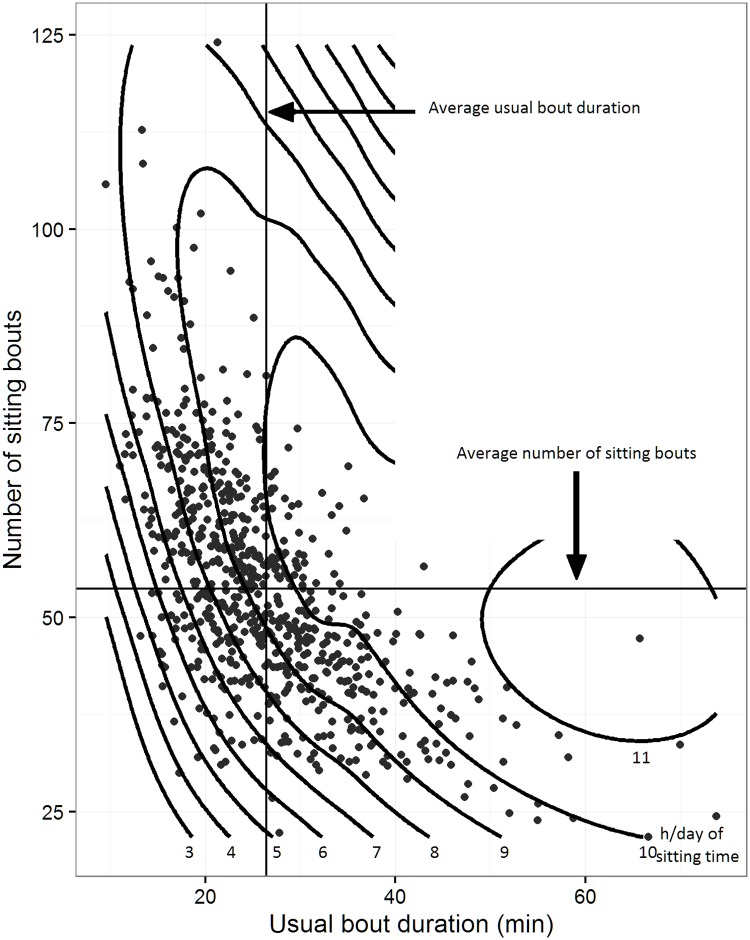
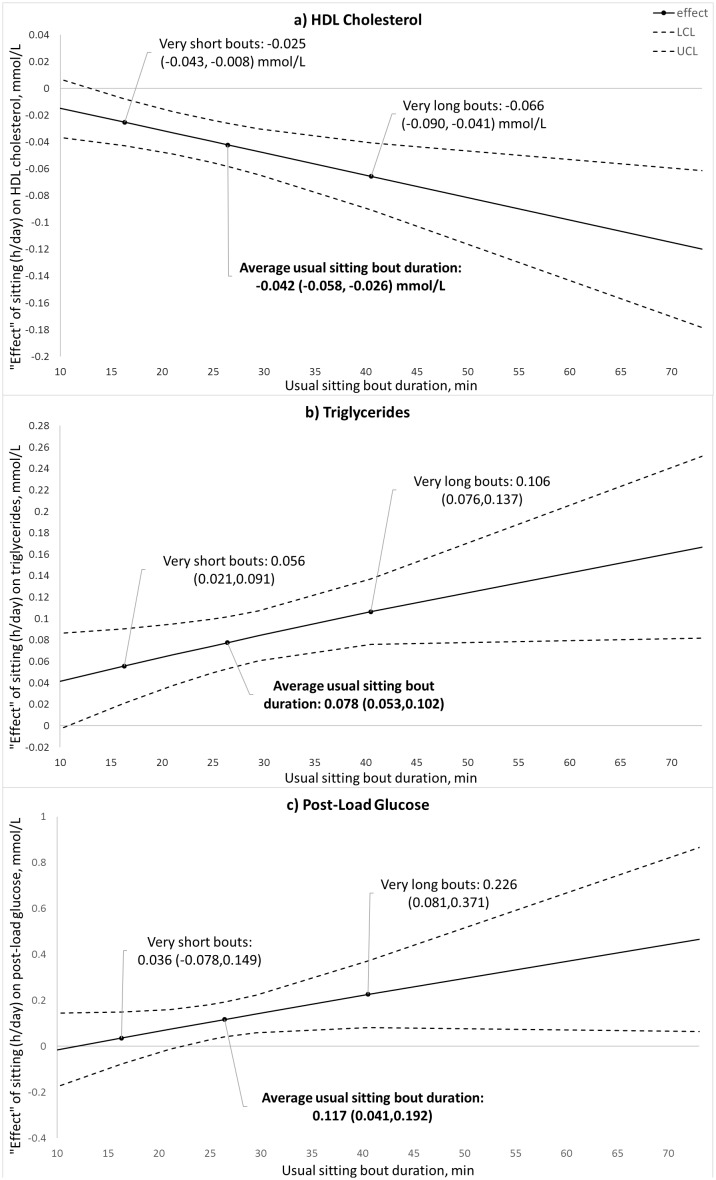
BACKGROUND: High amounts of time spent sitting can increase cardiovascular disease risk and are deleteriously associated cardio-metabolic risk biomarkers. Though evidence suggests that accruing sitting time in prolonged periods may convey additional risk, verification using high-quality measures is needed. We examined this issue in adults from the Australian Diabetes, Obesity and Lifestyle Study, using accurate measures of sitting accumulation. METHODS: In 2011/12, 739 adults aged 36 to 89 years (mean±SD 58±10 years) wore activPAL3™ monitors (which provide accurate objective measures of sitting); 678 provided ≥4 valid days of monitor data and complete cardio-metabolic biomarker and confounder data. Multivariable linear regression models examined associations of sitting time, sitting time accrued in ≥30 minute bouts (prolonged sitting time), and three measures of sitting accumulation patterns with cardio-metabolic risk markers: body mass index (BMI), waist circumference, blood pressure, high- and low- density lipoprotein (HDL and LDL) cholesterol, triglycerides, glycated haemoglobin (HbA1c), fasting plasma glucose (FPG) and 2-hour post-load glucose (PLG). Interactions tests examined whether associations of sitting time with biomarkers varied by usual sitting bout duration. RESULTS: Adjusted for potential confounders, greater amounts of sitting time and prolonged sitting time were significantly (p<0.05) deleteriously associated with BMI, waist circumference, HDL cholesterol, and triglycerides. Total sitting time was also significantly associated with higher PLG. Sitting accumulation patterns of frequently interrupted sitting (compared to patterns with relatively more prolonged sitting) were significantly beneficially associated with BMI, waist circumference, HDL cholesterol, triglycerides, PLG, and with FPG. Effect sizes were typically larger for accumulation patterns than for sitting time. Significant interactions (p<0.05) showed that associations of sitting time with HDL, triglycerides and PLG became more deleterious the longer at a time sitting was usually accumulated. CONCLUSIONS: Adding to previous evidence reliant on low-quality measures, our study showed that accumulating sitting in patterns where sitting was most frequently interrupted had significant beneficial associations with several cardio-metabolic biomarkers and that sitting for prolonged periods at a time may exacerbate some of the effects of sitting time. The findings support sedentary behavior guidelines that promote reducing and regularly interrupting sitting.
Overview
The claims and statistics of this paper haven’t been checked yet.
Run the check — free, no account needed. It reads the open-access text and checks the sources it cites.
Integrity signals
Registry
Cites
Statistics
Figures
Verification
Claims the paper makes
The claims and statistics of this paper haven’t been checked yet.
Run the check — free, no account needed. It reads the open-access text and checks the sources it cites.
Claims other papers make about this one
Each is checked against this paper’s own text: does it say what the citing paper says it does?
The cited source says what the claim attributes to it.
In the citing paper
“Prolonged, uninterrupted sitting is more strongly associated with adverse cardiometabolic outcomes than interrupted sitting [40,41].”
Self-check
Percentages, sums and reported differences re-computed from the paper’s own numbers.
The self-check needs the paper’s full text.
Citations
Cites
Friedewald, W. T., Levy, R. I., & Fredrickson, D. S. (1972) · Clinical Chemistry · doi:10.1093/clinchem/18.6.499 · Cited by 32,423 · cited 1×
“Low-density lipoprotein (LDL) cholesterol was estimated using the Freidewald equation [35].”
MethodLozano, R., Naghavi, M., Foreman, K., Lim, S., Shibuya, K., Aboyans, V., Abraham, J., Adair, T., Aggarwal, R., Ahn, S. Y., et al. (2012) · The Lancet · doi:10.1016/s0140-6736(12)61728-0 · Cited by 14,070
Antihyperlipidemic and Biochemical Activities of Mcy Protein in Streptozotocin Induced Diabetic Rats
Marella, S., Maddirela, D. R., Badri, K. R., Kumar, M. V. J., & Chippada, A. R. (2015) · Cellular Physiology and Biochemistry · doi:10.1159/000373954 · Cited by 5,938
Total energy intake: implications for epidemiologic analyses.
WILLETT, W., & STAMPFER, M. J. (1986) · American Journal of Epidemiology · doi:10.1093/oxfordjournals.aje.a114366 · Cited by 2,751 · cited 1×
“The residuals method [40,41] was used to correct sitting time, prolonged sitting time, and MVPA for waking wear time, and to correct sit-stand transitions for sitting time.”
MethodBiswas, A., Oh, P. I., Faulkner, G. E., Bajaj, R. R., Silver, M. A., Mitchell, M. S., & Alter, D. A. (2015) · Annals of Internal Medicine · doi:10.7326/m14-1651 · Cited by 2,726
RE: “TOTAL ENERGY INTAKE: IMPLICATIONS FOR EPIDEMIOLOGIC ANALYSES”
Palmgren, J., & Kushi, L. H. (1991) · American Journal of Epidemiology · doi:10.1093/oxfordjournals.aje.a115841 · Cited by 2,712
Overadjustment bias and unnecessary adjustment in epidemiologic studies.
Schisterman, E. F., Cole, S. R., & Platt, R. W. (2009) · Epidemiology · doi:10.1097/ede.0b013e3181a819a1 · Cited by 2,096 · cited 1×
“Models do not adjust for sitting time as a confounder [44] because increasing the volume of sitting is one of the ways in which sitting for long periods may impact biomarkers.”
BackgroundLetter to the Editor: Standardized use of the terms “sedentary” and “sedentary behaviours”
Networ, S. B. R. (2012) · Applied Physiology, Nutrition, and Metabolism · doi:10.1139/h2012-024 · Cited by 1,873
Wilmot, E. G., Edwardson, C. L., Achana, F. A., Davies, M. J., Gorely, T., Gray, L. J., Khunti, K., Yates, T., & Biddle, S. J. H. (2012) · Diabetologia · doi:10.1007/s00125-012-2677-z · Cited by 1,789
Healy, G. N., Dunstan, D. W., Salmon, J., Cerin, E., Shaw, J. E., Zimmet, P. Z., & Owen, N. (2008) · Diabetes Care · doi:10.2337/dc07-2046 · Cited by 1,465
Self-citation
Research works printed but not linked: 3
- E Barr, 2005, AUSDIAB 2005: The Australian Diabetes, Obesity and Lifestyle Study
- PM Grant, 2006, The validation of a novel activity monitor in the measurement of posture and motion during everyday activities, Br J Sports Med, 40, 992, 10.1136/bjsm.2006.030262 · DOI
- SF Chastin, 2015, Sensitivity to change of objectively-derived measures of sedentary behavior: supplementary material, Measurement in Physical Education and Exercise Science
Cited by
Sorted by citations
Loh, R., Stamatakis, E., Folkerts, D., Allgrove, J. E., & Moir, H. J. (2020) · Sports Medicine · doi:10.1007/s40279-019-01183-w · Cited by 326
““Physically active” was defined as either exceeding the recommended 150 min of moderate to vigorous physical activity (MVPA) per week, or reported as “recreationally active” [7, 8, 45].”
BackgroundSedentary Behavior and Cardiovascular Disease in Older Women: The OPACH Study
Bellettiere, J., LaMonte, M. J., Evenson, K. R., Rillamas-Sun, E., Kerr, J., Lee, I.-M., Di, C., Rosenberg, D. E., Stefanick, M. L., Buchner, D. M., et al. (2019) · Circulation · doi:10.1161/circulationaha.118.035312 · Cited by 252
Self-citationSitting Less and Moving More: Implications for Hypertension
Dempsey, P. C., Larsen, R. N., Dunstan, D. W., Owen, N., & Kingwell, B. A. (2018) · Hypertension · doi:10.1161/hypertensionaha.118.11190 · Cited by 170
Self-citationSedentary Behavior and Chronic Disease: Mechanisms and Future Directions
Dempsey, P. C., Matthews, C. E., Dashti, S. G., Doherty, A., Bergouignan, A., van Roekel, E. H., Dunstan, D. W., Wareham, N. J., Yates, T. E., Wijndaele, K., et al. (2019) · Journal of Physical Activity and Health · doi:10.1123/jpah.2019-0377 · Cited by 150
Self-citationStevens, M. L., Gupta, N., Inan Eroglu, E., Crowley, P. J., Eroglu, B., Bauman, A., Granat, M., Straker, L., Palm, P., Stenholm, S., et al. (2020) · BMJ Open Sport & Exercise Medicine · doi:10.1136/bmjsem-2020-000874 · Cited by 110
Self-citationChandrasekaran, B., Pesola, A. J., Rao, C. R., & Arumugam, A. (2021) · BMC Musculoskeletal Disorders · doi:10.1186/s12891-021-04136-5 · Cited by 107
Incidence and risk factors for retinopathy of prematurity: a retrospective cohort study
Freitas, A. M., Mörschbächer, R., Thorell, M. R., & Rhoden, E. L. (2018) · International Journal of Retina and Vitreous · doi:10.1186/s40942-018-0125-z · Cited by 105
Parallels in Sepsis and COVID-19 Conditions: Implications for Managing Severe COVID-19
Olwal, C. O., Nganyewo, N. N., Tapela, K., Zune, A. L. D., Owoicho, O., Bediako, Y., & Duodu, S. (2021) · Frontiers in Immunology · doi:10.3389/fimmu.2021.602848 · Cited by 97
Sitting, squatting, and the evolutionary biology of human inactivity
Raichlen, D. A., Pontzer, H., Zderic, T. W., Harris, J. A., Mabulla, A. Z. P., Hamilton, M. T., & Wood, B. M. (2020) · Proceedings of the National Academy of Sciences · doi:10.1073/pnas.1911868117 · Cited by 99
“Thus, active rest postures used throughout the day lead to higher levels of muscle activity and, potentially, a reduction in the associated health effects of prolonged inactive lower limb muscle contractions (10, 33).”
BackgroundSedentary behaviour in the workplace: prevalence, health implications and interventions
Bailey, D. P. (2020) · British Medical Bulletin · doi:10.1093/bmb/ldaa039 · Cited by 85
Climie, R. E., Wheeler, M. J., Grace, M. S., Lambert, É., Cohen, N. D., Owen, N. G., Kingwell, B. A., Dunstan, D. W., & GREEN, D. J. (2018) · Journal of Applied Physiology · doi:10.1152/japplphysiol.00544.2018 · Cited by 69
“Moreover, prolonged sitting (defined as 30 min of uninterrupted sitting) accounts for 4 h per day (3).”
BackgroundSelf-citationObjective and subjective measurement of sedentary behavior in human adults: A toolkit
Aunger, J. A., & Wagnild, J. M. (2020) · American Journal of Human Biology · doi:10.1002/ajhb.23546 · Cited by 76
“Regardless of whether a continuous or waking wear protocol is used, it is standard practice in the measurement of sedentary time to ask participants to wear the device for 7–8 days, with a dataset considered valid for analysis if the participant provides data for ≥10 hours on at least 4 days (Bellettiere et al., 2017).”
BackgroundMethodArundell, L., Salmon, J., Koorts, H., Contardo Ayala, A. M., & Timperio, A. (2019) · BMC Public Health · doi:10.1186/s12889-019-6960-5 · Cited by 66
Dempsey, P. C., Hadgraft, N. T., WINKLER, E. A. H., Clark, B., Buman, M. P., Gardiner, P. A., Owen, N. G., Lynch, B. M., & Dunstan, D. W. (2018) · International Journal of Behavioral Nutrition and Physical Activity · doi:10.1186/s12966-018-0748-3 · Cited by 62
Self-citationBellettiere, J., Healy, G. N., LaMonte, M. J., Kerr, J., Evenson, K. R., Rillamas‐Sun, E., Di, C., Büchner, D. M., Hovell, M. F., & LaCroix, A. Z. (2018) · The Journals of Gerontology Series A · doi:10.1093/gerona/gly101 · Cited by 63
“In fact, emerging evidence suggests that aspects of how sedentary time is accumulated may be related to metabolic health in ways that are distinct from and/or jointly related to total sedentary time (15,16).”
BackgroundSelf-citationSedentary and Physical Activity Patterns in Adults with Intellectual Disability
Oviedo, G. R., Travier, N., & Guerra-Balic, M. (2017) · International Journal of Environmental Research and Public Health · doi:10.3390/ijerph14091027 · Cited by 62
Di, J., Spira, A. P., Bai, J., Urbanek, J. K., Leroux, A., Wu, M. N., Resnick, S. M., Simonsick, E. M., Ferrucci, L., Schrack, J. A., et al. (2019) · Statistics in Biosciences · doi:10.1007/s12561-019-09236-4 · Cited by 53
Frequency of interruptions to sitting time: benefits for postprandial metabolism in type 2 diabetes
Homer, A. R., Taylor, F. C., Dempsey, P. C., Wheeler, M. J., Sethi, P., Townsend, M. K., Grace, M. S., Green, D. J., Cohen, N. D., Larsen, R. N., et al. (2021) · Diabetes Care · doi:10.2337/dc20-1410 · Cited by 49
Self-citationGrandiose and entitled, but still fragile: A network analysis of pathological narcissistic traits
Pierro, R. D., Costantini, G., Benzi, I. M. A., Madeddu, F., & Preti, E. (2018) · Personality and Individual Differences · doi:10.1016/j.paid.2018.04.003 · Cited by 55
Di, J., Leroux, A., Urbanek, J. K., Varadhan, R., Spira, A. P., Schrack, J. A., & Zipunnikov, V. (2017) · bioRxiv (Cold Spring Harbor Laboratory) · doi:10.1101/182337 · Cited by 49
“The parameter of 476 power law distribution, α, has been a popular metric in a few recent studies on accumulation 477 patterns of sedentary time [13,46,53].”
BackgroundResultImproving Hip-Worn Accelerometer Estimates of Sitting Using Machine Learning Methods
Kerr, J., Carlson, J., Godbole, S. V., Cadmus‐Bertram, L., Bellettiere, J., & Hartman, S. J. (2018) · Medicine & Science in Sports & Exercise · doi:10.1249/mss.0000000000001578 · Cited by 47
Self-citationSjöros, T., Vähä‐Ypyä, H., Laine, S., Garthwaite, T., Lahesmaa, M., Laurila, S., Latva‐Rasku, A., Savolainen, A., Miikkulainen, A., Löyttyniemi, E., et al. (2020) · Scientific Reports · doi:10.1038/s41598-020-77637-3 · Cited by 50
Relevance of Candidatus Nitrotoga for nitrite oxidation in technical nitrogen removal systems
Spieck, E., Wegen, S., & Keuter, S. (2021) · Applied Microbiology and Biotechnology · doi:10.1007/s00253-021-11487-5 · Cited by 44
Wagnild, J. M., Hinshaw, K., & Pollard, T. M. (2019) · BMC Public Health · doi:10.1186/s12889-019-6928-5 · Cited by 42
“Accelerometry data sets were considered valid if participants provided at least four complete (24-h) days of measurement [6].”
BackgroundMethodSegmenting accelerometer data from daily life with unsupervised machine learning
van Kuppevelt, D., Heywood, J., Hamer, M., Sabia, S., Fitzsimons, E., & van Hees, V. (2019) · PLOS ONE · doi:10.1371/journal.pone.0208692 · Cited by 41
“The sub-classification of these levels in bout durations, was guided by the common practice to look for bouts of at least 10 minute of MVPA [1], and the common practice of looking for bouts of at least 30 minutes inactivity or sedentary behavior [25].”
MethodCarpenter, C. A., Byun, S., Turner‐McGrievy, G. M., & West, D. S. (2021) · International Journal of Environmental Research and Public Health · doi:10.3390/ijerph18189930 · Cited by 53
“to become sedentary adults, and experience all the negative health sequalae associated with sedentary patterns [10,11].”
BackgroundAhmadi, M. N., Blodgett, J. M., Atkin, A. J., Chan, H., Cruz, B. D. P., Suorsa, K., Bakker, E. A., Pulsford, R. M., Mielke, G. I., Johansson, P. J., et al. (2024) · Diabetologia · doi:10.1007/s00125-024-06090-y · Cited by 40
“…single-cohort analyses have shown associations of physical activity or posture with cardiometabolic health markers, although there have been mixed findings for HbA 1c [15–17], which is an important marker for diabetes risk and prognosis, in addition to risk of CHD and stroke [18, 19].”
BackgroundBiddle, S., Bennie, J. A., Cocker, K. A. D., Dunstan, D. W., Gardiner, P. A., Healy, G. N., Lynch, B. M., Owen, N. G., Brakenridge, C. L., Brown, W. J., et al. (2019) · International Journal of Environmental Research and Public Health · doi:10.3390/ijerph16234762 · Cited by 41
“[82] used the activPAL data collected in the 3rd wave of the AusDiab study to explore this concept in”
MethodSelf-citationDempsey, P. C., Strain, T., WINKLER, E. A. H., Westgate, K. L., Rennie, K. L., Wareham, N. J., Brage, S., & Wijndaele, K. (2022) · Journal of the American Heart Association · doi:10.1161/jaha.121.023845 · Cited by 40
Self-citationNguyen, S., LaCroix, A. Z., Hayden, K. M., Di, C., Palta, P., Stefanick, M. L., Manson, J. E., Rapp, S. R., LaMonte, M. J., & Bellettiere, J. (2023) · Alzheimer s & Dementia · doi:10.1002/alz.12908 · Cited by 40
Self-citationIs Sedentary Behavior a Novel Risk Factor for Cardiovascular Disease?
Duran, A. T., Romero, E., & Diaz, K. M. (2022) · Current Cardiology Reports · doi:10.1007/s11886-022-01657-w · Cited by 40
Greenwood-Hickman, M. A., Nakandala, S., Jankowska, M. M., Rosenberg, D. E., Tuz‐Zahra, F., Bellettiere, J., Carlson, J., Hibbing, P. R., Zou, J., LaCroix, A. Z., et al. (2021) · Medicine & Science in Sports & Exercise · doi:10.1249/mss.0000000000002705 · Cited by 41
Self-citationToo much sitting and dysglycemia: Mechanistic links and implications for obesity
Homer, A. R., Owen, N. G., & Dunstan, D. W. (2018) · Current Opinion in Endocrine and Metabolic Research · doi:10.1016/j.coemr.2018.09.003 · Cited by 34
Self-citationBreast cancer survivors reduce accelerometer-measured sedentary time in an exercise intervention
Weiner, L. S., Takemoto, M., Godbole, S. V., Nelson, S. H., Natarajan, L., Sears, D. D., & Hartman, S. J. (2019) · Journal of Cancer Survivorship · doi:10.1007/s11764-019-00768-8 · Cited by 33
Camacho, C. E. G., Ruggeri, B., Mangialardi, L., Marco, P., & Malavé, A. C. L. (2019) · International journal of energy and environmental engineering · doi:10.1007/s40095-019-0312-1 · Cited by 35
Mena, G. P., Mielke, G. I., & Brown, W. J. (2019) · Human Reproduction · doi:10.1093/humrep/dez300 · Cited by 35
Brakenridge, C. J., Koster, A., de Galan, B. E., Carver, A., Dumuid, D., Dzakpasu, F. Q. S., Eussen, S. J. P. M., Savelberg, H. H. C. M., Bosma, H., Owen, N. G., et al. (2024) · Diabetologia · doi:10.1007/s00125-024-06145-0 · Cited by 31
Self-citationBort-Roig, J., Chirveches-Pérez, E., Giné-Garriga, M., Navarro-Blasco, L., Bausà-Peris, R., Iturrioz-Rosell, P., González-Suárez, A. M., Martínez-Lemos, I., Puigoriol-Juvanteny, E., Dowd, K., et al. (2020) · International Journal of Environmental Research and Public Health · doi:10.3390/ijerph17238844 · Cited by 30
“In adults, prolonged sedentary behaviour [1] has been associated with a broad range of health consequences, including unhealthy cardio-metabolic biomarkers [2] and a lower physical health-related quality of life [3].”
BackgroundCheng, S. W. M., Alison, J. A., Stamatakis, E. A., Dennis, S. M., & McKeough, Z. J. (2020) · COPD Journal of Chronic Obstructive Pulmonary Disease · doi:10.1080/15412555.2020.1740189 · Cited by 30
“deleterious effect on cardiometabolic risk factors compared to more frequently interrupted bouts of SB [23].”
BackgroundGale, J. T., Wei, D., Haszard, J. J., Brown, R. C., Taylor, R. W., & Peddie, M. C. (2023) · Medicine & Science in Sports & Exercise · doi:10.1249/mss.0000000000003166 · Cited by 29
Huang, B., Hamer, M., CHASTIN, S. F. M., Koster, A., Pearson, N., & Stamatakis, E. A. (2020) · Diabetic Medicine · doi:10.1111/dme.14392 · Cited by 27
Self-citationEdbrooke, L., Granger, C. L., Clark, R. A., & Denehy, L. (2019) · Journal of Clinical Medicine · doi:10.3390/jcm8091288 · Cited by 29
activPAL and ActiGraph Assessed Sedentary Behavior and Cardiometabolic Health Markers
Edwardson, C. L., Henson, J. J., Biddle, S., Davies, M. J., Khunti, K. K., Maylor, B. D., & Yates, T. E. (2019) · Medicine & Science in Sports & Exercise · doi:10.1249/mss.0000000000002138 · Cited by 28
“Only one other large study has been published reporting associations between activPAL assessed sedentary accumulation patterns and cardiometabolic risk biomarkers (29).”
BackgroundCheng, S. W. M., Alison, J. A., Stamatakis, E., Dennis, S. M., McNamara, R. J., Spencer, L., & McKeough, Z. J. (2021) · Thorax · doi:10.1136/thoraxjnl-2020-214885 · Cited by 30
Yerramalla, M. S., van Hees, V. T., Chen, M., Fayossé, A., CHASTIN, S. F. M., & Sabia, S. (2022) · The Journals of Gerontology Series A · doi:10.1093/gerona/glac023 · Cited by 32
“This suggests a potential role of CVD risk markers in the association between SB metrics and CVD risk, which is in accordance with previous findings showing SB metrics associated with cardiometabolic risk factors in adults (43,44).”
ResultSelf-citationDempsey, P. C., Strain, T., WINKLER, E. A. H., Westgate, K. L., Rennie, K. L., Wareham, N. J., Brage, S., & Wijndaele, K. (2022) · Figshare · doi:10.17863/cam.85085 · Cited by 28
Self-citationKoyama, T., Kuriyama, N., Ozaki, E., Tomida, S., Uehara, R., Nishida, Y., Shimanoe, C., Hishida, A., Tamura, T., Tsukamoto, M., et al. (2020) · Journal of Atherosclerosis and Thrombosis · doi:10.5551/jat.54320 · Cited by 27
Gao, L., Nguyen, P. K., Dunstan, D. W., & Moodie, M. (2019) · International Journal of Environmental Research and Public Health · doi:10.3390/ijerph16050834 · Cited by 25
“It is reported that a greater amount of sitting time together with prolonged sitting time was negatively associated with changes in high density cholesterol (HDL), triglycerides and 2-hour post load glucose [47], animal-based studies suggest that this deleterious effect might be contributed by the reduction in lipopro…”
BackgroundSelf-citationHammam, N., Ezeugwu, V. E., Rumsey, D. G., Manns, P. J., & Pritchard, L. (2019) · The Physician and Sportsmedicine · doi:10.1080/00913847.2019.1623995 · Cited by 28
“disease (CVD) in the general population [7,8].”
Chang, Y., Bellettiere, J., Godbole, S. V., Keshavarz, S., Maestas, J. P., Unkart, J., Ervin, D., Allison, M., Rock, C. L., Patterson, R. E., et al. (2020) · Journal of the American Heart Association · doi:10.1161/jaha.119.013403 · Cited by 24
“Three population-based studies in adults from Australia, the United States, and the United Kingdom demonstrated that a greater number of breaks in sedentary time was beneficially associated with waist circumference, BMI, triglycerides, 2-hour plasma glucose, and C-reactive protein.4,36,37 Other studies in adults show…”
BackgroundSelf-citationColl, F., Cavalheri, V., Gucciardi, D. F., Wulff, S., & Hill, K. (2021) · Physical Therapy · doi:10.1093/ptj/pzab097 · Cited by 25
Bojsen‐Møller, E., Boraxbekk, C., Ekblom, Ö. B., Blom, V., & Ekblom, M. (2019) · International Journal of Environmental Research and Public Health · doi:10.3390/ijerph16234721 · Cited by 24
“Office workers are often sedentary for prolonged bouts and these extended periods have been associated with increased cardio-metabolic risk [16].”
BackgroundReino, C., & Carrera, J. (2021) · Journal of environmental chemical engineering · doi:10.1016/j.jece.2021.106691 · Cited by 23
Carlson, J., Bellettiere, J., Kerr, J., Salmon, J., Timperio, A. F., Verswijveren, S. J. J. M., & Ridgers, N. D. (2019) · Journal of Sports Sciences · doi:10.1080/02640414.2019.1605646 · Cited by 24
“sedentary pattern-related variables that are commonly investigated, such as time spent in prolonged bouts of sedentary time, have not been addressed in measurement comparison studies, despite potentially important health implications such as associations between greater prolonged sedentary bouts and elevated cardiomet…”
BackgroundInfluentialSelf-citationWondergem, R., Pisters, M. F., Heijmans, M. W., Wouters, E., de Bie, R. A., Veenhof, C., & Visser‐Meily, J. M. A. (2020) · PLoS ONE · doi:10.1371/journal.pone.0229587 · Cited by 22
“Additionally, long uninterrupted sedentary bouts are related to cardiovascular risks [13].”
BackgroundMonteiro, B. P., Lambert, C., Bianchi, E., Genevois, J., Soldani, G., & Troncy, É. (2019) · BMC Veterinary Research · doi:10.1186/s12917-019-1960-3 · Cited by 21
Sitting at work & waist circumference—A cross-sectional study of Australian workers
Sugiyama, T., Hadgraft, N. T., Clark, B., Dunstan, D. W., & Owen, N. G. (2020) · Preventive Medicine · doi:10.1016/j.ypmed.2020.106243 · Cited by 21
Self-citationPesola, A. J., Gao, Y., & Finni, T. J. (2022) · Scientific Reports · doi:10.1038/s41598-022-25128-y · Cited by 21
Bellettiere, J., Tuz‐Zahra, F., Carlson, J., Ridgers, N. D., Liles, S., Greenwood-Hickman, M. A., Walker, R. L., LaCroix, A. Z., Jankowska, M. M., Rosenberg, D. E., et al. (2021) · Journal for the Measurement of Physical Behaviour · doi:10.1123/jmpb.2020-0036 · Cited by 20
Self-citationMolina-Mora, J. A., Chinchilla-Montero, D., García-Batán, R., & García, F. (2021) · Infection Genetics and Evolution · doi:10.1016/j.meegid.2021.104740 · Cited by 19
Brakenridge, C. J., Healy, G. N., Sethi, P., Carver, A., Bellettiere, J., Salim, A., CHASTIN, S. F. M., Owen, N. G., & Dunstan, D. W. (2021) · International Journal of Behavioral Nutrition and Physical Activity · doi:10.1186/s12966-021-01209-5 · Cited by 19
“short or long periods of sitting /or stepping), intensity (light, moderate, or vigorous intensity), nor sleep quality, which are known to have independent associations with cardiometabolic biomarkers [8, 41, 42].”
BackgroundSelf-citationSedentary time in people with obstructive airway diseases
Cordova‐Rivera, L., Gardiner, P. A., Gibson, P. G., WINKLER, E. A. H., Guerrero, P. D. U., & McDonald, V. M. (2021) · Respiratory Medicine · doi:10.1016/j.rmed.2021.106367 · Cited by 19
Self-citationHomer, A. R., Taylor, F., Dempsey, P. C., Wheeler, M. J., Sethi, P., Grace, M. S., GREEN, D. J., Cohen, N. D., Larsen, R. N., Kingwell, B. A., et al. (2021) · Nutrition Metabolism and Cardiovascular Diseases · doi:10.1016/j.numecd.2021.07.001 · Cited by 22
Self-citationWhipple, M. O., Schorr, E. N., Talley, K. M. C., Wolfson, J., Lindquist, R., Bronas, U. G., & Treat-Jacobson, D. (2020) · Annals of Vascular Surgery · doi:10.1016/j.avsg.2020.03.040 · Cited by 18
Patterns and correlates of sedentary behavior among university students
Vella, C. A., & Nelson, M. C. (2023) · Journal of American College Health · doi:10.1080/07448481.2023.2198020 · Cited by 17
Whipple, M. O., Masters, K. S., Huebschmann, A. G., Scalzo, R. L., Reusch, J. E. B., Bergouignan, A., & Regensteiner, J. G. (2021) · Vascular Medicine · doi:10.1177/1358863x211009307 · Cited by 18
“13,19,20 23 These benefits are more pronounced in individuals with impaired glycemia or T2D, 24,25 however, the beneficial effects of SB breaks do not appear to be limited to a specific population; similar effects have been observed regardless of age, sex, or BMI.”
BackgroundCE: Too Much Sitting: A Newly Recognized Health Risk
Eanes, L. S. (2018) · AJN American Journal of Nursing · doi:10.1097/01.naj.0000544948.27593.9b · Cited by 18
Fortune, J., Norris, M., Stennett, A., Kilbride, C., Lavelle, G., Hendrie, W., Victor, C. R., & Ryan, J. M. (2021) · Scientific Reports · doi:10.1038/s41598-021-99631-z · Cited by 17
Debache, I., Bergouignan, A., Chaix, B., Sneekes, E. M., Thomas, F., & Sueur, C. (2019) · International Journal of Environmental Research and Public Health · doi:10.3390/ijerph16050741 · Cited by 17
“Even among the studies that explicitly distinguished between standing and sitting time, for example with regard to glucose or lipid profile [15,16], only a few investigated the associations between postural behavior and metabolic outcomes in natural, free-living conditions [17,18].”
BackgroundResultImpact of dopamine-related genetic variants on physical activity in old age – a cohort study
Dohrn, I., Papenberg, G., WINKLER, E. A. H., & Welmer, A. (2020) · International Journal of Behavioral Nutrition and Physical Activity · doi:10.1186/s12966-020-00971-2 · Cited by 15
Self-citationBellettiere, J., Nakandala, S., Tuz‐Zahra, F., WINKLER, E. A. H., Hibbing, P. R., Healy, G. N., Dunstan, D. W., Owen, N. G., Greenwood-Hickman, M. A., Rosenberg, D. E., et al. (2022) · Journal for the Measurement of Physical Behaviour · doi:10.1123/jmpb.2021-0062 · Cited by 15
“…versus more interrupted manner (henceforth referred to as sitting patterns; Tremblay et al., 2017) is also important to public health inquiry (Bellettiere et al., 2017; Diaz et al., 2016; Dunstan et al., 2012; Hartman et al., 2018; Healy et al., 2011; Owen et al., 2020; Saunders et al.,…”
Self-citationToledo, M. J. L., Ainsworth, B. E., Gaesser, G. A., Hooker, S. P., Pereira, M. A., & Buman, M. P. (2023) · Scandinavian Journal of Medicine and Science in Sports · doi:10.1111/sms.14344 · Cited by 18
Detecting prolonged sitting bouts with the ActiGraph GT3X
Kuster, R. P., Grooten, W. J. A., Baumgartner, D., Blom, V., Hagströmer, M., & Ekblom, Ö. B. (2019) · Scandinavian Journal of Medicine and Science in Sports · doi:10.1111/sms.13601 · Cited by 16
“The optimization searched for the best ensemble learner method (Bag, AdaBoost M2, RUS Boost), split criterion (gdi, twoing, deviance), number of trees (10-500), minimum leave size (1 to n/2, n = number of minutes), maximum number of splits (1 to n-1), and learning rate (0-1).”
MethodDu, L., Li, G., Ren, P., He, Q., Pan, Y., Chen, S., & Zhang, X. (2022) · European Journal of Cardiovascular Nursing · doi:10.1093/eurjcn/zvac079 · Cited by 14
Modelling of substrate access and substrate binding to cephalosporin acylases
Ferrario, V., Fischer, M., Zhu, Y., & Pleiss, J. (2019) · Scientific Reports · doi:10.1038/s41598-019-48849-z · Cited by 14
Andersen, E., van der Ploeg, H. P., van Mechelen, W., Gray, C. M., Mutrie, N., van Nassau, F., Jelsma, J. G. M., Anderson, A. S., Silva, M. N., Pereira, H. V., et al. (2021) · International Journal of Behavioral Nutrition and Physical Activity · doi:10.1186/s12966-021-01237-1 · Cited by 16
Laine, S., Sjöros, T., Vähä‐Ypyä, H., Garthwaite, T., Löyttyniemi, E., Sievänen, H. T., Vasankari, T. J., Knuuti, J. M., & HEINONEN, I. H. A. (2021) · Frontiers in Endocrinology · doi:10.3389/fendo.2021.655756 · Cited by 13
“ALT, U/l 37 (20) ** 28 (14)** AST, U/l 29 (10) 27 (7)”
Husu, P., Suni, J. H., Tokola, K., Vähä‐Ypyä, H., Valkeinen, H., Mäki-Opas, T. E., Sievänen, H. T., & Vasankari, T. J. (2019) · Journal of Sports Sciences · doi:10.1080/02640414.2019.1598251 · Cited by 12
“…Koziel, & Gluszek, 2018) have been associated with higher body weight and greater waist circumference, whereas frequent interruption of sitting (Bellettiere et al., 2017; Chastin, Egerton, Leask, & Stamatakis, 2015) has been associated with lower body mass index and smaller waist circumference.”
BackgroundResultInfluentialElectromyography of Sedentary Behavior: Identifying Potential for Cardiometabolic Risk Reduction
Lamberg, S., Brakenridge, C. J., Dunstan, D. W., Finni, T. J., Healy, G. N., Owen, N. G., & Pesola, A. J. (2024) · Medicine & Science in Sports & Exercise · doi:10.1249/mss.0000000000003544 · Cited by 11
“Previous accelerometer studies show that the accumulation pattern of activity may be important beyond the total activity (50).”
Self-citationAngassa, D., Solomon, S., & Seid, A. (2022) · BMC Cardiovascular Disorders · doi:10.1186/s12872-022-02465-4 · Cited by 11
“This could be explained by longer sitting duration means fewer calories are being burned, which might lead to storage of calories in the form of lipids [33].”
BackgroundOginni, J., Otinwa, G., & Gao, Z. (2024) · Journal of Clinical Medicine · doi:10.3390/jcm13030694 · Cited by 10
“White-collar professionals, particularly corporate workers, often engage in light-intensity physical activity and sedentary behaviors, leading to increased BMI and blood pressure [8,21,22].”
BackgroundHoffmann, S. W., Schierbauer, J., Zimmermann, P., Voit, T., Grothoff, A., Wachsmuth, N. B., Rössler, A., Lackner, H. K., & Moser, O. (2024) · Diabetes Obesity and Metabolism · doi:10.1111/dom.15732 · Cited by 13
Jia, H., Liu, Y., & Liu, D. (2023) · Frontiers in Endocrinology · doi:10.3389/fendo.2023.1221228 · Cited by 14
Parr, E. B., Devlin, B. L., Pinto, S. K., Dunstan, D. W., & Hawley, J. A. (2018) · Nutrients · doi:10.3390/nu10060733 · Cited by 10
“Both observational and experimental studies demonstrate that prolonged sitting is detrimental to postprandial glucose levels [7], where the greatest exaggeration in hyperglycaemia with prolonged sitting occurs in the period after the first meal [8,9].”
BackgroundSelf-citationGuirado, T., Metz, L., Pereira, B., Brun, C., Birat, A., Boscaro, A., Bergouignan, A., Thivel, D., & Duclos, M. (2022) · Journal of Occupational and Environmental Medicine · doi:10.1097/jom.0000000000002583 · Cited by 10
Television Viewing Time and Stroke Risk: Australian Diabetes Obesity and Lifestyle Study (1999-2012)
Cumming, T. B., Holliday, E. G., Dunstan, D. W., & English, C. (2019) · Journal of Stroke and Cerebrovascular Diseases · doi:10.1016/j.jstrokecerebrovasdis.2018.12.020 · Cited by 9
Self-citationEkegren, C. L., Climie, R. E., Simpson, P. M., Owen, N. G., Dunstan, D. W., Veitch, W. G., & Gabbe, B. J. (2019) · Physical Therapy · doi:10.1093/ptj/pzz151 · Cited by 11
Self-citationBailey, D. P., Stringer, C. A., Maylor, B. D., & Zakrzewski-Fruer, J. K. (2022) · Nutrients · doi:10.3390/nu14030605 · Cited by 9
“An increased frequency of interruptions to sitting is also associated with improved fasting glucose and glucose tolerance [11].”
BackgroundRelationship between liver fat content and lifestyle factors in adults with metabolic syndrome
Laine, S., Sjöros, T., Garthwaite, T., Saarenhovi, M., Kallio, P., Löyttyniemi, E., Vähä‐Ypyä, H., Sievänen, H. T., Vasankari, T. J., Laitinen, K., et al. (2022) · Scientific Reports · doi:10.1038/s41598-022-22361-3 · Cited by 9
“Sedentary time, % of daily wear time 72 (7) 68 (5)*”
BackgroundUsing Point-of-Choice Prompts to Reduce Sedentary Behavior in Sit-Stand Workstation Users
Larouche, M. L., Mullane, S. L., Toledo, M. J. L., Pereira, M. A., Huberty, J., Ainsworth, B. E., & Buman, M. P. (2018) · Frontiers in Public Health · doi:10.3389/fpubh.2018.00323 · Cited by 9
“However, avoiding prolonged bouts of sitting (18) and sustaining frequent sitstand workstation use over time continues to be a challenge due to the habitual nature of sitting in the workplace (19).”
BackgroundWagnild, J. M., & Pollard, T. M. (2020) · Journal of Physical Activity and Health · doi:10.1123/jpah.2019-0315 · Cited by 9
Natali, A. J., Marin, K. A., Hermsdorff, H. H. M., Rezende, F. A. C., & Pelúzio, M. D. C. G. (2020) · Nutrición Hospitalaria · doi:10.20960/nh.02740 · Cited by 9
“These results are similar to those previously reported in different populations (49,50) and, more importantly, are consistent with the association of longer time spent in SB with obesity as observed in the present review.”
ResultPinto, A. J., Rezende, D. A. N., Sieczkowska, S. M., Meireles, K., Bonfiglioli, K. R., Ribeiro, A. C. D. M., Bonfá, E., Owen, N. G., Dunstan, D. W., Roschel, H., et al. (2023) · International Journal of Environmental Research and Public Health · doi:10.3390/ijerph20053944 · Cited by 10
“Sedentary behavior can add to the adverse impacts of physical inactivity in impairing cardiovascular health [46].”
BackgroundSelf-citationMues, J. P., Flohr, S., & Kurpiers, N. (2025) · Sports · doi:10.3390/sports13060186 · Cited by 8
Fenton, S. A. M., O’Brien, C. M., Kitas, G. D., Duda, J. L., Zanten, J. V., & Metsios, G. S. (2022) · Rheumatology Advances in Practice · doi:10.1093/rap/rkac097 · Cited by 6
“with standing or light physical activity every 30 minutes) is associated with better outcomes [7, 9, 10].”
BackgroundHamilton, M. T., Hamilton, D. G., & Zderic, T. W. (2018) · Progress in molecular biology and translational science · doi:10.1016/bs.pmbts.2017.12.014 · Cited by 8
Chater, A., Smith, L. R., Ferrandino, L., Wyld, K., & Bailey, D. P. (2020) · Practical Diabetes · doi:10.1002/pdi.2311 · Cited by 9
Gaelen, P. V., Springael, D., & Smets, I. Y. M. (2021) · Water Practice & Technology · doi:10.2166/wpt.2021.022 · Cited by 8
Lin, C., Koohsari, M. J., Liao, Y., Ishii, K., Shibata, A., Nakaya, T., McCormack, G. R., Hadgraft, N. T., Sugiyama, T., Owen, N. G., et al. (2022) · Scientific Reports · doi:10.1038/s41598-021-03071-8 · Cited by 8
Self-citationMorton, S., Hall, J., Fitzsimons, C. F., Hall, J. F., English, C., Förster, A., Lawton, R., Patel, A. K., Mead, G. E., & Clarke, D. J. (2021) · Disability and Rehabilitation · doi:10.1080/09638288.2021.1955307 · Cited by 9
Metadata
- Authors
- Bellettiere, J., Winkler, E. A. H., Chastin, S. F. M., Kerr, J., Owen, N., Dunstan, D. W., & Healy, G. N.
- Affiliations
- San Diego State University (US)
- The University of Queensland (AU)
- Glasgow Caledonian University (GB)
- University of California San Diego (US)
- Baker Heart and Diabetes Institute (AU)
- Corresponding author
- Bellettiere, John
- Winkler, Elisabeth A. H.
- Chastin, Sebastien F. M.
- Kerr, Jacqueline
- Owen, Neville
- Dunstan, David W.
- Healy, Genevieve N.
- ORCID
- Venue
- PLOS ONE
- Publisher
- Public Library of Science (PLoS)
- Published
- 2017-06-29
- Volume
- 12
- Issue
- 6
- Pages
- e0180119
- ISSN
- 1932-6203 (ISSN-L)
- PMC
- PMC5491133
- OpenAlex
- W2729779756
- Cited by
- 169
- References
- 45
- Citations by year
- 2026: 2 · 2025: 11 · 2024: 14 · 2023: 13 · 2022: 19 · 2021: 38 · 2020: 22 · 2019: 29 · 2018: 18 · 2017: 3
- FWCI
- 14.57
- Type
- journal article
- Language
- en
- Open access
- gold
- doi.org
- Licence
- Locations
- PLoS ONE (publishedVersion, cc-by)
- PubMed Central (publishedVersion, cc-by)
- PubMed (publishedVersion)
- UniSA Research Outputs Repository (University of South Australia) (acceptedVersion, other-oa)
- ResearchOnline (Glasgow Caledonian University) (acceptedVersion, cc-by)
- Ghent University Academic Bibliography (Ghent University) (submittedVersion, other-oa)
- Minerva Access (University of Melbourne) (submittedVersion, cc-by)
- Research Bank (Australian Catholic University) (submittedVersion)
- RePEc: Research Papers in Economics (submittedVersion)
- Adelaide Research & Scholarship (AR&S) (University of Adelaide) (submittedVersion, cc-by)
- DOAJ (DOAJ: Directory of Open Access Journals) (submittedVersion, cc-by-sa)
- Own your potential (DEAKIN) (submittedVersion)
- Figshare (submittedVersion, cc-by)
- Swinburne figshare (Swinburne University of Technology) (submittedVersion, cc-by)
- Swinburne figshare (Swinburne University of Technology) (cc-by)
- Funders
- National Health and Medical Research Council (566940, 1000986, 1003960, 1078360, 108029, 233200)
- Topics
- Health Sciences › Medicine › Public Health, Environmental and Occupational Health › Physical Activity and Health
- Health Sciences › Medicine › Endocrinology, Diabetes and Metabolism › Diabetes, Cardiovascular Risks, and Lipoproteins
- Social Sciences › Human Factors and Ergonomics › Ergonomics and Musculoskeletal Disorders
- Keywords
- sedentary behavior, prolonged sitting, body mass index, waist circumference, HDL cholesterol, triglycerides, HbA1c, post-load glucose, blood pressure, Australian adults
- MeSH terms
- Adult, Aged, Aged, 80 and over, Australia, Cardiovascular Diseases, Female, Humans, Male, Middle Aged, Posture, Biomarkers, Young Adult, Sedentary Behavior
About these checks
Registry, retraction, Cites and statistics results are computed, not judged, with one exception: a printed reference that no index lists is read once by a model before it counts as a citation error. Claims are extracted by a model and kept only when their quote appears verbatim in the text; each cited source is then checked, with a model’s help, for whether it says what the claim relies on. Those verdicts can be wrong — read the claim’s quote and the cited source before relying on one.
Statistics and arithmetic are recomputed, not judged.
Confidence bands are shown only for fields calibrated on our annotated test set. None is calibrated yet, so no band is shown.
What counts as a claim ›How we measure confidence ›How we check this ›
Are you an author, or do you see a problem with this page? Request a review
