

In vivo Hypoxia and a Fungal Alcohol Dehydrogenase Influence the Pathogenesis of Invasive Pulmonary Aspergillosis
Open accessThe DOI matches its Crossref record; 84 of the 84 references it cites were found in a registry or an index.
Abstract
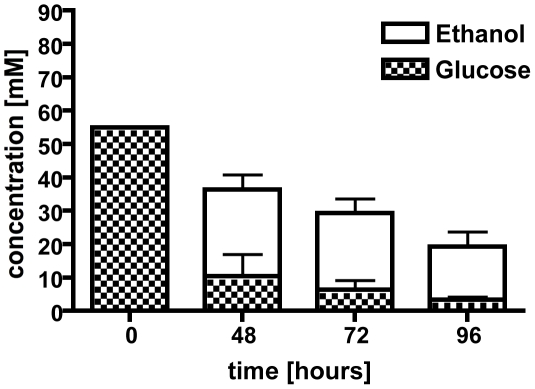
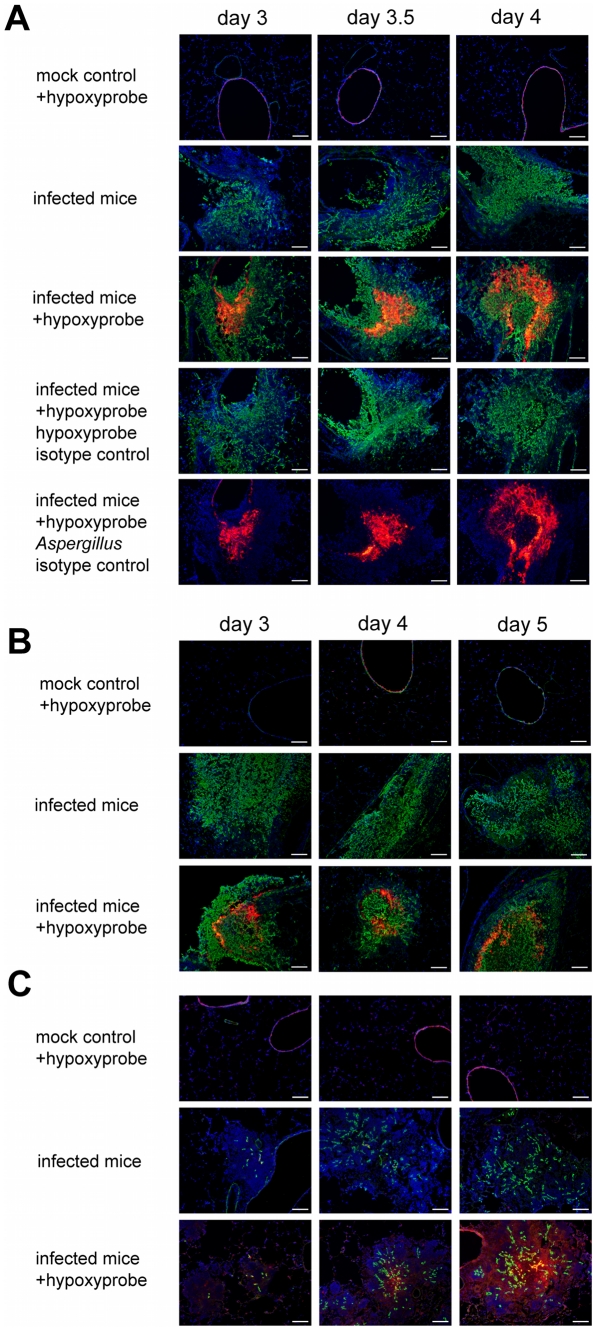
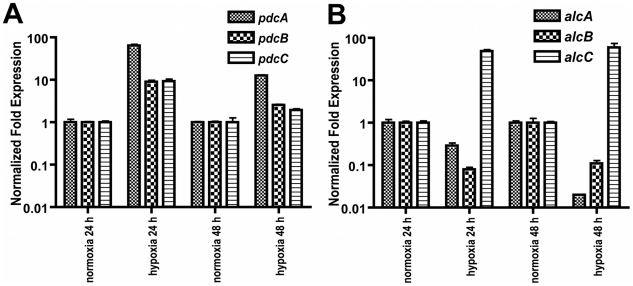
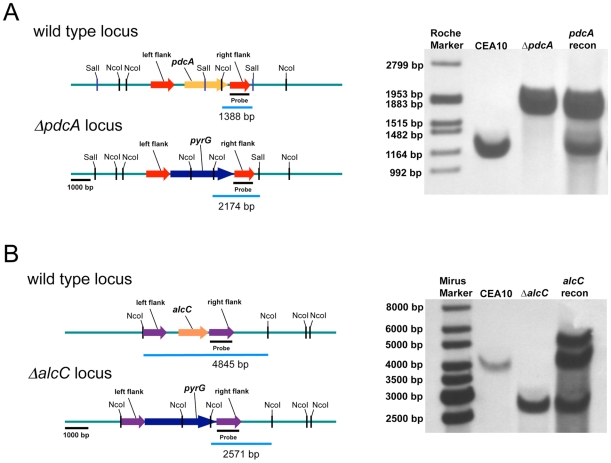
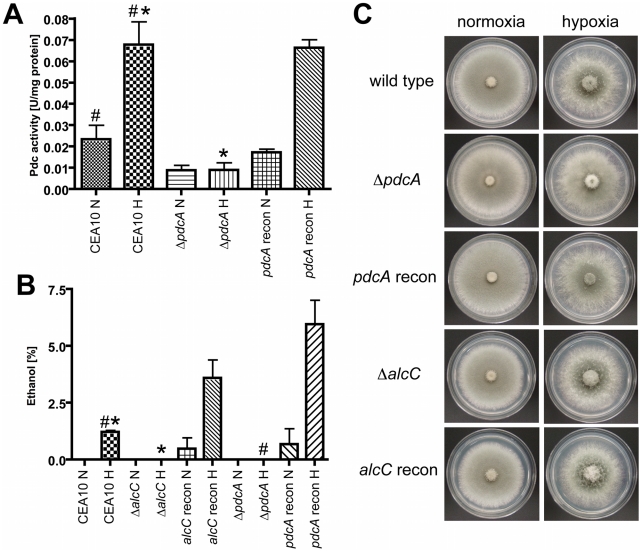
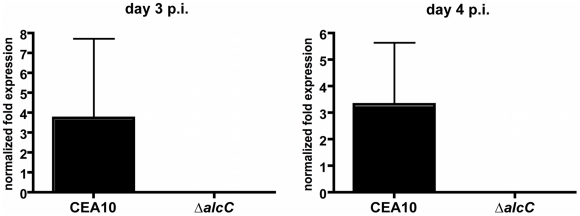
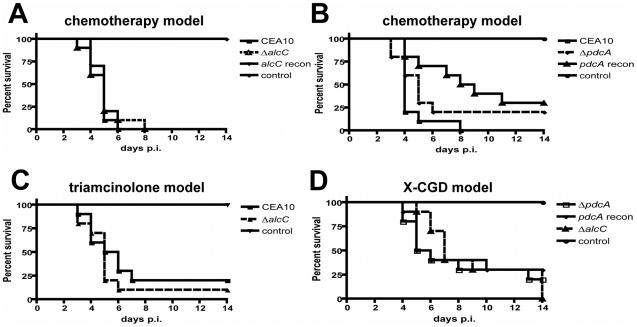
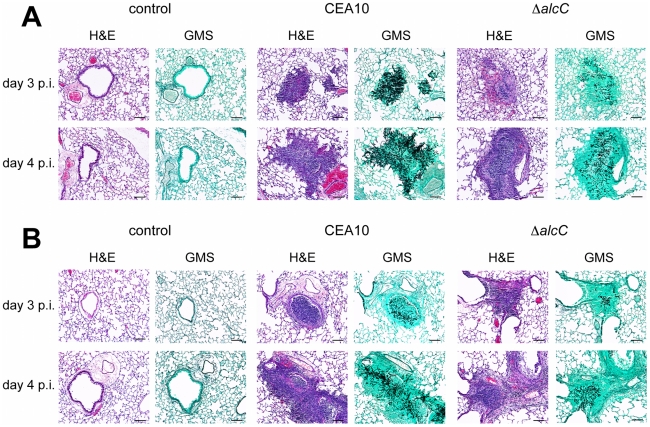
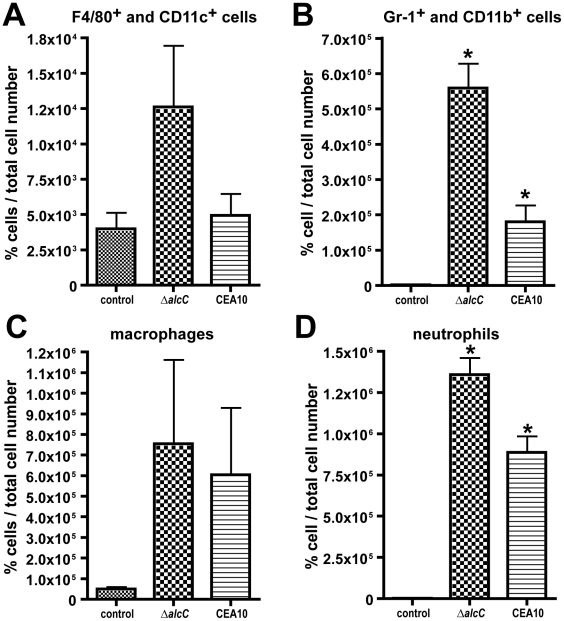
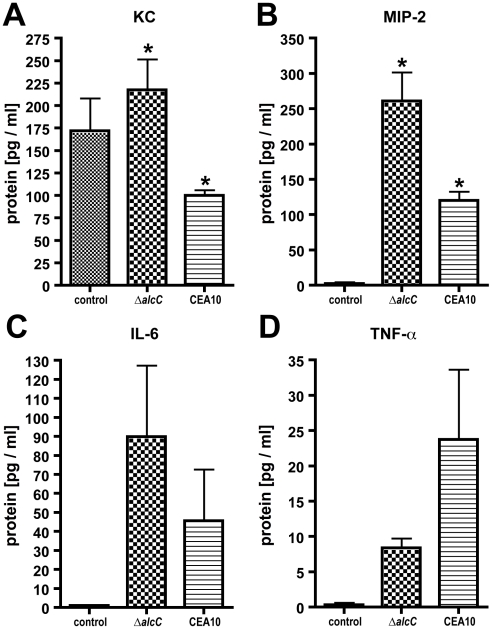
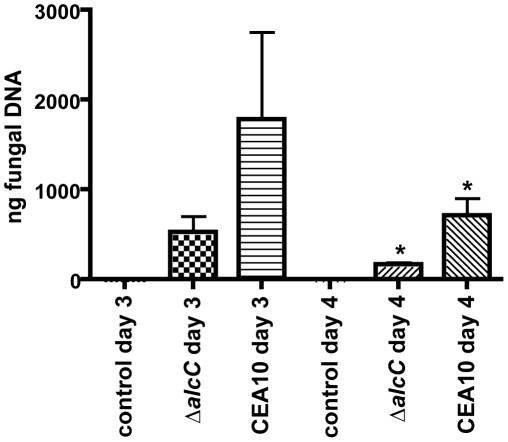
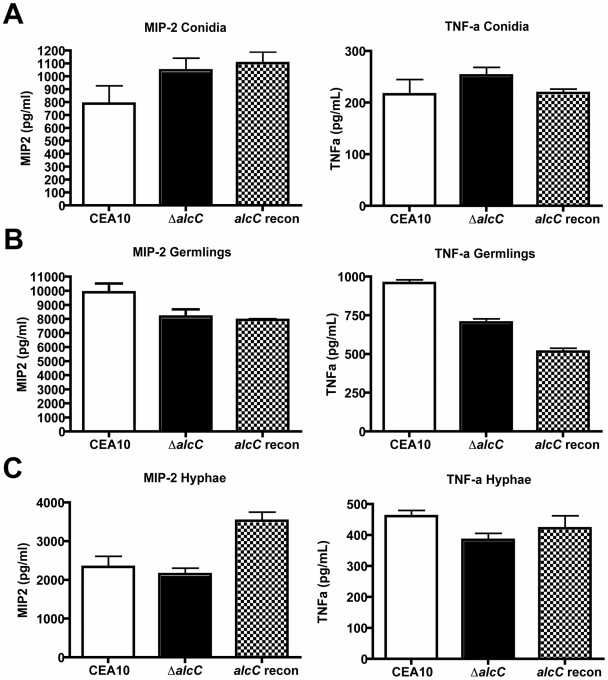
Currently, our knowledge of how pathogenic fungi grow in mammalian host environments is limited. Using a chemotherapeutic murine model of invasive pulmonary aspergillosis (IPA) and (1)H-NMR metabolomics, we detected ethanol in the lungs of mice infected with Aspergillus fumigatus. This result suggests that A. fumigatus is exposed to oxygen depleted microenvironments during infection. To test this hypothesis, we utilized a chemical hypoxia detection agent, pimonidazole hydrochloride, in three immunologically distinct murine models of IPA (chemotherapeutic, X-CGD, and corticosteroid). In all three IPA murine models, hypoxia was observed during the course of infection. We next tested the hypothesis that production of ethanol in vivo by the fungus is involved in hypoxia adaptation and fungal pathogenesis. Ethanol deficient A. fumigatus strains showed no growth defects in hypoxia and were able to cause wild type levels of mortality in all 3 murine models. However, lung immunohistopathology and flow cytometry analyses revealed an increase in the inflammatory response in mice infected with an alcohol dehydrogenase null mutant strain that corresponded with a reduction in fungal burden. Consequently, in this study we present the first in vivo observations that hypoxic microenvironments occur during a pulmonary invasive fungal infection and observe that a fungal alcohol dehydrogenase influences fungal pathogenesis in the lung. Thus, environmental conditions encountered by invading pathogenic fungi may result in substantial fungal metabolism changes that influence subsequent host immune responses.
Overview
The claims and statistics of this paper haven’t been checked yet.
Free: it reads the open-access text and checks the first 5 claims that cite a source we can check. Create a free account to check every claim.
Integrity signals
Registry
Cites
Statistics
Figures
Verification
Claims the paper makes
The claims and statistics of this paper haven’t been checked yet.
Free: it reads the open-access text and checks the first 5 claims that cite a source we can check. Create a free account to check every claim.
Claims other papers make about this one
Each is checked against this paper’s own text: does it say what the citing paper says it does?
In the citing paper
“Specific enzymes and proteins associated with fungal virulence are produced during hypoxic growth (400–404).”
From Aspergillus fumigatus and Aspergillosis in 2019 (2019) · cites this paper as [400]
Self-check
Percentages, sums and reported differences re-computed from the paper’s own numbers.
The self-check needs the paper’s full text.
Citations
Cites
Aspergillus fumigatus and Aspergillosis
Latgé, J.-P. (1999) · Clinical Microbiology Reviews · doi:10.1128/cmr.12.2.310 · Cited by 2,307 · cited 1×
“Among these, invasive pulmonary aspergillosis (IPA) is the most lethal with mortality rates ranging from 30–90% depending on the patient population [6,7,8,9,10,11].”
BackgroundAspergillus fumigatus and Aspergillosis in 2019
Latgé, J.-P., & Chamilos, G. (2019) · Clinical Microbiology Reviews · doi:10.1128/cmr.00140-18 · Cited by 1,400
Genomic sequence of the pathogenic and allergenic filamentous fungus Aspergillus fumigatus
Nierman, W. C., Pain, A., Anderson, M. J., Wortman, J. R., Kim, H. S., Arroyo, J., Berriman, M., Abe, K., Archer, D. B., Bermejo, C., et al. (2005) · Nature · doi:10.1038/nature04332 · Cited by 1,391 · cited 1×
“fumigatus genome sequence for genes encoding enzymes known to be involved in ethanol fermentation [46,47].”
BackgroundPollock, J. D., Williams, D. A., Gifford, M. A. C., Li, L. L., Du, X., Fisherman, J., Orkin, S. H., Doerschuk, C. M., & Dinauer, M. C. (1995) · Nature Genetics · doi:10.1038/ng0295-202 · Cited by 921 · cited 1×
“We first examined the virulence of the DpdcA and DalcC strains in the chemotherapeutic and X-linked chronic granulomatous disease (X-CGD, gp91 mice) murine models of IPA [45,53].”
BackgroundStuder, L., Csete, M., Lee, S.-H., Kabbani, N., Walikonis, J., Wold, B., & McKay, R. (2000) · The Journal of Neuroscience · doi:10.1523/jneurosci.20-19-07377.2000 · Cited by 708 · cited 1×
“With regard to fungal-human interactions, oxygen availability in mammalian tissues is also substantially below atmospheric levels [20,21,22].”
BackgroundTrends in Mortality Due to Invasive Mycotic Diseases in the United States, 1980–1997
McNeil, M. M., Nash, S. L., Hajjeh, R. A., Phelan, M. A., Conn, L. A., Plikaytis, B. D., & Warnock, D. W. (2001) · Clinical Infectious Diseases · doi:10.1086/322606 · Cited by 657
Tissue oxygen tension and brain sensitivity to hypoxia
Erecińska, M., & Silver, I. A. (2001) · Respiration Physiology · doi:10.1016/s0034-5687(01)00306-1 · Cited by 615 · cited 1×
“With regard to fungal-human interactions, oxygen availability in mammalian tissues is also substantially below atmospheric levels [20,21,22].”
BackgroundThe pathobiology of Aspergillus fumigatus
Latgé, J.-P. (2001) · Trends in Microbiology · doi:10.1016/s0966-842x(01)02104-7 · Cited by 546 · cited 1×
“Among these, invasive pulmonary aspergillosis (IPA) is the most lethal with mortality rates ranging from 30–90% depending on the patient population [6,7,8,9,10,11].”
BackgroundUpton, A., Kirby, K. A., Carpenter, P., Boeckh, M., & Marr, K. A. (2007) · Clinical Infectious Diseases · doi:10.1086/510592 · Cited by 514 · cited 1×
“Among these, invasive pulmonary aspergillosis (IPA) is the most lethal with mortality rates ranging from 30–90% depending on the patient population [6,7,8,9,10,11].”
BackgroundGenomic Islands in the Pathogenic Filamentous Fungus Aspergillus fumigatus
Fedorova, N. D., Khaldi, N., Joardar, V. S., Maiti, R., Amedeo, P., Anderson, M. J., Crabtree, J., Silva, J. C., Badger, J. H., Albarraq, A., et al. (2008) · PLoS Genetics · doi:10.1371/journal.pgen.1000046 · Cited by 508 · cited 1×
“fumigatus genome sequence for genes encoding enzymes known to be involved in ethanol fermentation [46,47].”
Background
Cited by
Items 101–200 of 221
Arifeen, M. Z. U., Chu, C., Yang, X., Liu, J., Huang, X., Ma, Y., Liu, X., Xue, Y., & Liu, C. (2020) · Environmental Microbiology · doi:10.1111/1462-2920.15332 · Cited by 29
The novel globin protein fungoglobin is involved in low oxygen adaptation of Aspergillus fumigatus
Hillmann, F., Linde, J., Beckmann, N., Cyrulies, M., Strassburger, M., Heinekamp, T., Haas, H., Guthke, R., Kniemeyer, O., & Brakhage, A. A. (2014) · Molecular Microbiology · doi:10.1111/mmi.12679 · Cited by 26
“Recent studies confirmed that reduced oxygen concentrations actually occur in the mammalian lung at sites of infection, and that tissue invasion by A. fumigatus is aggravated during progressive airway ischemia (Grahl et al., 2011; Hsu et al., 2013).”
BackgroundInfluentialDuBois, J. C., Pasula, R., Dade, J., & Smulian, A. G. (2015) · Medical Mycology · doi:10.1093/mmy/myv073 · Cited by 32
Ben‐Ami, R., Albert, N. D., Lewis, R. E., & Kontoyiannis, D. P. (2013) · The Journal of Infectious Diseases · doi:10.1093/infdis/jis940 · Cited by 27
“uncharacterized secondary metabolites is expected to promote tissue hypoxia [5, 10].”
BackgroundGenome-Wide Analysis of Hypoxia-Responsive Genes in the Rice Blast Fungus, Magnaporthe oryzae
Choi, J., Chung, H., Lee, G.-W., Koh, S.-K., Chae, S., & Lee, Y. (2015) · PLoS ONE · doi:10.1371/journal.pone.0134939 · Cited by 27
“A null mutant for the alcohol dehydrogenase gene caused increased host inflammatory responses while still causing aspergillosis to the same degree as the wild-type [9].”
BackgroundUranga, C., Beld, J., Mrse, A. A., Córdova‐Guerrero, I., Burkart, M. D., & Hernández-Martínez, R. (2016) · Biochemical and Biophysical Research Communications · doi:10.1016/j.bbrc.2016.02.104 · Cited by 25
Dhingra, S., Buckey, J. C., & Cramer, R. A. (2017) · Antimicrobial Agents and Chemotherapy · doi:10.1128/aac.01953-17 · Cited by 24
“RNA extraction, cDNA synthesis, and qPCR analysis of sod1 (forward primer, 5=-TTGCTGTCCTCCGTGGTGAC-3=; reverse primer, 5=-GGTCG TTGCCCTTGATGTTCC-3=), sod2 (forward primer, 5=-GGTGCTCTGGAGCCTTCGATC-3=; reverse primer, 5=GGCGATCTGAGACGCAATGTC-3=), sod3 (forward primer, 5=-GCCCTCCAACCCTACATCTCCC-3=; reverse primer, 5=-CT…”
BackgroundSelf-citationInflammation in aspergillosis: the good, the bad, and the therapeutic
Carvalho, A., Cunha, C., Iannitti, R. G., LUCA, A. D., Giovannini, G., Bistoni, F., & Romani, L. R. (2012) · Annals of the New York Academy of Sciences · doi:10.1111/j.1749-6632.2012.06754.x · Cited by 26
Sueiro-Olivares, M., Scott, J., Gago, S., Petrovic, D., Kouroussis, E., Živanović, J., Yu, Y., Strobel, M., Cunha, C., Thomson, D. D., et al. (2021) · PLoS Biology · doi:10.1371/journal.pbio.3001247 · Cited by 23
Ortiz, S. C., Pennington, K., Thomson, D. D., & Bertuzzi, M. (2022) · Journal of Fungi · doi:10.3390/jof8030264 · Cited by 31
“A key example of this has been in the exploration of the role of hypoxic lung microenvironments during IPA establishment, which has directly led to the identification of novel potential therapeutic avenues [16,47].”
BackgroundMethodInfluentialKroll, K., Shekhova, E., Mattern, D. J., Thywissen, A., Jacobsen, I. D., Strassburger, M., Heinekamp, T., Shelest, E., Brakhage, A. A., & Kniemeyer, O. (2016) · Molecular Microbiology · doi:10.1111/mmi.13377 · Cited by 22
“VC 2016 John Wiley & Sons Ltd Molecular Microbiology (2016) 101(1), 92–108 doi:10.1111/mmi.13377 First published online 3 May 2016 line, hypoxic microenvironments were found to exist at the site of infection in mice infected with A. fumigatus (Grahl et al., 2011).”
BackgroundInfluentialSykes, D. B., Martinelli, M. M., Negoro, P., Xu, S., Maxcy, K., Timmer, K., Viens, A. L., Alexander, N. J., Atallah, J., Snarr, B. D., et al. (2022) · Journal of Leukocyte Biology · doi:10.1002/jlb.4hi1221-722r · Cited by 22
Gu, Q., Yuan, Q., Zhao, D., Huang, J., Hsiang, T., Wei, Y., & Zheng, L. (2018) · Molecular Plant Pathology · doi:10.1111/mpp.12743 · Cited by 22
Hypoxic regulation of neutrophil function and consequences for Staphylococcus aureus infection
Lodge, K. M., Thompson, A. A. R., Chilvers, E. R., & Condliffe, A. M. (2016) · Microbes and Infection · doi:10.1016/j.micinf.2016.10.005 · Cited by 23
“feature of staphylococcal infection [25]; by staining for hypoxia inducible factor (HIF), which increases exponentially below 6% oxygen, in chronic obstructive pulmonary disease [26]; by pimonidazole staining in pulmonary infection [27]; and by luminescence-based in vivo optical imaging in skin infection [28].”
BackgroundKerkaert, J. D., Mauff, F. L., Wucher, B. R., Beattie, S. R., Vesely, E. M., Sheppard, D. C., Nadell, C. D., & Cramer, R. A. (2022) · mBio · doi:10.1128/mbio.02933-21 · Cited by 22
“disease progression and full virulence (31, 32).”
Self-citationRecent Advances in Understanding the Human Fungal Pathogen Hypoxia Response in Disease Progression
Puerner, C. T. S., Vellanki, S., Strauch, J. L., & Cramer, R. A. (2023) · Annual Review of Microbiology · doi:10.1146/annurev-micro-032521-021745 · Cited by 23
“In immunologically distinct murine models of invasive pulmonary aspergillosis, a nitroimidazole derivative (hypoxyprobe-1) was utilized to detect regions of the lung with oxygen levels at or below 1.5% ambient (54).”
MethodInfluentialSelf-citationChung, D., Thammahong, A., Shepardson, K. M., Blosser, S. J., & Cramer, R. A. (2014) · Molecular Microbiology · doi:10.1111/mmi.12626 · Cited by 21
“In the corticosteroid murine model of IPA, ΔperA is essentially avirulent compared to the wild type and reconstituted strains.”
MethodInfluentialSelf-citationHypoxia attenuates anti‐Aspergillus fumigatus immune responses initiated by human dendritic cells
Fließer, M., Wallstein, M. A., Kurzai, O., Einsele, H., & Löffler, J. (2016) · Mycoses · doi:10.1111/myc.12498 · Cited by 21
Saleh, A. A., Jones, G. W., Tinley, F. C., Delaney, S. F., Alabbadi, S. H., Fenlon, K., Doyle, S., & Owens, R. A. (2018) · Metallomics · doi:10.1039/c8mt00052b · Cited by 23
Jones, J. T., Liu, K.-W., Wang, X., Kowalski, C. H., Ross, B. S., Mills, K. A. M., Kerkaert, J. D., Hohl, T. M., Lofgren, L. A., Stajich, J., et al. (2021) · mSphere · doi:10.1128/msphere.01250-20 · Cited by 20
“Protoplasts from strains CEA10 and W72310 were generated with Trichoderma harzianum (Millipore Sigma) lysing enzyme and transformed ectopically with linear constructs of the gpdA-driven hph hygromycin resistance gene or H2A:mRFP (CEA10) as previously described (44, 45).”
MethodSelf-citationLiu, Z., Fan, C., Xiao, J., Sun, S., Gao, T., Zhu, B., & Zhang, D. (2023) · Journal of Agricultural and Food Chemistry · doi:10.1021/acs.jafc.2c07539 · Cited by 23
Inmunopatología de las micosis invasivas por hongos filamentosos
García‐Vidal, C., & Salavert, M. (2014) · Revista Iberoamericana de Micología · doi:10.1016/j.riam.2014.09.001 · Cited by 26
“…mucorales, Scedosporium y Fusarium para adaptarse a ambientes bajos en oxí-geno es importante en el condicionamiento de su virulencia. situaciones de hipoxia se activan procesos de glucólisis y fosfori-lación oxidativa que causan inflamación pulmonar y favorecen la patogenia de la infección 5,27 .”
Antifungal drug screening: thinking outside the box to identify novel antifungal scaffolds
Beattie, S. R., & Krysan, D. J. (2020) · Current Opinion in Microbiology · doi:10.1016/j.mib.2020.03.005 · Cited by 21
“Similarly, low oxygen is an important characteristic of pulmonary aspergillosis [46], and the ability to adapt to low oxygen is correlated with disease severity in murine models of aspergillosis [47].”
BackgroundAmich, J., & Krappmann, S. (2012) · Frontiers in Microbiology · doi:10.3389/fmicb.2012.00414 · Cited by 19
“As a further example, hypoxia, which is commonly developed within compost piles (Wang et al., 2007), also develops during IPA in mice (Grahl et al., 2011) and, accordingly, A. fumigatus’ adaptation to hypoxic conditions is crucial for virulence (Willger et al., 2008).”
BackgroundFunctional convergence of gliP and aspf1 in Aspergillus fumigatus pathogenicity
Liu, H., Xu, W., Solis, N. V., Woolford, C. A., Mitchell, A. P., & Filler, S. G. (2018) · Virulence · doi:10.1080/21505594.2018.1482182 · Cited by 21
“Distinct features of the infection environment have been revealed by diverse approaches that include histological analysis [23,24],”
BackgroundAlteration of Fermentative Metabolism Enhances Mucor circinelloides Virulence
Díaz-Pérez, S. P., Patiño-Medina, J. A., Valle-Maldonado, M. I., López-Torres, A., Jácome-Galarza, I. E., Anaya-Martínez, V., Gómez-Ruiz, V., Campos‐García, J., Núñez‐Anita, R. E., Ortíz‐Alvarado, R., et al. (2019) · Infection and Immunity · doi:10.1128/iai.00434-19 · Cited by 20
“Aspergillus fumigatus; it was demonstrated that during infection, the fungus is exposed to oxygen-depleted microenvironments (17).”
BackgroundDioctatin Activates ClpP to Degrade Mitochondrial Components and Inhibits Aflatoxin Production
Furukawa, T., Katayama, H., Oikawa, A., Negishi, L., Ichikawa, T., Suzuki, M., Murase, K., Takayama, S., & Sakuda, S. (2020) · Cell chemical biology · doi:10.1016/j.chembiol.2020.08.006 · Cited by 20
Aspergillus-related pulmonary diseases in lung transplantation
Pasupneti, S., Manouvakhova, O., Nicolls, M. R., & Hsu, J. L. (2016) · Medical Mycology · doi:10.1093/mmy/myw121 · Cited by 18
Ries, L. N. A., de Assis, L. J., Rodrigues, F. J. S., Caldana, C., Rocha, M. C., Malavazi, I., Bayram, Ö., & Goldman, G. H. (2018) · G3 Genes Genomes Genetics · doi:10.1534/g3.118.200411 · Cited by 20
Silva, K. S. F. E., Lima, R. M., Baeza, L. C., Lima, P. D. S., Cordeiro, T. D. M., Charneau, S. O., da Silva, R. A., Soares, C. M. D. A., & Pereira, M. (2019) · Frontiers in Microbiology · doi:10.3389/fmicb.2019.01537 · Cited by 17
“Ethanol is used to damage tissue and facilitates host invasion besides producing energy (Grahl et al., 2011; Luong et al., 2015).”
BackgroundThymosin β4 promotes autophagy and repair via HIF-1α stabilization in chronic granulomatous disease
Renga, G., Oikonomou, V., Moretti, S., Stincardini, C., Bellet, M. M., Pariano, M., Bartoli, A., Brancorsini, S., Mosci, P., Finocchi, A., et al. (2019) · Life Science Alliance · doi:10.26508/lsa.201900432 · Cited by 18
“…of inflammatory hypoxia in the lung is disputed (Taylor & Colgan, 2017), hypoxia develops during pulmonary invasive fungal infection in models of invasive aspergillosis, including CGD mice (Grahl et al, 2011), and HIF-1α stabilization is required for protection (Shepardson et al, 2014).”
BackgroundLiu, Y., Zhang, Z. X., Zhou, L., Lin, T., Zhang, R., Li, M., Chen, S., Liu, X., & Liu, X. (2025) · BMC Infectious Diseases · doi:10.1186/s12879-025-10560-y · Cited by 21
“IA often leads to the formation of a hypoxic microenvironment at the infection site [19], where hypoxia-inducible factor-1α (HIF-1α) plays a pivotal role in antifungal immunity and inflammatory responses [20].”
Differential Metabolism of a Two-Carbon Substrate by Members of the Paracoccidioides Genus
Baeza, L. C., da Mata, F. R., Pigosso, L. L., Pereira, M., Souza, G. H. M. F., Coelho, A. S. G., & Soares, C. M. D. A. (2017) · Frontiers in Microbiology · doi:10.3389/fmicb.2017.02308 · Cited by 17
“The influence of alcohol dehydrogenase in fungal pathogenesis was observed in invasive pulmonary aspergillosis with an increase in the inflammatory response in the lung of mice infected with an alcohol dehydrogenase null mutant strain, and reduction in fungal burden (Grahl et al., 2011).”
BackgroundKirkland, M. E., Stannard, M., Kowalski, C. H., Mould, D., Caffrey-Carr, A. K., Temple, R. M., Ross, B. S., Lofgren, L. A., Stajich, J., Cramer, R. A., et al. (2021) · mSphere · doi:10.1128/msphere.00922-21 · Cited by 17
“Southern blot analyses were performed as previously described using the digoxigenin-antidigoxigenin detection system (Roche Diagnostics) (67).”
MethodSelf-citationMaurer, E., Binder, U., Sparber, M., Lackner, M., Caramalho, R., & Lass‐Flörl, C. (2014) · Antimicrobial Agents and Chemotherapy · doi:10.1128/aac.04424-14 · Cited by 18
“Hypoxia occurs during pulmonary fungal infections in vivo (9), and tissue oxygen concentrations can decrease to 1% (10, 11).”
BackgroundTeutschbein, J., Simon, S., Lother, J., Springer, J., Hortschansky, P., Morton, C. O., Löffler, J., Einsele, H., Conneally, E., Rogers, T. R., et al. (2016) · Journal of Proteome Research · doi:10.1021/acs.jproteome.6b00042 · Cited by 17
“fumigatus ethanol fermentation.(49) The”
Obar, J. J., Hohl, T. M., & Cramer, R. A. (2016) · Cytokine · doi:10.1016/j.cyto.2016.05.015 · Cited by 18
Self-citationCallejas-Negrete, O. A., Guzmán, J. C. T., Padilla-Guerrero, I. E., Naranjo, E. U. E., Padilla-Ballesteros, M. F., Tapia, A. G., Schrank, A., Salazar-Solís, E., Gutiérrez‐Corona, F., & Hernández, G. A. G. (2014) · Microbiological Research · doi:10.1016/j.micres.2014.11.006 · Cited by 15
Ben-Ami, R. (2013) · Future Microbiology · doi:10.2217/fmb.13.114 · Cited by 14
“Hypoxia was seen around fungal hyphae in chemotherapy, corticosteroid and X-CGD mouse IPA models [29].”
BackgroundMethodMelanin depletion affects Aspergillus flavus conidial surface proteins, architecture, and virulence
Rudhra, O., Gnanam, H., Sivaramakrishnan, S., Prajna, N. V., Lalitha, P., & Dharmalingam, K. (2024) · Applied Microbiology and Biotechnology · doi:10.1007/s00253-024-13107-4 · Cited by 14
“…proteins identified in NMC was higher than in MC. Tyrosinase enzyme (Yuan et al. 2020), endo-1,3(4)-β-glucanase (Free 2013), alcohol dehydrogenase (Grahl et al. 2011), autophagy-related protein 26 (Zhu et al. 2019), leucine-rich repeat domain protein (Ng and Xavier 2011), and some other proteins…”
Zhang, E., Cao, Y., & Xia, Y. (2018) · Frontiers in Microbiology · doi:10.3389/fmicb.2018.01932 · Cited by 15
Armstrong, S. K. (2015) · Microbiology Spectrum · doi:10.1128/microbiolspec.mbp-0007-2014 · Cited by 19
“Mouse respiratory Aspergillus fumigatus infections yielded BALF that contained these metabolites but also contained increased ethanol concentrations over those in BALF from uninfected mice (34).”
BackgroundEffect of Reduced Oxygen on the Antifungal Susceptibility of Clinically Relevant Aspergilli
Binder, U., Maurer, E., Lackner, M., & Lass‐Flörl, C. (2014) · Antimicrobial Agents and Chemotherapy · doi:10.1128/aac.04204-14 · Cited by 15
“Hypoxia is one microenvironmental stress that occurs during pulmonary fungal infections in vivo (2) and has a significant impact on antifungal targets such as ergosterol biosynthesis or -glucan in Aspergillus fumigatus (3, 4).”
BackgroundIdnurm, A. (2013) · mBio · doi:10.1128/mbio.00260-13 · Cited by 17
“Analysis of other signal transduction pathways for sensing the differing conditions outside and within the host have revealed components for successful adaptation, such as to oxygen levels (10).”
BackgroundStrategies of Drug Delivery for Deep Fungal Infection: A Review
Ma, Z., Wang, X., & Li, C. (2020) · Pharmaceutical Nanotechnology · doi:10.2174/2211738508666200910101923 · Cited by 13
Shekhova, E., Ivanova, L., Krüger, T., Stroe, M. C., Macheleidt, J., Kniemeyer, O., & Brakhage, A. A. (2019) · PROTEOMICS · doi:10.1002/pmic.201800339 · Cited by 16
DafaAlla, T. E. I. M., Abdalla, M., El‐Arabey, A. A., Eltayb, W. A., & Mohapatra, R. K. (2021) · Journal of Biomolecular Structure and Dynamics · doi:10.1080/07391102.2021.1971112 · Cited by 14
“Metabolic flexibility and adaptability and are critical players for pathogens to induce successfully colonize, infect and disease for hosts (Grahl et al., 2011).”
BackgroundInfluentialGuerriero, G., Silvestrini, L., Obersriebnig, M., Salerno, M., Pum, D., & Strauss, J. (2013) · PLoS ONE · doi:10.1371/journal.pone.0080038 · Cited by 15
Parente-Rocha, J. A., Tomazett, M. V., Pigosso, L. L., Bailão, A. M., de Souza, A. F., Paccez, J. D., Baeza, L. C., Pereira, M., Bailão, M. G. S., Borges, C. L., et al. (2017) · Fungal Biology · doi:10.1016/j.funbio.2017.10.009 · Cited by 13
Proteomic analysis of Aspergillus fumigatus – clinical implications
Moloney, N. M., Owens, R. A., & Doyle, S. (2016) · Expert Review of Proteomics · doi:10.1080/14789450.2016.1203783 · Cited by 13
“Moreover, recovery of ethanol from the lungs of infected mice provides evidence for the use of fermentation in vivo [89].”
BackgroundChung, H., Kim, S., Kim, K., Hwang, B., Kim, H. J., Lee, S. J., & Lee, Y. (2019) · Environmental Microbiology · doi:10.1111/1462-2920.14563 · Cited by 12
Yao, Y., Chen, Y., Sun, J., Zhang, H., Meng, Y., Li, W., & Wang, W. (2020) · Pathogens and Disease · doi:10.1093/femspd/ftaa038 · Cited by 12
Genetic Analyses of Amphotericin B Susceptibility in Aspergillus fumigatus
Fan, Y., Korfanty, G. A., & Xu, J. (2021) · Journal of Fungi · doi:10.3390/jof7100860 · Cited by 15
“In addition, alcohol dehydrogenase can influence hypoxic fungal growth in invasive aspergillosis infections [53].”
BackgroundThe Expanding Mycovirome of Aspergilli
Battersby, J. L., Stevens, D. A., Coutts, R. H. A., Havlíček, V., Hsu, J. L., Sass, G., & Kotta‐Loizou, I. (2024) · Journal of Fungi · doi:10.3390/jof10080585 · Cited by 13
“Stress tolerance may be associated with fungal pathogenicity, as it facilitates adaption to environmental stresses and microenvironments experienced during invasive pulmonary infection [123], such as hypoxia [124,125].”
BackgroundShepardson, K. M., & Cramer, R. A. (2013) · Current Opinion in Microbiology · doi:10.1016/j.mib.2013.03.003 · Cited by 13
Self-citationPan, M., Wang, Q., Liu, Y., Xiao, N., Niu, X., Wu, D., Wang, T., Yan, G., & Shao, J. (2022) · Medical Mycology · doi:10.1093/mmy/myac011 · Cited by 11
Sensing the threat posed by Aspergillus infection
Obar, J. J. (2020) · Current Opinion in Microbiology · doi:10.1016/j.mib.2020.08.004 · Cited by 10
Aspergillus fumigatus Hypoxia Adaptation Is Critical for the Establishment of Fungal Keratitis
Lightfoot, J. D., Adams, E. M., Kamath, M. M., Wells, B. L., & Fuller, K. K. (2024) · Investigative Ophthalmology & Visual Science · doi:10.1167/iovs.65.4.31 · Cited by 10
Characterization of a heme-protein responsive to hypoxia in Paracoccidioides brasiliensis
Oliveira, L. N., Gonçales, R. A., Silva, M. G., Lima, R. M., Tomazett, M. V., de Curcio, J. S., Paccez, J. D., Cruz-Leite, V. R. M., Rodrigues, F. J. S., Lima, P. D. S., et al. (2020) · Fungal Genetics and Biology · doi:10.1016/j.fgb.2020.103446 · Cited by 10
iTRAQ-based proteomic analysis of Paracoccidioides brasiliensis in response to hypoxia
Oliveira, L. N., Lima, P. D. S., Araújo, D. S., Portis, I. G., Júnior, A. D. C. M. D. S., Coelho, A. S. G., de Sousa, M. V., Ricart, C. A. O., Fontes, W., & Soares, C. M. D. A. (2021) · Microbiological Research · doi:10.1016/j.micres.2021.126730 · Cited by 9
Dang, Y., Wei, Y., Zhang, P., Liu, X., Li, X., Wang, S., Liang, H., & Zhang, S. (2021) · Journal of Fungi · doi:10.3390/jof7110955 · Cited by 9
Hagiwara, D., Takahashi, H., Takagi, H., Watanabe, A., & Kamei, K. (2018) · Medical Mycology Journal · doi:10.3314/mmj.18-00007 · Cited by 11
The Study of Microbial Physiology Under Microoxic Conditions Is Critical but Neglected
Prakash, O., Chauhan, A., & Green, S. J. (2025) · Environmental Microbiology Reports · doi:10.1111/1758-2229.70108 · Cited by 8
“Furthermore, Grahl et al. (2011) observed the development of hypoxia in a pulmonary invasive fungal infection and concluded that fungal production of ethanol by fermentation under microaerobic lung conditions contributed to fungal pathogenesis (Xiu et al. 2022).”
Gomes, E. C. Q., Gonçalves, V. N., da Costa, M. C., de Freitas, G. J. C., Santos, D. A., Johann, S., Oliveira, J. B. S., da Paixão, T. A., Convey, P., & Rosa, L. H. (2024) · The Microbe · doi:10.1016/j.microb.2024.100186 · Cited by 8
Yu, Q.-K., Han, L.-T., Wu, Y., & Liu, T. (2020) · Microorganisms · doi:10.3390/microorganisms8111730 · Cited by 8
“In Aspergillus fumigatus, a fungal alcohol dehydrogenase required for the last step of ethanol fermentation in response to hypoxia is critical to pulmonary invasive fungal infection [34].”
Puerner, C., Morelli, K., Kerkaert, J. D., Jones, J. T., Quinn, K., DeMichaelis, N., Vellanki, S., Liao, C., & Cramer, R. (2025) · Msphere · doi:10.1128/msphere.00752-25 · Cited by 4
“Our group previously investigated the alcohol dehydrogenase involved in ethanol production, AlcC, observing that loss of alcC resulted in a reduction in fungal burden in a murine model of invasive pulmonary aspergillosis (IPA [15]).”
InfluentialSelf-citationEchtenacher, B., Wege, A. K., Schardt, K., Bitterer, F., Gehmert, S., Hoffmann, P., Stroszczynski, C., & Jung, E. (2015) · Ultraschall in der Medizin - European Journal of Ultrasound · doi:10.1055/s-0034-1398873 · Cited by 7
Anaerobic growth and drug susceptibility of versatile fungal pathogen Scedosporium apiospermum
Yadav, K. K., Nimonkar, Y. S., Green, S. J., Dewala, S., Dhanorkar, M. N., Sharma, R. K., Rale, V. R., & Prakash, O. (2023) · iScience · doi:10.1016/j.isci.2023.108304 · Cited by 7
2 Aspergillus fumigatus: Saprotroph to Pathogen
Bignell, E. (2013) · Springer eBooks · doi:10.1007/978-3-642-39432-4_2 · Cited by 9
Bieger, B. D., Rogers, A. M., Bates, S., & Egan, M. J. (2020) · Traffic · doi:10.1111/tra.12735 · Cited by 6
“All strains were generated using DNA constructs that targeted the relevant native loci as previously described.(44) Briefly, targeting”
MethodCramer, R. A., & Kowalski, C. H. (2021) · mBio · doi:10.1128/mbio.03483-20 · Cited by 6
“Aspergillus fumigatus forms lesions within the lungs that reach oxygen tensions below ;1% (23).”
Self-citationJong, T., Stack, C. M., Moffitt, M. C., & Morton, C. O. (2025) · Pathogens · doi:10.3390/pathogens14040335 · Cited by 7
“Adaptation to hypoxia has been linked to virulence in both A. fumigatus [44,45] and C. neoformans [46].”
Harding, A. T., Crossen, A. J., Reedy, J. L., Basham, K. J., Hepworth, O. W., Zhang, Y., Shah, V. S., Brown, H. E., Surve, M. V., Simaku, P., et al. (2025) · mBio · doi:10.1128/mbio.02121-25 · Cited by 5
“While we did not detect hypoxic signatures during A. fumigatus infection, others have reported it during lung infections at later timepoints than 6 h (66, 67).”
Survival Factor A (SvfA) Contributes to Aspergillus nidulans Pathogenicity
Lim, J.-Y., Jung, Y., Hwang, H.-E., Kim, C., Basaran-Akgul, N., Goli, S. H., Templeton, S. P., & Park, H. (2023) · Journal of Fungi · doi:10.3390/jof9020143 · Cited by 5
“Pulmonary hypoxia is a commonly observed phenomenon in in vivo aspergillosis models [77].”
BackgroundZhuang, X.-M., Guo, Z., Zhang, M., Chen, Y., Qi, F.-N., Wang, R.-Q., Zhang, L., Zhao, P., Lu, C., Zou, C., et al. (2023) · Microbiology Spectrum · doi:10.1128/spectrum.01270-23 · Cited by 5
“fumigatus has also been reported to produce ethanol in a hypoxia environment and may represent an adaptation strategy for living in an alveolar hypoxic microenvironment (56).”
BackgroundBitencourt, T. A., Nogueira, F., Jenull, S., Phan-Canh, T., Tscherner, M., Kuchler, K., & Lion, T. (2024) · Communications Biology · doi:10.1038/s42003-024-07145-x · Cited by 7
“It has been demonstrated that ethanol levels are increased in the lungs of murine models for invasive pulmonary Aspergillosis 46 .”
Advances in anti-invasive fungal drug delivery systems
Ma, Z., Wang, X., & Li, C. (2023) · Journal of Zhejiang University (Medical Sciences) · doi:10.3724/zdxbyxb-2023-0030 · Cited by 6
Identification of a fungal antibacterial endopeptidase that cleaves peptidoglycan
Machata, S., Bertsche, U., Hoffmann, F. S., Fattal, Z. M., Kage, F., Flak, M., Iliou, A., Hillmann, F., von Eggeling, F., Slevogt, H., et al. (2025) · EMBO Reports · doi:10.1038/s44319-025-00508-3 · Cited by 4
“First, we tested if oxygen availability has an impact on cwhA expression, as hypoxic conditions occur in infected lungs (Grahl et al, 2011; Hillmann et al, 2015b).”
Nikitashina, L., Chen, X., Radosa, L., Li, K., Straßburger, M., Seelbinder, B., Böhnke, W., Vielreicher, S., Nietzsche, S., Heinekamp, T., et al. (2025) · Cell Reports · doi:10.1016/j.celrep.2025.115442 · Cited by 6
Huang, Z., Shan, M., Li, A., Wang, K., Wei, Z., Shen, M., Lu, J., Sun, K., Li, Z., & Feng, J. (2025) · Applied and Environmental Microbiology · doi:10.1128/aem.01187-25 · Cited by 4
“Metabolic flexibility and adaptability are critical for successful pathogen colonization, infection, and initiation of disease symptoms in the host (57).”
Cruz-Leite, V. R. M., Moreira, A. L. E., Silva, L. O. S., Inácio, M. M., Parente-Rocha, J. A., Ruiz, O. H., Weber, S. S., Soares, C. M. D. A., & Borges, C. L. (2023) · Journal of Fungi · doi:10.3390/jof9111102 · Cited by 5
Wagage, S., & Hunter, C. A. (2014) · Current Immunology Reviews · doi:10.2174/1573395510666141105234917 · Cited by 5
“[69] Grahl N, Puttikamonkul S, Macdonald JM, et al.”
BackgroundAcute fulminant invasive pulmonary aspergillosis in an immunocompetent host: An autopsy case report
Ohara, Y., Ito, T., Ito, M., Yamashita, K., & Toyokuni, S. (2018) · Medical Mycology Case Reports · doi:10.1016/j.mmcr.2018.02.002 · Cited by 4
Chen, X., Wu, L., Zhang, Y., Wang, S., & Wang, S. (2024) · mBio · doi:10.1128/mbio.02665-24 · Cited by 4
“The enzyme activity of AdhB was performed according to a reference method with some modifications (60).”
Armstrong, S. K. (2015) · ASM Press eBooks · doi:10.1128/9781555818883.ch11 · Cited by 3
Scott, J., & Amich, J. (2021) · Elsevier eBooks · doi:10.1016/b978-0-12-818731-9.00059-8 · Cited by 5
Ding, J., Li, L., Wei, K., Zhang, H., Keyhani, N. O., Feng, M., & Ying, S. (2025) · International Journal of Biological Macromolecules · doi:10.1016/j.ijbiomac.2025.139651 · Cited by 2
Alcázar‐Fuoli, L., Cairns, T. C., López, J. F., Žonja, B., Pérez, S., Barceló, ., Igarashi, Y., Bowyer, P., & Bignell, E. (2014) · PLoS ONE · doi:10.1371/journal.pone.0111875 · Cited by 3
“demonstrated pseurotin A biosynthesis in hypoxic, but not normoxic culture [50] suggesting the production of a toxic and/ or immunomodulatory secondary metabolite in hypoxic microenvironments encountered during pulmonary infection [51,52].”
BackgroundHypoxia Decreases Diagnostic Biomarkers for Aspergillosis In Vitro
Maurer, E., Aigner, M., Lass‐Flörl, C., & Binder, U. (2019) · Journal of Fungi · doi:10.3390/jof5030061 · Cited by 2
“Hypoxia is a microenvironmental stress occurring during pulmonary fungal infections in vivo, and oxygen concentrations at sites of infections can drop as low as 1% [4].”
BackgroundHeadley, D. A. D. L., Richarson, H., Hennayake, C., Eke, Z., Stobo, J., Long, M. B., Leavy, O. C., Richardson, M., Elneima, O., McAuley, H., et al. (2026) · European Respiratory Journal · doi:10.1183/13993003.01162-2026 · Cited by 2
Differentially expressed proteins in the interaction of Paracoccidioides lutzii with human monocytes
Oliveira, F. C. S., Pessoa, W. F. B., Mares, J. H., Freire, H. P. S., de Souza, E. A., Pirovani, C. P., & Romano, C. C. (2021) · Revista Iberoamericana de Micología · doi:10.1016/j.riam.2020.09.006 · Cited by 1
Han, S., Kim, M., Lee, S., Cho, H. J., Byun, Y., Kim, S., Kim, Y. B., Choi, Y., & Oh, Y. (2012) · Journal of Applied Toxicology · doi:10.1002/jat.2815 · Cited by 1
“Moreover, DAPI staining was used to visualize the lesions with an influx of immune cells in lung tissues of mice infected with Aspergillus fumigatus (Grahl et al., 2011).”
Method3 Systems Biology Approaches to Understanding and Predicting Fungal Virulence
Tierney, L., Tyc, K. M., Klipp, E., & Kuchler, K. (2013) · Springer eBooks · doi:10.1007/978-3-642-39432-4_3 · Cited by 1
Grahl, N., Kowalski, C. H., & Cramer, R. A. (2021) · Methods in molecular biology · doi:10.1007/978-1-0716-1182-1_13 · Cited by 1
Self-citationSilva, L. D. C., Rocha, O. B., Portis, I. G., Santos, T. G., Silva, K. S. F. E., Filho, R. F. D. S., Cunha, S. D. D., Alonso, A., Soares, C. M. D. A., & Pereira, M. (2023) · Journal of Fungi · doi:10.3390/jof9080854 · Cited by 2
“It is known that alcoholic fermentation is an important process for fungal virulence and survival [28,29].”
BackgroundKadooka, C., Katsuki, N., Masuo, S., Kojima, S., Amahisa, M., Suzuki, K., Doi, Y., Takeshita, N., & Takaya, N. (2024) · Frontiers in Microbiology · doi:10.3389/fmicb.2024.1475567 · Cited by 1
Belov, A. (2018) · Carleton University's Institutional Repository (MacOdrum Library, Carleton University) · doi:10.22215/etd/2018-12631 · Cited by 1
Ação imunomoduladora de vesículas extracelulares produzidas por Aspergillus flavus
Brauer, V. S. (2020) · Digital Library of Theses and Dissertations (Universidade de São Paulo) · doi:10.11606/t.17.2020.tde-07092020-102302 · Cited by 1
Anemia and tissue hypoxia are major determinants of malarial hypelactatemiaPreprint
Georgiadou, A., Yoon, C. E., Yu, H., Pearson, W. H., Ueno, A., Ebmeier, S., Larrouy-Maumus, G. J., & Cunnington, A. J. (2024) · bioRxiv (Cold Spring Harbor Laboratory) · doi:10.1101/2024.10.22.619641 · Cited by 1
Blosser, S. J. (2013) · Montana State University ScholarWorks (Montana State University)
Metadata
- Authors
- Grahl, N., Puttikamonkul, S., Macdonald, J. M., Gamcsik, M. P., Ngo, L. Y., Hohl, T. M., & Cramer, R. A.
- Affiliations
- Montana State University (US)
- University of North Carolina at Chapel Hill (US)
- Fred Hutch Cancer Center (US)
- Corresponding author
- Cramer, Robert A.
- Venue
- PLoS Pathogens
- Publisher
- Public Library of Science (PLoS)
- Published
- 2011-07-21
- Volume
- 7
- Issue
- 7
- Pages
- e1002145
- ISSN
- 1553-7366 (ISSN-L)
- 1553-7374
- PMC
- PMC3141044
- OpenAlex
- W2075891899
- Cited by
- 217
- References
- 84
- Citations by year
- 2026: 4 · 2025: 13 · 2024: 12 · 2023: 11 · 2022: 7 · 2021: 18 · 2020: 16 · 2019: 19 · 2018: 17 · 2017: 20 · 2016: 16 · 2015: 13 · 2014: 21 · 2013: 15 · 2012: 13
- FWCI
- 11.05
- Type
- journal article
- Language
- en
- Open access
- gold
- doi.org
- Locations
- PLoS Pathogens (publishedVersion, cc-by)
- Europe PMC (PubMed Central) (publishedVersion, cc-by)
- PubMed Central (publishedVersion, cc-by)
- PubMed (publishedVersion)
- Montana State University ScholarWorks (Montana State University) (submittedVersion, cc-by)
- Carolina Digital Repository (University of North Carolina at Chapel Hill) (submittedVersion, cc-by)
- DOAJ (DOAJ: Directory of Open Access Journals) (submittedVersion, cc-by-sa)
- Figshare (submittedVersion, cc-by)
- UNC Libraries
- Funders
- M.J. Murdock Charitable Trust
- Montana State University
- National Institutes of Health (project 2, RR 020185)
- National Institute of Allergy and Infectious Diseases (R01 AI81838, L40 AI084526, R01AI093808, R01AI081838, R37AI093808)
- National Institute of Environmental Health Sciences (P30ES010126)
- National Center for Research Resources (P20RR020185, RR 020185)
- Topics
- Health Sciences › Medicine › Infectious Diseases › Antifungal resistance and susceptibility
- Life Sciences › Biochemistry, Genetics and Molecular Biology › Molecular Biology › Fungal and yeast genetics research
- Health Sciences › Medicine › Infectious Diseases › Fungal Infections and Studies
- Keywords
- invasive pulmonary aspergillosis, Aspergillus fumigatus, hypoxia, ethanol production, hypoxic microenvironment, fungal pathogenesis, pimonidazole, X-linked chronic granulomatous disease, corticosteroid immunosuppression, lung inflammation, fungal metabolism, host immune response
- MeSH terms
- Alcohol Dehydrogenase, Ethanol, Animals, Hypoxia, Aspergillus fumigatus, Fungal Proteins, Humans, Lung, Mice, Mutant Strains, Mice, Metabolomics, Pulmonary Aspergillosis
About these checks
Registry, retraction, Cites and statistics results are computed, not judged, with one exception: a printed reference that no index lists is read once by a model before it counts as a citation error. Claims are extracted by a model and kept only when their quote appears verbatim in the text; each cited source is then checked, with a model’s help, for whether it says what the claim relies on. Those verdicts can be wrong — read the claim’s quote and the cited source before relying on one.
Statistics and arithmetic are recomputed, not judged.
Confidence bands are shown only for fields calibrated on our annotated test set. None is calibrated yet, so no band is shown.
What counts as a claim ›How we measure confidence ›How we check this ›
Are you an author, or do you see a problem with this page? Request a review
Data sources
Bibliographic data: Semantic Scholar, OpenAlex, Crossref.
Contains information from the Semantic Scholar Academic Graph Datasets, made available under the ODC Attribution License (ODC-BY 1.0).
Semantic Scholar’s data is described in: Kinney, R., et al. (2023). The Semantic Scholar Open Data Platform. arXiv:2301.10140.
