

In vivo Hypoxia and a Fungal Alcohol Dehydrogenase Influence the Pathogenesis of Invasive Pulmonary Aspergillosis
Open accessThe DOI matches its Crossref record; 84 of the 84 references it cites were found in a registry or an index.
Abstract
Currently, our knowledge of how pathogenic fungi grow in mammalian host environments is limited. Using a chemotherapeutic murine model of invasive pulmonary aspergillosis (IPA) and (1)H-NMR metabolomics, we detected ethanol in the lungs of mice infected with Aspergillus fumigatus. This result suggests that A. fumigatus is exposed to oxygen depleted microenvironments during infection. To test this hypothesis, we utilized a chemical hypoxia detection agent, pimonidazole hydrochloride, in three immunologically distinct murine models of IPA (chemotherapeutic, X-CGD, and corticosteroid). In all three IPA murine models, hypoxia was observed during the course of infection. We next tested the hypothesis that production of ethanol in vivo by the fungus is involved in hypoxia adaptation and fungal pathogenesis. Ethanol deficient A. fumigatus strains showed no growth defects in hypoxia and were able to cause wild type levels of mortality in all 3 murine models. However, lung immunohistopathology and flow cytometry analyses revealed an increase in the inflammatory response in mice infected with an alcohol dehydrogenase null mutant strain that corresponded with a reduction in fungal burden. Consequently, in this study we present the first in vivo observations that hypoxic microenvironments occur during a pulmonary invasive fungal infection and observe that a fungal alcohol dehydrogenase influences fungal pathogenesis in the lung. Thus, environmental conditions encountered by invading pathogenic fungi may result in substantial fungal metabolism changes that influence subsequent host immune responses.
Overview
The claims and statistics of this paper haven’t been checked yet.
Free: it reads the open-access text and checks the first 5 claims that cite a source we can check. Create a free account to check every claim.
Integrity signals
Registry
Cites
Statistics
Figures
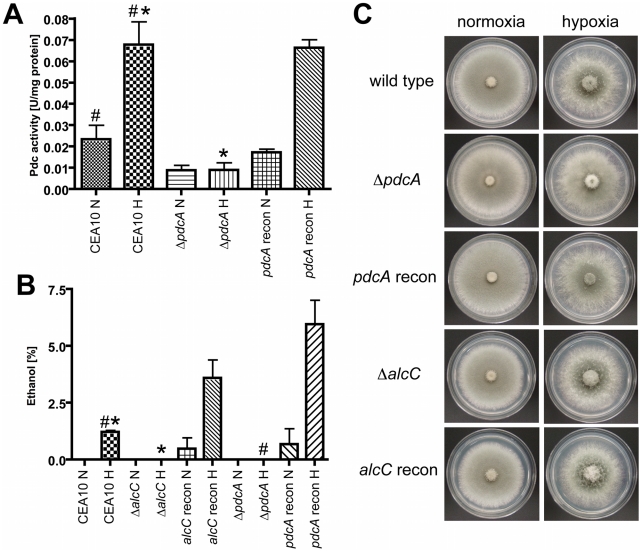
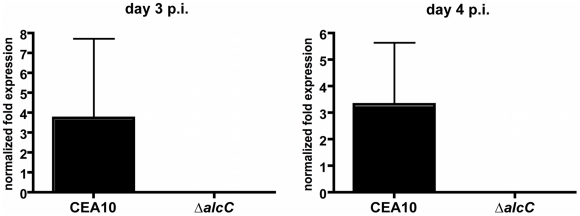
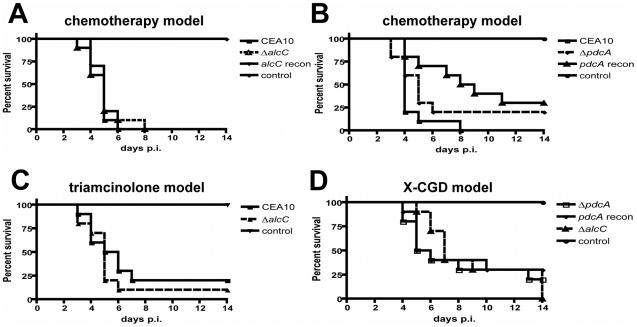
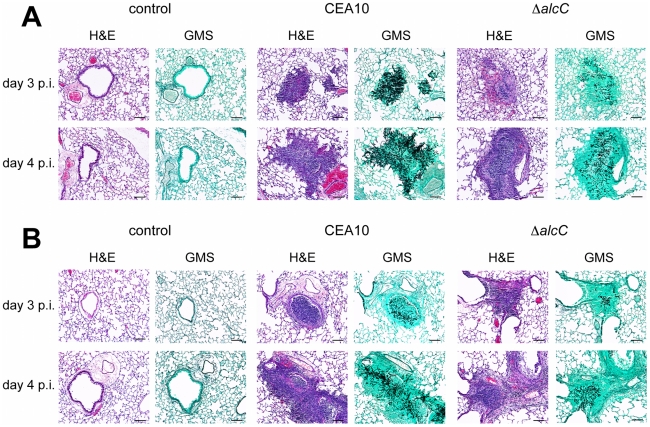
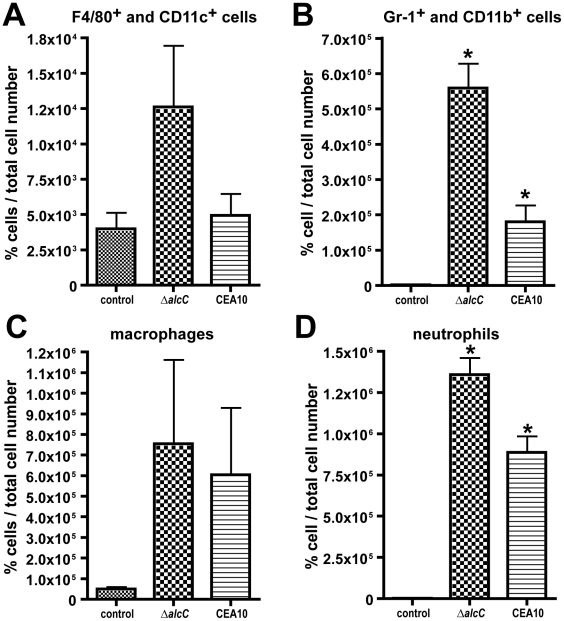
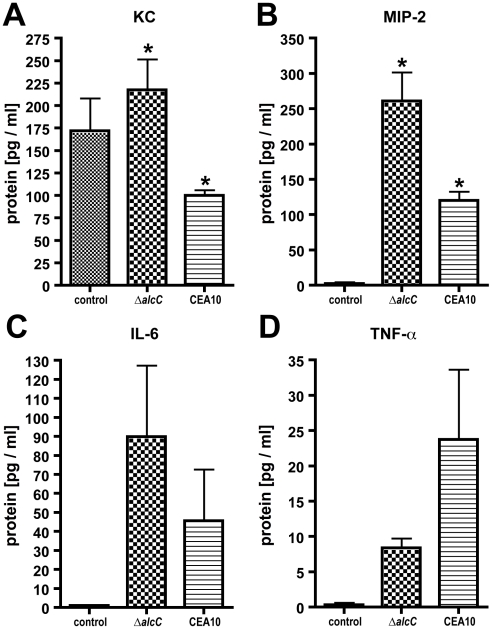
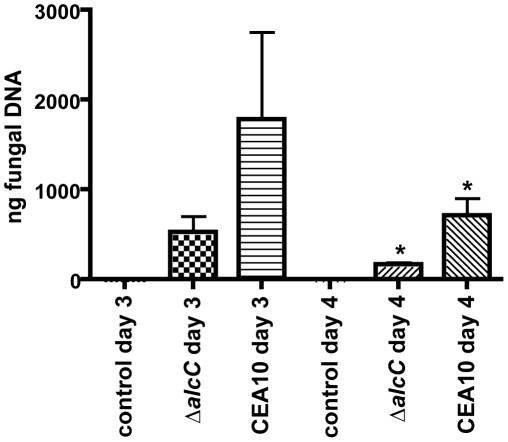
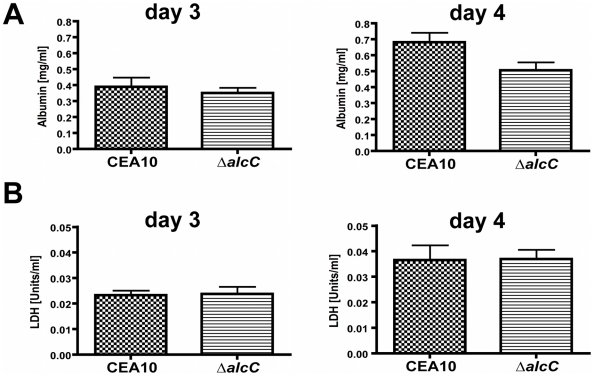
Verification
Claims the paper makes
The claims and statistics of this paper haven’t been checked yet.
Free: it reads the open-access text and checks the first 5 claims that cite a source we can check. Create a free account to check every claim.
Claims other papers make about this one
Each is checked against this paper’s own text: does it say what the citing paper says it does?
In the citing paper
“Specific enzymes and proteins associated with fungal virulence are produced during hypoxic growth (400–404).”
From Aspergillus fumigatus and Aspergillosis in 2019 (2019) · cites this paper as [400]
Self-check
Percentages, sums and reported differences re-computed from the paper’s own numbers.
The self-check needs the paper’s full text.
Citations
Cites
Aspergillus fumigatus and Aspergillosis
Latgé, J.-P. (1999) · Clinical Microbiology Reviews · doi:10.1128/cmr.12.2.310 · Cited by 2,307 · cited 1×
“Among these, invasive pulmonary aspergillosis (IPA) is the most lethal with mortality rates ranging from 30–90% depending on the patient population [6,7,8,9,10,11].”
BackgroundAspergillus fumigatus and Aspergillosis in 2019
Latgé, J.-P., & Chamilos, G. (2019) · Clinical Microbiology Reviews · doi:10.1128/cmr.00140-18 · Cited by 1,400
Genomic sequence of the pathogenic and allergenic filamentous fungus Aspergillus fumigatus
Nierman, W. C., Pain, A., Anderson, M. J., Wortman, J. R., Kim, H. S., Arroyo, J., Berriman, M., Abe, K., Archer, D. B., Bermejo, C., et al. (2005) · Nature · doi:10.1038/nature04332 · Cited by 1,391 · cited 1×
“fumigatus genome sequence for genes encoding enzymes known to be involved in ethanol fermentation [46,47].”
BackgroundPollock, J. D., Williams, D. A., Gifford, M. A. C., Li, L. L., Du, X., Fisherman, J., Orkin, S. H., Doerschuk, C. M., & Dinauer, M. C. (1995) · Nature Genetics · doi:10.1038/ng0295-202 · Cited by 921 · cited 1×
“We first examined the virulence of the DpdcA and DalcC strains in the chemotherapeutic and X-linked chronic granulomatous disease (X-CGD, gp91 mice) murine models of IPA [45,53].”
BackgroundStuder, L., Csete, M., Lee, S.-H., Kabbani, N., Walikonis, J., Wold, B., & McKay, R. (2000) · The Journal of Neuroscience · doi:10.1523/jneurosci.20-19-07377.2000 · Cited by 708 · cited 1×
“With regard to fungal-human interactions, oxygen availability in mammalian tissues is also substantially below atmospheric levels [20,21,22].”
BackgroundTrends in Mortality Due to Invasive Mycotic Diseases in the United States, 1980–1997
McNeil, M. M., Nash, S. L., Hajjeh, R. A., Phelan, M. A., Conn, L. A., Plikaytis, B. D., & Warnock, D. W. (2001) · Clinical Infectious Diseases · doi:10.1086/322606 · Cited by 657
Tissue oxygen tension and brain sensitivity to hypoxia
Erecińska, M., & Silver, I. A. (2001) · Respiration Physiology · doi:10.1016/s0034-5687(01)00306-1 · Cited by 615 · cited 1×
“With regard to fungal-human interactions, oxygen availability in mammalian tissues is also substantially below atmospheric levels [20,21,22].”
BackgroundThe pathobiology of Aspergillus fumigatus
Latgé, J.-P. (2001) · Trends in Microbiology · doi:10.1016/s0966-842x(01)02104-7 · Cited by 546 · cited 1×
“Among these, invasive pulmonary aspergillosis (IPA) is the most lethal with mortality rates ranging from 30–90% depending on the patient population [6,7,8,9,10,11].”
BackgroundUpton, A., Kirby, K. A., Carpenter, P., Boeckh, M., & Marr, K. A. (2007) · Clinical Infectious Diseases · doi:10.1086/510592 · Cited by 514 · cited 1×
“Among these, invasive pulmonary aspergillosis (IPA) is the most lethal with mortality rates ranging from 30–90% depending on the patient population [6,7,8,9,10,11].”
BackgroundGenomic Islands in the Pathogenic Filamentous Fungus Aspergillus fumigatus
Fedorova, N. D., Khaldi, N., Joardar, V. S., Maiti, R., Amedeo, P., Anderson, M. J., Crabtree, J., Silva, J. C., Badger, J. H., Albarraq, A., et al. (2008) · PLoS Genetics · doi:10.1371/journal.pgen.1000046 · Cited by 508 · cited 1×
“fumigatus genome sequence for genes encoding enzymes known to be involved in ethanol fermentation [46,47].”
BackgroundThe Impact of Culture Isolation of Aspergillus Species: A Hospital‐Based Survey of Aspergillosis
Perfect, J. R., Cox, G. M., Lee, J. Y., Kauffman, C. A., de Repentigny, L., Chapman, S. W., Morrison, V. A., Pappas, P., Hiemenz, J. W., Stevens, D. A., et al. (2001) · Clinical Infectious Diseases · doi:10.1086/323900 · Cited by 458 · cited 1×
“Among these, invasive pulmonary aspergillosis (IPA) is the most lethal with mortality rates ranging from 30–90% depending on the patient population [6,7,8,9,10,11].”
BackgroundShimizu, K., & Keller, N. P. (2001) · Genetics · doi:10.1093/genetics/157.2.591 · Cited by 445
Carlsson, P.-O., Palm, F., Andersson, A., & Liss, P. (2001) · Diabetes · doi:10.2337/diabetes.50.3.489 · Cited by 415 · cited 1×
“With regard to fungal-human interactions, oxygen availability in mammalian tissues is also substantially below atmospheric levels [20,21,22].”
BackgroundMorgan, J., Wannemuehler, K. A., Marr, K. A., Hadley, S., Kontoyiannis, D. P., Walsh, T. J., Fridkin, S. K., Pappas, P. G., & Warnock, D. W. (2005) · Medical Mycology · doi:10.1080/13693780400020113 · Cited by 407 · cited 1×
“Among these, invasive pulmonary aspergillosis (IPA) is the most lethal with mortality rates ranging from 30–90% depending on the patient population [6,7,8,9,10,11].”
BackgroundA Recent Perspective on Alcohol, Immunity, and Host Defense
Szabo, G., & Mandrekar, P. (2009) · Alcoholism: Clinical and Experimental Research · doi:10.1111/j.1530-0277.2008.00842.x · Cited by 387 · cited 2×
“at least partially explains the observations with DalcC [48,49,52,64,65,66,67,68].”
BackgroundResultAspergillus fumigatus: saprophyte or pathogen?
Tekaia, F., & Latgé, J.-P. (2005) · Current Opinion in Microbiology · doi:10.1016/j.mib.2005.06.017 · Cited by 387 · cited 1×
“Aspergillus fumigatus, a commonly encountered mold found in soil and organic debris [4,5], is responsible for a number of clinically relevant diseases in immunocompromised and immunocompetent individuals.”
BackgroundMorgenstern, D. E., Gifford, M. A. C., Li, L. L., Doerschuk, C. M., & Dinauer, M. C. (1997) · The Journal of Experimental Medicine · doi:10.1084/jem.185.2.207 · Cited by 370 · cited 3×
“129S6-Cyb) were bred in the ARC at Montana State University [45].”
BackgroundWillger, S. D., Puttikamonkul, S., Kim, K.-H., Burritt, J. B., Grahl, N., Metzler, L. J., Barbuch, R., Bard, M., Lawrence, C. B., & Cramer, R. A. (2008) · PLoS Pathogens · doi:10.1371/journal.ppat.1000200 · Cited by 345 · cited 5×
“These results, along with other published data from our laboratory, continue to support the hypothesis that hypoxia adaptation and growth is an important component of the pathogenesis of IPA [29,31,74].”
BackgroundMethodResultInfluentialSelf-citationThe Fungal Genetics Stock Center: a repository for 50 years of fungal genetics research
McCluskey, K., Wiest, A., & Plamann, M. (2010) · Journal of Biosciences · doi:10.1007/s12038-010-0014-6 · Cited by 316 · cited 1×
“Kevin McCluskey) using SpeI and NotI restriction sites [78,79].”
MethodFactors associated with mortality in transplant patients with invasive aspergillosis
Baddley, J. W., Andes, D. R., Marr, K. A., Kontoyiannis, D. P., Alexander, B. D., Kauffman, C. A., Oster, R. A., Anaissie, E. J., Walsh, T. J., Schuster, M. G., et al. (2010) · Clinical Infectious Diseases · doi:10.1086/652768 · Cited by 303 · cited 1×
“Among these, invasive pulmonary aspergillosis (IPA) is the most lethal with mortality rates ranging from 30–90% depending on the patient population [6,7,8,9,10,11].”
BackgroundIsmond, K. P., Dolferus, R., De Pauw, M., Dennis, E. S., & Good, A. G. (2003) · Plant Physiology · doi:10.1104/pp.103.022244 · Cited by 302 · cited 1×
“Fermentation is associated with hypoxic or anoxic environments in many organisms including plant pathogenic fungi, Crabtree negative yeast, pathogenic bacteria, and even plants [34,35,36,37,38,39,40].”
BackgroundAlcohol, host defence and society
Nelson, S., & Kolls, J. K. (2002) · Nature Reviews Immunology · doi:10.1038/nri744 · Cited by 266 · cited 1×
“Acute and chronic ethanol exposures have been shown to alter the immune response to both bacterial and viral pathogens [69,70,71].”
Significance of nitroimidazole compounds and hypoxia‐inducible factor‐1 for imaging tumor hypoxia
Kizaka‐Kondoh, S., & Konse‐Nagasawa, H. (2009) · Cancer Science · doi:10.1111/j.1349-7006.2009.01195.x · Cited by 255 · cited 1×
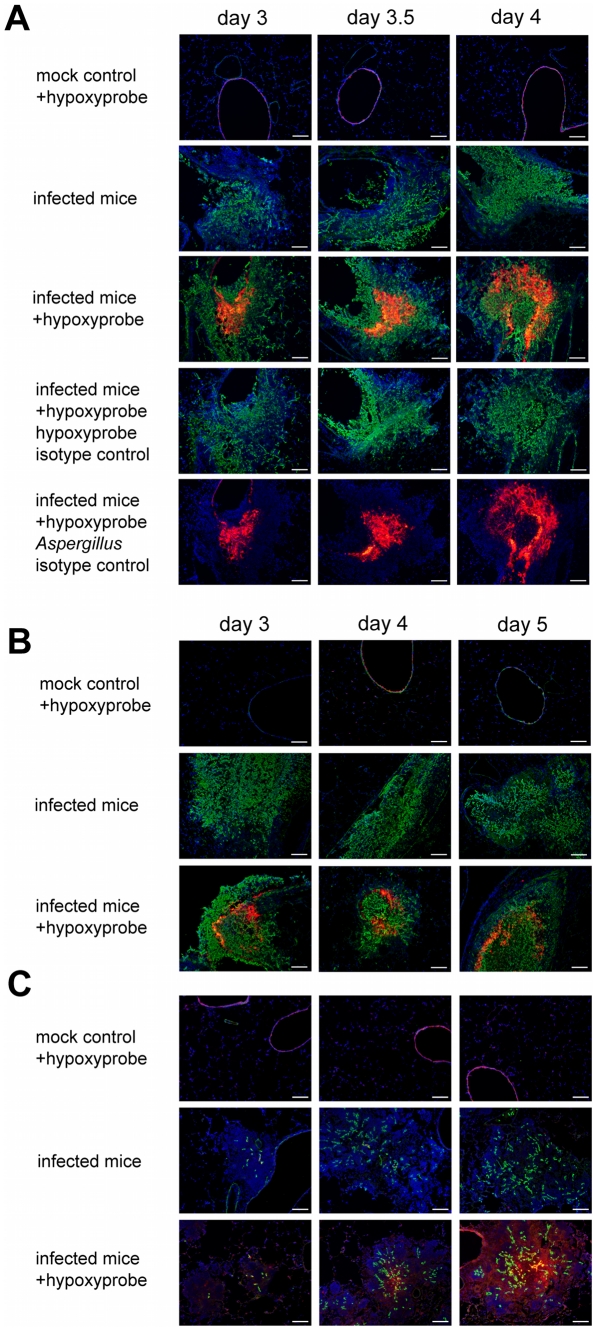
“To determine whether hypoxia actually occurs in the lung during IPA, we used the hypoxia marker, pimonidazole hydrochloride, which is an investigational oncology probe used as a hypoxia-imaging agent in clinical studies to detect reduced oxygen concentrations in animal and human tumors [43,44,57,58,59].”
MethodRaleigh, J. A., Calkins-Adams, D. P., Rinker, L. H., Ballenger, C. A., Weissler, M. C., Fowler, W. C., Novotny, D. B., & Varia, M. A. (1998) · PubMed · Cited by 241
The Effects of Acute and Chronic Alcoholism on Tumor Necrosis Factor and the Inflammatory Response
Nelson, S., Bagby, G. J., Bainton, B. G., & Summer, W. R. (1989) · Journal of Infectious Diseases · doi:10.1093/infdis/160.3.422 · Cited by 234 · cited 1×
“Ethanol decreases clearance of pneumococci and Klebsiella species from the lungs of ethanol-fed mice, which is mainly due to an impaired response of the phagocytic cells [72].”
BackgroundBalloy, V., Huerre, M., Latgé, J.-P., & Chignard, M. (2005) · Infection and Immunity · doi:10.1128/iai.73.1.494-503.2005 · Cited by 231 · cited 1×
“cause of mortality in this model [54].”
Chang, Y. C., Bien, C. M., Lee, H., Espenshade, P. J., & Kwon‐Chung, K. J. (2007) · Molecular Microbiology · doi:10.1111/j.1365-2958.2007.05676.x · Cited by 212 · cited 1×
“Null mutants of the respective SREBP in each fungal pathogen were incapable of growth in hypoxic conditions and subsequently were also avirulent in murine models of cryptococcosis and IPA [31,32,33].”
BackgroundConcepts of oxygen transport at the microcirculatory level
Dewhirst, M. W. (1998) · Seminars in Radiation Oncology · doi:10.1016/s1053-4296(98)80040-4 · Cited by 183 · cited 1×
“Moreover, the collateral effects of microbial infections, inflammation, thrombosis, and necrosis, are often thought to decrease available oxygen concentrations even further [25,26,27,28].”
BackgroundChun, C. D., Liu, O. W., & Madhani, H. D. (2007) · PLoS Pathogens · doi:10.1371/journal.ppat.0030022 · Cited by 181 · cited 1×
“Null mutants of the respective SREBP in each fungal pathogen were incapable of growth in hypoxic conditions and subsequently were also avirulent in murine models of cryptococcosis and IPA [31,32,33].”
Backgroundd'Enfert, C. (1996) · Current Genetics · doi:10.1007/s002940050103 · Cited by 178
Arteel, G. E., Thurman, R. G., & Raleigh, J. A. (1998) · European Journal of Biochemistry · doi:10.1046/j.1432-1327.1998.2530743.x · Cited by 176 · cited 1×
“fumigatus encounters hypoxia during IPA, we used a hypoxia marker, pimonidazole hydrochloride, a nitroheterocyclic drug whose hypoxia-dependent activation by cellular mammalian nitroreductases (severe hypoxia: 10 mmHg partial oxygen pressure, #1% oxygen) leads to the formation of covalent intracellular adducts with th…”
MethodMessingham, K. A. N., Faunce, D. E., & Kovacs, E. J. (2002) · Alcohol · doi:10.1016/s0741-8329(02)00278-1 · Cited by 173 · cited 1×
“Acute and chronic ethanol exposures have been shown to alter the immune response to both bacterial and viral pathogens [69,70,71].”
BackgroundPark, M. K., Myers, R. A. M., & Marzella, L. (1992) · Clinical Infectious Diseases · doi:10.1093/clinids/14.3.720 · Cited by 172 · cited 1×
“1% [17,18].”
Holguin, F., Moss, I., Brown, L. A., & Guidot, D. M. (1998) · Journal of Clinical Investigation · doi:10.1172/jci1396 · Cited by 166 · cited 1×
“at least partially explains the observations with DalcC [48,49,52,64,65,66,67,68].”
ResultExposure-dependent effects of ethanol on the innate immune system
Goral, J., Karavitis, J., & Kovacs, E. J. (2008) · Alcohol · doi:10.1016/j.alcohol.2008.02.003 · Cited by 152 · cited 2×
“at least partially explains the observations with DalcC [48,49,52,64,65,66,67,68].”
BackgroundResultEthanol ingestion via glutathione depletion impairs alveolar epithelial barrier function in rats
Guidot, D. M., Modelska, K., Lois, M., Jain, L., Moss, I. M., Pittet, J.-F., & Brown, L. A. S. (2000) · American Journal of Physiology-Lung Cellular and Molecular Physiology · doi:10.1152/ajplung.2000.279.1.l127 · Cited by 144 · cited 1×
“at least partially explains the observations with DalcC [48,49,52,64,65,66,67,68].”
ResultMicrobial, chemical and physical aspects of citrus waste composting
Heerden, I. V., Cronje, C., Swart, S. H., & Kotzé, J. M. (2002) · Bioresource Technology · doi:10.1016/s0960-8524(01)00058-x · Cited by 141
Formation and release of purine catabolites during hypoperfusion, anoxia, and ischemia
Van Belle, H., Goossens, F., & Wynants, J. (1987) · American Journal of Physiology-Heart and Circulatory Physiology · doi:10.1152/ajpheart.1987.252.5.h886 · Cited by 140
Attenuated virulence of uridine-uracil auxotrophs of Aspergillus fumigatus
D'Enfert, C., Diaquin, M., Delit, A., Wuscher, N., Debeaupuis, J. P., Huerre, M., & Latge, J. P. (1996) · Infection and Immunity · doi:10.1128/iai.64.10.4401-4405.1996 · Cited by 123
Aspergillus fumigatus: Growth and virulence
Rhodes, J. C. (2006) · Medical Mycology · doi:10.1080/13693780600779419 · Cited by 120 · cited 1×
“In all probability, these stresses are similar to those that the mold has to overcome to be a highly competitive member of the compost microflora, and subsequently it has evolved multi-faceted and robust mechanisms to overcome these challenges [12,13,14,15,16].”
BackgroundBen-Ami, R., Lewis, R. E., Leventakos, K., & Kontoyiannis, D. P. (2009) · Blood · doi:10.1182/blood-2009-07-231209 · Cited by 120 · cited 1×
“coagulative necrosis, and thus limit oxygen delivery to sites of infection [60].”
BackgroundHohl, T. M., Feldmesser, M., Perlin, D. S., & Pamer, E. G. (2008) · The Journal of Infectious Diseases · doi:10.1086/589304 · Cited by 120 · cited 1×
“2 ml RP10 at a density of 5610 cells/ml in 96 well plates and stimulated for 18 hours with conidia (5610 per well), UV irradiated germlings (10/well), or UV irradiated hyphae (2610/well) prepared as described before [83].”
MethodSelf-citationRegulation of alcoholic fermentation in batch and chemostat cultures ofKluyveromyces lactis CBS 2359
Kiers, J., Zeeman, A.-M., Luttik, M., Thiele, C., Castrillo, J. I., Steensma, H. Y., Van Dijken, J. P., & Pronk, J. T. (1998) · Yeast · doi:10.1002/(sici)1097-0061(19980330)14:5<459::aid-yea248>3.0.co;2-o · Cited by 118 · cited 2×
“fumigatus encounters hypoxia during IPA and that production of ethanol occurs in vivo during infection and is normally used by microbes to survive in low oxygen environments [34,35,36,37,38,39], we next tested the hypothesis that ethanol fermentation was a key mechanism for hypoxia adaptation and fungal virulence.”
BackgroundOccurrence of Aspergillus fumigatus during composting of sewage sludge
Millner, P. D., Marsh, P. B., Snowden, R. B., & Parr, J. F. (1977) · Applied and Environmental Microbiology · doi:10.1128/aem.34.6.765-772.1977 · Cited by 110 · cited 1×
“Aspergillus fumigatus, a commonly encountered mold found in soil and organic debris [4,5], is responsible for a number of clinically relevant diseases in immunocompromised and immunocompetent individuals.”
BackgroundTwo new easy to use vectors for transformations
Silar, P. (1995) · Fungal Genetics Reports · doi:10.4148/1941-4765.1353 · Cited by 110 · cited 1×
“The PCR products were cloned in front of the hygromycin B resistance gene into plasmid pBC-hygro (Silar 1995, obtained from the Fungal Genetics Stock Center, Dr. Kevin McCluskey) using SpeI and NotI restriction sites [78,79].”
MethodChanges in tumor hypoxia measured with a double hypoxic marker technique
Ljungkvist, A. S. E., Bussink, J., Rijken, P. F. J. W., Raleigh, J. A., Denekamp, J., & van der Kogel, A. J. (2000) · International Journal of Radiation Oncology*Biology*Physics · doi:10.1016/s0360-3016(00)00787-2 · Cited by 104 · cited 2×
“To determine whether hypoxia actually occurs in the lung during IPA, we used the hypoxia marker, pimonidazole hydrochloride, which is an investigational oncology probe used as a hypoxia-imaging agent in clinical studies to detect reduced oxygen concentrations in animal and human tumors [43,44,57,58,59].”
MethodTrends in invasive fungal infections, with emphasis on invasive aspergillosis
Erjavec, Z., Kluin‐Nelemans, H. C., & Verweij, P. E. (2009) · Clinical Microbiology and Infection · doi:10.1111/j.1469-0691.2009.02929.x · Cited by 103 · cited 1×
“The incidence of life-threatening human fungal infections has increased during the last three decades as medical therapies, organ transplantations, an increasing geriatric population, and HIV infections have generated a significant rise in the number of susceptible patients [1,2,3].”
BackgroundBrock, M., Jouvion, G., Droin-Bergère, S., Dussurget, O., Nicola, M.-A., & Ibrahim-Granet, O. (2008) · Applied and Environmental Microbiology · doi:10.1128/aem.01288-08 · Cited by 99 · cited 1×
“We present data that confirms previous circumstantial data that suggested that hypoxia may be part of the pathogenesis of IPA [55,56].”
Alcoholic fermentation by ‘non‐fermentative’ yeasts
van Dijken, J. P., Bosch, E., Hermans, J. J., de Miranda, L. R., & Scheffers, W. A. (1986) · Yeast · doi:10.1002/yea.320020208 · Cited by 96
Responses to hypoxia in fungal pathogens
Ernst, J. F., & Tielker, D. (2009) · Cellular Microbiology · doi:10.1111/j.1462-5822.2008.01259.x · Cited by 94 · cited 1×
“However, the occurrence and effects of hypoxia on the outcome of human fungal infections, especially those that primarily occur in the lung, are poorly understood [29,30].”
BackgroundBrown, L. A. S., Harris, F. L., & Guidot, D. M. (2001) · American Journal of Physiology-Lung Cellular and Molecular Physiology · doi:10.1152/ajplung.2001.281.2.l377 · Cited by 91 · cited 1×
“at least partially explains the observations with DalcC [48,49,52,64,65,66,67,68].”
ResultIntracellular metabolite profiling of Fusarium oxysporum converting glucose to ethanol
Panagiotou, G., Villas-Bôas, S. G., Christakopoulos, P., Nielsen, J., & Lisbeth Olsson, A. (2004) · Journal of Biotechnology · doi:10.1016/j.jbiotec.2004.09.011 · Cited by 88 · cited 2×
“fumigatus encounters hypoxia during IPA and that production of ethanol occurs in vivo during infection and is normally used by microbes to survive in low oxygen environments [34,35,36,37,38,39], we next tested the hypothesis that ethanol fermentation was a key mechanism for hypoxia adaptation and fungal virulence.”
BackgroundMycological control and surveillance of biological waste and compost.
Beffa, T., Staib, F., Fischer, J. L., Lyon, P.-F., Gumowski, P., Marfenina, O. E., Dunoyer-Geindre, S., Georgen, F., Roch-Susuki, R., Gallaz, L., et al. (1998) · PubMed · Cited by 87
Lara, A. R., Taymaz‐Nikerel, H., Mashego, M. R., van Gulik, W. M., Heijnen, J. J., Ramírez, O. T., & van Winden, W. A. (2009) · Biotechnology and Bioengineering · doi:10.1002/bit.22503 · Cited by 83 · cited 2×
“fumigatus encounters hypoxia during IPA and that production of ethanol occurs in vivo during infection and is normally used by microbes to survive in low oxygen environments [34,35,36,37,38,39], we next tested the hypothesis that ethanol fermentation was a key mechanism for hypoxia adaptation and fungal virulence.”
BackgroundSemiquantitative immunohistochemical analysis for hypoxia in human tumors
Raleigh, J. A., Chou, S.-C., Bono, E. L., Thrall, D. Ε., & Varia, M. A. (2001) · International Journal of Radiation Oncology*Biology*Physics · doi:10.1016/s0360-3016(00)01505-4 · Cited by 82 · cited 1×
“To determine whether hypoxia actually occurs in the lung during IPA, we used the hypoxia marker, pimonidazole hydrochloride, which is an investigational oncology probe used as a hypoxia-imaging agent in clinical studies to detect reduced oxygen concentrations in animal and human tumors [43,44,57,58,59].”
MethodAnn S. Brown, L., Harris, F. L., Bechara, R., & Guidot, D. M. (2001) · Alcoholism: Clinical and Experimental Research · doi:10.1097/00000374-200107000-00020 · Cited by 81
Pulmonary host defenses and alcohol
Nelson, S. (2002) · Frontiers in Bioscience · doi:10.2741/a842 · Cited by 79 · cited 1×
“Acute and chronic ethanol exposures have been shown to alter the immune response to both bacterial and viral pathogens [69,70,71].”
BackgroundIbrahim-Granet, O., Jouvion, G., Hohl, T. M., Droin-Bergère, S., Philippart, F., Kim, O., Adib-Conquy, M., Schwendener, R., Cavaillon, J.-M., & Brock, M. (2010) · BMC Microbiology · doi:10.1186/1471-2180-10-105 · Cited by 78 · cited 1×
“We present data that confirms previous circumstantial data that suggested that hypoxia may be part of the pathogenesis of IPA [55,56].”
Self-citationA clinical study of hypoxia and metallothionein protein expression in squamous cell carcinomas.
Raleigh, J. A., Chou, S.-C., Calkins-Adams, D. P., Ballenger, C. A., Novotny, D. B., & Varia, M. A. (2000) · PubMed · Cited by 76
Oxygen requirements of Aspergillus species
HALL, L. A., & DENNING, D. W. (1994) · Journal of Medical Microbiology · doi:10.1099/00222615-41-5-311 · Cited by 73 · cited 1×
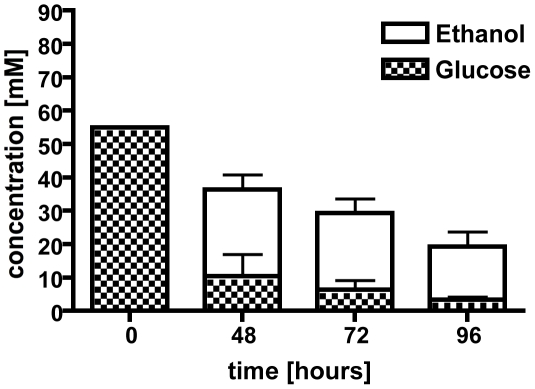
“fumigatus grows well under hypoxic conditions on the fermentable carbon source glucose [18,31] (Figure 5C).”
BackgroundTransient Lung-Specific Expression of the Chemokine KC Improves Outcome in Invasive Aspergillosis
Mehrad, B., Wiekowski, M., Morrison, B. E., Chen, S.-C., Coronel, E. C., Manfra, D. J., & Lira, S. A. (2002) · American Journal of Respiratory and Critical Care Medicine · doi:10.1164/rccm.200204-367oc · Cited by 71 · cited 1×
“fumigatus infections [63].”
Raleigh, J. A., Franko, A. J., Koch, C. J., & Born, J. L. (1985) · British Journal of Cancer · doi:10.1038/bjc.1985.33 · Cited by 70 · cited 1×
“fumigatus encounters hypoxia during IPA, we used a hypoxia marker, pimonidazole hydrochloride, a nitroheterocyclic drug whose hypoxia-dependent activation by cellular mammalian nitroreductases (severe hypoxia: 10 mmHg partial oxygen pressure, #1% oxygen) leads to the formation of covalent intracellular adducts with th…”
MethodAspergillus fumigatus metabolism: Clues to mechanisms of in vivo fungal growth and virulence
Willger, S. D., Grahl, N., Willger, S. D., Grahl, N., & Cramer, R. A. (2009) · Medical Mycology · doi:10.1080/13693780802455313 · Cited by 69 · cited 1×
“These results, along with other published data from our laboratory, continue to support the hypothesis that hypoxia adaptation and growth is an important component of the pathogenesis of IPA [29,31,74].”
ResultSelf-citationFungal adaptation to the mammalian host: it is a new world, after all
Cooney, N. M., & Klein, B. S. (2008) · Current Opinion in Microbiology · doi:10.1016/j.mib.2008.09.018 · Cited by 68 · cited 1×
“In all probability, these stresses are similar to those that the mold has to overcome to be a highly competitive member of the compost microflora, and subsequently it has evolved multi-faceted and robust mechanisms to overcome these challenges [12,13,14,15,16].”
BackgroundHimmelreich, U., Dzendrowskyj, T. E., Allen, C., Dowd, S., Malik, R., Shehan, B. P., Russell, P., Mountford, C. E., & Sorrell, T. C. (2001) · Radiology · doi:10.1148/radiology.220.1.r01jl25122 · Cited by 65 · cited 1×
“neoformans [73].”
The effect of ethanol on adherence and phagocytosis by rabbit alveolar macrophages.
Rimland, D., & Wl, H. (1980) · PubMed · Cited by 63
Zhang, P., Nelson, S., Summer, W. R., & Spitzer, J. A. (1997) · Alcoholism: Clinical & Experimental Research · doi:10.1097/00000374-199708000-00002 · Cited by 62 · cited 1×
“at least partially explains the observations with DalcC [48,49,52,64,65,66,67,68].”
ResultRegulation of hypoxia adaptation: an overlooked virulence attribute of pathogenic fungi?
Grahl, N., & Cramer, R. A. (2010) · Medical Mycology · doi:10.3109/13693780902947342 · Cited by 59 · cited 2×
“However, the occurrence and effects of hypoxia on the outcome of human fungal infections, especially those that primarily occur in the lung, are poorly understood [29,30].”
BackgroundResultSelf-citationThe oxygen level determines the fermentation pattern inKluyveromyces lactis
Merico, A., Galafassi, S., PiÅ¡kur, J., & Compagno, C. (2009) · FEMS Yeast Research · doi:10.1111/j.1567-1364.2009.00528.x · Cited by 57 · cited 2×
“fumigatus encounters hypoxia during IPA and that production of ethanol occurs in vivo during infection and is normally used by microbes to survive in low oxygen environments [34,35,36,37,38,39], we next tested the hypothesis that ethanol fermentation was a key mechanism for hypoxia adaptation and fungal virulence.”
BackgroundInterstitial Transudate Purines in Normoxic and Hypoxic Immature and Mature Rabbit Hearts
Matherne, G. P., Headrick, J. P., Coleman, S. D., & Berne, R. M. (1990) · Pediatric Research · doi:10.1203/00006450-199010000-00010 · Cited by 55 · cited 1×
“Moreover, the collateral effects of microbial infections, inflammation, thrombosis, and necrosis, are often thought to decrease available oxygen concentrations even further [25,26,27,28].”
BackgroundLi, H., Barker, B. M., Grahl, N., Puttikamonkul, S., Bell, J. D., Craven, K. D., & Cramer, R. A. (2011) · Eukaryotic Cell · doi:10.1128/ec.00288-10 · Cited by 55 · cited 1×
“Quantitative PCR was performed as described previously [82].”
MethodSelf-citationValue of an inhalational model of invasive aspergillosis
Steinbach, W. J., Benjamin Jr, D. K., Trasi, S. A., Miller, J. L., Schell, W. A., Zaas, A. K., Foster, W. M., & Perfect, J. R. (2004) · Medical Mycology · doi:10.1080/13693780410001712034 · Cited by 51 · cited 1×
“01% Tween 80 in a Hinners inhalational chamber for 45 min as previously described [81].”
MethodTarrand, J. J., Han, X. Y., Kontoyiannis, D. P., & May, G. S. (2005) · Journal of Clinical Microbiology · doi:10.1128/jcm.43.1.382-386.2005 · Cited by 49 · cited 1×
“Moreover, the collateral effects of microbial infections, inflammation, thrombosis, and necrosis, are often thought to decrease available oxygen concentrations even further [25,26,27,28].”
BackgroundClinically Relevant Concentrations of Ethanol Attenuate Primed Neutrophil Bactericidal Activity
Tamura, D. Y., Moore, E. E., Partrick, D. A., Johnson, J. L., Offner, P. J., Harbeck, R. J., & Silliman, C. C. (1998) · The Journal of Trauma: Injury, Infection, and Critical Care · doi:10.1097/00005373-199802000-00015 · Cited by 47 · cited 1×
“been observed to have significant immunomodulatory properties [48,49,50,51,52].”
BackgroundWarn, P. A. (2004) · Journal of Antimicrobial Chemotherapy · doi:10.1093/jac/dkh153 · Cited by 46 · cited 1×
“By the time oxygen reaches the capillaries and diffuses into surrounding tissues its availability is much lower with levels of 2–4% reported [23,24].”
BackgroundPyruvate decarboxylase and anaerobic survival in Aspergillusnidulans
Lockington, R. A., Borlace, G. N., & Kelly, J. M. (1997) · Gene · doi:10.1016/s0378-1119(97)00032-2 · Cited by 44 · cited 2×
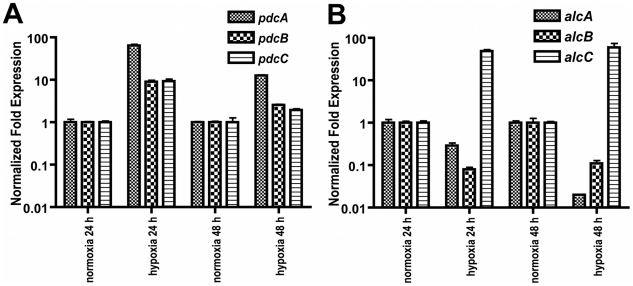
“These results are in agreement with observations in Aspergillus nidulans, where a pdcA deletion strain also fails to produce ethanol [61] and alcC activity is induced by hypoxic conditions [62].”
MethodResultEffect of Oxygen Concentration on the Composting Process and Maturity
Wang, W., Wang, X., Liu, J., Ishii, M., Igarashi, Y., & Cui, Z. (2007) · Compost Science & Utilization · doi:10.1080/1065657x.2007.10702331 · Cited by 43 · cited 1×
“5% and lower) and rapidly change with the metabolic activity of the compost microflora [19].”
BackgroundCramer, R. A., & Lawrence, C. B. (2003) · Applied and Environmental Microbiology · doi:10.1128/aem.69.4.2361-2364.2003 · Cited by 41 · cited 1×
“Germany) as previously described [80].”
Self-citationKelly, J. M., Drysdale, M. R., Sealy-Lewis, H. M., Jones, I. G., & Lockington, R. A. (1990) · Molecular and General Genetics MGG · doi:10.1007/bf00633836 · Cited by 40 · cited 1×
“These results are in agreement with observations in Aspergillus nidulans, where a pdcA deletion strain also fails to produce ethanol [61] and alcC activity is induced by hypoxic conditions [62].”
ResultRare and Emerging Fungal Pulmonary Infections
Varkey, J. B., & Perfect, J. R. (2008) · Seminars in Respiratory and Critical Care Medicine · doi:10.1055/s-2008-1063851 · Cited by 35 · cited 1×
“The incidence of life-threatening human fungal infections has increased during the last three decades as medical therapies, organ transplantations, an increasing geriatric population, and HIV infections have generated a significant rise in the number of susceptible patients [1,2,3].”
BackgroundMulti-Energy Metabolic Mechanisms of the FungusFusarium oxysporumin Low Oxygen Environments
Zhou, Z., Takaya, N., & Shoun, H. (2010) · Bioscience Biotechnology and Biochemistry · doi:10.1271/bbb.100482 · Cited by 33 · cited 2×
“fumigatus encounters hypoxia during IPA and that production of ethanol occurs in vivo during infection and is normally used by microbes to survive in low oxygen environments [34,35,36,37,38,39], we next tested the hypothesis that ethanol fermentation was a key mechanism for hypoxia adaptation and fungal virulence.”
BackgroundZuiable, A. G., Wiener, E., & Wickramasinghe, S. N. (2008) · Clinical & Laboratory Haematology · doi:10.1111/j.1365-2257.1992.tb01071.x · Cited by 22 · cited 2×
“observed that human blood monocytes incubated with ethanol have impaired killing of Candida albicans [51].”
BackgroundVaria, M. A., Calkins-Adams, D. P., Rinker, L. H., Weissler, M. C., Fowler, W. C., Novotny, D. B., & Raleigh, J. A. (1998) · International Journal of Radiation Oncology*Biology*Physics · doi:10.1016/s0360-3016(98)80316-7 · Cited by 2
1984 Armstrong lecture. Hypoxic man: lessons from extreme altitude.
Jb, W. (1984) · PubMed · Cited by 1
Cited by
Aspergillus fumigatus and Aspergillosis in 2019
Latgé, J.-P., & Chamilos, G. (2019) · Clinical Microbiology Reviews · doi:10.1128/cmr.00140-18 · Cited by 1,400
Aspergillus fumigatus morphology and dynamic host interactions
van de Veerdonk, F. L., Gresnigt, M. S., Romani, L., Netea, M. G., & Latgé, J.-P. (2017) · Nature Reviews Microbiology · doi:10.1038/nrmicro.2017.90 · Cited by 490
Keeley, T. P., & Mann, G. E. (2019) · Physiological Reviews · doi:10.1152/physrev.00041.2017 · Cited by 329
Aspergillus fumigatus and aspergillosis: From basics to clinics
Arastehfar, A., Carvalho, A., Houbraken, J., Lombardi, L., Garcia-Rubio, R., Jenks, J. D., Rivero-Menendez, O., Aljohani, R., Jacobsen, I. D., Berman, J., et al. (2021) · Studies in Mycology · doi:10.1016/j.simyco.2021.100115 · Cited by 241
Chung, D., Barker, B. M., Carey, C. C., Merriman, B., Werner, E. R., Lechner, B. E., Dhingra, S., Cheng, C., Xu, W., Blosser, S. J., et al. (2014) · PLoS Pathogens · doi:10.1371/journal.ppat.1004487 · Cited by 193
“fumigatus as previously described [7].”
BackgroundMethodInfluentialSelf-citation
Metadata
- Authors
- Grahl, N., Puttikamonkul, S., Macdonald, J. M., Gamcsik, M. P., Ngo, L. Y., Hohl, T. M., & Cramer, R. A.
- Affiliations
- Montana State University (US)
- University of North Carolina at Chapel Hill (US)
- Fred Hutch Cancer Center (US)
- Corresponding author
- Cramer, Robert A.
- Venue
- PLoS Pathogens
- Publisher
- Public Library of Science (PLoS)
- Published
- 2011-07-21
- Volume
- 7
- Issue
- 7
- Pages
- e1002145
- ISSN
- 1553-7366 (ISSN-L)
- 1553-7374
- PMC
- PMC3141044
- OpenAlex
- W2075891899
- Cited by
- 217
- References
- 84
- Citations by year
- 2026: 4 · 2025: 13 · 2024: 12 · 2023: 11 · 2022: 7 · 2021: 18 · 2020: 16 · 2019: 19 · 2018: 17 · 2017: 20 · 2016: 16 · 2015: 13 · 2014: 21 · 2013: 15 · 2012: 13
- FWCI
- 11.05
- Type
- journal article
- Language
- en
- Open access
- gold
- doi.org
- Locations
- PLoS Pathogens (publishedVersion, cc-by)
- Europe PMC (PubMed Central) (publishedVersion, cc-by)
- PubMed Central (publishedVersion, cc-by)
- PubMed (publishedVersion)
- Montana State University ScholarWorks (Montana State University) (submittedVersion, cc-by)
- Carolina Digital Repository (University of North Carolina at Chapel Hill) (submittedVersion, cc-by)
- DOAJ (DOAJ: Directory of Open Access Journals) (submittedVersion, cc-by-sa)
- Figshare (submittedVersion, cc-by)
- UNC Libraries
- Funders
- M.J. Murdock Charitable Trust
- Montana State University
- National Institutes of Health (project 2, RR 020185)
- National Institute of Allergy and Infectious Diseases (R01 AI81838, L40 AI084526, R01AI093808, R01AI081838, R37AI093808)
- National Institute of Environmental Health Sciences (P30ES010126)
- National Center for Research Resources (P20RR020185, RR 020185)
- Topics
- Health Sciences › Medicine › Infectious Diseases › Antifungal resistance and susceptibility
- Life Sciences › Biochemistry, Genetics and Molecular Biology › Molecular Biology › Fungal and yeast genetics research
- Health Sciences › Medicine › Infectious Diseases › Fungal Infections and Studies
- Keywords
- invasive pulmonary aspergillosis, Aspergillus fumigatus, hypoxia, ethanol production, hypoxic microenvironment, fungal pathogenesis, pimonidazole, X-linked chronic granulomatous disease, corticosteroid immunosuppression, lung inflammation, fungal metabolism, host immune response
- MeSH terms
- Alcohol Dehydrogenase, Ethanol, Animals, Hypoxia, Aspergillus fumigatus, Fungal Proteins, Humans, Lung, Mice, Mutant Strains, Mice, Metabolomics, Pulmonary Aspergillosis
About these checks
Registry, retraction, Cites and statistics results are computed, not judged, with one exception: a printed reference that no index lists is read once by a model before it counts as a citation error. Claims are extracted by a model and kept only when their quote appears verbatim in the text; each cited source is then checked, with a model’s help, for whether it says what the claim relies on. Those verdicts can be wrong — read the claim’s quote and the cited source before relying on one.
Statistics and arithmetic are recomputed, not judged.
Confidence bands are shown only for fields calibrated on our annotated test set. None is calibrated yet, so no band is shown.
What counts as a claim ›How we measure confidence ›How we check this ›
Are you an author, or do you see a problem with this page? Request a review
Data sources
Bibliographic data: Semantic Scholar, OpenAlex, Crossref.
Contains information from the Semantic Scholar Academic Graph Datasets, made available under the ODC Attribution License (ODC-BY 1.0).
Semantic Scholar’s data is described in: Kinney, R., et al. (2023). The Semantic Scholar Open Data Platform. arXiv:2301.10140.
