

In vivo Hypoxia and a Fungal Alcohol Dehydrogenase Influence the Pathogenesis of Invasive Pulmonary Aspergillosis
Open accessThe DOI matches its Crossref record; 84 of the 84 references it cites were found in a registry or an index.
Abstract
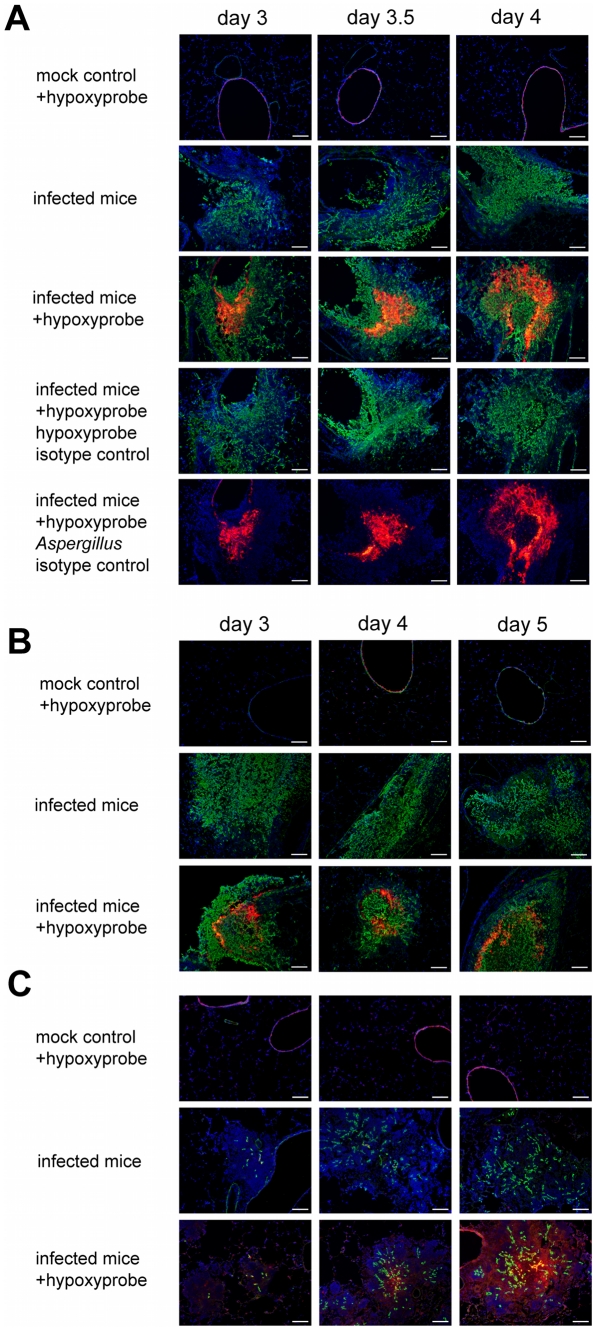
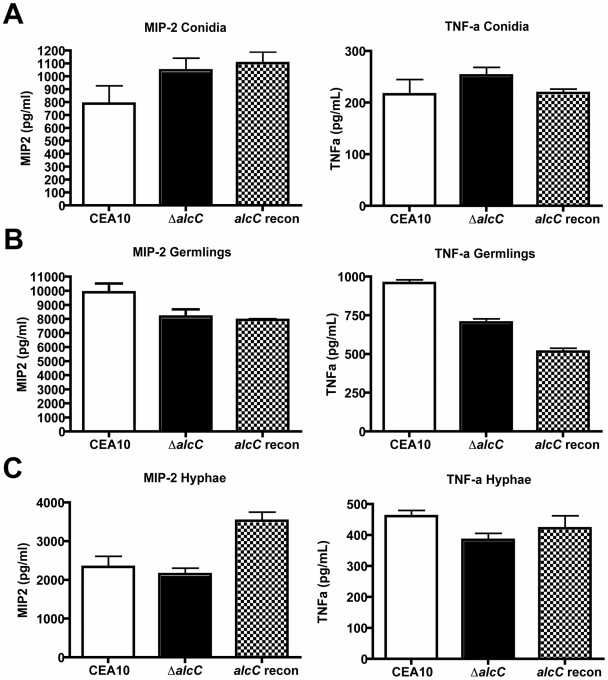
Currently, our knowledge of how pathogenic fungi grow in mammalian host environments is limited. Using a chemotherapeutic murine model of invasive pulmonary aspergillosis (IPA) and (1)H-NMR metabolomics, we detected ethanol in the lungs of mice infected with Aspergillus fumigatus. This result suggests that A. fumigatus is exposed to oxygen depleted microenvironments during infection. To test this hypothesis, we utilized a chemical hypoxia detection agent, pimonidazole hydrochloride, in three immunologically distinct murine models of IPA (chemotherapeutic, X-CGD, and corticosteroid). In all three IPA murine models, hypoxia was observed during the course of infection. We next tested the hypothesis that production of ethanol in vivo by the fungus is involved in hypoxia adaptation and fungal pathogenesis. Ethanol deficient A. fumigatus strains showed no growth defects in hypoxia and were able to cause wild type levels of mortality in all 3 murine models. However, lung immunohistopathology and flow cytometry analyses revealed an increase in the inflammatory response in mice infected with an alcohol dehydrogenase null mutant strain that corresponded with a reduction in fungal burden. Consequently, in this study we present the first in vivo observations that hypoxic microenvironments occur during a pulmonary invasive fungal infection and observe that a fungal alcohol dehydrogenase influences fungal pathogenesis in the lung. Thus, environmental conditions encountered by invading pathogenic fungi may result in substantial fungal metabolism changes that influence subsequent host immune responses.
Overview
The claims and statistics of this paper haven’t been checked yet.
Free: it reads the open-access text and checks the first 5 claims that cite a source we can check. Create a free account to check every claim.
Integrity signals
Registry
Cites
Statistics
Figures
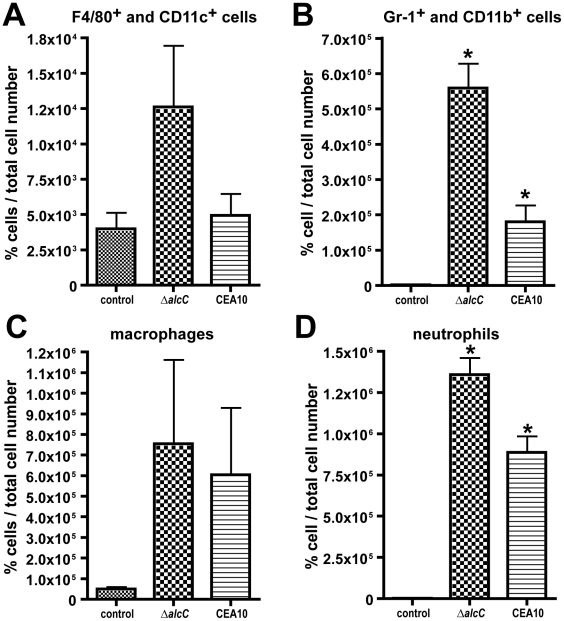
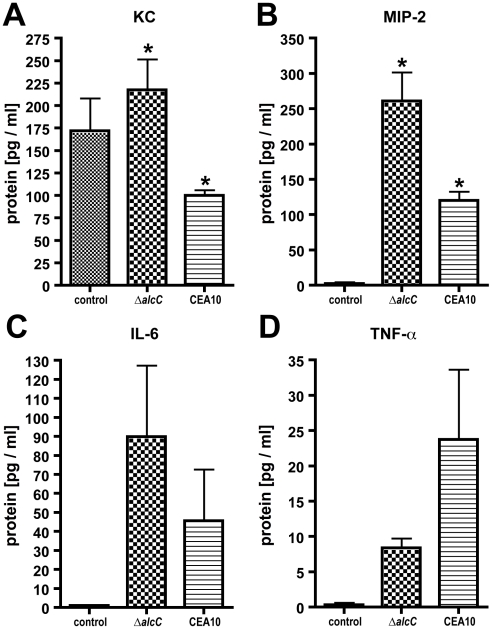
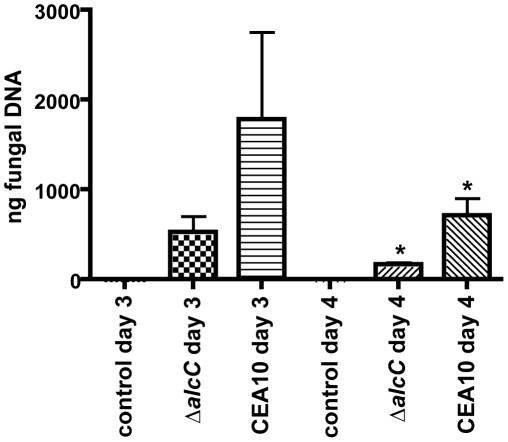
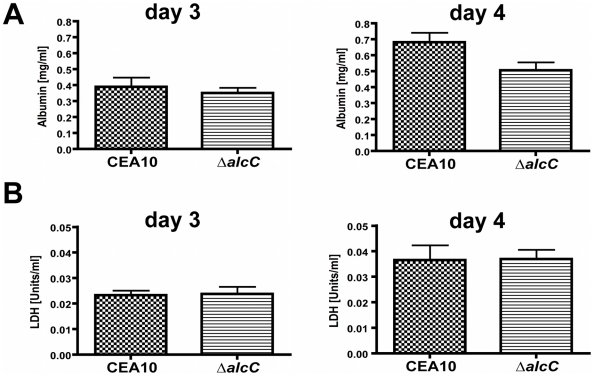
Verification
Claims the paper makes
The claims and statistics of this paper haven’t been checked yet.
Free: it reads the open-access text and checks the first 5 claims that cite a source we can check. Create a free account to check every claim.
Claims other papers make about this one
Each is checked against this paper’s own text: does it say what the citing paper says it does?
In the citing paper
“Specific enzymes and proteins associated with fungal virulence are produced during hypoxic growth (400–404).”
From Aspergillus fumigatus and Aspergillosis in 2019 (2019) · cites this paper as [400]
Self-check
Percentages, sums and reported differences re-computed from the paper’s own numbers.
The self-check needs the paper’s full text.
Citations
Cites
Aspergillus fumigatus and Aspergillosis
Latgé, J.-P. (1999) · Clinical Microbiology Reviews · doi:10.1128/cmr.12.2.310 · Cited by 2,307 · cited 1×
“Among these, invasive pulmonary aspergillosis (IPA) is the most lethal with mortality rates ranging from 30–90% depending on the patient population [6,7,8,9,10,11].”
BackgroundAspergillus fumigatus and Aspergillosis in 2019
Latgé, J.-P., & Chamilos, G. (2019) · Clinical Microbiology Reviews · doi:10.1128/cmr.00140-18 · Cited by 1,400
Genomic sequence of the pathogenic and allergenic filamentous fungus Aspergillus fumigatus
Nierman, W. C., Pain, A., Anderson, M. J., Wortman, J. R., Kim, H. S., Arroyo, J., Berriman, M., Abe, K., Archer, D. B., Bermejo, C., et al. (2005) · Nature · doi:10.1038/nature04332 · Cited by 1,391 · cited 1×
“fumigatus genome sequence for genes encoding enzymes known to be involved in ethanol fermentation [46,47].”
BackgroundPollock, J. D., Williams, D. A., Gifford, M. A. C., Li, L. L., Du, X., Fisherman, J., Orkin, S. H., Doerschuk, C. M., & Dinauer, M. C. (1995) · Nature Genetics · doi:10.1038/ng0295-202 · Cited by 921 · cited 1×
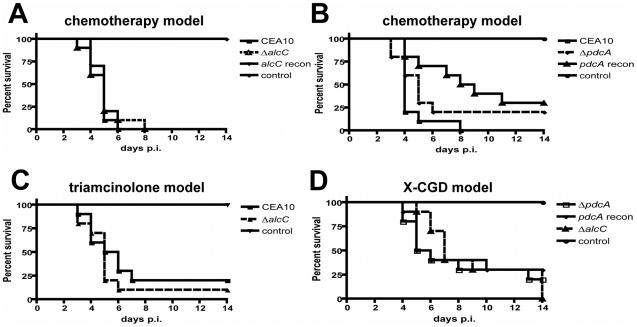
“We first examined the virulence of the DpdcA and DalcC strains in the chemotherapeutic and X-linked chronic granulomatous disease (X-CGD, gp91 mice) murine models of IPA [45,53].”
BackgroundStuder, L., Csete, M., Lee, S.-H., Kabbani, N., Walikonis, J., Wold, B., & McKay, R. (2000) · The Journal of Neuroscience · doi:10.1523/jneurosci.20-19-07377.2000 · Cited by 708 · cited 1×
“With regard to fungal-human interactions, oxygen availability in mammalian tissues is also substantially below atmospheric levels [20,21,22].”
BackgroundTrends in Mortality Due to Invasive Mycotic Diseases in the United States, 1980–1997
McNeil, M. M., Nash, S. L., Hajjeh, R. A., Phelan, M. A., Conn, L. A., Plikaytis, B. D., & Warnock, D. W. (2001) · Clinical Infectious Diseases · doi:10.1086/322606 · Cited by 657
Tissue oxygen tension and brain sensitivity to hypoxia
Erecińska, M., & Silver, I. A. (2001) · Respiration Physiology · doi:10.1016/s0034-5687(01)00306-1 · Cited by 615 · cited 1×
“With regard to fungal-human interactions, oxygen availability in mammalian tissues is also substantially below atmospheric levels [20,21,22].”
BackgroundThe pathobiology of Aspergillus fumigatus
Latgé, J.-P. (2001) · Trends in Microbiology · doi:10.1016/s0966-842x(01)02104-7 · Cited by 546 · cited 1×
“Among these, invasive pulmonary aspergillosis (IPA) is the most lethal with mortality rates ranging from 30–90% depending on the patient population [6,7,8,9,10,11].”
BackgroundUpton, A., Kirby, K. A., Carpenter, P., Boeckh, M., & Marr, K. A. (2007) · Clinical Infectious Diseases · doi:10.1086/510592 · Cited by 514 · cited 1×
“Among these, invasive pulmonary aspergillosis (IPA) is the most lethal with mortality rates ranging from 30–90% depending on the patient population [6,7,8,9,10,11].”
BackgroundGenomic Islands in the Pathogenic Filamentous Fungus Aspergillus fumigatus
Fedorova, N. D., Khaldi, N., Joardar, V. S., Maiti, R., Amedeo, P., Anderson, M. J., Crabtree, J., Silva, J. C., Badger, J. H., Albarraq, A., et al. (2008) · PLoS Genetics · doi:10.1371/journal.pgen.1000046 · Cited by 508 · cited 1×
“fumigatus genome sequence for genes encoding enzymes known to be involved in ethanol fermentation [46,47].”
Background
Cited by
Aspergillus fumigatus and Aspergillosis in 2019
Latgé, J.-P., & Chamilos, G. (2019) · Clinical Microbiology Reviews · doi:10.1128/cmr.00140-18 · Cited by 1,400
Aspergillus fumigatus morphology and dynamic host interactions
van de Veerdonk, F. L., Gresnigt, M. S., Romani, L., Netea, M. G., & Latgé, J.-P. (2017) · Nature Reviews Microbiology · doi:10.1038/nrmicro.2017.90 · Cited by 490
Keeley, T. P., & Mann, G. E. (2019) · Physiological Reviews · doi:10.1152/physrev.00041.2017 · Cited by 329
Aspergillus fumigatus and aspergillosis: From basics to clinics
Arastehfar, A., Carvalho, A., Houbraken, J., Lombardi, L., Garcia-Rubio, R., Jenks, J. D., Rivero-Menendez, O., Aljohani, R., Jacobsen, I. D., Berman, J., et al. (2021) · Studies in Mycology · doi:10.1016/j.simyco.2021.100115 · Cited by 241
Chung, D., Barker, B. M., Carey, C. C., Merriman, B., Werner, E. R., Lechner, B. E., Dhingra, S., Cheng, C., Xu, W., Blosser, S. J., et al. (2014) · PLoS Pathogens · doi:10.1371/journal.ppat.1004487 · Cited by 193
“fumigatus as previously described [7].”
BackgroundMethodInfluentialSelf-citationExploring the genomic diversity of black yeasts and relatives (Chaetothyriales,Ascomycota)
Teixeira, M. M., Moreno, L. F., Stielow, B. J., Muszewska, A., Hainaut, M., Gonzaga, L., Abouelleil, A., Patané, J. S. L., Priest, M., Souza, R., et al. (2017) · Studies in Mycology · doi:10.1016/j.simyco.2017.01.001 · Cited by 185
“Furthermore, a physiological role of Adh has been reported in many biochemical pathways including stress tolerance, pathogenicity, detoxification, and substrate specificity (Piskur et al. 2006, Grahl et al. 2011).”
BackgroundHypoxia and Fungal Pathogenesis: To Air or Not To Air?
Grahl, N., Shepardson, K. M., Chung, D., & Cramer, R. A. (2012) · Eukaryotic Cell · doi:10.1128/ec.00031-12 · Cited by 179
“fumigatus did not produce detectable ethanol levels in culture supernatants but, upon exposure to hypoxia, in vitro culture supernatants from shake flask cultures contained significant amounts of ethanol (44).”
BackgroundSelf-citationChen, A. I., Dolben, E. F., Okegbe, C., Harty, C. E., Golub, Y., Thao, S., Ha, D. G., Willger, S. D., O'Toole, G. A., Harwood, C. S., et al. (2014) · PLoS Pathogens · doi:10.1371/journal.ppat.1004480 · Cited by 176
“other fungi has been documented [47,48], but a link between Candida spp.”
BackgroundBlatzer, M., Barker, B. M., Willger, S. D., Beckmann, N., Blosser, S. J., Cornish, E. J., Mazurie, A., Grahl, N., Haas, H., & Cramer, R. A. (2011) · PLoS Genetics · doi:10.1371/journal.pgen.1002374 · Cited by 175
Self-citationGeddes‐McAlister, J., & Shapiro, R. S. (2019) · Annals of the New York Academy of Sciences · doi:10.1111/nyas.13739 · Cited by 159
Bertuzzi, M., Schrettl, M., Alcazar-Fuoli, L., Cairns, T. C., Muñoz, A., Walker, L. A., Herbst, S., Safari, M., Cheverton, A. M., Chen, D., et al. (2014) · PLoS Pathogens · doi:10.1371/journal.ppat.1004413 · Cited by 158
“The mammalian pulmonary niche exerts multiple physiological stresses upon invading pathogens, including mildly alkaline pH, hypoxia, and iron-, zinc- and nutrient limitation [30,32,33].”
BackgroundHagiwara, D., Miura, D., Shimizu, K., Paul, S., Ohba, A., Gonoi, T., Watanabe, A., Kamei, K., Shintani, T., Moye-Rowley, W. S., et al. (2017) · PLOS Pathogens · doi:10.1371/journal.ppat.1006096 · Cited by 156
Fungal biofilm architecture produces hypoxic microenvironments that drive antifungal resistance
Kowalski, C. H., Morelli, K. A., Schultz, D., Nadell, C. D., & Cramer, R. A. (2020) · Proceedings of the National Academy of Sciences · doi:10.1073/pnas.2003700117 · Cited by 162
“All constructs were integrated ectopically into the chromosomes using protoplasting and transformation protocols as previously described (43, 47).”
BackgroundMethodSelf-citationThe impact of hypoxia on bacterial infection
Schaffer, K., & Taylor, C. T. (2015) · The FEBS Journal · doi:10.1111/febs.13270 · Cited by 146
“Pulmonary infection with Aspergillus fumigatus in mice also leads to the establishment of a hypoxic microenvironment in the infected tissue indicating that tissue hypoxia may also be associated with some fungal infections (8).”
BackgroundInhibitory Effect of Essential Oils on Aspergillus ochraceus Growth and Ochratoxin A Production
Hua, H., Xing, F., Selvaraj, J. N., Wang, Y., Zhao, Y., Zhou, L., Liu, X., & Liu, Y. (2014) · PLoS ONE · doi:10.1371/journal.pone.0108285 · Cited by 146
“The degradation might be due to Aspergillus genus has several enzymes such as alcohol dehydrogenase and aldehyde reductase that catalyze cinnamaldehyde to cinnamic alcohol [38,39].”
BackgroundHypoxia upregulates neutrophil degranulation and potential for tissue injury
Hoenderdos, K., Lodge, K. M., Hirst, R. A., Chen, C., Palazzo, S., Emerenciana, A., Summers, C., Angyal, A., Porter, L., Juss, J. K., et al. (2016) · Thorax · doi:10.1136/thoraxjnl-2015-207604 · Cited by 154
Hommel, B., Mukaremera, L., Cordero, R. J. B., Coelho, C., Desjardins, C. A., Sturny-Leclère, A., Janbon, G., Perfect, J. R., Fraser, J. A., Casadevall, A., et al. (2018) · PLoS Pathogens · doi:10.1371/journal.ppat.1006982 · Cited by 143
“We know from previous work on pulmonary aspergillosis that hypoxia has been observed in infected lungs of mice [47].”
BackgroundNovel Drug Delivery Systems: An Important Direction for Drug Innovation Research and Development
Chen, Q., Yang, Z., Liu, H., Man, J., Oladejo, A. O., Ibrahim, S., Wang, S., & Hao, B. (2024) · Pharmaceutics · doi:10.3390/pharmaceutics16050674 · Cited by 155
“Some bacteria exhibit a propensity towards hypoxic microenvironments, enabling them to deliver drugs to such challenging environments [140–142].”
BackgroundCaffrey, A. K., Lehmann, M. M., Zickovich, J. M., Espinosa, V., Shepardson, K. M., Watschke, C. P., Hilmer, K. M., Thammahong, A., Barker, B. M., Rivera, A., et al. (2015) · PLOS Pathogens · doi:10.1371/journal.ppat.1004625 · Cited by 132
“fumigatuschalenge [47] has been observed to reduce GAG production [46].”
Self-citationBarker, B. M., Kroll, K., Vödisch, M., Mazurie, A., Kniemeyer, O., & Cramer, R. A. (2012) · BMC Genomics · doi:10.1186/1471-2164-13-62 · Cited by 127
“The rationale for our study is the emerging evidence that hypoxia is a critical component of the pathogenesis of IA and other human mycoses [7,8,10,11,13,14,16,17].”
BackgroundSelf-citationThammahong, A., Puttikamonkul, S., Perfect, J. R., Brennan, R. G., & Cramer, R. A. (2017) · Microbiology and Molecular Biology Reviews · doi:10.1128/mmbr.00053-16 · Cited by 125
Self-citationKowalski, C. H., Beattie, S. R., Fuller, K. K., McGurk, E. A., Tang, Y.-W., Hohl, T. M., Obar, J. J., & Cramer, R. A. (2016) · mBio · doi:10.1128/mbio.01515-16 · Cited by 123
“As we have previously observed extensive low oxygen regions within pulmonary fungal lesions in the murine triamcinolone model of IPA compared to the leukopenic model (26), we hypothesized that the increased in vitro hypoxia fitness of CEA10 would allow for increased virulence in the murine triamcinolone model of IPA.”
BackgroundInfluentialSelf-citationPathogenicity and virulence of Aspergillus fumigatus
Earle, K., Valero, C., Conn, D. P., Vere, G., Cook, P. C., Bromley, M., Bowyer, P., & Gago, S. (2023) · Virulence · doi:10.1080/21505594.2023.2172264 · Cited by 132
“Pulmonary hypoxia is also commonly observed both in patients with IPA [346] and in in vivo models of aspergillosis [347].”
BackgroundDhingra, S., & Cramer, R. A. (2017) · Frontiers in Microbiology · doi:10.3389/fmicb.2017.00092 · Cited by 115
“Importantly, SrbB is a critical regulator of the ethanol fermentation pathway through direct regulation of the alcohol dehydrogenase alcC mRNA levels (Grahl et al., 2011; Chung et al., 2014).”
BackgroundSelf-citationJhingran, A., Kasahara, S., Shepardson, K. M., Junecko, B. A. F., Heung, L. J., Kumasaka, D. K., Knoblaugh, S. E., Lin, X., Kazmierczak, B. I., Reinhart, T. A., et al. (2015) · PLOS Pathogens · doi:10.1371/journal.ppat.1004589 · Cited by 108
“Since respiratory fungal infection induces hypoxic tissue environments in the lung [50], receptor-interacting protein kinase 3 (RIP3)-dependent induction of necroptotic cell death [51] by inhaled conidia may provide a stimulus for IL-1α release.”
BackgroundSelf-citationBeattie, S. R., Mark, K. M. K., Thammahong, A., Ries, L. N. A., Dhingra, S., Caffrey-Carr, A. K., Cheng, C., Black, C. C., Bowyer, P., Bromley, M. J., et al. (2017) · PLOS Pathogens · doi:10.1371/journal.ppat.1006340 · Cited by 103
Self-citationOverview of carbon and nitrogen catabolite metabolism in the virulence of human pathogenic fungi
Ries, L. N. A., Beattie, S., Cramer, R. A., & Goldman, G. H. (2018) · Molecular Microbiology · doi:10.1111/mmi.13887 · Cited by 103
“The absence of CreA results in a significant reduction in virulence of A. fumigatus in a triamcinolone model of IPA highlighted by qualitative differences in immune effector cell function, however, in a neutropenic model of IPA highlighted by quantitative differences in leukocyte populations, the creA-null mutant caus…”
BackgroundSelf-citationImmune responses against Aspergillus fumigatus: what have we learned?
Cramer, R. A., Rivera, A., & Hohl, T. M. (2011) · Current Opinion in Infectious Diseases · doi:10.1097/qco.0b013e328348b159 · Cited by 101
Self-citationGrahl, N., Dinamarco, T. M., Willger, S. D., Goldman, G. H., & Cramer, R. A. (2012) · Molecular Microbiology · doi:10.1111/j.1365-2958.2012.08034.x · Cited by 99
Self-citationTherapeutic Challenges of Non- Aspergillus Invasive Mold Infections in Immunosuppressed Patients
Lamoth, F., & Kontoyiannis, D. P. (2019) · Antimicrobial Agents and Chemotherapy · doi:10.1128/aac.01244-19 · Cited by 107
“invasive aspergillosis (20), and Binder et al.”
Fungal biofilm morphology impacts hypoxia fitness and disease progression
Kowalski, C. H., Kerkaert, J. D., Liu, K.-W., Bond, M. C., Hartmann, R., Nadell, C. D., Stajich, J., & Cramer, R. A. (2019) · Nature Microbiology · doi:10.1038/s41564-019-0558-7 · Cited by 101
Self-citationParente-Rocha, J. A., Parente, A. F. A., Baeza, L. C., Bonfim, S. M. R. C., Hernández, O., McEwen, J. G., Bailão, A. M., Taborda, C. P., Borges, C. L., & Soares, C. M. D. A. (2015) · PLoS ONE · doi:10.1371/journal.pone.0137619 · Cited by 82
“The increased ethanol production could contribute to fungal survival inside the macrophage because ethanol production contributes to pathogenesis [29].”
BackgroundShepardson, K. M., Jhingran, A., Caffrey, A., Obar, J. J., Suratt, B. T., Berwin, B. L., Hohl, T. M., & Cramer, R. A. (2014) · PLoS Pathogens · doi:10.1371/journal.ppat.1004378 · Cited by 79
“Once recruited to the lung and upon contact with hyphae, neutrophils induce degranulation, the respiratory burst, proteases, and antimicrobial peptides leading to both pathogen and host damage [9,19,20,21].”
Self-citationThe contribution of Aspergillus fumigatus stress responses to virulence and antifungal resistance
Brown, N. A., & Goldman, G. H. (2016) · The Journal of Microbiology · doi:10.1007/s12275-016-5510-4 · Cited by 86
Systems Biology of Fungal Infection
Horn, F., Heinekamp, T., Kniemeyer, O., Pollmächer, J., Valiante, V., & Brakhage, A. A. (2012) · Frontiers in Microbiology · doi:10.3389/fmicb.2012.00108 · Cited by 73
“Recent findings revealed that A. fumigatus is exposed to oxygen-depleted microenvironments during infection (Grahl et al., 2011).”
ResultHypoxia enhances innate immune activation to Aspergillus fumigatus through cell wall modulation
Shepardson, K. M., Ngo, L. Y., Aimanianda, V., Latgé, J.-P., Barker, B. M., Blosser, S. J., Iwakura, Y., Hohl, T. M., & Cramer, R. A. (2013) · Microbes and Infection · doi:10.1016/j.micinf.2012.11.010 · Cited by 75
“conditions for in vivo growth in murine models of IPA [10,11].”
BackgroundInfluentialSelf-citationTranscriptional and Proteomic Responses to Carbon Starvation in Paracoccidioides
Lima, P. D. S., Casaletti, L., Bailão, A. M., de Vasconcelos, A. T. R., Fernandes, G. D. R., & Soares, C. M. D. A. (2014) · PLoS neglected tropical diseases · doi:10.1371/journal.pntd.0002855 · Cited by 82
Overview of vertebrate animal models of fungal infection
Hohl, T. M. (2014) · Journal of Immunological Methods · doi:10.1016/j.jim.2014.03.022 · Cited by 84
“…in comparison to chemotherapy-treated mice, and the massive influx of functionally impaired neutrophils triggers dysregulated responses associated with tissue damage, hypoxia, and immunopathology and lack of responsiveness to amphotericin B administration (Balloy et al., 2005; Grahl et al., 2011).”
BackgroundSelf-citationBoral, H., Metin, B., Döğen, A., Seyedmousavi, S., & İlkit, M. (2017) · Fungal Genetics and Biology · doi:10.1016/j.fgb.2017.10.008 · Cited by 79
“Although some of these enzymes such as hexokinase (HxkA), glucokinase (GlkA), and alcohol dehydrogenase (Adh) have been investigated and found to be related to virulence, there is a need for further in vivo experiments to assess their specific roles (Fleck and Brock, 2010; Grahl et al., 2011).”
BackgroundThe battle for oxygen during bacterial and fungal infections
André, A. C., Laborde, M., & Marteyn, B. (2022) · Trends in Microbiology · doi:10.1016/j.tim.2022.01.002 · Cited by 73
Willger, S. D., Cornish, E. J., Chung, D., Fleming, B. A., Lehmann, M. M., Puttikamonkul, S., & Cramer, R. A. (2012) · Eukaryotic Cell · doi:10.1128/ec.00252-12 · Cited by 67
Self-citationHuman Genetic Susceptibility to Invasive Aspergillosis
Cunha, C., Aversa, F., Romani, L., & Carvalho, A. (2013) · PLoS Pathogens · doi:10.1371/journal.ppat.1003434 · Cited by 64
“In particular, the ability of Aspergillus to adapt to hypoxic microenvironments has been found to involve modifications in fungal metabolism leading to the production of secondary metabolites that promote lung inflammation, exacerbate infection, and influence subsequent host immune responses [6].”
BackgroundBastos, R. W., Valero, C., Silva, L. P., Schoen, T., Drott, M., Brauer, V., Silva-Rocha, R., Lind, A., Steenwyk, J. L., Rokas, A., et al. (2020) · mSphere · doi:10.1128/msphere.00153-20 · Cited by 60
“Fungal metabolic plasticity, which allows growth in unique and diverse ambient and host microenvironments, has long been hypothesized to contribute to Aspergillus virulence, with carbon sources such as glucose (22), ethanol (23), and acetate (24) being predicted to be actively used during in vivo infection.”
Aspergillus fumigatus biology, immunopathogenicity and drug resistance
van de Veerdonk, F. L., Carvalho, A., Wauters, J., Chamilos, G., & Verweij, P. E. (2025) · Nature Reviews Microbiology · doi:10.1038/s41579-025-01180-z · Cited by 70
“The adaptation to oxygen stress also relies on the redirection of fungal metabolism towards mitochondrial respiration 31 and activation of the AlcC alcohol dehydrogenase 30 .”
Insights into the cellular responses to hypoxia in filamentous fungi
Hillmann, F., Shekhova, E., & Kniemeyer, O. (2015) · Current Genetics · doi:10.1007/s00294-015-0487-9 · Cited by 63
“fumigatus under oxygen depletion, indicating the presence of ethanol fermentation in this fungus as well (Grahl et al. 2011).”
BackgroundInfluentialHypoxia: A Double-Edged Sword During Fungal Pathogenesis?
Chung, H., & Lee, Y. (2020) · Frontiers in Microbiology · doi:10.3389/fmicb.2020.01920 · Cited by 61
Page, L. K., Staples, K. J., Spalluto, C. M., Watson, A., & Wilkinson, T. M. A. (2021) · Frontiers in Immunology · doi:10.3389/fimmu.2021.653969 · Cited by 69
Amich, J., Mokhtari, Z., Strobel, M., Vialetto, E., Sheta, D., Yu, Y., Hartweg, J., Kalleda, N., Jarick, K. J., Brede, C., et al. (2020) · mBio · doi:10.1128/mbio.02752-19 · Cited by 64
“whereas its growth is restricted in cortisone (C)-treated mice (21, 22, 46, 47).”
BackgroundSpatial Reorganization of Saccharomyces cerevisiae Enolase To Alter Carbon Metabolism under Hypoxia
Miura, N., Shinohara, M., Tatsukami, Y., Sato, Y., Morisaka, H., Kuroda, K., & Ueda, M. (2013) · Eukaryotic Cell · doi:10.1128/ec.00093-13 · Cited by 63
“Responses of yeast cells to hypoxia have also attracted attention, because they are important in infections by pathogenic fungi such as Candida albicans (10) and Aspergillus fumigatus (11).”
BackgroundMethodMenacing Mold: Recent Advances in Aspergillus Pathogenesis and Host Defense
Tischler, B. Y., & Hohl, T. M. (2019) · Journal of Molecular Biology · doi:10.1016/j.jmb.2019.03.027 · Cited by 60
Self-citationDesoubeaux, G., & Cray, C. (2017) · Frontiers in Microbiology · doi:10.3389/fmicb.2017.00841 · Cited by 55
“Steroids use in mice showed distinct pattern of pathogenesis in comparison with neutrophil-depleting drugs: in steroid-treated rodents, fungal growth is significantly reduced in comparison to chemotherapy-treated animals, and the massive influx of functionally impaired leukocytes triggers dysregulated responses associ…”
BackgroundInfluentialProtein kinase A and fungal virulence: A sinister side to a conserved nutrient sensing pathway
Fuller, K. K., & Rhodes, J. C. (2012) · Virulence · doi:10.4161/viru.19396 · Cited by 53
“fumigatus lesions in the lung, supporting the hypothesis that oxygen may become drastically reduced during infection due to tissue necrosis and/or extensive inflammation.(116) Moreover, the same group detected ethanol within the lung of infected mice and the deletion of an alcohol dehydrogenase gene, alcC, led to redu…”
BackgroundGenetic deficiency of NOD2 confers resistance to invasive aspergillosis
Gresnigt, M. S., Cunha, C., Jaeger, M., Gonçalves, S. M., Malireddi, R. K. S., Ammerdorffer, A., Lubbers, R., Oosting, M., Raşid, O., Jouvion, G., et al. (2018) · Nature Communications · doi:10.1038/s41467-018-04912-3 · Cited by 54
Ries, L. N. A., Steenwyk, J. L., de Castro, P. A., de Lima, P. B. A., Almeida, F. B. D. R., de Assis, L. J., Manfiolli, A. O., Takahashi‐Nakaguchi, A., Kusuya, Y., Hagiwara, D., et al. (2019) · Frontiers in Microbiology · doi:10.3389/fmicb.2019.00854 · Cited by 61
Mead, M. E., Knowles, S. L., Raja, H. A., Beattie, S. R., Kowalski, C. H., Steenwyk, J. L., Silva, L. P., Chiaratto, J., Ries, L. N. A., Goldman, G. H., et al. (2019) · mSphere · doi:10.1128/msphere.00018-19 · Cited by 57
“Sartorypyrone A (1) Sartorypyrone E (2) 14-Epiaszonapyrone A (3) Aszonalenin (4) Acetylaszonalenin (5) Fumitremorgin A (6) Fumitremorgin B (7) Verruculogen (8) C-11 epimer of verruculogen TR2 (9) 13-O-Fumitremorgin B (10) Mead et al.”
InfluentialSelf-citationAntifungal therapy: Novel drug delivery strategies driven by new targets
Wu, S., Song, R., Liu, T., & Li, C. (2023) · Advanced Drug Delivery Reviews · doi:10.1016/j.addr.2023.114967 · Cited by 57
Cai, Z., Du, W., Zeng, Q., Long, N., Dai, C., & Lu, L. (2017) · Fungal Genetics and Biology · doi:10.1016/j.fgb.2017.08.003 · Cited by 49
Pang, K., Chiang, M., Guo, S., Shih, C.-Y., Dahms, H. U., Hwang, J., & Cha, H.-J. (2020) · PLoS ONE · doi:10.1371/journal.pone.0233621 · Cited by 51
Sun, Y., Vornhagen, J., Breen, P. A., Forsyth, V. S., Zhao, L., Mobley, H. L. T., & Bachman, M. A. (2019) · PLoS Pathogens · doi:10.1371/journal.ppat.1008010 · Cited by 52
Takahashi‐Nakaguchi, A., Shishido, E., Yahara, M., Urayama, S., Sakai, K., Chibana, H., Kamei, K., Moriyama, H., & Gonoi, T. (2020) · Frontiers in Microbiology · doi:10.3389/fmicb.2019.03045 · Cited by 51
Hypoxia and hypoxia-inducible factors in myeloid cell-driven host defense and tissue homeostasis
Jantsch, J., & Schödel, J. (2015) · Immunobiology · doi:10.1016/j.imbio.2014.09.009 · Cited by 46
Vaknin, Y., Hillmann, F., Iannitti, R., Ben Baruch, N., Sandovsky-Losica, H., Shadkchan, Y., Romani, L., Brakhage, A., Kniemeyer, O., & Osherov, N. (2016) · Infection and Immunity · doi:10.1128/iai.00011-16 · Cited by 45
“compromised mice, in which strong hypoxia is observed (32).”
Aspergillus fumigatus Invasion Increases with Progressive Airway Ischemia
Hsu, J. L., Khan, M. A., Sobel, R. A., Jiang, X., Clemons, K. V., Nguyen, T. T., Stevens, D. A., Martinez, M., & Nicolls, M. R. (2013) · PLoS ONE · doi:10.1371/journal.pone.0077136 · Cited by 45
“Because of this mould’s angiotropic nature and capacity to thrive under hypoxic conditions [10-12,16], we hypothesized that the degree of Aspergillus invasion would increase with the progressive ischemia of the rejecting allograft.”
BackgroundBlosser, S. J., Merriman, B., Grahl, N., Chung, D., & Cramer, R. A. (2014) · Microbiology · doi:10.1099/mic.0.080440-0 · Cited by 47
“In human pathogenic fungi, hypoxia adaptation has been hypothesized to be a critical virulence attribute, as genedeletion mutants that are unable to grow under hypoxia are typically also unable to cause invasive disease (Grahl et al., 2011; Willger et al., 2012).”
BackgroundSelf-citationPigosso, L. L., Baeza, L. C., Tomazett, M. V., Faleiro, M. B. R., de Moura, V. M. B. D., Bailão, A. M., Borges, C. L., Rocha, J. A. P., Fernandes, G. R., Gauthier, G. M., et al. (2017) · Virulence · doi:10.1080/21505594.2017.1355660 · Cited by 48
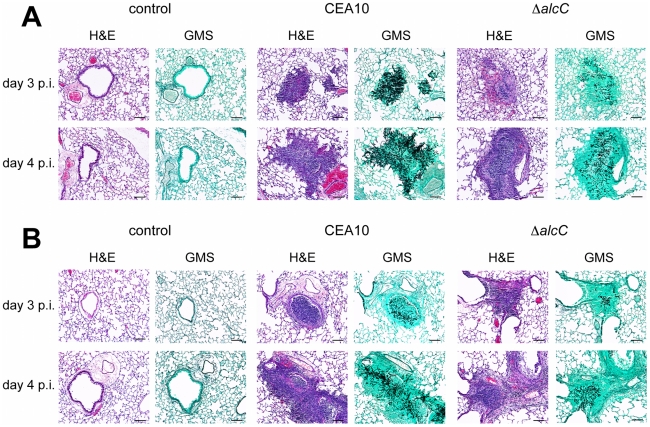
“fumigatus strains promoted an increase in the inflammatory response in infected mice that corresponded to a reduction in fungal burden.(41) During lung infection, the production and secretion of a serine proteinase was induced in P.”
BackgroundIannitti, R. G., Casagrande, A., LUCA, A. D., Cunha, C., Sorci, G., Riuzzi, F., Borghi, M., Galosi, C., Massi-Benedetti, C., Oury, T. D., et al. (2013) · American Journal of Respiratory and Critical Care Medicine · doi:10.1164/rccm.201305-0986oc · Cited by 45
“To determine whether the HIF-1a–RAGE pathway is active in CF, we first visualized hypoxia in vivo by immunofluorescence with the hypoxia marker, pimonidazole hydrochloride (22, 49), and measured HIF-1 gene and protein expression levels in CF mice with aspergillosis.”
BackgroundMethodKroll, K., Pähtz, V., Hillmann, F., Vaknin, Y., Schmidt-Heck, W., Roth, M., Jacobsen, I. D., Osherov, N., Brakhage, A. A., & Kniemeyer, O. (2014) · Eukaryotic Cell · doi:10.1128/ec.00084-14 · Cited by 42
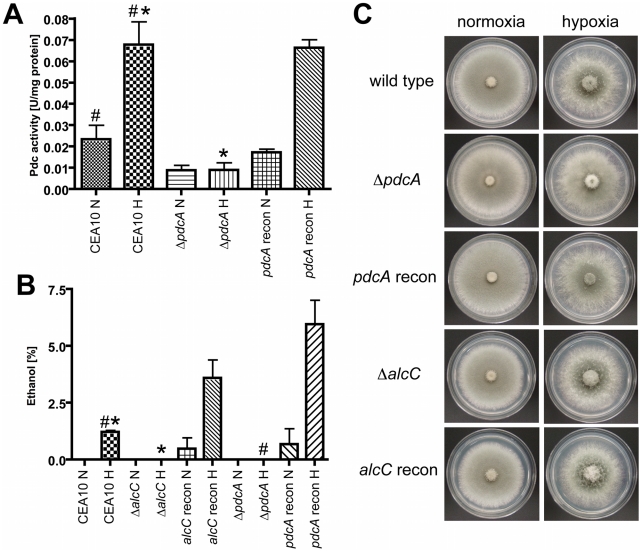
“fumigatus no growth phenotype was 84 observed under oxygen limiting conditions for strains devoid of ethanol fermentation (19).”
BackgroundGresnigt, M. S., Rekiki, A., Rasid, O., Savers, A., Jouvion, G., Dannaoui, E., Parlato, M., Fitting, C., Brock, M., Cavaillon, J.-M., et al. (2016) · Scientific Reports · doi:10.1038/srep26490 · Cited by 41
Blachowicz, A., Chiang, A. J., Romsdahl, J., Kalkum, M., Wang, C. C. C., & Venkateswaran, K. J. (2019) · Fungal Genetics and Biology · doi:10.1016/j.fgb.2019.01.001 · Cited by 47
Heterogeneity Confounds Establishment of “a” Model Microbial Strain
Keller, N. P. (2017) · mBio · doi:10.1128/mbio.00135-17 · Cited by 46
“As their earlier research had also demonstrated increased hypoxic regions in lungs of nonneutropenic mice versus those of neutropenic mice (26), the authors speculated that CEA10 might show increased virulence over Af293 in a nonneutropenic murine model but not in a neutropenic model.”
BackgroundAlonso, D., Serrano, E., Bermejo, F. J., & Corral, R. S. (2019) · Cellular Immunology · doi:10.1016/j.cellimm.2018.10.007 · Cited by 40
Aspergillus fumigatus tryptophan metabolic route differently affects host immunity
Zelante, T., Choera, T., Beauvais, A., Fallarino, F., Paolicelli, G., Pieraccini, G., Pieroni, M., Galosi, C., Beato, C., LUCA, A. D., et al. (2021) · Cell Reports · doi:10.1016/j.celrep.2020.108673 · Cited by 40
“(E) statistical sign the Aspergillus akuBKU80 strain (one-way ANOVA and Bonferroni post hoc test). other mechanisms (Grahl et al., 2012) to adapt to low-oxygen environments, and this is critical for growth in the host and virulence (Grahl et al., 2011).”
BackgroundFliesser, M., Morton, C. O., Bonin, M., Ebel, F., Hünniger, K., Kurzai, O., Einsele, H., & Löffler, J. (2015) · International Journal of Medical Microbiology · doi:10.1016/j.ijmm.2015.08.036 · Cited by 38
Losada, L., Barker, B. M., Pakala, S., Pakala, S., Joardar, V., Zafar, N., Mounaud, S., Fedorova, N., Nierman, W. C., & Cramer, R. A. (2014) · Mycopathologia · doi:10.1007/s11046-014-9779-8 · Cited by 38
“As the infection site microenvironments in the lung of IA are characterized in part by hypoxia [2, 3], the ability to adapt to hypoxia is a key virulence attribute of A.”
BackgroundSelf-citationLima, P. D. S., Chung, D., Bailão, A. M., Cramer, R. A., & Soares, C. M. D. A. (2015) · PLoS neglected tropical diseases · doi:10.1371/journal.pntd.0004282 · Cited by 38
“Thus, it seems highly probable that hypoxic microenvironments are generated during fungal infection [25, 26].”
BackgroundSelf-citationThammahong, A., Caffrey-Card, A. K., Dhingra, S., Obar, J. J., & Cramer, R. A. (2017) · mBio · doi:10.1128/mbio.00056-17 · Cited by 40
“Consequently, we conclude that the increased chitin levels and the decreased -glucan levels on the cell wall of the ΔtslA strain alter the immunopathogenesis of murine IPA through increased and differential recruitment of inflammatory cells, likely through alterations in the secretion of proinflammatory cytokines.”
MethodInfluentialSelf-citationAspergillus fumigatusvirulence through the lens of transcription factors: Table 1.
Bultman, K. M., Kowalski, C. H., & Cramer, R. A. (2016) · Medical Mycology · doi:10.1093/mmy/myw120 · Cited by 43
Self-citationHost-Derived Leukotriene B4 Is Critical for Resistance against Invasive Pulmonary Aspergillosis
Caffrey-Carr, A. K., Hilmer, K. M., Kowalski, C. H., Shepardson, K. M., Temple, R. M., Cramer, R. A., & Obar, J. J. (2018) · Frontiers in Immunology · doi:10.3389/fimmu.2017.01984 · Cited by 39
“Of these, neutrophils have long been recognized as one of the key effector cells necessary for resistance against Aspergillus infection and neutropenia is a key risk factor for patients that will develop IPA (6).”
BackgroundInfluentialSelf-citationGutiérrez-Corona, J. F., Hernández, G. A. G., Padilla-Guerrero, I. E., Olmedo‐Monfil, V., Martínez-Rocha, A. L., Patiño-Medina, J. A., Carmen, V. M., & Guzmán, J. C. T. (2023) · Cells · doi:10.3390/cells12182239 · Cited by 39
“However, it is still probable that one of the other alc genes could replace the function of alcC [87].”
BackgroundSuparmin, A., Kato, T., Takemoto, H., & Park, E. Y. (2019) · MicrobiologyOpen · doi:10.1002/mbo3.836 · Cited by 34
“However, ethanol production was ob‐ served in hypoxic conditions in Aspergillus sp. (Grahl et al., 2011; Masuo et al., 2010).”
BackgroundSinha, N., Patra, S. K., & Ghosh, S. (2022) · Frontiers in Microbiology · doi:10.3389/fmicb.2022.847832 · Cited by 35
Comparative Genomics of Sibling Species of Fonsecaea Associated with Human Chromoblastomycosis
Vicente, V. A., Weiss, V. A., Bombassaro, A., Moreno, L. F., Costa, F. D. F., Raittz, R. T., Leão, A. C. R., Gomes, R. R., Bocca, A. L., Fornari, G., et al. (2017) · Frontiers in Microbiology · doi:10.3389/fmicb.2017.01924 · Cited by 38
“…domain in the Fonsecaea siblings which has been implicated in many biochemical pathways with a role in pathogenicity, stress and intoxication and were previously reported to be expanded in black yeast species (Das and Vasudevan, 2007; Grahl et al., 2011; Strommer, 2011; Teixeira et al., 2017).”
BackgroundAmarsaikhan, N., O’Dea, E. M., Tsoggerel, A., Owegi, H. O., Gillenwater, J. A., & Templeton, S. P. (2014) · PLoS ONE · doi:10.1371/journal.pone.0100430 · Cited by 38
Aspergillus fumigatus Acetate Utilization Impacts Virulence Traits and Pathogenicity
Ries, L. N. A., de Castro, P. A., Silva, L. P., Valero, C., dos Reis, T. F., Saborano, R., Duarte, I. F., Persinoti, G. F., Steenwyk, J. L., Rokas, A., et al. (2021) · mBio · doi:10.1128/mbio.01682-21 · Cited by 36
“tate was shown to present in the BAL fluid of mice (8), we currently do not know how acetate concentrations fluctuate within certain parts of the lung and the surrounding”
BackgroundKalleda, N., Amich, J., Arslan, B., Poreddy, S., Mattenheimer, K., Mokhtari, Z., Einsele, H., Brock, M., Heinze, K. G., & Beilhack, A. (2016) · Frontiers in Microbiology · doi:10.3389/fmicb.2016.01107 · Cited by 36
The Cryptococcus neoformans Titan Cell: From In Vivo Phenomenon to In Vitro Model
Zhou, X., & Ballou, E. R. (2018) · Current Clinical Microbiology Reports · doi:10.1007/s40588-018-0107-9 · Cited by 35
Zhang, Q., Guo, J., Deng, X.-Y., Wang, F., Chen, J., & Lin, L. (2019) · The Science of The Total Environment · doi:10.1016/j.scitotenv.2019.01.156 · Cited by 31
Castilho, D. G., Chaves, A. F. A., Xander, P. B., Zelanis, A., Kitano, E. S., Serrano, S. M. T., Tashima, A. K., & Batista, W. L. (2014) · Journal of Proteome Research · doi:10.1021/pr5002274 · Cited by 36
Innate Lung Defense during Invasive Aspergillosis: New Mechanisms
Garth, J. M., & Steele, C. H. (2017) · Journal of Innate Immunity · doi:10.1159/000455125 · Cited by 33
Paving the way for predictive diagnostics and personalized treatment of invasive aspergillosis
Coelho, A., Rodrigues, F. J. S., Campos, A. N., de Lacerda, J. F., Carvalho, A., & Cunha, C. (2015) · Frontiers in Microbiology · doi:10.3389/fmicb.2015.00411 · Cited by 32
Coordination of hypoxia adaptation and iron homeostasis in human pathogenic fungi
Chung, D., Haas, H., & Cramer, R. A. (2012) · Frontiers in Microbiology · doi:10.3389/fmicb.2012.00381 · Cited by 29
“For parallel comparison of data from different organisms and different stress environments, a range of microarray data cited here is restricted to studies on the major key factors (SREBPs and the GATA factor/CBC-binding factor).”
BackgroundSelf-citationSniffing out the hypoxia volatile metabolic signature of Aspergillus fumigatus
Rees, C. A., Stefanuto, P.-H., Beattie, S. R., Bultman, K. M., Cramer, R. A., & Hill, J. E. (2017) · Journal of Breath Research · doi:10.1088/1752-7163/aa7b3e · Cited by 29
“Previous work has demonstrated that the progression of invasive Aspergillus lesions is accompanied by the development of severely low-oxygen microenvironments [14].”
BackgroundMethodSelf-citationAspergillus fumigatus escape mechanisms from its harsh survival environments
Liu, F., Zeng, M., Zhou, X., Huang, F., & Song, Z. (2024) · Applied Microbiology and Biotechnology · doi:10.1007/s00253-023-12952-z · Cited by 33
“In a mouse model, the mitochondrial respiration chain component cycA (cytochrome C gene) and alcC (alcohol dehydrogenase gene) deleted strains have been come out the defect virulence (Grahl et al. 2012, 2011).”
Wiedner, S. D., Burnum-Johnson, K., Pederson, L. M., Anderson, L. N., Fortuin, S., Chauvignè-Hines, L. M., Shukla, A. K., Ansong, C. K., Panisko, E. A., Smith, R. D., et al. (2012) · Journal of Biological Chemistry · doi:10.1074/jbc.m112.394106 · Cited by 30
“The high reactivity of pyruvate decarboxylase pdc and alcohol dehydrogenase adh1 within these pathways is consistent with a switch from aerobic respiration to fermentation (65).”
BackgroundKale, S. D., Ayubi, T., Chung, D., Tubau‐Juni, N., Leber, A. J., Dang, H. X., Karyala, S. V., Hontecillas, R., Lawrence, C. B., Cramer, R. A., et al. (2017) · Scientific Reports · doi:10.1038/s41598-017-17000-1 · Cited by 33
“Standardized steroid and chemotherapeutic mouse models of invasive pulmonary aspergillosis were used for this study 31 .”
InfluentialSelf-citationKrishnan, K., Feng, X., Powers‐Fletcher, M. V., Bick, G., Richie, D. L., Woollett, L. A., & Askew, D. S. (2013) · Eukaryotic Cell · doi:10.1128/ec.00319-12 · Cited by 29
“Since inflammation has been reported to contribute to pathogenesis in this model (35), we considered the possibility that the reconstituting immune system could potentially mask an attenuated virulence phenotype for the hrdA derA mutant if the inflammatory response mounted against it was exaggerated.”
BackgroundWeerasinghe, H., Stölting, H., Rose, A. J., & Traven, A. (2024) · Microbiology and Molecular Biology Reviews · doi:10.1128/mmbr.00171-22 · Cited by 31
“Hypoxia induced by A. fumigatus and Candida albicans infection has also been detected in animals (19, 21), and modeling combined with genomics from the sputum of cystic fibrosis patients has suggested that the presence of A. fumigatu s optimizes the metabolic environment to support its growth (22).”
Jiang, X., Hsu, J. L., Tian, W., Yuan, K., Olcholski, M., Pérez, V. D. J., Semenza, G. L., & Nicolls, M. R. (2013) · Journal of Molecular Medicine · doi:10.1007/s00109-013-1063-8 · Cited by 28
“fumigatus is a facultative aerobe, it has the capacity to thrive in hypoxic conditions, an adaptation that may be critical for the mold’s pathogenicity [38–41].”
RbdB, a Rhomboid Protease Critical for SREBP Activation and Virulence in Aspergillus fumigatus
Dhingra, S., Kowalski, C. H., Thammahong, A., Beattie, S. R., Bultman, K. M., & Cramer, R. A. (2016) · mSphere · doi:10.1128/msphere.00035-16 · Cited by 33
“RNA extraction, quantitative RT-PCR, and data analyses were done as previously described (18).”
BackgroundMethodSelf-citationThammahong, A., Dhingra, S., Bultman, K. M., Kerkaert, J. D., & Cramer, R. A. (2019) · mSphere · doi:10.1128/msphere.00244-19 · Cited by 32
“fumigatus-host interaction, we first utilized the triamcinolone (steroid) murine model of IPA (58).”
MethodInfluentialSelf-citation
Metadata
- Authors
- Grahl, N., Puttikamonkul, S., Macdonald, J. M., Gamcsik, M. P., Ngo, L. Y., Hohl, T. M., & Cramer, R. A.
- Affiliations
- Montana State University (US)
- University of North Carolina at Chapel Hill (US)
- Fred Hutch Cancer Center (US)
- Corresponding author
- Cramer, Robert A.
- Venue
- PLoS Pathogens
- Publisher
- Public Library of Science (PLoS)
- Published
- 2011-07-21
- Volume
- 7
- Issue
- 7
- Pages
- e1002145
- ISSN
- 1553-7366 (ISSN-L)
- 1553-7374
- PMC
- PMC3141044
- OpenAlex
- W2075891899
- Cited by
- 217
- References
- 84
- Citations by year
- 2026: 4 · 2025: 13 · 2024: 12 · 2023: 11 · 2022: 7 · 2021: 18 · 2020: 16 · 2019: 19 · 2018: 17 · 2017: 20 · 2016: 16 · 2015: 13 · 2014: 21 · 2013: 15 · 2012: 13
- FWCI
- 11.05
- Type
- journal article
- Language
- en
- Open access
- gold
- doi.org
- Locations
- PLoS Pathogens (publishedVersion, cc-by)
- Europe PMC (PubMed Central) (publishedVersion, cc-by)
- PubMed Central (publishedVersion, cc-by)
- PubMed (publishedVersion)
- Montana State University ScholarWorks (Montana State University) (submittedVersion, cc-by)
- Carolina Digital Repository (University of North Carolina at Chapel Hill) (submittedVersion, cc-by)
- DOAJ (DOAJ: Directory of Open Access Journals) (submittedVersion, cc-by-sa)
- Figshare (submittedVersion, cc-by)
- UNC Libraries
- Funders
- M.J. Murdock Charitable Trust
- Montana State University
- National Institutes of Health (project 2, RR 020185)
- National Institute of Allergy and Infectious Diseases (R01 AI81838, L40 AI084526, R01AI093808, R01AI081838, R37AI093808)
- National Institute of Environmental Health Sciences (P30ES010126)
- National Center for Research Resources (P20RR020185, RR 020185)
- Topics
- Health Sciences › Medicine › Infectious Diseases › Antifungal resistance and susceptibility
- Life Sciences › Biochemistry, Genetics and Molecular Biology › Molecular Biology › Fungal and yeast genetics research
- Health Sciences › Medicine › Infectious Diseases › Fungal Infections and Studies
- Keywords
- invasive pulmonary aspergillosis, Aspergillus fumigatus, hypoxia, ethanol production, hypoxic microenvironment, fungal pathogenesis, pimonidazole, X-linked chronic granulomatous disease, corticosteroid immunosuppression, lung inflammation, fungal metabolism, host immune response
- MeSH terms
- Alcohol Dehydrogenase, Ethanol, Animals, Hypoxia, Aspergillus fumigatus, Fungal Proteins, Humans, Lung, Mice, Mutant Strains, Mice, Metabolomics, Pulmonary Aspergillosis
About these checks
Registry, retraction, Cites and statistics results are computed, not judged, with one exception: a printed reference that no index lists is read once by a model before it counts as a citation error. Claims are extracted by a model and kept only when their quote appears verbatim in the text; each cited source is then checked, with a model’s help, for whether it says what the claim relies on. Those verdicts can be wrong — read the claim’s quote and the cited source before relying on one.
Statistics and arithmetic are recomputed, not judged.
Confidence bands are shown only for fields calibrated on our annotated test set. None is calibrated yet, so no band is shown.
What counts as a claim ›How we measure confidence ›How we check this ›
Are you an author, or do you see a problem with this page? Request a review
Data sources
Bibliographic data: Semantic Scholar, OpenAlex, Crossref.
Contains information from the Semantic Scholar Academic Graph Datasets, made available under the ODC Attribution License (ODC-BY 1.0).
Semantic Scholar’s data is described in: Kinney, R., et al. (2023). The Semantic Scholar Open Data Platform. arXiv:2301.10140.
