

Mechanisms of Candida albicans Trafficking to the Brain
Open accessThe DOI matches its Crossref record; 51 of the 51 references it cites were found in a registry or an index.
Abstract
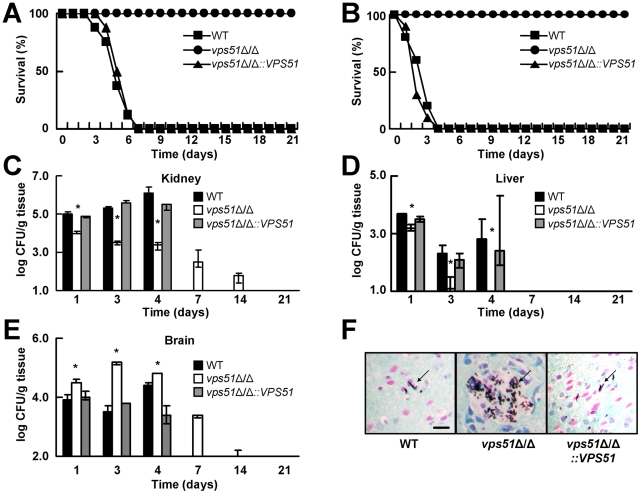
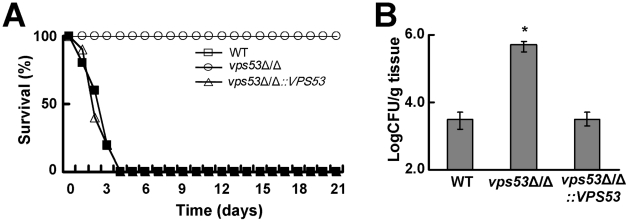
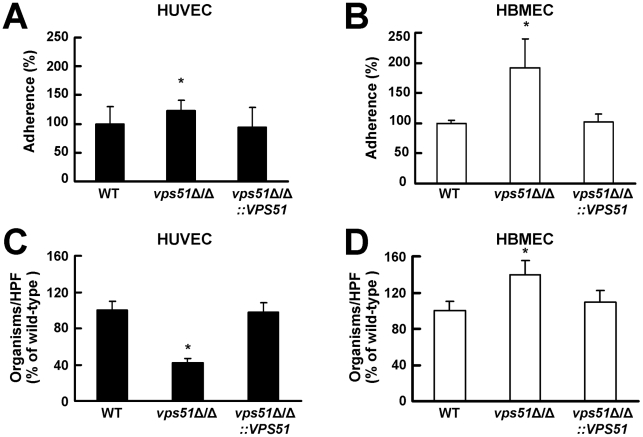
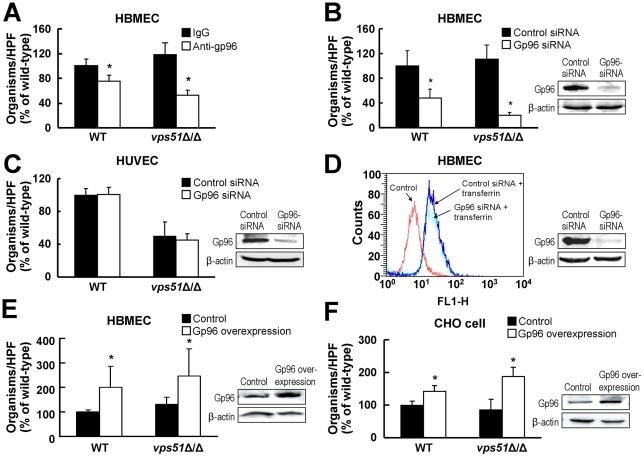
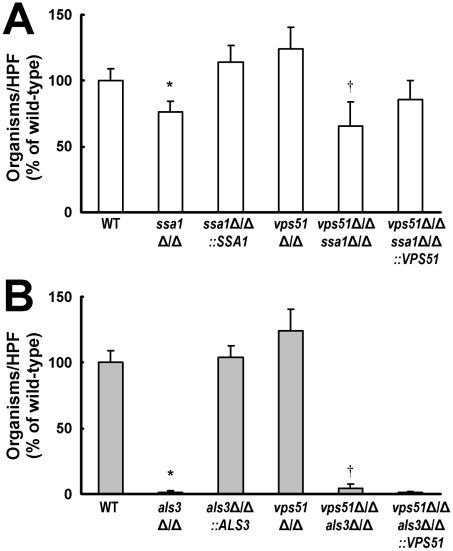
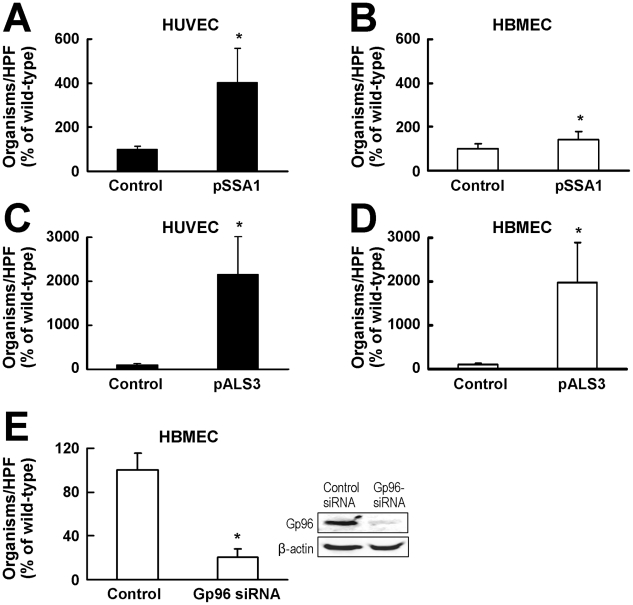
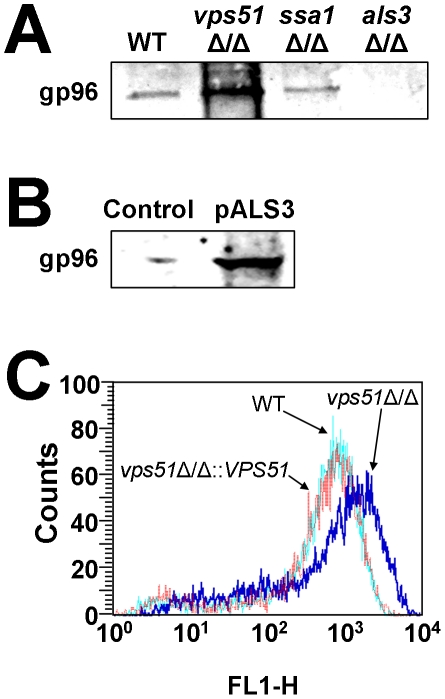
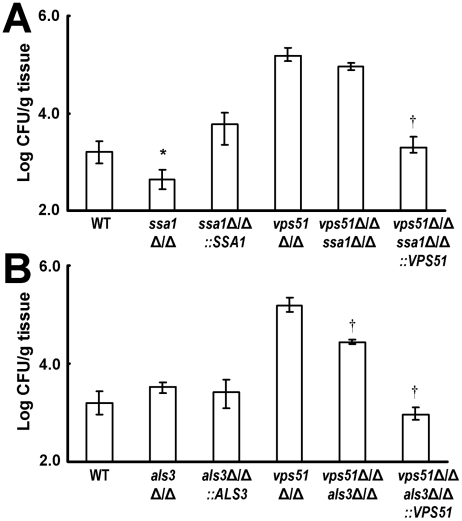
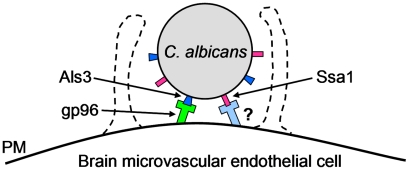
During hematogenously disseminated disease, Candida albicans infects most organs, including the brain. We discovered that a C. albicans vps51Δ/Δ mutant had significantly increased tropism for the brain in the mouse model of disseminated disease. To investigate the mechanisms of this enhanced trafficking to the brain, we studied the interactions of wild-type C. albicans and the vps51Δ/Δ mutant with brain microvascular endothelial cells in vitro. These studies revealed that C. albicans invasion of brain endothelial cells is mediated by the fungal invasins, Als3 and Ssa1. Als3 binds to the gp96 heat shock protein, which is expressed on the surface of brain endothelial cells, but not human umbilical vein endothelial cells, whereas Ssa1 binds to a brain endothelial cell receptor other than gp96. The vps51Δ/Δ mutant has increased surface expression of Als3, which is a major cause of the increased capacity of this mutant to both invade brain endothelial cells in vitro and traffic to the brain in mice. Therefore, during disseminated disease, C. albicans traffics to and infects the brain by binding to gp96, a unique receptor that is expressed specifically on the surface of brain endothelial cells.
Overview
The claims and statistics of this paper haven’t been checked yet.
Free: it reads the open-access text and checks the first 5 claims that cite a source we can check. Create a free account to check every claim.
Integrity signals
Registry
Cites
Statistics
Figures
Verification
Claims the paper makes
The claims and statistics of this paper haven’t been checked yet.
Free: it reads the open-access text and checks the first 5 claims that cite a source we can check. Create a free account to check every claim.
Claims other papers make about this one
Each is checked against this paper’s own text: does it say what the citing paper says it does?
In the citing paper
“For example, invasins Als3 and Ssa1, bind to the heat shock protein gp96 and an unknown endothelial receptor respectively, and induce endocytosis into brain endothelial cells [211, 218].”
From Mechanisms of fungal dissemination (2021) · cites this paper as [218]
Self-check
Percentages, sums and reported differences re-computed from the paper’s own numbers.
The self-check needs the paper’s full text.
Citations
Cites
Wisplinghoff, H., Bischoff, T., Tallent, S. M., Seifert, H., Wenzel, R. P., & Edmond, M. B. (2004) · Clinical Infectious Diseases · doi:10.1086/421946 · Cited by 4,496 · cited 1×
“that remains associated with approximately 35% mortality, even with currently available treatment, and Candida albicans is the infecting organism in approximately 50% of patients [1,2].”
BackgroundHorn, D. L., Neofytos, D., Anaissie, E. J., Fishman, J. A., Steinbach, W. J., Olyaei, A. J., Marr, K. A., Pfaller, M. A., Chang, C., & Webster, K. M. (2009) · Clinical Infectious Diseases · doi:10.1086/599039 · Cited by 956 · cited 1×
“that remains associated with approximately 35% mortality, even with currently available treatment, and Candida albicans is the infecting organism in approximately 50% of patients [1,2].”
BackgroundRapid Hypothesis Testing with Candida albicans through Gene Disruption with Short Homology Regions
Wilson, R. B., Davis, D., & Mitchell, A. P. (1999) · Journal of Bacteriology · doi:10.1128/jb.181.6.1868-1874.1999 · Cited by 762 · cited 5×
“The resulting strain was subsequently transformed with pGEM-URA3 [47] to re-integrate URA3 at its native locus.”
BackgroundMethodInfluentialAls3 Is a Candida albicans Invasin That Binds to Cadherins and Induces Endocytosis by Host Cells
Phan, Q. T., Myers, C. L., Fu, Y., Sheppard, D. C., Yeaman, M. R., Welch, W. H., Ibrahim, A. S., Edwards, J. E., & Filler, S. G. (2007) · PLoS Biology · doi:10.1371/journal.pbio.0050064 · Cited by 641
Self-citationThe Role of Toll‐like Receptor (TLR) 2 and TLR4 in the Host Defense against Disseminated Candidiasis
Netea, M. G., Van der Graaf, C. A. A., Vonk, A. G., Verschueren, I., Van der Meer, J. W. M., & Kullberg, B. J. (2002) · The Journal of Infectious Diseases · doi:10.1086/340511 · Cited by 486 · cited 1×
“albicans in mice or the susceptibility of mutant strains of mice to disseminated candidiasis [27–31].”
BackgroundNeonatal Candidiasis: Epidemiology, Risk Factors, and Clinical Judgment
Benjamin, D. K., Stoll, B. J., Gantz, M. G., Walsh, M. C., Sánchez, P. J., Das, A., Shankaran, S., Higgins, R. D., Auten, K. J., Miller, N. A., et al. (2010) · Pediatrics · doi:10.1542/peds.2009-3412 · Cited by 375 · cited 1×
“The brain is a particularly important target organ in neonates with hematogenously disseminated candidiasis [4,5], and its blood vessels are lined with the unique endothelial cells that form the blood-brain barrier.”
BackgroundCellular interactions of Candida albicans with human oral epithelial cells and enterocytes
Dalle, F., Wächtler, B., L'Ollivier, C., Holland, G., Bannert, N., Wilson, D., Labruère, C., Bonnin, A., & Hube, B. (2010) · Cellular Microbiology · doi:10.1111/j.1462-5822.2009.01394.x · Cited by 347 · cited 1×
“Such mechanisms include the induction of endocytosis by binding to one or more receptors, such as N-cadherin that are independent of gp96 and active penetration, in which hyphae physically push their way into host cells by progressively elongating [16,36].”
BackgroundAlonso-Monge, R., Navarro-García, F., Molero, G., Diez-Orejas, R., Gustin, M., Pla, J., Sánchez, M., & Nombela, C. (1999) · Journal of Bacteriology · doi:10.1128/jb.181.10.3058-3068.1999 · Cited by 344 · cited 1×
“For example, mice infected with ecm33D/D and hog1D/D mutants had improved survival and reduced fungal burden in both the kidney and the brain, as compared to mice infected with the wild-type strain [34,35].”
BackgroundLaFayette, S. L., Collins, C., Zaas, A. K., Schell, W. A., Betancourt-Quiroz, M., Gunatilaka, A. A. L., Perfect, J. R., & Cowen, L. E. (2010) · PLoS Pathogens · doi:10.1371/journal.ppat.1001069 · Cited by 329 · cited 1×
“in mice or the susceptibility of mutant strains of mice to disseminated candidiasis”
BackgroundOrihuela, C. J., Mahdavi, J., Thornton, J., Mann, B., Wooldridge, K. G., Abouseada, N., Oldfield, N. J., Self, T., Ala’Aldeen, D. A. A., & Tuomanen, E. I. (2009) · Journal of Clinical Investigation · doi:10.1172/jci36759 · Cited by 303 · cited 1×
“human brain microvascular endothelial cells (HBMECs), which enables them to preferentially infect the central nervous system via the hematogenous route [7–11].”
Background
Cited by
Plants send small RNAs in extracellular vesicles to fungal pathogen to silence virulence genes
Cai, Q., Qiao, L., Wang, M., He, B., Lin, F.-M., Palmquist, J., Huang, S.-D., & Jin, H. (2018) · Science · doi:10.1126/science.aar4142 · Cited by 1,260
Neuroinfections caused by fungi
Góralska, K., Blaszkowska, J., & Dzikowiec, M. (2018) · Infection · doi:10.1007/s15010-018-1152-2 · Cited by 295
Small RNAs – Big Players in Plant-Microbe Interactions
Huang, C.-Y., Wang, H., Hu, P., Hamby, R., & Jin, H. (2019) · Cell Host & Microbe · doi:10.1016/j.chom.2019.07.021 · Cited by 296
Stress adaptation in a pathogenic fungus
Brown, A. J. P., Budge, S., Kaloriti, D., Tillmann, A., Jacobsen, M. D., Yin, Z., Ene, I. V., Bohovych, I., Sandai, D., Kastora, S., et al. (2014) · Journal of Experimental Biology · doi:10.1242/jeb.088930 · Cited by 299
“One of these adhesins, Als3, also acts as an invasin by promoting the invasion of endothelial cells (Phan et al., 2007), contributing to the assimilation of the essential micronutrient iron (Almeida et al., 2008; Almeida et al., 2009) and to brain colonisation (Liu et al., 2011).”
CotH3 mediates fungal invasion of host cells during mucormycosis
Gebremariam, T., Liu, M., Luo, G., Bruno, V., Phan, Q. T., Waring, A. J., Edwards, J. E., Filler, S. G., Yeaman, M. R., & Ibrahim, A. S. (2014) · Journal of Clinical Investigation · doi:10.1172/jci71349 · Cited by 254
“Additionally, Als3 protein facilitates invasion of C. albicans to brain microvascular endothelial cells via binding to the heat shock protein Gp96 (28).”
InfluentialSelf-citationShaw, K. J., & Ibrahim, A. S. (2020) · Journal of Fungi · doi:10.3390/jof6040239 · Cited by 229
“The echinocandins have a more favorable safety profile and are widely used as first-line therapy for Candida infections; however, the spectrum of activity is variable against molds, they are only available IV, and do not achieve sufficient drug levels in brain tissue, which can be the site of fungal infections [8].”
BackgroundHoyer, L. L., & Cota, E. (2016) · Frontiers in Microbiology · doi:10.3389/fmicb.2016.00280 · Cited by 213
“2008; Silverman et al., 2010; Liu et al., 2011; Zhu et al., 2012).”
BackgroundCai, Q., He, B., Wang, S., Fletcher, S., Niu, D., Mitter, N., Birch, P. R. J., & Jin, H. (2021) · Annual Review of Plant Biology · doi:10.1146/annurev-arplant-081720-010616 · Cited by 207
Targeting of the central nervous system by Listeria monocytogenes
Disson, O., & Lecuit, M. (2012) · Virulence · doi:10.4161/viru.19586 · Cited by 179
Zhu, W., Phan, Q. T., Boontheung, P., Solis, N. V., Loo, J. A., & Filler, S. G. (2012) · Proceedings of the National Academy of Sciences · doi:10.1073/pnas.1117676109 · Cited by 180
“cerevisiae by oral epithelial cells and NIH/3T3 cells was quantified as described previously (5, 28).”
MethodSelf-citationCandida albicans and Candida glabrata : global priority pathogens
Katsipoulaki, M., Stappers, M. H. T., Malavia-Jones, D., Brunke, S., Hube, B., & Gow, N. A. R. (2024) · Microbiology and Molecular Biology Reviews · doi:10.1128/mmbr.00021-23 · Cited by 180
“Als3 can also interact with the heat shock protein gp96 to invade brain endothelial cells (455) and with EphA2 and EGFR to invade oral epithelial cells (456).”
BackgroundNeuroinvasion and Inflammation in Viral Central Nervous System Infections
Dahm, T., Rudolph, H., Schwerk, C., Schroten, H., & Tenenbaum, T. (2016) · Mediators of Inflammation · doi:10.1155/2016/8562805 · Cited by 155
“albicans) [27, 28], and also for viruses like West Nile virus (WNV) [29, 30], human immunodeficiency virus (HIV) [31, 32], or herpes simplex virus (HSV) [15, 33].”
BackgroundCandida and Host Determinants of Susceptibility to Invasive Candidiasis
Lionakis, M. S., & Netea, M. G. (2013) · PLoS Pathogens · doi:10.1371/journal.ppat.1003079 · Cited by 149
“albicans mutant was shown to be responsible for its increased ability to invade brain endothelial cells in vitro and traffic to the brain in vivo via binding to the gp96 heat shock protein, which is expressed specifically on brain endothelium [6].”
BackgroundMolecular mechanisms of cryptococcal meningitis
Liu, T.-B., Perlin, D. S., & Xue, C. (2012) · Virulence · doi:10.4161/viru.18685 · Cited by 131
“Candida invasion of brain endothelial cells has been shown to be mediated by the fungal invasins, Als3 and Ssa1, through interacting with host cell receptor gp96.(117) H.”
BackgroundMechanisms of fungal dissemination
Strickland, A. B., & Shi, M. (2021) · Cellular and Molecular Life Sciences · doi:10.1007/s00018-020-03736-z · Cited by 127
Candida albicans Interactions with Mucosal Surfaces during Health and Disease
Nikou, S.-A., Kichik, N., Brown, R., Ponde, N., Ho, J., Naglik, J., & Richardson, J. (2019) · Pathogens · doi:10.3390/pathogens8020053 · Cited by 103
Aspergillus fumigatus CalA binds to integrin α5β1 and mediates host cell invasion
Liu, H., Lee, M. J., Solis, N. V., Phan, Q. T., Swidergall, M., Ralph, B., Ibrahim, A. S., Sheppard, D. C., & Filler, S. G. (2016) · Nature Microbiology · doi:10.1038/nmicrobiol.2016.211 · Cited by 95
Self-citationHost Cell Invasion by Medically Important Fungi
Sheppard, D. C., & Filler, S. G. (2015) · Cold Spring Harbor Perspectives in Medicine · doi:10.1101/cshperspect.a019687 · Cited by 89
“…Ssa1, induce fungal endocytosis by human endothelial cells from multiple different vascular beds, including umbilical vein endothelial cells, dermal microvascular endothelial cells, and brain microvascular endothelial cells (Phan et al. 2007; Sun et al. 2010; Liu et al. 2011; Seidl et al. 2012).”
BackgroundInfluentialSelf-citationLin, J., Oh, S.-H., Jones, R., Garnett, J. A., Salgado, P. S., Rusnakova, S., Matthews, S. J., Hoyer, L. L., & Cota, E. (2014) · Journal of Biological Chemistry · doi:10.1074/jbc.m114.547877 · Cited by 91
Liu, T.-B., Kim, J.-C., Wang, Y., Toffaletti, D. L., Eugenin, E., Perfect, J. R., Kim, K. J., & Xue, C. (2013) · PLoS Pathogens · doi:10.1371/journal.ppat.1003247 · Cited by 89
“the BBB through direct transcytosis to cause CNS infection in humans [44,45].”
New signaling pathways govern the host response to C. albicans infection in various niches
Liu, Y., Shetty, A. C., Schwartz, J. A. J., Bradford, L. L., Xu, W., Phan, Q. T., Kumari, P., Mahurkar, A., Mitchell, A. P., Ravel, J., et al. (2015) · Genome Research · doi:10.5281/zenodo.13524844 · Cited by 97
Self-citationHünniger, K., Lehnert, T., Bieber, K., Martin, R., Figge, M. T., & Kurzai, O. (2014) · PLoS Computational Biology · doi:10.1371/journal.pcbi.1003479 · Cited by 77
“albicans to disseminate is linked to its ability to interact with endothelial cells in a way that allows invasion of tissue [52,53].”
BackgroundPathogens infecting the central nervous system
Govic, Y. L., Demey, B., Cassereau, J., Bahn, Y., & Papon, N. (2022) · PLoS Pathogens · doi:10.1371/journal.ppat.1010234 · Cited by 82
“BBB crossing mechanisms of CNS-infecting pathogens The human BBB is a neurovascular unit composed of brain microvascular endothelial cells (BMECs), pericytes, astrocytic end feet, microglia, and neurons.”
BackgroundInfluentialNeuroinflammation in neurodegeneration via microbial infections
Tran, V. T. A., Lee, L. P., & Cho, H. (2022) · Frontiers in Immunology · doi:10.3389/fimmu.2022.907804 · Cited by 81
Candida albicans at Host Barrier Sites: Pattern Recognition Receptors and Beyond
Swidergall, M. (2019) · Pathogens · doi:10.3390/pathogens8010040 · Cited by 59
Evolution of Disease Defense Genes and Their Regulators in Plants
Zhang, R., Zheng, F., Wei, S., Zhang, S., Li, G., Cao, P., & Zhao, S. (2019) · International Journal of Molecular Sciences · doi:10.3390/ijms20020335 · Cited by 65
“Of them, BC1G_10728 encodes a vacuolar protein sorting 51 and plays a crucial role in Candida albicans virulence [21].”
BackgroundVincent, B. M., Langlois, J.-B., Srinivas, R., Lancaster, A. K., Scherz-Shouval, R., Whitesell, L., Tidor, B., Buchwald, S. L., & Lindquist, S. (2016) · Cell Chemical Biology · doi:10.1016/j.chembiol.2016.06.016 · Cited by 58
“The increased brain colonization of the rip1Δ/Δ mutant is also a cause for concern, and future research will be needed to determine if it proceeds through previously described mechanisms of fungal trafficking to the brain (Liu et al., 2011).”
Chow, B. D. W., Linden, J. R., & Bliss, J. M. (2012) · Expert Review of Anti-infective Therapy · doi:10.1586/eri.12.74 · Cited by 62
Cota, E., & Hoyer, L. L. (2015) · Future Microbiology · doi:10.2217/fmb.15.79 · Cited by 45
In vitroinfection models to study fungal–host interactions
Last, A., Maurer, M., Mosig, A. S., Gresnigt, M. S., & Hube, B. (2021) · FEMS Microbiology Reviews · doi:10.1093/femsre/fuab005 · Cited by 49
Role of Endothelial Cell Septin 7 in the Endocytosis of Candida albicans
Phan, Q. T., Eng, D. K.-M., Mostowy, S., Park, H., Cossart, P., & Filler, S. G. (2013) · mBio · doi:10.1128/mbio.00542-13 · Cited by 54
“Both of these strains are avidly endocytosed by endothelial cells (19, 20).”
BackgroundSelf-citationA closer look at the mycobiome in Alzheimer’s disease: Fungal species, pathogenesis and transmission
Phuna, Z. X., & Madhavan, P. (2022) · European Journal of Neuroscience · doi:10.1111/ejn.15599 · Cited by 41
“Another study done by Liu et al. (2011) showed that the invasion of BMECs was mediated by fungal invasins, Als3 and Ssal.”
BackgroundSR-Like RNA-Binding Protein Slr1 Affects Candida albicans Filamentation and Virulence
Ariyachet, C., Solis, N. V., Liu, Y., Prasadarao, N. V., Filler, S. G., & McBride, A. E. (2013) · Infection and Immunity · doi:10.1128/iai.00864-12 · Cited by 38
“Recently, a similar tropism was found for C. albicans lacking the putative vacuolar sorting protein Vps51 (39).”
BackgroundSelf-citationJawhara, S., Pluskota, E., Verbovetskiy, D., Skomorovska-Prokvolit, O., Plow, E. F., & Soloviev, D. A. (2012) · The Journal of Immunology · doi:10.4049/jimmunol.1200524 · Cited by 36
“surface of normally nonphagocytic brain microvascular epithelial cells, fungi stimulate their own uptake (77, 78).”
BackgroundLiu, Y., Solis, N. V., Heilmann, C. J., Phan, Q. T., Mitchell, A. P., Klis, F. M., & Filler, S. G. (2014) · Eukaryotic Cell · doi:10.1128/ec.00295-13 · Cited by 37
“Previously, we found that the vps51 / mutant had reduced virulence in the mouse model of disseminated candidiasis, although it did have increased trafficking to the brain (11).”
BackgroundInfluentialSelf-citationCatumbela, C. S. G., Giridharan, V. V., Barichello, T., & Morales, R. (2023) · Translational Neurodegeneration · doi:10.1186/s40035-023-00369-7 · Cited by 37
“SAE is estimated to occur in up to 78% of sepsis survivors [104, 105] and has long prompted the suspicion that even bloodstream pathogens contribute to AD pathology [15].”
BackgroundFu, Y., Phan, Q. T., Luo, G., Solis, N. V., Liu, Y., Cormack, B. P., Edwards, J. E., Ibrahim, A. S., & Filler, S. G. (2013) · Infection and Immunity · doi:10.1128/iai.00013-13 · Cited by 37
“albicans Als3 binds to gp96 on brain endothelial cells (20).”
BackgroundSelf-citationMartins, M., Custódio, R., Camejo, A., Almeida, M. T., Cabanes, D., & Sousa, S. (2012) · Journal of Biological Chemistry · doi:10.1074/jbc.m112.422568 · Cited by 39
“Gp96 also serves as the cellular receptor for enterotoxin A from Clostridium difficile (18), OmpA expressed at the surface of Escherichia coli K1 (19–21), and Als3, a major invasin of Candida albicans (22).”
BackgroundKarkowska‐Kuleta, J., Wronowska, E., Satała, D., Zawrotniak, M., Braś, G., Kozik, A., Nobbs, A. H., & Rąpała‐Kozik, M. (2020) · Cellular Microbiology · doi:10.1111/cmi.13297 · Cited by 39
MRI confirms loss of blood–brain barrier integrity in a mouse model of disseminated candidiasis
Navarathna, D. H. M. L. P., Munasinghe, J., Lizak, M. J., Nayak, D., McGavern, D. B., & Roberts, D. D. (2013) · NMR in Biomedicine · doi:10.1002/nbm.2926 · Cited by 34
“albicans is mediated by the fungal invasins Als3 and Ssa1 (11).”
BackgroundInfluentialFungal Infection in the Brain: What We Learned from Intravital Imaging
Shi, M., & Mody, C. H. (2016) · Frontiers in Immunology · doi:10.3389/fimmu.2016.00292 · Cited by 33
The roles of fungus in CNS autoimmune and neurodegeneration disorders
Wu, C., Jiang, M., Jiang, R., Pang, T., & Zhang, C. (2023) · Frontiers in Immunology · doi:10.3389/fimmu.2022.1077335 · Cited by 34
It’s all in your head: antifungal immunity in the brain
Snarr, B. D., Drummond, R. A., & Lionakis, M. S. (2020) · Current Opinion in Microbiology · doi:10.1016/j.mib.2020.07.011 · Cited by 36
“Gp96 is uniquely expressed on brain endothelial cells, and its interaction with Als3 induces fungal endocytosis.”
InfluentialIL-23 signaling prevents ferroptosis-driven renal immunopathology during candidiasis
Millet, N., Solis, N. V., Aguilar, D., Lionakis, M. S., Wheeler, R. T., Jendzjowsky, N. G., & Swidergall, M. (2022) · Nature Communications · doi:10.1038/s41467-022-33327-4 · Cited by 35
Self-citationCell entry of a host-targeting protein of oomycetes requires gp96
Trusch, F., Löbach, L., Wawra, S., Durward, E., Wuensch, A., Iberahim, N. A., de Bruijn, I., Mackenzie, K. S., Willems, A., Toloczko, A. D., et al. (2018) · Nature Communications · doi:10.1038/s41467-018-04796-3 · Cited by 31
Age-related oral microbiota dysbiosis and systemic diseases
Deng, L., Guan, G., Cannon, R. D., & Mei, L. (2025) · Microbial Pathogenesis · doi:10.1016/j.micpath.2025.107717 · Cited by 35
Sanches, M. D., Mimura, L. A. N., de Oliveira, L. R. C., Ishikawa, L. L. W., Garces, H. G., Bagagli, E., Sartori, A., Kurokawa, C. S., & Fraga‐Silva, T. F. D. C. (2019) · Frontiers in Microbiology · doi:10.3389/fmicb.2018.02968 · Cited by 31
Fungal Infections of the Brain
González-Lara, M. F., & Ostrosky-Zeichner, L. L. (2020) · Current clinical neurology · doi:10.1007/978-3-030-56084-3_10 · Cited by 28
Host immune responses in the central nervous system during fungal infections
Reyes, E. Y., & Shinohara, M. L. (2022) · Immunological Reviews · doi:10.1111/imr.13101 · Cited by 23
Bot, J., Mazzai, L., Hagenbeek, R. E., Ingala, S., van Oosten, B. W., Aliaga, E. S., & Barkhof, F. (2020) · Neuroradiology · doi:10.1007/s00234-019-02335-5 · Cited by 21
Phan, Q. T., Lin, J., Solis, N. V., Eng, M., Swidergall, M., Wang, F., Li, S., Gaffen, S. L., Chou, T., & Filler, S. G. (2021) · mBio · doi:10.1128/mbio.02716-21 · Cited by 20
Self-citationFrom conifers to cognition: Microbes, brain and behavior
Lathe, R., & Clair, D. S. (2020) · Genes Brain & Behavior · doi:10.1111/gbb.12680 · Cited by 16
“For example, following intravenous inoculation in mice, the yeast Candida albicans is found within brain tissue as quickly as 4 days postinfection(41) by exploiting a specific receptor on endothelial cells.(42)”
BackgroundInvestigation of OCH1 in the Virulence of Candida parapsilosis Using a New Neonatal Mouse Model
Csonka, K., Vadovics, M., Marton, A., Vágvölgyi, C., Zajta, E., Tóth, A., Tóth, R., Vízler, C., Tiszlavicz, L., Mora-Montes, H., et al. (2017) · Frontiers in Microbiology · doi:10.3389/fmicb.2017.01197 · Cited by 11
“In vitro studies with C. albicans demonstrated the invasion of brain endothelial cells by trans-cellular migration and the role of fungal invasins, Als3 and Ssa1 mediated trafficking to the brain (Jong et al., 2001; Liu et al., 2011).”
BackgroundA reappraisal on amyloid cascade hypothesis: The role of chronic infection in Alzheimer’s disease
Phuna, Z. X., & Madhavan, P. (2023) · International Journal of Neuroscience · doi:10.1080/00207454.2022.2045290 · Cited by 12
“The Als3 interacted with gp96 heat shock protein that is expressed on the surface of BMEC, while Ssa1 bound to the brain endothelial cell receptor other than gp96 [167].”
BackgroundEdwards, J. E. (2015) · Elsevier eBooks · doi:10.1016/b978-1-4557-4801-3.00258-7 · Cited by 20
Can host receptors for fungi be targeted for treatment of fungal infections?
Filler, S. G. (2013) · Trends in Microbiology · doi:10.1016/j.tim.2013.05.006 · Cited by 16
“Also, Als3-mediated invasion of these endothelial cells is mediated by gp96 because C. albicans invasion can be blocked by an anti-gp96 monoclonal antibody or siRNA knockdown of gp96 [20].”
BackgroundInfluentialSelf-citationLu, Y., Zhou, Z., Mo, L., Guo, Q., Peng, X., Hu, T., Zhou, X., Ren, B., & Xu, X. (2019) · Applied Microbiology and Biotechnology · doi:10.1007/s00253-019-09960-3 · Cited by 13
Animal Models In Mycology: What Have We Learned Over The Past 30 Years
Kirkpatrick, W. R., Wiederhold, N. P., Najvar, L. K., & Patterson, T. F. (2012) · Current Fungal Infection Reports · doi:10.1007/s12281-012-0126-6 · Cited by 11
“Candida species can also be isolated from the central nervous system, and a recent study demonstrated that the ability of this species to traffic to and infect the brain is due to binding to the heat shock protein gp96, a receptor expressed on brain endothelial cells, through surface expression of the fungal invasin A…”
BackgroundMauk, K. E., Miramón, P., Lorenz, M. C., Lortal, L., Naglik, J. R., Hube, B., Bimler, L. H., Kheradmand, F., & Corry, D. B. (2025) · Microbiology Spectrum · doi:10.1128/spectrum.00567-25 · Cited by 11
“…in the glyoxylate cycle encoded by ICL1), oxidative stress responses (such as catalase, encoded by CAT1), and endosomal trafficking (such as vacuolar protein sorting complex 51, encoded by VPS51) are also important for resistance to phagocyte killing and systemic virulence of C. albicans (68–70).”
Serum bridging molecules drive candidal invasion of human but not mouse endothelial cells
Phan, Q. T., Solis, N. V., Lin, J., Swidergall, M., Singh, S., Liu, H., Sheppard, D. C., Ibrahim, A. S., Mitchell, A. P., & Filler, S. G. (2022) · PLoS Pathogens · doi:10.1371/journal.ppat.1010681 · Cited by 11
Self-citationSahu, P. S., & Katwala, J. (2022) · Current Fungal Infection Reports · doi:10.1007/s12281-022-00444-y · Cited by 8
Flores-Maldonado, O. E., González, G. M., Andrade, Á., Treviño‐Rangel, R. D. J., Donis‐Maturano, L., Silva-Sánchez, A., Hernández‐Bello, R., Montoya, A. M., Salazar‐Riojas, R., Romo‐González, C., et al. (2021) · Microbial Pathogenesis · doi:10.1016/j.micpath.2021.105061 · Cited by 8
Yano, J., Lilly, E. A., Noverr, M. C., & Fidel, P. L. (2020) · Journal of Visualized Experiments · doi:10.3791/61961 · Cited by 9
Neuroinflammation in fungal infections: from pathogen recognition to pathological manifestations
Dangarembizi, R., Awala, A. N., & de Lange, A. (2025) · Disease Models & Mechanisms · doi:10.1242/dmm.052344 · Cited by 6
Candidiasis invasora: un enfoque a la infección en el sistema nervioso central
Vigezzi, C., Riera, F. O., Rodríguez, E., Icely, P. A., Miró, M. S., Figueredo, C. M., Caeiro, J. P., & Sotomayor, C. E. (2020) · Revista Argentina de Microbiología · doi:10.1016/j.ram.2020.06.003 · Cited by 10
Human‐Based In Vitro Brain Endothelial Cell Models
Wilson, H. K., & Shusta, E. V. (2015) · Wiley eBooks · doi:10.1002/9781118788523.ch11 · Cited by 5
Peixoto-Rodrigues, M. C., da Costa, G. L., Pinto, T. N., Adesse, D., Oliveira, M. M. E., & Hauser‐Davis, R. A. (2023) · BMC Microbiology · doi:10.1186/s12866-023-03128-w · Cited by 5
“…by C. albicans causes BBB disruption that can lead to transient encephalitis and cognitive impairment [64, 65], probably by crossing endothelial cells through the paracellular pathway while also being internalized by cells before exiting the basal surface through the transcellular pathway [66, 67].”
BackgroundMegeed, R. M. A., Kadry, M. O., Fayed, D. B., & Abdel‐Hamid, A. Z. (2019) · Toxicology Reports · doi:10.1016/j.toxrep.2019.03.003 · Cited by 4
“albicans may run away to brain causing meningitis [28] affecting specific proteins in brain microvascular endothelial cells [29], Cerebral macroabscess [30].”
BackgroundOral Candidiasis Associated with Aging and Salivary Hypofunction in Stomatitis Patients
Lee, Y., Seo, S., Kim, T.-S., & Lee, S.-W. (2025) · Journal of Fungi · doi:10.3390/jof11080574 · Cited by 3
Critical parameters of fungal pathogenicity at the epithelial interphase
Möslinger, A., Allert, S., Vylkova, S., & Hube, B. (2026) · microLife · doi:10.1093/femsml/uqag001 · Cited by 3
“However, fungal burden in the brain is significantly increased (Liu et al. 2011 ).”
InfluentialInfections and Inflammation in the Brain and Spinal Cord: A Dangerous Liaison
Dutta, K., Ghosh, S., & Basu, A. (2016) · Springer eBooks · doi:10.1007/978-981-10-1711-7_4 · Cited by 8
Gu, Y., Wang, Y., Wang, H., & Jia, X.-M. (2026) · iFungi · doi:10.26599/ifungi.2026.9670008 · Cited by 2
Molecular and Cellular Mechanism of Pathogen Invasion into the Central Nervous System: Meningitis
Singh, P., Gupta, K. C., Sharma, M., & Kumar, S. (2024) · Springer eBooks · doi:10.1007/978-981-99-9404-5_14 · Cited by 5
Brain infections, encephalitis, and meningitis: Candida sp.
Maziero, M. P., Hasbun, R., & Giridharan, V. V. (2024) · Elsevier eBooks · doi:10.1016/b978-0-443-19130-5.00033-2 · Cited by 2
Neuro-Infections Caused By Candida Species
Fatima, N., & Ahmed, S. (2023) · Springer eBooks · doi:10.1007/978-981-99-6445-1_12 · Cited by 1
Recent advances in antifungal immunity
Drummond, R. A. (2025) · Advances in immunology · doi:10.1016/bs.ai.2025.04.003 · Cited by 1
A comprehensive review of neurotropic fungal infections: clinical manifestations and vaccines
Khodadad, N., Fani, M., Barati, M., Keikha, N., Nasiri-Jahrodi, A., & Firouzeh, N. (2025) · Neurological Sciences · doi:10.1007/s10072-025-08696-5 · Cited by 1
Wakade, R. S., Solis, N. V., Ristow, L. C., Wellington, M. A., Filler, S. G., & Krysan, D. J. (2026) · mBio · doi:10.1128/mbio.01492-26 · Cited by 1
“…is required to activate IL-1 responses in the brain, which, in turn, recruit neutrophils and mediate the clearance of C. albicans from the CNS. Prior to this work, Ece1/CL has been demonstrated to mediate these C. albicans -induced neutrophil recruitment and fungal clearance in the brain (9, 25).”
Self-citationFungal Infection: The Hidden Enemy?
Oves, M., Rauf, M. A., Husain, F. M., Zubair, M., Ismail, I. M. I., & Iyer, A. K. (2020) · Springer eBooks · doi:10.1007/978-981-15-7639-3_10 · Cited by 1
Peacock, H. M., & O’Connor, J. A. (2023) · Clinical Microbiology Newsletter · doi:10.1016/j.clinmicnews.2023.05.002 · Cited by 1
Identification of Host Receptors for Fungi Using Whole Cell Affinity Purification
Phan, Q. T., & Filler, S. G. (2021) · Methods in molecular biology · doi:10.1007/978-1-0716-1182-1_3 · Cited by 1
Self-citationIn vitro models of hematogenously disseminated candidiasis
Filler, S. G. (2014) · Virulence · doi:10.4161/viru.27453 · Cited by 2
“As predicted by these in vitro results, the vps51Δ/Δ mutant has increased trafficking to the brain, but reduced trafficking to the kidneys in the mouse model of disseminated candidiasis.(33) Collectively, these results suggest that C.”
BackgroundSelf-citationMéar, J.-B. (2014) · theses.fr (ABES) · doi:10.70675/dd7880bfze738z4f74za70dzf7b184493b46
“albicans est responsable d’une diminution de l’adhésion et de la virulence dans des modèles murins d’infection systémique et localisée (49,50).”
BackgroundJabrodini, A., Taghavi, S. F., & گراش, د. ع. پ. (2018) · مجله پزشکی بالینی ابن سینا · doi:10.21859/ajcm.25.3.159
Occurrence and Relevance of Trans-kingdom RNAi against Phytopathogenic Bacteria
Singla‐Rastogi, M. (2019) · theses.fr (ABES) · doi:10.70675/149ad284zcb40z4f89zbee6z1fe95e63e6c6
Adli, D. E. H., Kahloula, K., Kourat, D., Brahmi, M., Souidi, S. W., Naar, A., & Slimani, M. (2021) · Bulletin of University of Agricultural Sciences and Veterinary Medicine Cluj-Napoca Veterinary Medicine · doi:10.15835/buasvmcn-vm:2020.0048
“Then using the Malassez cell (Faurie 2019), we prepared a microbial suspension that contains 10 6 CFU (Colony Forming Unit) of C. albicans (Chilar and Calderone 2009; Lionakis 2010; Liu et al. 2011).”
BackgroundMethodInfluentialBrain Infections, Encephalitis, and Meningitis: Fungus
Generoso, J. S., Collodel, A., Hasbun, R., & Barichello, T. (2021) · Elsevier eBooks · doi:10.1016/b978-0-12-818731-9.00126-9
Escherichia coli K1 Meningitis and Heat Shock Protein, gp96
Prasadarao, N. V. (2013) · Heat shock proteins · doi:10.1007/978-94-007-6787-4_23
Self-citationThe routes and mechanisms of microbial translocation to the central nervous system
Spencer, C. T. (2024) · Elsevier eBooks · doi:10.1016/b978-0-443-19130-5.00006-x
Nagaraj, S., & Narayan, S. (2025) · Naunyn-Schmiedeberg s Archives of Pharmacology · doi:10.1007/s00210-025-03997-0
“This receptor is found exclusively on the surface of brain endothelial cells (Liu et al. 2011).”
Identifying differential expression of human genes under physical, chemical and biotic stresses
Saba Afzal, M. Y. K. B. (2021) · International Journal of Biosciences (IJB) · doi:10.12692/ijb/18.6.42-50
Assessment of the metabolome in genomically diverse Candida albicans isolates
Alaban, L. R. (2022) · theses.fr (ABES) · doi:10.70675/6127ebd7z2b67z4728z960dzdc64762b4c70
Choi, J., Wang, X., Moon, J., Kim, D., Lee, H., & Kim, J. (2026) · Frontiers in Cell and Developmental Biology · doi:10.3389/fcell.2026.1854037
“Candida albicans reaches the CNS primarily through transcellular endocytosis at the BBB, mediated by fungal invasins such as Als3 and Ssa1 (Liu et al., 2011), and via hyphal penetration at the BCSFB (Schmidt et al., 2025).”
Limin, F., Huang, R., Wang, K., Ni, M., Nong, X., Xie, Z., Fu, B., Mo, L., Lan, Y., Xu, Q., et al. (2026) · Frontiers in Cellular and Infection Microbiology · doi:10.3389/fcimb.2026.1960578
Metadata
- Authors
- Liu, Y., Mittal, R., Solis, N. V., Prasadarao, N. V., & Filler, S. G.
- Affiliations
- University of California, Los Angeles (US)
- Children's Hospital Los Angeles (US)
- University of Southern California (US)
- Corresponding author
- Filler, Scott G.
- Venue
- PLoS Pathogens
- Publisher
- Public Library of Science (PLoS)
- Published
- 2011-10-06
- Volume
- 7
- Issue
- 10
- Pages
- e1002305
- ISSN
- 1553-7366 (ISSN-L)
- 1553-7374
- PMC
- PMC3188548
- OpenAlex
- W2063145009
- Cited by
- 93
- References
- 51
- Citations by year
- 2026: 4 · 2025: 6 · 2024: 5 · 2023: 5 · 2022: 9 · 2021: 10 · 2020: 10 · 2019: 7 · 2018: 4 · 2017: 1 · 2016: 6 · 2015: 4 · 2014: 4 · 2013: 11 · 2012: 7
- FWCI
- 4.77
- Type
- journal article
- Language
- en
- Open access
- gold
- doi.org
- Locations
- PLoS Pathogens (publishedVersion, cc-by)
- Europe PMC (PubMed Central) (publishedVersion, cc-by)
- PubMed Central (publishedVersion, cc-by)
- PubMed (publishedVersion)
- eScholarship (California Digital Library) (submittedVersion, cc-by)
- DOAJ (DOAJ: Directory of Open Access Journals) (submittedVersion, cc-by-sa)
- eScholarship (California Digital Library) (submittedVersion)
- Figshare (submittedVersion, cc-by)
- Funders
- National Institutes of Health (1ul1rr033176-01, UL1TR000124, MO1-RR00425)
- National Institute of Allergy and Infectious Diseases (R01AI019990, R01AI040567, R01-AI19990, R01AI054928, R01AI40567)
- National Center for Research Resources (UL1-RR-033176, MO1-RR00425, M01RR000425, 1UL1RR033176)
- National Center for Advancing Translational Sciences
- Topics
- Health Sciences › Medicine › Infectious Diseases › Antifungal resistance and susceptibility
- Life Sciences › Biochemistry, Genetics and Molecular Biology › Molecular Biology › Fungal and yeast genetics research
- Health Sciences › Medicine › Infectious Diseases › Fungal Infections and Studies
- Keywords
- Candida albicans, brain infection, fungal dispersal, ALS3, Ssa1, gp96, brain microvascular endothelial cells, endothelial cell invasion, fungal adhesins, heat shock proteins
- MeSH terms
- Animals, Brain, Candida albicans, Carrier Proteins, Fungal Proteins, Humans, Male, Membrane Glycoproteins, Mice, Inbred BALB C, Plasmids, Protein Transport, Mice, Human Umbilical Vein Endothelial Cells
About these checks
Registry, retraction, Cites and statistics results are computed, not judged, with one exception: a printed reference that no index lists is read once by a model before it counts as a citation error. Claims are extracted by a model and kept only when their quote appears verbatim in the text; each cited source is then checked, with a model’s help, for whether it says what the claim relies on. Those verdicts can be wrong — read the claim’s quote and the cited source before relying on one.
Statistics and arithmetic are recomputed, not judged.
Confidence bands are shown only for fields calibrated on our annotated test set. None is calibrated yet, so no band is shown.
What counts as a claim ›How we measure confidence ›How we check this ›
Are you an author, or do you see a problem with this page? Request a review
Data sources
Bibliographic data: Semantic Scholar, OpenAlex, Crossref.
Contains information from the Semantic Scholar Academic Graph Datasets, made available under the ODC Attribution License (ODC-BY 1.0).
Semantic Scholar’s data is described in: Kinney, R., et al. (2023). The Semantic Scholar Open Data Platform. arXiv:2301.10140.
