

The pH-Responsive PacC Transcription Factor of Aspergillus fumigatus Governs Epithelial Entry and Tissue Invasion during Pulmonary Aspergillosis
Open accessThe DOI matches its Crossref record; 88 of the 88 references it cites were found in a registry or an index.
Abstract
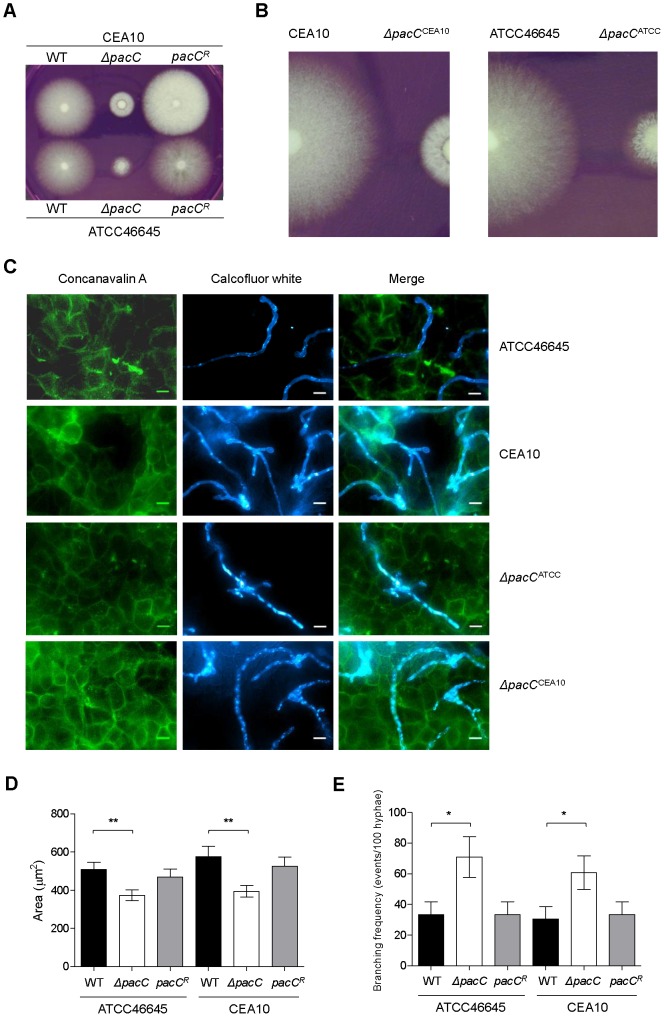
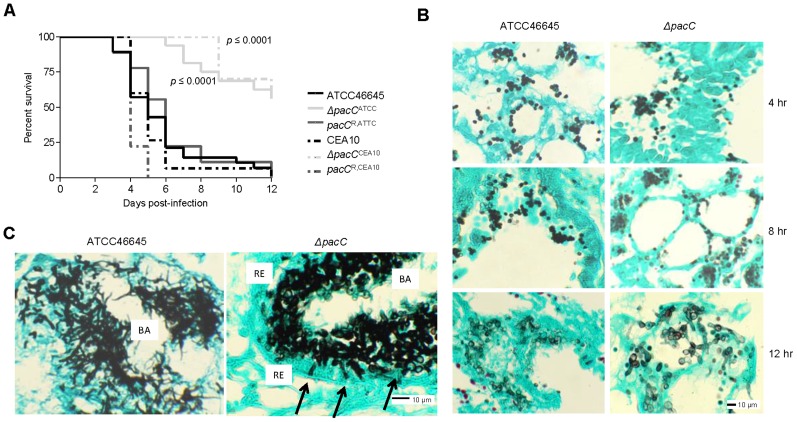
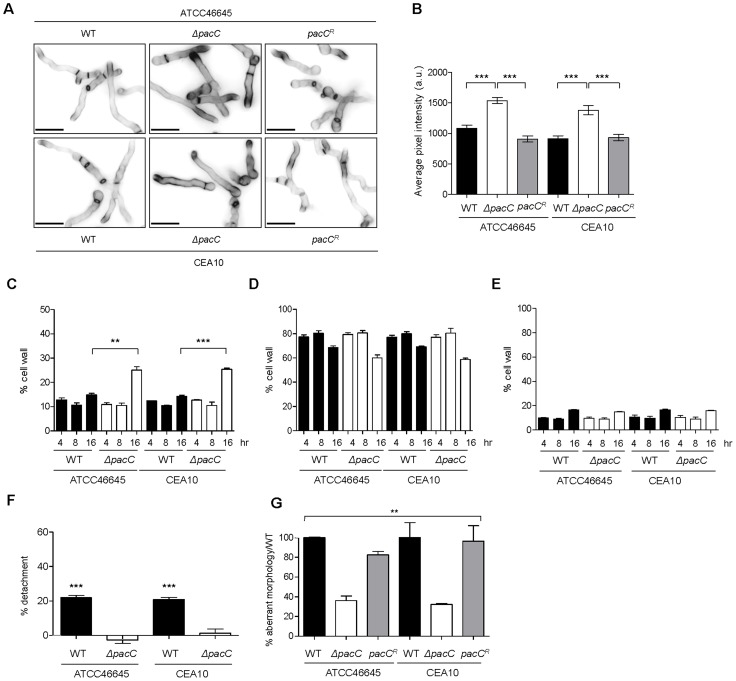
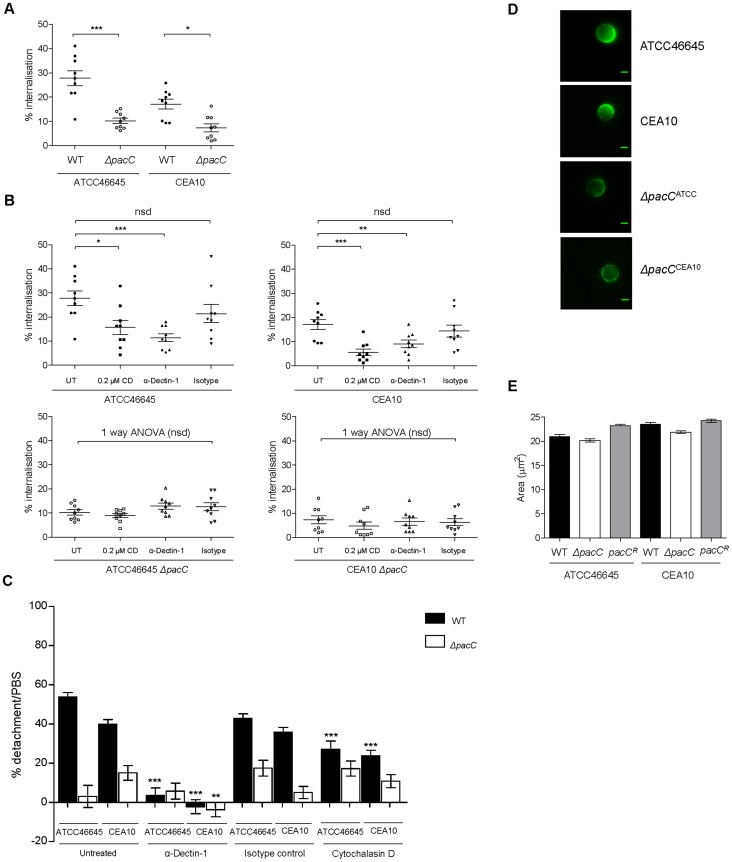
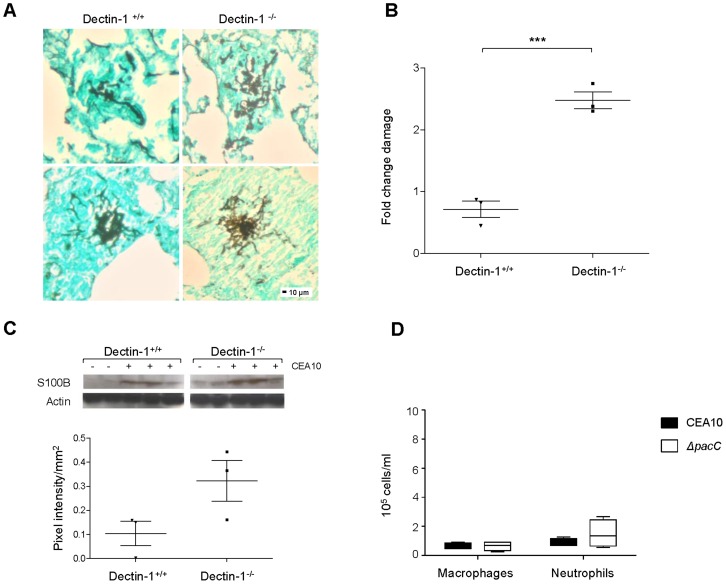
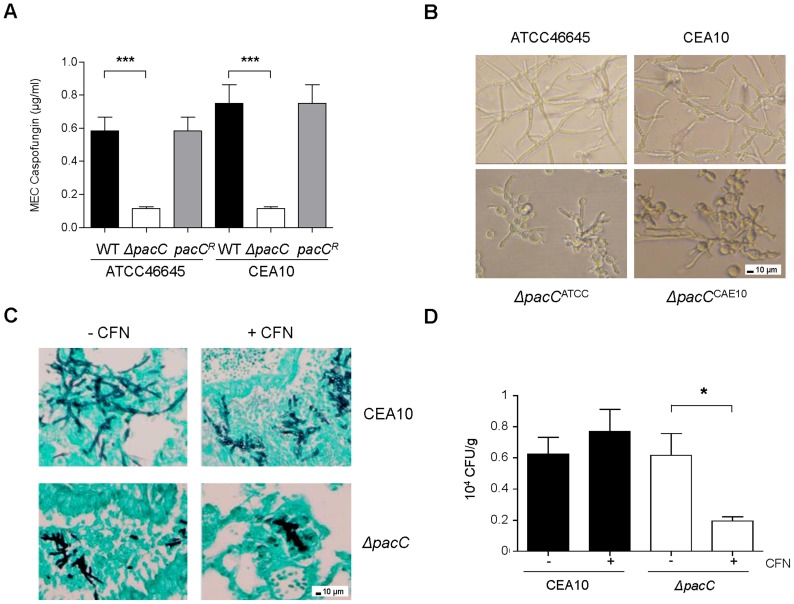
Destruction of the pulmonary epithelium is a major feature of lung diseases caused by the mould pathogen Aspergillus fumigatus. Although it is widely postulated that tissue invasion is governed by fungal proteases, A. fumigatus mutants lacking individual or multiple enzymes remain fully invasive, suggesting a concomitant requirement for other pathogenic activities during host invasion. In this study we discovered, and exploited, a novel, tissue non-invasive, phenotype in A. fumigatus mutants lacking the pH-responsive transcription factor PacC. Our study revealed a novel mode of epithelial entry, occurring in a cell wall-dependent manner prior to protease production, and via the Dectin-1 β-glucan receptor. ΔpacC mutants are defective in both contact-mediated epithelial entry and protease expression, and significantly attenuated for pathogenicity in leukopenic mice. We combined murine infection modelling, in vivo transcriptomics, and in vitro infections of human alveolar epithelia, to delineate two major, and sequentially acting, PacC-dependent processes impacting epithelial integrity in vitro and tissue invasion in the whole animal. We demonstrate that A. fumigatus spores and germlings are internalised by epithelial cells in a contact-, actin-, cell wall- and Dectin-1 dependent manner and ΔpacC mutants, which aberrantly remodel the cell wall during germinative growth, are unable to gain entry into epithelial cells, both in vitro and in vivo. We further show that PacC acts as a global transcriptional regulator of secreted molecules during growth in the leukopenic mammalian lung, and profile the full cohort of secreted gene products expressed during invasive infection. Our study reveals a combinatorial mode of tissue entry dependent upon sequential, and mechanistically distinct, perturbations of the pulmonary epithelium and demonstrates, for the first time a protective role for Dectin-1 blockade in epithelial defences. Infecting ΔpacC mutants are hypersensitive to cell wall-active antifungal agents highlighting the value of PacC signalling as a target for antifungal therapy.
Overview
The claims and statistics of this paper haven’t been checked yet.
Free: it reads the open-access text and checks the first 5 claims that cite a source we can check. Create a free account to check every claim.
Integrity signals
Registry
Cites
Statistics
Figures
Verification
Claims the paper makes
The claims and statistics of this paper haven’t been checked yet.
Free: it reads the open-access text and checks the first 5 claims that cite a source we can check. Create a free account to check every claim.
Claims other papers make about this one
Each is checked against this paper’s own text: does it say what the citing paper says it does?
The source backs part of the claim, not all of it — or backs it for a different population, condition or comparison.
In the citing paper
“Moreover, reduced epithelial cell wall damage due to defective protease secretion was observed with the pacC mutants (223).”
From Aspergillus fumigatus and Aspergillosis in 2019 (2019) · cites this paper as [223]
Experimental — accuracy not yet measuredIn the citing paper
“In this study, A. fumigatus conidia and germlings are internalized by epithelial cells in a Dectin-1-dependent manner”
From Aspergillus fumigatus and Aspergillosis in 2019 (2019) · cites this paper as [223]
In the citing paper
“A recent study with the A549 cell line and mice identified a novel role of the pH-responsive transcription factor (TF) PacC in Aspergillus pathogenicity, linked to epithelial cell penetration.”
From Aspergillus fumigatus and Aspergillosis in 2019 (2019) · cites this paper as [223]
In the citing paper
“and pacC mutants, which aberrantly remodel the cell wall during germinative growth, are able to enter efficiently into epithelial cells.”
From Aspergillus fumigatus and Aspergillosis in 2019 (2019) · cites this paper as [223]
In the citing paper
“However, PacC controls more than pH adaptation, since the pacC mutant has an altered cell wall associated with differences in susceptibility to cell wall drugs (223) (S. Raj, Z. Liu, M. Bromley, and J.-P. Latgé, unpublished data).”
From Aspergillus fumigatus and Aspergillosis in 2019 (2019) · cites this paper as [223]
1 more claim about this paper
Create a free account to see every claim other papers make about this one.
Self-check
Percentages, sums and reported differences re-computed from the paper’s own numbers.
The self-check needs the paper’s full text.
Citations
Cites
Bradford, M. M. (1976) · Analytical Biochemistry · doi:10.1016/0003-2697(76)90527-3 · Cited by 255,302 · cited 1×
“Protein concentrations were determined using the Bradford assay [74].”
MethodTowbin, H., Staehelin, T., & Gordon, J. (1979) · Proceedings of the National Academy of Sciences · doi:10.1073/pnas.76.9.4350 · Cited by 53,385
Raza, H., John, A., & Nemmar, A. (2013) · Cellular Physiology and Biochemistry · doi:10.1159/000350087 · Cited by 47,221
Systematic and integrative analysis of large gene lists using DAVID bioinformatics resources
Huang, D. W., Sherman, B. T., & Lempicki, R. A. (2009) · Nature Protocols · doi:10.1038/nprot.2008.211 · Cited by 35,890 · cited 1×
“gov/) [77,78].”
Huang, D. W., Sherman, B. T., & Lempicki, R. A. (2009) · Nucleic Acids Research · doi:10.1093/nar/gkn923 · Cited by 14,108 · cited 1×
“gov/) [77,78].”
Hidden Killers: Human Fungal Infections
Brown, G. D., Denning, D. W., Gow, N. A. R., Levitz, S. M., Netea, M. G., & White, T. C. (2012) · Science Translational Medicine · doi:10.1126/scitranslmed.3004404 · Cited by 4,284 · cited 2×
“Amongst the resultant diseases, invasive aspergillosis (IA) exerts the highest fatal toll, resulting globally in an estimated 200,000 deaths per annum [1].”
BackgroundAspergillus fumigatus and Aspergillosis
Latgé, J.-P. (1999) · Clinical Microbiology Reviews · doi:10.1128/cmr.12.2.310 · Cited by 2,307 · cited 1×
“fumigatus genome is predicted to encode more than 100 hydrolytic enzymes [55] some of which are assumed as crucial for liberation of proteinaceous nutrients from host tissues [56,57].”
BackgroundThe Genetics of Aspergillus nidulans
Pontecorvo, G., Roper, J. A., Chemmons, L. M., Macdonald, K. D., & Bufton, A. W. J. (1953) · Advances in Genetics · doi:10.1016/s0065-2660(08)60408-3 · Cited by 2,302 · cited 11×
“Aspergillus phenotypic analysis Dilutions of 103 conidia were inoculated onto ACM or supplemented AMM (as shown on Table S3) and incubated for 48 hr and 72 hr respectively.”
MethodInfluentialBrown, G. D., & Gordon, S. (2001) · Nature · doi:10.1038/35092620 · Cited by 1,579
Pappas, P. G., Alexander, B. D., Andes, D. R., Hadley, S., Kauffman, C. A., Freifeld, A., Anaissie, E. J., Brumble, L. M., Herwaldt, L., Ito, J., et al. (2010) · Clinical Infectious Diseases · doi:10.1086/651262 · Cited by 1,570 · cited 1×
“all invasive fungal infections in these cohorts and causes 58% and 34% mortality, respectively, at 12 weeks post-transplant [2–4].”
BackgroundKontoyiannis, D. P., Marr, K. A., Park, B. J., Alexander, B. D., Anaissie, E. J., Walsh, T. J., Ito, J., Andes, D. R., Baddley, J. W., Brown, J. M., et al. (2010) · Clinical Infectious Diseases · doi:10.1086/651263 · Cited by 1,456 · cited 1×
“all invasive fungal infections in these cohorts and causes 58% and 34% mortality, respectively, at 12 weeks post-transplant [2–4].”
BackgroundGenomic sequence of the pathogenic and allergenic filamentous fungus Aspergillus fumigatus
Nierman, W. C., Pain, A., Anderson, M. J., Wortman, J. R., Kim, H. S., Arroyo, J., Berriman, M., Abe, K., Archer, D. B., Bermejo, C., et al. (2005) · Nature · doi:10.1038/nature04332 · Cited by 1,391
Self-citationDectin-1 Mediates the Biological Effects of β-Glucans
Brown, G. D., Herre, J., Williams, D. L., Willment, J. A., Marshall, A. S. J., & Gordon, S. (2003) · The Journal of Experimental Medicine · doi:10.1084/jem.20021890 · Cited by 1,205
Dectin-1 Is A Major β-Glucan Receptor On Macrophages
Brown, G. D., Taylor, P. R., Reid, D. M., Willment, J. A., Williams, D. L., Martinez-Pomares, L., Wong, S. Y. C., & Gordon, S. (2002) · The Journal of Experimental Medicine · doi:10.1084/jem.20020470 · Cited by 1,014
Pathogenesis of Aspergillus fumigatus in Invasive Aspergillosis
Dagenais, T. R. T., & Keller, N. P. (2009) · Clinical Microbiology Reviews · doi:10.1128/cmr.00055-08 · Cited by 993 · cited 1×
“fumigatus genome is predicted to encode more than 100 hydrolytic enzymes [55] some of which are assumed as crucial for liberation of proteinaceous nutrients from host tissues [56,57].”
BackgroundRodriguez-Tudela, J. L., Arendrup, M. C., Barchiesi, F., Bille, J., Chryssanthou, E., Cuenca-Estrella, M., Dannaoui, E., Denning, D. W., Donnelly, J. P., Dromer, F., et al. (2008) · Clinical Microbiology and Infection · doi:10.1111/j.1469-0691.2007.01935.x · Cited by 652
Tilburn, J., Sarkar, S., Widdick, D. A., Espeso, E. A., Orejas, M., Mungroo, J., Peñalva, M. A., & Arst, H. N. (1995) · The EMBO Journal · doi:10.1002/j.1460-2075.1995.tb07056.x · Cited by 644 · cited 1×
“The ipnA2 probe was synthesised and labelled as described previously [27,73].”
MethodSelf-citationAls3 Is a Candida albicans Invasin That Binds to Cadherins and Induces Endocytosis by Host Cells
Phan, Q. T., Myers, C. L., Fu, Y., Sheppard, D. C., Yeaman, M. R., Welch, W. H., Ibrahim, A. S., Edwards, J. E., & Filler, S. G. (2007) · PLoS Biology · doi:10.1371/journal.pbio.0050064 · Cited by 641 · cited 1×
“fumigatus lacks any homologue of the Als3 invasin altogether [63,64].”
BackgroundSelf-citationDectin-1 is required for host defense against Pneumocystis carinii but not against Candida albicans
Saijo, S., Fujikado, N., Furuta, T., Chung, S.-H., Kotaki, H., Seki, K., Sudo, K., Akira, S., Adachi, Y., Ohno, N., et al. (2007) · Nature Immunology · doi:10.1038/ni1425 · Cited by 611 · cited 2×
“Leukopenic male CD1 and C57BL/6 Dectin-1 [76] were infected with 10(6) spores in 40 ml of saline solution and culled after 24 hr of infection.”
MethodSelf-citationSchrettl, M., Bignell, E., Kragl, C., Joechl, C., Rogers, T., Arst, H. N., Haynes, K., & Haas, H. (2004) · The Journal of Experimental Medicine · doi:10.1084/jem.20041242 · Cited by 493 · cited 1×
“fumigatus spores were harvested and prepared as previously described [75] and viable”
MethodSelf-citationStimulation of Chitin Synthesis Rescues Candida albicans from Echinocandins
Walker, L. A., Munro, C. A., de Bruijn, I., Lenardon, M. D., McKinnon, A., & Gow, N. A. R. (2008) · PLoS Pathogens · doi:10.1371/journal.ppat.1000040 · Cited by 445 · cited 1×
“Preparation of samples for Transmission Electron Microscopy (TEM) were performed as previously described [79].”
MethodSelf-citationGlobal burden of chronic pulmonary aspergillosis as a sequel to pulmonary tuberculosis
Denning, D., Pleuvry, A., & Cole, D. (2011) · Bulletin of the World Health Organization · doi:10.2471/blt.11.089441 · Cited by 420 · cited 1×
“Structural or immunological lung defects also lead to chronic, semi-invasive, pulmonary aspergillosis (CPA) having a 5 year mortality of 50% [5].”
BackgroundHistoplasma capsulatum α-(1,3)-glucan blocks innate immune recognition by the β-glucan receptor
Rappleye, C. A., Eissenberg, L. G., & Goldman, W. E. (2007) · Proceedings of the National Academy of Sciences · doi:10.1073/pnas.0609848104 · Cited by 419
Morgan, J., Wannemuehler, K. A., Marr, K. A., Hadley, S., Kontoyiannis, D. P., Walsh, T. J., Fridkin, S. K., Pappas, P. G., & Warnock, D. W. (2005) · Medical Mycology · doi:10.1080/13693780400020113 · Cited by 407 · cited 1×
“Amongst more than 200 Aspergillus species, Aspergillus fumigatus accounts for the majority of these diseases [6].”
BackgroundAmbient pH gene regulation in fungi: making connections
Peñalva, M. A., Tilburn, J., Bignell, E., & Arst, H. N. (2008) · Trends in Microbiology · doi:10.1016/j.tim.2008.03.006 · Cited by 387
Self-citation(2008) · Clinical Microbiology and Infection · doi:10.1111/j.1469-0691.2008.02086.x · Cited by 370
A Drug-Sensitive Genetic Network Masks Fungi from the Immune System
Wheeler, R. T., & Fink, G. R. (2006) · PLoS Pathogens · doi:10.1371/journal.ppat.0020035 · Cited by 359 · cited 1×
“1 mg/ml Alexa Fluor 488 goat anti-mouse IgM (m chain) antibody (Life technologies, in PBS buffer) [47,82,83].”
MethodFactors associated with mortality in transplant patients with invasive aspergillosis
Baddley, J. W., Andes, D. R., Marr, K. A., Kontoyiannis, D. P., Alexander, B. D., Kauffman, C. A., Oster, R. A., Anaissie, E. J., Walsh, T. J., Schuster, M. G., et al. (2010) · Clinical Infectious Diseases · doi:10.1086/652768 · Cited by 303 · cited 1×
“all invasive fungal infections in these cohorts and causes 58% and 34% mortality, respectively, at 12 weeks post-transplant [2–4].”
BackgroundRIM101-Dependent and -Independent Pathways Govern pH Responses in Candida albicans
Davis, D., Wilson, R. B., & Mitchell, A. P. (2000) · Molecular and Cellular Biology · doi:10.1128/mcb.20.3.971-978.2000 · Cited by 285
Candida albicans RIM101 pH Response Pathway Is Required for Host-Pathogen Interactions
Davis, D., Edwards, J. E., Mitchell, A. P., & Ibrahim, A. S. (2000) · Infection and Immunity · doi:10.1128/iai.68.10.5953-5959.2000 · Cited by 274 · cited 1×
“Acting via PacC/Rim101 transcription factors, this environmental adaptation mechanism promotes the energy-efficient production of exported enzymes and metabolites, and has a demonstrated role in the pathogenicity of Candida albicans [25,28] and Aspergillus nidulans [29].”
BackgroundRegulation of gene expression by pH of the growth medium in Aspergillus nidulans
Caddick, M. X., Brownlee, A. G., & Arst, H. N. (1986) · Molecular and General Genetics MGG · doi:10.1007/bf00333978 · Cited by 268 · cited 1×
“In fungi a conserved regulatory pathway governs the pHdependent expression of secreted proteins and adaptation to alkaline stress [23–27].”
BackgroundWächtler, B., Citiulo, F., Jablonowski, N., Förster, S., Dalle, F., Schaller, M., Wilson, D., & Hube, B. (2012) · PLoS ONE · doi:10.1371/journal.pone.0036952 · Cited by 250
Plaine, A., Walker, L., Da Costa, G., Mora-Montes, H. M., McKinnon, A., Gow, N. A. R., Gaillardin, C., Munro, C. A., & Richard, M. L. (2008) · Fungal Genetics and Biology · doi:10.1016/j.fgb.2008.08.003 · Cited by 238 · cited 1×
“Cell walls were extracted with some modifications as described previously [80,81].”
MethodSelf-citationSub-Telomere Directed Gene Expression during Initiation of Invasive Aspergillosis
McDonagh, A., Fedorova, N. D., Crabtree, J., Yu, Y., Kim, S., Chen, D., Loss, O., Cairns, T., Goldman, G., Armstrong-James, D., et al. (2008) · PLoS Pathogens · doi:10.1371/journal.ppat.1000154 · Cited by 235
Self-citationHost Cell Invasion and Virulence Mediated by Candida albicans Ssa1
Sun, J. N., Solis, N. V., Phan, Q. T., Bajwa, J. S., Kashleva, H., Thompson, A., Liu, Y., Dongari-Bagtzoglou, A., Edgerton, M., & Filler, S. G. (2010) · PLoS Pathogens · doi:10.1371/journal.ppat.1001181 · Cited by 220 · cited 1×
“fumigatus lacks any homologue of the Als3 invasin altogether [63,64].”
BackgroundSelf-citationGrahl, N., Puttikamonkul, S., Macdonald, J. M., Gamcsik, M. P., Ngo, L. Y., Hohl, T. M., & Cramer, R. A. (2011) · PLoS Pathogens · doi:10.1371/journal.ppat.1002145 · Cited by 217 · cited 1×
“The mammalian pulmonary niche exerts multiple physiological stresses upon invading pathogens, including mildly alkaline pH, hypoxia, and iron-, zinc- and nutrient limitation [30,32,33].”
BackgroundOrejas, M., Espeso, E. A., Tilburn, J., Sarkar, S., Arst, H. N., & Peñalva, M. A. (1995) · Genes & Development · doi:10.1101/gad.9.13.1622 · Cited by 210 · cited 2×
“10 mg of protein was extracted from washed mycelia as described previously [73].”
MethodSelf-citationProteolytic Activation of Rim1p, a Positive Regulator of Yeast Sporulation and Invasive Growth
Li, W., & Mitchell, A. P. (1997) · Genetics · doi:10.1093/genetics/145.1.63 · Cited by 208
Park, H., Myers, C. L., Sheppard, D. C., Phan, Q. T., Sanchez, A. A., E. Edwards, J., & Filler, S. G. (2004) · Cellular Microbiology · doi:10.1111/j.1462-5822.2004.00476.x · Cited by 207 · cited 1×
“albicans where internalisation of live germinated cells, but not killed cells, leads to host damage [62].”
BackgroundSelf-citationRecognition and Blocking of Innate Immunity Cells by Candida albicans Chitin
Mora-Montes, H. M., Netea, M. G., Ferwerda, G., Lenardon, M. D., Brown, G. D., Mistry, A. R., Kullberg, B. J., O'Callaghan, C. A., Sheth, C. C., Odds, F. C., et al. (2011) · Infection and Immunity · doi:10.1128/iai.01282-10 · Cited by 204 · cited 1×
“Cell walls were extracted with some modifications as described previously [80,81].”
MethodSelf-citationAmitani, R., Taylor, G., Elezis, E. N., Llewellyn-Jones, C., Mitchell, J., Kuze, F., Cole, P. J., & Wilson, R. (1995) · Infection and Immunity · doi:10.1128/iai.63.9.3266-3271.1995 · Cited by 200 · cited 1×
“Exposure of in vitro-cultured bronchial, or alveolar, epithelial cells (ECs) to fungal culture supernatants has revealed a role for fungal proteases in destruction of the mammalian F-actin cytoskeleton and loss of focal adhesion [7–9].”
BackgroundVillar, C. C., Kashleva, H., Nobile, C. J., Mitchell, A. P., & Dongari-Bagtzoglou, A. (2007) · Infection and Immunity · doi:10.1128/iai.00054-07 · Cited by 200 · cited 1×
“albicans have revealed several means of fungal entry into epithelial cells, including self-induced endocytosis, and protease-mediated decay, the latter impacting, via Rim101-mediated E-cadherin degradation, the disintegration of oral epithelia [69].”
BackgroundInteraction of Cryptococcus neoformans Rim101 and Protein Kinase A Regulates Capsule
O'Meara, T. R., Norton, D., Price, M. S., Hay, C., Clements, M. F., Nichols, C. B., & Alspaugh, J. A. (2010) · PLoS Pathogens · doi:10.1371/journal.ppat.1000776 · Cited by 198 · cited 2×
“neoformans [50–52], modulation of host innate immunity is unlikely to contribute to A.”
BackgroundAdaptation to environmental pH in Candida albicans and its relation to pathogenesis
Davis, D. (2003) · Current Genetics · doi:10.1007/s00294-003-0415-2 · Cited by 196
Evidence for possible involvement of an elastolytic serine protease in aspergillosis
Kolattukudy, P. E., Lee, J. D., Rogers, L. M., Zimmerman, P., Ceselski, S., Fox, B., Stein, B., & Copelan, E. A. (1993) · Infection and Immunity · doi:10.1128/iai.61.6.2357-2368.1993 · Cited by 195 · cited 1×
“fumigatus isolates and pathogenicity in mice [58] but a subsequent survey of 73 isolates revealed discordant”
BackgroundWasylnka, J. A., & Moore, M. M. (2002) · Infection and Immunity · doi:10.1128/iai.70.6.3156-3163.2002 · Cited by 188 · cited 3×
“Cells of the A549 pneumocyte cell line [18] and 16HBE14o- transformed human bronchial epithelial cells [19] internalise 30–50% of encountered spores, via an actin-dependent mechanism.”
BackgroundValiante, V., Heinekamp, T., Jain, R., Härtl, A., & Brakhage, A. A. (2007) · Fungal Genetics and Biology · doi:10.1016/j.fgb.2007.09.006 · Cited by 180 · cited 1×
“activated kinase MpkA, demonstrate more severe radial growth defects than DpacC mutants in Aspergillus minimal medium [37]”
BackgroundDynamics of cell wall components of Magnaporthe grisea during infectious structure development
Fujikawa, T., Kuga, Y., Yano, S., Yoshimi, A., Tachiki, T., Abe, K., & Nishimura, M. (2009) · Molecular Microbiology · doi:10.1111/j.1365-2958.2009.06786.x · Cited by 178 · cited 1×
“1 mg/ml Alexa Fluor 488 goat anti-mouse IgM (m chain) antibody (Life technologies, in PBS buffer) [47,82,83].”
MethodAspergillus fumigatus conidia survive and germinate in acidic organelles of A549 epithelial cells
Wasylnka, J. A., & Moore, M. M. (2003) · Journal of Cell Science · doi:10.1242/jcs.00329 · Cited by 161 · cited 1×
“Whilst the vast majority of internalised spores are killed, a small proportion (,3%) survives and germinates inside acidic organelles [20].”
BackgroundEfficient PCR-based gene targeting with a recyclable marker for Aspergillus nidulans
Nielsen, M. L., Albertsen, L., Lettier, G., Nielsen, J. B., & Mortensen, U. H. (2006) · Fungal Genetics and Biology · doi:10.1016/j.fgb.2005.09.005 · Cited by 160 · cited 1×
“Generation of DpacC mutants DpacC mutants in the genetic backgrounds CEA10 (DpacC) and ATCC46645 (DpacC) were constructed by gene replacement (Figure S1A) using a split-marker strategy [72].”
MethodMarkaryan, A., Morozova, I., Yu, H., & Kolattukudy, P. E. (1994) · Infection and Immunity · doi:10.1128/iai.62.6.2149-2157.1994 · Cited by 159 · cited 1×
“fumigatus culture filtrates and leukopenic murine hosts [59], is dispensable for pathogenicity.”
BackgroundVirulence of alkaline protease-deficient mutants of Aspergillus fumigatus
Monod, M. (1993) · FEMS Microbiology Letters · doi:10.1016/0378-1097(93)90053-5 · Cited by 155 · cited 1×
“fumigatus mutant lacking Alp1 retained full virulence in both cortisone-treated [61] and leukopenic mice [15].”
BackgroundNobile, C. J., Solis, N., Myers, C. L., Fay, A. J., Deneault, J.-S., Nantel, A., Mitchell, A. P., & Filler, S. G. (2008) · Cellular Microbiology · doi:10.1111/j.1462-5822.2008.01198.x · Cited by 150 · cited 2×
“In C. albicans, oropharyngeal pathogenicity, estimated from in vitro assessment of damage in the FaDu cell line, can be partially restored to attenuated Rim101 null mutants via overexpression of the Rim101 target genes ALS3, CHT2, PGA7/RBT6, SKN1 or ZRT1 [49].”
BackgroundSelf-citationda Glória Sousa, M., Reid, D. M., Schweighoffer, E., Tybulewicz, V., Ruland, J., Langhorne, J., Yamasaki, S., Taylor, P. R., Almeida, S. R., & Brown, G. D. (2011) · Cell Host & Microbe · doi:10.1016/j.chom.2011.04.005 · Cited by 149
Internalization of Aspergillus fumigatus conidia by epithelial and endothelial cells
Paris, S., Boisvieux-Ulrich, E., Crestani, B., Houcine, O., Taramelli, D., Lombardi, L., & Latgé, J. P. (1997) · Infection and Immunity · doi:10.1128/iai.65.4.1510-1514.1997 · Cited by 149 · cited 2×
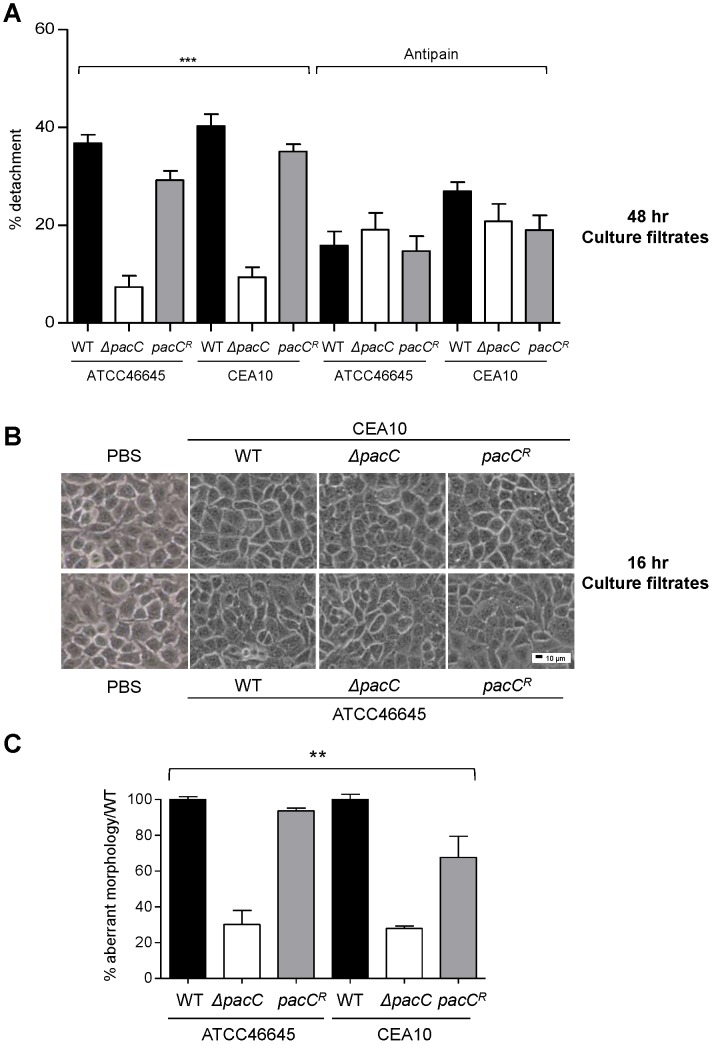
“fumigatus conidia, host injury can be observed as cell rounding and detachment from monolayers [16–18,20], and cytoskeletal fibres of lung pneumocytes suffer major reorganisation, an effect which can be blocked by antipain-mediated protease inhibition [8].”
BackgroundTang, C. M., Cohen, J., Krausz, T., Van Noorden, S., & Holden, D. W. (1993) · Infection and Immunity · doi:10.1128/iai.61.5.1650-1656.1993 · Cited by 147 · cited 1×
“fumigatus mutant lacking Alp1 retained full virulence in both cortisone-treated [61] and leukopenic mice [15].”
BackgroundJaton‐Ogay, K., Paris, S., Huerre, M., Quadroni, M., Falchetto, R., Togni, G., Latgé, J., & Monod, M. (1994) · Molecular Microbiology · doi:10.1111/j.1365-2958.1994.tb01327.x · Cited by 143 · cited 2×
“completely deficient in collagenic proteolytic activity at neutral pH in vitro, is fully virulent in a cortisone-treated murine model [13].”
BackgroundResultAspergillus fumigatus MedA governs adherence, host cell interactions and virulence
Gravelat, F. N., Ejzykowicz, D. E., Chiang, L. Y., Chabot, J. C., Urb, M., Macdonald, K. D., al-Bader, N., Filler, S. G., & Sheppard, D. C. (2010) · Cellular Microbiology · doi:10.1111/j.1462-5822.2009.01408.x · Cited by 136 · cited 1×
“, 2012 [84] as described in Text S1.”
MethodSelf-citationMellado, E., Aufauvre‐Brown, A., Gow, N. A. R., & Holden, D. W. (1996) · Molecular Microbiology · doi:10.1046/j.1365-2958.1996.5571084.x · Cited by 136 · cited 1×
“growth, null mutants lacking the ChsG chitin synthase remain fully virulent in an inhalational model of infection [36].”
BackgroundDichtl, K., Helmschrott, C., Dirr, F., & Wagener, J. (2012) · Molecular Microbiology · doi:10.1111/j.1365-2958.2011.07946.x · Cited by 133 · cited 1×
“and exhibit highly alkaline sensitive phenotypes [38], but retain”
BackgroundLee, H., Yuk, J., Shin, D., & Jo, E. (2009) · Journal of Clinical Immunology · doi:10.1007/s10875-009-9319-3 · Cited by 127 · cited 1×
“Dectin-1 expression in non-myeloid cells is increasingly frequently reported and has demonstrated relevance in b-1,3-glucan-(curdlan) exposed bronchiolar and alveolar type II cells [43], poly IC challenge of human bronchial epithelial cells [66], Mycobacterium ulcerans infection of epidermal keratinocytes and Mycobact…”
BackgroundGrim, C. J., Kozlova, E. V., Sha, J., Fitts, E. C., van Lier, C. J., Kirtley, M. L., Joseph, S. J., Read, T. D., Burd, E. M., Tall, B. D., et al. (2013) · mBio · doi:10.1128/mbio.00064-13 · Cited by 126
O'Meara, T. R., Holmer, S. M., Selvig, K., Dietrich, F., & Alspaugh, J. A. (2013) · mBio · doi:10.1128/mbio.00522-12 · Cited by 124 · cited 1×
“neoformans [50–52], modulation of host innate immunity is unlikely to contribute to A.”
BackgroundBezerra, L. M. L., & Filler, S. G. (2004) · Blood · doi:10.1182/blood-2003-06-2186 · Cited by 118 · cited 2×
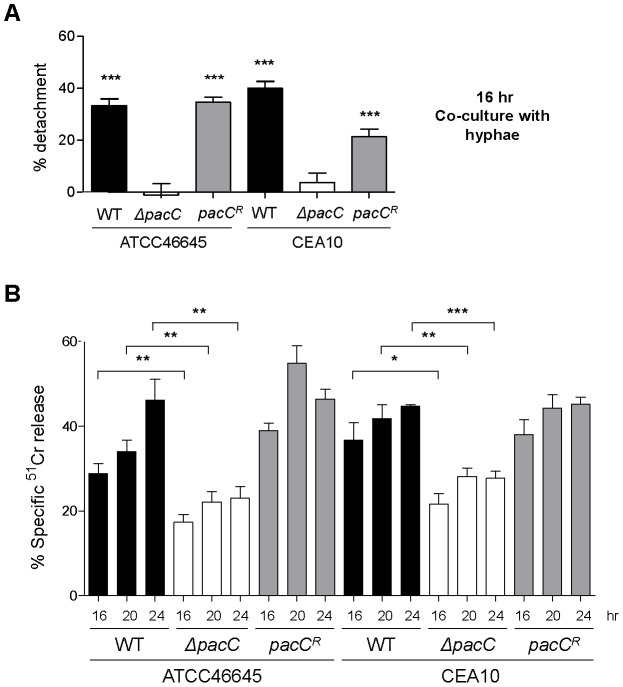
“To further characterise this deficit in epithelial damage, a modified Cr release assay [35], adopting a similar time course of”
MethodSelf-citationSoluble Dectin-1 as a tool to detect β-glucans
Graham, L. M., Tsoni, S. V., Willment, J. A., Williams, D. L., Taylor, P. R., Gordon, S., Dennehy, K. M., & Brown, G. D. (2006) · Journal of Immunological Methods · doi:10.1016/j.jim.2006.05.013 · Cited by 113
The Aspergillus pH‐responsive transcription factor PacC regulates virulence
Bignell, E., Negrete‐Urtasun, S., Calcagno, A. M., Haynes, K., Arst, H. N., & Rogers, T. (2005) · Molecular Microbiology · doi:10.1111/j.1365-2958.2004.04472.x · Cited by 109 · cited 2×
“nidulans pH regulation [29], loss of A.”
BackgroundSelf-citationEisendle, M., Oberegger, H., Buttinger, R., Illmer, P., & Haas, H. (2004) · Eukaryotic Cell · doi:10.1128/ec.3.2.561-563.2004 · Cited by 106 · cited 2×
“In A. nidulans, siderophore-mediated iron acquisition is PacCdependent [54], in A. fumigatus it is not (Hubertus Haas personal communication).”
BackgroundSelf-citationKogan, T. V., Jadoun, J., Mittelman, L., Hirschberg, K., & Osherov, N. (2004) · The Journal of Infectious Diseases · doi:10.1086/420850 · Cited by 101 · cited 4×
“fumigatus culture filtrates cause epithelial desquamation and destroy F-actin cytoskeletal fibres of in vitro-cultured pneumocytes [8,60].”
BackgroundInfluentialThe Danger Signal S100B Integrates Pathogen– and Danger–Sensing Pathways to Restrain Inflammation
Sorci, G., Giovannini, G., Riuzzi, F., Bonifazi, P., Zelante, T., Zagarella, S., Bistoni, F., Donato, R., & Romani, L. (2011) · PLoS Pathogens · doi:10.1371/journal.ppat.1001315 · Cited by 97 · cited 1×
“fumigatus infection is epithelial cells [48].”
Interaction of the pathogenic mold Aspergillus fumigatus with lung epithelial cells
Osherov, N. (2012) · Frontiers in Microbiology · doi:10.3389/fmicb.2012.00346 · Cited by 96 · cited 1×
“fumigatus spores, which might thereby evade host immunity and initiate disseminated infections (as reviewed by Osherov, 2011 [21]).”
BackgroundO'Meara, T. R., Xu, W., Selvig, K. M., O'Meara, M. J., Mitchell, A. P., & Alspaugh, J. A. (2014) · Molecular and Cellular Biology · doi:10.1128/mcb.01359-13 · Cited by 95 · cited 1×
“Amongst the repertoire of invasion tactics employed by fungal pathogens at host epithelia, induced endocytosis, active penetration and participation of host factors have been implicated [52].”
BackgroundAmich, J., Vicentefranqueira, R., Mellado, E., Ruiz-Carmuega, A., Leal, F., & Calera, J. A. (2014) · Cellular Microbiology · doi:10.1111/cmi.12238 · Cited by 84 · cited 1×
“The mammalian pulmonary niche exerts multiple physiological stresses upon invading pathogens, including mildly alkaline pH, hypoxia, and iron-, zinc- and nutrient limitation [30,32,33].”
BackgroundBinding and Germination of Aspergillus fumigatus Conidia on Cultured A549 Pneumocytes
DeHart, D. J., Agwu, D. E., Julian, N. C., & Washburn, R. G. (1997) · Journal of Infectious Diseases · doi:10.1093/infdis/175.1.146 · Cited by 82 · cited 2×
“fumigatus conidia, host injury can be observed as cell rounding and detachment from monolayers [16–18,20], and cytoskeletal fibres of lung pneumocytes suffer major reorganisation, an effect which can be blocked by antipain-mediated protease inhibition [8].”
BackgroundChaudhary, N., Datta, K., Askin, F. B., Staab, J. F., & Marr, K. A. (2012) · American Journal of Respiratory and Critical Care Medicine · doi:10.1164/rccm.201106-1027oc · Cited by 79 · cited 3×
“, 2012 who reported that bronchial ECs harbouring a CFTR mutation (DF508) demonstrate impaired uptake and killing of conidia [22].”
BackgroundResultInfluentialSharon, H., Hagag, S., & Osherov, N. (2009) · Infection and Immunity · doi:10.1128/iai.00426-09 · Cited by 76 · cited 5×
“Dataset S3 shows the expression of genes encoding secreted gene products which are regulated by either PrtT [9] or PacC, or both transcription factors.”
BackgroundInfluentialA Regulator of Aspergillus fumigatus Extracellular Proteolytic Activity Is Dispensable for Virulence
Bergmann, A., Hartmann, T., Cairns, T., Bignell, E. M., & Krappmann, S. (2009) · Infection and Immunity · doi:10.1128/iai.00425-09 · Cited by 72 · cited 2×
“fumigatus pathogenicity [10].”
BackgroundSelf-citationLee, H.-M., Shin, D.-M., Choi, D.-K., Lee, Z.-W., Kim, K.-H., Yuk, J.-M., Kim, C. D., Lee, J.-H., & Jo, E.-K. (2009) · Cellular Microbiology · doi:10.1111/j.1462-5822.2009.01285.x · Cited by 69 · cited 1×
“Dectin-1 expression in non-myeloid cells is increasingly frequently reported and has demonstrated relevance in b-1,3-glucan-(curdlan) exposed bronchiolar and alveolar type II cells [43], poly IC challenge of human bronchial epithelial cells [66], Mycobacterium ulcerans infection of epidermal keratinocytes and Mycobact…”
BackgroundReichard, U., Monod, M., Odds, F., & Rüchel, R. (1997) · Medical Mycology · doi:10.1080/02681219780001131 · Cited by 68
Rand, T. G., Sun, M., Gilyan, A., Downey, J., & Miller, J. D. (2009) · Archives of Toxicology · doi:10.1007/s00204-009-0481-4 · Cited by 67
Han, X., Yu, R., Zhen, D., Tao, S., Schmidt, M., & Han, L. (2011) · PLoS ONE · doi:10.1371/journal.pone.0021468 · Cited by 62
Gomez, P., Hackett, T. L., Moore, M. M., Knight, D. A., & Tebbutt, S. J. (2010) · BMC Genomics · doi:10.1186/1471-2164-11-358 · Cited by 52 · cited 1×
“Cells of the A549 pneumocyte cell line [18] and 16HBE14o- transformed human bronchial epithelial cells [19] internalise 30–50% of encountered spores, via an actin-dependent mechanism.”
BackgroundHartmann, T., Cairns, T. C., Olbermann, P., Morschhäuser, J., Bignell, E. M., & Krappmann, S. (2011) · Molecular Microbiology · doi:10.1111/j.1365-2958.2011.07868.x · Cited by 42 · cited 1×
“fumigatus mutants lacking individual, or multiple, enzymes retain the ability to cause fatal invasive infections in immunocompromised hosts [9–15].”
BackgroundSelf-citationRegulation of TLR2 Expression and Function in Human Airway Epithelial Cells
Melkamu, T., Squillace, D. L., Kita, H., & O’Grady, S. M. (2009) · The Journal of Membrane Biology · doi:10.1007/s00232-009-9175-3 · Cited by 41 · cited 1×
“Dectin-1 expression in non-myeloid cells is increasingly frequently reported and has demonstrated relevance in b-1,3-glucan-(curdlan) exposed bronchiolar and alveolar type II cells [43], poly IC challenge of human bronchial epithelial cells [66], Mycobacterium ulcerans infection of epidermal keratinocytes and Mycobact…”
BackgroundSharon, H., Amar, D., Levdansky, E., Mircus, G., Shadkchan, Y., Shamir, R., & Osherov, N. (2011) · PLoS ONE · doi:10.1371/journal.pone.0017509 · Cited by 35
A method to detect proteinase activity using unprocessed X-ray films
Cheung, A. L., Ying, P., & Fischetti, V. A. (1991) · Analytical Biochemistry · doi:10.1016/0003-2697(91)90037-t · Cited by 30 · cited 1×
“To further probe protease production by wild type and mutant isolates, we used a qualitative assay based upon the clearance of gelatin from the surface of unprocessed X-ray film [39].”
MethodMurine Model of Invasive Aspergillosis
Lewis, R. E., & Wiederhold, N. P. (2005) · Antifungal Agents · doi:10.1385/1-59259-943-5:129 · Cited by 28 · cited 1×
“Leukopenia is an important risk factor for IA in humans, and cyclophosphamide-induced leukocyte depletion renders mice highly susceptible to pulmonary infection [34].”
BackgroundIbrahim-Granet, O., & D’Enfert, C. (1997) · Microbiology · doi:10.1099/00221287-143-7-2247 · Cited by 26 · cited 1×
“fumigatus mutants lacking individual, or multiple, enzymes retain the ability to cause fatal invasive infections in immunocompromised hosts [9–15].”
BackgroundMerthiolate treatment of pathogenic fungi
Deighton, F. J., Hall, N. K., & Larsh, H. W. (1979) · Journal of Clinical Microbiology · doi:10.1128/jcm.10.2.144-146.1979 · Cited by 11 · cited 1×
“02% thimerosal (Sigma) overnight at 4uC [71], a treatment which preserves cellular integrity.”
Background
Cited by
Aspergillus fumigatus and Aspergillosis in 2019
Latgé, J.-P., & Chamilos, G. (2019) · Clinical Microbiology Reviews · doi:10.1128/cmr.00140-18 · Cited by 1,400
Regulation and Role of Fungal Secondary Metabolites
Macheleidt, J., Mattern, D. J., Fischer, J., Netzker, T., Weber, J., Schroeckh, V., Valiante, V., & Brakhage, A. A. (2016) · Annual Review of Genetics · doi:10.1146/annurev-genet-120215-035203 · Cited by 433
Regulators of plant biomass degradation in ascomycetous fungi
Benocci, T., Aguilar-Pontes, M. V., Zhou, M., Seiboth, B., & de Vries, R. P. (2017) · Biotechnology for Biofuels · doi:10.1186/s13068-017-0841-x · Cited by 237
Latgé, J.-P., Beauvais, A., & Chamilos, G. (2017) · Annual Review of Microbiology · doi:10.1146/annurev-micro-030117-020406 · Cited by 207
Streptomyces exploration is triggered by fungal interactions and volatile signals
Jones, S. E., Ho, L., Rees, C. A., Hill, J. E., Nodwell, J. R., & Elliot, M. A. (2017) · eLife · doi:10.7554/elife.21738 · Cited by 189
“neoformans, and Aspergillus fumigatus (Bertuzzi et al., 2014; Davis et al., 2000; O’Meara et al., 2014).”
Background
Metadata
- Authors
- Bertuzzi, M., Schrettl, M., Alcazar-Fuoli, L., Cairns, T. C., Muñoz, A., Walker, L. A., Herbst, S., Safari, M., Cheverton, A. M., Chen, D., Liu, H., Saijo, S., Fedorova, N. D., Armstrong-James, D., Munro, C. A., Read, N. D., Filler, S. G., Espeso, E. A., Nierman, W. C., Haas, H., & Bignell, E. M.
- Affiliations
- University of Manchester (GB)
- Innsbruck Medical University (AT)
- University of Exeter (GB)
- University of Aberdeen (GB)
- Imperial College London (GB)
- National Institutes of Health (US)
- University of California, Los Angeles (US)
- Chiba University (JP)
- Consejo Superior de Investigaciones Científicas (ES)
- Corresponding author
- Bignell, Elaine M.
- ORCID
- Venue
- PLoS Pathogens
- Publisher
- Public Library of Science (PLoS)
- Published
- 2014-10-16
- Volume
- 10
- Issue
- 10
- Pages
- e1004413
- ISSN
- 1553-7366 (ISSN-L)
- 1553-7374
- PMC
- PMC4199764
- OpenAlex
- W2057948698
- Cited by
- 158
- References
- 88
- Citations by year
- 2026: 7 · 2025: 10 · 2024: 13 · 2023: 13 · 2022: 8 · 2021: 20 · 2020: 16 · 2019: 9 · 2018: 21 · 2017: 16 · 2016: 16 · 2015: 8
- FWCI
- 9.29
- Type
- journal article
- Language
- en
- Update notices
- Open access
- gold
- doi.org
- Licence
- public-domain
- Locations
- PLoS Pathogens (publishedVersion, public-domain)
- Europe PMC (PubMed Central) (publishedVersion, public-domain)
- PubMed Central (publishedVersion, public-domain)
- PubMed (publishedVersion)
- Aberdeen University Research Archive (Aberdeen University) (submittedVersion)
- DIGITAL.CSIC (Spanish National Research Council (CSIC)) (submittedVersion, cc-by)
- LA Referencia (Red Federada de Repositorios Institucionales de Publicaciones Científicas) (submittedVersion, cc-by-nc-sa)
- DOAJ (DOAJ: Directory of Open Access Journals) (submittedVersion, cc-by-sa)
- eScholarship (California Digital Library) (submittedVersion)
- Figshare (submittedVersion, cc-by)
- Research Explorer (The University of Manchester) (submittedVersion, other-oa)
- Spiral (Imperial College London) (submittedVersion)
- Funders
- Wellcome Trust (WT093596MA)
- Imperial College London
- University of Aberdeen
- Austrian Science Fund
- National Institutes of Health
- Medical Research Council (G0501164, MR/L000822/1)
- Biotechnology and Biological Sciences Research Council (BB/G009619/1)
- Japan Society for the Promotion of Science (26293094)
- National Institute of Allergy and Infectious Diseases (R01AI073829)
- Topics
- Health Sciences › Medicine › Infectious Diseases › Antifungal resistance and susceptibility
- Life Sciences › Biochemistry, Genetics and Molecular Biology › Molecular Biology › Fungal and yeast genetics research
- Health Sciences › Medicine › Infectious Diseases › Fungal Infections and Studies
- Keywords
- Aspergillus fumigatus, PacC transcription factor, pulmonary aspergillosis, tissue invasion, Dectin-1, beta-glucan receptor, cell wall, fungal proteases, antifungal drug targets, fungal pathogenesis
- MeSH terms
- Animals, Aspergillus fumigatus, Epithelial Cells, Fungal Proteins, Hydrogen-Ion Concentration, Transcription Factors, Mice, Pulmonary Aspergillosis
About these checks
Registry, retraction, Cites and statistics results are computed, not judged, with one exception: a printed reference that no index lists is read once by a model before it counts as a citation error. Claims are extracted by a model and kept only when their quote appears verbatim in the text; each cited source is then checked, with a model’s help, for whether it says what the claim relies on. Those verdicts can be wrong — read the claim’s quote and the cited source before relying on one.
Statistics and arithmetic are recomputed, not judged.
Confidence bands are shown only for fields calibrated on our annotated test set. None is calibrated yet, so no band is shown.
What counts as a claim ›How we measure confidence ›How we check this ›
Are you an author, or do you see a problem with this page? Request a review
Data sources
Bibliographic data: Semantic Scholar, OpenAlex, Crossref.
Contains information from the Semantic Scholar Academic Graph Datasets, made available under the ODC Attribution License (ODC-BY 1.0).
Semantic Scholar’s data is described in: Kinney, R., et al. (2023). The Semantic Scholar Open Data Platform. arXiv:2301.10140.
