

The DOI matches its Crossref record; 193 of the 198 references it cites were found in a registry or an index.
Tryptophan Metabolism in Central Nervous System Diseases: Pathophysiology and Potential Therapeutic Strategies
Open accessAbstract
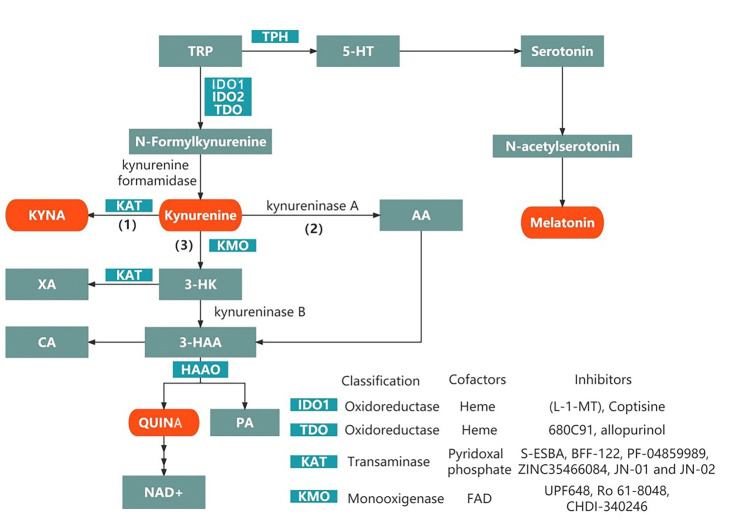
The metabolism of L-tryptophan (TRP) regulates homeostasis, immunity, and neuronal function. Altered TRP metabolism has been implicated in the pathophysiology of various diseases of the central nervous system. TRP is metabolized through two main pathways, the kynurenine pathway and the methoxyindole pathway. First, TRP is metabolized to kynurenine, then kynurenic acid, quinolinic acid, anthranilic acid, 3-hydroxykynurenine, and finally 3-hydroxyanthranilic acid along the kynurenine pathway. Second, TRP is metabolized to serotonin and melatonin along the methoxyindole pathway. In this review, we summarize the biological properties of key metabolites and their pathogenic functions in 12 disorders of the central nervous system: schizophrenia, bipolar disorder, major depressive disorder, spinal cord injury, traumatic brain injury, ischemic stroke, intracerebral hemorrhage, multiple sclerosis, Alzheimer's disease, Parkinson's disease, amyotrophic lateral sclerosis, and Huntington's disease. Furthermore, we summarize preclinical and clinical studies, mainly since 2015, that investigated the metabolic pathway of TRP, focusing on changes in biomarkers of these neurologic disorders, their pathogenic implications, and potential therapeutic strategies targeting this metabolic pathway. This critical, comprehensive, and up-to-date review helps identify promising directions for future preclinical, clinical, and translational research on neuropsychiatric disorders.
Overview
The claims and statistics of this paper haven’t been checked yet.
Run the check — free, no account needed. It reads the open-access text and checks the sources it cites.
Integrity signals
Registry
Cites
Statistics
Figures
Verification
Claims the paper makes
The claims and statistics of this paper haven’t been checked yet.
Run the check — free, no account needed. It reads the open-access text and checks the sources it cites.
Claims other papers make about this one
Each is checked against this paper’s own text: does it say what the citing paper says it does?
The cited source says what the claim attributes to it.
In the citing paper
“Moreover, inflammation induces the activation of indoleamine 2,3-dioxygenase (IDO) and diverts TRP metabolism from serotonin to KYN, reducing the availability of CNS-localized serotonin [23].”
The cited source says what the claim attributes to it.
In the citing paper
“This aligns with the notion that inflammatory conditions, despite their generation, stimulate TRP degradation and are related to increased levels of KP metabolites in the brain [23], including the neuroprotective KYNA and neurotoxic QUIN [44].”
Self-check
Percentages, sums and reported differences re-computed from the paper’s own numbers.
The self-check needs the paper’s full text.
Citations
Cites
Melatonin as an antioxidant: under promises but over delivers
Reiter, R. J., Mayo, J. C., Tan, D. X., Sainz, R. M., Alatorre-Jiménez, M. A., & Qin, L. (2016) · Journal of Pineal Research · doi:10.1111/jpi.12360 · Cited by 1,777 · cited 2×
“In the Fenton/Haber-Weiss reaction, melatonin chelates ferrous iron and copper, reducing toxic hydroxyl radicals and oxidative stress [61].”
BackgroundTryptophan metabolism as a common therapeutic target in cancer, neurodegeneration and beyond
Platten, M., Nollen, E. A. A., Röhrig, U. F., Fallarino, F., & Opitz, C. A. (2019) · Nature Reviews Drug Discovery · doi:10.1038/s41573-019-0016-5 · Cited by 1,586 · cited 7×
“The single nucleotide polymorphism of the KMO gene is related to SCZ, further supporting the notion that the decrease in the 3-HK branch in the KP pathway may cause L-KYN to convert to KYNA, which is one of the causes of SCZ [19].”
BackgroundResultInfluentialKynurenines in the mammalian brain: when physiology meets pathology
Schwarcz, R., Bruno, J. P., Muchowski, P. J., & Wu, H.-Q. (2012) · Nature Reviews Neuroscience · doi:10.1038/nrn3257 · Cited by 1,530 · cited 10×
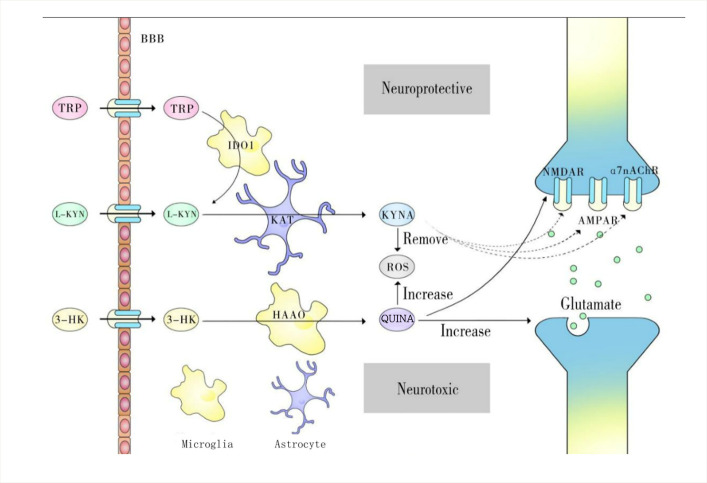
“KYNA inhibits endogenous broad-spectrum glutamate receptors, namely, N-methylD-aspartic acid receptors (NMDAR), kainite receptors, and α-amino-3-hydroxy-5-methyl-4-isoxazole-propionic acid receptors (AMPAR) [30].”
BackgroundInfluentialKynurenines: Tryptophan’s metabolites in exercise, inflammation, and mental health
Cervenka, I., Agudelo, L. Z., & Ruas, J. L. (2017) · Science · doi:10.1126/science.aaf9794 · Cited by 1,382 · cited 4×
“For example, the KYNAGPR35 interaction can reduce the inflammatory response of mononuclear macrophages to lipopolysaccharide [35] and release cytokines from human invariant natural killer cells [36].”
BackgroundInfluentialNAD + in aging, metabolism, and neurodegeneration
Verdin, E. (2015) · Science · doi:10.1126/science.aac4854 · Cited by 1,319
On the free radical scavenging activities of melatonin's metabolites, AFMK and AMK
Galano, A., Tan, D. X., & Reiter, R. J. (2012) · Journal of Pineal Research · doi:10.1111/jpi.12010 · Cited by 829 · cited 1×
“N(1)-acetyl-5-methoxykynuramine, for example, has an efficient antioxidant effect [60].”
BackgroundThe kynurenine pathway: a finger in every pie
Savitz, J. B. (2019) · Molecular Psychiatry · doi:10.1038/s41380-019-0414-4 · Cited by 805 · cited 8×
“As an antagonist of NMDARs, KYNA plays a vital role in this process [38].”
BackgroundInfluentialMaes, M., Leonard, B. E., Myint, A. M., Kubera, M., & Verkerk, R. (2011) · Progress in Neuro-Psychopharmacology and Biological Psychiatry · doi:10.1016/j.pnpbp.2010.12.017 · Cited by 700 · cited 1×
“Depression is related to decreased serotonin levels caused by TRP depletion [141] and sleep disturbances caused by decreased melatonin, both of which are symptoms in patients with ALS.”
BackgroundDiNatale, B. C., Murray, I. A., Schroeder, J. C., Flaveny, C. A., Lahoti, T. S., Laurenzana, E. M., Omiecinski, C. J., & Perdew, G. H. (2010) · Toxicological Sciences · doi:10.1093/toxsci/kfq024 · Cited by 651 · cited 2×
“Immunosuppressive effect by activating AhR [37] 5.”
BackgroundKynurenines in the CNS: recent advances and new questions
Vécsei, L., Szalárdy, L., Fülöp, F., & Toldi, J. (2013) · Nature Reviews Drug Discovery · doi:10.1038/nrd3793 · Cited by 641 · cited 8×
“*KYNA increases during acute relapse and decreases during chronic remission [22].”
BackgroundInfluentialQuinolinic acid, the inescapable neurotoxin
Guillemin, G. J. (2012) · The FEBS Journal · doi:10.1111/j.1742-4658.2012.08485.x · Cited by 595 · cited 10×
“It is also involved in energy metabolism within mitochondria [47].”
BackgroundInfluentialDrug treatments in Alzheimer’s disease
Briggs, R., Kennelly, S. P., & O’Neill, D. (2016) · Clinical Medicine · doi:10.7861/clinmedicine.16-3-247 · Cited by 571 · cited 1×
“Therefore, acetylcholinesterase and butyrylcholinesterase inhibitors remain FDAapproved drugs for the treatment of AD [153], including rivastigmine and galantamine [154].”
BackgroundBlockade of the AHR restricts a Treg-macrophage suppressive axis induced by L-Kynurenine
Campesato, L. F., Budhu, S., Tchaicha, J. H., Weng, C., Gigoux, M., Cohen, I., Redmond, D., Mangarin, L. M. B., Pourpe, S., Liu, C., et al. (2020) · Nature Communications · doi:10.1038/s41467-020-17750-z · Cited by 549 · cited 1×
“Aging and Disease • 4 proliferation, upregulates programmed cell death-1, and leads to the generation of regulatory T cells [26].”
BackgroundAge-Associated Changes In Oxidative Stress and NAD+ Metabolism In Human Tissue
Massudi, H., Grant, R., Braidy, N., Guest, J., Farnsworth, B., & Guillemin, G. J. (2012) · PLoS ONE · doi:10.1371/journal.pone.0042357 · Cited by 545 · cited 1×
“KYNA activation increases NAD production, promotes DNA repair, strengthens genomic signaling, and generates more energy [127].”
BackgroundKynurenine pathway metabolism in human astrocytes: a paradox for neuronal protection
Guillemin, G. J., Kerr, S. J., Smythe, G. A., Smith, D. G., Kapoor, V., Armati, P. J., Croitoru‐Lamoury, J., & Brew, B. J. (2001) · Journal of Neurochemistry · doi:10.1046/j.1471-4159.2001.00498.x · Cited by 541 · cited 1×
“KMO is expressed in resident macrophages in adipose tissue [39] and predominantly in microglia [40] but not in neurons or astrocytes in the brain [41, 42] In TBI or neurodegenerative conditions, the main ratelimiting enzyme in neurotoxicity, KMO, is activated by proinflammatory factors in microglia to generate neuroto…”
BackgroundKynurenic acid levels are elevated in the cerebrospinal fluid of patients with schizophrenia.
Erhardt, S., Blennow, K., Nordin, C., Skogh, E., Lindström, L., & Engberg, G. (2001) · Neuroscience Letters · doi:10.1016/s0304-3940(01)02242-x · Cited by 478 · cited 1×
“Elevated levels of KYNA in developing brain tissue or CSF [67] are related to cognitive deficits [68] and psychotic symptoms [69] in SCZ.”
BackgroundMelatonin and inflammation-Story of a double-edged blade
Hardeland, R. (2018) · Journal of Pineal Research · doi:10.1111/jpi.12525 · Cited by 455 · cited 1×
“Previous studies have shown multiple antiinflammatory effects, including inhibition of the expression of neuronal NO synthase and cyclooxygenase2, reducing the BOX-1 signal of the high-mobility group and activating Toll-like receptor-4, negatively regulating NLRP3, inhibiting the activation of NF-κB, and positively re…”
BackgroundIDO1 in cancer: a Gemini of immune checkpoints
Zhai, L., Ladomersky, E., Lenzen, A. C., Nguyen, B., Patel, R., Lauing, K. L., Wu, M., & Wainwright, D. A. (2018) · Cellular and Molecular Immunology · doi:10.1038/cmi.2017.143 · Cited by 448 · cited 1×
“IDO1 is expressed, in addition to the brain, in many other organs, such as the kidney, pancreas, and white blood cells [11].”
BackgroundLovelace, M. D., Varney, B., Sundaram, G., Lennon, M. J., Lim, C. K., Jacobs, K., Guillemin, G. J., & Brew, B. J. (2017) · Neuropharmacology · doi:10.1016/j.neuropharm.2016.03.024 · Cited by 393 · cited 1×
“IDO ↑ [65] ↑ [171] ↑ [172] ↑ [18] ↑ [107] ↑ [102] ↑ [173] 5-HT ↑ [174] ↓ [79] ↑ [88] ↓ [18] ↓ [110] ↓ [175] ↓ [115] L-KYN ↑ [63] N [162] N [163] ↑ [15] ↑ [93] ↑ [176] ↑ [116] 3-HK ↑ [8] ↑ [177] ↑ [82] ↑ [96] ↑ [93] ↑ [178] ↑ [44]”
Deng, Y., Zhou, M., Wang, J., Yao, J., Yu, J., Liu, W., Wu, L., Wang, J., & Gao, R. (2021) · Gut Microbes · doi:10.1080/19490976.2020.1869501 · Cited by 362 · cited 1×
“(L-1-MT) Depression/Preclinical [187] Poor pharmacokinetics [188]; Competitive inhibitor [189].”
BackgroundSelf-citationCharacterization of the Kynurenine Pathway in Human Neurons
Guillemin, G. J., Cullen, K. M., Lim, C. K., Smythe, G. A., Garner, B., Kapoor, V., Takikawa, O., & Brew, B. J. (2007) · Journal of Neuroscience · doi:10.1523/jneurosci.4101-07.2007 · Cited by 331 · cited 1×
“KMO is expressed in resident macrophages in adipose tissue [39] and predominantly in microglia [40] but not in neurons or astrocytes in the brain [41, 42] In TBI or neurodegenerative conditions, the main ratelimiting enzyme in neurotoxicity, KMO, is activated by proinflammatory factors in microglia to generate neuroto…”
BackgroundRole and mechanisms of cytokines in the secondary brain injury after intracerebral hemorrhage
Zhu, H., Wang, Z., Yu, J., Yang, X., He, F., Liu, Z., Che, F., Chen, X., Ren, H., Hong, M., et al. (2019) · Progress in Neurobiology · doi:10.1016/j.pneurobio.2019.03.003 · Cited by 329 · cited 1×
“ICH is a common and serious cerebrovascular disease with high mortality [105].”
BackgroundSelf-citationJavitt, D. C., Zukin, S. R., Heresco-Levy, U., & Umbricht, D. (2012) · Schizophrenia Bulletin · doi:10.1093/schbul/sbs069 · Cited by 322 · cited 1×
“Elevated levels of KYNA in developing brain tissue or CSF [67] are related to cognitive deficits [68] and psychotic symptoms [69] in SCZ.”
BackgroundTryptophan metabolism and oxidative stress in patients with Huntington's disease
Stoy, N., Mackay, G. M., Forrest, C., Christofides, J., Egerton, M., Stone, T., & Darlington, L. (2005) · Journal of Neurochemistry · doi:10.1111/j.1471-4159.2005.03070.x · Cited by 315 · cited 2×
“A clinical study showed that the K/T ratio in the CSF is higher in HD patients than in control subjects at baseline and after TRP depletion, which can be caused by eating an amino acid mixture containing all essential amino acids except TRP [149].”
BackgroundThe kynurenine pathway and neurodegenerative disease
Maddison, D. C., & Giorgini, F. (2015) · Seminars in Cell & Developmental Biology · doi:10.1016/j.semcdb.2015.03.002 · Cited by 309 · cited 4×
“In addition, QUINA can combine with iron to transfer electrons to oxygen to form ROS, which leads to lipid peroxidation [29].”
BackgroundInfluentialTryptophan in health and disease
Comai, S., Bertazzo, A., Brughera, M., & Crotti, S. (2020) · Advances in clinical chemistry · doi:10.1016/bs.acc.2019.08.005 · Cited by 306 · cited 1×
“These metabolites are significantly associated with the appearance, development, and outcomes of various neuropsychiatric disorders [1].”
BackgroundManagement of oxidative stress and other pathologies in Alzheimer’s disease
Simunkova, M., Alwasel, S. H., Alhazza, I. M., Jomova, K., Kollar, V., Rusko, M., & Valko, M. (2019) · Archives of Toxicology · doi:10.1007/s00204-019-02538-y · Cited by 303 · cited 1×
“Melatonin is said to be an efficient antioxidant and protects against metal-induced oxidative stress; it also exhibits significant antineuroinflammatory properties and can protect against AD [62].”
BackgroundNeuroinflammation in Bipolar Depression
Benedetti, F., Aggio, V., Pratesi, M. L., Greco, G., & Furlan, R. (2020) · Frontiers in Psychiatry · doi:10.3389/fpsyt.2020.00071 · Cited by 288 · cited 1×
“Although the pathomechanism of BD is not clearly understood, there is a wide range of evidence that inflammation and TRP metabolism contribute to the development of the disease [74].”
BackgroundKindler, J., Lim, C. K., Weickert, C. S., Boerrigter, D., Galletly, C. A., Liu, D., Jacobs, K. R., Balzan, R. P., Bruggemann, J. M., O׳Donnell, M., et al. (2019) · Molecular Psychiatry · doi:10.1038/s41380-019-0401-9 · Cited by 287 · cited 9×
“An increased K/T ratio in serum and CSF indicates that TRP metabolism is enhanced, and IDO activation increases in AD [5].”
BackgroundInfluentialAndrews, P. W., Bharwani, A., Lee, K. R., Fox, M., & Thomson, J. A. (2015) · Neuroscience & Biobehavioral Reviews · doi:10.1016/j.neubiorev.2015.01.018 · Cited by 281 · cited 13×
“For MDD patients, two feasible treatment options include the use of KYNA competitive inhibitors, Aging and Disease • 8 such as AV-101, and inhibiting transport of L-KYN to the brain.”
BackgroundInfluentialThe kynurenine pathway in schizophrenia and bipolar disorder
Erhardt, S., Schwieler, L., Imbeault, S., & Engberg, G. (2016) · Neuropharmacology · doi:10.1016/j.neuropharm.2016.05.020 · Cited by 265 · cited 1×
“Subsequent elevation of KYNA levels was suggested to have a causal link with the psychopathology of SCZ, as in the so-called "KYNA hypothesis of SCZ" [66].”
BackgroundFavennec, M., Hennart, B., Caiazzo, R., Leloire, A., Yengo, L., Verbanck, M., Arredouani, A., Marre, M., Pigeyre, M., Bessède, A., et al. (2015) · Obesity · doi:10.1002/oby.21199 · Cited by 261 · cited 1×
“KMO is expressed in resident macrophages in adipose tissue [39] and predominantly in microglia [40] but not in neurons or astrocytes in the brain [41, 42] In TBI or neurodegenerative conditions, the main ratelimiting enzyme in neurotoxicity, KMO, is activated by proinflammatory factors in microglia to generate neuroto…”
BackgroundIdentification of novel biomarkers for Parkinson's disease by metabolomic technologies
Hatano, T., Saiki, S., Okuzumi, A., Mohney, R., & Hattori, N. (2015) · Journal of Neurology Neurosurgery & Psychiatry · doi:10.1136/jnnp-2014-309676 · Cited by 257 · cited 1×
“Brain TRP ↓ [125] ↓ [181] ↑ [143] ↓ [182]”
Systemic and central nervous system metabolic alterations in Alzheimer’s disease
van der Velpen, V., Teav, T., Gallart‐Ayala, H., Mehl, F., Konz, I., Clark, C., Oikonomidi, A., Peyratout, G., Henry, H., Delorenzi, M., et al. (2019) · Alzheimer s Research & Therapy · doi:10.1186/s13195-019-0551-7 · Cited by 254
The role of the microbiota-gut-brain axis in neuropsychiatric disorders
Generoso, J. S., Giridharan, V. V., Lee, J., Macêdo, D. S., & Barichello, T. (2020) · Brazilian Journal of Psychiatry · doi:10.1590/1516-4446-2020-0987 · Cited by 250
Circadian rhythm in bipolar disorder: A review of the literature
Takaesu, Y. (2018) · Psychiatry and Clinical Neurosciences · doi:10.1111/pcn.12688 · Cited by 239 · cited 1×
“KYNA ↑ [65] ↓ [162] ↓ [163] ↑ [15] ↓ [102] ↑ or ↓* K/T ↑ [65] N [162] ↑ [163] ↑ [15] ↑ [164] ↑ [165] ↑ [44] Melatonin ↓ [166] ↓ [167] ↓ [168] ↓ [18] ↓ [169] ↓ [104] ↓ [170]”
Mechanism for Quinolinic Acid Cytotoxicity in Human Astrocytes and Neurons
Braidy, N., Grant, R., Adams, S., Brew, B., & Guillemin, G. (2009) · Neurotoxicity research · doi:10.1007/s12640-009-9051-z · Cited by 234 · cited 1×
“QUINA also increases the expression of nitric oxide synthase and thus influences the production of nitric oxide (NO•) as well as vasodilation [48].”
BackgroundThe neuroprotective role of melatonin in neurological disorders
Alghamdi, B. S. A. (2018) · Journal of Neuroscience Research · doi:10.1002/jnr.24220 · Cited by 234 · cited 1×
“Melatonin is neuroprotective against glutamate toxicity [54].”
Rational modulation of the innate immune system for neuroprotection in ischemic stroke
Amantea, D., Micieli, G., Tassorelli, C., Cuartero, M. I., Ballesteros, I., Certo, M., Moro, M. Á., Lizasoaín, I., & Bagetta, G. (2015) · Frontiers in Neuroscience · doi:10.3389/fnins.2015.00147 · Cited by 224 · cited 1×
“KYNA ↑ [65] ↓ [162] ↓ [163] ↑ [15] ↓ [102] ↑ or ↓* K/T ↑ [65] N [162] ↑ [163] ↑ [15] ↑ [164] ↑ [165] ↑ [44] Melatonin ↓ [166] ↓ [167] ↓ [168] ↓ [18] ↓ [169] ↓ [104] ↓ [170]”
Réus, G. Z., Jansen, K., Titus, S., Carvalho, A. F., Gabbay, V., & Quevedo, J. (2015) · Journal of Psychiatric Research · doi:10.1016/j.jpsychires.2015.05.007 · Cited by 221 · cited 13×
“For MDD patients, two feasible treatment options include the use of KYNA competitive inhibitors, Aging and Disease • 8 such as AV-101, and inhibiting transport of L-KYN to the brain.”
BackgroundInfluentialMechanisms of Copper Ion Mediated Huntington's Disease Progression
Fox, J. H., Kama, J. A., Lieberman, G., Chopra, R., Dorsey, K., Chopra, V., Volitakis, I., Cherny, R. A., Bush, A. I., & Hersch, S. M. (2007) · PLoS ONE · doi:10.1371/journal.pone.0000334 · Cited by 220 · cited 1×
“As an antioxidant, it directly scavenges free radicals and indirectly stimulates antioxidant enzymes to inhibit oxidative enzymes and stabilize mitochondrial membranes [58, 59].”
BackgroundNMDA Receptors in the Central Nervous System
Hansen, K. B., Yi, F., Perszyk, R. E., Menniti, F. S., & Traynelis, S. F. (2017) · Methods in molecular biology · doi:10.1007/978-1-4939-7321-7_1 · Cited by 216 · cited 1×
“Neurons in the former locations predominantly express the NR2B subunit of NMDAR, while neurons in the latter brain areas mainly contain the NR2C subunits, and QUINA has a higher affinity for the NR2B subunits [45].”
BackgroundEmerging therapeutic roles for NAD+ metabolism in mitochondrial and age‐related disorders
Srivastava, S. (2016) · Clinical and Translational Medicine · doi:10.1186/s40169-016-0104-7 · Cited by 200
Brundin, L., Sellgren, C. M., Lim, C. K., Grit, J., Pålsson, E., Landén, M., Samuelsson, M., Lundgren, K., Brundin, P., Fuchs, D., et al. (2016) · Translational Psychiatry · doi:10.1038/tp.2016.133 · Cited by 195 · cited 1×
“Consistent with our expectations, IDO knockout mice exhibit reduced depression-like behavior [85].”
ResultStrasser, B., Gostner, J. M., & Fuchs, D. (2015) · Current Opinion in Clinical Nutrition & Metabolic Care · doi:10.1097/mco.0000000000000237 · Cited by 184 · cited 1×
“The classic antidepressant drugs, selective serotonin reuptake inhibitors (SSRIs), including sertraline and fluoxetine, exert their effects by increasing serotonin levels in the synaptic cleft [86].”
BackgroundPotential therapeutic targets for intracerebral hemorrhage-associated inflammation: An update
Ren, H., Han, R., Chen, X., Liu, X., Wan, J., Wang, L., Yang, X., & Wang, J. (2020) · Journal of Cerebral Blood Flow & Metabolism · doi:10.1177/0271678x20923551 · Cited by 180
Self-citationOf mice, rats and men: Revisiting the quinolinic acid hypothesis of Huntington's disease
Schwarcz, R. M., Guidetti, P., Sathyasaikumar, K. V., & Muchowski, P. J. (2009) · Progress in Neurobiology · doi:10.1016/j.pneurobio.2009.04.005 · Cited by 177 · cited 9×
“3-HK is a product of L-KYN transformed through KMO, which has strong lipophilicity and can easily pass through the BBB [43].”
BackgroundInfluentialAnatomical and cellular localization of melatonin MT1 and MT2 receptors in the adult rat brain
Lacoste, B., Angeloni, D., Dominguez-Lopez, S., Calderoni, S., Mauro, A., Fraschini, F., Descarries, L., & Gobbi, G. (2015) · Journal of Pineal Research · doi:10.1111/jpi.12224 · Cited by 173
Fluctuations in Endogenous Kynurenic Acid Control Hippocampal Glutamate and Memory
Pocivavsek, A., Wu, H., Potter, M. C., Elmer, G. I., Pellicciari, R., & Schwarcz, R. M. (2011) · Neuropsychopharmacology · doi:10.1038/npp.2011.127 · Cited by 171 · cited 1×
“The KATII inhibitor (S)-4-(ethylsulfonyl) benzoylalanine (S-ESBA) has been shown to reduce KYNA levels in the rat brain and thus enhance cognition [89].”
Background3‐hydroxykynurenine and other Parkinson's disease biomarkers discovered by metabolomic analysis
LeWitt, P. A., Li, J., Lü, M., Beach, T. G., Adler, C. H., & Guo, L. (2013) · Movement Disorders · doi:10.1002/mds.25555 · Cited by 171 · cited 1×
“Aging and Disease • 11 increases in the brains of patients [148], which has a toxic effect on the striatum, thus increasing the production of toxic QUINA.”
BackgroundYoo, J.-M., Lee, B., Sok, D., Ma, J., & Kim, M. (2017) · Redox Biology · doi:10.1016/j.redox.2016.12.034 · Cited by 168 · cited 1×
“Next, serotonin forms N-acetyl serotonin (NAS), also an agonist of BDNF receptors [53], and melatonin, by an alkylamine N-acetyltransferase.”
BackgroundSerotonin – Kynurenine Hypothesis of Depression: Historical Overview and Recent Developments
Oxenkrug, G. F. (2013) · Current Drug Targets · doi:10.2174/1389450111314050002 · Cited by 163
Current Evidence for a Role of the Kynurenine Pathway of Tryptophan Metabolism in Multiple Sclerosis
Lovelace, M. D., Varney, B., Sundaram, G., Franco, N. F., Ng, M. L., Pai, S., Lim, C. K., Guillemin, G. J., & Brew, B. J. (2016) · Frontiers in Immunology · doi:10.3389/fimmu.2016.00246 · Cited by 161 · cited 1×
“Dendritic cells also express IDO1 under physiological conditions but are highly induced by traumatic, autoimmune, and neuroinflammatory diseases [15-17].”
BackgroundWang, J.-M., Jiang, C., Zhang, K., Lan, X., Chen, X.-M., Zang, W.-D., Wang, Z., Guan, F., Zhu, C.-L., Yang, X., et al. (2019) · Free Radical Biology & Medicine · doi:10.1016/j.freeradbiomed.2018.12.014 · Cited by 159
Self-citationInvolvement of the kynurenine pathway in the pathogenesis of Parkinson's disease
Lim, C. K., Fernández-Gomez, F. J., Braidy, N., Estrada, C., Costa, C., Costa, S., Bessede, A., Fernandez-Villalba, E., Zinger, A., Herrero, M. T., et al. (2017) · Progress in Neurobiology · doi:10.1016/j.pneurobio.2015.12.009 · Cited by 159 · cited 1×
“Related underlying mechanisms include NMDAR activation, ROS production [139], lipid peroxidation, and increased levels of nitric oxide synthase [136].”
BackgroundHuntington’s Disease—Update on Treatments
Wyant, K. J., Ridder, A. J., & Dayalu, P. (2017) · Current Neurology and Neuroscience Reports · doi:10.1007/s11910-017-0739-9 · Cited by 154 · cited 1×
“Tetrabenazine is the only approved drug for treating chorea caused by HD [159].”
BackgroundTörök, N., Tanaka, M., & Vécsei, L. (2020) · International Journal of Molecular Sciences · doi:10.3390/ijms21249338 · Cited by 154
Alternations of Metabolic Profile and Kynurenine Metabolism in the Plasma of Parkinson’s Disease
Chang, K., Cheng, M., Tang, H.-Y., Huang, C.-Y., Wu, Y., & Chen, C. (2018) · Molecular Neurobiology · doi:10.1007/s12035-017-0845-3 · Cited by 152 · cited 2×
“Related underlying mechanisms include NMDAR activation, ROS production [139], lipid peroxidation, and increased levels of nitric oxide synthase [136].”
BackgroundThe kynurenine pathway in neurodegenerative diseases: mechanistic and therapeutic considerations.
Tan, L., Yu, J.-T., & Tan, L. (2012) · Journal of Neurological Sciences · doi:10.1016/j.jns.2012.08.005 · Cited by 151 · cited 1×
“Therefore, drugs that specifically inhibit KMO activity, such as JM6 and Ro61-8048, can change metabolism to increase KYNA levels and reduce extracellular glutamate in the brain, providing neuroprotection [150].”
BackgroundBiomarker Research in Parkinson’s Disease Using Metabolite Profiling
Havelund, J. F., Heegaard, N. H. H., Færgeman, N. J., & Gramsbergen, J. B. (2017) · Metabolites · doi:10.3390/metabo7030042 · Cited by 147 · cited 1×
“Alpha-synuclein and dopamine metabolites in the CSF are considered biomarkers of PD [135].”
BackgroundOn the Biological Importance of the 3-hydroxyanthranilic Acid: Anthranilic Acid Ratio
Darlington, L., Forrest, C., Mackay, G. M., Smith, R. A., Smith, A. J., Stoy, N., & Stone, T. W. (2010) · International Journal of Tryptophan Research · doi:10.4137/ijtr.s4282 · Cited by 146 · cited 2×
“3-HAA ↑ [70] N [179] N [15] ↑ [93] ↓ [161] ↑ [44]”
BackgroundLi, Q., Lan, X., Han, X., Durham, F., Wan, J., Weiland, A., Koehler, R. C., & Wang, J. (2021) · Brain Behavior and Immunity · doi:10.1016/j.bbi.2021.02.001 · Cited by 136
Self-citationLowe, M. M., Mold, J. E., Kanwar, B., Huang, Y., Louie, A., Pollastri, M. P., Wang, C., Patel, G., Franks, D. G., Schlezinger, J. J., et al. (2014) · PLoS ONE · doi:10.1371/journal.pone.0087877 · Cited by 136 · cited 2×
“In addition, CA can serve as an AhR ligand to stimulate T cells to produce IL-22[50].”
BackgroundSelf-citationFuertig, R., Azzinnari, D., Bergamini, G., Cathomas, F., Sigrist, H., Seifritz, E., Vavassori, S., Luippold, A., Hengerer, B., Ceci, A., et al. (2016) · Brain, Behavior, and Immunity · doi:10.1016/j.bbi.2015.12.020 · Cited by 135 · cited 4×
“The levels of L-KYN, 3-HK, and KYNA are elevated in the mouse model of chronic social defeat [82].”
BackgroundInfluentialTryptophan Metabolites Are Associated With Symptoms and Nigral Pathology in Parkinson's Disease
Heilman, P. L., Wang, E. W., Lewis, M. M., Krzyżanowski, S., Capan, C. D., Burmeister, A. R., Du, G., Galvis, M. L. E., Brundin, P., Huang, X., et al. (2020) · Movement Disorders · doi:10.1002/mds.28202 · Cited by 134 · cited 1×
“The KYNA level is decreased in the striatum and CSF of patients with PD and correlated with an increase in excitotoxicity, while the QUINA level is increased in the striatum and cortex [138].”
BackgroundBonda, D., Mailankot, M., Stone, J. G., Garrett, M. R., Staniszewska, M. M., Castellani, R. J., Siedlak, S. L., Zhu, X., Lee, H., Perry, G. L., et al. (2010) · Redox Report · doi:10.1179/174329210x12650506623645 · Cited by 126
Kynurenine 3-Monooxygenase: An Influential Mediator of Neuropathology
Parrott, J. M., & O’Connor, J. C. (2015) · Frontiers in Psychiatry · doi:10.3389/fpsyt.2015.00116 · Cited by 125 · cited 1×
“KMO is expressed in resident macrophages in adipose tissue [39] and predominantly in microglia [40] but not in neurons or astrocytes in the brain [41, 42] In TBI or neurodegenerative conditions, the main ratelimiting enzyme in neurotoxicity, KMO, is activated by proinflammatory factors in microglia to generate neuroto…”
BackgroundDifferential Roles of IDO1 and IDO2 in T and B Cell Inflammatory Immune Responses
Merlo, L. M. F., DuHadaway, J. B., Montgomery, J. D., Peng, W., Murray, P. J., Prendergast, G. C., Caton, A. J., Muller, A. J., & Mandik‐Nayak, L. (2020) · Frontiers in Immunology · doi:10.3389/fimmu.2020.01861 · Cited by 124 · cited 1×
“showed that IDO2 plays a proinflammatory role in mediating B and Tcell activation in immune responses [20].”
BackgroundExpression of functional GPR35 in human iNKT cells.
Fallarini, S., Magliulo, L., Paoletti, T., de Lalla, C., & Lombardi, G. (2010) · Biochemical and Biophysical Research Communications - BBRC · doi:10.1016/j.bbrc.2010.06.091 · Cited by 123 · cited 1×
“For example, the KYNAGPR35 interaction can reduce the inflammatory response of mononuclear macrophages to lipopolysaccharide [35] and release cytokines from human invariant natural killer cells [36].”
BackgroundKynurenine pathway in Parkinson's disease—An update
Venkatesan, D., Iyer, M., Narayanasamy, A., Siva, K., & Vellingiri, B. (2020) · eNeurologicalSci · doi:10.1016/j.ensci.2020.100270 · Cited by 121 · cited 2×
“However, inhibition of KMOs such as Ro 61-8048 can increase KYNA levels in PD brain tissue [157], which could be a potential drug candidate for”
BackgroundFazio, F., Lionetto, L., Curto, M., Iacovelli, L., Cavallari, M., Zappulla, C., Ulivieri, M., Napoletano, F., Capi, M., Corigliano, V., et al. (2015) · Scientific Reports · doi:10.1038/srep17799 · Cited by 119 · cited 6×
“3-HAA ↑ [70] N [179] N [15] ↑ [93] ↓ [161] ↑ [44]”
BackgroundInfluentialZádori, D., Veres, G., Szalárdy, L., Klivènyi, P., & Vécsei, L. (2018) · Journal of Alzheimer s Disease · doi:10.3233/jad-170929 · Cited by 108 · cited 1×
“Deposition of misfolded proteins such as amyloid beta-protein (Aβ) and hyperphosphorylated tau, loss of synaptic transmission, and neuroinflammation are characteristics of AD [124].”
BackgroundSellgren, C. M., Kegel, M. E., Bergen, S. E., Ekman, C. J., Olsson, S., Larsson, M. K., Vawter, M. P., Backlund, L., Sullivan, P. F., Sklar, P. B., et al. (2015) · Molecular Psychiatry · doi:10.1038/mp.2015.186 · Cited by 107 · cited 1×
“A postmortem study of the brains of BD patients revealed that downregulation of sorting nexin 7 increased caspase-8-driven interleukin-1β production, subsequently activating the KYN pathway and resulting in neurotoxicity [75].”
BackgroundNatural Molecules and Neuroprotection: Kynurenic Acid, Pantethine and α-Lipoic Acid
Tóth, F., Cseh, E. K., & Vécsei, L. (2021) · International Journal of Molecular Sciences · doi:10.3390/ijms22010403 · Cited by 105 · cited 1×
“Significantly, nanomolar to micromolar levels of KYNA can facilitate AMPA receptor responses [32].”
BackgroundMelatonin Redox Activity. Its Potential Clinical Applications in Neurodegenerative Disorders
Miller, E. D., Morel, A., Saso, L., & Saluk, J. (2014) · Current Topics in Medicinal Chemistry · doi:10.2174/1568026615666141209160556 · Cited by 105 · cited 8×
“3-HK is a product of L-KYN transformed through KMO, which has strong lipophilicity and can easily pass through the BBB [43].”
BackgroundInfluentialRegulating the balance between the kynurenine and serotonin pathways of tryptophan metabolism
Li, Y., Hu, N., Yang, D., Oxenkrug, G. F., & Yang, Q. (2017) · FEBS Journal · doi:10.1111/febs.14026 · Cited by 101 · cited 1×
“TDO is present mainly in the liver [21].”
BackgroundYan, E., Frugier, T., Lim, C. K., Heng, B., Sundaram, G., Tan, M., Rosenfeld, J. V., Walker, D. W., Guillemin, G., & Morganti-Kossmann, M. (2015) · Journal of Neuroinflammation · doi:10.1186/s12974-015-0328-2 · Cited by 96 · cited 7×
“Dendritic cells also express IDO1 under physiological conditions but are highly induced by traumatic, autoimmune, and neuroinflammatory diseases [15-17].”
BackgroundInfluentialPukos, N., Goodus, M. T., Sahinkaya, F. R., & McTigue, D. M. (2019) · Glia · doi:10.1002/glia.23702 · Cited by 95
Anxiety Disorders: Sex Differences in Serotonin and Tryptophan Metabolism.
Songtachalert, T., Roomruangwong, C., Carvalho, A., Bourin, M., & Maes, M. (2018) · Current Topics in Medicinal Chemistry · doi:10.2174/1568026618666181115093136 · Cited by 94 · cited 1×
“This effect is more prominent in women than in men [14].”
BackgroundFazio, F., Lionetto, L., Curto, M., Iacovelli, L., Copeland, C. S., Neale, S. A., Bruno, V., Battaglia, G., Salt, T. E., & Nicoletti, F. (2016) · Neuropharmacology · doi:10.1016/j.neuropharm.2016.06.020 · Cited by 94 · cited 1×
“Aging and Disease • 6 antipsychotic-like effects by positively activating mGlu2 and mGlu3 receptors [49].”
BackgroundSerum kynurenic acid is reduced in affective psychosis
Wurfel, B. E., Drevets, W. C., Bliss, S. A., McMillin, J. R., Suzuki, H., Ford, B. N., Morris, H. M., Teague, T. K., Dantzer, R., & Savitz, J. B. (2017) · Translational Psychiatry · doi:10.1038/tp.2017.88 · Cited by 91 · cited 4×
“IDO ↑ [65] ↑ [171] ↑ [172] ↑ [18] ↑ [107] ↑ [102] ↑ [173] 5-HT ↑ [174] ↓ [79] ↑ [88] ↓ [18] ↓ [110] ↓ [175] ↓ [115] L-KYN ↑ [63] N [162] N [163] ↑ [15] ↑ [93] ↑ [176] ↑ [116] 3-HK ↑ [8] ↑ [177] ↑ [82] ↑ [96] ↑ [93] ↑ [178] ↑ [44]”
InfluentialYoung, K. D., Drevets, W. C., Dantzer, R., Teague, T. K., Bodurka, J., & Savitz, J. B. (2016) · Brain Behavior and Immunity · doi:10.1016/j.bbi.2016.04.007 · Cited by 91 · cited 4×
“A clinical study showed that the ratio of KYNA to 3HK or QUINA is positively associated with hippocampal volume, and decreased hippocampal volume is correlated with impaired autobiographical memory recall in patients with MDD [23].”
BackgroundInfluentialSerotonergic mechanisms in spinal cord injury
Perrin, F. E., & Noristani, H. N. (2019) · Experimental Neurology · doi:10.1016/j.expneurol.2019.05.007 · Cited by 91 · cited 2×
“Increased 5HT axon density at the injured site is a good indicator of improved functional recovery [110].”
BackgroundTiszlavicz, Z., Németh, B., Fülöp, F., Vécsei, L., Tápai, K., Ocsovszky, I., & Mándi, Y. (2011) · Naunyn-Schmiedeberg's Archives of Pharmacology · doi:10.1007/s00210-011-0605-2 · Cited by 89 · cited 1×
“For example, the KYNAGPR35 interaction can reduce the inflammatory response of mononuclear macrophages to lipopolysaccharide [35] and release cytokines from human invariant natural killer cells [36].”
BackgroundChanging the Face of Kynurenines and Neurotoxicity: Therapeutic Considerations
Bohár, Z., Toldi, J., Fülöp, F., & Vécsei, L. (2015) · International Journal of Molecular Sciences · doi:10.3390/ijms16059772 · Cited by 89 · cited 4×
“Next we review the role of TRP in multiple sclerosis (MS), an autoimmune disease [5], and neurodegenerative disorders such as Alzheimer’s disease (AD), Parkinson’s disease (PD), amyotrophic lateral sclerosis (ALS), and Huntington’s disease (HD) [6].”
BackgroundInfluentialDoolin, K., Allers, K. A., Pleiner, S., Liesener, A., Farrell, C., Tozzi, L., O’Hanlon, E., Roddy, D., Frodl, T., Harkin, A., et al. (2018) · Psychoneuroendocrinology · doi:10.1016/j.psyneuen.2018.05.019 · Cited by 89 · cited 1×
“IDO ↑ [65] ↑ [171] ↑ [172] ↑ [18] ↑ [107] ↑ [102] ↑ [173] 5-HT ↑ [174] ↓ [79] ↑ [88] ↓ [18] ↓ [110] ↓ [175] ↓ [115] L-KYN ↑ [63] N [162] N [163] ↑ [15] ↑ [93] ↑ [176] ↑ [116] 3-HK ↑ [8] ↑ [177] ↑ [82] ↑ [96] ↑ [93] ↑ [178] ↑ [44]”
The IDO Inhibitor Coptisine Ameliorates Cognitive Impairment in a Mouse Model of Alzheimer's Disease
Yu, D., Tao, B.-B., Yang, Y.-Y., Du, L., Yang, S.-S., He, X.-J., Zhu, Y., Yan, J., & Yang, Q. (2014) · Journal of Alzheimer's Disease · doi:10.3233/jad-140414 · Cited by 88 · cited 1×
“Potent inhibitor of recombinant human IDO [183].”
Medinas, D., Rozas, P., Traub, F. M., Woehlbier, U., Brown, R. H., Bosco, D. A., & Hetz, C. (2018) · Proceedings of the National Academy of Sciences of the United States of America · doi:10.1073/pnas.1801109115 · Cited by 87 · cited 1×
“ALS is a progressive neurodegenerative disease characterized by selective death of motor neurons in the cerebral cortex, brainstem, and spinal cord, leading to atrophy of voluntary muscles, weakness, paralysis, and premature death [140].”
BackgroundPositive allosteric modulation of indoleamine 2,3-dioxygenase 1 restrains neuroinflammation
Mondanelli, G., Coletti, A., Greco, F. A., Pallotta, M. T., Orabona, C., Iacono, A., Belladonna, M. L., Albini, E., Panfili, E., Fallarino, F., et al. (2020) · Proceedings of the National Academy of Sciences · doi:10.1073/pnas.1918215117 · Cited by 87 · cited 3×
“It also activates AhR, thus exerting anti-inflammatory and immunoregulatory effects [116].”
BackgroundCircadian modulation of neuroplasticity by melatonin: a target in the treatment of depression
Valdés-Tovar, M., Estrada-Reyes, R., Solís-Chagoyán, H., Argueta, J., Dorantes-Barrón, A. M., Quero-Chávez, D., Cruz-Garduño, R., Cercós, M. G., Trueta, C., Oikawa-Sala, J., et al. (2018) · British Journal of Pharmacology · doi:10.1111/bph.14197 · Cited by 85 · cited 1×
“KYNA ↑ [65] ↓ [162] ↓ [163] ↑ [15] ↓ [102] ↑ or ↓* K/T ↑ [65] N [162] ↑ [163] ↑ [15] ↑ [164] ↑ [165] ↑ [44] Melatonin ↓ [166] ↓ [167] ↓ [168] ↓ [18] ↓ [169] ↓ [104] ↓ [170]”
Smith, A. K., Simon, J. S., Gustafson, E. L., Noviello, S., Cubells, J. F., Epstein, M. P., Devlin, D. J., Qiu, P., Albrecht, J. K., Brass, C. A., et al. (2012) · Molecular Psychiatry · doi:10.1038/mp.2011.67 · Cited by 84
The Kynurenine Pathway and Kynurenine 3-Monooxygenase Inhibitors
Hughes, T. D., Güner, O. F., Iradukunda, E. C., Phillips, R. S., & Bowen, J. P. (2022) · Molecules · doi:10.3390/molecules27010273 · Cited by 84 · cited 1×
“Ro 61-8048 Neurodegenerative or neurologic disorders/Preclinical [196] Competitive inhibitor [197]; Poor penetration of BBB in rats [195].”
BackgroundAmino acid metabolism as drug target in autoimmune diseases
Mondanelli, G., Iacono, A., Carvalho, A., Orabona, C., Volpi, C., Pallotta, M. T., Matino, D., Esposito, S., & Grohmann, U. (2019) · Autoimmunity Reviews · doi:10.1016/j.autrev.2019.02.004 · Cited by 84 · cited 1×
“Dendritic cells also express IDO1 under physiological conditions but are highly induced by traumatic, autoimmune, and neuroinflammatory diseases [15-17].”
BackgroundMarlatt, M. W., Bauer, J., Aronica, E., van Haastert, E. S., Hoozemans, J. J. M., Joels, M., & Lucassen, P. J. (2014) · Neural Plasticity · doi:10.1155/2014/693851 · Cited by 83 · cited 1×
“Neurotoxic QUINA, mainly produced by activated microglia, can induce tau phosphorylation [129].”
BackgroundForrest, C., Mackay, G. M., Stoy, N., Spiden, S. L., Taylor, R., Stone, T. W., & Darlington, L. (2010) · Journal of Neurochemistry · doi:10.1111/j.1471-4159.2009.06442.x · Cited by 83 · cited 2×
“Brain TRP ↓ [125] ↓ [181] ↑ [143] ↓ [182]”
Qin, D., Wang, J., Le, A., Wang, T. J., Chen, X., & Wang, J. (2021) · Cells · doi:10.3390/cells10051009 · Cited by 83 · cited 1×
“Inflammation leads to secondary brain damage and promotes ROS formation [94, 95].”
BackgroundSelf-citationTryptophan Metabolism, Inflammation, and Oxidative Stress in Patients with Neurovascular Disease
Hajšl, M., Hlaváčková, A., Broulíková, K., Šrámek, M., Malý, M., Dyr, J. E., & Suttnar, J. (2020) · Metabolites · doi:10.3390/metabo10050208 · Cited by 81 · cited 1×
“IDO ↑ [65] ↑ [171] ↑ [172] ↑ [18] ↑ [107] ↑ [102] ↑ [173] 5-HT ↑ [174] ↓ [79] ↑ [88] ↓ [18] ↓ [110] ↓ [175] ↓ [115] L-KYN ↑ [63] N [162] N [163] ↑ [15] ↑ [93] ↑ [176] ↑ [116] 3-HK ↑ [8] ↑ [177] ↑ [82] ↑ [96] ↑ [93] ↑ [178] ↑ [44]”
Advances toward precision medicine for bipolar disorder: mechanisms & molecules
Haggarty, S. J., Karmacharya, R., & Perlis, R. H. (2020) · Molecular Psychiatry · doi:10.1038/s41380-020-0831-4 · Cited by 81 · cited 1×
“However, it has side effects, such as mania, when combined with lithium, and other studies have shown that it has no apparent therapeutic effect [90].”
BackgroundMelatonin, circadian rhythms, and the clock genes in bipolar disorder
Dallaspezia, S., & Benedetti, F. (2009) · Current Psychiatry Reports · doi:10.1007/s11920-009-0074-1 · Cited by 80 · cited 1×
“Patients with BD with altered circadian rhythms had reduced levels of melatonin during the euphoric, manic, and depressive phases [78].”
BackgroundIncreased breakdown of kynurenine towards its neurotoxic branch in bipolar disorder
Birner, A., Platzer, M., Bengesser, S., Dalkner, N., Fellendorf, F., Queissner, R., Pilz, R., Rauch, P., Maget, A., Hamm, C., et al. (2017) · PLoS ONE · doi:10.1371/journal.pone.0172699 · Cited by 80 · cited 1×
“IDO ↑ [65] ↑ [171] ↑ [172] ↑ [18] ↑ [107] ↑ [102] ↑ [173] 5-HT ↑ [174] ↓ [79] ↑ [88] ↓ [18] ↓ [110] ↓ [175] ↓ [115] L-KYN ↑ [63] N [162] N [163] ↑ [15] ↑ [93] ↑ [176] ↑ [116] 3-HK ↑ [8] ↑ [177] ↑ [82] ↑ [96] ↑ [93] ↑ [178] ↑ [44]”
Targeting kynurenine 3-monooxygenase (KMO): implications for therapy in Huntington's disease.
Thevandavakkam, M., Schwarcz, R., Muchowski, P., & Giorgini, F. (2010) · CNS and Neurological Disorders - Drug Targets · doi:10.2174/187152710793237430 · Cited by 80
The Kynurenine Pathway in Traumatic Brain Injury: Implications for Psychiatric Outcomes
Meier, T. B., & Savitz, J. B. (2021) · Biological Psychiatry · doi:10.1016/j.biopsych.2021.05.021 · Cited by 80 · cited 2×
“KMO converts KYN to 3HK, which is metabolized into the potential neurotoxin QUINA [24].”
BackgroundGargaro, M., Vacca, C., Massari, S., Scalisi, G., Manni, G., Mondanelli, G., Mazza, E. M. C., Bicciato, S., Pallotta, M. T., Orabona, C., et al. (2019) · Frontiers in Immunology · doi:10.3389/fimmu.2019.01973 · Cited by 79 · cited 1×
“Another study showed that after increasing IDO1 activity, 3-HAA in KP increased, resulting in an immunosuppressive effect [114].”
BackgroundAlmulla, A. F., Vasupanrajit, A., Tunvirachaisakul, C., Al‐Hakeim, H. K., Solmi, M., Verkerk, R. M., & Maes, M. H. J. (2022) · Molecular Psychiatry · doi:10.1038/s41380-022-01552-4 · Cited by 78 · cited 1×
“showed an increase in IDO activity in brain tissue and peripheral serum and a decrease in KMO activity and a reduction in KYNA production in the brains of SCZ patients [64].”
BackgroundSakurai, M., Yamamoto, Y., Kanayama, N., Hasegawa, M., Mouri, A., Takemura, M., Matsunami, H., Miyauchi, T., Tokura, T., Kimura, H., et al. (2020) · Scientific Reports · doi:10.1038/s41598-020-58806-w · Cited by 76
Cao, B., Chen, Y., Ren, Z., Pan, Z., McIntyre, R. S., & Wang, D. (2021) · Neuroscience & Biobehavioral Reviews · doi:10.1016/j.neubiorev.2021.01.018 · Cited by 76 · cited 2×
“reported lower levels of TRP and higher KYN/TRP ratios in SCZ patients; lower KYN was associated with SCZ patients without medication, while higher levels of KYN were observed in patients after treatment [63].”
ResultEndogenous protectant kynurenic acid in amyotrophic lateral sclerosis
Iłżecka, J., Kocki, T., Stelmasiak, Z., & Turski, W. (2003) · Acta Neurologica Scandinavica · doi:10.1034/j.1600-0404.2003.00076.x · Cited by 75 · cited 13×
“Activated voluminous microglia, reactive astrocytes, infiltrating macrophages, and T cells are present in the brain and spinal cord of ALS patients, suggesting that these inflammatory cells play a role in the pathogenesis of ALS [144], particularly glutamate excitotoxicity, oxidative stress, mitochondrial metabolic dy…”
BackgroundInfluentialAeinehband, S., Brenner, P., Ståhl, S., Bhat, M., Fidock, M. D., Khademi, M., Olsson, T. P., Engberg, G., Jokinen, J., Erhardt, S., et al. (2015) · Brain Behavior and Immunity · doi:10.1016/j.bbi.2015.07.016 · Cited by 74 · cited 3×
“The accumulation of QUINA is related to the severity of the disease [111].”
BackgroundInfluentialTargeting inflammation to influence mood following spinal cord injury: a randomized clinical trial
Allison, D. J., & Ditor, D. S. (2015) · Journal of Neuroinflammation · doi:10.1186/s12974-015-0425-2 · Cited by 72 · cited 1×
“KYNA ↑ [65] ↓ [162] ↓ [163] ↑ [15] ↓ [102] ↑ or ↓* K/T ↑ [65] N [162] ↑ [163] ↑ [15] ↑ [164] ↑ [165] ↑ [44] Melatonin ↓ [166] ↓ [167] ↓ [168] ↓ [18] ↓ [169] ↓ [104] ↓ [170]”
Liu, G., Chen, S., Zhong, J., Teng, K., & Yin, Y. (2017) · Oxidative Medicine and Cellular Longevity · doi:10.1155/2017/1602074 · Cited by 71 · cited 1×
“IDO ↑ [65] ↑ [171] ↑ [172] ↑ [18] ↑ [107] ↑ [102] ↑ [173] 5-HT ↑ [174] ↓ [79] ↑ [88] ↓ [18] ↓ [110] ↓ [175] ↓ [115] L-KYN ↑ [63] N [162] N [163] ↑ [15] ↑ [93] ↑ [176] ↑ [116] 3-HK ↑ [8] ↑ [177] ↑ [82] ↑ [96] ↑ [93] ↑ [178] ↑ [44]”
Chatterjee, P., Zetterberg, H., Goozee, K. G., Lim, C. K., Jacobs, K. R., Ashton, N. J., Hye, A., Pedrini, S., Sohrabi, H. R., Shah, T. M., et al. (2019) · Journal of Neuroinflammation · doi:10.1186/s12974-019-1567-4 · Cited by 70 · cited 4×
“One study showed that CSF levels of Aβ40 and Aβ42 correlated with those of K/T, KYNA, L-KYN, QUINA, and AA in AD patients with a high neocortical Aβ load [125].”
BackgroundResultInfluentialTryptophan metabolites modify brain Aβ peptide degradation: A role in Alzheimer’s disease?
Maître, M., Klein, C., Patte‐Mensah, C., & Mensah‐Nyagan, A. G. (2020) · Progress in Neurobiology · doi:10.1016/j.pneurobio.2020.101800 · Cited by 69 · cited 1×
“TRP metabolites have tremendous therapeutic potential in AD, KYNA, and 5-HIAA and can reduce the accumulation of Aβ in the brain [155].”
BackgroundBalmik, A. A., & Chinnathambi, S. (2018) · Journal of Alzheimer s Disease · doi:10.3233/jad-170900 · Cited by 69 · cited 3×
“Melatonin ↓ [134] ↓ [134] ↓ [134] ↓ [146]”
BackgroundInfluentialKynurenines in the Pathogenesis of Multiple Sclerosis: Therapeutic Perspectives
Biernacki, T., Sandi, D., Bencsik, K., & Vécsei, L. (2020) · Cells · doi:10.3390/cells9061564 · Cited by 68 · cited 6×
“Therefore, more studies are needed to investigate drug candidates with better and superior curative effects with fewer side effects [44].”
BackgroundInfluentialKado, S. Y., Chang, W. L. W., Nguyen, A., Wolny, M., Shepherd, D. M., & Vogel, C. F. A. (2016) · Archives of Toxicology · doi:10.1007/s00204-016-1880-y · Cited by 68
Toledo, L. M., Prime, M. E., Mrzljak, L., Beconi, M. G., Beresford, A. P., Brookfield, F. A., Brown, C. J., Cardaun, I., Courtney, S. M., Dijkman, U., et al. (2015) · Journal of Medicinal Chemistry · doi:10.1021/jm501350y · Cited by 67 · cited 1×
“CHDI-340246 HD/Preclinical No therapeutic efficacy in a mouse model of HD [198].”
BackgroundModulating 5-Ht 4 and 5-Ht 6 Receptors in Alzheimer’S Disease Treatment
Lalut, J., Karila, D., Dallemagne, P., & Rochais, C. (2017) · Future Medicinal Chemistry · doi:10.4155/fmc-2017-0031 · Cited by 65
Sundaram, G., Lim, C. K., Brew, B. J., & Guillemin, G. J. (2020) · Journal of Neuroinflammation · doi:10.1186/s12974-020-01844-y · Cited by 64 · cited 1×
“Preclinical studies have shown that IDO1 activity decreases in the brain and spinal cord of mice with experimental autoimmune encephalomyelitis (EAE), leading to increased Th1 and Th17-cell activity and reduced Treg cell activity, worsening the severity of the disease [112, 113].”
BackgroundRelevance of Alternative Routes of Kynurenic Acid Production in the Brain
Ramos-Chávez, L. A., Huitrón, R. L., Esquivel, D. G., Pineda, B., Ríos, C., Silva-Adaya, D., Sánchez-Chapul, L., Roldán-Roldán, G., & de la Cruz, V. P. (2018) · Oxidative Medicine and Cellular Longevity · doi:10.1155/2018/5272741 · Cited by 62 · cited 2×
“One recent study demonstrated that KYNA removes ROS as an antioxidant [31].”
BackgroundTherapeutic role of melatonin in migraine prophylaxis
Long, R.-J., Zhu, Y., & Zhou, S. (2019) · Medicine · doi:10.1097/md.0000000000014099 · Cited by 61 · cited 1×
“KYNA ↑ [65] ↓ [162] ↓ [163] ↑ [15] ↓ [102] ↑ or ↓* K/T ↑ [65] N [162] ↑ [163] ↑ [15] ↑ [164] ↑ [165] ↑ [44] Melatonin ↓ [166] ↓ [167] ↓ [168] ↓ [18] ↓ [169] ↓ [104] ↓ [170]”
Beaumont, V., Mrzljak, L., Dijkman, U., Freije, R., Heins, M., Rassoulpour, A., Tombaugh, G. C., Gelman, S., Bradaïa, A., Steidl, E., et al. (2016) · Experimental Neurology · doi:10.1016/j.expneurol.2016.05.005 · Cited by 61 · cited 2×
“KYNA is considered protective in BD, but in patients with lifelong psychotic characteristics, elevated KYNA levels in the CSF are correlated with genetic mutations in KMO [77].”
BackgroundChatterjee, P., Goozee, K. G., Lim, C. K., JAMES, I. R., Shen, K., Jacobs, K. R., Sohrabi, H. R., Shah, T. M., Asih, P. R., Dave, P., et al. (2018) · Scientific Reports · doi:10.1038/s41598-018-25968-7 · Cited by 60 · cited 1×
“KYNA levels are elevated in the CSF [131] but decreased in serum [132].”
BackgroundKynurenine metabolism and inflammation-induced depressed mood: a human experimental study
Kruse, J. L., Cho, J. H.-J., Olmstead, R., Hwang, L., Faull, K., Eisenberger, N. I., & Irwin, M. R. (2019) · Psychoneuroendocrinology · doi:10.1016/j.psyneuen.2019.104371 · Cited by 59 · cited 1×
“In a model of inflammation-induced depression, KYN increased at 2 h, and KYN concentrations decreased back to baseline levels at 6 h [27].”
BackgroundThe Kynurenine Pathway in the Acute and Chronic Phases of Cerebral Ischemia
Cuartero, M. I., de la Parra, J., García‐Culebras, A., Ballesteros, I., Lizasoaín, I., & Moro, M. Á. (2016) · Current Pharmaceutical Design · doi:10.2174/1381612822666151214125950 · Cited by 59
Neuroprotective effect of naringenin against MPTP-induced oxidative stress
Sugumar, M., Sevanan, M., & Sekar, S. (2018) · International Journal of Neuroscience · doi:10.1080/00207454.2018.1545772 · Cited by 56
Rojewska, E., Ciapała, K., Piotrowska, A., Makuch, W., & Mika, J. (2018) · Frontiers in Pharmacology · doi:10.3389/fphar.2018.00724 · Cited by 56
Bipolar Disorder: The Role of the Kynurenine and Melatonergic Pathways.
Anderson, G., Jacob, A., Bellivier, F., & Geoffroy, P. (2016) · Current pharmaceutical design · doi:10.2174/1381612822666151214105314 · Cited by 55 · cited 1×
“IDO ↑ [65] ↑ [171] ↑ [172] ↑ [18] ↑ [107] ↑ [102] ↑ [173] 5-HT ↑ [174] ↓ [79] ↑ [88] ↓ [18] ↓ [110] ↓ [175] ↓ [115] L-KYN ↑ [63] N [162] N [163] ↑ [15] ↑ [93] ↑ [176] ↑ [116] 3-HK ↑ [8] ↑ [177] ↑ [82] ↑ [96] ↑ [93] ↑ [178] ↑ [44]”
Treatment of intracerebral hemorrhage: Current approaches and future directions
Zhao, W., Wu, C., Stone, C., Ding, Y., & Ji, X. (2020) · Journal of the Neurological Sciences · doi:10.1016/j.jns.2020.117020 · Cited by 55
Martínez‐Coria, H., Arrieta-Cruz, I., Arrieta‐Cruz, I., & López-Valdés, H. E. (2020) · Neural Regeneration Research · doi:10.4103/1673-5374.293129 · Cited by 55
Zhou, Y., Zheng, W., Liu, W., Wang, C., Zhan, Y., Li, H., Chen, L., & Ning, Y. (2018) · Psychoneuroendocrinology · doi:10.1016/j.psyneuen.2018.11.001 · Cited by 55 · cited 3×
“IDO ↑ [65] ↑ [171] ↑ [172] ↑ [18] ↑ [107] ↑ [102] ↑ [173] 5-HT ↑ [174] ↓ [79] ↑ [88] ↓ [18] ↓ [110] ↓ [175] ↓ [115] L-KYN ↑ [63] N [162] N [163] ↑ [15] ↑ [93] ↑ [176] ↑ [116] 3-HK ↑ [8] ↑ [177] ↑ [82] ↑ [96] ↑ [93] ↑ [178] ↑ [44]”
Immunosuppressive Amino-Acid Catabolizing Enzymes in Multiple Sclerosis
Correale, J. D. (2021) · Frontiers in Immunology · doi:10.3389/fimmu.2020.600428 · Cited by 54 · cited 1×
“Preclinical studies have shown that IDO1 activity decreases in the brain and spinal cord of mice with experimental autoimmune encephalomyelitis (EAE), leading to increased Th1 and Th17-cell activity and reduced Treg cell activity, worsening the severity of the disease [112, 113].”
BackgroundIncreased serum QUIN/KYNA is a reliable biomarker of post-stroke cognitive decline
Cogo, A., Mangin, G., Maïer, B., Callebert, J., Mazighi, M., Chabriat, H., Launay, J., Huberfeld, G., & Kubis, N. (2021) · Molecular Neurodegeneration · doi:10.1186/s13024-020-00421-4 · Cited by 54 · cited 1×
“Animal experiments show that the QUINA/KYNA ratio increases in mice and gerbils, which is related to immune cell infiltration and the severity of ischemic stroke [101].”
BackgroundKynurenine Pathway Metabolites as Biomarkers for Amyotrophic Lateral Sclerosis
Tan, V. X., & Guillemin, G. J. (2019) · Frontiers in Neuroscience · doi:10.3389/fnins.2019.01013 · Cited by 54 · cited 3×
“Brain TRP ↓ [125] ↓ [181] ↑ [143] ↓ [182]”
BackgroundInvolvement of quinolinic acid in the neuropathogenesis of amyotrophic lateral sclerosis
Lee, J., Tan, V. X., Lovejoy, D. B., Braidy, N., Rowe, D. B., Brew, B. J., & Guillemin, G. J. (2016) · Neuropharmacology · doi:10.1016/j.neuropharm.2016.05.011 · Cited by 52 · cited 12×
“Activated voluminous microglia, reactive astrocytes, infiltrating macrophages, and T cells are present in the brain and spinal cord of ALS patients, suggesting that these inflammatory cells play a role in the pathogenesis of ALS [144], particularly glutamate excitotoxicity, oxidative stress, mitochondrial metabolic dy…”
BackgroundInfluentialZhang, Z., Rasmussen, L., Saraswati, M., Koehler, R., Robertson, C., & Kannan, S. (2019) · Journal of Neurotrauma · doi:10.1089/neu.2017.5450 · Cited by 49 · cited 13×
“Targeting TRP metabolism can help to elucidate its pathogenic role in various emotional changes induced by TBI [97].”
BackgroundInfluentialFukuwatari, T. (2020) · Nutrients · doi:10.3390/nu12051403 · Cited by 49 · cited 1×
“Furthermore, previous studies have shown that 10 of the 19 amino acids can reduce L-KYN synthesis [91], suggesting that diet therapy can help in the management of mental illness.”
ResultSerotonin and Glutamate Interactions in Preclinical Schizophrenia Models
Shah, U. H., & González‐Maeso, J. (2019) · ACS Chemical Neuroscience · doi:10.1021/acschemneuro.9b00044 · Cited by 49 · cited 1×
“IDO ↑ [65] ↑ [171] ↑ [172] ↑ [18] ↑ [107] ↑ [102] ↑ [173] 5-HT ↑ [174] ↓ [79] ↑ [88] ↓ [18] ↓ [110] ↓ [175] ↓ [115] L-KYN ↑ [63] N [162] N [163] ↑ [15] ↑ [93] ↑ [176] ↑ [116] 3-HK ↑ [8] ↑ [177] ↑ [82] ↑ [96] ↑ [93] ↑ [178] ↑ [44]”
Influence of plasma cytokines on kynurenine and kynurenic acid in schizophrenia
Chiappelli, J., Notarangelo, F. M., Pocivavsek, A., Thomas, M. A. R., Rowland, L. M., Schwarcz, R. M., & Hong, L. E. (2018) · Neuropsychopharmacology · doi:10.1038/s41386-018-0038-4 · Cited by 47 · cited 1×
“IDO1 plays a critical pathogenic role in brain disorders when activated by proinflammatory cytokines [12], such as interferon γ (IFN-γ), interleukin-6 (IL-6), and tumor necrosis factor α (TNF-α) [13].”
BackgroundL-DOPA-induced hyperhomocysteinemia in Parkinson's disease: Elephant in the room
Paul, R. K., & Borah, A. (2016) · Biochimica et Biophysica Acta (BBA) - General Subjects · doi:10.1016/j.bbagen.2016.06.018 · Cited by 45 · cited 2×
“Aging and Disease • 12 the treatment of PD [156].”
BackgroundRoyea, J., Martinot, P., & Hamel, É. (2019) · Neurobiology of Disease · doi:10.1016/j.nbd.2019.104644 · Cited by 44 · cited 1×
“AD is the most common form of dementia, with continuous cognitive impairment and progressive memory loss [123].”
BackgroundMo, X.-M., Pi, L., Yang, J., Xiang, Z., & Tang, A. (2013) · Journal of Clinical Neuroscience · doi:10.1016/j.jocn.2013.08.020 · Cited by 44 · cited 3×
“IDO ↑ [65] ↑ [171] ↑ [172] ↑ [18] ↑ [107] ↑ [102] ↑ [173] 5-HT ↑ [174] ↓ [79] ↑ [88] ↓ [18] ↓ [110] ↓ [175] ↓ [115] L-KYN ↑ [63] N [162] N [163] ↑ [15] ↑ [93] ↑ [176] ↑ [116] 3-HK ↑ [8] ↑ [177] ↑ [82] ↑ [96] ↑ [93] ↑ [178] ↑ [44]”
BackgroundMelatonin—A Potent Therapeutic for Stroke and Stroke-Related Dementia
Sadanandan, N., Cozene, B., Cho, J., Park, Y. J., Saft, M., Gonzales-Portillo, B., & Borlongan, C. (2020) · Antioxidants · doi:10.3390/antiox9080672 · Cited by 43 · cited 3×
“Oral melatonin can reduce the severity of stroke patients and improve cognitive decline [104].”
BackgroundRajda, C., Galla, Z., Polyák, H., Maróti, Z., Babarczy, K., Pukoli, D., & Vécsei, L. (2020) · International Journal of Molecular Sciences · doi:10.3390/ijms21082665 · Cited by 41 · cited 1×
“Furthermore, high levels of QUINA are associated with neuronal damage in AD [126].”
BackgroundTDO as a therapeutic target in brain diseases
Yu, C., Pan, Z., & Luo, D. (2016) · Metabolic Brain Disease · doi:10.1007/s11011-016-9824-z · Cited by 40 · cited 2×
“Allopurinol Stress/Preclinical Uncertain about structure and lack of clinical trials [190].”
BackgroundRamírez-Ortega, D., Ramiro-Salazar, A., González-Esquivel, D., Ríos, C., Pineda, B., & de la Cruz, V. P. (2017) · Oxidative Medicine and Cellular Longevity · doi:10.1155/2017/2371895 · Cited by 39 · cited 1×
“A recent study demonstrated that 3-HK and 3-HAA increase Cuinduced neurotoxicity in rat astrocyte cultures [133].”
Backgroundvan der Velpen, V., Rosenberg, N., Maillard, V., Teav, T., Chatton, J., Gallart‐Ayala, H., & Ivanišević, J. (2021) · Journal of Neurochemistry · doi:10.1111/jnc.15362 · Cited by 39 · cited 1×
“Therefore, it plays an important role in antioxidant defense and protection against AD [128].”
BackgroundPoletti, S., Melloni, E. M. T., Aggio, V., Colombo, C., Valtorta, F., Benedetti, F., & Comai, S. (2019) · Journal of Affective Disorders · doi:10.1016/j.jad.2019.08.034 · Cited by 38 · cited 1×
“Another MRI study showed that the L-KYN/TRP (K/T) ratio in the blood of patients with BD was negatively correlated with amygdala volume, corpus callosum integrity, and frontal-parietal cortex thickness as quantified by MRI [76].”
BackgroundPhenis, D., Vunck, S. A., Valentini, V., Arias, H., Schwarcz, R. M., & Bruno, J. P. (2020) · Psychopharmacology · doi:10.1007/s00213-020-05495-y · Cited by 38
Toublet, F., Lalut, J., Hatat, B., Lecoutey, C., Davis, A., Since, M., Corvaisier, S., Fréret, T., Santos, J. S. O., Claeysen, S., et al. (2020) · European Journal of Medicinal Chemistry · doi:10.1016/j.ejmech.2020.113059 · Cited by 38
Progress in the development of kynurenine and quinoline-3-carboxamide-derived drugs
Boros, F. A., & Vécsei, L. (2020) · Expert Opinion on Investigational Drugs · doi:10.1080/13543784.2020.1813716 · Cited by 38 · cited 2×
“However, due to its severe adverse effects, it cannot be used currently as a drug in clinical practice [120].”
BackgroundMelatonin for the treatment of spinal cord injury
Zhang, Y., Zhang, W.-X., Zhang, Y.-J., Liu, Y.-D., Liu, Z.-J., Wu, Q.-C., Guan, Y., & Chen, X. (2018) · Neural Regeneration Research · doi:10.4103/1673-5374.238603 · Cited by 37
Self-citationPineal gland and schizophrenia: A systematic review and meta-analysis
Bastos, M. A. V., Bastos, P. R. H. D. O., Portella, R. B., Soares, L. F. G., Conde, R. B., Rodrigues, P. M. F., & Lucchetti, G. (2019) · Psychoneuroendocrinology · doi:10.1016/j.psyneuen.2019.02.024 · Cited by 37
Barone, P. R. (2019) · Behavioural Pharmacology · doi:10.1097/fbp.0000000000000477 · Cited by 37 · cited 2×
“IDO1 plays a critical pathogenic role in brain disorders when activated by proinflammatory cytokines [12], such as interferon γ (IFN-γ), interleukin-6 (IL-6), and tumor necrosis factor α (TNF-α) [13].”
BackgroundProspective study of the effects of sport-related concussion on serum kynurenine pathway metabolites
Meier, T. B., Nitta, M. E., Teague, T. K., Nelson, L. D., McCrea, M., & Savitz, J. B. (2020) · Brain Behavior and Immunity · doi:10.1016/j.bbi.2020.03.002 · Cited by 37 · cited 12×
“Targeting TRP metabolism can help to elucidate its pathogenic role in various emotional changes induced by TBI [97].”
BackgroundInfluentialCavaleri, F. (2015) · Medical Hypotheses · doi:10.1016/j.mehy.2015.10.009 · Cited by 36
Exchange-mode glutamine transport across CNS cell membranes
Albrecht, J., & Zielińska, M. (2019) · Neuropharmacology · doi:10.1016/j.neuropharm.2019.03.003 · Cited by 35 · cited 8×
“3-HK is a product of L-KYN transformed through KMO, which has strong lipophilicity and can easily pass through the BBB [43].”
BackgroundInfluentialTaleb, O., Maammar, M., Brumaru, D., Bourguignon, J., Schmitt, M., Klein, C., Kemmel, V., Maitre, M., & Mensah-Nyagan, A. (2012) · PLoS ONE · doi:10.1371/journal.pone.0048553 · Cited by 33 · cited 1×
“It also induces cell apoptosis by altering mitochondrial function and increasing the concentration of intracellular calcium ions, thus playing an excitatory role in the brain [51].”
BackgroundMultiple Sclerosis and Serotonin: Potential Therapeutic Applications
Hernandez, A. M. S., Singh, C., Valero, D. J., Nisar, J., Ramirez, J. I. T., Suchak, K. K., Isola, S., & Gordon, D. K. (2020) · Cureus · doi:10.7759/cureus.11293 · Cited by 31
Pawłowski, T., Pawlak, D., Inglot, M., Zalewska, M., Marciniak, D., Bugajska, J., Janocha-Litwin, J., & Małyszczak, K. (2020) · Journal of Psychiatry & Neuroscience · doi:10.1503/jpn.190139 · Cited by 31 · cited 9×
“3-HK is a product of L-KYN transformed through KMO, which has strong lipophilicity and can easily pass through the BBB [43].”
BackgroundInfluentialUlivieri, M., Wierońska, J. M., Lionetto, L., Martinello, K., Cieślik, P., Chocyk, A., Curto, M., Menna, L. D., Iacovelli, L., Traficante, A., et al. (2020) · Schizophrenia Bulletin · doi:10.1093/schbul/sbaa074 · Cited by 31 · cited 2×
“However, CA did not confer any therapeutic effects in mice with mGlu4 deficiency [71].”
BackgroundAl‐Hakeim, H. K., Twayej, A. J., Al-Dujaili, A. H., & Maes, M. H. J. (2020) · CNS & Neurological Disorders - Drug Targets · doi:10.2174/1871527319666200102100307 · Cited by 30 · cited 12×
“For MDD patients, two feasible treatment options include the use of KYNA competitive inhibitors, Aging and Disease • 8 such as AV-101, and inhibiting transport of L-KYN to the brain.”
BackgroundInfluentialNeuropathology of Kynurenine Pathway of Tryptophan Metabolism
Tutakhail, A., Boulet, L., Khabil, S., Nazari, Q. A., Hamid, H., & Coudoré, F. (2020) · Current Pharmacology Reports · doi:10.1007/s40495-019-00208-2 · Cited by 28 · cited 2×
“The K/T ratio and 3-HK levels in the putamen, frontal cortex, and hippocampus of PD patients is significantly increased, indicating an increase in IDO/TDO activity in PD patients [137].”
BackgroundFluoxetine in progressive multiple sclerosis: The FLUOX-PMS trial
Cambron, M., Mostert, J., D'Hooghe, M., Nagels, G., Willekens, B., Debruyne, J., Algoed, L., Verhagen, W., Hupperts, R., Heersema, D., et al. (2019) · Multiple Sclerosis · doi:10.1177/1352458519843051 · Cited by 28 · cited 1×
“However, clinical trials have shown that fluoxetine, another drug that can increase the 5-HT concentration in the brain, did not benefit MS patients significantly [122].”
BackgroundVeres, G., Molnar, M. F., Zádori, D., Szentirmai, M., Szalárdy, L., Maszlag-Török, R., Fazekas, E., Ilisz, I., Vécsei, L., & Klivènyi, P. (2015) · Pharmacology Biochemistry and Behavior · doi:10.1016/j.pbb.2015.03.002 · Cited by 28
Urinary kynurenine as a biomarker for Parkinson’s disease
Bai, J.-H., Zheng, Y.-L., & Yu, Y.-P. (2020) · Neurological Sciences · doi:10.1007/s10072-020-04589-x · Cited by 27
Zakhary, G., Sherchan, P., Li, Q., Tang, J.-P., & Zhang, J. H. (2019) · Journal of Neuroscience Research · doi:10.1002/jnr.24489 · Cited by 27 · cited 1×
“found that the expression of QUINA and KYNA increased at 24 and 72 h after partial frontal lobectomy in rats [28].”
BackgroundVeres, G., Fejes-Szabó, A., Zádori, D., Nagy-Grócz, G., László, A., Bajtai, A., Mándity, I. M., Szentirmai, M., Bohár, Z., Laborc, K. F., et al. (2016) · Journal of Neural Transmission · doi:10.1007/s00702-016-1615-5 · Cited by 27 · cited 1×
“For example, N-(2-N,Ndimethylaminoethyl)-4-oxo-1H-quinoline-2carboxamide hydrochloride, a KYNA analog, has shown therapeutic efficacy [109].”
BackgroundZhang, S., Collier, M. E. W., Heyes, D. J., Giorgini, F., & Scrutton, N. S. (2020) · Archives of Biochemistry and Biophysics · doi:10.1016/j.abb.2020.108702 · Cited by 26 · cited 1×
“Ro 61-8048 Neurodegenerative or neurologic disorders/Preclinical [196] Competitive inhibitor [197]; Poor penetration of BBB in rats [195].”
BackgroundFüvesi, J., Rajda, C., Bencsik, K., Toldi, J., & Vécsei, L. (2012) · Journal of Neural Transmission · doi:10.1007/s00702-012-0765-3 · Cited by 25 · cited 2×
“The third is synthetic drugs with high bioavailability and affinity for excitatory receptor binding sites [119].”
BackgroundSteinberg, L. J., Underwood, M., Bakalian, M. J., Kassir, S., Mann, J., & Arango, V. (2019) · Journal of Psychiatry & Neuroscience · doi:10.1503/jpn.180190 · Cited by 25 · cited 1×
“Furthermore, previous studies have shown TRP depletion in the brains of MDD patients with decreased availability of the serotonin-1A receptor and the -2A receptor [87].”
BackgroundSchmidt, S., Siepmann, S., Kuhlmann, K., Meyer, H. E., Metzger, S., Pudelko, S., Leineweber, M., & Däubener, W. (2012) · PLoS ONE · doi:10.1371/journal.pone.0044797 · Cited by 25 · cited 1×
“(L-1-MT) Depression/Preclinical [187] Poor pharmacokinetics [188]; Competitive inhibitor [189].”
Nematollahi, A., Sun, G., Jayawickrama, G. S., Hanrahan, J. R., & Church, W. B. (2016) · Molecules · doi:10.3390/molecules21070856 · Cited by 25 · cited 2×
“disorders/Preclinical [191] KATII selective.”
Morton, A. J., Middleton, B., Rudiger, S. R., Bawden, C. S., Kuchel, T. R., & Skene, D. J. (2019) · Journal of Pineal Research · doi:10.1111/jpi.12624 · Cited by 25
Serotonin Selective Reuptake Inhibitors (SSRIs) and Stroke
Chollet, F., Rigal, J., Marque, P., Barbieux-Guillot, M., Raposo, N., Fabry, V., Albucher, J., Pariente, J., & Loubinoux, I. (2018) · Current Neurology and Neuroscience Reports · doi:10.1007/s11910-018-0904-9 · Cited by 24 · cited 1×
“IDO ↑ [65] ↑ [171] ↑ [172] ↑ [18] ↑ [107] ↑ [102] ↑ [173] 5-HT ↑ [174] ↓ [79] ↑ [88] ↓ [18] ↓ [110] ↓ [175] ↓ [115] L-KYN ↑ [63] N [162] N [163] ↑ [15] ↑ [93] ↑ [176] ↑ [116] 3-HK ↑ [8] ↑ [177] ↑ [82] ↑ [96] ↑ [93] ↑ [178] ↑ [44]”
Phytochemical treatments target kynurenine pathway induced oxidative stress
Parasram, K. (2017) · Redox Report · doi:10.1080/13510002.2017.1343223 · Cited by 24 · cited 1×
“As a phytochemical with antioxidant and anti-inflammatory activities, phenolic compounds can treat neurodegenerative diseases [151].”
BackgroundKynurenines and Neurofilament Light Chain in Multiple Sclerosis
Pukoli, D., Polyák, H., Rajda, C., & Vécsei, L. (2021) · Frontiers in Neuroscience · doi:10.3389/fnins.2021.658202 · Cited by 24 · cited 1×
“↑: increase; ↓: decrease; N: nonsignificant difference; - uncertainty # There was no difference in the CSF level of QUINA between MS patients and normal subjects, but QUINA was increased in patients with relapsingremitting MS (RRMS) in the relapse stage [180].”
BackgroundLemos, H. D. P., Mohamed, E. T., Ou, R., McCardle, C., Zheng, X., McGuire, K., Homer, N. Z. M., Mole, D. J., Huang, L., & Mellor, A. L. (2020) · Frontiers in Immunology · doi:10.3389/fimmu.2020.01256 · Cited by 23 · cited 1×
“Previous studies suggest that increasing IDO activity and inhibiting the production of downstream catabolic products hinder the progression of EAE and may be a new therapeutic strategy [117].”
BackgroundRollercoaster ride of kynurenines: steering the wheel towards neuroprotection in Alzheimer’s disease
Sharma, R., Razdan, K., Bansal, Y., & Kuhad, A. (2018) · Expert Opinion on Therapeutic Targets · doi:10.1080/14728222.2018.1524877 · Cited by 22 · cited 2×
“Furthermore, KYNA can function as a noncompetitive antagonist of the α7 nicotinic acetylcholine receptor (α7nAchR) [33].”
BackgroundBuck, S. A., Baratta, A. M., & Pocivavsek, A. (2020) · Neurobiology of Learning and Memory · doi:10.1016/j.nlm.2020.107282 · Cited by 22
Indoleamine 2,3-dioxygenase as a novel therapeutic target for Huntington’s disease
Boros, F. A., Klivènyi, P., Toldi, J., & Vécsei, L. (2018) · Expert Opinion on Therapeutic Targets · doi:10.1080/14728222.2019.1549231 · Cited by 20 · cited 2×
“IDO1 could be a new therapeutic target for HD by regulating inflammatory processes and neurodegeneration and inducing depressive symptoms in HD [145].”
BackgroundGao, J., Yao, L.-C., Xia, T., Liao, X., Zhu, D., & Xiang, Y. (2017) · The FASEB Journal · doi:10.1096/fj.201700397rr · Cited by 19
Huang, G. L., Tao, A., Miyazaki, T., Khan, T., Hong, T., Nakagawa, Y., & Cabral, H. (2019) · Nanomaterials · doi:10.3390/nano9050719 · Cited by 19 · cited 1×
“(L-1-MT) Depression/Preclinical [187] Poor pharmacokinetics [188]; Competitive inhibitor [189].”
BackgroundSteardo, L., Manchia, M., Carpiniello, B., Pisanu, C., Steardo, L., & Squassina, A. (2020) · Expert Review of Molecular Diagnostics · doi:10.1080/14737159.2020.1727743 · Cited by 18
Zhang, R., Wang, J., Huang, L., Wang, T. J., Huang, Y., Li, Z., He, J., Sun, C., Wang, J., Chen, X., et al. (2021) · Neurological Research · doi:10.1080/01616412.2021.1956290 · Cited by 18
Self-citationThilo, F., Suess, O., Liu, Y., & Tepel, M. (2011) · Clinical and experimental hypertension · doi:10.3109/10641963.2011.561903 · Cited by 17 · cited 1×
“However, very few studies have investigated the effects of TRP metabolism in preclinical and clinical ICH studies [106], indicating a new direction of research.”
BackgroundLu, H., Kopcho, L., Ghosh, K., Witmer, M. R., Parker, M. F., Gupta, S., Paul, M., Krishnamurthy, P., Laksmaiah, B., Xie, D., et al. (2016) · Analytical Biochemistry · doi:10.1016/j.ab.2016.02.003 · Cited by 16 · cited 1×
“the rat brain [192]; Low activity against human KATII [19].”
BackgroundOral laquinimod treatment in multiple sclerosis.
Fernández, Ó. (2011) · Neurología · doi:10.1016/j.nrl.2010.07.027 · Cited by 16 · cited 1×
“The KYNA analog laquinimod has been used as a diseasemodifying therapy to treat MS in multiple stages [118].”
MethodNoorbakhsh, A., Koushki, E. H., Farshadfar, C., & Ardalan, N. (2021) · Journal of Biomolecular Structure and Dynamics · doi:10.1080/07391102.2021.1893817 · Cited by 15 · cited 1×
“84 Experimental/laborator y phase Potent inhibitor [193].”
Ischemic Stroke and Kynurenines: Medicinal Chemistry Aspects.
Hertelendy, P., Toldi, J., Fülöp, F., & Vécsei, L. (2019) · Current Medicinal Chemistry · doi:10.2174/0929867325666180313113411 · Cited by 15 · cited 8×
“Aging and Disease • 2 psychiatric disorders, such as schizophrenia (SCZ), bipolar disorder (BD), and major depressive disorder (MDD) [2], and in disorders of the central nervous system (CNS), such as spinal cord injury (SCI) [3], traumatic brain injury (TBI), ischemic stroke, and intracerebral hemorrhage (ICH) [4].”
BackgroundInfluentialImprovement of kynurenine aminotransferase-II inhibitors guided by mimicking sulfate esters
Jayawickrama, G. S., Nematollahi, A., Sun, G., & Church, W. (2018) · PLoS ONE · doi:10.1371/journal.pone.0196404 · Cited by 14
Picolinic Acid in Patients with Chronic Hepatitis C Infection: A Preliminary Report
Zuwała−Jagiełło, J., Pazgan−Simon, M., Simon, K. A., & Warwas, M. (2012) · Mediators of Inflammation · doi:10.1155/2012/762863 · Cited by 13 · cited 1×
“As a secondary signal for macrophages, PA causes the activation of IFN-γ-primed macrophages and triggers a cytokine-driven inflammatory response [52].”
BackgroundSteiner, J., Dobrowolny, H., Guest, P., Bernstein, H., Fuchs, D., Roeser, J., Summergrad, P., & Oxenkrug, G. (2022) · Schizophrenia Research · doi:10.1016/j.schres.2022.01.048 · Cited by 6 · cited 9×
“3-HK is a product of L-KYN transformed through KMO, which has strong lipophilicity and can easily pass through the BBB [43].”
BackgroundInfluentialPotter, L. E., Doolen, S., Mifflin, K. A., Tenório, G., Baker, G., Taylor, B., & Kerr, B. (2018) · Neuroscience · doi:10.1016/j.neuroscience.2018.04.047 · Cited by 6 · cited 3×
“Previous studies suggest that increasing IDO activity and inhibiting the production of downstream catabolic products hinder the progression of EAE and may be a new therapeutic strategy [117].”
Background
Research works printed but not linked: 4
- Kapczinski F, Frey BN, Zannatto V (2004). [Physiopathology of bipolar disorders: what have changed in the last 10 years?]. Braz J Psychiatry, 26 Suppl 3:17-21. · DOI
- Jacobs KR, Lovejoy DB (2018). Inhibiting the kynurenine pathway in spinal cord injury: Multiple therapeutic potentials? Neural Regen Res, 13:2073-2076. · DOI
- Török N, Tanaka M, Vécsei L (2020). Searching for Peripheral Biomarkers in Neurodegenerative Diseases: The Tryptophan-Kynurenine Metabolic Pathway. Int J Mol Sci, 21: 9338 · DOI
- Oxenkrug G, van der Hart M, Roeser J, Summergrad P (2017). Peripheral Tryptophan - Kynurenine Metabolism Associated with Metabolic Syndrome is Different in Parkinson's and Alzheimer's Diseases. Endocrinol Diabetes Metab J, in press.
Cited by
Sorted by citations
de Paiva, I. H. R., Maciel, L. M., da Silva, R. S., Mendonça, I. P., de Souza, J. R. B., & Peixoto, C. A. (2024) · Food Research International · doi:10.1016/j.foodres.2024.114153 · Cited by 73
Inflammatory Pathogenesis of Post-stroke Depression
Feng, X., Ma, X., Li, J., Zhou, Q., Liu, Y., Song, J., Liu, J., Situ, Q., Wang, L., Zhang, J., et al. (2024) · Aging and Disease · doi:10.14336/ad.2024.0203 · Cited by 63
“Serotonin, a key regulator of mood, sleep and memory, is synthesized from Trp. Pro-inflammatory cytokines can accelerate Trp metabolism through the activation of IDO, reducing 5-HT synthesis and increasing neurotoxic quinolinic acid (QA) production, thus contributing to PSD [120].”
The role of the kynurenine pathway in cardiovascular disease
Yang, Y., Liu, X., Liu, X., Xie, C., & Shi, J. (2024) · Frontiers in Cardiovascular Medicine · doi:10.3389/fcvm.2024.1406856 · Cited by 71
Wang, Y., Zhang, Y., Wang, W., Zhang, Y., Dong, X., & Liu, Y. (2025) · Metabolites · doi:10.3390/metabo15030210 · Cited by 59
“This metabolic characteristic is also observed in patients with depression and bipolar disorder [175].”
Self-citationJia, P., Peng, Q., Fan, X., Zhang, Y., Xu, H., Li, J., Sonita, H., Liu, S., Le, A. C. T., Hu, Q., et al. (2024) · CNS Neuroscience & Therapeutics · doi:10.1111/cns.14853 · Cited by 59
“132 Whether the metabolites of M/M have an impact on the BBB function after ICH is also a new research direction.”
BackgroundSelf-citation
Metadata
- Authors
- Huang, Y., Zhao, M., Chen, X., Zhang, R., Le, A., Hong, M., Zhang, Y., Jia, L., Zang, W., Jiang, C., Wang, J., Fan, X., & Wang, J.
- Affiliations
- First Affiliated Hospital of Zhengzhou University (CN)
- Zhengzhou University (CN)
- Washington University in St. Louis (US)
- Sinai Hospital (US)
- University of Washington (US)
- Fifth Affiliated Hospital of Zhengzhou University (CN)
- Corresponding author
- Wang, Junmin
- Fan, Xiaochong
- Wang, Jian
- ORCID
- Venue
- Aging and disease
- Publisher
- Aging and Disease
- Published
- 2023
- Volume
- 14
- Issue
- 3
- Pages
- 858
- ISSN
- 2152-5250 (ISSN-L)
- PMC
- PMC10187711
- OpenAlex
- W4312580438
- Cited by
- 138
- References
- 198
- Citations by year
- 2026: 45 · 2025: 55 · 2024: 36 · 2023: 2
- FWCI
- 1.76
- Type
- journal article
- Language
- en
- Open access
- gold
- doi.org
- Licence
- cc-by
- Locations
- Aging and Disease (publishedVersion, cc-by)
- PubMed Central (publishedVersion, cc-by)
- PubMed (publishedVersion)
- Funders
- Zhengzhou University
- Topics
- Life Sciences › Neuroscience › Biological Psychiatry › Tryptophan and brain disorders
- Life Sciences › Biochemistry, Genetics and Molecular Biology › Biochemistry › Amino Acid Enzymes and Metabolism
- Health Sciences › Medicine › Pharmacology (medical) › Treatment of Major Depression
- Keywords
- tryptophan metabolism, kynurenine pathway, central nervous system disorders, schizophrenia, bipolar disorder, major depressive disorder, spinal cord injury, traumatic brain injury, ischemic stroke, intracerebral hemorrhage, multiple sclerosis, Alzheimer's disease, Parkinson's disease, amyotrophic lateral sclerosis, Huntington's disease, kynurenic acid, quinolinic acid, serotonin, melatonin, biomarkers, treatment options
About these checks
Registry, retraction, Cites and statistics results are computed, not judged, with one exception: a printed reference that no index lists is read once by a model before it counts as a citation error. Claims are extracted by a model and kept only when their quote appears verbatim in the text; each cited source is then checked, with a model’s help, for whether it says what the claim relies on. Those verdicts can be wrong — read the claim’s quote and the cited source before relying on one.
Statistics and arithmetic are recomputed, not judged.
Confidence bands are shown only for fields calibrated on our annotated test set. None is calibrated yet, so no band is shown.
What counts as a claim ›How we measure confidence ›How we check this ›
Are you an author, or do you see a problem with this page? Request a review
