

Long-term potentiation and long-term depression: a clinical perspective
Open accessThe DOI matches its Crossref record; 167 of the 171 references it cites were found in a registry or an index.
Abstract
Long-term potentiation and long-term depression are enduring changes in synaptic strength, induced by specific patterns of synaptic activity, that have received much attention as cellular models of information storage in the central nervous system. Work in a number of brain regions, from the spinal cord to the cerebral cortex, and in many animal species, ranging from invertebrates to humans, has demonstrated a reliable capacity for chemical synapses to undergo lasting changes in efficacy in response to a variety of induction protocols. In addition to their physiological relevance, long-term potentiation and depression may have important clinical applications. A growing insight into the molecular mechanisms underlying these processes, and technological advances in non-invasive manipulation of brain activity, now puts us at the threshold of harnessing long-term potentiation and depression and other forms of synaptic, cellular and circuit plasticity to manipulate synaptic strength in the human nervous system. Drugs may be used to erase or treat pathological synaptic states and non-invasive stimulation devices may be used to artificially induce synaptic plasticity to ameliorate conditions arising from disrupted synaptic drive. These approaches hold promise for the treatment of a variety of neurological conditions, including neuropathic pain, epilepsy, depression, amblyopia, tinnitus and stroke.
Overview
The claims and statistics of this paper haven’t been checked yet.
Free: it reads the open-access text and checks the first 5 claims that cite a source we can check. Create a free account to check every claim.
Integrity signals
Registry
Cites
Statistics
Figures
Verification
Claims the paper makes
The claims and statistics of this paper haven’t been checked yet.
Free: it reads the open-access text and checks the first 5 claims that cite a source we can check. Create a free account to check every claim.
Claims other papers make about this one
Each is checked against this paper’s own text: does it say what the citing paper says it does?
The cited source says what the claim attributes to it.
In the citing paper
“Beside neurogenesis, it is also rather well-established that LTP can be induced in the human CNS with similar molecular mechanisms than those observed in rodent models (Bliss and Cooke 2011).”
From Neurotrophic factors and neuroplasticity pathways in the pathophysiology and treatment of depression (2018) · cites this paper as Bliss and Cooke 2011
Self-check
Percentages, sums and reported differences re-computed from the paper’s own numbers.
The self-check needs the paper’s full text.
Citations
Cites
Hebb, D. O. (2005) · doi:10.4324/9781410612403 · Cited by 9,825
Glutamate neurotoxicity and diseases of the nervous system
CHOI, D. (1988) · Neuron · doi:10.1016/0896-6273(88)90162-6 · Cited by 7,972
Bliss, T. V. P., & Gardner‐Medwin, A. R. (1973) · The Journal of Physiology · doi:10.1113/jphysiol.1973.sp010274 · Cited by 7,437 · cited 1×
“Experiments in intact animals allow for assessment of the longevity of LTP in the hippocampus using chronically implanted recording and stimulating electrodes.(17) Under these conditions, and using multiple induction tetani, LTP has been observed to last for a year in rats.”
MethodSelf-citationindicated, N. A. (1950) · Journal of Consulting Psychology · doi:10.1037/h0049612 · Cited by 6,923
Bi, G.-Q., & Poo, M.-M. (1998) · The Journal of Neuroscience · doi:10.1523/jneurosci.18-24-10464.1998 · Cited by 4,744 · cited 11×
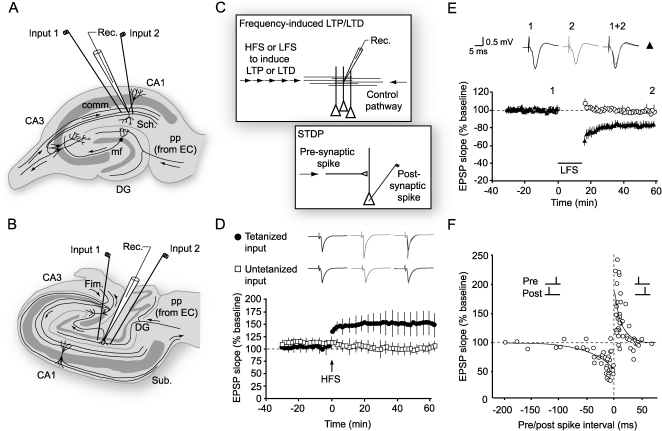
“Repeated activation of a presynaptic spike followed by post-synaptic spike, within a brief time window of approximately 50 ms, leads to LTP, while the reverse order leads to LTD.21,22 The transverse slice allows for easy placement of stimulating electrodes in clearly defined afferent fibre populations because the dend…”
BackgroundInfluentialMagnesium gates glutamate-activated channels in mouse central neurones
Nowak, L., Bregestovski, P., Ascher, P., Herbet, A., & Prochiantz, A. (1984) · Nature · doi:10.1038/307462a0 · Cited by 4,043 · cited 2×
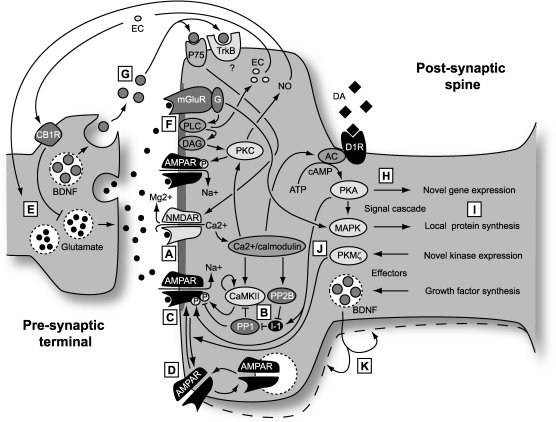
“It is now known that coincidence detection is accomplished through the NMDA receptor (NMDAR), a voltage-dependent subtype of glutamate receptor that allows permeation of calcium and other cations only when two criteria are satisfied: neurotransmitter is bound following release of glutamate from the presynaptic termina…”
BackgroundInfluentialRegulation of Synaptic Efficacy by Coincidence of Postsynaptic APs and EPSPs
Markram, H., Lübke, J., Frotscher, M., & Sakmann, B. (1997) · Science · doi:10.1126/science.275.5297.213 · Cited by 3,832 · cited 11×
“Repeated activation of a presynaptic spike followed by post-synaptic spike, within a brief time window of approximately 50 ms, leads to LTP, while the reverse order leads to LTD.21,22 The transverse slice allows for easy placement of stimulating electrodes in clearly defined afferent fibre populations because the dend…”
BackgroundInfluentialThe period of susceptibility to the physiological effects of unilateral eye closure in kittens
Hubel, D. H., & Wiesel, T. N. (1970) · The Journal of Physiology · doi:10.1113/jphysiol.1970.sp009022 · Cited by 3,030
Synaptic Plasticity and Memory: An Evaluation of the Hypothesis
Martin, S. J., Grimwood, P. D., & Morris, R. G. M. (2000) · Annual Review of Neuroscience · doi:10.1146/annurev.neuro.23.1.649 · Cited by 2,794 · cited 1×
“learning and memory, as most neuroscientists believe, has not yet been definitively resolved.(5,6) However, at the”
BackgroundNeurodegenerative Disorders: Parkinson's Disease and Huntington's Disease
Hague, S., Klaffke, S., & Bandmann, O. (2006) · IMPERIAL COLLEGE PRESS eBooks · doi:10.1142/9781860948961_0007 · Cited by 2,766
Research works printed but not linked: 1
- Heynen A Bear MF Abraham WC Low-frequency stimulation of the Schaffer collaterals produces homosynaptic LTD in area CA1 of the adult rat hippocampus in vivo Soc Neurosci Abstr 1995
Cited by
Items 201–300 of 444
Synaptic Dynamics Realize First-order Adaptive Learning and Weight SymmetryPreprint
Yang, Y., & Li, P. (2022) · arXiv (Cornell University) · doi:10.48550/arxiv.2212.09440 · Cited by 6
“…synaptic plasticity to dozens of chemical and biological events, and the direction of adjustment, long-term-potentiation (LTP) or long-term depression (LTD), is a crucial determinant of whether and how chemicals are involved (Bliss & Cooke, 2011; Miranda et al., 2019; Wiera & Mozrzymas, 2021).”
BackgroundSynaptic Plasticity in the Hippocampus
Bliss, T., Collingridge, G. L., Cooke, S. F., Georgiou, J., & Morris, R. (2025) · Oxford University Press eBooks · doi:10.1093/med/9780190065324.003.0010 · Cited by 5
Self-citationRabl, M., Hartog, W. L., van der Flier, W. M., Pijnenburg, Y. A. L., Teunissen, C. E., Tsolaki, M., Freund‐Levi, Y., Vandenberghe, R. R., Froelich, L., Streffer, J. R., et al. (2025) · Alzheimer s & Dementia · doi:10.1002/alz.71054 · Cited by 8
Rasheed, M., Tahir, R. A., Maazouzi, M., Wang, H., Li, Y., Chen, Z., & Deng, Y. (2024) · The FASEB Journal · doi:10.1096/fj.202400420rr · Cited by 5
Gross, J., Knipper, M., & Mazurek, B. (2024) · Biomedicines · doi:10.3390/biomedicines12071615 · Cited by 5
“…neurotransmi tt er loading), SYP (modulation of synaptic transmission), GRIN1 (regulation of ion channel activity), and SLC12A5 (regulation of postsynaptic assembly). beta-catenin) is a protein of great importance for contact, regulation of transcription, synaptic structural organization, and [77].”
BackgroundKrenzer, D., & Bogdan, M. (2025) · Frontiers in Computational Neuroscience · doi:10.3389/fncom.2025.1569374 · Cited by 5
“While STDP is governed by the relative timing of these spikes, leading to either long-term potentiation (LTP) or long-term depression (LTD) (Timothy V.P. Bliss, 2011) of the synapse, R-STDP incorporates the influence of neuromodulators—chemical signals like dopamine, serotonin, or acetylcholine into the plasticity proc…”
Multistage opto-neuromorphic process system based on commercial optoelectric devices
Choi, M., Lee, M., Lee, B., & Lee, Y. T. (2020) · Current Applied Physics · doi:10.1016/j.cap.2020.07.006 · Cited by 5
Long-Term Potentiation and Long-Term Depression
Ivanco, T. L. (2015) · Elsevier eBooks · doi:10.1016/b978-0-08-097086-8.55034-x · Cited by 5
Mete, E., Sarı, Z., Karadeli, H. H., & Avarisli, A. (2025) · PM&R · doi:10.1002/pmrj.13394 · Cited by 5
“42 Prolonged repetitive peripheral electrical stimulation at the sensory level, applied to the affected extremity in stroke without inducing a motor response, enhances the excitability of the contralateral cortex by activating proprioceptive and large cutaneous sensory fiber.”
New biophysical rate-based modeling of long-term plasticity in mean-field neuronal population models
Huang, C.-H., & Lin, C. K. (2023) · Computers in Biology and Medicine · doi:10.1016/j.compbiomed.2023.107213 · Cited by 4
Impact of positive thinking on synapses
Dar, S. A., Ramakrishna, K., & Shekhawat, Y. S. (2025) · Progress in brain research · doi:10.1016/bs.pbr.2025.03.005 · Cited by 5
Nielsen, R. K., & Jensen, W. (2016) · IEEE Transactions on Neural Systems and Rehabilitation Engineering · doi:10.1109/tnsre.2016.2610762 · Cited by 4
Potential neurotoxins: Okadaic acid and analogs
Novelli, A., Daranas, A. H., Cabrera-García, D., Salazar, F. A., & Fernández‐Sánchez, M. T. (2021) · Advances in neurotoxicology · doi:10.1016/bs.ant.2021.04.001 · Cited by 4
Resistive Switching Characteristics of Alloyed AlSiOx Insulator for Neuromorphic Devices
Lee, Y., Jang, J., Jeon, B., Lee, K., Chung, D., & Kim, S. (2022) · Materials · doi:10.3390/ma15217520 · Cited by 4
“Potentiation and depression are the changes in synaptic strength, induced by specific patterns of synaptic activity, that have received much attention as cellular models of information storage in the central nervous system [43].”
BackgroundBastawy, E. M., Eraslan, I. M., Voglsanger, L. M., Suphioglu, C., Walker, A. J., Dean, O. M., Read, J. L., Ziemann, M., & Smith, C. M. (2024) · International Journal of Molecular Sciences · doi:10.3390/ijms25137391 · Cited by 4
“Another noteworthy gene set, the highly calcium permeable postsynaptic nicotinic acetylcholine receptors , is implicated in long-term potentiation, and its dysregulation may contribute to synaptic dysfunction causing depressive disorders [55–57].”
BackgroundStieglitz, T., Bersch, I., Mrachacz‐Kersting, N., & Pasluosta, C. F. (2025) · Artificial Organs · doi:10.1111/aor.15017 · Cited by 4
Игоревна, К. П., Logvinova, O., Poydasheva, A. G., Kremneva, E. I., Bakulin, I. S., Раскуражев, А. А., Лагода, О. В., Suponeva, N. A., Troshina, E. A., Tanashyan, M. М., et al. (2020) · Obesity and metabolism · doi:10.14341/omet10148 · Cited by 4
The Effects of Human Visual Sensory Stimuli on N1b Amplitude: An EEG Study
Moore, D., Ikuta, T., & Loprinzi, P. D. (2020) · Journal of Clinical Medicine · doi:10.3390/jcm9092837 · Cited by 4
“The decline in the N1b component may be a reflection of low-frequency stimulation, therefore, causing depotentiation [15].”
BackgroundZahiri, H., Rostampour, M., Khakpour, B., & Rohampour, K. (2021) · Behavioural Brain Research · doi:10.1016/j.bbr.2021.113209 · Cited by 4
The role of growth hormone in hippocampal function
Juárez‐Aguilar, E., Olivares‐Hernández, J. D., Regalado‐Santiago, C., & García‐García, F. (2022) · Vitamins and hormones · doi:10.1016/bs.vh.2021.11.007 · Cited by 4
Herold, C., Ockermann, P. N., & Amunts, K. (2022) · Frontiers in Physiology · doi:10.3389/fphys.2022.883029 · Cited by 4
“(1) The ionotropic glutamatergic NMDA and AMPA receptors are known key receptors involved in LTP and LTD during learning (Bliss and Cooke, 2011).”
BackgroundMeriney, S. D., & Fanselow, E. E. (2019) · Elsevier eBooks · doi:10.1016/b978-0-12-815320-8.00014-4 · Cited by 4
Reflex memory theory of acquired involuntary motor and sensory disorders
Oyigeya, M. (2021) · The Egyptian Journal of Neurology Psychiatry and Neurosurgery · doi:10.1186/s41983-021-00307-2 · Cited by 3
“CNS Drugs.”
BackgroundInfluentialGlutamatergic Neurotransmission and Toxicity: Domoic Acid and Kainic Acid (Glutamic Acid Analogs)
Pope, E. K., Bigelow, L. J., & Bernard, P. B. (2024) · Royal Society of Chemistry eBooks · doi:10.1039/9781839165795-00091 · Cited by 3
Investigating the Antidepressant Mechanism of Acupuncture with a Focus on Mitochondrial Homeostasis
Wei, Y., Ma, Z., Xu, N., He, Y., Cao, M., & Wang, L. (2026) · International Journal of General Medicine · doi:10.2147/ijgm.s584012 · Cited by 3
Cheng, R., Yang, X., Su, H., Wei, X., Ji, H., & Song, D. (2026) · Phytotherapy Research · doi:10.1002/ptr.70341 · Cited by 4
Chai, Y., He, S., Liang, D., Gu, C., Gong, Q., Long, L., Chen, P., & Wang, L. (2024) · Heliyon · doi:10.1016/j.heliyon.2024.e35970 · Cited by 3
“ERK, a member of the MAPK pathway, contributes to LTP by phosphorylating cAMP response element-binding protein (CREB), which regulates the expression of genes essential for maintaining LTP, such as genes for AMPA receptors and other synaptic plasticity proteins [4 – 7].”
BackgroundInfluentialThe Changing Brain: Bidirectional Learning Between Algorithm and User
Mrachacz‐Kersting, N., Jiang, N., Aliakbaryhosseinabadi, S., Xu, R., Petrini, L., Lontis, R., Dremstrup, K., & Farina, D. (2015) · Springer briefs in electrical and computer engineering · doi:10.1007/978-3-319-25190-5_11 · Cited by 3
Garg, J., Lakhani, A., & Dave, V. (2020) · Neurophysiology · doi:10.1007/s11062-021-09890-9 · Cited by 3
“Certain drugs may be used to erase or treat disturbed synaptic states, and non-invasive stimulation devices may be used to artificially induce certain types of synaptic plasticity, which will help to establish the original synaptic connections [49].”
BackgroundCarrese, A. M., Vitale, R., Turco, M., Masola, V., Aniello, F., Vitale, E., & Donizetti, A. (2024) · Molecular Neurobiology · doi:10.1007/s12035-024-04262-w · Cited by 3
“BDNF regulates several biological functions implicated in neuronal survival, differentiation, and synaptic plasticity, participating in both the early stages of LTP and LTD [7, 64, 65].”
Wong, V. C., Houlihan, P. R., Liu, H., Walpita, D., DeSantis, M. C., Liu, Z. J., & O’Shea, E. K. (2024) · eLife · doi:10.7554/elife.80622 · Cited by 3
Lu, Z., Xu, S., Wang, H., Liu, J., Dai, Y., Xie, J., Song, Y., Wang, Y., Wang, Y., Qu, L., et al. (2021) · Sensors and Actuators A Physical · doi:10.1016/j.sna.2021.112983 · Cited by 3
Neuro-WiFi: A Novel Neuronal Connection Underlies the Potential Interventional Target
Wang, F. (2023) · Science Insights · doi:10.15354/si.23.re849 · Cited by 3
Pearce, A. J., Tallent, J., Frazer, A. K., Rist, B., & Kidgell, D. J. (2025) · Journal of Clinical Neurophysiology · doi:10.1097/wnp.0000000000001155 · Cited by 3
Subunit-specific effects of poricoic acid A on NMDA receptors
Lee, J., Kim, C., Yeom, H. D., Nguyen, K. V. A., Eom, S., Lee, S., Jung, J., Lee, J.-H., Kim, S. H., Kim, I.-K., et al. (2020) · Pharmacological Reports · doi:10.1007/s43440-019-00036-7 · Cited by 3
Axerio-Cilies, P. (2017) · cIRcle (University of British Columbia) · doi:10.14288/1.0319183 · Cited by 3
Interaction of STDP and metaplasticity in modelling heterosynaptic plasticity.
Shirrafiardekani, A. (2017) · Otago University Research Archive (University of Otago) · Cited by 3
Cepeda-Prado, E. A., Khodaie, B., Quiceno, G. D., Beythien, S., Edelmann, E., & Lessmann, V. (2019) · bioRxiv (Cold Spring Harbor Laboratory) · doi:10.1101/719633 · Cited by 3
Impact of Pulsed Radiofrequency on Activated Dorsal Root Ganglion Neuronal Dynamics
Laksono, R. M., Siswagama, T. A., Laksono, B. H., & Asmoro, A. A. (2025) · Journal of Cellular & Molecular Anesthesia · doi:10.5812/jcma-157998 · Cited by 2
Radahmadi, M., Halabian, A., & Halabian, A. (2025) · Methods · doi:10.1016/j.ymeth.2025.03.015 · Cited by 2
The clinical implication of β-arrestins-mediated signaling in memory and cognition
Aghdam, M. M., Mohebalizadeh, M., Sameei, P., & Majidinia, M. (2025) · Molecular and Cellular Biochemistry · doi:10.1007/s11010-025-05323-x · Cited by 2
“The complex interaction between LTD and LTP maintains the flexibility and adaptability of synaptic connections, enabling the brain to process new information while maintaining the stability of previous memories [42].”
Fernandes, J. V. A., Ramos, J. V. D. O., Holanda, M. M. D. A., & Júnior, E. A. (2025) · Journal of Neurosurgical Sciences · doi:10.23736/s0390-5616.25.06526-9 · Cited by 2
Munzuroğlu, M., Gökçek-Saraç, Ç., Gemici, A., & Derin, N. (2025) · Toxicology Letters · doi:10.1016/j.toxlet.2025.07.1411 · Cited by 2
Modulating Neurons via Optothermal, Magnetic, and Electrical Mechanisms Using Metal Nanoparticles
Şahin, M. Z., Uzun, E., & Tekeoğlu, İ. (2025) · Journal of biomimetics, biomaterials and biomedical engineering · doi:10.4028/p-pmje5k · Cited by 2
“By using electrical stimulation, long-term potentiation (LTP) or long-term depression (LTD) can also be achieved, which are highly important for synaptic plasticity and learning [47].”
Gusmão, C. T. P., Fonseca, K. M., Júnior, M. A. S., Gomes, N. S., Bezerra, D. L., Silva, M. F. S., de Lucena, D. F., & Macêdo, D. S. (2025) · Molecular Neurobiology · doi:10.1007/s12035-025-05286-6 · Cited by 2
“Perturbations in this process contribute to LTP/LTD imbalances [10] and are proposed to underlie the cognitive and affective symptoms of MDD [11].”
Epigenetics of pain highways (Review)
Aneja, K. K. (2025) · International Journal of Epigenetics · doi:10.3892/ije.2025.30 · Cited by 2
“These modifications are essential to the plasticity of the nervous system, enabling both structural changes e.g., alterations in dendritic spine density and func‑ tional adaptations e.g., long‑term potentiation and long‑term depression (6).”
Camara, C. F., Sergiou, C. S., Molero‐Chamizo, A., Sel, A., Urbina, G. N. R., Nitsche, M. A., & Hanel, P. H. P. (2025) · Progress in Neuro-Psychopharmacology and Biological Psychiatry · doi:10.1016/j.pnpbp.2025.111582 · Cited by 2
Context-tuned strategies for marker selection precision in neuronal studies
Kulatunga, D. C. M., & Kim, M. N. (2026) · Frontiers in Neuroscience · doi:10.3389/fnins.2026.1773103 · Cited by 2
“Moreover, long-term potentiation (LTP) and long-term depression (LTD), which contribute to synaptic plasticity, are considered hallmarks of advanced neuronal function (Malenka and Bear, 2004; Citri and Malenka, 2008; Bliss and Cooke, 2011).”
Sarkar, A., Srinivasan, K., Datusalia, A. K., & Sharma, S. S. (2026) · Basic & Clinical Pharmacology & Toxicology · doi:10.1111/bcpt.70248 · Cited by 2
“Potential ligand-binding sites are often located at the N-and C-terminal regions, and their purpose is to receive stimuli which have the ability to activate or modify the channel function. activity [49].”
ARC/Arg3.1 expression in the lateral geniculate body of monocular form deprivation amblyopic kittens
Fan, H., Wang, Y., Zou, Y., Song, W., Xie, J., Tang, X., & Chen, S. (2023) · BMC Ophthalmology · doi:10.1186/s12886-022-02757-5 · Cited by 2
“Its plasticity can be divided into long-term potentiation (LTP) and long-term depression (LTD) according to time [7, 8].”
BackgroundAnalytical solutions for the short-term plasticity
Protachevicz, P. R., Batista, A. M., Caldas, I. L., & Baptista, M. S. (2024) · Chaos Solitons & Fractals · doi:10.1016/j.chaos.2024.114678 · Cited by 2
Altunkaya, S. (2024) · Journal of Applied Biomedicine · doi:10.1016/j.bbe.2024.09.005 · Cited by 2
Distribution of perineuronal nets in the adult rat neocortex
Budhu, K., Gomes, H., Borukhov, Y., Chu, P., & Brumberg, J. C. (2025) · Somatosensory & Motor Research · doi:10.1080/08990220.2025.2476945 · Cited by 2
“Interestingly, it has been shown that different cortical regions have different thresholds for the induction of synaptic potentiation or depression (Bliss and Cooke 2011).”
Tabatabaei, F. S. A., Joghataei, M. T., Askariyan, K., Rihipour, L., Pour, B. K., & Ahmadirad, N. (2025) · Interdisciplinary Neurosurgery · doi:10.1016/j.inat.2025.102109 · Cited by 2
The association of self-reported physical activity on human sensory long-term potentiation
Moore, D., & Loprinzi, P. D. (2021) · AIMS neuroscience · doi:10.3934/neuroscience.2021023 · Cited by 2
“Since LTP’s novel discovery in 1973 [7], it has been studied extensively in animals at the molecular and cellular levels, primarily in the hippocampus [8,9].”
BackgroundIntraclass Correlation in Paired Associative Stimulation and Metaplasticity
Schapira, G., Chang, J., Kim, Y., Ngo, J. P., Deblieck, C., Bianco, V., Edwards, D. J., Dobkin, B. H., Wu, A. D., & Iacoboni, M. (2022) · NeuroSci · doi:10.3390/neurosci3040042 · Cited by 2
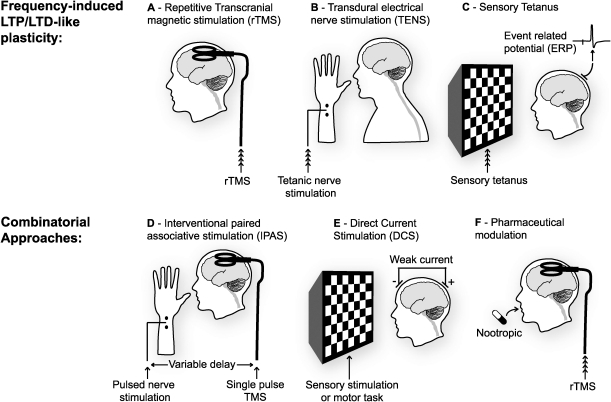
“PAS can mimic LTP or LTD as an in vivo and non-invasive paradigm to study neural plasticity in humans by coupling an electrical peripheral nerve stimulation with a central transcranial magnetic stimulation (TMS) pulse to induce neuroplastic changes in the motor cortex [1,7–12].”
BackgroundInfluentialTanskanen, J. M. A., Ahtiainen, A., & Hyttinen, J. (2019) · IEEE International Conference on Electronics, Circuits and Systems (ICECS) · doi:10.1109/icecs46596.2019.8964854 · Cited by 2
“, in long-term potentiation and depression experiments [28], to test neurotoxicity of (potential) drugs and chemicals [29], or to steer stem cell fate and differentiation [30][31].”
BackgroundBrazilian impact factor of physics journals - the third side of the coin
Mohallem, J. R., & da Fonseca, N. E. (2015) · Anais da Academia Brasileira de Ciências · doi:10.1590/0001-3765201520140294 · Cited by 2
Marchiori, E. D. S. (2017) · Radiologia Brasileira · doi:10.1590/0100-3984.2017.50.6e1 · Cited by 2
Brihmat, N. (2018) · theses.fr (ABES) · doi:10.70675/4781cf3fzff56z45dcz9be3z20b299a8a581 · Cited by 2
A New Unsupervised/Reinforcement Learning Method In Spiking Pattern Classification NetworksPreprint
Nazari, S. (2023) · Research Square · doi:10.21203/rs.3.rs-3560563/v1 · Cited by 2
Efeito da sobrecarga lipídica sobre a bioenergética neural : abordagens in vivo e in vitro
Vilela, W. R. (2024) · LA Referencia (Red Federada de Repositorios Institucionales de Publicaciones Científicas) · Cited by 2
Kuwahara, N. (2022) · The Atrium (University of Guelph) · Cited by 2
COGNITIVE IMPAIRMENT DETECTION IN ADULT THALASSEMIA PATIENT USING MOCA-INA
Calista, C., Gamayani, U., Ong, A. P., Rizal, A., Wibisono, Y., Amalia, L., & Panigoro, R. (2021) · MNJ (Malang Neurology Journal) · doi:10.21776/ub.mnj.2021.007.01.6 · Cited by 1
“LTP between two neurons were important components in synaptic plasticity which related with longterm memory (LTM) storage in cellular levels.(42,43) LTP has not detected yet in all parts of brain, but it is clearly found in prefrontal cortex, hypocampus, and amigdala which related to cognitive.”
BackgroundHewitt, D., Newton‐Fenner, A., Henderson, J. R., Fallon, N. B., Brown, C. A., & Stančák, A. (2022) · Journal of Neurophysiology · doi:10.1152/jn.00511.2021 · Cited by 1
Schwarzenauer, M., Rukwied, R., Lampert, A., Rolke, R., & Namer, B. (2023) · European Journal of Pain · doi:10.1002/ejp.2177 · Cited by 1
“At spinal level, complex interactions between pruritic and nociceptive inputs have been described in animals in details (Bliss & Cooke, 2011; Chen, 2021; Chen & Sun, 2020).”
BackgroundKadupitiya, N., & Dissanayake, D. (2024) · Ceylon Journal of Medical Science · doi:10.4038/cjms.v61i1.5071 · Cited by 1
“This phenomenon occurs in key brain regions such as the hippocampus, cortex, amygdala, and cerebellum [19,20].”
InfluentialDewi, I. G. A. R. P., Suartana, I. W., Yasa, G. W., & Mimba, N. P. S. H. (2025) · International Journal of Management and Sustainability · doi:10.18488/11.v14i3.4420 · Cited by 1
“There is a negative relationship between financial reporting quality and politically connected corporations (Al-dhamari & Ismail, 2015; Bliss & Cooke, 2011; Braam, Nandy, Weitzel, & Lodh, 2015; Bushman & Smith, 2001; Chaney et al., 2011; Correia, 2014; Fan & Wong, 2002; Hashmi, Brahmana, & Lau,…”
Salden, S., Xu, Y., Smet, S. D., Peremans, K. Y., Witte, S. D., Dobbeleir, A. A., Eeckhaut, A. V., Saunders, J. H., Haverbeke, A., & Baeken, C. (2026) · The Veterinary Journal · doi:10.1016/j.tvjl.2026.106559 · Cited by 1
Grzymala, B., Halldórsdóttir, D. Þ., Thorsteinsson, H. S., þorfinnsdóttir, K., Sveinsdóttir, H. S., Parker, M. O., Foulquier, S., & Karlsson, K. Æ. (2026) · Journal of Pharmacology and Experimental Therapeutics · doi:10.1016/j.jpet.2026.104900 · Cited by 1
“39 44 LTCCs also regulate microglial activation and neuroinflammatory signaling, 45,46 factors associated with ADHD.”
Visual Snow: Old Problem, New Understanding
(:unav) (2022) · doi:10.48350/174476 · Cited by 1
Therapeutic approaches in psychosomatic medicine from a biopsychosocial perspective
Theodorakopoulou, A., Tollos, I., & Christodoulou, G. N. (2021) · Psychiatriki · doi:10.22365/jpsych.2021.022 · Cited by 1
Hou, Y., Hong, H., Xu, D., Zeng, Z., Chen, Y., & Liu, Z. (2021) · Actuators · doi:10.3390/act10100254 · Cited by 1
“A variety of neurological conditions arise from lost or excessive synaptic drive due to sensory deprivation during childhood, brain damage, or disease [33].”
BackgroundNew horizons of non-invasive brain stimulation in clinical medicine
Poydasheva, A. G., Bakulin, I. S., Suponeva, N. A., Troshina, E. A., Tanashyan, M. М., Dedov, I. I., & Пирадов, М. А. (2018) · Annals of Clinical and Experimental Neurology · doi:10.25692/acen.2018.5.3 · Cited by 1
Behavior of KCNQ Channels in Neural Plasticity and Motor Disorders
Singh, S. P., William, M., Malavia, M., & Chu, X. (2022) · Membranes · doi:10.3390/membranes12050499 · Cited by 1
The NMDA Receptor System and Developmental Neurotoxicity
Wang, C., Liu, S., Liu, F., Patterson, T. A., & Slikker, W. (2022) · Springer eBooks · doi:10.1007/978-3-031-15080-7_194 · Cited by 1
Neuromodulation in Dystonia – Harnessing the Network
Killian, O., Hutchinson, M., & Reilly, R. B. (2023) · Advances in neurobiology · doi:10.1007/978-3-031-26220-3_10 · Cited by 1
Wang, Y., Fan, H., Zou, Y., Song, W., Li, L., Xie, J., & Chen, S. (2023) · European Journal of Ophthalmology · doi:10.1177/11206721231187926 · Cited by 1
“7,49,68 Hence, lateral geniculate body plays a key role in the process of visual information processing.”
BackgroundGutierrez, P. P., Orcioli‐Silva, D., Moraca, G. A. G., Legutke, B. R., Sirico, T. M., Beretta, V. S., & Barela, J. Â. (2025) · Experimental Brain Research · doi:10.1007/s00221-025-07004-z · Cited by 3
“Evidence suggests that both tDCS and exercise engage promising mechanistic pathways to induce cortical excitability and neuroplasticity by exogenous and endogenous neuromodulation activity, respectively (Bliss and Cooke 2011).”
Multiple endocrine neoplasias: an overview of recent progress
Rocha-e-Silva, M., & Toledo, S. P. A. (2012) · Clinics · doi:10.6061/clinics/2012(sup01)01 · Cited by 1
Macindoe, J. E. (2013) · Otago University Research Archive (University of Otago) · Cited by 1
Molthof, I. C. (2016) · Cited by 1
Sood, M. (2014) · TSpace (University of Toronto) · Cited by 1
Topography of the perceptual improvement induced by repetitive somatosensory stimulation
Macchione, S. (2018) · theses.fr (ABES) · doi:10.70675/ab31fabczeeeez42c6z8eb9zcd14872d1313 · Cited by 1
Gómez-Guerrero, G. (2019) · Jyväskylä University Digital Archive (University of Jyväskylä) · Cited by 1
Wilfred, M. G. (2019) · Seton Hall University eRepository (Seton Hall University) · Cited by 2
Cooke, J. (2020) · Open Access at Essex (University of Essex) · Cited by 1
Markovina, M. (2021) · doi:10.11575/prism/38623 · Cited by 1
High-performance amorphous indium-gallium-zinc-oxide thin-film-transistor and its applications
Li, Y. B. (2022) · DR-NTU (Nanyang Technological University) · doi:10.32657/10356/164692 · Cited by 1
The Gap between Deep Learning and the Nervous SystemPreprint
Molina, E., & Rodriguez, X. (2023) · Preprints.org · doi:10.20944/preprints202309.0024.v1 · Cited by 1
Perić, I. (2022) · Cherry (Univesrity of Belgrade, Faculty of Chemistry) · doi:10.13140/rg.2.2.28928.61442 · Cited by 1
Chaves, A. R. D. A. (2021) · Memorial University Research Repository (Memorial University) · doi:10.48336/pndj-ka52 · Cited by 1
Darvish-Ghane, S. (2022) · TSpace (University of Toronto) · Cited by 1
Pougnet, J.-T. (2013) · theses.fr (ABES) · doi:10.70675/55539db7za632z47abza9aezae9c59b08347 · Cited by 1
Effets des polyphénols de baies sur le déclin cognitif lié au vieillissement chez la souris
Bensalem, J. (2014) · theses.fr (ABES) · doi:10.70675/ac65ac13zbca9z4d32zaef9za6966d5794e1 · Cited by 2
Growth Hormone and Anabolic Androgenic Steroids : Effects on Neurochemistry and Cognition
Grönbladh, A. (2013) · Uppsala University Publications (Uppsala University) · Cited by 1
The Impact of Growth Hormone and Gamma-Hydroxybutyrate (GHB) on Systems Related to Cognition
Johansson, J. (2012) · Uppsala University Publications (Uppsala University)
Saiote, C. (2014) · eDiss (Georg-August-Universität Göttingen) · doi:10.53846/goediss-4447
AMPA Receptor Trafficking: A Mechanism of Excitatory Synaptic Plasticity
Tcharnaia, L. (2011) · MacSphere (McMaster University) · doi:10.71548/19736
Metadata
- Authors
- Bliss, T. V. P., & Cooke, S. F.
- Venue
- Clinics
- Publisher
- Elsevier BV
- Published
- 2011-01
- Volume
- 66
- Pages
- 3-17
- ISSN
- 1807-5932 (ISSN-L)
- PMC
- PMC3118435
- OpenAlex
- W2149900811
- Semantic Scholar
- 3f55637a5a4c2d949d80d95f8acb1dc061f7780c
- Cited by
- 333
- References
- 171
- Citations by year
- 2026: 13 · 2025: 39 · 2024: 37 · 2023: 36 · 2022: 35 · 2021: 33 · 2020: 26 · 2019: 25 · 2018: 21 · 2017: 10 · 2016: 19 · 2015: 12 · 2014: 10 · 2013: 9 · 2012: 7
- Type
- journal article
- Language
- en
- Open access
- gold
- doi.org
- Licence
- cc-by-nc
- www.elsevier.com/tdm/userlicense/1.0/ (tdm)
- www.elsevier.com/legal/tdmrep-license (tdm)
- creativecommons.org/licenses/by-nc/3.0/ (vor, 191 d)
- Locations
- Clinics (publishedVersion, cc-by-nc)
- PubMed Central (publishedVersion, cc-by-nc)
- PubMed (publishedVersion)
- LA Referencia (Red Federada de Repositorios Institucionales de Publicaciones Científicas) (publishedVersion, other-oa)
- LA Referencia (Red Federada de Repositorios Institucionales de Publicaciones Científicas) (submittedVersion, cc-by)
- Americanae (AECID Library) (submittedVersion, cc-by-nc)
- DOAJ (DOAJ: Directory of Open Access Journals) (submittedVersion, cc-by-sa)
- Topics
- Life Sciences › Neuroscience › Cellular and Molecular Neuroscience › Neuroscience and Neuropharmacology Research
- Life Sciences › Neuroscience › Cognitive Neuroscience › Memory and Neural Mechanisms
- Life Sciences › Neuroscience › Cognitive Neuroscience › Neural dynamics and brain function
- Keywords
- long-term potentiation, long-term depression, synaptic plasticity, synaptic efficacy, information storage, non-invasive brain stimulation, neuropathic pain, epilepsy, depression, amblyopia, tinnitus, stroke
- MeSH terms
- Animals, Central Nervous System Diseases, Electric Stimulation, Humans, Photic Stimulation, Long-Term Potentiation, Long-Term Synaptic Depression
About these checks
Registry, retraction, Cites and statistics results are computed, not judged, with one exception: a printed reference that no index lists is read once by a model before it counts as a citation error. Claims are extracted by a model and kept only when their quote appears verbatim in the text; each cited source is then checked, with a model’s help, for whether it says what the claim relies on. Those verdicts can be wrong — read the claim’s quote and the cited source before relying on one.
Statistics and arithmetic are recomputed, not judged.
Confidence bands are shown only for fields calibrated on our annotated test set. None is calibrated yet, so no band is shown.
What counts as a claim ›How we measure confidence ›How we check this ›
Are you an author, or do you see a problem with this page? Request a review
Data sources
Bibliographic data: Semantic Scholar, OpenAlex, Crossref.
Contains information from the Semantic Scholar Academic Graph Datasets, made available under the ODC Attribution License (ODC-BY 1.0).
Semantic Scholar’s data is described in: Kinney, R., et al. (2023). The Semantic Scholar Open Data Platform. arXiv:2301.10140.
