

Long-term potentiation and long-term depression: a clinical perspective
Open accessThe DOI matches its Crossref record; 169 of the 171 references it cites were found in a registry or an index.
Abstract
Long-term potentiation and long-term depression are enduring changes in synaptic strength, induced by specific patterns of synaptic activity, that have received much attention as cellular models of information storage in the central nervous system. Work in a number of brain regions, from the spinal cord to the cerebral cortex, and in many animal species, ranging from invertebrates to humans, has demonstrated a reliable capacity for chemical synapses to undergo lasting changes in efficacy in response to a variety of induction protocols. In addition to their physiological relevance, long-term potentiation and depression may have important clinical applications. A growing insight into the molecular mechanisms underlying these processes, and technological advances in non-invasive manipulation of brain activity, now puts us at the threshold of harnessing long-term potentiation and depression and other forms of synaptic, cellular and circuit plasticity to manipulate synaptic strength in the human nervous system. Drugs may be used to erase or treat pathological synaptic states and non-invasive stimulation devices may be used to artificially induce synaptic plasticity to ameliorate conditions arising from disrupted synaptic drive. These approaches hold promise for the treatment of a variety of neurological conditions, including neuropathic pain, epilepsy, depression, amblyopia, tinnitus and stroke.
Overview
The claims and statistics of this paper haven’t been checked yet.
Free: it reads the open-access text and checks the first 5 claims that cite a source we can check. Create a free account to check every claim.
Integrity signals
Registry
Cites
Statistics
Figures
Verification
Claims the paper makes
The claims and statistics of this paper haven’t been checked yet.
Free: it reads the open-access text and checks the first 5 claims that cite a source we can check. Create a free account to check every claim.
Claims other papers make about this one
Each is checked against this paper’s own text: does it say what the citing paper says it does?
The cited source says what the claim attributes to it.
In the citing paper
“Beside neurogenesis, it is also rather well-established that LTP can be induced in the human CNS with similar molecular mechanisms than those observed in rodent models (Bliss and Cooke 2011).”
From Neurotrophic factors and neuroplasticity pathways in the pathophysiology and treatment of depression (2018) · cites this paper as Bliss and Cooke 2011
Self-check
Percentages, sums and reported differences re-computed from the paper’s own numbers.
The self-check needs the paper’s full text.
Citations
Cites
Hebb, D. O. (2005) · doi:10.4324/9781410612403 · Cited by 9,825
Glutamate neurotoxicity and diseases of the nervous system
CHOI, D. (1988) · Neuron · doi:10.1016/0896-6273(88)90162-6 · Cited by 7,972
Bliss, T. V. P., & Gardner‐Medwin, A. R. (1973) · The Journal of Physiology · doi:10.1113/jphysiol.1973.sp010274 · Cited by 7,437 · cited 1×
“Experiments in intact animals allow for assessment of the longevity of LTP in the hippocampus using chronically implanted recording and stimulating electrodes.(17) Under these conditions, and using multiple induction tetani, LTP has been observed to last for a year in rats.”
MethodSelf-citationindicated, N. A. (1950) · Journal of Consulting Psychology · doi:10.1037/h0049612 · Cited by 6,923
Bi, G.-Q., & Poo, M.-M. (1998) · The Journal of Neuroscience · doi:10.1523/jneurosci.18-24-10464.1998 · Cited by 4,744 · cited 11×
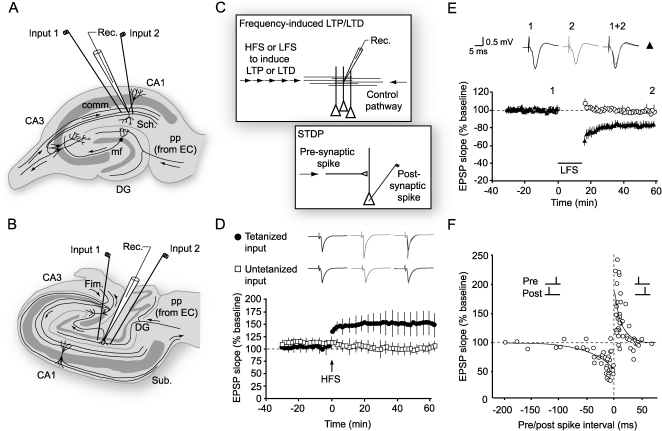
“Repeated activation of a presynaptic spike followed by post-synaptic spike, within a brief time window of approximately 50 ms, leads to LTP, while the reverse order leads to LTD.21,22 The transverse slice allows for easy placement of stimulating electrodes in clearly defined afferent fibre populations because the dend…”
BackgroundInfluentialMagnesium gates glutamate-activated channels in mouse central neurones
Nowak, L., Bregestovski, P., Ascher, P., Herbet, A., & Prochiantz, A. (1984) · Nature · doi:10.1038/307462a0 · Cited by 4,043 · cited 2×
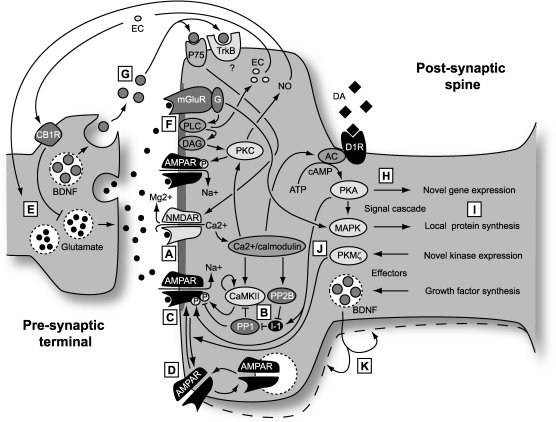
“It is now known that coincidence detection is accomplished through the NMDA receptor (NMDAR), a voltage-dependent subtype of glutamate receptor that allows permeation of calcium and other cations only when two criteria are satisfied: neurotransmitter is bound following release of glutamate from the presynaptic termina…”
BackgroundInfluentialRegulation of Synaptic Efficacy by Coincidence of Postsynaptic APs and EPSPs
Markram, H., Lübke, J., Frotscher, M., & Sakmann, B. (1997) · Science · doi:10.1126/science.275.5297.213 · Cited by 3,832 · cited 11×
“Repeated activation of a presynaptic spike followed by post-synaptic spike, within a brief time window of approximately 50 ms, leads to LTP, while the reverse order leads to LTD.21,22 The transverse slice allows for easy placement of stimulating electrodes in clearly defined afferent fibre populations because the dend…”
BackgroundInfluentialThe period of susceptibility to the physiological effects of unilateral eye closure in kittens
Hubel, D. H., & Wiesel, T. N. (1970) · The Journal of Physiology · doi:10.1113/jphysiol.1970.sp009022 · Cited by 3,030
Synaptic Plasticity and Memory: An Evaluation of the Hypothesis
Martin, S. J., Grimwood, P. D., & Morris, R. G. M. (2000) · Annual Review of Neuroscience · doi:10.1146/annurev.neuro.23.1.649 · Cited by 2,794 · cited 1×
“learning and memory, as most neuroscientists believe, has not yet been definitively resolved.(5,6) However, at the”
BackgroundNeurodegenerative Disorders: Parkinson's Disease and Huntington's Disease
Hague, S., Klaffke, S., & Bandmann, O. (2006) · IMPERIAL COLLEGE PRESS eBooks · doi:10.1142/9781860948961_0007 · Cited by 2,767
Ferrier lecture. Functional architecture of macaque monkey visual cortex
Hubel, D. H., & Wiesel, T. N. (1977) · Proceedings of the Royal Society of London. Series B. Biological Sciences · doi:10.1098/rspb.1977.0085 · Cited by 2,608
Collingridge, G. L., Kehl, S. J., & McLennan, H. (1983) · The Journal of Physiology · doi:10.1113/jphysiol.1983.sp014478 · Cited by 2,413 · cited 1×
“Blockade of NMDAR with selective antagonists, such as AP5, CPP or MK801, prevent the induction of LTP but has no effect on its maintenance.(26) Genetic manipulation to prevent NMDAR expression in the CA1 pyramidal cell population also prevents the induction of LTP, as well as the expression of several forms of hippoca…”
BackgroundEvidence for a central component of post-injury pain hypersensitivity
Woolf, C. J. (1983) · Nature · doi:10.1038/306686a0 · Cited by 2,157 · cited 2×
“The first occurs at the point of nociception itself (peripheral sensitization); and the second at the first central synapses in the pathway within the dorsal horn of the spinal cord (central sensitization).(89) High frequency electrical stimulation can be delivered to nociceptive C fibres in animal preparations(90,91)…”
BackgroundDepression of motor cortex excitability by low-frequency transcranial magnetic stimulation
Chen, R., Classen, J., Gerloff, C., Celnik, P., Wassermann, E. M., Hallett, M., & Cohen, L. G. (1997) · Neurology · doi:10.1212/wnl.48.5.1398 · Cited by 2,128
Learning induces long-term potentiation in the hippocampus
Whitlock, J. R., Heynen, A. J., Shuler, M. G., & Bear, M. F. (2006) · Science · doi:10.1126/science.1128134 · Cited by 1,913
The essential role of hippocampal CA1 NMDA receptor-dependent synaptic plasticity in spatial memory.
Tsien, J. Z., Huerta, P. T., & Tonegawa, S. (1996) · Cell · doi:10.1016/s0092-8674(00)81827-9 · Cited by 1,782
Synaptic tagging and long-term potentiation
Frey, U., & Morris, R. G. M. (1997) · Nature · doi:10.1038/385533a0 · Cited by 1,736
Dudek, S. M., & Bear, M. F. (1992) · Proceedings of the National Academy of Sciences · doi:10.1073/pnas.89.10.4363 · Cited by 1,708 · cited 1×
“shares these characteristics and has also received much attention as a candidate mnemonic process.(3,4) Whether LTP”
BackgroundOptical Deconstruction of Parkinsonian Neural Circuitry
Gradinaru, V., Mogri, M., Thompson, K. R., Henderson, J. M., & Deisseroth, K. (2009) · Science · doi:10.1126/science.1167093 · Cited by 1,526 · cited 1×
“This example illustrates the important point that, even if the primary area of dysfunction in the CNS is not accessible to non-invasive stimulation, secondary dysfunction in more superficial regions can be targeted in order to ameliorate the resulting behavioral abnormality.(76) It is worth noting, though, that a very…”
BackgroundCentral sensitization and LTP: do pain and memory share similar mechanisms?
Ji, R.-R., Kohno, T., Moore, K. A., & Woolf, C. J. (2003) · Trends in Neurosciences · doi:10.1016/j.tins.2003.09.017 · Cited by 1,463 · cited 1×
“Central sensitization has several molecular parallels with LTP in the hippocampus.(93) LTP in the C fibre pathway is both NMDAR-dependent and calcium-dependent,(94,95) and also relies upon other molecular players such as Substance P and the NK-1 receptor.”
BackgroundFritsch, B., Reis, J., Martinowich, K., Schambra, H. M., Ji, Y., Cohen, L. G., & Lu, B. (2010) · Neuron · doi:10.1016/j.neuron.2010.03.035 · Cited by 1,420
Reis, J., Schambra, H. M., Cohen, L. G., Buch, E. R., Fritsch, B., Zarahn, E., Celnik, P. A., & Krakauer, J. W. (2009) · Proceedings of the National Academy of Sciences · doi:10.1073/pnas.0805413106 · Cited by 1,401 · cited 2×
“promoting compensatory plasticity in spared motor cortical tissue.(133) Interestingly, mice which do not express BDNF have significant deficits in motor learning.”
BackgroundThe yin and yang of neurotrophin action
Lu, B., Pang, P. T., & Woo, N. H. (2005) · Nature Reviews Neuroscience · doi:10.1038/nrn1726 · Cited by 1,356 · cited 1×
“trophic factor (BDNF), a substance that is newly synthesised as a result of MAPK and CREB signaling and which may initiate structural change at tagged synapses.(63) The role of”
BackgroundEffects of cAMP simulate a late stage of LTP in hippocampal CA1 neurons
Frey, U., Huang, Y.-Y., & Kandel, E. R. (1993) · Science · doi:10.1126/science.8389057 · Cited by 1,218
Synaptic plasticity, memory and the hippocampus: a neural network approach to causality
Neves, G., Cooke, S. F., & Bliss, T. V. P. (2008) · Nature Reviews Neuroscience · doi:10.1038/nrn2303 · Cited by 1,210
Self-citationDonepezil for dementia due to Alzheimer’s disease.
Birks, J. S., & Harvey, R. J. (2018) · Cochrane Database of Systematic Reviews · doi:10.1002/14651858.cd001190.pub3 · Cited by 1,200
Cortical Map Reorganization Enabled by Nucleus Basalis Activity
Kilgard, M. P., & Merzenich, M. M. (1998) · Science · doi:10.1126/science.279.5357.1714 · Cited by 1,195
Regulation of distinct AMPA receptor phosphorylation sites during bidirectional synaptic plasticity
Lee, H.-K., Barbarosie, M., Kameyama, K., Bear, M. F., & Huganir, R. L. (2000) · Nature · doi:10.1038/35016089 · Cited by 1,116 · cited 1×
“Conversely, phosphatases such as calcineurin and PP1, which are also sensitive to calcium but at lower concentrations, can dephosphorylate the same or different protein residues either to reverse LTP, through a process of depotentiation, or to induce de novo LTD, by reducing AMPAR efficacy.(36) Thus a complex interpla…”
BackgroundIntracellular injections of EGTA block induction of hippocampal long-term potentiation
Lynch, G., Larson, J., Kelso, S., Barrionuevo, G., & Schottler, F. (1983) · Nature · doi:10.1038/305719a0 · Cited by 1,116 · cited 1×
“Calcium influx through the NMDAR is central to the induction of both LTP and LTD because intracellular application of calcium chelators, such as BAPTA or EGTA, prevents induction of plasticity.(28,29) Moreover, uncaging of calcium itself can induce a form of LTP or LTD,(30) depending on the concentration of calcium, a…”
BackgroundMechanisms underlying induction of homosynaptic long-term depression in area CA1 of the hippocampus
Mulkey, R. M., & Malenka, R. C. (1992) · Neuron · doi:10.1016/0896-6273(92)90248-c · Cited by 1,113
Metaplasticity: tuning synapses and networks for plasticity
Abraham, W. C. (2008) · Nature Reviews Neuroscience · doi:10.1038/nrn2356 · Cited by 1,108
Figurov, A., Pozzo-Miller, L. D., Olafsson, P., Wang, T., & Lu, B. (1996) · Nature · doi:10.1038/381706a0 · Cited by 1,106 · cited 1×
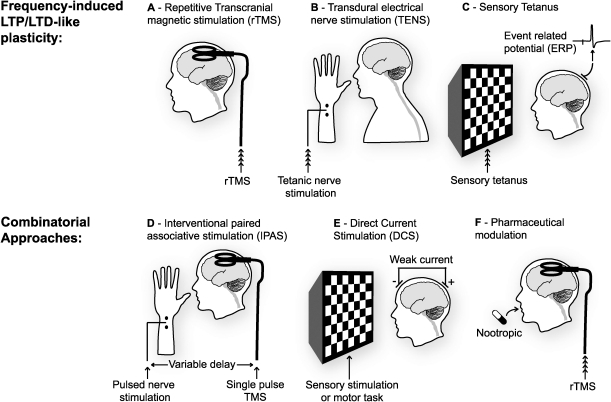
“It is known that DCS causes the release of BDNF and that this substance modulates the induction of NMDAR-dependent LTP through the TrkB receptor.(64) Moreover, a combination of DCS and lowfrequency stimulation leads to LTP in ex vivo cortical slices.”
BackgroundRessler, K. J., Rothbaum, B. O., Tannenbaum, L., Anderson, P., Graap, K., Zimand, E., Hodges, L., & Davis, M. (2004) · Archives of General Psychiatry · doi:10.1001/archpsyc.61.11.1136 · Cited by 1,063
Learning-Induced LTP in Neocortex
Rioult-Pedotti, M.-S., Friedman, D., & Donoghue, J. P. (2000) · Science · doi:10.1126/science.290.5491.533 · Cited by 1,015
The cell biology of synaptic plasticity: AMPA receptor trafficking
Shepherd, J. D., & Huganir, R. L. (2007) · Annual Review of Cell and Developmental Biology · doi:10.1146/annurev.cellbio.23.090506.123516 · Cited by 978
Role for Rapid Dendritic Protein Synthesis in Hippocampal mGluR-Dependent Long-Term Depression
Huber, K. M., Kayser, M. S., & Bear, M. F. (2000) · Science · doi:10.1126/science.288.5469.1254 · Cited by 939 · cited 1×
“These are the canonical induction mechanisms for hippocampal LTP/LTD but it is clear that there exist at these synapses and throughout the CNS a wide range of other forms of LTP/LTD that do not rely upon the NMDAR, notably LTD that is induced through activation of the metabotropic glutamate receptor (mGluR).(32,33) In…”
BackgroundDendritic Protein Synthesis, Synaptic Plasticity, and Memory
Sutton, M. A., & Schuman, E. M. (2006) · Cell · doi:10.1016/j.cell.2006.09.014 · Cited by 888 · cited 1×
“ribosomes positioned in the dendrites; local protein synthesis, triggered by a molecular tag, would drastically reduce the number of protein molecules required to potentiate or depress individual synapses.(48,49) The molecules that act as tags are not yet determined but there have been some”
BackgroundStorage of spatial information by the maintenance mechanism of LTP
Pastalkova, E., Serrano, P., Pinkhasova, D., Wallace, E., Fenton, A. A., & Sacktor, T. C. (2006) · Science · doi:10.1126/science.1128657 · Cited by 848 · cited 1×
“Indeed, L-LTP can be reversed at least a day after induction through specific inhibition of this kinase in vivo.(54) It is now known that PKMf maintains LTP by increasing the number of AMPARs in the synapse, thereby keeping synaptic transmission potentiated.”
BackgroundPostsynaptic Calcium Is Sufficient for Potentiation of Hippocampal Synaptic Transmission
Malenka, R. C., Kauer, J. A., Zucker, R. S., & Nicoll, R. A. (1988) · Science · doi:10.1126/science.2845577 · Cited by 829
Fregni, F., & Pascual-Leone, A. (2007) · Nature Clinical Practice Neurology · doi:10.1038/ncpneuro0530 · Cited by 823
Activation of p75NTR by proBDNF facilitates hippocampal long-term depression
Woo, N. H., Teng, H. K., Siao, C.-J., Chiaruttini, C., Pang, P. T., Milner, T. A., Hempstead, B. L., & Lu, B. (2005) · Nature Neuroscience · doi:10.1038/nn1510 · Cited by 815 · cited 11×
“Repeated activation of a presynaptic spike followed by post-synaptic spike, within a brief time window of approximately 50 ms, leads to LTP, while the reverse order leads to LTD.21,22 The transverse slice allows for easy placement of stimulating electrodes in clearly defined afferent fibre populations because the dend…”
BackgroundInfluentialLee, H.-K., Takamiya, K., Han, J.-S., Man, H., Kim, C.-H., Rumbaugh, G., Yu, S., Ding, L., He, C., Petralia, R. S., et al. (2003) · Cell · doi:10.1016/s0092-8674(03)00122-3 · Cited by 802
Making memories last: the synaptic tagging and capture hypothesis
Redondo, R. L., & Morris, R. G. M. (2011) · Nature Reviews Neuroscience · doi:10.1038/nrn2963 · Cited by 792 · cited 1×
“This could enable the kinase to act as a ‘tag’ for recently potentiated synapses and allow for the synapse-specific recruitment of newly synthesized proteins that participate in the maintenance of longlasting synaptic potentiation.(46) Another kinase, PKMf, has now been recognized to act in a localized fashion to main…”
BackgroundReorganization of auditory cortex in tinnitus
Mühlnickel, W., Elbert, T., Taub, E., & Flor, H. (1998) · Proceedings of the National Academy of Sciences · doi:10.1073/pnas.95.17.10340 · Cited by 745
Cheeran, B., Talelli, P., Mori, F., Koch, G., Suppa, A., Edwards, M., Houlden, H., Bhatia, K., Greenwood, R., & Rothwell, J. C. (2008) · The Journal of Physiology · doi:10.1113/jphysiol.2008.159905 · Cited by 705 · cited 1×
“motor cortical plasticity, measured using ERPs, induced by rTMS, IPAS or DCS/rTMS applied to motor cortex.(131,135)”
MethodReversing pathological neural activity using targeted plasticity
Engineer, N. D., Riley, J. R., Seale, J. D., Vrana, W. A., Shetake, J. A., Sudanagunta, S. P., Borland, M. S., & Kilgard, M. P. (2011) · Nature · doi:10.1038/nature09656 · Cited by 668
Synaptic plasticity in the hippocampus: LTP and LTD
Malenka, R. C. (1994) · Cell · doi:10.1016/0092-8674(94)90517-7 · Cited by 655
Mediation of Hippocampal Mossy Fiber Long-Term Potentiation by Cyclic AMP
Weisskopf, M. G., Castillo, P. E., Zalutsky, R. A., & Nicoll, R. A. (1994) · Science · doi:10.1126/science.7916482 · Cited by 618
A synaptic memory trace for cortical receptive field plasticity
Froemke, R. C., Merzenich, M. M., & Schreiner, C. E. (2007) · Nature · doi:10.1038/nature06289 · Cited by 600
A Temporally Asymmetric Hebbian Rule Governing Plasticity in the Human Motor Cortex
Wolters, A., Sandbrink, F., Schlottmann, A., Kunesch, E., Stefan, K., Cohen, L. G., Benecke, R., & Classen, J. (2003) · Journal of Neurophysiology · doi:10.1152/jn.00900.2002 · Cited by 586 · cited 1×
“This specificity also holds true for motor output as the muscle response to probe stimulation, either peripherally or cortically, can be potentiated or depressed by appropriate IPAS delays without effect on the neighbouring control muscle.(126) The immediate import of this work, from a clinical perspective, may be in…”
BackgroundGustafsson, B., Wigstrom, H., Abraham, W., & Huang, Y. (1987) · The Journal of Neuroscience · doi:10.1523/jneurosci.07-03-00774.1987 · Cited by 583 · cited 1×
“This approach has revealed that repeated pairing of single presynaptic stimuli (causing transmitter release) with post-synaptic depolarization is sufficient to induce LTP, bypassing the requirement for high frequency stimulation.(20) Furthermore, the concept of spike timing-dependent plasticity (STDP) has been develop…”
BackgroundIto, M., & Kano, M. (1982) · Neuroscience Letters · doi:10.1016/0304-3940(82)90380-9 · Cited by 575 · cited 2×
“shares these characteristics and has also received much attention as a candidate mnemonic process.(3,4) Whether LTP”
BackgroundSynaptic Plasticity in Spinal Lamina I Projection Neurons That Mediate Hyperalgesia
Ikeda, H., Heinke, B., Ruscheweyh, R., & Sandkühler, J. (2003) · Science · doi:10.1126/science.1080659 · Cited by 569
Rapid Remodeling of Axonal Arbors in the Visual Cortex
Antonini, A., & Stryker, M. P. (1993) · Science · doi:10.1126/science.8511592 · Cited by 564
Basal forebrain activation enhances cortical coding of natural scenes
Goard, M., & Dan, Y. (2009) · Nature Neuroscience · doi:10.1038/nn.2402 · Cited by 556
Dash, P. K., Karl, K. A., Colicos, M. A., Prywes, R., & Kandel, E. R. (1991) · Proceedings of the National Academy of Sciences · doi:10.1073/pnas.88.11.5061 · Cited by 551
Huang, Y. Y., & Kandel, E. R. (1995) · Proceedings of the National Academy of Sciences · doi:10.1073/pnas.92.7.2446 · Cited by 543
Kleim, J. A., Chan, S., Pringle, E., Schallert, K., Procaccio, V., Jimenez, R., & Cramer, S. C. (2006) · Nature Neuroscience · doi:10.1038/nn1699 · Cited by 529
Randic, M., Jiang, M., & Cerne, R. (1993) · The Journal of Neuroscience · doi:10.1523/jneurosci.13-12-05228.1993 · Cited by 525
STUBHAUG, A., BREIVIK, H., EIDE, P. K., KREUNEN, M., & Foss, A. (1997) · Acta Anaesthesiologica Scandinavica · doi:10.1111/j.1399-6576.1997.tb04854.x · Cited by 517
Lisman, J. E. (1985) · Proceedings of the National Academy of Sciences · doi:10.1073/pnas.82.9.3055 · Cited by 475 · cited 1×
“Thus a complex interplay between the activity of kinases and phosphatases, enzymes which can also either directly or indirectly cross-modulate each others’ activity, determines the polarity of synaptic plasticity.(37) Persistent activation of LTP and LTD: a clinical perspective Bliss TVP and Cooke SF CLINICS 2011;66(S…”
BackgroundInvolvement of the CA3–CA1 Synapse in the Acquisition of Associative Learning in Behaving Mice
Gruart, A., Muñoz, M. D., & Delgado-García, J. M. (2006) · The Journal of Neuroscience · doi:10.1523/jneurosci.2834-05.2006 · Cited by 465
Ca2+ Signaling Requirements for Long-Term Depression in the Hippocampus
Cummings, J. A., Mulkey, R. M., Nicoll, R. A., & Malenka, R. C. (1996) · Neuron · doi:10.1016/s0896-6273(00)80102-6 · Cited by 447
Barad, M., Bourtchouladze, R., Winder, D. G., Golan, H., & Kandel, E. (1998) · Proceedings of the National Academy of Sciences · doi:10.1073/pnas.95.25.15020 · Cited by 431
How does PKMζ maintain long-term memory?
Sacktor, T. C. (2011) · Nature Reviews Neuroscience · doi:10.1038/nrn2949 · Cited by 431
Hebbian synapses in visual cortex
Kirkwood, A., & Bear, M. (1994) · The Journal of Neuroscience · doi:10.1523/jneurosci.14-03-01634.1994 · Cited by 414 · cited 9×
“We will not describe the many forms of metaplasticity that exist (see148 for review) but will briefly mention one form of metaplasticity that presents itself as an ideal candidate for augmenting the effects of non-invasive brain stimulation: priming of LTP.”
BackgroundInfluentialAlleviating Neuropathic Pain Hypersensitivity by Inhibiting PKMζ in the Anterior Cingulate Cortex
Li, X.-Y., Ko, H.-G., Chen, T., Descalzi, G., Koga, K., Wang, H., Kim, S. S., Shang, Y., Kwak, C., Park, S.-W., et al. (2010) · Science · doi:10.1126/science.1191792 · Cited by 410 · cited 1×
“In a fascinating recent study of hyperalgesia induced by peripheral nerve injury in mice, local inhibition in the ACC of PKMf a key maintenance molecule for NMDAR-dependent LTP, resulted in reversal both of LTP-like plasticity induced in the ACC by nerve damage and reduction of hypersensitivity to tactile stimuli.(104…”
BackgroundPerceptual Correlates of Nociceptive Long-Term Potentiation and Long-Term Depression in Humans
Klein, T., Magerl, W., Hopf, H.-C., Sandkühler, J., & Treede, R.-D. (2004) · The Journal of Neuroscience · doi:10.1523/jneurosci.1222-03.2004 · Cited by 399 · cited 1×
“The effect of inducing LTD is, however, complicated by the fact that, while low frequency stimulation reduces pain sensitivity directly at the conditioning site, it has the reverse effect of secondary hyperalgesia at adjacent sites.(99) It is also important to note that low frequency stimulation of C fibres, which mim…”
ResultNeurobiology: Memory and molecular turnover
Crick, F. (1984) · Nature · doi:10.1038/312101a0 · Cited by 392
Andersen, P., Sundberg, S. H., Sveen, O., Swann, J. W., & Wigström, H. (1980) · The Journal of Physiology · doi:10.1113/jphysiol.1980.sp013256 · Cited by 366
Fitzgerald, P. B., Benitez, J., de Castella, A., Daskalakis, Z. J., Brown, T. L., & Kulkarni, J. (2006) · American Journal of Psychiatry · doi:10.1176/appi.ajp.163.1.88 · Cited by 363
Kemp, A., & Manahan-Vaughan, D. (2004) · Proceedings of the National Academy of Sciences · doi:10.1073/pnas.0402650101 · Cited by 355 · cited 1×
“Later it was found that low frequency trains of electrical stimulation (1 Hz) can induce LTD in hippocampal and cortical pathways.(15,16) Experiments in intact animals allow for assessment of the longevity of LTP in the hippocampus using chronically implanted recording and stimulating electrodes.”
BackgroundAbraham, W. C., Logan, B., Greenwood, J. M., & Dragunow, M. (2002) · The Journal of Neuroscience · doi:10.1523/jneurosci.22-21-09626.2002 · Cited by 338 · cited 1×
“Under these conditions, and using multiple induction tetani, LTP has been observed to last for a year in rats.(18) In vitro preparations, however, have provided most of the insights relating to the cellular mechanisms of synaptic plasticity.”
MethodLang, N., Siebner, H. R., Ernst, D., Nitsche, M. A., Paulus, W., Lemon, R. N., & Rothwell, J. C. (2004) · Biological Psychiatry · doi:10.1016/j.biopsych.2004.07.017 · Cited by 335
Can molecules explain long-term potentiation?
Sanes, J. R., & Lichtman, J. W. (1999) · Nature Neuroscience · doi:10.1038/10154 · Cited by 331 · cited 1×
“learning and memory, as most neuroscientists believe, has not yet been definitively resolved.(5,6) However, at the”
BackgroundAmblyopia: prevalence, natural history, functional effects and treatment
Webber, A. L., & Wood, J. (2005) · Clinical and Experimental Optometry · doi:10.1111/j.1444-0938.2005.tb05102.x · Cited by 330 · cited 1×
“However, if treatment is delayed beyond around 8 years of age in humans, as often occurs for either diagnostic or economic reasons, the cortex will not recover normal responsiveness to input through the previously dysfunctional eye.(116) Extensive work in animals has demonstrated that monocular deprivation through eye…”
BackgroundInduction of long‐term potentiation at spinal synapses by noxious stimulation or nerve injury
Sandkühler, J., & Liu, X. (1998) · European Journal of Neuroscience · doi:10.1046/j.1460-9568.1998.00278.x · Cited by 323 · cited 1×
“Alternatively, LTP can be induced at these same synapses through natural stimulation of peripheral nociceptors with heat, the noxious chemical formalin or mechanical pinching of the skin.(92) Some of this potentiation is homosynaptic and confined to the stimulated nociceptive (C) fibres but there is also a component o…”
BackgroundLow-frequency repetitive transcranial magnetic stimulation improves intractable epilepsy
Tergau, F., Naumann, U., Paulus, W., & Steinhoff, B. J. (1999) · The Lancet · doi:10.1016/s0140-6736(99)01301-x · Cited by 317 · cited 1×
“3 Hz) rTMS was first used as a treatment for epilepsy in an open-case study performed over a decade ago, resulting in a significant reduction in the incidence of seizures for up to a month after five days of treatment.(82) Subsequent doubleblind randomized trials have produced mixed results,(83,84) and it is clear tha…”
MethodBINDMAN, L. J., LIPPOLD, O. C. J., & REDFEARN, J. W. T. (1962) · Nature · doi:10.1038/196584a0 · Cited by 314 · cited 1×
“strated, however, that in rats DCS produces changes in the spontaneous firing rate of cortical neurons.(129) Thus, plasticity induced by DCS may be the product of STDP-”
BackgroundInstructive Effect of Visual Experience in Mouse Visual Cortex
Frenkel, M. Y., Sawtell, N. B., Diogo, A. C. M., Yoon, B., Neve, R. L., & Bear, M. F. (2006) · Neuron · doi:10.1016/j.neuron.2006.06.026 · Cited by 310
Goldberg, J. A., Boraud, T., Maraton, S., Haber, S. N., Vaadia, E., & Bergman, H. (2002) · The Journal of Neuroscience · doi:10.1523/jneurosci.22-11-04639.2002 · Cited by 306 · cited 1×
“degenerate, a conspicuous beta-frequency synchronized activity arises in primary motor cortex (M1) that is believed to contribute to limb rigidity and akinesia.(73) In an established animal model of Parkinson’s disease, in which primates are treated with MPTP, a substance which selectively kills dopaminergic cells in…”
BackgroundBehavioral tagging is a general mechanism of long-term memory formation
Ballarini, F., Moncada, D., Martinez, M. C., Alen, N., & Viola, H. (2009) · Proceedings of the National Academy of Sciences · doi:10.1073/pnas.0907078106 · Cited by 301
The transverse hippocampal slice: a well-defined cortical structure maintainedin vitro
Skrede, K. K., & Westgaard, R. H. (1971) · Brain Research · doi:10.1016/0006-8993(71)90508-7 · Cited by 293
Donepezil for dementia due to Alzheimer's disease
Birks, J., & Harvey, R. J. (2006) · Cochrane Database of Systematic Reviews · doi:10.1002/14651858.cd001190.pub2 · Cited by 285
PKMζ maintains memories by regulating GluR2-dependent AMPA receptor trafficking
Migues, P. V., Hardt, O., Wu, D. C., Gamache, K., Sacktor, T. C., Wang, Y. T., & Nader, K. (2010) · Nature Neuroscience · doi:10.1038/nn.2531 · Cited by 283
Bilateral subthalamic nucleus stimulation for severe Parkinson's disease
Limousin, P., Pollak, P., Benazzouz, A., Hoffmann, D., Broussolle, E., Perret, J. E., & Benabid, A. (1995) · Movement Disorders · doi:10.1002/mds.870100523 · Cited by 281 · cited 1×
“For this reason the technique has primarily been used in the neocortex and is not a suitable substitute for the kind of invasive deep brain stimulation (DBS) currently used to treat Parkinson’s disease.(70) Single TMS pulses evoke eventrelated potentials (ERPs) that can be recorded using scalp recording electrodes.”
MethodLiu, X.-G., & Sandkühler, J. (1995) · Neuroscience Letters · doi:10.1016/0304-3940(95)11553-0 · Cited by 280
Julkunen, P., Säisänen, L., Danner, N., Niskanen, E., Hukkanen, T., Mervaala, E., & Könönen, M. (2009) · NeuroImage · doi:10.1016/j.neuroimage.2008.09.040 · Cited by 278
Associative long-term potentiation in hippocampal slices.
Barrionuevo, G., & Brown, T. H. (1983) · Proceedings of the National Academy of Sciences · doi:10.1073/pnas.80.23.7347 · Cited by 273 · cited 1×
“LTP is associative because weakly stimulated synapses, which would not ordinarily undergo potentiation because insufficient postsynaptic depolarization is achieved, do so when the weak stimulation is paired with strong, LTP-inducing, stimulation of other synapses on the same cell.(24) As initially implied by Hebb,(2)…”
BackgroundBröcher, S., Artola, A., & Singer, W. (1992) · Brain Research · doi:10.1016/0006-8993(92)90110-u · Cited by 272
Huang, Y.-Y., Martin, K. C., & Kandel, E. R. (2000) · The Journal of Neuroscience · doi:10.1523/jneurosci.20-17-06317.2000 · Cited by 269 · cited 1×
“and the transcription factor cAMP-responsive element binding protein (CREB).(39,40) Modulatory neurotransmitters such as dopamine (DA), noradrenaline (NA), serotonin (5-”
BackgroundSafety of Theta Burst Transcranial Magnetic Stimulation: A Systematic Review of the Literature
Oberman, L., Edwards, D., Eldaief, M., & Pascual-Leone, A. (2011) · Journal of Clinical Neurophysiology · doi:10.1097/wnp.0b013e318205135f · Cited by 266 · cited 1×
“frequency stimulation - there are reported instances of seizure as a result of using high-frequency rTMS.(123)”
BackgroundSimmons, D. A., Rex, C. S., Palmer, L., Pandyarajan, V., Fedulov, V., Gall, C. M., & Lynch, G. (2009) · Proceedings of the National Academy of Sciences · doi:10.1073/pnas.0811228106 · Cited by 261
Brain-derived neurotrophic factor (BDNF) gene polymorphisms shape cortical plasticity in humans
Antal, A., Chaieb, L., Moliadze, V., Monte-Silva, K., Poreisz, C., Thirugnanasambandam, N., Nitsche, M. A., Shoukier, M., Ludwig, H., & Paulus, W. (2010) · Brain Stimulation · doi:10.1016/j.brs.2009.12.003 · Cited by 257 · cited 1×
“motor cortical plasticity, measured using ERPs, induced by rTMS, IPAS or DCS/rTMS applied to motor cortex.(131,135)”
MethodLefaucheur, J.-P., Drouot, X., Von Raison, F., Ménard-Lefaucheur, I., Cesaro, P., & Nguyen, J.-P. (2004) · Clinical Neurophysiology · doi:10.1016/j.clinph.2004.05.025 · Cited by 250 · cited 1×
“Promisingly, rTMS has also been applied to motor cortex in human Parkinson’s sufferers to produce significant but short-lasting improvements in motor performance.(75) This example illustrates the important point that, even if the primary area of dysfunction in the CNS is not accessible to non-invasive stimulation, sec…”
MethodAleman, A., Sommer, I. E., & Kahn, R. S. (2007) · The Journal of Clinical Psychiatry · doi:10.4088/jcp.v68n0310 · Cited by 247
Drug enhancement of memory consolidation: historical perspective and neurobiological implications
McGaugh, J. L., & Roozendaal, B. (2009) · Psychopharmacology · doi:10.1007/s00213-008-1285-6 · Cited by 244
Visual Experience Induces Long-Term Potentiation in the Primary Visual Cortex
Cooke, S. F., & Bear, M. F. (2010) · The Journal of Neuroscience · doi:10.1523/jneurosci.4333-10.2010 · Cited by 242 · cited 3×
“LTP induced in primary visual cortex of the rat using tetanic electrical stimulation of the thalamus is also reflected in a potentiation of the VEP.(13,115) Therefore, the plasticity underlying VEP potentiation does not occur in the retina or in retinothalamic pathways, but in the thalamocortical projection.”
BackgroundSelf-citationShinoe, T., Matsui, M., Taketo, M. M., & Manabe, T. (2005) · The Journal of Neuroscience · doi:10.1523/jneurosci.2338-05.2005 · Cited by 241
A Unified Model of the Presynaptic and Postsynaptic Changes During LTP at CA1 Synapses
Lisman, J., & Raghavachari, S. (2006) · Science's STKE · doi:10.1126/stke.3562006re11 · Cited by 241
Raymond, C. R., Thompson, V. L., Tate, W. P., & Abraham, W. C. (2000) · The Journal of Neuroscience · doi:10.1523/jneurosci.20-03-00969.2000 · Cited by 239
Ahdab, R., Ayache, S. S., Brugières, P., Goujon, C., & Lefaucheur, J.-P. (2010) · Neurophysiologie Clinique/Clinical Neurophysiology · doi:10.1016/j.neucli.2010.01.001 · Cited by 230 · cited 1×
“The efficacy of rTMS can be greatly increased if it is coupled with imaging techniques such as functional MRI (fMRI) to map the affected area, or by systematically recording the effects of stimulation on ERP amplitude or motor output.(85) This approach enables the tailoring of treatment to individual cases.”
BackgroundNitsche, M. A., Roth, A., Kuo, M.-F., Fischer, A. K., Liebetanz, D., Lang, N., Tergau, F., & Paulus, W. (2007) · The Journal of Neuroscience · doi:10.1523/jneurosci.5348-06.2007 · Cited by 222
Erasing Fear Memories with Extinction Training: Figure 1.
Quirk, G. J., Paré, D., Richardson, R., Herry, C., Monfils, M. H., Schiller, D., & Vicentic, A. (2010) · The Journal of Neuroscience · doi:10.1523/jneurosci.4268-10.2010 · Cited by 220
Long-Term Potentiation of Thalamocortical Transmission in the Adult Visual Cortex In Vivo
Heynen, A. J., & Bear, M. F. (2001) · The Journal of Neuroscience · doi:10.1523/jneurosci.21-24-09801.2001 · Cited by 220 · cited 2×
“LTP induced in primary visual cortex of the rat using tetanic electrical stimulation of the thalamus is also reflected in a potentiation of the VEP.(13,115) Therefore, the plasticity underlying VEP potentiation does not occur in the retina or in retinothalamic pathways, but in the thalamocortical projection.”
BackgroundTMS Induced Plasticity in Human Cortex
Ziemann, U. (2004) · Reviews in the Neurosciences · doi:10.1515/revneuro.2004.15.4.253 · Cited by 218 · cited 1×
“These ERPs also undergo amplitude potentiation as a result of tetanic stimulation with rTMS.(71)”
BackgroundRapid strengthening of thalamo-amygdala synapses mediates cue–reward learning
Tye, K. M., Stuber, G. D., de Ridder, B., Bonci, A., & Janak, P. H. (2008) · Nature · doi:10.1038/nature06963 · Cited by 216
Hasselmo, M., & Barkai, E. (1995) · The Journal of Neuroscience · doi:10.1523/jneurosci.15-10-06592.1995 · Cited by 213
Enhancing Encoding of a Motor Memory in the Primary Motor Cortex By Cortical Stimulation
Bütefisch, C. M., Khurana, V., Kopylev, L., & Cohen, L. G. (2004) · Journal of Neurophysiology · doi:10.1152/jn.01038.2003 · Cited by 212
Sackeïm, H. A., Decina, P., Prohovnik, I., Malitz, S., & Resor, S. R. (1983) · PubMed · Cited by 211
Broad bandwidth of perceptual learning in the visual system of adults with anisometropic amblyopia
Huang, C.-B., Zhou, Y., & Lu, Z.-L. (2008) · Proceedings of the National Academy of Sciences · doi:10.1073/pnas.0800824105 · Cited by 205
Synaptic Plasticity in the Human Dentate Gyrus
Beck, H., Goussakov, I. V., Lie, A., Helmstaedter, C., & Elger, C. E. (2000) · The Journal of Neuroscience · doi:10.1523/jneurosci.20-18-07080.2000 · Cited by 203 · cited 11×
“We will not describe the many forms of metaplasticity that exist (see148 for review) but will briefly mention one form of metaplasticity that presents itself as an ideal candidate for augmenting the effects of non-invasive brain stimulation: priming of LTP.”
BackgroundMethodInfluentialSynapse-specific reconsolidation of distinct fear memories in the lateral amygdala
Doyère, V., Dębiec, J., Monfils, M.-H., Schafe, G. E., & LeDoux, J. E. (2007) · Nature Neuroscience · doi:10.1038/nn1871 · Cited by 200
The two sides of associative plasticity in writer's cramp
Weise, D. (2006) · Brain · doi:10.1093/brain/awl221 · Cited by 198 · cited 3×
“In contrast to the effects in control subjects, targeting one muscle with IPAS had a comparable potentiating or depressing effect on the other, control muscle, which had not undergone IPAS.127 Thus, a loss of specificity in cortical connectivity may contribute to the dystonia.”
ResultInfluentialTiming‐dependent plasticity in human primary somatosensory cortex
Wolters, A., Schmidt, A., Schramm, A., Zeller, D., Naumann, M., Kunesch, E., Benecke, R., Reiners, K., & Classen, J. (2005) · The Journal of Physiology · doi:10.1113/jphysiol.2005.084954 · Cited by 192
Brain Plasticity in the Adult: Modulation of Function in Amblyopia with rTMS
Thompson, B., Mansouri, B., Koski, L., & Hess, R. F. (2008) · Current Biology · doi:10.1016/j.cub.2008.06.052 · Cited by 184
Wei, F., & Zhuo, M. (2001) · The Journal of Physiology · doi:10.1111/j.1469-7793.2001.0823e.x · Cited by 183 · cited 1×
“The cortex, notably somatosensory cortex and anterior cingulate cortex (ACC), has been a site of investigation because peripheral injury, in the form of removal of a digit in rats, induces NMDARdependent plasticity in these regions of cortex.(101,102) There are at least three synapses between nociceptive inputs and co…”
BackgroundNosyreva, E. D., & Huber, K. M. (2005) · The Journal of Neuroscience · doi:10.1523/jneurosci.3652-04.2005 · Cited by 182
Structural changes at dendritic spine synapses during long-term potentiation
Harris, K. M., Fiala, J. C., & Ostroff, L. (2003) · Philosophical Transactions of the Royal Society of London. Series B: Biological Sciences · doi:10.1098/rstb.2002.1254 · Cited by 180 · cited 1×
“Spines can increase in volume after L-LTP induction and decrease after L-LTD induction.(62) The degree to which”
BackgroundPriming of associative long-term depression in the dentate gyrus by θ frequency synaptic activity
Christie, B. R., & Abraham, W. C. (1992) · Neuron · doi:10.1016/0896-6273(92)90222-y · Cited by 180
Long‐term potentiation of human visual evoked responses
Teyler, T. J., Hamm, J. P., Clapp, W. C., Johnson, B. W., Corballis, M. C., & Kirk, I. J. (2005) · European Journal of Neuroscience · doi:10.1111/j.1460-9568.2005.04007.x · Cited by 174
Functional Recovery in a Primate Model of Parkinson's Disease following Motor Cortex Stimulation
Drouot, X., Oshino, S., Jarraya, B., Besret, L., Kishima, H., Remy, P., Dauguet, J., Lefaucheur, J. P., Dollé, F., Condé, F., et al. (2004) · Neuron · doi:10.1016/j.neuron.2004.11.023 · Cited by 172 · cited 1×
“Delivery of high-frequency rTMS (130 Hz) to M1 in these monkeys induces a lasting amelioration of rigidity and akinesia.(74) Promisingly, rTMS has also been applied to motor cortex in human Parkinson’s sufferers to produce significant but short-lasting improvements in motor performance.”
BackgroundKemp, N. M., & Bashir, Z. I. (1999) · Neuropharmacology · doi:10.1016/s0028-3908(98)00222-6 · Cited by 164
Enoki, R., Hu, Y.-L., Hamilton, D., & Fine, A. (2009) · Neuron · doi:10.1016/j.neuron.2009.02.026 · Cited by 160
Buard, I., Coultrap, S. J., Freund, R. K., Lee, Y.-S., Dell'Acqua, M. L., Silva, A. J., & Bayer, K. U. (2010) · Journal of Neuroscience · doi:10.1523/jneurosci.1469-10.2010 · Cited by 160 · cited 9×
“We will not describe the many forms of metaplasticity that exist (see148 for review) but will briefly mention one form of metaplasticity that presents itself as an ideal candidate for augmenting the effects of non-invasive brain stimulation: priming of LTP.”
BackgroundInfluentialLiu, X., Morton, C. R., Azkue, J. J., Zimmermann, M., & Sandkühler, J. (1998) · European Journal of Neuroscience · doi:10.1046/j.1460-9568.1998.00310.x · Cited by 158 · cited 1×
“In fact, the most effective way to induce LTD of C fibre-evoked responses in the dorsal horn is to stimulate at a low intensity that will activate A fibres specifically and not the C fibres themselves.(91) Thus, it is clear that while the use of TENS holds promise for addressing hyperalgesia, the condition is complex…”
BackgroundPerceptual learning and adult cortical plasticity.
Gilbert, C. D., Li, W., & Piech, V. (2009) · The Journal of Physiology · doi:10.1113/jphysiol.2009.171488 · Cited by 151
Presynaptic NMDARs in the Hippocampus Facilitate Transmitter Release at Theta Frequency
McGuinness, L., Taylor, C. J., Taylor, R. D. T., Yau, C., Langenhan, T., Hart, M. L., Christian, H., Tynan, P. W., Donnelly, P., & Emptage, N. J. (2010) · Neuron · doi:10.1016/j.neuron.2010.11.023 · Cited by 148
Motor Potentials Evoked by Navigated Transcranial Magnetic Stimulation in Healthy Subjects
Säïsänen, L., Julkunen, P., Niskanen, E. I., Danner, N., Hukkanen, T., Lohioja, T., Nurkkala, J., Mervaala, E., Karhu, J., & Könönen, M. (2008) · Journal of Clinical Neurophysiology · doi:10.1097/wnp.0b013e31818e7944 · Cited by 144 · cited 1×
“Neuro-navigated TMS maps motor evoked potentials (MEPs) and the motor threshold for eliciting responses from the muscles of interest to optimise TMS delivery points in individual subjects.(86,87) High frequency rTMS can then be used to enhance motor output in affected regions.”
BackgroundLong-term modifications of synaptic efficacy in the human inferior and middle temporal cortex.
Chen, W. R., Lee, S., Kato, K., Spencer, D. D., Shepherd, G. M., & Williamson, A. (1996) · Proceedings of the National Academy of Sciences · doi:10.1073/pnas.93.15.8011 · Cited by 142 · cited 1×
“(see figure 1B) using induction tetani comparable to those used in slices from mouse brain.(66,67) LTP in human tissue could be blocked by application of the NMDAR antagonist”
MethodBliss, T. V. P., & Lømo, T. (1973) · The Journal of Physiology · doi:10.1113/jphysiol.1973.sp010273 · Cited by 135 · cited 1×
“LTP was originally observed in vivo in the hippocampus of anaesthetized rabbits at synapses between the medial perforant path and granule cells of the dentate gyrus.(1) In this study, LTP was induced using a stimulating electrode to induce a brief high-frequency train of action potentials in the afferent pathway, ther…”
MethodSelf-citationA role for dendritic protein synthesis in hippocampal late LTP
Bradshaw, K. D., Emptage, N. J., & Bliss, T. V. P. (2003) · European Journal of Neuroscience · doi:10.1111/j.1460-9568.2003.03054.x · Cited by 134 · cited 1×
“ribosomes positioned in the dendrites; local protein synthesis, triggered by a molecular tag, would drastically reduce the number of protein molecules required to potentiate or depress individual synapses.(48,49) The molecules that act as tags are not yet determined but there have been some”
BackgroundSelf-citationChapter 75 Outlasting excitability shifts induced by direct current stimulation of the human brain
Paulus, W. (2004) · Supplements to Clinical neurophysiology · doi:10.1016/s1567-424x(09)70411-8 · Cited by 131 · cited 1×
“The polarity of change is determined by the polarity of stimulation.(128) From a theoretical perspective, given the careful research”
BackgroundPaired associative stimulation.
Claßen, J., Wolters, A., Stefan, K., Wycislo, M., Sandbrink, F., Schmidt, A., & Kunesch, E. (2004) · PubMed · Cited by 130
Repetitive transcranial magnetic stimulation in the treatment of epilepsia partialis continua
Rotenberg, A., Bae, E. H., Takeoka, M., Tormos, J. M., Schachter, S. C., & Pascual-Leone, A. (2009) · Epilepsy & Behavior · doi:10.1016/j.yebeh.2008.09.007 · Cited by 130
Electrical stimulation of auditory and somatosensory cortices for treatment of tinnitus and pain
Ridder, D. D., Mulder, G. D., Menovsky, T., Sunaert, S. G., & Kovacs, S. (2007) · Progress in brain research · doi:10.1016/s0079-6123(07)66036-1 · Cited by 127 · cited 1×
“to which the individual has previously been heavily over-exposed,(145) and application of rTMS to this region has had short-lived beneficial effects.(146) Induction of”
BackgroundCohen, A. S., Coussens, C. M., Raymond, C. R., & Abraham, W. C. (1999) · Journal of Neurophysiology · doi:10.1152/jn.1999.82.6.3139 · Cited by 126
Li, R. W., Klein, S. A., & Levi, D. M. (2008) · The Journal of Neuroscience · doi:10.1523/jneurosci.4271-08.2008 · Cited by 108
Lengyel, I., Voss, K., Cammarota, M., Bradshaw, K., Brent, V., Murphy, K. P. S. J., Giese, K. P., Rostas, J. A. P., & Bliss, T. V. P. (2004) · European Journal of Neuroscience · doi:10.1111/j.1460-9568.2004.03748.x · Cited by 104
Self-citationChapter 59 Paired associative stimulation
Claßen, J., Wolters, A., Stefan, K., Wycislo, M., Sandbrink, F., Schmidt, A., & Kunesch, E. (2004) · Supplements to Clinical neurophysiology · doi:10.1016/s1567-424x(09)70395-2 · Cited by 104 · cited 1×
“served as an assay of enhanced or decreased functional output.(124) One beautiful aspect of the results from these experiments is the regional specificity of the LTP/LTD-like effects.”
MethodHuang, Y.-Y., & Kandel, E. R. (2007) · The Journal of Neuroscience · doi:10.1523/jneurosci.3908-06.2007 · Cited by 99
Bashir, S., Edwards, D., & Pascual-Leone, A. (2011) · Brain Topography · doi:10.1007/s10548-010-0165-7 · Cited by 95 · cited 1×
“impact of rTMS on reaction time and pinch force, revealed significantly greater efficacy for navigated TMS in both these behavioral outputs as well as in potentiating MEPs and reducing motor threshold.(88)”
MethodThe effects of repetitive transcranial magnetic stimulation in the treatment of depression
Fitzgerald, P. B., & Daskalakis, Z. J. (2011) · Expert Review of Medical Devices · doi:10.1586/erd.10.57 · Cited by 93 · cited 1×
“Low frequency rTMS, thought to induce LTDlike plasticity in humans, has been applied to the prefrontal cortex to achieve results similar to ECT in depressive patients.(80) rTMS may, therefore, eventually serve as a more controlled and focused alternative to ECT, one which does not require anaesthesia and can be used o…”
MethodClapp, W. C., Eckert, M. J., Teyler, T. J., & Abraham, W. C. (2006) · NeuroReport · doi:10.1097/01.wnr.0000209004.63352.10 · Cited by 86
Long‐lasting hippocampal potentiation and contextual memory consolidation
Sacchetti, B., Lorenzini, C. A., Baldi, E., Bucherelli, C., Roberto, M., Tassoni, G., & Brunelli, M. (2001) · European Journal of Neuroscience · doi:10.1046/j.0953-816x.2001.01609.x · Cited by 83
Multiple, Developmentally Regulated Expression Mechanisms of Long-Term Potentiation at CA1 Synapses
Palmer, M. J., Isaac, J. T. R., & Collingridge, G. L. (2004) · The Journal of Neuroscience · doi:10.1523/jneurosci.0170-04.2004 · Cited by 79 · cited 1×
“Both kinases detect elevations in the level of calcium, either directly or indirectly, and are known to phosphorylate proteins that are involved in the expression of LTP, notably AMPA receptors (AMPAR),(34) altering their function in ways that enhance synaptic efficacy – for example, by increasing channel conductance.…”
BackgroundClapp, W. C., Zaehle, T., Lutz, K., Marcar, V. L., Kirk, I. J., Hamm, J. P., Teyler, T. J., Corballis, M. C., & Jancke, L. (2005) · NeuroReport · doi:10.1097/00001756-200512190-00001 · Cited by 78 · cited 1×
“Here, the electrical stimulus is replaced by rapid sensory stimulation within the modality of interest.(107) For example, LTP-like changes, as measured using changes in the amplitude of one component of the visual evoked potential (VEP), can be induced in visual cortex using a photic tetanus (9-13 Hz) that consists of…”
MethodLong-Term Potentiation at C-Fibre Synapses by Low-Level Presynaptic Activity in vivo
Drdla, R., & Sandkühler, J. (2008) · Molecular Pain · doi:10.1186/1744-8069-4-18 · Cited by 75 · cited 2×
“LTP in the C fibre pathway is both NMDAR-dependent and calcium-dependent,(94,95) and also relies upon other molecular players such as Substance P and the NK-1 receptor.(96) Blockade of the NMDA receptor with the non-competitive antagonist ketamine during surgery in humans helps to prevent central sensitization and red…”
BackgroundResultSurgery Insight: deep brain stimulation for movement disorders
Anderson, W. S., & Lenz, F. A. (2006) · Nature Clinical Practice Neurology · doi:10.1038/ncpneuro0193 · Cited by 73 · cited 1×
“Deep brain stimulation of subthalamic nuclei is a well established treatment in advanced cases of Parkinson’s disease, and can be very effective.(72) rTMS has been suggested as an alternative, noninvasive treatment.”
BackgroundKhibnik, L. A., Cho, K. K. A., & Bear, M. F. (2010) · Neuron · doi:10.1016/j.neuron.2010.04.012 · Cited by 68
Stäubli, U., & Scafidi, J. (1999) · The Journal of Neuroscience · doi:10.1523/jneurosci.19-19-08712.1999 · Cited by 66
Ross, R. M., McNair, N. A., Fairhall, S. L., Clapp, W. C., Hamm, J. P., Teyler, T. J., & Kirk, I. J. (2008) · Brain Research Bulletin · doi:10.1016/j.brainresbull.2008.01.021 · Cited by 65
Neurophysiological mechanisms of electroconvulsive therapy for depression
Kato, N. (2009) · Neuroscience Research · doi:10.1016/j.neures.2009.01.014 · Cited by 65
Neurophysiological Correlates of Nociceptive Heterosynaptic Long-Term Potentiation in Humans
van den Broeke, E. N., van Rijn, C. M., Biurrun Manresa, J. A., Andersen, O. K., Arendt-Nielsen, L., & Wilder-Smith, O. H. G. (2010) · Journal of Neurophysiology · doi:10.1152/jn.00979.2009 · Cited by 65
Spatial frequency-specific potentiation of human visual-evoked potentials
McNair, N. A., Clapp, W. C., Hamm, J. P., Teyler, T. J., Corballis, M. C., & Kirk, I. J. (2006) · NeuroReport · doi:10.1097/01.wnr.0000215775.53732.9f · Cited by 64
Intracellular mechanisms underlying the nicotinic enhancement of LTP in the rat dentate gyrus
Welsby, P. J., Rowan, M. J., & Anwyl, R. (2009) · European Journal of Neuroscience · doi:10.1111/j.1460-9568.2008.06562.x · Cited by 63 · cited 4×
“receptors with stimulation of glutamatergic pathways enhances the induction of LTP/LTD.(44,142-144) VNS serves”
BackgroundInfluentialTranscranial Magnetic Stimulation for Drug-Resistant Epilepsies: Rationale and Clinical Experience
Kimiskidis, V. Κ. (2010) · European Neurology · doi:10.1159/000282735 · Cited by 61
Wu, M., Pang, Z. P., Zhuo, M., & Xu, Z. C. (2005) · Molecular Pain · doi:10.1186/1744-8069-1-23 · Cited by 55 · cited 1×
“The cortex, notably somatosensory cortex and anterior cingulate cortex (ACC), has been a site of investigation because peripheral injury, in the form of removal of a digit in rats, induces NMDARdependent plasticity in these regions of cortex.(101,102) There are at least three synapses between nociceptive inputs and co…”
BackgroundKang, J. I., & Vaucher, E. (2009) · PLoS ONE · doi:10.1371/journal.pone.0005995 · Cited by 53
Deep TMS in a resistant major depressive disorder: a brief report
Rosenberg, O., Shoenfeld, N., Zangen, A., Kotler, M., & Dannon, P. N. (2010) · Depression and Anxiety · doi:10.1002/da.20689 · Cited by 48
Long-term potentiation and cognitive drug discovery.
Cooke, S. F., & Bliss, T. (2005) · PubMed · Cited by 43
Self-citationrTMS combined with motor learning training in healthy subjects
Carey, J. R., Fregni, F., & Pascual-Leone, A. (2006) · Restorative Neurology and Neuroscience · doi:10.3233/rnn-2006-00345 · Cited by 39
Somatosensory cortex stimulation for deafferentation pain
Ridder, D. A., Mulder, G., Verstraeten, E., Sunaert, S. G., & Møller, A. R. (2007) · Springer eBooks · doi:10.1007/978-3-211-33081-4_8 · Cited by 37 · cited 1×
“Indeed, the delivery of high frequency TENS, producing hypersensitivity to tactile stimulation, does lead to a potentiation of ERPs in the cortex(100) and delivery of low frequency stimulation with rTMS in the cortex can lead to a temporary relief of chronic pain.(103) In a fascinating recent study of hyperalgesia ind…”
BackgroundKlein, T., Magerl, W., Hanschmann, A., Althaus, M., & Treede, R. (2007) · European Journal of Pain · doi:10.1016/j.ejpain.2007.02.002 · Cited by 36
Errington, M. L., Galley, P. T., & Bliss, T. V. P. (2003) · Philosophical Transactions of the Royal Society of London. Series B: Biological Sciences · doi:10.1098/rstb.2002.1251 · Cited by 35
Self-citationLie, A. A., Blümcke, I., Beck, H., Schramm, J., Wiestler, O. D., & Elger, C. E. (1998) · Journal of Neuropathology & Experimental Neurology · doi:10.1097/00005072-199811000-00011 · Cited by 34 · cited 1×
“dentate granule cells of individuals with hippocampal epileptic foci.(69) Thus, unsurprisingly, it is clear that LTP”
BackgroundVagal Nerve Stimulator Implantation: An Otolaryngologist's Perspective
Ghanem, T., & Early, S. V. (2006) · Otolaryngology · doi:10.1016/j.otohns.2006.02.037 · Cited by 25
Vagus nerve stimulation for the treatment of depression
Panescu, D. (2005) · IEEE Engineering in Medicine and Biology Magazine · doi:10.1109/memb.2005.1549737 · Cited by 23 · cited 1×
“requires a minimal surgical procedure in which electrodes are wrapped around the left vagal nerve in the neck.(136) Stimulation of the vagus causes, indirectly, widespread”
MethodCellular Mechanisms of Noradrenergic Enhancement of Long-Term Synaptic Potentiation in Hippocampus
Johnston, D., Hopkins, W. F., & Gray, R. (1987) · PsycEXTRA Dataset · doi:10.1037/e496682006-007 · Cited by 3
Research works printed but not linked: 1
- Heynen A Bear MF Abraham WC Low-frequency stimulation of the Schaffer collaterals produces homosynaptic LTD in area CA1 of the adult rat hippocampus in vivo Soc Neurosci Abstr 1995
Cited by
Chapman, C. R., & Vierck, C. J. (2017) · The Journal of Pain · doi:10.1016/j.jpain.2016.11.004 · Cited by 423
Environment and Brain Plasticity: Towards an Endogenous Pharmacotherapy
Sale, A., Berardi, N., & Maffei, L. (2014) · Physiological Reviews · doi:10.1152/physrev.00036.2012 · Cited by 402
“LTP and LTD have been observed in many brain areas, both cortical and subcortical (59, 306).”
BackgroundNeurotrophic factors and neuroplasticity pathways in the pathophysiology and treatment of depression
Levy, M. J. F., Boulle, F., Steinbusch, H. W., van den Hove, D. L. A., Kenis, G., & Lanfumey, L. (2018) · Psychopharmacology · doi:10.1007/s00213-018-4950-4 · Cited by 308
Growth hormone and cognitive function
Nyberg, F., & Hallberg, M. (2013) · Nature Reviews Endocrinology · doi:10.1038/nrendo.2013.78 · Cited by 235
An Evolvable Organic Electrochemical Transistor for Neuromorphic Applications
Gerasimov, J. Y., Gabrielsson, R., Forchheimer, R., Stavrinidou, E., Simon, D. T., Berggren, M., & Fabiano, S. (2019) · Advanced Science · doi:10.1002/advs.201801339 · Cited by 222
Metadata
- Authors
- Bliss, T. V. P., & Cooke, S. F.
- Venue
- Clinics
- Publisher
- Elsevier BV
- Published
- 2011-01
- Volume
- 66
- Pages
- 3-17
- ISSN
- 1807-5932 (ISSN-L)
- PMC
- PMC3118435
- OpenAlex
- W2149900811
- Cited by
- 333
- References
- 171
- Citations by year
- 2026: 13 · 2025: 39 · 2024: 37 · 2023: 36 · 2022: 35 · 2021: 33 · 2020: 26 · 2019: 25 · 2018: 21 · 2017: 10 · 2016: 19 · 2015: 12 · 2014: 10 · 2013: 9 · 2012: 7
- Type
- journal article
- Language
- en
- Open access
- gold
- doi.org
- Licence
- cc-by-nc
- www.elsevier.com/tdm/userlicense/1.0/ (tdm)
- www.elsevier.com/legal/tdmrep-license (tdm)
- creativecommons.org/licenses/by-nc/3.0/ (vor, 191 d)
- Locations
- Clinics (publishedVersion, cc-by-nc)
- PubMed Central (publishedVersion, cc-by-nc)
- PubMed (publishedVersion)
- LA Referencia (Red Federada de Repositorios Institucionales de Publicaciones Científicas) (publishedVersion, other-oa)
- LA Referencia (Red Federada de Repositorios Institucionales de Publicaciones Científicas) (submittedVersion, cc-by)
- Americanae (AECID Library) (submittedVersion, cc-by-nc)
- DOAJ (DOAJ: Directory of Open Access Journals) (submittedVersion, cc-by-sa)
- Topics
- Life Sciences › Neuroscience › Cellular and Molecular Neuroscience › Neuroscience and Neuropharmacology Research
- Life Sciences › Neuroscience › Cognitive Neuroscience › Memory and Neural Mechanisms
- Life Sciences › Neuroscience › Cognitive Neuroscience › Neural dynamics and brain function
- Keywords
- long-term potentiation, long-term depression, synaptic plasticity, synaptic efficacy, information storage, non-invasive brain stimulation, neuropathic pain, epilepsy, depression, amblyopia, tinnitus, stroke
- MeSH terms
- Animals, Central Nervous System Diseases, Electric Stimulation, Humans, Photic Stimulation, Long-Term Potentiation, Long-Term Synaptic Depression
About these checks
Registry, retraction, Cites and statistics results are computed, not judged, with one exception: a printed reference that no index lists is read once by a model before it counts as a citation error. Claims are extracted by a model and kept only when their quote appears verbatim in the text; each cited source is then checked, with a model’s help, for whether it says what the claim relies on. Those verdicts can be wrong — read the claim’s quote and the cited source before relying on one.
Statistics and arithmetic are recomputed, not judged.
Confidence bands are shown only for fields calibrated on our annotated test set. None is calibrated yet, so no band is shown.
What counts as a claim ›How we measure confidence ›How we check this ›
Are you an author, or do you see a problem with this page? Request a review
Data sources
Bibliographic data: Semantic Scholar, OpenAlex, Crossref.
Contains information from the Semantic Scholar Academic Graph Datasets, made available under the ODC Attribution License (ODC-BY 1.0).
Semantic Scholar’s data is described in: Kinney, R., et al. (2023). The Semantic Scholar Open Data Platform. arXiv:2301.10140.
