

Long-term potentiation and long-term depression: a clinical perspective
Open accessThe DOI matches its Crossref record; 169 of the 171 references it cites were found in a registry or an index.
Abstract
Long-term potentiation and long-term depression are enduring changes in synaptic strength, induced by specific patterns of synaptic activity, that have received much attention as cellular models of information storage in the central nervous system. Work in a number of brain regions, from the spinal cord to the cerebral cortex, and in many animal species, ranging from invertebrates to humans, has demonstrated a reliable capacity for chemical synapses to undergo lasting changes in efficacy in response to a variety of induction protocols. In addition to their physiological relevance, long-term potentiation and depression may have important clinical applications. A growing insight into the molecular mechanisms underlying these processes, and technological advances in non-invasive manipulation of brain activity, now puts us at the threshold of harnessing long-term potentiation and depression and other forms of synaptic, cellular and circuit plasticity to manipulate synaptic strength in the human nervous system. Drugs may be used to erase or treat pathological synaptic states and non-invasive stimulation devices may be used to artificially induce synaptic plasticity to ameliorate conditions arising from disrupted synaptic drive. These approaches hold promise for the treatment of a variety of neurological conditions, including neuropathic pain, epilepsy, depression, amblyopia, tinnitus and stroke.
Overview
The claims and statistics of this paper haven’t been checked yet.
Free: it reads the open-access text and checks the first 5 claims that cite a source we can check. Create a free account to check every claim.
Integrity signals
Registry
Cites
Statistics
Figures
Verification
Claims the paper makes
The claims and statistics of this paper haven’t been checked yet.
Free: it reads the open-access text and checks the first 5 claims that cite a source we can check. Create a free account to check every claim.
Claims other papers make about this one
Each is checked against this paper’s own text: does it say what the citing paper says it does?
The cited source says what the claim attributes to it.
In the citing paper
“Beside neurogenesis, it is also rather well-established that LTP can be induced in the human CNS with similar molecular mechanisms than those observed in rodent models (Bliss and Cooke 2011).”
From Neurotrophic factors and neuroplasticity pathways in the pathophysiology and treatment of depression (2018) · cites this paper as Bliss and Cooke 2011
Self-check
Percentages, sums and reported differences re-computed from the paper’s own numbers.
The self-check needs the paper’s full text.
Citations
Cites
Hebb, D. O. (2005) · doi:10.4324/9781410612403 · Cited by 9,825
Glutamate neurotoxicity and diseases of the nervous system
CHOI, D. (1988) · Neuron · doi:10.1016/0896-6273(88)90162-6 · Cited by 7,972
Bliss, T. V. P., & Gardner‐Medwin, A. R. (1973) · The Journal of Physiology · doi:10.1113/jphysiol.1973.sp010274 · Cited by 7,437 · cited 1×
“Experiments in intact animals allow for assessment of the longevity of LTP in the hippocampus using chronically implanted recording and stimulating electrodes.(17) Under these conditions, and using multiple induction tetani, LTP has been observed to last for a year in rats.”
MethodSelf-citationindicated, N. A. (1950) · Journal of Consulting Psychology · doi:10.1037/h0049612 · Cited by 6,923
Bi, G.-Q., & Poo, M.-M. (1998) · The Journal of Neuroscience · doi:10.1523/jneurosci.18-24-10464.1998 · Cited by 4,744 · cited 11×
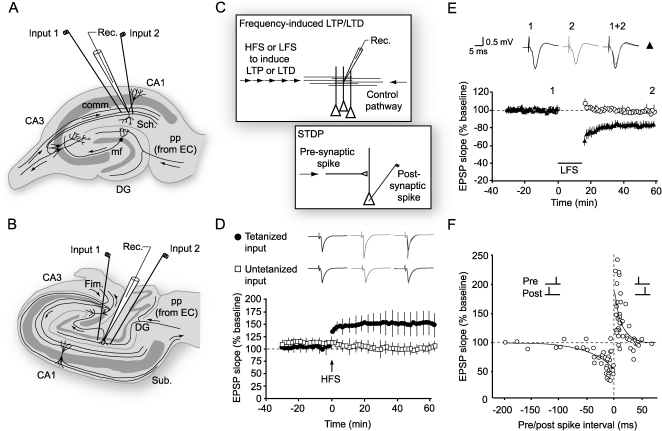
“Repeated activation of a presynaptic spike followed by post-synaptic spike, within a brief time window of approximately 50 ms, leads to LTP, while the reverse order leads to LTD.21,22 The transverse slice allows for easy placement of stimulating electrodes in clearly defined afferent fibre populations because the dend…”
BackgroundInfluentialMagnesium gates glutamate-activated channels in mouse central neurones
Nowak, L., Bregestovski, P., Ascher, P., Herbet, A., & Prochiantz, A. (1984) · Nature · doi:10.1038/307462a0 · Cited by 4,043 · cited 2×
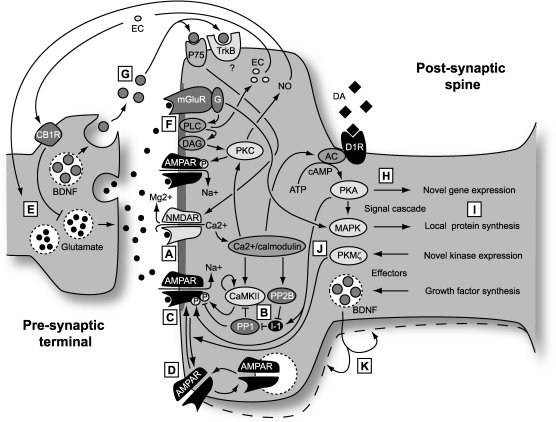
“It is now known that coincidence detection is accomplished through the NMDA receptor (NMDAR), a voltage-dependent subtype of glutamate receptor that allows permeation of calcium and other cations only when two criteria are satisfied: neurotransmitter is bound following release of glutamate from the presynaptic termina…”
BackgroundInfluentialRegulation of Synaptic Efficacy by Coincidence of Postsynaptic APs and EPSPs
Markram, H., Lübke, J., Frotscher, M., & Sakmann, B. (1997) · Science · doi:10.1126/science.275.5297.213 · Cited by 3,832 · cited 11×
“Repeated activation of a presynaptic spike followed by post-synaptic spike, within a brief time window of approximately 50 ms, leads to LTP, while the reverse order leads to LTD.21,22 The transverse slice allows for easy placement of stimulating electrodes in clearly defined afferent fibre populations because the dend…”
BackgroundInfluentialThe period of susceptibility to the physiological effects of unilateral eye closure in kittens
Hubel, D. H., & Wiesel, T. N. (1970) · The Journal of Physiology · doi:10.1113/jphysiol.1970.sp009022 · Cited by 3,030
Synaptic Plasticity and Memory: An Evaluation of the Hypothesis
Martin, S. J., Grimwood, P. D., & Morris, R. G. M. (2000) · Annual Review of Neuroscience · doi:10.1146/annurev.neuro.23.1.649 · Cited by 2,794 · cited 1×
“learning and memory, as most neuroscientists believe, has not yet been definitively resolved.(5,6) However, at the”
BackgroundNeurodegenerative Disorders: Parkinson's Disease and Huntington's Disease
Hague, S., Klaffke, S., & Bandmann, O. (2006) · IMPERIAL COLLEGE PRESS eBooks · doi:10.1142/9781860948961_0007 · Cited by 2,767
Research works printed but not linked: 1
- Heynen A Bear MF Abraham WC Low-frequency stimulation of the Schaffer collaterals produces homosynaptic LTD in area CA1 of the adult rat hippocampus in vivo Soc Neurosci Abstr 1995
Cited by
Chapman, C. R., & Vierck, C. J. (2017) · The Journal of Pain · doi:10.1016/j.jpain.2016.11.004 · Cited by 423
Environment and Brain Plasticity: Towards an Endogenous Pharmacotherapy
Sale, A., Berardi, N., & Maffei, L. (2014) · Physiological Reviews · doi:10.1152/physrev.00036.2012 · Cited by 402
“LTP and LTD have been observed in many brain areas, both cortical and subcortical (59, 306).”
BackgroundNeurotrophic factors and neuroplasticity pathways in the pathophysiology and treatment of depression
Levy, M. J. F., Boulle, F., Steinbusch, H. W., van den Hove, D. L. A., Kenis, G., & Lanfumey, L. (2018) · Psychopharmacology · doi:10.1007/s00213-018-4950-4 · Cited by 308
Growth hormone and cognitive function
Nyberg, F., & Hallberg, M. (2013) · Nature Reviews Endocrinology · doi:10.1038/nrendo.2013.78 · Cited by 235
An Evolvable Organic Electrochemical Transistor for Neuromorphic Applications
Gerasimov, J. Y., Gabrielsson, R., Forchheimer, R., Stavrinidou, E., Simon, D. T., Berggren, M., & Fabiano, S. (2019) · Advanced Science · doi:10.1002/advs.201801339 · Cited by 222
Petzinger, G. M., Holschneider, D. P., Fisher, B. E., McEwen, S., Kintz, N., Halliday, M., Toy, W., Walsh, J. W., Beeler, J., & Jakowec, M. W. (2015) · Brain Plasticity · doi:10.3233/bpl-150021 · Cited by 147
“It is only in the last two decades that epidemiological studies have suggested that a lifetime of physical activity may provide protection from a wide range of neurological disorders, including PD [19], Alzheimer’s disease (AD) [20], and cognitive impairment associated with aging [21].”
BackgroundThe neuroplastic brain: current breakthroughs and emerging frontiers
Gazerani, P. (2025) · Brain Research · doi:10.1016/j.brainres.2025.149643 · Cited by 178
“LTD, on the other hand, reduces synaptic efficacy, refining synaptic networks and helping maintain an optimal excitatory – inhibitory balance (Castillo et al., 2011).”
InfluentialConvergent Mechanisms Underlying Rapid Antidepressant Action
Zanos, P., Thompson, S. M., Duman, R. S., Zarate, C. A., & Gould, T. D. (2018) · CNS Drugs · doi:10.1007/s40263-018-0492-x · Cited by 171
Vicario, C. M., Salehinejad, M. A., Felmingham, K., Martino, G., & Nitsche, M. A. (2019) · Neuroscience & Biobehavioral Reviews · doi:10.1016/j.neubiorev.2018.12.012 · Cited by 161
Opioid Receptor-Mediated Regulation of Neurotransmission in the Brain
Reeves, K. C., Shah, N., Muñoz, B., & Atwood, B. K. (2022) · Frontiers in Molecular Neuroscience · doi:10.3389/fnmol.2022.919773 · Cited by 156
Pougnet, J.-T., Toulmé, E., Martínez, A., Choquet, D., Hosy, E., & Boué‐Grabot, É. (2014) · Neuron · doi:10.1016/j.neuron.2014.06.005 · Cited by 137
Improving linearity by introducing Al in HfO 2 as a memristor synapse device
Chandrasekaran, S., Simanjuntak, F. M., Saminathan, R., Panda, D., & Tseng, T.-Y. (2019) · Nanotechnology · doi:10.1088/1361-6528/ab3480 · Cited by 131
Jamil, A., Batsikadze, G., Kuo, H.-I., Meesen, R., Dechent, P., Paulus, W., & Nitsche, M. A. (2019) · Human Brain Mapping · doi:10.1002/hbm.24901 · Cited by 134
Exerkines and long-term synaptic potentiation: Mechanisms of exercise-induced neuroplasticity
Vints, W. A. J., Levin, O., Fujiyama, H., Verbunt, J., & Masiulis, N. (2022) · Frontiers in Neuroendocrinology · doi:10.1016/j.yfrne.2022.100993 · Cited by 106
“, 2008) and neurological disorders (Rison and Stanton, 1995; Bliss and Cooke, 2011; Dallérac et al., 2011; Conte et al., 2012).”
BackgroundDopaminergic innervation and modulation of hippocampal networks
Edelmann, E., & Leßmann, V. (2018) · Cell and Tissue Research · doi:10.1007/s00441-018-2800-7 · Cited by 125
“…to focus mostly on the role of dopamine in LTD in the CA1 area of the hippocampus (for detailed information about LTD, in general, see, e.g., Bear and Abraham 1996; Malenka and Bear 2004; Collingridge et al. 2010; Bliss and Cooke 2011; Connor and Wang 2015; Fitzjohn et al. 2016; Pinar et al. 2017).”
BackgroundInfluentialTranscranial Direct Current Stimulation in Stroke Rehabilitation: A Review of Recent Advancements
Gómez-Palacio-Schjetnan, A., Faraji, J., Metz, G. A. S., Tatsuno, M., & Luczak, A. (2013) · Stroke Research and Treatment · doi:10.1155/2013/170256 · Cited by 126
Chen, T., Koga, K., Descalzi, G., Qiu, S., Wang, J., Zhang, L.-S., Zhang, Z.-J., He, X.-B., Qin, X., Xu, F.-Q., et al. (2014) · Molecular Pain · doi:10.1186/1744-8069-10-33 · Cited by 114
“For example, what changes occur in the brain in response to peripheral insults? Are these changes long-lasting? If so, do these changes affect subsequent sensory processes after injury? Long term plasticity in synaptic transmission is believed to be the key cellular mechanism for not only learning and memory, but also…”
BackgroundContribution of synaptic plasticity in the insular cortex to chronic pain
Zhuo, M. (2016) · Neuroscience · doi:10.1016/j.neuroscience.2016.08.014 · Cited by 125
Targeting Synaptic Plasticity in Experimental Models of Alzheimer’s Disease
Mango, D., Saidi, A., Cisale, G. Y., Feligioni, M., Corbo, M., & Nisticò, R. (2019) · Frontiers in Pharmacology · doi:10.3389/fphar.2019.00778 · Cited by 107
Noninvasive brain stimulation to modulate neuroplasticity in traumatic brain injury
Villamar, M. F., Santos Portilla, A., Fregni, F., & Zafonte, R. (2012) · Neuromodulation: Technology at the Neural Interface · doi:10.1111/j.1525-1403.2012.00474.x · Cited by 119
Ezzdine, L. B., Dhahbi, W., Dergaa, I., Ceylan, H. İ., Guelmami, N., Saad, H. B., Chamari, K., Ștefănică, V., & Omri, A. E. (2025) · Frontiers in Neuroscience · doi:10.3389/fnins.2025.1502417 · Cited by 121
North American Prodrome Longitudinal Study (NAPLS 3): Methods and baseline description
Addington, J., Liu, L., Brummitt, K., Bearden, C. E., Cadenhead, K. S., Cornblatt, B. A., Keshavan, M. S., Mathalon, D. H., McGlashan, T. H., Perkins, D. O., et al. (2020) · Schizophrenia Research · doi:10.1016/j.schres.2020.04.010 · Cited by 115
“A uthor M anuscript A uthor M anuscript A uthor M anuscript A uthor M anuscript Kirk IJ, McNair NA, Hamm JP, Clapp WC, Mathalon DH, Cavus I, Teyler TJ, 2010 Long-term potentiation (LTP) of human sensory-evoked potentials.”
BackgroundInfluentialLatorre, A., Rocchi, L., Berardelli, A., Bhatia, K. P., & Rothwell, J. C. (2019) · Movement Disorders · doi:10.1002/mds.27705 · Cited by 100
“Protein synthesis is required to produce more permanent changes, such as increases in synaptic efficacy or the formation of new synapses.(30) These conclusions have been reinforced by experiments in which rTMS has been applied to the brains of rodents.”
BackgroundSumner, R. L., Spriggs, M. J., Muthukumaraswamy, S. D., & Kirk, I. J. (2020) · Neuroscience & Biobehavioral Reviews · doi:10.1016/j.neubiorev.2020.03.013 · Cited by 78
Acute aerobic exercise and neuroplasticity of the motor cortex: A systematic review
Mellow, M. L., Goldsworthy, M. R., Coussens, S. W., & Smith, A. E. (2019) · Journal of science and medicine in sport · doi:10.1016/j.jsams.2019.10.015 · Cited by 90
Kang, S. J., Liu, M., Chen, T., Ko, H., Baek, G.-C., Lee, H., Lee, K., Collingridge, G. L., Kaang, B., & Zhuo, M. (2012) · Journal of Neuroscience · doi:10.1523/jneurosci.0146-12.2012 · Cited by 86
Wang, B., Xiao, S., Yu, C., Zhou, J., & Fu, W. (2021) · Frontiers in Neuroscience · doi:10.3389/fnins.2021.648354 · Cited by 85
Pramanik, S., Sulistio, Y. A., & Heese, K. (2016) · Molecular Neurobiology · doi:10.1007/s12035-016-0214-7 · Cited by 83
Microglial-driven changes in synaptic plasticity: A possible role in major depressive disorder
Innes, S., Pariante, C. M., & Borsini, A. (2019) · Psychoneuroendocrinology · doi:10.1016/j.psyneuen.2018.12.233 · Cited by 75
Thakkar, B., & Acevedo, E. O. (2023) · Brain and Behavior · doi:10.1002/brb3.2903 · Cited by 80
“In addition, BDNF plays a major role in modulating the contributions of the glutamatergic and GABAergic mechanisms responsible for long-term potentiation of the glutamatergic transmission both presynaptically and postsynaptically (Bliss & Cooke, 2011; Merighi et al., 2008; Tyler et al., 2002).”
BackgroundNeural plasticity and memory: molecular mechanism
Amtul, Z., & Rahman, A. (2015) · Reviews in the Neurosciences · doi:10.1515/revneuro-2014-0075 · Cited by 78
“This serves as physiological effector of various brain states that modulate the longevity of memory and synaptic plasticity (such as reward, arousal, punishment and attention; reviewed by Bliss and Cooke, 2011).”
BackgroundNew insights into amblyopia: Binocular therapy and noninvasive brain stimulation
Hess, R. F., & Thompson, B. S. (2013) · Journal of American Association for Pediatric Ophthalmology and Strabismus · doi:10.1016/j.jaapos.2012.10.018 · Cited by 76
Exploring the microbiota-gut-brain axis: impact on brain structure and function
Yassin, L. K., Nakhal, M. M., Alderei, A., Almehairbi, A., Mydeen, A. B., Akour, A. A., & Hamad, M. I. K. (2025) · Frontiers in Neuroanatomy · doi:10.3389/fnana.2025.1504065 · Cited by 74
“These are persistent alterations in synaptic strength (Bliss and Cooke, 2011) which have been demonstrated to be influenced by gut microbes (Maren and Quirk, 2004).”
Chandrasekaran, S., Simanjuntak, F. M., Panda, D., & Tseng, T. (2019) · IEEE Transactions on Electron Devices · doi:10.1109/ted.2019.2941764 · Cited by 71
“The memristor device showing analog characteristics is beneficial to exhibit a gradual increase and decrease in the conductance state imitating the synaptic response of the brain, called potentiation and depression, respectively, [9].”
BackgroundWong, L.-W., Tann, J. Y., Ibanez, C. F., & Sajikumar, S. (2019) · The Journal of Neuroscience · doi:10.1523/jneurosci.2876-18.2019 · Cited by 63
“…p75 NTR has been shown to be involved in the modulation of synaptic transmission and plasticity, specifically in the facilitation of long-term depression (LTD; Rösch et al., 2005; Woo et al., 2005), a mechanism that opposes LTP, leading to reduced synaptic efficacy (Bliss and Cooke, 2011).”
BackgroundChakraborty, P., Dey, A., Gopalakrishnan, A. V., Swati, K., Ojha, S. K., Prakash, A., Kumar, D., Ambasta, R. K., Jha, N. K., Jha, S. K., et al. (2023) · Ageing Research Reviews · doi:10.1016/j.arr.2022.101838 · Cited by 69
Alkhalifa, A. E., Alkhalifa, O., Durdanovic, I., Ibrahim, D. R., & Maragkou, S. (2025) · Journal of Dementia and Alzheimer's Disease · doi:10.3390/jdad2020017 · Cited by 66
Hyperalgesia and functional sensory loss in restless legs syndrome
Stiasny‐Kolster, K., Pfau, D. B., Oertel, W. H., Treede, R., & Magerl, W. (2013) · Pain · doi:10.1016/j.pain.2013.05.007 · Cited by 67
Blackmore, D. G., Turpin, F. R., Palliyaguru, T., Evans, H. T., Chicoteau, A., Lee, W., Pelekanos, M., Nguyen, N., Song, J. H., Sullivan, R., et al. (2021) · Molecular Psychiatry · doi:10.1038/s41380-021-01129-7 · Cited by 65
The Epigenetic Role of Vitamin C in Neurodevelopment
Coker, S. J., Smith-Díaz, C. C., Dyson, R. M., Vissers, M. C. M., & Berry, M. J. (2022) · International Journal of Molecular Sciences · doi:10.3390/ijms23031208 · Cited by 58
Shakib, M. A., Gao, Z., & Lamuta, C. (2023) · ACS Applied Electronic Materials · doi:10.1021/acsaelm.3c00654 · Cited by 57
The human pain system exhibits higher-order plasticity (metaplasticity)
Magerl, W., Hansen, N., Treede, R., & Klein, T. (2018) · Neurobiology of Learning and Memory · doi:10.1016/j.nlm.2018.04.003 · Cited by 57
Effect of transcranial direct current stimulation on cognitive function in stroke patients
Shaker, H. A., Sawan, S. A., Fahmy, E. M., Ismail, R. S., & Elrahman, S. A. E. A. (2018) · The Egyptian Journal of Neurology Psychiatry and Neurosurgery · doi:10.1186/s41983-018-0037-8 · Cited by 58
“may provide a useful tool to modulate synaptic plasticity in stroke [11].”
MethodChen, T., Lu, J.-S., Song, Q., Liu, M.-G., Koga, K., Descalzi, G., Li, Y.-Q., & Zhuo, M. (2014) · Neuropsychopharmacology · doi:10.1038/npp.2014.44 · Cited by 54
“Long-term potentiation (LTP) is a well-studied phenomenon shown to mediate synaptic transmission, and is considered to be the cellular model for learning and memory (Bliss et al, 2003; Bliss and Cooke, 2011; Kandel, 2001, 2009; Neves et al, 2008).”
BackgroundTranscranial magnetic stimulation (TMS) and repetitive TMS in multiple sclerosis
Aloizou, A., Pateraki, G., Anargyros, K., Siokas, V., Bakirtzis, C., Liampas, I., Νούσια, Α., Nasios, G., Sgantzos, M. N., Peristeri, E., et al. (2021) · Reviews in the Neurosciences · doi:10.1515/revneuro-2020-0140 · Cited by 54
Jedlička, P., & Deller, T. (2016) · Neurobiology of Learning and Memory · doi:10.1016/j.nlm.2016.07.023 · Cited by 51
“The molecular machinery of Hebbian synaptic plasticity has been studied for many years and is arguably the best decoded form of synaptic plasticity (Bliss & Cooke, 2011; Caporale & Dan, 2008).”
Seven Properties of Self-Organization in the Human Brain
Dresp, B. (2020) · Big Data and Cognitive Computing · doi:10.3390/bdcc4020010 · Cited by 51
“ernal environment (stimuli), or of a specific chemical treatment or drug in the case of biological neural networks. LTP and LTD have acquired a potentially important role in contemporary neuroscience [34], and may be exploited to treat disorder and disease in the human brain, knowing that a variety of neurological con…”
BackgroundInfluentialAge-related alterations in human neocortical plasticity.
Spriggs, M., Cadwallader, C., Hamm, J., Tippett, L., & Kirk, I. (2017) · Brain Research Bulletin · doi:10.1016/j.brainresbull.2016.12.015 · Cited by 48
Mrachacz‐Kersting, N., Ibáñez, J., & Farina, D. (2021) · The Journal of Physiology · doi:10.1113/jp281314 · Cited by 50
“…long-term potentiation (LTP)/long-term depression (LTD) in neural circuits (i.e. changes in synaptic efficacy that are maintained for minutes, hours or days) have been identified as key elements for memory formation and learning (Bliss & Lomo, 1973; Cooke & Bliss, 2006; Bliss, 2011; Nicoll, 2017).”
BackgroundSheng, J., Zhang, S., Wu, L., Kumar, G., Liao, Y., K., P. G., & Fan, H. (2022) · Frontiers in Aging Neuroscience · doi:10.3389/fnagi.2022.1019187 · Cited by 50
“Specific phosphodiesterase (PDE) inhibitors (Table 2) have been demonstrated to improve memory function in a variety of animal models of AD (Xia et al., 2009; Bliss and Cooke, 2011; Heckman et al., 2015; Yan et al., 2016).”
BackgroundSimis, M., Imamura, M., de Melo, P. S., Marduy, A., Battistella, L. R., & Fregni, F. (2021) · Frontiers in Neurology · doi:10.3389/fneur.2021.695406 · Cited by 49
Kumar, A., Preeti, K., Singh, S. P., Lee, S., Kaushik, A. K., & Sharma, S. K. (2023) · Materials Today · doi:10.1016/j.mattod.2023.09.003 · Cited by 48
Arias, M. C. C., & Guinsburg, R. (2012) · Clinics · doi:10.6061/clinics/2012(10)08 · Cited by 48
“The under-treatment of pain can trigger behavioral responses in the newborn and may have long-lasting effects on the nociceptive system that result in an altered processing of pain and stress (4,5) and an increased susceptibility to psychosomatic (6) and psychiatric (7) changes during childhood and adolescence.”
Cortical plasticity as synaptic mechanism for chronic pain
Zhuo, M. (2019) · Journal of Neural Transmission · doi:10.1007/s00702-019-02071-3 · Cited by 47
Desarkar, P., Rajji, T. K., Ameis, S. H., & Daskalakis, Z. J. (2015) · Frontiers in Psychiatry · doi:10.3389/fpsyt.2015.00124 · Cited by 47
“Long-term potentiation (LTP), which involves a net increase in synaptic efficacy, and long-term depression (LTD), which indicates a net decrease in synaptic efficacy, are the two prototypes of neuroplasticity (22).”
BackgroundA review of plasticity induced by auditory and visual tetanic stimulation in humans
Sanders, P. J., Thompson, B. S., Corballis, P. M., Maslin, M. R. D., & Searchfield, G. D. (2018) · European Journal of Neuroscience · doi:10.1111/ejn.14080 · Cited by 46
Chaves, A. R. D. A., Snow, N. J., Alcock, L. R., & Ploughman, M. (2021) · Brain Sciences · doi:10.3390/brainsci11030384 · Cited by 45
Moore, D., & Loprinzi, P. D. (2020) · European Journal of Neuroscience · doi:10.1111/ejn.14728 · Cited by 44
“Complimentary to LTP is a process termed long-term depression (LTD), in which synaptic strength/transmission is reduced (Bliss & Cooke, 2011).”
BackgroundD’Agata, F., Peila, E., Cicerale, A., Caglio, M., Caroppo, P., Vighetti, S., Piedimonte, A., Minuto, A., Campagnoli, M., Salatino, A., et al. (2016) · Frontiers in Behavioral Neuroscience · doi:10.3389/fnbeh.2016.00135 · Cited by 43
Gharooni, A.-A., Nair, K. P. S., Hawkins, D., Scivill, I., Hind, D., & Hariharan, R. (2018) · Spinal Cord · doi:10.1038/s41393-018-0152-5 · Cited by 43
Cavaleri, R., Chipchase, L. S., Summers, S. J., & Schabrun, S. M. (2019) · Pain · doi:10.1097/j.pain.0000000000001656 · Cited by 43
“suggests that for a limited time after induction of maladaptive plasticity, it may be possible to reverse abnormal neurological changes and reduce pain by targeted cortical stimulation.(6) For”
Transcranial magnetic stimulation as a tool to induce and explore plasticity in humans
Suppa, A., Asci, F., & Guerra, A. (2022) · Handbook of clinical neurology · doi:10.1016/b978-0-12-819410-2.00005-9 · Cited by 43
Brain‐derived neurotrophic factor Val66Met polymorphism, human memory, and synaptic neuroplasticity
Lamb, Y. N., McKay, N. S., Thompson, C. S., Hamm, J. P., Waldie, K. E., & Kirk, I. J. (2014) · Wiley Interdisciplinary Reviews Cognitive Science · doi:10.1002/wcs.1334 · Cited by 45
Kim, N., Go, G., Park, H., Ahn, Y., Kim, J., Lee, Y., Seo, D., Lee, W., Kim, Y., Yang, H., et al. (2023) · Advanced Intelligent Systems · doi:10.1002/aisy.202300016 · Cited by 42
Tran, D. A., Pajaro-Blázquez, M., Daneault, J., Gallegos, J. G., Pons, J. L., Fregni, F., Bonato, P., & ZAFONTE, R. D. (2016) · American Journal of Physical Medicine & Rehabilitation · doi:10.1097/phm.0000000000000438 · Cited by 41
Chaitanya, G., Tóth, E., Pizarro, D., Irannejad, A. B., Riley, K. O., & Pati, S. B. B. (2020) · Clinical Neurophysiology · doi:10.1016/j.clinph.2020.05.036 · Cited by 39
Disability in multiple sclerosis: When synaptic long-term potentiation fails
Weiss, S., Mori, F., Rossi, S., & Centonze, D. (2014) · Neuroscience & Biobehavioral Reviews · doi:10.1016/j.neubiorev.2014.03.023 · Cited by 40
Kim, G.-W., & Ko, M.-H. (2013) · Neuroscience Letters · doi:10.1016/j.neulet.2013.05.037 · Cited by 39
McClendon, E., Wang, K., Degener-O’Brien, K., Hagen, M. W., Gong, X., Nguyen, T. D., Wu, W., Maylie, J., & Back, S. A. (2019) · Journal of Neuroscience · doi:10.1523/jneurosci.1364-19.2019 · Cited by 39
“Although LTP can be induced in human hippocampal slices (Bliss and Cooke, 2011) by repetitive sensory stimulation (Clapp et al., 2012), the timing of onset during fetal primate development is unclear.”
BackgroundTRPV currents and their role in the nociception and neuroplasticity
Satheesh, N. J., Uehara, Y., Fedotova, J., Pohanka, M., Büsselberg, D., & Kružliak, P. (2016) · Neuropeptides · doi:10.1016/j.npep.2016.01.003 · Cited by 38
“A probable mechanism of action is that TRPV1 mediated release of glutamate from the presynapses leading to NMDAR activation, would lead to an influx of Ca2+ ions (Li et al., 2008), which in turn activates cAMP via adenyl cyclase (AC) (Bliss and Cooke, 2011), leading to the activation of PKA.”
InfluentialTREM2 and Microglia Contribute to the Synaptic Plasticity: from Physiology to Pathology
Yu, C.-J., Wang, M., Ruiyang, L., Wei, T., Yang, H.-C., Yin, Y., Mi, Y., Qin, Q., & Tang, Y. (2022) · Molecular Neurobiology · doi:10.1007/s12035-022-03100-1 · Cited by 36
“Altering LTP and LTD is another way in which microglia to regulate synaptic plasticity.”
BackgroundInfluentialBidirectional modulation of taste aversion extinction by insular cortex LTP and LTD
Rodríguez-Durán, L. F., Martínez-Moreno, A., & Escobar, M. L. (2016) · Neurobiology of Learning and Memory · doi:10.1016/j.nlm.2016.12.014 · Cited by 35
“Even so, LTP and LTD in the amygdala are produced during the formation and removal of memory, respectively (Nabavi et al., 2014), and memory loss due to brain diseases is associated with the enhancement of LTD or impairment of LTP (Bliss & Cooke, 2011).”
BackgroundLarrea, A., Sánchez-Sánchez, L., Díez-Martín, E., Elexpe, A., Torrecilla, M., Astigarraga, E., & Barreda‐Gómez, G. (2024) · Journal of Clinical Medicine · doi:10.3390/jcm13061727 · Cited by 35
Chen, J., Li, L., Hu, X.-R., Wei, F., & Ma, S. (2021) · Frontiers in Pharmacology · doi:10.3389/fphar.2021.590477 · Cited by 33
Memory Disorders Related to Hippocampal Function: The Interest of 5-HT4Rs Targeting
Roux, C. M., Léger, M., & Fréret, T. (2021) · International Journal of Molecular Sciences · doi:10.3390/ijms222112082 · Cited by 33
“Otherwise, both synaptic plasticity processes seem to rely upon similar mechanisms to LTP at a molecular level [45].”
BackgroundOn The Biophysical Complexity of Brain Dynamics: An Outlook
Shettigar, N., Yang, C.-L., Tu, K.-C., & Suh, C. S. (2022) · Dynamics · doi:10.3390/dynamics2020006 · Cited by 33
Halaris, A. E., & Cook, J. T. (2023) · Advances in experimental medicine and biology · doi:10.1007/978-981-19-7376-5_21 · Cited by 34
Lin, B., Yeh, S., Kao, Y. J., Lu, C., & Tsai, P. (2022) · Frontiers in Neurology · doi:10.3389/fneur.2022.809843 · Cited by 32
Influence of Physical Activity on Human Sensory Long-Term Potentiation
Smallwood, N., Spriggs, M. J., Thompson, C. S., Wu, C. W. ‐., Hamm, J. P., Moreau, D., & Kirk, I. J. (2015) · Journal of the International Neuropsychological Society · doi:10.1017/s1355617715001095 · Cited by 32
“Conversely, low frequency stimulation leads to an opposing decrease in synaptic efficacy, a process referred to as long-term depression (LTD; Bliss & Cooke, 2011; Heynen, Bear, & Abraham, 1995; Mulkey &Malenka, 1992; Xu, Anwyl, & Rowan, 1997).”
BackgroundBrihmat, N., Allexandre, D., Saleh, S., Zhong, J., Yue, G. H., & Forrest, G. F. (2022) · Frontiers in Human Neuroscience · doi:10.3389/fnhum.2022.800349 · Cited by 30
Bacopa monnieri extract enhances learning-dependent hippocampal long-term synaptic potentiation
Promsuban, C., Limsuvan, S., Akarasereenont, P., Tilokskulchai, K., Tapechum, S., & Pakaprot, N. (2017) · Neuroreport · doi:10.1097/wnr.0000000000000862 · Cited by 31
Jodoin, M., Rouleau, D. M., Larson-Dupuis, C., Gosselin, N., & Beaumont, L. D. (2017) · Progress in Neuro-Psychopharmacology and Biological Psychiatry · doi:10.1016/j.pnpbp.2017.07.005 · Cited by 30
Evidence of hyper-plasticity in adults with Autism Spectrum Disorder
Wilson, J., Lodhia, V., Courtney, D. P., Kirk, I. J., & Hamm, J. P. (2017) · Research in Autism · doi:10.1016/j.rasd.2017.09.005 · Cited by 29
“Recently, a variety of clinical disorders have been suggested to be due, at least in part, to abnormalities in long-term potentiation (LTP; see Bliss & Cooke, 2011; Clapp, Hamm, Kirk, & Teyler, 2012; Kirk et al., 2010 for reviews).”
BackgroundSumner, R. L., Spriggs, M. J., McMillan, R. L., Sundram, F., Kirk, I. J., & Muthukumaraswamy, S. D. (2018) · Neurobiology of Learning and Memory · doi:10.1016/j.nlm.2018.08.016 · Cited by 29
A comprehensive review on adaptive plasticity and recovery mechanisms post‐acquired brain injury
Rajan, R. K. (2025) · Neuroprotection/Neuroprotection (Chichester, England. Print) · doi:10.1002/nep3.70006 · Cited by 28
“This depolarization removes the magnesium block from NMDARs, allowing calcium ions (Ca² ⁺ ) to enter the postsynaptic neuron and initiate intracellular signaling critical for LTP. 47,48,50 Calcium in fl ux serves as a second messenger, activating calmodulin ‐ dependent protein kinase II (CaMKII).”
InfluentialMcClelland, V. M., & Lin, J. (2021) · Frontiers in Neurology · doi:10.3389/fneur.2021.668081 · Cited by 28
“Hebbian Plasticity Hebbian mechanisms include changes in synaptic strength mediated via long-term potentiation (LTP) or long-term depression (LTD) following high frequency or prolonged, patterned pre-synaptic stimulation, respectively (28).”
BackgroundWang, C., Cárdenas, A., Hutchinson, J. N., Just, A. C., Heiss, J. A., Hou, L., Zheng, Y., Coull, B. A., Kosheleva, A., Koutrakis, P., et al. (2021) · Environment International · doi:10.1016/j.envint.2021.106955 · Cited by 28
Wang, Y., Gu, C., & Ewing, A. G. (2022) · Angewandte Chemie International Edition · doi:10.1002/anie.202200716 · Cited by 28
Cortical kainate receptors and behavioral anxiety
Zhuo, M. (2017) · Molecular Brain · doi:10.1186/s13041-017-0297-8 · Cited by 28
Cepeda-Prado, E., Khodaie, B., Quiceno, G. D., Beythien, S., Edelmann, E., & Leßmann, V. (2021) · Cerebral Cortex · doi:10.1093/cercor/bhab306 · Cited by 27
Paramanik, S., & Pal, A. J. (2022) · Advanced Electronic Materials · doi:10.1002/aelm.202200211 · Cited by 27
The Role of Acetylcholine on the Effects of Different Doses of Sulfite in Learning and Memory
Danışman, B., Akçay, G., Gökçek-Saraç, Ç., Kantar, D., Aslan, M., & Derin, N. (2022) · Neurochemical Research · doi:10.1007/s11064-022-03684-z · Cited by 27
Diverse synaptic weight adjustment of bio-inspired ZrOx-based memristors for neuromorphic system
Kim, C., Lee, Y., Kim, S., Kang, M., & Kim, S. (2023) · Materials Science in Semiconductor Processing · doi:10.1016/j.mssp.2023.107314 · Cited by 27
Minassian, K., Freundl, B., Lackner, P., & Hofstoetter, U. S. (2024) · Cell Reports Medicine · doi:10.1016/j.xcrm.2024.101805 · Cited by 28
Jedlička, P., Muellerleile, J., & Schwarzacher, S. W. (2018) · Neural Plasticity · doi:10.1155/2018/6015753 · Cited by 28
“Besides learning and memory, long-term synaptic plasticity plays a crucial role in a variety of both physiological and pathophysiological conditions including epilepsy, addiction, neurodegenerative diseases, or mechanisms of pain [21].”
BackgroundMeili, F., Wei, W., Sin, W., Meyers, W. M., Dascalu, I., Callaghan, D. B., Rogić, S., Pavlidis, P., & Haas, K. Z. (2020) · The American Journal of Human Genetics · doi:10.1016/j.ajhg.2020.11.011 · Cited by 27
Lorenzi, R. M., Geminiani, A., Zerlaut, Y., Grazia, M. D., Destexhe, A., Wheeler‐Kingshott, C. A. M. G., Palesi, F., Casellato, C., & D'Angelo, E. U. (2023) · PLoS Computational Biology · doi:10.1371/journal.pcbi.1011434 · Cited by 26
Li, J., Zuo, Z., Zhang, X., Shao, X., Lu, J., Xue, R., Fan, Y., Guan, Y., & Zhang, W. (2018) · Frontiers in Behavioral Neuroscience · doi:10.3389/fnbeh.2018.00160 · Cited by 26
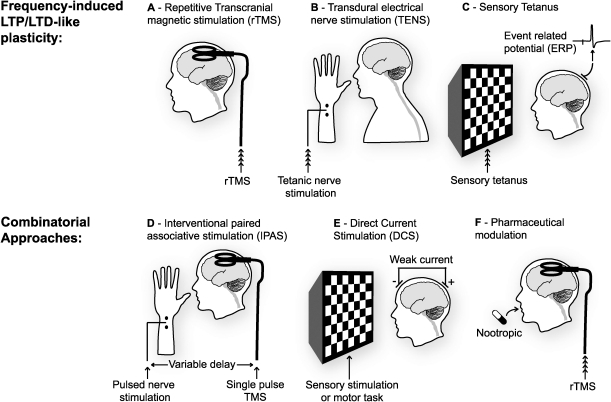
“High-frequency (≥5 HZ) rTMS tends to induce long-term potentiation of synaptic activity and low-frequency (<1 HZ) is more likely to have the opposite effect (Bliss and Cooke, 2011).”
BackgroundSpinal Cord Injury: Lessons about Neuroplasticity from Paired Associative Stimulation
Ling, Y. T., Alam, M., & Zheng, Y. (2019) · The Neuroscientist · doi:10.1177/1073858419895461 · Cited by 27
“Although there is potential for LTD to be used for rehabilitation (Bliss and Cooke 2011), to our knowledge, no study has yet addressed this question.”
BackgroundEpigenetic regulation of memory: implications in human cognitive disorders
Kramer, J. M. (2012) · BioMolecular Concepts · doi:10.1515/bmc-2012-0026 · Cited by 29
“DNA methylation is also altered in the rat hippocampus in response to contextual fear conditioning and induction of long-term synaptic potentiation (LTP) (25, 26, 28), a form of synaptic plasticity associated with memory (29).”
Background
Metadata
- Authors
- Bliss, T. V. P., & Cooke, S. F.
- Venue
- Clinics
- Publisher
- Elsevier BV
- Published
- 2011-01
- Volume
- 66
- Pages
- 3-17
- ISSN
- 1807-5932 (ISSN-L)
- PMC
- PMC3118435
- OpenAlex
- W2149900811
- Cited by
- 333
- References
- 171
- Citations by year
- 2026: 13 · 2025: 39 · 2024: 37 · 2023: 36 · 2022: 35 · 2021: 33 · 2020: 26 · 2019: 25 · 2018: 21 · 2017: 10 · 2016: 19 · 2015: 12 · 2014: 10 · 2013: 9 · 2012: 7
- Type
- journal article
- Language
- en
- Open access
- gold
- doi.org
- Licence
- cc-by-nc
- www.elsevier.com/tdm/userlicense/1.0/ (tdm)
- www.elsevier.com/legal/tdmrep-license (tdm)
- creativecommons.org/licenses/by-nc/3.0/ (vor, 191 d)
- Locations
- Clinics (publishedVersion, cc-by-nc)
- PubMed Central (publishedVersion, cc-by-nc)
- PubMed (publishedVersion)
- LA Referencia (Red Federada de Repositorios Institucionales de Publicaciones Científicas) (publishedVersion, other-oa)
- LA Referencia (Red Federada de Repositorios Institucionales de Publicaciones Científicas) (submittedVersion, cc-by)
- Americanae (AECID Library) (submittedVersion, cc-by-nc)
- DOAJ (DOAJ: Directory of Open Access Journals) (submittedVersion, cc-by-sa)
- Topics
- Life Sciences › Neuroscience › Cellular and Molecular Neuroscience › Neuroscience and Neuropharmacology Research
- Life Sciences › Neuroscience › Cognitive Neuroscience › Memory and Neural Mechanisms
- Life Sciences › Neuroscience › Cognitive Neuroscience › Neural dynamics and brain function
- Keywords
- long-term potentiation, long-term depression, synaptic plasticity, synaptic efficacy, information storage, non-invasive brain stimulation, neuropathic pain, epilepsy, depression, amblyopia, tinnitus, stroke
- MeSH terms
- Animals, Central Nervous System Diseases, Electric Stimulation, Humans, Photic Stimulation, Long-Term Potentiation, Long-Term Synaptic Depression
About these checks
Registry, retraction, Cites and statistics results are computed, not judged, with one exception: a printed reference that no index lists is read once by a model before it counts as a citation error. Claims are extracted by a model and kept only when their quote appears verbatim in the text; each cited source is then checked, with a model’s help, for whether it says what the claim relies on. Those verdicts can be wrong — read the claim’s quote and the cited source before relying on one.
Statistics and arithmetic are recomputed, not judged.
Confidence bands are shown only for fields calibrated on our annotated test set. None is calibrated yet, so no band is shown.
What counts as a claim ›How we measure confidence ›How we check this ›
Are you an author, or do you see a problem with this page? Request a review
Data sources
Bibliographic data: Semantic Scholar, OpenAlex, Crossref.
Contains information from the Semantic Scholar Academic Graph Datasets, made available under the ODC Attribution License (ODC-BY 1.0).
Semantic Scholar’s data is described in: Kinney, R., et al. (2023). The Semantic Scholar Open Data Platform. arXiv:2301.10140.
