

The DOI matches its Crossref record; 6 of the 6 references it cites were found in a registry or an index.
MicroRNAs as growth regulators, their function and biomarker status in colorectal cancer
Overview
The claims and statistics of this paper haven’t been checked yet.
Run the check — free, no account needed. It reads the open-access text and checks the sources it cites.
Integrity signals
Registry
Cites
Statistics
Figures
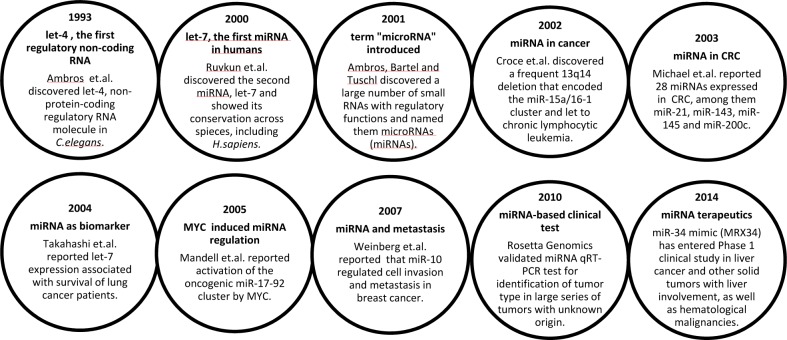
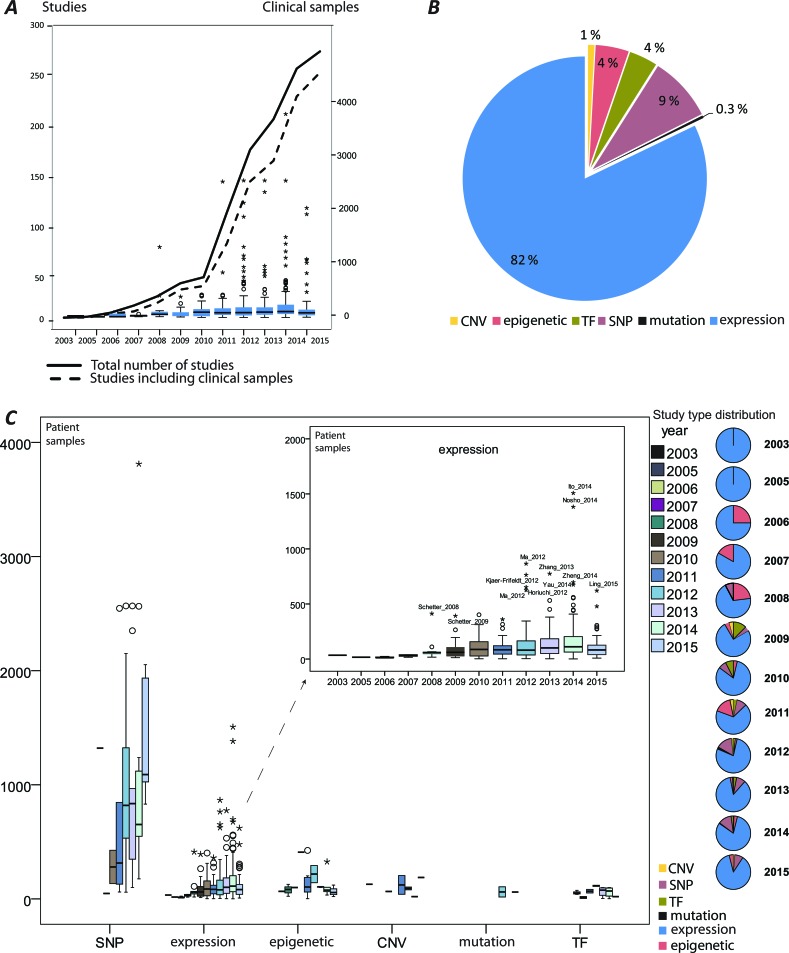
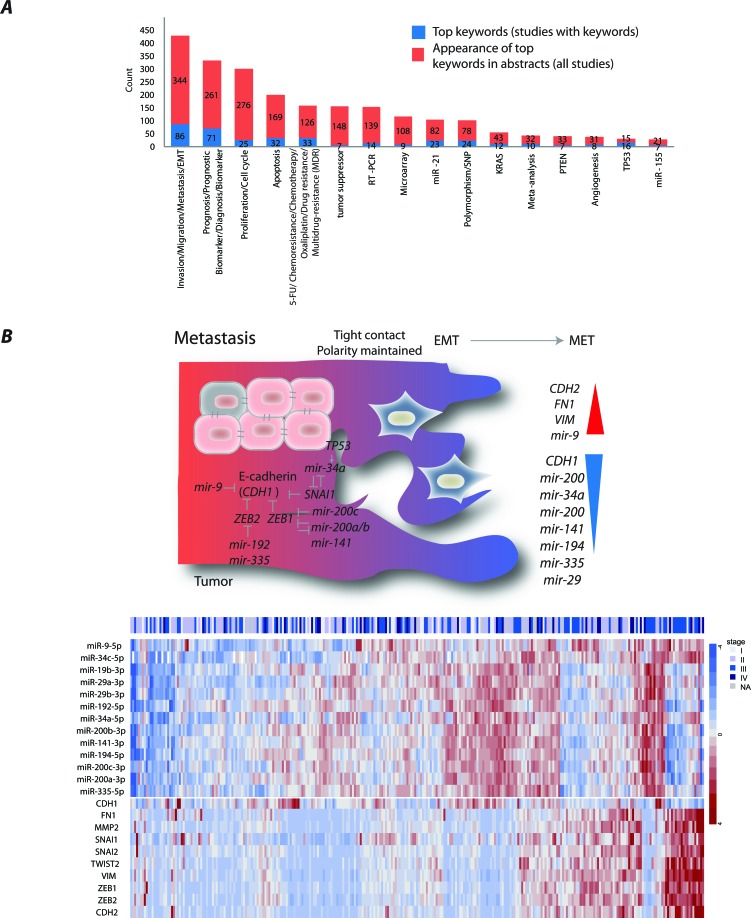
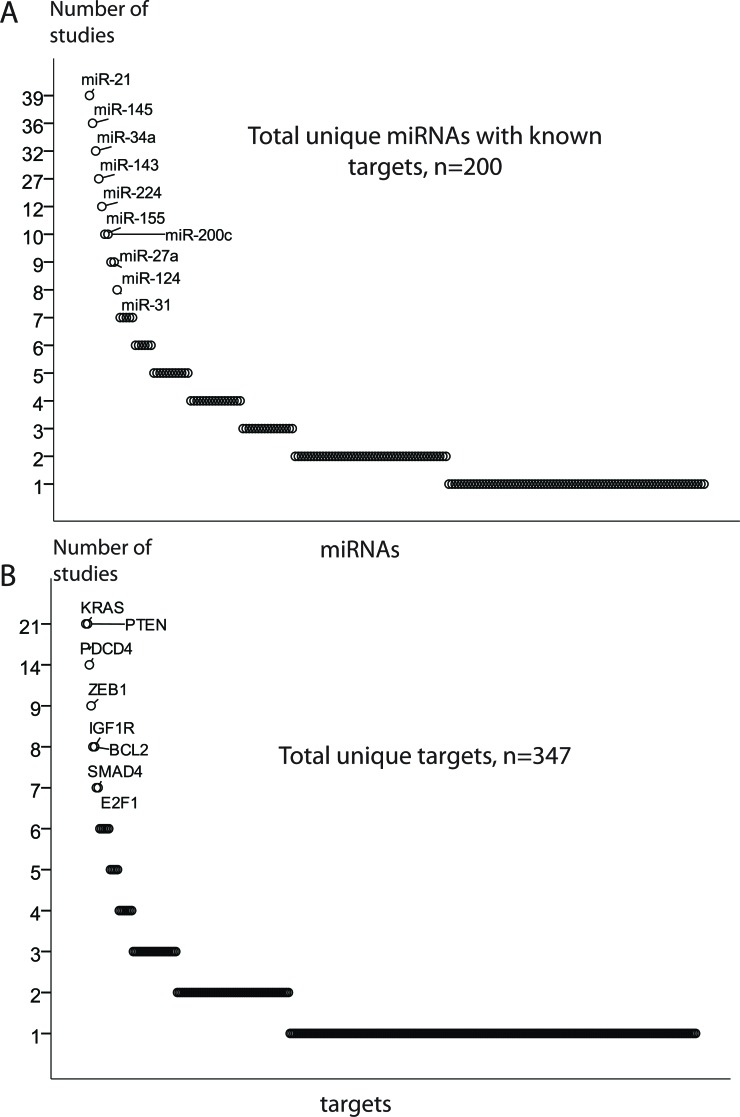
Verification
Claims the paper makes
The claims and statistics of this paper haven’t been checked yet.
Run the check — free, no account needed. It reads the open-access text and checks the sources it cites.
Claims other papers make about this one
Each is checked against this paper’s own text: does it say what the citing paper says it does?
The source backs part of the claim, not all of it — or backs it for a different population, condition or comparison.
In the citing paper
“Micro-RNAs are small non-coding RNAs discovered in 1993 that play crucial roles in cancer, including in cell viability, proliferation, invasion, metastasis, tumor suppressors, and oncogenes [83,84], allowing them to be used in cancer diagnosis and treatment [85,86].”
From Targeted Nano-Drug Delivery of Colchicine against Colon Cancer Cells by Means of Mesoporous Silica Nanoparticles (2020) · cites this paper as [86]
Experimental — accuracy not yet measured
Self-check
Percentages, sums and reported differences re-computed from the paper’s own numbers.
The self-check needs the paper’s full text.
Citations
Cites
A microRNA component of the p53 tumour suppressor network
He, L., He, X., Lim, L. P., de Stanchina, E., Xuan, Z., Liang, Y., Xue, W., Zender, L., Magnus, J., Ridzon, D., et al. (2007) · Nature · doi:10.1038/nature05939 · Cited by 2,692
Tumour invasion and metastasis initiated by microRNA-10b in breast cancer
Ma, L., Teruya-Feldstein, J., & Weinberg, R. A. (2007) · Nature · doi:10.1038/nature06174 · Cited by 2,605
Microsatellite Instability in Colorectal Cancer
Boland, C. R., & Goel, A. (2010) · Gastroenterology · doi:10.1053/j.gastro.2009.12.064 · Cited by 2,456
IL-6R/STAT3/miR-34a feedback loop promotes EMT-mediated colorectal cancer invasion and metastasis
Rokavec, M., Öner, M. G., Li, H., Jackstadt, R., Jiang, L., Lodygin, D., Kaller, M., Horst, D., Ziegler, P. K., Schwitalla, S., et al. (2014) · Journal of Clinical Investigation · doi:10.1172/jci73531 · Cited by 753
Goel, A., Arnold, C. N., Niedzwiecki, D., Carethers, J. M., Dowell, J. M., Wasserman, L., Compton, C., Mayer, R. J., Bertagnolli, M. M., & Boland, C. R. (2004) · Cancer Research · doi:10.1158/0008-5472.can-2401-2 · Cited by 302
Yong, F. L., Law, C. W., & Wang, C. W. (2013) · BMC Cancer · doi:10.1186/1471-2407-13-280 · Cited by 176
Research works printed but not linked: 296
- Bray, 2013, Cancer incidence and mortality patterns in Europe: Estimates for 40 countries in 2012, Eur J Cancer, 49, 1374, 10.1016/j.ejca.2012.12.027 · DOI
- Stewart, Wild. World Cancer Report. 2014. · DOI
- Bartel, 2009, Most mammalian mRNAs are conserved targets of microRNAs, Genome Res, 19, 92, 10.1101/gr.082701.108 · DOI · Paper page
- Griffiths-Jones, 2014, miRBase: annotating high confidence microRNAs using deep sequencing data, Nucleic Acids Research, 42, D68, 10.1093/nar/gkt1181 · DOI · Paper page
- Fulmer-Smentek, 2014, Evaluation of quantitative miRNA expression platforms in the microRNA quality control (miRQC) study, Nat Methods, 11, 809, 10.1038/nmeth.3014 · DOI · Paper page
- Cohen, 2003, bantam Encodes a Developmentally Regulated microRNA that Controls Cell Proliferation and Regulates the Proapoptotic Gene hid in Drosophila, Cell, 113, 25, 10.1016/S0092-8674(03)00231-9 · DOI · Paper page
- Bartel, 2004, MicroRNAs Modulate Hematopoietic Lineage Differentiation, Science, 303, 83, 10.1126/science.1091903 · DOI · Paper page
- Ambros, 1993, The C. elegans heterochronic gene lin-4 encodes small RNAs with antisense complementarity to lin-14, Cell, 75, 843, 10.1016/0092-8674(93)90529-Y · DOI · Paper page
- Fishman, 2000, Conservation of the sequence and temporal expression of let-7 heterochronic regulatory RNA, Nature, 408, 86, 10.1038/35040556 · DOI
- Negrini, 2002, Frequent deletions and down-regulation of microRNA genes miR15 and miR16 at 13q14 in chronic lymphocytic leukemia, Proc Natl Acad Sci U S A, 99, 15524, 10.1073/pnas.242606799 · DOI · Paper page
- James, 2003, Reduced accumulation of specific microRNAs in colorectal neoplasia, Mol Cancer Res, 1, 882
- Takahashi, 2004, Reduced expression of the let-7 microRNAs in human lung cancers in association with shortened postoperative survival, Cancer Res, 64, 3753, 10.1158/0008-5472.CAN-04-0637 · DOI
- Mendell, 2005, c-Myc-regulated microRNAs modulate E2F1 expression, Nature, 435, 839, 10.1038/nature03677 · DOI · Paper page
- Ashkenazi, 2012, A second-generation microRNA-based assay for diagnosing tumor tissue origin, Oncologist, 17, 801, 10.1634/theoncologist.2011-0466 · DOI
- Tuschl, 2003, A uniform system for microRNA annotation, RNA, 9, 277, 10.1261/rna.2183803 · DOI · Paper page
- Calin, 2009, SnapShot: MicroRNAs in Cancer, Cell, 137, 586, 10.1016/j.cell.2009.04.040 · DOI
- Mendell, 2014, Tumor suppression by miR-26 overrides potential oncogenic activity in intestinal tumorigenesis, Genes Dev, 28, 2585, 10.1101/gad.250951.114 · DOI
- Garcia De Herreros, 2000, The transcription factor snail is a repressor of E-cadherin gene expression in epithelial tumour cells, Nat Cell Biol, 2, 84, 10.1038/35000034 · DOI
- Foisner, 2005, DeltaEF1 is a transcriptional repressor of E-cadherin and regulates epithelial plasticity in breast cancer cells, Oncogene, 24, 2375, 10.1038/sj.onc.1208429 · DOI
- Christofori, 1998, A causal role for E-cadherin in the transition from adenoma to carcinoma, Nature, 392, 190, 10.1038/32433 · DOI
- Hermeking, 2011, miR-34 and SNAIL form a double-negative feedback loop to regulate epithelial-mesenchymal transitions, Cell Cycle, 10, 4256, 10.4161/cc.10.24.18552 · DOI
- Sarkar, 2012, Expression of miR-34 is lost in colon cancer which can be re-expressed by a novel agent CDF, J Hematol Oncol, 5, 58, 10.1186/1756-8722-5-58 · DOI
- Hermeking, 2013, SNAIL, miR-34a feed-forward regulation of ZNF281/ZBP99 promotes epithelial-mesenchymal transition, EMBO J, 32, 3079, 10.1038/emboj.2013.236 · DOI
- Hermeking, 2013, Detection of miR-34a promoter methylation in combination with elevated expression of c-Met and beta-catenin predicts distant metastasis of colon cancer, Clin Cancer Res, 19, 710, 10.1158/1078-0432.CCR-12-1703 · DOI
- Yu, 2015, miR-34a-5p suppresses colorectal cancer metastasis and predicts recurrence in patients with stage II/III colorectal cancer, Oncogene, 34, 4142, 10.1038/onc.2014.348 · DOI
- Song, 2015, Inhibition of lactate dehydrogenase A by microRNA-34a resensitizes colon cancer cells to 5-fluorouracil, Mol Med Rep, 11, 577, 10.3892/mmr.2014.2726 · DOI
- Brabletz, 2008, A reciprocal repression between ZEB1 and members of the miR-200 family promotes EMT and invasion in cancer cells, EMBO Rep, 9, 582, 10.1038/embor.2008.74 · DOI
- Sansom, 2009, The EMT-activator ZEB1 promotes tumorigenicity by repressing stemness-inhibiting microRNAs, Nat Cell Biol, 11, 1487, 10.1038/ncb1998 · DOI
- Wang, 2012, miR-200c inhibits invasion and migration in human colon cancer cells SW480/620 by targeting ZEB1, Clin Exp Metastasis, 29, 457, 10.1007/s10585-012-9463-7 · DOI
- Esteller, 2012, Dynamic epigenetic regulation of the microRNA-200 family mediates epithelial and mesenchymal transitions in human tumorigenesis, Oncogene, 31, 2062, 10.1038/onc.2011.383 · DOI
- Goodall, 2013, Down-regulation of the miRNA-200 family at the invasive front of colorectal cancers with degraded basement membrane indicates EMT is involved in cancer progression, Neoplasia, 15, 180, 10.1593/neo.121828 · DOI
- Goel, 2013, MicroRNA-200c modulates epithelial-to-mesenchymal transition (EMT) in human colorectal cancer metastasis, Gut, 62, 1315, 10.1136/gutjnl-2011-301846 · DOI
- Li, 2014, miR200c attenuates P-gp-mediated MDR and metastasis by targeting JNK2/c-Jun signaling pathway in colorectal cancer, Mol Cancer Ther, 13, 3137, 10.1158/1535-7163.MCT-14-0167 · DOI
- Weitz, 2011, Invasion front-specific expression and prognostic significance of microRNA in colorectal liver metastases, Cancer Sci, 102, 1799, 10.1111/j.1349-7006.2011.02023.x · DOI
- Hung, 2012, Prospero homeobox 1 promotes epithelial-mesenchymal transition in colon cancer cells by inhibiting E-cadherin via miR-9, Clin Cancer Res, 18, 6416, 10.1158/1078-0432.CCR-12-0832 · DOI
- Skotheim, 2012, MiR-9, -31, and -182 deregulation promote proliferation and tumor cell survival in colon cancer, Neoplasia, 14, 868, 10.1593/neo.121094 · DOI
- Cancer Genome Atlas Network, 2012, Comprehensive molecular characterization of human colon and rectal cancer, Nature, 487, 330, 10.1038/nature11252 · DOI · Paper page
- Li, 2015, MiR-361-5p inhibits colorectal and gastric cancer growth and metastasis by targeting staphylococcal nuclease domain containing-1, Oncotarget, 6, 17404, 10.18632/oncotarget.3744 · DOI
- Xi, 2011, Genome-wide functional screening of miR-23b as a pleiotropic modulator suppressing cancer metastasis, Nat Commun, 2, 554, 10.1038/ncomms1555 · DOI
- Nakagama, 2012, miR-493 induction during carcinogenesis blocks metastatic settlement of colon cancer cells in liver, EMBO J, 31, 1752, 10.1038/emboj.2012.25 · DOI
- Tavazoie, 2015, Extracellular metabolic energetics can promote cancer progression, Cell, 160, 393, 10.1016/j.cell.2014.12.018 · DOI · Paper page
- Zhang, 2014, Potential microRNA-mediated oncogenic intercellular communication revealed by pan-cancer analysis, Sci Rep, 4, 7097, 10.1038/srep07097 · DOI
- Adachi, 2014, Association of microRNA-31 with BRAF mutation, colorectal cancer survival, serrated pathway, Carcinogenesis, 35, 776, 10.1093/carcin/bgt374 · DOI
- Ren, 2013, A microRNA panel to discriminate carcinomas from high-grade intraepithelial neoplasms in colonoscopy biopsy tissue, Gut, 62, 280, 10.1136/gutjnl-2011-301554 · DOI
- Brenner, 2012, Tumor microRNA-29a expression and the risk of recurrence in stage II colon cancer, Int J Oncol, 40, 2097
- Glimelius, 2014, EURECCA colorectal: multidisciplinary management: European consensus conference colon & rectum, Eur J Cancer, 50, e1
- He, 2013, Prognostic and predictive value of a microRNA signature in stage II colon cancer: a microRNA expression analysis, Lancet Oncol, 14, 1295, 10.1016/S1470-2045(13)70491-1 · DOI
- Jung, 2015, Stromal expression of miR-21 in T3-4a colorectal cancer is an independent predictor of early tumor relapse, BMC Gastroenterol, 15, 2, 10.1186/s12876-015-0227-0 · DOI
- Monzo, 2014, Role of miR-200 family members in survival of colorectal cancer patients treated with fluoropyrimidines, J Surg Oncol, 109, 676, 10.1002/jso.23572 · DOI
- Wang, 2013, Up-regulation of miR-182 expression in colorectal cancer tissues and its prognostic value, Int J Colorectal Dis, 28, 697, 10.1007/s00384-013-1674-0 · DOI
- Hernando, 2011, Efficient in vivo microRNA targeting of liver metastasis, Oncogene, 30, 1481, 10.1038/onc.2010.523 · DOI
- Qin, 2012, miR-150 as a potential biomarker associated with prognosis and therapeutic outcome in colorectal cancer, Gut, 61, 1447, 10.1136/gutjnl-2011-301122 · DOI
- Ding, 2015, Radiation-induced microRNA-622 causes radioresistance in colorectal cancer cells by down-regulating Rb, Oncotarget, 6, 15984, 10.18632/oncotarget.3762 · DOI
- Crino, 2014, MicroRNA signature in metastatic colorectal cancer patients treated with anti-EGFR monoclonal antibodies, Clin Colorectal Cancer, 13, e34
- Hoefler, 2014, miR-181a is associated with poor clinical outcome in patients with colorectal cancer treated with EGFR inhibitor, J Clin Pathol, 67, 198, 10.1136/jclinpath-2013-201904 · DOI
- Kuwano, 2015, MicroRNA-7 expression in colorectal cancer is associated with poor prognosis and regulates cetuximab sensitivity via EGFR regulation, Carcinogenesis, 36, 338, 10.1093/carcin/bgu242 · DOI
- Galandiuk, 2012, Plasma miR-21: a potential diagnostic marker of colorectal cancer, Ann Surg, 256, 544, 10.1097/SLA.0b013e318265bd6f · DOI
- Hernandez, 2015, Differential MIR-21 expression in plasma from mesenteric versus peripheral veins: an observational study of disease-free survival in surgically resected colon cancer patients, Medicine (Baltimore), 94, e145, 10.1097/MD.0000000000000145 · DOI
- Lin, 2010, Circulating miR-221 directly amplified from plasma is a potential diagnostic and prognostic marker of colorectal cancer and is correlated with p53 expression, J Gastroenterol Hepatol, 25, 1674, 10.1111/j.1440-1746.2010.06417.x · DOI
- Ding, 2015, Diagnostic value of circulating miR-21 for colorectal cancer: a meta-analysis, Cancer Biomark, 15, 47, 10.3233/CBM-140437 · DOI
- Sung, 2009, Differential expression of microRNAs in plasma of patients with colorectal cancer: a potential marker for colorectal cancer screening, Gut, 58, 1375, 10.1136/gut.2008.167817 · DOI · Paper page
- Zhu, 2013, A plasma microRNA panel for early detection of colorectal cancer, Int J Cancer, 136, 152
- Dang, 2015, Plasma miR-183 predicts recurrence and prognosis in patients with colorectal cancer, Cancer Biol Ther, 16, 268, 10.1080/15384047.2014.1002327 · DOI
- Fassan, 2014, Circulating miR-182 is a biomarker of colorectal adenocarcinoma progression, Oncotarget, 5, 6611, 10.18632/oncotarget.2245 · DOI
- Kure, 2014, Plasma microRNAs predicting clinical outcome in metastatic colorectal cancer patients receiving first-line oxaliplatin-based treatment, Mol Oncol, 8, 59, 10.1016/j.molonc.2013.09.001 · DOI
- Matsumura, 2013, Fecal miR-106a is a useful marker for colorectal cancer patients with false-negative results in immunochemical fecal occult blood test, Cancer Epidemiol Biomarkers Prev, 22, 1844, 10.1158/1055-9965.EPI-13-0512 · DOI
- Matsumura, 2010, MicroRNA expression profiling of exfoliated colonocytes isolated from feces for colorectal cancer screening, Cancer Prev Res (Phila), 3, 1435, 10.1158/1940-6207.CAPR-10-0036 · DOI
- Yu, 2014, MicroRNA-638 inhibits cell proliferation, invasion and regulates cell cycle by targeting tetraspanin 1 in human colorectal carcinoma, Oncotarget, 5, 12083, 10.18632/oncotarget.2499 · DOI
- Mori, 2014, MicroRNA-29b is a Novel Prognostic Marker in Colorectal Cancer, Ann Surg Oncol, 12, 1
- Yoshida, 2010, Functional screening identifies a microRNA, miR-491 that induces apoptosis by targeting Bcl-X(L) in colorectal cancer cells, Int J Cancer, 127, 1072, 10.1002/ijc.25143 · DOI
- Gibbs, 2014, Functional screening identifies miRNAs influencing apoptosis and proliferation in colorectal cancer, PLoS One, 9, e96767, 10.1371/journal.pone.0096767 · DOI
- Kuiper, 2011, Identification of candidate predisposing copy number variants in familial and early-onset colorectal cancer patients, Int J Cancer, 129, 1635, 10.1002/ijc.25821 · DOI
- Scorilas, 2014, Enhanced miR-182 transcription is a predictor of poor overall survival in colorectal adenocarcinoma patients, Clin Chem Lab Med, 52, 1217
- Smyrk, 2009, Human colon cancer profiles show differential microRNA expression depending on mismatch repair status and are characteristic of undifferentiated proliferative states, BMC Cancer, 9, 401, 10.1186/1471-2407-9-401 · DOI
- Bortoluzzi, 2013, Impact of microRNAs on regulatory networks and pathways in human colorectal carcinogenesis and development of metastasis, BMC Genomics, 14, 589, 10.1186/1471-2164-14-589 · DOI
- Ding, 2014, microRNA-182 targets special AT-rich sequence-binding protein 2 to promote colorectal cancer proliferation and metastasis, J Transl Med, 12, 109, 10.1186/1479-5876-12-109 · DOI
- Russo, 2013, Effects of anti-miR-182 on TSP-1 expression in human colon cancer cells: there is a sense in antisense?, Expert Opin Ther Targets, 17, 1249, 10.1517/14728222.2013.832206 · DOI
- Subramanian, 2014, Sequential expression of miR-182 and miR-503 cooperatively targets FBXW7, contributing to the malignant transformation of colon adenoma to adenocarcinoma, J Pathol, 234, 488, 10.1002/path.4407 · DOI
- Vogelstein, 1997, Genetic instability in colorectal cancers, Nature, 386, 623, 10.1038/386623a0 · DOI
- Perucho, 1994, Genomic instability in repeated sequences is an early somatic event in colorectal tumorigenesis that persists after transformation, Nat Genet, 6, 273, 10.1038/ng0394-273 · DOI
- Issa, 1999, CpG island methylator phenotype in colorectal cancer, Proc Natl Acad Sci U S A, 96, 8681, 10.1073/pnas.96.15.8681 · DOI
- Skotheim, 2011, Transcriptome instability in colorectal cancer identified by exon microarray analyses: Associations with splicing factor expression levels and patient survival, Genome Med, 3, 32, 10.1186/gm248 · DOI
- Negrini, 2007, mRNA/microRNA gene expression profile in microsatellite unstable colorectal cancer, Mol Cancer, 6, 54, 10.1186/1476-4598-6-54 · DOI
- Hamilton, 2010, Association of microRNA expression with microsatellite instability status in colorectal adenocarcinoma, J Mol Diagn, 12, 433, 10.2353/jmoldx.2010.090154 · DOI
- Nuovo, 2010, Modulation of mismatch repair and genomic stability by miR-155, Proc Natl Acad Sci U S A, 107, 6982, 10.1073/pnas.1002472107 · DOI
- Llor, 2011, Colorectal cancers with microsatellite instability display unique miRNA profiles, Clin Cancer Res, 17, 6239, 10.1158/1078-0432.CCR-11-1424 · DOI
- Wheeler, 2013, MLH1-silenced and non-silenced subgroups of hypermutated colorectal carcinomas have distinct mutational landscapes, J Pathol, 229, 99, 10.1002/path.4087 · DOI
- Laurberg, 2013, Non-CpG island promoter hypomethylation and miR-149 regulate the expression of SRPX2 in colorectal cancer, Int J Cancer, 132, 2303, 10.1002/ijc.27921 · DOI
- Duval, 2013, Overexpression of microRNAs-155 and 21 targeting mismatch repair proteins in inflammatory bowel diseases, Carcinogenesis, 34, 828, 10.1093/carcin/bgs408 · DOI
- Han, 2015, Elevated microRNA-23a Expression Enhances the Chemoresistance of Colorectal Cancer Cells with Microsatellite Instability to 5-Fluorouracil by Directly Targeting ABCF1, Curr Protein Pept Sci, 16, 301, 10.2174/138920371604150429153309 · DOI
- Croce, 2010, MicroRNA-21 induces resistance to 5-fluorouracil by down-regulating human DNA MutS homolog 2 (hMSH2), Proc Natl Acad Sci U S A, 107, 21098, 10.1073/pnas.1015541107 · DOI
- Lesuffleur, 2012, MiRNA genes constitute new targets for microsatellite instability in colorectal cancer, PLoS One, 7, e31862, 10.1371/journal.pone.0031862 · DOI
- Croce, 2004, Human microRNA genes are frequently located at fragile sites, genomic regions involved in cancers, Proc Natl Acad Sci U S A, 101, 2999, 10.1073/pnas.0307323101 · DOI
- Meijer, 2009, MiR-17-92 cluster is associated with 13q gain and c-myc expression during colorectal adenoma to adenocarcinoma progression, Br J Cancer, 101, 707, 10.1038/sj.bjc.6605037 · DOI
- Zhang, 2013, MicroRNA-497 targets insulin-like growth factor 1 receptor and has a tumour suppressive role in human colorectal cancer, Oncogene, 32, 1910, 10.1038/onc.2012.214 · DOI
- Lyko, 2007, The human let-7a-3 locus contains an epigenetically regulated microRNA gene with oncogenic function, Cancer Res, 67, 1419, 10.1158/0008-5472.CAN-06-4074 · DOI
- Caldas, 2007, Genetic unmasking of an epigenetically silenced microRNA in human cancer cells, Cancer Res, 67, 1424, 10.1158/0008-5472.CAN-06-4218 · DOI
- Fritz, 2008, Epigenetic silencing of the intronic microRNA hsa-miR-342 and its host gene EVL in colorectal cancer, Oncogene, 27, 3880, 10.1038/onc.2008.10 · DOI · Paper page
- Hermeking, 2008, Inactivation of miR-34a by aberrant CpG methylation in multiple types of cancer, Cell Cycle, 7, 2591, 10.4161/cc.7.16.6533 · DOI
- Nojima, 2014, MicroRNA-31 expression in relation to BRAF mutation, CpG island methylation, colorectal continuum in serrated lesions, Int J Cancer, 135, 2507, 10.1002/ijc.28920 · DOI
- Wolff, 2011, MicroRNAs and colon and rectal cancer: differential expression by tumor location and subtype, Genes Chromosomes Cancer, 50, 196, 10.1002/gcc.20844 · DOI
- Mendell, 2014, An essential mesenchymal function for miR-143/145 in intestinal epithelial regeneration, Cell, 157, 1104, 10.1016/j.cell.2014.03.055 · DOI
- Hofacker, 2007, How microRNAs choose their targets, Nat Genet, 39, 1191, 10.1038/ng1007-1191 · DOI
- Sander, 2013, Analysis of microRNA-target interactions across diverse cancer types, Nat Struct Mol Biol, 20, 1325, 10.1038/nsmb.2678 · DOI
- Nusse, 2014, Stem cell signaling, An integral program for tissue renewal and regeneration: Wnt signaling and stem cell control. Science, 346, 1248012
- Lynch, 2004, Multicenter experience with upper gastrointestinal polyps in pediatric patients with familial adenomatous polyposis, Am J Gastroenterol, 99, 681, 10.1111/j.1572-0241.2004.04115.x · DOI
- Nakamura, 1992, Somatic mutations of the APC gene in colorectal tumors: mutation cluster region in the APC gene, Hum Mol Genet, 1, 229, 10.1093/hmg/1.4.229 · DOI
- Agami, 2008, Regulation of the adenomatous polyposis coli gene by the miR-135 family in colorectal cancer, Cancer Res, 68, 5795, 10.1158/0008-5472.CAN-08-0951 · DOI
- Sumani, 2014, MicroRNA-135b promotes cancer progression by acting as a downstream effector of oncogenic pathways in colon cancer, Cancer Cell, 25, 469, 10.1016/j.ccr.2014.03.006 · DOI
- Clevers, 2006, Wnt/beta-catenin signaling in development and disease, Cell, 127, 469, 10.1016/j.cell.2006.10.018 · DOI · Paper page
- Hermeking, 2011, Genome-wide characterization of miR-34a induced changes in protein and mRNA expression by a combined pulsed SILAC and microarray analysis, Mol Cell Proteomics, 10
- Akao, 2013, Tumor-suppressive microRNA-145 targets catenin delta-1 to regulate Wnt/beta-catenin signaling in human colon cancer cells, Cancer Lett, 335, 332, 10.1016/j.canlet.2013.02.060 · DOI
- Odenthal, 2011, Altered levels of the onco-microRNA 21 and the tumor-supressor microRNAs 143 and 145 in advanced rectal cancer indicate successful neoadjuvant chemoradiotherapy, Int J Oncol, 39, 409
- Hoefler, 2012, Down-regulation of KRAS-interacting miRNA-143 predicts poor prognosis but not response to EGFR-targeted agents in colorectal cancer, Br J Cancer, 106, 1826, 10.1038/bjc.2012.175 · DOI
- Dong, 2014, Circulating microRNA expressions in colorectal cancer as predictors of response to chemotherapy, Anticancer Drugs, 25, 346, 10.1097/CAD.0000000000000049 · DOI
- Andersen, 2012, Attenuation of the beta-catenin/TCF4 complex in colorectal cancer cells induces several growth-suppressive microRNAs that target cancer promoting genes, Oncogene, 31, 2750, 10.1038/onc.2011.453 · DOI
- Kang, 2012, Genome-wide identification of TCF7L2/TCF4 target miRNAs reveals a role for miR-21 in Wnt-driven epithelial cancer, Int J Oncol, 40, 519
- Kim, 2013, p53 regulates nuclear GSK-3 levels through miR-34-mediated Axin2 suppression in colorectal cancer cells, Cell Cycle, 12, 1578, 10.4161/cc.24739 · DOI
- Lee, 2011, p53 and microRNA-34 are suppressors of canonical Wnt signaling, Sci Signal, 4, ra71
- Goel, 2012, Boswellic acid exerts antitumor effects in colorectal cancer cells by modulating expression of the let-7 and miR-200 microRNA family, Carcinogenesis, 33, 2441, 10.1093/carcin/bgs286 · DOI
- Thomas-Tikhonenko, 2010, The myc-miR-17∼92 axis blunts TGF{beta} signaling and production of multiple TGF{beta}-dependent antiangiogenic factors, Cancer Res, 70, 8233, 10.1158/0008-5472.CAN-10-2412 · DOI
- Kitano, 2005, A comprehensive pathway map of epidermal growth factor receptor signaling, Mol Syst Biol, 1, 1
- Van Den Brandt, 2003, K-ras oncogene mutations in sporadic colorectal cancer in The Netherlands Cohort Study, Carcinogenesis, 24, 703, 10.1093/carcin/bgg009 · DOI
- Mayer, 2004, Phase II trial of cetuximab in patients with refractory colorectal cancer that expresses the epidermal growth factor receptor, J Clin Oncol, 22, 1201, 10.1200/JCO.2004.10.182 · DOI · Paper page
- Tabernero, 2015, Overcoming Resistance to Anti-EGFR Therapy in Colorectal Cancer, Am Soc Clin Oncol Educ Book, 35, e149
- Slack, 2005, RAS is regulated by the let-7 microRNA family, Cell, 120, 635, 10.1016/j.cell.2005.01.014 · DOI
- Van Engeland, 2011, A let-7 microRNA SNP in the KRAS 3′UTR is prognostic in early-stage colorectal cancer, Clin Cancer Res, 17, 7723, 10.1158/1078-0432.CCR-11-0990 · DOI
- Harris, 2012, KRAS-LCS6 genotype as a prognostic marker in early-stage CRC--letter, Clin Cancer Res, 18, 3487, 10.1158/1078-0432.CCR-12-0250 · DOI
- D'emidio, 2010, Genetic modulation of the Let-7 microRNA binding to KRAS 3′-untranslated region and survival of metastatic colorectal cancer patients treated with salvage cetuximab-irinotecan, Pharmacogenomics J, 10, 458, 10.1038/tpj.2010.9 · DOI
- Diasio, 2014, Association study of the let-7 miRNA-complementary site variant in the 3′ untranslated region of the KRAS gene in stage III colon cancer (NCCTG N0147 Clinical Trial), Clin Cancer Res, 20, 3319, 10.1158/1078-0432.CCR-14-0069 · DOI
- Piessevaux, 2014, A let-7 microRNA-binding site polymorphism in KRAS predicts improved outcome in patients with metastatic colorectal cancer treated with salvage cetuximab/panitumumab monotherapy, Clin Cancer Res, 20, 4499, 10.1158/1078-0432.CCR-14-0348 · DOI
- Yang, 2009, Role of miR-143 targeting KRAS in colorectal tumorigenesis, Oncogene, 28, 1385, 10.1038/onc.2008.474 · DOI
- Kwok, 2009, The miR-18a* microRNA functions as a potential tumor suppressor by targeting on K-Ras, Carcinogenesis, 30, 953, 10.1093/carcin/bgp094 · DOI
- Doki, 2015, Concurrent Targeting of KRAS and AKT by MiR-4689 Is a Novel Treatment Against Mutant KRAS Colorectal Cancer, Mol Ther Nucleic Acids, 4, e231, 10.1038/mtna.2015.5 · DOI
- Yu, 2013, Tumor suppressor functions of miR-133a in colorectal cancer, Mol Cancer Res, 11, 1051, 10.1158/1541-7786.MCR-13-0061 · DOI
- Lothe, 2015, Portrait of the PI3K/AKT pathway in colorectal cancer, Biochim Biophys Acta, 1855, 104
- Messersmith, 2012, Common PIK3CA mutants and a novel 3′ UTR mutation are associated with increased sensitivity to saracatinib, Clin Cancer Res, 18, 2704, 10.1158/1078-0432.CCR-11-3167 · DOI
- Abbruzzese, 2015, Phase II study of saracatinib (AZD0530) in patients with previously treated metastatic colorectal cancer, Invest New Drugs, 33, 977, 10.1007/s10637-015-0257-z · DOI
- Guda, 2008, The noncoding RNA, miR-126, suppresses the growth of neoplastic cells by targeting phosphatidylinositol 3-kinase signaling and is frequently lost in colon cancers, Genes Chromosomes Cancer, 47, 939, 10.1002/gcc.20596 · DOI
- Wu, 2013, miR-30a suppresses cell migration and invasion through downregulation of PIK3CD in colorectal carcinoma, Cell Physiol Biochem, 31, 209, 10.1159/000343362 · DOI
- Longy, 2000, Mutations of the human PTEN gene, Hum Mutat, 16, 109, 10.1002/1098-1004(200008)16:2<109::AID-HUMU3>3.0.CO;2-0 · DOI
- Michael, 2013, Histone deacetylase inhibition in colorectal cancer cells reveals competing roles for members of the oncogenic miR-17-92 cluster, Mol Carcinog, 52, 459, 10.1002/mc.21879 · DOI
- Struhl, 2010, STAT3 activation of miR-21 and miR-181b-1 via PTEN and CYLD are part of the epigenetic switch linking inflammation to cancer, Mol Cell, 39, 493, 10.1016/j.molcel.2010.07.023 · DOI · Paper page
- Zhou, 2013, MicroRNA-32 (miR-32) regulates phosphatase and tensin homologue (PTEN) expression and promotes growth, migration, and invasion in colorectal carcinoma cells, Mol Cancer, 12, 30, 10.1186/1476-4598-12-30 · DOI
- Privitera, 2012, Specific alterations of the microRNA transcriptome and global network structure in colorectal cancer after treatment with MAPK/ERK inhibitors, J Mol Med (Berl), 90, 1421, 10.1007/s00109-012-0918-8 · DOI
- Attardi, 2014, Unravelling mechanisms of p53-mediated tumour suppression, Nat Rev Cancer, 14, 359, 10.1038/nrc3711 · DOI
- Harris, 1991, p53 mutations in human cancers, Science, 253, 49, 10.1126/science.1905840 · DOI · Paper page
- Ju, 2006, Differentially regulated micro-RNAs and actively translated messenger RNA transcripts by tumor suppressor p53 in colon cancer, Clin Cancer Res, 12, 2014
- Hermeking, 2007, Differential regulation of microRNAs by p53 revealed by massively parallel sequencing: miR-34a is a p53 target that induces apoptosis and G1-arrest, Cell Cycle, 6, 1586, 10.4161/cc.6.13.4436 · DOI
- Tokino, 2008, Epigenetic silencing of microRNA-34b/c and B-cell translocation gene 4 is associated with CpG island methylation in colorectal cancer, Cancer Res, 68, 4123, 10.1158/0008-5472.CAN-08-0325 · DOI
- Naoe, 2011, Dysregulation of microRNA-34a expression causes drug-resistance to 5-FU in human colon cancer DLD-1 cells, Cancer Lett, 300, 197, 10.1016/j.canlet.2010.10.006 · DOI
- Lowenstein, 2008, miR-34a repression of SIRT1 regulates apoptosis, Proc Natl Acad Sci U S A, 105, 13421, 10.1073/pnas.0801613105 · DOI
- Dobbelstein, 2008, p53-Responsive micrornas 192 and 215 are capable of inducing cell cycle arrest, Cancer Res, 68, 10094, 10.1158/0008-5472.CAN-08-1569 · DOI
- Mori, 2011, MicroRNA miR-125b is a prognostic marker in human colorectal cancer, Int J Oncol, 38, 1437, 10.3892/ijo.2011.969 · DOI
- Feng, 2014, MicroRNA-339-5p inhibits colorectal tumorigenesis through regulation of the MDM2/p53 signaling, Oncotarget, 5, 9106, 10.18632/oncotarget.2379 · DOI
- Lal, 2012, MicroRNAs, wild-type and mutant p53: more questions than answers, RNA Biol, 9, 781, 10.4161/rna.20146 · DOI
- Heldin, 2009, The regulation of TGFbeta signal transduction, Development, 136, 3699, 10.1242/dev.030338 · DOI
- Grady, 2008, Mutational inactivation of TGFBR2 in microsatellite unstable colon cancer arises from the cooperation of genomic instability and the clonal outgrowth of transforming growth factor beta resistant cells, Genes Chromosomes Cancer, 47, 95, 10.1002/gcc.20511 · DOI
- Pasche, 2010, Tgf-beta signaling alterations and colon cancer, Cancer Treat Res, 155, 85, 10.1007/978-1-4419-6033-7_5 · DOI
- Majumdar, 2012, MicroRNA-21 induces stemness by downregulating transforming growth factor beta receptor 2 (TGFbetaR2) in colon cancer cells, Carcinogenesis, 33, 68, 10.1093/carcin/bgr246 · DOI
- Zheng, 2012, Colorectal cancer migration and invasion initiated by microRNA-106a, PLoS One, 7, e43452, 10.1371/journal.pone.0043452 · DOI
- Han, 2013, The oncogenic role of microRNA-130a/301a/454 in human colorectal cancer via targeting Smad4 expression, PLoS One, 8, e55532, 10.1371/journal.pone.0055532 · DOI
- Wan, 2013, MiR-124 suppresses growth of human colorectal cancer by inhibiting STAT3, PLoS One, 8, e70300, 10.1371/journal.pone.0070300 · DOI
- Zheng, 2012, Rho GTPase regulation by miRNAs and covalent modifications, Trends Cell Biol, 22, 365, 10.1016/j.tcb.2012.04.004 · DOI
- Bi, 2011, miR-185 targets RhoA and Cdc42 expression and inhibits the proliferation potential of human colorectal cells, Cancer Lett, 301, 151, 10.1016/j.canlet.2010.11.009 · DOI
- Deng, 2011, miR-137 targets Cdc42 expression, induces cell cycle G1 arrest and inhibits invasion in colorectal cancer cells, Int J Cancer, 128, 1269, 10.1002/ijc.25452 · DOI
- Jakobsen, 2011, Elevated microRNA-126 is associated with high vascular endothelial growth factor receptor 2 expression levels and high microvessel density in colorectal cancer, Oncol Lett, 2, 1101, 10.3892/ol.2011.372 · DOI
- Rossi, 2012, High let-7a microRNA levels in KRAS-mutated colorectal carcinomas may rescue anti-EGFR therapy effects in patients with chemotherapy-refractory metastatic disease, Oncologist, 17, 823, 10.1634/theoncologist.2012-0081 · DOI
- Adachi, 2014, Association of MicroRNA-31-5p with Clinical Efficacy of Anti-EGFR Therapy in Patients with Metastatic Colorectal Cancer, Ann Surg Oncol, 22, 2640
- Dvorak, 2008, Micro-RNAs miR125b and miR137 are frequently upregulated in response to capecitabine chemoradiotherapy of rectal cancer, Int J Oncol, 33, 541
- Gaedcke, 2013, Identification of a microRNA expression signature for chemoradiosensitivity of colorectal cancer cells, involving miRNAs-320a, -224, -132 and let7g, Radiother Oncol, 108, 451, 10.1016/j.radonc.2013.06.032 · DOI
- Kerin, 2013, miRNA expressions in rectal cancer as predictors of response to neoadjuvant chemoradiation therapy, Int J Colorectal Dis, 28, 247, 10.1007/s00384-012-1549-9 · DOI
- Yang, 2014, MicroRNA-17-5p promotes chemotherapeutic drug resistance and tumour metastasis of colorectal cancer by repressing PTEN expression, Oncotarget, 5, 2974, 10.18632/oncotarget.1614 · DOI
- Li, 2011, Increased expression of microRNA-21and its association with chemotherapeutic response in human colorectal cancer, J Int Med Res, 39, 2288, 10.1177/147323001103900626 · DOI
- Sasaki, 2014, High miR-21 expression from FFPE tissues is associated with poor survival and response to adjuvant chemotherapy in colon cancer, Int J Cancer, 134, 1926, 10.1002/ijc.28522 · DOI
- De La Portilla, 2014, MiR-107 and miR-99a-3p predict chemotherapy response in patients with advanced colorectal cancer, BMC Cancer, 14, 656, 10.1186/1471-2407-14-656 · DOI
- Pepe, 2012, A specific miRNA signature correlates with complete pathological response to neoadjuvant chemoradiotherapy in locally advanced rectal cancer, Int J Radiat Oncol Biol Phys, 83, 1113, 10.1016/j.ijrobp.2011.09.030 · DOI
- Jakobsen, 2014, Epidermal growth factor-like domain 7 predicts response to first-line chemotherapy and bevacizumab in patients with metastatic colorectal cancer, Mol Cancer Ther, 13, 2238, 10.1158/1535-7163.MCT-14-0131 · DOI
- Liu, 2013, MicroRNA-143 inhibits tumor growth and angiogenesis and sensitizes chemosensitivity to oxaliplatin in colorectal cancers, Cell Cycle, 12, 1385, 10.4161/cc.24477 · DOI
- Goel, 2012, The clinical significance of MiR-148a as a predictive biomarker in patients with advanced colorectal cancer, PLoS One, 7, e46684, 10.1371/journal.pone.0046684 · DOI
- Xu, 2012, MicroRNA-148b suppresses cell growth by targeting cholecystokinin-2 receptor in colorectal cancer, Int J Cancer, 131, 1042, 10.1002/ijc.26485 · DOI
- Wang, 2013, Multi-microarray identifies lower AQP9 expression in adjuvant chemotherapy nonresponders with stage III colorectal cancer, Cancer Lett, 336, 106, 10.1016/j.canlet.2013.04.017 · DOI
- Goldin, 2014, The role of epithelial mesenchymal transition and resistance to neoadjuvant therapy in locally advanced rectal cancer, Colorectal Dis, 16, O133, 10.1111/codi.12482 · DOI
- Pelicano, 2014, Identification of microRNA-214 as a negative regulator of colorectal cancer liver metastasis by way of regulation of fibroblast growth factor receptor 1 expression, Hepatology, 60, 598, 10.1002/hep.27118 · DOI
- Ju, 2010, Molecular mechanism of chemoresistance by miR-215 in osteosarcoma and colon cancer cells, Mol Cancer, 9, 96, 10.1186/1476-4598-9-96 · DOI
- Slaby, 2012, MicroRNA expression profile associated with response to neoadjuvant chemoradiotherapy in locally advanced rectal cancer patients, Radiat Oncol, 7, 195, 10.1186/1748-717X-7-195 · DOI
- Xiong, 2015, miR-320 enhances the sensitivity of human colon cancer cells to chemoradiotherapy in vitro by targeting FOXM1, Biochem Biophys Res Commun, 457, 125, 10.1016/j.bbrc.2014.11.039 · DOI
- Garcia-Foncillas, 2011, MicroRNA-451 is involved in the self-renewal, tumorigenicity, and chemoresistance of colorectal cancer stem cells, Stem Cells, 29, 1661, 10.1002/stem.741 · DOI
- Pfeiffer, 2013, High expression of microRNA-625-3p is associated with poor response to first-line oxaliplatin based treatment of metastatic colorectal cancer, Mol Oncol, 7, 637, 10.1016/j.molonc.2013.02.016 · DOI
- Rugge, 2011, PDCD4 nuclear loss inversely correlates with miR-21 levels in colon carcinogenesis, Virchows Arch, 458, 413, 10.1007/s00428-011-1046-5 · DOI
- Tsutsumi, 2009, Locked nucleic acid in situ hybridization analysis of miR-21 expression during colorectal cancer development, Clin Cancer Res, 15, 4009, 10.1158/1078-0432.CCR-08-3257 · DOI
- Marohn, 2011, Novel candidate colorectal cancer biomarkers identified by methylation microarray-based scanning, Endocr Relat Cancer, 18, 465, 10.1530/ERC-11-0083 · DOI
- Shu, 2014, MicroRNAs as promising biomarkers for tumor-staging: evaluation of MiR21 MiR155 MiR29a and MiR92a in predicting tumor stage of rectal cancer, Asian Pac J Cancer Prev, 15, 5175, 10.7314/APJCP.2014.15.13.5175 · DOI
- Fang, 2014, miR-194 as a predictor for adenoma recurrence in patients with advanced colorectal adenoma after polypectomy, Cancer Prev Res (Phila), 7, 607, 10.1158/1940-6207.CAPR-13-0426 · DOI
- Kang, 2015, Paired design study by real-time PCR: miR-378* and miR-145 are potent early diagnostic biomarkers of human colorectal cancer, BMC Cancer, 15, 158, 10.1186/s12885-015-1123-2 · DOI
- Jakobsen, 2014, Redefining high-risk patients with stage II colon cancer by risk index and microRNA-21: results from a population-based cohort, Br J Cancer, 111, 1285, 10.1038/bjc.2014.409 · DOI
- Croce, 2008, MicroRNA expression profiles associated with prognosis and therapeutic outcome in colon adenocarcinoma, JAMA, 299, 425
- Harris, 2009, Association of inflammation-related and microRNA gene expression with cancer-specific mortality of colon adenocarcinoma, Clin Cancer Res, 15, 5878, 10.1158/1078-0432.CCR-09-0627 · DOI
- Cai, 2013, Prognostic role of microRNA-21 in colorectal cancer: a meta-analysis, PLoS One, 8, e80426, 10.1371/journal.pone.0080426 · DOI
- Xu, 2014, Diagnostic and prognostic value of microRNA-21 in colorectal cancer: an original study and individual participant data meta-analysis, Cancer Epidemiol Biomarkers Prev, 23, 2783, 10.1158/1055-9965.EPI-14-0598 · DOI
200 of 296 shown
Cited by
Sorted by citations
AbouAitah, K., Hassan, H. A., Swiderska-Sroda, A., Gohar, L., Shaker, O. G., Wojnarowicz, J., Opalinska, A., Smalc-Koziorowska, J., Gierlotka, S., & Lojkowski, W. (2020) · Cancers · doi:10.3390/cancers12010144 · Cited by 105
Metadata
- Authors
- Cekaite, L., Eide, P. W., Lind, G. E., Skotheim, R. I., & Lothe, R. A.
- Affiliations
- Department of Molecular Oncology, Institute for Cancer Research, Oslo University Hospital, Oslo, Norway
- Venue
- Oncotarget
- Publisher
- Impact Journals, LLC
- Published
- 2015-11-25
- Volume
- 7
- Issue
- 6
- Pages
- 6476-6505
- ISSN
- 1949-2553
- PMC
- PMC4872728
- Cited by
- 84
- References
- 6
- Language
- en
About these checks
Registry, retraction, Cites and statistics results are computed, not judged, with one exception: a printed reference that no index lists is read once by a model before it counts as a citation error. Claims are extracted by a model and kept only when their quote appears verbatim in the text; each cited source is then checked, with a model’s help, for whether it says what the claim relies on. Those verdicts can be wrong — read the claim’s quote and the cited source before relying on one.
Statistics and arithmetic are recomputed, not judged.
Confidence bands are shown only for fields calibrated on our annotated test set. None is calibrated yet, so no band is shown.
What counts as a claim ›How we measure confidence ›How we check this ›
Are you an author, or do you see a problem with this page? Request a review
