

Impact of Dietary Fats on Brain Functions
Open accessThe DOI matches its Crossref record; 326 of the 335 references it cites were found in a registry or an index, and 7 are not checked yet.
Abstract
BACKGROUND: Adequate dietary intake and nutritional status have important effects on brain functions and on brain health. Energy intake and specific nutrients excess or deficiency from diet differently affect cognitive processes, emotions, behaviour, neuroendocrine functions and synaptic plasticity with possible protective or detrimental effects on neuronal physiology. Lipids, in particular, play structural and functional roles in neurons. Here the importance of dietary fats and the need to understand the brain mechanisms activated by peripheral and central metabolic sensors. Thus, the manipulation of lifestyle factors such as dietary interventions may represent a successful therapeutic approach to maintain and preserve brain health along lifespan. METHODS: This review aims at summarizing the impact of dietary fats on brain functions. RESULTS: Starting from fat consumption, nutrient sensing and food-related reward, the impact of gut-brain communications will be discussed in brain health and disease. A specific focus will be on the impact of fats on the molecular pathways within the hypothalamus involved in the control of reproduction via the expression and the release of Gonadotropin-Releasing Hormone. Lastly, the effects of specific lipid classes such as polyunsaturated fatty acids and of the "fattest" of all diets, commonly known as "ketogenic diets", on brain functions will also be discussed. CONCLUSION: Despite the knowledge of the molecular mechanisms is still a work in progress, the clinical relevance of the manipulation of dietary fats is well acknowledged and such manipulations are in fact currently in use for the treatment of brain diseases.
Overview
The claims and statistics of this paper haven’t been checked yet.
Free: it reads the open-access text and checks the first 5 claims that cite a source we can check. Create a free account to check every claim.
Integrity signals
Registry
Cites
Statistics
Figures
Verification
Claims the paper makes
The claims and statistics of this paper haven’t been checked yet.
Free: it reads the open-access text and checks the first 5 claims that cite a source we can check. Create a free account to check every claim.
Claims other papers make about this one
Each is checked against this paper’s own text: does it say what the citing paper says it does?
The cited source says what the claim attributes to it.
In the citing paper
“dietary fatty acids, including omega-6 and omega-3 long chain polyunsaturated fatty acids, have shown to regulate signal-transduction pathways in the brain [41].”
Self-check
Percentages, sums and reported differences re-computed from the paper’s own numbers.
The self-check needs the paper’s full text.
Citations
Cites
Items 201–335 of 335
Roles of ghrelin and leptin in the control of reproductive function
Tena-Sempere, M. (2007) · Neuroendocrinology · doi:10.1159/000108410 · Cited by 141 · cited 3×
“Leptin White adipose tissue Anorexigenic Puberty onset [116, 118, 123, 124]”
BackgroundMadore, C., Leyrolle, Q., Lacabanne, C., Benmamar-Badel, A., Joffre, C., Nadjar, A., & Layé, S. (2016) · Neural Plasticity · doi:10.1155/2016/3597209 · Cited by 141 · cited 1×
“Indeed, microglia deregulation due to aging or neurodegenerative processes participates to synaptic loss observed not only in Alzheimer’s disease [247] but also in chronic stress conditions [248] or dietary lipid unbalance [249, 250].”
Backgroundn-3 LCPUFA improves cognition: The young, the old and the sick
Joffre, C., Nadjar, A., Lebbadi, M., Calon, F., & Layé, S. (2014) · Prostaglandins Leukotrienes and Essential Fatty Acids · doi:10.1016/j.plefa.2014.05.001 · Cited by 139 · cited 2×
“Both these LC PUFAs have pivotal roles in brain physiology as they regulate fundamental neurobiological processes, in particular those involved in cognition [8, 217].”
BackgroundYuki, D., Sugiura, Y., Zaima, N., Akatsu, H., Takei, S., Yao, I., Maesako, M., Kinoshita, A., Yamamoto, T., Kon, R., et al. (2014) · Scientific Reports · doi:10.1038/srep07130 · Cited by 138 · cited 1×
“Interestingly, decreased DHA distribution in Alzheimer’s disease patient’s brains correlates with synaptic loss than Aβ42 deposition [268].”
BackgroundTherapeutic ketosis with ketone ester delays central nervous system oxygen toxicity seizures in rats
D'Agostino, D. P., Pilla, R., Held, H. E., Landon, C. S., Puchowicz, M., Brunengraber, H., Ari, C., Arnold, P., & Dean, J. B. (2013) · American Journal of Physiology-Regulatory, Integrative and Comparative Physiology · doi:10.1152/ajpregu.00506.2012 · Cited by 134
Beak, S. A., Heath, M. M., Small, C. J., Morgan, D. G., Ghatei, M. A., Taylor, A. D., Buckingham, J. C., Bloom, S. R., & Smith, D. M. (1998) · Journal of Clinical Investigation · doi:10.1172/jci610 · Cited by 133 · cited 1×
“in cell lines augments GnRH secretion [119, 120]”
Beyond overweight: nutrition as an important lifestyle factor influencing timing of puberty
Cheng, G., Buyken, A. E., Shi, L., Karaolis-Danckert, N., Kroke, A., Wudy, S. A., Degen, G. H., & Remer, T. (2012) · Nutrition Reviews · doi:10.1111/j.1753-4887.2011.00461.x · Cited by 133 · cited 1×
“In this sense, puberty onset, fertility rate and successful pregnancy all depend on diet and energy homeostasis, as excellently reviewed elsewhere [107].”
BackgroundCani, P. D., Montoya, M. L., Neyrinck, A. M., Delzenne, N. M., & Lambert, D. M. (2004) · British Journal of Nutrition · doi:10.1079/bjn20041256 · Cited by 131 · cited 1×
“Similarly, a functional synergic overlap in promoting food intake has been demonstrated between ghrelin and eCBs, at both central and peripheral levels [200].”
BackgroundThe Lipoxygenases: Their Regulation and Implication in Alzheimer’s Disease
Czapski, G. A., Czubowicz, K., Strosznajder, J. B., & Strosznajder, R. P. (2016) · Neurochemical Research · doi:10.1007/s11064-015-1776-x · Cited by 131 · cited 1×
“5LOX expression is increased in the brain of patients with degenerative diseases, including Alzheimer’s disease [257] and the role of ARA-derived LOX bioactive mediators in neuroinflammatory processes is well established [258].”
BackgroundKrasnow, S. M., Fraley, G. S., Schuh, S. M., Baumgartner, J. W., Clifton, D. K., & Steiner, R. A. (2003) · Endocrinology · doi:10.1210/en.2002-220982 · Cited by 129
Omega-3 Essential Fatty Acids Modulate Initiation and Progression of Neurodegenerative Disease
Peláez, R. P., Lukiw, W. J., & Bazan, N. G. (2010) · Molecular Neurobiology · doi:10.1007/s12035-010-8139-z · Cited by 127 · cited 1×
“We refer to recent seminal reviews reporting on the mechanisms potentially involved in the neuroprotective activities of LC n-3 PUFA [8, 223-227].”
BackgroundEstablishing an Adult Epilepsy Diet Center: Experience, efficacy and challenges
Cervenka, M. C., Henry-Barron, B. J., Felton, E. A., Patton, K., & Kossoff, E. H. (2016) · Epilepsy & Behavior · doi:10.1016/j.yebeh.2016.02.038 · Cited by 127 · cited 1×
“The use of KDs in adults is limited due to poor compliance to the treatment, but recent studies suggest that KDs can be effective in adults as well [306, 307].”
BackgroundRegulation of Gonadotropin-Releasing Hormone Secretion by Cannabinoids
Gammon, C. M., Freeman, G. M., Xie, W., Petersen, S. L., & Wetsel, W. C. (2005) · Endocrinology · doi:10.1210/en.2004-1672 · Cited by 126 · cited 1×
“An eCB system has been detected in GnRH secreting neurons, in hypothalamic cell lines, both in in vitro and in in vivo models and either in mammalian and non-mammalian vertebrates [203-205].”
BackgroundLindberg, D., Chen, P., & Li, C. (2013) · Journal of Comparative Neurology · doi:10.1002/cne.23338 · Cited by 125 · cited 10×
“Reduced expression of kiss1 in the ARC, but not in the AVPV, causes hypogonadotropic hypogonadism in this animal model [124].”
BackgroundInfluentialEndocannabinoids and energy homeostasis: An update
Cristino, L., Becker, T., & Di Marzo, V. (2014) · BioFactors · doi:10.1002/biof.1168 · Cited by 125 · cited 1×
“ECBs work as orexigenic factors, stimulating food intake and promoting the accumulation of body fat [13, 185-188].”
BackgroundAdiponectin receptor 1 conserves docosahexaenoic acid and promotes photoreceptor cell survival
Rice, D. S., Calandria, J. M., Gordon, W. C., Jun, B., Zhou, Y., Gelfman, C. M., Li, S., Jin, M., Knott, E. J., Chang, B., et al. (2015) · Nature Communications · doi:10.1038/ncomms7228 · Cited by 124 · cited 1×
“In retinal cells, adiponectin receptor 1 has been recently identified as a key factor for DHA uptake and retention [238].”
BackgroundGaetani, S., Fu, J., Cassano, T., Dipasquale, P., Romano, A., Righetti, L., Cianci, S., Laconca, L., Giannini, E., Scaccianoce, S., et al. (2010) · Journal of Neuroscience · doi:10.1523/jneurosci.0036-10.2010 · Cited by 124 · cited 1×
“First, PVN and SON activation increases oxytocin mRNA levels and neurosecretion whereas blockade of oxytocin receptors suppresses OEA-induced hypophagia [103, 104].”
BackgroundDietary fat decreases intestinal levels of the anorectic lipids through a fat sensor
Diep, T. A., Madsen, A. N., Holst, B., Kristiansen, M. M., Wellner, N., Hansen, S. H., & Hansen, H. S. (2010) · The FASEB Journal · doi:10.1096/fj.10-166595 · Cited by 121 · cited 3×
“Prolonged intake of high fat food reduces the intestinal levels of NAEs [105] and also deregulates the nigrostriatal DA release evoked by intragastric lipid infusion [106].”
BackgroundLarrieu, T., Madore, C., Joffre, C., & Layé, S. (2012) · Journal of Physiology and Biochemistry · doi:10.1007/s13105-012-0179-6 · Cited by 121 · cited 1×
“Importantly, these changes in eCBs are accompanied by impairment of CB1 activity in the brain, leading to synaptic activity impairment in several brain structures [20, 21, 275].”
BackgroundModulation of brain PUFA content in different experimental models of mice
Joffre, C., Gregoire, S., Smedt, V. D., Acar, N., Brétillon, L., Nadjar, A., & Layé, S. (2016) · Prostaglandins Leukotrienes and Essential Fatty Acids · doi:10.1016/j.plefa.2016.09.003 · Cited by 121 · cited 2×
“ARA represents 5 to 11% of total brain phospholipids while DHA represents 13 to 22% [228].”
BackgroundSatiety factor oleoylethanolamide recruits the brain histaminergic system to inhibit food intake
Provensi, G., Coccurello, R., Umehara, H., Munari, L., Giacovazzo, G., Galeotti, N., Nosi, D., Gaetani, S., Romano, A., Moles, A., et al. (2014) · Proceedings of the National Academy of Sciences · doi:10.1073/pnas.1322016111 · Cited by 120 · cited 5×
“First, PVN and SON activation increases oxytocin mRNA levels and neurosecretion whereas blockade of oxytocin receptors suppresses OEA-induced hypophagia [103, 104].”
BackgroundInfluentialSelf-citationInsulin: Its role in the central control of reproduction
Sliwowska, J. H., Fergani, C., Gawałek, M., Skowrońska, B., Fichna, P., & Lehman, M. N. (2014) · Physiology & Behavior · doi:10.1016/j.physbeh.2014.05.021 · Cited by 118 · cited 1×
“Insulin Pancreas Anorexigenic Controls pulsatile GnRH secretion [116, 121]”
BackgroundNestor, C. C., Qiu, J., Padilla, S. L., Zhang, C., Bosch, M. A., Fan, W., Aicher, S. A., Palmiter, R. D., Rønnekleiv, O. K., & Kelly, M. J. (2016) · Molecular Endocrinology · doi:10.1210/me.2016-1026 · Cited by 114
Osei-Hyiaman, D., Depetrillo, M., Harvey-White, J., Bannon, A. W., Cravatt, B. F., Kuhar, M. J., Mackie, K., Palkovits, M., & Kunos, G. (2005) · Neuroendocrinology · doi:10.1159/000087925 · Cited by 110 · cited 1×
“In this regard, the orexigenic effect of AEA may be centrally mediated by inactivation of CART immunoreactive fibers [196].”
BackgroundCunnane, S. C., Chouinard‐Watkins, R., Castellano, C., & Barberger‐Gateau, P. (2012) · Prostaglandins Leukotrienes and Essential Fatty Acids · doi:10.1016/j.plefa.2012.04.006 · Cited by 109 · cited 1×
“Neuroprotective activities of LC n-3 PUFAs DHA and EPA are believed to be potent for protection and/or treatment of cognitive decline and dementia [218-223].”
BackgroundDudek, M., Kolodziejski, P. A., Pruszyńska‐Oszmałek, E., Sassek, M., Ziarniak, K., Nowak, K. W., & Sliwowska, J. H. (2016) · Neuropeptides · doi:10.1016/j.npep.2016.01.005 · Cited by 107 · cited 1×
“Diet can affect reproduction through the inhibition of kisspeptin signaling in diabetes mellitus affected rats as well as diet-induced obese (DIO) male rats [169, 170].”
BackgroundEvolutionary Aspects of Cellular Communication in the Vertebrate Hypothalamo–Hypophysio–Gonadal Axis
Pierantoni, R., Cobellis, G., Meccariello, R., & Fasano, S. (2002) · International review of cytology · doi:10.1016/s0074-7696(02)18012-0 · Cited by 106 · cited 1×
“A hierarchical actor in HPG axis is the decapeptide Gonadotropin-Releasing Hormone (GnRH), with its well-known role in the stimulation of pituitary gonadotropins and downstream of gonadal functions [140-144].”
BackgroundSelf-citationOleic Acid Directly Regulates POMC Neuron Excitability in the Hypothalamus
Jo, Y.-H., Su, Y., Gutierrez-Juarez, R., & Chua, S. (2009) · Journal of Neurophysiology · doi:10.1152/jn.91294.2008 · Cited by 106 · cited 1×
“Neurons sensitive to metabolic and nutrient information are distributed in the ventromedial and arcuate nuclei (ARC) of the hypothalamus in which fuels, gut-derived signals and macronutrients can be detected [85, 86].”
BackgroundScorticati, C., Fernández-Solari, J., De Laurentiis, A., Mohn, C., Prestifilippo, J. P., Lasaga, M., Seilicovich, A., Billi, S., Franchi, A., McCann, S. M., et al. (2004) · Proceedings of the National Academy of Sciences · doi:10.1073/pnas.0404366101 · Cited by 106 · cited 2×
“AEA can modulate GnRH biosynthesis, release or signaling via CB1 both centrally and peripherally [14, 17, 18, 204, 206-210].”
BackgroundEriksdotter, M., Vedin, I., Falahati, F., Freund-Levi, Y., Hjorth, E., Faxen-Irving, G., Wahlund, L.-O., Schultzberg, M., Basun, H., Cederholm, T., et al. (2015) · Journal of Alzheimer's Disease · doi:10.3233/jad-150102 · Cited by 106 · cited 1×
“PUFA rize and cognitive performance [300]”
Terano, T., Fujishiro, S., Ban, T., Yamamoto, K., Tanaka, T., Noguchi, Y., Tamura, Y., Yazawa, K., & Hirayama, T. (1999) · Lipids · doi:10.1007/bf02562338 · Cited by 105 · cited 1×
“Increase in DHA erythrocyte content [294]”
Ackerman, K. E., Slusarz, K., Guereca, G., Pierce, L., Slattery, M., Mendes, N., Herzog, D. B., & Misra, M. (2012) · American Journal of Physiology-Endocrinology and Metabolism · doi:10.1152/ajpendo.00598.2011 · Cited by 105 · cited 1×
“Post-pubertally, circulating ghrelin levels drastically increase in case of body weight decrease induced by diet/exercise [179]; similar effects have been observed in young amenorrheic athletes which also show decreased LH and GnRH pulsatility [180].”
BackgroundElevated Production of Docosahexaenoic Acid in Females: Potential Molecular Mechanisms
Kitson, A. P., Stroud, C. K., & Stark, K. D. (2010) · Lipids · doi:10.1007/s11745-010-3391-6 · Cited by 103 · cited 1×
“Of note, observational studies in humans revealed a gender difference in PUFAs levels, with higher ARA and DHA reported in women as compared to men [233, 234].”
BackgroundEnergy metabolism as part of the anticonvulsant mechanism of the ketogenic diet
Bough, K. J. (2008) · Epilepsia · doi:10.1111/j.1528-1167.2008.01846.x · Cited by 102 · cited 1×
“It has been argued that the energy metabolism could be involved in the anticonvulsant mechanism of KDs [318] and that some of the biochemical effects induced and maintained by KDs could have anti-seizure properties.”
BackgroundFreund-Levi, Y., Hjorth, E., Lindberg, C., Cederholm, T., Faxen-Irving, G., Vedin, I., Palmblad, J., Wahlund, L.-O., Schultzberg, M., Basun, H., et al. (2009) · Dementia and Geriatric Cognitive Disorders · doi:10.1159/000218081 · Cited by 100 · cited 1×
“DHA and SPMs are impaired at the periphery and within the brain of Alzheimer’s disease patients [265, 266] and in accelerated aging mice model [267].”
BackgroundDietary treatments for epilepsy: Management guidelines for the general practitioner
Lee, P. R., & Kossoff, E. H. (2011) · Epilepsy & Behavior · doi:10.1016/j.yebeh.2011.03.008 · Cited by 95 · cited 1×
“Hyperuricaemia and kidney stones have also been described [329, 330].”
BackgroundTrue, C., Verma, S., Grove, K. L., & Smith, M. S. (2013) · Endocrinology · doi:10.1210/en.2013-1156 · Cited by 95
Trick or Treat from Food Endocannabinoids?
Di Marzo, V., Sepe, N., De Petrocellis, L., Berger, A., Crozier, G., Fride, E., & Mechoulam, R. (1998) · Nature · doi:10.1038/25267 · Cited by 94
The role of endocannabinoids in gonadal function and fertility along the evolutionary axis
Battista, N., Meccariello, R., Cobellis, G., Fasano, S., Tommaso, M. D., Pirazzi, V., Konje, J. C., Pierantoni, R., & Maccarrone, M. (2012) · Molecular and Cellular Endocrinology · doi:10.1016/j.mce.2012.01.014 · Cited by 94 · cited 2×
“Interestingly, eCBs link food lipids to synaptic activity, neuronal plasticity, and to neuroendocrine and reproductive functions [13-21].”
BackgroundSelf-citationCastellano, J. M., Navarro, V. M., Roa, J., Pineda, R., Sánchez-Garrido, M. A., García-Galiano, D., Vigo, E., Dieguez, C., Aguilar, E., Pinilla, L., et al. (2009) · Endocrinology · doi:10.1210/en.2008-0849 · Cited by 93 · cited 1×
“Diet can affect reproduction through the inhibition of kisspeptin signaling in diabetes mellitus affected rats as well as diet-induced obese (DIO) male rats [169, 170].”
BackgroundBrain–gut–adipose-tissue communication pathways at a glance
Yi, C.-X., & Tschöp, M. H. (2012) · Disease Models & Mechanisms · doi:10.1242/dmm.009902 · Cited by 92 · cited 1×
“then enter the brain which in turn produces specific neuropeptides to orchestrate a wide range of biological functions and processes, comprising feeding behavior, energy expenditure and regulation of specific methabolic pathways, mainly through neuroendocrine mechanisms and autonomic terminals [3].”
BackgroundJarvie, B. C., & Hentges, S. T. (2012) · Journal of Comparative Neurology · doi:10.1002/cne.23127 · Cited by 90
Fat to treat fat: Emerging relationship between dietary PUFA, endocannabinoids, and obesity
Kim, J. J., Li, Y., & Watkins, B. A. (2013) · Prostaglandins & Other Lipid Mediators · doi:10.1016/j.prostaglandins.2012.11.005 · Cited by 90 · cited 8×
“In humans, carriers of specific genetic variants of FADS display higher biological status of LA and ALA (PUFAs precursors) and lower status of LC-PUFA products, ARA and DHA [233].”
BackgroundInfluentialLyte, J. M., Gabler, N. K., & Hollis, J. H. (2016) · Lipids in Health and Disease · doi:10.1186/s12944-016-0357-6 · Cited by 87
Updates in Reproduction Coming from the Endocannabinoid System
Meccariello, R., Battista, N., Bradshaw, H. B., & Wang, H. (2014) · International Journal of Endocrinology · doi:10.1155/2014/412354 · Cited by 86 · cited 1×
“Interestingly, eCBs link food lipids to synaptic activity, neuronal plasticity, and to neuroendocrine and reproductive functions [13-21].”
BackgroundSelf-citationNilsson, A., Radeborg, K., Salo, I., & Björck, I. (2012) · Nutrition Journal · doi:10.1186/1475-2891-11-99 · Cited by 86 · cited 2×
“Unhealthy subjects with cognitive impairment Patients with coronary artery disease 1.9 g/d n-3 PUFA 12 weeks Vascular cognitive impairment No effect on cognitive performance Verbal memory impairment in a sub- group of nondepressed patients [295] Individuals with cognitive impairment no dementia or Alzheimer’s disease…”
InfluentialThe benefit of docosahexaenoic acid for the adult brain in aging and dementia
Salem, N., Vandal, M., & Calon, F. (2015) · Prostaglandins, Leukotrienes and Essential Fatty Acids · doi:10.1016/j.plefa.2014.10.003 · Cited by 85 · cited 2×
“We refer to recent seminal reviews reporting on the mechanisms potentially involved in the neuroprotective activities of LC n-3 PUFA [8, 223-227].”
BackgroundTRPA1 Is a Polyunsaturated Fatty Acid Sensor in Mammals
Motter, A. L., & Ahern, G. P. (2012) · PLoS ONE · doi:10.1371/journal.pone.0038439 · Cited by 85 · cited 1×
“The release of CCK from enteroendocrine cells is one of the mechanisms by which dietary fats such as PUFAs can produce inhibition of feeding responses [95].”
BackgroundIdentification of Endocannabinoids and Related Compounds in Human Fat Cells
Gonthier, M., Hoareau, L., Festy, F., Matias, I., Valenti, M., Bès‐Houtmann, S., Rouch, C., Silva, C. R., Chesne, S., d'Hellencourt, C. L., et al. (2007) · Obesity · doi:10.1038/oby.2007.581 · Cited by 84 · cited 1×
“Nevertheless, depending on the nutritional status, different levels of OEA are found also in duodenum, stomach, colon, adipocytes, liver, kidney, lung, pancreas, heart and muscle [97-99].”
BackgroundStrike, S. C., Carlisle, A., Gibson, E. L., & Dyall, S. C. (2016) · The Journals of Gerontology Series A: Biological Sciences and Medical Sciences · doi:10.1093/gerona/glv109 · Cited by 82
Kim, H., & Spector, A. A. (2012) · Prostaglandins Leukotrienes and Essential Fatty Acids · doi:10.1016/j.plefa.2012.08.002 · Cited by 81 · cited 2×
“The reintroduction of n-3 PUFA in the Western diet, and so of EPA and DHA, may help to restore eCB tone [193, 194], since experimental data suggest that a dietary treatment with n-3 PUFA decreases the concentration of AEA and 2-AG in the visceral adipose tissue and AEA levels in the liver and heart [195].”
BackgroundJackson, P. A., Deary, M. E., Reay, J. L., Scholey, A. B., & Kennedy, D. O. (2012) · British Journal of Nutrition · doi:10.1017/s000711451100403x · Cited by 81
Coppola, G., D’Aniello, A., Messana, T., Pasquale, F. D., della Corte, R., Pascotto, A., & Verrotti, A. (2011) · Seizure · doi:10.1016/j.seizure.2011.03.008 · Cited by 80 · cited 2×
“This is why some less restrictive kinds of KDs are currently proposed to patients [305].”
BackgroundMethodSelf-citationSil, S., & Ghosh, T. (2015) · Journal of Neuroimmunology · doi:10.1016/j.jneuroim.2015.12.003 · Cited by 80 · cited 1×
“COX2 expression is upregulated during inflammatory processes in neurons and microglia and its role, together with PGE2, has been consistently reported in inflammation-associated memory impairment [252, 253].”
BackgroundEssential fatty acids in health and chronic diseases.
Simopoulos, A. P. (2003) · PubMed · Cited by 78
Hopperton, K. E., Trépanier, M.-O., Giuliano, V., & Bazinet, R. P. (2016) · Journal of Neuroinflammation · doi:10.1186/s12974-016-0721-5 · Cited by 78 · cited 1×
“In addition, DHA or SPMs promote phagocytosis of Aβ42 by microglia [269] and modulate the number and activation of microglial cells in vivo [270].”
BackgroundBasal and Fasting/Refeeding‐regulated Tissue Levels of Endogenous PPAR‐α Ligands in Zucker Rats
Izzo, A. A., Piscitelli, F., Capasso, R., Marini, P., Cristino, L., Petrosino, S., & Marzo, V. D. (2010) · Obesity · doi:10.1038/oby.2009.186 · Cited by 75 · cited 1×
“Nevertheless, depending on the nutritional status, different levels of OEA are found also in duodenum, stomach, colon, adipocytes, liver, kidney, lung, pancreas, heart and muscle [97-99].”
BackgroundImpact of Genotype on EPA and DHA Status and Responsiveness to Increased Intakes
Minihane, A. M. (2016) · Nutrients · doi:10.3390/nu8030123 · Cited by 73 · cited 7×
“In humans, carriers of specific genetic variants of FADS display higher biological status of LA and ALA (PUFAs precursors) and lower status of LC-PUFA products, ARA and DHA [233].”
BackgroundInfluentialMeccariello, R., Chianese, R., Chioccarelli, T., Ciaramella, V., Fasano, S., Pierantoni, R., & Cobellis, G. (2014) · Frontiers in Endocrinology · doi:10.3389/fendo.2014.00069 · Cited by 72 · cited 18×
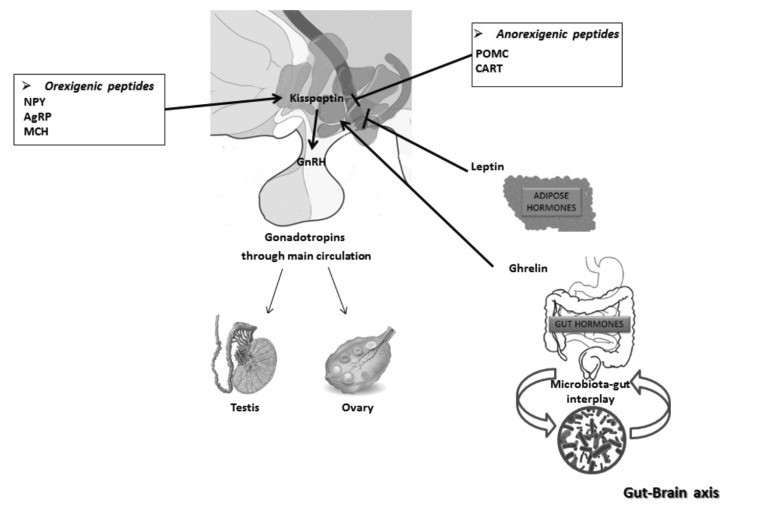
“All these observations support the idea that abnormal eating behavior influences ghrelin levels, with possible suppression of the reproductive axis through kisspeptin regulation and GnRH/LH inhibition.”
BackgroundInfluentialSelf-citationBoespflug, E. L., McNamara, R. K., Eliassen, J. C., Schidler, M. D., & Krikorian, R. (2016) · The Journal of nutrition, health and aging · doi:10.1007/s12603-015-0609-6 · Cited by 71 · cited 1×
“working memory task Positive effect on all parameters [286]”
Background(2024) · Molecular Pharmacology · doi:10.1124/mol · Cited by 71
Santollo, J., & Eckel, L. A. (2007) · Physiology & Behavior · doi:10.1016/j.physbeh.2007.11.050 · Cited by 70
Cyclooxygenases and 5-lipoxygenase in Alzheimer's disease
Manev, H., Chen, H., Dzitoyeva, S., & Manev, R. M. (2010) · Progress in Neuro-Psychopharmacology and Biological Psychiatry · doi:10.1016/j.pnpbp.2010.07.032 · Cited by 70 · cited 1×
“5LOX expression is increased in the brain of patients with degenerative diseases, including Alzheimer’s disease [257] and the role of ARA-derived LOX bioactive mediators in neuroinflammatory processes is well established [258].”
BackgroundA prospective study of the modified Atkins diet for adults with idiopathic generalized epilepsy
Kverneland, M., Selmer, K. K., Nakken, K. O., Iversen, P. O., & Taubøll, E. (2015) · Epilepsy & Behavior · doi:10.1016/j.yebeh.2015.10.021 · Cited by 69 · cited 1×
“The use of KDs in adults is limited due to poor compliance to the treatment, but recent studies suggest that KDs can be effective in adults as well [306, 307].”
BackgroundThomazeau, A., Bosch-Bouju, C., Manzoni, O., & Layé, S. (2016) · Cerebral Cortex · doi:10.1093/cercor/bhw052 · Cited by 69 · cited 2×
“Importantly, these changes in eCBs are accompanied by impairment of CB1 activity in the brain, leading to synaptic activity impairment in several brain structures [20, 21, 275].”
BackgroundNeuroendocrine alterations in the exercising human: Implications for energy homeostasis
Fuqua, J. S., & Rogol, A. D. (2013) · Metabolism · doi:10.1016/j.metabol.2013.01.016 · Cited by 68 · cited 1×
“Leptin inhibits NPY/AgRP and stimulates Kisspeptin circuits, ghrelin does quite the opposite [181].”
BackgroundCacciola, G., Chioccarelli, T., Altucci, L., Ledent, C. A., Mason, J. I., Fasano, S., Pierantoni, R., & Cobellis, G. (2013) · Biology of Reproduction · doi:10.1095/biolreprod.112.105726 · Cited by 68 · cited 1×
“Consistently, the characterization of the reproductive phenotype in CB1 knockout mice revealed impairment of HPG axis at multiple levels [214, 215].”
BackgroundSelf-citationThe ketogenic diet in a pill: Is this possible?
Rho, J. M., & Sankar, R. (2008) · Epilepsia · doi:10.1111/j.1528-1167.2008.01857.x · Cited by 61 · cited 1×
“However, the greatest challenge for present research is to understand the true mechanisms of KDs and to find a pharmacological alternative, thus realizing a sort of “KD in a pill”, with the same or greater efficacy of a KD but without its dietary limitations [331]; to this aim, the anti-seizure efficacy of a synthetic…”
BackgroundDomenichiello, A. F., Kitson, A. P., Chen, C. T., Trépanier, M., Stavro, P. M., & Bazinet, R. P. (2015) · The Journal of Nutritional Biochemistry · doi:10.1016/j.jnutbio.2015.11.016 · Cited by 61 · cited 1×
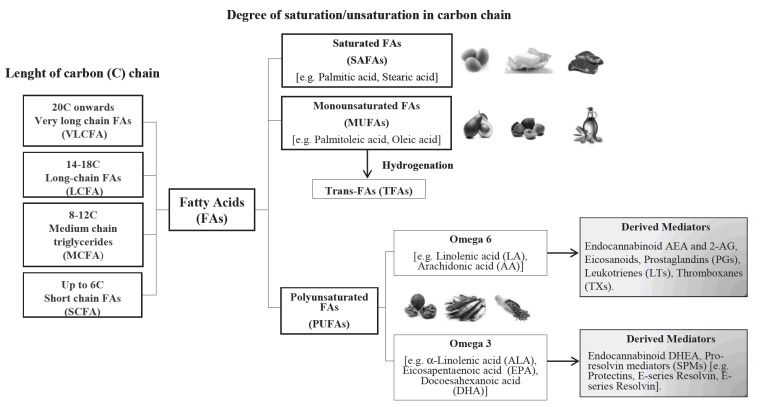
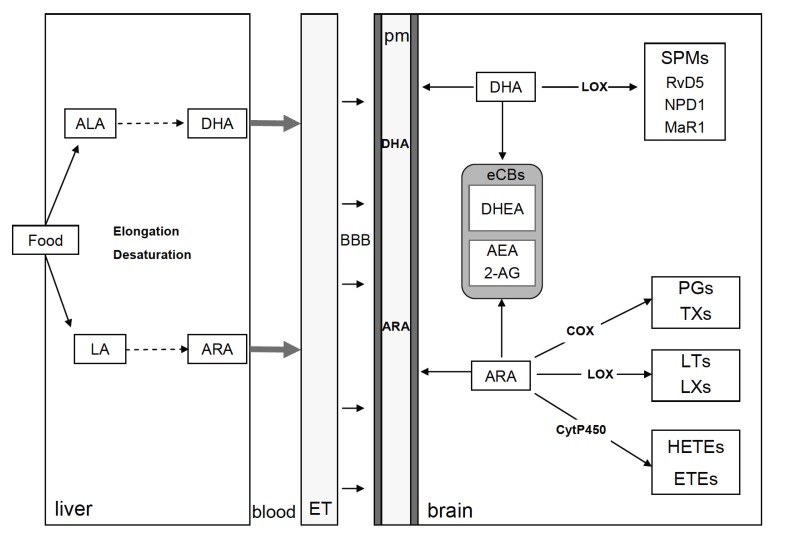
“Due to the limited capacity of the brain to synthesize LC PUFAs [229, 230], they have to be provided through the diet either as precursors [n-6 linoleic acid (LA) and n-3 αlinolenic acid (ALA) found in vegetable oils and grain products] or as preformed ARA and DHA (found in meat products and fish, respectively) [231,…”
BackgroundGhrelin: novel regulator of gonadal function.
Tena‐Sempere, M. (2005) · PubMed · Cited by 61
Kisspeptins, Estrogens and Male Fertility
Chianese, R., Cobellis, G., Chioccarelli, T., Ciaramella, V., Migliaccio, M., Fasano, S., Pierantoni, R., & Meccariello, R. (2016) · Current Medicinal Chemistry · doi:10.2174/0929867323666160902155434 · Cited by 61 · cited 18×
“All these observations support the idea that abnormal eating behavior influences ghrelin levels, with possible suppression of the reproductive axis through kisspeptin regulation and GnRH/LH inhibition.”
BackgroundInfluentialSelf-citationDicken, M. S., Hughes, A. R., & Hentges, S. T. (2015) · European Journal of Neuroscience · doi:10.1111/ejn.13076 · Cited by 59
Jackson, P. A., Forster, J. S., Bell, J. G., Dick, J., Younger, I., & Kennedy, D. O. (2016) · Nutrients · doi:10.3390/nu8020086 · Cited by 59 · cited 1×
“cognitive functions No improvement [290]”
Pase, M. P., Grima, N., Cockerell, R., Stough, C., Scholey, A., Sali, A., & Pipingas, A. (2015) · Journal of the American College of Nutrition · doi:10.1080/07315724.2014.880660 · Cited by 58
Estrogens and Spermiogenesis: New Insights from Type 1 Cannabinoid Receptor Knockout Mice
Cacciola, G., Chioccarelli, T., Fasano, S., Pierantoni, R., & Cobellis, G. (2013) · International Journal of Endocrinology · doi:10.1155/2013/501350 · Cited by 58 · cited 1×
“Consistently, the characterization of the reproductive phenotype in CB1 knockout mice revealed impairment of HPG axis at multiple levels [214, 215].”
BackgroundSelf-citationVauzour, D., Martinsen, A., & Layé, S. (2015) · Neurochemistry International · doi:10.1016/j.neuint.2015.08.004 · Cited by 57 · cited 2×
“DHA, ARA and their mediators regulate several processes within the brain, such as neurotransmission and neuroinflammation, which are key processes in cognition [8, 216, 239].”
BackgroundMeccariello, R., Franzoni, M. F., Chianese, R., Cottone, E., Scarpa, D., Donna, D., Cobellis, G., Guastalla, A., Pierantoni, R., & Fasano, S. (2008) · Endocrinology · doi:10.1210/en.2007-1357 · Cited by 57 · cited 1×
“AEA can modulate GnRH biosynthesis, release or signaling via CB1 both centrally and peripherally [14, 17, 18, 204, 206-210].”
BackgroundSelf-citationNeuroendocrine Regulation of Metabolism
Cornejo, M. P., Hentges, S. T., Maliqueo, M., Coirini, H., Becu‐Villalobos, D., & Elias, C. F. (2016) · Journal of Neuroendocrinology · doi:10.1111/jne.12395 · Cited by 57 · cited 1×
“play with the wide range of the signals involved in the metabolic control of reproduction [145, 146].”
BackgroundLee, L. K., Shahar, S., Rajab, N., Yusoff, N. A. M., Jamal, R., & Then, S. (2012) · The Journal of Nutritional Biochemistry · doi:10.1016/j.jnutbio.2012.04.014 · Cited by 55 · cited 1×
“and visual-constructive skills Improvement in memory [298]”
Wahab, F., Shahab, M., & Behr, R. (2015) · Journal of Endocrinology · doi:10.1530/joe-14-0688 · Cited by 55 · cited 1×
“However, indirect action of leptin through other hypothalamic neurons in tight connection with kisspeptin neurons cannot be ruled-out [165, 166].”
BackgroundKong, W., Hooper, K. M., & Ganea, D. (2015) · Brain Behavior and Immunity · doi:10.1016/j.bbi.2015.11.002 · Cited by 53 · cited 1×
“Indeed, a dual COX/5-LOX inhibition to reduce production of PG and LT with proinflammatory activities is proposed as a new therapeutic approach for neurodegenerative diseases [259].”
BackgroundChianese, R., Ciaramella, V., Fasano, S., Pierantoni, R., & Meccariello, R. (2013) · Biology of Reproduction · doi:10.1095/biolreprod.112.103515 · Cited by 52
Self-citationBioactive lipids as new class of microglial modulators: When nutrition meets neuroimunology
Nadjar, A., Leyrolle, Q., Joffre, C., & Layé, S. (2016) · Progress in Neuro-Psychopharmacology and Biological Psychiatry · doi:10.1016/j.pnpbp.2016.07.004 · Cited by 52 · cited 1×
“Indeed, microglia deregulation due to aging or neurodegenerative processes participates to synaptic loss observed not only in Alzheimer’s disease [247] but also in chronic stress conditions [248] or dietary lipid unbalance [249, 250].”
BackgroundCunningham, C., & Skelly, D. T. (2012) · Journal of Neuroimmune Pharmacology · doi:10.1007/s11481-011-9312-5 · Cited by 51 · cited 1×
“Interestingly, several studies report that blocking COX1/2 with non-steroidal anti-inflammatory drugs (NSAIDs) protects against cognitive impairments in animal model of Alzheimer’s disease suggesting a role for PGE2 and COX2 in memory impairment [254].”
BackgroundGenetic Ablation of CD36 Does not Alter Mouse Brain Polyunsaturated Fatty Acid Concentrations
Song, B. J., Elbert, A., Rahman, T., Orr, S. K., Chen, C. T., Febbraio, M., & Bazinet, R. P. (2010) · Lipids · doi:10.1007/s11745-010-3398-z · Cited by 51 · cited 1×
“DHA is likely to enter in the brain from the blood, but the mechanisms involved are still a matter of debate [8, 236].”
BackgroundRoles for Orexin/Hypocretin in the Control of Energy Balance and Metabolism
Goforth, P. B., & Myers, M. G. (2016) · Current topics in behavioral neurosciences · doi:10.1007/7854_2016_51 · Cited by 51
Bazan, N. G. (2013) · Prostaglandins, Leukotrienes and Essential Fatty Acids · doi:10.1016/j.plefa.2012.08.008 · Cited by 50 · cited 1×
“In the brain, several DHA-derived mediators are detected, like, in particular, the LOX-derived SPMs neuroprotectin D1 (NPD1), resolvin D5 (RvD5) and maresin 1 (MaR1) [241, 260].”
BackgroundBovolin, P., Cottone, E., Pomatto, V., Fasano, S., Pierantoni, R., Cobellis, G., & Meccariello, R. (2014) · Frontiers in Endocrinology · doi:10.3389/fendo.2014.00054 · Cited by 49 · cited 4×
“AEA can modulate GnRH biosynthesis, release or signaling via CB1 both centrally and peripherally [14, 17, 18, 204, 206-210].”
BackgroundInfluentialSelf-citationBozzetti, F., & Zupec‐Kania, B. (2015) · Clinical Nutrition · doi:10.1016/j.clnu.2015.01.013 · Cited by 48 · cited 1×
“There are also some studies reporting possible beneficial effects of KDs on tumor progression [326, 327].”
BackgroundThe Endocannabinoid System: An Ancient Signaling Involved in the Control of Male Fertility
Fasano, S., Meccariello, R., Cobellis, G., Chianese, R., Cacciola, G., Chioccarelli, T., & Pierantoni, R. (2009) · Annals of the New York Academy of Sciences · doi:10.1111/j.1749-6632.2009.04437.x · Cited by 48 · cited 1×
“The eCB system is one of the most ancient signaling system of vertebrates [9, 10] with numerous pathways in the brain [11, 12].”
BackgroundSelf-citationKarimian Azari, E., Ramachandran, D., Weibel, S., Arnold, M., Romano, A., Gaetani, S., Langhans, W., & Mansouri, A. (2014) · American Journal of Physiology-Regulatory, Integrative and Comparative Physiology · doi:10.1152/ajpregu.00067.2014 · Cited by 46 · cited 1×
“Although controversial as for the subdiaphragmatic vagal deafferentation [101], OEA-induced hypophagia is abolished in case vagal sensory afferents are lost as for pharmacological treatment or surgical resection [97, 102].”
BackgroundChianese, R., Ciaramella, V., Fasano, S., Pierantoni, R., & Meccariello, R. (2014) · General and Comparative Endocrinology · doi:10.1016/j.ygcen.2014.11.008 · Cited by 46 · cited 18×
“All these observations support the idea that abnormal eating behavior influences ghrelin levels, with possible suppression of the reproductive axis through kisspeptin regulation and GnRH/LH inhibition.”
BackgroundInfluentialSelf-citationThe contribution of lower vertebrate animal models in human reproduction research
Chianese, R., Chioccarelli, T., Cacciola, G., Ciaramella, V., Fasano, S., Pierantoni, R., Meccariello, R., & Cobellis, G. (2010) · General and Comparative Endocrinology · doi:10.1016/j.ygcen.2010.12.011 · Cited by 45 · cited 2×
“A hierarchical actor in HPG axis is the decapeptide Gonadotropin-Releasing Hormone (GnRH), with its well-known role in the stimulation of pituitary gonadotropins and downstream of gonadal functions [140-144].”
BackgroundSelf-citationMazereeuw, G., Herrmann, N., Oh, P. I., Ma, D. W. L., Wang, C. T., Kiss, A., & Lanctôt, K. L. (2016) · Journal of Clinical Psychopharmacology · doi:10.1097/jcp.0000000000000565 · Cited by 44
Ketogenic diet and childhood neurological disorders other than epilepsy: an overview
Verrotti, A., Iapadre, G., Pisano, S., & Coppola, G. (2017) · Expert Review of Neurotherapeutics · doi:10.1080/14737175.2017.1260004 · Cited by 44 · cited 1×
“Interestingly, KDs have been proposed to treat many other neurological diseases, like brain trauma, Alzheimer’s disease, Parkinson’s disease, Amyotrophic Lateral Sclerosis, mitochondriopathies, alternating hemiplegia of childhood, brain tumors, migraine and autism spectrum disorders [324, 325].”
BackgroundSelf-citationEndocannabinoid signaling and its regulation by nutrients
Bisogno, T., & Maccarrone, M. (2014) · BioFactors · doi:10.1002/biof.1167 · Cited by 42 · cited 1×
“Diet is an important source of ARA (further details in parapraph 4) and thus, in addition to enzymatic hydrolysis, it is realistic that the tone of eCBs might be modulated by the fatty acid composition of food [184], with different outcomes on health including the centrally orchestrated control of reproduction.”
BackgroundPierantoni, R., Cobellis, G., Meccariello, R., Cacciola, G., Chianese, R., Chioccarelli, T., & Fasano, S. (2009) · Annals of the New York Academy of Sciences · doi:10.1111/j.1749-6632.2008.03617.x · Cited by 42 · cited 2×
“A hierarchical actor in HPG axis is the decapeptide Gonadotropin-Releasing Hormone (GnRH), with its well-known role in the stimulation of pituitary gonadotropins and downstream of gonadal functions [140-144].”
BackgroundSelf-citationHan, H. S., Jang, J.-H., Jang, J. H., Choi, J. S., Kim, Y. J., Lee, C., Lim, S. H., Lee, H.-K., & Lee, J. (2010) · Journal of Medicinal Food · doi:10.1089/jmf.2009.1242 · Cited by 42 · cited 1×
“There are several cases in which ingestion of prebiotics such as isolichenan (from the lichen Cetrariella islandica) and arabinoxylan from the yeast Triticumaestivum has been demonstrated to improve brain functions and elicit the recovery of ethanol-induced or vascular dementia-associated memory deficits in mice [60,…”
BackgroundNaufahu, J., Cunliffe, A., & Murray, J. F. (2013) · Reproduction · doi:10.1530/rep-12-0385 · Cited by 42
A talk between fat tissue, gut, pancreas and brain to control body weight
Wilson, J. L., & Enriori, P. J. (2015) · Molecular and Cellular Endocrinology · doi:10.1016/j.mce.2015.08.022 · Cited by 39 · cited 9×
“In these animals, BPA works as a powerful anorexigenic signal, depressing cannabinoid signalling and upregulating the hypothalamic expression of CART [197].”
BackgroundInfluentialChapter 14 CB1 Activity in Male Reproduction: Mammalian and Nonmammalian Animal Models
Pierantoni, R., Cobellis, G., Meccariello, R., Cacciola, G., Chianese, R., Chioccarelli, T., & Fasano, S. (2009) · Vitamins and hormones · doi:10.1016/s0083-6729(09)81014-5 · Cited by 39 · cited 1×
“A hierarchical actor in HPG axis is the decapeptide Gonadotropin-Releasing Hormone (GnRH), with its well-known role in the stimulation of pituitary gonadotropins and downstream of gonadal functions [140-144].”
BackgroundSelf-citationMeccariello, R., Chianese, R., Cacciola, G., Cobellis, G., Pierantoni, R., & Fasano, S. (2006) · Molecular Reproduction and Development · doi:10.1002/mrd.20434 · Cited by 39 · cited 1×
“An eCB system has been detected in GnRH secreting neurons, in hypothalamic cell lines, both in in vitro and in in vivo models and either in mammalian and non-mammalian vertebrates [203-205].”
BackgroundSelf-citationPUFA for Prevention and Treatment of Dementia?
Carrié, I., Abellan, G., Rolland, Y., Guyonnet, S., & Vellas, B. J. (2009) · Current Pharmaceutical Design · doi:10.2174/138161209789909764 · Cited by 38 · cited 1×
“Neuroprotective activities of LC n-3 PUFAs DHA and EPA are believed to be potent for protection and/or treatment of cognitive decline and dementia [218-223].”
BackgroundAnandamide regulates the expression of GnRH1, GnRH2, and GnRH-Rs in frog testis
Chianese, R., Ciaramella, V., Scarpa, D., Fasano, S., Pierantoni, R., & Meccariello, R. (2012) · American Journal of Physiology-Endocrinology and Metabolism · doi:10.1152/ajpendo.00086.2012 · Cited by 37 · cited 1×
“AEA can modulate GnRH biosynthesis, release or signaling via CB1 both centrally and peripherally [14, 17, 18, 204, 206-210].”
BackgroundSelf-citationCannabinoids and Reproduction: A Lasting and Intriguing History
Cacciola, G., Chianese, R., Chioccarelli, T., Ciaramella, V., Fasano, S., Pierantoni, R., Meccariello, R., & Cobellis, G. (2010) · Pharmaceuticals · doi:10.3390/ph3103275 · Cited by 35 · cited 1×
“Interestingly, eCBs link food lipids to synaptic activity, neuronal plasticity, and to neuroendocrine and reproductive functions [13-21].”
BackgroundSelf-citationPUFA-derived endocannabinoids: an overview
Cascio, M. G. (2013) · Proceedings of The Nutrition Society · doi:10.1017/s0029665113003418 · Cited by 34 · cited 1×
“Interestingly, during the 20 century, Western diet has been subjected to deep changes, with an enrichment in n-6, over n-3 PUFA assumption, thus contributing to the onset of overweight and obesity [182, 183].”
BackgroundSkrapits, K., Kanti, V., Savanyú, Z., Maurnyi, C., Szenci, O., Horváth, A., Borsay, B. Á., Herczeg, L., Liposits, Z., & Hrabovszky, E. (2015) · Frontiers in Cellular Neuroscience · doi:10.3389/fncel.2015.00348 · Cited by 34
Santos, E. D., Pecquery, R., de Mazancourt, P., & Dieudonné, M. (2012) · Vitamins and hormones · doi:10.1016/b978-0-12-398313-8.00008-7 · Cited by 32
Anticonvulsant properties of an oral ketone ester in a pentylenetetrazole-model of seizure
Viggiano, A., Pilla, R., Arnold, P., Monda, M., D’Agostino, D. P., & Coppola, G. (2015) · Brain Research · doi:10.1016/j.brainres.2015.05.023 · Cited by 31 · cited 2×
“However, the greatest challenge for present research is to understand the true mechanisms of KDs and to find a pharmacological alternative, thus realizing a sort of “KD in a pill”, with the same or greater efficacy of a KD but without its dietary limitations [331]; to this aim, the anti-seizure efficacy of a synthetic…”
BackgroundSelf-citationCavanaugh, A. R., Schwartz, G. J., & Blouet, C. (2015) · PLoS ONE · doi:10.1371/journal.pone.0118888 · Cited by 30 · cited 8×
“The link between the homeostatic control of energy intake and brain reward circuits is demonstrated by the increased intake of a non-palatable low fat emulsion following OEA administration in HFD-fed animals.”
BackgroundInfluentialCiaramella, V., Meccariello, R., Chioccarelli, T., Sirleto, M., Fasano, S., Pierantoni, R., & Chianese, R. (2015) · Molecular and Cellular Endocrinology · doi:10.1016/j.mce.2015.11.011 · Cited by 30 · cited 2×
“AEA can modulate GnRH biosynthesis, release or signaling via CB1 both centrally and peripherally [14, 17, 18, 204, 206-210].”
BackgroundSelf-citationAlashmali, S. M., Hopperton, K. E., & Bazinet, R. P. (2015) · Current Opinion in Lipidology · doi:10.1097/mol.0000000000000255 · Cited by 30 · cited 1×
“Due to the limited capacity of the brain to synthesize LC PUFAs [229, 230], they have to be provided through the diet either as precursors [n-6 linoleic acid (LA) and n-3 αlinolenic acid (ALA) found in vegetable oils and grain products] or as preformed ARA and DHA (found in meat products and fish, respectively) [231,…”
BackgroundSuglia, A., Chianese, R., Migliaccio, M., Ambrosino, C., Fasano, S., Pierantoni, R., Cobellis, G., & Chioccarelli, T. (2016) · Pharmacological Research · doi:10.1016/j.phrs.2016.09.005 · Cited by 30 · cited 6×
“In these animals, BPA works as a powerful anorexigenic signal, depressing cannabinoid signalling and upregulating the hypothalamic expression of CART [197].”
BackgroundInfluentialSelf-citationWahab, F., Shahab, M., & Behr, R. (2016) · Medical Hypotheses · doi:10.1016/j.mehy.2016.08.003 · Cited by 29
To treat or not to treat drug-refractory epilepsy by the ketogenic diet? That is the question
Ułamek-Kozioł, M., Pluta, R. M., Bogucka‐Kocka, A., & Czuczwar, S. J. (2016) · Annals of Agricultural and Environmental Medicine · doi:10.5604/12321966.1226841 · Cited by 29 · cited 1×
“Hyperuricaemia and kidney stones have also been described [329, 330].”
BackgroundSupplementation with DHA and the psychological functioning of young adults
Benton, D., Donohoe, R. T., Clayton, D., & Long, S. J. (2012) · British Journal Of Nutrition · doi:10.1017/s0007114512000566 · Cited by 28 · cited 1×
“vigilance or visual acuity Improvement of memory [283]”
BackgroundSperm tsRNAs and acquired metabolic disorders
Yan, M., & Zhai, Q. (2016) · Journal of Endocrinology · doi:10.1530/joe-16-0185 · Cited by 28 · cited 1×
“Furthermore, nutritional status of parents may impact gamete epigenome with effects on metabolic and reproductive health of the offspring [109].”
BackgroundChwiej, J. G., Dróźdż, A., Janeczko, K. J., Kutorasinska, J., Matusiak, K., Figiel, H., Dumas, P., Sandt, C., & Setkowicz, Z. (2015) · The Analyst · doi:10.1039/c4an01857e · Cited by 27 · cited 1×
“Two recent studies reported an increase in the content of unsaturated fatty acids within the hippocampus [322, 323], but this topic certainly deserves to be further investigated.”
BackgroundAnandamide modulates the expression of GnRH-II and GnRHRs in frog, Rana esculenta, diencephalon
Chianese, R., Ciaramella, V., Fasano, S., Pierantoni, R., & Meccariello, R. (2011) · General and Comparative Endocrinology · doi:10.1016/j.ygcen.2011.07.001 · Cited by 26 · cited 2×
“AEA can modulate GnRH biosynthesis, release or signaling via CB1 both centrally and peripherally [14, 17, 18, 204, 206-210].”
BackgroundSelf-citationŽelezná, B., Maixnerová, J., Matyšková, R., Haugvicová, R., Blokešová, D., & Maletínská, L. (2009) · Physiological Research · doi:10.33549/physiolres.931511 · Cited by 26
Effects of Neuroendocrine CB1 Activity on Adult Leydig Cells
Cobellis, G., Meccariello, R., Chianese, R., Chioccarelli, T., Fasano, S., & Pierantoni, R. (2016) · Frontiers in Endocrinology · doi:10.3389/fendo.2016.00047 · Cited by 26 · cited 4×
“AEA can modulate GnRH biosynthesis, release or signaling via CB1 both centrally and peripherally [14, 17, 18, 204, 206-210].”
BackgroundInfluentialSelf-citationTakumi, K., Shimada, K., Iijima, N., & Ozawa, H. (2015) · Neuroscience Research · doi:10.1016/j.neures.2015.06.004 · Cited by 24 · cited 2×
“Accordingly, HFD during lactation alters pubertal development in female offspring only [173].”
BackgroundInsufficient Resolution Response in the Hippocampus of a Senescence-Accelerated Mouse Model — SAMP8
Wang, X., Puerta, E., Cedazo-Mínguez, Á., Hjorth, E., & Schultzberg, M. (2014) · Journal of Molecular Neuroscience · doi:10.1007/s12031-014-0346-z · Cited by 24 · cited 1×
“DHA and SPMs are impaired at the periphery and within the brain of Alzheimer’s disease patients [265, 266] and in accelerated aging mice model [267].”
BackgroundChianese, R., Cobellis, G., Pierantoni, R., Fasano, S., & Meccariello, R. (2008) · Molecular and Cellular Endocrinology · doi:10.1016/j.mce.2008.01.009 · Cited by 24 · cited 2×
“AEA can modulate GnRH biosynthesis, release or signaling via CB1 both centrally and peripherally [14, 17, 18, 204, 206-210].”
BackgroundSelf-citationPinilla, L., Fernández-Fernández, R., Roa, J., Castellano, J. M., Tena‐Sempere, M., & Aguilar, E. (2007) · American Journal of Physiology-Endocrinology and Metabolism · doi:10.1152/ajpendo.00274.2007 · Cited by 23 · cited 1×
“the distal ileum and colon Anorexigenic Increases gonadotrophin secretion [127]”
BackgroundChianese, R., Ciaramella, V., Fasano, S., Pierantoni, R., & Meccariello, R. (2014) · General and Comparative Endocrinology · doi:10.1016/j.ygcen.2014.02.010 · Cited by 17 · cited 1×
“Outcomes on steroid biosynthesis, gametogenesis, gamete quality and fertility rate have been reported [16-18, 142, 211, 212, 213].”
Self-citationCholecystokinin receptors regulate sperm protein tyrosine phosphorylation via uptake of HCO3−
Zhou, Y., Ru, Y., Shi, H., Wang, Y., Wu, B., Upur, H., & Zhang, Y. (2015) · Reproduction · doi:10.1530/rep-15-0138 · Cited by 17
Karamikheirabad, M., Behzadi, G., Faghihi, M., Raoofian, R., Mehr, S. E., Zuure, W. A., & Sadeghipour, H. R. (2013) · Daehan saengsik uihak hoeji/Clinical and experimental reproductive medicine · doi:10.5653/cerm.2013.40.4.155 · Cited by 16 · cited 2×
“DHA, ARA and their mediators regulate several processes within the brain, such as neurotransmission and neuroinflammation, which are key processes in cognition [8, 216, 239].”
BackgroundEndocannabinoids and Reproduction
Meccariello, R., Battista, N., Bradshaw, H. B., & Wang, H. (2014) · International Journal of Endocrinology · doi:10.1155/2014/378069 · Cited by 14 · cited 1×
“Outcomes on steroid biosynthesis, gametogenesis, gamete quality and fertility rate have been reported [16-18, 142, 211, 212, 213].”
Self-citationChianese, R., Ciaramella, V., Scarpa, D., Fasano, S., Pierantoni, R., & Meccariello, R. (2013) · International Journal of Endocrinology · doi:10.1155/2013/904748 · Cited by 13 · cited 1×
“AEA can modulate GnRH biosynthesis, release or signaling via CB1 both centrally and peripherally [14, 17, 18, 204, 206-210].”
BackgroundSelf-citationViggiano, A., Stoddard, M., Pisano, S., Operto, F. F., Iovane, V., Monda, M., & Coppola, G. (2016) · Brain Research Bulletin · doi:10.1016/j.brainresbull.2016.07.001 · Cited by 13 · cited 1×
“It is supposed that such metabolic effects act on brain neurotransmitter production or on ion channel functioning [320] and that the substantia nigra could be particularly involved in these effects [314, 321].”
BackgroundSelf-citationChwiej, J. G., Dróźdż, A., Matusiak, K., Janeczko, K. J., Patulska, A., Sandt, C., Simon, R., Ciarach, M., & Setkowicz, Z. (2015) · Epilepsy & Behavior · doi:10.1016/j.yebeh.2015.04.042 · Cited by 11 · cited 1×
“Two recent studies reported an increase in the content of unsaturated fatty acids within the hippocampus [322, 323], but this topic certainly deserves to be further investigated.”
BackgroundDifferent calorie restriction treatments have similar anti-seizure efficacy
Viggiano, A., Pilla, R., Arnold, P., Monda, M., D’Agostino, D. P., Zeppa, P., & Coppola, G. (2016) · Seizure · doi:10.1016/j.seizure.2016.01.003 · Cited by 8 · cited 2×
“However, the greatest challenge for present research is to understand the true mechanisms of KDs and to find a pharmacological alternative, thus realizing a sort of “KD in a pill”, with the same or greater efficacy of a KD but without its dietary limitations [331]; to this aim, the anti-seizure efficacy of a synthetic…”
BackgroundSelf-citationde Azevedo, Z. M. A., Moore, D. C. B. C., de Matos, F. A. A., et al. (2013) · Arca - Repositório Institucional da Fiocruz · doi:10.1016/j.clnu · Cited by 6
Barbero (2014) · doi:10.1016/j · Cited by 1
Research works printed but not linked: 3
- [60]Smriga M. Chen J. Zhang J.T. Narui T. Shibata S. Hirano E. Saito H. Isolichenan, an alpha-glucan isolated from lichen cetrariella islandica, repairs impaired learning behaviors and facilitates hippocampal synaptic plasticity. Proc. Jpn. Acad. B. Phys. Biol. Sci. 1999 75 219 223
- [278]Bosch-Bouju C. Layé S. Dietary omega-6/omega-3 and endocannabinoids: Implications for brain health and diseases. Cannabinoids in Health and Disease 2016 111 142 [http://dx.doi.org/10.5772/ 62498]
- [303]Masino S.A. Rho J.M. Mechanisms of Ketogenic Diet Action. 2012 22787591
Cited by
Nagpal, R., Neth, B. J., Wang, S., Craft, S., & Yadav, H. (2019) · EBioMedicine · doi:10.1016/j.ebiom.2019.08.032 · Cited by 653
“Higher adherence toMediterranean-style diet has been found to be associated with reduced incidences of several chronic diseases, such as obesity, type-2 diabetes, gastrointestinal cancer, cardiovascular diseases, and neurodegenerative diseases including Alzheimer's disease [17,20,21].”
BackgroundNeuro-toxic and Reproductive Effects of BPA
Santoro, A., Chianese, R., Troisi, J., Richards, S., Nori, S. L., Fasano, S., Guida, M., Plunk, E., Viggiano, A., Pierantoni, R., et al. (2019) · Current Neuropharmacology · doi:10.2174/1570159x17666190726112101 · Cited by 278
Self-citationω-3 and ω-6 Polyunsaturated Fatty Acids, Obesity and Cancer
D’Angelo, S., Motti, M. L., & Meccariello, R. (2020) · Nutrients · doi:10.3390/nu12092751 · Cited by 250
Self-citationEffect of bisphenol A on the neurological system: a review update
Costa, H. E., & Cairrao, E. (2024) · Archives of Toxicology · doi:10.1007/s00204-023-03614-0 · Cited by 203
Microplastics: A Threat for Male Fertility
D'Angelo, S., & Meccariello, R. (2021) · International Journal of Environmental Research and Public Health · doi:10.3390/ijerph18052392 · Cited by 178
Self-citation
Metadata
- Authors
- Chianese, R., Coccurello, R., Viggiano, A., Scafuro, M., Fiore, M., Coppola, G., Operto, F. F., Fasano, S., Laye, S., Pierantoni, R., & Meccariello, R.
- Affiliations
- University of Campania "Luigi Vanvitelli" (IT)
- National Research Council (IT)
- University of Salerno (IT)
- INRA, Bordeaux University, Nutrition and Integrative Neurobiology, UMR, Bordeaux, France
- Parthenope University of Naples (IT)
- Corresponding author
- Meccariello, Rosaria
- ORCID
- Venue
- Current Neuropharmacology
- Publisher
- Bentham Science Publishers Ltd.
- Published
- 2018-07-12
- Volume
- 16
- Issue
- 7
- Pages
- 1059-1085
- ISSN
- 1570-159X (ISSN-L)
- PMC
- PMC6120115
- OpenAlex
- W2766839249
- Semantic Scholar
- 576f182232e32586047de2e87eea2d27f88155da
- Cited by
- 159
- References
- 326
- Citations by year
- 2026: 10 · 2025: 26 · 2024: 16 · 2023: 19 · 2022: 30 · 2021: 24 · 2020: 21 · 2019: 7 · 2018: 4
- FWCI
- 7.28
- Type
- journal article
- Language
- en
- Open access
- green
- www.ncbi.nlm.nih.gov
- Licence
- cc-by-nc
- Locations
- Current Neuropharmacology (publishedVersion)
- Europe PMC (PubMed Central) (publishedVersion, cc-by-nc)
- PubMed Central (publishedVersion, cc-by-nc)
- PubMed (publishedVersion)
- HAL (submittedVersion)
- Archivio Istituzionale della Ricerca - Università degli Studi della Campania "Luigi Vanvitelli" (submittedVersion)
- Oskar-Bordeaux (Universite de Bordeaux) (submittedVersion)
- CINECA IRIS Institutial research information system (Parthenope University of Naples) (submittedVersion)
- Topics
- Health Sciences › Nursing › Nutrition and Dietetics › Fatty Acid Research and Health
- Health Sciences › Medicine › Public Health, Environmental and Occupational Health › Nutritional Studies and Diet
- Health Sciences › Medicine › Physiology (medical) › Diet and metabolism studies
- Keywords
- dietary fat, brain health, cognitive function, nutrient sensing, food reward, gut-brain axis, hypothalamus, gonadotropin-releasing hormone, reproduction, polyunsaturated fatty acids, ketogenic diet, lipid metabolism, synaptic plasticity, brain disorders
- MeSH terms
- Gastrointestinal Microbiome, Animals, Brain, Dietary Fats, Humans
About these checks
Registry, retraction, Cites and statistics results are computed, not judged, with one exception: a printed reference that no index lists is read once by a model before it counts as a citation error. Claims are extracted by a model and kept only when their quote appears verbatim in the text; each cited source is then checked, with a model’s help, for whether it says what the claim relies on. Those verdicts can be wrong — read the claim’s quote and the cited source before relying on one.
Statistics and arithmetic are recomputed, not judged.
Confidence bands are shown only for fields calibrated on our annotated test set. None is calibrated yet, so no band is shown.
What counts as a claim ›How we measure confidence ›How we check this ›
Are you an author, or do you see a problem with this page? Request a review
Data sources
Bibliographic data: Semantic Scholar, OpenAlex, Crossref.
Contains information from the Semantic Scholar Academic Graph Datasets, made available under the ODC Attribution License (ODC-BY 1.0).
Semantic Scholar’s data is described in: Kinney, R., et al. (2023). The Semantic Scholar Open Data Platform. arXiv:2301.10140.
