

The DOI matches its Crossref record; 184 of the 185 references it cites were found in a registry or an index.
Understanding the Role of Histone Deacetylase and their Inhibitors in Neurodegenerative Disorders: Current Targets and Future Perspective
Open accessAbstract
Neurodegenerative diseases are a group of pathological conditions that cause motor incordination (jerking movements), cognitive and memory impairments result from degeneration of neurons in a specific area of the brain. Oxidative stress, mitochondrial dysfunction, excitotoxicity, neuroinflammation, neurochemical imbalance and histone deacetylase enzymes (HDAC) are known to play a crucial role in neurodegeneration. HDAC is classified into four categories (class I, II, III and class IV) depending upon their location and functions. HDAC1 and 2 are involved in neurodegeneration, while HDAC3-11 and class III HDACs are beneficial as neuroprotective. HDACs are localized in different parts of the brain- HDAC1 (hippocampus and cortex), HDAC2 (nucleus), HDAC3, 4, 5, 7 and 9 (nucleus and cytoplasm), HDAC6 & HDAC7 (cytoplasm) and HDAC11 (Nucleus, cornus ammonis 1 and spinal cord). In pathological conditions, HDAC up-regulates glutamate, phosphorylation of tau, and glial fibrillary acidic proteins while down-regulating BDNF, Heat shock protein 70 and Gelsolin. Class III HDACs are divided into seven sub-classes (SIRT1-SIRT7). Sirtuins are localized in the different parts of the brain and neuron -Sirt1 (nucleus), Sirt2 (cortex, striatum, hippocampus and spinal cord), Sirt3 (mitochondria and cytoplasm), Sirt4, Sirt5 & Sirt6 (mitochondria), Sirt7 (nucleus) and Sirt8 (nucleolus). SIRTs (1, 3, 4, and 6) are involved in neuronal survival, proliferation and modulating stress response, and SIRT2 is associated with Parkinsonism, Huntington's disease and Alzheimer's disease, whereas SIRT6 is only associated with Alzheimer's disease. In this critical review, we have discussed the mechanisms and therapeutic targets of HDACs that would be beneficial for the management of neurodegenerative disorders.
Overview
The claims and statistics of this paper haven’t been checked yet.
Run the check — free, no account needed. It reads the open-access text and checks the sources it cites.
Integrity signals
Registry
Cites
Statistics
Figures
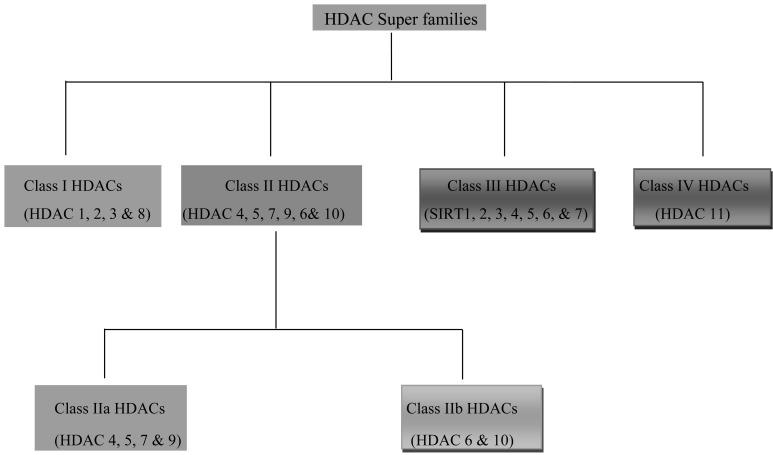
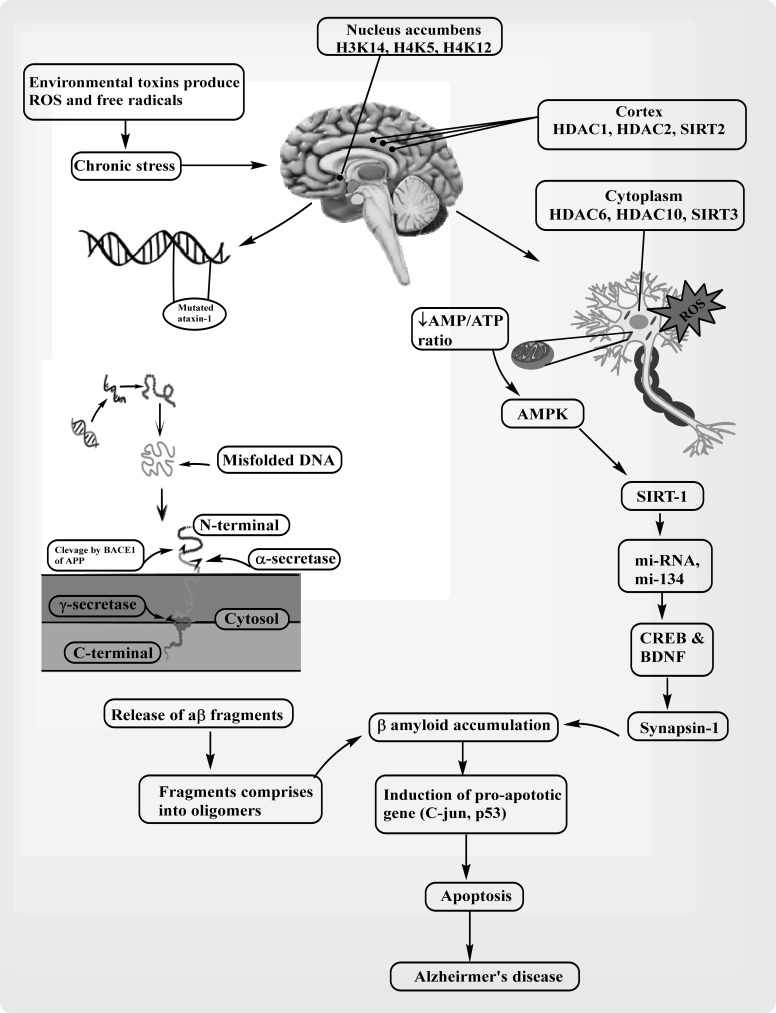
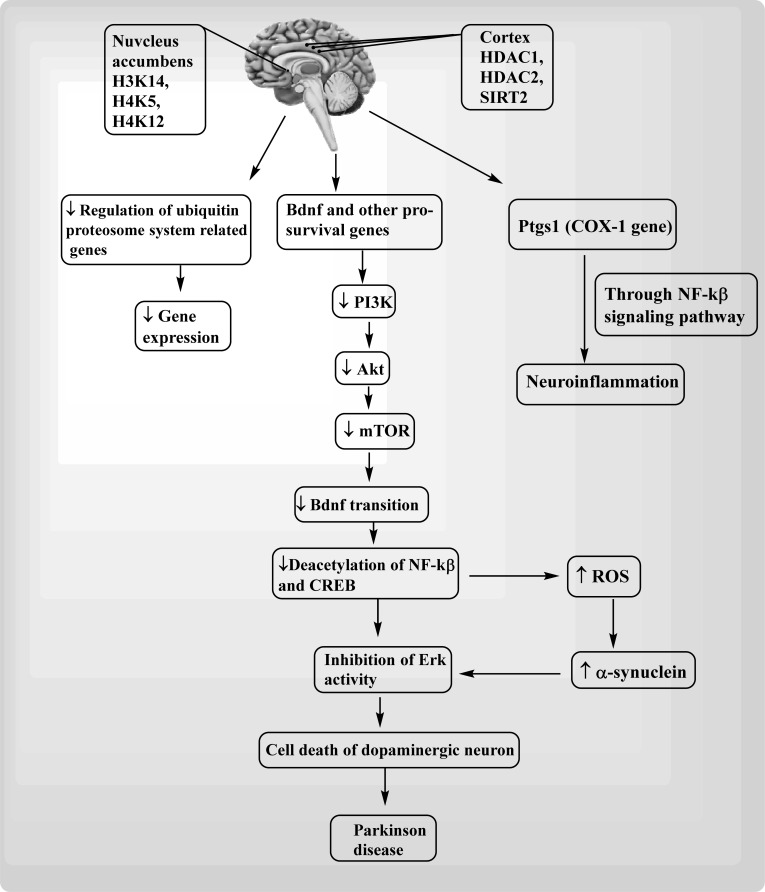
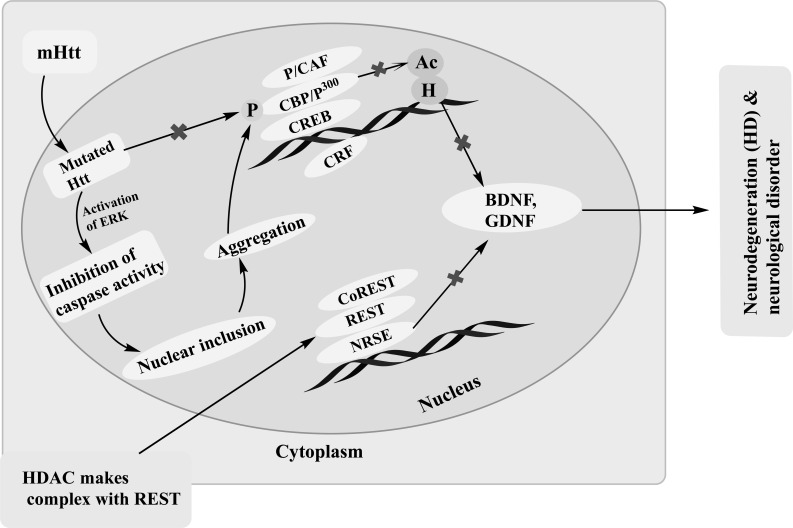
Verification
Claims the paper makes
The claims and statistics of this paper haven’t been checked yet.
Run the check — free, no account needed. It reads the open-access text and checks the sources it cites.
Claims other papers make about this one
Each is checked against this paper’s own text: does it say what the citing paper says it does?
The source backs part of the claim, not all of it — or backs it for a different population, condition or comparison.
In the citing paper
“HDAC inhibitors often display limited isoform selectivity and off-target activity, which constrains their translational potential in the nervous system (Kumar et al., 2022).”
From Histone modifications and depression: epigenetic mechanisms, therapeutic targets, and translational outlook (2026) · cites this paper as Kumar et al., 2022
Experimental — accuracy not yet measuredThe source backs part of the claim, not all of it — or backs it for a different population, condition or comparison.
In the citing paper
“HDAC6, a predominantly cytoplasmic deacetylase, regulates microtubule dynamics and autophagic flux (Kumar et al., 2022).”
From Histone modifications and depression: epigenetic mechanisms, therapeutic targets, and translational outlook (2026) · cites this paper as Kumar et al., 2022
Experimental — accuracy not yet measuredThe source backs part of the claim, not all of it — or backs it for a different population, condition or comparison.
In the citing paper
“HDAC inhibitors can enhance histone acetylation and ameliorate cognitive impairments in various AD models, and HDAC inhibition has been recognized as an attractive therapeutic strategy for AD [4, 5, 7].”
From CI-994 is a dual modulator of class I HDACs and Wnt/β-catenin signaling for the treatment of Alzheimer's disease (2026) · cites this paper as [7]
Experimental — accuracy not yet measuredThe cited source says what the claim attributes to it.
In the citing paper
“HDAC inhibitors also demonstrate anti-inflammatory and neuroprotective effects in neurodegenerative models by dampening inflammatory signaling and supporting synaptic and cognitive function (Morrison et al., 2006; Zhou et al., 2018; Kumar et al., 2022).”
From Histone modifications and depression: epigenetic mechanisms, therapeutic targets, and translational outlook (2026) · cites this paper as Kumar et al., 2022
The cited source says what the claim attributes to it.
In the citing paper
“while aberrant HDAC3 expression increases neuronal vulnerability (Kumar et al., 2022)”
From Histone modifications and depression: epigenetic mechanisms, therapeutic targets, and translational outlook (2026) · cites this paper as Kumar et al., 2022
The cited source says what the claim attributes to it.
In the citing paper
“The ability of HDAC inhibitors to improve behavioral outcomes through anti-inflammatory and neuroplastic mechanisms (Dai et al., 2021; Kumar et al., 2022)”
From Histone modifications and depression: epigenetic mechanisms, therapeutic targets, and translational outlook (2026) · cites this paper as Kumar et al., 2022
The cited source says what the claim attributes to it.
In the citing paper
“Growing evidence supports that epigenetic dysregulation through histone deacetylases (HDACs) plays a critical role in synaptic dysfunction and memory loss in Alzheimer’s disease”
From CI-994 is a dual modulator of class I HDACs and Wnt/β-catenin signaling for the treatment of Alzheimer's disease (2026) · cites this paper as [7]
The cited source says what the claim attributes to it.
In the citing paper
“HDAC inhibitors can enhance histone acetylation and ameliorate cognitive impairments in various AD models, and HDAC inhibition has been recognized as an attractive therapeutic strategy for AD [4, 5, 7].”
From CI-994 is a dual modulator of class I HDACs and Wnt/β-catenin signaling for the treatment of Alzheimer's disease (2026) · cites this paper as [7]
Self-check
Percentages, sums and reported differences re-computed from the paper’s own numbers.
The self-check needs the paper’s full text.
Citations
Cites
Regulation of chromatin by histone modifications
Bannister, A. J., & Kouzarides, T. (2011) · Cell Research · doi:10.1038/cr.2011.22 · Cited by 6,012
The tumour suppressor protein VHL targets hypoxia-inducible factors for oxygen-dependent proteolysis
Maxwell, P. H., Wiesener, M. S., Chang, G.-W., Clifford, S. C., Vaux, E. C., Cockman, M. E., Wykoff, C. C., Pugh, C. W., Maher, E. R., & Ratcliffe, P. J. (1999) · Nature · doi:10.1038/20459 · Cited by 5,180
Epidemiology of Parkinson's disease
de Lau, L. M., & Breteler, M. M. (2006) · The Lancet Neurology · doi:10.1016/s1474-4422(06)70471-9 · Cited by 4,110
Transcriptional silencing and longevity protein Sir2 is an NAD-dependent histone deacetylase
Imai, S.-I., Armstrong, C. M., Kaeberlein, M., & Guarente, L. (2000) · Nature · doi:10.1038/35001622 · Cited by 3,510
Autophagy and the Integrated Stress Response
Kroemer, G., Mariño, G., & Levine, B. (2010) · Molecular Cell · doi:10.1016/j.molcel.2010.09.023 · Cited by 3,506
Histone deacetylases (HDACs): characterization of the classical HDAC family
RUIJTER, A. J. M. D., GENNIP, A. H. V., CARON, H. N., KEMP, S., & KUILENBURG, A. B. P. V. (2003) · Biochemical Journal · doi:10.1042/bj20021321 · Cited by 3,114
Haberland, M., Montgomery, R. L., & Olson, E. N. (2008) · Nature Reviews Genetics · doi:10.1038/nrg2485 · Cited by 2,600
Erasers of Histone Acetylation: The Histone Deacetylase EnzymesPreprint
Seto, E., & Yoshida, M. (2014) · Cold Spring Harbor Perspectives in Biology · doi:10.1101/cshperspect.a018713 · Cited by 2,105
Calorie restriction promotes mammalian cell survival by inducing the SIRT1 deacetylase
Cohen, H. Y., Miller, C., Bitterman, K. J., Wall, N. R., Hekking, B., Kessler, B., Howitz, K. T., Gorospe, M., de Cabo, R., & Sinclair, D. A. (2004) · Science · doi:10.1126/science.1099196 · Cited by 1,924
Histone deacetylases and cancer: causes and therapies
Marks, P. A., Rifkind, R. A., Richon, V. M., Breslow, R., Miller, T., & Kelly, W. K. (2001) · Nature reviews. Cancer · doi:10.1038/35106079 · Cited by 1,866
Research works printed but not linked: 4
- Alberts B.; Molecular biology of the cell Garland science 2008
- Alberts B.; Johnson A.; Lewis J.; Raff M.; Roberts K.; Walter P.; Drosophila and the molecular genetics of pattern formation: Genesis of the body planMolecular Biology of the Cell 2002
- Szegő É.M.; Outeiro T.F.; Kazantsev A.G.; Sirtuins in brain and neurodegenerative disease Introductory Review on Sirtuins in Biology, Aging, and Disease 2018,175-195
- Chang, JK Tolfenamic acid: A potential modifier of tau protein in Alzheimer's disease 2015 (Thesis)
Cited by
Sorted by citations
Mitochondria: It is all about energy
Casanova, A., Wevers, A., Ledesma, S. N., & Pruimboom, L. (2023) · Frontiers in Physiology · doi:10.3389/fphys.2023.1114231 · Cited by 350
Targeting histone deacetylases for cancer therapy: Trends and challenges
Liang, T., Wang, F., Elhassan, R. M., Cheng, Y., Tang, X., Chen, W., Fang, H., & Hou, X. (2023) · Acta Pharmaceutica Sinica B · doi:10.1016/j.apsb.2023.02.007 · Cited by 222
The interaction between ageing and Alzheimer's disease: insights from the hallmarks of ageing
Liu, Y., Tan, Y., Zhang, Z., Yi, M., Zhu, L., & Peng, W. (2024) · Translational Neurodegeneration · doi:10.1186/s40035-024-00397-x · Cited by 156
Cao, Q., Shen, M., Li, R., Liu, Y., Zeng, Z., Zhou, J., Niu, D., Zhang, Q., Wang, R., Yao, J., et al. (2025) · Journal of Neuroinflammation · doi:10.1186/s12974-025-03454-y · Cited by 138
Huang, J., Wang, X., Li, N., Fan, W., Li, X., Qian, Z., Liu, J., Li, W., Zhang, Z., Liu, X., et al. (2024) · Advanced Science · doi:10.1002/advs.202308031 · Cited by 102
Toader, C., Tătaru, C. P., Munteanu, O., Șerban, M., Covache-Busuioc, R.-A., Ciurea, A. V., & Enyedi, M. (2024) · International Journal of Molecular Sciences · doi:10.3390/ijms252312613 · Cited by 112
SIRT1/SREBPs-mediated regulation of lipid metabolism
Shen, S., Shen, M., Kuang, L., Yang, K., Wu, S., Liu, X., Wang, Y., & Wang, Y. (2023) · Pharmacological Research · doi:10.1016/j.phrs.2023.107037 · Cited by 98
Role of histone deacetylases and their inhibitors in neurological diseases
Zhang, L.-Y., Zhang, S.-Y., Wen, R., Zhang, T.-N., & Yang, N. (2024) · Pharmacological Research · doi:10.1016/j.phrs.2024.107410 · Cited by 84
Curcio, A., Rocca, R., Alcaro, S., & Artese, A. (2024) · Pharmaceuticals · doi:10.3390/ph17050620 · Cited by 73
Puangmalai, N., Sengupta, U., Bhatt, N., Gaikwad, S., Montalbano, M., Bhuyan, A., Garcia, S., McAllen, S., Sonawane, M., Jerez, C., et al. (2022) · Journal of Biological Chemistry · doi:10.1016/j.jbc.2022.101766 · Cited by 68
Gao, Y., Duan, J., Dang, X., Yuan, Y., Wang, Y., He, X., Bai, R., Ye, X., & Xie, T. (2023) · Journal of Enzyme Inhibition and Medicinal Chemistry · doi:10.1080/14756366.2023.2195991 · Cited by 63
Unveiling the role of histone deacetylases in neurological diseases: focus on epilepsy
Cao, D., Zhou, X., Guo, Q., Xiang, M.-Y., Bao, M., He, B., & Mao, X. (2024) · Biomarker Research · doi:10.1186/s40364-024-00687-6 · Cited by 63
Su, S., Chen, M., Wu, Y., Lin, Q. D., Wang, D., Sun, J., & Hai, J. (2023) · CNS Neuroscience & Therapeutics · doi:10.1111/cns.14089 · Cited by 57
Sun, T., Zhen, T., Harakandi, C. H., Wang, L., Guo, H., Chen, Y., & Sun, H. (2024) · European Journal of Medicinal Chemistry · doi:10.1016/j.ejmech.2024.116569 · Cited by 56
Pu, J., Liu, T., Wang, X., Sharma, A., Schmidt‐Wolf, I. G. H., Jiang, L., & Hou, J. (2024) · Experimental Hematology and Oncology · doi:10.1186/s40164-024-00507-5 · Cited by 63
Effects of sleep deprivation on anxiety-depressive-like behavior and neuroinflammation
Cao, D., Zhao, Y., Wang, Y., Wei, D., Yan, M., Su, S., Pan, H., & Wang, Q. (2024) · Brain Research · doi:10.1016/j.brainres.2024.148916 · Cited by 45
α-Synuclein and Mechanisms of Epigenetic Regulation
Surguchov, A. P. (2023) · Brain Sciences · doi:10.3390/brainsci13010150 · Cited by 49
Restoring the epigenome in Alzheimer's disease: advancing HDAC inhibitors as therapeutic agents
Pereira, M. S., Cruz, M. T., Fortuna, A. C., & Bicker, J. (2024) · Drug Discovery Today · doi:10.1016/j.drudis.2024.104052 · Cited by 47
Zobdeh, F., Еременко, И. И., Akan, M. A., Tarasov, V. V., Chubarev, V. N., Schiöth, H. B., & Mwinyi, J. (2023) · International Journal of Molecular Sciences · doi:10.3390/ijms24119127 · Cited by 44
Why Is Longevity Still a Scientific Mystery? Sirtuins—Past, Present and Future
Ziętara, P., Dziewięcka, M., & Augustyniak, M. (2022) · International Journal of Molecular Sciences · doi:10.3390/ijms24010728 · Cited by 40
Lan, Z., Tang, X., Lu, M., Hu, Z., & Tang, Z. (2024) · Heliyon · doi:10.1016/j.heliyon.2024.e26377 · Cited by 41
Elucidating the Beneficial Effects of Ginger (Zingiber officinale Roscoe) in Parkinson’s Disease
Angelopoulou, E., Paudel, Y. N., Papageorgiou, S. G., & Piperi, C. (2022) · ACS Pharmacology & Translational Science · doi:10.1021/acsptsci.2c00104 · Cited by 39
The mechanisms, hallmarks, and therapies for brain aging and age-related dementia
Jin, S., Lü, W., Zhang, J., Zhang, L., Tao, F., Zhang, Y., Hu, X., & Liu, Q. (2024) · 中国科学通报:英文版 · doi:10.1016/j.scib.2024.09.005 · Cited by 41
Targeting epigenetics: A novel promise for Alzheimer’s disease treatment
Jeremic, D., Jiménez‐Díaz, L., & Navarro‐López, J. D. (2023) · Ageing Research Reviews · doi:10.1016/j.arr.2023.102003 · Cited by 36
Upadhayay, S., Gupta, R., Singh, S., Mundkar, M., Singh, G., & Kumar, P. (2022) · Cellular and Molecular Neurobiology · doi:10.1007/s10571-022-01301-9 · Cited by 39
Self-citationHan, H., Feng, X., He, T., Wu, Y., He, T., Yue, Z., & Zhou, W. (2023) · Chemical Biology & Drug Design · doi:10.1111/cbdd.14366 · Cited by 41
An updated patent review of histone deacetylase (HDAC) inhibitors in cancer (2020 – present)
Liu, Y., & Liou, J. (2023) · Expert Opinion on Therapeutic Patents · doi:10.1080/13543776.2023.2219393 · Cited by 33
Kumar, V., Singh, C., & Singh, A. (2021) · Molecular Biology Reports · doi:10.1007/s11033-021-06787-y · Cited by 35
Self-citationPerspectives and new aspects of histone deacetylase inhibitors in the therapy of CNS diseases
Han, B. R., Wang, M., Li, J., Chen, Q., Sun, N., Yang, X., & Zhang, Q. (2023) · European Journal of Medicinal Chemistry · doi:10.1016/j.ejmech.2023.115613 · Cited by 32
Olawade, D. B., Rashad, I., Egbon, E., Teke, J., Ovsepian, S. V., & Boussios, S. (2025) · International Journal of Molecular Sciences · doi:10.3390/ijms26104929 · Cited by 37
Role of the Intermediate Filament Protein Peripherin in Health and Disease
Romanò, R., Fiore, V. S. D., & Bucci, C. (2022) · International Journal of Molecular Sciences · doi:10.3390/ijms232315416 · Cited by 29
Zn 2+ improves sepsis-induced acute kidney injury by upregulating SIRT7-mediated Parkin acetylation
Guo, J., Yuan, Z., & Wang, R. (2024) · American Journal of Physiology-Renal Physiology · doi:10.1152/ajprenal.00337.2023 · Cited by 30
Wang, C., Shen, D., Hu, Y., Chen, J., Liu, J., Huang, Y., Yu, X., Chu, H., Zhang, C., Yin, L., et al. (2023) · International Journal of Molecular Sciences · doi:10.3390/ijms24054805 · Cited by 26
HDACs in the Brain: From Chromatin Remodeling to Neurodegenerative Disease
Diniz, L. P., Pinheiro, P. D. S. M., Franco, L. S., & Gomes, F. C. A. (2025) · Cells · doi:10.3390/cells14171338 · Cited by 28
Epigenetic biomarkers in Alzheimer's disease: Diagnostic and prognostic relevance
Behl, T., Kyada, A., Roopashree, R., Nathiya, D., Arya, R., Kumar, M., Khalid, M., Gulati, M., Sachdeva, M., Fareed, M., et al. (2024) · Ageing Research Reviews · doi:10.1016/j.arr.2024.102556 · Cited by 31
Roles of SIRT3 in cardiovascular and neurodegenerative diseases
Cheng, Y., Zhao, A., Li, Y., Li, C., Miao, X., Yang, W., & Wang, Y. (2025) · Ageing Research Reviews · doi:10.1016/j.arr.2024.102654 · Cited by 25
Roles of SIRT3 in aging and aging-related diseases
You, Y., & Wang, Z. (2025) · International Journal of Biological Sciences · doi:10.7150/ijbs.115518 · Cited by 26
Histone deacetylase (HDACs) inhibitors: Clinical applications
Shanmukha, K. D., Paluvai, H., Lomada, S. K., Gokara, M., & Kalangi, S. K. (2023) · Progress in molecular biology and translational science · doi:10.1016/bs.pmbts.2023.02.011 · Cited by 26
HDAC3 in action: Expanding roles in inflammation and inflammatory diseases
He, R., He, Z., Zhang, T., Liu, B., Gao, M., Li, N., & Geng, Q. (2024) · Cell Proliferation · doi:10.1111/cpr.13731 · Cited by 23
Histone Deacetylases (HDACs) Roles in Inflammation-mediated Diseases; Current Knowledge
Jasim, S. A., Altalbawy, F. M. A., Abohassan, M., Oghenemaro, E. F., Bishoyi, A. K., Singh, R. P., Kaur, P., Sivaprasad, G. V., Mohammed, J. S., & Hulail, H. M. (2024) · Cell Biochemistry and Biophysics · doi:10.1007/s12013-024-01587-0 · Cited by 28
Gao, Q., Zhao, Y. F., Luo, R., Su, M., Zhang, C., Li, C., Liu, B., & Zhou, X. (2023) · Life Sciences · doi:10.1016/j.lfs.2023.122045 · Cited by 20
Enhancement of neural regeneration as a therapeutic strategy for Alzheimer's disease (Review)
Gao, J., & Li, L. (2023) · Experimental and Therapeutic Medicine · doi:10.3892/etm.2023.12143 · Cited by 21
HDAC3 as an Emerging Therapeutic Target for Alzheimer's Disease and other Neurological Disorders
Li, Y., Izhar, T., & Kanekiyo, T. (2025) · Molecular Neurobiology · doi:10.1007/s12035-025-04866-w · Cited by 19
Smilagenin induces expression and epigenetic remodeling of BDNF in alzheimer's disease
Yang, S., Fan, L., Zhang, R., Song, C., Shi, J., Wang, H., Zhang, Y., Wang, H., & Zhang, Y. (2023) · Phytomedicine · doi:10.1016/j.phymed.2023.154956 · Cited by 19
Kumar, V., Singh, C., & Singh, A. (2022) · Rejuvenation Research · doi:10.1089/rej.2022.0036 · Cited by 18
Self-citationBasha, N. J. (2023) · ChemistrySelect · doi:10.1002/slct.202204723 · Cited by 21
The Role of Histone Deacetylases in Acute Lung Injury—Friend or Foe
Luo, G., Liu, B., Fu, T., Liu, Y., Li, B., Li, N., & Geng, Q. (2023) · International Journal of Molecular Sciences · doi:10.3390/ijms24097876 · Cited by 18
Yu, Q., Chen, B., Sun, E., Lu, X., Li, Z., Wang, R., & Fang, D. (2024) · Molecular Neurobiology · doi:10.1007/s12035-024-04118-3 · Cited by 17
Recent Advances in the Discovery of SIRT1/2 Inhibitors via Computational Methods: A Perspective
Scarano, N., Brullo, C., Musumeci, F., Millo, E., Bruzzone, S., Schenone, S., & Cichero, E. (2024) · Pharmaceuticals · doi:10.3390/ph17050601 · Cited by 18
Transcriptome analysis identifies the role of Class I histone deacetylase in Alzheimer’s disease
Geng, F., Zhao, N., Xiu, C., Liu, X.-T., Zhu, M., Jiang, Y., & Ren, Q. (2023) · Heliyon · doi:10.1016/j.heliyon.2023.e18008 · Cited by 15
Gao, X., Ding, J.-E., Xie, J., & Xu, H. (2025) · Acta Pharmacologica Sinica · doi:10.1038/s41401-025-01499-6 · Cited by 16
A Review on Pathophysiological Aspects of Sleep Deprivation
Agrawal, S., Kumar, V., Singh, V., Singh, C., & Singh, A. (2022) · CNS & Neurological Disorders - Drug Targets · doi:10.2174/1871527321666220512092718 · Cited by 17
Self-citationKhatun, S., Bhagat, R. P., Dutta, R., Datta, A., Jaiswal, A., Halder, S., Jha, T., Amin, S. A., & Gayen, S. (2024) · Biochemical Pharmacology · doi:10.1016/j.bcp.2024.116312 · Cited by 16
Dang, M., Wu, L., & Zhang, X. (2025) · International Journal of Biological Macromolecules · doi:10.1016/j.ijbiomac.2025.141677 · Cited by 16
PIWI-Interacting RNAs: A Pivotal Regulator in Neurological Development and Disease
Pan, X. M., Dai, W., Wang, Z., Li, S., Sun, T., & Miao, N. (2024) · Genes · doi:10.3390/genes15060653 · Cited by 14
Mechanistic and Structural Insights on Difluoromethyl-1,3,4-oxadiazole Inhibitors of HDAC6
Cellupica, E., Gaiassi, A., Rocchio, I., Rovelli, G., Pomarico, R., Sandrone, G., Caprini, G., Cordella, P., Cukier, C. D., Fossati, G., et al. (2024) · International Journal of Molecular Sciences · doi:10.3390/ijms25115885 · Cited by 14
Zhu, Y., Wang, Y., Zuo, X., Liu, S., Cao, L., Wang, J., Yang, Q., Huang, Q., Huang, Q., Tian, M., et al. (2025) · Frontiers in Immunology · doi:10.3389/fimmu.2024.1525469 · Cited by 14
Kopalli, S. R., Behl, T., Kyada, A., Rekha, M. M., Kundlas, M., Rani, P., Nathiya, D., Naidu, K. S., Gulati, M., Bhise, M. R., et al. (2025) · Neuroscience · doi:10.1016/j.neuroscience.2025.02.007 · Cited by 17
Su, Y., Lian, J., Chen, S., Zhang, W., & Deng, C. (2022) · Frontiers in Cellular Neuroscience · doi:10.3389/fncel.2022.1037105 · Cited by 13
Neurodegenerative diseases: Epigenetic regulatory mechanisms and therapeutic potential
Men, J., Wang, X., Zhou, Y., Huang, Y., Zheng, Y., Wang, Y., Yang, S., Chen, N., Yan, N., & Duan, X. (2025) · Cellular Signalling · doi:10.1016/j.cellsig.2025.111715 · Cited by 16
Histone deacetylases and their inhibitors in kidney diseases
Zheng, Y., Zhang, T., Hao, P.-H., Yang, N., & Du, Y. (2025) · Molecular Therapy · doi:10.1016/j.ymthe.2025.04.026 · Cited by 14
Banerjee, S., Baidya, S. K., Adhikari, N., Jha, T., & Ghosh, B. (2023) · Current Topics in Medicinal Chemistry · doi:10.2174/1568026623666230405124207 · Cited by 12
Bartra, C., Irisarri, A., Villoslada, A., Corpas, R., Aguirre, S., García-Lara, E., Sunol, C. E., Pallàs, M., Griñán‐Ferré, C., & Sanfeliu, C. (2022) · International Journal of Molecular Sciences · doi:10.3390/ijms232315151 · Cited by 13
Lu, Y., Zhao, Y., Gao, C., Suresh, S., Men, J., Sawyers, A., & Smith, G. L. (2024) · Cell Reports · doi:10.1016/j.celrep.2024.113788 · Cited by 11
Pathophysiological role of high mobility group box-1 signaling in neurodegenerative diseases
Kumar, V., & Kumar, P. (2024) · Inflammopharmacology · doi:10.1007/s10787-024-01595-9 · Cited by 11
Self-citationZheng, H., Sun, S., Jin, T. Y., Zhang, M., Zeng, Y., Liu, Q., Yang, K., Wei, R., Pan, Z., & Lin, F. (2023) · Molecular Pain · doi:10.1177/17448069231152125 · Cited by 11
Exploring the Genetic Predisposition to Epigenetic Changes in Alzheimer’s Disease
Bryzgalov, L. O., Korbolina, E. E., & Merkulova, T. I. (2023) · International Journal of Molecular Sciences · doi:10.3390/ijms24097955 · Cited by 12
Challenges and Discoveries in Polypharmacology of Neurodegenerative Diseases
Scotti, L., Rodrigues, T. C. M. L., de Sousa, N. F., dos Santos, A. M. F., Guimarães, R. D. A., & Scotti, M. T. (2023) · Current Topics in Medicinal Chemistry · doi:10.2174/1568026623666230126112628 · Cited by 11
Xiong, Z., Dodson, B. P., Rogers, M. B., Sneiderman, C. T., Janesko‐Feldman, K. L., Vagni, V., Manole, M. D., Li, X., Rajasundaram, D., Clark, R. S. B., et al. (2025) · Journal of Neuroinflammation · doi:10.1186/s12974-025-03615-z · Cited by 11
Tian, X., Ou, Y., Shi, S., Zhou, Q., Long, S., Xiang, Y., Zhao, W., & Long, D. (2024) · Toxics · doi:10.3390/toxics12110810 · Cited by 10
Davie, J., Sattarifard, H., Sudhakar, S. R. N., Roberts, C.-T., Beacon, T. H., Muker, I., Shahib, A. K., & Rastegar, M. (2025) · Sub-cellular biochemistry/Subcellular biochemistry · doi:10.1007/978-3-031-75980-2_1 · Cited by 12
Cao, W., Ji, Z., Zhu, S., Wang, M., & Runming, S. (2024) · BMC Medical Genomics · doi:10.1186/s12920-023-01775-6 · Cited by 11
Wang, Y., Zhang, L., Lv, L., Zhou, Z., & Xi, H. (2023) · Journal of Biochemical and Molecular Toxicology · doi:10.1002/jbt.23346 · Cited by 10
Therapeutic Potential of Sodium Butyrate in Neurological and Psychiatric Disorders
Rahmani, D., Chodari, L., Kakallahpour, M., & Niknam, Z. (2025) · Molecular Neurobiology · doi:10.1007/s12035-025-05428-w · Cited by 11
Wang, B., Liu, S., Hao, K.-M., Wang, Y., Li, Z., Lou, Y., Chang, Y., & Qi, W. (2024) · Experimental Brain Research · doi:10.1007/s00221-024-06858-z · Cited by 9
Latorre, J., de Vera, N., Santalucı́a, T., Balada, R., Marazuela-Duque, A., Vaquero, A., Planas, A. M., & Petegnief, V. (2024) · International Journal of Molecular Sciences · doi:10.3390/ijms25052856 · Cited by 8
Singh, A. K., Rai, A., Joshi, I., Reddy, D. N., Guha, R., Alka, K., Shukla, S., Rath, S. K., Nazir, A., Clement, J. P., et al. (2024) · ACS Chemical Neuroscience · doi:10.1021/acschemneuro.4c00124 · Cited by 8
Self-citationGut microbiota: A new window for the prevention and treatment of neuropsychiatric disease
Tang, Y., Zhang, Y., Chen, C., Cao, Y., Wang, Q., & Tang, C. (2025) · Journal of Central Nervous System Disease · doi:10.1177/11795735251322450 · Cited by 10
Xu, T. S., Ye, L., Li, W., Liu, F., Wei, T., Gu, W., Xu, L., Fang, M., Luo, Q., Wu, C., et al. (2025) · CNS Neuroscience & Therapeutics · doi:10.1111/cns.70471 · Cited by 9
Microtubule polarity flaws as a treatable driver of neurodegeneration
Eckel, B., Cruz, R., Craig, E. M., & Baas, P. W. (2022) · Brain Research Bulletin · doi:10.1016/j.brainresbull.2022.11.013 · Cited by 8
Cahill, C. M., Sarang, S. S., Bakshi, R., Xia, N., Lahiri, D. K., & Rogers, J. T. (2024) · Biomolecules · doi:10.3390/biom14060647 · Cited by 8
Spatiotemporal diversity in molecular and functional abnormalities in the mdx dystrophic brain
Pomeroy, J., Borczyk, M., Kawalec, M., Hajto, J., Carlson, E., Svärd, S., Verma, S., Bareke, E., Boratyńska-Jasińska, A., Dymkowska, D., et al. (2025) · Molecular Medicine · doi:10.1186/s10020-025-01109-5 · Cited by 9
Kang, J.-Y., Lee, J.-S., Seol, I.-C., Kim, Y.-S., Park, M. S., & Yoo, H.-R. (2022) · Pharmaceuticals · doi:10.3390/ph15030293 · Cited by 8
Lv, L.-Z., Wang, Z.-D., Ren, J.-J., Li, L.-H., Liu, X.-B., Li, J.-L., Zhu, H., Jiang, B., Han, Y.-P., Zhou, X.-M., et al. (2026) · Frontiers in Genetics · doi:10.3389/fgene.2025.1722453 · Cited by 7
Temgire, P., Arthur, R., & Kumar, P. (2024) · Inflammopharmacology · doi:10.1007/s10787-024-01477-0 · Cited by 9
Therapeutic potential of dual HDAC6/SIRT2 inhibition in Alzheimer's disease
Wang, X., Li, C., Chen, L., He, B., & Li, Y. (2025) · European Journal of Medicinal Chemistry · doi:10.1016/j.ejmech.2025.117733 · Cited by 9
Jiang, H., Shi, S., Yao, Y., Jiang, C., & Li, Q. (2025) · IEEE Transactions on Visualization and Computer Graphics · doi:10.1109/tvcg.2025.3633887 · Cited by 13
Chen, J.-S., Wang, H., Su, Y.-T., Ho, Y., Liang, C., Lee, Y., Chu, T., Lin, Y., & Wu, C. (2025) · Annals of Medicine · doi:10.1080/07853890.2025.2597624 · Cited by 7
Liu, Y. J., Li, Z., Sun, T., Li, Z., Manyande, A., Xiang, H., & He, Z. (2024) · CNS Neuroscience & Therapeutics · doi:10.1111/cns.14610 · Cited by 7
Hernán-Godoy, M., & Rouaux, C. (2024) · Cells · doi:10.3390/cells13110967 · Cited by 8
Epigenetic insights into Fragile X Syndrome
Xie, L., Li, H., Xiao, M., Chen, N., Zang, X., Liu, Y., Ye, H., & Tang, C. (2024) · Frontiers in Cell and Developmental Biology · doi:10.3389/fcell.2024.1432444 · Cited by 7
Min, X., Shi, Y., Xu, Y., Li, Y., Dong, Y., Chen, F.-X., Chen, Q., Sun, Y., Liao, R., & Wang, J.-P. (2025) · Neurochemical Research · doi:10.1007/s11064-024-04297-4 · Cited by 7
Histone Deacetylation in Alzheimer’s Diseases (AD); Hope or Hype
Ateya, N. H., Al-Taie, S. F., Jasim, S. A., Uthirapathy, S., Chaudhary, K., Rani, P., Kundlas, M., Naidu, K. S., Amer, N. A., & Ahmed, J. K. (2025) · Cell Biochemistry and Biophysics · doi:10.1007/s12013-025-01670-0 · Cited by 7
Lv, B., Wang, Z., Wang, Q., Xu, Z., Tang, J., Pei, Y., Bian, Y., Sun, H., & Chen, Y. (2025) · Bioorganic & Medicinal Chemistry · doi:10.1016/j.bmc.2025.118219 · Cited by 8
Li, Y., Ma, Y., Gao, L., Wang, T., Zhuang, Y., Zhang, Y., Zheng, L. T., & Liu, X. (2023) · Neuroscience · doi:10.1016/j.neuroscience.2023.06.008 · Cited by 7
Joshi, N., Khadse, P., Jadhav, S., & Alavala, R. R. (2025) · Current Topics in Medicinal Chemistry · doi:10.2174/0115680266360664250606110220 · Cited by 6
Asadi, K., Radha, K., Satarker, S., & Gurram, P. C. (2025) · Molecular Neurobiology · doi:10.1007/s12035-025-05264-y · Cited by 7
Yang, S., Wu, C., Li, S., Zhao, S., & Fan, C. (2025) · Biomolecules · doi:10.3390/biom15101445 · Cited by 6
Sirtuins in Alzheimer’s disease: mechanistic insights and therapeutic opportunities
Bai, N., Liu, S., Wei, J., Zheng, B., Wang, W., Li, X., Yang, J., Song, X., Wang, L., Yi, F., et al. (2025) · Trends in Pharmacological Sciences · doi:10.1016/j.tips.2025.10.016 · Cited by 6
The Role of Histone Deacetylases in NLRP3 Inflammasomesmediated Epilepsy
Kuang, X., Chen, S., & Ye, Q. (2023) · Current Molecular Medicine · doi:10.2174/1566524023666230731095431 · Cited by 6
Metadata
- Authors
- Kumar, V., Kundu, S., Singh, A., & Singh, S.
- Affiliations
- Indo Soviet Friendship College of Pharmacy (IN)
- Corresponding author
- Singh, Shamsher
- Venue
- Current Neuropharmacology
- Publisher
- Bentham Science Publishers Ltd.
- Published
- 2022-01
- Volume
- 20
- Issue
- 1
- Pages
- 158-178
- ISSN
- 1570-159X (ISSN-L)
- PMC
- PMC9199543
- OpenAlex
- W3174079095
- Cited by
- 210
- References
- 185
- Citations by year
- 2026: 46 · 2025: 60 · 2024: 54 · 2023: 35 · 2022: 14
- FWCI
- 2.73
- Type
- journal article
- Language
- en
- Open access
- green
- www.ncbi.nlm.nih.gov
- Licence
- cc-by-nc
- Locations
- Current Neuropharmacology (publishedVersion)
- PubMed Central (publishedVersion, cc-by-nc)
- PubMed (publishedVersion)
- Topics
- Life Sciences › Biochemistry, Genetics and Molecular Biology › Molecular Biology › Histone Deacetylase Inhibitors Research
- Life Sciences › Neuroscience › Cellular and Molecular Neuroscience › Alzheimer's disease research and treatments
- Health Sciences › Medicine › Geriatrics and Gerontology › Sirtuins and Resveratrol in Medicine
- Keywords
- histone deacetylase, histone deacetylase inhibitors, neurodegenerative diseases, class I HDACs, class II HDACs, sirtuins, SIRT1, SIRT2, SIRT6, neuroprotection, Alzheimer's disease, Parkinson's disease, Huntington's disease, oxidative stress, neuroinflammation, mitochondrial dysfunction, excitotoxicity, brain-derived neurotrophic factor, tau phosphorylation, glial fibrillary acidic protein
- MeSH terms
- Neuroinflammatory Diseases, Brain, Histone Deacetylases, Humans, Neurodegenerative Diseases, Sirtuins
About these checks
Registry, retraction, Cites and statistics results are computed, not judged, with one exception: a printed reference that no index lists is read once by a model before it counts as a citation error. Claims are extracted by a model and kept only when their quote appears verbatim in the text; each cited source is then checked, with a model’s help, for whether it says what the claim relies on. Those verdicts can be wrong — read the claim’s quote and the cited source before relying on one.
Statistics and arithmetic are recomputed, not judged.
Confidence bands are shown only for fields calibrated on our annotated test set. None is calibrated yet, so no band is shown.
What counts as a claim ›How we measure confidence ›How we check this ›
Are you an author, or do you see a problem with this page? Request a review
