

The DOI matches its Crossref record; 184 of the 185 references it cites were found in a registry or an index.
Understanding the Role of Histone Deacetylase and their Inhibitors in Neurodegenerative Disorders: Current Targets and Future Perspective
Open accessAbstract
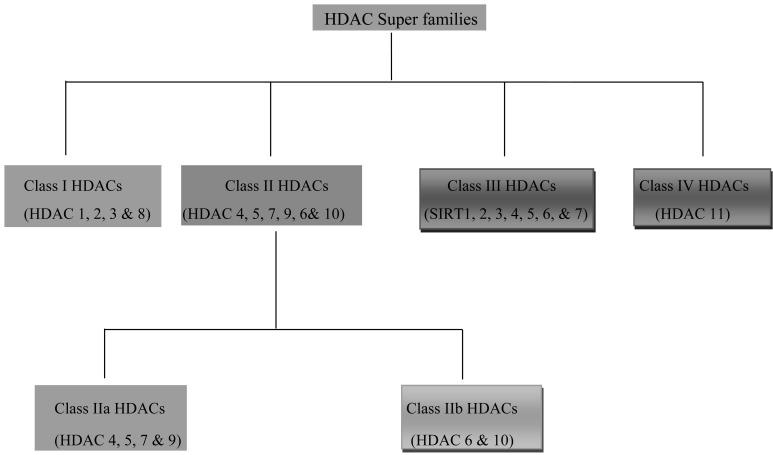
Neurodegenerative diseases are a group of pathological conditions that cause motor incordination (jerking movements), cognitive and memory impairments result from degeneration of neurons in a specific area of the brain. Oxidative stress, mitochondrial dysfunction, excitotoxicity, neuroinflammation, neurochemical imbalance and histone deacetylase enzymes (HDAC) are known to play a crucial role in neurodegeneration. HDAC is classified into four categories (class I, II, III and class IV) depending upon their location and functions. HDAC1 and 2 are involved in neurodegeneration, while HDAC3-11 and class III HDACs are beneficial as neuroprotective. HDACs are localized in different parts of the brain- HDAC1 (hippocampus and cortex), HDAC2 (nucleus), HDAC3, 4, 5, 7 and 9 (nucleus and cytoplasm), HDAC6 & HDAC7 (cytoplasm) and HDAC11 (Nucleus, cornus ammonis 1 and spinal cord). In pathological conditions, HDAC up-regulates glutamate, phosphorylation of tau, and glial fibrillary acidic proteins while down-regulating BDNF, Heat shock protein 70 and Gelsolin. Class III HDACs are divided into seven sub-classes (SIRT1-SIRT7). Sirtuins are localized in the different parts of the brain and neuron -Sirt1 (nucleus), Sirt2 (cortex, striatum, hippocampus and spinal cord), Sirt3 (mitochondria and cytoplasm), Sirt4, Sirt5 & Sirt6 (mitochondria), Sirt7 (nucleus) and Sirt8 (nucleolus). SIRTs (1, 3, 4, and 6) are involved in neuronal survival, proliferation and modulating stress response, and SIRT2 is associated with Parkinsonism, Huntington's disease and Alzheimer's disease, whereas SIRT6 is only associated with Alzheimer's disease. In this critical review, we have discussed the mechanisms and therapeutic targets of HDACs that would be beneficial for the management of neurodegenerative disorders.
Overview
The claims and statistics of this paper haven’t been checked yet.
Run the check — free, no account needed. It reads the open-access text and checks the sources it cites.
Integrity signals
Registry
Cites
Statistics
Figures
Verification
Claims the paper makes
The claims and statistics of this paper haven’t been checked yet.
Run the check — free, no account needed. It reads the open-access text and checks the sources it cites.
Claims other papers make about this one
Each is checked against this paper’s own text: does it say what the citing paper says it does?
The source backs part of the claim, not all of it — or backs it for a different population, condition or comparison.
In the citing paper
“HDAC inhibitors often display limited isoform selectivity and off-target activity, which constrains their translational potential in the nervous system (Kumar et al., 2022).”
From Histone modifications and depression: epigenetic mechanisms, therapeutic targets, and translational outlook (2026) · cites this paper as Kumar et al., 2022
Experimental — accuracy not yet measuredThe source backs part of the claim, not all of it — or backs it for a different population, condition or comparison.
In the citing paper
“HDAC6, a predominantly cytoplasmic deacetylase, regulates microtubule dynamics and autophagic flux (Kumar et al., 2022).”
From Histone modifications and depression: epigenetic mechanisms, therapeutic targets, and translational outlook (2026) · cites this paper as Kumar et al., 2022
Experimental — accuracy not yet measuredThe source backs part of the claim, not all of it — or backs it for a different population, condition or comparison.
In the citing paper
“HDAC inhibitors can enhance histone acetylation and ameliorate cognitive impairments in various AD models, and HDAC inhibition has been recognized as an attractive therapeutic strategy for AD [4, 5, 7].”
From CI-994 is a dual modulator of class I HDACs and Wnt/β-catenin signaling for the treatment of Alzheimer's disease (2026) · cites this paper as [7]
Experimental — accuracy not yet measuredThe cited source says what the claim attributes to it.
In the citing paper
“HDAC inhibitors also demonstrate anti-inflammatory and neuroprotective effects in neurodegenerative models by dampening inflammatory signaling and supporting synaptic and cognitive function (Morrison et al., 2006; Zhou et al., 2018; Kumar et al., 2022).”
From Histone modifications and depression: epigenetic mechanisms, therapeutic targets, and translational outlook (2026) · cites this paper as Kumar et al., 2022
The cited source says what the claim attributes to it.
In the citing paper
“while aberrant HDAC3 expression increases neuronal vulnerability (Kumar et al., 2022)”
From Histone modifications and depression: epigenetic mechanisms, therapeutic targets, and translational outlook (2026) · cites this paper as Kumar et al., 2022
The cited source says what the claim attributes to it.
In the citing paper
“The ability of HDAC inhibitors to improve behavioral outcomes through anti-inflammatory and neuroplastic mechanisms (Dai et al., 2021; Kumar et al., 2022)”
From Histone modifications and depression: epigenetic mechanisms, therapeutic targets, and translational outlook (2026) · cites this paper as Kumar et al., 2022
The cited source says what the claim attributes to it.
In the citing paper
“Growing evidence supports that epigenetic dysregulation through histone deacetylases (HDACs) plays a critical role in synaptic dysfunction and memory loss in Alzheimer’s disease”
From CI-994 is a dual modulator of class I HDACs and Wnt/β-catenin signaling for the treatment of Alzheimer's disease (2026) · cites this paper as [7]
The cited source says what the claim attributes to it.
In the citing paper
“HDAC inhibitors can enhance histone acetylation and ameliorate cognitive impairments in various AD models, and HDAC inhibition has been recognized as an attractive therapeutic strategy for AD [4, 5, 7].”
From CI-994 is a dual modulator of class I HDACs and Wnt/β-catenin signaling for the treatment of Alzheimer's disease (2026) · cites this paper as [7]
Self-check
Percentages, sums and reported differences re-computed from the paper’s own numbers.
The self-check needs the paper’s full text.
Citations
Cites
Regulation of chromatin by histone modifications
Bannister, A. J., & Kouzarides, T. (2011) · Cell Research · doi:10.1038/cr.2011.22 · Cited by 6,012
The tumour suppressor protein VHL targets hypoxia-inducible factors for oxygen-dependent proteolysis
Maxwell, P. H., Wiesener, M. S., Chang, G.-W., Clifford, S. C., Vaux, E. C., Cockman, M. E., Wykoff, C. C., Pugh, C. W., Maher, E. R., & Ratcliffe, P. J. (1999) · Nature · doi:10.1038/20459 · Cited by 5,180
Epidemiology of Parkinson's disease
de Lau, L. M., & Breteler, M. M. (2006) · The Lancet Neurology · doi:10.1016/s1474-4422(06)70471-9 · Cited by 4,110
Transcriptional silencing and longevity protein Sir2 is an NAD-dependent histone deacetylase
Imai, S.-I., Armstrong, C. M., Kaeberlein, M., & Guarente, L. (2000) · Nature · doi:10.1038/35001622 · Cited by 3,510
Autophagy and the Integrated Stress Response
Kroemer, G., Mariño, G., & Levine, B. (2010) · Molecular Cell · doi:10.1016/j.molcel.2010.09.023 · Cited by 3,506
Histone deacetylases (HDACs): characterization of the classical HDAC family
RUIJTER, A. J. M. D., GENNIP, A. H. V., CARON, H. N., KEMP, S., & KUILENBURG, A. B. P. V. (2003) · Biochemical Journal · doi:10.1042/bj20021321 · Cited by 3,114
Haberland, M., Montgomery, R. L., & Olson, E. N. (2008) · Nature Reviews Genetics · doi:10.1038/nrg2485 · Cited by 2,600
Erasers of Histone Acetylation: The Histone Deacetylase EnzymesPreprint
Seto, E., & Yoshida, M. (2014) · Cold Spring Harbor Perspectives in Biology · doi:10.1101/cshperspect.a018713 · Cited by 2,105
Calorie restriction promotes mammalian cell survival by inducing the SIRT1 deacetylase
Cohen, H. Y., Miller, C., Bitterman, K. J., Wall, N. R., Hekking, B., Kessler, B., Howitz, K. T., Gorospe, M., de Cabo, R., & Sinclair, D. A. (2004) · Science · doi:10.1126/science.1099196 · Cited by 1,924
Histone deacetylases and cancer: causes and therapies
Marks, P. A., Rifkind, R. A., Richon, V. M., Breslow, R., Miller, T., & Kelly, W. K. (2001) · Nature reviews. Cancer · doi:10.1038/35106079 · Cited by 1,866
Sirtuins in mammals: insights into their biological function
Michán, S., & Sinclair, D. A. (2007) · Biochemical Journal · doi:10.1042/bj20070140 · Cited by 1,750
Structures of a histone deacetylase homologue bound to the TSA and SAHA inhibitors
Finnin, M. S., Donigian, J. R., Cohen, A., Richon, V. M., Rifkind, R. A., Marks, P. A., Breslow, R., & Pavletich, N. P. (1999) · Nature · doi:10.1038/43710 · Cited by 1,714
HDAC2 negatively regulates memory formation and synaptic plasticity
Guan, J.-S., Haggarty, S. J., Giacometti, E., Dannenberg, J.-H., Joseph, N., Gao, J., Nieland, T. J. F., Zhou, Y., Wang, X., Mazitschek, R., et al. (2009) · Nature · doi:10.1038/nature07925 · Cited by 1,644
Genomic Instability and Aging-like Phenotype in the Absence of Mammalian SIRT6
Mostoslavsky, R., Chua, K. F., Lombard, D. B., Pang, W. W., Fischer, M. R., Gellon, L., Liu, P., Mostoslavsky, G., Franco, S., Murphy, M. M., et al. (2006) · Cell · doi:10.1016/j.cell.2005.11.044 · Cited by 1,637
Acetylation and deacetylation of non-histone proteins
Glozak, M. A., Sengupta, N., Zhang, X., & Seto, E. (2005) · Gene · doi:10.1016/j.gene.2005.09.010 · Cited by 1,584
The Sir2 Family of Protein Deacetylases
Blander, G., & Guarente, L. (2004) · Annual Review of Biochemistry · doi:10.1146/annurev.biochem.73.011303.073651 · Cited by 1,497
Retinoblastoma protein recruits histone deacetylase to repress transcription
Brehm, A., Miska, E. A., McCance, D. J., Reid, J. L., Bannister, A. J., & Kouzarides, T. (1998) · Nature · doi:10.1038/35404 · Cited by 1,231
Recovery of learning and memory is associated with chromatin remodelling
Fischer, A., Sananbenesi, F., Wang, X., Dobbin, M., & Tsai, L.-H. (2007) · Nature · doi:10.1038/nature05772 · Cited by 1,227
HDAC6 Regulates Hsp90 Acetylation and Chaperone-Dependent Activation of Glucocorticoid Receptor
Kovacs, J. J., Murphy, P. J. M., Gaillard, S., Zhao, X., Wu, J.-T., Nicchitta, C. V., Yoshida, M., Toft, D. O., Pratt, W. B., & Yao, T.-P. (2005) · Molecular Cell · doi:10.1016/j.molcel.2005.04.021 · Cited by 1,153
Wijesekera, L. C., & Leigh, P. N. (2009) · Orphanet Journal of Rare Diseases · doi:10.1186/1750-1172-4-3 · Cited by 1,130
Metals, oxidative stress and neurodegenerative disorders
Jomová, K., Vondráková, D., Lawson, M. K., & Valko, M. (2010) · Molecular and Cellular Biochemistry · doi:10.1007/s11010-010-0563-x · Cited by 1,074
Signal-dependent nuclear export of a histone deacetylase regulates muscle differentiation
McKinsey, T. A., Zhang, C., Lu, J., & Olson, E. N. (2000) · Nature · doi:10.1038/35040593 · Cited by 1,051
SIRT1 Functionally Interacts with the Metabolic Regulator and Transcriptional Coactivator PGC-1α
Nemoto, S., Fergusson, M. M., & Finkel, T. (2005) · Journal of Biological Chemistry · doi:10.1074/jbc.m501485200 · Cited by 1,047
An epigenetic blockade of cognitive functions in the neurodegenerating brain
Gräff, J., Rei, D., Guan, J.-S., Wang, W.-Y., Seo, J., Hennig, K. M., Nieland, T. J. F., Fass, D. M., Kao, P. F., Kahn, M., et al. (2012) · Nature · doi:10.1038/nature10849 · Cited by 853
Hockly, E., Richon, V. M., Woodman, B., Smith, D. L., Zhou, X., Rosa, E., Sathasivam, K., Ghazi‐Noori, S., Mahal, A., Lowden, P. A. S., et al. (2003) · Proceedings of the National Academy of Sciences · doi:10.1073/pnas.0437870100 · Cited by 847
CBP Histone Acetyltransferase Activity Is a Critical Component of Memory Consolidation
Korzus, E., Rosenfeld, M. G., & Mayford, M. (2004) · Neuron · doi:10.1016/j.neuron.2004.06.002 · Cited by 823
Dompierre, J. P., Godin, J. D., Charrin, B. C., Cordelières, F. P., King, S. J., Humbert, S., & Saudou, F. (2007) · The Journal of Neuroscience · doi:10.1523/jneurosci.0037-07.2007 · Cited by 792
Neurodegenerative disease: models, mechanisms, and a new hope
Gitler, A. D., Dhillon, P., & Shorter, J. (2017) · Disease Models & Mechanisms · doi:10.1242/dmm.030205 · Cited by 771
Three proteins define a class of human histone deacetylases related to yeast Hda1p
Grozinger, C. M., Hassig, C. A., & Schreiber, S. L. (1999) · Proceedings of the National Academy of Sciences · doi:10.1073/pnas.96.9.4868 · Cited by 770
Essential function of histone deacetylase 1 in proliferation control and CDK inhibitor repression
Lagger, G., O'Carroll, D., Rembold, M., Khier, H., Tischler, J., Weitzer, G., Schuettengruber, B., Hauser, C., Brunmeir, R., Jenuwein, T., et al. (2002) · The EMBO Journal · doi:10.1093/emboj/21.11.2672 · Cited by 760
Chronic Glutamate Toxicity in Neurodegenerative Diseases—What is the Evidence?
Lewerenz, J., & Maher, P. A. (2015) · Frontiers in Neuroscience · doi:10.3389/fnins.2015.00469 · Cited by 759
Gao, L., Cueto, M. A., Asselbergs, F., & Atadja, P. (2002) · Journal of Biological Chemistry · doi:10.1074/jbc.m111871200 · Cited by 744
HDAC-6 interacts with and deacetylates tubulin and microtubules in vivo
Zhang, Y., Li, N., Caron, C., Matthias, G., Hess, D., Khochbin, S., & Matthias, P. (2003) · The EMBO Journal · doi:10.1093/emboj/cdg115 · Cited by 740 · cited 12×
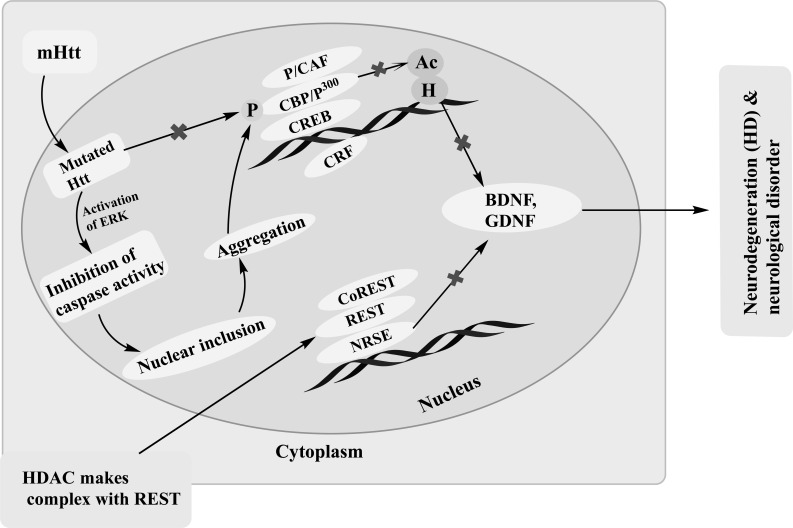
“Mut ated Htt Inhi bitio n of casp ase a ctivi ty Nucle ar inc lusion Aggr egati on CRE BC BP/P 300 P/CA F CR F P NRSE REST CoRE ST Ac H BDNF, GDNF Cytoplasm Nuc leus HDAC makes complex with REST mHtt Activa tion of ER K N eu ro de ge ne ra tio n (H D ) & ne ur ol og ic al d iso rd er Class Sub Class Modulat-or Sub Cel…”
BackgroundInfluentialHDAC6 Modulates Cell Motility by Altering the Acetylation Level of Cortactin
Zhang, X. M., Yuan, Z., Zhang, Y., Yong, S., Salas-Burgos, A., Koomen, J. M., Olashaw, N., Parsons, J. T., Yang, X., Dent, S., et al. (2007) · Molecular Cell · doi:10.1016/j.molcel.2007.05.033 · Cited by 731
Histone deacetylases 1 and 2 redundantly regulate cardiac morphogenesis, growth, and contractilityPreprint
Montgomery, R. L., Davis, C. A., Potthoff, M. J., Haberland, M., Fielitz, J., Qi, X., Hill, J. A., Richardson, J. A., & Olson, E. N. (2007) · Genes & Development · doi:10.1101/gad.1563807 · Cited by 726
HDAC6 and microtubules are required for autophagic degradation of aggregated huntingtin.
Iwata, A., Riley, B. E., Johnston, J. A., & Kopito, R. R. (2005) · Journal of Biological Chemistry · doi:10.1074/jbc.m508786200 · Cited by 719
Histone Deacetylase Inhibitors in Clinical Studies as Templates for New Anticancer Agents
Mottamal, M., Zheng, S., Huang, T. L., & Wang, G. (2015) · Molecules · doi:10.3390/molecules20033898 · Cited by 698
Multiple roles of HDAC inhibition in neurodegenerative conditions
Chuang, D.-M., Leng, Y., Marinova, Z., Kim, H.-J., & Chiu, C.-T. (2009) · Trends in Neurosciences · doi:10.1016/j.tins.2009.06.002 · Cited by 676
Mammalian Sir2 homolog SIRT7 is an activator of RNA polymerase I transcription
Ford, E., Voit, R., Liszt, G., Magin, C., Grummt, I., & Guarente, L. (2006) · Genes & Development · doi:10.1101/gad.1399706 · Cited by 629
The SMRT and N-CoR Corepressors Are Activating Cofactors for Histone Deacetylase 3
Guenther, M. G., Barak, O., & Lazar, M. A. (2001) · Molecular and Cellular Biology · doi:10.1128/mcb.21.18.6091-6101.2001 · Cited by 611
Substrates and regulation mechanisms for the human mitochondrial sirtuins Sirt3 and Sirt5
Schlicker, C., Gertz, M., Papatheodorou, P., Kachholz, B., Becker, C. F. W., & Steegborn, C. (2008) · Journal of Molecular Biology · doi:10.1016/j.jmb.2008.07.048 · Cited by 531
HDAC3 Is a Critical Negative Regulator of Long-Term Memory Formation
McQuown, S. C., Barrett, R. M., Matheos, D. P., Post, R. J., Rogge, G. A., Alenghat, T., Mullican, S. E., Jones, S., Rusche, J. R., Lazar, M. A., et al. (2011) · The Journal of Neuroscience · doi:10.1523/jneurosci.5052-10.2011 · Cited by 507
SIRT1 in Neurodevelopment and Brain Senescence
Herskovits, A. Z., & Guarente, L. (2014) · Neuron · doi:10.1016/j.neuron.2014.01.028 · Cited by 504
Mitochondrial Sirtuin 3: New emerging biological function and therapeutic target
Zhang, J., Xiang, H., Liu, J., Chen, Y., He, R.-R., & Liu, B. (2020) · Theranostics · doi:10.7150/thno.45922 · Cited by 503
Chronic quinolinic acid lesions in rats closely resemble Huntington's disease
Beal, M. F., Ferrante, R. J., Swartz, K., & Kowall, N. W. (1991) · Journal of Neuroscience · doi:10.1523/jneurosci.11-06-01649.1991 · Cited by 499
Calorie restriction and sirtuins revisited
Guarente, L. (2013) · Genes & Development · doi:10.1101/gad.227439.113 · Cited by 464
Gárdián, G., Browne, S. E., Choi, D., Klivènyi, P., Gregorio, J., Kubilus, J. K., Ryu, H., Langley, B. C., Ratan, R. R., Ferrante, R. J., et al. (2004) · Journal of Biological Chemistry · doi:10.1074/jbc.m410210200 · Cited by 456
MEF2C Transcription Factor Controls Chondrocyte Hypertrophy and Bone Development
Arnold, M., Kim, Y., Czubryt, M. P., Phan, D., McAnally, J., Qi, X., Shelton, J. M., Richardson, J. A., Bassel‐Duby, R., & Olson, E. N. (2007) · Developmental Cell · doi:10.1016/j.devcel.2007.02.004 · Cited by 456
Yang, W., Yao, Y., Sun, J.-M., Davie, J., & Seto, E. (1997) · Journal of Biological Chemistry · doi:10.1074/jbc.272.44.28001 · Cited by 433
Class II Histone Deacetylases: from Sequence to Function, Regulation, and Clinical Implication
Yang, X., & Grégoire, S. (2005) · Molecular and Cellular Biology · doi:10.1128/mcb.25.8.2873-2884.2005 · Cited by 428
SIRT1 and SIRT2: emerging targets in neurodegeneration
Dönmez, G., & Outeiro, T. F. (2013) · EMBO Molecular Medicine · doi:10.1002/emmm.201302451 · Cited by 419
Green, K. N., Steffan, J. S., Martinez-Coria, H., Sun, X., Schreiber, S. S., Thompson, L. M., & LaFerla, F. M. (2008) · The Journal of Neuroscience · doi:10.1523/jneurosci.3203-08.2008 · Cited by 404
Distinguishing Alzheimer’s disease from other major forms of dementia
Karantzoulis, S., & Galvin, J. E. (2011) · Expert Review of Neurotherapeutics · doi:10.1586/ern.11.155 · Cited by 385 · cited 1×
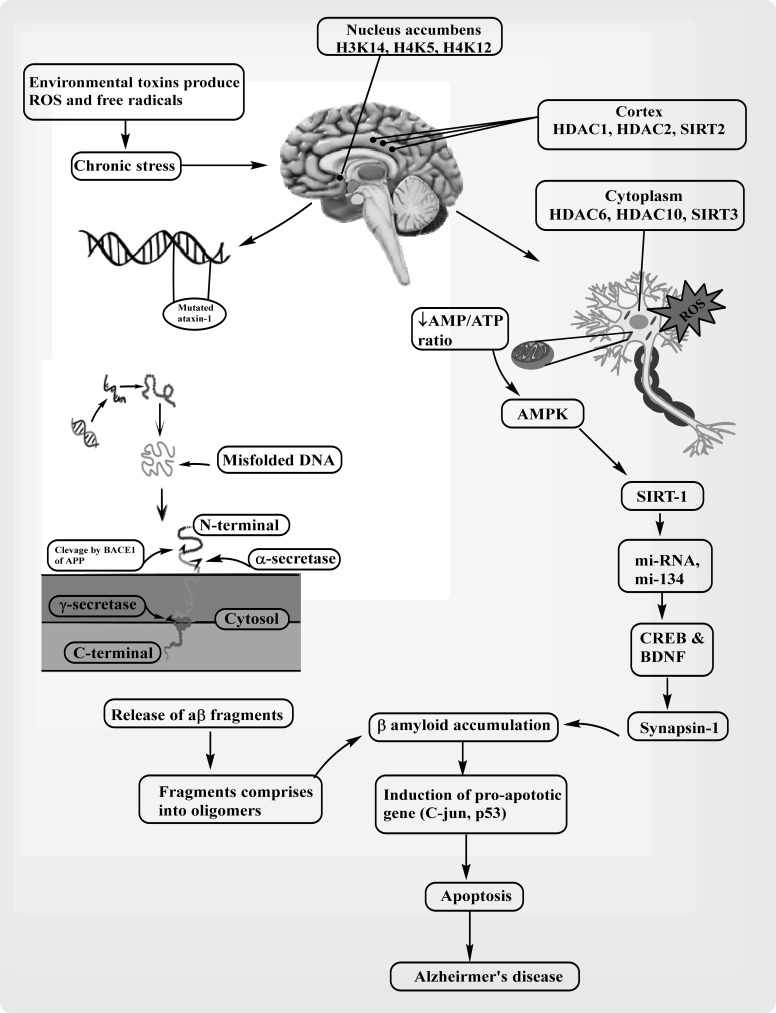
“Neurofibrillary tangles (NFTs), insoluble βamyloid (Aβ) plaque and neuron loss are the reasons behind AD [125].”
BackgroundEffects of low dose quercetin: Cancer cell‐specific inhibition of cell cycle progression
Jeong, J., An, J. Y., Kwon, Y. T., Rhee, J. G., & Lee, Y. J. (2008) · Journal of Cellular Biochemistry · doi:10.1002/jcb.21977 · Cited by 379
Jeong, H., Cohen, D. E., Cui, L., Supinski, A., Savas, J. N., Mazzulli, J. R., Yates, J. R., Bordone, L., Guarente, L., & Krainc, D. (2011) · Nature Medicine · doi:10.1038/nm.2559 · Cited by 378
HDAC6 inhibition reverses axonal transport defects in motor neurons derived from FUS-ALS patients
Guo, W., Naujock, M., Fumagalli, L., Vandoorne, T., Baatsen, P., Boon, R., Ordovás, L., Patel, A., Welters, M., Vanwelden, T., et al. (2017) · Nature Communications · doi:10.1038/s41467-017-00911-y · Cited by 373
Qiao, Y., Sun, J., Xia, S., Tang, X., Shi, Y., & Le, G. (2014) · Food & Function · doi:10.1039/c3fo60630a · Cited by 367
Alzheimer's Disease and Mild Cognitive Impairment
Kelley, B. J., & Petersen, R. C. (2007) · Neurologic Clinics · doi:10.1016/j.ncl.2007.03.008 · Cited by 335
Wade, P. A. (2001) · Human Molecular Genetics · doi:10.1093/hmg/10.7.693 · Cited by 330
Injury-Induced HDAC5 Nuclear Export Is Essential for Axon Regeneration
Cho, Y., Sloutsky, R., Naegle, K. M., & Cavalli, V. (2013) · Cell · doi:10.1016/j.cell.2013.10.004 · Cited by 327
HDAC6 is a target for protection and regeneration following injury in the nervous system
Rivieccio, M. A., Brochier, C., Willis, D. E., Walker, B. A., D'Annibale, M. A., McLaughlin, K., Siddiq, A., Kozikowski, A. P., Jaffrey, S. R., Twiss, J. L., et al. (2009) · Proceedings of the National Academy of Sciences · doi:10.1073/pnas.0907935106 · Cited by 322
Wu, X., Chen, P. S., Dallas, S., Wilson, B. C., Block, M. L., Wang, C.-C., Kinyamu, H. K., Lu, N. Z., Gao, X., Leng, Y., et al. (2008) · The International Journal of Neuropsychopharmacology · doi:10.1017/s1461145708009024 · Cited by 318
Nonhistone protein acetylation as cancer therapy targets
Singh, B. N., Zhang, G., Hwa, Y. L., Li, J., Dowdy, S. C., & Jiang, S. (2010) · Expert Review of Anticancer Therapy · doi:10.1586/era.10.62 · Cited by 315
Shukla, S., & Tekwani, B. L. (2020) · Frontiers in Pharmacology · doi:10.3389/fphar.2020.00537 · Cited by 314
Hu, E., Chen, Z., Fredrickson, T., Zhu, Y., Kirkpatrick, R., Zhang, G.-F., Johanson, K., Sung, C.-M., Liu, R., & Winkler, J. (2000) · Journal of Biological Chemistry · doi:10.1074/jbc.m908988199 · Cited by 309
Neuronal activity‐dependent nucleocytoplasmic shuttling of HDAC4 and HDAC5
Chawla, S., Vanhoutte, P., Arnold, F. J. L., Huang, C. L.-H., & Bading, H. (2003) · Journal of Neurochemistry · doi:10.1046/j.1471-4159.2003.01648.x · Cited by 304
Mitochondrial dysfunction in neurodegenerative diseases and the potential countermeasure
Wang, Y., Xu, E., Musich, P. R., & Lin, F. (2019) · CNS Neuroscience & Therapeutics · doi:10.1111/cns.13116 · Cited by 298
HDAC8: a multifaceted target for therapeutic interventions
Chakrabarti, A., Oehme, I., Witt, O., Oliveira, G., Sippl, W., Romier, C., Pierce, R. J., & Jung, M. (2015) · Trends in Pharmacological Sciences · doi:10.1016/j.tips.2015.04.013 · Cited by 284
Class II histone deacetylases: Structure, function, and regulation
Bertos, N., Wang, A. H., & Yang, X.-J. (2001) · Biochemistry and Cell Biology · doi:10.1139/o01-032 · Cited by 278
HDAC4 Governs a Transcriptional Program Essential for Synaptic Plasticity and Memory
Sando, R., Gounko, N., Pieraut, S., Liao, L., Yates, J., & Maximov, A. (2012) · Cell · doi:10.1016/j.cell.2012.09.037 · Cited by 274
Li, W., Zhang, B., Tang, J., Cao, Q., Wu, Y., Wu, C. A., Guo, J., Ling, E., & Liang, F. (2007) · Journal of Neuroscience · doi:10.1523/jneurosci.4181-06.2007 · Cited by 266
Negative and Positive Regulation of Gene Expression by Mouse Histone Deacetylase 1
Zupkovitz, G., Tischler, J., Posch, M., Sadzak, I., Ramsauer, K., Egger, G., Grausenburger, R., Schweifer, N., Chiocca, S., Decker, T., et al. (2006) · Molecular and Cellular Biology · doi:10.1128/mcb.01220-06 · Cited by 262
Functional Domains of Histone Deacetylase-3
Yang, W., Tsai, S., Wen, Y., Fejér, G., & Seto, E. (2002) · Journal of Biological Chemistry · doi:10.1074/jbc.m105993200 · Cited by 256
Cloning and characterization of a histone deacetylase, HDAC9
Zhou, X., Marks, P. A., Rifkind, R. A., & Richon, V. M. (2001) · Proceedings of the National Academy of Sciences · doi:10.1073/pnas.191375098 · Cited by 254
Molecular Cloning and Characterization of a Novel Histone Deacetylase HDAC10
Guardiola, A. R., & Yao, T.-P. (2002) · Journal of Biological Chemistry · doi:10.1074/jbc.m109861200 · Cited by 253
An Essential Role for Histone Deacetylase 4 in Synaptic Plasticity and Memory Formation
Kim, M.-S., Akhtar, M. W., Adachi, M., Mahgoub, M., Bassel-Duby, R., Kavalali, E. T., Olson, E. N., & Monteggia, L. M. (2012) · The Journal of Neuroscience · doi:10.1523/jneurosci.2089-12.2012 · Cited by 235
Human HDAC7 Histone Deacetylase Activity Is Associated with HDAC3in Vivo
Fischle, W., Dequiedt, F., Fillion, M., Hendzel, M. J., Voelter, W., & Verdin, E. (2001) · Journal of Biological Chemistry · doi:10.1074/jbc.m104935200 · Cited by 232
Mechanism for Nucleocytoplasmic Shuttling of Histone Deacetylase 7
Kao, H., Verdel, A., Tsai, C., Simon, C. M., Juguilon, H., & Khochbin, S. (2001) · Journal of Biological Chemistry · doi:10.1074/jbc.m107631200 · Cited by 226
Energy deficit in Huntington disease: why it matters
Mochel, F., & Haller, R. G. (2011) · Journal of Clinical Investigation · doi:10.1172/jci45691 · Cited by 220
Sirtuins in glucose and lipid metabolism
Ye, X., Li, M., Hou, T., Gao, T., Zhu, W., & Yang, Y. (2016) · Oncotarget · doi:10.18632/oncotarget.12157 · Cited by 219
Targeting HDACs: A Promising Therapy for Alzheimer's Disease
Xu, K., Dai, X., Huang, H., & Jiang, Z.-F. (2011) · Oxidative Medicine and Cellular Longevity · doi:10.1155/2011/143269 · Cited by 218
Yamaguchi, M., Tonou‐Fujimori, N., Komori, A., Maeda, R., Nojima, Y., Li, H., Okamoto, H., & Masai, I. (2005) · Development · doi:10.1242/dev.01881 · Cited by 214
Protective effects and mechanisms of sirtuins in the nervous system
Zhang, F., Wang, S., Gan, L., Vosler, P. S., Gao, Y., Zigmond, M. J., & Chen, J. (2011) · Progress in Neurobiology · doi:10.1016/j.pneurobio.2011.09.001 · Cited by 211
An overview of Sirtuins as potential therapeutic target: Structure, function and modulators
Wang, Y., He, J., Liao, M., Hu, M., Li, W., Ouyang, H., Wang, X., Ye, T., Zhang, Y., & Ouyang, L. (2018) · European Journal of Medicinal Chemistry · doi:10.1016/j.ejmech.2018.10.028 · Cited by 210
Spinal muscular atrophy: mechanisms and therapeutic strategies
Lorson, C. L., Rindt, H., & Shababi, M. (2010) · Human Molecular Genetics · doi:10.1093/hmg/ddq147 · Cited by 209 · cited 1×
“Mutation in the SMN1 gene (survival motor neuron-1) causes fatal motor neuron and autosomal recessive disease by the duplication of SMN locus and SMN2 gene (SMN2), however, SMN1 is also coded by the SMN protein [48].”
BackgroundDatta, M., Staszewski, O., Raschi, E., Frosch, M., Hagemeyer, N., Tay, T. L., Blank, T., Kreutzfeldt, M., Merkler, D., Ziegler-Waldkirch, S., et al. (2018) · Immunity · doi:10.1016/j.immuni.2018.02.016 · Cited by 206
HDAC5 is a novel injury‐regulated tubulin deacetylase controlling axon regeneration
Cho, Y., & Cavalli, V. (2012) · The EMBO Journal · doi:10.1038/emboj.2012.160 · Cited by 204
Cloning and characterization of a novel human histone deacetylase, HDAC8
BUGGY, J. J., SIDERIS, M. L., MAK, P., LORIMER, D. D., MCINTOSH, B., & CLARK, J. M. (2000) · Biochemical Journal · doi:10.1042/bj3500199 · Cited by 197
Singh, P., Hanson, P. S., & Morris, C. M. (2017) · BMC Neuroscience · doi:10.1186/s12868-017-0364-1 · Cited by 193
Bournival, J., Quessy, P., & Martinoli, M. (2009) · Cellular and Molecular Neurobiology · doi:10.1007/s10571-009-9411-5 · Cited by 182
Parbin, S., Kar, S., Shilpi, A., Sengupta, D., Deb, M., Rath, S. K., & Patra, S. K. (2013) · Journal of Histochemistry & Cytochemistry · doi:10.1369/0022155413506582 · Cited by 174
Jia, H., Pallos, J., Jacques, V., Lau, A., Tang, B., Cooper, A. C., Syed, A., Purcell, J. M., Chen, Y., Sharma, S., et al. (2012) · Neurobiology of Disease · doi:10.1016/j.nbd.2012.01.016 · Cited by 173
Dequiedt, F., Lint, J. V., Lecomte, E., Duppen, V. V., Seufferlein, T. T. W., Vandenheede, J. R., Wattiez, R., & Kettmann, R. (2005) · The Journal of Experimental Medicine · doi:10.1084/jem.20042034 · Cited by 171
Lang, C., Campbell, K. R., Ryan, B. J., Carling, P. J., Attar, M., Vowles, J., Perestenko, O. V., Bowden, R. J., Baig, F., Kasten, M., et al. (2018) · Cell stem cell · doi:10.1016/j.stem.2018.10.023 · Cited by 169
Chromatin regulation and genome maintenance by mammalian SIRT6
Tennen, R. I., & Chua, K. F. (2010) · Trends in Biochemical Sciences · doi:10.1016/j.tibs.2010.07.009 · Cited by 167
Neuroprotective Functions for the Histone Deacetylase SIRT6
Kaluski, S., Portillo, M., Besnard, A., Stein, D., Einav, M., Zhong, L., Ueberham, U., Arendt, T., Mostoslavsky, R., Sahay, A., et al. (2017) · Cell Reports · doi:10.1016/j.celrep.2017.03.008 · Cited by 167
Selective Toxicity by HDAC3 in Neurons: Regulation by Akt and GSK3β
Bardai, F. H., & D’Mello, S. R. (2011) · Journal of Neuroscience · doi:10.1523/jneurosci.5704-10.2011 · Cited by 164
The role of histone acetylation in SMN gene expression
Kernochan, L. E., Russo, M. L., Woodling, N. S., Huynh, T. N., Avila, A. M., Fischbeck, K. H., & Sumner, C. J. (2005) · Human Molecular Genetics · doi:10.1093/hmg/ddi130 · Cited by 164
HDAC1 and HDAC2 control the transcriptional program of myelination and the survival of Schwann cells
Jacob, C., Christen, C. N., Pereira, J. A., Somandin, C., Baggiolini, A., Lötscher, P., Özçelik, M., Tricaud, N., Meijer, D., Yamaguchi, T., et al. (2011) · Nature Neuroscience · doi:10.1038/nn.2762 · Cited by 161
Phase 2 study of sodium phenylbutyrate in ALS
Cudkowicz, M., Andres, P. L., MacDonald, S., Bedlack, R., Choudry, R., Brown, R. H., Jr., Zhang, H., Schoenfeld, D., Shefner, J. M., Matson, S. A., et al. (2008) · Amyotrophic Lateral Sclerosis · doi:10.1080/17482960802320487 · Cited by 154
Role of Histone Acetylation in the Assembly and Modulation of Chromatin Structures
Annunziato, A. T., & Hansen, J. C. (2001) · Gene Expression · doi:10.3727/000000001783992687 · Cited by 152
Mechanisms and disease implications of sirtuin-mediated autophagic regulation
Lee, I. H. (2019) · Experimental & Molecular Medicine · doi:10.1038/s12276-019-0302-7 · Cited by 151
HDAC4 inhibits cell‐cycle progression and protects neurons from cell death
Majdzadeh, N., Wang, L., Morrison, B. E., Bassel‐Duby, R., Olson, E. N., & D’Mello, S. R. (2008) · Developmental Neurobiology · doi:10.1002/dneu.20637 · Cited by 135
Histone deacetylase 3 (hdac3) is specifically required for liver development in zebrafish
Farooq, M., Sulochana, K. N., Pan, X., To, J., Sheng, D., Gong, Z., & Ge, R. (2008) · Developmental Biology · doi:10.1016/j.ydbio.2008.02.034 · Cited by 134
Liu, L., Peritore, C., Rogers, J. G., Shih, J., Arun, S., & Dönmez, G. (2014) · Behavioural Brain Research · doi:10.1016/j.bbr.2014.12.035 · Cited by 128
HDAC inhibitors and neurodegeneration: At the edge between protection and damage
Dietz, K. C., & Casaccia, P. (2010) · Pharmacological Research · doi:10.1016/j.phrs.2010.01.011 · Cited by 128
Loss of HDAC5 Impairs Memory Function: Implications for Alzheimer's Disease
Agís‐Balboa, R. C., Pavelka, Z., Kerimoglu, C., & Fischer, A. (2012) · Journal of Alzheimer s Disease · doi:10.3233/jad-2012-121009 · Cited by 127
Li, J., Lin, Q., Wang, W., Wade, P. A., & Wong, J. (2002) · Genes & Development · doi:10.1101/gad.962502 · Cited by 126
Sirtuins in neurodegenerative diseases: an update on potential mechanisms
Min, S., Sohn, P., Cho, S.-H., Swanson, R. A., & Gan, L. (2013) · Frontiers in Aging Neuroscience · doi:10.3389/fnagi.2013.00053 · Cited by 124
Sirt2 functions in spindle organization and chromosome alignment in mouse oocyte meiosis
Zhang, L. N., Hou, X., Ma, R., Moley, K. H., Schedi, T., & Wang, Q. (2013) · The FASEB Journal · doi:10.1096/fj.13-244111 · Cited by 123
Reuter, I., Tai, Y., Pavese, N., Chaudhuri, К. R., Mason, S., Polkey, C. E., Clough, C., Brooks, D. J., Barker, R., & Piccini, P. P. (2008) · Journal of Neurology Neurosurgery & Psychiatry · doi:10.1136/jnnp.2007.142380 · Cited by 122
Wu, L., Wang, X., Li, L., Zhao, Y., Lu, S., Yu, Y., Zhou, W., Liu, X., Yang, J., Zheng, Z., et al. (2008) · Molecular and Cellular Biology · doi:10.1128/mcb.01516-07 · Cited by 122
Jia, H., Morris, C. D., Williams, R. M., Loring, J. F., & Thomas, E. A. (2014) · Proceedings of the National Academy of Sciences · doi:10.1073/pnas.1415195112 · Cited by 119
SIRT3 Regulation of Mitochondrial Quality Control in Neurodegenerative Diseases
Meng, H., Yan, W.-Y., Lei, Y.-H., Wan, Z., Hou, Y.-Y., Sun, L., & Zhou, J.-P. (2019) · Frontiers in Aging Neuroscience · doi:10.3389/fnagi.2019.00313 · Cited by 113
Mielcarek, M., Zielonka, D., Carnemolla, A., Marcinkowski, T., & Guidez, F. (2015) · Frontiers in Cellular Neuroscience · doi:10.3389/fncel.2015.00042 · Cited by 111
Histone deacetylase 3 localizes to the plasma membrane and is a substrate of Src
Longworth, M. S., & Laimins, L. A. (2006) · Oncogene · doi:10.1038/sj.onc.1209473 · Cited by 110
SIRT3 and mitochondrial metabolism in neurodegenerative diseases
Salvatori, I., Valle, C., Ferri, A., & Carrì, M. T. (2017) · Neurochemistry International · doi:10.1016/j.neuint.2017.04.012 · Cited by 110
Genetic dissection of histone deacetylase requirement in tumor cells
Haberland, M., Johnson, A., Mokalled, M. H., Montgomery, R. L., & Olson, E. N. (2009) · Proceedings of the National Academy of Sciences · doi:10.1073/pnas.0903139106 · Cited by 109
Neuroprotection by histone deacetylase-related protein
Morrison, B. E., Majdzadeh, N., Zhang, X., Lyles, A., Bassel-Duby, R., Olson, E. N., & D'Mello, S. R. (2006) · Molecular and Cellular Biology · doi:10.1128/mcb.26.9.3550-3564.2006 · Cited by 100
Modeling dyskinesia in animal models of Parkinson disease
Morin, N., Jourdain, V. A., & Paolo, T. D. (2013) · Experimental Neurology · doi:10.1016/j.expneurol.2013.01.024 · Cited by 97
Wang, C., & Wei, Y. (2020) · International Journal of Molecular Sciences · doi:10.3390/ijms21155266 · Cited by 97
Sirtuins and DNA damage repair: SIRT7 comes to play
Vázquez, B. N., Thackray, J. K., & Serrano, L. (2017) · Nucleus · doi:10.1080/19491034.2016.1264552 · Cited by 96
Rossaert, E., Pollari, E., Jaspers, T., Van Helleputte, L., Jarpe, M., Van Damme, P., De Bock, K., Moisse, M., & Van Den Bosch, L. (2019) · Acta Neuropathologica Communications · doi:10.1186/s40478-019-0750-2 · Cited by 93
Rumbaugh, G., Daws, S. E., Ozkan, E. D., Rojas, C. S., Hubbs, C. R., Aceti, M., Kilgore, M., Kudugunti, S., Puthanveettil, S. V., Sweatt, J. D., et al. (2015) · Neuropsychopharmacology · doi:10.1038/npp.2015.93 · Cited by 89
Lu, J., Frerich, J. M., Turtzo, L. C., Li, S., Chiang, J. Y., Yang, C., Wang, X., Zhang, C., Wu, C., Sun, Z., et al. (2013) · Proceedings of the National Academy of Sciences · doi:10.1073/pnas.1308950110 · Cited by 89
Cacabelos, R., Carril, J. C., Cacabelos, N., Kazantsev, A. G., Vostrov, A. A., Corzo, L., Cacabelos, P., & Goldgaber, D. (2019) · International Journal of Molecular Sciences · doi:10.3390/ijms20051249 · Cited by 87
Suh, H.-S., Choi, S., Khattar, P., Choi, N., & Lee, S. C. (2010) · Journal of Neuroimmune Pharmacology · doi:10.1007/s11481-010-9192-0 · Cited by 86
Obesity, Insulin Resistance, and Alzheimer's Disease
Hildreth, K. L., Van Pelt, R. E., & Schwartz, R. S. (2012) · Obesity · doi:10.1038/oby.2012.19 · Cited by 86
Zhou, H., Cai, Y., Liu, D., Li, M., Sha, Y., Zhang, W., Wang, K., Gong, J., Tang, N., Huang, A., et al. (2018) · Cell Proliferation · doi:10.1111/cpr.12447 · Cited by 85
Emerging Role of Sirtuin 2 in Parkinson’s Disease
Liu, Y., Zhang, Y., Zhu, K., Chi, S., Wang, C., & Xie, A. (2020) · Frontiers in Aging Neuroscience · doi:10.3389/fnagi.2019.00372 · Cited by 84
Ma, C., & D’Mello, S. R. (2010) · Journal of Biological Chemistry · doi:10.1074/jbc.m110.146860 · Cited by 83
Suelves, N., Kirkham-McCarthy, L., Lahue, R. S., & Ginés, S. (2017) · Scientific Reports · doi:10.1038/s41598-017-05125-2 · Cited by 83
CD4+ T cell lineage integrity is controlled by the histone deacetylases HDAC1 and HDAC2
Boucheron, N., Tschismarov, R., Göschl, L., Moser, M., Lagger, S., Sakaguchi, S., Winter, M., Lenz, F., Vitko, D., Breitwieser, F. P., et al. (2014) · Nature Immunology · doi:10.1038/ni.2864 · Cited by 82
The Histone Deacetylase HDAC4 Regulates Long-Term Memory in Drosophila
Fitzsimons, H. L., Schwartz, S., Given, F. M., & Scott, M. J. (2013) · PLoS ONE · doi:10.1371/journal.pone.0083903 · Cited by 78
Complex neuroprotective and neurotoxic effects of histone deacetylases
Thomas, E. A., & D’Mello, S. R. (2018) · Journal of Neurochemistry · doi:10.1111/jnc.14309 · Cited by 76
Regulation of Immune Responses by Histone Deacetylase Inhibitors
Licciardi, P. V., & Karagiannis, T. C. (2012) · ISRN Hematology · doi:10.5402/2012/690901 · Cited by 75
Simone, A. D., & Milelli, A. (2019) · ChemMedChem · doi:10.1002/cmdc.201900174 · Cited by 74
Naia, L., Carmo, C., Campesan, S., Fão, L., Cotton, V. E., Valero, J., Lopes, C., Rosenstock, T. R., Giorgini, F., & Rego, A. C. (2020) · Free Radical Biology and Medicine · doi:10.1016/j.freeradbiomed.2020.11.031 · Cited by 74
Chandramowlishwaran, P., Vijay, A., Abraham, D., Li, G., Mwangi, S. M., & Srinivasan, S. (2020) · Frontiers in Neuroscience · doi:10.3389/fnins.2020.614331 · Cited by 74
SIRT4 and Its Roles in Energy and Redox Metabolism in Health, Disease and During Exercise
Han, Y., Zhou, S., Coetzee, S., & Chen, A. (2019) · Frontiers in Physiology · doi:10.3389/fphys.2019.01006 · Cited by 72
The role of sirtuins in Alzheimer's disease
Lalla, R., & Dönmez, G. (2013) · Frontiers in Aging Neuroscience · doi:10.3389/fnagi.2013.00016 · Cited by 71
HDAC inhibitor trichostatin A-inhibited survival of dopaminergic neuronal cells
Wang, Y., Wang, X., Liu, L., & Wang, X. (2009) · Neuroscience Letters · doi:10.1016/j.neulet.2009.10.037 · Cited by 71
SIRT3 Acts as a Neuroprotective Agent in Rotenone-Induced Parkinson Cell Model
Zhang, J., Deng, Y., Zhang, M., Su, H., & Qu, Q. (2016) · Neurochemical Research · doi:10.1007/s11064-016-1892-2 · Cited by 70
Sadri‐Vakili, G., & Cha, J.-H. J. (2006) · Current Alzheimer Research · doi:10.2174/156720506778249407 · Cited by 68
The histone deacetylase HDAC3 targets RbAp48 to the retinoblastoma protein
Nicolas, E. (2001) · Nucleic Acids Research · doi:10.1093/nar/29.15.3131 · Cited by 68
Durham, B. S., Grigg, R., & Wood, I. C. (2017) · Journal of Neurochemistry · doi:10.1111/jnc.14144 · Cited by 67
Benn, C., Butler, R. K., Mariner, L., Nixon, J., Moffitt, H., Mielcarek, M., Woodman, B., & Bates, G. P. (2009) · PLoS ONE · doi:10.1371/journal.pone.0005747 · Cited by 66
Sirtuins, brain and cognition: A review of resveratrol effects
Moraes, D. S., Moreira, D. C., Andrade, J. M. O., & Santos, S. H. S. (2020) · IBRO Reports · doi:10.1016/j.ibror.2020.06.004 · Cited by 65
The tale of histone modifications and its role in multiple sclerosis
He, H., Hu, Z., Han, X., Zhou, F., & Yang, B. (2018) · Human Genomics · doi:10.1186/s40246-018-0163-5 · Cited by 61
Pigna, E., Simonazzi, E., Sanna, K., Bernadzki, K. M., Proszynski, T., Heil, C., Palacios, D., Adamo, S., & Moresi, V. (2019) · EBioMedicine · doi:10.1016/j.ebiom.2019.01.038 · Cited by 61
Cell coupling modulates the contraction of fibroblast-populated collagen lattices
Ehrlich, H. P., Gabbiani, G., & Meda, P. (2000) · Journal of Cellular Physiology · doi:10.1002/(sici)1097-4652(200007)184:1 · Cited by 59
Harrison, I. F., Powell, N. M., & Dexter, D. T. (2018) · Journal of Neurochemistry · doi:10.1111/jnc.14599 · Cited by 59
Sun, X.-Y., Zheng, T., Yang, X., Liu, L., Gao, S.-S., Xu, H.-B., Song, Y.-T., Tong, K., Yang, L., Gao, Y., et al. (2019) · Journal of Neuroinflammation · doi:10.1186/s12974-019-1640-z · Cited by 59
Loss of SIRT 4 decreases GLT ‐1‐dependent glutamate uptake and increases sensitivity to kainic acid
Shih, J., Liu, L., Mason, A., Higashimori, H., & Dönmez, G. (2014) · Journal of Neurochemistry · doi:10.1111/jnc.12942 · Cited by 54
Targeting Sirtuin-1 in Huntington’s Disease: Rationale and Current Status
Duan, W. (2013) · CNS Drugs · doi:10.1007/s40263-013-0055-0 · Cited by 54
Zhu, Y., Huang, M., Bushong, E. A., Phan, S., Uytiepo, M., Beutter, E., Boemer, D., Tsui, K. C., Ellisman, M. H., & Maximov, A. (2019) · Nature Communications · doi:10.1038/s41467-019-11409-0 · Cited by 54
Kuta, R., Larochelle, N., Fernandez, M., Pal, A., Minotti, S., Tibshirani, M., Louis, K. S., Gentil, B. J., Nalbantoglu, J. N., Hermann, A., et al. (2020) · Cell Stress and Chaperones · doi:10.1007/s12192-019-01064-1 · Cited by 54
Pirooznia, S. K., & Elefant, F. (2013) · Frontiers in Cellular Neuroscience · doi:10.3389/fncel.2013.00030 · Cited by 53
Lebrun-Julien, F., & Suter, U. (2015) · ASN NEURO · doi:10.1177/1759091415593066 · Cited by 53
Histone deacetylases as targets for the treatment of human neurodegenerative diseases
D’Mello, S. R. (2009) · Drug News & Perspectives · doi:10.1358/dnp.2009.22.9.1437959 · Cited by 53
Thomas, E. A. (2014) · Pharmaceuticals · doi:10.3390/ph7060634 · Cited by 52
Structure-Based Identification of HDAC8 Non-histone Substrates
Alam, N., Zimmerman, L., Wolfson, N. A., Joseph, C. G., Fierke, C. A., & Schueler‐Furman, O. (2016) · Structure · doi:10.1016/j.str.2016.02.002 · Cited by 51
The role of histone deacetylase 6 in synaptic plasticity and memory
Perry, S., Kiragasi, B., Dickman, D., & Ray, A. (2017) · Cell Reports · doi:10.1016/j.celrep.2017.01.028 · Cited by 49
Monoaminergic and Neuropeptidergic Neurons Have Distinct Expression Profiles of Histone Deacetylases
Takase, K., Oda, S., Kuroda, M., & Funato, H. (2013) · PLoS ONE · doi:10.1371/journal.pone.0058473 · Cited by 47
Class IIA HDACs in the regulation of neurodegeneration
Majdzadeh, N. (2007) · Frontiers in bioscience · doi:10.2741/2745 · Cited by 44
Fan, B., Lu, K., Sutandy, F. X. R., Chen, Y.-W., Konan, K. V., Zhu, H., Kao, C. C., & Chen, C. (2013) · Molecular & Cellular Proteomics · doi:10.1074/mcp.m113.031682 · Cited by 43
Mitophagy and Oxidative Stress in Cancer and Aging: Focus on Sirtuins and Nanomaterials
Vernucci, E., Tomino, C., Molinari, F., Limongi, D., Aventaggiato, M., Sansone, L., Tafani, M., & Russo, M. A. (2019) · Oxidative Medicine and Cellular Longevity · doi:10.1155/2019/6387357 · Cited by 43
The Effects of SIRT1 on Alzheimer's Disease Models
Dönmez, G. (2012) · International Journal of Alzheimer s Disease · doi:10.1155/2012/509529 · Cited by 38
Li, F., & Liu, L. (2016) · Frontiers in Cellular Neuroscience · doi:10.3389/fncel.2016.00171 · Cited by 37
Liao, W., Sun, J., Liu, W., Li, W., Jia, J., Ou, F., Su, K., Zheng, Y.-H., Zhang, Z., & Sun, Y.-P. (2018) · Journal of Cellular Physiology · doi:10.1002/jcp.27873 · Cited by 37
George, S., & Palli, S. R. (2020) · Frontiers in Genetics · doi:10.3389/fgene.2020.00683 · Cited by 32
LoPresti, P. (2019) · Frontiers in Neurology · doi:10.3389/fneur.2019.00519 · Cited by 30
HDAC8 regulates neural differentiation through embryoid body formation in P19 cells
Katayama, S., Morii, A., Makanga, J. O., Suzuki, T., Miyata, N., & Inazu, T. (2018) · Biochemical and Biophysical Research Communications · doi:10.1016/j.bbrc.2018.02.195 · Cited by 27
Sirtuins in Brain Aging and Neurological Disorders
Qadir, M. I., & Anwar, S. (2017) · Critical Reviews in Eukaryotic Gene Expression · doi:10.1615/critreveukaryotgeneexpr.2017019532 · Cited by 26
Sirtuins in Multiple Sclerosis: The crossroad of neurodegeneration, autoimmunity and metabolism
Foolad, F., Khodagholi, F., & Javan, M. (2019) · Multiple Sclerosis and Related Disorders · doi:10.1016/j.msard.2019.06.004 · Cited by 26
Buonvicino, D., Felici, R., Ranieri, G., Caramelli, R., Lapucci, A., Cavone, L., Muzzi, M., Pietro, L. D., Bernardini, C., Zwergel, C., et al. (2018) · Neuroscience · doi:10.1016/j.neuroscience.2018.03.022 · Cited by 23
Sirtuins as therapeutic targets of ALS
Pasinetti, G. M., Bilski, A. E., & Zhao, W. (2013) · Cell Research · doi:10.1038/cr.2013.94 · Cited by 22
Wang, L., Zheng, S., Zhang, L., Xiao, H., Gan, H. K., Chen, H., Zhai, X., Liang, P., Zhao, J., & Li, Y. (2020) · Neuroscience · doi:10.1016/j.neuroscience.2020.02.027 · Cited by 21
Ganai, S. A. (2017) · Current Medicinal Chemistry · doi:10.2174/0929867324666170209104030 · Cited by 15
Therapeutic potential of HDAC6 in amyotrophic lateral sclerosis
Guo, W., & Bosch, L. V. D. (2018) · Cell Stress · doi:10.15698/cst2018.01.120 · Cited by 15
Understanding histone deacetylation in Huntington’s disease
Valor, L. M. (2016) · Oncotarget · doi:10.18632/oncotarget.13924 · Cited by 14
Sirtuins and Neurodegeneration
Dönmez, G. (2017) · Journal of Neurology and Neuromedicine · doi:10.29245/2572.942x/2017/1.1168 · Cited by 11
Histone Deacetylase Inhibitors — Epidrugs for Neurological Disorders
Ganai, S. A. (2019) · Springer eBooks · doi:10.1007/978-981-13-8019-8 · Cited by 9
SIRT3, a modifier of mitochondrial function in Huntington's disease
Naia, L., Carmo, C., Campesan, S., Lopes, C., Valero, J., Rosenstock, T. R., Giorgini, F., & Rego, A. C. (2018) · Free Radical Biology and Medicine · doi:10.1016/j.freeradbiomed.2018.04.072 · Cited by 1
Research works printed but not linked: 4
- Alberts B.; Molecular biology of the cell Garland science 2008
- Alberts B.; Johnson A.; Lewis J.; Raff M.; Roberts K.; Walter P.; Drosophila and the molecular genetics of pattern formation: Genesis of the body planMolecular Biology of the Cell 2002
- Szegő É.M.; Outeiro T.F.; Kazantsev A.G.; Sirtuins in brain and neurodegenerative disease Introductory Review on Sirtuins in Biology, Aging, and Disease 2018,175-195
- Chang, JK Tolfenamic acid: A potential modifier of tau protein in Alzheimer's disease 2015 (Thesis)
Cited by
Sorted by citations
Mitochondria: It is all about energy
Casanova, A., Wevers, A., Ledesma, S. N., & Pruimboom, L. (2023) · Frontiers in Physiology · doi:10.3389/fphys.2023.1114231 · Cited by 350
Targeting histone deacetylases for cancer therapy: Trends and challenges
Liang, T., Wang, F., Elhassan, R. M., Cheng, Y., Tang, X., Chen, W., Fang, H., & Hou, X. (2023) · Acta Pharmaceutica Sinica B · doi:10.1016/j.apsb.2023.02.007 · Cited by 222
The interaction between ageing and Alzheimer's disease: insights from the hallmarks of ageing
Liu, Y., Tan, Y., Zhang, Z., Yi, M., Zhu, L., & Peng, W. (2024) · Translational Neurodegeneration · doi:10.1186/s40035-024-00397-x · Cited by 156
Cao, Q., Shen, M., Li, R., Liu, Y., Zeng, Z., Zhou, J., Niu, D., Zhang, Q., Wang, R., Yao, J., et al. (2025) · Journal of Neuroinflammation · doi:10.1186/s12974-025-03454-y · Cited by 138
Huang, J., Wang, X., Li, N., Fan, W., Li, X., Qian, Z., Liu, J., Li, W., Zhang, Z., Liu, X., et al. (2024) · Advanced Science · doi:10.1002/advs.202308031 · Cited by 102
Metadata
- Authors
- Kumar, V., Kundu, S., Singh, A., & Singh, S.
- Affiliations
- Indo Soviet Friendship College of Pharmacy (IN)
- Corresponding author
- Singh, Shamsher
- Venue
- Current Neuropharmacology
- Publisher
- Bentham Science Publishers Ltd.
- Published
- 2022-01
- Volume
- 20
- Issue
- 1
- Pages
- 158-178
- ISSN
- 1570-159X (ISSN-L)
- PMC
- PMC9199543
- OpenAlex
- W3174079095
- Cited by
- 210
- References
- 185
- Citations by year
- 2026: 46 · 2025: 60 · 2024: 54 · 2023: 35 · 2022: 14
- FWCI
- 2.73
- Type
- journal article
- Language
- en
- Open access
- green
- www.ncbi.nlm.nih.gov
- Licence
- cc-by-nc
- Locations
- Current Neuropharmacology (publishedVersion)
- PubMed Central (publishedVersion, cc-by-nc)
- PubMed (publishedVersion)
- Topics
- Life Sciences › Biochemistry, Genetics and Molecular Biology › Molecular Biology › Histone Deacetylase Inhibitors Research
- Life Sciences › Neuroscience › Cellular and Molecular Neuroscience › Alzheimer's disease research and treatments
- Health Sciences › Medicine › Geriatrics and Gerontology › Sirtuins and Resveratrol in Medicine
- Keywords
- histone deacetylase, histone deacetylase inhibitors, neurodegenerative diseases, class I HDACs, class II HDACs, sirtuins, SIRT1, SIRT2, SIRT6, neuroprotection, Alzheimer's disease, Parkinson's disease, Huntington's disease, oxidative stress, neuroinflammation, mitochondrial dysfunction, excitotoxicity, brain-derived neurotrophic factor, tau phosphorylation, glial fibrillary acidic protein
- MeSH terms
- Neuroinflammatory Diseases, Brain, Histone Deacetylases, Humans, Neurodegenerative Diseases, Sirtuins
About these checks
Registry, retraction, Cites and statistics results are computed, not judged, with one exception: a printed reference that no index lists is read once by a model before it counts as a citation error. Claims are extracted by a model and kept only when their quote appears verbatim in the text; each cited source is then checked, with a model’s help, for whether it says what the claim relies on. Those verdicts can be wrong — read the claim’s quote and the cited source before relying on one.
Statistics and arithmetic are recomputed, not judged.
Confidence bands are shown only for fields calibrated on our annotated test set. None is calibrated yet, so no band is shown.
What counts as a claim ›How we measure confidence ›How we check this ›
Are you an author, or do you see a problem with this page? Request a review
