

A Virtual Counseling Application Using Artificial Intelligence for Communication Skills Training in Nursing Education: Development Study
Open accessPublished version of a preprint
The DOI matches its Crossref record; 36 of the 36 references it cites were found in a registry or an index.
Abstract
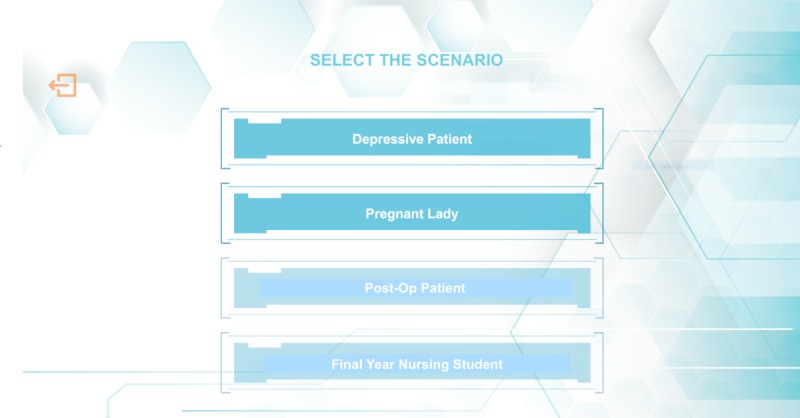
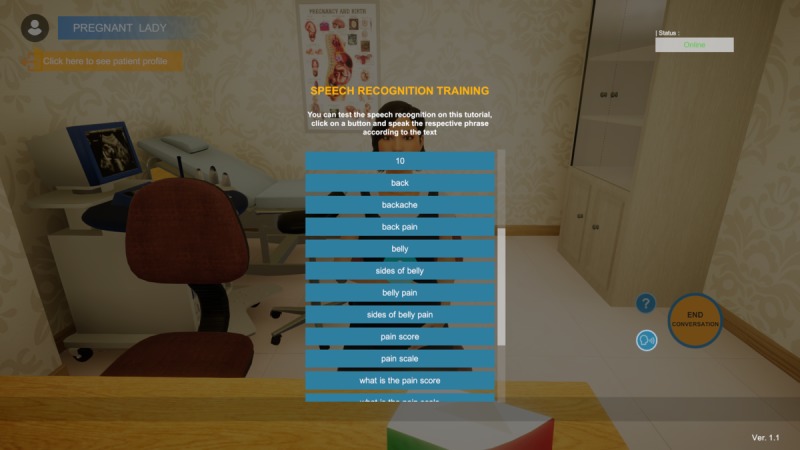
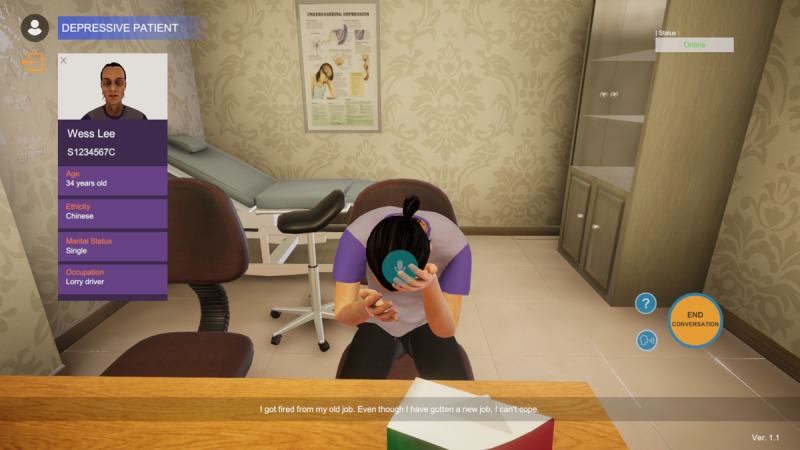
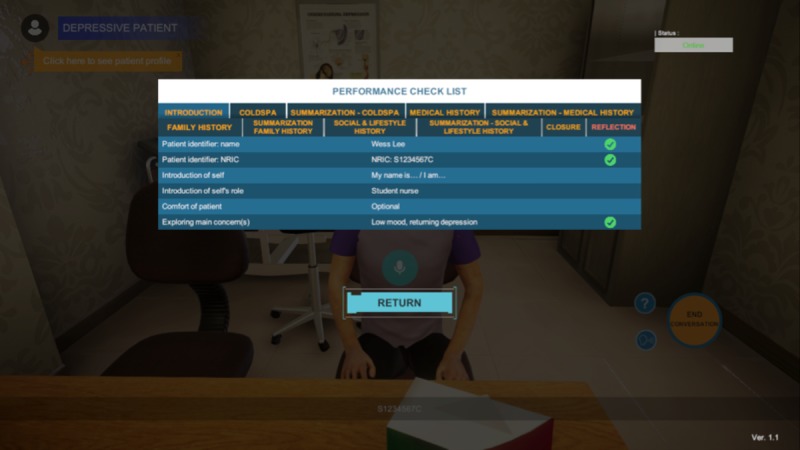
Background: The ability of nursing undergraduates to communicate effectively with health care providers, patients, and their family members is crucial to their nursing professions as these can affect patient outcomes. However, the traditional use of didactic lectures for communication skills training is ineffective, and the use of standardized patients is not time- or cost-effective. Given the abilities of virtual patients (VPs) to simulate interactive and authentic clinical scenarios in secured environments with unlimited training attempts, a virtual counseling application is an ideal platform for nursing students to hone their communication skills before their clinical postings. Objective: The aim of this study was to develop and test the use of VPs to better prepare nursing undergraduates for communicating with real-life patients, their family members, and other health care professionals during their clinical postings. Methods: The stages of the creation of VPs included preparation, design, and development, followed by a testing phase before the official implementation. An initial voice chatbot was trained using a natural language processing engine, Google Cloud’s Dialogflow, and was later visualized into a three-dimensional (3D) avatar form using Unity 3D. Results: The VPs included four case scenarios that were congruent with the nursing undergraduates’ semesters’ learning objectives: (1) assessing the pain experienced by a pregnant woman, (2) taking the history of a depressed patient, (3) escalating a bleeding episode of a postoperative patient to a physician, and (4) showing empathy to a stressed-out fellow final-year nursing student. Challenges arose in terms of content development, technological limitations, and expectations management, which can be resolved by contingency planning, open communication, constant program updates, refinement, and training. Conclusions: The creation of VPs to assist in nursing students’ communication skills training may provide authentic learning environments that enhance students’ perceived self-efficacy and confidence in effective communication skills. However, given the infancy stage of this project, further refinement and constant enhancements are needed to train the VPs to simulate real-life conversations before the official implementation.
Overview
The claims and statistics of this paper haven’t been checked yet.
Free: it reads the open-access text and checks the first 5 claims that cite a source we can check. Create a free account to check every claim.
Integrity signals
Registry
Cites
Statistics
Figures
Verification
Claims the paper makes
The claims and statistics of this paper haven’t been checked yet.
Free: it reads the open-access text and checks the first 5 claims that cite a source we can check. Create a free account to check every claim.
Claims other papers make about this one
Each is checked against this paper’s own text: does it say what the citing paper says it does?
The source backs part of the claim, not all of it — or backs it for a different population, condition or comparison.
In the citing paper
“Additionally, educational chatbots offer the potential to enhance self-confidence and communication skills, particularly for students facing challenges in social communication, highlighting its value as a conversational interface that simulates human interactions and fosters a sense of companionship among students [93,94].”
From Assessing Health Students' Attitudes and Usage of ChatGPT in Jordan: Validation Study (2023) · cites this paper as [94]
Experimental — accuracy not yet measuredThe source backs part of the claim, not all of it — or backs it for a different population, condition or comparison.
In the citing paper
“Additionally, with the rapid advancements in nursing research and the advent of new diseases and medications, nursing professionals are challenged to quickly adapt to evolving medical knowledge, make accurate decisions in real-case scenarios, and master complex nursing skills (1, 17, 26–28).”
From Digital affordances of AI chatbots in nursing education: a systematic review of learning gains and gaps in the evidence (2026) · cites this paper as [17]
Experimental — accuracy not yet measuredThe source backs part of the claim, not all of it — or backs it for a different population, condition or comparison.
In the citing paper
“Shorey et al. (17) found that simulating patient interaction scenarios with AI chatbots helped nursing students strengthen their communication skills.”
From Digital affordances of AI chatbots in nursing education: a systematic review of learning gains and gaps in the evidence (2026) · cites this paper as [17]
Experimental — accuracy not yet measuredThe cited source says what the claim attributes to it.
In the citing paper
“Conversational agents have been demonstrated to supplement and advance education in various forms, such as providing assessment of learners work (Maryadi et al., 2017), increasing peer dialogue (Wang et al., 2020), providing a context for education, for example in coordinating role-play in healthcare education (Shorey et al., 2019), and answering student queries (Gonda & Chu, 2019).”
From Pedagogical AI conversational agents in higher education: a conceptual framework and survey of the state of the art (2025) · cites this paper as Shorey et al., 2019
The cited source says what the claim attributes to it.
In the citing paper
“Early educational research suggests that AI-generated virtual patients may improve learners’ engagement [8, 9], provide unlimited practice opportunities [10–12], and support consistent exposure to rare or sensitive clinical presentations.”
From Utilizing generative artificial intelligence to create simulated patient for history taking in gynecology (2026) · cites this paper as [8]
Self-check
Percentages, sums and reported differences re-computed from the paper’s own numbers.
The self-check needs the paper’s full text.
Citations
Cites
Self-efficacy: the exercise of control
(1997) · Choice Reviews Online · doi:10.5860/choice.35-1826 · Cited by 24,281
Explanation in artificial intelligence: Insights from the social sciences
Miller, T. (2019) · Artificial Intelligence · doi:10.1016/j.artint.2018.07.007 · Cited by 5,302
Self-Regulated Learning and Academic Achievement: An Overview
Zimmerman, B. J. (1990) · Educational Psychologist · doi:10.1207/s15326985ep2501_2 · Cited by 3,687 · cited 1×
“Apart from the acquisition of clinical knowledge and skills, VPs also provide students with opportunities for self-directed learning [24], which leads to reflection [25] and self-driven change [26,27].”
Impact of conceptions of ability on self-regulatory mechanisms and complex decision making.
Wood, R. E., & Bandura, A. (1989) · Journal of Personality and Social Psychology · doi:10.1037//0022-3514.56.3.407 · Cited by 1,555 · cited 1×
“an individual’s confidence about one’s ability to carry out a behavior effectively, and this influences one’s motivation and efforts in performing a specific task, individual goal setting, and perspective [31].”
BackgroundReflective Learning: Key to Learning from Experience
Boyd, E. M., & Fales, A. W. (1983) · Journal of Humanistic Psychology · doi:10.1177/0022167883232011 · Cited by 904 · cited 1×
“Apart from the acquisition of clinical knowledge and skills, VPs also provide students with opportunities for self-directed learning [24], which leads to reflection [25] and self-driven change [26,27].”
Assessing Competence in Communication and Interpersonal Skills: The Kalamazoo II Report
Duffy, F. D., Gordon, G. H., Whelan, G., Cole-Kelly, K., & Frankel, R. (2004) · Academic Medicine · doi:10.1097/00001888-200406000-00002 · Cited by 665 · cited 1×
“Effective communication between nurses and patients involving nurses’ abilities to explain, listen, and empathize is necessary for successful outcomes in individualized patient care [5,6].”
BackgroundVirtual patients: a critical literature review and proposed next steps
Cook, D. A., & Triola, M. M. (2009) · Medical Education · doi:10.1111/j.1365-2923.2008.03286.x · Cited by 624 · cited 1×
“Reviews evaluating the effectiveness of VPs in medical education [17,20] have reported VPs as a cost-effective tool and as successful in facilitating clinical reasonings, communication skills, and ethical reasonings among students when used as an alternative or supplementary tool to existing…”
A Guide to Authentic e-Learning
Herrington, J., Reeves, T. C., & Oliver, R. (2009) · Routledge eBooks · doi:10.4324/9780203864265 · Cited by 595 · cited 2×
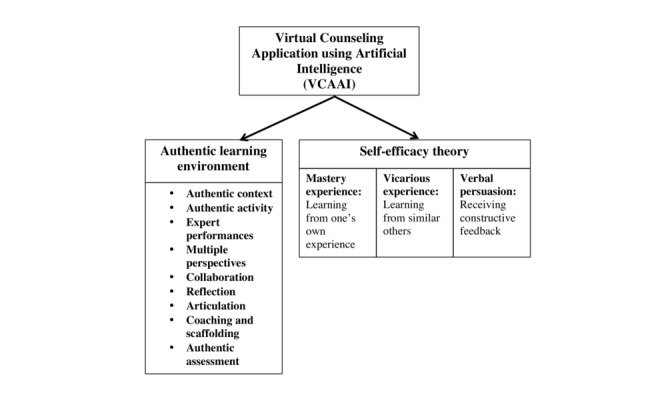
“The theoretical frameworks that guided this study are Bandura’s self-efficacy theory [29] and Herrington et al’s [30] authentic learning concept.”
BackgroundMethodInterprofessional communication in healthcare: An integrative review
Foronda, C., MacWilliams, B., & McArthur, E. (2016) · Nurse Education in Practice · doi:10.1016/j.nepr.2016.04.005 · Cited by 588 · cited 1×
“Poor communication skills have been directly related to high turnover rates; low morale among nurses [2,3]; and poor patient outcomes such as medical errors, poor adherence to the treatment plans, and lower patient care satisfaction [4].”
Communication in Nursing Practice
Kourkouta, L., & Papathanasiou, I. (2014) · Materia Socio Medica · doi:10.5455/msm.2014.26.65-67 · Cited by 409 · cited 1×
“Effective communication between nurses and patients involving nurses’ abilities to explain, listen, and empathize is necessary for successful outcomes in individualized patient care [5,6].”
Cited by
A review of opportunities and challenges of chatbots in education
Hwang, G.-J., & Chang, C.-Y. (2023) · Interactive Learning Environments · doi:10.1080/10494820.2021.1952615 · Cited by 530
The impact of ChatGPT on higher education
Dempere, J., Modugu, K., Hesham, A., & Ramasamy, L. K. (2023) · Frontiers in Education · doi:10.3389/feduc.2023.1206936 · Cited by 519
Rediscovering the use of chatbots in education: A systematic literature review
Pérez, J. Q., Daradoumis, T., & Puig, J. M. M. (2020) · Computer Applications in Engineering Education · doi:10.1002/cae.22326 · Cited by 483
“The role of educational chatbots is not limited to class assistants, they have also been tested as Virtual Patients [60], whose mission is to help train nurses to improve their effective communication skills.”
BackgroundInfluentialArtificial intelligence in nursing and midwifery: A systematic review
O'Connor, S., Yan, Y., Thilo, F. J. S., Felzmann, H., Dowding, D., & Lee, J. J. (2023) · Journal of Clinical Nursing · doi:10.1111/jocn.16478 · Cited by 351
Predicted Influences of Artificial Intelligence on Nursing Education: Scoping Review
Buchanan, C., Howitt, M. L., Wilson, R., Booth, R. G., Risling, T., & Bamford, M. (2021) · JMIR Nursing · doi:10.2196/23933 · Cited by 326
“In the last 5 years, multiple expository papers and research studies have explored the current and predicted influences of AIHTs on nurse educators, nursing students, and practicing nurses [5-8].”
BackgroundInfluentialArtificial intelligence technologies and compassion in healthcare: A systematic scoping review
Morrow, E., Zidaru, T., Ross, F., Mason, C., Patel, K. D., Ream, M., & Stockley, R. (2023) · Frontiers in Psychology · doi:10.3389/fpsyg.2022.971044 · Cited by 250
Chang, C., Hwang, G., & Gau, M. (2022) · British Journal of Educational Technology · doi:10.1111/bjet.13158 · Cited by 294
Predicted Influences of Artificial Intelligence on the Domains of Nursing: Scoping Review
Buchanan, C., Howitt, M. L., Wilson, R., Booth, R. G., Risling, T., & Bamford, M. (2020) · JMIR Nursing · doi:10.2196/23939 · Cited by 238
“In one study, both groups learned to overcome communication barriers by avoiding the use of technical jargon and by meeting frequently to reduce communication errors [86].”
BackgroundInfluentialAssessing Health Students' Attitudes and Usage of ChatGPT in Jordan: Validation Study
Sallam, M., Salim, N. A., Barakat, M., Al-Mahzoum, K., Al-Tammemi, A. B., Malaeb, D., Hallit, R., & Hallit, S. (2023) · JMIR Medical Education · doi:10.2196/48254 · Cited by 234
“…chatbots offer the potential to enhance self-confidence and communication skills, particularly for students facing challenges in social communication, highlighting its value as a conversational interface that simulates human interactions and fosters a sense of companionship among students [93,94].”
Liaw, S. Y., Tan, J. Z., Lim, S., Zhou, W., Yap, J., Ratan, R., Ooi, S. L., Wong, S. J., Seah, B., & Chua, W. L. (2023) · Nurse Education Today · doi:10.1016/j.nedt.2023.105718 · Cited by 223
Self-citationLiaw, S. Y., Ooi, S. W., Rusli, K. D. B., Lau, T. C., Tam, W. W. S., & Chua, W. L. (2020) · Journal of Medical Internet Research · doi:10.2196/17279 · Cited by 191
“With evolving AI technology, the goal is to design AI agents that can interact with users in a natural, humanlike way such as via natural language processing [24].”
BackgroundRony, M. K. K., Kayesh, I., Bala, S. D., Akter, F., & Parvin, M. R. (2024) · Heliyon · doi:10.1016/j.heliyon.2024.e25718 · Cited by 190
Han, J.-W., Park, J., & Lee, H. (2022) · BMC Medical Education · doi:10.1186/s12909-022-03898-3 · Cited by 187
The role of artificial intelligence in enhancing clinical nursing care: A scoping review
Ng, Z. Q. P., Ling, L. Y. J., Chew, H. S. J., & Lau, Y. (2022) · Journal of Nursing Management · doi:10.1111/jonm.13425 · Cited by 184
Stamer, T., Steinhäuser, J., & Flägel, K. (2023) · Journal of Medical Internet Research · doi:10.2196/43311 · Cited by 160
“…Furlan et al [35], 2021; Hamdy et al [36], 2017; Kobayashi et al [37,38], 2022; Maicher et al [39], 2019; Maicher et al [40], 2023; Shorey et al [41], 2019; Shorey et al [42], 2020; Shorey et al [43], 2023; Tavarnesi et al [44], 2018 AI, ML, and virtual patients in communication skills training…”
InfluentialCommunication skills training using virtual reality: a descriptive qualitative study
Shorey, S., Ang, E., Ng, E. D., Yap, J., Lau, L. S. T., & Chui, C. K. (2020) · Nurse Education Today · doi:10.1016/j.nedt.2020.104592 · Cited by 152
Self-citationYang, Q.-F., Lian, L.-W., & Zhao, J.-H. (2023) · International Journal of Educational Technology in Higher Education · doi:10.1186/s41239-023-00391-9 · Cited by 152
“Integrating learning content into AIERs can reduce students’ isolation while learning, improve communication skills, and increase their interest in learning (Chin et al., 2011; Lewis Johnson, 2001; Shorey et al., 2019; Wu et al., 2020).”
BackgroundAl-Qerem, W., Eberhardt, J., Jarab, A., Al Bawab, A. Q., Hammad, A., Alasmari, F., Alazab, B., Husein, D. A., Alazab, J., & Al-Beool, S. (2023) · BMC Medical Informatics and Decision Making · doi:10.1186/s12911-023-02403-0 · Cited by 138
“In addition, Virtual Patients have been considered an ideal virtual counseling platform for undergraduate nursing students to help develop their communication skills before engaging with real-life patients and other health-care providers during their clinical posting [6, 7].”
BackgroundThe Role of Chatbots in Academic Libraries: An Experience-based Perspective
Kaushal, V., & Yadav, R. (2022) · Journal of the Australian Library and Information Association · doi:10.1080/24750158.2022.2106403 · Cited by 98
“Shorey et al. (2019) for example, report on how chatbots were employed to enhance nursing students’”
BackgroundMethodSancho-Cantus, D., Cubero-Plazas, L., Botella-Navas, M., Castellano-Rioja, E., & Ros, M. C. (2023) · International Journal of Environmental Research and Public Health · doi:10.3390/ijerph20064901 · Cited by 137
“For this reason, communication skills play an important role in the training of health science professionals [22].”
BackgroundYusuf, H., Money, A., & Daylamani-Zad, D. (2025) · Educational technology research and development · doi:10.1007/s11423-025-10447-4 · Cited by 112
Artificial intelligence (AI) applications in healthcare and considerations for nursing education
Montejo, L., Fenton, A., & Davis, G. (2024) · Nurse Education in Practice · doi:10.1016/j.nepr.2024.104158 · Cited by 100
A bibliometric analysis of artificial intelligence chatbots in educational contexts
Lin, Y., & Yu, Z. (2024) · Interactive Technology and Smart Education · doi:10.1108/itse-12-2022-0165 · Cited by 99
Abujaber, A. A., Abd-alrazaq, A., Al-Qudimat, A. R., & Nashwan, A. J. (2023) · Cureus · doi:10.7759/cureus.48643 · Cited by 91
“…tutor chatbots, may influence the delivery of nursing education in academic settings as educators use them as teaching tools to simulate interactive clinical scenarios, increase students' comprehension of specific nursing concepts, and improve their reasoning and decision-making skills [80,81].”
BackgroundLange, A.-K., Koch, J., Beck, A., Neugebauer, T., Watzema, F., Wrona, K. J., & Dockweiler, C. (2020) · JMIR Nursing · doi:10.2196/20249 · Cited by 83
“In this way, subject-related content and user expertise can be integrated into the programming [27].”
BackgroundHwang, G.-J., Tang, K.-Y., & Tu, Y.-F. (2024) · Interactive Learning Environments · doi:10.1080/10494820.2022.2086579 · Cited by 87
“Studies have reported that AI technology has e ff ectively enhanced students ’ learning capability in professional nursing training (Bourla et al., 2020; Harmon et al., 2020; Langan et al., 2018; Shorey et al., 2019; Shorey et al., 2020).”
BackgroundMethodHere's to the future: Conversational agents in higher education- a scoping review
Pereira, D. S. M., Falcão, F., Costa, L., Lunn, B. S., Pêgo, J. M., & Costa, P. (2023) · International Journal of Educational Research · doi:10.1016/j.ijer.2023.102233 · Cited by 94
Gödde, D., Nöhl, S., Wolf, C., Rupert, Y., Rimkus, L., Ehlers, J., Breuckmann, F., & Sellmann, T. (2023) · Journal of Medical Internet Research · doi:10.2196/49368 · Cited by 69
“Moreover, ChatGPT and similar generative AI tools have specific applications within medical education, including clinical vignette generation and communication training with AI virtual patients [5-7]; however, it poses several challenges that universities need to carefully address [8].”
Maeda, E., Miyata, A., Boivin, J., Nomura, K., Kumazawa, Y., Shirasawa, H., Saito, H., & Terada, Y. (2020) · Reproductive BioMedicine Online · doi:10.1016/j.rbmo.2020.09.006 · Cited by 75
“…health care, such as teen health education (Crutzen et al., 2011), sexually transmitted infection screening (Kobori et al., 2018), nurse training (Shorey et al., 2019), chronic patient monitoring (Piau et al., 2019), genetic counselling (Schmidlen et al., 2019), and post-examination care…”
Design and evaluation of a 3D serious game for communication learning in nursing education
Hara, C. Y. N., de Góes, F. D. S. N., de Camargo, R. A. A., Fonseca, L. M. M., & Aredes, N. D. (2021) · Nurse Education Today · doi:10.1016/j.nedt.2021.104846 · Cited by 85
Trends in artificial intelligence in nursing: Impacts on nursing management
Chang, C., Jen, H., & Su, W. (2022) · Journal of Nursing Management · doi:10.1111/jonm.13770 · Cited by 76
Sharma, M., & Sharma, S. (2023) · Nurse Education Today · doi:10.1016/j.nedt.2023.105972 · Cited by 76
The role of artificial intelligence in shaping nursing education: A comprehensive systematic review
Ma, J., Wen, J., Qiu, Y., Wang, Y., Xiao, Q., Liu, T., Zhang, D., Zhao, Y., Lu, Z., & Sun, Z. (2025) · Nurse Education in Practice · doi:10.1016/j.nepr.2025.104345 · Cited by 73
Digital Health Solutions for Mental Health Disorders During COVID-19
Chew, A., Ong, R., Lei, H.-H., Rajendram, M., Grisan, K. V., Verma, S. K., Fung, D. S. S., Leong, J.-Y., & Gunasekeran, D. V. (2020) · Frontiers in Psychiatry · doi:10.3389/fpsyt.2020.582007 · Cited by 76
Simsek-Cetinkaya, S., & Cakir, S. K. (2023) · Nurse Education Today · doi:10.1016/j.nedt.2023.105857 · Cited by 65
AI in Learning: Designing the Future
Niemi, H., Pea, R. D., & Lu, Y. (2022) · Springer eBooks · doi:10.1007/978-3-031-09687-7 · Cited by 75
Akutay, S., Yüceler Kaçmaz, H., & Kahraman, H. (2024) · Nurse Education in Practice · doi:10.1016/j.nepr.2024.104142 · Cited by 54
Ammar, N., & Shaban-Nejad, A. (2020) · JMIR Medical Informatics · doi:10.2196/18752 · Cited by 60
“Other recent works have focused on developing question-answering (QA) systems for training nursing practitioners on how to answer patient inquiries [5].”
The Contribution of Artificial Intelligence in Nursing Education: A Scoping Review of the Literature
Cucci, F., Marasciulo, D., Romani, M., Soldano, G., Cascio, D., De Nunzio, G., Caldararo, C., Rubbi, I., Vitale, E., Lupo, R., et al. (2025) · Nursing Reports · doi:10.3390/nursrep15080283 · Cited by 60
“Shorey et al. [24] found that such tools increased students’ confidence in clinical interactions with patients, families, and multidisciplinary teams, although the outcomes were assessed qualitatively through student feedback.”
Natural Language Processing: from Bedside to Everywhere
Aramaki, E., Wakamiya, S., Yada, S., & Nakamura, Y. (2022) · Yearbook of Medical Informatics · doi:10.1055/s-0042-1742510 · Cited by 67
“Communication skill training is a typical example for both doctors [124] and nurses [125].”
Visualizing the knowledge mapping of artificial intelligence in education: A systematic review
Qin, Q., & Zhang, S. (2024) · Education and Information Technologies · doi:10.1007/s10639-024-13076-1 · Cited by 68
“By constructing virtual scenarios, it could facilitate students in training various skills more effectively (Shorey et al., 2019).”
Mejías, M., Coronado, Y. C. G., & Peralta, A. L. J. (2022) · Salud Ciencia y Tecnología · doi:10.56294/saludcyt202288 · Cited by 64
A Concept Analysis on the Use of Artificial Intelligence in Nursing
Shang, Z. (2021) · Cureus · doi:10.7759/cureus.14857 · Cited by 53
“Nonetheless, an AI can also be designed without directly considering patients, such as an algorithm to predict a nurse’s job performance [5] or a virtual patient for nursing education [6].”
BackgroundResultInfluentialDebate and Dilemmas Regarding Generative AI in Mental Health Care: Scoping Review
Xian, X., Chang, A., Xiang, Y., & Liu, M. T. (2024) · Interactive Journal of Medical Research · doi:10.2196/53672 · Cited by 64
“…[33]; adults [60]; aging adults [54]; return-to-work workers [61]; soldiers [62]; employees [34]; pregnant women [27]; postpartum populations [28]; patients with cardiovascular disease [59] Targeted population Workplace [61]; military [62]; school [35]; health care system [63] Application context”
Developing communication curricula in healthcare education: An evidence-based guide
Bachmann, C., Pettit, J. E., & Rosenbaum, M. (2021) · Patient Education and Counseling · doi:10.1016/j.pec.2021.11.016 · Cited by 58
Nurlia, N., Daud, I., & Rosadi, M. E. (2023) · Escalate Economics and Business Journal · doi:10.61536/escalate.v1i01.6 · Cited by 52
“By comprehending the workings of AI and how to apply it to their tasks, employees can enhance efficiency in their work and overcome potential obstacles (Shorey et al., 2019).”
Yiğit, D., & Açıkgöz, A. (2024) · Journal of Evaluation in Clinical Practice · doi:10.1111/jep.14062 · Cited by 57
Artificial Intelligence in Surgical Learning
Pakkasjärvi, N. A., Luthra, T., & Anand, S. (2023) · Surgeries · doi:10.3390/surgeries4010010 · Cited by 52
Dicheva, N. K., Rehman, I. U., Anwar, A., Nasralla, M. M., Husamaldin, L., & Aleshaiker, S. (2023) · IEEE Access · doi:10.1109/access.2023.3337669 · Cited by 54
“However, it was found that the lack of real-life conversations was found to be a limitation of this project [94].”
BackgroundMethodFernández‐Alcántara, M., Escribano, S., Juliá‐Sanchis, R., Castillo-López, A., Manzano, A. P., 6th, A. K., Macur, M., Kalender-Smajlovic, S., Kalender-Smajlovic, S., & Cabañero‐Martínez, M. J. (2025) · JMIR Medical Education · doi:10.2196/63082 · Cited by 53
“VCAAI [50-52] trains basic communication skills in nursing interviews.”
See it, hear it, feel it: embodying a patient experience through immersive virtual reality
Hannans, J., Nevins, C. M., & Jordan, K. (2021) · Information and Learning Sciences · doi:10.1108/ils-10-2020-0233 · Cited by 50
Evaluation of a Theory-Based Virtual Counseling Application in Nursing Education
Shorey, S., Ang, E. N. K., Ng, E. D., Yap, J., Lau, L. S. T., Chui, C. K., & Chan, Y. H. (2023) · CIN: Computers, Informatics, Nursing · doi:10.1097/cin.0000000000000999 · Cited by 36
Self-citationAbulibdeh, A. O. (2025) · Sustainable Futures · doi:10.1016/j.sftr.2025.101033 · Cited by 45
Transforming Nursing Education with Artificial Intelligence: A Systematic Review (2010–2025)
Alrazeeni, D. M., Alharrasi, M., Rony, M. K. K., Biswas, R. K., Tama, I. J., Halder, C. R., Deb, B., Bashar, F., & Akter, F. (2026) · SAGE Open Nursing · doi:10.1177/23779608261424597 · Cited by 47
“AI modalities such as natural language processing, generative models like ChatGPT, decision-support tools, and rule-based algorithms are increasingly being deployed across educational contexts to assist both learners and educators (De Gagne et al., 2024; Nesa et al., 2025; Shorey et al., 2019).”
Maraş, G., Albayrak, E., & Sürme, Y. (2024) · Journal of Clinical Nursing · doi:10.1111/jocn.17562 · Cited by 44
Luo, C., Mao, B., Wu, Y., & He, Y. (2024) · Nurse Education Today · doi:10.1016/j.nedt.2024.106321 · Cited by 29
Evolution of Chatbots in Nursing Education: Narrative Review
Zhang, F., Liu, X., Wu, W., & Zhu, S. (2024) · JMIR Medical Education · doi:10.2196/54987 · Cited by 38
“Funding should be set aside to close resource distribution disparities [39,40,47,57-59], so that students from disadvantaged backgrounds can also have an opportunity to have access to technologically advanced educational resources.”
BackgroundChuzi, S. E., Saylor, M. A., Allen, L. A., Desai, A. S., Feder, S. L., Goldstein, N. E., Groninger, H., Kirkpatrick, J. N., Tulsky, J. A., Steiner, J. M., et al. (2024) · Journal of Cardiac Failure · doi:10.1016/j.cardfail.2024.10.435 · Cited by 38
Artificial intelligence in myopia: current and future trends
Foo, L. L., Ng, W. Y., Lim, G. Y. S., Tan, T., Ang, M., & Ting, D. S. W. (2021) · Current Opinion in Ophthalmology · doi:10.1097/icu.0000000000000791 · Cited by 41
“com functions such as counselling [109] and triaging [110].”
BackgroundBowers, P. J., Graydon, K., Ryan, T., Lau, J. H., & Tomlin, D. (2024) · Australasian Journal of Educational Technology · doi:10.14742/ajet.9307 · Cited by 34
“Some research groups created their VP by using real clinical cases as a base (Azmi et al., 2022; Shorey et al., 2019; Shorey et al., 2020; Shorey et al., 2023), while others reported that subject matter experts developed scenarios without further detail as to how (Chan & Li, 2023; Ngantcha et al.,…”
BackgroundMethodResultInfluentialAkgerman, A., Yavuz, E. D. Ö., Kavaslar, İ., & Güngör, S. (2022) · Journal of Artificial Intelligence in Health Sciences · doi:10.52309/jaihs.v2i1.36 · Cited by 33
Wang, Y., Li, X., Liu, Y., & Shi, B. (2022) · Nurse Education Today · doi:10.1016/j.nedt.2022.105426 · Cited by 38
Communication training for pharmacy students with standard patients using artificial intelligence
Nakagawa, N., Odanaka, K., Ohara, H., & Kisara, S. (2022) · Currents in Pharmacy Teaching and Learning · doi:10.1016/j.cptl.2022.06.021 · Cited by 32
Walter, S., Speidel, R., Hann, A., Leitner, J., Jerg‐Bretzke, L., Kropp, P. A., Garbe, J., & Ebner, F. K. (2021) · GMS journal for medical education · doi:10.3205/zma001496 · Cited by 44
“An der Universität Ulm steht den Studierenden beispielweise ein medizinisches VR-Lab zur Verfügung, in dem sie virtuelle Patienten diagnostizieren und behandeln können.”
BackgroundInfluentialDesigning Hybrid Spaces for Learning in Higher Education Health Contexts
Green, J. K. (2021) · Postdigital Science and Education · doi:10.1007/s42438-021-00268-y · Cited by 30
“There are also studies focusing on the development of communication skills for virtual counselling using artificial intelligence (Shorey et al. 2019) and ways of using technology to enhance clinical reasoning (Dubovi 2018).”
BackgroundInfluentialVR and AR in human performance research―An NUS experience
Yin, J.-H., Chng, C.-B., Wong, P.-M., Ho, N., Chua, M. C. H., & Chui, C. (2020) · Virtual Reality & Intelligent Hardware · doi:10.1016/j.vrih.2020.07.009 · Cited by 31
Self-citationArtificial Intelligence in Wound Care Education: Protocol for a Scoping Review
Encarnação, R., Manuel, T., Palheira, H., Neves‐Amado, J., & Alves, P. J. P. (2024) · Nursing Reports · doi:10.3390/nursrep14010048 · Cited by 34
Development of a case-based nursing education program using generative artificial intelligence
Ahn, J., & Park, H. O. (2023) · The Journal of Korean Academic Society of Nursing Education · doi:10.5977/jkasne.2023.29.3.234 · Cited by 28
“AI의 급진적인 발전에도 불구하고, 의사소통 기술 훈련을 위 한 AI 기반 가상 상담 애플리케이션 개발 연구[22] 외에는 간호 교육에서 AI를 적용한 사례를 확인할 수 없었다.”
InfluentialPyo, a Chatbot Assistant for Introductory Programming Students
Carreira, G., Silva, L., Mendes, A. J., & Oliveira, H. G. (2022) · 2022 International Symposium on Computers in Education (SIIE) · doi:10.1109/siie56031.2022.9982349 · Cited by 27
“Recent examples whose objective is knowledge acquisition include the work of Shorey et al. [20], where a virtual agent was created to imitate a patient, in order to teach nursing students how to speak more effectively, and ChatBot [5], a conversational agent developed with the purpose of teaching…”
BackgroundRico, F. M. E., & Fernández, L. P. (2023) · Educación Médica · doi:10.1016/j.edumed.2023.100866 · Cited by 32
Ethical and Institutional Readiness for Artificial Intelligence in Nursing: An Umbrella Review
Almagharbeh, W. T., Alharrasi, M., Rony, M. K. K., Kabir, S., Ahmed, S. K., & Alrazeeni, D. M. (2025) · International Nursing Review · doi:10.1111/inr.70111 · Cited by 31
The Use of Artificial Intelligence in Nursing Education: A Scoping Review
Doston, T., Fontenot, J., Morris, D. L., & Hebert, M. (2025) · Journal of Nursing Education · doi:10.3928/01484834-20250313-03 · Cited by 33
Hwang, G., Chang, P.-Y., Tseng, W.-Y., Chou, C.-A., Wu, C.-H., & Tu, Y. (2022) · CIN Computers Informatics Nursing · doi:10.1097/cin.0000000000000897 · Cited by 31
“For instance, researchers showed that combining AI and virtual reality technology in a learning environment to train students with virtual patients could enhance their selfefficacy and communication skills.(9,26) As can be seen from Figure 3, in the first period, in the dimensions of nursing management, nursing assess…”
BackgroundChen, Y., Lin, Q., Chen, X., Liu, T., Ke, Q., Yang, Q., Guan, B., & Ming, W.-K. (2023) · Digital Health · doi:10.1177/20552076231185435 · Cited by 24
“Similarly, one article stated that AI technology had potential to enhance nursing students’ self-efficacy and confidence before their clinical practice in a real-life clinical environment.(29) Furthermore, nursing students wanted to experience diverse clinical situations and receive training through humanoid robots or…”
BackgroundArtificial intelligence and predictive analytics in nursing education
O’Connor, S. (2021) · Nurse Education in Practice · doi:10.1016/j.nepr.2021.103224 · Cited by 24
Sanabria-Z, J., Castillo-Martínez, I. M., González-Pérez, L. I., & Soledad, M. (2023) · Frontiers in Education · doi:10.3389/feduc.2023.1186731 · Cited by 29
“Documents related to the health area (Lamberti et al., 2019; McNamara et al., 2019; Shorey et al., 2019; Rajadhyaksha, 2020; Zhao et al., 2020; Cheng et al., 2022; Creed et al., 2022; Liaw et al., 2022; Lokala et al., 2022; Shah et al., 2023), industry (Barykin et al.”
BackgroundSohbet Robotları (Chatbots) ve Yabancı Dil Eğitimi
Akkaya, N., & ŞENGÜL, L. (2023) · Buca eğitim fakültesi dergisi (Online)/Buca Eğitim Fakültesi dergisi · doi:10.53444/deubefd.1340781 · Cited by 27
Communication skills in psychiatry for undergraduate students: A scoping review
Novais, F., Ganança, L., Barbosa, M., & Telles‐Correia, D. (2022) · Frontiers in Psychiatry · doi:10.3389/fpsyt.2022.972703 · Cited by 24
Tyrrell, E. G., Sandhu, S., Berry, K., Ghannam, S. F., Lewis, S., Crowfoot, D., Sahota, G. S., Carson, J. A., Wilson, E. E., & Taggar, J. (2025) · JMIR Formative Research · doi:10.2196/71667 · Cited by 31
“One of the challenges for technology-enhanced learning in communication skills training is its ability to support the development of interpersonal skills and nonverbal communication [53,54].”
Li, T., Jiang, T., Shi, G., Song, C., & Shi, T. (2022) · Nurse Education Today · doi:10.1016/j.nedt.2022.105450 · Cited by 29
Choudhury, A., & Elkefi, S. (2022) · Frontiers in Digital Health · doi:10.3389/fdgth.2022.966174 · Cited by 23
Şeyda, C. A. N., Durgun, H., & Dalcalı, B. K. (2022) · Nurse Education in Practice · doi:10.1016/j.nepr.2022.103371 · Cited by 21
Effect of Mixed Variation of Magnesium Carbonate and Bottom Ash for Stabilization of Subgrade Soils
Firdaus, N. A. A., Ismanti, S., & Rifa'i, A. (2024) · The Open Civil Engineering Journal · doi:10.2174/0118749445304699240416074458 · Cited by 20
Albaladejo‐González, M., Ruipérez‐Valiente, J. A., & Mármol, F. G. (2024) · ACM Computing Surveys · doi:10.1145/3699712 · Cited by 26
“…(2.41%, [37, 110]), patient-physician communication (2.41%, [46, 63]), cannulation (1.20%, [73]), anesthetizing (1.20%, [97]), theoretical knowledge (1.20%, [78]), colonoscopy skill (1.20%, [122]), counseling (1.20%, [99]), chorionic villus sampling (1.20%, [56]), and hand-scaling (1.20%, [129]).”
InfluentialHong, M., Shin, H., Kim, S. S., & Gagne, J. C. D. (2025) · CIN Computers Informatics Nursing · doi:10.1097/cin.0000000000001273 · Cited by 20
Zhang, Q., Chen, J., & Liu, J. (2022) · Frontiers in Public Health · doi:10.3389/fpubh.2022.890773 · Cited by 25
Ali, S. G., Zhang, C., Guan, Z., Chen, T., Wu, Q., Li, P., Yang, P., Ghazanfar, Z., Jung, Y., Chen, Y., et al. (2024) · The Visual Computer · doi:10.1007/s00371-024-03391-6 · Cited by 22
“Here are some key aspects of its role: – Data Extraction: NLP can extract valuable clinical information from unstructured text notes, making it easier for healthcare providers to access and analyze patient data related to myopia [49, 59].”
The future of artificial intelligence in nursing
Özsezer, G. (2022) · Journal of Human Sciences · doi:10.14687/jhs.v19i2.6217 · Cited by 15
Yeung, J. W. Y., Ho, K. H. M., Cheung, J., Tsang, J. T. Y., & Chong, D. K. Y. (2025) · Journal of Professional Nursing · doi:10.1016/j.profnurs.2025.04.011 · Cited by 23
Rational AIs with emotional deficits: ChatGPT vs. counselors in providing emotional reflections
Eryılmaz, A., & Başal, A. (2024) · Current Psychology · doi:10.1007/s12144-024-06947-w · Cited by 17
“Literature reviews (Fulmer, 2019; Maurya, 2023, 2024; Shorey et al., 2019) generally address these relationships unilaterally.”
Russell, J. L., Chen, H., Jensen, F. B., & Nichols, N. D. (2023) · Nurse Education Today · doi:10.1016/j.nedt.2023.105953 · Cited by 18
Li, L., Feng, Z., Zhu, M., Yang, J., & Yang, L. (2023) · BMC Nursing · doi:10.1186/s12912-023-01603-3 · Cited by 18
“Role-playing training [82], Virtual Counseling Application [83], improving nurses’ self-efficacy [84] may be good methods to promote communication ability.”
MethodArtemiou, E., Hooper, S. E., Dascanio, L., Schmidt, M., & Gilbert, G. (2025) · Frontiers in Veterinary Science · doi:10.3389/fvets.2024.1504598 · Cited by 18
Bonacaro, A., Rubbi, I., Artioli, G., Monaco, F., Sarli, L., & Guasconi, M. (2024) · Studies in health technology and informatics · doi:10.3233/shti240134 · Cited by 18
Abdelwahab, S. I., Taha, M. M. E., Farasani, A., Jerah, A. A., Abdullah, S. M., Aljahdali, I. A., Oraibi, B., Alfaifi, H. A., Alzahrani, A. H., Oraibi, O., et al. (2025) · Teaching and Learning in Nursing · doi:10.1016/j.teln.2024.11.018 · Cited by 14
A mesterséges intelligencia alkalmazása a nyelvtanulásban
Porkoláb, Á., & Fekete, T. (2023) · Iskolakultúra · doi:10.14232/iskkult.2023.8.67 · Cited by 14
Dünya, B. A., & Durak, H. Y. (2023) · Quality & Quantity · doi:10.1007/s11135-023-01800-x · Cited by 15
“Shorey et al. (2019) used a chatbot as a virtual patient to improve students’ communication skills in health education.”
Yusuf, H., Money, A., & Daylamani-Zad, D. (2025) · Education and Information Technologies · doi:10.1007/s10639-025-13755-7 · Cited by 19
“In edu - cation, these agents are used in numerous ways, such as facilitating assessments, increasing dialogue among peers, offering role-play scenarios, and answering student queries (Gonda & Chu, 2019 ; Maryadi et al., 2017 ; Shorey et al., 2019 ; Wang et al., 2020 ).”
ChatGPT Review: A Sophisticated Chatbot Models in Medical & Health-related Teaching and Learning
Razak, N. I. A., Yusoff, M. F. M., & Rahmat, R. W. O. K. (2023) · Malaysian Journal of Medicine and Health Sciences · doi:10.47836/mjmhs.19.s12.12 · Cited by 18
Ooi, P. B., & Wilkinson, G. G. (2024) · British Journal of Guidance and Counselling · doi:10.1080/03069885.2024.2373180 · Cited by 14
“Virtual counselling using AI has also been used to improve the communication skills of healthcare providers (Shorey et al., 2019).”
Metadata
- Authors
- Shorey, S., Ang, E., Yap, J., Ng, E. D., Lau, S. T., & Chui, C. K.
- Affiliations
- National University of Singapore (SG)
- Corresponding author
- Shorey, Shefaly
- Venue
- Journal of Medical Internet Research
- Publisher
- JMIR Publications Inc.
- Published
- 2019-10-29
- Volume
- 21
- Issue
- 10
- Pages
- e14658
- ISSN
- 1438-8871 (ISSN-L)
- PMC
- PMC6913997
- OpenAlex
- W2971301364
- Cited by
- 238
- References
- 35
- Citations by year
- 2026: 48 · 2025: 52 · 2024: 43 · 2023: 43 · 2022: 28 · 2021: 14 · 2020: 9 · 2019: 1
- FWCI
- 8.91
- Type
- journal article
- Language
- en
- Open access
- gold
- doi.org
- Licence
- cc-by
- Locations
- Journal of Medical Internet Research (publishedVersion, cc-by)
- Europe PMC (PubMed Central) (publishedVersion, cc-by)
- PubMed Central (publishedVersion, cc-by)
- PubMed (publishedVersion)
- National University of Singapore (submittedVersion, cc-by)
- Funders
- Ministry of Education, India
- Topics
- Social Sciences › Education › Simulation-Based Education in Healthcare
- Health Sciences › Medicine › Health Informatics › Artificial Intelligence in Healthcare and Education
- Social Sciences › Education › Innovations in Medical Education
- Keywords
- virtual patients, online counseling, nursing communication skills, nursing education, chatbots, natural language processing, Dialogflow, 3D avatars, Unity game engine, clinical simulation, empathy, pain assessment, patient history taking, self-efficacy
- MeSH terms
- Virtual Reality, Artificial Intelligence, Clinical Competence, Communication, Counseling, Education, Nursing, Female, Humans
About these checks
Registry, retraction, Cites and statistics results are computed, not judged, with one exception: a printed reference that no index lists is read once by a model before it counts as a citation error. Claims are extracted by a model and kept only when their quote appears verbatim in the text; each cited source is then checked, with a model’s help, for whether it says what the claim relies on. Those verdicts can be wrong — read the claim’s quote and the cited source before relying on one.
Statistics and arithmetic are recomputed, not judged.
Confidence bands are shown only for fields calibrated on our annotated test set. None is calibrated yet, so no band is shown.
What counts as a claim ›How we measure confidence ›How we check this ›
Are you an author, or do you see a problem with this page? Request a review
Data sources
Bibliographic data: Semantic Scholar, OpenAlex, Crossref.
Contains information from the Semantic Scholar Academic Graph Datasets, made available under the ODC Attribution License (ODC-BY 1.0).
Semantic Scholar’s data is described in: Kinney, R., et al. (2023). The Semantic Scholar Open Data Platform. arXiv:2301.10140.
