

From the Triumvirate to the Ominous Octet: A New Paradigm for the Treatment of Type 2 Diabetes Mellitus.
Open accessThe DOI matches its Crossref record; 303 of the 307 references it cites were found in a registry or an index.
Abstract
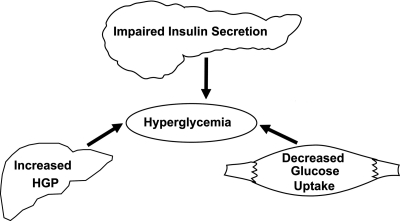
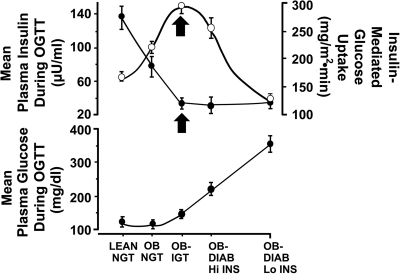
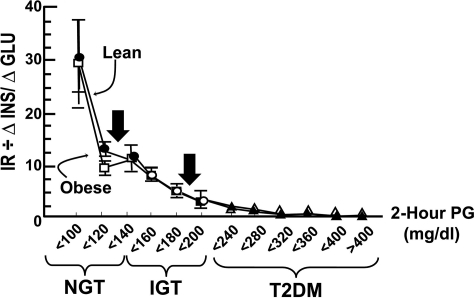
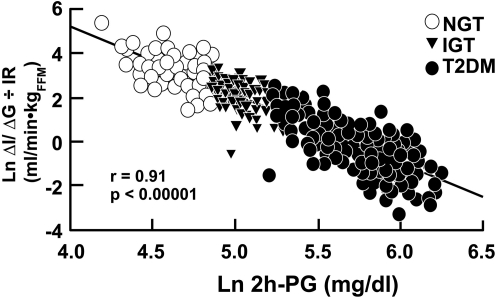
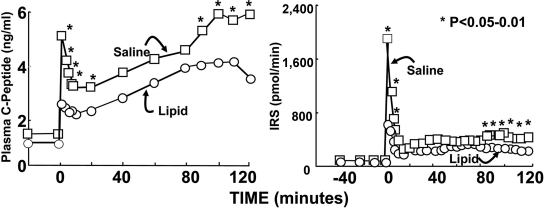
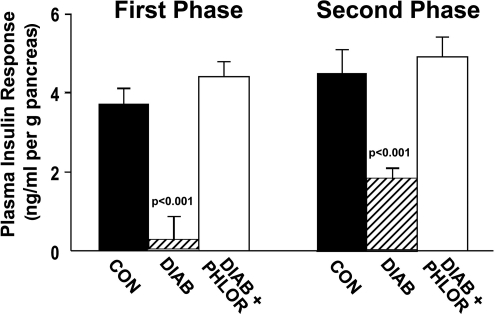
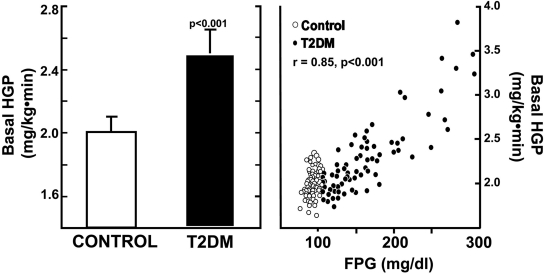
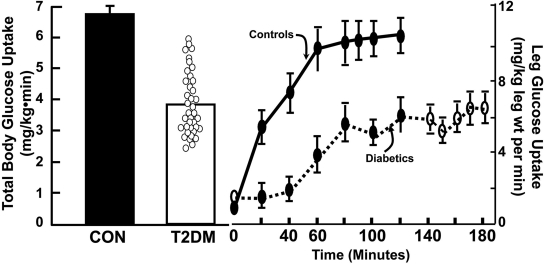
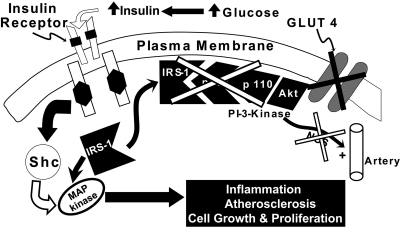
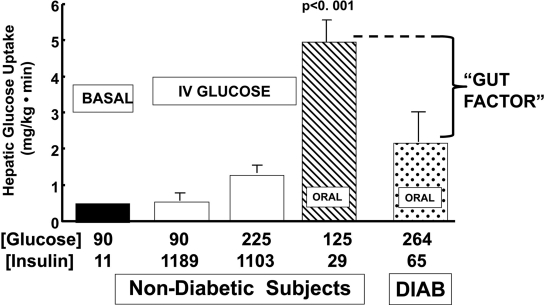
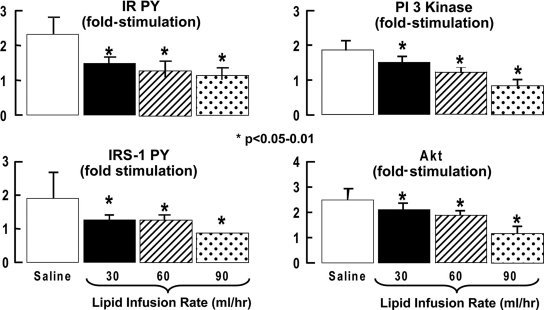
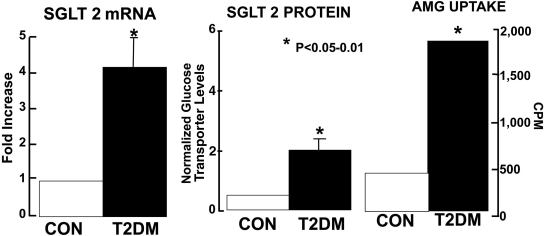
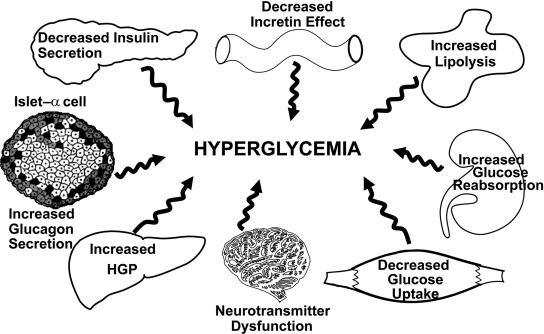
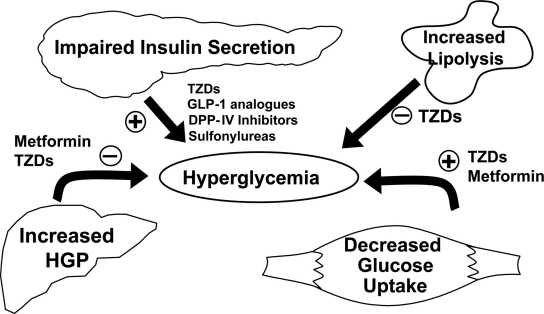
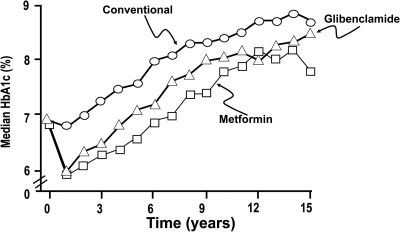
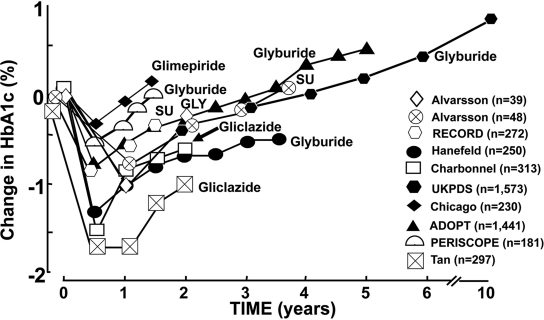
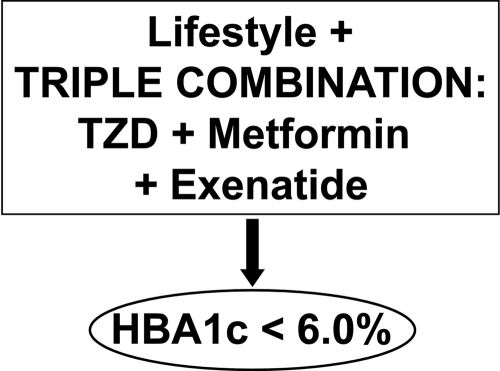
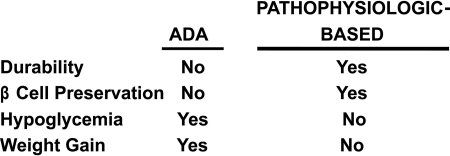
Insulin resistance in muscle and liver and β-cell failure represent the core pathophysiologic defects in type 2 diabetes. It now is recognized that the β-cell failure occurs much earlier and is more severe than previously thought. Subjects in the upper tertile of impaired glucose tolerance (IGT) are maximally/near-maximally insulin resistant and have lost over 80% of their β-cell function. In addition to the muscle, liver, and β-cell (triumvirate), the fat cell (accelerated lipolysis), gastrointestinal tract (incretin deficiency/resistance), α-cell (hyperglucagonemia), kidney (increased glucose reabsorption), and brain (insulin resistance) all play important roles in the development of glucose intolerance in type 2 diabetic individuals. Collectively, these eight players comprise the ominous octet and dictate that: 1 ) multiple drugs used in combination will be required to correct the multiple pathophysiological defects, 2 ) treatment should be based upon reversal of known pathogenic abnormalities and not simply on reducing the A1C, and 3 ) therapy must be started early to prevent/slow the progressive β-cell failure that already is well established in IGT subjects. A treatment paradigm shift is recommended in which combination therapy is initiated with diet/exercise, metformin (which improves insulin sensitivity and has antiatherogenic effects), a thiazolidinedione (TZD) (which improves insulin sensitivity, preserves β-cell function, and exerts antiatherogenic effects), and exenatide (which preserves β-cell function and promotes weight loss). Sulfonylureas are not recommended because, after an initial improvement in glycemic control, they are associated with a progressive rise in A1C and progressive loss of β-cell function. The natural history of type 2 diabetes has been well described in multiple populations (1–16) (rev. in (17,18). Individuals destined to develop type 2 diabetes inherit a set of genes from their parents that make their tissues resistant to insulin (1,16,19–24). In liver, the insulin resistance is manifested by …
Overview
The claims and statistics of this paper haven’t been checked yet.
Free: it reads the open-access text and checks the first 5 claims that cite a source we can check. Create a free account to check every claim.
Integrity signals
Registry
Cites
Statistics
Figures
Verification
Claims the paper makes
The claims and statistics of this paper haven’t been checked yet.
Free: it reads the open-access text and checks the first 5 claims that cite a source we can check. Create a free account to check every claim.
Claims other papers make about this one
Each is checked against this paper’s own text: does it say what the citing paper says it does?
The cited source doesn’t support the claim as written.
In the citing paper
“The first stage of diabetes development is a long compensatory period when insulin resistance is present and accompanied by increased rates of insulin secretion44 and an increased β-cell mass.39”
From Prediabetes: a high-risk state for diabetes development (2012) · cites this paper as [39]
Checked by a reasoning model — may be wrong.
Experimental — accuracy not yet measuredThe source backs part of the claim, not all of it — or backs it for a different population, condition or comparison.
In the citing paper
“The second stage is the stable adaptation period when β-cells are no longer fully compensating for increased insulin resistance; thus fasting and/or postload glucose values are not completely maintained.”
From Prediabetes: a high-risk state for diabetes development (2012) · cites this paper as [39]
Experimental — accuracy not yet measuredThe source backs part of the claim, not all of it — or backs it for a different population, condition or comparison.
In the citing paper
“This period is likely to start when fasting and postload glucose levels are within the normal range36,39,43 and is usually accompanied by a decrease in acute insulin secretion that is present at FPG levels around 5.6 mmol/L.39”
From Prediabetes: a high-risk state for diabetes development (2012) · cites this paper as [39]
Experimental — accuracy not yet measuredThe source backs part of the claim, not all of it — or backs it for a different population, condition or comparison.
In the citing paper
“EGP is markedly suppressed in people with NGT after glucose ingestion while this suppression is less pronounced in prediabetes and diabetes.38,39”
From Prediabetes: a high-risk state for diabetes development (2012) · cites this paper as [39]
Experimental — accuracy not yet measuredThe source backs part of the claim, not all of it — or backs it for a different population, condition or comparison.
In the citing paper
“Using the gold standard euglycemic hyperinsulinemic clamp technique to quantify insulin-stimulated glucose uptake, they demonstrated that both lean and obese T2DM subjects have marked decrease (>50%) in whole body glucose disposal during the insulin clamp.”
From Pathogenesis of insulin resistance in skeletal muscle (2010) · cites this paper as [4]
Experimental — accuracy not yet measured
20 more claims about this paper
Create a free account to see every claim other papers make about this one.
Self-check
Percentages, sums and reported differences re-computed from the paper’s own numbers.
The self-check needs the paper’s full text.
Citations
Cites
3 retracted
Insulin Binding to Monocytes and Insulin Action in Human Obesity, Starvation, and Refeeding
Defronzo, R. A., Soman, V., Sherwin, R. S., Hendler, R., & Felig, P. (1978) · Journal of Clinical Investigation · doi:10.1172/jci109108 · Cited by 252 · cited 1×
“Both obesity (31) and decreased physical activity (32) are insulin-resistant states and, when added to the genetic burden of the insulin resistance, place a major stress on the pancreatic -cells to augment their secretion of insulin to offset the defect in insulin action (1,17).”
BackgroundSelf-citationRetractedInsulin Sensitivity and Insulin Binding to Monocytes in Maturity-Onset Diabetes
Defronzo, R., Deibert, D., Hendler, R., Felig, P., & Soman, V. (1979) · Journal of Clinical Investigation · doi:10.1172/jci109394 · Cited by 188
Self-citationRetractedNieto-Vazquez, I., Fernández-Veledo, S., de Alvaro, C., Rondinone, C. M., Valverde, A. M., & Lorenzo, M. (2007) · Diabetes · doi:10.2337/db06-0989 · Cited by 90
RetractedRole of Insulin Resistance in Human Disease
Reaven, G. M. (1988) · Diabetes · doi:10.2337/diab.37.12.1595 · Cited by 12,154
Mootha, V. K., Lindgren, C. M., Eriksson, K.-F., Subramanian, A., Sihag, S., Lehar, J., Puigserver, P., Carlsson, E., Ridderstråle, M., Laurila, E., et al. (2003) · Nature Genetics · doi:10.1038/ng1180 · Cited by 10,197
Turner, R. C., Fox, C., Matthews, McElroy, H. H., Cull, C. A., Holman, R. R., Neil, P., Hadden, D. R., Wright, D., Manley, E., et al. (1998) · The Lancet · Cited by 8,419
Genetics of Food Intake Self-Regulation in Childhood: Literature Review and Research Opportunities
Faith, M. S., Carnell, S., & Kral, T. V. E. (2013) · Human Heredity · doi:10.1159/000353879 · Cited by 7,601
Glucose clamp technique: a method for quantifying insulin secretion and resistance.
DeFronzo, R. A., Tobin, J. D., & Andres, R. (1979) · American Journal of Physiology-Endocrinology and Metabolism · doi:10.1152/ajpendo.1979.237.3.e214 · Cited by 7,425
Self-citation
Research works printed but not linked: 20
- Jallut D Golay A Munger R Frascarolo P Schutz Y Jequier E Felber JP Impaired glucose tolerance and diabetes in obesity: a 6-year follow-up study of glucose metabolism. Metabolism 1990; 39: 1068– 1075 2215253 · DOI · Paper page
- Ahren B Taborsky GJ Beta-cell function and insulin secretion. In Ellenberg Rifkin's Diabetes Mellitus Porte D Sherin RS Baron A Eds. New York, McGraw Hill, 2003, p. 43– 65
- Kashyap S Belfort R Gastaldelli A Pratipanawatr T Berria R Pratipanawatr W Bajaj M Mandarino L DeFronzo RA Cusi K A sustained increase in plasma free fatty acids impairs insulin secretion in non-diabetic subjects genetically predisposed to develop type 2 diabetes. Diabetes 2003; 52: 2461– 2474 14514628 · DOI · Paper page
- Mendoza RG Davalli A Chavez-Velazquez AO Comuzzie A Tejero E Alvarenga JC Bastarrachea R Zuo P Chang Z Dick E Hubbard G Cruz AM Perez CT Malff G DeFronzo RA Folli F Fasting plasma glucose (FPG) and HbA1c predict quantitatively baboon pancreatic islet amyloidosis (PIA): a novel non-human primate model of β-cell failure in type 2 diabetes mellitus (T2DM) (Abstract). Diabetes 2008; 57(Suppl. 1): A439
- DeFronzo RA Ferrannini E Regulation of intermediatory metabolism during fasting and refeeding. Chapter 52. In Endocrinology DeGroot LJ Jameson JL Eds. Elsevier, Philadelphia, PA, 2006, p. 1015– 1043
- Campbell PJ Mandarino LJ Gerich JE Quantification of the relative impairment in actions of insulin on hepatic glucose production and peripheral glucose uptake in non-insulin-dependent diabetes mellitus. Metabolism 1988; 37: 15– 21 3275857 · DOI · Paper page
- Pratipanawatr W Pratipanawatr T Cusi K Berria R Jenkinson CP Maezono K DeFronzo RA Mandarino L Skeletal muscle insulin resistance in normoglycemic subjects with a strong family history of type 2 diabetes is associated with decreased insulin-stimulated IRS-1 tyrosine phosphorylation. Diabetes 2001; 50: 2572– 2578 11679436 · DOI · Paper page
- Krook A Bjornholm M Galuska D Jiang XJ Fahlman R Myers MG Jr Wallberg-Henriksson H Zierath JR Characterization of signal transduction and glucose transport in skeletal muscle from type 2 diabetic patients. Diabetes 2000; 49: 284– 292 10868945 · DOI · Paper page
- DeFronzo RA Gunnarsson R Bjorkman O Olsson M Wahren J Effects of insulin on peripheral and splanchnic glucose metabolism in non-insulin-dependent (type II) diabetes mellitus. J Clin Invest 1985; 76: 149– 155 3894418 PMC423730 · DOI · Paper page
- Ferrannini E Simonson DC Katz LD Reichard G Bevilacqua S Barrett EJ Olsson M DeFronzo RA The disposal of an oral glucose load in patients with non-insulin dependent diabetes. Metabolism 1988; 37: 79– 85 3275860 · DOI · Paper page
- Pendergrass M Nucci G DeFronzo R In vivo glucose transport (GT) and phosphorylation (GP) in skeletal muscle are impaired by elevation of plasma FFA (Abstract). Diabetes 1998; 47:(Suppl. 1): A65
- Richardson DK Kashyap S Bajaj M Cusi K DeFronzo RA Jenkinson CP Mandarino LJ Lipid infusion induces an inflammatory/fibrotic response and decreases expression of nuclear encoded mitochondrial genes in human skeletal muscle. J Biol Chem 2005; 280: 10290– 10297 15598661 · DOI · Paper page
- Cervera A Wajcberg E Triplitt C Fernandez M Zuo P DeFronzo RA Cersosimo E Improved splanchnic glucose metabolism is responsible for glycemic control in T2DM subjects treated with exenatide (Abstract). Diabetes 2007; 56(Suppl. 1): A404
- Unger RH Aguilar-Parada E Muller WA Eisentraut AM Studies of pancreatic α-cell function in normal and diabetic subjects. J Clin Invest 1970; 49: 837– 848 4986215 PMC322540 · DOI · Paper page
- Bajaj M Suraamornkul S Hardies LJ Glass L Musi N DeFronzo RA Effects of peroxisome proliferator-activated receptor (PPAR)-alpha and PPAR-gamma agonists on glucose and lipid metabolism in patients with type 2 diabetes mellitus. Diabetologia 2007; 50: 1723– 1731 17520238 · DOI
- Kim YB Ciaraldi TP Kong A Kim D Chu N Mohideen P Mudaliar S Henry RR Kahn BB Troglitazone but not metformin restores insulin-stimulated phosphoinositide 3-kinase activity and increases p110-β protein levels in skeletal muscle of type 2 diabetic subjects. Diabetes 2002; 51: 443– 448 11812753 · DOI · Paper page
- Miyazaki Y Glass L Triplitt C Matsuda M Cusi K Mandarino L DeFronzo RA Effect of rosiglitazone on glucose and free fatty acid metabolism in type 2 diabetic patients. Diabetologia 2001; 44: 2210– 2219 11793023 · DOI · Paper page
- Miyazaki Y Mahankali A Matsuda M Mahankali S Hardies J Cusi K Mandarino LJ DeFronzo RA Effect of pioglitazone on abdominal fat distribution and insulin sensitivity in type 2 diabetic patients. J Clin Endocrinol Metab 2002; 87: 2784– 2791 12050251 · DOI · Paper page
- Matthews DR Cull CA Stratton IM Holman RR Turner RC UKPDS 26: Sulphonylurea failure in non-insulin-dependent diabetic patients over six years. UK Prospective Diabetes Study (UKPDS) Group. Diabet Med 1998; 15: 297– 303 9585394 · DOI
- Lupi R Del Guerra S Marselli L Bugliani M Boggi U Mosca F Marchetti P Del Prato S Rosiglitazone prevents the impairment of human islet function induced by fatty acids: evidence for a role of PPARgamma2 in the modulation of insulin secretion. Am J Physiol Endocrinol Metab 2004; 286: E560– E567 14625208 · DOI · Paper page
Cited by
Items 901–1,000 of 1,011
Barengolts, E. I. (2013) · Endocrine Practice · doi:10.4158/ep12263.ra · Cited by 36
“Emerging evidence suggests that another important external influence on the pathophysiology of glucose homeostasis may be the large bowel (gut) microbial community (microbiota) (3-10).”
BackgroundInfluentialRong, L., Hou, N., Hu, J., Gong, Y., Yan, S., Li, C., Yang, Z., & Sun, B. (2023) · Frontiers in Endocrinology · doi:10.3389/fendo.2023.1191090 · Cited by 37
“Prospective studies have indicated that IR is the main etiology of diabetes and establishes many years before diagnosis (16).”
BackgroundPharmacological approaches to the management of type 2 diabetes in fasting adults during Ramadan
Al-Maatouq, M. A. (2012) · Diabetes Metabolic Syndrome and Obesity · doi:10.2147/dmso.s23261 · Cited by 36
Dapagliflozin for the treatment of type 2 diabetes
Abdul‐Ghani, M. A., & DeFronzo, R. A. (2013) · Expert Opinion on Pharmacotherapy · doi:10.1517/14656566.2013.812632 · Cited by 33
Self-citationEvogliptin: a new dipeptidyl peptidase inhibitor for the treatment of type 2 diabetes
Tan, X., & Hu, J. (2016) · Expert Opinion on Pharmacotherapy · doi:10.1080/14656566.2016.1183645 · Cited by 35
Cavaiola, T. S., Kiriakov, Y., & Reid, T. (2019) · Clinical Therapeutics · doi:10.1016/j.clinthera.2018.11.015 · Cited by 33
Adverse Effects of Glycemia-Lowering Medications in Type 2 Diabetes
Razavi-Nematollahi, L., & Ismail‐Beigi, F. (2019) · Current Diabetes Reports · doi:10.1007/s11892-019-1266-7 · Cited by 34
André, P., Proctor, G., Driollet, B., García‐Esquinas, E., López‐García, E., Gómez-Cabrero, D., Neyraud, E., Rodríguez‐Artalejo, F., Morzel, M., & Féart, C. (2020) · International Journal of Epidemiology · doi:10.1093/ije/dyaa103 · Cited by 34
The Metabolic Role of GRK2 in Insulin Resistance and Associated Conditions
Sorriento, D., Rusciano, M. R., Visco, V., Fiordelisi, A., Cerasuolo, F. A., Poggio, P., Ciccarelli, M., & Iaccarino, G. (2021) · Cells · doi:10.3390/cells10010167 · Cited by 35
“The anatomic trilogy (pancreas, muscle, and liver) is the active player in the development of glucose intolerance in Type 2 diabetic patients [46] together with the fat cell, gastrointestinal tract, α-cell, kidney, and brain [46].”
BackgroundChen, X., Maldonado, E., DeFronzo, R. A., & Tripathy, D. (2021) · The Journal of Clinical Endocrinology & Metabolism · doi:10.1210/clinem/dgab019 · Cited by 33
Self-citationREDONDO, M. J., & Balasubramanyam, A. (2021) · The Journal of Clinical Endocrinology & Metabolism · doi:10.1210/clinem/dgab545 · Cited by 35
Effects of Naringin on Cardiomyocytes From a Rodent Model of Type 2 Diabetes
Uryash, A., Mijares, A., Flores, V., Adams, J. A., & Lopez, J. R. (2021) · Frontiers in Pharmacology · doi:10.3389/fphar.2021.719268 · Cited by 35
“Diabetes results from a decreased glucose uptake into insulinsensitive tissues (Defronzo, 2009).”
BackgroundXu, Z., Chen, P., Wang, L. Y., Yan, J., Yan, X., & Li, D. (2024) · Cardiovascular Diabetology · doi:10.1186/s12933-023-02013-0 · Cited by 34
Canivell, S., Rebuffat, S. A., Ruano, E. G., Kostov, B., Sisó‐Almirall, A., Novials, A., Ceriello, A., & Gomis, R. (2014) · Diabetes/Metabolism Research and Reviews · doi:10.1002/dmrr.2599 · Cited by 32
Biotransformation and mass balance of the SGLT2 inhibitor empagliflozin in healthy volunteers
Chen, L., Jungnik, A., Mao, Y., Philip, E., Sharp, D. E., Unseld, A., SEMAN, L. J., Woerle, H. J., & Macha, S. (2014) · Xenobiotica · doi:10.3109/00498254.2014.999141 · Cited by 32
“Type 2 diabetes mellitus (T2DM) is a chronic disease characterised by hyperglycaemia and progressive beta-cell failure (DeFronzo, 2009).”
BackgroundSato, S., Ogura, Y., Tajrishi, M. M., & Kumar, A. (2014) · The FASEB Journal · doi:10.1096/fj.14-260703 · Cited by 34
Pharmacokinetic and pharmacodynamic evaluation of sitagliptin plus metformin
Scheen, A. J. (2010) · Expert Opinion on Drug Metabolism & Toxicology · doi:10.1517/17425255.2010.513699 · Cited by 32
Wu, G.-Y., Yi, J., Liu, L., Wang, P., Zhang, Z., & Li, Z. (2013) · PPAR Research · doi:10.1155/2013/701017 · Cited by 33
Frias, J. P., De Block, C., Brown, K., Wang, H., Thomas, M. K., Zeytinoglu, M., & Maldonado, J. M. (2024) · The Journal of Clinical Endocrinology & Metabolism · doi:10.1210/clinem/dgae038 · Cited by 40
Insulin and the kidneys: a contemporary view on the molecular basis
Daza-Arnedo, R., Rico-Fontalvo, J. E., Aroca, G., Yánez, T. R., Martínez‐Ávila, M. C., Hurtado, A. J. A., Cardona-Blanco, M., Henao-Velásquez, C., Franco, J. A., Unigarro-Palacios, M., et al. (2023) · Frontiers in Nephrology · doi:10.3389/fneph.2023.1133352 · Cited by 33
Rroji, M., Spahia, N., Figurek, A., & Spasovski, G. B. (2025) · Biomedicines · doi:10.3390/biomedicines13030728 · Cited by 35
“TNF-α : Only a limited number of investigations have focused on the effect of SGLT2 inhibitors on serum TNF-α levels, comprising three placebo-controlled studies [218,243,244,246] and four comparisons with other glucose-lowering agents [22,230,235,236].”
Cushing Syndrome, Hypercortisolism, and Glucose Homeostasis: A Review
DeFronzo, R. A., & Auchus, R. J. (2025) · Diabetes · doi:10.2337/db25-0120 · Cited by 34
Self-citationAguilar, R. B. (2011) · Clinical Therapeutics · doi:10.1016/j.clinthera.2011.04.008 · Cited by 34
den Bosch, J. D. V., van den Berg, S. A. A., Bijland, S., Voshol, P. J., Havekes, L. M., Romijn, H. A., Hoeks, J., van Beurden, D., Hesselink, M. K. C., Schrauwen, P., et al. (2010) · The Journal of Nutritional Biochemistry · doi:10.1016/j.jnutbio.2010.03.004 · Cited by 37
Glucose Effectiveness in Obese Children: Relation to Degree of Obesity and Dysglycemia
Weiss, R., Magge, S. N., Santoro, N., Giannini, C., Boston, R. C., Holder, T. A., Shaw, M. M., Duran, E. J., Hershkop, K. J., & Caprio, S. (2015) · Diabetes Care · doi:10.2337/dc14-2183 · Cited by 33
Personalized therapy algorithms for type 2 diabetes: a phenotype-based approach
Ceriello, A., Gallo, M., Candido, R., Esposito, K., Gnetile, S., Medea, G., & Micheli, A. D. (2014) · Pharmacogenomics and Personalized Medicine · doi:10.2147/pgpm.s50288 · Cited by 37
Vora, J. P., Bain, S. C., Damcı, T., Dzida, G. J., Hollander, P. A., Meneghini, L., & Ross, S. (2012) · Diabetes & Metabolism · doi:10.1016/j.diabet.2012.08.002 · Cited by 34
Parekh, P. J., Nayi, V., Johnson, D. A., & Vinik, A. I. (2016) · Frontiers in Endocrinology · doi:10.3389/fendo.2016.00055 · Cited by 32
Kim, M.-K., Shin, H. M., Jung, H.-S., Lee, E. J., Kim, T. K., Kim, T. N., Kwon, M. J., Lee, S. H., Rhee, B. D., & Park, J. H. (2017) · Diabetes Research and Clinical Practice · doi:10.1016/j.diabres.2017.05.017 · Cited by 31
Gluc-HET, a complementary chick embryo model for the characterization of antidiabetic compounds
Haselgrübler, R., Stübl, F., Essl, K., Iken, M., Schröder, K. R., & Weghuber, J. (2017) · PLoS ONE · doi:10.1371/journal.pone.0182788 · Cited by 32
Lundkvist, P., Pereira, M. J., Kamble, P. G., Katsogiannos, P., Langkilde, A. M., ESTERLINE, R. L., JOHNSSON, E. K., & Eriksson, J. W. (2018) · The Journal of Clinical Endocrinology & Metabolism · doi:10.1210/jc.2018-00969 · Cited by 33
Zhao, W., Li, X., Liu, X., Lu, L., & Gao, Z. (2018) · Journal of Thyroid Research · doi:10.1155/2018/9507028 · Cited by 35
“Diabetes mellitus (DM) is a common metabolic disease characterized by hyperglycemia and metabolic disturbances of carbohydrates, proteins, and lipids principally caused by pancreatic β-cell dysfunction, hyperglucagonemia, and increased renal glucose reabsorption [1, 2].”
BackgroundChen, Y., Ren, Q., Zhou, Z., Deng, L., Hu, L., Zhang, L., & Li, Z. (2020) · British Journal of Pharmacology · doi:10.1111/bph.14980 · Cited by 33
“Type 2 diabetes mellitus (T2DM) is a progressive metabolic disease characterized by increased blood glucose levels, caused by insulin resistance and β-cell dysfunction (Danaei et al., 2011; DeFronzo, 2009).”
BackgroundShan, X., Wang, X., Jiang, H., Cai, C., Hao, J., & Yu, G. (2020) · Marine Drugs · doi:10.3390/md18090485 · Cited by 32
Shakour, N., Sahebkar, A., Karimi, G., Paseban, M., Tasbandi, A., Mosaffa, F., Tayarani‐Najaran, Z., Ghodsi, R., & Hadizadeh, F. (2021) · Bioorganic Chemistry · doi:10.1016/j.bioorg.2021.105162 · Cited by 32
Charles, M. A., & Leslie, R. D. (2021) · Diabetes · doi:10.2337/dbi21-0012 · Cited by 33
Winn, N. C., Cottam, M. A., Bhanot, M., Caslin, H. L., Garcia, J. N., Drigo, R. A. E., & Hasty, A. H. (2022) · Diabetes · doi:10.2337/db22-0161 · Cited by 32
Wen, J., Pan, Q., Du, L., Song, J., Liu, Y., Meng, X., Zhang, K., Gao, J. L., Shao, C., Wang, W., et al. (2023) · Diabetology & Metabolic Syndrome · doi:10.1186/s13098-023-01009-w · Cited by 31
Diabetogenic viruses: linking viruses to diabetes mellitus
Rajsfus, B. F., Mohana‐Borges, R., & Allonso, D. (2023) · Heliyon · doi:10.1016/j.heliyon.2023.e15021 · Cited by 35
Design and Synthesis of Diazatricyclodecane Agonists of the G‑Protein-Coupled Receptor 119
Darout, E., Robinson, R. P., McClure, K. F., Corbett, M. S., Li, B., Shavnya, A., Andrews, M. P., Jones, C. S., Qifang, L., Minich, M. L., et al. (2012) · Journal of Medicinal Chemistry · doi:10.1021/jm301626p · Cited by 31
Targeting thermogenesis and related pathways in anti-obesity drug discovery
Clapham, J. C., & Arch, J. R. S. (2011) · Pharmacology & Therapeutics · doi:10.1016/j.pharmthera.2011.04.004 · Cited by 32
“Improved insulin sensitivity appears to protect the β-cell and therefore reduces or delays the risk of developing diabetes, β-cell failure being ultimately responsible for declining blood glucose control in diabetes (DeFronzo, 2009).”
BackgroundRas Inhibition Induces Insulin Sensitivity and Glucose Uptake
Mor, A., Aizman, E., George, J., & Kloog, Y. (2011) · PLoS ONE · doi:10.1371/journal.pone.0021712 · Cited by 35
Increased circulating levels of musclin in newly diagnosed type 2 diabetic patients
Chen, W.-J., Liu, Y., Sui, Y.-B., Zhang, B., Zhang, X., & Yin, X. (2017) · Diabetes and Vascular Disease Research · doi:10.1177/1479164116675493 · Cited by 32
Abdul-Ghani, M. A., Jobori, H. A., Daniele, G., Adams, J. M., Cersósimo, E., Triplitt, C. L., & DeFronzo, R. A. (2017) · Diabetes · doi:10.2337/db17-0055 · Cited by 33
Self-citationMelatonin and periodontal tissues: Molecular and clinical perspectives
Carpentieri, A. R., López, M. E. P., Aguilar, J., & Solá-Morabito, V. M. (2017) · Pharmacological Research · doi:10.1016/j.phrs.2017.09.003 · Cited by 31
Dong, P., Lin, H., Huang, K., & Cheng, J. (2019) · Science Advances · doi:10.1126/sciadv.aav0561 · Cited by 33
Wang, L., Li, Y., Guo, B., Zhang, J., Zhu, B., Li, H., Ding, Y., Meng, B., Zhao, H., Xiang, L., et al. (2020) · Endocrinology · doi:10.1210/endocr/bqaa003 · Cited by 32
Thiazolidinediones and clinical outcomes in type 2 diabetes
Retnakaran, R. R., & Zinman, B. (2009) · The Lancet · doi:10.1016/s0140-6736(09)61029-1 · Cited by 31
Shi, F.-H., Li, H., Shen, L., Zhang, Z., Jiang, Y.-H., Hu, Y.-M., Liu, X.-Y., Gu, Z.-C., Ma, J., & Lin, H.-W. (2019) · Frontiers in Pharmacology · doi:10.3389/fphar.2019.01066 · Cited by 30
“Type 2 diabetes mellitus (T2DM) is a complex disease characterized with hyperglycemia and progressive dysregulation of insulin– glucose feedback mechanisms (Defronzo, 2009).”
BackgroundRationale Use of GLP-1 Receptor Agonists in Patients with Type 1 Diabetes
Unger, J. (2013) · Current Diabetes Reports · doi:10.1007/s11892-013-0404-x · Cited by 33
Cure of Type 2 Diabetes by Metabolic Surgery? A Critical Analysis of the Evidence in 2010
Schernthaner, G., Brix, J. M., Kopp, H.-P., & Schernthaner, G.-H. (2011) · Diabetes Care · doi:10.2337/dc11-s253 · Cited by 30
Li, Y., & Rosenblit, P. D. (2018) · Current Cardiology Reports · doi:10.1007/s11886-018-1051-2 · Cited by 31
Ion channels and transporters in diabetic kidney disease
Spires, D. R., Manis, A. D., & Staruschenko, A. (2019) · Current topics in membranes · doi:10.1016/bs.ctm.2019.01.001 · Cited by 32
“For T2DM patients, research has been focused on therapies targeting glucose transporters, specifically SGLT2 because the bulk of glucose re-uptake occurs through this transporter (Defronzo, 2009; Tahrani et al., 2013).”
BackgroundTajik, B., Voutilainen, A., Kauhanen, J., Mazidi, M., Lip, G. Y. H., Tuomainen, T., & Isanejad, M. (2022) · Lipids · doi:10.1002/lipd.12337 · Cited by 32
“In addition, insulin resistance in T2D patients increases both inflammation and atherosclerosis (Kahn et al., 2000; Trovati et al., 1988; Defronzo, 2009).”
BackgroundMini-review: Mitochondrial DNA methylation in type 2 diabetes and obesity
Rautenberg, E. K., Hamzaoui, Y., & Coletta, D. K. (2022) · Frontiers in Endocrinology · doi:10.3389/fendo.2022.968268 · Cited by 33
“Insulin resistance at peripheral tissues results in decreased insulin-stimulated glucose uptake in skeletal muscle and white adipocytes, and impaired suppression of liver glucose production (9, 11).”
BackgroundSahay, R. K., Giri, R., Shembalkar, J., Gupta, S. K., Mohan, B., Kurmi, P. H., Kumar, S., Sawardekar, V. M., Mishra, A., Murthy, L. S., et al. (2023) · Advances in Therapy · doi:10.1007/s12325-023-02523-z · Cited by 38
Bell, D. S. H., & Jerkins, T. W. (2023) · Diabetes Obesity and Metabolism · doi:10.1111/dom.15222 · Cited by 35
“22 5 | CV EFFECTS OF PIOGLITAZONE”
Osama, A., & Shehab, A. (2015) · African Health Sciences · doi:10.4314/ahs.v15i2.25 · Cited by 35
Resting energy expenditure in type 2 diabetic patients and the effect of insulin bolus
Buscemi, S., Donatelli, M., Grosso, G., Vasto, S., Galvano, F., Costa, F., Rosafio, G., & Verga, S. (2014) · Diabetes Research and Clinical Practice · doi:10.1016/j.diabres.2014.09.016 · Cited by 31
Insulin resistance in type 2 diabetic youth
Mizokami‐Stout, K., Cree‐Green, M., & Nadeau, K. J. (2012) · Current Opinion in Endocrinology Diabetes and Obesity · doi:10.1097/med.0b013e3283557cd5 · Cited by 35
Tripathy, D., Cobb, J. E., Gall, W., Adam, K., George, T., Schwenke, D. C., Banerji, M., Bray, G. A., Buchanan, T. A., Clement, S. C., et al. (2015) · The Journal of Clinical Endocrinology & Metabolism · doi:10.1210/jc.2014-3824 · Cited by 30
Self-citationCombination therapy for type 2 diabetes: dapagliflozin plus metformin
Tan, X., & Hu, J. (2015) · Expert Opinion on Pharmacotherapy · doi:10.1517/14656566.2016.1121235 · Cited by 33
Manco, M., Grugni, G., Pietro, M. D., Balsamo, A., Candia, S. D., Morino, G. S., Franzese, A., Bonito, P. D., Maffeis, C., & Valerio, G. (2015) · Acta Diabetologica · doi:10.1007/s00592-015-0824-y · Cited by 34
Thrombin stimulates insulin secretion via protease-activated receptor-3
Hänzelmann, S., Wang, J., Güney, E., Tang, Y., Zhang, E., Axelsson, A. S., Nenonen, H. A., Salehi, A. A., Wollheim, C. B., Zetterberg, E., et al. (2015) · Islets · doi:10.1080/19382014.2015.1118195 · Cited by 30
Ensor, M., Williams, J., Smith, R., Banfield, A., & Lodder, R. A. (2014) · PubMed · Cited by 36
Kim, S., Jung, E., Yoon, M. K., Kwon, O. H., Hwang, D.-M., Kim, D., Kim, J., Lee, S., & Yim, H. J. (2016) · European Journal of Pharmacology · doi:10.1016/j.ejphar.2016.06.016 · Cited by 32
“In recent studies, incretin deficiency/resistance, neurotransmitter dysfunction, and abnormal kidney reabsorption of glucose were also shown to play a key role in type 2 diabetes pathophysiology (Defronzo, 2009).”
BackgroundHarada, N., Yoda, Y., Yotsumoto, Y., Masuda, T., Takahashi, Y., Katsuki, T., Kai, K., Shiraki, N., Inui, H., & Yamaji, R. (2017) · American Journal of Physiology-Endocrinology and Metabolism · doi:10.1152/ajpendo.00211.2017 · Cited by 30
Tripathy, D., Merovci, A., Basu, R., Abdul-Ghani, M. A., & DeFronzo, R. A. (2019) · The Journal of Clinical Endocrinology & Metabolism · doi:10.1210/jc.2018-02304 · Cited by 31
Self-citationMartínez, J. J. G., Serrano‐Moreno, C., Sanz‐Velasco, A., Feo-Ortega, G., & Ruiz, F. A. (2016) · Nutrition Metabolism and Cardiovascular Diseases · doi:10.1016/j.numecd.2016.11.007 · Cited by 30
Khoo, C. M. (2016) · Elsevier eBooks · doi:10.1016/b978-0-12-803678-5.00108-9 · Cited by 36
Computation and application of tissue-specific gene set weights
Frost, H. R. (2018) · Bioinformatics · doi:10.1093/bioinformatics/bty217 · Cited by 49
“BP collections for four tissues that comprise the ‘dysharmonious quartet’ (Defronzo, 2009) of type II diabetes (T2D): adipose tissue, liver, pancreas and skeletal muscle.”
BackgroundParker, J., Briden, L., & Gersh, F. L. (2025) · Journal of Clinical Medicine · doi:10.3390/jcm14124021 · Cited by 41
AlSafar, H. S., Hassoun, A. A. K., Almazrouei, S., Kamal, W., Afandi, B. O., & Rais, N. (2015) · Journal of Diabetes Research · doi:10.1155/2015/129695 · Cited by 29
Sodium-glucose cotransporter-2 inhibition and the insulin: Glucagon ratio: Unexplored dimensions
Kalra, S., Gupta, Y., & Patil, S. (2015) · Indian Journal of Endocrinology and Metabolism · doi:10.4103/2230-8210.152793 · Cited by 29
Scheen, A. J. (2011) · European Journal of Internal Medicine · doi:10.1016/j.ejim.2011.10.007 · Cited by 31
Canagliflozin, a Novel SGLT2 Inhibitor for Treatment of Type 2 Diabetes
Nigro, S. C., Riche, D. M., Pheng, M., & Baker, W. L. (2013) · Annals of Pharmacotherapy · doi:10.1177/1060028013503626 · Cited by 31
“In patients with T2DM, evidence suggests that the renal glucose resorptive capacity is increased.(7) This means that, even in the presence of hyperglycemia, glucose is continuing to be resorbed into the circulation, further increasing serum glucose concentrations.”
BackgroundChon, S., Rhee, S. Y., Ahn, K. J., Baik, S. H., Park, Y., Nam, M. S., Lee, K. W., Yoo, S. J., Koh, G., Lee, D. H., et al. (2017) · Diabetes Obesity and Metabolism · doi:10.1111/dom.13196 · Cited by 30
Santos, J. L., Krause, B. J., Cataldo, L. R., Vega, J. A., Salas‐Pérez, F., Mennickent, P., Gallegos, R., Milagro, F. I., Prieto-Hontoria, P. L., Riezu‐Boj, J. I., et al. (2020) · Nutrients · doi:10.3390/nu12092790 · Cited by 30
Desai, P., Donovan, L., Janowitz, E., & Kim, J. Y. (2020) · Diabetes Metabolic Syndrome and Obesity · doi:10.2147/dmso.s265879 · Cited by 32
Role of the DNAJ/HSP40 family in the pathogenesis of insulin resistance and type 2 diabetes
Diané, A., Abunada, H. H., Khattab, N., Moin, A. S. M., Butler, A. E., & Dehbi, M. (2021) · Ageing Research Reviews · doi:10.1016/j.arr.2021.101313 · Cited by 30
Systemic ablation of vitamin D receptor leads to skeletal muscle glycogen storage disorder in mice
Das, A., Gopinath, S. D., & Arimbasseri, G. A. (2021) · Journal of Cachexia Sarcopenia and Muscle · doi:10.1002/jcsm.12841 · Cited by 30
“Skeletal muscle is the major site of glucose disposal in mammals, and insulin resistance in skeletal muscles accounts for 85–90% of glucose clearance impairment in type 2 diabetes.(37,38) The lack of insulin response in these mice in combination with reduced IR signalling in muscle suggests defective glucose clearance…”
BackgroundClinical pharmacology of antidiabetic drugs: What can be expected of their use?
Scheen, A. J. (2022) · La Presse Médicale · doi:10.1016/j.lpm.2022.104158 · Cited by 29
Chien, H.-Y., Chen, S.-M., & Li, W. (2023) · Frontiers in Clinical Diabetes and Healthcare · doi:10.3389/fcdhc.2023.935872 · Cited by 30
“The octet includes the fat cell (accelerated lipolysis), gastrointestinal tract (incretin deficiency/resistance), acell (hyperglucagonemia), kidney (increased glucose reabsorption), and brain (insulin resistance) (2).”
BackgroundThe impact of taxing sugar-sweetened beverages on diabetes: a critical review
Peñalvo, J. L. (2024) · Diabetologia · doi:10.1007/s00125-023-06064-6 · Cited by 31
“By contributing to a high-glycaemic-load diet, SSBs can increase insulin resistance and promote inflammation, promoting the development of type 2 diabetes [27].”
Sugars and Health Controversies: What Does the Science Say?
Rippe, J. M., & Angelopoulos, T. J. (2015) · Advances in Nutrition · doi:10.3945/an.114.007195 · Cited by 30
Monnier, L., Colette, C., Michel, F., Cristol, J., & Owens, D. R. (2011) · Diabetes/Metabolism Research and Reviews · doi:10.1002/dmrr.1174 · Cited by 29
Triplitt, C. L., Solis‐Herrera, C., Cersósimo, E., Abdul‐Ghani, M. A., & DeFronzo, R. A. (2015) · Expert Opinion on Pharmacotherapy · doi:10.1517/14656566.2015.1114098 · Cited by 34
Self-citationPancreatic Islet Responses to Metabolic Trauma
Burke, S. J., Karlstad, M. D., & Collier, J. J. (2016) · Shock · doi:10.1097/shk.0000000000000607 · Cited by 30
van Raalte, D. H., Bunck, M. C. M., Smits, M. M., Hoekstra, T., Cornér, A., Diamant, M., Eliasson, B., Marja-RiittaTaskinen, Heine, R. J., Smith, U., et al. (2016) · European Journal of Endocrinology · doi:10.1530/eje-16-0286 · Cited by 31
Wang, Z., Yang, L., Hu, F., Wu, P., Zhang, F., Zhang, C., Liu, W., & Li, M. (2017) · PeerJ · doi:10.7717/peerj.3283 · Cited by 37
“Type 2 diabetes mellitus (T2DM) is a metabolic disease associated with insulin resistance and pancreatic β-cell failure (Defronzo, 2009).”
BackgroundThe influence of diabetes and or periodontitis on inflammation and adiponectin level
Purnamasari, D., Khumaedi, A. I., Soeroso, Y., & Marhamah, S. (2019) · Diabetes & Metabolic Syndrome Clinical Research & Reviews · doi:10.1016/j.dsx.2019.05.012 · Cited by 29
Insulin clearance: confirmation as a highly heritable trait, and genome-wide linkage analysis
Guo, X., Cui, J., Jones, M. R., Haritunians, T., Xiang, A. H., Chen, Y. I., Taylor, K. D., Buchanan, T. A., Davis, R. C., Hsueh, W. A., et al. (2012) · Diabetologia · doi:10.1007/s00125-012-2577-2 · Cited by 30
DeForest, N., Wang, Y., Zhu, Z., Dron, J. S., Koesterer, R., Natarajan, P., Flannick, J. A., Amariuta, T., Peloso, G. M., & Majithia, A. R. (2024) · Nature Communications · doi:10.1038/s41467-024-52105-y · Cited by 31
Cardiovascular Implications of Antihyperglycemic Therapies for Type 2 Diabetes
Ovalle, F. (2011) · Clinical Therapeutics · doi:10.1016/j.clinthera.2011.04.006 · Cited by 28
Yang, L. P. H. (2012) · Drugs · doi:10.2165/11208160-000000000-00000 · Cited by 35
“1) reflects a deterioration in glycaemic control expected with the use of sulfonylureas.([71]) Given the progressive nature of type 2 diabetes, data beyond 104 weeks would be of interest, as would trials evaluating saxagliptin as part of a three-drug regimen besides saxagliptin plus insulin plus metformin.”
Challenges in the development of hydrate phases as active pharmaceutical ingredients – An example
Feth, M. P., Nagel, N., Baumgartner, B., Bröckelmann, M., Rigal, D., Otto, B., Spitzenberg, M., Schulz, M., Becker, B., Fischer, F., et al. (2010) · European Journal of Pharmaceutical Sciences · doi:10.1016/j.ejps.2010.11.001 · Cited by 28
Lixisenatide: A New Daily GLP-1 Agonist for Type 2 Diabetes Management
McCarty, D., Coleman, M., & Boland, C. L. (2017) · Annals of Pharmacotherapy · doi:10.1177/1060028017689878 · Cited by 27
Ismail‐Beigi, F., Moghissi, E. S., Kosiborod, M., & Inzucchi, S. E. (2017) · Journal of General Internal Medicine · doi:10.1007/s11606-017-4061-7 · Cited by 30
Buse, J. B., Polonsky, K. S., & Burant, C. (2011) · Elsevier eBooks · doi:10.1016/b978-1-4377-0324-5.00031-6 · Cited by 51
Hrubeniuk, T. J., Bouchard, D. R., Goulet, E. D. B., Gurd, B., & Sénéchal, M. (2020) · Scandinavian Journal of Medicine & Science in Sports · doi:10.1111/sms.13567 · Cited by 26
Metadata
- Authors
- DeFronzo, R. A.
- Affiliations
- The University of Texas at San Antonio Health Science Center (US)
- Corresponding author
- DeFronzo, Ralph A.
- ORCID
- DeFronzo, Ralph A.
- Venue
- Diabetes
- Publisher
- American Diabetes Association
- Published
- 2009-04-01
- Volume
- 58
- Issue
- 4
- Pages
- 773-795
- ISSN
- 0012-1797 (ISSN-L)
- 1939-327X
- PMC
- PMC2661582
- OpenAlex
- W2109728760
- Cited by
- 3,016
- References
- 307
- Citations by year
- 2026: 167 · 2025: 181 · 2024: 167 · 2023: 201 · 2022: 189 · 2021: 184 · 2020: 206 · 2019: 193 · 2018: 205 · 2017: 198 · 2016: 194 · 2015: 197 · 2014: 163 · 2013: 152 · 2012: 145
- FWCI
- 102.13
- Type
- journal article
- Language
- en
- Open access
- hybrid
- doi.org
- Licence
- Locations
- Diabetes (publishedVersion, cc-by-nc-nd)
- PubMed Central (publishedVersion, cc-by-nc-nd)
- PubMed (publishedVersion)
- Topics
- Health Sciences › Medicine › Endocrinology, Diabetes and Metabolism › Diabetes Treatment and Management
- Health Sciences › Medicine › Endocrinology, Diabetes and Metabolism › Diabetes Management and Research
- Health Sciences › Medicine › Endocrinology, Diabetes and Metabolism › Diabetes, Cardiovascular Risks, and Lipoproteins
- Keywords
- type 2 diabetes, insulin resistance, beta-cell failure, impaired glucose tolerance, metformin, thiazolidinediones, exenatide, sulfonylureas, combination therapy, hyperglucagonemia, early treatment, natural history of diabetes, insulin sensitivity
- MeSH terms
- Insulin Secretion, Adipose Tissue, Amyloid, Diabetes Mellitus, Type 2, Glucose, Humans, Insulin, Insulin Resistance, Liver, Obesity, Prediabetic State, Muscle, Skeletal, Insulin-Secreting Cells, Islet Amyloid Polypeptide
About these checks
Registry, retraction, Cites and statistics results are computed, not judged, with one exception: a printed reference that no index lists is read once by a model before it counts as a citation error. Claims are extracted by a model and kept only when their quote appears verbatim in the text; each cited source is then checked, with a model’s help, for whether it says what the claim relies on. Those verdicts can be wrong — read the claim’s quote and the cited source before relying on one.
Statistics and arithmetic are recomputed, not judged.
Confidence bands are shown only for fields calibrated on our annotated test set. None is calibrated yet, so no band is shown.
What counts as a claim ›How we measure confidence ›How we check this ›
Are you an author, or do you see a problem with this page? Request a review
Data sources
Bibliographic data: Semantic Scholar, OpenAlex, Crossref.
Contains information from the Semantic Scholar Academic Graph Datasets, made available under the ODC Attribution License (ODC-BY 1.0).
Semantic Scholar’s data is described in: Kinney, R., et al. (2023). The Semantic Scholar Open Data Platform. arXiv:2301.10140.
