

From the Triumvirate to the Ominous Octet: A New Paradigm for the Treatment of Type 2 Diabetes Mellitus.
Open accessThe DOI matches its Crossref record; 303 of the 307 references it cites were found in a registry or an index.
Abstract
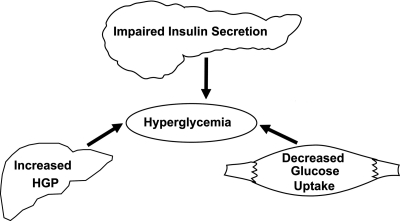
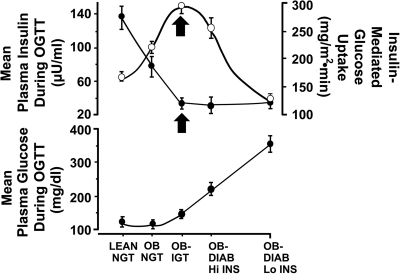
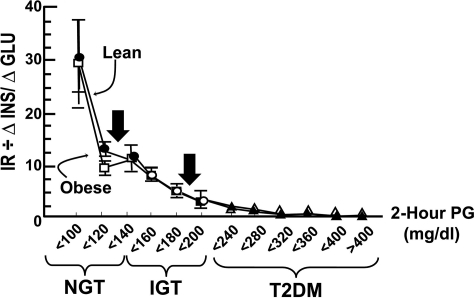
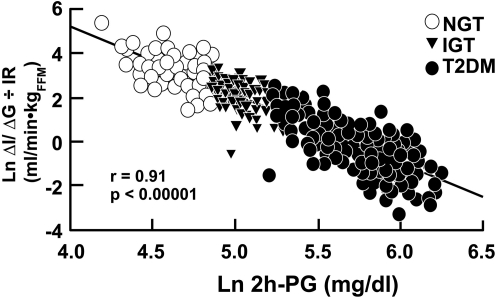
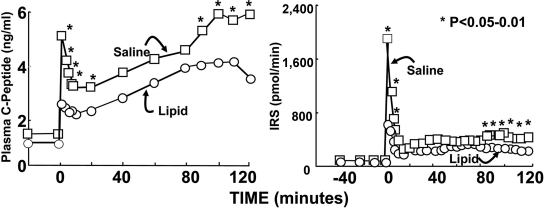
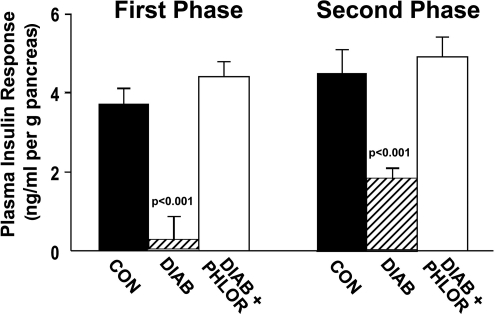
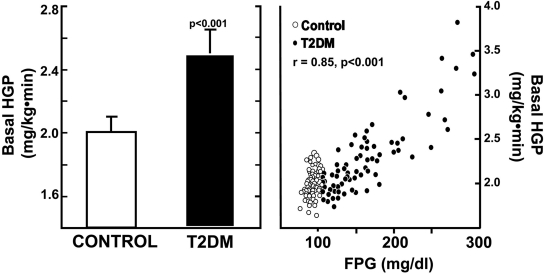
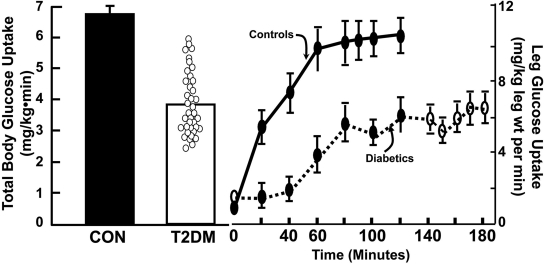
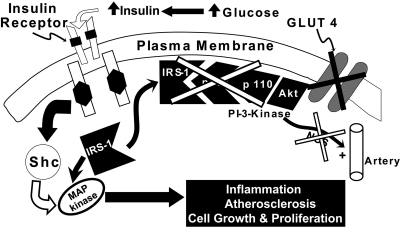
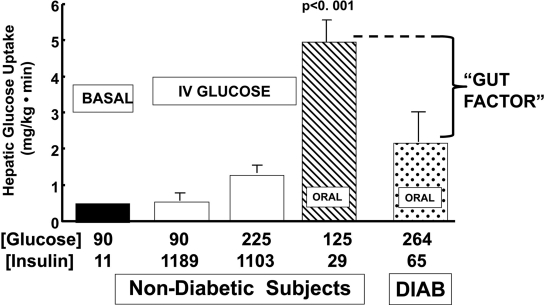
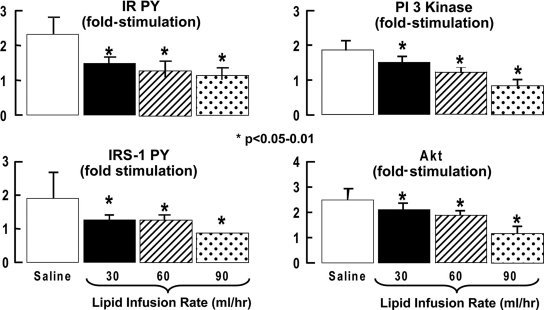
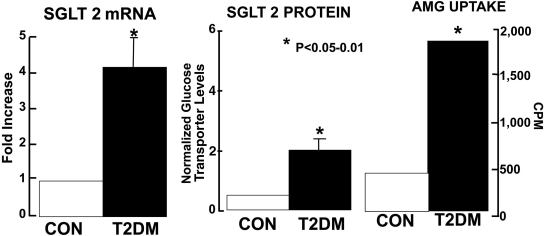
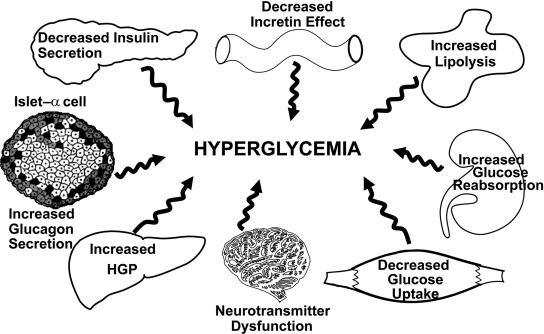
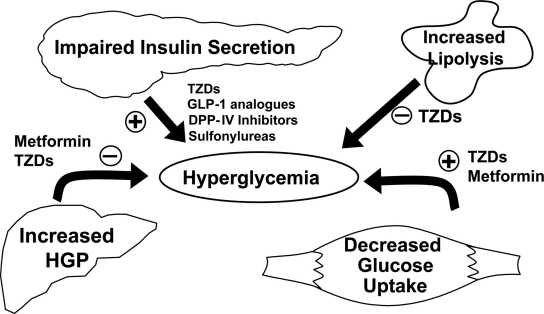
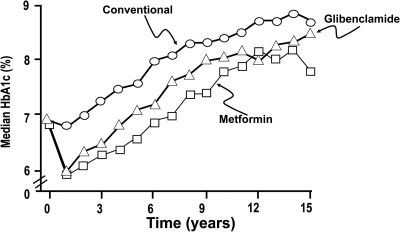
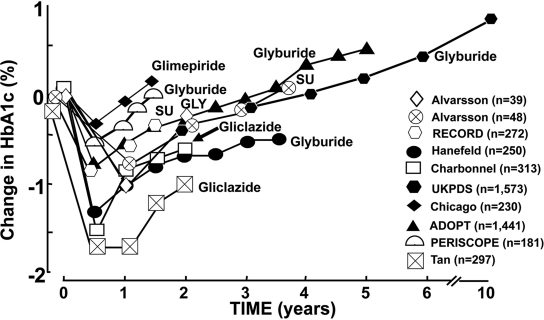
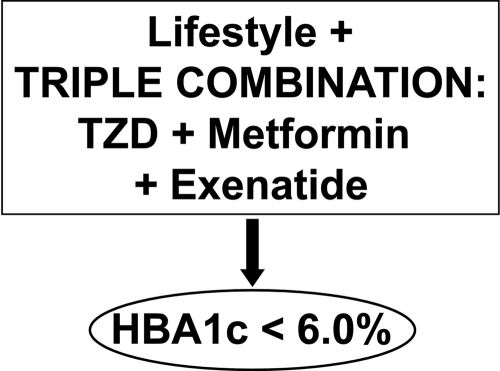
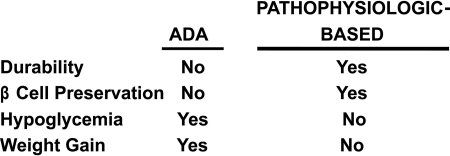
Insulin resistance in muscle and liver and β-cell failure represent the core pathophysiologic defects in type 2 diabetes. It now is recognized that the β-cell failure occurs much earlier and is more severe than previously thought. Subjects in the upper tertile of impaired glucose tolerance (IGT) are maximally/near-maximally insulin resistant and have lost over 80% of their β-cell function. In addition to the muscle, liver, and β-cell (triumvirate), the fat cell (accelerated lipolysis), gastrointestinal tract (incretin deficiency/resistance), α-cell (hyperglucagonemia), kidney (increased glucose reabsorption), and brain (insulin resistance) all play important roles in the development of glucose intolerance in type 2 diabetic individuals. Collectively, these eight players comprise the ominous octet and dictate that: 1 ) multiple drugs used in combination will be required to correct the multiple pathophysiological defects, 2 ) treatment should be based upon reversal of known pathogenic abnormalities and not simply on reducing the A1C, and 3 ) therapy must be started early to prevent/slow the progressive β-cell failure that already is well established in IGT subjects. A treatment paradigm shift is recommended in which combination therapy is initiated with diet/exercise, metformin (which improves insulin sensitivity and has antiatherogenic effects), a thiazolidinedione (TZD) (which improves insulin sensitivity, preserves β-cell function, and exerts antiatherogenic effects), and exenatide (which preserves β-cell function and promotes weight loss). Sulfonylureas are not recommended because, after an initial improvement in glycemic control, they are associated with a progressive rise in A1C and progressive loss of β-cell function. The natural history of type 2 diabetes has been well described in multiple populations (1–16) (rev. in (17,18). Individuals destined to develop type 2 diabetes inherit a set of genes from their parents that make their tissues resistant to insulin (1,16,19–24). In liver, the insulin resistance is manifested by …
Overview
The claims and statistics of this paper haven’t been checked yet.
Free: it reads the open-access text and checks the first 5 claims that cite a source we can check. Create a free account to check every claim.
Integrity signals
Registry
Cites
Statistics
Figures
Verification
Claims the paper makes
The claims and statistics of this paper haven’t been checked yet.
Free: it reads the open-access text and checks the first 5 claims that cite a source we can check. Create a free account to check every claim.
Claims other papers make about this one
Each is checked against this paper’s own text: does it say what the citing paper says it does?
The cited source doesn’t support the claim as written.
In the citing paper
“The first stage of diabetes development is a long compensatory period when insulin resistance is present and accompanied by increased rates of insulin secretion44 and an increased β-cell mass.39”
From Prediabetes: a high-risk state for diabetes development (2012) · cites this paper as [39]
Checked by a reasoning model — may be wrong.
Experimental — accuracy not yet measuredThe source backs part of the claim, not all of it — or backs it for a different population, condition or comparison.
In the citing paper
“The second stage is the stable adaptation period when β-cells are no longer fully compensating for increased insulin resistance; thus fasting and/or postload glucose values are not completely maintained.”
From Prediabetes: a high-risk state for diabetes development (2012) · cites this paper as [39]
Experimental — accuracy not yet measuredThe source backs part of the claim, not all of it — or backs it for a different population, condition or comparison.
In the citing paper
“This period is likely to start when fasting and postload glucose levels are within the normal range36,39,43 and is usually accompanied by a decrease in acute insulin secretion that is present at FPG levels around 5.6 mmol/L.39”
From Prediabetes: a high-risk state for diabetes development (2012) · cites this paper as [39]
Experimental — accuracy not yet measuredThe source backs part of the claim, not all of it — or backs it for a different population, condition or comparison.
In the citing paper
“EGP is markedly suppressed in people with NGT after glucose ingestion while this suppression is less pronounced in prediabetes and diabetes.38,39”
From Prediabetes: a high-risk state for diabetes development (2012) · cites this paper as [39]
Experimental — accuracy not yet measuredThe source backs part of the claim, not all of it — or backs it for a different population, condition or comparison.
In the citing paper
“Using the gold standard euglycemic hyperinsulinemic clamp technique to quantify insulin-stimulated glucose uptake, they demonstrated that both lean and obese T2DM subjects have marked decrease (>50%) in whole body glucose disposal during the insulin clamp.”
From Pathogenesis of insulin resistance in skeletal muscle (2010) · cites this paper as [4]
Experimental — accuracy not yet measured
20 more claims about this paper
Create a free account to see every claim other papers make about this one.
Self-check
Percentages, sums and reported differences re-computed from the paper’s own numbers.
The self-check needs the paper’s full text.
Citations
Cites
3 retracted
Insulin Binding to Monocytes and Insulin Action in Human Obesity, Starvation, and Refeeding
Defronzo, R. A., Soman, V., Sherwin, R. S., Hendler, R., & Felig, P. (1978) · Journal of Clinical Investigation · doi:10.1172/jci109108 · Cited by 252 · cited 1×
“Both obesity (31) and decreased physical activity (32) are insulin-resistant states and, when added to the genetic burden of the insulin resistance, place a major stress on the pancreatic -cells to augment their secretion of insulin to offset the defect in insulin action (1,17).”
BackgroundSelf-citationRetractedInsulin Sensitivity and Insulin Binding to Monocytes in Maturity-Onset Diabetes
Defronzo, R., Deibert, D., Hendler, R., Felig, P., & Soman, V. (1979) · Journal of Clinical Investigation · doi:10.1172/jci109394 · Cited by 188
Self-citationRetractedNieto-Vazquez, I., Fernández-Veledo, S., de Alvaro, C., Rondinone, C. M., Valverde, A. M., & Lorenzo, M. (2007) · Diabetes · doi:10.2337/db06-0989 · Cited by 90
RetractedRole of Insulin Resistance in Human Disease
Reaven, G. M. (1988) · Diabetes · doi:10.2337/diab.37.12.1595 · Cited by 12,154
Mootha, V. K., Lindgren, C. M., Eriksson, K.-F., Subramanian, A., Sihag, S., Lehar, J., Puigserver, P., Carlsson, E., Ridderstråle, M., Laurila, E., et al. (2003) · Nature Genetics · doi:10.1038/ng1180 · Cited by 10,197
Turner, R. C., Fox, C., Matthews, McElroy, H. H., Cull, C. A., Holman, R. R., Neil, P., Hadden, D. R., Wright, D., Manley, E., et al. (1998) · The Lancet · Cited by 8,419
Genetics of Food Intake Self-Regulation in Childhood: Literature Review and Research Opportunities
Faith, M. S., Carnell, S., & Kral, T. V. E. (2013) · Human Heredity · doi:10.1159/000353879 · Cited by 7,601
Glucose clamp technique: a method for quantifying insulin secretion and resistance.
DeFronzo, R. A., Tobin, J. D., & Andres, R. (1979) · American Journal of Physiology-Endocrinology and Metabolism · doi:10.1152/ajpendo.1979.237.3.e214 · Cited by 7,425
Self-citation
Research works printed but not linked: 20
- Jallut D Golay A Munger R Frascarolo P Schutz Y Jequier E Felber JP Impaired glucose tolerance and diabetes in obesity: a 6-year follow-up study of glucose metabolism. Metabolism 1990; 39: 1068– 1075 2215253 · DOI · Paper page
- Ahren B Taborsky GJ Beta-cell function and insulin secretion. In Ellenberg Rifkin's Diabetes Mellitus Porte D Sherin RS Baron A Eds. New York, McGraw Hill, 2003, p. 43– 65
- Kashyap S Belfort R Gastaldelli A Pratipanawatr T Berria R Pratipanawatr W Bajaj M Mandarino L DeFronzo RA Cusi K A sustained increase in plasma free fatty acids impairs insulin secretion in non-diabetic subjects genetically predisposed to develop type 2 diabetes. Diabetes 2003; 52: 2461– 2474 14514628 · DOI · Paper page
- Mendoza RG Davalli A Chavez-Velazquez AO Comuzzie A Tejero E Alvarenga JC Bastarrachea R Zuo P Chang Z Dick E Hubbard G Cruz AM Perez CT Malff G DeFronzo RA Folli F Fasting plasma glucose (FPG) and HbA1c predict quantitatively baboon pancreatic islet amyloidosis (PIA): a novel non-human primate model of β-cell failure in type 2 diabetes mellitus (T2DM) (Abstract). Diabetes 2008; 57(Suppl. 1): A439
- DeFronzo RA Ferrannini E Regulation of intermediatory metabolism during fasting and refeeding. Chapter 52. In Endocrinology DeGroot LJ Jameson JL Eds. Elsevier, Philadelphia, PA, 2006, p. 1015– 1043
- Campbell PJ Mandarino LJ Gerich JE Quantification of the relative impairment in actions of insulin on hepatic glucose production and peripheral glucose uptake in non-insulin-dependent diabetes mellitus. Metabolism 1988; 37: 15– 21 3275857 · DOI · Paper page
- Pratipanawatr W Pratipanawatr T Cusi K Berria R Jenkinson CP Maezono K DeFronzo RA Mandarino L Skeletal muscle insulin resistance in normoglycemic subjects with a strong family history of type 2 diabetes is associated with decreased insulin-stimulated IRS-1 tyrosine phosphorylation. Diabetes 2001; 50: 2572– 2578 11679436 · DOI · Paper page
- Krook A Bjornholm M Galuska D Jiang XJ Fahlman R Myers MG Jr Wallberg-Henriksson H Zierath JR Characterization of signal transduction and glucose transport in skeletal muscle from type 2 diabetic patients. Diabetes 2000; 49: 284– 292 10868945 · DOI · Paper page
- DeFronzo RA Gunnarsson R Bjorkman O Olsson M Wahren J Effects of insulin on peripheral and splanchnic glucose metabolism in non-insulin-dependent (type II) diabetes mellitus. J Clin Invest 1985; 76: 149– 155 3894418 PMC423730 · DOI · Paper page
- Ferrannini E Simonson DC Katz LD Reichard G Bevilacqua S Barrett EJ Olsson M DeFronzo RA The disposal of an oral glucose load in patients with non-insulin dependent diabetes. Metabolism 1988; 37: 79– 85 3275860 · DOI · Paper page
- Pendergrass M Nucci G DeFronzo R In vivo glucose transport (GT) and phosphorylation (GP) in skeletal muscle are impaired by elevation of plasma FFA (Abstract). Diabetes 1998; 47:(Suppl. 1): A65
- Richardson DK Kashyap S Bajaj M Cusi K DeFronzo RA Jenkinson CP Mandarino LJ Lipid infusion induces an inflammatory/fibrotic response and decreases expression of nuclear encoded mitochondrial genes in human skeletal muscle. J Biol Chem 2005; 280: 10290– 10297 15598661 · DOI · Paper page
- Cervera A Wajcberg E Triplitt C Fernandez M Zuo P DeFronzo RA Cersosimo E Improved splanchnic glucose metabolism is responsible for glycemic control in T2DM subjects treated with exenatide (Abstract). Diabetes 2007; 56(Suppl. 1): A404
- Unger RH Aguilar-Parada E Muller WA Eisentraut AM Studies of pancreatic α-cell function in normal and diabetic subjects. J Clin Invest 1970; 49: 837– 848 4986215 PMC322540 · DOI · Paper page
- Bajaj M Suraamornkul S Hardies LJ Glass L Musi N DeFronzo RA Effects of peroxisome proliferator-activated receptor (PPAR)-alpha and PPAR-gamma agonists on glucose and lipid metabolism in patients with type 2 diabetes mellitus. Diabetologia 2007; 50: 1723– 1731 17520238 · DOI
- Kim YB Ciaraldi TP Kong A Kim D Chu N Mohideen P Mudaliar S Henry RR Kahn BB Troglitazone but not metformin restores insulin-stimulated phosphoinositide 3-kinase activity and increases p110-β protein levels in skeletal muscle of type 2 diabetic subjects. Diabetes 2002; 51: 443– 448 11812753 · DOI · Paper page
- Miyazaki Y Glass L Triplitt C Matsuda M Cusi K Mandarino L DeFronzo RA Effect of rosiglitazone on glucose and free fatty acid metabolism in type 2 diabetic patients. Diabetologia 2001; 44: 2210– 2219 11793023 · DOI · Paper page
- Miyazaki Y Mahankali A Matsuda M Mahankali S Hardies J Cusi K Mandarino LJ DeFronzo RA Effect of pioglitazone on abdominal fat distribution and insulin sensitivity in type 2 diabetic patients. J Clin Endocrinol Metab 2002; 87: 2784– 2791 12050251 · DOI · Paper page
- Matthews DR Cull CA Stratton IM Holman RR Turner RC UKPDS 26: Sulphonylurea failure in non-insulin-dependent diabetic patients over six years. UK Prospective Diabetes Study (UKPDS) Group. Diabet Med 1998; 15: 297– 303 9585394 · DOI
- Lupi R Del Guerra S Marselli L Bugliani M Boggi U Mosca F Marchetti P Del Prato S Rosiglitazone prevents the impairment of human islet function induced by fatty acids: evidence for a role of PPARgamma2 in the modulation of insulin secretion. Am J Physiol Endocrinol Metab 2004; 286: E560– E567 14625208 · DOI · Paper page
Cited by
Items 701–800 of 1,011
Renal glucose handling in diabetes and sodium glucose cotransporter 2 inhibition
Poudel, R. (2013) · Indian Journal of Endocrinology and Metabolism · doi:10.4103/2230-8210.113725 · Cited by 46
Davidson, J. A. (2010) · Mayo Clinic Proceedings · doi:10.4065/mcp.2010.0469 · Cited by 46
SGLT-2 Inhibitor Therapy Added to GLP-1 Agonist Therapy in the Management of T2DM
Saroka, R. M., Kane, M. P., Busch, R. S., Watsky, J., & Hamilton, R. A. (2015) · Endocrine Practice · doi:10.4158/ep15877.or · Cited by 45
van Raalte, D. H., van Genugten, R. E., Eliasson, B., Möller-Goede, D. L., Mari, A., Tura, A., Wilson, C., Fleck, P. R., Taskinen, M., Smith, U., et al. (2014) · European Journal of Endocrinology · doi:10.1530/eje-13-0639 · Cited by 50
Basal Glucose Can Be Controlled, but the Prandial Problem Persists—It’s the Next Target!
Riddle, M. C. (2017) · Diabetes Care · doi:10.2337/dc16-2380 · Cited by 39
Dey, J. (2017) · Postgraduate Medicine · doi:10.1080/00325481.2017.1307081 · Cited by 47
Exercise in vivo marks human myotubes in vitro: Training-induced increase in lipid metabolism
Lund, J., Rustan, A. C., Løvsletten, N. G., Mudry, J. M., Langleite, T. M., Feng, Y. Z., Stensrud, C., Brubak, M. G., Drevon, C. A., Birkeland, K. I., et al. (2017) · PLOS ONE · doi:10.1371/journal.pone.0175441 · Cited by 43
Dapagliflozin Aggravates Renal Injury via Promoting Gluconeogenesis in db/db Mice
Jia, Y., He, J., Wang, L., Su, L., Lei, L., Huang, W., Geng, X., Zhang, S., Meng, X., Zhou, H., et al. (2018) · Cellular Physiology and Biochemistry · doi:10.1159/000487783 · Cited by 44
Do the SGLT-2 Inhibitors Offer More than Hypoglycemic Activity?
Flores, E., Santos‐Gallego, C. G., Mejia, N. M. D., & Badimón, J. J. (2018) · Cardiovascular Drugs and Therapy · doi:10.1007/s10557-018-6786-x · Cited by 47
A State-of-the-Science Review of Arsenic’s Effects on Glucose Homeostasis in Experimental Models
Castriota, F., Rieswijk, L., Dahlberg, S., Merrill, M. A. L., Steinmaus, C., Smith, M. T., & Wang, J.-C. (2020) · Environmental Health Perspectives · doi:10.1289/ehp4517 · Cited by 45
“Skeletal muscle, however, is primarily responsible for the majority of insulin-dependent glucose utilization in the body (DeFronzo 2009).”
Rezazadeh, H., Sharifi, M. R., Sharifi, M., & Soltani, N. (2021) · Biomedicine & Pharmacotherapy · doi:10.1016/j.biopha.2021.111440 · Cited by 47
Baydar, O., Kılıç, A., Okcuoglu, J., Apaydın, Z., & Can, M. M. (2021) · Angiology · doi:10.1177/00033197211007719 · Cited by 50
“In addition, IR has been considered both a pathogenic cause and a predictor of ASCVD in type 2 diabetes.(16,17) Insulin resistance can be described the HOMA-IR and TyG index.”
BackgroundBreen, L., Philp, A., Shaw, C. S., Jeukendrup, A. E., Baar, K., & Tipton, K. D. (2011) · PLoS ONE · doi:10.1371/journal.pone.0020613 · Cited by 41
Ikehara, S., Tabák, Á. G., Akbaraly, T. N., Hulmán, Á., Kivimäki, M., Forouhi, N. G., Iso, H., & Brunner, E. J. (2014) · Diabetologia · doi:10.1007/s00125-014-3448-9 · Cited by 45
Tirzepatide: A novel, first-in-class, dual GIP/GLP-1 receptor agonist
Tall Bull, S., Nuffer, W., & Trujillo, J. M. (2022) · Journal of Diabetes and its Complications · doi:10.1016/j.jdiacomp.2022.108332 · Cited by 43
The Rise of Type 2 Diabetes in Children and Adolescents: An Emerging Pandemic
Goyal, S., & Vanita, V. (2025) · Diabetes/Metabolism Research and Reviews · doi:10.1002/dmrr.70029 · Cited by 50
“However, studies have suggested that the development of β ‐cell dysfunction relies on a pre‐existing potential genetic predisposition, playing a crucial role in its emergence [79, 81].”
Vangipurapu, J., Stančáková, A., Pihlajamäki, J., Kuulasmaa, T., Kuulasmaa, T., Paananen, J., Kuusisto, J., Ferrannini, E., & Laakso, M. (2010) · Diabetologia · doi:10.1007/s00125-010-1977-4 · Cited by 45
“Adipocyte metabolism is also known to be altered in type 2 diabetes [11].”
BackgroundYang, T., Gao, X., Sandberg, M., Zollbrecht, C., Zhang, X., Hezel, M. P., Liu, M. R., Peleli, M., Lai, E., Harris, R. A., et al. (2015) · Diabetologia · doi:10.1007/s00125-015-3570-3 · Cited by 44
Maternal diabetes, programming of beta-cell disorders and intergenerational risk of type 2 diabetes
Chavey, A., Kioon, M. D. A., Bailbé, D., Movassat, J., & Portha, B. (2014) · Diabetes & Metabolism · doi:10.1016/j.diabet.2014.02.003 · Cited by 47
Gliptins (dipeptidyl peptidase-4 inhibitors) and risk of acute pancreatitis
Scheen, A. J. (2013) · Expert Opinion on Drug Safety · doi:10.1517/14740338.2013.793671 · Cited by 47
Giuffrida, F. M. A., Guedes, A. D., Rocco, E. R., Mory, D. B., Dualib, P. M., Matos, O. S., Fonseca, R. M. C., Cobas, R. A., Negrato, C. A., Gomes, M. B., et al. (2012) · Cardiovascular Diabetology · doi:10.1186/1475-2840-11-156 · Cited by 43
Saisho, Y., Manesso, E., Butler, A. E., Galasso, R., Kavanagh, K., Flynn, M., Zhang, L., Clark, P., Gurlo, T., Toffolo, G. M., et al. (2011) · Diabetes · doi:10.2337/db09-1368 · Cited by 41
Wentworth, J. M., Naselli, G., Ngui, K., Smyth, G. K., Liu, R., O’Brien, P. E., Bruce, C. R., Weir, J. M., Cinel, M. A., Meikle, P. J., et al. (2015) · International Journal of Obesity · doi:10.1038/ijo.2015.223 · Cited by 46
Lavernia, F., Adkins, S. E., & Shubrook, J. H. (2015) · Postgraduate Medicine · doi:10.1080/00325481.2015.1085293 · Cited by 47
Effect of Chronic Hyperglycemia on Glucose Metabolism in Subjects With Normal Glucose Tolerance
Shannon, C. E., Merovci, A., Xiong, J., Tripathy, D., Lorenzo, F., McClain, D. A., Abdul-Ghani, M. A., Norton, L., & DeFronzo, R. A. (2018) · Diabetes · doi:10.2337/db18-0439 · Cited by 44
Self-citationWensveen, F. M., Šestan, M., Wensveen, T. T., & Polić, B. (2019) · European Journal of Immunology · doi:10.1002/eji.201847895 · Cited by 48
Mechanisms of Protective Effects of SGLT2 Inhibitors in Cardiovascular Disease and Renal Dysfunction
Liu, B., Wang, Y., Zhang, Y., & Yan, B. (2019) · Current Topics in Medicinal Chemistry · doi:10.2174/1568026619666190828161409 · Cited by 45
Gregory, J. M., Muldowney, J. A. S., Engelhardt, B. G., Tyree, R. N., Marks‐Shulman, P., Silver, H. J., Donahue, E. P., Edgerton, D. S., & Winnick, J. J. (2019) · Nutrition and Diabetes · doi:10.1038/s41387-019-0090-0 · Cited by 48
Warner, S. O., Yao, M. V., Cason, R. L., & Winnick, J. J. (2020) · Frontiers in Endocrinology · doi:10.3389/fendo.2020.00567 · Cited by 43
Sbraccia, P., D’Adamo, M., & Guglielmi, V. (2021) · Eating and Weight Disorders - Studies on Anorexia Bulimia and Obesity · doi:10.1007/s40519-021-01109-4 · Cited by 50
Via, M. A. (2010) · Diabetes Metabolic Syndrome and Obesity · doi:10.2147/dmso.s9575 · Cited by 46
Linagliptin: farmacology, efficacy and safety in type 2 diabetes treatment
Guedes, E. P., Hohl, A., de Melo, T. G., & Lauand, F. (2013) · Diabetology & Metabolic Syndrome · doi:10.1186/1758-5996-5-25 · Cited by 47
The diabetogenic effects of pesticides: Evidence based on epidemiological and toxicological studies
Wei, Y., Wang, L., & Liu, J. (2023) · Environmental Pollution · doi:10.1016/j.envpol.2023.121927 · Cited by 53
Prevalence of Hypercortisolism in Difficult-to-Control Type 2 Diabetes
Buse, J. B., Kahn, S. E., Aroda, V. R., Auchus, R. J., Bailey, T. S., Bancos, I., Busch, R. S., Christofides, E. A., DeFronzo, R. A., Eilerman, B., et al. (2025) · Diabetes Care · doi:10.2337/dc24-2841 · Cited by 47
Self-citationWang, L., Wang, Q., Xiong, Y., Shi, W. F., & Xiao, Q. (2025) · Diabetes Metabolic Syndrome and Obesity · doi:10.2147/dmso.s540103 · Cited by 46
Peroxisome proliferator-activated receptor translational research and clinical experience
Cheatham, W. W. (2009) · American Journal of Clinical Nutrition · doi:10.3945/ajcn.2009.28449d · Cited by 45
Ross, S. A., Rafeiro, E., Meinicke, T. W., Toorawa, R., Weber-Born, S., & Woerle, H. (2012) · Current Medical Research and Opinion · doi:10.1185/03007995.2012.714360 · Cited by 53
Early Combination Therapy with Oral Glucose-Lowering Agents in Type 2 Diabetes
Bianchi, C., Daniele, G., Dardano, A., Miccoli, R., & Prato, S. D. (2017) · Drugs · doi:10.1007/s40265-017-0694-4 · Cited by 48
Treating prediabetes: why and how should we do it?
Braga, T. G., Kraemer‐Aguiar, L. G., Docherty, N. G., & le Roux, C. W. (2019) · Minerva Medica · doi:10.23736/s0026-4806.18.05897-4 · Cited by 45
Chueire, V. B., & Muscelli, E. (2020) · Archives of Endocrinology and Metabolism · doi:10.20945/2359-3997000000313 · Cited by 51
Adnan, M., Jeon, B.-B., Chowdhury, M. H. U., Oh, K., Das, T., Chy, M. N. U., & Cho, D. H. (2022) · Life · doi:10.3390/life12020277 · Cited by 44
“Moreover, chronic inflammation leads to impaired control of blood glucose levels, resulting in vascular complications [6].”
BackgroundNALP3 inflammasome activation in protein misfolding diseases
Shi, F., Kouadir, M., & Yang, Y. (2015) · Life Sciences · doi:10.1016/j.lfs.2015.05.011 · Cited by 45
Changing the Treatment Paradigm for Type 2 Diabetes
Prato, S. D., Penno, G., & Miccoli, R. (2009) · Diabetes Care · doi:10.2337/dc09-s314 · Cited by 47
“Based on this pathophysiological background, DeFronzo in his Banting Medal Lecture (38) proposed that triple therapy should be initiated as early as possible, rather than adopting a stepwise approach simply based on A1C targeting.”
BackgroundPatient empowerment and optimal glycemic control
White, R. D. (2012) · Current Medical Research and Opinion · doi:10.1185/03007995.2012.677417 · Cited by 41
Tsai, K., Chu, C., Huang, W., Sui, X., Lavie, C. J., & Lin, G. (2024) · Cardiovascular Diabetology · doi:10.1186/s12933-024-02229-8 · Cited by 43
Dual Acting and Pan-PPAR Activators as Potential Anti-diabetic Therapies
Heald, M., & Cawthorne, M. A. (2011) · Handbook of experimental pharmacology · doi:10.1007/978-3-642-17214-4_2 · Cited by 43
“Improving insulin sensitivity has added a powerful armamentarium to the treatment of diabetes and as yet the thiazolidinediones such as rosiglitazone and pioglitazone are the only drugs that are clinically proven to suppress pancreatic b-cell failure (Defronzo 2009).”
BackgroundMatveyenko, A. V., Singh, I., Shin, B., Georgia, S. K., & Devaskar, S. U. (2010) · Endocrinology · doi:10.1210/en.2010-0978 · Cited by 41
Organ-specific metabolic pathways distinguish prediabetes, type 2 diabetes, and normal tissues
Diamanti, K., Cavalli, M., Pereira, M. J., Pan, G., Castillejo-López, C., Kumar, C., Mundt, F., Komorowski, J., Deshmukh, A. S., Mann, M., et al. (2022) · Cell Reports Medicine · doi:10.1016/j.xcrm.2022.100763 · Cited by 45
“9,37,61 It could therefore be speculated that there is a vascular/inflammatory in-sulitis to pancreatic islets that occurs mainly during diabetes development but later on subsides.”
InfluentialType 2 Diabetes Mellitus and Its Association with the Risk of Pancreatic Carcinogenesis: A Review
Biadgo, B., & Abebe, M. (2016) · Korean Journal of Gastroenterology · doi:10.4166/kjg.2016.67.4.168 · Cited by 47
Comparison of the diabetes guidelines from the ADA/EASD and the AACE/ACE
Cornell, S. A. (2017) · Journal of the American Pharmacists Association · doi:10.1016/j.japh.2016.11.005 · Cited by 47
Christensen, M. M. H., Højlund, K., Nielsen, O. H., Stage, T. B., Damkier, P., Beck‐Nielsen, H., & Brøsen, K. (2015) · Diabetologia · doi:10.1007/s00125-015-3733-2 · Cited by 40
“In patients with type 2 diabetes this could involve increased circulating glucagon levels and enhanced hepatic sensitivity to glucagon, which is believed to contribute to an elevated HGP [27–29].”
BackgroundDifferentiating among incretin therapies: a multiple-target approach to type 2 diabetes
Cornell, S. (2012) · Journal of Clinical Pharmacy and Therapeutics · doi:10.1111/j.1365-2710.2012.01342.x · Cited by 39
“…+1Æ0 HOMA-IR VNR blood lipidsj Berg (2011)7 MET or TZD RDBCC/4 )0Æ89 ›20Æ8% HOMA-Bg )2Æ0 SBP Saxagliptin 5 mg Chacra (2009)48 SU RCC/24 0Æ8 ›7Æ6% HOMA-2B )0Æ10 HOMA-2IR +0Æ12 insulinogenic index )3Æ2 SBP VNR blood lipidsj DeFronzo (2009)49 MET RDBPC/24 )0Æ87 ›17Æ6% HOMA-2B +0Æ16 Insulinogenic…”
Maki, K. C., Nieman, K. M., Schild, A. L., Kaden, V. N., Lawless, A. L., Kelley, K., & Rains, T. M. (2015) · Journal of Nutrition · doi:10.3945/jn.114.204503 · Cited by 47
Positioning SGLT2 Inhibitors/Incretin-Based Therapies in the Treatment Algorithm
Wilding, J. P. H., Rajeev, S. P., & DeFronzo, R. A. (2016) · Diabetes Care · doi:10.2337/dcs15-3005 · Cited by 43
Self-citationTsuneki, H., Kon, K., Ito, H., Yamazaki, M., Takahara, S., Toyooka, N., Ishii, Y., Sasahara, M., Wada, T., Yanagisawa, M., et al. (2016) · Endocrinology · doi:10.1210/en.2016-1404 · Cited by 36
Effects of cabergoline on blood glucose levels in type 2 diabetic patients
Bahar, A., Kashi, Z., Daneshpour, E., Akha, O., & Ala, S. (2016) · Medicine · doi:10.1097/md.0000000000004818 · Cited by 40
Under-treatment of type 2 diabetes: Causes and outcomes of clinical inertia
Bailey, C. J. (2016) · International Journal of Clinical Practice · doi:10.1111/ijcp.12906 · Cited by 40
Erickson, M. L., Little, J. P., Gay, J. L., McCully, K. K., & Jenkins, N. T. (2017) · Diabetes Research and Clinical Practice · doi:10.1016/j.diabres.2017.02.015 · Cited by 45
“Type 2 diabetes is a metabolic disease characterized by defects in insulin action and/or insulin secretion, which ultimately contribute to hyperglycemia [1].”
BackgroundPinho, A., Fortuna, A. C., Falcão, A. C., Paiva‐Santos, A. C., Seiça, R. M. F., Estevens, C., Veiga, F., & Ribeiro, A. J. (2019) · Journal of Pharmaceutical Analysis · doi:10.1016/j.jpha.2019.02.001 · Cited by 41
Goff, L. M., Ladwa, M., Hakim, O., & Bello, O. (2019) · Proceedings of The Nutrition Society · doi:10.1017/s0029665119001034 · Cited by 44
Bile Acids: Key Regulators and Novel Treatment Targets for Type 2 Diabetes
Wu, Y., Zhou, A., Tang, L., Lei, Y., Tang, B., & Zhang, L. (2020) · Journal of Diabetes Research · doi:10.1155/2020/6138438 · Cited by 45
Li, M., Zhou, W., Dang, Y., Li, C., Ji, G., & Zhang, L. (2020) · Biomedicine & Pharmacotherapy · doi:10.1016/j.biopha.2020.110953 · Cited by 40
Gut-derived bacterial flagellin induces beta-cell inflammation and dysfunction
Scheithauer, T. P. M., Herrema, H., Yu, H., Bakker, G. J., Winkelmeijer, M., Soukhatcheva, G., Dai, D. L., Ma, C., Havik, S. R., Balvers, M., et al. (2022) · Gut Microbes · doi:10.1080/19490976.2022.2111951 · Cited by 43
“Although in later stages of T2D insulin secretory rates are lowered, prior to the diagnosis and in earlier phases of the disease, insulin secretion is actually increased (Defronzo, 2009).”
BackgroundIs there a justification for classifying GLP-1 receptor agonists as basal and prandial?
Miñambres, I., & Pérez, A. (2017) · Diabetology & Metabolic Syndrome · doi:10.1186/s13098-017-0204-6 · Cited by 39
“Furthermore, GLP-1 receptor agonists act against other abnormalities present in individuals with type 2 diabetes and included in the so-called ominous octet of diabetes [10].”
BackgroundEl‐Nashar, H. A. S., Taleb, M., El‐Shazly, M., Zhao, C., & Farag, M. A. (2023) · Phytotherapy Research · doi:10.1002/ptr.8067 · Cited by 40
“In type-2 DM, the suppressed properties of GLP along with insulin resistance were reported as pathophysiological features (Defronzo, 2009).”
BackgroundNi, W., Jiang, R., Xu, D., Zhu, J., Chen, J., Lin, Y., & Zhou, H. (2025) · Cardiovascular Diabetology · doi:10.1186/s12933-025-02595-x · Cited by 43
Del Prato, S., Foley, J. E., Kothny, W., Kozlovski, P., Stumvoll, M., Paldánius, P. M., & Matthews, D. R. (2014) · Diabetic Medicine · doi:10.1111/dme.12508 · Cited by 39
Abdul-Ghani, M., Migahid, O., Megahed, A., Adams, J., Triplitt, C., DeFronzo, R. A., Zirie, M., & Jayyousi, A. (2017) · Diabetes Care · doi:10.2337/dc16-1738 · Cited by 39
Self-citationSGLT2 inhibition and heart failure—current concepts
da Silva, J. C., Durães, A. R., Abreu, M., Rocha, N. A., & Roever, L. (2018) · Heart Failure Reviews · doi:10.1007/s10741-018-9703-2 · Cited by 44
van de Sande‐Lee, S., Melhorn, S. J., Rachid, B., Rodovalho, S., Júnior, J. C. D. L., de Campos, B. M., Pedro, T., Beltramini, G. C., Chaim, É. A., Pareja, J. C., et al. (2019) · International Journal of Obesity · doi:10.1038/s41366-019-0399-8 · Cited by 41
Ding, L., Goossens, G. H., Oligschlaeger, Y., Houben, T., Blaak, E. E., & Shiri‐Sverdlov, R. (2019) · Diabetologia · doi:10.1007/s00125-019-05025-2 · Cited by 44
Use of SGLT2 Inhibitors in Older Adults: Scientific Evidence and Practical Aspects
da Silva, J. C., Filho, J. D. S. R., Cavalcanti, C. A. J., Martins, A., & Salles, J. E. N. (2020) · Drugs & Aging · doi:10.1007/s40266-020-00757-y · Cited by 41
An ‘Ayurveda-Biology’ platform for integrative diabetes management
Thottappillil, A., Kouser, S., Kukkupuni, S. K., & Vishnuprasad, C. N. (2020) · Journal of Ethnopharmacology · doi:10.1016/j.jep.2020.113575 · Cited by 48
Shah, N. Z., Abdalla, M. A., Deshmukh, H., & Sathyapalan, T. (2021) · Therapeutic Advances in Endocrinology and Metabolism · doi:10.1177/20420188211042145 · Cited by 44
Patel, V. N., Chorawala, M. R., Shah, M. B., Shah, K. C., Dave, B. P., Shah, M. P., & Patel, T. M. (2022) · Journal of Alzheimer s Disease Reports · doi:10.3233/adr-220021 · Cited by 41
The critical issue linking lipids and inflammation: Clinical utility of stopping oxidative stress
Bale, B. F., Doneen, A. L., Leimgruber, P. P., & Vigerust, D. J. (2022) · Frontiers in Cardiovascular Medicine · doi:10.3389/fcvm.2022.1042729 · Cited by 41
Molecular Genetics of Abnormal Redox Homeostasis in Type 2 Diabetes Mellitus
Azarova, I. E., Polonikov, A., & Klyosova, E. Y. (2023) · International Journal of Molecular Sciences · doi:10.3390/ijms24054738 · Cited by 41
Pathobiology of Prediabetes in a Biracial Cohort (POP-ABC): design and methods.
Dagogo-Jack, S. E., Edeoga, C., Nyenwe, E. A., Chapp-Jumbo, E. N., & Wan, J. Y. (2011) · PubMed · Cited by 40
Sikhayeva, N. S., Iskakova, A. N., Saigí-Morgui, N., Zholdybayeva, E. V., Eap, C. B., & Ramanculov, E. M. (2017) · BMC Medical Genetics · doi:10.1186/s12881-017-0443-2 · Cited by 40
“T2DMis a multifactorial disease; its pathogenesis is characterised by β-cell dysfunction accompanied by reduced insulin secretion and β-cell mass, increased glucagon secretion, a diminished incretin response, augmented liver glucose production, enhanced glucose reabsorption, activated lipolysis, reduced glucose absorp…”
BackgroundStructure and Function of Bone Marrow Adipocytes
de Paula, F. J. A., & Rosen, C. J. (2017) · Comprehensive physiology · doi:10.1002/cphy.c170010 · Cited by 44
WITHDRAWN: Reprint of: Classification of diabetes mellitus
Adler, A., Bennett, P., Chair, S. C., Gregg, E., Venkat Narayan, K. M., Schmidt, M. I., Sobngwi, E., Tajima, N., Tandon, N., Unwin, N., et al. (2021) · Diabetes Research and Clinical Practice · doi:10.1016/j.diabres.2021.108972 · Cited by 38
RetractedRidderstråle, M., Svärd, R., Zeller, C., Kim, G., Woerle, H. J., & Broedl, U. C. (2013) · Cardiovascular Diabetology · doi:10.1186/1475-2840-12-129 · Cited by 44
Multi-omics approaches for biomarker discovery and precision diagnosis of prediabetes
Song, J., Wang, C., Zhao, T., Zhang, Y., Xing, J., Zhao, X., Zhang, Y., & Zhang, Z. (2025) · Frontiers in Endocrinology · doi:10.3389/fendo.2025.1520436 · Cited by 53
Brunton, S. (2015) · International Journal of Clinical Practice · doi:10.1111/ijcp.12675 · Cited by 45
Tamboli, R. A., Hajri, T., Jiang, A., Marks-Shulman, P. A., Williams, D. B., Clements, R. H., Melvin, W., Bowen, B. P., Shyr, Y., Abumrad, N. N., et al. (2011) · PLoS ONE · doi:10.1371/journal.pone.0028577 · Cited by 37
Newer insulin analogs: advances in basal insulin replacement
Zinman, B. (2013) · Diabetes Obesity and Metabolism · doi:10.1111/dom.12068 · Cited by 42
New Developments in Diabetes Management: Medications of the 21st Century
Fonseca, V. A. (2014) · Clinical Therapeutics · doi:10.1016/j.clinthera.2014.01.018 · Cited by 41
Lee, H., Jee, Y., Hong, K., Hwang, G. S., & Chun, K. (2013) · PLoS ONE · doi:10.1371/journal.pone.0083471 · Cited by 38
Mega, C., Teixeira‐Lemos, E., Fernandes, R., & Reis, F. (2017) · Journal of Diabetes Research · doi:10.1155/2017/5164292 · Cited by 38
“Despite all recomendations, many patients spend a long time well outside the target glycaemic range and, therefore, have an increased risk for developing micro- and macrovascular complications [6, 39].”
BackgroundAvilés-Santa, L. M., Colón‐Ramos, U., Lindberg, N. M., Mattei, J., Pasquel, F. J., & Pérez, C. M. (2017) · Frontiers in Endocrinology · doi:10.3389/fendo.2017.00298 · Cited by 39
Ahangarpour, A., Alboghobeish, S., Rezaei, M., Khodayar, M. J., Oroojan, A. A., & Zainvand, M. (2018) · PubMed Central · Cited by 38
Pennings, N. J., Jaber, J. F., & Ahiawodzi, P. D. (2018) · Diabetes/Metabolism Research and Reviews · doi:10.1002/dmrr.2986 · Cited by 40
Laichuthai, N., Abdul‐Ghani, M. A., Kosiborod, M., Parksook, W. W., Kerr, S. J., & DeFronzo, R. A. (2020) · Diabetes Care · doi:10.2337/dc20-0059 · Cited by 45
Self-citationChronic Microvascular Complications in Prediabetic States—An Overview
Baranowska-Jurkun, A., Matuszewski, W., & Bandurska-Stankiewicz, E. M. (2020) · Journal of Clinical Medicine · doi:10.3390/jcm9103289 · Cited by 43
“, the third stage of DM development—β-cells become incapable of compensating for insulin resistance by secreting more insulin, and the glucose level rapidly increases [23,29].”
BackgroundMethodInfluentialPatel, A. H., Peddu, D. K., Amin, S., Elsaid, M. I., Minacapelli, C. D., Chandler, T.-M., Catalano, C., & Rustgi, V. K. (2022) · Journal of Clinical and Translational Hepatology · doi:10.14218/jcth.2022.00204 · Cited by 47
Inclusion of Plasma Lipid Species Improves Classification of Individuals at Risk of Type 2 Diabetes
Wong, G., Barlow, C. K., Weir, J. M., Jowett, J. B. M., Magliano, D. J., Zimmet, P., Shaw, J. E., & Meikle, P. J. (2013) · PLoS ONE · doi:10.1371/journal.pone.0076577 · Cited by 38
Bray, G. A., Smith, S. R., Banerji, M. A., Tripathy, D., Clement, S. C., Buchanan, T. A., Henry, R. R., Kitabchi, A. E., Mudaliar, S., Musi, N., et al. (2013) · Diabetes, Obesity and Metabolism · doi:10.1111/dom.12099 · Cited by 37
Self-citationPharmacotherapy of ‘treatment resistant’ type 2 diabetes
Scheen, A. J. (2017) · Expert Opinion on Pharmacotherapy · doi:10.1080/14656566.2017.1297424 · Cited by 40
Creatine supplementation and glycemic control: A systematic review
Pinto, C. L., Botelho, P. B., Pimentel, G. D., Campos-Ferraz, P. L., & Mota, J. F. (2016) · Amino Acids · doi:10.1007/s00726-016-2277-1 · Cited by 37
Sotagliflozin as a potential treatment for type 2 diabetes mellitus
Cariou, B., & Charbonnel, B. (2015) · Expert Opinion on Investigational Drugs · doi:10.1517/13543784.2015.1100361 · Cited by 37
Metadata
- Authors
- DeFronzo, R. A.
- Affiliations
- The University of Texas at San Antonio Health Science Center (US)
- Corresponding author
- DeFronzo, Ralph A.
- ORCID
- DeFronzo, Ralph A.
- Venue
- Diabetes
- Publisher
- American Diabetes Association
- Published
- 2009-04-01
- Volume
- 58
- Issue
- 4
- Pages
- 773-795
- ISSN
- 0012-1797 (ISSN-L)
- 1939-327X
- PMC
- PMC2661582
- OpenAlex
- W2109728760
- Cited by
- 3,016
- References
- 307
- Citations by year
- 2026: 167 · 2025: 181 · 2024: 167 · 2023: 201 · 2022: 189 · 2021: 184 · 2020: 206 · 2019: 193 · 2018: 205 · 2017: 198 · 2016: 194 · 2015: 197 · 2014: 163 · 2013: 152 · 2012: 145
- FWCI
- 102.13
- Type
- journal article
- Language
- en
- Open access
- hybrid
- doi.org
- Licence
- Locations
- Diabetes (publishedVersion, cc-by-nc-nd)
- PubMed Central (publishedVersion, cc-by-nc-nd)
- PubMed (publishedVersion)
- Topics
- Health Sciences › Medicine › Endocrinology, Diabetes and Metabolism › Diabetes Treatment and Management
- Health Sciences › Medicine › Endocrinology, Diabetes and Metabolism › Diabetes Management and Research
- Health Sciences › Medicine › Endocrinology, Diabetes and Metabolism › Diabetes, Cardiovascular Risks, and Lipoproteins
- Keywords
- type 2 diabetes, insulin resistance, beta-cell failure, impaired glucose tolerance, metformin, thiazolidinediones, exenatide, sulfonylureas, combination therapy, hyperglucagonemia, early treatment, natural history of diabetes, insulin sensitivity
- MeSH terms
- Insulin Secretion, Adipose Tissue, Amyloid, Diabetes Mellitus, Type 2, Glucose, Humans, Insulin, Insulin Resistance, Liver, Obesity, Prediabetic State, Muscle, Skeletal, Insulin-Secreting Cells, Islet Amyloid Polypeptide
About these checks
Registry, retraction, Cites and statistics results are computed, not judged, with one exception: a printed reference that no index lists is read once by a model before it counts as a citation error. Claims are extracted by a model and kept only when their quote appears verbatim in the text; each cited source is then checked, with a model’s help, for whether it says what the claim relies on. Those verdicts can be wrong — read the claim’s quote and the cited source before relying on one.
Statistics and arithmetic are recomputed, not judged.
Confidence bands are shown only for fields calibrated on our annotated test set. None is calibrated yet, so no band is shown.
What counts as a claim ›How we measure confidence ›How we check this ›
Are you an author, or do you see a problem with this page? Request a review
Data sources
Bibliographic data: Semantic Scholar, OpenAlex, Crossref.
Contains information from the Semantic Scholar Academic Graph Datasets, made available under the ODC Attribution License (ODC-BY 1.0).
Semantic Scholar’s data is described in: Kinney, R., et al. (2023). The Semantic Scholar Open Data Platform. arXiv:2301.10140.
