

From the Triumvirate to the Ominous Octet: A New Paradigm for the Treatment of Type 2 Diabetes Mellitus.
Open accessThe DOI matches its Crossref record; 303 of the 307 references it cites were found in a registry or an index.
Abstract
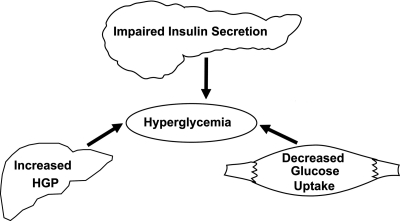
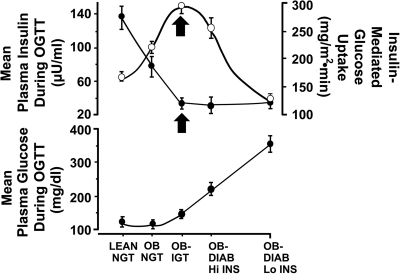
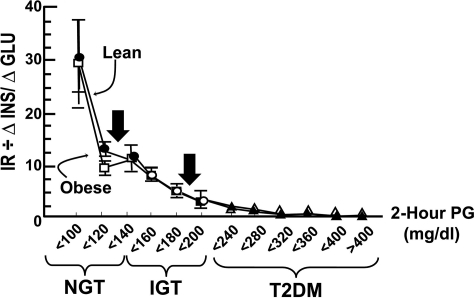
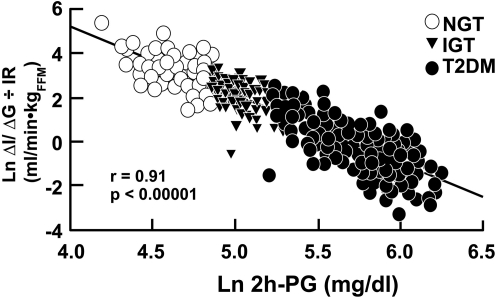
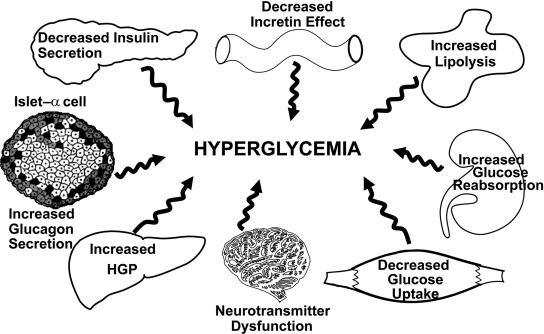
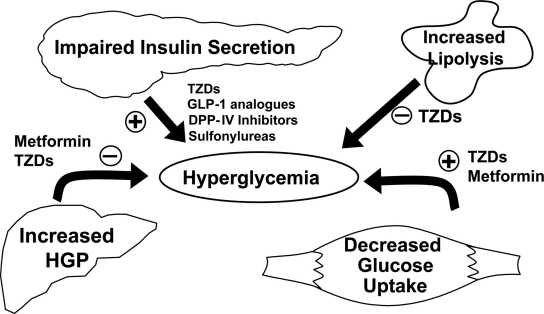
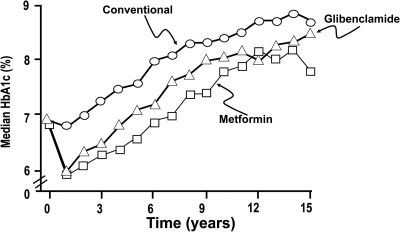
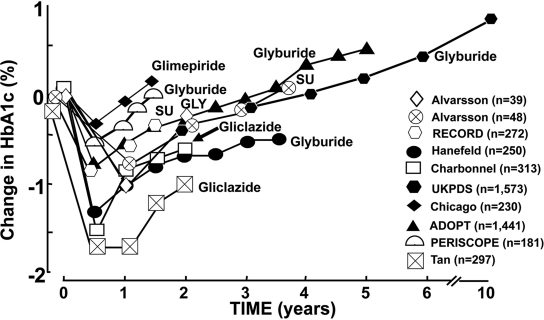
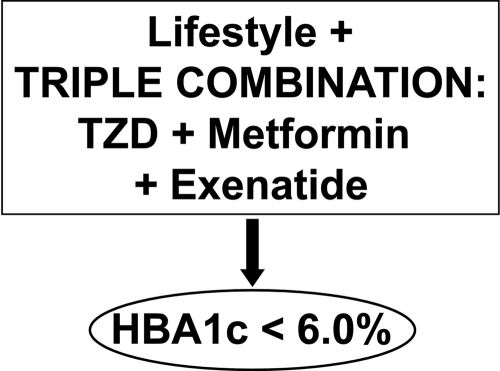
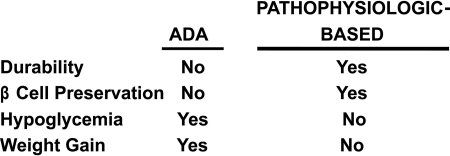
Insulin resistance in muscle and liver and β-cell failure represent the core pathophysiologic defects in type 2 diabetes. It now is recognized that the β-cell failure occurs much earlier and is more severe than previously thought. Subjects in the upper tertile of impaired glucose tolerance (IGT) are maximally/near-maximally insulin resistant and have lost over 80% of their β-cell function. In addition to the muscle, liver, and β-cell (triumvirate), the fat cell (accelerated lipolysis), gastrointestinal tract (incretin deficiency/resistance), α-cell (hyperglucagonemia), kidney (increased glucose reabsorption), and brain (insulin resistance) all play important roles in the development of glucose intolerance in type 2 diabetic individuals. Collectively, these eight players comprise the ominous octet and dictate that: 1 ) multiple drugs used in combination will be required to correct the multiple pathophysiological defects, 2 ) treatment should be based upon reversal of known pathogenic abnormalities and not simply on reducing the A1C, and 3 ) therapy must be started early to prevent/slow the progressive β-cell failure that already is well established in IGT subjects. A treatment paradigm shift is recommended in which combination therapy is initiated with diet/exercise, metformin (which improves insulin sensitivity and has antiatherogenic effects), a thiazolidinedione (TZD) (which improves insulin sensitivity, preserves β-cell function, and exerts antiatherogenic effects), and exenatide (which preserves β-cell function and promotes weight loss). Sulfonylureas are not recommended because, after an initial improvement in glycemic control, they are associated with a progressive rise in A1C and progressive loss of β-cell function. The natural history of type 2 diabetes has been well described in multiple populations (1–16) (rev. in (17,18). Individuals destined to develop type 2 diabetes inherit a set of genes from their parents that make their tissues resistant to insulin (1,16,19–24). In liver, the insulin resistance is manifested by …
Overview
The claims and statistics of this paper haven’t been checked yet.
Free: it reads the open-access text and checks the first 5 claims that cite a source we can check. Create a free account to check every claim.
Integrity signals
Registry
Cites
Statistics
Figures
Verification
Claims the paper makes
The claims and statistics of this paper haven’t been checked yet.
Free: it reads the open-access text and checks the first 5 claims that cite a source we can check. Create a free account to check every claim.
Claims other papers make about this one
Each is checked against this paper’s own text: does it say what the citing paper says it does?
The cited source doesn’t support the claim as written.
In the citing paper
“The first stage of diabetes development is a long compensatory period when insulin resistance is present and accompanied by increased rates of insulin secretion44 and an increased β-cell mass.39”
From Prediabetes: a high-risk state for diabetes development (2012) · cites this paper as [39]
Checked by a reasoning model — may be wrong.
Experimental — accuracy not yet measuredThe source backs part of the claim, not all of it — or backs it for a different population, condition or comparison.
In the citing paper
“The second stage is the stable adaptation period when β-cells are no longer fully compensating for increased insulin resistance; thus fasting and/or postload glucose values are not completely maintained.”
From Prediabetes: a high-risk state for diabetes development (2012) · cites this paper as [39]
Experimental — accuracy not yet measuredThe source backs part of the claim, not all of it — or backs it for a different population, condition or comparison.
In the citing paper
“This period is likely to start when fasting and postload glucose levels are within the normal range36,39,43 and is usually accompanied by a decrease in acute insulin secretion that is present at FPG levels around 5.6 mmol/L.39”
From Prediabetes: a high-risk state for diabetes development (2012) · cites this paper as [39]
Experimental — accuracy not yet measuredThe source backs part of the claim, not all of it — or backs it for a different population, condition or comparison.
In the citing paper
“EGP is markedly suppressed in people with NGT after glucose ingestion while this suppression is less pronounced in prediabetes and diabetes.38,39”
From Prediabetes: a high-risk state for diabetes development (2012) · cites this paper as [39]
Experimental — accuracy not yet measuredThe source backs part of the claim, not all of it — or backs it for a different population, condition or comparison.
In the citing paper
“Using the gold standard euglycemic hyperinsulinemic clamp technique to quantify insulin-stimulated glucose uptake, they demonstrated that both lean and obese T2DM subjects have marked decrease (>50%) in whole body glucose disposal during the insulin clamp.”
From Pathogenesis of insulin resistance in skeletal muscle (2010) · cites this paper as [4]
Experimental — accuracy not yet measured
20 more claims about this paper
Create a free account to see every claim other papers make about this one.
Self-check
Percentages, sums and reported differences re-computed from the paper’s own numbers.
The self-check needs the paper’s full text.
Citations
Cites
3 retracted
Insulin Binding to Monocytes and Insulin Action in Human Obesity, Starvation, and Refeeding
Defronzo, R. A., Soman, V., Sherwin, R. S., Hendler, R., & Felig, P. (1978) · Journal of Clinical Investigation · doi:10.1172/jci109108 · Cited by 252 · cited 1×
“Both obesity (31) and decreased physical activity (32) are insulin-resistant states and, when added to the genetic burden of the insulin resistance, place a major stress on the pancreatic -cells to augment their secretion of insulin to offset the defect in insulin action (1,17).”
BackgroundSelf-citationRetractedInsulin Sensitivity and Insulin Binding to Monocytes in Maturity-Onset Diabetes
Defronzo, R., Deibert, D., Hendler, R., Felig, P., & Soman, V. (1979) · Journal of Clinical Investigation · doi:10.1172/jci109394 · Cited by 188
Self-citationRetractedNieto-Vazquez, I., Fernández-Veledo, S., de Alvaro, C., Rondinone, C. M., Valverde, A. M., & Lorenzo, M. (2007) · Diabetes · doi:10.2337/db06-0989 · Cited by 90
RetractedRole of Insulin Resistance in Human Disease
Reaven, G. M. (1988) · Diabetes · doi:10.2337/diab.37.12.1595 · Cited by 12,154
Mootha, V. K., Lindgren, C. M., Eriksson, K.-F., Subramanian, A., Sihag, S., Lehar, J., Puigserver, P., Carlsson, E., Ridderstråle, M., Laurila, E., et al. (2003) · Nature Genetics · doi:10.1038/ng1180 · Cited by 10,197
Turner, R. C., Fox, C., Matthews, McElroy, H. H., Cull, C. A., Holman, R. R., Neil, P., Hadden, D. R., Wright, D., Manley, E., et al. (1998) · The Lancet · Cited by 8,419
Genetics of Food Intake Self-Regulation in Childhood: Literature Review and Research Opportunities
Faith, M. S., Carnell, S., & Kral, T. V. E. (2013) · Human Heredity · doi:10.1159/000353879 · Cited by 7,601
Glucose clamp technique: a method for quantifying insulin secretion and resistance.
DeFronzo, R. A., Tobin, J. D., & Andres, R. (1979) · American Journal of Physiology-Endocrinology and Metabolism · doi:10.1152/ajpendo.1979.237.3.e214 · Cited by 7,425
Self-citation
Research works printed but not linked: 20
- Jallut D Golay A Munger R Frascarolo P Schutz Y Jequier E Felber JP Impaired glucose tolerance and diabetes in obesity: a 6-year follow-up study of glucose metabolism. Metabolism 1990; 39: 1068– 1075 2215253 · DOI · Paper page
- Ahren B Taborsky GJ Beta-cell function and insulin secretion. In Ellenberg Rifkin's Diabetes Mellitus Porte D Sherin RS Baron A Eds. New York, McGraw Hill, 2003, p. 43– 65
- Kashyap S Belfort R Gastaldelli A Pratipanawatr T Berria R Pratipanawatr W Bajaj M Mandarino L DeFronzo RA Cusi K A sustained increase in plasma free fatty acids impairs insulin secretion in non-diabetic subjects genetically predisposed to develop type 2 diabetes. Diabetes 2003; 52: 2461– 2474 14514628 · DOI · Paper page
- Mendoza RG Davalli A Chavez-Velazquez AO Comuzzie A Tejero E Alvarenga JC Bastarrachea R Zuo P Chang Z Dick E Hubbard G Cruz AM Perez CT Malff G DeFronzo RA Folli F Fasting plasma glucose (FPG) and HbA1c predict quantitatively baboon pancreatic islet amyloidosis (PIA): a novel non-human primate model of β-cell failure in type 2 diabetes mellitus (T2DM) (Abstract). Diabetes 2008; 57(Suppl. 1): A439
- DeFronzo RA Ferrannini E Regulation of intermediatory metabolism during fasting and refeeding. Chapter 52. In Endocrinology DeGroot LJ Jameson JL Eds. Elsevier, Philadelphia, PA, 2006, p. 1015– 1043
- Campbell PJ Mandarino LJ Gerich JE Quantification of the relative impairment in actions of insulin on hepatic glucose production and peripheral glucose uptake in non-insulin-dependent diabetes mellitus. Metabolism 1988; 37: 15– 21 3275857 · DOI · Paper page
- Pratipanawatr W Pratipanawatr T Cusi K Berria R Jenkinson CP Maezono K DeFronzo RA Mandarino L Skeletal muscle insulin resistance in normoglycemic subjects with a strong family history of type 2 diabetes is associated with decreased insulin-stimulated IRS-1 tyrosine phosphorylation. Diabetes 2001; 50: 2572– 2578 11679436 · DOI · Paper page
- Krook A Bjornholm M Galuska D Jiang XJ Fahlman R Myers MG Jr Wallberg-Henriksson H Zierath JR Characterization of signal transduction and glucose transport in skeletal muscle from type 2 diabetic patients. Diabetes 2000; 49: 284– 292 10868945 · DOI · Paper page
- DeFronzo RA Gunnarsson R Bjorkman O Olsson M Wahren J Effects of insulin on peripheral and splanchnic glucose metabolism in non-insulin-dependent (type II) diabetes mellitus. J Clin Invest 1985; 76: 149– 155 3894418 PMC423730 · DOI · Paper page
- Ferrannini E Simonson DC Katz LD Reichard G Bevilacqua S Barrett EJ Olsson M DeFronzo RA The disposal of an oral glucose load in patients with non-insulin dependent diabetes. Metabolism 1988; 37: 79– 85 3275860 · DOI · Paper page
- Pendergrass M Nucci G DeFronzo R In vivo glucose transport (GT) and phosphorylation (GP) in skeletal muscle are impaired by elevation of plasma FFA (Abstract). Diabetes 1998; 47:(Suppl. 1): A65
- Richardson DK Kashyap S Bajaj M Cusi K DeFronzo RA Jenkinson CP Mandarino LJ Lipid infusion induces an inflammatory/fibrotic response and decreases expression of nuclear encoded mitochondrial genes in human skeletal muscle. J Biol Chem 2005; 280: 10290– 10297 15598661 · DOI · Paper page
- Cervera A Wajcberg E Triplitt C Fernandez M Zuo P DeFronzo RA Cersosimo E Improved splanchnic glucose metabolism is responsible for glycemic control in T2DM subjects treated with exenatide (Abstract). Diabetes 2007; 56(Suppl. 1): A404
- Unger RH Aguilar-Parada E Muller WA Eisentraut AM Studies of pancreatic α-cell function in normal and diabetic subjects. J Clin Invest 1970; 49: 837– 848 4986215 PMC322540 · DOI · Paper page
- Bajaj M Suraamornkul S Hardies LJ Glass L Musi N DeFronzo RA Effects of peroxisome proliferator-activated receptor (PPAR)-alpha and PPAR-gamma agonists on glucose and lipid metabolism in patients with type 2 diabetes mellitus. Diabetologia 2007; 50: 1723– 1731 17520238 · DOI
- Kim YB Ciaraldi TP Kong A Kim D Chu N Mohideen P Mudaliar S Henry RR Kahn BB Troglitazone but not metformin restores insulin-stimulated phosphoinositide 3-kinase activity and increases p110-β protein levels in skeletal muscle of type 2 diabetic subjects. Diabetes 2002; 51: 443– 448 11812753 · DOI · Paper page
- Miyazaki Y Glass L Triplitt C Matsuda M Cusi K Mandarino L DeFronzo RA Effect of rosiglitazone on glucose and free fatty acid metabolism in type 2 diabetic patients. Diabetologia 2001; 44: 2210– 2219 11793023 · DOI · Paper page
- Miyazaki Y Mahankali A Matsuda M Mahankali S Hardies J Cusi K Mandarino LJ DeFronzo RA Effect of pioglitazone on abdominal fat distribution and insulin sensitivity in type 2 diabetic patients. J Clin Endocrinol Metab 2002; 87: 2784– 2791 12050251 · DOI · Paper page
- Matthews DR Cull CA Stratton IM Holman RR Turner RC UKPDS 26: Sulphonylurea failure in non-insulin-dependent diabetic patients over six years. UK Prospective Diabetes Study (UKPDS) Group. Diabet Med 1998; 15: 297– 303 9585394 · DOI
- Lupi R Del Guerra S Marselli L Bugliani M Boggi U Mosca F Marchetti P Del Prato S Rosiglitazone prevents the impairment of human islet function induced by fatty acids: evidence for a role of PPARgamma2 in the modulation of insulin secretion. Am J Physiol Endocrinol Metab 2004; 286: E560– E567 14625208 · DOI · Paper page
Cited by
Items 801–900 of 1,011
Galectin-3 impairs calcium transients and β-cell function
Jiang, Q., Zhao, Q., Chen, Y., Ma, C., Peng, X., Wu, X., Liu, X., Wang, R., Hou, S., Kong, L., et al. (2024) · Nature Communications · doi:10.1038/s41467-024-47959-1 · Cited by 40
Merovci, A., Finley, B., HANSIS-DIARTE, A. A., Neppala, S., Abdul‐Ghani, M. A., Cersósimo, E., Triplitt, C. L., & DeFronzo, R. A. (2024) · BMJ Open Diabetes Research & Care · doi:10.1136/bmjdrc-2024-004199 · Cited by 41
Self-citationWang, T., Gou, Z., Wang, F., Ma, M., & Zhai, S.-D. (2014) · PLoS ONE · doi:10.1371/journal.pone.0103798 · Cited by 37
The TZD insulin sensitizer clue provides a new route into diabetes drug discovery
Colca, J. R. (2015) · Expert Opinion on Drug Discovery · doi:10.1517/17460441.2015.1100164 · Cited by 39
Metabolomic biomarkers for personalised glucose lowering drugs treatment in type 2 diabetes
den Ouden, H., Pellis, L., Rutten, G. E. H. M., van Vonderen, I. K., Rubingh, C. M., van Ommen, B., van Erk, M. J., & Beulens, J. W. J. (2016) · Metabolomics · doi:10.1007/s11306-015-0930-4 · Cited by 38
“Glutamate plays a central role in hepatic amino acid metabolism, maintaining normal amino acids concentrations and energy usage (Brosnan and Brosnan 2009; DeFronzo 2009).”
BackgroundHarada, N. (2018) · Bioscience Biotechnology and Biochemistry · doi:10.1080/09168451.2018.1490172 · Cited by 40
Simeone, P., Liani, R., Tripaldi, R., Castelnuovo, A. F. D., Guagnano, M. T., Tartaro, A., Bonadonna, R. C., Federico, V., Cipollone, F., Consoli, A., et al. (2018) · Nutrients · doi:10.3390/nu10121872 · Cited by 38
“However, the pathophysiological soil underlying the pathogenesis of T2DM, as exemplified by the ominous octet [34], is far more complex, and the relative contribution of each pathogenic component to persistent platelet activation is difficult to dissect.”
BackgroundIshizawa, K., Wang, Q. L., Li, J., Xu, N., Nemoto, Y., Morimoto, C., Fujii, W., Tamura, Y., Fujigaki, Y., Tsukamoto, K., et al. (2019) · Journal of the American Society of Nephrology · doi:10.1681/asn.2018070703 · Cited by 37
Yan, Z., Yu, D., Cai, Y., Shang, J., Qin, R., Xiao, J., Zhao, B., Zhao, Z., & Simmons, D. S. (2019) · Kidney & Blood Pressure Research · doi:10.1159/000500979 · Cited by 41
Díaz-Trastoy, O., Villar‐Taibo, R., Sifontes-Dubón, M., Mozo-Peñalver, H., Bernabéu, I., Cabezas-Agrícola, J. M., Muñoz-Leira, V., Peinó-García, R., Martís-Sueiro, A., López, J. M. G., et al. (2020) · Clinical Therapeutics · doi:10.1016/j.clinthera.2019.12.012 · Cited by 38
Possibility of pharmacokinetic drug interaction between a DPP-4 inhibitor and a SGLT2 inhibitor
Gu, N., Park, S., Chung, H., Jin, X., Lee, S., & Kim, T. (2020) · Translational and Clinical Pharmacology · doi:10.12793/tcp.2020.28.e4 · Cited by 38
Hulme, K. D., Yan, L., Marshall, R. J., Bloxham, C. J., Upton, K. R., Hasnain, S. Z., Bielefeldt‐Ohmann, H., Loh, Z., Ronacher, K., Chew, K. Y., et al. (2020) · eLife · doi:10.7554/elife.56907 · Cited by 37
“The remaining ~90% of cases belong to the T2D category which is characterised by relative insulin deficiency as a result of pancreatic b-cell dysfunction and insulin resistance (Chatterjee et al., 2017; Defronzo, 2009).”
BackgroundSathish, S., & Karundevi, B. (2014) · Molecular and Cellular Biochemistry · doi:10.1007/s11010-014-2107-2 · Cited by 44
Jodal, A., Lankat–Buttgereit, B., Brom, M., Schibli, R., & Béhé, M. P. (2014) · EJNMMI Research · doi:10.1186/s13550-014-0031-9 · Cited by 45
Confronting the Type 2 Diabetes Epidemic: the Emerging Role of Incretin-Based Therapies
Fonseca, V. A., Zinman, B., Nauck, M. A., Goldfine, A. B., & Plutzky, J. (2010) · The American Journal of Medicine · doi:10.1016/j.amjmed.2010.04.002 · Cited by 40
Karstoft, K., Wallis, G. A., Pedersen, B. K., & Solomon, T. P. J. (2016) · Metabolism · doi:10.1016/j.metabol.2016.05.017 · Cited by 35
Valdes, M., Calzada, F., Martínez-Solís, J., & Martínez-Rodríguez, J. (2023) · Pharmaceuticals · doi:10.3390/ph16010112 · Cited by 37
Lyu, L., Wang, X., Xu, J., Liu, Z., He, Y., Zhu, W., Lin, L., Hao, B., & Liu, H. (2024) · Cardiovascular Diabetology · doi:10.1186/s12933-024-02213-2 · Cited by 39
Lu, Y., Liu, D., Liang, Z., Liu, R., Chen, P., Liu, Y., Li, J., Feng, Z., Li, L. M., Sheng, B., et al. (2025) · National Science Review · doi:10.1093/nsr/nwaf039 · Cited by 46
Type 2 Diabetes: An Expanded View of Pathophysiology and Therapy
Unger, J., & Parkin, C. G. (2010) · Postgraduate Medicine · doi:10.3810/pgm.2010.05.2152 · Cited by 42
High Fat and Highly Thermolyzed Fat Diets Promote Insulin Resistance and Increase DNA Damage in Rats
de Assis, A. M., Rieger, D. K., Longoni, A., Battú, C. E., Raymundi, S., da Rocha, R. F., Andreazza, A. C., Farina, M., Rotta, L. N., Gottfried, C., et al. (2009) · Experimental Biology and Medicine · doi:10.3181/0904-rm-126 · Cited by 45
“By both pathophysiological and clinical standpoints, these pre-diabetic individuals with impaired glucose tolerance should be considered to have type 2 diabetes (29).”
BackgroundZhou, J., Bai, L., Wang, Y., & Yang, J. (2015) · International Journal of Clinical Practice · doi:10.1111/ijcp.12761 · Cited by 37
Discovery of a Potent and Orally Efficacious TGR5 Receptor Agonist
Agarwal, S., Patil, A., Aware, U., Deshmukh, P. H., Darji, B., Sasane, S., Sairam, K. V. V. M., Priyadarsiny, P., Giri, P., Patel, H., et al. (2015) · ACS Medicinal Chemistry Letters · doi:10.1021/acsmedchemlett.5b00323 · Cited by 36
A Sustained Activation of Pancreatic NMDARs Is a Novel Factor of β-Cell Apoptosis and Dysfunction
Huang, X., Yue, S., Li, C., Huang, Y., Cheng, Q., Li, X., Hao, C., Wang, L., Xu, J.-P., Ji, M., et al. (2017) · Endocrinology · doi:10.1210/en.2017-00366 · Cited by 37
Yang, Y., Kim, J., Park, H., Lee, E., & Yoon, K. (2020) · Journal of Diabetes Investigation · doi:10.1111/jdi.13202 · Cited by 41
The changing face of paediatric diabetes
SHAH, A. S., & Nadeau, K. J. (2020) · Diabetologia · doi:10.1007/s00125-019-05075-6 · Cited by 41
Koufakis, T., Mustafa, O. G., Ajjan, R., García–Moll, X., Zebekakis, P. E., Dimitriadis, G., & Kotsa, K. (2020) · Journal of Clinical Pharmacy and Therapeutics · doi:10.1111/jcpt.13107 · Cited by 36
The “Common Soil Hypothesis” Revisited—Risk Factors for Type 2 Diabetes and Cardiovascular Disease
Silva, L. F., Vangipurapu, J., & Laakso, M. (2021) · Metabolites · doi:10.3390/metabo11100691 · Cited by 38
Schwartz, S. S., & Kohl, B. (2010) · Mayo Clinic Proceedings · doi:10.4065/mcp.2010.0468 · Cited by 40
DeBoer, M. D. (2010) · Current Cardiovascular Risk Reports · doi:10.1007/s12170-010-0104-x · Cited by 37
Janghorbani, M., Almasi, S. Z., & Amini, M. (2015) · Acta Diabetologica · doi:10.1007/s00592-014-0709-5 · Cited by 36
Repurposing of Bromocriptine for Cancer Therapy
Seo, E., Sugimoto, Y., Greten, H. J., & Efferth, T. (2018) · Frontiers in Pharmacology · doi:10.3389/fphar.2018.01030 · Cited by 36
“Diabetic and obese patients have damaged responses to these signal pathways and increased hepatic glucose production, insulin resistance, and impaired pancreatic β-cell function (Defronzo, 2009).”
BackgroundThe kidney as a new target for antidiabetic drugs: SGLT2 inhibitors
Cangoz, S., Chang, Y.-Y., Chempakaseril, S. J., Guduru, R. C., Huynh, L. M., John, J. S., John, S. T., Joseph, M. E., Judge, R., Kimmey, R., et al. (2013) · Journal of Clinical Pharmacy and Therapeutics · doi:10.1111/jcpt.12077 · Cited by 35
Glucagon in type 2 diabetes: Friend or foe?
Caruso, I., Marrano, N., Biondi, G., Genchi, V. A., D'Oria, R., Sorice, G. P., Perrini, S., Cignarelli, A., Natalicchio, A., Laviola, L., et al. (2023) · Diabetes/Metabolism Research and Reviews · doi:10.1002/dmrr.3609 · Cited by 35
Wang, Y., Karmakar, T., Ghosh, N., Basak, S., & Gopal Sahoo, N. (2022) · Food Chemistry · doi:10.1016/j.foodchem.2021.131376 · Cited by 35
Armato, J., DeFronzo, R. A., Abdul-Ghani, M., & Ruby, R. (2012) · Endocrine Practice · doi:10.4158/ep11194.or · Cited by 35
Self-citationIngersen, A., Schmücker, M., Alexandersen, C., Graungaard, B., Thorngreen, T., Borch, J., Holst, J. J., Helge, J. W., & Dela, F. (2023) · The Journal of Clinical Endocrinology & Metabolism · doi:10.1210/clinem/dgad326 · Cited by 41
New-Generation Glucokinase Activators: Potential Game-Changers in Type 2 Diabetes Treatment
Haddad, D., Dsouza, V. S., Al‐Mulla, F., & Madhoun, A. S. A. (2024) · International Journal of Molecular Sciences · doi:10.3390/ijms25010571 · Cited by 37
“Furthermore, these therapies do not adequately address the primary concern of progressive β -cell failure [17–19].”
BackgroundTrajcevski, K. E., O’Neill, H. M., Wang, D. C., Thomas, M. M., Al‐Sajee, D., Steinberg, G. R., Ceddia, R. B., & Hawke, T. J. (2013) · PLoS ONE · doi:10.1371/journal.pone.0071747 · Cited by 41
Fixed-Dose Combination Therapy in Type 2 Diabetes Mellitus
Blonde, L., Juan, Z. T. S., & Bolton, P. (2014) · Endocrine Practice · doi:10.4158/ep14259.ra · Cited by 39
Implications of Resveratrol on Glucose Uptake and Metabolism
León, D., Uribe, E. A., Zambrano, Á., & Salas, M. (2017) · Molecules · doi:10.3390/molecules22030398 · Cited by 41
Valentine, V., Goldman, J. D., & Shubrook, J. H. (2017) · Diabetes Therapy · doi:10.1007/s13300-017-0287-y · Cited by 37
Bioactive Agent Discovery from the Natural Compounds for the Treatment of Type 2 Diabetes Rat Model
Yang, S.-C., Hsu, C., Chou, W.-L., Fang, J., & Chuang, S.-Y. (2020) · Molecules · doi:10.3390/molecules25235713 · Cited by 36
“In Figure 2, DeFronzo described a systemic approach to the treatment of T2DM and provides eight key targets for therapeutic intervention, including fat cells, gastrointestinal tract, pancreatic α-cells, β-cells, kidneys, and brain, together with skeletal muscle, and liver [6].”
BackgroundThe metabolic-epigenetic nexus in type 2 diabetes mellitus
Davison, G. W., Irwin, R. E., & Walsh, C. P. (2021) · Free Radical Biology and Medicine · doi:10.1016/j.freeradbiomed.2020.12.025 · Cited by 41
Jia, Y., Cai, S., Muhoza, B., Qi, B., & Li, Y. (2021) · Critical Reviews in Food Science and Nutrition · doi:10.1080/10408398.2021.1989659 · Cited by 36
DeFronzo, R. A., Mehta, R. J., & Schnure, J. J. (2013) · Hospital Practice · doi:10.3810/hp.2013.04.1062 · Cited by 39
Self-citationLi, C., Liu, X.-J., Bai, L., Yu, Q., Zhang, Q.-M., Yu, P., & Yu, D. M. (2014) · Diabetology & Metabolic Syndrome · doi:10.1186/1758-5996-6-69 · Cited by 37
Ghorbanzadeh, V., Mohammadi, M., Dariushnejad, H., Chodari, L., & Mohaddes, G. (2016) · Journal of Endocrinological Investigation · doi:10.1007/s40618-016-0456-2 · Cited by 35
Malin, S. K., Liu, Z., Barrett, E. J., & WELTMAN, A. L. (2016) · Reviews in Endocrine and Metabolic Disorders · doi:10.1007/s11154-016-9352-5 · Cited by 39
Chen, G., Yang, X., Yang, X., Li, L., Luo, J., Dong, H., Xu, L., Yi, P., Wang, K., Zou, X., et al. (2017) · BMC Complementary and Alternative Medicine · doi:10.1186/s12906-017-2016-5 · Cited by 38
Kalra, S., Kesavadev, J., Chadha, M. D., & Kumar, G. V. (2018) · Indian Journal of Endocrinology and Metabolism · doi:10.4103/ijem.ijem_162_17 · Cited by 38
“Hence, a combination of two or more agents with different mechanisms of action should be considered to achieve optimal plasma glucose levels in patients with T2DM.”
BackgroundInfluentialAdvances in GLP-1 treatment: focus on oral semaglutide
Eliaschewitz, F. G., & Canani, L. H. (2021) · Diabetology & Metabolic Syndrome · doi:10.1186/s13098-021-00713-9 · Cited by 34
Салухов, В. В., Khalimov, Y. S., Борисович, Ш. С., & Kadin, D. V. (2018) · Diabetes Mellitus · doi:10.14341/dm9570 · Cited by 36
Application of CRISPR‐Cas9 technology in diabetes research
Lotfi, M., Butler, A. E., Sukhorukov, V. N., & Sahebkar, A. (2023) · Diabetic Medicine · doi:10.1111/dme.15240 · Cited by 38
Glycemic Variability in Type 2 Diabetes Mellitus: Oxidative Stress and Macrovascular Complications
Johnson, E. L. (2012) · Advances in experimental medicine and biology · doi:10.1007/978-1-4614-5441-0_13 · Cited by 38
Targets and probes for non-invasive imaging of β-cells
Jodal, A., Schibli, R., & Béhé, M. P. (2016) · European Journal of Nuclear Medicine and Molecular Imaging · doi:10.1007/s00259-016-3592-1 · Cited by 36
Statin use and risk for type 2 diabetes: what clinicians should know
Maki, K. C., Diwadkar‐Navsariwala, V., & Kramer, M. W. (2017) · Postgraduate Medicine · doi:10.1080/00325481.2018.1402658 · Cited by 34
Bauhinia forficata in the treatment of diabetes mellitus: a patent review.
de Souza, B. V. C., Moreira-Araújo, R. S. D. R., Silva, O. A., Faustino, L. C., Gonçalves, M. F. B., dos Santos, M. L., Souza, G. R., Rocha, L. D. M., Cardoso, M. L. S., & Nunes, L. C. C. (2018) · PubMed · doi:10.1080/13543776.2018.1409208 · Cited by 42
Ethnic Similarities and Differences in the Relationship between Beta Cell Mass and Diabetes
Inaishi, J., & Saisho, Y. (2017) · Journal of Clinical Medicine · doi:10.3390/jcm6120113 · Cited by 38
Kwon, M. J., Lee, Y., Jung, H. S., Shin, H. M., Kim, T. N., Lee, S. H., Rhee, B. D., Kim, M.-K., & Park, J. H. (2019) · Diabetes Research and Clinical Practice · doi:10.1016/j.diabres.2019.04.006 · Cited by 34
Palacios, O. M., Maki, K. C., Xiao, D., Wilcox, M. L., Dicklin, M. R., Kramer, M. W., Trivedi, R., Burton‐Freeman, B. M., & Edirisinghe, I. (2019) · Journal of the American College of Nutrition · doi:10.1080/07315724.2019.1660929 · Cited by 35
“Insulin resistance and pancreatic beta-cell dysfunction are core mediators of T2D development (4); therefore, preserving pancreatic beta-cell function is critical to preventing T2D (5).”
BackgroundPitfalls of HbA1c in the Diagnosis of Diabetes
Bergman, M., Abdul‐Ghani, M. A., Neves, J. S., Monteiro, M. P., Medina, J. L., Dorcely, B., & Buysschaert, M. (2020) · The Journal of Clinical Endocrinology & Metabolism · doi:10.1210/clinem/dgaa372 · Cited by 36
Wen, S., Nguyen, T., Gong, M., Yuan, X., Wang, C., Jin, J., & Zhou, L. (2021) · Diabetes, Metabolic Syndrome and Obesity: Targets and Therapy · doi:10.2147/dmso.s312527 · Cited by 30
Big data and machine learning to tackle diabetes management
Pina, A. F., Meneses, M. J., Sousa‐Lima, I., Henriques, R., Raposo, J. F., & Macedo, M. P. (2022) · European Journal of Clinical Investigation · doi:10.1111/eci.13890 · Cited by 40
Diabetes mellitus type 2 as an underlying, comorbid or consequent state of mental disorders
Borovčanin, M., Vesić, K., Petrović, I., Jovanović, I., & Mijailović, N. R. (2023) · World Journal of Diabetes · doi:10.4239/wjd.v14.i5.481 · Cited by 38
Glucose Homeostasis – Mechanism and Defects
Szablewski, L. (2011) · InTech eBooks · doi:10.5772/22905 · Cited by 50
“characteristic feature of type 2 diabetes [DeFronzo, 2009].”
Insulin Resistance: Pathophysiology and Rationale for Treatment
Muntoni, S., & Muntoni, S. (2011) · Annals of Nutrition and Metabolism · doi:10.1159/000323395 · Cited by 44
“It represents the pathophysiologic defect in type 2 diabetes mellitus (DM2). The β cell failure occurs much earlier than previously thought; however, as far as β cells are capable of augmenting their secretion to offset the defect in insulin action, glucose tolerance remains normal [”
BackgroundHypothalamic orexin prevents hepatic insulin resistance induced by social defeat stress in mice
Tsuneki, H., Tokai, E., Sugawara, C., Wada, T., Sakurai, T., & Sasaoka, T. (2013) · Neuropeptides · doi:10.1016/j.npep.2013.02.002 · Cited by 36
“Since hepatic insulin resistance contributes to the promotion of hepatic glucose production (DeFronzo, 2009), glucose-producing activity is anticipated to be increased in the liver of susceptible Orexin / mice maintained under ad libitum-fed conditions.”
Joya-Galeana, J., Fernandez, M., Cervera, A., Reyna, S. M., Ghosh, S., Triplitt, C. L., Musi, N., DeFronzo, R. A., & Cersósimo, E. (2011) · Diabetes/Metabolism Research and Reviews · doi:10.1002/dmrr.1185 · Cited by 37
“Considerable evidence suggests that insulin especially in high doses may be atherogenic [8].”
Self-citationZhi, J., & Zhai, S. (2015) · The Journal of Clinical Pharmacology · doi:10.1002/jcph.589 · Cited by 34
“Current pharmacological therapies for T2D are often inefficient in achieving glycemic control because they generally address only a single underlying defect.(1) Glucokinase (GK) is an enzyme that catalyzes the first step of glucose metabolism, the phosphorylation of glucose to glucose 6-phosphate (G-6-P), in pancreati…”
BackgroundMascitti, V., Thuma, B. A., Smith, A. C. T., Robinson, R. P., Brandt, T. A., Kalgutkar, A. S. S., Maurer, T. S., Samas, B., & Sharma, R. (2012) · MedChemComm · doi:10.1039/c2md20163a · Cited by 34
Yoon, J. J., Lee, Y. J., Han, B. H., Choi, E. S., Kho, M. C., Park, J. H., Ahn, Y. M., Kim, H. Y., Kang, D. G., & Lee, H. S. (2016) · European Journal of Pharmacology · doi:10.1016/j.ejphar.2016.11.044 · Cited by 34
Chen, D., Chen, X., He, C., xiao, C., Chen, Z., Chen, Q., Chen, J., & Bo, H. (2023) · Journal of Ethnopharmacology · doi:10.1016/j.jep.2023.116162 · Cited by 33
Interplay between diabetes mellitus and periodontal/pulpal-periapical diseases
Chung, Y.-L., Lee, J., Chien, H., Chang, M., & Jeng, J. (2024) · Journal of Dental Sciences · doi:10.1016/j.jds.2024.03.021 · Cited by 41
“19 Because T2DM most often occurs in adulthood, it is also known as adult-onset diabetes.”
BackgroundGhazaly, M. M., Lee, G. E., Ling, N., Hědenec, P., Maulidiani, M., Hassan, N. R., Zulkifli, M. F., Mohammed, A., & Ghazali, M. S. M. (2024) · Food & medicine homology. · doi:10.26599/fmh.2025.9420068 · Cited by 42
DeFronzo, R. A., Fonseca, V. A., Aroda, V. R., Auchus, R. J., Bailey, T. S., Bancos, I., Busch, R. S., Buse, J. B., Christofides, E. A., Eilerman, B., et al. (2025) · Diabetes Care · doi:10.2337/dc25-1055 · Cited by 43
Self-citationSaxagliptin: the evidence for its place in the treatment of type 2 diabetes mellitus
Edelman, S. V. (2010) · Core evidence · doi:10.2147/ce.s8006 · Cited by 40
Chan, J. C. N., Ozaki, R., Luk, A. O. Y., Kong, A. P. S., Ronald, C. W., Chow, F. C. C., Wong, P., Wong, R. Y. M., Chung, H. H. Y., Chiu, C., et al. (2014) · Diabetes Research and Clinical Practice · doi:10.1016/s0168-8227(14)70733-8 · Cited by 34
“Such complexity has led to phenotypic heterogeneity and variations in treatment responses and clinical outcomes [11].”
BackgroundInvestigational anti-hyperglycemic agents: the future of type 2 diabetes therapy?
Majumdar, S. K., & Inzucchi, S. E. (2013) · Endocrine · doi:10.1007/s12020-013-9884-3 · Cited by 41
“It is estimated that, by the time impaired glucose tolerance reaches the threshold for diagnosing diabetes, 50–80 % of insulin secretory function is already lost [11, 16].”
BackgroundIdentification of a New Class of Glucokinase Activators through Structure-Based Design
Hinklin, R. J., Boyd, S. A., Chicarelli, M. J., Condroski, K. R., DeWolf, W. E., Lee, P. A., Lee, W., Singh, A., Thomas, L., Voegtli, W. C., et al. (2013) · Journal of Medicinal Chemistry · doi:10.1021/jm401116k · Cited by 33
Ku, G. M., & Kegels, G. (2015) · Primary Health Care Research & Development · doi:10.1017/s1463423614000553 · Cited by 36
“…of changes in HbA1c before and after implementation, the investigators considered that, without any interventions, the natural history of diabetes is deterioration through time (DeFronzo, 2009), and thus classi fi ed unchanged HbA1c together with decreased HbA1C as improvement in glycaemic control.”
Janghorbani, M., & Amini, M. (2015) · Diabetes/Metabolism Research and Reviews · doi:10.1002/dmrr.2770 · Cited by 35
Li, Z., Liu, C., Xu, X., Qiu, Q., Su, X., Dai, Y., Yang, J., Li, H., Shi, W., Liao, C., et al. (2017) · European Journal of Medicinal Chemistry · doi:10.1016/j.ejmech.2017.07.001 · Cited by 34
Qian, D., Zhang, T., Zheng, P., Liang, Z., Wang, S., Xie, J., Zhao, L., Zhang, Y., & Situ, B. (2018) · Diabetes Therapy · doi:10.1007/s13300-018-0482-5 · Cited by 36
Blonde, L., Anderson, J. E., Chava, P., & Dendy, J. A. (2018) · Current Medical Research and Opinion · doi:10.1080/03007995.2018.1541790 · Cited by 34
Barlow, J. P., Karstoft, K., Vigelsø, A., Gram, M., Helge, J. W., Dela, F., Pappan, K. L., O’Neil, D. M., Dunn, W. B., & Solomon, T. P. J. (2020) · Metabolism Open · doi:10.1016/j.metop.2020.100053 · Cited by 34
Altunkaynak, Y., Yavuz, Ö., & Levent, A. (2021) · Microchemical Journal · doi:10.1016/j.microc.2021.106653 · Cited by 34
Shyr, Z. A., Yan, Z., Ustione, A., Egan, E. M., & Remedi, M. S. (2022) · PLoS ONE · doi:10.1371/journal.pone.0258054 · Cited by 36
Takashi, Y., & Kawanami, D. (2022) · International Journal of Molecular Sciences · doi:10.3390/ijms23042376 · Cited by 33
Incretin-Based Drugs and the Incidence of Prostate Cancer Among Patients With Type 2 Diabetes
Lu, S., Yin, H., Yu, O. H. Y., & Azoulay, L. (2022) · Epidemiology · doi:10.1097/ede.0000000000001486 · Cited by 34
Zhang, X., Xiao, D., Guzman, G., Edirisinghe, I., & Burton‐Freeman, B. M. (2022) · Journal of Nutrition · doi:10.1093/jn/nxac126 · Cited by 33
Biswas, T., Behera, B. K., & Madhu, N. R. (2023) · Springer eBooks · doi:10.1007/978-981-19-0027-3_6 · Cited by 35
Vinik, A. I., Cincotta, A. H., Scranton, R. E., Bohannon, N. J. V., Ezrokhi, M., & Gaziano, J. M. (2012) · Endocrine Practice · doi:10.4158/ep12187.or · Cited by 33
Safety of antidiabetes medications: An update
Bailey, C. J. (2015) · Clinical Pharmacology & Therapeutics · doi:10.1002/cpt.125 · Cited by 33
Exercise and obesity-induced insulin resistance in skeletal muscle
Kwak, H. (2013) · Integrative Medicine Research · doi:10.1016/j.imr.2013.09.004 · Cited by 38
Safety and Efficacy of D-Tagatose in Glycemic Control in Subjects with Type 2 Diabetes.
Ensor, M., Banfield, A., Smith, R. R., Williams, J., & Lodder, R. A. (2015) · PubMed · Cited by 44
Design and Synthesis of Novel, Selective GPR40 AgoPAMs
Plummer, C. W., Clements, M. J., Chen, H., Rajagopalan, M., Josien, H. B., Hagmann, W. K., Miller, M. D., Trujillo, M. E., Kirkland, M. E., Kosinski, D. T., et al. (2017) · ACS Medicinal Chemistry Letters · doi:10.1021/acsmedchemlett.6b00443 · Cited by 33
Powell, D. R., Smith, M. G., Doree, D. D., Harris, A. L., Greer, J., DaCosta, C. M., Thompson, A. Y., Jeter-Jones, S. L., Xiong, W., Carson, K. G., et al. (2017) · Journal of Pharmacology and Experimental Therapeutics · doi:10.1124/jpet.117.240820 · Cited by 34
“Approximately 90–95% of these individuals have type 2 diabetes (T2D), characterized by hyperglycemia secondary to peripheral insulin resistance and relative insulin deficiency from progressive beta cell failure (DeFronzo, 2009; Centers for Disease Control and Prevention, 2014; Danaei et al., 2014).”
BackgroundThe dysfunctional adipocyte — a cancer cell's best friend
Zhang, Z., & Scherer, P. E. (2018) · Nature Reviews Endocrinology · doi:10.1038/nrendo.2017.174 · Cited by 33
Guardado‐Mendoza, R., Salazar-López, S. S., Alvarez-Canales, M. F. D. L. L., Farfán-Vázquez, D., Martínez-López, Y. E., Jiménez-Ceja, L. M., Suárez-Pérez, E. L., Angulo-Romero, F., Evia-Viscarra, M. L., de Oca-Loyola, M. L. M., et al. (2019) · Metabolism · doi:10.1016/j.metabol.2019.154054 · Cited by 37
Metadata
- Authors
- DeFronzo, R. A.
- Affiliations
- The University of Texas at San Antonio Health Science Center (US)
- Corresponding author
- DeFronzo, Ralph A.
- ORCID
- DeFronzo, Ralph A.
- Venue
- Diabetes
- Publisher
- American Diabetes Association
- Published
- 2009-04-01
- Volume
- 58
- Issue
- 4
- Pages
- 773-795
- ISSN
- 0012-1797 (ISSN-L)
- 1939-327X
- PMC
- PMC2661582
- OpenAlex
- W2109728760
- Cited by
- 3,016
- References
- 307
- Citations by year
- 2026: 167 · 2025: 181 · 2024: 167 · 2023: 201 · 2022: 189 · 2021: 184 · 2020: 206 · 2019: 193 · 2018: 205 · 2017: 198 · 2016: 194 · 2015: 197 · 2014: 163 · 2013: 152 · 2012: 145
- FWCI
- 102.13
- Type
- journal article
- Language
- en
- Open access
- hybrid
- doi.org
- Licence
- Locations
- Diabetes (publishedVersion, cc-by-nc-nd)
- PubMed Central (publishedVersion, cc-by-nc-nd)
- PubMed (publishedVersion)
- Topics
- Health Sciences › Medicine › Endocrinology, Diabetes and Metabolism › Diabetes Treatment and Management
- Health Sciences › Medicine › Endocrinology, Diabetes and Metabolism › Diabetes Management and Research
- Health Sciences › Medicine › Endocrinology, Diabetes and Metabolism › Diabetes, Cardiovascular Risks, and Lipoproteins
- Keywords
- type 2 diabetes, insulin resistance, beta-cell failure, impaired glucose tolerance, metformin, thiazolidinediones, exenatide, sulfonylureas, combination therapy, hyperglucagonemia, early treatment, natural history of diabetes, insulin sensitivity
- MeSH terms
- Insulin Secretion, Adipose Tissue, Amyloid, Diabetes Mellitus, Type 2, Glucose, Humans, Insulin, Insulin Resistance, Liver, Obesity, Prediabetic State, Muscle, Skeletal, Insulin-Secreting Cells, Islet Amyloid Polypeptide
About these checks
Registry, retraction, Cites and statistics results are computed, not judged, with one exception: a printed reference that no index lists is read once by a model before it counts as a citation error. Claims are extracted by a model and kept only when their quote appears verbatim in the text; each cited source is then checked, with a model’s help, for whether it says what the claim relies on. Those verdicts can be wrong — read the claim’s quote and the cited source before relying on one.
Statistics and arithmetic are recomputed, not judged.
Confidence bands are shown only for fields calibrated on our annotated test set. None is calibrated yet, so no band is shown.
What counts as a claim ›How we measure confidence ›How we check this ›
Are you an author, or do you see a problem with this page? Request a review
Data sources
Bibliographic data: Semantic Scholar, OpenAlex, Crossref.
Contains information from the Semantic Scholar Academic Graph Datasets, made available under the ODC Attribution License (ODC-BY 1.0).
Semantic Scholar’s data is described in: Kinney, R., et al. (2023). The Semantic Scholar Open Data Platform. arXiv:2301.10140.
