

From the Triumvirate to the Ominous Octet: A New Paradigm for the Treatment of Type 2 Diabetes Mellitus.
Open accessThe DOI matches its Crossref record; 303 of the 307 references it cites were found in a registry or an index.
Abstract
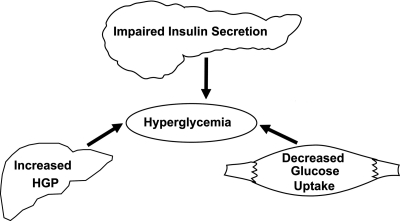
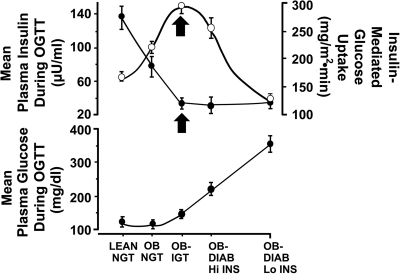
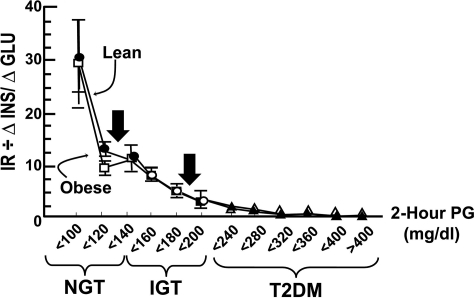
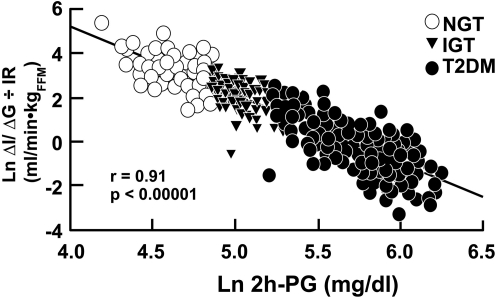
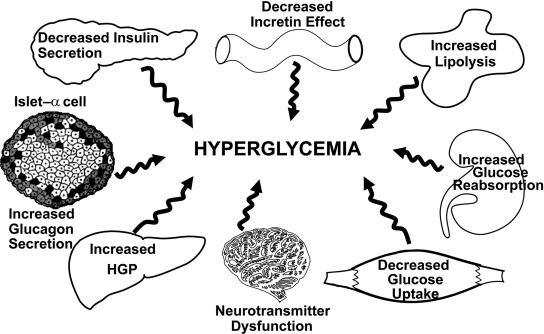
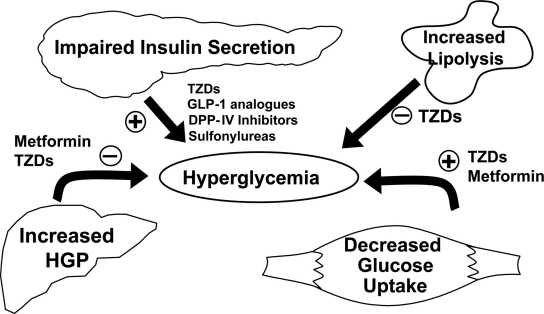
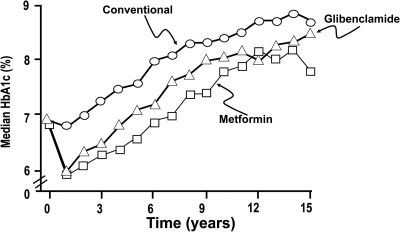
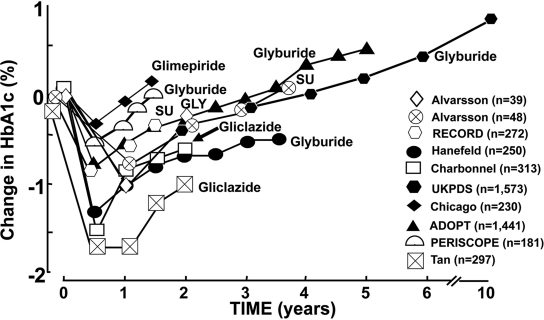
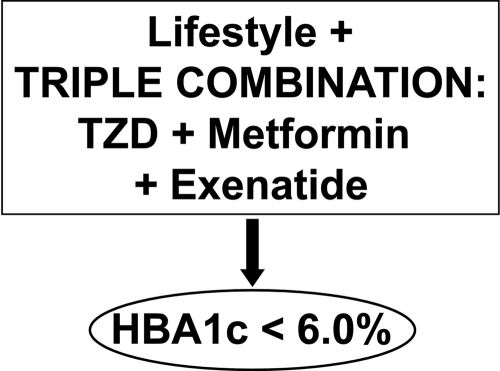
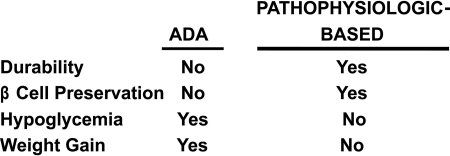
Insulin resistance in muscle and liver and β-cell failure represent the core pathophysiologic defects in type 2 diabetes. It now is recognized that the β-cell failure occurs much earlier and is more severe than previously thought. Subjects in the upper tertile of impaired glucose tolerance (IGT) are maximally/near-maximally insulin resistant and have lost over 80% of their β-cell function. In addition to the muscle, liver, and β-cell (triumvirate), the fat cell (accelerated lipolysis), gastrointestinal tract (incretin deficiency/resistance), α-cell (hyperglucagonemia), kidney (increased glucose reabsorption), and brain (insulin resistance) all play important roles in the development of glucose intolerance in type 2 diabetic individuals. Collectively, these eight players comprise the ominous octet and dictate that: 1 ) multiple drugs used in combination will be required to correct the multiple pathophysiological defects, 2 ) treatment should be based upon reversal of known pathogenic abnormalities and not simply on reducing the A1C, and 3 ) therapy must be started early to prevent/slow the progressive β-cell failure that already is well established in IGT subjects. A treatment paradigm shift is recommended in which combination therapy is initiated with diet/exercise, metformin (which improves insulin sensitivity and has antiatherogenic effects), a thiazolidinedione (TZD) (which improves insulin sensitivity, preserves β-cell function, and exerts antiatherogenic effects), and exenatide (which preserves β-cell function and promotes weight loss). Sulfonylureas are not recommended because, after an initial improvement in glycemic control, they are associated with a progressive rise in A1C and progressive loss of β-cell function. The natural history of type 2 diabetes has been well described in multiple populations (1–16) (rev. in (17,18). Individuals destined to develop type 2 diabetes inherit a set of genes from their parents that make their tissues resistant to insulin (1,16,19–24). In liver, the insulin resistance is manifested by …
Overview
The claims and statistics of this paper haven’t been checked yet.
Free: it reads the open-access text and checks the first 5 claims that cite a source we can check. Create a free account to check every claim.
Integrity signals
Registry
Cites
Statistics
Figures
Verification
Claims the paper makes
The claims and statistics of this paper haven’t been checked yet.
Free: it reads the open-access text and checks the first 5 claims that cite a source we can check. Create a free account to check every claim.
Claims other papers make about this one
Each is checked against this paper’s own text: does it say what the citing paper says it does?
The cited source doesn’t support the claim as written.
In the citing paper
“The first stage of diabetes development is a long compensatory period when insulin resistance is present and accompanied by increased rates of insulin secretion44 and an increased β-cell mass.39”
From Prediabetes: a high-risk state for diabetes development (2012) · cites this paper as [39]
Checked by a reasoning model — may be wrong.
Experimental — accuracy not yet measuredThe source backs part of the claim, not all of it — or backs it for a different population, condition or comparison.
In the citing paper
“The second stage is the stable adaptation period when β-cells are no longer fully compensating for increased insulin resistance; thus fasting and/or postload glucose values are not completely maintained.”
From Prediabetes: a high-risk state for diabetes development (2012) · cites this paper as [39]
Experimental — accuracy not yet measuredThe source backs part of the claim, not all of it — or backs it for a different population, condition or comparison.
In the citing paper
“This period is likely to start when fasting and postload glucose levels are within the normal range36,39,43 and is usually accompanied by a decrease in acute insulin secretion that is present at FPG levels around 5.6 mmol/L.39”
From Prediabetes: a high-risk state for diabetes development (2012) · cites this paper as [39]
Experimental — accuracy not yet measuredThe source backs part of the claim, not all of it — or backs it for a different population, condition or comparison.
In the citing paper
“EGP is markedly suppressed in people with NGT after glucose ingestion while this suppression is less pronounced in prediabetes and diabetes.38,39”
From Prediabetes: a high-risk state for diabetes development (2012) · cites this paper as [39]
Experimental — accuracy not yet measuredThe source backs part of the claim, not all of it — or backs it for a different population, condition or comparison.
In the citing paper
“Using the gold standard euglycemic hyperinsulinemic clamp technique to quantify insulin-stimulated glucose uptake, they demonstrated that both lean and obese T2DM subjects have marked decrease (>50%) in whole body glucose disposal during the insulin clamp.”
From Pathogenesis of insulin resistance in skeletal muscle (2010) · cites this paper as [4]
Experimental — accuracy not yet measured
20 more claims about this paper
Create a free account to see every claim other papers make about this one.
Self-check
Percentages, sums and reported differences re-computed from the paper’s own numbers.
The self-check needs the paper’s full text.
Citations
Cites
3 retracted
Insulin Binding to Monocytes and Insulin Action in Human Obesity, Starvation, and Refeeding
Defronzo, R. A., Soman, V., Sherwin, R. S., Hendler, R., & Felig, P. (1978) · Journal of Clinical Investigation · doi:10.1172/jci109108 · Cited by 252 · cited 1×
“Both obesity (31) and decreased physical activity (32) are insulin-resistant states and, when added to the genetic burden of the insulin resistance, place a major stress on the pancreatic -cells to augment their secretion of insulin to offset the defect in insulin action (1,17).”
BackgroundSelf-citationRetractedInsulin Sensitivity and Insulin Binding to Monocytes in Maturity-Onset Diabetes
Defronzo, R., Deibert, D., Hendler, R., Felig, P., & Soman, V. (1979) · Journal of Clinical Investigation · doi:10.1172/jci109394 · Cited by 188
Self-citationRetractedNieto-Vazquez, I., Fernández-Veledo, S., de Alvaro, C., Rondinone, C. M., Valverde, A. M., & Lorenzo, M. (2007) · Diabetes · doi:10.2337/db06-0989 · Cited by 90
RetractedRole of Insulin Resistance in Human Disease
Reaven, G. M. (1988) · Diabetes · doi:10.2337/diab.37.12.1595 · Cited by 12,154
Mootha, V. K., Lindgren, C. M., Eriksson, K.-F., Subramanian, A., Sihag, S., Lehar, J., Puigserver, P., Carlsson, E., Ridderstråle, M., Laurila, E., et al. (2003) · Nature Genetics · doi:10.1038/ng1180 · Cited by 10,197
Turner, R. C., Fox, C., Matthews, McElroy, H. H., Cull, C. A., Holman, R. R., Neil, P., Hadden, D. R., Wright, D., Manley, E., et al. (1998) · The Lancet · Cited by 8,419
Genetics of Food Intake Self-Regulation in Childhood: Literature Review and Research Opportunities
Faith, M. S., Carnell, S., & Kral, T. V. E. (2013) · Human Heredity · doi:10.1159/000353879 · Cited by 7,601
Glucose clamp technique: a method for quantifying insulin secretion and resistance.
DeFronzo, R. A., Tobin, J. D., & Andres, R. (1979) · American Journal of Physiology-Endocrinology and Metabolism · doi:10.1152/ajpendo.1979.237.3.e214 · Cited by 7,425
Self-citation
Research works printed but not linked: 20
- Jallut D Golay A Munger R Frascarolo P Schutz Y Jequier E Felber JP Impaired glucose tolerance and diabetes in obesity: a 6-year follow-up study of glucose metabolism. Metabolism 1990; 39: 1068– 1075 2215253 · DOI · Paper page
- Ahren B Taborsky GJ Beta-cell function and insulin secretion. In Ellenberg Rifkin's Diabetes Mellitus Porte D Sherin RS Baron A Eds. New York, McGraw Hill, 2003, p. 43– 65
- Kashyap S Belfort R Gastaldelli A Pratipanawatr T Berria R Pratipanawatr W Bajaj M Mandarino L DeFronzo RA Cusi K A sustained increase in plasma free fatty acids impairs insulin secretion in non-diabetic subjects genetically predisposed to develop type 2 diabetes. Diabetes 2003; 52: 2461– 2474 14514628 · DOI · Paper page
- Mendoza RG Davalli A Chavez-Velazquez AO Comuzzie A Tejero E Alvarenga JC Bastarrachea R Zuo P Chang Z Dick E Hubbard G Cruz AM Perez CT Malff G DeFronzo RA Folli F Fasting plasma glucose (FPG) and HbA1c predict quantitatively baboon pancreatic islet amyloidosis (PIA): a novel non-human primate model of β-cell failure in type 2 diabetes mellitus (T2DM) (Abstract). Diabetes 2008; 57(Suppl. 1): A439
- DeFronzo RA Ferrannini E Regulation of intermediatory metabolism during fasting and refeeding. Chapter 52. In Endocrinology DeGroot LJ Jameson JL Eds. Elsevier, Philadelphia, PA, 2006, p. 1015– 1043
- Campbell PJ Mandarino LJ Gerich JE Quantification of the relative impairment in actions of insulin on hepatic glucose production and peripheral glucose uptake in non-insulin-dependent diabetes mellitus. Metabolism 1988; 37: 15– 21 3275857 · DOI · Paper page
- Pratipanawatr W Pratipanawatr T Cusi K Berria R Jenkinson CP Maezono K DeFronzo RA Mandarino L Skeletal muscle insulin resistance in normoglycemic subjects with a strong family history of type 2 diabetes is associated with decreased insulin-stimulated IRS-1 tyrosine phosphorylation. Diabetes 2001; 50: 2572– 2578 11679436 · DOI · Paper page
- Krook A Bjornholm M Galuska D Jiang XJ Fahlman R Myers MG Jr Wallberg-Henriksson H Zierath JR Characterization of signal transduction and glucose transport in skeletal muscle from type 2 diabetic patients. Diabetes 2000; 49: 284– 292 10868945 · DOI · Paper page
- DeFronzo RA Gunnarsson R Bjorkman O Olsson M Wahren J Effects of insulin on peripheral and splanchnic glucose metabolism in non-insulin-dependent (type II) diabetes mellitus. J Clin Invest 1985; 76: 149– 155 3894418 PMC423730 · DOI · Paper page
- Ferrannini E Simonson DC Katz LD Reichard G Bevilacqua S Barrett EJ Olsson M DeFronzo RA The disposal of an oral glucose load in patients with non-insulin dependent diabetes. Metabolism 1988; 37: 79– 85 3275860 · DOI · Paper page
- Pendergrass M Nucci G DeFronzo R In vivo glucose transport (GT) and phosphorylation (GP) in skeletal muscle are impaired by elevation of plasma FFA (Abstract). Diabetes 1998; 47:(Suppl. 1): A65
- Richardson DK Kashyap S Bajaj M Cusi K DeFronzo RA Jenkinson CP Mandarino LJ Lipid infusion induces an inflammatory/fibrotic response and decreases expression of nuclear encoded mitochondrial genes in human skeletal muscle. J Biol Chem 2005; 280: 10290– 10297 15598661 · DOI · Paper page
- Cervera A Wajcberg E Triplitt C Fernandez M Zuo P DeFronzo RA Cersosimo E Improved splanchnic glucose metabolism is responsible for glycemic control in T2DM subjects treated with exenatide (Abstract). Diabetes 2007; 56(Suppl. 1): A404
- Unger RH Aguilar-Parada E Muller WA Eisentraut AM Studies of pancreatic α-cell function in normal and diabetic subjects. J Clin Invest 1970; 49: 837– 848 4986215 PMC322540 · DOI · Paper page
- Bajaj M Suraamornkul S Hardies LJ Glass L Musi N DeFronzo RA Effects of peroxisome proliferator-activated receptor (PPAR)-alpha and PPAR-gamma agonists on glucose and lipid metabolism in patients with type 2 diabetes mellitus. Diabetologia 2007; 50: 1723– 1731 17520238 · DOI
- Kim YB Ciaraldi TP Kong A Kim D Chu N Mohideen P Mudaliar S Henry RR Kahn BB Troglitazone but not metformin restores insulin-stimulated phosphoinositide 3-kinase activity and increases p110-β protein levels in skeletal muscle of type 2 diabetic subjects. Diabetes 2002; 51: 443– 448 11812753 · DOI · Paper page
- Miyazaki Y Glass L Triplitt C Matsuda M Cusi K Mandarino L DeFronzo RA Effect of rosiglitazone on glucose and free fatty acid metabolism in type 2 diabetic patients. Diabetologia 2001; 44: 2210– 2219 11793023 · DOI · Paper page
- Miyazaki Y Mahankali A Matsuda M Mahankali S Hardies J Cusi K Mandarino LJ DeFronzo RA Effect of pioglitazone on abdominal fat distribution and insulin sensitivity in type 2 diabetic patients. J Clin Endocrinol Metab 2002; 87: 2784– 2791 12050251 · DOI · Paper page
- Matthews DR Cull CA Stratton IM Holman RR Turner RC UKPDS 26: Sulphonylurea failure in non-insulin-dependent diabetic patients over six years. UK Prospective Diabetes Study (UKPDS) Group. Diabet Med 1998; 15: 297– 303 9585394 · DOI
- Lupi R Del Guerra S Marselli L Bugliani M Boggi U Mosca F Marchetti P Del Prato S Rosiglitazone prevents the impairment of human islet function induced by fatty acids: evidence for a role of PPARgamma2 in the modulation of insulin secretion. Am J Physiol Endocrinol Metab 2004; 286: E560– E567 14625208 · DOI · Paper page
Cited by
Pathophysiology of type 2 diabetes mellitus
Galicia-Garcia, U., Benito-Vicente, A., Jebari, S., Larrea-Sebal, A., Siddiqi, H., Uribe, K. B., Ostolaza, H., & Martín, C. (2020) · International Journal of Molecular Sciences · doi:10.3390/ijms21176275 · Cited by 3,360
“The organs involved in T2DM development include the pancreas (β-cells and α-cells), liver, skeletal muscle, kidneys, brain, small intestine, and adipose tissue [6].”
BackgroundPrediabetes: a high-risk state for diabetes development
Tabák, A. G., Herder, C., Rathmann, W., Brunner, E. J., & Kivimäki, M. (2012) · The Lancet · doi:10.1016/s0140-6736(12)60283-9 · Cited by 2,958
Mechanisms of Diabetic Complications
Forbes, J. M., & Cooper, M. E. (2013) · Physiological Reviews · doi:10.1152/physrev.00045.2011 · Cited by 2,890
DeFronzo, R. A., Ferrannini, E., Groop, L., Henry, R. R., Herman, W. H., Holst, J. J., Hu, F. B., Kahn, C. R., Raz, I., Shulman, G. I., et al. (2015) · Nature Reviews Disease Primers · doi:10.1038/nrdp.2015.19 · Cited by 2,611
“Competing interests The authors declare the following potential COI: (1) R.”
BackgroundSelf-citationChatterjee, S., Khunti, K., & Davies, M. J. (2017) · The Lancet · doi:10.1016/s0140-6736(17)30058-2 · Cited by 2,577
Giovannucci, E., Harlan, D. M., Archer, M. C., Bergenstal, R. M., Gapstur, S. M., Habel, L. A., Pollak, M., Regensteiner, J. G., & Yee, D. (2010) · Diabetes Care · doi:10.2337/dc10-0666 · Cited by 2,366
The Pathophysiology of Gestational Diabetes Mellitus
Plows, J. F., Stanley, J. L., Baker, P. N., Reynolds, C. M., & Vickers, M. H. (2018) · International Journal of Molecular Sciences · doi:10.3390/ijms19113342 · Cited by 1,874
Diabetes, Hypertension, and Cardiovascular Disease: Clinical Insights and Vascular Mechanisms
Petrie, J. R., Guzik, T. J., & Touyz, R. M. (2018) · Canadian Journal of Cardiology · doi:10.1016/j.cjca.2017.12.005 · Cited by 1,787
Chait, A., & den Hartigh, L. J. (2020) · Frontiers in Cardiovascular Medicine · doi:10.3389/fcvm.2020.00022 · Cited by 1,529
Clinical review of antidiabetic drugs: implications for type 2 diabetes mellitus management
Chaudhury, A., Duvoor, C., Reddy Dendi, V. S., Kraleti, S., Chada, A., Ravilla, R., Marco, A., Shekhawat, N. S., Montales, M. T., Kuriakose, K., et al. (2017) · Frontiers in Endocrinology · doi:10.3389/fendo.2017.00006 · Cited by 1,500
Low Wang, C. C., Hess, C. N., Hiatt, W. R., & Goldfine, A. B. (2016) · Circulation · doi:10.1161/circulationaha.116.022194 · Cited by 1,155
Triglyceride-glucose index as a marker in cardiovascular diseases: landscape and limitations
Tao, L.-C., Xu, J.-N., Wang, T.-T., Hua, F., & Li, J.-J. (2022) · Cardiovascular Diabetology · doi:10.1186/s12933-022-01511-x · Cited by 1,042
Ahmad, E., Lim, S., Lamptey, R., Webb, D. R., & Davies, M. J. (2022) · The Lancet · doi:10.1016/s0140-6736(22)01655-5 · Cited by 1,120
Diabetes and Cancer: A Consensus Report
Giovannucci, E., Harlan, D. M., Archer, M. C., Bergenstal, R. M., Gapstur, S. M., Habel, L. A., Pollak, M., Regensteiner, J. G., & Yee, D. (2010) · CA: A Cancer Journal for Clinicians · doi:10.3322/caac.20078 · Cited by 1,055
Floegel, A., Stefan, N., Yu, Z., Mühlenbruch, K., Drogan, D., Joost, H.-G., Fritsche, A., Häring, H.-U., Hrabě de Angelis, M., Peters, A., et al. (2013) · Diabetes · doi:10.2337/db12-0495 · Cited by 988
Incretin hormones: Their role in health and disease
Nauck, M. A., & Meier, J. J. (2018) · Diabetes, Obesity and Metabolism · doi:10.1111/dom.13129 · Cited by 950
Type 2 diabetes across generations: from pathophysiology to prevention and management
Nolan, C. J., Damm, P., & Prentki, M. (2011) · The Lancet · doi:10.1016/s0140-6736(11)60614-4 · Cited by 923
DeFronzo, R. A. (2010) · Diabetologia · doi:10.1007/s00125-010-1684-1 · Cited by 879
Self-citationGarber, A. J., Abrahamson, M. J., Barzilay, J. I., Blonde, L., Bloomgarden, Z. T., Bush, M. A., Dagogo-Jack, S., DeFronzo, R. A., Einhorn, D., Fonseca, V. A., et al. (2016) · Endocrine Practice · doi:10.4158/ep151126.cs · Cited by 878
“• The TZDs, the only antihyperglycemic agents to directly reduce insulin resistance, have relatively potent A1C-lowering properties, a low risk of hypoglycemia, and durable glycemic effects (84,103,104).”
BackgroundSelf-citationBolinder, J., Ljunggren, Ö., Kullberg, J., Johansson, L., Wilding, J., Langkilde, A. M., Sugg, J., & Parikh, S. (2012) · The Journal of Clinical Endocrinology & Metabolism · doi:10.1210/jc.2011-2260 · Cited by 867
SGLT2 inhibitors: mechanisms of cardiovascular benefit beyond glycaemic control
Cowie, M. R., & Fisher, M. (2020) · Nature Reviews Cardiology · doi:10.1038/s41569-020-0406-8 · Cited by 784
The Lancet Commission on diabetes: using data to transform diabetes care and patient lives
Chan, J. C. N., Lim, L.-L., Wareham, N. J., Shaw, J. E., Orchard, T. J., Zhang, P., Lau, E. S. H., Eliasson, B., Kong, A. P. S., Ezzati, M., et al. (2020) · The Lancet · doi:10.1016/s0140-6736(20)32374-6 · Cited by 793
Pioglitazone for Diabetes Prevention in Impaired Glucose Tolerance
DeFronzo, R. A., Tripathy, D., Schwenke, D. C., Banerji, M., Bray, G. A., Buchanan, T. A., Clement, S. C., Henry, R. R., Hodis, H. N., Kitabchi, A. E., et al. (2011) · New England Journal of Medicine · doi:10.1056/nejmoa1010949 · Cited by 766
Self-citationJanani, C., & Ranjitha Kumari, B. D. (2015) · Diabetes & Metabolic Syndrome: Clinical Research & Reviews · doi:10.1016/j.dsx.2014.09.015 · Cited by 735
Circadian clocks and insulin resistance
Stenvers, D. J., Scheer, F. A. J. L., Schrauwen, P., la Fleur, S. E., & Kalsbeek, A. (2019) · Nature Reviews Endocrinology · doi:10.1038/s41574-018-0122-1 · Cited by 733
Type II diabetes mellitus: a review on recent drug based therapeutics.
Padhi, S., Nayak, A. K., & Behera, A. (2020) · Biomedicine & Pharmacotherapy · doi:10.1016/j.biopha.2020.110708 · Cited by 726
Gall, W. E., Beebe, K., Lawton, K. A., Adam, K.-P., Mitchell, M. W., Nakhle, P. J., Ryals, J. A., Milburn, M. V., Nannipieri, M., Camastra, S., et al. (2010) · PLoS ONE · doi:10.1371/journal.pone.0010883 · Cited by 698
Gut Microbiota as a Trigger for Metabolic Inflammation in Obesity and Type 2 Diabetes
Scheithauer, T. P. M., Rampanelli, E., Nieuwdorp, M., Vallance, B. A., Verchere, C. B., van Raalte, D. H., & Herrema, H. (2020) · Frontiers in Immunology · doi:10.3389/fimmu.2020.571731 · Cited by 673
Pathogenesis of insulin resistance in skeletal muscle
Abdul-Ghani, M. A., & DeFronzo, R. A. (2010) · Journal of Biomedicine and Biotechnology · doi:10.1155/2010/476279 · Cited by 670
“Insulin resistance in skeletal muscle also has been reported in association with the normal ageing process [37], dyslipidemia (increased plasma triglyceride/decreased HDL cholesterol) [4, 26], and in association with many disease states including polycystic ovary syndrome (PCOs) [38], chronic kidney failure [39], hear…”
BackgroundSelf-citationVallon, V., & Thomson, S. C. (2017) · Diabetologia · doi:10.1007/s00125-016-4157-3 · Cited by 635
Modeling type 2 diabetes in rats using high fat diet and streptozotocin
Skovsø, S. (2014) · Journal of Diabetes Investigation · doi:10.1111/jdi.12235 · Cited by 596
Stenlöf, K., Cefalu, W. T., Kim, K. ‐., Alba, M., Usiskin, K., Tong, C., Canovatchel, W., & Meininger, G. (2013) · Diabetes, Obesity and Metabolism · doi:10.1111/dom.12054 · Cited by 614
Insulin resistance and cancer risk: An overview of the pathogenetic mechanisms
Arcidiacono, B., Iiritano, S., Nocera, A., Possidente, K., Nevolo, M. T., Ventura, V., Foti, D., Chiefari, E., & Brunetti, A. (2012) · Experimental Diabetes Research · doi:10.1155/2012/789174 · Cited by 606
Garber, A. J., Handelsman, Y., Grunberger, G., Einhorn, D., Abrahamson, M. J., Barzilay, J. I., Blonde, L., Bush, M. A., DeFronzo, R. A., Garber, J. R., et al. (2020) · Endocrine Practice · doi:10.4158/cs-2019-0472 · Cited by 598
Self-citationRenal, metabolic and cardiovascular considerations of SGLT2 inhibition
DeFronzo, R. A., Norton, L., & Abdul-Ghani, M. (2017) · Nature Reviews Nephrology · doi:10.1038/nrneph.2016.170 · Cited by 553
Self-citationGlobal Prevalence of Prediabetes
Rooney, M. R., Fang, M., Ogurtsova, K., Ozkan, B., Echouffo-Tcheugui, J. B., Boyko, E. J., Magliano, D. J., & Selvin, E. (2023) · Diabetes Care · doi:10.2337/dc22-2376 · Cited by 516
Role of Insulin in Health and Disease: An Update
Rahman, M. S., Hossain, K. S., Das, S., Kundu, S., Adegoke, E. O., Rahman, M. A., Hannan, M. A., Uddin, M. J., & Pang, M.-G. (2021) · International Journal of Molecular Sciences · doi:10.3390/ijms22126403 · Cited by 472
Management of type 2 diabetes: new and future developments in treatment
Tahrani, A. A., Bailey, C. J., Del Prato, S., & Barnett, A. H. (2011) · The Lancet · doi:10.1016/s0140-6736(11)60207-9 · Cited by 533
Insulin Resistance and Atherosclerosis: Implications for Insulin-Sensitizing Agents
Di Pino, A., & DeFronzo, R. A. (2019) · Endocrine Reviews · doi:10.1210/er.2018-00141 · Cited by 535
Self-citationChen, C., Cohrs, C. M., Stertmann, J., Bozsak, R., & Speier, S. (2017) · Molecular Metabolism · doi:10.1016/j.molmet.2017.06.019 · Cited by 489
Zaccardi, F., Webb, D. R., Htike, Z. Z., Youssef, D., Khunti, K., & Davies, M. J. (2016) · Diabetes, Obesity and Metabolism · doi:10.1111/dom.12670 · Cited by 489
Garber, A. J., Abrahamson, M. J., Barzilay, J. I., Blonde, L., Bloomgarden, Z. T., Bush, M. A., Dagogo-Jack, S., DeFronzo, R. A., Einhorn, D., Fonseca, V. A., et al. (2018) · Endocrine Practice · doi:10.4158/cs-2017-0153 · Cited by 502
Self-citationZhang, Q., Xiao, S., Jiao, X., & Shen, Y. (2023) · Cardiovascular Diabetology · doi:10.1186/s12933-023-02030-z · Cited by 477
“Insulin resistance (IR) is a state of decreased sensitivity and responsiveness to the action of insulin, often occurring several years before the onset of diabetes [4].”
BackgroundThe role of the kidneys in glucose homeostasis: a new path towards normalizing glycaemia
DeFronzo, R. A., Davidson, J. A., & Del Prato, S. (2012) · Diabetes, Obesity and Metabolism · doi:10.1111/j.1463-1326.2011.01511.x · Cited by 493
Self-citationFrom pre-diabetes to diabetes: diagnosis, treatments and translational research
Khan, R., Chua, Z., Tan, J., Yang, Y., Liao, Z., & Zhao, Y. (2019) · Medicina · doi:10.3390/medicina55090546 · Cited by 484
Diagnosis and Management of Prediabetes: A Review
Echouffo-Tcheugui, J. B., Perreault, L., Ji, L., & Dagogo-Jack, S. (2023) · JAMA · doi:10.1001/jama.2023.4063 · Cited by 473
SGLT2 inhibition in diabetes mellitus: rationale and clinical prospects
Ferrannini, E., & Solini, A. (2012) · Nature Reviews Endocrinology · doi:10.1038/nrendo.2011.243 · Cited by 458
Role of Sodium-Glucose Cotransporter 2 (SGLT 2) Inhibitors in the Treatment of Type 2 Diabetes
Abdul-Ghani, M. A., Norton, L., & DeFronzo, R. A. (2011) · Endocrine Reviews · doi:10.1210/er.2010-0029 · Cited by 443
Self-citationFrom NASH to diabetes and from diabetes to NASH: Mechanisms and treatment options
Gastaldelli, A., & Cusi, K. (2019) · JHEP Reports · doi:10.1016/j.jhepr.2019.07.002 · Cited by 455
An Integrated View of Immunometabolism
Lee, Y. S., Wollam, J., & Olefsky, J. M. (2018) · Cell · doi:10.1016/j.cell.2017.12.025 · Cited by 436
“The etiology of T2DM involves both insulin resistance and b-cell dysfunction, and one typically needs both defects in order to develop the full hyperglycemic diabetic state (referred to as the two-hit hypothesis) (Defronzo, 2009; Halban et al., 2014; Olefsky and Glass, 2010).”
BackgroundGarber, A. J., Abrahamson, M. J., Barzilay, J. I., Blonde, L., Bloomgarden, Z. T., Bush, M. A., Dagogo-Jack, S., DeFronzo, R. A., Einhorn, D., Fonseca, V. A., et al. (2017) · Endocrine Practice · doi:10.4158/ep161682.cs · Cited by 435
“• The TZDs, the only antihyperglycemic agents to directly reduce insulin resistance, have relatively potent A1C-lowering properties, a low risk of hypoglycemia, and durable glycemic effects (86,108,109).”
BackgroundSelf-citationDiamant, M., Van Gaal, L., Stranks, S., Northrup, J., Cao, D., Taylor, K., & Trautmann, M. (2010) · The Lancet · doi:10.1016/s0140-6736(10)60406-0 · Cited by 434
Nauck, M. (2016) · Diabetes, Obesity and Metabolism · doi:10.1111/dom.12591 · Cited by 429
Strojek, K., Yoon, K. H., Hruba, V., Elze, M., Langkilde, A. M., & Parikh, S. (2011) · Diabetes, Obesity and Metabolism · doi:10.1111/j.1463-1326.2011.01434.x · Cited by 406
Meloni, A. R., DeYoung, M. B., Lowe, C., & Parkes, D. G. (2013) · Diabetes, Obesity and Metabolism · doi:10.1111/j.1463-1326.2012.01663.x · Cited by 407
Prediabetes and what it means: the epidemiological evidence
Echouffo-Tcheugui, J. B., & Selvin, E. (2021) · Annual Review of Public Health · doi:10.1146/annurev-publhealth-090419-102644 · Cited by 406
Pharmacology and therapeutic implications of current drugs for type 2 diabetes mellitus
Tahrani, A. A., Barnett, A. H., & Bailey, C. J. (2016) · Nature Reviews Endocrinology · doi:10.1038/nrendo.2016.86 · Cited by 398
Type-2 diabetes mellitus and cardiovascular disease
Henning, R. J. (2018) · Future Cardiology · doi:10.2217/fca-2018-0045 · Cited by 398
Nonalcoholic fatty liver disease and chronic vascular complications of diabetes mellitus
Targher, G., Lonardo, A., & Byrne, C. D. (2018) · Nature Reviews Endocrinology · doi:10.1038/nrendo.2017.173 · Cited by 397
Glucagon-Like Peptide 1 Receptor Agonists for Type 2 Diabetes
Hinnen, D. (2017) · Diabetes Spectrum · doi:10.2337/ds16-0026 · Cited by 394
Ridderstråle, M., Andersen, K. R., Zeller, C., Kim, G., Woerle, H. J., & Broedl, U. C. (2014) · The Lancet Diabetes & Endocrinology · doi:10.1016/s2213-8587(14)70120-2 · Cited by 378
Jourdan, T., Godlewski, G., Cinar, R., Bertola, A., Szanda, G., Liu, J., Tam, J., Han, T., Mukhopadhyay, B., Skarulis, M. C., et al. (2013) · Nature Medicine · doi:10.1038/nm.3265 · Cited by 388
A Systems Genetics Approach Identifies Genes and Pathways for Type 2 Diabetes in Human Islets
Taneera, J., Lang, S., Sharma, A., Fadista, J., Zhou, Y., Ahlqvist, E., Jonsson, A., Lyssenko, V., Vikman, P., Hansson, O., et al. (2012) · Cell Metabolism · doi:10.1016/j.cmet.2012.06.006 · Cited by 376
“Although T2D is characterized by both impaired insulin secretion and action in target tissues like muscle, fat, and liver (Defronzo, 2009), most of the known disease-associated variants seem to influence insulin secretion rather than action (Florez, 2008; Ingelsson et al., 2010; Lyssenko et al.,…”
BackgroundGlucolipotoxicity of the pancreatic beta cell
Poitout, V., Amyot, J., Semache, M., Zarrouki, B., Hagman, D., & Fontés, G. (2010) · Biochimica et Biophysica Acta (BBA) - Molecular and Cell Biology of Lipids · doi:10.1016/j.bbalip.2009.08.006 · Cited by 382
“Over the last 20 years, the central role of pancreatic beta-cell dysfunction in the development of type 2 diabetes has become increasingly appreciated [1].”
Regulation of Hepatic Glucose Uptake and Storage In Vivo
Moore, M. C., Coate, K. C., Winnick, J. J., An, Z., & Cherrington, A. D. (2012) · Advances in Nutrition · doi:10.3945/an.112.002089 · Cited by 354
The Mechanisms and Therapeutic Potential of SGLT2 Inhibitors in Diabetes Mellitus
Vallon, V. (2015) · Annual Review of Medicine · doi:10.1146/annurev-med-051013-110046 · Cited by 348
A clinical review of GLP-1 receptor agonists: efficacy and safety in diabetes and beyond
Prasad-Reddy, L., & Isaacs, D. (2015) · Drugs in Context · doi:10.7573/dic.212283 · Cited by 365
Schwartz, S. S., Epstein, S., Corkey, B. E., Grant, S. F. A., Gavin, J. R., & Aguilar, R. B. (2016) · Diabetes Care · doi:10.2337/dc15-1585 · Cited by 329
Nyenwe, E. A., Jerkins, T. W., Umpierrez, G. E., & Kitabchi, A. E. (2011) · Metabolism · doi:10.1016/j.metabol.2010.09.010 · Cited by 343
“Type 2 diabetes mellitus (T2DM) is a heterogeneous disorder, characterized by defects in insulin secretion and insulin sensitivity [1,2].”
BackgroundMosenzon, O., Blicher, T. M., Rosenlund, S., Eriksson, J. W., Heller, S., Hels, O. H., Pratley, R., Sathyapalan, T., Desouza, C., Abramof, R., et al. (2019) · The Lancet Diabetes & Endocrinology · doi:10.1016/s2213-8587(19)30192-5 · Cited by 351
Arslanian, S., Bacha, F., Grey, M., Marcus, M. D., White, N. H., & Zeitler, P. (2018) · Diabetes Care · doi:10.2337/dci18-0052 · Cited by 349
Obesity and diabetes: An update
Verma, S., & Hussain, M. E. (2017) · Diabetes & Metabolic Syndrome: Clinical Research & Reviews · doi:10.1016/j.dsx.2016.06.017 · Cited by 318
Gastaldelli, A., Gaggini, M., & DeFronzo, R. A. (2017) · Diabetes · doi:10.2337/db16-1167 · Cited by 344
Self-citationSGLT inhibitors in management of diabetes
Tahrani, A. A., Barnett, A. H., & Bailey, C. J. (2013) · The Lancet Diabetes & Endocrinology · doi:10.1016/s2213-8587(13)70050-0 · Cited by 332
Martín-Peláez, S., Fito, M., & Castaner, O. (2020) · Nutrients · doi:10.3390/nu12082236 · Cited by 330
Cooperation between brain and islet in glucose homeostasis and diabetes
Schwartz, M. W., Seeley, R. J., Tschöp, M. H., Woods, S. C., Morton, G. J., Myers, M. G., & D’Alessio, D. (2013) · Nature · doi:10.1038/nature12709 · Cited by 314
Beneficial Effects of Citrus Flavonoids on Cardiovascular and Metabolic Health
Mahmoud, A. M., Hernández Bautista, R. J., Sandhu, M. A., & Hussein, O. E. (2019) · Oxidative Medicine and Cellular Longevity · doi:10.1155/2019/5484138 · Cited by 298
“Upon diagnosis of type 2 DM, almost every patient has some degree of impaired insulin secretion [108].”
BackgroundType 2 Diabetes: Demystifying the Global Epidemic
Unnikrishnan, R., Pradeepa, R., Joshi, S. R., & Mohan, V. (2017) · Diabetes · doi:10.2337/db16-0766 · Cited by 309
DeFronzo, R. A., & Abdul-Ghani, M. (2011) · The American Journal of Cardiology · doi:10.1016/j.amjcard.2011.03.013 · Cited by 317
Self-citationPathophysiologic Approach to Therapy in Patients With Newly Diagnosed Type 2 Diabetes
DeFronzo, R. A., Eldor, R., & Abdul-Ghani, M. (2013) · Diabetes Care · doi:10.2337/dcs13-2011 · Cited by 314
Self-citationDiabetes mellitus related bone metabolism and periodontal disease
Wu, Y.-Y., Xiao, E., & Graves, D. T. (2015) · International Journal of Oral Science · doi:10.1038/ijos.2015.2 · Cited by 310
Axelsson, A. S., Tubbs, E., Mecham, B., Chacko, S., Nenonen, H. A., Tang, Y., Fahey, J. W., Derry, J. M. J., Wollheim, C. B., Wierup, N., et al. (2017) · Science Translational Medicine · doi:10.1126/scitranslmed.aah4477 · Cited by 323
The Malnutrition of Obesity: Micronutrient Deficiencies That Promote Diabetes
Via, M. (2012) · ISRN Endocrinology · doi:10.5402/2012/103472 · Cited by 297
Wilding, J. P. H., Charpentier, G., Hollander, P., González‐Gálvez, G., Mathieu, C., Vercruysse, F., Usiskin, K., Law, G., Black, S., Canovatchel, W., et al. (2013) · International Journal of Clinical Practice · doi:10.1111/ijcp.12322 · Cited by 317
Type 2 Diabetes in Youth: Epidemiology and Pathophysiology
D’Adamo, E., & Caprio, S. (2011) · Diabetes Care · doi:10.2337/dc11-s212 · Cited by 315
Jørgensen, N. B., Jacobsen, S. H., Dirksen, C., Bojsen-Møller, K. N., Naver, L., Hvolris, L., Clausen, T. R., Wulff, B. S., Worm, D., Lindqvist Hansen, D., et al. (2012) · American Journal of Physiology-Endocrinology and Metabolism · doi:10.1152/ajpendo.00073.2012 · Cited by 313
“The incretin effect exerted by glucagon-like-peptide-1 (GLP-1) and glucose-dependent insulinotropic polypeptide (GIP), which is responsible for onehalf to two-thirds of the insulin secretion during a meal in normal healthy subjects, is also severely impaired (3, 8, 34, 36, 46).”
BackgroundMolecular and cellular mechanisms linking inflammation to insulin resistance and β-cell dysfunction
Khodabandehloo, H., Gorgani-Firuzjaee, S., Panahi, G., & Meshkani, R. (2016) · Translational Research · doi:10.1016/j.trsl.2015.08.011 · Cited by 295
“β-cell dysfunction is a state that the amount of the insulin is insufficient to meet the demand [2].”
BackgroundDiamant, M., Blaak, E. E., & de Vos, W. M. (2011) · Obesity Reviews · doi:10.1111/j.1467-789x.2010.00797.x · Cited by 308
“These findings strengthen the recent acknowledgement of the gut as a major player in the pathophysiology of obesity and its related disorders (5–7), which previously rather focused on skeletal muscle, liver, adipose tissue (8) and lately the brain (9).”
BackgroundChakaroun, R., Massier, L., & Kovacs, P. (2020) · Nutrients · doi:10.3390/nu12041082 · Cited by 289
Ludwig, R. J., Anson, M., Zirpel, H., Thaci, D., Olbrich, H., Bieber, K., Kridin, K., Dempfle, A., Curman, P., Zhao, S. S., et al. (2025) · Frontiers in Pharmacology · doi:10.3389/fphar.2025.1516126 · Cited by 254
“…cell failure, muscle, and liver insulin resistance, increased renal glucose reabsorption, reduced incretin response, α cell insulin resistance, reduced secretion of and increased resistance to GLP-1 and glucose-dependent insulinotropic polypeptide (GIP) and appetite dysregulation (DeFronzo, 2009).”
Garber, A. J., Abrahamson, M. J., Barzilay, J. I., Blonde, L., Bloomgarden, Z. T., Bush, M. A., Dagogo-Jack, S., DeFronzo, R. A., Einhorn, D., Fonseca, V. A., et al. (2019) · Endocrine Practice · doi:10.4158/cs-2018-0535 · Cited by 297
“• The TZDs, the only antihyperglycemic agents to directly reduce insulin resistance, have relatively potent A1C-lowering properties, a low risk of hypoglycemia, and durable glycemic effects (75,185,225).”
BackgroundSelf-citationDeFronzo, R. A., Hompesch, M., Kasichayanula, S., Liu, X., Hong, Y., Pfister, M., Morrow, L. A., Leslie, B. R., Boulton, D. W., Ching, A., et al. (2013) · Diabetes Care · doi:10.2337/dc13-0387 · Cited by 293
Self-citationPrediabetes and Cardiovascular Disease
Brannick, B., & Dagogo-Jack, S. (2018) · Endocrinology and Metabolism Clinics of North America · doi:10.1016/j.ecl.2017.10.001 · Cited by 293
Wilding, J. P. H., Woo, V., Rohwedder, K., Sugg, J., Parikh, S., & for the Dapagliflozin 006 Study Group (2014) · Diabetes, Obesity and Metabolism · doi:10.1111/dom.12187 · Cited by 291
Assessment of Pancreatic β-Cell Function: Review of Methods and Clinical Applications
Cersosimo, E., Solis-Herrera, C., Trautmann, M., Malloy, J., & Triplitt, C. (2014) · Current Diabetes Reviews · doi:10.2174/1573399810666140214093600 · Cited by 281
“Furthermore, although there is in vitro evidence supporting a role for MET in improving BCF and preventing cell apoptosis, the UKPDS data failed to confirm any METmediated preservation of BCF [2].”
BackgroundMethodInfluentialRecent updates on GLP-1 agonists: Current advancements & challenges
Sharma, D., Verma, S., Vaidya, S., Kalia, K., & Tiwari, V. (2018) · Biomedicine & Pharmacotherapy · doi:10.1016/j.biopha.2018.08.088 · Cited by 265
Fresh insights into glucocorticoid-induced diabetes mellitus and new therapeutic directions
Li, J.-X., & Cummins, C. L. (2022) · Nature Reviews Endocrinology · doi:10.1038/s41574-022-00683-6 · Cited by 257
Chang, C. L. T., Lin, Y., Bartolome, A. P., Chen, Y.-C., Chiu, S.-C., & Yang, W.-C. (2013) · Evidence-Based Complementary and Alternative Medicine · doi:10.1155/2013/378657 · Cited by 274
An Effective Model of Diabetes Care and Education: The ADCES7 Self-Care Behaviors™
Association of Diabetes Care and Education Specialists, & Kolb, L. (2021) · The Science of Diabetes Self-Management and Care · doi:10.1177/0145721720978154 · Cited by 246
Macrophages, Chronic Inflammation, and Insulin Resistance
Li, H., Meng, Y., He, S., Tan, X., Zhang, Y., Zhang, X., Wang, L., & Zheng, W. (2022) · Cells · doi:10.3390/cells11193001 · Cited by 264
Metadata
- Authors
- DeFronzo, R. A.
- Affiliations
- The University of Texas at San Antonio Health Science Center (US)
- Corresponding author
- DeFronzo, Ralph A.
- ORCID
- DeFronzo, Ralph A.
- Venue
- Diabetes
- Publisher
- American Diabetes Association
- Published
- 2009-04-01
- Volume
- 58
- Issue
- 4
- Pages
- 773-795
- ISSN
- 0012-1797 (ISSN-L)
- 1939-327X
- PMC
- PMC2661582
- OpenAlex
- W2109728760
- Cited by
- 3,016
- References
- 307
- Citations by year
- 2026: 167 · 2025: 181 · 2024: 167 · 2023: 201 · 2022: 189 · 2021: 184 · 2020: 206 · 2019: 193 · 2018: 205 · 2017: 198 · 2016: 194 · 2015: 197 · 2014: 163 · 2013: 152 · 2012: 145
- FWCI
- 102.13
- Type
- journal article
- Language
- en
- Open access
- hybrid
- doi.org
- Licence
- Locations
- Diabetes (publishedVersion, cc-by-nc-nd)
- PubMed Central (publishedVersion, cc-by-nc-nd)
- PubMed (publishedVersion)
- Topics
- Health Sciences › Medicine › Endocrinology, Diabetes and Metabolism › Diabetes Treatment and Management
- Health Sciences › Medicine › Endocrinology, Diabetes and Metabolism › Diabetes Management and Research
- Health Sciences › Medicine › Endocrinology, Diabetes and Metabolism › Diabetes, Cardiovascular Risks, and Lipoproteins
- Keywords
- type 2 diabetes, insulin resistance, beta-cell failure, impaired glucose tolerance, metformin, thiazolidinediones, exenatide, sulfonylureas, combination therapy, hyperglucagonemia, early treatment, natural history of diabetes, insulin sensitivity
- MeSH terms
- Insulin Secretion, Adipose Tissue, Amyloid, Diabetes Mellitus, Type 2, Glucose, Humans, Insulin, Insulin Resistance, Liver, Obesity, Prediabetic State, Muscle, Skeletal, Insulin-Secreting Cells, Islet Amyloid Polypeptide
About these checks
Registry, retraction, Cites and statistics results are computed, not judged, with one exception: a printed reference that no index lists is read once by a model before it counts as a citation error. Claims are extracted by a model and kept only when their quote appears verbatim in the text; each cited source is then checked, with a model’s help, for whether it says what the claim relies on. Those verdicts can be wrong — read the claim’s quote and the cited source before relying on one.
Statistics and arithmetic are recomputed, not judged.
Confidence bands are shown only for fields calibrated on our annotated test set. None is calibrated yet, so no band is shown.
What counts as a claim ›How we measure confidence ›How we check this ›
Are you an author, or do you see a problem with this page? Request a review
Data sources
Bibliographic data: Semantic Scholar, OpenAlex, Crossref.
Contains information from the Semantic Scholar Academic Graph Datasets, made available under the ODC Attribution License (ODC-BY 1.0).
Semantic Scholar’s data is described in: Kinney, R., et al. (2023). The Semantic Scholar Open Data Platform. arXiv:2301.10140.
