

From the Triumvirate to the Ominous Octet: A New Paradigm for the Treatment of Type 2 Diabetes Mellitus.
Open accessThe DOI matches its Crossref record; 303 of the 307 references it cites were found in a registry or an index.
Abstract
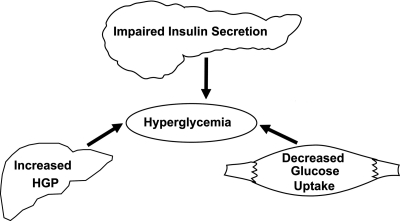
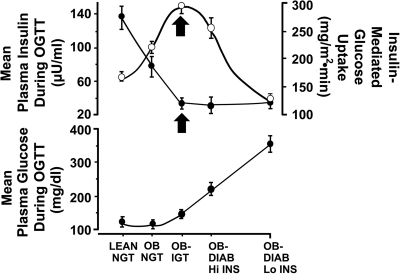
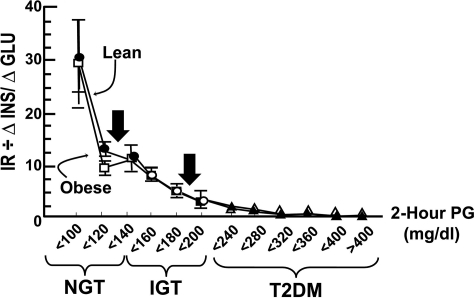
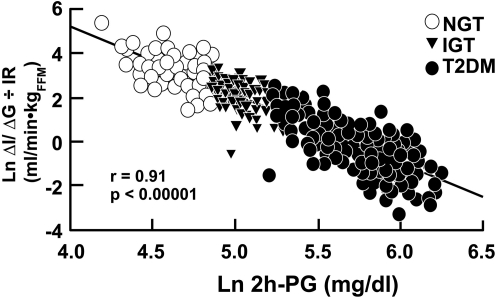
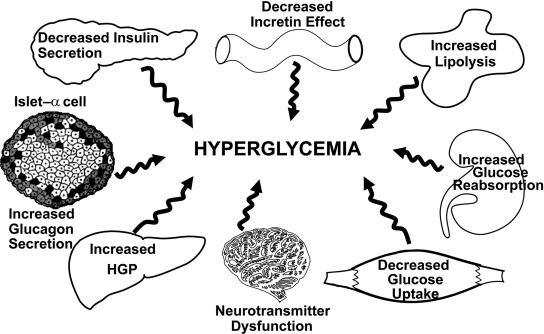
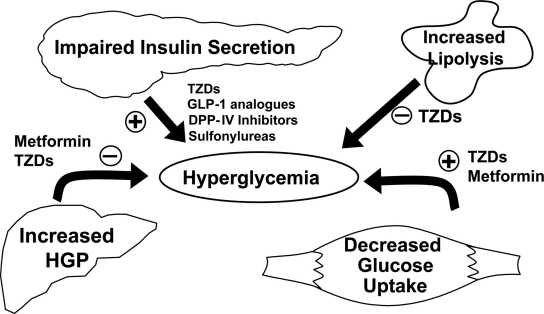
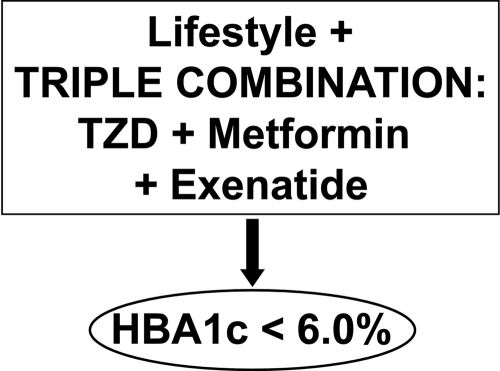
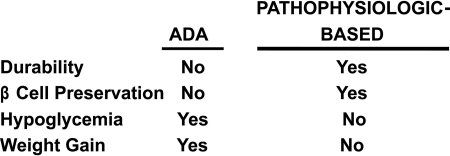
Insulin resistance in muscle and liver and β-cell failure represent the core pathophysiologic defects in type 2 diabetes. It now is recognized that the β-cell failure occurs much earlier and is more severe than previously thought. Subjects in the upper tertile of impaired glucose tolerance (IGT) are maximally/near-maximally insulin resistant and have lost over 80% of their β-cell function. In addition to the muscle, liver, and β-cell (triumvirate), the fat cell (accelerated lipolysis), gastrointestinal tract (incretin deficiency/resistance), α-cell (hyperglucagonemia), kidney (increased glucose reabsorption), and brain (insulin resistance) all play important roles in the development of glucose intolerance in type 2 diabetic individuals. Collectively, these eight players comprise the ominous octet and dictate that: 1 ) multiple drugs used in combination will be required to correct the multiple pathophysiological defects, 2 ) treatment should be based upon reversal of known pathogenic abnormalities and not simply on reducing the A1C, and 3 ) therapy must be started early to prevent/slow the progressive β-cell failure that already is well established in IGT subjects. A treatment paradigm shift is recommended in which combination therapy is initiated with diet/exercise, metformin (which improves insulin sensitivity and has antiatherogenic effects), a thiazolidinedione (TZD) (which improves insulin sensitivity, preserves β-cell function, and exerts antiatherogenic effects), and exenatide (which preserves β-cell function and promotes weight loss). Sulfonylureas are not recommended because, after an initial improvement in glycemic control, they are associated with a progressive rise in A1C and progressive loss of β-cell function. The natural history of type 2 diabetes has been well described in multiple populations (1–16) (rev. in (17,18). Individuals destined to develop type 2 diabetes inherit a set of genes from their parents that make their tissues resistant to insulin (1,16,19–24). In liver, the insulin resistance is manifested by …
Overview
The claims and statistics of this paper haven’t been checked yet.
Free: it reads the open-access text and checks the first 5 claims that cite a source we can check. Create a free account to check every claim.
Integrity signals
Registry
Cites
Statistics
Figures
Verification
Claims the paper makes
The claims and statistics of this paper haven’t been checked yet.
Free: it reads the open-access text and checks the first 5 claims that cite a source we can check. Create a free account to check every claim.
Claims other papers make about this one
Each is checked against this paper’s own text: does it say what the citing paper says it does?
The cited source doesn’t support the claim as written.
In the citing paper
“The first stage of diabetes development is a long compensatory period when insulin resistance is present and accompanied by increased rates of insulin secretion44 and an increased β-cell mass.39”
From Prediabetes: a high-risk state for diabetes development (2012) · cites this paper as [39]
Checked by a reasoning model — may be wrong.
Experimental — accuracy not yet measuredThe source backs part of the claim, not all of it — or backs it for a different population, condition or comparison.
In the citing paper
“The second stage is the stable adaptation period when β-cells are no longer fully compensating for increased insulin resistance; thus fasting and/or postload glucose values are not completely maintained.”
From Prediabetes: a high-risk state for diabetes development (2012) · cites this paper as [39]
Experimental — accuracy not yet measuredThe source backs part of the claim, not all of it — or backs it for a different population, condition or comparison.
In the citing paper
“This period is likely to start when fasting and postload glucose levels are within the normal range36,39,43 and is usually accompanied by a decrease in acute insulin secretion that is present at FPG levels around 5.6 mmol/L.39”
From Prediabetes: a high-risk state for diabetes development (2012) · cites this paper as [39]
Experimental — accuracy not yet measuredThe source backs part of the claim, not all of it — or backs it for a different population, condition or comparison.
In the citing paper
“EGP is markedly suppressed in people with NGT after glucose ingestion while this suppression is less pronounced in prediabetes and diabetes.38,39”
From Prediabetes: a high-risk state for diabetes development (2012) · cites this paper as [39]
Experimental — accuracy not yet measuredThe source backs part of the claim, not all of it — or backs it for a different population, condition or comparison.
In the citing paper
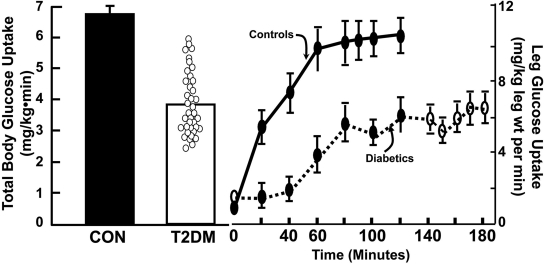
“Using the gold standard euglycemic hyperinsulinemic clamp technique to quantify insulin-stimulated glucose uptake, they demonstrated that both lean and obese T2DM subjects have marked decrease (>50%) in whole body glucose disposal during the insulin clamp.”
From Pathogenesis of insulin resistance in skeletal muscle (2010) · cites this paper as [4]
Experimental — accuracy not yet measured
20 more claims about this paper
Create a free account to see every claim other papers make about this one.
Self-check
Percentages, sums and reported differences re-computed from the paper’s own numbers.
The self-check needs the paper’s full text.
Citations
Cites
3 retracted
Insulin Binding to Monocytes and Insulin Action in Human Obesity, Starvation, and Refeeding
Defronzo, R. A., Soman, V., Sherwin, R. S., Hendler, R., & Felig, P. (1978) · Journal of Clinical Investigation · doi:10.1172/jci109108 · Cited by 252 · cited 1×
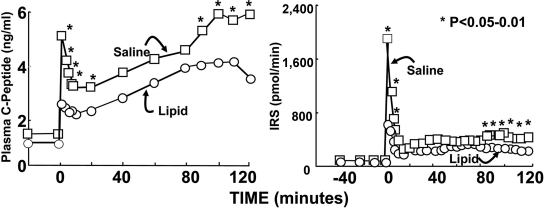
“Both obesity (31) and decreased physical activity (32) are insulin-resistant states and, when added to the genetic burden of the insulin resistance, place a major stress on the pancreatic -cells to augment their secretion of insulin to offset the defect in insulin action (1,17).”
BackgroundSelf-citationRetractedInsulin Sensitivity and Insulin Binding to Monocytes in Maturity-Onset Diabetes
Defronzo, R., Deibert, D., Hendler, R., Felig, P., & Soman, V. (1979) · Journal of Clinical Investigation · doi:10.1172/jci109394 · Cited by 188
Self-citationRetractedNieto-Vazquez, I., Fernández-Veledo, S., de Alvaro, C., Rondinone, C. M., Valverde, A. M., & Lorenzo, M. (2007) · Diabetes · doi:10.2337/db06-0989 · Cited by 90
RetractedRole of Insulin Resistance in Human Disease
Reaven, G. M. (1988) · Diabetes · doi:10.2337/diab.37.12.1595 · Cited by 12,154
Mootha, V. K., Lindgren, C. M., Eriksson, K.-F., Subramanian, A., Sihag, S., Lehar, J., Puigserver, P., Carlsson, E., Ridderstråle, M., Laurila, E., et al. (2003) · Nature Genetics · doi:10.1038/ng1180 · Cited by 10,197
Turner, R. C., Fox, C., Matthews, McElroy, H. H., Cull, C. A., Holman, R. R., Neil, P., Hadden, D. R., Wright, D., Manley, E., et al. (1998) · The Lancet · Cited by 8,419
Genetics of Food Intake Self-Regulation in Childhood: Literature Review and Research Opportunities
Faith, M. S., Carnell, S., & Kral, T. V. E. (2013) · Human Heredity · doi:10.1159/000353879 · Cited by 7,601
Glucose clamp technique: a method for quantifying insulin secretion and resistance.
DeFronzo, R. A., Tobin, J. D., & Andres, R. (1979) · American Journal of Physiology-Endocrinology and Metabolism · doi:10.1152/ajpendo.1979.237.3.e214 · Cited by 7,425
Self-citationCentral nervous system control of food intake
Schwartz, M. W., Woods, S. C., Porte, D., Seeley, R. J., & Baskin, D. G. (2000) · Nature · doi:10.1038/35007534 · Cited by 6,451
Role of AMP-Activated Protein Kinase in Mechanism of Metformin Action
Zhou, G., Myers, R., Li, Y., Chen, Y., Shen, X., Fenyk-Melody, J., Wu, M., Ventre, J., Doebber, T., Fujii, N., et al. (2001) · Journal of Clinical Investigation · doi:10.1172/jci13505 · Cited by 5,652 · cited 1×
“Since the TZDs work through the classic insulin signaling pathway (150,254), whereas metformin works through the AMP kinase pathway (255,256), combination therapy with a TZD plus metformin gives a completely additive effect to reduce the A1C (257–265), and hypoglycemia is not encountered because these drugs are insuli…”
BackgroundInsulin signalling and the regulation of glucose and lipid metabolism
Saltiel, A. R., & Kahn, C. R. (2001) · Nature · doi:10.1038/414799a · Cited by 5,326
Randle, P. J., Garland, P. B., Hales, C. N., & Newsholme, E. A. (1963) · The Lancet · doi:10.1016/s0140-6736(63)91500-9 · Cited by 5,093 · cited 1×
“Many years ago, Professor Philip Randle (195) described his now famous cycle of substrate competition, whereby elevated FFA oxidation in muscle reciprocally impaired glucose oxidation.”
BackgroundCardiovascular Morbidity and Mortality Associated With the Metabolic Syndrome
Isomaa, B., Almgren, P., Tuomi, T., Forsén, B., Lahti, K., Nissén, M., Taskinen, M.-R., & Groop, L. (2001) · Diabetes Care · doi:10.2337/diacare.24.4.683 · Cited by 4,760
Prevalence of Overweight and Obesity Among US Children, Adolescents, and Adults, 1999-2002
Hedley, A. A. (2004) · JAMA · doi:10.1001/jama.291.23.2847 · Cited by 4,460 · cited 1×
“It is abundantly clear that the current epidemic of diabetes is being driven by the epidemic of obesity (207,233).”
BackgroundWu, Z., Puigserver, P., Andersson, U., Zhang, C., Adelmant, G., Mootha, V., Troy, A., Cinti, S., Lowell, B., Scarpulla, R. C., et al. (1999) · Cell · doi:10.1016/s0092-8674(00)80611-x · Cited by 4,139
Dormandy, J. A., Charbonnel, B., Eckland, D. J., Erdmann, E., Massi-Benedetti, M., Moules, I. K., Skene, A. M., Tan, M. H., Lefèbvre, P. J., Murray, G. D., et al. (2005) · The Lancet · doi:10.1016/s0140-6736(05)67528-9 · Cited by 4,129
β-Cell Deficit and Increased β-Cell Apoptosis in Humans With Type 2 Diabetes
Butler, A. E., Janson, J., Bonner-Weir, S., Ritzel, R., Rizza, R. A., & Butler, P. C. (2003) · Diabetes · doi:10.2337/diabetes.52.1.102 · Cited by 4,011
Gupta, A., & Uribarri, J. (2016) · Hormone Research in Paediatrics · doi:10.1159/000444053 · Cited by 4,006
Drucker, D. J., & Nauck, M. A. (2006) · The Lancet · doi:10.1016/s0140-6736(06)69705-5 · Cited by 3,896 · cited 1×
“However, in short-term studies, from several months to 1 year, both sitagliptin and vildagliptin (98,99,299,300) reduce the postprandial plasma glucose concentration while maintaining the plasma insulin response, indicating a positive effect on FIG.”
BackgroundNathan, D. M., Buse, J. B., Davidson, M. B., Ferrannini, E., Holman, R. R., Sherwin, R., & Zinman, B. (2009) · Diabetes Care · doi:10.2337/dc08-9025 · Cited by 3,834
Glycemic durability of rosiglitazone, metformin, or glyburide monotherapy
Kahn, S. E., Haffner, S. M., Heise, M. A., Herman, W. H., Holman, R. R., Jones, N. P., Kravitz, B. G., Lachin, J. M., O'Neill, M. C., Zinman, B., et al. (2006) · New England Journal of Medicine · doi:10.1056/nejmoa066224 · Cited by 2,962 · cited 3×
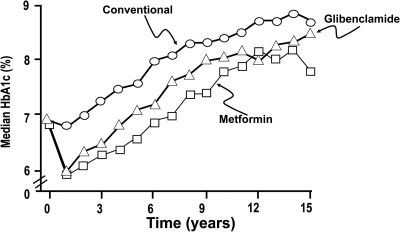
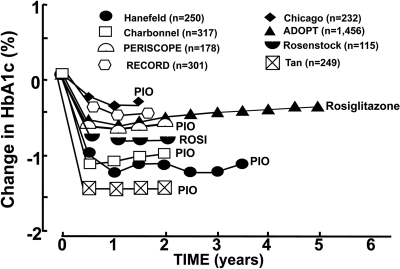
“ADOPT (A Diabetes Outcome Progression Trial) (268) has provided results similar to those obtained in the UKPDS.”
BackgroundResultCritical nodes in signalling pathways: insights into insulin action
Taniguchi, C. M., Emanuelli, B., & Kahn, C. R. (2006) · Nature Reviews Molecular Cell Biology · doi:10.1038/nrm1837 · Cited by 2,760
The Triumvirate: β-Cell, Muscle, Liver: A Collusion Responsible for NIDDM
DeFronzo, R. A. (1988) · Diabetes · doi:10.2337/diab.37.6.667 · Cited by 2,456
Self-citationVariant of transcription factor 7-like 2 (TCF7L2) gene confers risk of type 2 diabetes
Grant, S. F. A., Thorleifsson, G., Reynisdottir, I., Benediktsson, R., Manolescu, A., Sainz, J., Helgason, A., Stefansson, H., Emilsson, V., Helgadottir, A., et al. (2006) · Nature Genetics · doi:10.1038/ng1732 · Cited by 2,287 · cited 1×
“Of these genes, the transcription factor TCF7L2 is best established (60,61).”
BackgroundRole of Brain Insulin Receptor in Control of Body Weight and Reproduction
Brüning, J. C., Gautam, D., Burks, D. J., Gillette, J., Schubert, M., Orban, P. C., Klein, R., Krone, W., Müller-Wieland, D., & Kahn, C. R. (2000) · Science · doi:10.1126/science.289.5487.2122 · Cited by 2,235
The biology of incretin hormones
Drucker, D. J. (2006) · Cell Metabolism · doi:10.1016/j.cmet.2006.01.004 · Cited by 2,210 · cited 1×
“However, in short-term studies, from several months to 1 year, both sitagliptin and vildagliptin (98,99,299,300) reduce the postprandial plasma glucose concentration while maintaining the plasma insulin response, indicating a positive effect on FIG.”
BackgroundPuigserver, P., & Spiegelman, B. M. (2003) · Endocrine Reviews · doi:10.1210/er.2002-0012 · Cited by 2,076
Patti, M. E., Butte, A. J., Crunkhorn, S., Cusi, K., Berria, R., Kashyap, S., Miyazaki, Y., Kohane, I., Costello, M., Saccone, R., et al. (2003) · Proceedings of the National Academy of Sciences · doi:10.1073/pnas.1032913100 · Cited by 1,952 · cited 1×
“0-fold, inhibited the expression of PGC1 , PGC1 , PDHA1, and multiple mitochondrial genes involved in oxidative phosphorylation in muscle (214), thus mimicking the pattern of gene expression observed in type 2 diabetic subjects and in the normal glucose tolerant, insulin-resistant offspring of two type 2 diabetic pare…”
BackgroundSelf-citationU.K. Prospective Diabetes Study Group (1995) · Diabetes · doi:10.2337/diab.44.11.1249 · Cited by 1,923
Yki-Järvinen, H. (2004) · New England Journal of Medicine · doi:10.1056/nejmra041001 · Cited by 1,830
A placebo-controlled trial of pioglitazone in subjects with nonalcoholic steatohepatitis
Belfort, R., Harrison, S. A., Brown, K., Darland, C., Finch, J., Hardies, J., Balas, B., Gastaldelli, A., Tio, F., Pulcini, J., et al. (2006) · New England Journal of Medicine · doi:10.1056/nejmoa060326 · Cited by 1,827
Self-citationIslet cell failure in type 2 diabetes
Prentki, M. (2006) · Journal of Clinical Investigation · doi:10.1172/jci29103 · Cited by 1,690
Nauck, M. A., Heimesaat, M. M., Orskov, C., Holst, J. J., Ebert, R., & Creutzfeldt, W. (1993) · Journal of Clinical Investigation · doi:10.1172/jci116186 · Cited by 1,651
Yu, C., Chen, Y., Cline, G. W., Zhang, D., Zong, H., Wang, Y., Bergeron, R., Kim, J. K., Cushman, S. W., Cooney, G. J., et al. (2002) · Journal of Biological Chemistry · doi:10.1074/jbc.m200958200 · Cited by 1,561 · cited 1×
“Fatty acyl CoAs, which are known to inhibit insulin signaling (203,204), were also significantly increased in muscle in diabetic subjects (205,206).”
BackgroundDeFronzo, R. A., Ratner, R. E., Han, J., Kim, D. D., Fineman, M. S., & Baron, A. D. (2005) · Diabetes Care · doi:10.2337/diacare.28.5.1092 · Cited by 1,559 · cited 1×
“2% and markedly decreased the postprandial rise in plasma glucose concentration while maintaining the plasma insulin response at pre-exenatide treatment levels (274).”
BackgroundSelf-citationMechanism of free fatty acid-induced insulin resistance in humans.
Roden, M., Price, T. B., Perseghin, G., Petersen, K. F., Rothman, D. L., Cline, G. W., & Shulman, G. I. (1996) · Journal of Clinical Investigation · doi:10.1172/jci118742 · Cited by 1,539 · cited 1×
“Many investigators, including Boden, Shulman, and ourselves (181,182,185,189), have shown that a physiological elevation in the plasma FFA concentration stimulates HGP and impairs insulin-stimulated glucose uptake in liver (190) and muscle (151,182–185,189–194).”
BackgroundLillioja, S., Mott, D. M., Spraul, M., Ferraro, R., Foley, J. E., Ravussin, E., Knowler, W. C., Bennett, P. H., & Bogardus, C. (1993) · New England Journal of Medicine · doi:10.1056/nejm199312303292703 · Cited by 1,508
Riddle (2003) · doi:10.2337/diacare.26.11.3080 · Cited by 1,479
Itani, S. I., Ruderman, N. B., Schmieder, F., & Boden, G. (2002) · Diabetes · doi:10.2337/diabetes.51.7.2005 · Cited by 1,390
Efficacy of Metformin in Patients with Non-Insulin-Dependent Diabetes Mellitus
DeFronzo, R. A., & Goodman, A. M. (1995) · New England Journal of Medicine · doi:10.1056/nejm199508313330902 · Cited by 1,368
Self-citationPathogenesis of type 2 diabetes mellitus
DeFronzo, R. A. (2004) · Medical Clinics of North America · doi:10.1016/j.mcna.2004.04.013 · Cited by 1,342
Self-citationBuchanan, T. A., Xiang, A. H., Peters, R. K., Kjos, S. L., Marroquin, A., Goico, J., Ochoa, C., Tan, S., Berkowitz, K., Hodis, H. N., et al. (2002) · Diabetes · doi:10.2337/diabetes.51.9.2796 · Cited by 1,339
Dresner, A., Laurent, D., Marcucci, M., Griffin, M. E., Dufour, S., Cline, G. W., Slezak, L. A., Andersen, D. K., Hundal, R. S., Rothman, D. L., et al. (1999) · Journal of Clinical Investigation · doi:10.1172/jci5001 · Cited by 1,311 · cited 1×
“Although there clearly is substrate competition between FFA and glucose with respect to oxidative metabolism (196,197), FFAs have been shown to have independent effects to inhibit glycogen synthase (198,199) and both glucose transport and glucose phosphorylation (192,200).”
BackgroundReduced incretin effect in Type 2 (non-insulin dependent) diabetes
Nauck, M., Stöckmann, F., Ebert, R., & Creutzfeldt, W. (1986) · Diabetologia · doi:10.1007/bf02427280 · Cited by 1,307
Boden, G., & Shulman, G. I. (2002) · European Journal of Clinical Investigation · doi:10.1046/j.1365-2362.32.s3.3.x · Cited by 1,300
Griffin, M. E., Marcucci, M. J., Cline, G. W., Bell, K., Barucci, N., Lee, D., Goodyear, L. J., Kraegen, E. W., White, M. F., & Shulman, G. I. (1999) · Diabetes · doi:10.2337/diabetes.48.6.1270 · Cited by 1,267
Shulman, G. I., Rothman, D. L., Jue, T., Stein, P., DeFronzo, R. A., & Shulman, R. G. (1990) · New England Journal of Medicine · doi:10.1056/nejm199001253220403 · Cited by 1,248 · cited 1×
“in 17,18,126), including impaired glucose transport and phosphorylation (19,133– 137), reduced glycogen synthesis (111,138,139), and decreased glucose oxidation (26,140–142).”
BackgroundSelf-citationNathan, D. M., Buse, J. B., Davidson, M. B., Heine, R. J., Holman, R. R., Sherwin, R., & Zinman, B. (2006) · Diabetes Care · doi:10.2337/dc06-9912 · Cited by 1,203
DeFronzo, R. A., Gunnarsson, R., Björkman, O., Olsson, M., & Wahren, J. (1985) · Journal of Clinical Investigation · doi:10.1172/jci111938 · Cited by 1,167
Self-citationMartin, B. C., Warram, J. H., Krolewski, A. S., Soeldner, J. S., Kahn, C. R., Martin, B. C., & Bergman, R. N. (1992) · The Lancet · doi:10.1016/0140-6736(92)92814-v · Cited by 1,158
Cusi, K., Maezono, K., Osman, A., Pendergrass, M., Patti, M. E., Pratipanawatr, T., DeFronzo, R. A., Kahn, C. R., & Mandarino, L. J. (2000) · Journal of Clinical Investigation · doi:10.1172/jci7535 · Cited by 1,139 · cited 4×
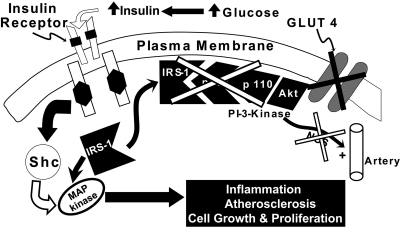
“Because the MAP kinase pathway retains its sensitivity to insulin (143,159,160), this causes excessive stimulation of this pathway and activation of multiple intracellular pathways involved in inflammation and atherogenesis.”
BackgroundInfluentialSelf-citationLipotoxicity in the Pathogenesis of Obesity-Dependent NIDDM: Genetic and Clinical Implications
Unger, R. H. (1995) · Diabetes · doi:10.2337/diab.44.8.863 · Cited by 1,100 · cited 1×
“Elevated plasma free fatty acid (FFA) levels impair insulin secretion, and this has been referred to as lipotoxicity (66,67).”
BackgroundA variant in CDKAL1 influences insulin response and risk of type 2 diabetes
Steinthorsdottir, V., Thorleifsson, G., Reynisdottir, I., Benediktsson, R., Jonsdottir, T., Walters, G. B., Styrkarsdottir, U., Gretarsdottir, S., Emilsson, V., Ghosh, S., et al. (2007) · Nature Genetics · doi:10.1038/ng2043 · Cited by 1,072
Diagnosis and Classification of Diabetes Mellitus
American Diabetes Association (2008) · Diabetes Care · doi:10.2337/dc08-s055 · Cited by 1,062
Effect of fatty acids on glucose production and utilization in man.
Ferrannini, E., Barrett, E. J., Bevilacqua, S., & DeFronzo, R. A. (1983) · Journal of Clinical Investigation · doi:10.1172/jci111133 · Cited by 1,050
Self-citationWarram, J. H., Martin, B. C., Krolewski, A. S., Soeldner, J. S., & Kahn, C. R. (1990) · Annals of Internal Medicine · doi:10.7326/0003-4819-113-12-909 · Cited by 1,038
Fuel selection in human skeletal muscle in insulin resistance: a reexamination.
Kelley, D. E., & Mandarino, L. J. (2000) · Diabetes · doi:10.2337/diabetes.49.5.677 · Cited by 1,017 · cited 1×
“Although there clearly is substrate competition between FFA and glucose with respect to oxidative metabolism (196,197), FFAs have been shown to have independent effects to inhibit glycogen synthase (198,199) and both glucose transport and glucose phosphorylation (192,200).”
BackgroundToward Physiological Understanding of Glucose Tolerance: Minimal-Model Approach
Bergman, R. N. (1989) · Diabetes · doi:10.2337/diab.38.12.1512 · Cited by 1,001
Determinants of the impaired secretion of glucagon-like peptide-1 in type 2 diabetic patients
Toft-Nielsen, M.-B., Damholt, M. B., Madsbad, S., Hilsted, L. M., Hughes, T. E., Michelsen, B. K., & Holst, J. J. (2001) · The Journal of Clinical Endocrinology & Metabolism · doi:10.1210/jcem.86.8.7750 · Cited by 869 · cited 1×
“The deficiency of GLP-1 can be observed in individuals with IGT and worsens progressively with progression to type 2 diabetes (101).”
BackgroundNissen, S. E., Nicholls, S. J., Wolski, K., Nesto, R., Kupfer, S., Perez, A., Jure, H., De Larochellière, R., Staniloae, C. S., Mavromatis, K., et al. (2008) · JAMA · doi:10.1001/jama.299.13.1561 · Cited by 850 · cited 1×
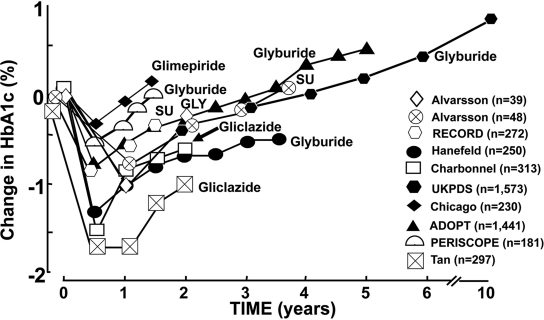
“These molecular observations help to explain the recent results from the CHICAGO (Carotid Intima-Media Thickness in Atherosclerosis Using Pioglitazone) (167) and PERISCOPE (Pioglitazone Effect on Regression of Intravascular Sonographic Coronary Obstruction Prospective Evaluation) (168) studies, in which pioglitazone w…”
ResultStudies of pancreatic alpha cell function in normal and diabetic subjects
Unger, R. H., Aguilar-Parada, E., Müller, W. A., & Eisentraut, A. M. (1970) · Journal of Clinical Investigation · doi:10.1172/jci106297 · Cited by 837
Mechanisms by which common variants in the TCF7L2 gene increase risk of type 2 diabetes
Lyssenko, V., Lupi, R., Marchetti, P., Del Guerra, S., Orho-Melander, M., Almgren, P., Sjögren, M., Ling, C., Eriksson, K.-F., Lethagen, Υ.-L., et al. (2007) · Journal of Clinical Investigation · doi:10.1172/jci30706 · Cited by 829 · cited 1×
“Studies by Groop and colleagues (63) have shown that the T-allele of single nucleotide polymorphism rs7903146 of the TCF7L2 gene is associated with impaired insulin secretion in vivo and reduced responsiveness to glucagon-like peptide 1 (GLP-1).”
BackgroundGroop, L. C., Bonadonna, R. C., DelPrato, S., Ratheiser, K., Zyck, K., Ferrannini, E., & DeFronzo, R. A. (1989) · Journal of Clinical Investigation · doi:10.1172/jci114142 · Cited by 812 · cited 4×
“(26) demonstrated that the antilipolytic effect of insulin was markedly impaired in lean type 2 diabetic subjects, as well as in obese nondiabetic subjects (140).”
BackgroundMethodInfluentialSelf-citationMorino, K. (2005) · Journal of Clinical Investigation · doi:10.1172/jci25151 · Cited by 811
Early Metabolic Defects in Persons at Increased Risk for Non-Insulin-Dependent Diabetes Mellitus
Eriksson, J., Franssila-Kallunki, A., Ekstrand, A., Saloranta, C., Widén, E., Schalin, C., & Groop, L. (1989) · New England Journal of Medicine · doi:10.1056/nejm198908103210601 · Cited by 807
Musi, N., Hirshman, M. F., Nygren, J., Svanfeldt, M., Bavenholm, P., Rooyackers, O., Zhou, G., Williamson, J. M., Ljunqvist, O., Efendic, S., et al. (2002) · Diabetes · doi:10.2337/diabetes.51.7.2074 · Cited by 806 · cited 1×
“Since the TZDs work through the classic insulin signaling pathway (150,254), whereas metformin works through the AMP kinase pathway (255,256), combination therapy with a TZD plus metformin gives a completely additive effect to reduce the A1C (257–265), and hypoglycemia is not encountered because these drugs are insuli…”
BackgroundHeine, R. J., Van Gaal, L. F., Johns, D., Mihm, M. J., Widel, M. H., Brodows, R. G., & for the GWAA Study Group* (2005) · Annals of Internal Medicine · doi:10.7326/0003-4819-143-8-200510180-00006 · Cited by 795
Efficacy and Metabolic Effects of Metformin and Troglitazone in Type II Diabetes Mellitus
Inzucchi, S. E., Maggs, D. G., Spollett, G. R., Page, S. L., Rife, F. S., Walton, V., & Shulman, G. I. (1998) · New England Journal of Medicine · doi:10.1056/nejm199803263381303 · Cited by 794
Rahmoune, H., Thompson, P. W., Ward, J. M., Smith, C. D., Hong, G., & Brown, J. (2005) · Diabetes · doi:10.2337/diabetes.54.12.3427 · Cited by 777 · cited 3×
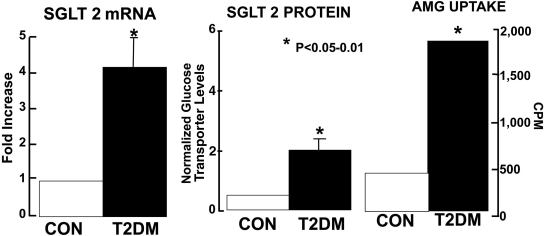
“SGLT 2 transporter mRNA (left) and protein (middle) and glucose transport ( -methyl-D-glucopyranoside) (right) are increased in cultured renal proximal tubular epithelial cells of individuals with type 2 diabetes (T2DM) versus nondiabetic subjects (CON) (232).”
BackgroundRossetti, L., Giaccari, A., & DeFronzo, R. A. (1990) · Diabetes Care · doi:10.2337/diacare.13.6.610 · Cited by 770
Self-citationMagnusson, I., Rothman, D. L., Katz, L. D., Shulman, R. G., & Shulman, G. I. (1992) · Journal of Clinical Investigation · doi:10.1172/jci115997 · Cited by 757
Abdul-Ghani, M. A., Tripathy, D., & DeFronzo, R. A. (2006) · Diabetes Care · doi:10.2337/dc05-2179 · Cited by 744
Self-citationMiyazaki, Y., Mahankali, A., Matsuda, M., Mahankali, S., Hardies, J., Cusi, K., Mandarino, L. J., & DeFronzo, R. A. (2002) · The Journal of Clinical Endocrinology & Metabolism · doi:10.1210/jcem.87.6.8567 · Cited by 726
Self-citationInternational Textbook of Diabetes Mellitus
(2004) · Wiley eBooks · doi:10.1002/0470862092 · Cited by 725
Decreasing hypothalamic insulin receptors causes hyperphagia and insulin resistance in rats
Obici, S., Feng, Z., Karkanias, G., Baskin, D. G., & Rossetti, L. (2002) · Nature Neuroscience · doi:10.1038/nn0602-861 · Cited by 719 · cited 1×
“(239,240) in rodents have also provided evidence for cerebral insulin resistance leading to increased HGP and reduced muscle glucose uptake.”
BackgroundAddition of Biphasic, Prandial, or Basal Insulin to Oral Therapy in Type 2 Diabetes
Holman, R. R., Thorne, K. I., Farmer, A. J., Davies, M. J., Keenan, J. F., Paul, S., & Levy, J. C. (2007) · New England Journal of Medicine · doi:10.1056/nejmoa075392 · Cited by 710
Klonoff, D. C., Buse, J. B., Nielsen, L. L., Guan, X., Bowlus, C. L., Holcombe, J. H., Wintle, M. E., & Maggs, D. G. (2008) · Current Medical Research and Opinion · doi:10.1185/030079908x253870 · Cited by 699 · cited 1×
“5 years, and the decline in A1C was shown to persist (275).”
BackgroundMootha, V. K., Handschin, C., Arlow, D., Xie, X., St. Pierre, J., Sihag, S., Yang, W., Altshuler, D., Puigserver, P., Patterson, N., et al. (2004) · Proceedings of the National Academy of Sciences · doi:10.1073/pnas.0401401101 · Cited by 688
Cline, G. W., Petersen, K. F., Krssak, M., Shen, J., Hundal, R. S., Trajanoski, Z., Inzucchi, S., Dresner, A., Rothman, D. L., & Shulman, G. I. (1999) · New England Journal of Medicine · doi:10.1056/nejm199907223410404 · Cited by 675
Mazzone, T., Meyer, P. M., Feinstein, S. B., Davidson, M. H., Kondos, G. T., D’Agostino, R. B., Perez, A., Provost, J.-C., & Haffner, S. M. (2006) · JAMA · doi:10.1001/jama.296.21.joc60158 · Cited by 674 · cited 1×
“These molecular observations help to explain the recent results from the CHICAGO (Carotid Intima-Media Thickness in Atherosclerosis Using Pioglitazone) (167) and PERISCOPE (Pioglitazone Effect on Regression of Intravascular Sonographic Coronary Obstruction Prospective Evaluation) (168) studies, in which pioglitazone w…”
Result(1997) · Diabetes reviews · Cited by 671
Self-citationCeramide Content Is Increased in Skeletal Muscle From Obese Insulin-Resistant Humans
Adams, J. M., Pratipanawatr, T., Berria, R., Wang, E., DeFronzo, R. A., Sullards, M. C., & Mandarino, L. J. (2004) · Diabetes · doi:10.2337/diabetes.53.1.25 · Cited by 668 · cited 1×
“Increased intramyocellular levels of diacylglycerol (194,211) and ceramides (212,213) have also been demonstrated in type 2 diabetic and obese nondiabetic subjects and shown to be related to the insulin resistance and impaired insulin signaling in muscle.”
BackgroundSelf-citationFarilla, L., Bulotta, A., Hirshberg, B., Li Calzi, S., Khoury, N., Noushmehr, H., Bertolotto, C., Di Mario, U., Harlan, D. M., & Perfetti, R. (2003) · Endocrinology · doi:10.1210/en.2003-0323 · Cited by 664 · cited 1×
“In vivo studies in rodents (296,297) and in vitro studies with cultured human islets (298) have shown that exenatide can expand -cell mass and prevent apoptosis of islets, respectively.”
BackgroundBays, H., Mandarino, L., & DeFronzo, R. A. (2004) · The Journal of Clinical Endocrinology & Metabolism · doi:10.1210/jc.2003-030723 · Cited by 664
Self-citationHaus, J. M., Kashyap, S. R., Kasumov, T., Zhang, R., Kelly, K. R., DeFronzo, R. A., & Kirwan, J. P. (2009) · Diabetes · doi:10.2337/db08-1228 · Cited by 663
Self-citationHanley, A. J. G., Williams, K., Stern, M. P., & Haffner, S. M. (2002) · Diabetes Care · doi:10.2337/diacare.25.7.1177 · Cited by 637
Kolterman, O. G., Gray, R. S., Griffin, J., Burstein, P., Insel, J., Scarlett, J. A., & Olefsky, J. M. (1981) · Journal of Clinical Investigation · doi:10.1172/jci110350 · Cited by 629
Mechanism by which high-dose aspirin improves glucose metabolism in type 2 diabetes
Hundal, R. S., Petersen, K. F., Mayerson, A. B., Randhawa, P. S., Inzucchi, S. E., Shoelson, S. E., & Shulman, G. I. (2002) · Journal of Clinical Investigation · doi:10.1172/jci14955 · Cited by 621
Islet Amyloid in Type 2 Diabetes, and the Toxic Oligomer Hypothesis
Haataja, L., Gurlo, T., Huang, C. J., & Butler, P. C. (2008) · Endocrine Reviews · doi:10.1210/er.2007-0037 · Cited by 612 · cited 2×
“Because amylin is secreted in a one-to-one ratio with insulin (95,96) and IAPP oligomers are toxic (89,93,94), interventions that improve insulin sensitivity, i.”
BackgroundRole of incretin hormones in the regulation of insulin secretion in diabetic and nondiabetic humans
Holst, J. J., & Gromada, J. (2004) · American Journal of Physiology-Endocrinology and Metabolism · doi:10.1152/ajpendo.00545.2003 · Cited by 611 · cited 1×
“In addition to deficiency of GLP-1, there is resistance to the stimulatory effect of GLP-1 on insulin secretion (106,107).”
BackgroundBonora, E., Formentini, G., Calcaterra, F., Lombardi, S., Marini, F., Zenari, L., Saggiani, F., Poli, M., Perbellini, S., Raffaelli, A., et al. (2002) · Diabetes Care · doi:10.2337/diacare.25.7.1135 · Cited by 604
Lupi, R., Dotta, F., Marselli, L., Del Guerra, S., Masini, M., Santangelo, C., Patané, G., Boggi, U., Piro, S., Anello, M., et al. (2002) · Diabetes · doi:10.2337/diabetes.51.5.1437 · Cited by 595
Lifestyle intervention for pre-diabetic neuropathy
Smith, A. G., Russell, J., Feldman, E. L., Goldstein, J., Peltier, A., Smith, S., Hamwi, J., Pollari, D., Bixby, B., Howard, J., et al. (2006) · Diabetes Care · doi:10.2337/dc06-0224 · Cited by 585
Chang, A. M., & Halter, J. B. (2003) · American Journal of Physiology-Endocrinology and Metabolism · doi:10.1152/ajpendo.00366.2002 · Cited by 585
The Influence of GLP-1 on Glucose-Stimulated Insulin Secretion
Kjems, L. L., Holst, J. J., Vølund, A., & Madsbad, S. (2003) · Diabetes · doi:10.2337/diabetes.52.2.380 · Cited by 582
Impaired Glucose Tolerance as a Disorder of Insulin Action
Lillioja, S., Mott, D. M., Howard, B. V., Bennett, P. H., Yki-Järvinen, H., Freymond, D., Nyomba, B. L., Zurlo, F., Swinburn, B., & Bogardus, C. (1988) · New England Journal of Medicine · doi:10.1056/nejm198805123181901 · Cited by 578
Decreasing hypothalamic insulin receptors causes hyperphagia and insulin resistance in rats
Obici, S., Feng, Z., Karkanias, G. B., et al. (2002) · Nature Neuroscience · doi:10.1038/nn861 · Cited by 572
Mechanism by which high-dose aspirin improves glucose metabolism in type 2 diabetes
Hundal, R. S., Petersen, K. F., Mayerson, A. B., Randhawa, P. S., Inzucchi, S., Shoelson, S. E., & Shulman, G. I. (2002) · Journal of Clinical Investigation · doi:10.1172/jci0214955 · Cited by 557
Wright, A., Burden, A. C. F., Paisey, R. B., Cull, C. A., Holman, R. R., & for the U.K. Prospective Diabetes Study Group (2002) · Diabetes Care · doi:10.2337/diacare.25.2.330 · Cited by 556
Montagnani, M., Chen, H., Barr, V. A., & Quon, M. J. (2001) · Journal of Biological Chemistry · doi:10.1074/jbc.m103702200 · Cited by 544
Ferrannini, E., Gastaldelli, A., Miyazaki, Y., Matsuda, M., Mari, A., & DeFronzo, R. A. (2005) · The Journal of Clinical Endocrinology & Metabolism · doi:10.1210/jc.2004-1133 · Cited by 540
Self-citationFonseca, V., Rosenstock, J., Patwardhan, R., & Salzman, A. (2000) · JAMA · doi:10.1001/jama.283.13.1695 · Cited by 540
Bays, H. E., González-Campoy, J. M., Bray, G. A., Kitabchi, A. E., Bergman, D. A., Schorr, A. B., Rodbard, H. W., & Henry, R. R. (2008) · Expert Review of Cardiovascular Therapy · doi:10.1586/14779072.6.3.343 · Cited by 530 · cited 1×
“3) Dysfunctional fat cells produce excessive amounts of insulin resistance–inducing, inflammatory, and atheroscleroticprovoking adipocytokines and fail to secrete normal amounts of insulin-sensitizing adipocytokines such as adiponectin (175,176).”
BackgroundRefining the impact of TCF7L2 gene variants on type 2 diabetes and adaptive evolution
Helgason, A., Pálsson, S., Thorleifsson, G., Grant, S. F. A., Emilsson, V., Gunnarsdottir, S., Adeyemo, A., Chen, Y., Chen, G., Reynisdottir, I., et al. (2007) · Nature Genetics · doi:10.1038/ng1960 · Cited by 525 · cited 1×
“Of these genes, the transcription factor TCF7L2 is best established (60,61).”
BackgroundDeFronzo, R. A., Ferrannini, E., & Simonson, D. C. (1989) · Metabolism · doi:10.1016/0026-0495(89)90129-7 · Cited by 515 · cited 3×
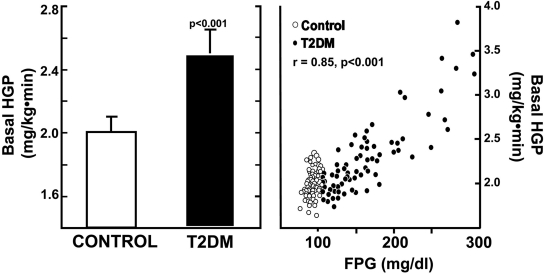
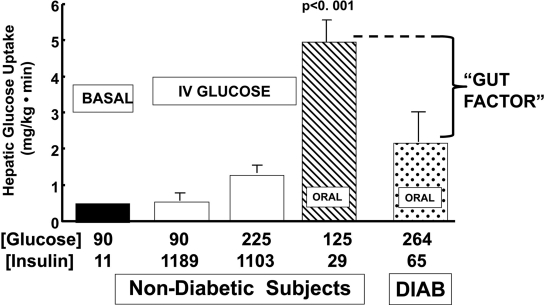
“The relationship between basal HGP and fasting plasma glucose (FPG) concentration is shown on the right (1,25).”
BackgroundSelf-citationRegulation of Splanchnic and Peripheral Glucose Uptake by Insulin and Hyperglycemia in Man
DeFronzo, R. A., Ferrannini, E., Hendler, R., Felig, P., & Wahren, J. (1983) · Diabetes · doi:10.2337/diab.32.1.35 · Cited by 509
Self-citationKashyap, S., Belfort, R., Gastaldelli, A., Pratipanawatr, T., Berria, R., Pratipanawatr, W., Bajaj, M., Mandarino, L., DeFronzo, R., & Cusi, K. (2003) · Diabetes · doi:10.2337/diabetes.52.10.2461 · Cited by 503 · cited 4×
“As discussed earlier, we and others (24,186) have also shown that elevated plasma FFA levels inhibit insulin secretion.”
BackgroundInfluentialSelf-citationAbdul-Ghani, M. A., Jenkinson, C. P., Richardson, D. K., Tripathy, D., & DeFronzo, R. A. (2006) · Diabetes · doi:10.2337/db05-1200 · Cited by 500
Self-citationThe Effect of Insulin Treatment on Insulin Secretion and Insulin Action in Type II Diabetes Mellitus
Garvey, W. T., Olefsky, J. M., Griffin, J., Hamman, R. F., & Kolterman, O. G. (1985) · Diabetes · doi:10.2337/diab.34.3.222 · Cited by 488
Prevention of Type 2 Diabetes With Troglitazone in the Diabetes Prevention Program
The Diabetes Prevention Program Research Group* (2005) · Diabetes · doi:10.2337/diabetes.54.4.1150 · Cited by 474
Cusi, K. (1996) · Journal of Clinical Endocrinology & Metabolism · doi:10.1210/jc.81.11.4059 · Cited by 455
Self-citationCentral insulin action in energy and glucose homeostasis
Plum, L. (2006) · Journal of Clinical Investigation · doi:10.1172/jci29063 · Cited by 437
Nauck, M. A., Duran, S., Kim, D., Johns, D., Northrup, J., Festa, A., Brodows, R., & Trautmann, M. (2007) · Diabetologia · doi:10.1007/s00125-006-0510-2 · Cited by 437
Yki-Järvinen, H., Ryysy, L., Nikkilä, K., Tulokas, T., Vanamo, R., & Heikkilä, M. (1999) · Annals of Internal Medicine · doi:10.7326/0003-4819-130-5-199903020-00002 · Cited by 433
Johnson, J. A., Majumdar, S. R., Simpson, S. H., & Toth, E. L. (2002) · Diabetes Care · doi:10.2337/diacare.25.12.2244 · Cited by 421 · cited 1×
“Moreover, in the UKPDS sulfonylureas were shown not to have a significant protective effect against atherosclerotic cardiovascular complications (34), and some studies even have suggested that sulfonylureas may accelerate the atherogenic process (276,277).”
BackgroundHuang, C.-J., Lin, C.-Y., Haataja, L., Gurlo, T., Butler, A. E., Rizza, R. A., & Butler, P. C. (2007) · Diabetes · doi:10.2337/db07-0197 · Cited by 416
Højberg, P. V., Vilsbøll, T., Rabøl, R., Knop, F. K., Bache, M., Krarup, T., Holst, J. J., & Madsbad, S. (2009) · Diabetologia · doi:10.1007/s00125-008-1195-5 · Cited by 414
The natural history of impaired glucose tolerance in the Pima Indians
Saad, M. F., Knowler, W. C., Pettitt, D. J., Nelson, R. G., Mott, D. M., & Bennett, P. H. (1988) · New England Journal of Medicine · doi:10.1056/nejm198812083192302 · Cited by 413 · cited 1×
“Although not commented upon, similar conclusions can be reached from data in previous publications (2,3,7,15).”
ResultMiyazaki, Y., Mahankali, A., Matsuda, M., Glass, L., Mahankali, S., Ferrannini, E., Cusi, K., Mandarino, L. J., & DeFronzo, R. A. (2001) · Diabetes Care · doi:10.2337/diacare.24.4.710 · Cited by 407
Self-citationDose-Response Effect of Elevated Plasma Free Fatty Acid on Insulin Signaling
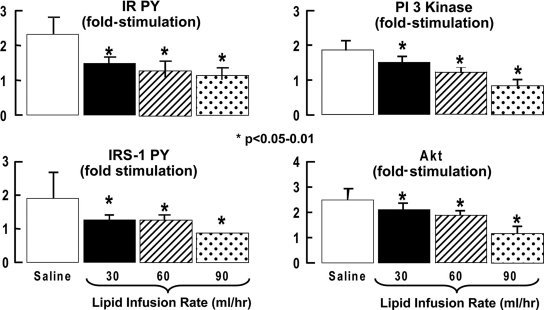
Belfort, R., Mandarino, L., Kashyap, S., Wirfel, K., Pratipanawatr, T., Berria, R., DeFronzo, R. A., & Cusi, K. (2005) · Diabetes · doi:10.2337/diabetes.54.6.1640 · Cited by 404
Self-citationXiang, A. H., Peters, R. K., Kjos, S. L., Marroquin, A., Goico, J., Ochoa, C., Kawakubo, M., & Buchanan, T. A. (2006) · Diabetes · doi:10.2337/diabetes.55.02.06.db05-1066 · Cited by 402
Ziegler, D., Rathmann, W., Dickhaus, T., Meisinger, C., Mielck, A., & for the KORA Study Group (2008) · Diabetes Care · doi:10.2337/dc07-1796 · Cited by 397 · cited 1×
“Peripheral neuropathy also is a common finding in IGT, occurring in as many as 5–10% individuals (50,51).”
BackgroundBogardus, C., Lillioja, S., Howard, B. V., Reaven, G., & Mott, D. (1984) · Journal of Clinical Investigation · doi:10.1172/jci111533 · Cited by 397
Draznin, B. (2006) · Diabetes · doi:10.2337/db06-0391 · Cited by 388
Bunck, M. C., Diamant, M., Cornér, A., Eliasson, B., Malloy, J. L., Shaginian, R. M., Deng, W., Kendall, D. M., Taskinen, M.-R., Smith, U., et al. (2009) · Diabetes Care · doi:10.2337/dc08-1797 · Cited by 388
Mechanism for the stimulation of gluconeogenesis by fatty acids in perfused rat liver.
Williamson, J. R., Kreisberg, R. A., & Felts, P. W. (1966) · Proceedings of the National Academy of Sciences · doi:10.1073/pnas.56.1.247 · Cited by 386
Natali, A., & Ferrannini, E. (2006) · Diabetologia · doi:10.1007/s00125-006-0141-7 · Cited by 377 · cited 1×
“In muscle, TZDs are potent insulin sensitizers (244–252), whereas metformin is a very weak insulin sensitizer (241,243,253).”
BackgroundKrook, A., Björnholm, M., Galuska, D., Jiang, X. J., Fahlman, R., Myers, M. G., Wallberg-Henriksson, H., & Zierath, J. R. (2000) · Diabetes · doi:10.2337/diabetes.49.2.284 · Cited by 375 · cited 1×
“Because the MAP kinase pathway retains its sensitivity to insulin (143,159,160), this causes excessive stimulation of this pathway and activation of multiple intracellular pathways involved in inflammation and atherogenesis.”
Backgroundβ-Cell Mass Dynamics in Zucker Diabetic Fatty Rats
Finegood, D. T., McArthur, M. D., Kojwang, D., Thomas, M. J., Topp, B. G., Leonard, T., & Buckingham, R. E. (2001) · Diabetes · doi:10.2337/diabetes.50.5.1021 · Cited by 374
Lukinius, A., Wilander, E., Westermark, G. T., Engstr�m, U., & Westermark, P. (1989) · Diabetologia · doi:10.1007/bf00285291 · Cited by 371
Central melanocortin receptors regulate insulin action
Obici, S., Feng, Z., Tan, J., Liu, L., Karkanias, G., & Rossetti, L. (2001) · Journal of Clinical Investigation · doi:10.1172/jci12954 · Cited by 371 · cited 1×
“(239,240) in rodents have also provided evidence for cerebral insulin resistance leading to increased HGP and reduced muscle glucose uptake.”
BackgroundCentral melanocortin receptors regulate insulin action
Obici, S., Feng, Z., Tan, J., Liu, L., Karkanias, G., & Rossetti, L. (2001) · Journal of Clinical Investigation · doi:10.1172/jci200112954 · Cited by 370
Einhorn, D., Rendell, M., Rosenzweig, J., Egan, J. W., Mathisen, A. L., & Schneider, R. L. (2000) · Clinical Therapeutics · doi:10.1016/s0149-2918(00)83039-8 · Cited by 368
Lyssenko, V., Almgren, P., Anevski, D., Perfekt, R., Lahti, K., Nissén, M., Isomaa, B., Forsen, B., Homström, N., Saloranta, C., et al. (2005) · Diabetes · doi:10.2337/diabetes.54.1.166 · Cited by 368
Diabetes Prevention Program Research Group (2007) · Diabetic Medicine · doi:10.1111/j.1464-5491.2007.02043.x · Cited by 363
Tourrel, C., Bailbé, D., Meile, M.-J., Kergoat, M., & Portha, B. (2001) · Diabetes · doi:10.2337/diabetes.50.7.1562 · Cited by 362
Weyer, C., Tataranni, P. A., Bogardus, C., & Pratley, R. E. (2001) · Diabetes Care · doi:10.2337/diacare.24.1.89 · Cited by 357
Bonora, E., Kiechl, S., Willeit, J., Oberhollenzer, F., Egger, G., Meigs, J. B., Bonadonna, R. C., & Muggeo, M. (2007) · Diabetes Care · doi:10.2337/dc06-0919 · Cited by 343
Beta-cell dysfunction and glucose intolerance: results from the San Antonio metabolism (SAM) study
Gastaldelli, A., Ferrannini, E., Miyazaki, Y., Matsuda, M., & DeFronzo, R. A. (2004) · Diabetologia · doi:10.1007/s00125-003-1263-9 · Cited by 338
Self-citationEffect of chronic hyperglycemia on in vivo insulin secretion in partially pancreatectomized rats.
Rossetti, L., Shulman, G. I., Zawalich, W., & DeFronzo, R. A. (1987) · Journal of Clinical Investigation · doi:10.1172/jci113157 · Cited by 330 · cited 2×
“(77) have provided definitive proof of this concept (Fig.”
BackgroundSelf-citationRothman, D. L., Shulman, R. G., & Shulman, G. I. (1992) · Journal of Clinical Investigation · doi:10.1172/jci115686 · Cited by 328
REAVEN, G. M., CHEN, Y.-D. I., GOLAY, A., SWISLOCKI, A. L. M., & JASPAN, J. B. (1987) · The Journal of Clinical Endocrinology & Metabolism · doi:10.1210/jcem-64-1-106 · Cited by 326
Rothman, D. L., Magnusson, I., Cline, G., Gerard, D., Kahn, C. R., Shulman, R. G., & Shulman, G. I. (1995) · Proceedings of the National Academy of Sciences · doi:10.1073/pnas.92.4.983 · Cited by 325
Henry, R. R., Wallace, P., & Olefsky, J. M. (1986) · Diabetes · doi:10.2337/diab.35.9.990 · Cited by 325
Gastaldelli, A., Baldi, S., Pettiti, M., Toschi, E., Camastra, S., Natali, A., Landau, B. R., & Ferrannini, E. (2000) · Diabetes · doi:10.2337/diabetes.49.8.1367 · Cited by 320 · cited 1×
“resistance, multiple other factors contribute to accelerated rate of HGP including: 1) increased circulating glucagon levels and enhanced hepatic sensitivity to glucagon (120–122); 2) lipotoxicity leading to increased expression and activity of phosphoenolpyruvate carboxykinase and pyruvate carboxylase (123), the rate…”
BackgroundTranscription Factor TCF7L2 Genetic Study in the French Population
Cauchi, S., Meyre, D., Dina, C., Choquet, H., Samson, C., Gallina, S., Balkau, B., Charpentier, G., Pattou, F., Stetsyuk, V., et al. (2006) · Diabetes · doi:10.2337/db06-0474 · Cited by 319
GROOP, L. C., SALORANTA, C., SHANK, M., BONADONNA, R. C., FERRANNINI, E., & DEFRONZO, R. A. (1991) · The Journal of Clinical Endocrinology & Metabolism · doi:10.1210/jcem-72-1-96 · Cited by 312
Self-citationMetformin: A review of its metabolic effects
Cusi, K. J., & DeFronzo, R. A. (1998) · Diabetes reviews · Cited by 310
Self-citationAhrén, B., Pacini, G., Foley, J. E., & Schweizer, A. (2005) · Diabetes Care · doi:10.2337/diacare.28.8.1936 · Cited by 309
Petersen, K. F., Dufour, S., & Shulman, G. I. (2005) · PLoS Medicine · doi:10.1371/journal.pmed.0020233 · Cited by 308
Baron, A. D., Schaeffer, L., Shragg, P., & Kolterman, O. G. (1987) · Diabetes · doi:10.2337/diab.36.3.274 · Cited by 308
Rutter, M. K., Meigs, J. B., Sullivan, L. M., D’Agostino, R. B., & Wilson, P. W. (2005) · Diabetes · doi:10.2337/diabetes.54.11.3252 · Cited by 307
The disposal of an oral glucose load in patients with non-insulin-dependent diabetes
Ferrannini, E., Simonson, D. C., Katz, L. D., Reichard, G., Bevilacqua, S., Barrett, E. J., Olsson, M., & DeFronzo, R. A. (1988) · Metabolism · doi:10.1016/0026-0495(88)90033-9 · Cited by 305 · cited 2×
“In muscle (19,26,28,29), the insulin resistance is manifest by impaired glucose uptake following ingestion of a carbohydrate meal and results in postprandial hyperglycemia (27).”
BackgroundSelf-citationBouzakri, K., Roques, M., Gual, P., Espinosa, S., Guebre-Egziabher, F., Riou, J.-P., Laville, M., Le Marchand-Brustel, Y., Tanti, J.-F., & Vidal, H. (2003) · Diabetes · doi:10.2337/diabetes.52.6.1319 · Cited by 305
Haffner, S. M., Miettinen, H., Gaskill, S. P., & Stern, M. P. (1995) · Diabetes · doi:10.2337/diab.44.12.1386 · Cited by 303
The evolution of β‐cell dysfunction and insulin resistance in type 2 diabetes
Bergman, R. N., Finegood, D. T., & Kahn, S. E. (2002) · European Journal of Clinical Investigation · doi:10.1046/j.1365-2362.32.s3.5.x · Cited by 301
Effect of long chain triglyceride infusion on glucose metabolism in man
Thiébaud, D., DeFronzo, R. A., Jacot, E., Golay, A., Acheson, K., Maeder, E., Jéquier, E., & Felber, J.-P. (1982) · Metabolism · doi:10.1016/0026-0495(82)90163-9 · Cited by 296
Self-citationDeFronzo, R. A., Ferrannini, E., Hendler, R., Wahren, J., & Felig, P. (1978) · Proceedings of the National Academy of Sciences · doi:10.1073/pnas.75.10.5173 · Cited by 296
Self-citationEvans, J. M. M., Ogston, S. A., Emslie-Smith, A., & Morris, A. D. (2006) · Diabetologia · doi:10.1007/s00125-006-0176-9 · Cited by 293 · cited 1×
“Moreover, in the UKPDS sulfonylureas were shown not to have a significant protective effect against atherosclerotic cardiovascular complications (34), and some studies even have suggested that sulfonylureas may accelerate the atherogenic process (276,277).”
BackgroundLeahy, J. L., Cooper, H. E., Deal, D. A., & Weir, G. C. (1986) · Journal of Clinical Investigation · doi:10.1172/jci112389 · Cited by 292 · cited 1×
“(80) showed that elevation of the mean day-long plasma glucose concentration in vivo by as little as 16 mg/dl leads to a marked inhibition of glucose-stimulated insulin secretion in the isolated perfused pancreas.”
BackgroundBajaj, M., Suraamornkul, S., Pratipanawatr, T., Hardies, L. J., Pratipanawatr, W., Glass, L., Cersosimo, E., Miyazaki, Y., & DeFronzo, R. A. (2003) · Diabetes · doi:10.2337/diabetes.52.6.1364 · Cited by 290
Self-citationGulli, G., Ferrannini, E., Stern, M., Haffner, S., & DeFronzo, R. A. (1992) · Diabetes · doi:10.2337/diab.41.12.1575 · Cited by 283
Self-citationRole of Lipid Oxidation in Pathogenesis of Insulin Resistance of Obesity and Type II Diabetes
Felber, J.-P., Ferrannini, E., Golay, A., Meyer, H. U., Theibaud, D., Curchod, B., Maeder, E., Jequier, E., & DeFronzo, R. A. (1987) · Diabetes · doi:10.2337/diab.36.11.1341 · Cited by 277
Self-citationMiyazaki, Y., Glass, L., Triplitt, C., Matsuda, M., Cusi, K., Mahankali, A., Mahankali, S., Mandarino, L. J., & DeFronzo, R. A. (2001) · Diabetologia · doi:10.1007/s001250100031 · Cited by 274
Self-citationAltered hypothalamic function in response to glucose ingestion in obese humans.
Matsuda, M., Liu, Y., Mahankali, S., Pu, Y., Mahankali, A., Wang, J., DeFronzo, R. A., Fox, P. T., & Gao, J. H. (1999) · Diabetes · doi:10.2337/diabetes.48.9.1801 · Cited by 274 · cited 1×
“Our laboratory has attempted to address the issue of impaired appetite regulation by insulin in obese subjects using functional magnetic resonance imaging (MRI) to examine the cerebral response to an ingested glucose load (238).”
Self-citationEllis, B. A., Poynten, A., Lowy, A. J., Furler, S. M., Chisholm, D. J., Kraegen, E. W., & Cooney, G. J. (2000) · American Journal of Physiology-Endocrinology and Metabolism · doi:10.1152/ajpendo.2000.279.3.e554 · Cited by 273 · cited 1×
“Fatty acyl CoAs, which are known to inhibit insulin signaling (203,204), were also significantly increased in muscle in diabetic subjects (205,206).”
BackgroundMolecular Mechanisms of Insulin Resistance That Impact Cardiovascular Biology
Wang, C. C. L., Goalstone, M. L., & Draznin, B. (2004) · Diabetes · doi:10.2337/diabetes.53.11.2735 · Cited by 268
Saad, M., Pettitt, D., Mott, D., Knowler, W., Nelson, R., & Bennett, P. (1989) · The Lancet · doi:10.1016/s0140-6736(89)92804-3 · Cited by 265 · cited 1×
“Although not commented upon, similar conclusions can be reached from data in previous publications (2,3,7,15).”
ResultRichardson, D. K., Kashyap, S., Bajaj, M., Cusi, K., Mandarino, S. J., Finlayson, J., DeFronzo, R. A., Jenkinson, C. P., & Mandarino, L. J. (2005) · Journal of Biological Chemistry · doi:10.1074/jbc.m408985200 · Cited by 259
Self-citationPhysical training and insulin sensitivity
Koivisto, V. A., Yki‐Järvinen, H., & DeFronzo, R. A. (1986) · Diabetes/Metabolism Reviews · doi:10.1002/dmr.5610010407 · Cited by 258 · cited 1×
“Both obesity (31) and decreased physical activity (32) are insulin-resistant states and, when added to the genetic burden of the insulin resistance, place a major stress on the pancreatic -cells to augment their secretion of insulin to offset the defect in insulin action (1,17).”
BackgroundSelf-citationTroglitazone Lowers Islet Fat and Restores Beta Cell Function of Zucker Diabetic Fatty Rats
Shimabukuro, M., Zhou, Y.-T., Lee, Y., & Unger, R. H. (1998) · Journal of Biological Chemistry · doi:10.1074/jbc.273.6.3547 · Cited by 249
Montell, E., Turini, M., Marotta, M., Roberts, M., Noé, V., Ciudad, C. J., Macé, K., & Gómez-Foix, A. M. (2001) · American Journal of Physiology-Endocrinology and Metabolism · doi:10.1152/ajpendo.2001.280.2.e229 · Cited by 245 · cited 1×
“Increased intramyocellular levels of diacylglycerol (194,211) and ceramides (212,213) have also been demonstrated in type 2 diabetic and obese nondiabetic subjects and shown to be related to the insulin resistance and impaired insulin signaling in muscle.”
BackgroundBalas, B., Baig, M. R., Watson, C., Dunning, B. E., Ligueros-Saylan, M., Wang, Y., He, Y.-L., Darland, C., Holst, J. J., Deacon, C. F., et al. (2007) · The Journal of Clinical Endocrinology & Metabolism · doi:10.1210/jc.2006-1882 · Cited by 243 · cited 1×
“The DPP-IV inhibitors also decrease glucagon secretion, and in concert with the rise in plasma insulin, this leads to a reduction in basal HGP (301).”
BackgroundSelf-citationBarnett, A. H., Burger, J., Johns, D., Brodows, R., Kendall, D. M., Roberts, A., & Trautmann, M. E. (2007) · Clinical Therapeutics · doi:10.1016/j.clinthera.2007.11.006 · Cited by 239
Kosaka, K., Kuzuya, T., Akanuma, Y., & Hagura, R. (1980) · Diabetologia · doi:10.1007/bf01228297 · Cited by 239
Dysfunctional fat cells, lipotoxicity and type 2 diabetes
Defronzo, R. A. (2004) · International Journal of Clinical Practice · doi:10.1111/j.1368-504x.2004.00389.x · Cited by 236
Self-citationHiga, M., Zhou, Y.-T., Ravazzola, M., Baetens, D., Orci, L., & Unger, R. H. (1999) · Proceedings of the National Academy of Sciences · doi:10.1073/pnas.96.20.11513 · Cited by 235
Acute elevation of free fatty acid levels leads to hepatic insulin resistance in obese subjects
Bevilacqua, S., Bonadonna, R., Buzzigoli, G., Boni, C., Ciociaro, D., Maccari, F., Giorico, M. A., & Ferrannini, E. (1987) · Metabolism · doi:10.1016/0026-0495(87)90051-5 · Cited by 233 · cited 1×
“Many investigators, including Boden, Shulman, and ourselves (181,182,185,189), have shown that a physiological elevation in the plasma FFA concentration stimulates HGP and impairs insulin-stimulated glucose uptake in liver (190) and muscle (151,182–185,189–194).”
BackgroundMeier, J. J., Hücking, K., Holst, J. J., Deacon, C. F., Schmiegel, W. H., & Nauck, M. A. (2001) · Diabetes · doi:10.2337/diabetes.50.11.2497 · Cited by 230
Glucagon-like peptide-1: From extract to agent. The Claude Bernard Lecture, 2005
Holst, J. J. (2006) · Diabetologia · doi:10.1007/s00125-005-0107-1 · Cited by 228
Henry, R. R., Gumbiner, B., Ditzler, T., Wallace, P., Lyon, R., & Glauber, H. S. (1993) · Diabetes Care · doi:10.2337/diacare.16.1.21 · Cited by 227
Campbell, P. J., Mandarino, L. J., & Gerich, J. E. (1988) · Metabolism · doi:10.1016/0026-0495(88)90023-6 · Cited by 226
Carpentier, A., Mittelman, S. D., Bergman, R. N., Giacca, A., & Lewis, G. F. (2000) · Diabetes · doi:10.2337/diabetes.49.3.399 · Cited by 226 · cited 2×
“As discussed earlier, we and others (24,186) have also shown that elevated plasma FFA levels inhibit insulin secretion.”
BackgroundMogensen, C. E. (1971) · Scandinavian Journal of Clinical and Laboratory Investigation · doi:10.3109/00365517109090668 · Cited by 221
FRAZE, E., DONNER, C. C., SWISLOCKI, A. L. M., CHIOU, Y. A. M., CHEN, Y. D. I., & REAVEN, G. M. (1985) · The Journal of Clinical Endocrinology & Metabolism · doi:10.1210/jcem-61-5-807 · Cited by 215
Development and Characterization of a Glucagon-Like Peptide 1-Albumin Conjugate
Kim, J.-G., Baggio, L. L., Bridon, D. P., Castaigne, J.-P., Robitaille, M. F., Jetté, L., Benquet, C., & Drucker, D. J. (2003) · Diabetes · doi:10.2337/diabetes.52.3.751 · Cited by 210
Petersen, K. F., & Sullivan, J. T. (2001) · Diabetologia · doi:10.1007/s001250100006 · Cited by 209 · cited 1×
“One such example is exenatide (225), but glucagon receptor antagonists also have been shown to be effective (226).”
BackgroundVaag, A., Henriksen, J. E., Madsbad, S., Holm, N., & Beck-Nielsen, H. (1995) · Journal of Clinical Investigation · doi:10.1172/jci117715 · Cited by 206
Islet Amyloid, Islet-Amyloid Polypeptide, and Diabetes Mellitus
Epstein, F. H., Johnson, K. H., O'Brien, T. D., Betsholtz, C., & Westermark, P. (1989) · New England Journal of Medicine · doi:10.1056/nejm198908243210806 · Cited by 205 · cited 1×
“Hypersecretion of IAPP and amyloid deposition within the pancreas have also been implicated in the progressive -cell failure of type 2 diabetes (85,86).”
BackgroundConsoli, A., Nurjhan, N., Reilly, J. J., Bier, D. M., & Gerich, J. E. (1990) · Journal of Clinical Investigation · doi:10.1172/jci114940 · Cited by 204
U.K. Prospective Diabetes Study Group (1998) · Diabetes Care · doi:10.2337/diacare.21.1.87 · Cited by 202
Insulin signaling in the arterial wall
Hsueh, W. A., & Law, R. E. (1999) · The American Journal of Cardiology · doi:10.1016/s0002-9149(99)00353-7 · Cited by 200 · cited 1×
“Because the MAP kinase pathway retains its sensitivity to insulin (143,159,160), this causes excessive stimulation of this pathway and activation of multiple intracellular pathways involved in inflammation and atherogenesis.”
BackgroundThiazolidinediones improve β-cell function in type 2 diabetic patients
Gastaldelli, A., Ferrannini, E., Miyazaki, Y., Matsuda, M., Mari, A., & DeFronzo, R. A. (2007) · American Journal of Physiology-Endocrinology and Metabolism · doi:10.1152/ajpendo.00551.2006 · Cited by 200
Self-citationMandarino, L. J., Wright, K. S., Verity, L. S., Nichols, J., Bell, J. M., Kolterman, O. G., & Beck-Nielsen, H. (1987) · Journal of Clinical Investigation · doi:10.1172/jci113118 · Cited by 194 · cited 1×
“in 17,18,126), including impaired glucose transport and phosphorylation (19,133– 137), reduced glycogen synthesis (111,138,139), and decreased glucose oxidation (26,140–142).”
Background
Research works printed but not linked: 20
- Jallut D Golay A Munger R Frascarolo P Schutz Y Jequier E Felber JP Impaired glucose tolerance and diabetes in obesity: a 6-year follow-up study of glucose metabolism. Metabolism 1990; 39: 1068– 1075 2215253 · DOI · Paper page
- Ahren B Taborsky GJ Beta-cell function and insulin secretion. In Ellenberg Rifkin's Diabetes Mellitus Porte D Sherin RS Baron A Eds. New York, McGraw Hill, 2003, p. 43– 65
- Kashyap S Belfort R Gastaldelli A Pratipanawatr T Berria R Pratipanawatr W Bajaj M Mandarino L DeFronzo RA Cusi K A sustained increase in plasma free fatty acids impairs insulin secretion in non-diabetic subjects genetically predisposed to develop type 2 diabetes. Diabetes 2003; 52: 2461– 2474 14514628 · DOI · Paper page
- Mendoza RG Davalli A Chavez-Velazquez AO Comuzzie A Tejero E Alvarenga JC Bastarrachea R Zuo P Chang Z Dick E Hubbard G Cruz AM Perez CT Malff G DeFronzo RA Folli F Fasting plasma glucose (FPG) and HbA1c predict quantitatively baboon pancreatic islet amyloidosis (PIA): a novel non-human primate model of β-cell failure in type 2 diabetes mellitus (T2DM) (Abstract). Diabetes 2008; 57(Suppl. 1): A439
- DeFronzo RA Ferrannini E Regulation of intermediatory metabolism during fasting and refeeding. Chapter 52. In Endocrinology DeGroot LJ Jameson JL Eds. Elsevier, Philadelphia, PA, 2006, p. 1015– 1043
- Campbell PJ Mandarino LJ Gerich JE Quantification of the relative impairment in actions of insulin on hepatic glucose production and peripheral glucose uptake in non-insulin-dependent diabetes mellitus. Metabolism 1988; 37: 15– 21 3275857 · DOI · Paper page
- Pratipanawatr W Pratipanawatr T Cusi K Berria R Jenkinson CP Maezono K DeFronzo RA Mandarino L Skeletal muscle insulin resistance in normoglycemic subjects with a strong family history of type 2 diabetes is associated with decreased insulin-stimulated IRS-1 tyrosine phosphorylation. Diabetes 2001; 50: 2572– 2578 11679436 · DOI · Paper page
- Krook A Bjornholm M Galuska D Jiang XJ Fahlman R Myers MG Jr Wallberg-Henriksson H Zierath JR Characterization of signal transduction and glucose transport in skeletal muscle from type 2 diabetic patients. Diabetes 2000; 49: 284– 292 10868945 · DOI · Paper page
- DeFronzo RA Gunnarsson R Bjorkman O Olsson M Wahren J Effects of insulin on peripheral and splanchnic glucose metabolism in non-insulin-dependent (type II) diabetes mellitus. J Clin Invest 1985; 76: 149– 155 3894418 PMC423730 · DOI · Paper page
- Ferrannini E Simonson DC Katz LD Reichard G Bevilacqua S Barrett EJ Olsson M DeFronzo RA The disposal of an oral glucose load in patients with non-insulin dependent diabetes. Metabolism 1988; 37: 79– 85 3275860 · DOI · Paper page
- Pendergrass M Nucci G DeFronzo R In vivo glucose transport (GT) and phosphorylation (GP) in skeletal muscle are impaired by elevation of plasma FFA (Abstract). Diabetes 1998; 47:(Suppl. 1): A65
- Richardson DK Kashyap S Bajaj M Cusi K DeFronzo RA Jenkinson CP Mandarino LJ Lipid infusion induces an inflammatory/fibrotic response and decreases expression of nuclear encoded mitochondrial genes in human skeletal muscle. J Biol Chem 2005; 280: 10290– 10297 15598661 · DOI · Paper page
- Cervera A Wajcberg E Triplitt C Fernandez M Zuo P DeFronzo RA Cersosimo E Improved splanchnic glucose metabolism is responsible for glycemic control in T2DM subjects treated with exenatide (Abstract). Diabetes 2007; 56(Suppl. 1): A404
- Unger RH Aguilar-Parada E Muller WA Eisentraut AM Studies of pancreatic α-cell function in normal and diabetic subjects. J Clin Invest 1970; 49: 837– 848 4986215 PMC322540 · DOI · Paper page
- Bajaj M Suraamornkul S Hardies LJ Glass L Musi N DeFronzo RA Effects of peroxisome proliferator-activated receptor (PPAR)-alpha and PPAR-gamma agonists on glucose and lipid metabolism in patients with type 2 diabetes mellitus. Diabetologia 2007; 50: 1723– 1731 17520238 · DOI
- Kim YB Ciaraldi TP Kong A Kim D Chu N Mohideen P Mudaliar S Henry RR Kahn BB Troglitazone but not metformin restores insulin-stimulated phosphoinositide 3-kinase activity and increases p110-β protein levels in skeletal muscle of type 2 diabetic subjects. Diabetes 2002; 51: 443– 448 11812753 · DOI · Paper page
- Miyazaki Y Glass L Triplitt C Matsuda M Cusi K Mandarino L DeFronzo RA Effect of rosiglitazone on glucose and free fatty acid metabolism in type 2 diabetic patients. Diabetologia 2001; 44: 2210– 2219 11793023 · DOI · Paper page
- Miyazaki Y Mahankali A Matsuda M Mahankali S Hardies J Cusi K Mandarino LJ DeFronzo RA Effect of pioglitazone on abdominal fat distribution and insulin sensitivity in type 2 diabetic patients. J Clin Endocrinol Metab 2002; 87: 2784– 2791 12050251 · DOI · Paper page
- Matthews DR Cull CA Stratton IM Holman RR Turner RC UKPDS 26: Sulphonylurea failure in non-insulin-dependent diabetic patients over six years. UK Prospective Diabetes Study (UKPDS) Group. Diabet Med 1998; 15: 297– 303 9585394 · DOI
- Lupi R Del Guerra S Marselli L Bugliani M Boggi U Mosca F Marchetti P Del Prato S Rosiglitazone prevents the impairment of human islet function induced by fatty acids: evidence for a role of PPARgamma2 in the modulation of insulin secretion. Am J Physiol Endocrinol Metab 2004; 286: E560– E567 14625208 · DOI · Paper page
Cited by
Pathophysiology of type 2 diabetes mellitus
Galicia-Garcia, U., Benito-Vicente, A., Jebari, S., Larrea-Sebal, A., Siddiqi, H., Uribe, K. B., Ostolaza, H., & Martín, C. (2020) · International Journal of Molecular Sciences · doi:10.3390/ijms21176275 · Cited by 3,360
“The organs involved in T2DM development include the pancreas (β-cells and α-cells), liver, skeletal muscle, kidneys, brain, small intestine, and adipose tissue [6].”
BackgroundPrediabetes: a high-risk state for diabetes development
Tabák, A. G., Herder, C., Rathmann, W., Brunner, E. J., & Kivimäki, M. (2012) · The Lancet · doi:10.1016/s0140-6736(12)60283-9 · Cited by 2,958
Mechanisms of Diabetic Complications
Forbes, J. M., & Cooper, M. E. (2013) · Physiological Reviews · doi:10.1152/physrev.00045.2011 · Cited by 2,890
DeFronzo, R. A., Ferrannini, E., Groop, L., Henry, R. R., Herman, W. H., Holst, J. J., Hu, F. B., Kahn, C. R., Raz, I., Shulman, G. I., et al. (2015) · Nature Reviews Disease Primers · doi:10.1038/nrdp.2015.19 · Cited by 2,611
“Competing interests The authors declare the following potential COI: (1) R.”
BackgroundSelf-citationChatterjee, S., Khunti, K., & Davies, M. J. (2017) · The Lancet · doi:10.1016/s0140-6736(17)30058-2 · Cited by 2,577
Metadata
- Authors
- DeFronzo, R. A.
- Affiliations
- The University of Texas at San Antonio Health Science Center (US)
- Corresponding author
- DeFronzo, Ralph A.
- ORCID
- DeFronzo, Ralph A.
- Venue
- Diabetes
- Publisher
- American Diabetes Association
- Published
- 2009-04-01
- Volume
- 58
- Issue
- 4
- Pages
- 773-795
- ISSN
- 0012-1797 (ISSN-L)
- 1939-327X
- PMC
- PMC2661582
- OpenAlex
- W2109728760
- Cited by
- 3,016
- References
- 307
- Citations by year
- 2026: 167 · 2025: 181 · 2024: 167 · 2023: 201 · 2022: 189 · 2021: 184 · 2020: 206 · 2019: 193 · 2018: 205 · 2017: 198 · 2016: 194 · 2015: 197 · 2014: 163 · 2013: 152 · 2012: 145
- FWCI
- 102.13
- Type
- journal article
- Language
- en
- Open access
- hybrid
- doi.org
- Licence
- Locations
- Diabetes (publishedVersion, cc-by-nc-nd)
- PubMed Central (publishedVersion, cc-by-nc-nd)
- PubMed (publishedVersion)
- Topics
- Health Sciences › Medicine › Endocrinology, Diabetes and Metabolism › Diabetes Treatment and Management
- Health Sciences › Medicine › Endocrinology, Diabetes and Metabolism › Diabetes Management and Research
- Health Sciences › Medicine › Endocrinology, Diabetes and Metabolism › Diabetes, Cardiovascular Risks, and Lipoproteins
- Keywords
- type 2 diabetes, insulin resistance, beta-cell failure, impaired glucose tolerance, metformin, thiazolidinediones, exenatide, sulfonylureas, combination therapy, hyperglucagonemia, early treatment, natural history of diabetes, insulin sensitivity
- MeSH terms
- Insulin Secretion, Adipose Tissue, Amyloid, Diabetes Mellitus, Type 2, Glucose, Humans, Insulin, Insulin Resistance, Liver, Obesity, Prediabetic State, Muscle, Skeletal, Insulin-Secreting Cells, Islet Amyloid Polypeptide
About these checks
Registry, retraction, Cites and statistics results are computed, not judged, with one exception: a printed reference that no index lists is read once by a model before it counts as a citation error. Claims are extracted by a model and kept only when their quote appears verbatim in the text; each cited source is then checked, with a model’s help, for whether it says what the claim relies on. Those verdicts can be wrong — read the claim’s quote and the cited source before relying on one.
Statistics and arithmetic are recomputed, not judged.
Confidence bands are shown only for fields calibrated on our annotated test set. None is calibrated yet, so no band is shown.
What counts as a claim ›How we measure confidence ›How we check this ›
Are you an author, or do you see a problem with this page? Request a review
Data sources
Bibliographic data: Semantic Scholar, OpenAlex, Crossref.
Contains information from the Semantic Scholar Academic Graph Datasets, made available under the ODC Attribution License (ODC-BY 1.0).
Semantic Scholar’s data is described in: Kinney, R., et al. (2023). The Semantic Scholar Open Data Platform. arXiv:2301.10140.
