

From the Triumvirate to the Ominous Octet: A New Paradigm for the Treatment of Type 2 Diabetes Mellitus.
Open accessThe DOI matches its Crossref record; 303 of the 307 references it cites were found in a registry or an index.
Abstract
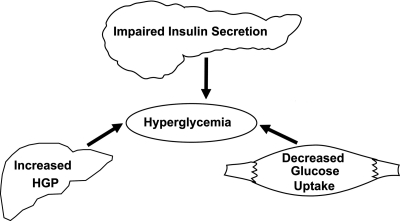
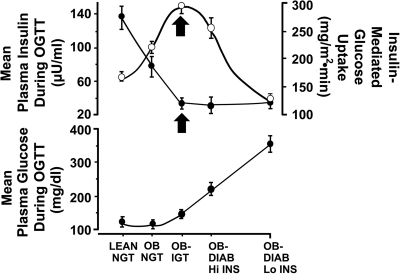
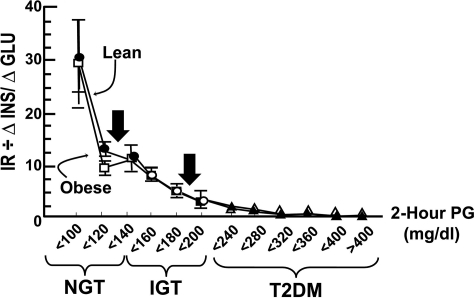
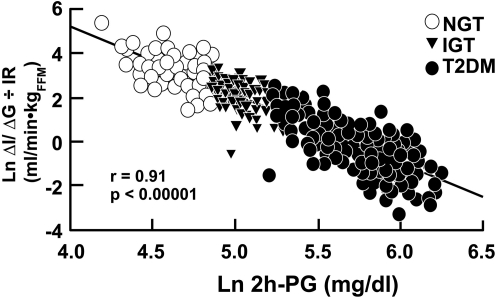
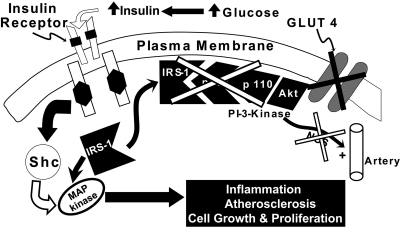
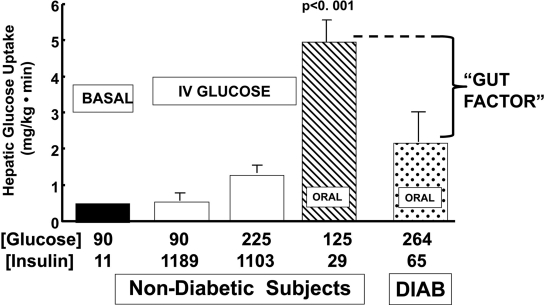
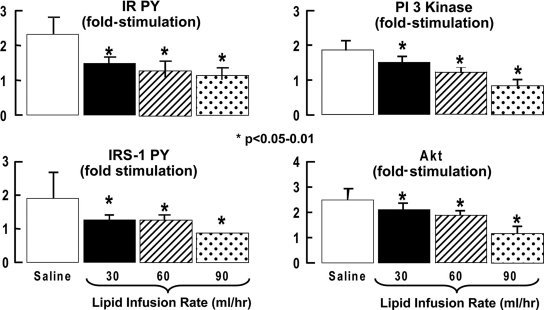
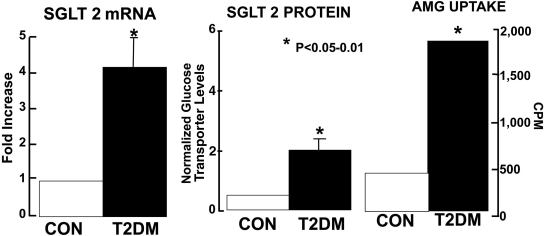
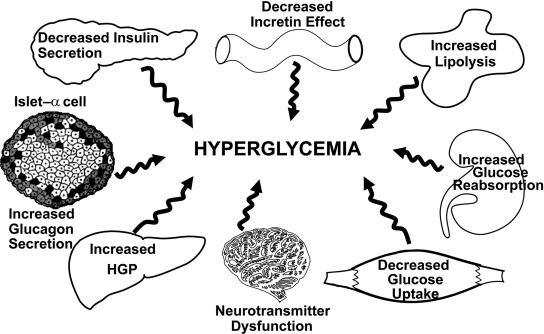
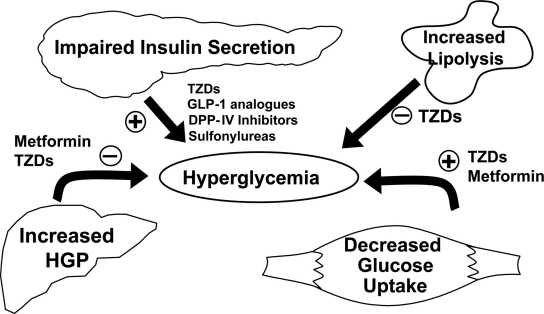
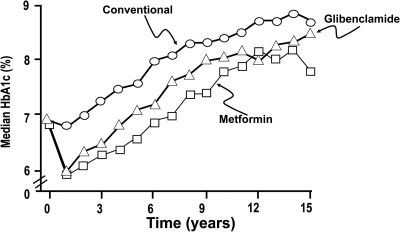
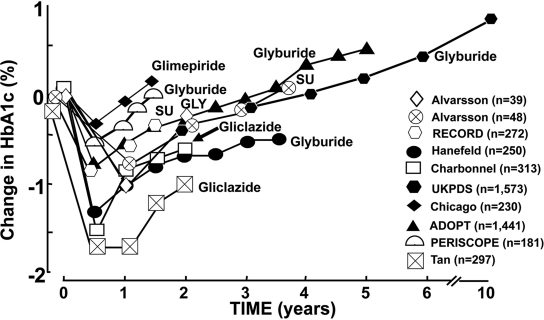
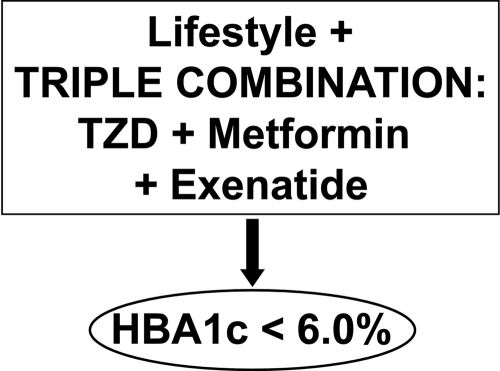
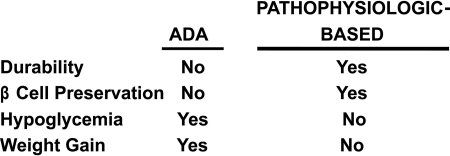
Insulin resistance in muscle and liver and β-cell failure represent the core pathophysiologic defects in type 2 diabetes. It now is recognized that the β-cell failure occurs much earlier and is more severe than previously thought. Subjects in the upper tertile of impaired glucose tolerance (IGT) are maximally/near-maximally insulin resistant and have lost over 80% of their β-cell function. In addition to the muscle, liver, and β-cell (triumvirate), the fat cell (accelerated lipolysis), gastrointestinal tract (incretin deficiency/resistance), α-cell (hyperglucagonemia), kidney (increased glucose reabsorption), and brain (insulin resistance) all play important roles in the development of glucose intolerance in type 2 diabetic individuals. Collectively, these eight players comprise the ominous octet and dictate that: 1 ) multiple drugs used in combination will be required to correct the multiple pathophysiological defects, 2 ) treatment should be based upon reversal of known pathogenic abnormalities and not simply on reducing the A1C, and 3 ) therapy must be started early to prevent/slow the progressive β-cell failure that already is well established in IGT subjects. A treatment paradigm shift is recommended in which combination therapy is initiated with diet/exercise, metformin (which improves insulin sensitivity and has antiatherogenic effects), a thiazolidinedione (TZD) (which improves insulin sensitivity, preserves β-cell function, and exerts antiatherogenic effects), and exenatide (which preserves β-cell function and promotes weight loss). Sulfonylureas are not recommended because, after an initial improvement in glycemic control, they are associated with a progressive rise in A1C and progressive loss of β-cell function. The natural history of type 2 diabetes has been well described in multiple populations (1–16) (rev. in (17,18). Individuals destined to develop type 2 diabetes inherit a set of genes from their parents that make their tissues resistant to insulin (1,16,19–24). In liver, the insulin resistance is manifested by …
Overview
The claims and statistics of this paper haven’t been checked yet.
Free: it reads the open-access text and checks the first 5 claims that cite a source we can check. Create a free account to check every claim.
Integrity signals
Registry
Cites
Statistics
Figures
Verification
Claims the paper makes
The claims and statistics of this paper haven’t been checked yet.
Free: it reads the open-access text and checks the first 5 claims that cite a source we can check. Create a free account to check every claim.
Claims other papers make about this one
Each is checked against this paper’s own text: does it say what the citing paper says it does?
The cited source doesn’t support the claim as written.
In the citing paper
“The first stage of diabetes development is a long compensatory period when insulin resistance is present and accompanied by increased rates of insulin secretion44 and an increased β-cell mass.39”
From Prediabetes: a high-risk state for diabetes development (2012) · cites this paper as [39]
Checked by a reasoning model — may be wrong.
Experimental — accuracy not yet measuredThe source backs part of the claim, not all of it — or backs it for a different population, condition or comparison.
In the citing paper
“The second stage is the stable adaptation period when β-cells are no longer fully compensating for increased insulin resistance; thus fasting and/or postload glucose values are not completely maintained.”
From Prediabetes: a high-risk state for diabetes development (2012) · cites this paper as [39]
Experimental — accuracy not yet measuredThe source backs part of the claim, not all of it — or backs it for a different population, condition or comparison.
In the citing paper
“This period is likely to start when fasting and postload glucose levels are within the normal range36,39,43 and is usually accompanied by a decrease in acute insulin secretion that is present at FPG levels around 5.6 mmol/L.39”
From Prediabetes: a high-risk state for diabetes development (2012) · cites this paper as [39]
Experimental — accuracy not yet measuredThe source backs part of the claim, not all of it — or backs it for a different population, condition or comparison.
In the citing paper
“EGP is markedly suppressed in people with NGT after glucose ingestion while this suppression is less pronounced in prediabetes and diabetes.38,39”
From Prediabetes: a high-risk state for diabetes development (2012) · cites this paper as [39]
Experimental — accuracy not yet measuredThe source backs part of the claim, not all of it — or backs it for a different population, condition or comparison.
In the citing paper
“Using the gold standard euglycemic hyperinsulinemic clamp technique to quantify insulin-stimulated glucose uptake, they demonstrated that both lean and obese T2DM subjects have marked decrease (>50%) in whole body glucose disposal during the insulin clamp.”
From Pathogenesis of insulin resistance in skeletal muscle (2010) · cites this paper as [4]
Experimental — accuracy not yet measured
20 more claims about this paper
Create a free account to see every claim other papers make about this one.
Self-check
Percentages, sums and reported differences re-computed from the paper’s own numbers.
The self-check needs the paper’s full text.
Citations
Cites
3 retracted
Insulin Binding to Monocytes and Insulin Action in Human Obesity, Starvation, and Refeeding
Defronzo, R. A., Soman, V., Sherwin, R. S., Hendler, R., & Felig, P. (1978) · Journal of Clinical Investigation · doi:10.1172/jci109108 · Cited by 252 · cited 1×
“Both obesity (31) and decreased physical activity (32) are insulin-resistant states and, when added to the genetic burden of the insulin resistance, place a major stress on the pancreatic -cells to augment their secretion of insulin to offset the defect in insulin action (1,17).”
BackgroundSelf-citationRetractedInsulin Sensitivity and Insulin Binding to Monocytes in Maturity-Onset Diabetes
Defronzo, R., Deibert, D., Hendler, R., Felig, P., & Soman, V. (1979) · Journal of Clinical Investigation · doi:10.1172/jci109394 · Cited by 188
Self-citationRetractedNieto-Vazquez, I., Fernández-Veledo, S., de Alvaro, C., Rondinone, C. M., Valverde, A. M., & Lorenzo, M. (2007) · Diabetes · doi:10.2337/db06-0989 · Cited by 90
RetractedRole of Insulin Resistance in Human Disease
Reaven, G. M. (1988) · Diabetes · doi:10.2337/diab.37.12.1595 · Cited by 12,154
Mootha, V. K., Lindgren, C. M., Eriksson, K.-F., Subramanian, A., Sihag, S., Lehar, J., Puigserver, P., Carlsson, E., Ridderstråle, M., Laurila, E., et al. (2003) · Nature Genetics · doi:10.1038/ng1180 · Cited by 10,197
Turner, R. C., Fox, C., Matthews, McElroy, H. H., Cull, C. A., Holman, R. R., Neil, P., Hadden, D. R., Wright, D., Manley, E., et al. (1998) · The Lancet · Cited by 8,419
Genetics of Food Intake Self-Regulation in Childhood: Literature Review and Research Opportunities
Faith, M. S., Carnell, S., & Kral, T. V. E. (2013) · Human Heredity · doi:10.1159/000353879 · Cited by 7,601
Glucose clamp technique: a method for quantifying insulin secretion and resistance.
DeFronzo, R. A., Tobin, J. D., & Andres, R. (1979) · American Journal of Physiology-Endocrinology and Metabolism · doi:10.1152/ajpendo.1979.237.3.e214 · Cited by 7,425
Self-citation
Research works printed but not linked: 20
- Jallut D Golay A Munger R Frascarolo P Schutz Y Jequier E Felber JP Impaired glucose tolerance and diabetes in obesity: a 6-year follow-up study of glucose metabolism. Metabolism 1990; 39: 1068– 1075 2215253 · DOI · Paper page
- Ahren B Taborsky GJ Beta-cell function and insulin secretion. In Ellenberg Rifkin's Diabetes Mellitus Porte D Sherin RS Baron A Eds. New York, McGraw Hill, 2003, p. 43– 65
- Kashyap S Belfort R Gastaldelli A Pratipanawatr T Berria R Pratipanawatr W Bajaj M Mandarino L DeFronzo RA Cusi K A sustained increase in plasma free fatty acids impairs insulin secretion in non-diabetic subjects genetically predisposed to develop type 2 diabetes. Diabetes 2003; 52: 2461– 2474 14514628 · DOI · Paper page
- Mendoza RG Davalli A Chavez-Velazquez AO Comuzzie A Tejero E Alvarenga JC Bastarrachea R Zuo P Chang Z Dick E Hubbard G Cruz AM Perez CT Malff G DeFronzo RA Folli F Fasting plasma glucose (FPG) and HbA1c predict quantitatively baboon pancreatic islet amyloidosis (PIA): a novel non-human primate model of β-cell failure in type 2 diabetes mellitus (T2DM) (Abstract). Diabetes 2008; 57(Suppl. 1): A439
- DeFronzo RA Ferrannini E Regulation of intermediatory metabolism during fasting and refeeding. Chapter 52. In Endocrinology DeGroot LJ Jameson JL Eds. Elsevier, Philadelphia, PA, 2006, p. 1015– 1043
- Campbell PJ Mandarino LJ Gerich JE Quantification of the relative impairment in actions of insulin on hepatic glucose production and peripheral glucose uptake in non-insulin-dependent diabetes mellitus. Metabolism 1988; 37: 15– 21 3275857 · DOI · Paper page
- Pratipanawatr W Pratipanawatr T Cusi K Berria R Jenkinson CP Maezono K DeFronzo RA Mandarino L Skeletal muscle insulin resistance in normoglycemic subjects with a strong family history of type 2 diabetes is associated with decreased insulin-stimulated IRS-1 tyrosine phosphorylation. Diabetes 2001; 50: 2572– 2578 11679436 · DOI · Paper page
- Krook A Bjornholm M Galuska D Jiang XJ Fahlman R Myers MG Jr Wallberg-Henriksson H Zierath JR Characterization of signal transduction and glucose transport in skeletal muscle from type 2 diabetic patients. Diabetes 2000; 49: 284– 292 10868945 · DOI · Paper page
- DeFronzo RA Gunnarsson R Bjorkman O Olsson M Wahren J Effects of insulin on peripheral and splanchnic glucose metabolism in non-insulin-dependent (type II) diabetes mellitus. J Clin Invest 1985; 76: 149– 155 3894418 PMC423730 · DOI · Paper page
- Ferrannini E Simonson DC Katz LD Reichard G Bevilacqua S Barrett EJ Olsson M DeFronzo RA The disposal of an oral glucose load in patients with non-insulin dependent diabetes. Metabolism 1988; 37: 79– 85 3275860 · DOI · Paper page
- Pendergrass M Nucci G DeFronzo R In vivo glucose transport (GT) and phosphorylation (GP) in skeletal muscle are impaired by elevation of plasma FFA (Abstract). Diabetes 1998; 47:(Suppl. 1): A65
- Richardson DK Kashyap S Bajaj M Cusi K DeFronzo RA Jenkinson CP Mandarino LJ Lipid infusion induces an inflammatory/fibrotic response and decreases expression of nuclear encoded mitochondrial genes in human skeletal muscle. J Biol Chem 2005; 280: 10290– 10297 15598661 · DOI · Paper page
- Cervera A Wajcberg E Triplitt C Fernandez M Zuo P DeFronzo RA Cersosimo E Improved splanchnic glucose metabolism is responsible for glycemic control in T2DM subjects treated with exenatide (Abstract). Diabetes 2007; 56(Suppl. 1): A404
- Unger RH Aguilar-Parada E Muller WA Eisentraut AM Studies of pancreatic α-cell function in normal and diabetic subjects. J Clin Invest 1970; 49: 837– 848 4986215 PMC322540 · DOI · Paper page
- Bajaj M Suraamornkul S Hardies LJ Glass L Musi N DeFronzo RA Effects of peroxisome proliferator-activated receptor (PPAR)-alpha and PPAR-gamma agonists on glucose and lipid metabolism in patients with type 2 diabetes mellitus. Diabetologia 2007; 50: 1723– 1731 17520238 · DOI
- Kim YB Ciaraldi TP Kong A Kim D Chu N Mohideen P Mudaliar S Henry RR Kahn BB Troglitazone but not metformin restores insulin-stimulated phosphoinositide 3-kinase activity and increases p110-β protein levels in skeletal muscle of type 2 diabetic subjects. Diabetes 2002; 51: 443– 448 11812753 · DOI · Paper page
- Miyazaki Y Glass L Triplitt C Matsuda M Cusi K Mandarino L DeFronzo RA Effect of rosiglitazone on glucose and free fatty acid metabolism in type 2 diabetic patients. Diabetologia 2001; 44: 2210– 2219 11793023 · DOI · Paper page
- Miyazaki Y Mahankali A Matsuda M Mahankali S Hardies J Cusi K Mandarino LJ DeFronzo RA Effect of pioglitazone on abdominal fat distribution and insulin sensitivity in type 2 diabetic patients. J Clin Endocrinol Metab 2002; 87: 2784– 2791 12050251 · DOI · Paper page
- Matthews DR Cull CA Stratton IM Holman RR Turner RC UKPDS 26: Sulphonylurea failure in non-insulin-dependent diabetic patients over six years. UK Prospective Diabetes Study (UKPDS) Group. Diabet Med 1998; 15: 297– 303 9585394 · DOI
- Lupi R Del Guerra S Marselli L Bugliani M Boggi U Mosca F Marchetti P Del Prato S Rosiglitazone prevents the impairment of human islet function induced by fatty acids: evidence for a role of PPARgamma2 in the modulation of insulin secretion. Am J Physiol Endocrinol Metab 2004; 286: E560– E567 14625208 · DOI · Paper page
Cited by
Items 601–700 of 1,011
DeFronzo, R. A., CHILTON, R. J., Norton, L., Clarke, G., Ryder, R. E. J., & Abdul‐Ghani, M. A. (2016) · Diabetes Obesity and Metabolism · doi:10.1111/dom.12652 · Cited by 55
Self-citationPolonsky, K. S., & Burant, C. (2016) · Elsevier eBooks · doi:10.1016/b978-0-323-29738-7.00031-9 · Cited by 77
Cersosimo, E., Johnson, E. L., Chovanes, C., & Skolnik, N. (2018) · Diabetes, Obesity and Metabolism · doi:10.1111/dom.13108 · Cited by 52
“Alternatively, one can opt to add appropriate medications every 3 to 6 months, guided by changes in FPG and/or HbA1c.”
BackgroundInfluentialExercise-nutrient interactions for improved postprandial glycemic control and insulin sensitivity
Gillen, J. B., Estafanos, S., & Govette, A. (2021) · Applied Physiology, Nutrition, and Metabolism · doi:10.1139/apnm-2021-0168 · Cited by 55
Ruan, X., Ling, Y., Chen, J., Xiang, Y., Ruan, H., Zhang, W., Jing, L., Gao, X., He, Y., Lu, X., et al. (2025) · Cardiovascular Diabetology · doi:10.1186/s12933-025-02939-7 · Cited by 53
Kim, H. J., Kwak, W. Y., Min, J. P., Lee, J., Yoon, T. H., Kim, H. D., Shin, C. Y., Kim, M.-K., Choi, S. H., Kim, H. S., et al. (2011) · Bioorganic & Medicinal Chemistry Letters · doi:10.1016/j.bmcl.2011.04.029 · Cited by 54
Plasma 25-Hydroxyvitamin D Levels Are Favorably Associated With β-Cell Function
Karnchanasorn, R., Ou, H., & Chiu, K. C. (2012) · Pancreas · doi:10.1097/mpa.0b013e31823c947c · Cited by 61
Chuang, E., Nguyen, G. T. H., Su, F.-Y., Lin, K., Chen, C.-T., Mi, F., Yen, T., Juang, J.-H., & Sung, H. (2013) · Biomaterials · doi:10.1016/j.biomaterials.2013.07.021 · Cited by 52
Xia, F., Xu, X., Zhai, H., Meng, Y., Zhang, H., Du, S., Xu, H., Wu, H., & Lu, Y. (2013) · Reproductive Biology and Endocrinology · doi:10.1186/1477-7827-11-106 · Cited by 54
Arakaki, R. F. (2016) · Postgraduate Medicine · doi:10.1080/00325481.2016.1167570 · Cited by 61
“[3,4] In addition, many other factors, both genetic and environmental, contribute to and augment hyperglycemia in T2D.”
BackgroundInfluentialThe importance of synthetic drugs for type 2 diabetes drug discovery
Safavi, M., Foroumadi, A., & Abdollahi, M. R. (2013) · Expert Opinion on Drug Discovery · doi:10.1517/17460441.2013.837883 · Cited by 60
Zhang, X., Guo, Y., Yao, N., Wang, L., Sun, M., Xu, X., Yang, H., Sun, Y., & Li, B. (2022) · Frontiers in Nutrition · doi:10.3389/fnut.2022.991907 · Cited by 56
Dall’Agnese, A., Platt, J. M., Zheng, M., Friesen, M., Dall’Agnese, G., Blaise, A. M., Spinelli, J. B., Henninger, J. E., Tevonian, E. N., Hannett, N. M., et al. (2022) · Nature Communications · doi:10.1038/s41467-022-35176-7 · Cited by 53
Bergman, B. C., Howard, D., Schauer, I. E., Maahs, D. M., Snell-Bergeon, J. K., Clement, T. W., Eckel, R. H., Perreault, L., & Rewers, M. (2013) · The Journal of Clinical Endocrinology & Metabolism · doi:10.1210/jc.2012-2892 · Cited by 51
Liraglutide in the management of type 2 diabetes
Wajcberg, E., & Amarah, A. R. (2010) · Drug Design Development and Therapy · doi:10.2147/dddt.s10180 · Cited by 54
Tripathy, D., Schwenke, D. C., Banerji, M., Bray, G. A., Buchanan, T. A., Clement, S. C., Henry, R. R., Kitabchi, A. E., Mudaliar, S., Ratner, R. E., et al. (2016) · The Journal of Clinical Endocrinology & Metabolism · doi:10.1210/jc.2015-4202 · Cited by 48
Self-citation2020 vision – An overview of prospects for diabetes management and prevention in the next decade
Wang, C., Neil, D. L., & Home, P. (2018) · Diabetes Research and Clinical Practice · doi:10.1016/j.diabres.2018.06.007 · Cited by 59
Whitticar, N. B., & Nunemaker, C. S. (2020) · Frontiers in Endocrinology · doi:10.3389/fendo.2020.00378 · Cited by 56
Effect of exenatide on splanchnic and peripheral glucose metabolism in type 2 diabetic subjects
Cersosimo, E., Gastaldelli, A., Cervera, A., Wajcberg, E., Sriwijilkamol, A., Fernandez, M., Zuo, P., Petz, R., Triplitt, C., Musi, N., et al. (2011) · The Journal of Clinical Endocrinology & Metabolism · doi:10.1210/jc.2010-2146 · Cited by 50
Self-citationIto, H., Ishida, H., Takeuchi, Y., Antoku, S., Abe, M., Mifune, M., & Togane, M. (2010) · Nutrition & Metabolism · doi:10.1186/1743-7075-7-83 · Cited by 50
Veelen, A., Erazo‐Tapia, E., Oscarsson, J., & Schrauwen, P. (2020) · Molecular Metabolism · doi:10.1016/j.molmet.2020.101158 · Cited by 53
Zhang, C., Zhang, B., Zhang, X., Wang, M., Sun, X., & Sun, G. (2022) · Journal of the American Heart Association · doi:10.1161/jaha.121.023540 · Cited by 53
Update on the management of diabetes in long-term care facilities
Idrees, T., Castro-Revoredo, I. A., Migdal, A. L., Moreno, E. M., & Umpierrez, G. E. (2022) · BMJ Open Diabetes Research & Care · doi:10.1136/bmjdrc-2021-002705 · Cited by 44
Menafra, D., Proganò, M., Tecce, N., Pivonello, R., & Colao, A. A. L. (2024) · Human Nutrition & Metabolism · doi:10.1016/j.hnm.2024.200286 · Cited by 52
Bariatric surgery for diabetes: The International Diabetes Federation takes a position
Dixon, J. B., Zimmet, P., Alberti, K. G. M. M., Mbanya, J. C., Rubino, F., & on behalf of the INTERNATIONAL DIABETES FEDERATION TASKFORCE on EPIDEMIOLOGY and PREVENTION (2011) · Journal of Diabetes · doi:10.1111/j.1753-0407.2011.00144.x · Cited by 50
de Mello, V. D. F., Lindström, J., Eriksson, J., Ilanne-Parikka, P., Keinänen-Kiukaanniemi, S., Sundvall, J., Laakso, M., Tuomilehto, J., & Uusitupa, M. (2012) · Diabetes Care · doi:10.2337/dc11-1272 · Cited by 50
“G enetic and environmental factors both contribute to the development of type 2 diabetes (1).”
BackgroundLima, M. M. S., Targa, A., Noseda, A. C. D., Rodrigues, L. S., Delattre, A. M., dos Santos, F. V., Fortes, M., Maturana, M. J., & Ferraz, A. C. (2014) · CNS & Neurological Disorders - Drug Targets · doi:10.2174/18715273113126660155 · Cited by 53
“These plaques consist of sets of islet associated polypeptide, that emerge from a normal protein which is co-secreted by the β cells with insulin and is maintained in the granules of insulin [36, 37].”
BackgroundThe Insulin:Glucagon Ratio and the Choice of Glucose-Lowering Drugs
Kalra, S., & Gupta, Y. (2016) · Diabetes Therapy · doi:10.1007/s13300-016-0160-4 · Cited by 58
Anthanont, P., Lumlerdkij, N., Akarasereenont, P., Vannasaeng, S., & Sriwijitkamol, A. (2016) · PubMed · Cited by 50
Mishriky, B. M., Tanenberg, R. J., Sewell, K. B., & Cummings, D. M. (2018) · Diabetes & Metabolism · doi:10.1016/j.diabet.2018.01.017 · Cited by 55
Serum leptin and leptin resistance correlations with NAFLD in patients with type 2 diabetes
Cernea, S., Roiban, A. L., Both, E., & Huţanu, A. (2018) · Diabetes/Metabolism Research and Reviews · doi:10.1002/dmrr.3050 · Cited by 56
“Insulin resistance (IR) seems to be at its core by favouring the hepatic lipid formation and accumulation of toxic lipid intermediates over their disposal.(1,3) The dysregulation of adipokine production and release”
BackgroundDiamanti, K., Cavalli, M., Pan, G., Pereira, M. J., Kumar, C., Skrtic, S., Grabherr, M. G., Risérus, U., Eriksson, J. W., Komorowski, J., et al. (2019) · Scientific Reports · doi:10.1038/s41598-019-45906-5 · Cited by 54
Goyal, S., Rani, J., Bhat, M. A., & Vanita, V. (2023) · World Journal of Diabetes · doi:10.4239/wjd.v14.i6.656 · Cited by 55
Xiao, S., Zhang, Q., Yang, H.-Y., Tong, J.-Y., & Yang, R. (2024) · Scientific Reports · doi:10.1038/s41598-024-63886-z · Cited by 49
Dual α-amylase and α-glucosidase inhibitors: recent progress from natural and synthetic resources
Jha, R., Goyal, K., Mehan, S., & Singh, G. (2025) · Bioorganic Chemistry · doi:10.1016/j.bioorg.2025.108762 · Cited by 55
The disposition index: adjustment for peripheral vs. hepatic insulin sensitivity?
Færch, K., Brøns, C., Alibegovic, A. C., & Vaag, A. A. (2010) · The Journal of Physiology · doi:10.1113/jphysiol.2009.184028 · Cited by 55
“The liver and the periphery have different roles in the control of fasting versus postprandial glucose homeostasis (O’Rahilly et al. 1994; DeFronzo, 2009; Færch et al. 2009).”
BackgroundNichols, G. A., Conner, C., & Brown, J. B. (2010) · Current Medical Research and Opinion · doi:10.1185/03007995.2010.504396 · Cited by 51
Liver and Muscle in Morbid Obesity: The Interplay of Fatty Liver and Insulin Resistance
Machado, M. V., Ferreira, D. M. S., Castro, R. E., Silvestre, A. R., Evangelista, T., Coutinho, J., Carepa, F., Costa, A., Rodrigues, C. M. P., & Cortez‐Pinto, H. (2012) · PLoS ONE · doi:10.1371/journal.pone.0031738 · Cited by 53
Haynes, N.-E., Corbett, W. L., Bizzarro, F. T., Guertin, K. R., Hilliard, D. W., Holland, G. W., Kester, R. F., Mahaney, P. E., Qi, L., Spence, C. L., et al. (2010) · Journal of Medicinal Chemistry · doi:10.1021/jm100039a · Cited by 49
Fonseca, V. A., Staels, B., Morgan, J. D., Shentu, Y., Golm, G. T., Johnson‐Levonas, A. O., Kaufman, K. D., Goldstein, B. J., & Steinberg, H. O. (2012) · Journal of Diabetes and its Complications · doi:10.1016/j.jdiacomp.2012.09.007 · Cited by 53
Abdul-Ghani, M. A. (2015) · Diabetes Care · doi:10.2337/dc14-2517 · Cited by 49
Investigational insulin secretagogues for type 2 diabetes
Scheen, A. J. (2016) · Expert Opinion on Investigational Drugs · doi:10.1517/13543784.2016.1152260 · Cited by 53
Metformin Has Positive Therapeutic Effects in Colon Cancer and Lung Cancer
Henderson, D., Frieson, D., Zuber, J. K., & Solomon, S. S. (2017) · The American Journal of the Medical Sciences · doi:10.1016/j.amjms.2017.05.006 · Cited by 49
Soto-Estrada, G., Altamirano, L. M., García-García, J. J., Moreno, I. O., & Silberman, M. S. (2017) · Gaceta Sanitaria · doi:10.1016/j.gaceta.2017.08.001 · Cited by 51
The relationship between pancreatic cancer and type 2 diabetes: cause and consequence
Li, Y., Bian, X., Wei, S., He, M., & Yang, Y. (2019) · Cancer Management and Research · doi:10.2147/cmar.s211972 · Cited by 55
Hypertension in Patients with Insulin Resistance: Etiopathogenesis and Management in Children
Tagi, V. M., Mainieri, F., & Chiarelli, F. (2022) · International Journal of Molecular Sciences · doi:10.3390/ijms23105814 · Cited by 51
Jiao, Y., Butoyi, C., Zhang, Q., Adotey, S. A. A. I., Chen, M., Shen, W., Wang, D., Yuan, G., & Jia, J. (2025) · Diabetology & Metabolic Syndrome · doi:10.1186/s13098-025-01871-w · Cited by 57
Tanjani, P. T., Moradinazar, M., Mottlagh, M. E., & Najafi, F. (2014) · Archives of Gerontology and Geriatrics · doi:10.1016/j.archger.2014.11.012 · Cited by 53
Addressing Unmet Medical Needs in Type 2 Diabetes: A Narrative Review of Drugs under Development
Mittermayer, F., Caveney, E., De Oliveira, C., Gourgiotis, L., Puri, M., Tai, L.-J., & Turner, J. R. (2015) · Current Diabetes Reviews · doi:10.2174/1573399810666141224121927 · Cited by 47
“Keywords: Antidiabetic drugs, new characteristics, new drug development, new insulins, new mechanisms of action, personalized medicine, type 2 diabetes.”
BackgroundPINK1 deficiency in β-cells increases basal insulin secretion and improves glucose tolerance in mice
Deas, E., Piipari, K., Machhada, A., Li, A., Gutierrez-del-Arroyo, A., Withers, D. J., Wood, N. W., & Abramov, A. Y. (2014) · Open Biology · doi:10.1098/rsob.140051 · Cited by 46
Merovci, A., Abdul‐Ghani, M. A., Mari, A., Solis‐Herrera, C., Xiong, J., Daniele, G., Tripathy, D., & DeFronzo, R. A. (2016) · The Journal of Clinical Endocrinology & Metabolism · doi:10.1210/jc.2015-2597 · Cited by 51
Self-citationKato, K., Otsuka, T., Saiki, Y., Kobayashi, N., Nakamura, T., Kon, Y., & Kawada, T. (2018) · Canadian Journal of Diabetes · doi:10.1016/j.jcjd.2018.03.007 · Cited by 51
Mey, J. T., & Haus, J. M. (2018) · Frontiers in Cardiovascular Medicine · doi:10.3389/fcvm.2018.00117 · Cited by 53
Design, synthesis, and biological evaluation of novel pan agonists of FFA1, PPARγ and PPARδ
Li, Z., Zhou, Z., Deng, F., Li, Y., Zhang, D., & Zhang, L. (2018) · European Journal of Medicinal Chemistry · doi:10.1016/j.ejmech.2018.09.071 · Cited by 51
Wu, S., Gao, L., Cipriani, A., Huang, Y., Yang, Z., Yang, J., Yu, S., Zhang, Y., Chai, S., Zhang, Z., et al. (2018) · Diabetes Obesity and Metabolism · doi:10.1111/dom.13613 · Cited by 48
Chiang, H., Lee, J., Huang, H., Huang, H. Y., Liu, H., & Huang, C. (2019) · British Journal of Pharmacology · doi:10.1111/bph.14859 · Cited by 52
“…mechanisms underlying T2DM, may be divided into several categories, such as biguanides, dipeptidyl peptidase 4 inhibitors, sodium glucose cotransporter 2 (SGLT2) inhibitors, insulin, glucagon‐like peptide‐1 agonists, sulfonylureas, and thiazolidinediones (Chaudhury et al., 2017; Defronzo, 2009).”
BackgroundChadha, M. D., Das, A. K., Deb, P., Gangopadhyay, K. K., Joshi, S., Kesavadev, J., KOVIL, R. R., Kumar, S., Misra, A., & Mohan, V. (2022) · Diabetes Therapy · doi:10.1007/s13300-022-01219-x · Cited by 60
“cations in the management of patients with T2DM [10, 14, 15].”
BackgroundSGLT2 Inhibitors in Type 2 Diabetes Mellitus and Heart Failure—A Concise Review
Adamczak, D., Ahmed, N., Tariq, H., Walgamage, M., WALGAMAGE, T., Mohammed, A., Chou, J. T.-T., Kałużna‐Oleksy, M., Lesiak, M., & Straburzyńska‐Migaj, E. (2022) · Journal of Clinical Medicine · doi:10.3390/jcm11061470 · Cited by 55
“Furthermore, pancreatic α-cell dysfunction, increased hepatic glucose output, impaired incretin effect, increased renal glucose reabsorption, and neurotransmitter dysregulation in the central nervous system also contribute to T2DM development [2].”
BackgroundBromocriptine therapy: Review of mechanism of action, safety and tolerability
Naz, F., Malik, A. R., Riaz, M., Mahmood, Q., Mehmood, M. H., Rasool, G., Mahmood, Z., & Abbas, M. (2022) · Clinical and Experimental Pharmacology and Physiology · doi:10.1111/1440-1681.13678 · Cited by 54
“and postprandial glucose, either from increased endogenous glucose production or decreased insulin-arbitrated muscle glucose removal or decreased endogenous glucose release.(250) T2DM has been seen to be further complicated with concomitant β-cell failure hypertension, nonalcoholic fatty liver, dyslipidaemia, elevated…”
BackgroundEJE PRIZE 2018: A gut feeling about glucagon
Knop, F. K. (2018) · European Journal of Endocrinology · doi:10.1530/eje-18-0197 · Cited by 47
Cai, X., Gao, X., Yang, W., Han, X., & Ji, L. (2018) · Diabetes Therapy · doi:10.1007/s13300-018-0493-2 · Cited by 47
Cen, H. H., Hussein, B., Botezelli, J. D., Wang, S., Zhang, J. A., Noursadeghi, N., Jessen, N., Rodrigues, B., Timmons, J. A., & Johnson, J. D. (2021) · The FASEB Journal · doi:10.1096/fj.202100497rr · Cited by 48
Metabolic Effects of Sulforaphane Oral Treatment in Streptozotocin-Diabetic Rats
de Souza, C. G., Sattler, J. A., de Assis, A. M., Rech, A., Perry, M. L. S., & Souza, D. O. (2012) · Journal of Medicinal Food · doi:10.1089/jmf.2012.0016 · Cited by 52
DeBoer, M. D., Dong, L., & Gurka, M. J. (2011) · The Journal of Pediatrics · doi:10.1016/j.jpeds.2011.05.023 · Cited by 48
Ku, G. M. V., & Kegels, G. (2014) · BMJ Open · doi:10.1136/bmjopen-2014-005317 · Cited by 42
Ekström, N., Svensson, A., Miftaraj, M., Franzén, S., Zethelius, B., Eliasson, B., & Gudbjörnsdottir, S. (2016) · Diabetes, Obesity and Metabolism · doi:10.1111/dom.12704 · Cited by 46
Scirica, B. M. (2017) · Clinical Chemistry · doi:10.1373/clinchem.2016.255539 · Cited by 55
Optimizing Fixed-Ratio Combination Therapy in Type 2 Diabetes
Perreault, L., Rodbard, H. W., Valentine, V., & Johnson, E. L. (2019) · Advances in Therapy · doi:10.1007/s12325-018-0868-9 · Cited by 49
Long-acting GLP-1RAs: An overview of efficacy, safety, and their role in type 2 diabetes management
Chun, J. H., & Butts, A. (2020) · JAAPA · doi:10.1097/01.jaa.0000669456.13763.bd · Cited by 45
Beneficial Effects of Vitamin K Status on Glycemic Regulation and Diabetes Mellitus: A Mini-Review
Ho, H., Komai, M., & Shirakawa, H. (2020) · Nutrients · doi:10.3390/nu12082485 · Cited by 51
Furuhata, R., Kabe, Y., Kanai, A., Sugiura, Y., Tsugawa, H., Sugiyama, E., Hirai, M., Yamamoto, T., Koike, I., Yoshikawa, N., et al. (2020) · Communications Biology · doi:10.1038/s42003-020-01202-x · Cited by 47
Diabetes and Its Complications: Therapies Available, Anticipated and Aspired
Grover, A., Sharma, K., Gautam, S., Gautam, S., Gulati, M., & Singh, S. K. (2020) · Current Diabetes Reviews · doi:10.2174/1573399816666201103144231 · Cited by 55
A review of nutritional tracking mobile applications for diabetes patient use.
Darby, A., Strum, M. W., Holmes, E., & Gatwood, J. (2016) · Diabetes Technology & Therapeutics · doi:10.1089/dia.2015.0299 · Cited by 46
Riesgo de diabetes mellitus tipo 2 y sus determinantes
Morales, M. H., & Cabriales, E. C. G. (2022) · Enfermería Global · doi:10.6018/eglobal.482971 · Cited by 46
“On the one hand, there are structural determinants such as being a woman (6), having more than 45 years (7), and failing to screen for chronic noncommunicable diseases (CNCD) (8).”
BackgroundAroua, L. M., Alkhaibari, I. S., Alminderej, F. M., Messaoudi, S., Chigurupati, S., Almahmoud, S. A., Albadri, A. E. A. E., Emwas, A.-H. M., & Mohammed, H. A. (2024) · Journal of Molecular Structure · doi:10.1016/j.molstruc.2024.139291 · Cited by 46
TRAIL Modulates the Immune System and Protects against the Development of Diabetes
Bossi, F., Bernardi, S., Zauli, G., Secchiero, P., & Fabris, B. (2015) · Journal of Immunology Research · doi:10.1155/2015/680749 · Cited by 51
Effect of Emulin on Blood Glucose in Type 2 Diabetics
Ahrens, M. J., & Thompson, D. L. (2013) · Journal of Medicinal Food · doi:10.1089/jmf.2012.0069 · Cited by 46
ACE2 deficiency shifts energy metabolism towards glucose utilization
Bernardi, S., Tikellis, C., Candido, R., Tsorotes, D., Pickering, R. J., Bossi, F., Carretta, R., Fabris, B., Cooper, M. E., & Thomas, M. C. (2014) · Metabolism · doi:10.1016/j.metabol.2014.11.004 · Cited by 46
“PPAR-γ agonists improve glucose control in patients with T2DM, which is partly attributable to their insulin sensitizing effects [25].”
BackgroundBoon, M. R., Bakker, L. E. H., Haks, M. C., Quinten, E., Schaart, G., Van Beek, L., Wang, Y., Van Schinkel, L., Van Harmelen, V., Meinders, A. E., et al. (2015) · Clinical Science · doi:10.1042/cs20140179 · Cited by 45
Vanderheiden, A., Harrison, L., Warshauer, J., Li, X., Adams-Huet, B., & Lingvay, I. (2016) · JAMA Internal Medicine · doi:10.1001/jamainternmed.2016.1540 · Cited by 45
“Insulin use duration, median (25th to 75th percentile), yb 8 (4-13) 6 (3-12) 8 (5-13)”
Jalali, M. T., Mohammadtaghvaei, N., & Ashtary‐Larky, D. (2016) · Biomedicine & Pharmacotherapy · doi:10.1016/j.biopha.2016.10.061 · Cited by 48
Tahapary, D. L., de Ruiter, K., Martin, I., Brienen, E. A. T., van Lieshout, L., Cobbaert, C. M., Soewondo, P., Djuardi, Y., Wiria, A. E., Houwing‐Duistermaat, J. J., et al. (2017) · Clinical Infectious Diseases · doi:10.1093/cid/cix416 · Cited by 53
Bone: Another potential target to treat, prevent and predict diabetes
Liu, D., Mosialou, I., & Liu, J. (2018) · Diabetes, Obesity and Metabolism · doi:10.1111/dom.13330 · Cited by 46
“Diabetes is a disease with pathophysiological defects in 8 core tissues: pancreatic β-cells, α-cells, muscle, liver, adipose tissue, kidney, the gastrointestinal tract and the brain.(3) Numerous efforts have been made to prevent and treat diabetes by targeting these organs.”
BackgroundRelationship Between Ginsenoside Rg3 and Metabolic Syndrome
Lee, H., Kong, G., Tran, Q., Kim, C., Park, J., & Park, J. (2020) · Frontiers in Pharmacology · doi:10.3389/fphar.2020.00130 · Cited by 49
“T2D is a growing health problem worldwide, and is closely related to the obesity epidemic (Defronzo, 2009; DeFronzo et al., 2015).”
BackgroundSanders, L., Zhu, Y., Wilcox, M. L., Koecher, K. J., & Maki, K. C. (2021) · Critical Reviews in Food Science and Nutrition · doi:10.1080/10408398.2021.2017838 · Cited by 55
“…increase glucose oxidation in the liver, stimulate GLP-1, and suppress the production of free fatty acids in the late postprandial period and during an overnight fast, all of which may contribute to improvements in insulin sensitivity (Canfora, Jocken, and Blaak 2015; DeFronzo 2009; Müller et al.”
BackgroundAging and Insulin Resistance: Just Say iNOS
Evans, J. L., & Goldfine, I. D. (2013) · Diabetes · doi:10.2337/db12-1239 · Cited by 51
Davidson, J. A., & Kuritzky, L. (2014) · Postgraduate Medicine · doi:10.3810/pgm.2014.10.2819 · Cited by 48
Toda, N., Hao, X., Ogawa, Y., Oda, K., Yu, M., Fu, Z., Chen, Y., Kim, Y., Lizarzaburu, M., Lively, S., et al. (2013) · ACS Medicinal Chemistry Letters · doi:10.1021/ml400186z · Cited by 45
Nair, S., Mishra, V. S., Hayden, K., Lisboa, P. J. G., Pandya, B. K., Vinjamuri, S., Hardy, K. J., & Wilding, J. P. H. (2011) · Diabetologia · doi:10.1007/s00125-011-2085-9 · Cited by 45
Transcriptomics in type 2 diabetes: Bridging the gap between genotype and phenotype
Jenkinson, C. P., Göring, H. H. H., Arya, R., Blangero, J., Duggirala, R., & DeFronzo, R. A. (2015) · Genomics Data · doi:10.1016/j.gdata.2015.12.001 · Cited by 51
Self-citationLiu, M., Pan, Q., Chen, Y., Yang, X., Zhao, B., Jia, L., Zhu, Y., Zhang, B., Gao, X., Li, X., et al. (2015) · Scientific Reports · doi:10.1038/srep11219 · Cited by 46
Capetini, V. C., de Vasconcelos, D. A. A., Martins, A. R., Hirabara, S. M., Donato, J., Carpinelli, Â. R., & Abdulkader, F. (2017) · Nutrients · doi:10.3390/nu9101150 · Cited by 52
“Although it has been widely known that skeletal muscle is the predominant site of insulin-mediated glucose uptake [17,18] and that abnormalities in the insulin receptor signaling pathway in this tissue are associated with insulin resistance [19,20], there is little information about the metabolic effects of zinc on th…”
BackgroundRSSDI-ESI Clinical Practice Recommendations for the Management of Type 2 Diabetes Mellitus 2020
Chawla, R., Madhu, S. V., Makkar, B. M., Ghosh, S. K., Saboo, B., Kalra, S., & On behalf of RSSDI-ESI Consensus Group (2020) · International Journal of Diabetes in Developing Countries · doi:10.1007/s13410-020-00819-2 · Cited by 61
Merovci, A., Tripathy, D., Chen, X., Valdez, I., Abdul-Ghani, M., Solis-Herrera, C., Gastaldelli, A., & DeFronzo, R. A. (2021) · Diabetes · doi:10.2337/db20-0039 · Cited by 39
Self-citationAnsari, P., Flatt, P. R., Harriott, P., & Abdel‐Wahab, Y. H. A. (2020) · Plants · doi:10.3390/plants9101348 · Cited by 51
Role of chrysin on expression of insulin signaling molecules
Satyanarayana, K., Koora, S., Shaker, I. A., Rajagopal, P., & Jayaraman, S. (2015) · Journal of Ayurveda and Integrative Medicine · doi:10.4103/0975-9476.157951 · Cited by 46
Challenges in diagnosis and management of diabetes in the young
Unnikrishnan, R., Shah, V. N., & Mohan, V. (2016) · Clinical Diabetes and Endocrinology · doi:10.1186/s40842-016-0036-6 · Cited by 48
Mottalib, A., Sakr, M., Shehabeldin, M., & Hamdy, O. (2015) · Journal of Diabetes Research · doi:10.1155/2015/468704 · Cited by 44
Glucagon, from past to present: a century of intensive research and controversies
Scheen, A. J., & Lefèbvre, P. J. (2023) · The Lancet Diabetes & Endocrinology · doi:10.1016/s2213-8587(22)00349-7 · Cited by 44
A Review of the Treatment of Type 2 Diabetes in Children
Onge, E. S., Miller, S. A., Motycka, C., & DeBerry, A. (2015) · The Journal of Pediatric Pharmacology and Therapeutics · doi:10.5863/1551-6776-20.1.4 · Cited by 44
Metadata
- Authors
- DeFronzo, R. A.
- Affiliations
- The University of Texas at San Antonio Health Science Center (US)
- Corresponding author
- DeFronzo, Ralph A.
- ORCID
- DeFronzo, Ralph A.
- Venue
- Diabetes
- Publisher
- American Diabetes Association
- Published
- 2009-04-01
- Volume
- 58
- Issue
- 4
- Pages
- 773-795
- ISSN
- 0012-1797 (ISSN-L)
- 1939-327X
- PMC
- PMC2661582
- OpenAlex
- W2109728760
- Cited by
- 3,016
- References
- 307
- Citations by year
- 2026: 167 · 2025: 181 · 2024: 167 · 2023: 201 · 2022: 189 · 2021: 184 · 2020: 206 · 2019: 193 · 2018: 205 · 2017: 198 · 2016: 194 · 2015: 197 · 2014: 163 · 2013: 152 · 2012: 145
- FWCI
- 102.13
- Type
- journal article
- Language
- en
- Open access
- hybrid
- doi.org
- Licence
- Locations
- Diabetes (publishedVersion, cc-by-nc-nd)
- PubMed Central (publishedVersion, cc-by-nc-nd)
- PubMed (publishedVersion)
- Topics
- Health Sciences › Medicine › Endocrinology, Diabetes and Metabolism › Diabetes Treatment and Management
- Health Sciences › Medicine › Endocrinology, Diabetes and Metabolism › Diabetes Management and Research
- Health Sciences › Medicine › Endocrinology, Diabetes and Metabolism › Diabetes, Cardiovascular Risks, and Lipoproteins
- Keywords
- type 2 diabetes, insulin resistance, beta-cell failure, impaired glucose tolerance, metformin, thiazolidinediones, exenatide, sulfonylureas, combination therapy, hyperglucagonemia, early treatment, natural history of diabetes, insulin sensitivity
- MeSH terms
- Insulin Secretion, Adipose Tissue, Amyloid, Diabetes Mellitus, Type 2, Glucose, Humans, Insulin, Insulin Resistance, Liver, Obesity, Prediabetic State, Muscle, Skeletal, Insulin-Secreting Cells, Islet Amyloid Polypeptide
About these checks
Registry, retraction, Cites and statistics results are computed, not judged, with one exception: a printed reference that no index lists is read once by a model before it counts as a citation error. Claims are extracted by a model and kept only when their quote appears verbatim in the text; each cited source is then checked, with a model’s help, for whether it says what the claim relies on. Those verdicts can be wrong — read the claim’s quote and the cited source before relying on one.
Statistics and arithmetic are recomputed, not judged.
Confidence bands are shown only for fields calibrated on our annotated test set. None is calibrated yet, so no band is shown.
What counts as a claim ›How we measure confidence ›How we check this ›
Are you an author, or do you see a problem with this page? Request a review
Data sources
Bibliographic data: Semantic Scholar, OpenAlex, Crossref.
Contains information from the Semantic Scholar Academic Graph Datasets, made available under the ODC Attribution License (ODC-BY 1.0).
Semantic Scholar’s data is described in: Kinney, R., et al. (2023). The Semantic Scholar Open Data Platform. arXiv:2301.10140.
