

Pathogenesis of fasting and postprandial hyperglycemia in type 2 diabetes: implications for therapy.
Open accessThe DOI matches its Crossref record; 39 of the 39 references it cites were found in a registry or an index.
Abstract
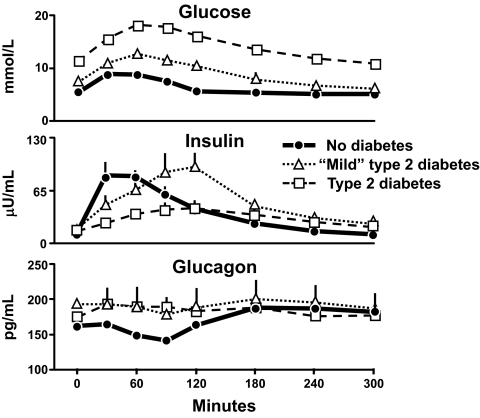
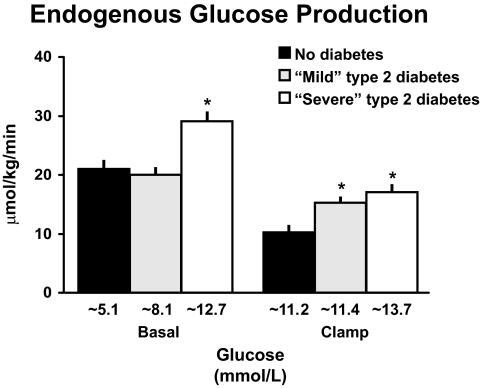
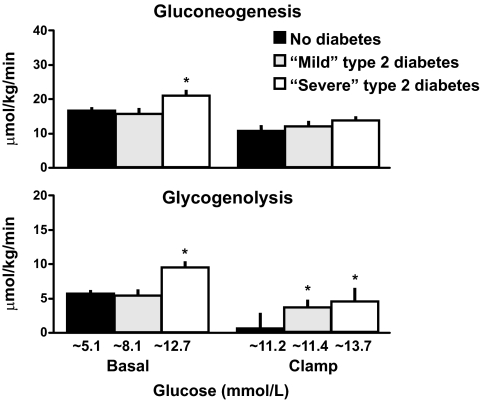
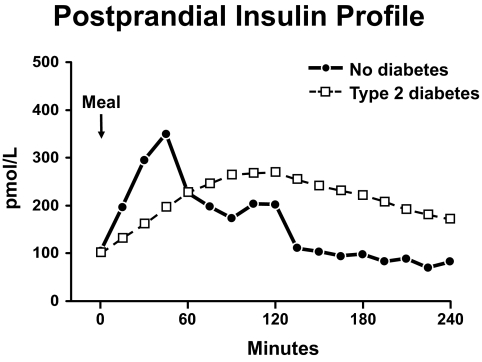
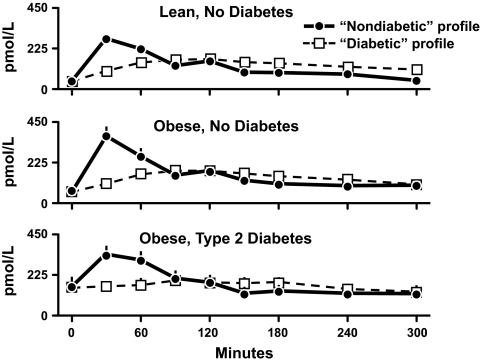
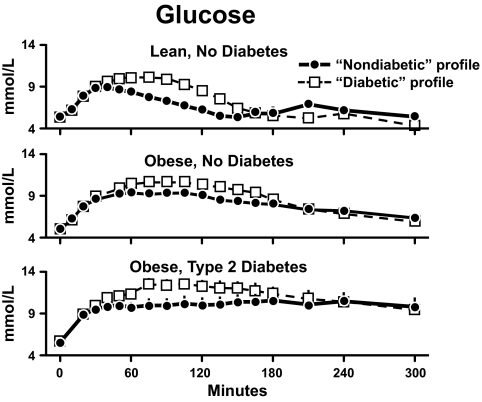
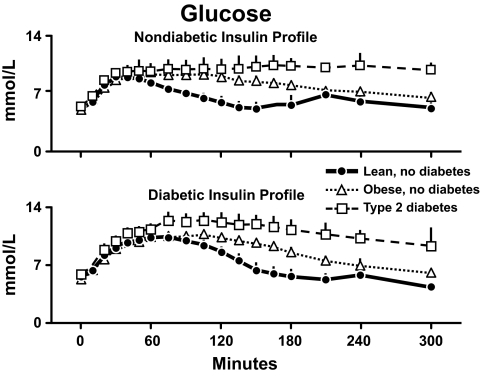
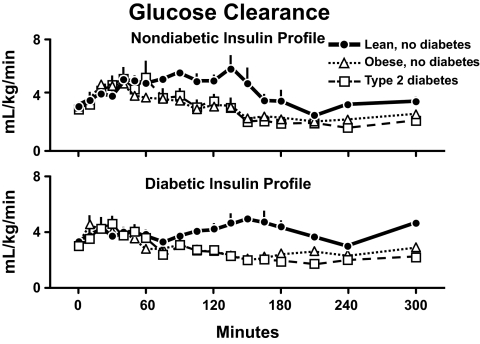
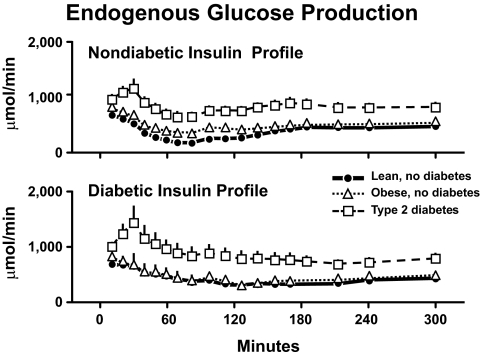
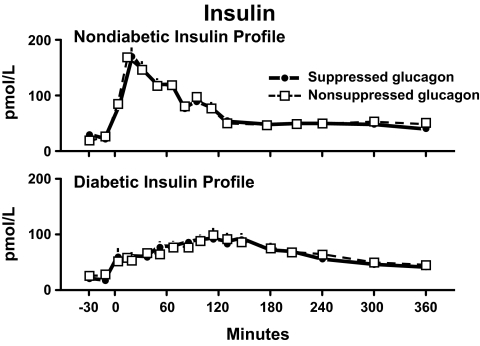
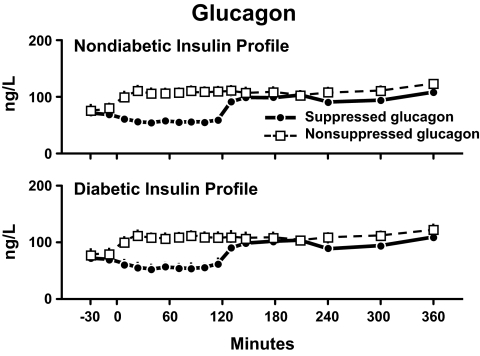
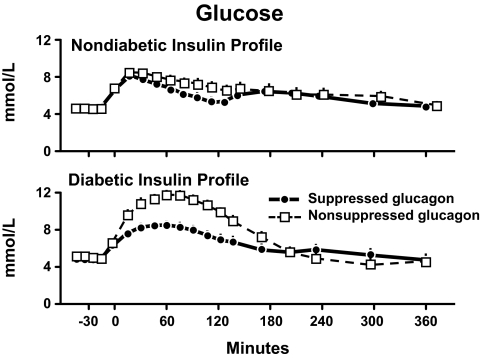
The objective of this research is to gain a greater understanding of the cause of fasting and postprandial hyperglycemia in people with type 2 diabetes. Endogenous glucose production is excessive before eating and fails to appropriately suppress after eating in people with type 2 diabetes. This is due in part to impaired insulin-induced suppression of endogenous glucose production, which is observed early in the evolution of type 2 diabetes. Increased rates of gluconeogenesis and perhaps glycogenolysis contribute to hepatic insulin resistance. Insulin-induced stimulation of hepatic glucose uptake and hepatic glycogen synthesis are reduced in people with type 2 diabetes primarily due to decreased uptake of extracellular glucose presumably because of inadequate activation of hepatic glucokinase. Delayed insulin secretion results in higher peak glucose concentrations particularly when suppression of glucagon is impaired, whereas insulin resistance prolongs the duration of hyperglycemia, which can be marked when both hepatic and extra-hepatic insulin resistance are present. The premise of these studies, as well as those performed by many other investigators, is that an understanding of the pathogenesis of type 2 diabetes will enable the development of targeted therapies that are directed toward correcting specific metabolic defects in a given individual. I, as well as many other investigators, believe that such therapies are likely to be more effective and to have a lower risk than would occur if everyone were treated the same regardless of the underlying cause of their hyperglycemia. While we do not yet have sufficient knowledge to truly individualize therapy, in my opinion this approach will be the norm in the not too distant future.
Overview
The claims and statistics of this paper haven’t been checked yet.
Free: it reads the open-access text and checks the first 5 claims that cite a source we can check. Create a free account to check every claim.
Integrity signals
Registry
Cites
Statistics
Figures
Verification
Claims the paper makes
The claims and statistics of this paper haven’t been checked yet.
Free: it reads the open-access text and checks the first 5 claims that cite a source we can check. Create a free account to check every claim.
Claims other papers make about this one
Each is checked against this paper’s own text: does it say what the citing paper says it does?
The cited source says what the claim attributes to it.
In the citing paper
“The set point above the normal glucose concentration of around 5–5.5 mM [1], [28] is in line with the role of the liver as glucose producer under normoglycemic conditions [1], [29].”
From Quantifying the Contribution of the Liver to Glucose Homeostasis: A Detailed Kinetic Model of Human Hepatic Glucose Metabolism (2012) · cites this paper as [29]
Self-check
Percentages, sums and reported differences re-computed from the paper’s own numbers.
The self-check needs the paper’s full text.
Citations
Cites
Magnusson, I., Rothman, D. L., Katz, L. D., Shulman, R. G., & Shulman, G. I. (1992) · Journal of Clinical Investigation · doi:10.1172/jci115997 · Cited by 757 · cited 1×
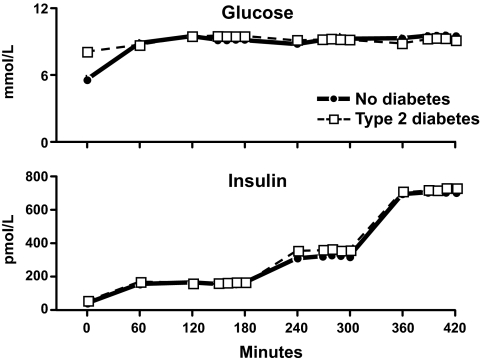
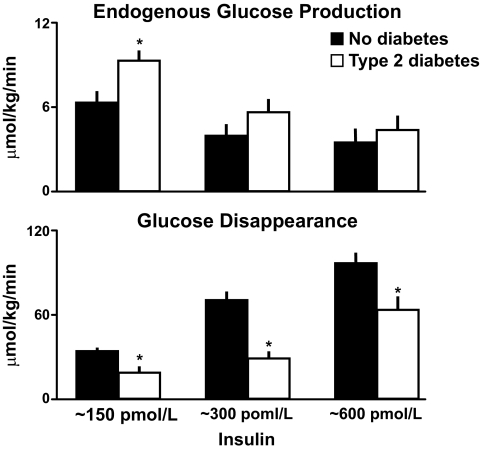
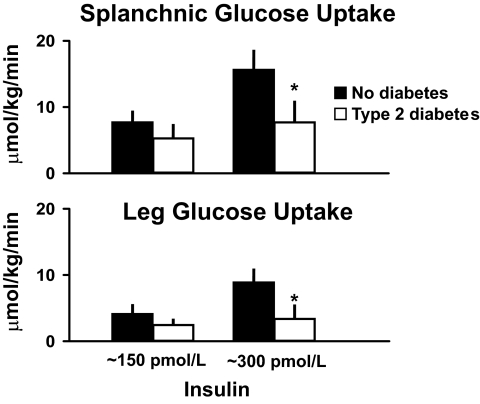
“Consistent with previous studies (23,25), the data on the left side of Fig.”
ResultAbnormal Alpha-Cell Function in Diabetes: Response to Carbohydrate and Protein Ingestion
Müller, W. A., Faloona, G. R., Aguilar-Parada, E., & Unger, R. H. (1970) · New England Journal of Medicine · doi:10.1056/nejm197007162830301 · Cited by 626
β-cells in type II diabetes mellitus
Porte, D. (1991) · Diabetes · doi:10.2337/diab.40.2.166 · Cited by 585
Regulation of Splanchnic and Peripheral Glucose Uptake by Insulin and Hyperglycemia in Man
DeFronzo, R. A., Ferrannini, E., Hendler, R., Felig, P., & Wahren, J. (1983) · Diabetes · doi:10.2337/diab.32.1.35 · Cited by 509 · cited 1×
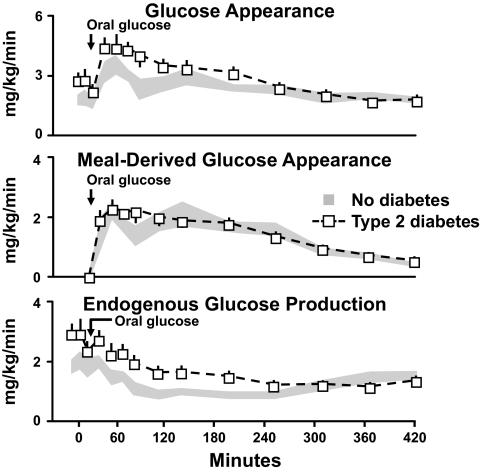
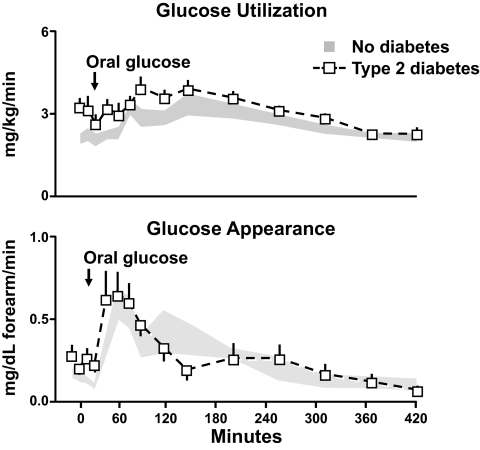
“However, since the glucose concentrations were markedly elevated in the people with the diabetes and since hyperglycemia stimulates hepatic glucose uptake (11-14), these data should not be interpreted as indicating postprandial hepatic glucose uptake is normal in type 2 diabetes.”
BackgroundContributions of gluconeogenesis to glucose production in the fasted state
Landau, B. R., Wahren, J., Chandramouli, V, Schumann, W. C., Ekberg, K., & Kalhan, S. C. (1996) · Journal of Clinical Investigation · doi:10.1172/jci118803 · Cited by 487 · cited 1×
“This method is based on the fact that following the ingestion of deuterated water, the fifth carbon of glucose is labeled with deuterium during gluconeogenesis, whereas the second carbon of glucose is labeled with deuterium during both the gluconeogenesis and glycogenolysis (30).”
MethodBogardus, C., Lillioja, S., Howard, B. V., Reaven, G., & Mott, D. (1984) · Journal of Clinical Investigation · doi:10.1172/jci111533 · Cited by 397 · cited 2×
“Consistent with previous studies (22-26) and those discussed above (1;”
BackgroundResultPerley, M., & Kipnis, D. M. (1966) · Diabetes · doi:10.2337/diab.15.12.867 · Cited by 330
Firth, R. G., Bell, P. M., Marsh, H. M., Hansen, I., & Rizza, R. A. (1986) · Journal of Clinical Investigation · doi:10.1172/jci112467 · Cited by 280 · cited 7×
“The excess amount of glucose released due to slower suppression of endogenous glucose production entirely accounted for the higher postprandial rates of glucose appearance (10).”
BackgroundMethodResultSelf-citationCarbohydrate Metabolism in Non-Insulin-Dependent Diabetes Mellitus
Dinneen, S., Gerich, J., & Rizza, R. (1992) · New England Journal of Medicine · doi:10.1056/nejm199209033271007 · Cited by 279 · cited 2×
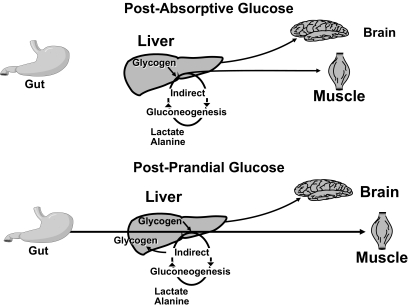
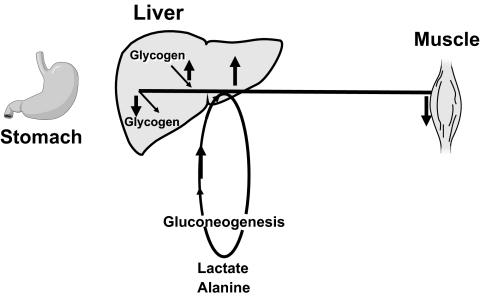
“Simplified portrayal of glucose metabolism in the postabsorptive (upper panel) and postprandial (lower panel) states (9).”
BackgroundSelf-citationMechanism by which glucose and insulin inhibit net hepatic glycogenolysis in humans.
Petersen, K. F., Laurent, D., Rothman, D. L., Cline, G. W., & Shulman, G. I. (1998) · Journal of Clinical Investigation · doi:10.1172/jci579 · Cited by 237 · cited 1×
“However, hyperglycemia is known to be a potent suppressor of glycogenolysis (33).”
Background
Cited by
Items 101–200 of 367
FKBP11 rewires UPR signaling to promote glucose homeostasis in type 2 diabetes and obesity
Herrema, H., Guan, D., Choi, J. W., Feng, X., Hernández, M. A. S., Faruk, F., Auen, T., Boudett, E., Tao, R., Chun, H., et al. (2022) · Cell Metabolism · doi:10.1016/j.cmet.2022.06.007 · Cited by 48
Zhao, Y., Li, S., Chen, Y., Wang, Y., Wei, Y., Zhou, T., Zhang, Y., Yang, Y., Chen, L., Liu, Y., et al. (2023) · Molecular Cell · doi:10.1016/j.molcel.2023.02.007 · Cited by 46
Nie, L., Yuan, X., Jiang, K., Jiang, Y., Yuan, J., Luo, L., Cui, S., & Sun, C. (2017) · EBioMedicine · doi:10.1016/j.ebiom.2017.08.004 · Cited by 39
“Hepatic gluconeogenesis is an important factor for regulating blood glucose level (Magnusson et al. 1992; Rizza 2010).”
BackgroundJohansson, J., Mannerås-Holm, L., Shao, R., Olsson, A., Lönn, M., Billig, H., & Stener‐Victorin, E. (2013) · PLoS ONE · doi:10.1371/journal.pone.0054357 · Cited by 41
“This could represent improved hepatic insulin sensitivity or decreased pancreatic glucagon release with lowering of high endogenous fasting glucose production, as in type 2 diabetes [32].”
BackgroundBantubungi, K., Hannou, S.-A., Caron-Houde, S., Vallez, E., Baron, M., Lucas, A., Bouchaert, E., Paumelle, R., Tailleux, A., & Staels, B. (2014) · Diabetes · doi:10.2337/db13-1921 · Cited by 39
Sur, D., & Banu, S. (2022) · Endocrine Metabolic & Immune Disorders - Drug Targets · doi:10.2174/1871530322666220630093359 · Cited by 41
Picklo, M. J., & Thyfault, J. P. (2014) · Applied Physiology, Nutrition, and Metabolism · doi:10.1139/apnm-2014-0302 · Cited by 43
Nijssen, K. M. R., Mensink, R. P., & Joris, P. J. (2022) · Neuroendocrinology · doi:10.1159/000526717 · Cited by 47
High-Intensity Interval Training for Improving Postprandial Hyperglycemia
Little, J. P., & Francois, M. E. (2014) · Research Quarterly for Exercise and Sport · doi:10.1080/02701367.2014.963474 · Cited by 37
“However, the role of pancreatic beta-cell function and hepatic insulin sensitivity, which are clearly important for postprandial glucose responses (Rizza, 2010), has not been assessed following HIIT in individuals with, or at risk for, T2D.”
BackgroundWang, J., Yan, R., Wen, J., Kong, X., Li, H., Zhou, P., Zhu, H., Su, X., & Ma, J. (2017) · Oncotarget · doi:10.18632/oncotarget.17111 · Cited by 47
Regulation of hepatic gluconeogenesis by nuclear factor Y transcription factor in mice
Zhang, Y., Guan, Q., Liu, Y., Zhang, Y., Chen, Y., Chen, J., Liu, Y., & Su, Z. (2018) · Journal of Biological Chemistry · doi:10.1074/jbc.ra117.000508 · Cited by 39
Saponaro, C., Gmyr, V., Thévenet, J., Moerman, E., Delalleau, N., Pasquetti, G., Coddeville, A., Quenon, A., Daoudi, M., Hubert, T., et al. (2019) · Cell Reports · doi:10.1016/j.celrep.2019.07.009 · Cited by 36
Kim, Y., & Jung, U. J. (2019) · International Journal of Molecular Sciences · doi:10.3390/ijms20092303 · Cited by 36
“In type 2 diabetes, hepatic glucose production is higher in the post-absorptive state, and fails to be properly suppressed by insulin, primarily due to the increased rate of gluconeogenesis rather than glycogenolysis [37].”
BackgroundMicro-RNA-27a/b negatively regulates hepatic gluconeogenesis by targeting FOXO1
Wang, S., Ai, H., Liu, L., Zhang, X., Gao, F., Zheng, L., Yi, J., Sun, L., Yu, C., Zhao, H., et al. (2019) · American Journal of Physiology-Endocrinology and Metabolism · doi:10.1152/ajpendo.00190.2019 · Cited by 37
Guo, K., Lü, Y., Wang, X., Duan, Y., Li, H., Gao, F., & Wang, J. (2024) · Frontiers in Neuroscience · doi:10.3389/fnins.2024.1426618 · Cited by 53
“The etiology of diabetes is broad and complex (Rizza, 2010), resulting from the interplay of environmental and genetic factors (Smushkin and Vella, 2010), and can be summarized as either impaired insulin secretion or insulin resistance (DeFronzo, 1988).”
BackgroundInsulin, carbohydrate restriction, metabolic syndrome and cancer
Fine, E. J., & Feinman, R. D. (2014) · Expert Review of Endocrinology & Metabolism · doi:10.1586/17446651.2014.960392 · Cited by 38
“It is true that the major defect in diabetes appears to be the failure of insulin to reduce hepatic production [36], but the added dietary glucose increases the level of hyperglycemia.”
BackgroundThe KLF14 transcription factor regulates hepatic gluconeogenesis in mice
Wang, L., Tong, X., Gu, F., Zhang, L., Chen, W., Cheng, X., Xie, L., Chang, Y., & Zhang, H. (2017) · Journal of Biological Chemistry · doi:10.1074/jbc.ra117.000184 · Cited by 41
A kinome screen reveals that Nemo-like kinase is a key suppressor of hepatic gluconeogenesis
Ji, Y., Wang, Y., Li, P.-L., Cai, L., Wang, X., Bai, L., Liu, Z., Tian, H., Tian, S., Zhang, P., et al. (2021) · Cell Metabolism · doi:10.1016/j.cmet.2021.04.006 · Cited by 34
The Role of Gut Microbiota in High-Fat-Diet-Induced Diabetes: Lessons from Animal Models and Humans
Qi, Y., & Wang, X. (2023) · Nutrients · doi:10.3390/nu15040922 · Cited by 38
“As there is insulin resistance in diabetes, the inability of insulin to suppress liver glucose production leads to hyperglycemia [65].”
BackgroundConsensus Report on the Use of Continuous Glucose Monitoring in Chronic Kidney Disease and Diabetes
Rhee, C. M., Gianchandani, R. Y., Kerr, D. E., Philis‐Tsimikas, A., Kovesdy, C. P., Stanton, R. C., Drincic, A., Galindo, R. J., Kalantar‐Zadeh, K., Neumiller, J. J., et al. (2024) · Journal of Diabetes Science and Technology · doi:10.1177/19322968241292041 · Cited by 41
“45 Insulin resistance occurs in patients with kidney disease with and without DM. 46 Reasons include increased inflammation, metabolic acidosis, oxidative stress, uremic toxins, physical inactivity, obesity, and other factors which have been shown to lead to impairment or degradation of specific…”
Agius, L. (2015) · Proceedings of The Nutrition Society · doi:10.1017/s0029665115002451 · Cited by 33
da Silva Teixeira, S., Filgueira, C., Sieglaff, D. H., Benod, C., Villagomez, R., Minze, L. J., Zhang, A., Webb, P., & Nunes, M. T. (2017) · Acta Physiologica · doi:10.1111/apha.12821 · Cited by 34
“In type 2 diabetes, post-prandial hyperglycaemia results from a combination of impaired skeletal muscle glucose uptake and impaired suppression of hepatic glucose release, whereas fasting hyperglycaemia mainly results from excessive synthesis and release of glucose from liver due to gluconeogenesis (Rizza 2010).”
BackgroundBasu, A., Pieber, T. R., Hansen, A. K., Sach‐Friedl, S., Erichsen, L., Basu, R., & Haahr, H. L. (2018) · Diabetes Obesity and Metabolism · doi:10.1111/dom.13270 · Cited by 38
The islet circadian clock: entrainment mechanisms, function and role in glucose homeostasis
Rakshit, K. P., Qian, J., Colwell, C. S., & Matveyenko, A. V. (2015) · Diabetes Obesity and Metabolism · doi:10.1111/dom.12523 · Cited by 37
ter Horst, K. W., Gilijamse, P. W., Ackermans, M. T., Soeters, M. R., Nieuwdorp, M., Romijn, J. A., & Serlie, M. J. M. (2016) · Metabolism · doi:10.1016/j.metabol.2016.02.010 · Cited by 40
“[4] Rizza RA.”
BackgroundLi, Z., Zhang, Y., Quan, X., Yang, Z., Zeng, X., Ji, L., Sun, F., & Zhan, S. (2016) · PLOS ONE · doi:10.1371/journal.pone.0154206 · Cited by 33
Identification of a New Class of Glucokinase Activators through Structure-Based Design
Hinklin, R. J., Boyd, S. A., Chicarelli, M. J., Condroski, K. R., DeWolf, W. E., Lee, P. A., Lee, W., Singh, A., Thomas, L., Voegtli, W. C., et al. (2013) · Journal of Medicinal Chemistry · doi:10.1021/jm401116k · Cited by 33
DDB1-Mediated CRY1 Degradation Promotes FOXO1-Driven Gluconeogenesis in Liver
Tong, X., Zhang, D., Charney, N., Jin, E., VanDommelen, K., Stamper, K., Gupta, N., Saldate, J. J., & Yin, L. (2017) · Diabetes · doi:10.2337/db16-1600 · Cited by 33
Banerjee, S., Ghoshal, S., Stevens, J. R., McCommis, K. S., Gao, S., Castro‐Sepúlveda, M., Mizgier, M. L., Clemence, G., Kumar, K. G., Galgani, J. E., et al. (2020) · Journal of Biological Chemistry · doi:10.1074/jbc.ra120.014381 · Cited by 39
“hyperglycemia observed in type 2 diabetes (83-85).”
Lundkvist, P., Pereira, M. J., Kamble, P. G., Katsogiannos, P., Langkilde, A. M., ESTERLINE, R. L., JOHNSSON, E. K., & Eriksson, J. W. (2018) · The Journal of Clinical Endocrinology & Metabolism · doi:10.1210/jc.2018-00969 · Cited by 33
ANGPTL8 in metabolic homeostasis: more friend than foe?
Guo, C. Y., Wang, C., Deng, X., He, J., Yang, L., & Yuan, G. (2021) · Open Biology · doi:10.1098/rsob.210106 · Cited by 31
“This is mainly reflected in two aspects: the inhibition of glycogen decomposition, and gluconeogenesis being weakened [73].”
BackgroundPassive fructose transporters in disease: a molecular overview of their structural specificity
McQuade, D. T., Plutschack, M. B., & Seeberger, P. H. (2013) · Organic & Biomolecular Chemistry · doi:10.1039/c3ob40805a · Cited by 34
Activation of Basal Gluconeogenesis by Coactivator p300 Maintains Hepatic Glycogen Storage
He, L., Cao, J., Meng, S., Ma, A., Radovick, S., & Wondisford, F. E. (2013) · Molecular Endocrinology · doi:10.1210/me.2012-1413 · Cited by 30
Metelo, A. M., Pérez-Carro, R., Castro, M. M. C. A., & López‐Larrubia, P. (2012) · Journal of Inorganic Biochemistry · doi:10.1016/j.jinorgbio.2012.06.001 · Cited by 31
Tsuchimochi, W., Ueno, H., Yamashita, E., Tsubouchi, C., Sakoda, H., Nakamura, S., & Nakazato, M. (2014) · Endocrine Journal · doi:10.1507/endocrj.ej14-0393 · Cited by 31
Berberine Attenuates Hyperglycemia by Inhibiting the Hepatic Glucagon Pathway in Diabetic Mice
Zhong, Y., Jin, J., Liu, P., Song, Y., Zhang, H., Sheng, L., Zhou, H., & Jiang, B. (2020) · Oxidative Medicine and Cellular Longevity · doi:10.1155/2020/6210526 · Cited by 34
Tharaheswari, M., Nakkala, J. R., Jeepipalli, S. P. K., Raja, K., Chandra, V. K., Mohan, V. K., & Sadras, S. R. (2014) · European Food Research and Technology · doi:10.1007/s00217-014-2322-9 · Cited by 31
“Under a state of hepatic insulin resistance the ability of insulin to shut down glucose production from the liver is diminished which in turn leads to the manifestation of hyperglycemia [23].”
BackgroundSekar, R., Motzler, K., Kwon, Y., Novikoff, A., Jülg, J., Najafi, B., Wang, S., Warnke, A.-L., Seitz, S., Hass, D., et al. (2022) · Cell Metabolism · doi:10.1016/j.cmet.2022.09.022 · Cited by 32
Multi-organ denervation: a novel approach to combat cardiometabolic disease
Kiuchi, M. G., Carnagarin, R., Matthews, V. B., & Schlaich, M. P. (2023) · Hypertension Research · doi:10.1038/s41440-023-01287-x · Cited by 27
König, M., & Holzhütter, H. (2012) · Journal of Biological Chemistry · doi:10.1074/jbc.m112.382069 · Cited by 27
“Our computations suggest that the diminished hyperglycemic response of the liver in combination with reduced HGU is one of the main reasons of the much larger postprandial increase in blood glucose in T2DM compared with normal subjects (1, 26).”
BackgroundVarghese, J., James, J., Vaulont, S., McKie, A. T., & Jacob, M. (2018) · Biochimica et Biophysica Acta (BBA) - General Subjects · doi:10.1016/j.bbagen.2018.05.022 · Cited by 25
“Increased hepatic glucose production (HGP), driven primarily by increased gluconeogenesis, is a characteristic feature of diabetes [12].”
Berberine alleviates hyperglycemia by targeting hepatic glucokinase in diabetic db/db mice
Li, M., Dang, Y., Li, Q., Zhou, W., Zuo, J., Yao, Z., Zhang, L. R., & Ji, G. (2019) · Scientific Reports · doi:10.1038/s41598-019-44576-7 · Cited by 32
Florwick, A., Dharmaraj, T., Jurgens, J. A., Valle, D. L., & Wilson, K. L. (2017) · Frontiers in Genetics · doi:10.3389/fgene.2017.00079 · Cited by 27
“Variant p.I299V is linked to FPLD2 in the laminopathy database: a puberty-onset disorder characterized by lipodystrophy, muscle hypertrophy, and insulin-resistant diabetes (Vigouroux et al., 2000; Guénantin et al., 2014), and elevated hepatic glucose production (Rizza, 2010).”
BackgroundBraunstein, C. R., Noronha, J. C., Khan, T. A., Mejía, S. B., Wolever, T. M. S., Josse, R. G., Kendall, C. W. C., & Sievenpiper, J. L. (2020) · Clinical Nutrition · doi:10.1016/j.clnu.2020.03.002 · Cited by 29
da Silva, I. I., Barbosa, H. D. M., Carvalho, D. C. R., Barros, R. D. A., Albuquerque, F. P., da Silva, D. H. A., Souza, G. R., de Souza, N. A. C., Rolim, L. A., Silva, F. M. M., et al. (2017) · The Scientific World JOURNAL · doi:10.1155/2017/5275813 · Cited by 41
“It has been known that insulin-induced suppression of endogenous glucose production, which is an essential mechanism to normoglycemia, is affected in DM chronically [27].”
BackgroundOGT (O-GlcNAc Transferase) Selectively Modifies Multiple Residues Unique to Lamin A
Simon, D. N., Wriston, A., Fan, Q., Shabanowitz, J., Florwick, A., Dharmaraj, T., Peterson, S. B., Gruenbaum, Y., Carlson, C. R., Grønning-Wang, L. M., et al. (2018) · Cells · doi:10.3390/cells7050044 · Cited by 27
“FPLD2 is a pubertyonset disorder characterized by lipodystrophy, muscle hypertrophy, insulinresistant diabetes [9,10], and elevated (dysregulated) hepatic glucose production [11].”
BackgroundElamin, N. M. H., Fadlalla, I. M. T., Omer Shadia, A., & Hala, I. (2018) · International Journal of Diabetes and Clinical Research · doi:10.23937/2377-3634/1410091 · Cited by 41
Bi, Y., Shi, X., Zhu, J., Guan, X., Garbacz, W. G., Huang, Y., Gao, L. P., Yan, J., Xu, M., Ren, S., et al. (2018) · Molecular and Cellular Biology · doi:10.1128/mcb.00654-17 · Cited by 29
Augustine, A. W., Narasimhan, A., Vishwanathan, M., & Karundevi, B. (2014) · Asian Pacific Journal of Tropical Disease · doi:10.1016/s2222-1808(14)60429-1 · Cited by 28
“Type-2 diabetes mellitus (T2DM) is characterized by fasting and postprandial hyperglycemia and relative insulin insufficiency[1].”
BackgroundDomingues, N. S., Pelletier, J., Östenson, C. ‐., & Castro, M. M. C. A. (2013) · Journal of Inorganic Biochemistry · doi:10.1016/j.jinorgbio.2013.11.005 · Cited by 25
Wang, X., Long, D., Hu, X., & Guo, N. (2023) · Frontiers in Pharmacology · doi:10.3389/fphar.2023.1172360 · Cited by 24
“During fasting, blood glucose is mainly derived from gluconeogenesis and glycogen decomposition, while in patients with T2DM with long-term fasting, blood glucose is mainly derived from gluconeogenesis, indicating that gluconeogenesis plays a crucial role in the development of T2DM (Rizza, 2010).”
BackgroundDirect renin inhibition modulates insulin resistance in caveolin-1-deficient mice
Chuengsamarn, S., Garza, A., Krug, A. W., Romero, J. R., Adler, G. K., Williams, G. H., & Pojoga, L. H. (2012) · Metabolism · doi:10.1016/j.metabol.2012.07.013 · Cited by 25
“However, our HOMA-IR results, showing a significant reduction in response to aliskiren in the cav-1 KO mice, may represent a better interpretation of insulin resistance than a glucose tolerance test [35,36].”
Cheng, P. C., Hsu, S. R., Cheng, Y. C., & Liu, Y. H. (2017) · PeerJ · doi:10.7717/peerj.3875 · Cited by 23
“Fasting plasma glucose (FPG) and glycated hemoglobin A1c (HbA1c) were sampled three months prior to angiography.”
InfluentialNicholas, A. P., Soto-Mota, A., Lambert, H., & Collins, A. L. (2021) · Journal of Nutritional Science · doi:10.1017/jns.2021.67 · Cited by 26
“While failed repression of gluconeogenesis and glycogenolysis are major causes of hyperglyacemia((13)), dietary carbohydrate intake is the largest driver of postprandial glucose rises.”
BackgroundBi, Y., Zeng, L., Zhu, D., Yan, J. Y., Zhang, Y., Tong, G., Mu, P., Shen, S., Hu, Y., Yu, Q., et al. (2011) · Diabetes Obesity and Metabolism · doi:10.1111/j.1463-1326.2011.01504.x · Cited by 21
Hull, C. E., Dekeryte, R., Koss, D. J., Crouch, B., Buchanan, H. M., Delibegović, M., & Platt, B. (2019) · Molecular Neurobiology · doi:10.1007/s12035-019-01722-6 · Cited by 21
Peng, W., Mao, P., Liu, L., Chen, K., Zhong, Y., Xia, W., Guo, Q., Tan, S. C., Rahmani, J., Kord‐Varkaneh, H., et al. (2019) · Complementary Therapies in Medicine · doi:10.1016/j.ctim.2019.102241 · Cited by 21
Espinoza-Hernández, F. A., Andrade‐Cetto, A., Escandón–Rivera, S., Mata-Torres, G., & Mata, R. (2021) · Journal of Ethnopharmacology · doi:10.1016/j.jep.2021.114339 · Cited by 23
An integrative transcriptional logic model of hepatic insulin resistance
Kitamoto, T., Kuo, T., Okabe, A., Kaneda, A., & Accili, D. (2021) · Proceedings of the National Academy of Sciences · doi:10.1073/pnas.2102222118 · Cited by 22
Naturally Occurring Variants of the Dysglycemic Peptide Pancreastatin
Allu, P. K. R., Chirasani, V. R., Ghosh, D., Mani, A., Bera, A. K., Maji, S. K., Senapati, S., Mullasari, A. S., & Mahapatra, N. R. (2013) · Journal of Biological Chemistry · doi:10.1074/jbc.m113.520916 · Cited by 27
Chen, M., Pan, P., Zhang, H., Li, R., Ren, D., & Jiang, B. (2024) · Food & Function · doi:10.1039/d4fo02316a · Cited by 22
Nday, C. M., Eleftheriadou, D., & Jackson, G. E. (2018) · Journal of Neurochemistry · doi:10.1111/jnc.14256 · Cited by 22
“As insulin and glucagon act synergistically to maintain glucose homeostasis, secretory abnormalities of the two counteracting hormones are responsible for hyperglycemia (Rizza, 2010; Cryer, 2012).”
BackgroundHuang, C. H., Wang, H.-Y., Wang, M., Hsu, M.-C., Wu, Y. S., Jiang, Y.-F., Wu, L., Jong, D., & Chiu, C. (2019) · Scientific Reports · doi:10.1038/s41598-019-53826-7 · Cited by 21
Dapagliflozin attenuates renal gluconeogenic enzyme expression in obese rats
Swe, M. T., Thongnak, L., Jaikumkao, K., Pongchaidecha, A., Chatsudthipong, V., & Lungkaphin, A. (2020) · Journal of Endocrinology · doi:10.1530/joe-19-0480 · Cited by 21
“However, when there is insulin deficiency or insulin resistance, abnormally elevated EGP under fasting and/or abnormal persistence of this process during the postprandial period becomes the major contributor to hyperglycemia (Rizza 2010, Kacerovsky et al.”
BackgroundGaspar, R. C., Muñoz, V. R., Nakandakari, S. C. B. R., Vieira, R. F. L., da Conceição, L. R., de Oliveira, F., Crisol, B., da Silva, A. S. R., Cintra, D. E., de Moura, L. P., et al. (2020) · Experimental Gerontology · doi:10.1016/j.exger.2020.111021 · Cited by 22
IPMK modulates hepatic glucose production and insulin signaling
Jung, I., Anokye‐Danso, F., Jin, S., Ahima, R. S., & Kim, S. F. (2022) · Journal of Cellular Physiology · doi:10.1002/jcp.30827 · Cited by 19
“However, in type 2 diabetic conditions, insulin fails to regulate HGP, leading to hyperglycemia (Rizza, 2010; Saltiel & Kahn, 2001).”
BackgroundThe SLC25A47 locus controls gluconeogenesis and energy expenditure
Yook, J.-S., Taxin, Z. H., Yuan, B., Oikawa, S., Auger, C., Mutlu, B., Puigserver, P., Hui, S. T., & Kajimura, S. (2023) · Proceedings of the National Academy of Sciences · doi:10.1073/pnas.2216810120 · Cited by 23
Prevention of type 2 diabetes mellitus in polycystic ovary syndrome: A review
Anwar, S., & Shikalgar, N. (2017) · Diabetes & Metabolic Syndrome Clinical Research & Reviews · doi:10.1016/j.dsx.2017.07.015 · Cited by 21
Chen, Y., Liu, H., Wang, Y., Yang, S. C., Yu, M., Jiang, T.-F., & Lv, Z. (2019) · Food & Function · doi:10.1039/c9fo01444f · Cited by 20
Staimez, L. R., Kipling, L. M., Ham, J. N., Legvold, B. T., Jackson, S. L., Wilson, P. W. F., Rhee, M. K., & Phillips, L. S. (2022) · Diabetes Research and Clinical Practice · doi:10.1016/j.diabres.2022.109935 · Cited by 22
Parent-of-Origin Effects on Glucose Homeostasis in Polycystic Ovary Syndrome
Kobaly, K., Vellanki, P., Sisk, R. K., Armstrong, L., Lee, J. Y., Lee, J., Hayes, M. G., Urbanek, M., Legro, R. S., & Dunaif, A. (2014) · The Journal of Clinical Endocrinology & Metabolism · doi:10.1210/jc.2013-4338 · Cited by 18
Bittel, A. J., Bittel, D. C., Mittendorfer, B., Patterson, B. W., Okunade, A. L., Abumrad, N. A., Reeds, D. N., & Cade, W. T. (2020) · Medicine & Science in Sports & Exercise · doi:10.1249/mss.0000000000002538 · Cited by 20
Laeger, T., Castaño-Martinez, T., Werno, M. W., Japtok, L., Baumeier, C., Jonas, W., Kleuser, B., & Schürmann, A. (2018) · Diabetologia · doi:10.1007/s00125-018-4595-1 · Cited by 17
“Moreover, defective glycogenolysis and gluconeogenesis regulation causes hyperglycaemia [25, 26].”
BackgroundHigh-fat diet alters PAS kinase regulation by fasting and feeding in liver
Pérez-García, A., Dongil, P., Hurtado-Carneiro, V., Blázquez, E., Sanz, C., & Álvarez, E. (2018) · The Journal of Nutritional Biochemistry · doi:10.1016/j.jnutbio.2018.03.003 · Cited by 20
Pasachan, T., Duangjai, A., Ontawong, A., Amornlerdpison, D., Jinakote, M., Phatsara, M., Soodvilai, S., & Srimaroeng, C. (2021) · Molecules · doi:10.3390/molecules26051239 · Cited by 21
“In type 2 diabetes, hepatic gluconeogenesis is higher than normal in the post-absorptive state and fails to be properly suppressed by insulin, resulting in excessive glucose production rather than glycogenolysis [5].”
BackgroundMalin, S. K., Viskochil, R. H., Oliver, C., & Braun, B. (2013) · Journal of Applied Physiology · doi:10.1152/japplphysiol.00084.2013 · Cited by 17
Hepatic ketone body regulation of renal gluconeogenesis
Hatano, R., Lee, E., Sato, H., Kiuchi, M., Hirahara, K., Nakagawa, Y., Shimano, H., Nakayama, T., Tanaka, T., & Miki, T. (2024) · Molecular Metabolism · doi:10.1016/j.molmet.2024.101934 · Cited by 16
“In type 2 diabetes mellitus (T2DM) patients, in addition to impaired insulin secretion and impaired insulin-induced glucose uptake, enhanced endogenous glucose production (EGP) is known to contribute to the development of hyperglycemia [8].”
BackgroundWinnick, J. J., Ramnanan, C. J., Saraswathi, V., Roop, J., Scott, M., Jacobson, P. B., Jung, P. M., Basu, R., Cherrington, A. D., & Edgerton, D. S. (2013) · American Journal of Physiology-Endocrinology and Metabolism · doi:10.1152/ajpendo.00639.2012 · Cited by 17
Zhao, G., Wirth, D., Schmitz, I., & Meyer‐Hermann, M. (2017) · Nature Communications · doi:10.1038/s41467-017-01627-9 · Cited by 20
Ren, Y.-R., Ye, Y., Feng, Y., Xu, T., Shen, Y., Liu, J., Huang, S., Shen, J., & Leng, Y. (2021) · Acta Pharmacologica Sinica · doi:10.1038/s41401-020-00609-w · Cited by 17
Chen, Y., Wang, B., Ou, X., Wu, Y., He, Y., Lin, X., & Lin, X. (2022) · Journal of Virology · doi:10.1128/jvi.01020-22 · Cited by 15
Potential Drug Combinations to Reduce Cardiovascular Disease Burden in Diabetes
Pillarisetti, S. (2015) · Trends in Pharmacological Sciences · doi:10.1016/j.tips.2015.11.009 · Cited by 15
Kaneko, K., Satake, C., Izumi, T., Tanaka, M., Yamamoto, J., Asai, Y., Sawada, S., Imai, J., Yamada, T., & Katagiri, H. (2019) · BMC Endocrine Disorders · doi:10.1186/s12902-018-0326-3 · Cited by 15
“In fact, impaired suppression of hepatic glucose output is one of the most important mechanisms involved in postprandial hyperglycemia in patients with diabetes [15, 16].”
Carrillo-Sepúlveda, M. A., Maddie, N., Johnson, C., Burke, C., Lutz, O., Yakoub, B., Krämer, B., & Persand, D. (2022) · Molecular Medicine · doi:10.1186/s10020-022-00441-4 · Cited by 21
“High glucose increases lysine acetylation in human VSMCs T2DM is characterized by hyperglycemia associated with insulin resistance (Rizza 2010).”
BackgroundImpact of metabolic stress induced by diets, aging and fasting on tissue oxygen consumption
Mackert, O., Wirth, E. K., Sun, R., Winkler, J. L., Liu, A., Renko, K., Kunz, S., Spranger, J., & Brachs, S. (2022) · Molecular Metabolism · doi:10.1016/j.molmet.2022.101563 · Cited by 19
Nakatani, K., Nakamoto, Y., & Togashi, K. (2012) · Nuclear Medicine Communications · doi:10.1097/mnm.0b013e328352290f · Cited by 15
Iizuka, K., Tomita, R., Takeda, J., & Horikawa, Y. (2011) · Biochemical and Biophysical Research Communications · doi:10.1016/j.bbrc.2011.12.042 · Cited by 17
Serry, A. M., Abdelhafez, O. M., Khalil, W. K. B., Hamed, K. A., Mabrouk, M. I., Shalaby, M. B., & Ahmed, E. Y. (2025) · Bioorganic Chemistry · doi:10.1016/j.bioorg.2025.108338 · Cited by 14
Hypoglycemic Effect of Two Mexican Medicinal Plants
Andrade‐Cetto, A., Espinoza-Hernández, F. A., Mata-Torres, G., & Escandón–Rivera, S. (2021) · Plants · doi:10.3390/plants10102060 · Cited by 16
Mata-Torres, G., Andrade‐Cetto, A., & Espinoza-Hernández, F. A. (2021) · Frontiers in Pharmacology · doi:10.3389/fphar.2021.809994 · Cited by 17
“After food ingestion and the subsequent increase in insulin levels, the suppression of glucose production is slower in a diabetic patient, promoting an evident postprandial hyperglycemia due to the excess of glucose produced in addition to that from the exogenous source (Rizza, 2010).”
BackgroundWu, X., Huang, S., Shi, Y., Shen, Y., Tu, W., Leng, Y., & Zhao, Q. (2022) · European Journal of Medicinal Chemistry · doi:10.1016/j.ejmech.2022.114171 · Cited by 14
Zhu, T., Zhao, R., Zhang, L., Bernier, M., & Liu, J. (2011) · American Journal of Physiology-Endocrinology and Metabolism · doi:10.1152/ajpendo.00453.2011 · Cited by 15
“Moreover, hepatic glycogen synthesis and breakdown play important roles in the modulation of blood glucose levels (28).”
BackgroundThe therapeutic mechanisms of quercetin on inflammatory diseases: an update
Xu, J., Hu, H., Jiang, H., Wei, Q., Zhang, H., & Lu, Q. (2025) · Inflammopharmacology · doi:10.1007/s10787-025-01795-x · Cited by 19
“Diabetes mellitus (DM), a chronic endocrine disorder prevalent worldwide (Rizza 2010), is characterized primarily by hyperglycemia and involves multifaceted pathogenesis, with no effective cure currently available.”
Amini, M. R., Kazeminejad, S., Jalalzadeh, M., Majd, S. S., Kavyani, Z., Askari, G., & Hekmatdoost, A. (2024) · Diabetes Research and Clinical Practice · doi:10.1016/j.diabres.2024.111709 · Cited by 15
Gupta, R. S., Grover, A. S., Kumar, P., Goel, A., Banik, S. P., Chakraborty, S., Rungta, M., Bagchi, M., Pal, P., & Bagchi, D. (2024) · Food & Nutrition Research · doi:10.29219/fnr.v68.10667 · Cited by 20
de Oliveira, K. A., Moreira-Gomes, M. D., Vasconcelos, R. P., de Abreu, E. S., Fortunato, R. S., Loureiro, A. C. C., Coelho‐de‐Souza, A. N., de Oliveira, R. S. B., Freitas, C. D. T., Ramos, M. V., et al. (2018) · Biomedicine & Pharmacotherapy · doi:10.1016/j.biopha.2018.11.139 · Cited by 13
Ye, L., Gu, W., Chen, Y., Li, X., Shi, J., Lv, A., Hu, J., Zhang, R., Liu, R., Hong, J., et al. (2019) · Acta Diabetologica · doi:10.1007/s00592-019-01372-z · Cited by 15
Jang, H. N., Yang, Y., Lee, S. O., Oh, T. J., Koo, B. K., & Jung, H. S. (2019) · Endocrinology and Metabolism · doi:10.3803/enm.2019.34.4.382 · Cited by 14
Yeh, Y., Lu, T., Lian, G., Lung, M., Lee, Y.-L. A., Chiang, A., & Hsieh, S. (2020) · The FASEB Journal · doi:10.1096/fj.201902494rr · Cited by 13
The antihyperglycemic and hypolipidemic activities of a sulfur-oxidovanadium(IV) complex
de Lima, L. M. A., da Silva, A. K. J. P. F., Batista, E. K. D. L., Postal, K., Kostenkova, K., Fenton, A., Crans, D. C., Silva, W. E., Belian, M. F., & Lira, E. C. (2023) · Journal of Inorganic Biochemistry · doi:10.1016/j.jinorgbio.2023.112127 · Cited by 14
Metadata
- Authors
- Rizza, R. A.
- Affiliations
- Mayo Clinic (US)
- Corresponding author
- Rizza, Robert A.
- Venue
- Diabetes
- Publisher
- American Diabetes Association
- Published
- 2010-08-12
- Volume
- 59
- Issue
- 11
- Pages
- 2697-2707
- ISSN
- 0012-1797 (ISSN-L)
- 1939-327X
- PMC
- PMC2963523
- OpenAlex
- W2112941360
- Cited by
- 367
- References
- 39
- Citations by year
- 2026: 13 · 2025: 18 · 2024: 21 · 2023: 31 · 2022: 34 · 2021: 28 · 2020: 20 · 2019: 25 · 2018: 31 · 2017: 31 · 2016: 22 · 2015: 18 · 2014: 24 · 2013: 19 · 2012: 16
- FWCI
- 17.19
- Type
- journal article
- Language
- en
- Open access
- hybrid
- doi.org
- Licence
- Locations
- Diabetes (publishedVersion, cc-by-nc-nd)
- PubMed Central (publishedVersion, cc-by-nc-nd)
- PubMed (publishedVersion)
- Funders
- American Diabetes Association
- Mayo Clinic (UL1 RR024150, RR024150)
- National Institute of Diabetes and Digestive and Kidney Diseases (R01DK029953, DK 29953, R37DK029953)
- National Center for Research Resources (UL1RR024150)
- Topics
- Health Sciences › Medicine › Endocrinology, Diabetes and Metabolism › Pancreatic function and diabetes
- Health Sciences › Medicine › Endocrinology, Diabetes and Metabolism › Diabetes Treatment and Management
- Health Sciences › Medicine › Endocrinology, Diabetes and Metabolism › Diabetes Management and Research
- Keywords
- type 2 diabetes, fasting hyperglycemia, postprandial hyperglycemia, endogenous glucose production, hepatic insulin resistance, gluconeogenesis, glycogenolysis, hepatic glucokinase, hepatic glucose uptake, hepatic glycogen synthesis, glucagon suppression, insulin resistance, personalized treatment
- MeSH terms
- Blood Glucose, Diabetes Mellitus, Type 2, Fasting, Glucagon, Gluconeogenesis, Glucose, Glycosuria, Humans, Hyperglycemia, Insulin Resistance, Intestinal Absorption, Liver, Reference Values, Uridine Diphosphate Glucose, Postprandial Period
About these checks
Registry, retraction, Cites and statistics results are computed, not judged, with one exception: a printed reference that no index lists is read once by a model before it counts as a citation error. Claims are extracted by a model and kept only when their quote appears verbatim in the text; each cited source is then checked, with a model’s help, for whether it says what the claim relies on. Those verdicts can be wrong — read the claim’s quote and the cited source before relying on one.
Statistics and arithmetic are recomputed, not judged.
Confidence bands are shown only for fields calibrated on our annotated test set. None is calibrated yet, so no band is shown.
What counts as a claim ›How we measure confidence ›How we check this ›
Are you an author, or do you see a problem with this page? Request a review
Data sources
Bibliographic data: Semantic Scholar, OpenAlex, Crossref.
Contains information from the Semantic Scholar Academic Graph Datasets, made available under the ODC Attribution License (ODC-BY 1.0).
Semantic Scholar’s data is described in: Kinney, R., et al. (2023). The Semantic Scholar Open Data Platform. arXiv:2301.10140.
