

Pathogenesis of fasting and postprandial hyperglycemia in type 2 diabetes: implications for therapy.
Open accessThe DOI matches its Crossref record; 39 of the 39 references it cites were found in a registry or an index.
Abstract
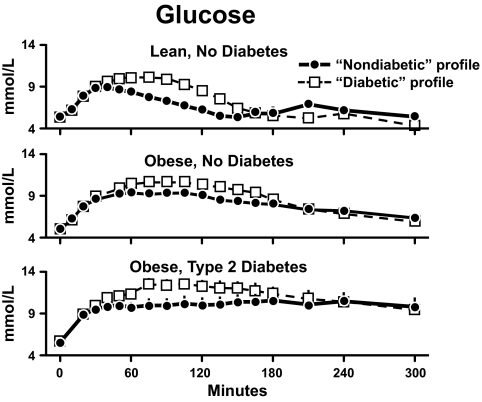
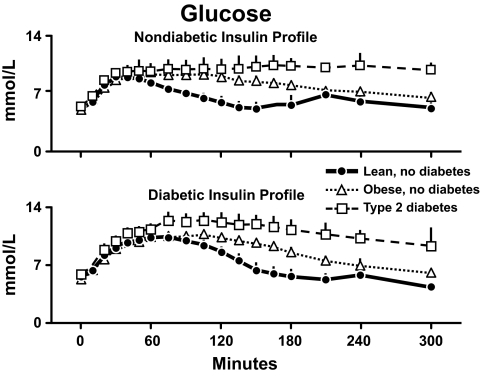
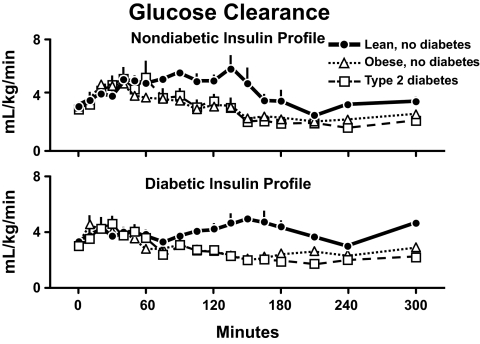
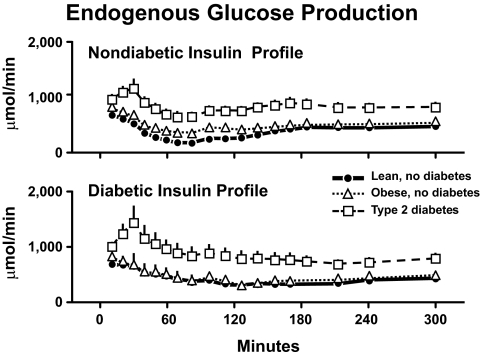
The objective of this research is to gain a greater understanding of the cause of fasting and postprandial hyperglycemia in people with type 2 diabetes. Endogenous glucose production is excessive before eating and fails to appropriately suppress after eating in people with type 2 diabetes. This is due in part to impaired insulin-induced suppression of endogenous glucose production, which is observed early in the evolution of type 2 diabetes. Increased rates of gluconeogenesis and perhaps glycogenolysis contribute to hepatic insulin resistance. Insulin-induced stimulation of hepatic glucose uptake and hepatic glycogen synthesis are reduced in people with type 2 diabetes primarily due to decreased uptake of extracellular glucose presumably because of inadequate activation of hepatic glucokinase. Delayed insulin secretion results in higher peak glucose concentrations particularly when suppression of glucagon is impaired, whereas insulin resistance prolongs the duration of hyperglycemia, which can be marked when both hepatic and extra-hepatic insulin resistance are present. The premise of these studies, as well as those performed by many other investigators, is that an understanding of the pathogenesis of type 2 diabetes will enable the development of targeted therapies that are directed toward correcting specific metabolic defects in a given individual. I, as well as many other investigators, believe that such therapies are likely to be more effective and to have a lower risk than would occur if everyone were treated the same regardless of the underlying cause of their hyperglycemia. While we do not yet have sufficient knowledge to truly individualize therapy, in my opinion this approach will be the norm in the not too distant future.
Overview
The claims and statistics of this paper haven’t been checked yet.
Free: it reads the open-access text and checks the first 5 claims that cite a source we can check. Create a free account to check every claim.
Integrity signals
Registry
Cites
Statistics
Figures
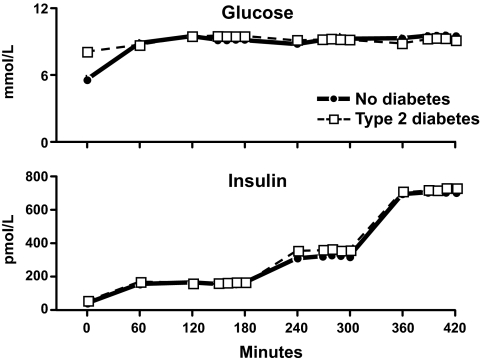
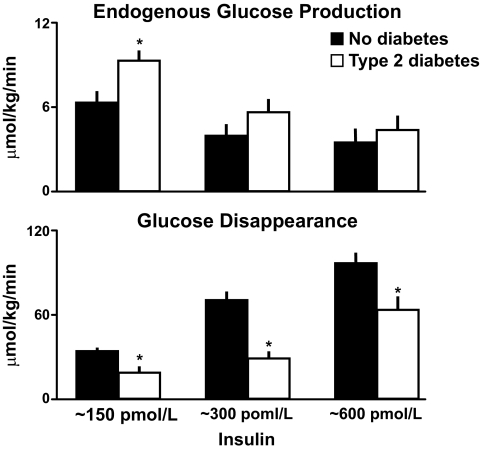
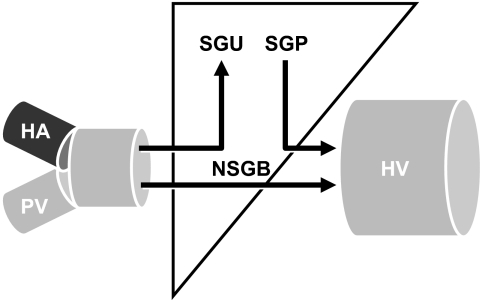
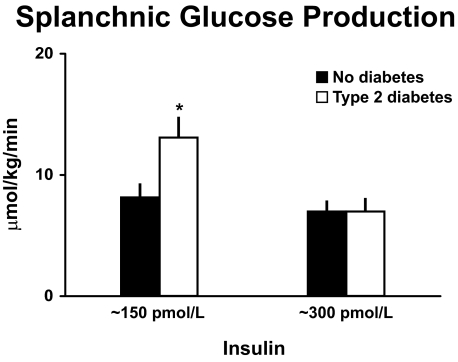
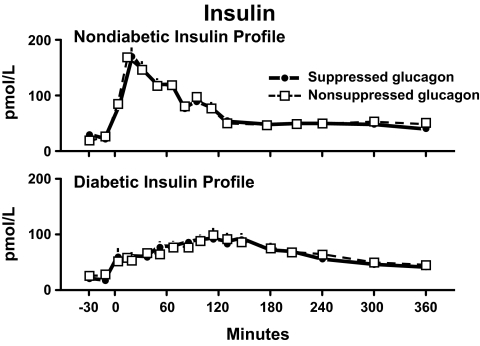
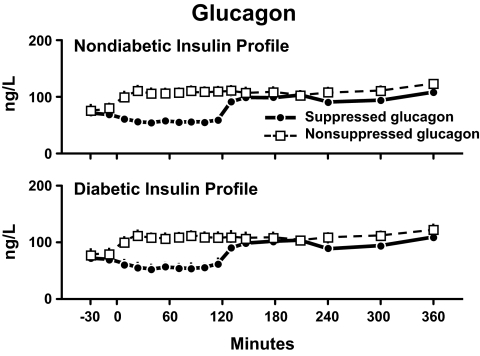
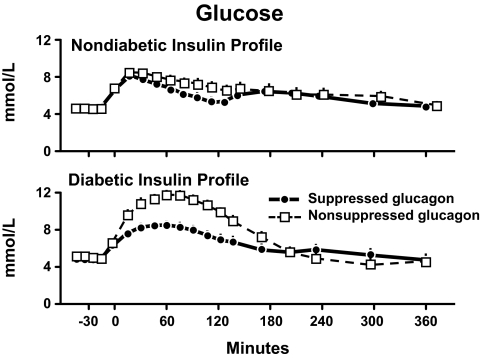
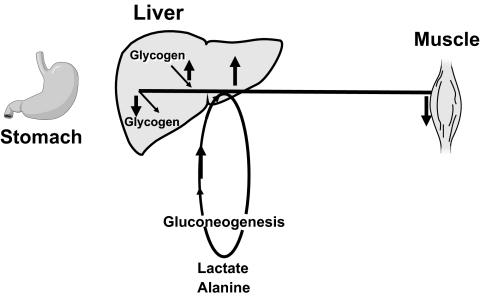
Verification
Claims the paper makes
The claims and statistics of this paper haven’t been checked yet.
Free: it reads the open-access text and checks the first 5 claims that cite a source we can check. Create a free account to check every claim.
Claims other papers make about this one
Each is checked against this paper’s own text: does it say what the citing paper says it does?
The cited source says what the claim attributes to it.
In the citing paper
“The set point above the normal glucose concentration of around 5–5.5 mM [1], [28] is in line with the role of the liver as glucose producer under normoglycemic conditions [1], [29].”
From Quantifying the Contribution of the Liver to Glucose Homeostasis: A Detailed Kinetic Model of Human Hepatic Glucose Metabolism (2012) · cites this paper as [29]
Self-check
Percentages, sums and reported differences re-computed from the paper’s own numbers.
The self-check needs the paper’s full text.
Citations
Cites
Magnusson, I., Rothman, D. L., Katz, L. D., Shulman, R. G., & Shulman, G. I. (1992) · Journal of Clinical Investigation · doi:10.1172/jci115997 · Cited by 757 · cited 1×
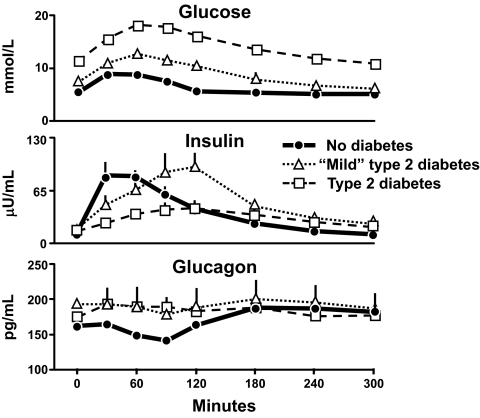
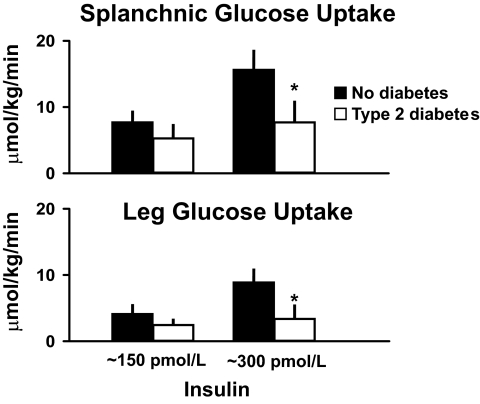
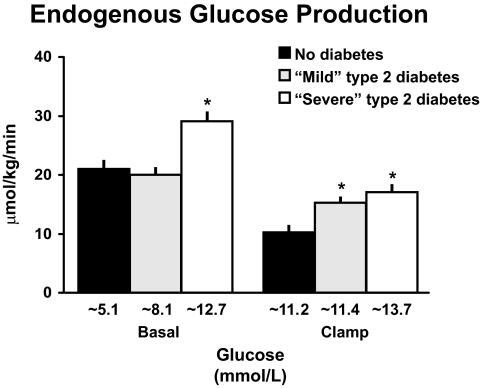
“Consistent with previous studies (23,25), the data on the left side of Fig.”
ResultAbnormal Alpha-Cell Function in Diabetes: Response to Carbohydrate and Protein Ingestion
Müller, W. A., Faloona, G. R., Aguilar-Parada, E., & Unger, R. H. (1970) · New England Journal of Medicine · doi:10.1056/nejm197007162830301 · Cited by 626
β-cells in type II diabetes mellitus
Porte, D. (1991) · Diabetes · doi:10.2337/diab.40.2.166 · Cited by 585
Regulation of Splanchnic and Peripheral Glucose Uptake by Insulin and Hyperglycemia in Man
DeFronzo, R. A., Ferrannini, E., Hendler, R., Felig, P., & Wahren, J. (1983) · Diabetes · doi:10.2337/diab.32.1.35 · Cited by 509 · cited 1×
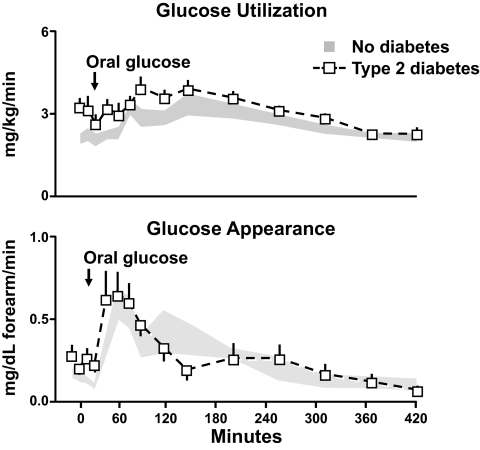
“However, since the glucose concentrations were markedly elevated in the people with the diabetes and since hyperglycemia stimulates hepatic glucose uptake (11-14), these data should not be interpreted as indicating postprandial hepatic glucose uptake is normal in type 2 diabetes.”
BackgroundContributions of gluconeogenesis to glucose production in the fasted state
Landau, B. R., Wahren, J., Chandramouli, V, Schumann, W. C., Ekberg, K., & Kalhan, S. C. (1996) · Journal of Clinical Investigation · doi:10.1172/jci118803 · Cited by 487 · cited 1×
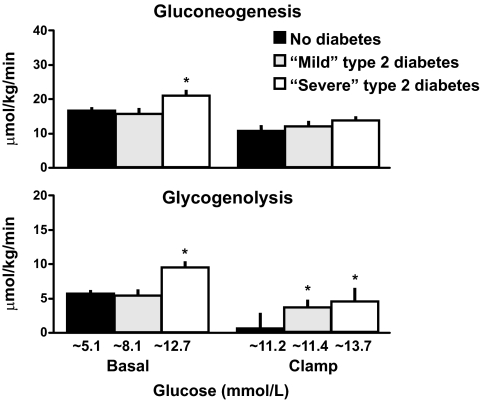
“This method is based on the fact that following the ingestion of deuterated water, the fifth carbon of glucose is labeled with deuterium during gluconeogenesis, whereas the second carbon of glucose is labeled with deuterium during both the gluconeogenesis and glycogenolysis (30).”
MethodBogardus, C., Lillioja, S., Howard, B. V., Reaven, G., & Mott, D. (1984) · Journal of Clinical Investigation · doi:10.1172/jci111533 · Cited by 397 · cited 2×
“Consistent with previous studies (22-26) and those discussed above (1;”
BackgroundResultPerley, M., & Kipnis, D. M. (1966) · Diabetes · doi:10.2337/diab.15.12.867 · Cited by 330
Firth, R. G., Bell, P. M., Marsh, H. M., Hansen, I., & Rizza, R. A. (1986) · Journal of Clinical Investigation · doi:10.1172/jci112467 · Cited by 280 · cited 7×
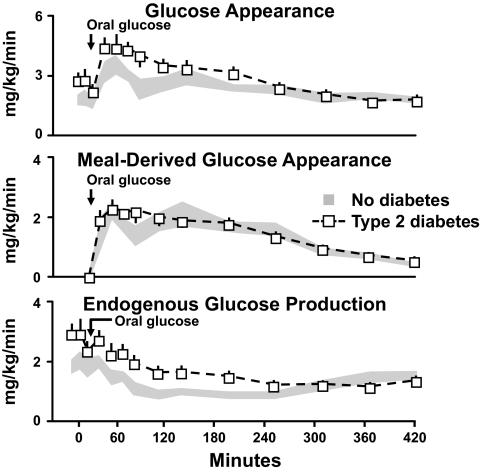
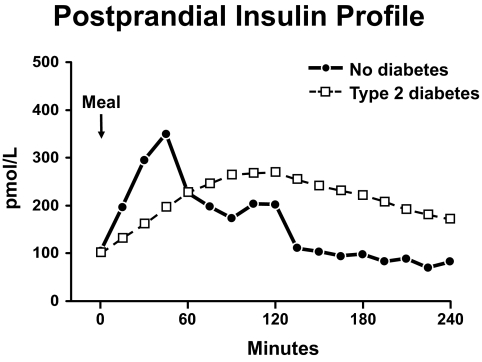
“The excess amount of glucose released due to slower suppression of endogenous glucose production entirely accounted for the higher postprandial rates of glucose appearance (10).”
BackgroundMethodResultSelf-citationCarbohydrate Metabolism in Non-Insulin-Dependent Diabetes Mellitus
Dinneen, S., Gerich, J., & Rizza, R. (1992) · New England Journal of Medicine · doi:10.1056/nejm199209033271007 · Cited by 279 · cited 2×
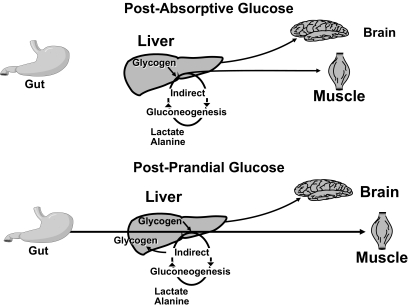
“Simplified portrayal of glucose metabolism in the postabsorptive (upper panel) and postprandial (lower panel) states (9).”
BackgroundSelf-citationMechanism by which glucose and insulin inhibit net hepatic glycogenolysis in humans.
Petersen, K. F., Laurent, D., Rothman, D. L., Cline, G. W., & Shulman, G. I. (1998) · Journal of Clinical Investigation · doi:10.1172/jci579 · Cited by 237 · cited 1×
“However, hyperglycemia is known to be a potent suppressor of glycogenolysis (33).”
Background
Cited by
Items 301–367 of 367
Wang, H. B., Chen, Y., Zhang, K., Lu, J., Zhao, X., & Zhang, Y. (2026) · Industrial Crops and Products · doi:10.1016/j.indcrop.2026.123698 · Cited by 1
Dietary bioactive compounds targeting insulin resistance: mechanisms and preventive potential
Aiello, V., Lombardo, M., Aiello, G., Tripodi, G., Castelli, C., Matarese, G., Tamburro, M., Ripabelli, G., Baldelli, S., & Castelli, S. (2026) · Frontiers in Nutrition · doi:10.3389/fnut.2026.1918360 · Cited by 2
“Under physiological conditions, the liver maintains blood glucose levels during fasting through glycogenolysis and gluconeogenesis (32).”
Goda, M., Akahoshi, F., Ishii, S., Terata, R., & Hayashi, Y. (2013) · Folia Pharmacologica Japonica · doi:10.1254/fpj.142.134 · Cited by 1
PANCREATIC ALPHA CELL DYSFUNCTION IN DIABETES MELLITUS AND ITS MANAGEMENT STRATEGIES
Pradhan, B., & Majhi, C. (2017) · Journal of Evidence Based Medicine and Healthcare · doi:10.18410/jebmh/2017/551 · Cited by 2
Therapeutic Role of the Liver X Receptor in Modulation of Metabolic Diseases and Future Scenarios
Rana, R. K., & Bais, S. (2022) · Free Radicals and Antioxidants · doi:10.5530/fra.2022.1.1 · Cited by 1
Complex metabolic–endocrine syndromes: associations with cardiovascular disease
Krentz, A. J. (2023) · Elsevier eBooks · doi:10.1016/b978-0-323-99991-5.00010-3 · Cited by 2
Sumarlin, L. O., Suprayogi, A., Rahminiwati, M., Satyaningtijas, A. S., Hajar, H., & Wulandari, M. (2023) · al-Kimiya · doi:10.15575/ak.v10i1.23406 · Cited by 2
Kord‐Varkaneh, H., Salehi‐Sahlabadi, A., Mousavi, S. M., Fatahi, S., Ghaedi, E., Nazari, A., Seyfishahpar, M., & Rahmani, J. (2019) · Nutrition & Food Science · doi:10.1108/nfs-04-2019-0116 · Cited by 1
Toward a Mechanistic Understanding of Hepatic Insulin Action and Resistance
Cook, J. R. (2014) · doi:10.7916/d8j38r4z · Cited by 1
Arterial Stiffness in Type 2 Diabetes Patients in Ghana
Yeboah, K. (2013) · Cited by 1
Functional analysis of hepatic FOXO3 signalling in glucose and lipid metabolism
Gul, S. (2014) · OPen Access Repositorium der Universität Ulm (OPARU) (Ulm University) · doi:10.18725/oparu-3289 · Cited by 2
Determining the Effect of Small Doses of Fructose and its Epimers on Glycemic Control
Noronha, J. C. (2017) · TSpace (University of Toronto) · Cited by 1
A liver-specific mitochondrial carrier that controls gluconeogenesis and energy expenditurePreprint
Yook, J.-S., Taxin, Z. H., Yuan, B., Oikawa, S., Auger, C., Mutlu, B., Puigserver, P., Hui, S. T., & Kajimura, S. (2022) · bioRxiv (Cold Spring Harbor Laboratory) · doi:10.1101/2022.12.06.519308 · Cited by 1
“First, excess hepatic gluconeogenesis is commonly seen in human hyperglycemia and Type 2 diabetes (4-6).”
BackgroundNutritional Management of Hepatobiliary Diseases
Marks, S. L., & Kathrani, A. (2023) · Wiley eBooks · doi:10.1002/9781119375241.ch13 · Cited by 4
Paolo, G., Bartoli, E., & Schianca, G. P. C. (2011) · InTech eBooks · doi:10.5772/20891
“Furthermore, beside the evidence that FPG cannot be equated to 2hPG (Carnevale Schianca et al., 2003; Rizza, 2010), it has been demonstrated that 2hPG more efficiently predicts the risk of heart disease than FPG (DECODE Study Group, 1998).”
Starting Insulin Treatment in Type 2 Diabetes
Vähätalo, M. (2015) · UTUPub (University of Turku) · Cited by 1
Disruption of Circadian Rhythms and Development of Type 2 Diabetes Mellitus
Matveyenko, A. V. (2015) · Wiley eBooks · doi:10.1002/9781118467831.ch11
HDACs confer glucagon responsiveness to FoxO for gluconeogenesis in the liver
Matsumoto, M. (2011) · Diabetology International · doi:10.1007/s13340-011-0042-y
Imaging of pancreatic β-cell mass by PET
Cline, G. W. (2012) · Diabetes Management · doi:10.2217/dmt.12.8
SERUM IMMUNOGLOBULIN LEVELS IN TYPE 2 DIABETIC PATIENTS IN KORLE-BU TEACHING HOSPITAL, GHANA
Botchey, C. P. K. (2014) · Cited by 1
The role of ER stress in lipogenesis and insulin resistance in response to over nutrition
Sun, R. (2016) · RMIT Research Repository (RMIT University Library) · doi:10.25439/rmt.27581124
Heden, T. D. (2014) · MOspace Institutional Repository (University of Missouri) · doi:10.32469/10355/44469 · Cited by 1
Role of the carotid body in metabolic disturbances
Ribeiro, M. J. (2016) · Portuguese National Funding Agency for Science, Research and Technology (RCAAP Project by FCT)
Immune cell phenotype and function : impact of type 2 diabetes, obesity, and exercise
Barry, J. (2018) · cIRcle (University of British Columbia) · doi:10.14288/1.0362080
“In the postprandial state, insulin is released to suppress hepatic glucose output; however, in T2D, there is resistance to the suppressive effects of insulin on hepatic glucose output [48].”
BackgroundPlasma Kisspeptin Levels In Type 2 Diabetic Males At The Korle-Bu Teaching Hospital
Kwao‐Zigah, G. (2017)
Effects of Resistance Exercise on Postprandial Metabolism in Obese Men with Prediabetes
Bittel, A. J. (2018) · Digital Commons@Becker (Washington University School of Medicine) · doi:10.7936/tdvz-6g03 · Cited by 1
Bi, Y. (2018) · D-Scholarship@Pitt (University of Pittsburgh)
The effects of short-term low-carbohydrate and ketogenic interventions on cardiometabolic health
Myette‐Côté, É. (2019) · cIRcle (University of British Columbia) · doi:10.14288/1.0378478
“While muscle IR is mostly associated with postprandial hyperglycemia, hepatic IR contributes to elevated glucose in both the fasting and postprandial state [81].”
BackgroundVitamin D in insulin sensitivity and obesity: Fact or fiction?
Pramono, A. (2020) · Research Publications (Maastricht University) · doi:10.26481/dis.20200828ap · Cited by 2
“NFκB/MAPK mediated mechanisms have been described to explain the possible anti-inflammatory action of the VDR-ligands in murine adipocytes,(54, 55) as well as human preadipocytes (56).”
BackgroundWean, J. (2021) · UKnowledge (University of Kentucky) · doi:10.13023/etd.2021.383
Lucius, K. (2021) · Alternative and Complementary Therapies · doi:10.1089/act.2021.29319.klu
Faculty Opinions recommendation of Regulation of hepatic glucose metabolism in health and disease.
Aguilar-Salinas, C. A. (2019) · Faculty Opinions – Post-Publication Peer Review of the Biomedical Literature · doi:10.3410/f.727825142.793558322
Islet Inflammation and Metabolic Homeostasis
Collier, J. J., & Burke, S. J. (2021) · MDPI eBooks · doi:10.3390/books978-3-0365-0927-3
Correlation of Prediabetes and Metabolic Syndrome in Rural Population of Dinanath
Gulzar, A., Rashid, N., Siddiqi, M. F., Arif, Z., Ali, R., & Uddin, M. A. (2022) · Pakistan Journal of Medical and Health Sciences · doi:10.53350/pjmhs22166232
Ileal Interposition with Sleeve Gastrectomy for Type 2 Diabetes Mellitus and Metabolic Syndrome
DePaula, A. L., Ugale, S. M., Branco, A., Dutra, C. C. L. P., Ugale, A., Ugale, A., & Çelik, A. (2022) · Springer eBooks · doi:10.1007/978-3-030-54064-7_58-1 · Cited by 1
Makena, W., Hambolu, J. O., Umana, U. E., Iliya, A. I., Timbuak, J. A., & Bazabang, S. A. (2022) · Mediterranean Journal of Nutrition and Metabolism · doi:10.3233/mnm-220035
Bakhtiyari, A., Bakhtiari, S., Peymani, M., Haghani, K., & Norozi, S. (2022) · journal of ilam university of medical sciences · doi:10.52547/sjimu.30.2.97
Wu, W. B., Gao, F., Tang, Y. H., Wang, H. Z., Dong, H., Lu, F., & Yuan, F. (2023) · Research Square · doi:10.21203/rs.3.rs-2516174/v1
Cywes, R., Kajee, H., Wellington, N., Cucuzzella, M. T., Riley, K., Isaacs, D. M., Pataguana, N., Lake, I., Rauch, L., McKelvey, S., et al. (2023) · Elsevier eBooks · doi:10.1016/b978-0-12-821617-0.00010-3
POTENTIAL EFFECTS OF KETOGENIC DIETS, A NARRATIVE REVIEW
Stoizik, J. A. M., Avena, M. V., Elías, M. L., HEREDIA, R., & Boarelli, P. V. (2023) · SOUTHERN JOURNAL OF SCIENCES · doi:10.48141/sjs.v31.n36.2023_mussi_stoizik_pgs_20_32.pdf
“…study found an association between low-carbohydrate diets and a lower risk of DM in women, as well as a significant decrease in postprandial glucose concentrations and HbA1c, which was also reported in studies by Dashti (2007), Gannon (2010), Rizza (2010), Hussain (2012), and Nuttall (2008).”
ResultNijssen, K. M. R. (2024) · Research Publications (Maastricht University) · doi:10.26481/dis.20240125kn
Syndromes of severe insulin resistance: lessons from nature
Krentz, A. J. (2023) · Elsevier eBooks · doi:10.1016/b978-0-323-91707-0.00005-x
Costa, L. D., Saint-Béat, C., Bron, C., Lang, A., Duchampt, A., Micoud, M., Evrard, F., Mithieux, G., & Gautier‐Stein, A. (2025) · bioRxiv (Cold Spring Harbor Laboratory) · doi:10.1101/2025.04.26.650768
“This mainly results from excessive gluconeogenesis 1–3 , which is inadequately suppressed by insulin in diabetic patients.”
Shao, Y., Hu, H., Li, Q., Cao, C., Liu, D., & Han, Y. Y. (2024) · Figshare · doi:10.6084/m9.figshare.25284813
Yang, J., Liu, J., & Liu, Z. (2025) · BMC Endocrine Disorders · doi:10.1186/s12902-025-02126-5
“FPG is indicative of hepatic insulin sensitivity and pancreatic insulin produc‑ tion [46].”
Yusof, B. N. M., Lau, Z. C., Osman, N. M. H., Abas, F., Wahab, N. A., Tauhid, N. M., Zukiman, W. Z. H. H. W., & Shyam, S. (2025) · Malaysian Journal of Medicine and Health Sciences · doi:10.47836/mjmhs.21.5.4
Balsak, B. Ö. T., Soylu, H., Güven, M., Pekkolay, Z., Fındık, F. M., & TUZCU, A. K. (2026) · Journal of Health Sciences and Medicine · doi:10.32322/jhsm.1850275
Étude du rôle de la production hépatique de glucose dans le développement du diabète et de l’obésité
Abdul-Wahed, A. (2012) · theses.fr (ABES) · doi:10.70675/61924053za287z4f04zb650zc51c1916ee64
Rouquet, T. (2015) · theses.fr (ABES) · doi:10.70675/680971a6z149ez4296z9c76z5ee9dfd53ce5
Homéostasie des céramides et hépatopathies métaboliques
Régnier, M. (2018) · theses.fr (ABES) · doi:10.70675/2fb92711z373cz4b27z8082z7aa3f8930e63 · Cited by 1
Influence du sexe dans la susceptibilité aux hépatopathies métaboliques
Smati, S. (2019) · theses.fr (ABES) · doi:10.70675/01997f55za990z41e6z96baz8221de2a6281
The Impact of Viral Hepatitis B on Insulin Resistance in Iraqi Patients
Hasan, H. S., & Gaidan, A. M. (2026) · Medical Journal of Babylon · doi:10.4103/mjbl.mjbl_1018_23
Wang, Y., Song, D., Wu, T., & Othman, E. M. (2026) · International Journal of Molecular Sciences · doi:10.3390/ijms27114734 · Cited by 1
“Variability in intestinal glucose absorption [154], differences in gastrointestinal motility—including delayed gastric emptying [39]—and the presence of insulin resistance [155] all contribute to inter-individual variability in postprandial glucose responses.”
Liu, Y., Zhao, M., & Qian, B. (2026) · Frontiers in Endocrinology · doi:10.3389/fendo.2026.1835096
“Elevated fasting blood glucose stimulates hepatic glucose output, creating a vicious cycle of hyperglycemia (63).”
Wang, G. (2026) · Advances in Differential Equations and Control Processes · doi:10.59400/adecp4390
“In the natural history of the disease, slight elevation of fasting blood glucose often precedes obvious postprandial blood glucose abnormalities (although the two often overlap) [29].”
Thembane, N., Sithole, S. P., Hlatshwayo, S., Ngubane, P. S., Ngcobo, M., & Gqaleni, N. (2026) · Nutrients · doi:10.3390/nu18172920
“The cytoprotective synergy may be particularly relevant for T2DM patients with NAFLD, who represent a substantial proportion of the diabetic population and may have heightened susceptibility to hepatocellular stress [7,8], though this requires in vivo validation.”
The Beneficial Effects of Quercetin on Diabetic Complications: A Review
Zhu, X. (2026) · BIO Web of Conferences · doi:10.1051/bioconf/202625401002
“As a metabolic disorder syndrome, diabetes mellitus stems from either inadequate insulin release, compromised insulin responsiveness, or both[11].”
BindingDB (2014) · UC San Diego · doi:10.7270/q2xp76bh
The role of ARNT in liver and myeloid cell function
Scott, C. H. (2013) · The Sydney eScholarship Repository (The University of Sydney)
Investigations into the integrated metabolism of glucocorticoids and glucose in skeletal muscle
Zielinska, A. E. (2015) · University of Birmingham Institutional Research Archive (University of Birmingham)
Metadata
- Authors
- Rizza, R. A.
- Affiliations
- Mayo Clinic (US)
- Corresponding author
- Rizza, Robert A.
- Venue
- Diabetes
- Publisher
- American Diabetes Association
- Published
- 2010-08-12
- Volume
- 59
- Issue
- 11
- Pages
- 2697-2707
- ISSN
- 0012-1797 (ISSN-L)
- 1939-327X
- PMC
- PMC2963523
- OpenAlex
- W2112941360
- Cited by
- 367
- References
- 39
- Citations by year
- 2026: 13 · 2025: 18 · 2024: 21 · 2023: 31 · 2022: 34 · 2021: 28 · 2020: 20 · 2019: 25 · 2018: 31 · 2017: 31 · 2016: 22 · 2015: 18 · 2014: 24 · 2013: 19 · 2012: 16
- FWCI
- 17.19
- Type
- journal article
- Language
- en
- Open access
- hybrid
- doi.org
- Licence
- Locations
- Diabetes (publishedVersion, cc-by-nc-nd)
- PubMed Central (publishedVersion, cc-by-nc-nd)
- PubMed (publishedVersion)
- Funders
- American Diabetes Association
- Mayo Clinic (UL1 RR024150, RR024150)
- National Institute of Diabetes and Digestive and Kidney Diseases (R01DK029953, DK 29953, R37DK029953)
- National Center for Research Resources (UL1RR024150)
- Topics
- Health Sciences › Medicine › Endocrinology, Diabetes and Metabolism › Pancreatic function and diabetes
- Health Sciences › Medicine › Endocrinology, Diabetes and Metabolism › Diabetes Treatment and Management
- Health Sciences › Medicine › Endocrinology, Diabetes and Metabolism › Diabetes Management and Research
- Keywords
- type 2 diabetes, fasting hyperglycemia, postprandial hyperglycemia, endogenous glucose production, hepatic insulin resistance, gluconeogenesis, glycogenolysis, hepatic glucokinase, hepatic glucose uptake, hepatic glycogen synthesis, glucagon suppression, insulin resistance, personalized treatment
- MeSH terms
- Blood Glucose, Diabetes Mellitus, Type 2, Fasting, Glucagon, Gluconeogenesis, Glucose, Glycosuria, Humans, Hyperglycemia, Insulin Resistance, Intestinal Absorption, Liver, Reference Values, Uridine Diphosphate Glucose, Postprandial Period
About these checks
Registry, retraction, Cites and statistics results are computed, not judged, with one exception: a printed reference that no index lists is read once by a model before it counts as a citation error. Claims are extracted by a model and kept only when their quote appears verbatim in the text; each cited source is then checked, with a model’s help, for whether it says what the claim relies on. Those verdicts can be wrong — read the claim’s quote and the cited source before relying on one.
Statistics and arithmetic are recomputed, not judged.
Confidence bands are shown only for fields calibrated on our annotated test set. None is calibrated yet, so no band is shown.
What counts as a claim ›How we measure confidence ›How we check this ›
Are you an author, or do you see a problem with this page? Request a review
Data sources
Bibliographic data: Semantic Scholar, OpenAlex, Crossref.
Contains information from the Semantic Scholar Academic Graph Datasets, made available under the ODC Attribution License (ODC-BY 1.0).
Semantic Scholar’s data is described in: Kinney, R., et al. (2023). The Semantic Scholar Open Data Platform. arXiv:2301.10140.
