

Pathogenesis of fasting and postprandial hyperglycemia in type 2 diabetes: implications for therapy.
Open accessThe DOI matches its Crossref record; 39 of the 39 references it cites were found in a registry or an index.
Abstract
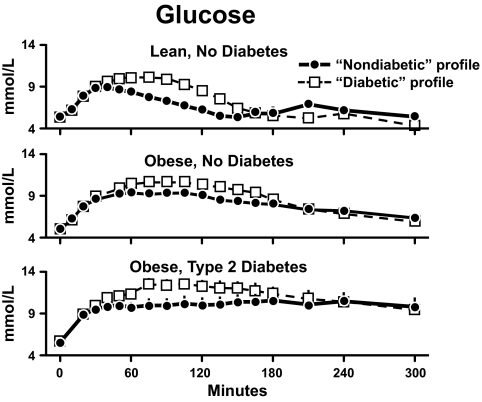
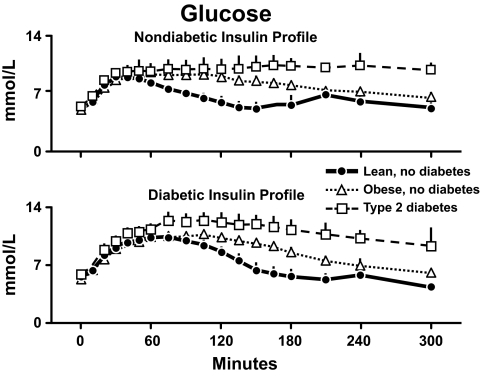
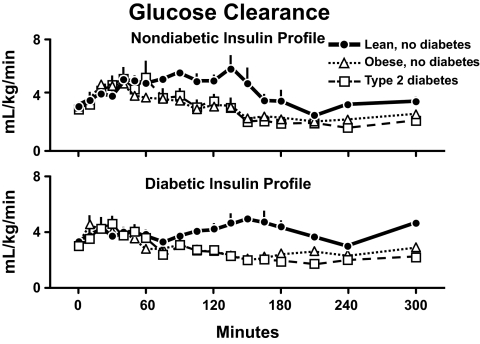
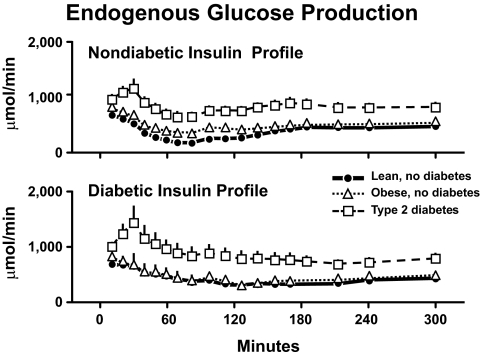
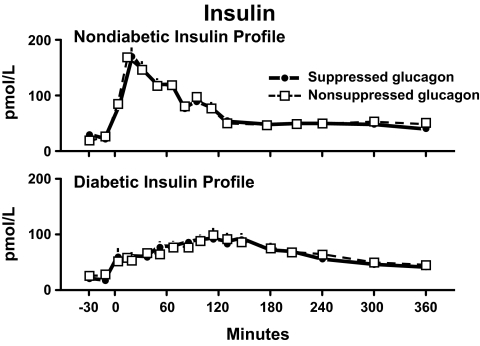
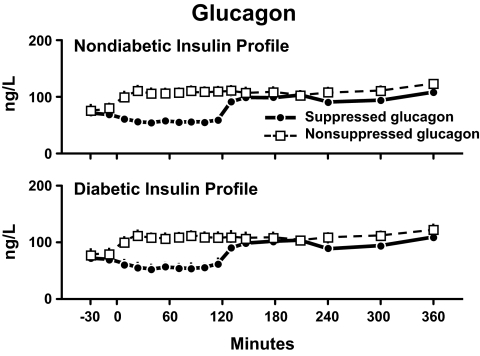
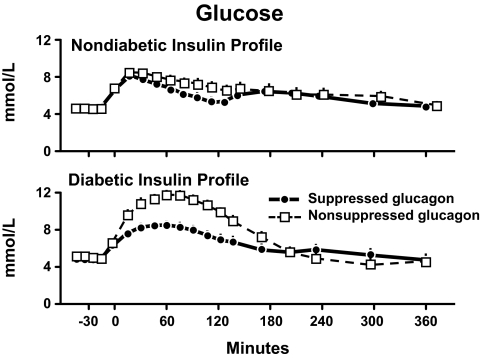
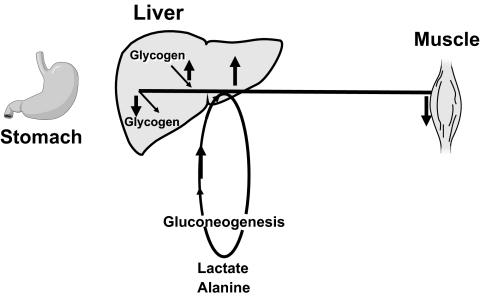
The objective of this research is to gain a greater understanding of the cause of fasting and postprandial hyperglycemia in people with type 2 diabetes. Endogenous glucose production is excessive before eating and fails to appropriately suppress after eating in people with type 2 diabetes. This is due in part to impaired insulin-induced suppression of endogenous glucose production, which is observed early in the evolution of type 2 diabetes. Increased rates of gluconeogenesis and perhaps glycogenolysis contribute to hepatic insulin resistance. Insulin-induced stimulation of hepatic glucose uptake and hepatic glycogen synthesis are reduced in people with type 2 diabetes primarily due to decreased uptake of extracellular glucose presumably because of inadequate activation of hepatic glucokinase. Delayed insulin secretion results in higher peak glucose concentrations particularly when suppression of glucagon is impaired, whereas insulin resistance prolongs the duration of hyperglycemia, which can be marked when both hepatic and extra-hepatic insulin resistance are present. The premise of these studies, as well as those performed by many other investigators, is that an understanding of the pathogenesis of type 2 diabetes will enable the development of targeted therapies that are directed toward correcting specific metabolic defects in a given individual. I, as well as many other investigators, believe that such therapies are likely to be more effective and to have a lower risk than would occur if everyone were treated the same regardless of the underlying cause of their hyperglycemia. While we do not yet have sufficient knowledge to truly individualize therapy, in my opinion this approach will be the norm in the not too distant future.
Overview
The claims and statistics of this paper haven’t been checked yet.
Free: it reads the open-access text and checks the first 5 claims that cite a source we can check. Create a free account to check every claim.
Integrity signals
Registry
Cites
Statistics
Figures
Verification
Claims the paper makes
The claims and statistics of this paper haven’t been checked yet.
Free: it reads the open-access text and checks the first 5 claims that cite a source we can check. Create a free account to check every claim.
Claims other papers make about this one
Each is checked against this paper’s own text: does it say what the citing paper says it does?
The cited source says what the claim attributes to it.
In the citing paper
“The set point above the normal glucose concentration of around 5–5.5 mM [1], [28] is in line with the role of the liver as glucose producer under normoglycemic conditions [1], [29].”
From Quantifying the Contribution of the Liver to Glucose Homeostasis: A Detailed Kinetic Model of Human Hepatic Glucose Metabolism (2012) · cites this paper as [29]
Self-check
Percentages, sums and reported differences re-computed from the paper’s own numbers.
The self-check needs the paper’s full text.
Citations
Cites
Magnusson, I., Rothman, D. L., Katz, L. D., Shulman, R. G., & Shulman, G. I. (1992) · Journal of Clinical Investigation · doi:10.1172/jci115997 · Cited by 757 · cited 1×
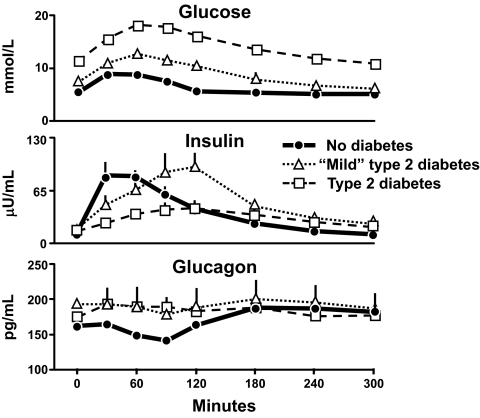
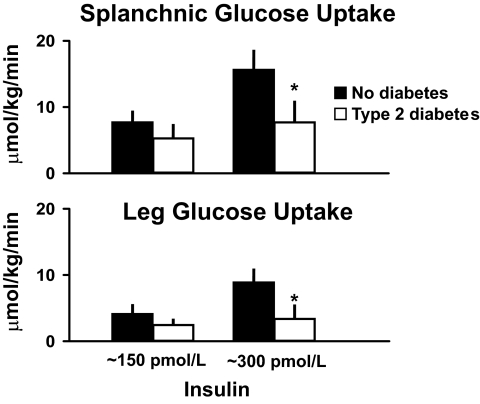
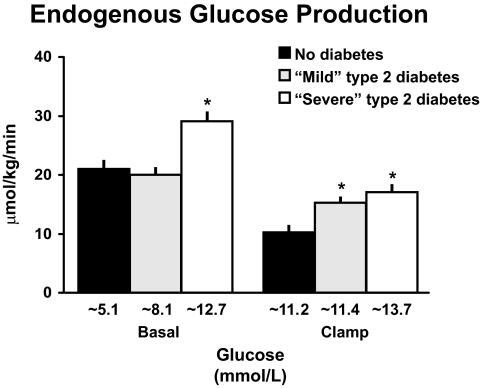
“Consistent with previous studies (23,25), the data on the left side of Fig.”
ResultAbnormal Alpha-Cell Function in Diabetes: Response to Carbohydrate and Protein Ingestion
Müller, W. A., Faloona, G. R., Aguilar-Parada, E., & Unger, R. H. (1970) · New England Journal of Medicine · doi:10.1056/nejm197007162830301 · Cited by 626
β-cells in type II diabetes mellitus
Porte, D. (1991) · Diabetes · doi:10.2337/diab.40.2.166 · Cited by 585
Regulation of Splanchnic and Peripheral Glucose Uptake by Insulin and Hyperglycemia in Man
DeFronzo, R. A., Ferrannini, E., Hendler, R., Felig, P., & Wahren, J. (1983) · Diabetes · doi:10.2337/diab.32.1.35 · Cited by 509 · cited 1×
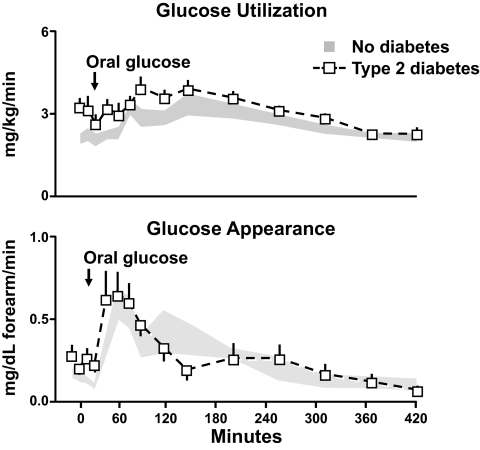
“However, since the glucose concentrations were markedly elevated in the people with the diabetes and since hyperglycemia stimulates hepatic glucose uptake (11-14), these data should not be interpreted as indicating postprandial hepatic glucose uptake is normal in type 2 diabetes.”
BackgroundContributions of gluconeogenesis to glucose production in the fasted state
Landau, B. R., Wahren, J., Chandramouli, V, Schumann, W. C., Ekberg, K., & Kalhan, S. C. (1996) · Journal of Clinical Investigation · doi:10.1172/jci118803 · Cited by 487 · cited 1×
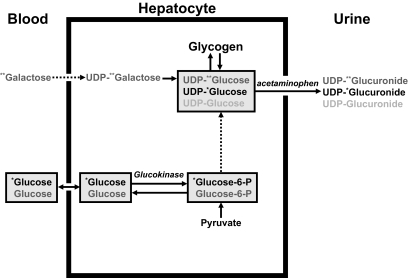
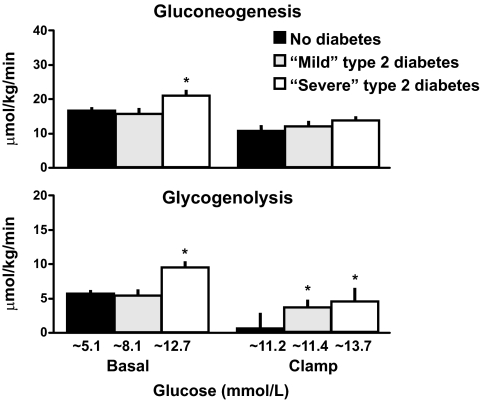
“This method is based on the fact that following the ingestion of deuterated water, the fifth carbon of glucose is labeled with deuterium during gluconeogenesis, whereas the second carbon of glucose is labeled with deuterium during both the gluconeogenesis and glycogenolysis (30).”
MethodBogardus, C., Lillioja, S., Howard, B. V., Reaven, G., & Mott, D. (1984) · Journal of Clinical Investigation · doi:10.1172/jci111533 · Cited by 397 · cited 2×
“Consistent with previous studies (22-26) and those discussed above (1;”
BackgroundResultPerley, M., & Kipnis, D. M. (1966) · Diabetes · doi:10.2337/diab.15.12.867 · Cited by 330
Firth, R. G., Bell, P. M., Marsh, H. M., Hansen, I., & Rizza, R. A. (1986) · Journal of Clinical Investigation · doi:10.1172/jci112467 · Cited by 280 · cited 7×
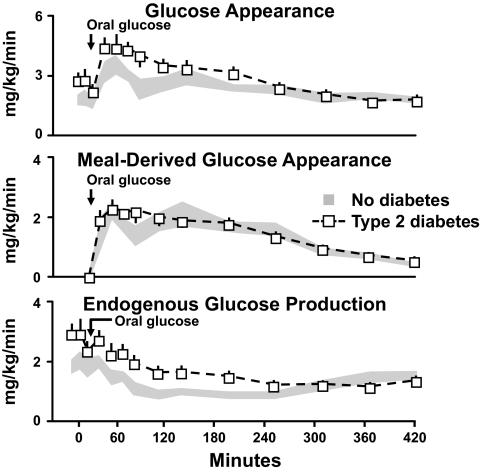
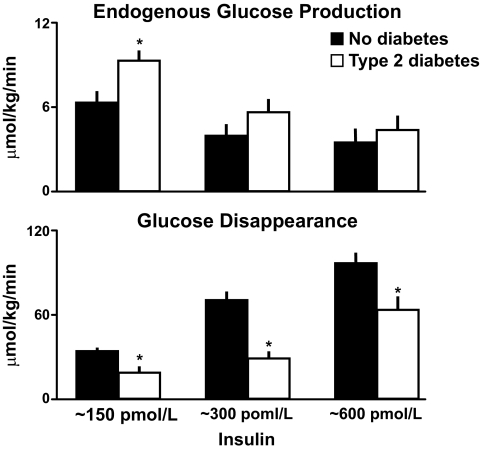
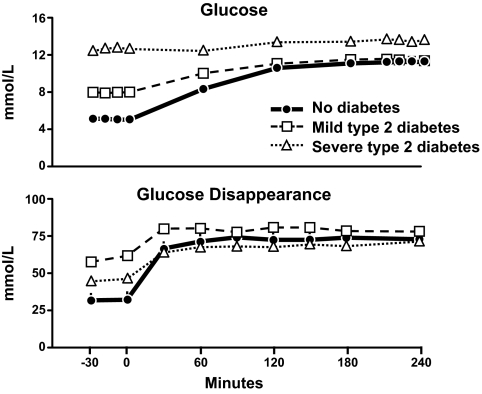
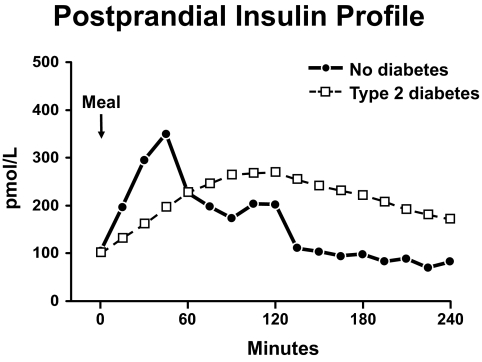
“The excess amount of glucose released due to slower suppression of endogenous glucose production entirely accounted for the higher postprandial rates of glucose appearance (10).”
BackgroundMethodResultSelf-citationCarbohydrate Metabolism in Non-Insulin-Dependent Diabetes Mellitus
Dinneen, S., Gerich, J., & Rizza, R. (1992) · New England Journal of Medicine · doi:10.1056/nejm199209033271007 · Cited by 279 · cited 2×
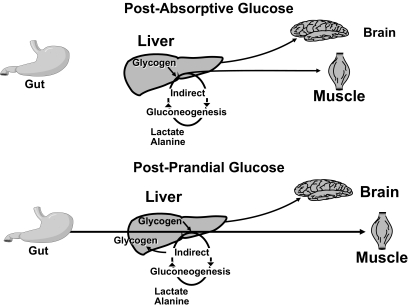
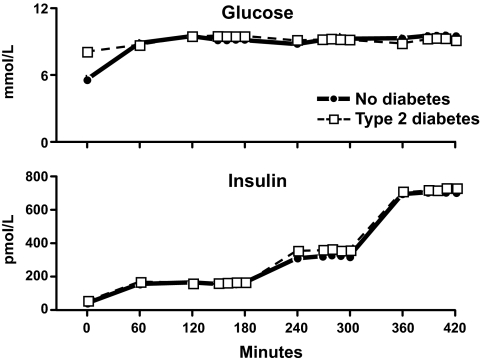
“Simplified portrayal of glucose metabolism in the postabsorptive (upper panel) and postprandial (lower panel) states (9).”
BackgroundSelf-citationMechanism by which glucose and insulin inhibit net hepatic glycogenolysis in humans.
Petersen, K. F., Laurent, D., Rothman, D. L., Cline, G. W., & Shulman, G. I. (1998) · Journal of Clinical Investigation · doi:10.1172/jci579 · Cited by 237 · cited 1×
“However, hyperglycemia is known to be a potent suppressor of glycogenolysis (33).”
Background
Cited by
Items 201–300 of 367
Sandoval, V., Sanz‐Lamora, H., Marrero, P. F., Relat, J., & Haro, D. (2021) · Antioxidants · doi:10.3390/antiox10050637 · Cited by 13
Huang, S., Xie, W., Ye, Y., Liu, J., Qu, H., Shen, Y., Xu, T., Zhao, Z.-H., Shi, Y., Shen, J., et al. (2022) · Acta Pharmacologica Sinica · doi:10.1038/s41401-022-00985-5 · Cited by 14
“Moreover, insulin resistance caused an inability of insulin to appropriately stimulate glycogen synthesis and suppress gluconeogenesis [20].”
BackgroundCao, C., Hu, H., Xiao, P., Zan, Y., Chang, X., Han, Y. Y., Zhang, X., & Wang, Y. (2024) · Frontiers in Endocrinology · doi:10.3389/fendo.2024.1416634 · Cited by 12
“…adjusting for gender, age, SBP, DBP, family history of diabetes, drinking status, smoking status, BMI, HDL-C, LDL-C, AST, ALT, Scr, and BUN. and the pancreatic secretion of insulin, with elevated FPG levels correlating with a heightened diabetes risk even in individuals with normoglycemia (44, 45).”
BackgroundUses of Papaya Leaf and Seaweed Supplementations for Controlling Glucose Homeostasis in Diabetes
Nyakundi, B. B., & Yang, J. (2023) · International Journal of Molecular Sciences · doi:10.3390/ijms24076846 · Cited by 22
Catalogna, M., Fishman, S., Halpern, Z., Ben‐Shlomo, S., Nevo, U., & Ben‐Jacob, E. (2016) · Metabolism · doi:10.1016/j.metabol.2016.03.004 · Cited by 14
Rodrigo, N., Randall, D., Al-Hial, F. A., Pak, K. L. M., Kim, A. J., & Glastras, S. J. (2023) · Nutrients · doi:10.3390/nu15051226 · Cited by 13
“Furthermore, women with both fasting and post-prandial hyperglycaemia are likely to have multiple pathways of metabolic dysregulation at play, thereby making pharmacotherapy highly likely to aid the control of hyperglycaemia in this group of women with GDM [17,18].”
BackgroundKoopen, A. M., de Clercq, N. C., Warmbrunn, M. V., Herrema, H., Davids, M., de Groot, P. F., Kootte, R. S., Bouter, K. E. C., Nieuwdorp, M., Groen, A. K., et al. (2020) · Nutrients · doi:10.3390/nu12082308 · Cited by 13
“However, insulin resistance in MetSyn and DM2 is characterized by elevated basal endogenous glucose production (EGP), impaired suppression of endogenous glucose production (EGPsupp, a surrogate marker for hepatic IS), and reduced peripheral insulin-stimulated glucose uptake [16].”
BackgroundLefferts, W. K., Davis, M. M., & Valentine, R. J. (2022) · Frontiers in Physiology · doi:10.3389/fphys.2022.866792 · Cited by 15
“, 2006), driven in part by insulin resistance, exaggerated hepatic glucose production, and increasing cortisol levels (Satrústegui et al., 1986; Magnusson et al., 1992; Ko et al., 2006; Rizza, 2010).”
BackgroundWu, W., Xia, Q., Guo, Y., Wang, H., Dong, H., Lu, F., & Yuan, F. (2023) · Frontiers in Pharmacology · doi:10.3389/fphar.2023.1228722 · Cited by 16
“T2DM is due to insulin resistance and β cell dysfunction, gradually leading to uncontrollable hyperglycemia (Rizza, 2010).”
BackgroundYu, X., Tao, J., Wu, Y., Chen, Y., Li, P., Yang, F., Tang, M., Sammad, A., Yu, T., Xu, Y., et al. (2024) · Diabetes & Metabolism Journal · doi:10.4093/dmj.2023.0124 · Cited by 12
Nagpal, S. J. S., Kandlakunta, H., Her, T. K., Sharma, A., Sannapaneni, S. K., Smyrk, T. C., Velamala, P. R., Garg, S. K., Rakshit, K., Majumder, S., et al. (2020) · Pancreatology · doi:10.1016/j.pan.2020.05.010 · Cited by 12
Islet Health, Hormone Secretion, and Insulin Responsivity with Low-Carbohydrate Feeding in Diabetes
Locatelli, C. A. A., & Mulvihill, E. E. (2020) · Metabolites · doi:10.3390/metabo10110455 · Cited by 12
“Additionally, hepatic insulin resistance also contributes to hyperglycemia by failing to suppress glucose production [14,15].”
BackgroundWu, F., Lu, F., Dong, H., Hu, M., Xu, L., & Wang, D. (2024) · Phytotherapy Research · doi:10.1002/ptr.8381 · Cited by 12
Mohan, S., & Raghu, K. G. (2021) · Journal of Biochemical and Molecular Toxicology · doi:10.1002/jbt.22750 · Cited by 14
Liu, M., Chen, M., An, L., Ma, S., Mei, J., Huang, W., & Zhang, W. (2022) · Life Sciences · doi:10.1016/j.lfs.2022.120929 · Cited by 11
Prediabetes linked to excess glucagon in transgenic mice with pancreatic active AKT1
Albury-Warren, T. M., Pandey, V., Spinel, L., Masternak, M. M., & Altomare, D. A. (2015) · Journal of Endocrinology · doi:10.1530/joe-15-0288 · Cited by 12
“The mechanisms behind hyperglucagonemia are still relatively unclear, but it has been shown to result from the inadequate response of a-cells to elevated blood glucose levels (Rizza 2010).”
BackgroundSeo, D. S., Chau, G. C., Baek, K., & Um, S. H. (2018) · Molecular Metabolism · doi:10.1016/j.molmet.2018.12.002 · Cited by 11
“Notably, elevated glucose production in the liver is one of the major determinants of increased fasting plasma glucose levels in patients with type 2 diabetes [27,41].”
BackgroundRole of hepatic PKCβ in nutritional regulation of hepatic glycogen synthesis
Shu, Y., Hassan, F., Ostrowski, M. C., & Mehta, K. D. (2021) · JCI Insight · doi:10.1172/jci.insight.149023 · Cited by 13
A caveolin-1 dependent glucose-6-phosphatase trafficking contributes to hepatic glucose production
Gautier‐Stein, A., Chilloux, J., Soty, M., Thorens, B., Place, C., Zitoun, C., Duchampt, A., Costa, L. D., Rajas, F., Lamaze, C., et al. (2023) · Molecular Metabolism · doi:10.1016/j.molmet.2023.101700 · Cited by 10
Chen, Y., Zhao, Y., Wang, Y., Nazary-Vannani, A., Clark, C. C. T., Macit, M. S., Khani, V., & Zhang, Y. (2020) · Phytotherapy Research · doi:10.1002/ptr.6667 · Cited by 10
“…inextricably linked with chronic disease onset in patients with prediabetes or diabetes (Rizza, 2010; Standl et al., 2011), and as such, reducing or managing blood glucose concentrations represents an overarching aim in the amelioration and management of chronic metabolic disorders (Rizza, 2010).”
BackgroundInfluentialVelden, J. W. V., & Osborne, D. M. (2021) · Nutrients · doi:10.3390/nu13041201 · Cited by 9
Siqueira, J. T., dos Santos, E. B., Pereira, M. P., da Silva, V. C., de Sousa, P. T., Andrade, C. M. B., Kawashita, N. H., Bertolini, G. L., & Baviera, A. M. (2016) · Pharmaceutical Biology · doi:10.3109/13880209.2015.1120321 · Cited by 9
“05 versus DC (ANOVA followed by Newman–Keuls). glucocorticoids contributes to the increased expression of gluconeogenic enzymes and the high rate of glucose production and disposal (Jacobson et al. 2005; Rizza 2010).”
Beddow, S. A., Gattu, A. K., Vatner, D. F., Paolella, L. M., Alqarzaee, A. A., Tashkandi, N., Popov, V., CHURCH, C. D., Rodeheffer, M. S., Cline, G. W., et al. (2018) · Endocrinology · doi:10.1210/en.2018-00630 · Cited by 9
Zabielski, P., Imierska, M., Roszczyc-Owsiejczuk, K., Kuźmicki, M., Rogalski, P., Daniluk, J., & Błachnio-Zabielska, A. U. (2024) · Nutrients · doi:10.3390/nu16071003 · Cited by 9
“An increase in hepatic glucose output is a feature of T2D that is commonly attributed to gluconeogenesis rather than glycogenolysis [45,46].”
BackgroundYacoub, T. G. (2017) · Postgraduate Medicine · doi:10.1080/00325481.2017.1389601 · Cited by 7
“suppressing hepatic glucose output and PPG levels [40,41].”
BackgroundSostre‐Colón, J., Gavin, M. J., Santoleri, D., & Titchenell, P. M. (2022) · Endocrinology · doi:10.1210/endocr/bqac035 · Cited by 7
Naftalin, R. J. (2016) · F1000Research · doi:10.12688/f1000research.8299.1 · Cited by 9
Kashyap, H., Gupta, S., & Bist, R. (2019) · Current Molecular Medicine · doi:10.2174/1566524019666190219124301 · Cited by 8
Lin, L., Xu, L., Dong, J.-Y., Song, L., Ye, X., Lin, J., & Miao, C. (2025) · Diabetes Research and Clinical Practice · doi:10.1016/j.diabres.2025.112901 · Cited by 8
He, D., Fan, Z., Zhang, X., Cao, C., Han, Y. Y., Hu, H., & Zheng, X. (2025) · Diabetology & Metabolic Syndrome · doi:10.1186/s13098-025-01989-x · Cited by 7
“FPG reflects hepatic insulin sensitivity and pancreatic insulin production [47], while triglycerides and ABSI have been validated as reliable markers for identifying IR in previous studies [48–50].”
In vitro skeletal muscle models for type 2 diabetes
Sheng, C. Y., Son, Y. H., Jang, J., & Park, S. (2022) · Biophysics Reviews · doi:10.1063/5.0096420 · Cited by 9
von Rauchhaupt, E., Rodemer, C., Kliemank, E., Bulkescher, R., Campos, M., Kopf, S., Fleming, T., Herzig, S., Nawroth, P. P., Szendroedi, J., et al. (2024) · Diabetes Care · doi:10.2337/dc24-0209 · Cited by 12
Bhosle, D. S. (2018) · Journal of Diabetes & Metabolism · doi:10.4172/2155-6156.1000806 · Cited by 7
“Low circulating vitamin D levels result in higher IR and β cell dysfunction relating VDD to DM [15,20].”
BackgroundCrocco, P., Dato, S., Montesanto, A., Bonfigli, A. R., Testa, R., Olivieri, F., Passarino, G., & Rose, G. (2022) · Nutrients · doi:10.3390/nu14214440 · Cited by 9
“Conversely, when plasma levels of glutamine are low it is released by SLC38A3 and taken up by α-cells inducing the release of glucagon and the increase of hepatic gluconeogenesis [32,33], a process substantially increased in patients with T2D [34].”
BackgroundChronic Antihyperglycemic Effect Exerted by Traditional Extracts of Three Mexican Medicinal Plants
Espinoza-Hernández, F. A., & Andrade‐Cetto, A. (2022) · Evidence-based Complementary and Alternative Medicine · doi:10.1155/2022/5970358 · Cited by 11
“Hence, it could be inferred that plant extracts may impact HbA1c by decreasing fasting hyperglycemia, in which the principal contributor is hepatic glucose production [39].”
BackgroundChen, X., Merovci, A., DeFronzo, R. A., & Tripathy, D. (2023) · Metabolism · doi:10.1016/j.metabol.2023.155512 · Cited by 9
Sanni, O., Nkomozepi, P., & Islam, M. S. (2023) · International Journal of Molecular Sciences · doi:10.3390/ijms25010028 · Cited by 13
“In diabetic subjects, hepatic glucose production is increased in the postabsorptive state and fails to be adequately regulated by insulin due to excessive gluconeogenesis [49].”
BackgroundZhang, E., Su, S., Gao, S., Zhang, Y., Liu, J., Xie, S., Yue, W., Liu, R., & Yin, C. (2023) · Annals of Medicine · doi:10.1080/07853890.2024.2302516 · Cited by 8
Coate, K. C., Ramnanan, C. J., Smith, M., Winnick, J. J., Kraft, G., Irimia-Dominguez, J., Farmer, B., Donahue, E. P., Roach, P. J., Cherrington, A. D., et al. (2024) · American Journal of Physiology-Endocrinology and Metabolism · doi:10.1152/ajpendo.00316.2023 · Cited by 7
“diabetes (4, 15, 46), examination of glucagon’s molecular regulation of metabolic flux in a large 62 animal model is needed.”
BackgroundGibson, B., Colberg, S. R., Poirier, P., Vancea, D. M. M., Jones, J., & Marcus, R. L. (2013) · Diabetology & Metabolic Syndrome · doi:10.1186/1758-5996-5-33 · Cited by 7
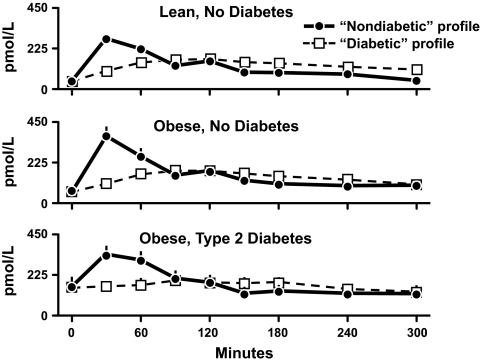
“The first component of this transformation was intended to model the variation in postprandial insulin levels [15].”
BackgroundBi, Y., Wang, Y., & Xie, W. (2019) · Liver Research · doi:10.1016/j.livres.2019.09.004 · Cited by 7
Song, K., Kong, X., Xian, Y., Yu, Z., He, M., Xiao, D., Liang, D., Zhang, Z., Liu, T., Huang, Z., et al. (2025) · Surgery for Obesity and Related Diseases · doi:10.1016/j.soard.2024.12.024 · Cited by 7
TRB 1 negatively regulates gluconeogenesis by suppressing the transcriptional activity of FOXO 1
Tsuzuki, K., Itoh, Y., Inoue, Y., & Hayashi, H. (2019) · FEBS Letters · doi:10.1002/1873-3468.13314 · Cited by 7
Adenosine A1 receptor is dispensable for hepatocyte glucose metabolism and insulin sensitivity
Jain, S., Barella, L. F., Wess, J., Reitman, M. L., & Jacobson, K. A. (2021) · Biochemical Pharmacology · doi:10.1016/j.bcp.2021.114739 · Cited by 8
Sun, Y. J., Zhao, L., Teng, D., Shi, X., Li, Y., Shan, Z., & Teng, W. (2021) · The Journal of Clinical Endocrinology & Metabolism · doi:10.1210/clinem/dgab831 · Cited by 6
Prayitno, A., Oetari, R. A., Shahiddin, I., Elmanda, A. Y., Septiarini, A. D., Hasriyani, H., Dharmayanti, L., Saristiana, Y., & Sari, Y. D. P. (2021) · Journal of Clinical and Experimental Investigations · doi:10.29333/jcei/9767 · Cited by 6
“Insulin is an insulin degradation enzyme and the presence of this enzyme can increase insulin availability in mice experiencing hyperglycemia [36].”
BackgroundOh, S.-H., Lee, M.-S., & Lee, B.-C. (2024) · Chemical and Pharmaceutical Bulletin · doi:10.1248/cpb.c24-00313 · Cited by 7
Kulebyakin, K. Y., Penkov, D., Blasi, F., Akopyan, Z. A., & Va, T. (2016) · Biochemical and Biophysical Research Communications · doi:10.1016/j.bbrc.2016.10.146 · Cited by 5
Nuttall, F. Q., Almokayyad, R. M., & Gannon, M. C. (2020) · Physiological Reports · doi:10.14814/phy2.14569 · Cited by 6
“However, subjects with T2DM nearly always have insulin resistance and an absent or impaired firstphase insulin response to glucose testing (Fonseca, 2009; Rizza, 2010).”
BackgroundBiochemicophysiological mechanisms underlying signs and symptoms associated with diabetes mellitus
Adinortey, M. B. (2017) · Cited by 5
SILVA, D. H. A. D., BARBOSA, H. M., SILVA, J. F. D., Moura, C. A., Gomes, D. A., Almeida, J. R. G. D. S., & Lira, E. C. (2021) · Anais da Academia Brasileira de Ciências · doi:10.1590/0001-3765202120210744 · Cited by 9
“Excessive HGP is the most important contributor to both fasting and postprandial hyperglycemia in DM (Rizza 2010).”
InfluentialLu, J., Wang, X., Liu, Y., Xiang, Q., & Huang, R. (2024) · Journal of Clinical & Translational Endocrinology · doi:10.1016/j.jcte.2024.100347 · Cited by 12
“In individuals without DM, the blood glucose level usually increases from approximately 5 mmol/L to 8 mmol/L after consuming 50 g of glucose powder, but then returns to the normal range within two hours due to the regulation of insulin and glucagon [15].”
BackgroundAbdelgawad, M. A., Musa, A., Mostafa, E. M., Shaker, M. E., Nayl, A. A., Selim, S., Ghoneim, M. M., Farouk, A., Elshemy, H. A. H., & El-Din, A. G. S. (2025) · Journal of Molecular Structure · doi:10.1016/j.molstruc.2025.142350 · Cited by 5
Schianca, G. P. C., Fra, G. P., Bigliocca, M., Mella, R., Rossi, L. C., & Bartoli, E. (2014) · Journal of Diabetes Investigation · doi:10.1111/jdi.12185 · Cited by 5
Defective insulin secretion by chronic glucagon receptor activation in glucose intolerant mice
Ahlkvist, L., Omar, B. A., Valeur, A., Fosgerau, K., & Åhrén, B. (2015) · Journal of Endocrinology · doi:10.1530/joe-15-0371 · Cited by 5
“Hyperglucagonemia is an important factor for type 2 diabetes which contributes to increased hepatic glucose production (Rizza 2010).”
Backgroundvan Stee, M. F., Krishnan, S., Groen, A. K., & de Graaf, A. A. (2019) · BMC Biomedical Engineering · doi:10.1186/s42490-019-0030-z · Cited by 5
Harper, R., Bashan, E., Williams, K. J., Sritharan, S. S., Willis, M., Marriott, D. J., & Hodish, I. (2022) · Diabetes Obesity and Metabolism · doi:10.1111/dom.14904 · Cited by 4
Pang, Z., Lu, B., Bai, Y., Du, Z., Chen, S., & Deligema, D. (2013) · Indian Journal of Pharmacology · doi:10.4103/0253-7613.121364 · Cited by 5
Fofie, Khatekaye, S., Nguelefack-mbuyo, Kamanyi, A., Kamble, B., Chauhan, N., Singh, V., & Nguelefack, T. (2018) · Diabetes Updates · doi:10.15761/du.1000114 · Cited by 5
Qian, J., Thomas, A. P., Schroeder, A., Rakshit, K., Colwell, C. S., & Matveyenko, A. V. (2017) · American Journal of Physiology-Endocrinology and Metabolism · doi:10.1152/ajpendo.00406.2016 · Cited by 4
HDAC1 deacetylates PGC-1α and its inhibition improves glucose homeostasis in diet-induced obese mice
Fainshtein, C. A., Maalumi, O., De-Leon, K.-E., Barkan-Michaeli, R., & Sharabi, K. (2025) · American Journal of Physiology-Endocrinology and Metabolism · doi:10.1152/ajpendo.00399.2024 · Cited by 4
Díaz‐Rizzolo, D. A., Yao, H., Santos‐Báez, L. S., Popp, C. J., Borhan, R., Sordi‐Guth, A., DeBonis, D., Manoogian, E. N. C., Panda, S., Cheng, B., et al. (2025) · Nutrients · doi:10.3390/nu17122026 · Cited by 7
“Nocturnal glucose is not only a passive reflection of the carbohydrate content consumed during the LEO [6]; it also integrates the body’s broader metabolic control mechanisms [7].”
Yamaguchi, H., & Yamaguchi, H. (2025) · Molecules · doi:10.3390/molecules30214286 · Cited by 8
“Under normal physiological conditions, blood glucose levels are meticulously regulated by endocrine factors such as insulin and glucagon [56,57].”
Deguchi, S., Ogata, F., Isaka, T., Otake, H., Nakazawa, Y., Kawasaki, N., & Nagai, N. (2021) · Pharmaceutics · doi:10.3390/pharmaceutics13030375 · Cited by 4
“Reducing postprandial PG is the main target in the treatment and prevention of DM and DM complications [11].”
BackgroundLi, Y., Sun, M., Su, S., Qi, X., Liu, S., Pan, T., Zhou, L., & Li, Y. (2023) · Chemico-Biological Interactions · doi:10.1016/j.cbi.2023.110545 · Cited by 5
Taufik, A. Y., Yasin, H. M., Ahmad, N., Arai, M., & Ja’afar, F. (2024) · The Scientific World JOURNAL · doi:10.1155/2024/5656744 · Cited by 5
“Postprandial hyperglycemia is characterised by an elevated blood sugar concentration following a meal, and in T2DM, their impaired insulin response leads to a delayed uptake of glucose by the cells, making it difcult to maintain near normal blood glucose readings [42].”
BackgroundThe β-cell burden index of food: A proposal
Scazzina, F., Dei, A., Rio, D. D., Brighenti, F., & Bonadonna, R. C. (2016) · Nutrition Metabolism and Cardiovascular Diseases · doi:10.1016/j.numecd.2016.04.015 · Cited by 5
Trace glucose fluxes in individuals with prediabetes using stable isotopes
Du, S., Xia, F., Xu, X., Zhang, H., Zhu, C., & Lu, Y. (2014) · Chinese Medical Journal · doi:10.3760/cma.j.issn.0366-6999.20140001 · Cited by 5
“Elevated fasting hepatic glucose release could be attributed to increased rates of gluconeogenesis and /or glycogenolysis of the liver because of excessive plasma glucagon action as well as hepatic insulin resistance.(22) Basal EGP was slightly elevated in subjects with prediabetes might explain the mild fasting hyper…”
BackgroundHeydemann, A., González-Vega, M., Berhanu, T. K., Mull, A. J., Sharma, R., & Holley-Cuthrell, J. (2016) · PubMed · Cited by 4
Ileal Interposition with Sleeve Gastrectomy for Type 2 Diabetes Mellitus and Metabolic Syndrome
DePaula, A. L., Ugale, S. M., Branco, A., Dutra, C. C. L. P., Ugale, A., Ugale, A., & Çelik, A. (2023) · Springer eBooks · doi:10.1007/978-3-030-60596-4_58 · Cited by 4
Silveira, A. C., Oliveira, P. F., Alves, M. G., Rato, L., & Silva, B. M. (2024) · PharmaNutrition · doi:10.1016/j.phanu.2024.100393 · Cited by 5
Link Between Metabolic Syndrome And Diabetes Mellitus: A Pathophysiological Implication
James, M., Varghese, T. P., Vijayan, A., Anagha, P. P., Muhas, C., & Mohsina Hyder, K. (2020) · International journal of scientific and technology research · Cited by 7
Pan, Q., Cai, Z., Lin, D., Chen, L., & Xiang, J. (2026) · Diabetology & Metabolic Syndrome · doi:10.1186/s13098-026-02145-9 · Cited by 3
“These indices primarily capture basal insulin resistance, particularly hepatic IR, which increases hepatic glucose output and drives fasting hyperglycemia [35].”
Gao, Y., Gao, C., Zhu, J., & Han, Y. (2026) · Frontiers in Endocrinology · doi:10.3389/fendo.2026.1774965 · Cited by 5
“Within this lipotoxic milieu, small but sustained rises in FPG may indicate early b -cell compensatory exhaustion (47, 48).”
Aernouts, B., Sharma, S., Gellynck, K., Vlaminck, L. E. M., Cornelissen, M., & Saeys, W. (2015) · Journal of Biophotonics · doi:10.1002/jbio.201500262 · Cited by 3
Dietary carbohydrate restriction as the first approach in diabetes management
Richard, D.-H., Eugene, J., Barbara, A., Nielsen, J. V., Karl, S., Jeff, S., & Richard, J. W. (2016) · Cited by 3
Sababathy, M., Ramanathan, G., Rahaman, N. Y. A., Ramasamy, R., Biau, F. J., Hao, D. L. Q., & Hamid, N.-F. S. (2023) · Regenerative Medicine · doi:10.2217/rme-2023-0193 · Cited by 3
Rohmawati, R., Wijayanti, L., Sari, R. Y., Faizah, I., & Anggraini, R. (2023) · Bali Medical Journal · doi:10.15562/bmj.v12i2.4317 · Cited by 4
“During an overnight fast, according to research by Rizza (2010), the liver releases glucose into the bloodstream, which is then absorbed by insulin receptor networks in muscles and other organs.”
MethodThe relationship between glucose patterns in OGTT and adverse pregnancy outcomes in twin pregnancies
Tang, W., Cai, Q., Zhao, Y., Chen, H., Lan, X., Li, X., Wen, L., Wang, Y., Liu, T., & Wang, L. (2024) · Journal of Diabetes · doi:10.1111/1753-0407.70016 · Cited by 3
“32 – 34 In our study, significant differences were observed in all FBG and 1-and 2-h glucose levels between the three patterns, implying that steady-state β -cell function, baseline insulin secretion, and peripheral insulin sensitivity may differ among the patterns.”
BackgroundHughes, E. M., & Kiedrowski, M. R. (2025) · International Journal of Molecular Sciences · doi:10.3390/ijms26125597 · Cited by 3
“In Type 2 diabetes (T2D), insulin is still produced, but the lack of proper cellular responses to insulin results in high blood sugar [7].”
Iizuka, K., Tomita, R., Suwa, T., Horikawa, Y., & Takeda, J. (2011) · Diabetology International · doi:10.1007/s13340-011-0052-9 · Cited by 4
Le rôle du glucagon dans la physiopathologie du diabète
Lefèbvre, P. (2011) · Médecine des Maladies Métaboliques · doi:10.1016/s1957-2557(11)70206-1 · Cited by 4
Analysis and Optimisation of Model-Based Insulin Sensitivity and Secretion Tests
Othman, N. A. (2015) · UC Research Repository (University of Canterbury) · doi:10.26021/2367 · Cited by 6
Severe iatrogenic hypoglycaemia modulates the fibroblast growth factor protein response
Nandakumar, M., Moin, A. S. M., Ramanjaneya, M., Al‐Qaissi, A., Sathyapalan, T., Atkin, S. L., & Butler, A. E. (2022) · Diabetes Obesity and Metabolism · doi:10.1111/dom.14716 · Cited by 3
Ramadan, A. (2022) · Sohag Medical Journal · doi:10.21608/smj.2022.131430.1315 · Cited by 2
“glucose stimulation, and 3) Increased glucose production in the liver (26,27) .”
BackgroundGlucagon in health and diabetes
Chawla, R., & Jaggi, S. (2023) · Journal of Diabetology · doi:10.4103/jod.jod_102_23 · Cited by 3
Remodeling of Gut Microbiome of Pakistani Expats in China After Ramadan Fasting
Sakandar, H. A., Zhao, F., Kang, J., Khan, M. N., & Sun, Z. (2025) · Food Science & Nutrition · doi:10.1002/fsn3.70019 · Cited by 3
Preiss, C., Marquis, O., Edirisinghe, I., & Burton‐Freeman, B. M. (2025) · Current Developments in Nutrition · doi:10.1016/j.cdnut.2025.107486 · Cited by 2
“Fasting hyperglycemia or impaired fasting glucose refers to an elevated blood glucose concentration between 100 and 125 mg/ dL after a prolonged period, such as an overnight fast, and is a de fi ning trait of prediabetes [12,13].”
Research advances in metabolism 2016
Perakakis, N., Farr, O. M., Tuccinardi, D., Upadhyay, J., & Mantzoros, C. S. (2016) · Metabolism · doi:10.1016/j.metabol.2016.11.001 · Cited by 3
Clinical Utility of the Meal Tolerance Test in the Care of Patients with Type 2 Diabetes Mellitus
Wakasaki, H., Shono, T., Nakao, R., Yamamoto, S., Minaga, T., Fukuda, S., Matsumoto, R., Ohoshi, T., Naka, K., & Nanjo, K. (2020) · Internal Medicine · doi:10.2169/internalmedicine.4591-20 · Cited by 2
Koekemoer, T., Swanepoel, B., Rashed, K. N. Z., & van de Venter, M. (2021) · Egyptian Journal of Chemistry · doi:10.21608/ejchem.2021.56845.3225 · Cited by 3
“Fasting hyperglycaemia is a conclusive feature of advanced diabetes and a recognised therapeutic target [6].”
BackgroundNayan, M. I. H., Alam, M. M., Jamil, M. A., Hossain, M. I., Haq, I., & Hannan, J. M. A. (2022) · Journal of Diabetes & Metabolic Disorders · doi:10.1007/s40200-022-01058-4 · Cited by 5
Drug delivery in the anterior chamber of the eye for islet transplantation as a diabetic treatment
Fan, Y. (2018) · DR-NTU (Nanyang Technological University) · doi:10.32657/10356/75793 · Cited by 2
IPMK modulates insulin-mediated suppression of hepatic glucose productionPreprint
Jung, I., Anokye‐Danso, F., Jin, S., Ahima, R. S., & Kim, S. F. (2022) · bioRxiv (Cold Spring Harbor Laboratory) · doi:10.1101/2022.03.10.483655 · Cited by 2
Krentz, A. J. (2023) · Elsevier eBooks · doi:10.1016/b978-0-323-91707-0.00001-2 · Cited by 1
Zhou, F., Yin, B., Xi, Y., Zhang, J., & Bai, Y. (2025) · Journal of Health Population and Nutrition · doi:10.1186/s41043-025-00889-0 · Cited by 1
An overview of recent developments in clinical trials of anti-diabetic drugs
Madhuri, Y. B., Saifullah, Q., Pandey, M., & Bhattamisra, S. K. (2025) · Panminerva Medica · doi:10.23736/s0031-0808.25.05314-5 · Cited by 1
Jian, H., Luo, J., Jiang, Y., Duan, Y., Wang, B., Liang, R., Xiao, Z., Zhang, J., & Tang, T. F. (2025) · Frontiers in Nutrition · doi:10.3389/fnut.2025.1633655 · Cited by 2
“A growing body of evidence also supports the association between TyG-BMI and stroke risk, potentially mediated by IR (40–42).”
Targeting peroxisomal fatty acid β-oxidation lowers fasting glucose by suppressing gluconeogenesis
Zhang, W., Li, Y., Zhang, Y., Yao, H., Wang, Y., Li, P., Zhang, X., & Zeng, J. Y. (2026) · Biochimica et Biophysica Acta (BBA) - Molecular and Cell Biology of Lipids · doi:10.1016/j.bbalip.2026.159727 · Cited by 1
Espinoza-Hernández, F. A., Martínez-Medina, S., Mata-Torres, G., Cabello-Hernández, C. A., & Andrade‐Cetto, A. (2026) · Frontiers in Pharmacology · doi:10.3389/fphar.2026.1729030 · Cited by 2
“…to the hyperglycemic state in T2D patients indicate that glycogenolysis is not appropriately suppressed during a hyperglycemic clamp, suggesting that not only gluconeogenesis contributes to the excessive rates of hepatic glucose output observed in T2D, but also glycogenolysis (Rizza, 2010).”
Metadata
- Authors
- Rizza, R. A.
- Affiliations
- Mayo Clinic (US)
- Corresponding author
- Rizza, Robert A.
- Venue
- Diabetes
- Publisher
- American Diabetes Association
- Published
- 2010-08-12
- Volume
- 59
- Issue
- 11
- Pages
- 2697-2707
- ISSN
- 0012-1797 (ISSN-L)
- 1939-327X
- PMC
- PMC2963523
- OpenAlex
- W2112941360
- Cited by
- 367
- References
- 39
- Citations by year
- 2026: 13 · 2025: 18 · 2024: 21 · 2023: 31 · 2022: 34 · 2021: 28 · 2020: 20 · 2019: 25 · 2018: 31 · 2017: 31 · 2016: 22 · 2015: 18 · 2014: 24 · 2013: 19 · 2012: 16
- FWCI
- 17.19
- Type
- journal article
- Language
- en
- Open access
- hybrid
- doi.org
- Licence
- Locations
- Diabetes (publishedVersion, cc-by-nc-nd)
- PubMed Central (publishedVersion, cc-by-nc-nd)
- PubMed (publishedVersion)
- Funders
- American Diabetes Association
- Mayo Clinic (UL1 RR024150, RR024150)
- National Institute of Diabetes and Digestive and Kidney Diseases (R01DK029953, DK 29953, R37DK029953)
- National Center for Research Resources (UL1RR024150)
- Topics
- Health Sciences › Medicine › Endocrinology, Diabetes and Metabolism › Pancreatic function and diabetes
- Health Sciences › Medicine › Endocrinology, Diabetes and Metabolism › Diabetes Treatment and Management
- Health Sciences › Medicine › Endocrinology, Diabetes and Metabolism › Diabetes Management and Research
- Keywords
- type 2 diabetes, fasting hyperglycemia, postprandial hyperglycemia, endogenous glucose production, hepatic insulin resistance, gluconeogenesis, glycogenolysis, hepatic glucokinase, hepatic glucose uptake, hepatic glycogen synthesis, glucagon suppression, insulin resistance, personalized treatment
- MeSH terms
- Blood Glucose, Diabetes Mellitus, Type 2, Fasting, Glucagon, Gluconeogenesis, Glucose, Glycosuria, Humans, Hyperglycemia, Insulin Resistance, Intestinal Absorption, Liver, Reference Values, Uridine Diphosphate Glucose, Postprandial Period
About these checks
Registry, retraction, Cites and statistics results are computed, not judged, with one exception: a printed reference that no index lists is read once by a model before it counts as a citation error. Claims are extracted by a model and kept only when their quote appears verbatim in the text; each cited source is then checked, with a model’s help, for whether it says what the claim relies on. Those verdicts can be wrong — read the claim’s quote and the cited source before relying on one.
Statistics and arithmetic are recomputed, not judged.
Confidence bands are shown only for fields calibrated on our annotated test set. None is calibrated yet, so no band is shown.
What counts as a claim ›How we measure confidence ›How we check this ›
Are you an author, or do you see a problem with this page? Request a review
Data sources
Bibliographic data: Semantic Scholar, OpenAlex, Crossref.
Contains information from the Semantic Scholar Academic Graph Datasets, made available under the ODC Attribution License (ODC-BY 1.0).
Semantic Scholar’s data is described in: Kinney, R., et al. (2023). The Semantic Scholar Open Data Platform. arXiv:2301.10140.
