

Pathogenesis of fasting and postprandial hyperglycemia in type 2 diabetes: implications for therapy.
Open accessThe DOI matches its Crossref record; 39 of the 39 references it cites were found in a registry or an index.
Abstract
The objective of this research is to gain a greater understanding of the cause of fasting and postprandial hyperglycemia in people with type 2 diabetes. Endogenous glucose production is excessive before eating and fails to appropriately suppress after eating in people with type 2 diabetes. This is due in part to impaired insulin-induced suppression of endogenous glucose production, which is observed early in the evolution of type 2 diabetes. Increased rates of gluconeogenesis and perhaps glycogenolysis contribute to hepatic insulin resistance. Insulin-induced stimulation of hepatic glucose uptake and hepatic glycogen synthesis are reduced in people with type 2 diabetes primarily due to decreased uptake of extracellular glucose presumably because of inadequate activation of hepatic glucokinase. Delayed insulin secretion results in higher peak glucose concentrations particularly when suppression of glucagon is impaired, whereas insulin resistance prolongs the duration of hyperglycemia, which can be marked when both hepatic and extra-hepatic insulin resistance are present. The premise of these studies, as well as those performed by many other investigators, is that an understanding of the pathogenesis of type 2 diabetes will enable the development of targeted therapies that are directed toward correcting specific metabolic defects in a given individual. I, as well as many other investigators, believe that such therapies are likely to be more effective and to have a lower risk than would occur if everyone were treated the same regardless of the underlying cause of their hyperglycemia. While we do not yet have sufficient knowledge to truly individualize therapy, in my opinion this approach will be the norm in the not too distant future.
Overview
The claims and statistics of this paper haven’t been checked yet.
Free: it reads the open-access text and checks the first 5 claims that cite a source we can check. Create a free account to check every claim.
Integrity signals
Registry
Cites
Statistics
Figures
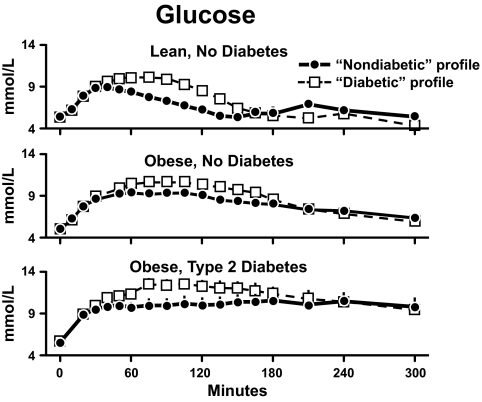
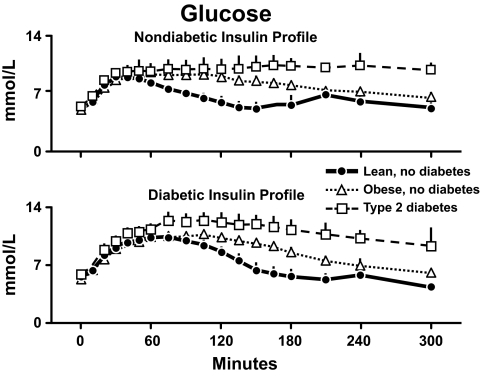
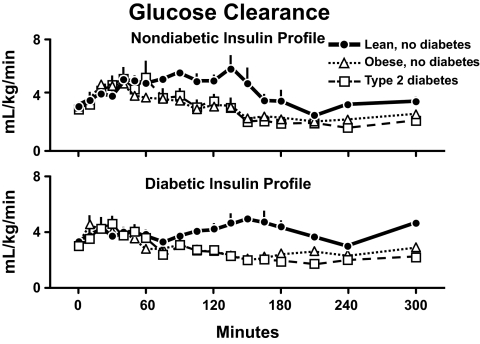
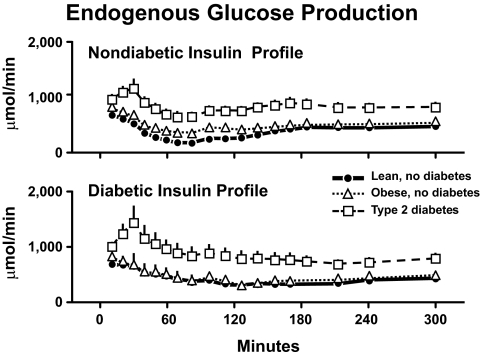
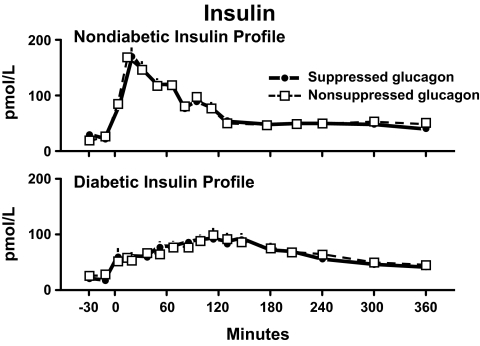
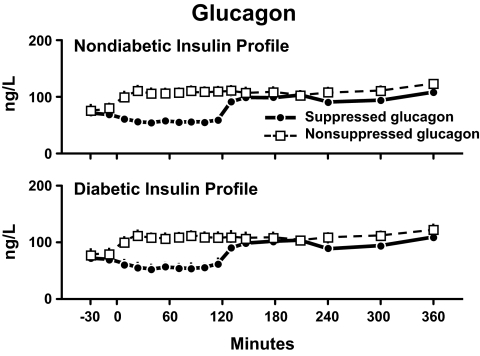
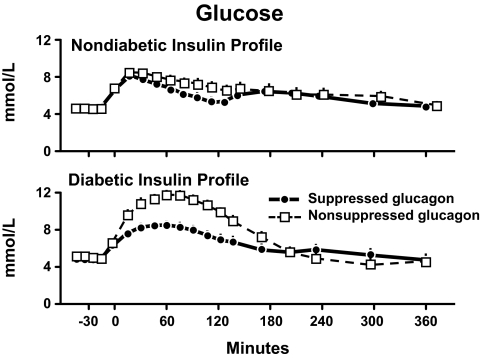
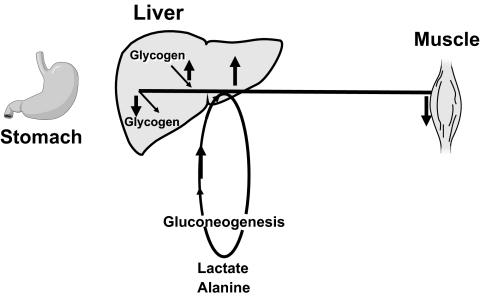
Verification
Claims the paper makes
The claims and statistics of this paper haven’t been checked yet.
Free: it reads the open-access text and checks the first 5 claims that cite a source we can check. Create a free account to check every claim.
Claims other papers make about this one
Each is checked against this paper’s own text: does it say what the citing paper says it does?
The cited source says what the claim attributes to it.
In the citing paper
“The set point above the normal glucose concentration of around 5–5.5 mM [1], [28] is in line with the role of the liver as glucose producer under normoglycemic conditions [1], [29].”
From Quantifying the Contribution of the Liver to Glucose Homeostasis: A Detailed Kinetic Model of Human Hepatic Glucose Metabolism (2012) · cites this paper as [29]
Self-check
Percentages, sums and reported differences re-computed from the paper’s own numbers.
The self-check needs the paper’s full text.
Citations
Cites
Magnusson, I., Rothman, D. L., Katz, L. D., Shulman, R. G., & Shulman, G. I. (1992) · Journal of Clinical Investigation · doi:10.1172/jci115997 · Cited by 757 · cited 1×
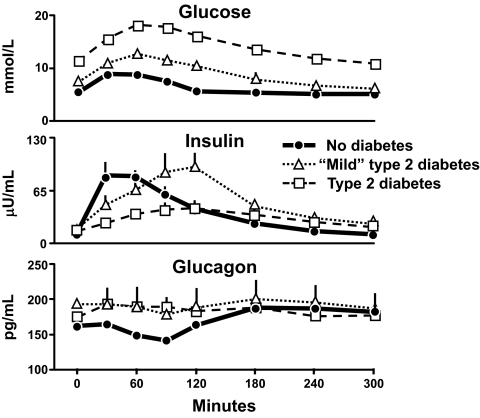
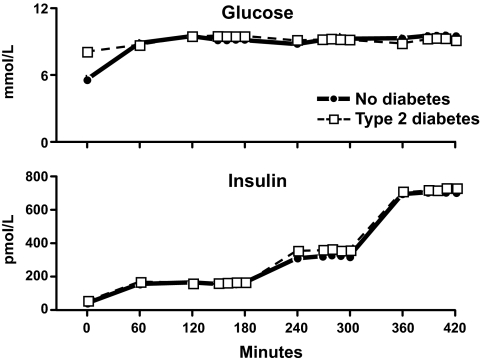
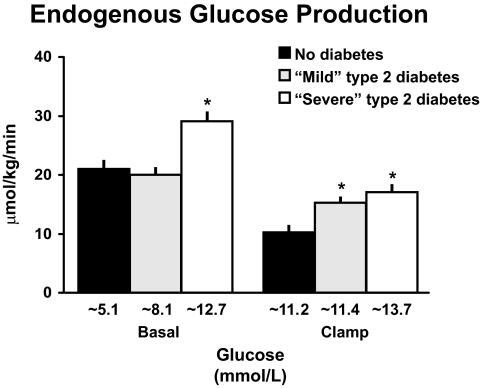
“Consistent with previous studies (23,25), the data on the left side of Fig.”
ResultAbnormal Alpha-Cell Function in Diabetes: Response to Carbohydrate and Protein Ingestion
Müller, W. A., Faloona, G. R., Aguilar-Parada, E., & Unger, R. H. (1970) · New England Journal of Medicine · doi:10.1056/nejm197007162830301 · Cited by 626
β-cells in type II diabetes mellitus
Porte, D. (1991) · Diabetes · doi:10.2337/diab.40.2.166 · Cited by 585
Regulation of Splanchnic and Peripheral Glucose Uptake by Insulin and Hyperglycemia in Man
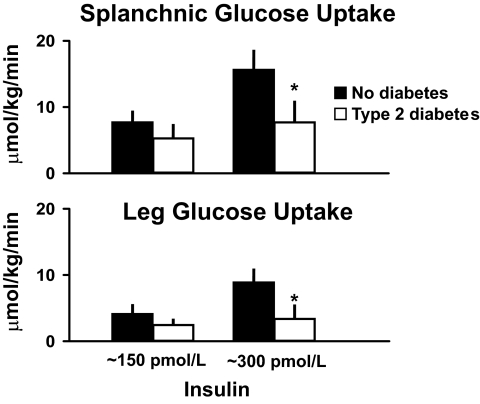
DeFronzo, R. A., Ferrannini, E., Hendler, R., Felig, P., & Wahren, J. (1983) · Diabetes · doi:10.2337/diab.32.1.35 · Cited by 509 · cited 1×
“However, since the glucose concentrations were markedly elevated in the people with the diabetes and since hyperglycemia stimulates hepatic glucose uptake (11-14), these data should not be interpreted as indicating postprandial hepatic glucose uptake is normal in type 2 diabetes.”
BackgroundContributions of gluconeogenesis to glucose production in the fasted state
Landau, B. R., Wahren, J., Chandramouli, V, Schumann, W. C., Ekberg, K., & Kalhan, S. C. (1996) · Journal of Clinical Investigation · doi:10.1172/jci118803 · Cited by 487 · cited 1×
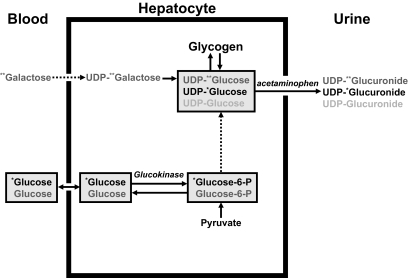
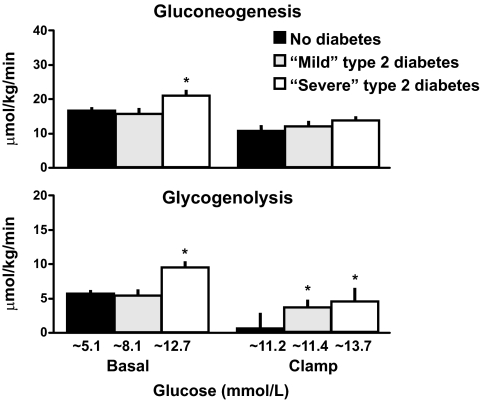
“This method is based on the fact that following the ingestion of deuterated water, the fifth carbon of glucose is labeled with deuterium during gluconeogenesis, whereas the second carbon of glucose is labeled with deuterium during both the gluconeogenesis and glycogenolysis (30).”
MethodBogardus, C., Lillioja, S., Howard, B. V., Reaven, G., & Mott, D. (1984) · Journal of Clinical Investigation · doi:10.1172/jci111533 · Cited by 397 · cited 2×
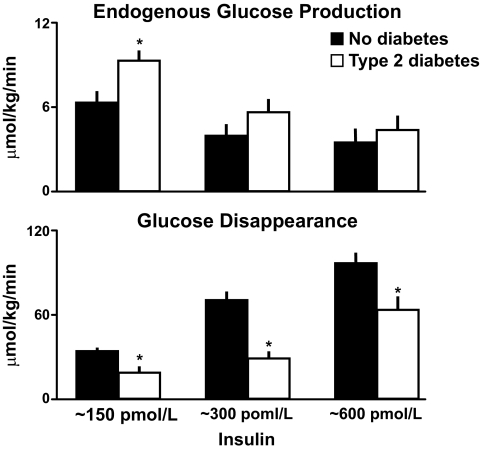
“Consistent with previous studies (22-26) and those discussed above (1;”
BackgroundResultPerley, M., & Kipnis, D. M. (1966) · Diabetes · doi:10.2337/diab.15.12.867 · Cited by 330
Firth, R. G., Bell, P. M., Marsh, H. M., Hansen, I., & Rizza, R. A. (1986) · Journal of Clinical Investigation · doi:10.1172/jci112467 · Cited by 280 · cited 7×
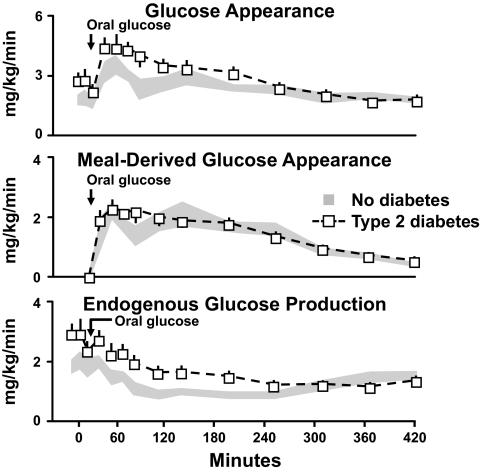
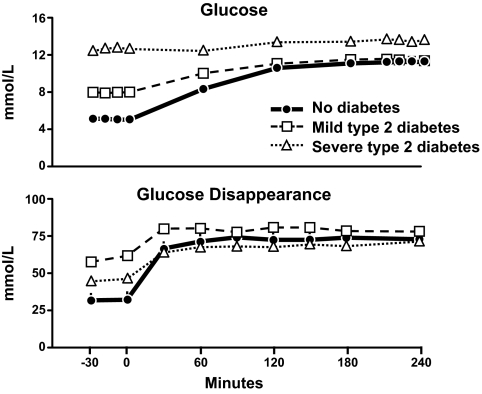
“The excess amount of glucose released due to slower suppression of endogenous glucose production entirely accounted for the higher postprandial rates of glucose appearance (10).”
BackgroundMethodResultSelf-citationCarbohydrate Metabolism in Non-Insulin-Dependent Diabetes Mellitus
Dinneen, S., Gerich, J., & Rizza, R. (1992) · New England Journal of Medicine · doi:10.1056/nejm199209033271007 · Cited by 279 · cited 2×
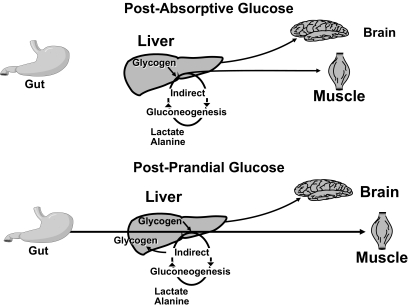
“Simplified portrayal of glucose metabolism in the postabsorptive (upper panel) and postprandial (lower panel) states (9).”
BackgroundSelf-citationMechanism by which glucose and insulin inhibit net hepatic glycogenolysis in humans.
Petersen, K. F., Laurent, D., Rothman, D. L., Cline, G. W., & Shulman, G. I. (1998) · Journal of Clinical Investigation · doi:10.1172/jci579 · Cited by 237 · cited 1×
“However, hyperglycemia is known to be a potent suppressor of glycogenolysis (33).”
Background
Cited by
Diamanti-Kandarakis, E., & Dunaif, A. (2012) · Endocrine Reviews · doi:10.1210/er.2011-1034 · Cited by 1,947
The integrative biology of type 2 diabetes
Roden, M., & Shulman, G. I. (2019) · Nature · doi:10.1038/s41586-019-1797-8 · Cited by 1,167
Regulation of hepatic glucose metabolism in health and disease
Petersen, M. C., Vatner, D. F., & Shulman, G. I. (2017) · Nature Reviews Endocrinology · doi:10.1038/nrendo.2017.80 · Cited by 1,133
Insulin Resistance: From Mechanisms to Therapeutic Strategies
Lee, S.-H., Park, S.-Y., & Choi, C. S. (2022) · Diabetes & Metabolism Journal · doi:10.4093/dmj.2021.0280 · Cited by 1,092
“This process is called hepatic glucose production (HGP), and involves the breakdown of hepatic glycogen (glycogenolysis) and de novo synthesis of glucose (gluconeogenesis) using fatty acids and glycerol derived from adipose tissues [3].”
BackgroundFeinman, R. D., Pogozelski, W. K., Astrup, A., Bernstein, R. K., Fine, E. J., Westman, E. C., Accurso, A., Frassetto, L., Gower, B. A., McFarlane, S. I., et al. (2015) · Nutrition · doi:10.1016/j.nut.2014.06.011 · Cited by 912
“Whereas defects in repression of gluconeogenesis and glycogenolysis are the major causes of hyperglycemia [8,15], carbohydrate is by far the greatest dietary contributor to blood sugar rises and, as expected, dietary carbohydrate restriction reliably reduces glucose profile.”
Insulin regulation of gluconeogenesis
Hatting, M., Tavares, C. D. J., Sharabi, K., Rines, A. K., & Puigserver, P. (2018) · Annals of the New York Academy of Sciences · doi:10.1111/nyas.13435 · Cited by 587
Unraveling the Regulation of Hepatic Metabolism by Insulin
Titchenell, P. M., Lazar, M. A., & Birnbaum, M. J. (2017) · Trends in Endocrinology & Metabolism · doi:10.1016/j.tem.2017.03.003 · Cited by 437
“Excess HGP coupled with the well-document defect in muscle glucose uptake leads to hyperglycemia [3].”
BackgroundInfluentialHormonal regulation of hepatic glucose production in health and disease
Lin, H. V., & Accili, D. (2011) · Cell Metabolism · doi:10.1016/j.cmet.2011.06.003 · Cited by 429
“In type 2 diabetes, HGP is higher in the postabsorptive state, and fails to be properly suppressed by insulin, resulting primarily from excessive gluconeogenesis, rather than glycogenolysis (Rizza, 2010).”
BackgroundZhu, H., Bi, D., Zhang, Y., Kong, C., Du, J., Wu, X., Wei, Q., & Qin, H. (2022) · Signal Transduction and Targeted Therapy · doi:10.1038/s41392-021-00831-w · Cited by 399
Targeting hepatic glucose metabolism in the treatment of type 2 diabetes
Rines, A. K., Sharabi, K., Tavares, C. D. J., & Puigserver, P. (2016) · Nature Reviews Drug Discovery · doi:10.1038/nrd.2016.151 · Cited by 375
Resolving the paradox of hepatic insulin resistance
Santoleri, D., & Titchenell, P. M. (2019) · Cellular and Molecular Gastroenterology and Hepatology · doi:10.1016/j.jcmgh.2018.10.016 · Cited by 336
Molecular pathophysiology of hepatic glucose production
Sharabi, K., Tavares, C. D. J., Rines, A. K., & Puigserver, P. (2015) · Molecular Aspects of Medicine · doi:10.1016/j.mam.2015.09.003 · Cited by 325
Axelsson, A. S., Tubbs, E., Mecham, B., Chacko, S., Nenonen, H. A., Tang, Y., Fahey, J. W., Derry, J. M. J., Wollheim, C. B., Wierup, N., et al. (2017) · Science Translational Medicine · doi:10.1126/scitranslmed.aah4477 · Cited by 323
“There is abnormal regulation of hepatic glucose production early in the development of T2D, but it is typically compensated for by increased insulin secretion (57).”
BackgroundRegulation of glucose and lipid metabolism in health and disease
Chen, L., Chen, X.-W., Huang, X., Song, B.-L., Wang, Y., & Wang, Y. (2019) · Science China Life Sciences · doi:10.1007/s11427-019-1563-3 · Cited by 306
“Subsequently, in the fasted state, gluconeogenesis and glycogenolysis contribute to maintain euglycemia and provide a sustained glucose supply to different cell types, such as neurons, red blood cells and renal medullary cells (Rizza, 2010).”
BackgroundMinireview: Glucagon in the Pathogenesis of Hypoglycemia and Hyperglycemia in Diabetes
Cryer, P. E. (2012) · Endocrinology · doi:10.1210/en.2011-1499 · Cited by 242
The role of dysregulated glucagon secretion in type 2 diabetes
D'Alessio, D. (2011) · Diabetes, Obesity and Metabolism · doi:10.1111/j.1463-1326.2011.01449.x · Cited by 238
König, M., Bulik, S., & Holzhütter, H.-G. (2012) · PLoS Computational Biology · doi:10.1371/journal.pcbi.1002577 · Cited by 202
Selective Chemical Inhibition of PGC-1α Gluconeogenic Activity Ameliorates Type 2 Diabetes
Sharabi, K., Lin, H., Tavares, C. D. J., Dominy, J. E., Camporez, J. P., Perry, R. J., Schilling, R., Rines, A. K., Lee, J., Hickey, M., et al. (2017) · Cell · doi:10.1016/j.cell.2017.03.001 · Cited by 210
Circadian Etiology of Type 2 Diabetes Mellitus
Javeed, N., & Matveyenko, A. V. (2018) · Physiology · doi:10.1152/physiol.00003.2018 · Cited by 200
Jiang, S., Young, J., Wang, K., Qian, Y., & Cai, L. (2020) · Molecular Medicine Reports · doi:10.3892/mmr.2020.11175 · Cited by 186
“…and is regulated by a slower mechanism through changes in gene expression (23) in response to hormones, notably insulin and glucagon (36). increased glucose production is a consistent feature of T2dM, which can be attributed to increased gluconeogenesis rather than glycogenolysis rates (58,59).”
Little, J. P., Jung, M. E., Wright, A. E., Wright, W., & Manders, R. J. F. (2014) · Applied Physiology, Nutrition, and Metabolism · doi:10.1139/apnm-2013-0512 · Cited by 187
Hepatic insulin signalling is dispensable for suppression of glucose output by insulin in vivo
Titchenell, P. M., Chu, Q., Monks, B. R., & Birnbaum, M. J. (2015) · Nature Communications · doi:10.1038/ncomms8078 · Cited by 169
Food Polyphenols and Type II Diabetes Mellitus: Pharmacology and Mechanisms
Naz, R., Saqib, F., Awadallah, S., Wahid, M., Latif, M. F., Iqbal, I., & Mubarak, M. S. (2023) · Molecules · doi:10.3390/molecules28103996 · Cited by 163
“Through its numerous organ complications, diabetes lowers the quality of life [40] and affects whole-body physiology [41].”
BackgroundPulsatile Portal Vein Insulin Delivery Enhances Hepatic Insulin Action and Signaling
Matveyenko, A. V., Liuwantara, D., Gurlo, T., Kirakossian, D., Dalla Man, C., Cobelli, C., White, M. F., Copps, K. D., Volpi, E., Fujita, S., et al. (2012) · Diabetes · doi:10.2337/db11-1462 · Cited by 163
“Fasting hyperglycemia in both type 1 and type 2 diabetes mellitus (T1DM and T2DM, respectively) is due to increased hepatic glucose release as a result of insufficient insulin secretion in the context of relative hepatic insulin resistance (1,2).”
BackgroundKowalski, G. M., & Bruce, C. R. (2014) · American Journal of Physiology-Endocrinology and Metabolism · doi:10.1152/ajpendo.00165.2014 · Cited by 154
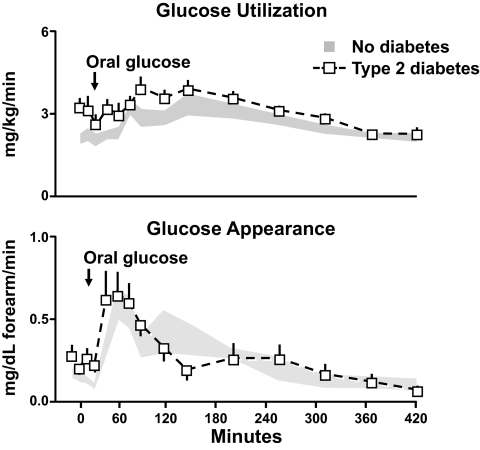
“This demonstrates that hyperglycemia in insulin-resistant subjects with T2D is able to compensate for muscle insulin resistance, ensuring normal or higher absolute rates of muscle glucose uptake in the basal and postprandial states (67, 120, 123, 146), findings that have also been replicated in glucose-intolerant dogs…”
BackgroundMethodResultInfluentialDysfunction of Persisting β Cells Is a Key Feature of Early Type 2 Diabetes Pathogenesis
Cohrs, C. M., Panzer, J. K., Drotar, D. M., Enos, S. J., Kipke, N., Chen, C., Bozsak, R., Schöniger, E., Ehehalt, F., Distler, M., et al. (2020) · Cell Reports · doi:10.1016/j.celrep.2020.03.033 · Cited by 170
“This suggests that non-diabetic individuals with significantly elevated fasting blood glucose might experience advanced disease progression or a different etiology of diabetes pathogenesis in comparison to individuals in pre-diabetic subjects with impaired glucose tolerance (Rizza, 2010).”
BackgroundChan, S. M. H., Sun, R.-Q., Zeng, X.-Y., Choong, Z.-H., Wang, H., Watt, M. J., & Ye, J.-M. (2013) · Diabetes · doi:10.2337/db12-1397 · Cited by 146
Jurczak, M. J., Lee, A.-H., Jornayvaz, F. R., Lee, H.-Y., Birkenfeld, A. L., Guigni, B. A., Kahn, M., Samuel, V. T., Glimcher, L. H., & Shulman, G. I. (2012) · Journal of Biological Chemistry · doi:10.1074/jbc.m111.316760 · Cited by 143
Alkhalidy, H., Moore, W., Wang, A., Luo, J., McMillan, R. P., Wang, Y., Wei, Z. C., Hulver, M. W., & Liu, D. (2018) · The Journal of Nutritional Biochemistry · doi:10.1016/j.jnutbio.2018.04.014 · Cited by 157
Pancreatic diabetes manifests when beta cell area declines by approximately 65% in humans
Meier, J. J., Breuer, T. G. K., Bonadonna, R. C., Tannapfel, A., Uhl, W. H., Schmidt, W. E., Schrader, H., & Menge, B. (2012) · Diabetologia · doi:10.1007/s00125-012-2466-8 · Cited by 160
“These unequal associations between fasting and post-challenge glycaemia with beta cell area are consistent with previous studies in patients with type 2 diabetes demonstrating that the aetiologies of IFG and IGT are likely to involve different pathogenetic mechanisms [31].”
ResultMultivariate calibration of NIR spectroscopic sensors for continuous glucose monitoring
Goodarzi, M., Sharma, S., Ramón, H., & Saeys, W. (2015) · TrAC Trends in Analytical Chemistry · doi:10.1016/j.trac.2014.12.005 · Cited by 141
“Proper use of insulin can prevent death from ketoacidosis in people with Type 1 or Type 2 diabetes and reduce complications due to chronic hyperglycemia in people with Type 2 diabetes [9].”
Backgroundter Horst, K. W., Schene, M. R., Holman, R., Romijn, J. A., & Serlie, M. J. M. (2016) · American Journal of Clinical Nutrition · doi:10.3945/ajcn.116.137786 · Cited by 135
Gu, L., Ding, X., Wang, Y., Gu, M., Zhang, J., Yan, S., Li, N., Song, Z., Yin, J., Lu, L., et al. (2019) · International Journal of Biological Sciences · doi:10.7150/ijbs.31781 · Cited by 132
De la Paz, E., Barfidokht, A., Rios, S., Brown, C., Chao, E., & Wang, J. (2021) · Analytical Chemistry · doi:10.1021/acs.analchem.1c02887 · Cited by 120
Pathophysiology of type 2 diabetes and the impact of altered metabolic interorgan crosstalk
Sanches, J. M., Zhao, L. N., Salehi, A. A., Wollheim, C. B., & Kaldis, P. (2021) · FEBS Journal · doi:10.1111/febs.16306 · Cited by 151
Dietary Flavonoids in the Prevention of T2D: An Overview
Alkhalidy, H., Wang, Y., & Liu, D. (2018) · Nutrients · doi:10.3390/nu10040438 · Cited by 143
“Increased hepatic glucose production is considered to be one of the early pathological changes leading to T2D in humans [50,92,93].”
BackgroundShao, Y., Hu, H., Li, Q., Cao, C., Liu, D., & Han, Y. Y. (2024) · Cardiovascular Diabetology · doi:10.1186/s12933-024-02165-7 · Cited by 122
“FPG levels reflect insulin sensitivity in the liver and insulin secretion in the pancreas [50].”
BackgroundDecreased expression of hepatic glucokinase in type 2 diabetes
Haeusler, R. A., Camastra, S., Astiarraga, B., Nannipieri, M., Anselmino, M., & Ferrannini, E. (2015) · Molecular Metabolism · doi:10.1016/j.molmet.2014.12.007 · Cited by 111
“This may be particularly valuable in designing individualized therapeutic regimens [4].”
BackgroundTranscriptional and Chromatin Regulation during Fasting – The Genomic Era
Goldstein, I., & Hager, G. L. (2015) · Trends in Endocrinology & Metabolism · doi:10.1016/j.tem.2015.09.005 · Cited by 110
“Upon feeding, ample glucose becomes available from dietary sources leading to an increase in blood glucose levels and insulin secretion from the pancreas leading to a rapid stop of glycogenolysis, gluconeogenesis and ketogenesis [4].”
BackgroundGKAs for diabetes therapy: why no clinically useful drug after two decades of trying?
Matschinsky, F. M. (2013) · Trends in Pharmacological Sciences · doi:10.1016/j.tips.2012.11.007 · Cited by 124
Microparticulate and nanoparticulate drug delivery systems for metformin hydrochloride
Çetin, M., & Şahin, S. (2015) · Drug Delivery · doi:10.3109/10717544.2015.1089957 · Cited by 118
Postprandial hyperglycemia and postprandial hypertriglyceridemia in type 2 diabetes
Hiyoshi, T., Fujiwara, M., & Zemin, Y. (2018) · Journal of Biomedical Research · doi:10.7555/jbr.31.20160164 · Cited by 129
Sargeant, J. A., Gray, L. J., Bodicoat, D. H., Willis, S. A., Stensel, D. J., Nimmo, M. A., Aithal, G. P., & King, J. A. (2018) · Obesity Reviews · doi:10.1111/obr.12719 · Cited by 105
“List of Abbreviations: %EGPsupp, percentage suppression of endogenous glucose production during low-dose insulin infusion; 1H-MRS, proton magnetic resonance spectroscopy; 95% CI, 95% confidence interval; EGP, endogenous glucose production; FPI, fasted plasma insulin; HIIT, high-intensity interval training; HIRI, hepat…”
BackgroundInfluentialMethionine restriction prevents onset of type 2 diabetes in NZO mice
Castaño-Martínez, T., Schumacher, F., Schumacher, S., Kochlik, B., Weber, D., Grune, T., Biemann, R., McCann, A., Abraham, K., Weikert, C., et al. (2019) · The FASEB Journal · doi:10.1096/fj.201900150r · Cited by 109
“Moreover, dysregulated gluconeogenesis and glycogenolysis induces hyperglycemia (44, 45).”
BackgroundCellular and Molecular Mechanisms of Insulin Resistance
Chandrasekaran, P., & Weiskirchen, R. (2024) · Current Tissue Microenvironment Reports · doi:10.1007/s43152-024-00056-3 · Cited by 146
“The hepatic glucose production involves glycogenolysis and the de novo synthesis of glucose, in a process known as gluconeogenesis [5].”
Hormonal and Metabolite Regulation of Hepatic Glucokinase
Agius, L. (2016) · Annual Review of Nutrition · doi:10.1146/annurev-nutr-071715-051145 · Cited by 101
Zhu, D., Li, X., Ma, J., Zeng, J., Gan, S., Dong, X., Yang, J., Lin, X., Cai, H., Song, W., et al. (2022) · Nature Medicine · doi:10.1038/s41591-022-01802-6 · Cited by 97
“Abnormal hepatic function 18 (6) 6 (4)”
Pathway-selective Insulin Resistance and Metabolic Disease: The Importance of Nutrient Flux
Otero, Y. F., Stafford, J. M., & McGuinness, O. P. (2014) · Journal of Biological Chemistry · doi:10.1074/jbc.r114.576355 · Cited by 94
Ten questions about systems biology
Joyner, M. J., & Pedersen, B. K. (2011) · The Journal of Physiology · doi:10.1113/jphysiol.2010.201509 · Cited by 93
Baicalein Protects against Type 2 Diabetes via Promoting Isletβ-Cell Function in Obese Diabetic Mice
Fu, Y., Luo, J., Jia, Z., Wei, Z. C., Zhou, K., Gilbert, E., & Liu, D. (2014) · International Journal of Endocrinology · doi:10.1155/2014/846742 · Cited by 105
“A growing body of evidence indicates that obesity causes hepatic insulin resistance, leading to impaired regulation of glycogenolysis and gluconeogenesis by insulin, thereby increasing hepatic glucose production and output [43, 44].”
BackgroundIn vitro and in silico studies of silver nanoparticles (AgNPs) from Allium sativum against diabetes
Jini, D., Sharmila, S., Anitha, A., Pandian, M., & Rajapaksha, R. M. H. (2022) · Scientific Reports · doi:10.1038/s41598-022-24818-x · Cited by 111
Kadowaki, T., & Kondo, K. (2013) · Diabetes Obesity and Metabolism · doi:10.1111/dom.12092 · Cited by 97
Eto, T., Inoue, S., & Kadowaki, T. (2012) · Diabetes Obesity and Metabolism · doi:10.1111/j.1463-1326.2012.01662.x · Cited by 93
Regulation of Hepatic Energy Metabolism and Gluconeogenesis by BAD
Giménez-Cassina, A., García-Haro, L., Choi, C. S., Osundiji, M. A., Lane, E. A., Hu, H., Yıldırım, M. A., Szlyk, B., Fisher, J. K., Polak, K. Z., et al. (2014) · Cell Metabolism · doi:10.1016/j.cmet.2013.12.001 · Cited by 89
“Hepatic glucose production (HGP) is central to metabolic adaptation during fasting, and its abnormal elevation is a chief determinant of fasting hyperglycemia in diabetes (Lin and Accili, 2011; Rizza, 2010).”
BackgroundMadsbad, S. (2015) · Journal of Diabetes and its Complications · doi:10.1016/j.jdiacomp.2015.09.019 · Cited by 84
“The resulting postprandial rise in glucose is restrained through physiological processes that involve the rapid secretion of insulin and the inhibition of glucagon to suppress hepatic glucose production (Bansal & Wang, 2008; Rizza, 2010).”
BackgroundInfluentialOral Insulin Delivery in a Physiologic Context: Review
Arbit, E., & Kidron, M. (2017) · Journal of Diabetes Science and Technology · doi:10.1177/1932296817691303 · Cited by 83
Novel links between HIFs, type 2 diabetes, and metabolic syndrome
Girgis, C. M., Cheng, K., Scott, C. H., & Gunton, J. E. (2012) · Trends in Endocrinology and Metabolism · doi:10.1016/j.tem.2012.05.003 · Cited by 83
Increased gluconeogenesis in youth with newly diagnosed type 2 diabetes
Chung, S. T., Hsia, D. S., Chacko, S. K., Rodríguez, L. M., & Haymond, M. W. (2014) · Diabetologia · doi:10.1007/s00125-014-3455-x · Cited by 76
“While some studies report increased gluconeogenesis as a late contributor to fasting hyperglycaemia in patients with long-standing type 2 diabetes [6–10], others demonstrate increased rates of gluconeogenesis in individuals with impaired fasting glucose as well as in the insulin resistant obese adolescent, prior to th…”
1-Deoxynojirimycin Alleviates Liver Injury and Improves Hepatic Glucose Metabolism in db/db Mice
Liu, Q., Li, X., Li, C., Zheng, Y., Wang, F., Li, H., & Peng, G. (2016) · Molecules · doi:10.3390/molecules21030279 · Cited by 72
“Type 2 diabetes is a multifactorial disease, characterized by hyperglycemia, insulin deficiency, and insulin resistance [14].”
BackgroundGLP-1 Restores Altered Insulin and Glucagon Secretion in Posttransplantation Diabetes
Halden, T. A. S., Egeland, E. J., Åsberg, A., Hartmann, A., Midtvedt, K., Khiabani, H. Z., Holst, J. J., Knop, F. K., Hornum, M., Feldt-Rasmussen, B., et al. (2016) · Diabetes Care · doi:10.2337/dc15-2383 · Cited by 67
Arden, C., Petrie, J. L., Tudhope, S. J., Al‐Oanzi, Z. H., Claydon, A. J., Beynon, R. J., Towle, H. C., & Agius, L. (2011) · Diabetes · doi:10.2337/db11-0061 · Cited by 66
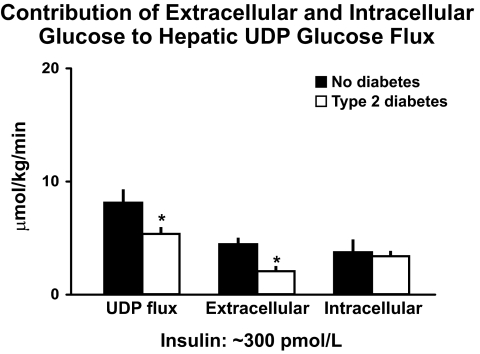
“hepatic Gck-to-Gckr protein ratio induced by elevated glucose is predicted to cause a rightward shift in the hepatic response to glucose concentration (1), providing an explanation for the defect in glucose uptake in type 2 diabetes (10).”
BackgroundFerrari, F., Bock, P. M., Motta, M. T., & Helal, L. C. A. S. (2019) · Arquivos Brasileiros de Cardiologia · doi:10.5935/abc.20190224 · Cited by 108
Han, Y. Y., Hu, H., Li, Q., Deng, Z., & Liu, D. (2023) · Frontiers in Public Health · doi:10.3389/fpubh.2023.1028461 · Cited by 66
A link between hepatic glucose production and peripheral energy metabolism via hepatokines
Abdul-Wahed, A., Gautier-Stein, A., Casteras, S., Soty, M., Roussel, D., Romestaing, C., Guillou, H., Tourette, J.-A., Pleche, N., Zitoun, C., et al. (2014) · Molecular Metabolism · doi:10.1016/j.molmet.2014.05.005 · Cited by 62
Bile acids and their effects on diabetes
Rajani, C., & Jia, W. P. (2018) · Frontiers of Medicine · doi:10.1007/s11684-018-0644-x · Cited by 62
Pancreatic α-Cell Dysfunction in Type 2 Diabetes: Old Kids on the Block
Moon, J. S., & Won, K. C. (2015) · Diabetes & Metabolism Journal · doi:10.4093/dmj.2015.39.1.1 · Cited by 61
Tracking the carbons supplying gluconeogenesis
Shah, A. M., & Wondisford, F. E. (2020) · Journal of Biological Chemistry · doi:10.1074/jbc.rev120.012758 · Cited by 78
“Glucose is a six-carbon molecule whose concentrations remain relatively constant in the fasted state in metabolically healthy individuals but can rise in subjects with T2DM (1).”
BackgroundPetersons, C. J., Mangelsdorf, B. L., Jenkins, A. B., Poljak, A., Smith, M. D., Greenfield, J. R., Thompson, C. H., & Burt, M. G. (2013) · Diabetes Care · doi:10.2337/dc12-2617 · Cited by 61
“It is hoped that targeting therapy at the metabolic perturbations underlying hyperglycemia in patientswith type 2 diabeteswill have a similar benefit (27).”
BackgroundGlucagon in artificial pancreas systems: Potential benefits and safety profile of future chronic use
Taleb, N., Haidar, A., Messier, V., Gingras, V., Legault, L., & Rabasa‐Lhoret, R. (2017) · Diabetes, Obesity and Metabolism · doi:10.1111/dom.12789 · Cited by 59
“In type 2 diabetes, relative hyperglucagonaemia (fasting and postprandial) has also been reported early in the course of the disease at the stage of impaired glucose tolerance.(39,40) Whether this defect in glucagon suppression plays a significant role in the progression to diabetes is still debatable.”
BackgroundShishehbor, F., Mansoori, A., & Shirani, F. (2017) · Diabetes Research and Clinical Practice · doi:10.1016/j.diabres.2017.01.021 · Cited by 74
“Introduction 56 Increasing evidence indicates that high blood glucose levels in the postprandial state, which is 57 known as postprandial hyperglycemia, plays a decisive role in the development of chronic 58 metabolic disorders both in patients with diabetes or prediabetes [1, 2].”
BackgroundRamnanan, C. J., Edgerton, D. S., & Cherrington, A. D. (2012) · Cell Metabolism · doi:10.1016/j.cmet.2012.03.006 · Cited by 57
“Insulin is known to rapidly suppress HGP through its direct action at the liver and also through indirect effects thought to be mediated primarily at adipose tissue and the a-cell (Figure 1) (Bergman, 1997; Cherrington, 1999; Rizza, 2010).”
BackgroundOral insulin delivery: Barriers, strategies, and formulation approaches: A comprehensive review
Shetty, S., Halagali, P., Johnson, A. P., Spandana, K. M. A., & Gangadharappa, H. V. (2023) · International Journal of Biological Macromolecules · doi:10.1016/j.ijbiomac.2023.125114 · Cited by 71
Galbo, T., Olsen, G. S., Quistorff, B., & Nishimura, E. (2011) · PLoS ONE · doi:10.1371/journal.pone.0027424 · Cited by 56
Wang, Y., Lin, S., Chuang, Y., Sheu, W. H., Tung, K., & Chen, C. (2014) · Endocrinology · doi:10.1210/en.2013-1593 · Cited by 57
4-Hydroxyisoleucine: A Potential New Treatment for Type 2 Diabetes Mellitus
Zafar, M. I., & Gao, F. (2016) · BioDrugs · doi:10.1007/s40259-016-0177-2 · Cited by 57
Wu, F., Shao, Q., Xia, Q., Hu, M., Zhao, Y. Q., Wang, D., Fang, K., Xu, L., Zou, X., Chen, Z., et al. (2021) · Phytomedicine · doi:10.1016/j.phymed.2021.153487 · Cited by 61
Central Endocannabinoid Signaling Regulates Hepatic Glucose Production and Systemic Lipolysis
O’Hare, J. D., Zieliński, E., Cheng, B., Scherer, T., & Buettner, C. (2011) · Diabetes · doi:10.2337/db10-0962 · Cited by 55
“Hepatic insulin resistance is defined as the inability of systemic hyperinsulinemia to suppress hGP and contributes to both fasting and postprandial hyperglycemia seen in patients with obesity and type 2 diabetes (7).”
BackgroundParacrine signaling in islet function and survival
Hartig, S. M., & Cox, A. R. (2020) · Journal of Molecular Medicine · doi:10.1007/s00109-020-01887-x · Cited by 70
Noronha, J. C., Braunstein, C. R., Glenn, A. J., Khan, T. A., Viguiliouk, E., Noseworthy, R., Mejía, S. B., Kendall, C. W. C., Wolever, T. M. S., Leiter, L. A., et al. (2018) · Diabetes Obesity and Metabolism · doi:10.1111/dom.13374 · Cited by 54
Hiersch, L., Shah, B. R., Berger, H. M., Geary, M. P., McDonald, S. D., Murray‐Davis, B., Halperin, I. J., Retnakaran, R. R., Barrett, J. F. R., & Melamed, N. (2021) · Diabetes Care · doi:10.2337/dc21-0659 · Cited by 62
Evaluation of mulberry leaves’ hypoglycemic properties and hypoglycemic mechanisms
Chen, S., Xi, M., Gao, F., Li, M., Dong, T., Geng, Z., Liu, C., Huang, F., Wang, J., Li, X., et al. (2023) · Frontiers in Pharmacology · doi:10.3389/fphar.2023.1045309 · Cited by 70
“When food intake is inadequate in the daily diet, the liver produces glucose and transports this glucose to the blood and tissues to maintain the body’s blood glucose stability and normal physiological activity of the tissues, a process that relies on fatty acids and glycerol from fat (Rizza, 2010).”
BackgroundXu, J., Cui, L., Wang, J., Zheng, S., Zhang, H., Ke, S., Cao, X., Shi, Y., Li, J., Zen, K., et al. (2023) · Nature Communications · doi:10.1038/s41467-023-41160-6 · Cited by 60
Sakamoto, E., Seino, Y., Fukami, A., Mizutani, N., Tsunekawa, S., Ishikawa, K., Ogata, H., Uenishi, E., Kamiya, H., Hamada, Y., et al. (2012) · Journal of Diabetes Investigation · doi:10.1111/j.2040-1124.2012.00208.x · Cited by 51
Low carbohydrate dietary approaches for people with type 2 diabetes-a narrative review
Wheatley, S. D., Deakin, T. A., Arjomandkhah, N. C., Hollinrake, P. B., & Reeves, T. E. (2021) · Frontiers in Nutrition · doi:10.3389/fnut.2021.687658 · Cited by 50
New Insight into Diabetes Management: From Glycemic Index to Dietary Insulin Index
Yari, Z., Behrouz, V., Zand, H., & Pourvali, K. (2019) · Current Diabetes Reviews · doi:10.2174/1573399815666190614122626 · Cited by 67
Rajas, F., Labrune, P., & Mithieux, G. (2013) · Diabetes & Metabolism · doi:10.1016/j.diabet.2013.03.002 · Cited by 60
PP2A inhibition results in hepatic insulin resistance despite Akt2 activation
Galbo, T., Perry, R. J., Nishimura, E., Samuel, V. T., Quistorff, B., & Shulman, G. I. (2013) · Aging · doi:10.18632/aging.100611 · Cited by 50
“As previous work had indicated that PP2A inhibition could rescue hepatic Akt activity in insulin resistant states [16] we hypothesized that PP2A inhibition in the liver would lead to increased insulin-stimulated inhibition of FoxO1, thus potentially having therapeutic applications in T2D.”
BackgroundDietary Interventions in Liver Cirrhosis
Yao, C. K., Fung, J., Chu, N. H. S., & Tan, V. P. Y. (2018) · Journal of Clinical Gastroenterology · doi:10.1097/mcg.0000000000001071 · Cited by 59
Chen, Y., Wang, J., Wang, Y., Wang, P., Zhou, Z., Wu, R., Xu, Q., You, H., Liu, Y., Wang, L., et al. (2022) · Nature Communications · doi:10.1038/s41467-021-27533-9 · Cited by 52
Vajda, E. G., Logan, D., Lasseter, K., Armas, D., Plotkin, D. J., Pipkin, J., Li, Y.-X., Zhou, R., Klein, D., Wei, X., et al. (2017) · Diabetes, Obesity and Metabolism · doi:10.1111/dom.12752 · Cited by 48
Ayyoub, S., Al‐Trad, B., Aljabali, A. A. A., Alshaer, W., Zoubi, M. S. A., Omari, S., Fayyad, D., & Tambuwala, M. M. (2022) · Drug Delivery and Translational Research · doi:10.1007/s13346-022-01163-0 · Cited by 53
“Fasting hyperglycemia in T2DM has been shown to be a function of increased hepatic gluconeogenesis [33].”
Backgroundde Castro, M. R. T., Ferreira, A. P. D. O., Busanello, G. L., da Silva, L. R. H., da Silveira, M. E. P., Fiorin, F. D. S., Arrifano, G. D. P., Lopez, M. E. C., Barcelos, R. P., Cuevas, M. J., et al. (2017) · The Journal of Physiology · doi:10.1113/jp273933 · Cited by 56
“In this context, the unsuppressed hepatic glucose output significantly contributes to fasting hyperglycaemia as observed in patients with diabetes and/or glucose intolerance (Rizza, 2010).”
BackgroundAskarzadeh, M., Azizian, H., Adib, M., Mohammadi‐Khanaposhtani, M., Mojtabavi, S., Faramarzi, M. A., Sajjadi‐Jazi, S. M., Larijani, B. A., Hamedifar, H., & Mahdavi, M. R. (2022) · Scientific Reports · doi:10.1038/s41598-022-14896-2 · Cited by 48
Significance of Thiazole-based Heterocycles for Bioactive Systems
Pola, S. (2016) · InTech eBooks · doi:10.5772/62077 · Cited by 56
Rodbard, H. W., Tripathy, D., Vidrio-Velázquez, M., Demissie, M., Tamer, S. C., & Piletič, M. (2017) · Diabetes Obesity and Metabolism · doi:10.1111/dom.12955 · Cited by 49
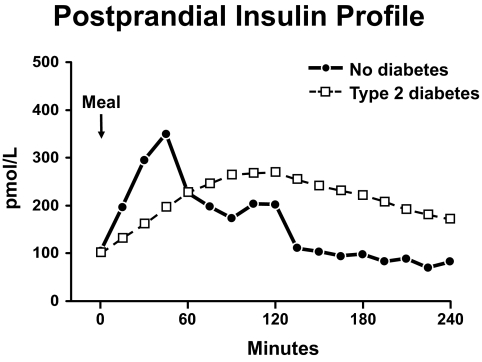
“In T2D, blunted and/or delayed postmeal insulin secretion is a major pathophysiological factor underlying postprandial hyperglycaemia.(11) Current guidelines recommend a variety of injectable intensification therapies to reduce PPG excursions,(2,12) and addition of mealtime”
BackgroundPramono, A., Jocken, J. W. E., Blaak, E. E., & van Baak, M. A. (2020) · Diabetes Care · doi:10.2337/dc19-2265 · Cited by 54
Glucagon and Cyclic AMP: Time to Turn the Page?
L. Rodgers, R. (2012) · Current Diabetes Reviews · doi:10.2174/157339912802083540 · Cited by 42
Xu, J., Li, L., Wang, Y. Q., Li, Y., Shan, M., Sun, S., Yu, Y. W., & Wang, B. (2018) · Journal of Lipid Research · doi:10.1194/jlr.m077016 · Cited by 42
Mechanisms of current therapies for diabetes mellitus type 2
Thulé, P. M. (2012) · Advances in Physiology Education · doi:10.1152/advan.00094.2012 · Cited by 40
p300/CBP as a Key Nutritional Sensor for Hepatic Energy Homeostasis and Liver Fibrosis
Yao, W., Wang, T., & Huang, F. (2018) · BioMed Research International · doi:10.1155/2018/8168791 · Cited by 45
“Given that diabetic patients have increased hepatic gluconeogenesis [92, 93], one might predict that hepatic glycogen storage would be increased.”
Background
Metadata
- Authors
- Rizza, R. A.
- Affiliations
- Mayo Clinic (US)
- Corresponding author
- Rizza, Robert A.
- Venue
- Diabetes
- Publisher
- American Diabetes Association
- Published
- 2010-08-12
- Volume
- 59
- Issue
- 11
- Pages
- 2697-2707
- ISSN
- 0012-1797 (ISSN-L)
- 1939-327X
- PMC
- PMC2963523
- OpenAlex
- W2112941360
- Cited by
- 367
- References
- 39
- Citations by year
- 2026: 13 · 2025: 18 · 2024: 21 · 2023: 31 · 2022: 34 · 2021: 28 · 2020: 20 · 2019: 25 · 2018: 31 · 2017: 31 · 2016: 22 · 2015: 18 · 2014: 24 · 2013: 19 · 2012: 16
- FWCI
- 17.19
- Type
- journal article
- Language
- en
- Open access
- hybrid
- doi.org
- Licence
- Locations
- Diabetes (publishedVersion, cc-by-nc-nd)
- PubMed Central (publishedVersion, cc-by-nc-nd)
- PubMed (publishedVersion)
- Funders
- American Diabetes Association
- Mayo Clinic (UL1 RR024150, RR024150)
- National Institute of Diabetes and Digestive and Kidney Diseases (R01DK029953, DK 29953, R37DK029953)
- National Center for Research Resources (UL1RR024150)
- Topics
- Health Sciences › Medicine › Endocrinology, Diabetes and Metabolism › Pancreatic function and diabetes
- Health Sciences › Medicine › Endocrinology, Diabetes and Metabolism › Diabetes Treatment and Management
- Health Sciences › Medicine › Endocrinology, Diabetes and Metabolism › Diabetes Management and Research
- Keywords
- type 2 diabetes, fasting hyperglycemia, postprandial hyperglycemia, endogenous glucose production, hepatic insulin resistance, gluconeogenesis, glycogenolysis, hepatic glucokinase, hepatic glucose uptake, hepatic glycogen synthesis, glucagon suppression, insulin resistance, personalized treatment
- MeSH terms
- Blood Glucose, Diabetes Mellitus, Type 2, Fasting, Glucagon, Gluconeogenesis, Glucose, Glycosuria, Humans, Hyperglycemia, Insulin Resistance, Intestinal Absorption, Liver, Reference Values, Uridine Diphosphate Glucose, Postprandial Period
About these checks
Registry, retraction, Cites and statistics results are computed, not judged, with one exception: a printed reference that no index lists is read once by a model before it counts as a citation error. Claims are extracted by a model and kept only when their quote appears verbatim in the text; each cited source is then checked, with a model’s help, for whether it says what the claim relies on. Those verdicts can be wrong — read the claim’s quote and the cited source before relying on one.
Statistics and arithmetic are recomputed, not judged.
Confidence bands are shown only for fields calibrated on our annotated test set. None is calibrated yet, so no band is shown.
What counts as a claim ›How we measure confidence ›How we check this ›
Are you an author, or do you see a problem with this page? Request a review
Data sources
Bibliographic data: Semantic Scholar, OpenAlex, Crossref.
Contains information from the Semantic Scholar Academic Graph Datasets, made available under the ODC Attribution License (ODC-BY 1.0).
Semantic Scholar’s data is described in: Kinney, R., et al. (2023). The Semantic Scholar Open Data Platform. arXiv:2301.10140.
