

Colletotrichum – current status and future directions
Open accessThe DOI matches its Crossref record; 189 of the 293 references it cites were found in a registry or an index, and 99 are not checked yet.
Abstract
A review is provided of the current state of understanding of Colletotrichum systematics, focusing on species-level data and the major clades. The taxonomic placement of the genus is discussed, and the evolution of our approach to species concepts and anamorph-teleomorph relationships is described. The application of multilocus technologies to phylogenetic analysis of Colletotrichum is reviewed, and selection of potential genes/loci for barcoding purposes is discussed. Host specificity and its relation to speciation and taxonomy is briefly addressed. A short review is presented of the current status of classification of the species clusters that are currently without comprehensive multilocus analyses, emphasising the orbiculare and destructivum aggregates. The future for Colletotrichum biology will be reliant on consensus classification and robust identification tools. In support of these goals, a Subcommission on Colletotrichum has been formed under the auspices of the International Commission on Taxonomy of Fungi, which will administer a carefully curated barcode database for sequence-based identification of species within the BioloMICS web environment.
Overview
The claims and statistics of this paper haven’t been checked yet.
Free: it reads the open-access text and checks the first 5 claims that cite a source we can check. Create a free account to check every claim.
Integrity signals
Registry
Cites
Statistics
Figures
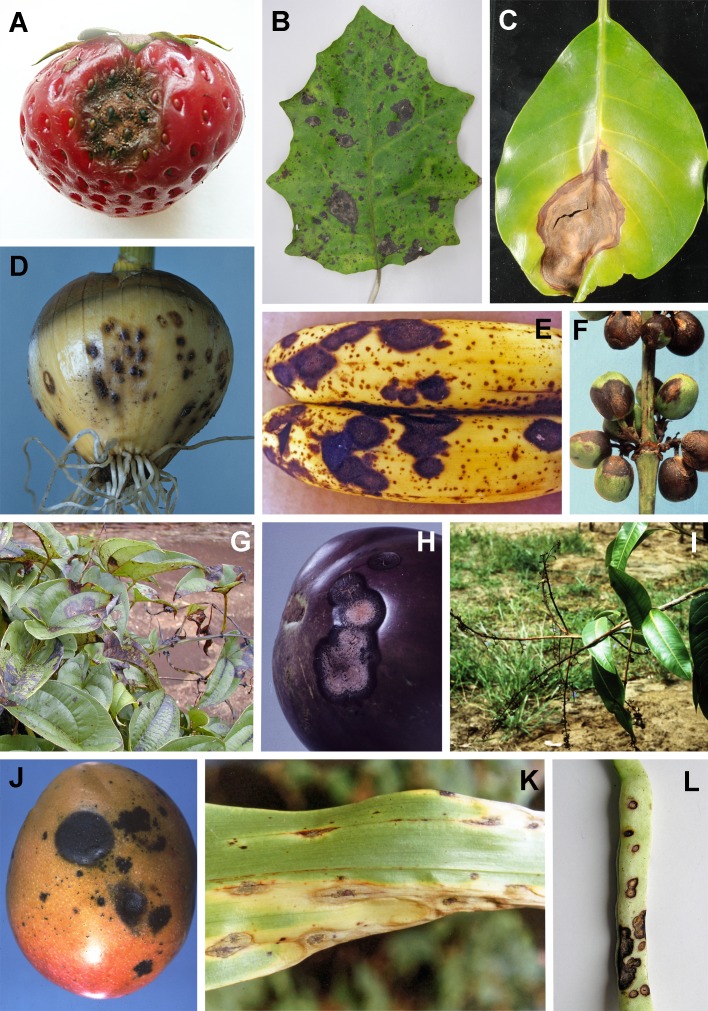
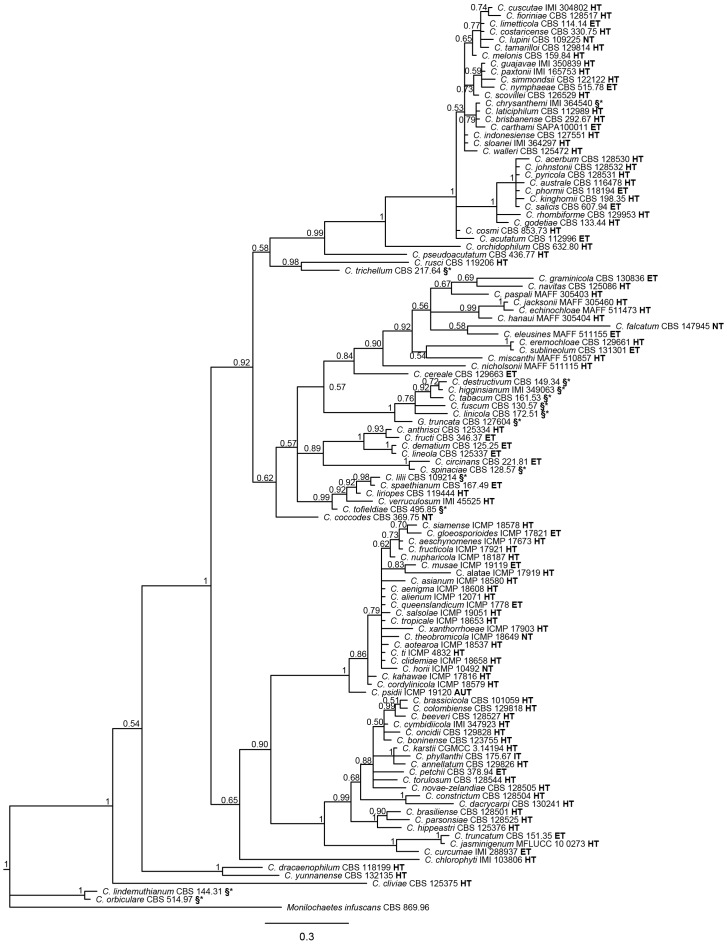
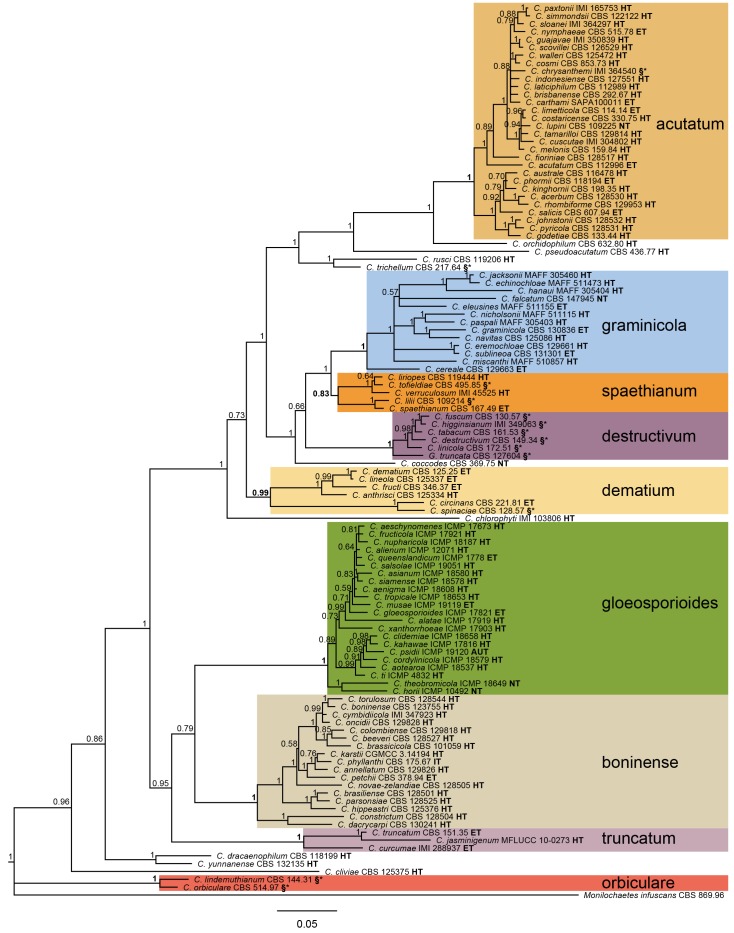
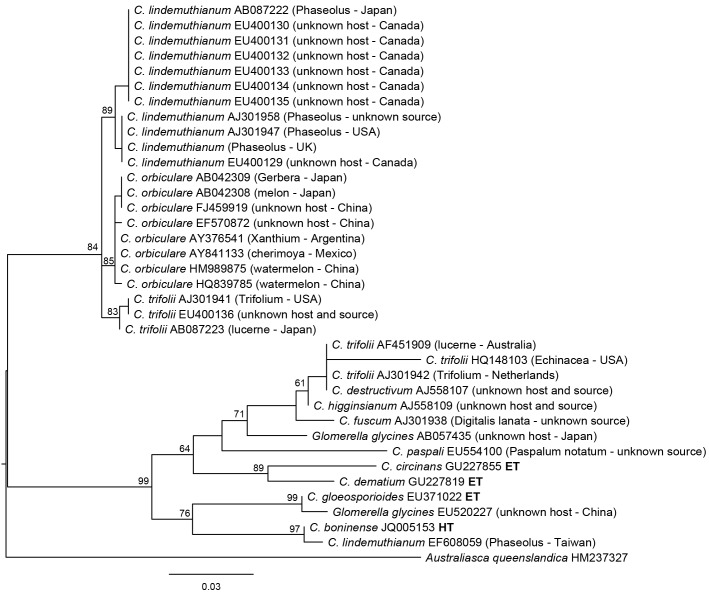
Verification
Claims the paper makes
The claims and statistics of this paper haven’t been checked yet.
Free: it reads the open-access text and checks the first 5 claims that cite a source we can check. Create a free account to check every claim.
Claims other papers make about this one
Each is checked against this paper’s own text: does it say what the citing paper says it does?
The source backs part of the claim, not all of it — or backs it for a different population, condition or comparison.
In the citing paper
“Lifestyle patterns in Colletotrichum can be broadly categorised as endophytic, hemibiotrophic, necrotrophic, latent or quiescent (Perfect et al. 1999, Peres et al. 2005, Cannon et al. 2012, Barimani et al. 2013, de Silva et al. 2017).”
From Colletotrichum: lifestyles, biology, morpho-species, species complexes and accepted species (2021) · cites this paper as Cannon et al. 2012
Experimental — accuracy not yet measuredThe source backs part of the claim, not all of it — or backs it for a different population, condition or comparison.
In the citing paper
“Currently, species delimitation in Colletotrichum relies solely on the use of multi locus phylogenetic analyses (Cannon et al. 2012, Hyde et al. 2014, Jayawardena et al. 2020).”
From Colletotrichum: lifestyles, biology, morpho-species, species complexes and accepted species (2021) · cites this paper as Cannon et al. 2012
Experimental — accuracy not yet measuredThe source backs part of the claim, not all of it — or backs it for a different population, condition or comparison.
In the citing paper
“Species of Colletotrichum have asexual and sexual morphs in their life cycle, which occur on the host plant or plant debris (Sutton 1992, Cannon et al. 2012, Jayawardena et al. 2016a).”
From Colletotrichum: lifestyles, biology, morpho-species, species complexes and accepted species (2021) · cites this paper as Cannon et al. 2012
Experimental — accuracy not yet measuredThe source backs part of the claim, not all of it — or backs it for a different population, condition or comparison.
In the citing paper
“This complex can be distinguished by their curved conidia with truncate base and acute, more strongly curved apex (Damm et al. 2009, Cannon et al. 2012, Jayawardena et al. 2016a).”
From Colletotrichum: lifestyles, biology, morpho-species, species complexes and accepted species (2021) · cites this paper as Cannon et al. 2012
Experimental — accuracy not yet measuredThe source backs part of the claim, not all of it — or backs it for a different population, condition or comparison.
In the citing paper
“From work in the intergenic regions of apn2 and MAT1-2-1 (ApMat) genes, 22 phenotypes (Supplementary Table S1) have been identified (Cannon et al., 2012), and four distinct phylogenies (C. fructicola, C. frgariae sensu stricto, C. melanocaulon and C. jasmine-sambac) within the complex described (Doyle et al., 2013).”
From Mango anthracnose disease: the current situation and direction for future research (2023) · cites this paper as Cannon et al., 2012
Experimental — accuracy not yet measured
12 more claims about this paper
Create a free account to see every claim other papers make about this one.
Self-check
Percentages, sums and reported differences re-computed from the paper’s own numbers.
The self-check needs the paper’s full text.
Citations
Cites
Schoch, C. L., Seifert, K. A., Huhndorf, S., Robert, V., Spouge, J. L., Levesque, C. A., Chen, W., Fungal Barcoding Consortium, Fungal Barcoding Consortium Author List, Bolchacova, E., et al. (2012) · Proceedings of the National Academy of Sciences · doi:10.1073/pnas.1117018109 · Cited by 5,120 · cited 1×
“This is of some concern, as the ITS region is widely used for species definition in the Fungi ( e.g. Begerow et al. 2010, Druzhinina et al. 2005, Eberhardt 2010, Kelly et al. 2011), and has recently been proposed as a universal barcode sequence (Schoch et al. 2011, 2012).”
BackgroundSelf-citationThe Top 10 fungal pathogens in molecular plant pathology
DEAN, R., VAN KAN, J. A. L., PRETORIUS, Z. A., HAMMOND‐KOSACK, K. E., DI PIETRO, A., SPANU, P. D., RUDD, J. J., DICKMAN, M., KAHMANN, R., ELLIS, J., et al. (2012) · Molecular Plant Pathology · doi:10.1111/j.1364-3703.2011.00783.x · Cited by 4,692 · cited 1×
“The genus was recently voted the eighth most important group of plant pathogenic fungi in the world, based on perceived scientific and economic importance (Dean et al .”
BackgroundReconstructing the early evolution of Fungi using a six-gene phylogeny
James, T. Y., Kauff, F., Schoch, C. L., Matheny, P. B., Hofstetter, V., Cox, C. J., Celio, G., Gueidan, C., Fraker, E., Miadlikowska, J., et al. (2006) · Nature · doi:10.1038/nature05110 · Cited by 1,815 · cited 1×
“Several widely used markers, including TUB2 and TEF1, were not included within their list of best-performing genes, and are probably unsuitable as universal fungal markers due to the presence of paralogs (James et al. 2006, Walker et al .”
MethodThe Colletotrichum gloeosporioides species complex
Weir, B. S., Johnston, P. R., & Damm, U. (2012) · Studies in Mycology · doi:10.3114/sim0011 · Cited by 1,646 · cited 8×
“2011, Weir et al .”
BackgroundInfluentialSelf-citationKõljalg, U., Larsson, K., Abarenkov, K., Nilsson, R. H., Alexander, I. J., Eberhardt, U., Erland, S., Høiland, K., Kjøller, R., Larsson, E., et al. (2005) · New Phytologist · doi:10.1111/j.1469-8137.2005.01376.x · Cited by 1,173 · cited 1×
“There is also evidence that ITS sequences alone can constitute useful barcode markers for some groups of the Basidiomycota ( e.g. Kõljalg et al .”
BackgroundAinsworth & Bisby'sdictionary of the fungi.
Ainsworth. (1961) · Cited by 1,145
The Coelomycetes. Fungi imperfecti with pycnidia, acervuli and stromata.
Sutton, B. C. (1980) · Commonwealth Mycological Institute eBooks · Cited by 1,080
O'Connell, R. J., Thon, M. R., Hacquard, S., Amyotte, S. G., Kleemann, J., Torres, M. F., Damm, U., Buiate, E. A., Epstein, L., Alkan, N., et al. (2012) · Nature Genetics · doi:10.1038/ng.2372 · Cited by 1,047 · cited 10×
“2012), but the strains studied (from lentil ( Lens culinaris ) in Canada) belong to the destructivum rather than the truncatum clade (Damm et al. 2009; O’Connell et al. 2012; Figs 2, 3).”
BackgroundInfluentialSelf-citationDIVERSITY AND HOST RANGE OF FOLIAR FUNGAL ENDOPHYTES: ARE TROPICAL LEAVES BIODIVERSITY HOTSPOTS?
Arnold, A. E., & Lutzoni, F. (2007) · Ecology · doi:10.1890/05-1459 · Cited by 1,033 · cited 1×
“(2004) and Arnold & Lutzoni (2007) that the commonest tropical endophytes appear to be host generalists.”
BackgroundFUSARIUM-ID v. 1.0: A DNA Sequence Database for Identifying Fusarium
Geiser, D. M., del Mar Jiménez-Gasco, M., Kang, S., Makalowska, I., Veeraraghavan, N., Ward, T. J., Zhang, N., Kuldau, G. A., & O'donnell, K. (2004) · European Journal of Plant Pathology · doi:10.1023/b:ejpp.0000032386.75915.a0 · Cited by 1,030 · cited 1×
“…for diagnostic purposes in the Fungi , especially beta-tubulin (TUB2) and calmodulin ( e.g. for Aspergillus and Penicillium ; Samson et al. 2007, Peterson 2008, Houbraken et al. 2011), TEF1 (for Fusarium ; Geiser et al. 2004, O’Donnell et al. 2009) and COX1 (for Penicillium ; Seifert et al. 2007).”
Background454 Pyrosequencing analyses of forest soils reveal an unexpectedly high fungal diversity
Buée, M., Reich, M., Murat, C., Morin, E., Nilsson, R. H., Uroz, S., & Martin, F. (2009) · New Phytologist · doi:10.1111/j.1469-8137.2009.03003.x · Cited by 1,006 · cited 1×
“This does not mean that data from single loci such as ITS do not have wide application, for example in environmental sequencing ( e.g. Buée et al .”
BackgroundThe Colletotrichum acutatum species complex
Damm, U., Cannon, P. F., Woudenberg, J. H. C., & Crous, P. W. (2012) · Studies in Mycology · doi:10.3114/sim0010 · Cited by 979 · cited 7×
“There are also well-documented cases of Colletotrichum living as endophytes and disease agents of conifers (Dingley & Gilmour 1972, Wang et al. 2008, Joshee et al. 2009, Damm et al .”
BackgroundMethodInfluentialSelf-citationO'Donnell, K., Kistler, H. C., Tacke, B. K., & Casper, H. H. (2000) · Proceedings of the National Academy of Sciences · doi:10.1073/pnas.130193297 · Cited by 851 · cited 1×
“Hybridisation between taxa within infrageneric clades of fungi has been demonstrated before, e.g. by O’Donnell et al .”
BackgroundColletotrichum: Biology, Pathology and Control
Uecker, F. A., Bailey, J. A., & Jegor, M. J. (1993) · Mycologia · doi:10.2307/3760628 · Cited by 752
A polyphasic approach for studying Colletotrichum
Cai, L., Hyde, K. D., Taylor, P. W. J., Weir, B. S., Waller, J. M., Abang, M. M., Zhang, J. Z., Yang, Y., Phoulivong, S., Liu, Z. Y., et al. (2009) · Queensland Department of Agriculture and Fisheries archive of scientific and research publications (Queensland Department of Agriculture and Fisheries) · Cited by 674
Self-citationAinsworth and Bisby's Dictionary of the Fungi
Hawksworth, D. L., Kirk, P. M., Sutton, B. C., & Pegler, D. N. (1971) · Cited by 633
Sutton, B. (1980) · CABI eBooks · doi:10.1079/9780851984469.0000 · Cited by 611
Clements, F. E. (1909) · doi:10.5962/bhl.title.54501 · Cited by 521 · cited 1×
“The earliest lectotypification of Glomerella appears to be by Clements & Shear (1931), who designated Ga. cingulata as type.”
BackgroundAdanson, M. (1763) · doi:10.5962/bhl.title.271 · Cited by 492
The Colletotrichum boninense species complex
Damm, U., Cannon, P. F., Woudenberg, J. H. C., Johnston, P. R., Weir, B. S., Tan, Y. P., Shivas, R. G., & Crous, P. W. (2012) · Studies in Mycology · doi:10.3114/sim0002 · Cited by 485 · cited 3×
“…) was described from flower stalks and bracts of the arctic-alpine species Salix reticulata , an unexpected habitat for a species of Glomerella , but its phylogenetic position has been reassessed (Damm et al. 2012a), and confirmed as a synonym of C. salicis , a member of the C. acutatum clade.”
BackgroundMethodSelf-citation(1992) · Cited by 479
An oligonucleotide barcode for species identification in Trichoderma and Hypocrea
Druzhinina, I. S., Kopchinskiy, A. G., Komoń, M., Bissett, J., Szakacs, G., & Kubicek, C. P. (2005) · Fungal Genetics and Biology · doi:10.1016/j.fgb.2005.06.007 · Cited by 457 · cited 1×
“This is of some concern, as the ITS region is widely used for species definition in the Fungi ( e.g. Begerow et al. 2010, Druzhinina et al. 2005, Eberhardt 2010, Kelly et al. 2011), and has recently been proposed as a universal barcode sequence (Schoch et al. 2011, 2012).”
BackgroundColletotrichum: A Model Genus for Studies on Pathology and Fungal–Plant Interactions
Perfect, S. E., Hughes, H. B., O'Connell, R. J., & Green, J. R. (1999) · Fungal Genetics and Biology · doi:10.1006/fgbi.1999.1143 · Cited by 430 · cited 1×
“The relationship between Colletotrichum higginsianum and its Brassica hosts has also been the subject of much recent research (Perfect et al. 1999, O’Connell et al. 2004).”
BackgroundAn overview of the systematics of the Sordariomycetes based on a four-gene phylogeny
Zhang, N., Castlebury, L. A., Miller, A. N., Huhndorf, S. M., Schoch, C. L., Seifert, K. A., Rossman, A. Y., Rogers, J. D., Kohlmeyer, J., Volkmann-Kohlmeyer, B., et al. (2006) · Mycologia · doi:10.1080/15572536.2006.11832635 · Cited by 422 · cited 4×
“Zhang et al. (2006) confirmed the phylogenetic position of Glomerella within the Hypocreomycetidae , and provided a Latin C olletotriChum – current status and future directions 189 diagnosis for the Glomerellaceae .”
BackgroundMethodInfluentialColletotrichum - names in current use
Hyde, K. D., Cai, L., Cannon, P. F., Crouch, J. A., Crous, P. W., Damm, U., Goodwin, P. H., Chen, H., Johnston, P. R., Jones, E. B. G., et al. (2009) · Fungal Diversity · Cited by 420
Self-citationCurrent state and perspectives of fungal DNA barcoding and rapid identification procedures
Begerow, D., Nilsson, H., Unterseher, M., & Maier, W. (2010) · Applied Microbiology and Biotechnology · doi:10.1007/s00253-010-2585-4 · Cited by 402 · cited 1×
“This is of some concern, as the ITS region is widely used for species definition in the Fungi ( e.g. Begerow et al. 2010, Druzhinina et al. 2005, Eberhardt 2010, Kelly et al. 2011), and has recently been proposed as a universal barcode sequence (Schoch et al. 2011, 2012).”
BackgroundThan, P. P., Jeewon, R., Hyde, K. D., Pongsupasamit, S., Mongkolporn, O., & Taylor, P. W. J. (2008) · Plant Pathology · doi:10.1111/j.1365-3059.2007.01782.x · Cited by 386
(2009) · KNAW research portal (Royal Academy of Art and Sciences (KNAW)) · Cited by 383
Self-citationKleemann, J., Rincon-Rivera, L. J., Takahara, H., Neumann, U., van Themaat, E. V. L., van der Does, H. C., Hacquard, S., Stüber, K., Will, I., Schmalenbach, W., et al. (2012) · PLoS Pathogens · doi:10.1371/journal.ppat.1002643 · Cited by 378
O’Donnell, K., Gueidan, C., Sink, S., Johnston, P. R., Crous, P. W., Glenn, A., Riley, R., Zitomer, N. C., Colyer, P., Waalwijk, C., et al. (2009) · Fungal Genetics and Biology · doi:10.1016/j.fgb.2009.08.006 · Cited by 358 · cited 1×
“…for diagnostic purposes in the Fungi , especially beta-tubulin (TUB2) and calmodulin ( e.g. for Aspergillus and Penicillium ; Samson et al. 2007, Peterson 2008, Houbraken et al. 2011), TEF1 (for Fusarium ; Geiser et al. 2004, O’Donnell et al. 2009) and COX1 (for Penicillium ; Seifert et al. 2007).”
BackgroundSelf-citationDiagnostic tools to identify black aspergilli
Samson, R. A., Noonim, P., Meijer, M., Houbraken, J., Frisvad, J. C., & Varga, J. (2007) · Studies in Mycology · doi:10.3114/sim.2007.59.13 · Cited by 353 · cited 1×
“…have been used for diagnostic purposes in the Fungi , especially beta-tubulin (TUB2) and calmodulin ( e.g. for Aspergillus and Penicillium ; Samson et al. 2007, Peterson 2008, Houbraken et al. 2011), TEF1 (for Fusarium ; Geiser et al. 2004, O’Donnell et al. 2009) and COX1 (for Penicillium…”
MethodLifestyles of Colletotrichum acutatum
Peres, N. A., Timmer, L. W., Adaskaveg, J. E., & Correll, J. C. (2005) · Plant Disease · doi:10.1094/pd-89-0784 · Cited by 351 · cited 1×
“Isolation from living plant tissue does not necessarily imply that the species is a latent pathogen with a hemibiotrophic phase (Latunde-Dada 2001, Peres et al. 2005, Münch et al. 2008), and distinguishing between the two life strategies is problematic.”
BackgroundProspects for fungus identification using CO1 DNA barcodes, with Penicillium as a test case
Seifert, K. A., Samson, R. A., deWaard, J. R., Houbraken, J., Lévesque, C. A., Moncalvo, J.-M., Louis-Seize, G., & Hebert, P. D. N. (2007) · Proceedings of the National Academy of Sciences · doi:10.1073/pnas.0611691104 · Cited by 343 · cited 1×
“…for diagnostic purposes in the Fungi , especially beta-tubulin (TUB2) and calmodulin ( e.g. for Aspergillus and Penicillium ; Samson et al. 2007, Peterson 2008, Houbraken et al. 2011), TEF1 (for Fusarium ; Geiser et al. 2004, O’Donnell et al. 2009) and COX1 (for Penicillium ; Seifert et al. 2007).”
BackgroundMultigene phylogeny reveals new lineage for Stachybotrys chartarum, the indoor air fungus
Castlebury, L. A., Rossman, A. Y., Sung, G.-H., Hyten, A. S., & Spatafora, J. W. (2004) · Mycological Research · doi:10.1017/s0953756204000607 · Cited by 293 · cited 1×
“Most subsequent phylogenetic studies included Glomerella/Colletotrichum only as outgroups, or to provide an overall framework for the phylogeny of unrelated groups ( e.g. Zhang & Blackwell 2002, Castlebury et al. 2004, Huhndorf et al. 2004).”
BackgroundColletotrichum gloeosporioides is not a common pathogen on tropical fruits
Phoulivong, S., Cai, L., Chen, H., McKenzie, E. H. C., Abdelsalam, K., Chukeatirote, E., & Hyde, K. D. (2010) · Fungal Diversity · doi:10.1007/s13225-010-0046-0 · Cited by 291
Rojas, E. I., Rehner, S. A., Samuels, G. J., Van Bael, S. A., Herre, E. A., Cannon, P., Chen, R., Pang, J., Wang, R., Zhang, Y., et al. (2010) · Mycologia · doi:10.3852/09-244 · Cited by 291 · cited 3×
“To date, they have been studied in the acutatum, graminicola, gloeosporioides and orbiculare clades ( e.g. Du et al. 2005, García-Serrano et al. 2008, Marcelino et al. 2008, Crouch et al. 2009, Moriwaki & Tsukiboshi 2009, Rojas et al. 2010).”
BackgroundSelf-citationSmith, B. J. (1990) · Plant Disease · doi:10.1094/pd-74-0069 · Cited by 280 · cited 1×
“Similar approaches were adopted by Smith & Black (1990) for species on strawberry, and Walker et al. (1991) for those associated with Xanthium , but with increased emphasis on integration of taxonomic and pathological data.”
Method(2000) · APS Press eBooks · Cited by 268
Guerber, J. C., Liu, B., Correll, J. C., & Johnston, P. R. (2003) · Mycologia · doi:10.1080/15572536.2004.11833047 · Cited by 265 · cited 1×
“Guerber et al. (2003) used glyceraldehyde-3-phosphate dehydrogenase (GAPDH) and glutamine synthetase (GS) nucleotide sequences in a further study of the C. acutatum group, and the HMG-box section of the mating-type genes MAT-1 was found to be a valuable evolutionary marker by Du et al. (2005).”
MethodSelf-citationFleming’s penicillin producing strain is not Penicillium chrysogenum but P. rubens
Houbraken, J., Frisvad, J. C., & Samson, R. A. (2011) · IMA Fungus · doi:10.5598/imafungus.2011.02.01.12 · Cited by 262 · cited 1×
“…for diagnostic purposes in the Fungi , especially beta-tubulin (TUB2) and calmodulin ( e.g. for Aspergillus and Penicillium ; Samson et al. 2007, Peterson 2008, Houbraken et al. 2011), TEF1 (for Fusarium ; Geiser et al. 2004, O’Donnell et al. 2009) and COX1 (for Penicillium ; Seifert et al. 2007).”
BackgroundGenetic Conversion of a Fungal Plant Pathogen to a Nonpathogenic, Endophytic Mutualist
Freeman, S., & Rodriguez, R. J. (1993) · Science · doi:10.1126/science.260.5104.75 · Cited by 257 · cited 1×
“Freeman & Rodriguez (1993) and Redman et al. (1999) demonstrated that a single disruption event of a pathogenicity gene transformed a pathogenic strain of Glomerella magna from Citrullus lanatus into an endophyte that conferred protection for the host plant against wild type strains and other…”
BackgroundNew primers for promising single-copy genes in fungal phylogenetics and systematics
Schmitt, I., Crespo, A., Divakar, P. K., Fankhauser, J. D., Herman-Sackett, E., Kalb, K., Nelsen, M. P., Nelson, N. A., Rivas-Plata, E., Shimp, A. D., et al. (2009) · Persoonia - Molecular Phylogeny and Evolution of Fungi · doi:10.3767/003158509x470602 · Cited by 254
Phylogenetic analysis of Aspergillus species using DNA sequences from four loci
Peterson, S. W. (2008) · Mycologia · doi:10.3852/mycologia.100.2.205 · Cited by 250 · cited 1×
“…for diagnostic purposes in the Fungi , especially beta-tubulin (TUB2) and calmodulin ( e.g. for Aspergillus and Penicillium ; Samson et al. 2007, Peterson 2008, Houbraken et al. 2011), TEF1 (for Fusarium ; Geiser et al. 2004, O’Donnell et al. 2009) and COX1 (for Penicillium ; Seifert et al.…”
BackgroundHawksworth, D. L. (2011) · IMA Fungus · doi:10.5598/imafungus.2011.02.02.06 · Cited by 236 · cited 8×
“Recent changes to the newly renamed International Code of Nomenclature for Algae, Fungi and Plants (Hawksworth 2011), especially those Articles relating to registration of names and the abolition of the dual nomenclature system for Fungi , mark a further step away from the inflexible application of…”
BackgroundInfluentialThe hemibiotrophic lifestyle of Colletotrichum species
Münch, S., Lingner, U., Floss, D. S., Ludwig, N., Sauer, N., & Deising, H. B. (2008) · Journal of Plant Physiology · doi:10.1016/j.jplph.2007.06.008 · Cited by 233 · cited 1×
“Isolation from living plant tissue does not necessarily imply that the species is a latent pathogen with a hemibiotrophic phase (Latunde-Dada 2001, Peres et al. 2005, Münch et al. 2008), and distinguishing between the two life strategies is problematic.”
BackgroundInfection strategies of Colletotrichum species.
Bailey, J. A., O’Connell, R. J., Pring, R. J., Nash, C., & Jeger, M. J. (1992) · Cited by 225
O'Connell, R., Herbert, C., Sreenivasaprasad, S., Khatib, M., Esquerré-Tugayé, M.-T., & Dumas, B. (2004) · Molecular Plant-Microbe Interactions® · doi:10.1094/mpmi.2004.17.3.272 · Cited by 221 · cited 2×
“The relationship between Colletotrichum higginsianum and its Brassica hosts has also been the subject of much recent research (Perfect et al. 1999, O’Connell et al. 2004).”
BackgroundGAZIS, R., REHNER, S., & CHAVERRI, P. (2011) · Molecular Ecology · doi:10.1111/j.1365-294x.2011.05110.x · Cited by 219 · cited 3×
“2006, Gazis et al .”
InfluentialHow to know unknown fungi: the role of a herbarium
Brock, P. M., Döring, H., & Bidartondo, M. I. (2009) · New Phytologist · doi:10.1111/j.1469-8137.2008.02703.x · Cited by 207 · cited 1×
“2009) or analysis of historical specimens ( e.g. Brock et al .”
BackgroundCytology and physiology of infection of Phaseolus vulgaris by Colletotrichum lindemuthianum
O'Connell, R. J., Bailey, J. A., & Richmond, D. V. (1985) · Physiological Plant Pathology · doi:10.1016/0048-4059(85)90058-x · Cited by 202 · cited 1×
“Mechanisms of infection and disease development in the same model system were extensively studied in the 1980’s ( e.g. Bell et al. 1984, O’Connell et al. 1985, 1986) .”
BackgroundSilva, D. N., Talhinhas, P., Várzea, V., Cai, L., Paulo, O. S., & Batista, D. (2012) · Mycologia · doi:10.3852/11-145 · Cited by 201
(2005) · Fungal Diversity · Cited by 197
Molecular systematics of the Sordariales: the order and the family Lasiosphaeriaceae redefined
Huhndorf, S. M., Miller, A. N., & Fernández, F. A. (2004) · Mycologia · doi:10.1080/15572536.2005.11832982 · Cited by 195 · cited 1×
“Most subsequent phylogenetic studies included Glomerella/Colletotrichum only as outgroups, or to provide an overall framework for the phylogeny of unrelated groups ( e.g. Zhang & Blackwell 2002, Castlebury et al. 2004, Huhndorf et al. 2004).”
BackgroundRelationships among Colletotrichum isolates from fruit-rots assessed using rDNA sequences
Johnston, P. R., & Jones, D. (1997) · Mycologia · doi:10.1080/00275514.1997.12026801 · Cited by 194
Self-citationThe role of fungal appressoriain plant infection
Deising, H. B., Werner, S., & Wernitz, M. (2000) · Microbes and Infection · doi:10.1016/s1286-4579(00)01319-8 · Cited by 193 · cited 1×
“Infection occurs via an appressorium that develops from the germinating spore on the plant surface, followed by turgor-driven penetration of the cuticle (Deising et al .”
BackgroundBalardin, R. S., Jarosz, A. M., & Kelly, J. D. (1997) · Phytopathology® · doi:10.1094/phyto.1997.87.12.1184 · Cited by 193 · cited 1×
“In a large-scale project on strains identified as C. lindemuthianum from South, Central and North America, Balardin et al .”
BackgroundRéblová, M., Gams, W., & Seifert, K. A. (2011) · Studies in Mycology · doi:10.3114/sim.2011.68.07 · Cited by 188 · cited 4×
“The phylogenetic position of the Glomerellaceae was further elucidated by Réblová et al. (2011) in a study using ITS, LSU, SSU and rpb2 genes.”
BackgroundMethodResultInfluentialStukenbrock, E. H., Christiansen, F. B., Hansen, T. T., Dutheil, J. Y., & Schierup, M. H. (2012) · Proceedings of the National Academy of Sciences · doi:10.1073/pnas.1201403109 · Cited by 186 · cited 1×
“(2000) in the Fusarium graminearum complex, by Stukenbrock et al .”
BackgroundRibosomal DNA Sequence Analysis Reveals New Species Groupings in the Genus Colletotrichum
Sherriff, C., Whelan, M. J., Arnold, G. M., Lafay, J.-F., Brygoo, Y., & Bailey, J. A. (1994) · Experimental Mycology · doi:10.1006/emyc.1994.1014 · Cited by 182 · cited 2×
“The orbiculare clade was recognised as a monophyletic unit by Sherriff et al. (1994) and Johnston & Jones (1997) using LSU sequence analysis, Sreenivasaprasad et al. (1996) As with other Colletotrichum clades, ITS data do not appear to be sufficiently variable for species level diagnostics within…”
BackgroundMethodThe Biology of Corn Anthracnose: Knowledge to Exploit for Improved Management
Bergstrom, G. C., & Nicholson, R. L. (1999) · Plant Disease · doi:10.1094/pdis.1999.83.7.596 · Cited by 182 · cited 1×
“It has been reviewed by Nicholson (1992), Bergstrom & Nicholson (1999), Vaillancourt et al. (2000) and Crouch & Beirn (2009).”
MethodGenetic and Morphological Characterization of Colletotrichum acutatum Causing Anthracnose of Lupins
Talhinhas, P., Sreenivasaprasad, S., Neves-Martins, J., & Oliveira, H. (2002) · Phytopathology® · doi:10.1094/phyto.2002.92.9.986 · Cited by 181 · cited 2×
“The first multilocus phylogenetic analyses of Colletotrichum species were published by Talhinhas et al .”
BackgroundComparing COI and ITS as DNA Barcode Markers for Mushrooms and Allies (Agaricomycotina)
Dentinger, B. T. M., Didukh, M. Y., & Moncalvo, J. (2011) · PLoS ONE · doi:10.1371/journal.pone.0025081 · Cited by 178 · cited 1×
“2005, Dentinger et al .”
(1966) · Queensland Department of Agriculture and Fisheries archive of scientific and research publications (Queensland Department of Agriculture and Fisheries) · Cited by 178
Assessing the Performance of Single-Copy Genes for Recovering Robust Phylogenies
Aguileta, G., Marthey, S., Chiapello, H., Lebrun, M.-H., Rodolphe, F., Fournier, E., Gendrault-Jacquemard, A., & Giraud, T. (2008) · Systematic Biology · doi:10.1080/10635150802306527 · Cited by 177 · cited 1×
“Aguileta et al .”
Kimura, A., Takano, Y., Furusawa, I., & Okuno, T. (2001) · The Plant Cell · doi:10.1105/tpc.010084 · Cited by 176 · cited 1×
“…in signal transduction pathways essential for the formation of infection structures were identified (Takano et al. 1997, Tanaka et al. 2009) and two peroxisome biogenesis genes, PEX6 and PEX13 that are essential for pathogenesis were functionally analysed (Kimura et al. 2001, Fujihara et al. 2010).”
BackgroundTalhinhas, P., Sreenivasaprasad, S., Neves-Martins, J., & Oliveira, H. (2005) · Applied and Environmental Microbiology · doi:10.1128/aem.71.6.2987-2998.2005 · Cited by 169
Birker, D., Heidrich, K., Takahara, H., Narusaka, M., Deslandes, L., Narusaka, Y., Reymond, M., Parker, J. E., & O’Connell, R. J. (2009) · The Plant Journal · doi:10.1111/j.1365-313x.2009.03984.x · Cited by 167 · cited 1×
“The fungus is of particular significance as the subject of a whole-genome analysis project, and is increasingly studied as a model for host/pathogen interactions because of its pathogenicity to the model plant Arabidopsis thaliana (Birker et al .”
BackgroundDentinger, B. T. M., Margaritescu, S., & Moncalvo, J. (2009) · Molecular Ecology Resources · doi:10.1111/j.1755-0998.2009.02825.x · Cited by 162 · cited 1×
“2009, Dentinger et al .”
DNA barcoding of lichenized fungi demonstrates high identification success in a floristic context
Kelly, L. J., Hollingsworth, P. M., Coppins, B. J., Ellis, C. J., Harrold, P., Tosh, J., & Yahr, R. (2011) · New Phytologist · doi:10.1111/j.1469-8137.2011.03677.x · Cited by 161 · cited 1×
“This is of some concern, as the ITS region is widely used for species definition in the Fungi ( e.g. Begerow et al. 2010, Druzhinina et al. 2005, Eberhardt 2010, Kelly et al. 2011), and has recently been proposed as a universal barcode sequence (Schoch et al. 2011, 2012).”
Backgroundvon Arx, J. A. (1987) · Cited by 161
Phylogeny and systematics of 18 Colletotrichum species based on ribosomal DNA spacer sequences
Sreenivasaprasad, S., Meehan, B. M., Mills, P. R., & Brown, A. E. (1996) · Genome · doi:10.1139/g96-064 · Cited by 158 · cited 3×
“A second phylogenetic study of the genus was published by Sreenivasaprasad et al. (1996) using parsimony analysis of ITS 1 and 2 sequences from 18 species of Colletotrichum , and the authors were able to identify six infrageneric groups.”
MethodDu, M., Schardl, C. L., Nuckles, E. M., & Vaillancourt, L. J. (2005) · Mycologia · doi:10.3852/mycologia.97.3.641 · Cited by 157 · cited 5×
“…accordingly proposed the name Glomerella for the anthracnose-causing species, making new combinations for the four species definitely accepted by Stoneman in her genus and adding a fifth, Glomerella rufomaculans , considered to be the causal agent of bitter rot of apple (see also Du et al. 2005).”
BackgroundMethodInfluentialMolecular phylogenetics of porcini mushrooms (Boletus section Boletus)
Dentinger, B. T. M., Ammirati, J. F., Both, E. E., Desjardin, D. E., Halling, R. E., Henkel, T. W., Moreau, P., Nagasawa, E., Soytong, K., Taylor, A. F. S., et al. (2010) · Molecular Phylogenetics and Evolution · doi:10.1016/j.ympev.2010.10.004 · Cited by 157 · cited 1×
“Research by Dentinger et al .”
The typification of Colletotrichum gloeosporioides
Cannon, P. F., Buddie, A. G., & Bridge, P. D. (2008) · Mycotaxon · doi:10.5962/p.414380 · Cited by 157 · cited 3×
“Many currently used names of Colletotrichum now have epitypes designated ( e.g. Cannon et al .”
BackgroundSelf-citationPlant pathologist's pocketbook
(2001) · CABI Publishing eBooks · doi:10.1079/9780851994581.0000 · Cited by 157
Description of Colletotrichum lupini comb. nov. in Modern Terms
Nirenberg, H. I., Feiler, U., & Hagedorn, G. (2002) · Mycologia · doi:10.2307/3761809 · Cited by 154
Sreenivasaprasad, S., Brown, A. E., & Mills, P. R. (1992) · Physiological and Molecular Plant Pathology · doi:10.1016/0885-5765(92)90026-r · Cited by 144 · cited 1×
“The first applications of DNA sequence data to distinguish between Colletotrichum species were published by Mills et al. (1992) and Sreenivasaprasad et al. (1992), who identified sequence variation in the ITS1 region of nrDNA between six species of Colletotrichum , as well as detecting…”
BackgroundAsakura, M., Ninomiya, S., Sugimoto, M., Oku, M., Yamashita, S.-I., Okuno, T., Sakai, Y., & Takano, Y. (2009) · The Plant Cell · doi:10.1105/tpc.108.060996 · Cited by 144 · cited 1×
“Asakura et al. (2009) discovered the importance of the pexophagy factor ATG26 for appressorium function.”
BackgroundMolecular Analyses of Colletotrichum Species from Almond and Other Fruits
Freeman, S., Minz, D., Jurkevitch, E., Maymon, M., & Shabi, E. (2000) · Phytopathology® · doi:10.1094/phyto.2000.90.6.608 · Cited by 143 · cited 1×
“Variability and evolution at population level have been investigated for other species and species clusters in Colletotrichum including C. acutatum ( e.g. Freeman et al .”
BackgroundLeaf-inhabiting genera of the Gnomoniaceae, Diaporthales
Sogonov, M. V., Castlebury, L. A., Rossman, A. Y., Mejía, L. C., & White, J. F. (2008) · Studies in Mycology · doi:10.3114/sim.2008.62.01 · Cited by 143 · cited 7×
“Colletotrichum is traditionally recognised as an asexual genus of fungi, with a number of species linked to sexual morphs assigned to the genus Glomerella ( Glomerellaceae , Glomerellales ; Zhang et al. 2006, Réblová et al. 2011).”
BackgroundInfluentialZare, R. (2007) · Nova Hedwigia · doi:10.1127/0029-5035/2007/0085-0463 · Cited by 138 · cited 2×
“Based on SSU data, Réblová et al. (2011) showed that the Glomerellales occupied a well-supported clade that included the Hypocreales , Microascales and the Plectosphaerellaceae , equivalent to the Hypocreomycetidae as delimited by Zhang et al. (2006).”
BackgroundHawksworth, D. (2011) · MycoKeys · doi:10.3897/mycokeys.1.2062 · Cited by 135
Beiträge zur Kryptogamenflora der Schweiz.
Gesellschaft., S. B., & Gesellschaft, S. N. (1898) · Biodiversity Heritage Library (Smithsonian Institution) · Cited by 135
Afanador-Kafuri, L., Minz, D., Maymon, M., & Freeman, S. (2003) · Phytopathology® · doi:10.1094/phyto.2003.93.5.579 · Cited by 134
Molecular and Morphological Identification of Colletotrichum Species of Clinical Interest
Cano, J., Guarro, J., & Gené, J. (2004) · Journal of Clinical Microbiology · doi:10.1128/jcm.42.6.2450-2454.2004 · Cited by 129 · cited 1×
“Cano et al .”
Mahuku, G., & Riascos, J. J. (2004) · European Journal of Plant Pathology · doi:10.1023/b:ejpp.0000019795.18984.74 · Cited by 125 · cited 2×
“Sharma et al. (2007) conducted a similar study in north-west India, detecting substantial further diversity with 29 pathogenic races from a pool of 90 isolates, of which 17 had not been reported by Mahuku & Riascos (2004).”
BackgroundCrouch, J. A., Clarke, B. B., & Hillman, B. I. (2009) · Mycologia · doi:10.3852/08-231 · Cited by 124 · cited 8×
“Research has demonstrated the inadequacy of ITS sequences to differentiate between species within this group (Crouch et al. 2009b), and multigene analyses to date do not clearly resolve relationships within the major subclade (Crouch et al .”
BackgroundInfluentialA revision of Verticillium sect. Prostrata I. Phylogenetic studies using ITS sequences
Zare, R., Gams, W., & Culham, A. (2000) · Nova Hedwigia · doi:10.1127/nova/71/2000/465 · Cited by 122
Pastor-Corrales, M. A. (1995) · Plant Disease · doi:10.1094/pd-79-0063 · Cited by 121
Colletotrichum Species on Orchidaceae in Southwest China
Youlian, Y., Cai, L., Yu, Z., Liu, Z., & Hyde, K. D. (2011) · Cryptogamie, Mycologie · doi:10.7872/crym.v32.iss3.2011.229 · Cited by 119
A revision of the fungi classified as Gloeosporium
Arx, V. (1970) · Medical Entomology and Zoology · Cited by 119
Sicard, D., Michalakis, Y., Dron, M., & Neema, C. (1997) · Phytopathology® · doi:10.1094/phyto.1997.87.8.807 · Cited by 118
Colletotrichum species from Jasmine (Jasminum sambac)
Wikee, S., Cai, L., Pairin, N., McKenzie, E. H. C., Su, Y.-Y., Chukeatirote, E., Thi, H. N., Bahkali, A. H., Moslem, M. A., Abdelsalam, K., et al. (2011) · Fungal Diversity · doi:10.1007/s13225-010-0049-x · Cited by 117 · cited 1×
“The third member of the clade is C. jasminigenum , which was described as a new species causing leaf and blossom anthracnose disease on Jasminum sambac in Vietnam (Wikee et al. 2011).”
BackgroundColletotrichum acutatum and C. gloeosporioides Cause Anthracnose on Olives
Martín, M. P., & García-Figueres, F. (1999) · European Journal of Plant Pathology · doi:10.1023/a:1008785703330 · Cited by 115
Crouch, J. A., Clarke, B. B., & Hillman, B. I. (2006) · Phytopathology® · doi:10.1094/phyto-96-0046 · Cited by 115 · cited 1×
“Crouch et al .”
Crouch, J. A., Clarke, B. B., White, J. F., & Hillman, B. I. (2009) · Mycologia · doi:10.3852/08-230 · Cited by 113 · cited 11×
“3) revealed two major subclades within the graminicola clade, in agreement with studies published by Crouch et al .”
BackgroundMethodResultInfluentialLü, G., Cannon, P. F., Reid, A. P., & Simmons, C. M. (2004) · Mycological Research · doi:10.1017/s0953756203008906 · Cited by 112 · cited 4×
“A study on leaf endophytes of native forest trees by Lu et al. (2004) cluster from strawberry and non-crop species.”
BackgroundResultInfluentialSelf-citationTsuji, G., Fujii, S., Fujihara, N., Hirose, C., Tsuge, S., Shiraishi, T., & Kubo, Y. (2003) · Journal of General Plant Pathology · doi:10.1007/s10327-003-0040-4 · Cited by 112 · cited 1×
“Gene manipulation techniques such as Agrobacterium tumefaciens -mediated transformation or protoplast transformation are established (Tsuji et al. 2003) and for host parasite interaction studies with C. orbiculare , a model plant Nicotiana benthamiana is being used.”
BackgroundSurvival ofColletotrichum graminicola:Importance of the Spore Matrix
Nicholson, R. L. (1980) · Phytopathology · doi:10.1094/phyto-70-255 · Cited by 111 · cited 1×
“Many species may be seed-borne and can survive well in soil by growing saprobically on dead plant fragments, and may be spread via water-splash dispersal of conidia and air transmission of ascospores from the sexual morph (Nicholson & Moraes 1980).”
Background(2000) · Cited by 111
Self-citationWhitelaw‐Weckert, M. A., Curtin, S. J., Huang, R., Steel, C. C., Blanchard, C. L., & Roffey, P. E. (2007) · Plant Pathology · doi:10.1111/j.1365-3059.2007.01569.x · Cited by 110
Chung, W.-H., Ishii, H., Nishimura, K., Fukaya, M., Yano, K., & Kajitani, Y. (2006) · Plant Disease · doi:10.1094/pd-90-0506 · Cited by 110
Barr, M. E. (1983) · Mycologia · doi:10.1080/00275514.1983.12021631 · Cited by 109 · cited 1×
“Seven years later, Barr (1983) validated the ordinal name Phyllachorales but did not explicitly alter its composition.”
BackgroundAssessing the effect of varying sequence length on DNA barcoding of fungi
Min, X. J., & Hickey, D. A. (2007) · Molecular Ecology Notes · doi:10.1111/j.1471-8286.2007.01698.x · Cited by 108 · cited 1×
“This is highly relevant to species diagnosis, as was observed by Min & Hickey (2007) in a study of mitochondrial genes from 31 fungi of widely varying taxonomic position to determine the optimum sequence length for robust identification.”
BackgroundSherriff, C., Whelan, M. J., Arnold, G. M., & Bailey, J. A. (1995) · Mycological Research · doi:10.1016/s0953-7562(09)80649-7 · Cited by 105
Redman, R. S., Ranson, J. C., & Rodriguez, R. J. (1999) · Molecular Plant-Microbe Interactions® · doi:10.1094/mpmi.1999.12.11.969 · Cited by 105 · cited 1×
“Freeman & Rodriguez (1993) and Redman et al. (1999) demonstrated that a single disruption event of a pathogenicity gene transformed a pathogenic strain of Glomerella magna from Citrullus lanatus into an endophyte that conferred protection for the host plant against wild type strains and other…”
BackgroundHiggins, K. L., Coley, P. D., Kursar, T. A., & Arnold, A. E. (2011) · Mycologia · doi:10.3852/09-158 · Cited by 105 · cited 1×
“Higgins et al .”
Relationships among Colletotrichum Isolates from Fruit-Rots Assessed Using rDNA Sequences
Johnston, P. R., & Jones, D. (1997) · Mycologia · doi:10.2307/3761036 · Cited by 102 · cited 2×
“The orbiculare clade was recognised as a monophyletic unit by Sherriff et al. (1994) and Johnston & Jones (1997) using LSU sequence analysis, Sreenivasaprasad et al. (1996) As with other Colletotrichum clades, ITS data do not appear to be sufficiently variable for species level diagnostics within…”
BackgroundMethodSelf-citationMolecular characterization of Colletotrichum strains derived from strawberry
Buddie, A. G., Martínez‐Culebras, P. V., Bridge, P. D., García, M. D. M. R., Querol, A., Cannon, P. F., & Monte, E. (1999) · Mycological Research · doi:10.1017/s0953756298007254 · Cited by 101 · cited 2×
“Many studies on Colletotrichum are restricted to strains affecting single crop species ( e.g. Buddie et al .”
BackgroundSelf-citationBell, J., Dixon, R. A., Bailey, J. A., Rowell, P. M., & Lamb, C. J. (1984) · Proceedings of the National Academy of Sciences · doi:10.1073/pnas.81.11.3384 · Cited by 100 · cited 1×
“Mechanisms of infection and disease development in the same model system were extensively studied in the 1980’s ( e.g. Bell et al. 1984, O’Connell et al. 1985, 1986) .”
BackgroundDenoyes-Rothan, B., Guérin, G., Délye, C., Smith, B., Minz, D., Maymon, M., & Freeman, S. (2003) · Phytopathology® · doi:10.1094/phyto.2003.93.2.219 · Cited by 99 · cited 1×
“2000, 2001, Denoyes-Rothan et al. 2003, Peres et al .”
Bulletin of miscellaneous information
Gardens, K. R. B. (2012) · Cited by 99
González, E., Sutton, T. B., & Correll, J. C. (2006) · Phytopathology® · doi:10.1094/phyto-96-0982 · Cited by 97 · cited 1×
“1999, González et al .”
Grouping of Colletotrichum Species in Japan Based on rDNA Sequences
MORIWAKI, J., TSUKIBOSHI, T., & SATO, T. (2002) · Journal of General Plant Pathology · doi:10.1007/pl00013096 · Cited by 95
Species of Colletotrichum on Agavaceae
Farr, D. F., Aime, M. C., Rossman, A. Y., & Palm, M. E. (2006) · Mycological Research · doi:10.1016/j.mycres.2006.09.001 · Cited by 95 · cited 1×
“Colletotrichum dracaenophilum is a stem pathogen of Dracaena species ( Asparagaceae ; Farr et al. 2006), while C. yunnanense was isolated as an endophyte of Buxus ( Buxaceae ; Liu et al .”
BackgroundHuser, A., Takahara, H., Schmalenbach, W., & O'Connell, R. (2009) · Molecular Plant-Microbe Interactions® · doi:10.1094/mpmi-22-2-0143 · Cited by 92 · cited 6×
“Overall genome size and chromosome number was found to be broadly similar, but substantial differences were noted between the two taxa in intrachromosomal organisation and in their suites of pathogenicity-related genes, These last were shown to be a reflection of differing host cell wall characteristics; cell walls of…”
BackgroundInfluentialH., G. C., & von Arx, J. A. (1987) · Mycologia · doi:10.2307/3807701 · Cited by 91 · cited 1×
“This choice has been accepted by subsequent authors, most notably by von Arx & Müller (1954) and von Arx (1987).”
BackgroundColletotrichum truncatum: an Unusual Pathogen Causing Mycotic Keratitis and Endophthalmitis
Shivaprakash, M. R., Appannanavar, S. B., Dhaliwal, M., Gupta, A., Gupta, S., Gupta, A., & Chakrabarti, A. (2011) · Journal of Clinical Microbiology · doi:10.1128/jcm.00151-11 · Cited by 89 · cited 1×
“1998, Shiraishi et al. 2011, Shivaprakash et al .”
MethodCharacterization of Colletotrichum species associated with diseases of Proteaceae
Lubbe, C. M., Denman, S., Cannon, P. F., Groenewald, J. Z. (., Lamprecht, S. C., & Crous, P. W. (2004) · Mycologia · doi:10.1080/15572536.2005.11832877 · Cited by 88
Self-citationRosewich, U. L., Pettway, R. E., McDonald, B. A., Duncan, R. R., & Frederiksen, R. A. (1998) · Phytopathology · doi:10.1094/phyto.1998.88.10.1087 · Cited by 87 · cited 1×
“2005), C. sublineola (Rosewich et al .”
CROUCH, J. A., TREDWAY, L. P., CLARKE, B. B., & HILLMAN, B. I. (2009) · Molecular Ecology · doi:10.1111/j.1365-294x.2008.04008.x · Cited by 87 · cited 8×
“Research has demonstrated the inadequacy of ITS sequences to differentiate between species within this group (Crouch et al. 2009b), and multigene analyses to date do not clearly resolve relationships within the major subclade (Crouch et al .”
BackgroundInfluentialTesting the phylogenetic utility of MCM7 in the Ascomycota
Raja, H. A., Schoch, C. L., Hustad, V. P., Shearer, C. A., & Miller, A. N. (2011) · MycoKeys · doi:10.3897/mycokeys.1.1966 · Cited by 87 · cited 1×
“This is of some concern, as the ITS region is widely used for species definition in the Fungi ( e.g. Begerow et al. 2010, Druzhinina et al. 2005, Eberhardt 2010, Kelly et al. 2011), and has recently been proposed as a universal barcode sequence (Schoch et al. 2011, 2012).”
BackgroundMorphological and molecular characterization of Colletotrichum boninense sp. nov. from Japan
Moriwaki, J., Sato, T., & Tsukiboshi, T. (2003) · Mycoscience · doi:10.1007/s10267-002-0079-7 · Cited by 85
Molecular identification of Colletotrichum gloeosporioides causing yam anthracnose in Nigeria
Abang, M. M., Winter, S., Green, K. R., Hoffmann, P., Mignouna, H. D., & Wolf, G. A. (2002) · Plant Pathology · doi:10.1046/j.0032-0862.2001.00655.x · Cited by 85 · cited 10×
“(2001) acutatum Mostly fruit crops ITS Hsiang & Goodwin (2001) graminicola Poaceae ITS Abang et al. (2002) gloeosporioides Yam Nigeria ITS Chen et al. (2002) graminicola Agrostis Canada MAT2 Moriwaki et al. (2002) genus-wide Japan ITS-2, LSU Munaut et al. (2002) gloeosporioides Stylosanthes Mexico ITS Nirenberg et al.”
BackgroundInfluentialMartinez‐Culebras, P. V., Querol, A., Suarez‐Fernandez, M. B., Garcia‐Lopez, M. D., & Barrio, E. (2003) · Journal of Phytopathology · doi:10.1046/j.1439-0434.2003.00694.x · Cited by 84
Colletotrichum : tales of forcible entry, stealth, transient confinement and breakout
Latunde‐Dada, A. O. (2001) · Molecular Plant Pathology · doi:10.1046/j.1464-6722.2001.00069.x · Cited by 83 · cited 2×
“Isolation from living plant tissue does not necessarily imply that the species is a latent pathogen with a hemibiotrophic phase (Latunde-Dada 2001, Peres et al. 2005, Münch et al. 2008), and distinguishing between the two life strategies is problematic.”
BackgroundThon, M. R., Nuckles, E. M., & Vaillancourt, L. J. (2000) · Molecular Plant-Microbe Interactions · doi:10.1094/mpmi.2000.13.12.1356 · Cited by 83 · cited 1×
“Similar single gene effects on pathogencity are documented from the interaction between C. graminicola and maize (Thon et al .”
BackgroundXiao, C. L., MacKenzie, S. J., & Legard, D. E. (2004) · Phytopathology® · doi:10.1094/phyto.2004.94.5.446 · Cited by 82 · cited 1×
“This is probably not the final word in elucidation of the phylogenetic position of Colletotrichum , but the Glomerellales clade is well supported despite significant morphological differences between the three families included.”
BackgroundPeres, N. A., MacKenzie, S. J., Peever, T. L., & Timmer, L. W. (2008) · Phytopathology® · doi:10.1094/phyto-98-3-0345 · Cited by 81 · cited 1×
“2000, 2001, Denoyes-Rothan et al. 2003, Peres et al .”
Morphology and taxonomy of South African isolates of Colletotrichum
Baxter, A. P., van der Westhuizen, G. C. A., & Eicker, A. (1983) · South African Journal of Botany · doi:10.1016/s0022-4618(16)30090-0 · Cited by 81 · cited 2×
“A similar confusion seems to exist for C. orbiculare ; the species as described and illustrated by Baxter et al. (1983) has much longer conidia than those of the taxon as defined by other authors, and again it seems possible that strains of the gloeosporioides clade parasitising cucurbits were…”
BackgroundHighly variable molecular karyotypes in the plant pathogen Colletotrichum gloeosporioides
Masel, A. M., Braithwaite, K. S., Irwin, J. A. G., & Manners, J. M. (1990) · Current Genetics · doi:10.1007/bf00321120 · Cited by 81 · cited 1×
“…on infraspecific variation; DNA polymorphisms were detected in C. gloeosporioides by Dale et al. (1988), Braithwaite & Manners (1989) and Braithwaite et al. (1990a, b), and strains of that species (as then circumscribed) were found to have variable numbers of chromosomes (Masel et al. 1990).”
BackgroundMarcelino, J., Giordano, R., Gouli, S., Gouli, V., Parker, B. L., Skinner, M., TeBeest, D., & Cesnik, R. (2008) · Mycologia · doi:10.3852/07-174r · Cited by 81 · cited 3×
“There are isolated accounts of Colletotrichum species causing infections of insects, including C. fioriniae on hemlock scale insects in New England and a claimed member of the C. gloeosporioides aggregate on citrus scale insects in Brazil (Marcelino et al. 2008).”
BackgroundSILVA, D. N., TALHINHAS, P., CAI, L., MANUEL, L., GICHURU, E. K., LOUREIRO, A., VÁRZEA, V., PAULO, O. S., & BATISTA, D. (2012) · Molecular Ecology · doi:10.1111/j.1365-294x.2012.05557.x · Cited by 81
Diversity and distribution of fungal foliar endophytes in New Zealand Podocarpaceae
Joshee, S., Paulus, B. C., Park, D., & Johnston, P. R. (2009) · Mycological Research · doi:10.1016/j.mycres.2009.06.004 · Cited by 80 · cited 2×
“The biotrophic life strategies adopted by Colletotrichum species may also contribute to their prominence as symptomless endophytes of living plant tissues (Lu et al. 2004, Joshee et al. 2009, Rojas et al. 2010, Yuan et al. 2011).”
BackgroundSelf-citationCharacterization of Glomerella acutata , the teleomorph of Colletotrichum acutatum
Guerber, J. C., & Correll, J. C. (2001) · Mycologia · doi:10.1080/00275514.2001.12063151 · Cited by 79
Genetic Diversity Within Colletotrichum acutatum sensu Simmonds
Freeman, S., Minz, D., Maymon, M., & Zveibil, A. (2001) · Phytopathology® · doi:10.1094/phyto.2001.91.6.586 · Cited by 78
Virulence and molecular diversity in Colletotrichum graminicola from Brazil
Valério, H. M., de Resende, M. A., Weikert-Oliveira, R. D. C. B., & Casela, C. R. (2005) · Mycopathologia · doi:10.1007/s11046-005-0373-y · Cited by 78
Sanders, G. M., & Korsten, L. (2003) · Microbiological Research · doi:10.1078/0944-5013-00186 · Cited by 77
PLUS AND MINUS STRAINS IN THE GENUS GLOMERELLA
Edgerton, C. W. (1914) · American Journal of Botany · doi:10.1002/j.1537-2197.1914.tb05391.x · Cited by 77 · cited 1×
“This work has a long history; the first investigation into mating types in Glomerella was published a century ago (Edgerton 1912, 1914), and genetic mechanisms in G. cingulata were extensively studied in the 1940’s and 50’s ( e.g. Andes 1941, Lucas et al. 1944, Wheeler 1950, 1954, Olive 1951).”
BackgroundWalker, D. M., Castlebury, L. A., Rossman, A. Y., & White, J. F. (2012) · Molecular Phylogenetics and Evolution · doi:10.1016/j.ympev.2012.05.005 · Cited by 77 · cited 2×
“Similar results were obtained by Walker et al .”
MethodResultEpitypification of Colletotrichum musae, the causative agent of banana anthracnose
Su, Y.-Y., Noireung, P., Liu, F., Hyde, K. D., Moslem, M. A., Bahkali, A. H., Abd-Elsalam, K. A., & Cai, L. (2011) · Mycoscience · doi:10.1007/s10267-011-0120-9 · Cited by 75 · cited 1×
“2009, 2012a, b, Su et al .”
The causal agent of anthracnose of Rhododendron in Sweden and Latvia
Pettersson, O. V., Fatehi, J., Wright, S. A. I., & Gerhardson, B. (2002) · Mycological Research · doi:10.1017/s0953756201005366 · Cited by 73 · cited 1×
“(2002), a study of the C. acutatum aggregate associated with lupins using ITS, TUB2 and HIS4 sequences, and Vinnere et al. (2002) using ITS, TUB2 and mtSSU in a study on the same species cluster associated with Rhododendron in Sweden and Latvia.”
ResultColletotrichum: species, ecology and interactions
Damm, U., Baroncelli, R., Cai, L., Kubo, Y., O’Connell, R., Weir, B., Yoshino, K., & Cannon, P. F. (2010) · IMA Fungus · doi:10.5598/imafungus.2010.01.02.08 · Cited by 73 · cited 1×
“2012) – the latter genome from a pathogen of the model plant organism Arabidopsis thaliana – and projects to sequence several other species are in progress or preparation (Damm et al. 2010).”
BackgroundSelf-citationIdentification of Colletotrichum species associated with anthracnose disease of coffee in Vietnam
Nguyen, P. T. H., Pettersson, O. V., Olsson, P., & Liljeroth, E. (2009) · European Journal of Plant Pathology · doi:10.1007/s10658-009-9573-5 · Cited by 72
Anthracnose disease of switchgrass caused by the novel fungal species Colletotrichum navitas
Crouch, J. A., Beirn, L. A., Cortese, L. M., Bonos, S. A., & Clarke, B. B. (2009) · Mycological Research · doi:10.1016/j.mycres.2009.09.010 · Cited by 71 · cited 8×
“The second subclade affects C4 (warm-season) grasses including several economically important cereal crops (Crouch et al .”
BackgroundInfluentialDetecting morphological convergence in true fungi, using 18S rRNA gene sequence data
Berbee, M. L., & Taylor, J. W. (1992) · Biosystems · doi:10.1016/0303-2647(92)90014-p · Cited by 70 · cited 1×
“The first attempts to place Glomerella / Colletotrichum within a molecular phylogenetic system were published by Illingworth et al. (1991) and Berbee & Taylor (1992), using 18S rDNA sequences.”
BackgroundXie, L., Zhang, J.-Z., Wan, Y., & Hu, D.-W. (2010) · Journal of Zhejiang University SCIENCE B · doi:10.1631/jzus.b0900174 · Cited by 69
Fujihara, N., Sakaguchi, A., TANAKA, S., Fujii, S., Tsuji, G., Shiraishi, T., O’Connell, R. J., & Kubo, Y. (2010) · Molecular Plant-Microbe Interactions · doi:10.1094/mpmi-23-4-0436 · Cited by 66 · cited 1×
“…in signal transduction pathways essential for the formation of infection structures were identified (Takano et al. 1997, Tanaka et al. 2009) and two peroxisome biogenesis genes, PEX6 and PEX13 that are essential for pathogenesis were functionally analysed (Kimura et al. 2001, Fujihara et al. 2010).”
BackgroundLectera, a new genus of the Plectosphaerellaceae for the legume pathogen Volutella colletotrichoides
Cannon, P., Cannon, P., Buddie, A., Bridge, P., de Neergaard, E., Lübeck, M., & Askar, M. (2012) · MycoKeys · doi:10.3897/mycokeys.3.3065 · Cited by 66 · cited 1×
“Subsequent investigations assigned Verticillium to the Plectosphaerellaceae (Zare et al. 2007, Cannon et al. 2012), following the conclusions of Zare et al. (2000).”
BackgroundSelf-citationSilva‐Rojas, H. V., & Ávila‐Quezada, G. D. (2011) · Plant Pathology · doi:10.1111/j.1365-3059.2011.02452.x · Cited by 65
Vaillancourt, L. J., & Hanau, R. M. (1992) · Experimental Mycology · doi:10.1016/0147-5975(92)90030-u · Cited by 64 · cited 1×
“The first two of these species are essentially homothallic, while C. sublineola may be strictly heterothallic (Vaillancourt & Hanau 1992, Vaillancourt et al .”
BackgroundSreenivasaprasad, S., Brown, A. E., & Mills, P. R. (1993) · Mycological Research · doi:10.1016/s0953-7562(09)80868-x · Cited by 63
Ford, R., Banniza, S., Photita, W., & Taylor, P. W. J. (2004) · Australasian Plant Pathology · doi:10.1071/ap04058 · Cited by 62
Studies of fungous parasites belonging to the genus Glomerella
Shear, C. L., Wood, A. K., & States., U. (1913) · Govt. Print. Off. eBooks · doi:10.5962/bhl.title.65138 · Cited by 62
Glomerella truncata sp. nov., the teleomorph of Colletotrichum truncatum
Armstrong-Cho, C., & Banniza, S. (2006) · Mycological Research · doi:10.1016/j.mycres.2006.06.002 · Cited by 61 · cited 1×
“Glomerella truncata was described as the teleomorph of C. truncatum (Armstrong-Cho & Banniza 2006, Menat et al .”
BackgroundAnthracnose of Cereals and Grasses
Bruehl, G. W., & Bruehl, G. W. (1950) · RePEc: Research Papers in Economics · doi:10.22004/ag.econ.156270 · Cited by 60
Takano, Y., Kubo, Y., Kuroda, I., & Furusawa, I. (1997) · Applied and Environmental Microbiology · doi:10.1128/aem.63.1.351-354.1997 · Cited by 59 · cited 1×
“Several genes involved in signal transduction pathways essential for the formation of infection structures were identified (Takano et al. 1997, Tanaka et al. 2009) and two peroxisome biogenesis genes, PEX6 and PEX13 that are essential for pathogenesis were functionally analysed (Kimura et al. 2001,…”
BackgroundPetch, T. (1917) · Cited by 59
Polashock, J. J., Caruso, F. L., Oudemans, P. V., McManus, P. S., & Crouch, J. A. (2009) · Plant Pathology · doi:10.1111/j.1365-3059.2009.02120.x · Cited by 57
Characterisation and neotypification of Gloeosporium kaki Hori as Colletotrichum horii nom. nov
Weir, B. S., & Johnston, P. R. (2010) · Mycotaxon · doi:10.5248/111.209 · Cited by 57
Self-citationSubcutaneous Hyalohyphomycosis Caused byColletotrichum gloeosporioides
Guarro, J., Svidzinski, T. I. E., Zaror, L. C., Forjaz, M. H. H., Gené, J., & Fischman, O. (1998) · Journal of Clinical Microbiology · doi:10.1128/jcm.36.10.3060-3065.1998 · Cited by 57 · cited 1×
“1997, Guarro et al .”
MacKenzie, S. J., Peres, N. A., Barquero, M. P., Arauz, L. F., & Timmer, L. W. (2009) · Phytopathology® · doi:10.1094/phyto-99-5-0620 · Cited by 56 · cited 1×
“2012a) and ferns (Leahy et al. 1995, MacKenzie et al. 2009).”
BackgroundMolecular Taxonomy of Colletotrichum Species Causing Anthracnose on the Malvaceae
Bailey, J. (1996) · Phytopathology · doi:10.1094/phyto-86-1076 · Cited by 56 · cited 1×
“There are no full ITS sequences from Colletotrichum malvarum available from public databanks, but a study using ITS2/LSU (Bailey et al. 1996) indicated that Colletotrichum species from Malvaceae occupy at least three subclades within the overall orbiculare clade.”
BackgroundLatunde‐Dada, A. O., & Lucas, J. A. (2007) · Plant Pathology · doi:10.1111/j.1365-3059.2007.01576.x · Cited by 56
The appressoria of Colletotrichum graminicola and C. falcatum
Sutton, B. C. (1968) · Canadian Journal of Botany · doi:10.1139/b68-115 · Cited by 56 · cited 2×
“Work by Sutton (1968) and Crouch et al .”
BackgroundMethodManire, C. A., Rhinehart, H. L., Sutton, D. A., Thompson, E. H., Rinaldi, M. G., Buck, J. D., & Jacobson, E. (2002) · Journal of Clinical Microbiology · doi:10.1128/jcm.40.11.4273-4280.2002 · Cited by 55
Sharma, P. N., Padder, B. A., Sharma, O. P., Pathania, A., & Sharma, P. N. (2007) · Australasian Plant Pathology · doi:10.1071/ap07013 · Cited by 55 · cited 1×
“Sharma et al. (2007) conducted a similar study in north-west India, detecting substantial further diversity with 29 pathogenic races from a pool of 90 isolates, of which 17 had not been reported by Mahuku & Riascos (2004).”
BackgroundColletotrichum clavatum sp. nov. identified as the causal agent of olive anthracnose in Italy
Faedda, R., AGOSTEO, G. E., Schena, L., Mosca, S., Frisullo, S., Lio, G. M. D. S., & Cacciola, S. O. (2011) · DOAJ (DOAJ: Directory of Open Access Journals) · doi:10.14601/phytopathol_mediterr-9547 · Cited by 55
Colletotrichum destructivum,the Anamorph ofGlomerella glycines
Manandhar, J. B. (1986) · Phytopathology · doi:10.1094/phyto-76-282 · Cited by 54 · cited 1×
“Colletotrichum destructivum is considered to be pathogenic on lucerne (alfalfa; Medicago sativa ) and soybean ( Glycine max ) (Manandhar et al. 1986, Latunde-Dada et al. 1999), and has also been reported to parasitise a range of unrelated plants including species in the Brassicaceae , Cuscutaceae ,…”
BackgroundEpitypification and phylogeny of Colletotrichum acutatum J.H. Simmonds
Than, P. P., Shivas, R. G., Jeewon, R., Pongsupasamit, S., Marney, T. S., Taylor, P. W. J., & Hyde, K. D. (2008) · Queensland Department of Agriculture and Fisheries archive of scientific and research publications (Queensland Department of Agriculture and Fisheries) · Cited by 54
Shenoy, B. D., Jeewon, R., Lam, W., Bhat, D., Than, P. P., Taylor, P. W. J., & Hyde, K. C. (2007) · Cited by 54
Yuan, Z., Su, Z.-Z., Mao, L., Peng, Y.-Q., Yang, G.-M., Lin, F., & Zhang, C. (2011) · The Journal of Microbiology · doi:10.1007/s12275-011-0213-3 · Cited by 53 · cited 1×
“The biotrophic life strategies adopted by Colletotrichum species may also contribute to their prominence as symptomless endophytes of living plant tissues (Lu et al. 2004, Joshee et al. 2009, Rojas et al. 2010, Yuan et al. 2011).”
BackgroundA Revision of Phyllachora and some similar Genera on the Host Family Leguminosae
Cannon, P. F. (1991) · OpenGrey (Institut de l'Information Scientifique et Technique) · Cited by 53
Self-citationMating system of the filamentous ascomycete, Glomerella cingulata
Cisar, C. R., & Tebeest, D. O. (1999) · Current Genetics · doi:10.1007/s002940050441 · Cited by 52 · cited 1×
“1994, Cisar & TeBeest 1999), C. graminicola ( e.g. Vaillancourt et al .”
BackgroundColletotrichum graminicola: A New Corneal Pathogen
Ritterband, D. C., Shah, M. K., & Seedor, J. A. (1997) · Cornea · doi:10.1097/00003226-199705000-00019 · Cited by 52 · cited 1×
“In rare instances, Colletotrichum species have been implicated in human disease, causing keratitis and subcutaneous infections ( e.g. Ritterband et al .”
BackgroundA constructive step towards selecting a DNA barcode for fungi
Eberhardt, U. (2010) · New Phytologist · doi:10.1111/j.1469-8137.2010.03329.x · Cited by 51 · cited 1×
“This is of some concern, as the ITS region is widely used for species definition in the Fungi ( e.g. Begerow et al. 2010, Druzhinina et al. 2005, Eberhardt 2010, Kelly et al. 2011), and has recently been proposed as a universal barcode sequence (Schoch et al. 2011, 2012).”
BackgroundMolecular differentiation of Colletotrichum gloeosporioides isolates infecting tropical fruits
Mills, P. R., & Hodson, A. C. (1992) · Cited by 51
Thon, M. R., Nuckles, E. M., Takach, J. E., & Vaillancourt, L. J. (2002) · Molecular Plant-Microbe Interactions® · doi:10.1094/mpmi.2002.15.2.120 · Cited by 49
Crouch, J. A., Glasheen, B. M., Giunta, M. A., Clarke, B. B., & Hillman, B. I. (2008) · Fungal Genetics and Biology · doi:10.1016/j.fgb.2007.08.004 · Cited by 48 · cited 2×
“2005, Crouch et al. 2008).”
Turner, E., Jacobson, D. J., & Taylor, J. W. (2011) · PLoS Genetics · doi:10.1371/journal.pgen.1002204 · Cited by 48
Tanaka, S., Ishihama, N., Yoshioka, H., Huser, A., O'Connell, R., Tsuji, G., Tsuge, S., & Kubo, Y. (2009) · The Plant Cell · doi:10.1105/tpc.109.068023 · Cited by 48 · cited 1×
“Several genes involved in signal transduction pathways essential for the formation of infection structures were identified (Takano et al. 1997, Tanaka et al. 2009) and two peroxisome biogenesis genes, PEX6 and PEX13 that are essential for pathogenesis were functionally analysed (Kimura et al. 2001,…”
BackgroundMolecular phylogeny of Melanospora and similar pyrenomycetous fungi
Zhang, N., & Blackwell, M. (2002) · Mycological Research · doi:10.1017/s0953756201005354 · Cited by 48 · cited 1×
“Most subsequent phylogenetic studies included Glomerella/Colletotrichum only as outgroups, or to provide an overall framework for the phylogeny of unrelated groups ( e.g. Zhang & Blackwell 2002, Castlebury et al. 2004, Huhndorf et al. 2004).”
BackgroundGarrido, C., Carbú, M., Fernández‐Acero, F. J., Vallejo, I., & Cantoral, J. M. (2009) · European Journal of Plant Pathology · doi:10.1007/s10658-009-9489-0 · Cited by 47
Investigating Phenotypic Variability inColletotrichum lindemuthianumPopulations
Pinto, J. M. A., Pereira, R. B., Mota, S. F., Ishikawa, F. H., & de Souza, E. A. (2012) · Phytopathology · doi:10.1094/phyto-06-11-0179 · Cited by 46 · cited 1×
“On a smaller scale, six different races of C. lindemuthianum were reported from two counties in the state of Minas Geraes, Brazil (Pinto et al .”
BackgroundCharacterization of Glomerella acutata, the Teleomorph of Colletotrichum acutatum
Guerber, J. C., & Correll, J. C. (2001) · Mycologia · doi:10.2307/3761619 · Cited by 45 · cited 3×
“Guerber & Correll (2001) established that ascospores of Ga. acutata were smaller and somewhat less strongly pointed than those of Ga. cingulata , but qualified their conclusions as the strains studied of the latter species were too few to establish clear boundaries between the two taxa based on…”
BackgroundResultWalker, J., Nikandrow, A., & Millar, G. D. (1991) · Mycological Research · doi:10.1016/s0953-7562(09)80008-7 · Cited by 45 · cited 1×
“Similar approaches were adopted by Smith & Black (1990) for species on strawberry, and Walker et al. (1991) for those associated with Xanthium , but with increased emphasis on integration of taxonomic and pathological data.”
MethodA Method for Genetic Analysis ofGlomerella graminicola(Colletotrichum graminicola) from Maize
Vaillancourt, L. J. (1991) · Phytopathology · doi:10.1094/phyto-81-530 · Cited by 45
Braithwaite, K. S., Irwin, J. A. G., & Manners, J. M. (1990) · Mycological Research · doi:10.1016/s0953-7562(09)81345-2 · Cited by 45
Colletotrichum graminicola: a new corneal pathogen.
Ritterband, D. C., Shah, M., & Seedor, J. A. (1997) · PubMed · Cited by 45
Illingworth, C. A., Andrews, J. H., Bibeau, C., & Sogin, M. L. (1991) · Experimental Mycology · doi:10.1016/0147-5975(91)90008-2 · Cited by 44 · cited 1×
“The first attempts to place Glomerella / Colletotrichum within a molecular phylogenetic system were published by Illingworth et al. (1991) and Berbee & Taylor (1992), using 18S rDNA sequences.”
BackgroundTalhinhas, P., Neves-Martins, J., Oliveira, H., & Sreenivasaprasad, S. (2009) · FEMS Microbiology Letters · doi:10.1111/j.1574-6968.2009.01613.x · Cited by 43
Reinforced postmating reproductive isolation barriers inNeurospora, an Ascomycete microfungus
Turner, E., Jacobson, D. J., & Taylor, J. W. (2010) · Journal of Evolutionary Biology · doi:10.1111/j.1420-9101.2010.02030.x · Cited by 43
Wang, Y., Lo, H., & Wang, P. (2008) · Botanical studies · Cited by 43
Uematsu, S., Kageyama, K., Moriwaki, J., & Sato, T. (2012) · Journal of General Plant Pathology · doi:10.1007/s10327-012-0397-3 · Cited by 42
Heterothallic mating observed between Mexican isolates of Glomerella lindemuthiana
Rodriguez-Guerra, R., Ramirez-Rueda, M.-T., Cabral-Enciso, M., Garcia-Serrano, M., Lira-Maldonado, Z., Guevara-Gonzalez, R. G., Gonzalez-Chavira, M., & Simpson, J. (2005) · Mycologia · doi:10.3852/mycologia.97.4.793 · Cited by 42 · cited 2×
“Mating seems to be rare in the orbiculare clade, with only a small proportion of crosses between C. lindemuthianum strains producing fertile progeny (Rodríguez-Guerra et al. 2005).”
BackgroundPAIN, N. A., GREEN, J. R., GAMMIE, F., & O'CONNELL, R. J. (1994) · New Phytologist · doi:10.1111/j.1469-8137.1994.tb04274.x · Cited by 42 · cited 1×
“Work on the genetics of pathogenicity in the C. orbiculare species aggregate ( e.g. Pain et al. 1994, Rodriguez & Redman 2000) led to transformation of pathogenic strains to endophytic forms.”
BackgroundLiu, F., Hyde, K. D., & Cai, L. (2011) · Mycology · doi:10.1080/21501203.2011.600342 · Cited by 42 · cited 1×
“Colletotrichum coccodes was recently epitypified (Liu et al. 2011).”
Anthracnose of Sansevieria trifasciata caused by Colletotrichum sansevieriae sp. nov.
Nakamura, M., Ohzono, M., Iwai, H., & Arai, K. (2006) · Journal of General Plant Pathology · doi:10.1007/s10327-006-0280-1 · Cited by 41
Liu, B., Wasilwa, L. A., Morelock, T. E., O’Neill, N. R., & Correll, J. C. (2007) · Phytopathology · doi:10.1094/phyto-97-10-1305 · Cited by 41 · cited 2×
“The ability of many Colletotrichum species to exist as endophytes adds extra complication to our understanding of host specificity (Lu et al. 2004, Liu et al. 2007, Rojas et al. 2010).”
BackgroundMcKay, S. F., Freeman, S., Minz, D., Maymon, M., Sedgley, M., Collins, G. C., & Scott, E. S. (2009) · Phytopathology · doi:10.1094/phyto-99-8-0985 · Cited by 41
Research works printed but not linked: 29
- Agrios GN (2005). Plant Pathology. 5th edn Academic Press, New York
- Arx JA von (1957a). Revision der zu Gloeosporium gestellten Pilze. Verhandligen des Koninklijke Nederlandse Akadademie van Wetenschappen, Afd. Natuurkunde, 2, 51(3): 153 pp
- Arx JA von (1957b). Die Arten der Gattung Colletotrichum Cda. Phytopathologische Zeitschrift 29: 413– 468
- Barrus MF (1918). Varietal susceptability of beans to strains of Colletotrichum lindemuthianum (Sacc. & Magn.) B. & C. Phytopathology 8: 589– 605
- Berlese AN (1893). Icones Fungorum Omnium hucusque Cognitorum. Pergola, Avellino vol. 1: 91– 118
- Chadefaud M (1960). Les Végétaux non Vasculaires. Cryptogamie. In: Traité de Botanique Systématique (Chadefaud M Emberger L, eds). Masson, Paris vol. 1: 1018 pp
- Corda ACI (1831). Die Pilze Deutschlands. In: Deutschlands Flora in Abbildungen nach der Natur mit Beschreibungen (Sturm J, ed.). Sturm, Nürnberg vol. 3, Abt. 12: 33– 64, tab. 21–32
- Corda ACI (1837). Icones Fungorum hucusque cognitorum vol. 1 Calve, Prague
- Corda ACI (1840). Icones Fungorum hucusque cognitorum vol. 4 Calve, Prague
- Edgerton CW (1912). Plus and minus strains in an ascomycete. Science 35: 151
- Hennings P (1898). Die in den Gewächshäusern des Berliner Botanischen Gartens beobachteten Pilze. Verhandlungen des Botanischen Vereins der Provinz Brandenburg 40: 109– 177
- Hyde KD Cai L McKenzie EHC Yang YL Zhang JZ (2009b). Colletotrichum: a catalogue of confusion. Fungal Diversity 39: 1– 17
- Krüger F (1913). Beiträge zur Kenntnis einiger Gloeosporien. Arbeiten aus der Kaiserlichen Biologischen Anstalt für Land- und Forstwirtschaft. 9: 233– 323
- Leahy R Schubert T Strandberg J Stamps B Norman D (1995). Anthracnose of leatherleaf fern. Plant Pathology Circular 372: 4 pp
- Lehman SG Wolf FA (1926). Soybean anthracnose. Journal of Agricultural Research Washington 33: 381– 390
- Montagne C (1849). Sixième centurie des plantes cellulaires nouvelles tant indigènes qu’exotiques. Annales des Sciences Naturelles. Botanique Série 3, 12: 285– 320
- Palarpawar MY Ghurde VR (1988). Some new hosts of Colletotrichum curcumae. Indian Journal of Mycology and Plant Pathology 18: 220– 221
- Petrak F (1924). Über die phylogenetischen Beziehungen der Gattung Phyllachora und ihre Bedeutung für das System der dothidealean Pilze. Annales Mycologici 22: 1– 10
- Phuong THN Pettersson OV Olsson P Nguyen PTH (2010). Identification of Colletotrichum species associated with anthracnose disease of coffee in Vietnam. European Journal of Plant Pathology 127: 73– 87 · DOI
- Prihastuti H Cai L Chen H McKenzie EHC Hyde KD (2009). Characterization of Colletotrichum species associated with coffee berries in northern Thailand. Fungal Diversity 39: 89– 109
- Prusky D Freeman S Dickman MB (eds) (2000). Colletotrichum. Host Specificity, Pathology and Host-Pathogen Interaction. APS Press, St Paul, USA
- Ramos AP Merali Z Talhinhas P Sreenivasaprasad S Oliveira H (2006). Molecular and morphological characterisation of Colletotrichum species involved in citrus anthracnose in Portugal. Bulletin OILB/SROP 29: 317– 326
- Schoch C Seifert K Crous P (2011). Progress on DNA barcoding of Fungi. IMA Fungus 2: (5).
- Shivas RG Tan YP (2009). A taxonomic reassessment of Colletotrichum acututum, introducing C. fioriniae comb. et stat. nov. and C. simmondsii sp. nov. Fungal Diversity 39: 111– 122
- Sydow H (1928). Fungi Chilenses a cl. E. Werdermann lecti. Pars prima. Annales Mycologici 26: 100– 126
- Theissen F Sydow H (1915). Die Dothideales. Kritische-systematische Originaluntersuchungen. Annales Mycologici 13: 147– 746
- Vaillancourt L Wang J Hanau R (2000). Genetic regulation of sexual compatibility in Glomerella graminicola. In: Colletotrichum. Host Specificity, Pathology and Host-Pathogen Interaction (Prusky D Freeman S Dickman MB, eds). APS Press, St Paul, USA: 29– 44
- Wheeler HE (1954). Genetics and evolution of heterothallism in Glomerella. Phytopathology 44: 342– 345
- Yang YL Liu ZY Cai L Hyde KD Zu ZN McKenzie EHC (2009). Colletotrichum anthracnose of Amaryllidaceae. Fungal Diversity 39: 123– 146
Cited by
The Colletotrichum gloeosporioides species complex
Weir, B. S., Johnston, P. R., & Damm, U. (2012) · Studies in Mycology · doi:10.3114/sim0011 · Cited by 1,646
“This fungus is not part of the C. gloeosporioides complex (Cannon et al. 2012, this issue).”
BackgroundMethodInfluentialSelf-citationThe Colletotrichum acutatum species complex
Damm, U., Cannon, P. F., Woudenberg, J. H. C., & Crous, P. W. (2012) · Studies in Mycology · doi:10.3114/sim0010 · Cited by 979
“His work marked a new era in the understanding of Colletotrichum systematics (Cannon et al. 2012, this issue), but many of the synonymies proposed were inaccurate.”
BackgroundMethodInfluentialSelf-citationFungal diversity notes 111–252—taxonomic and phylogenetic contributions to fungal taxa
Ariyawansa, H. A., Hyde, K. D., Jayasiri, S. C., Buyck, B., Chethana, K. W. T., Dai, D. Q., Dai, Y. C., Daranagama, D. A., Jayawardena, R. S., Lücking, R., et al. (2015) · Fungal Diversity · doi:10.1007/s13225-015-0346-5 · Cited by 751
Diaporthe: a genus of endophytic, saprobic and plant pathogenic fungi
Gomes, R. R., Glienke, C., Videira, S. I. R., Lombard, L., Groenewald, J. Z., & Crous, P. W. (2013) · Persoonia - Molecular Phylogeny and Evolution of Fungi · doi:10.3767/003158513x666844 · Cited by 680
“…it is strongly recommended that the chosen epitype should originate from the same geographical region and host, and have morphological, cultural and pathological characteristics similar to those described in the original publication (see Damm et al. 2012a, b, Cannon et al. 2012, Weir et al. 2012).”
BackgroundResultFungal diversity notes 367–490: taxonomic and phylogenetic contributions to fungal taxa
Hyde, K. D., Hongsanan, S., Jeewon, R., Bhat, D. J., McKenzie, E. H. C., Jones, E. B. G., Phookamsak, R., Ariyawansa, H. A., Boonmee, S., Zhao, Q., et al. (2016) · Fungal Diversity · doi:10.1007/s13225-016-0373-x · Cited by 524
“Colletotrichum comprises mainly pathogens, as well as endophytes and saprobes (Cannon et al. 2012; Hyde et al. 2014).”
Background
Metadata
- Authors
- Cannon, P. F., Damm, U., Johnston, P. R., & Weir, B. S.
- Affiliations
- Royal Botanic Gardens, Kew (GB)
- Westerdijk Fungal Biodiversity Institute (NL)
- Manaaki Whenua – Landcare Research (NZ)
- Corresponding author
- Cannon, P.F.
- Venue
- Studies in Mycology
- Published
- 2012-09
- Volume
- 73
- Issue
- 1
- Pages
- 181-213
- ISSN
- 0166-0616 (ISSN-L)
- PMC
- PMC3458418
- OpenAlex
- W2088771820
- Semantic Scholar
- 039edab571c722f3c6449b273124da3f0f2c6ac5
- Cited by
- 1,105
- References
- 293
- Citations by year
- 2026: 61 · 2025: 85 · 2024: 109 · 2023: 131 · 2022: 146 · 2021: 102 · 2020: 98 · 2019: 66 · 2018: 70 · 2017: 58 · 2016: 61 · 2015: 36 · 2014: 49 · 2013: 26 · 2012: 6
- FWCI
- 17.74
- Type
- journal article
- Language
- en
- Open access
- hybrid
- doi.org
- Licence
- cc-by-nc-nd
- www.elsevier.com/tdm/userlicense/1.0/ (tdm)
- creativecommons.org/licenses/by-nc-nd/3.0/ (vor, 633 d)
- Locations
- Studies in Mycology (publishedVersion, cc-by-nc-nd)
- Europe PMC (PubMed Central) (publishedVersion, cc-by-nc-nd)
- PubMed Central (publishedVersion, cc-by-nc-nd)
- PubMed (publishedVersion)
- KNAW research portal (Royal Academy of Art and Sciences (KNAW)) (publishedVersion)
- Data Archiving and Networked Services (DANS) (submittedVersion)
- Topics
- Life Sciences › Agricultural and Biological Sciences › Plant Science › Plant Pathogens and Fungal Diseases
- Life Sciences › Immunology and Microbiology › Microbiology › Yeasts and Rust Fungi Studies
- Life Sciences › Agricultural and Biological Sciences › Plant Science › Fungal Plant Pathogen Control
- Keywords
- Colletotrichum, fungal taxonomy, species concept, anamorph-teleomorph relationship, multilocus phylogeny, DNA barcoding, host specificity, speciation, species clusters
About these checks
Registry, retraction, Cites and statistics results are computed, not judged, with one exception: a printed reference that no index lists is read once by a model before it counts as a citation error. Claims are extracted by a model and kept only when their quote appears verbatim in the text; each cited source is then checked, with a model’s help, for whether it says what the claim relies on. Those verdicts can be wrong — read the claim’s quote and the cited source before relying on one.
Statistics and arithmetic are recomputed, not judged.
Confidence bands are shown only for fields calibrated on our annotated test set. None is calibrated yet, so no band is shown.
What counts as a claim ›How we measure confidence ›How we check this ›
Are you an author, or do you see a problem with this page? Request a review
Data sources
Bibliographic data: Semantic Scholar, OpenAlex, Crossref.
Contains information from the Semantic Scholar Academic Graph Datasets, made available under the ODC Attribution License (ODC-BY 1.0).
Semantic Scholar’s data is described in: Kinney, R., et al. (2023). The Semantic Scholar Open Data Platform. arXiv:2301.10140.
