

Neuroimaging-based biomarkers for treatment selection in major depressive disorder
Open accessThe DOI matches its Crossref record; 75 of the 75 references it cites were found in a registry or an index.
Abstract
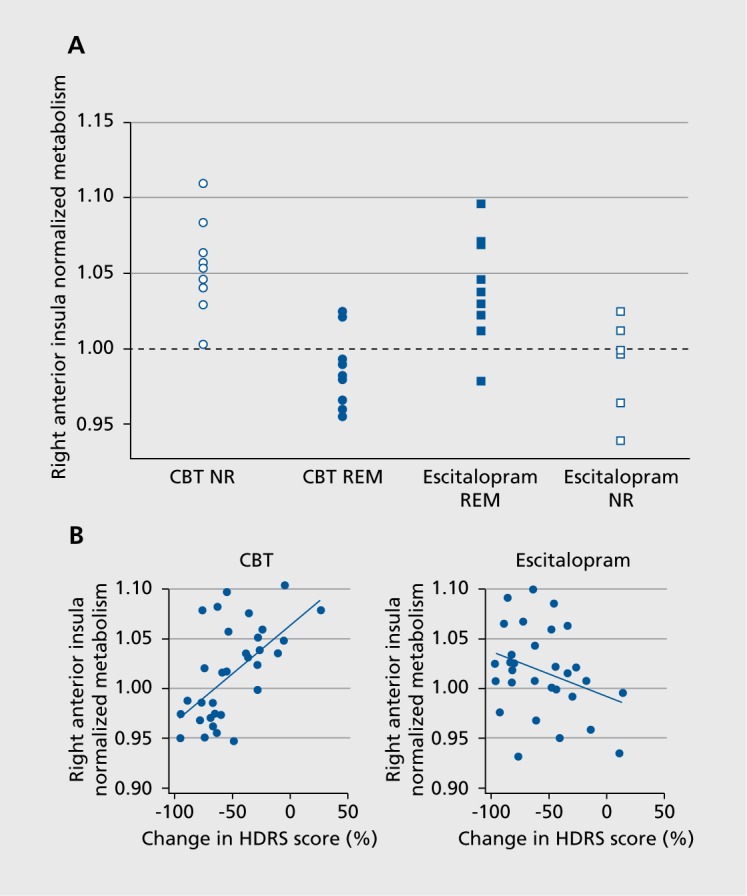
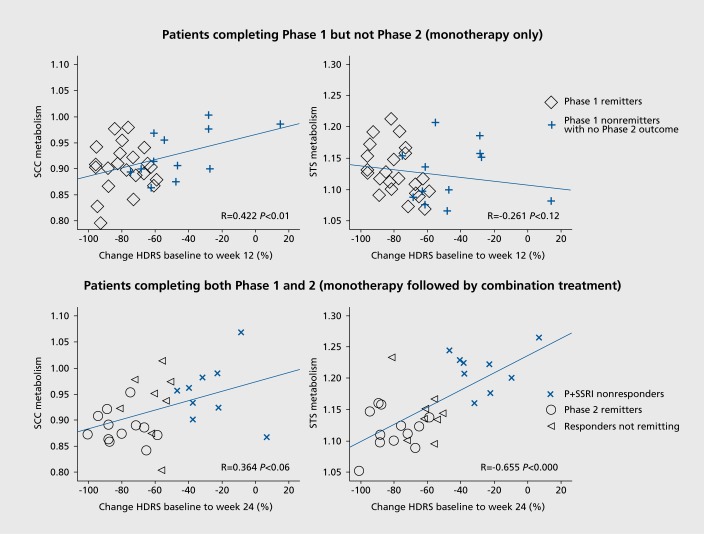
The use of neuroimaging approaches to identify likely treatment outcomes in patients with major depressive disorder is developing rapidly. Emerging work suggests that resting state pretreatment metabolic activity in the fronto-insular cortex may distinguish between patients likely to respond to psychotherapy or medication and may function as a treatment-selection biomarker. In contrast, high metabolic activity in the subgenual anterior cingulate cortex may be predictive of poor outcomes to both medication and psychotherapy, suggesting that nonstandard treatments may be pursued earlier in the treatment course. Although these findings will require replication before clinical adoption, they provide preliminary support for the concept that brain states can be measured and applied to the selection of a specific treatment most likely to be beneficial for an individual patient.
Overview
The claims and statistics of this paper haven’t been checked yet.
Free: it reads the open-access text and checks the first 5 claims that cite a source we can check. Create a free account to check every claim.
Integrity signals
Registry
Cites
Statistics
Figures
Verification
Claims the paper makes
The claims and statistics of this paper haven’t been checked yet.
Free: it reads the open-access text and checks the first 5 claims that cite a source we can check. Create a free account to check every claim.
Claims other papers make about this one
Each is checked against this paper’s own text: does it say what the citing paper says it does?
The cited source says what the claim attributes to it.
In the citing paper
“this region is thought to play a central role in the pathophysiology of MDD (Dunlop & Mayberg, 2014).”
From A novel resting-state functional magnetic resonance imaging signature of resilience to recurrent depression (2017) · cites this paper as Dunlop & Mayberg, 2014
Self-check
Percentages, sums and reported differences re-computed from the paper’s own numbers.
The self-check needs the paper’s full text.
Citations
Cites
A default mode of brain function
Raichle, M. E., MacLeod, A. M., Snyder, A. Z., Powers, W. J., Gusnard, D. A., & Shulman, G. L. (2001) · Proceedings of the National Academy of Sciences · doi:10.1073/pnas.98.2.676 · Cited by 12,190
The Brain's Default Network: Anatomy, Function, and Relevance to Disease
Buckner, R. L., Andrews‐Hanna, J. R., & Schacter, D. L. (2008) · Annals of the New York Academy of Sciences · doi:10.1196/annals.1440.011 · Cited by 9,761
Murray, C. J. L., Vos, T., Lozano, R., Naghavi, M., Flaxman, A. D., Michaud, C., Ezzati, M., Shibuya, K., Salomon, J. A., Abdalla, S., et al. (2012) · The Lancet · doi:10.1016/s0140-6736(12)61689-4 · Cited by 8,888
Dissociable intrinsic connectivity networks for salience processing and executive control
Seeley, W. W., Menon, V., Schatzberg, A. F., Keller, J., Glover, G. H., Kenna, H., Reiss, A. L., & Greicius, M. D. (2007) · The Journal of Neuroscience · doi:10.1523/jneurosci.5587-06.2007 · Cited by 7,426
Spontaneous fluctuations in brain activity observed with functional magnetic resonance imaging
Fox, M. D., & Raichle, M. E. (2007) · Nature Reviews Neuroscience · doi:10.1038/nrn2201 · Cited by 6,700 · cited 1×
“31,32,34 Although single-treatment modality imaging do not help answer the clinical question of what is the optimal type of intervention for an individual, they may provide supporting data toward understanding treatment response patterns for a specific modality.”
BackgroundHow do you feel — now? The anterior insula and human awareness
(Bud) Craig, A. D. (2009) · Nature Reviews Neuroscience · doi:10.1038/nrn2555 · Cited by 6,657 · cited 1×
“64 Thus, of the structural imaging predictors, reduced hippocampal volume may serve as a nonspecific predictor of a poor treatment outcome, but the data, to date, do”
BackgroundSaliency, switching, attention and control: a network model of insula function
Menon, V., & Uddin, L. Q. (2010) · Brain Structure and Function · doi:10.1007/s00429-010-0262-0 · Cited by 5,592
Deep Brain Stimulation for Treatment-Resistant Depression
Mayberg, H. S., Lozano, A. M., Voon, V., McNeely, H. E., Seminowicz, D., Hamani, C., Schwalb, J. M., & Kennedy, S. H. (2005) · Neuron · doi:10.1016/j.neuron.2005.02.014 · Cited by 4,059 · cited 2×
“…group-level continuous outcomes, such as overall mean change or percent improvement) are the most appropriate outcome metric for TSB studies because the individual is the unit of analysis, although more sophisticated determine a trajectory of change for each individual patient may allow for…”
BackgroundSelf-citationInflammation and Its Discontents: The Role of Cytokines in the Pathophysiology of Major Depression
Miller, A. H., Maletic, V., & Raison, C. L. (2009) · Biological Psychiatry · doi:10.1016/j.biopsych.2008.11.029 · Cited by 3,848 · cited 1×
“Most recently, the pathophysiologic role of inflammation has been recognized as a potential 13 or other predictors of treatment outcomes.”
BackgroundSridharan, D., Levitin, D. J., & Menon, V. (2008) · Proceedings of the National Academy of Sciences · doi:10.1073/pnas.0800005105 · Cited by 2,892
Research works printed but not linked: 1
- 33. American Psychiatric Association. Practice Guideline for the Treatment of Patients With Major Depressive Disorder. 3rd ed. Arlington, VA: American Psychiatric Association; 2010.
Cited by
Lactate in the brain: from metabolic end-product to signalling molecule
Magistretti, P. J., & Allaman, I. (2018) · Nature Reviews Neuroscience · doi:10.1038/nrn.2018.19 · Cited by 1,298
McIntyre, R. S., Rosenblat, J. D., Nemeroff, C. B., Sanacora, G., Murrough, J. W., Berk, M., Brietzke, E., Dodd, S., Gorwood, P., Ho, R., et al. (2021) · American Journal of Psychiatry · doi:10.1176/appi.ajp.2020.20081251 · Cited by 731
“Overactivity in the sgACC is a replicated pathological feature ofmajor depressive disorder, and reduction of activity in the sgACC is associatedwith response to conventional antidepressant treatments (31, 33).”
ResultPrecision psychiatry: a neural circuit taxonomy for depression and anxiety
Williams, L. M. (2016) · The Lancet Psychiatry · doi:10.1016/s2215-0366(15)00579-9 · Cited by 641
Psilocybin for treatment-resistant depression: fMRI-measured brain mechanisms
Carhart-Harris, R. L., Roseman, L., Bolstridge, M., Demetriou, L., Pannekoek, J. N., Wall, M. B., Tanner, M., Kaelen, M., McGonigle, J., Murphy, K., et al. (2017) · Scientific Reports · doi:10.1038/s41598-017-13282-7 · Cited by 587
Dunlop, B. W., Rajendra, J. K., Craighead, W. E., Kelley, M. E., McGrath, C. L., Choi, K. S., Kinkead, B., Nemeroff, C. B., & Mayberg, H. S. (2017) · American Journal of Psychiatry · doi:10.1176/appi.ajp.2016.16050518 · Cited by 342
“We have previously proposed that psychotherapy-responsive depression may represent a brain state with sufficiently adequate connectivity in mood-regulating systems such that engagement of these systems via psychotherapy can reduce negative emotional states (25).”
Self-citationWilliams, L. M. (2017) · Depression and Anxiety · doi:10.1002/da.22556 · Cited by 291
EEG based Major Depressive disorder and Bipolar disorder detection using Neural Networks:A review
Yasin, S., Hussain, S. A., Aslan, S., Raza, I., Muzammel, M., & Othmani, A. (2021) · Computer Methods and Programs in Biomedicine · doi:10.1016/j.cmpb.2021.106007 · Cited by 256
Studying depression using imaging and machine learning methods
Patel, M. J., Khalaf, A., & Aizenstein, H. J. (2016) · NeuroImage: Clinical · doi:10.1016/j.nicl.2015.11.003 · Cited by 178
“…an initial attempt to model depression diagnosis and treatment response is in accordance with past neuroimaging-based studies that have predominantly found anatomical changes and altered brain activity to be valuable biomarkers of major depression (Dunlop and Mayberg, 2014; McGrath et al., 2013).”
Connolly, C. G., Ho, T. C., Blom, E. H., LeWinn, K. Z., Sacchet, M. D., Tymofiyeva, O., Simmons, A. N., & Yang, T. T. (2017) · Journal of Affective Disorders · doi:10.1016/j.jad.2016.09.026 · Cited by 177
“…the utility of continuing a treatment intervention early in its course, obviating the need to wait until treatment completion to determine efficacy (Dunlop and Mayberg, 2014). http://dx.doi.org/10.1016/j.jad.2016.09.026 Received 22 June 2016; Received in revised form 2 September 2016; Accepted 22…”
BackgroundInfluentialPsychedelic drugs—a new era in psychiatry?
Nutt, D. J. (2019) · Dialogues in Clinical Neuroscience · doi:10.31887/dcns.2019.21.2/dnutt · Cited by 180
Suggested Biomarkers for Major Depressive Disorder
Hacimusalar, Y., & Esel, E. (2017) · Noro Psikiyatri Arsivi · doi:10.5152/npa.2017.19482 · Cited by 113
Abdallah, C. G., Averill, C. L., Salas, R., Averill, L. A., Baldwin, P. R., Krystal, J. H., Mathew, S. J., & Mathalon, D. H. (2017) · Biological Psychiatry: Cognitive Neuroscience and Neuroimaging · doi:10.1016/j.bpsc.2017.04.006 · Cited by 111
“The vPFC findings in TRD and during ketamine infusion are of great interest to the field reflecting the critical role of this region in the pathophysiology of depression (12).”
BackgroundShou, H., Yang, Z., Satterthwaite, T. D., Cook, P. A., Bruce, S. E., Shinohara, R. T., Rosenberg, B., & Sheline, Y. I. (2017) · NeuroImage: Clinical · doi:10.1016/j.nicl.2017.01.030 · Cited by 108
“In previous studies of MDD, resting-state hypoconnectivity between theamygdala and regionsinvolved in affective processingis a common-ly-reported characteristic of the disorder (Dunlop and Mayberg, 2014; Kaiser et al., 2015).”
BackgroundInfluentialOluboka, O. J., Katzman, M. A., Habert, J., McIntosh, D., MacQueen, G. M., Milev, R. V., McIntyre, R. S., & Blier, P. (2018) · International Journal of Neuropsychopharmacology · doi:10.1093/ijnp/pyx081 · Cited by 104
“…have yet to demonstrate a positive impact on health outcomes in clinical practice; however, future research may eventually prove biomarkers to be beneficial in selecting appropriate antidepressants in specific patient populations (Dunlop and Mayberg, 2014; Leuchter et al., 2014; Thase, 2014a).”
BackgroundDavidson, B., Hamani, C., Rabin, J. S., Goubran, M., Meng, Y., Huang, Y., Baskaran, A., Sharma, S., Ozzoude, M., Richter, M. A., et al. (2020) · Molecular Psychiatry · doi:10.1038/s41380-020-0737-1 · Cited by 126
Brydges, C. R., Fiehn, O., Mayberg, H. S., Schreiber, H., Dehkordi, S. M., Bhattacharyya, S., Cha, J., Choi, K. S., Craighead, W. E., Krishnan, R. R., et al. (2021) · Scientific Reports · doi:10.1038/s41598-021-99845-1 · Cited by 98
Self-citationCircuit-based frameworks of depressive behaviors: The role of reward circuitry and beyond
Knowland, D., & Lim, B. K. (2018) · Pharmacology Biochemistry and Behavior · doi:10.1016/j.pbb.2017.12.010 · Cited by 86
“In humans, chronic deep brain stimulation (DBS) of the subgenual cingulate cortex (Cg25), the equivalent of the rodent vmPFC, restores and alleviates several symptoms of depression in treatment-resistant MDD patients (Dunlop and Mayberg, 2014; Mayberg et al., 2005).”
Nord, C. L., Halahakoon, D. C., Limbachya, T., Charpentier, C. J., Lally, N., Walsh, V., Leibowitz, J., Pilling, S., & Roiser, J. P. (2019) · Neuropsychopharmacology · doi:10.1038/s41386-019-0401-0 · Cited by 90
“A key priority for psychiatric research is identifying objective measures to help optimize treatment selection[28].”
BackgroundJankowski, K. F., Batres, J., Scott, H., Smyda, G., Pfeifer, J. H., & Quevedo, K. (2018) · Social Cognitive and Affective Neuroscience · doi:10.1093/scan/nsy055 · Cited by 80
Peng, W. J., Jia, Z., Huang, X., Lui, S., Kuang, W., Sweeney, J. A., & Gong, Q. (2019) · Progress in Neuro-Psychopharmacology and Biological Psychiatry · doi:10.1016/j.pnpbp.2019.109676 · Cited by 83
Lin, C., Chuang, C., Cao, Z., Singh, A. K., Hung, C.-S., Yu, Y.-H., Nascimben, M., Liu, Y., King, J., Su, T., et al. (2017) · IEEE Access · doi:10.1109/access.2017.2675884 · Cited by 85
“Recently, the biomarker used to optimize the initial treatment selection in depression has been extensively explored [22]–[24].”
BackgroundPersonalized medicine in psychiatry
Wium-Andersen, I. K., Vinberg, M., Kessing, L. V., & McIntyre, R. S. (2017) · Nordic Journal of Psychiatry · doi:10.1080/08039488.2016.1216163 · Cited by 74
“Despite many attempts to find a biological marker to guide treatment selection and response, no study to date has been able to find a biomarker ready to be implemented in clinical settings (51,52), although many, especially biochemical and neuroimaging biomarkers, has been proposed (39,40,53,54).”
BackgroundBeyond the neuron: Role of non-neuronal cells in stress disorders
Cathomas, F., Holt, L. M., Parise, E. M., Liu, J., Murrough, J. W., Casaccia, P., Nestler, E. J., & Russo, S. J. (2022) · Neuron · doi:10.1016/j.neuron.2022.01.033 · Cited by 76
Device-Based Modulation of Neurocircuits as a Therapeutic for Psychiatric Disorders
Deng, Z., Luber, B. M., Balderston, N. L., Afanador, M. V., Noh, M. M., Thomas, J., Altekruse, W. C., Exley, S. L., Awasthi, S., & Lisanby, S. H. (2020) · The Annual Review of Pharmacology and Toxicology · doi:10.1146/annurev-pharmtox-010919-023253 · Cited by 62
“Dunlop & Mayberg (27) have suggested that there are two main types of biomarkers that predict treatment response in depressed patients.”
BackgroundInfluentialPrecision Neuroimaging for Localization-Related Psychiatry
Laumann, T. O., Zorumski, C. F., & Dosenbach, N. U. F. (2023) · JAMA Psychiatry · doi:10.1001/jamapsychiatry.2023.1576 · Cited by 58
Sambataro, F., Doerig, N., Hänggi, J., Wolf, R. C., Brakowski, J., Holtforth, M. G., Seifritz, E., & Spinelli, S. (2017) · European Neuropsychopharmacology · doi:10.1016/j.euroneuro.2017.11.008 · Cited by 61
Circuit-Based Biomarkers for Mood and Anxiety Disorders
Xia, F., & Kheirbek, M. A. (2020) · Trends in Neurosciences · doi:10.1016/j.tins.2020.08.004 · Cited by 60
Zhuo, C., Zhu, J., Wang, C., Qu, H., Ma, X., & Qin, W. (2016) · Brain Imaging and Behavior · doi:10.1007/s11682-016-9645-z · Cited by 54
“tus, neuroimaging techniques, and MRI data processing methods), might underlie the failure to achieve a consensus on this matter (Dunlop and Mayberg 2014; Dutta et al. 2014; Gong and He 2015; Graham et al. 2013; Mulders et al. 2015; Wolfers et al. 2015).”
BackgroundBrown, E. C., Clark, D., Forkert, N. D., Molnar, C., Kiss, Z. H. T., & Ramasubbu, R. (2020) · Neuropsychopharmacology · doi:10.1038/s41386-020-0745-5 · Cited by 57
“We thank Dr. Mayberg for her guidance in the development of the PET protocol.”
Clinical Pharmacokinetics and Pharmacodynamics of Drugs in the Central Nervous System
Srinivas, N., Maffuid, K., & Kashuba, A. D. M. (2018) · Clinical Pharmacokinetics · doi:10.1007/s40262-018-0632-y · Cited by 58
“For example, in the case of antidepressants [69], PET scans have been used to derive receptor abundance and occupancy profiles in vivo, while functional magnetic resonance imaging (fMRI) provides information about changes in brain structure and white matter integrity.”
BackgroundWolf, R. C., Nolte, H. M., Hirjak, D., Hofer, S., Seidl, U., Depping, M. S., Stieltjes, B., Maier-Hein, K. H., Sambataro, F., & Thomann, P. A. (2016) · European Neuropsychopharmacology · doi:10.1016/j.euroneuro.2016.06.008 · Cited by 48
Klimes‐Dougan, B., Schreiner, M. W., Thai, M., Gunlicks‐Stoessel, M., Reigstad, K. M., & Cullen, K. R. (2017) · Progress in Neuro-Psychopharmacology and Biological Psychiatry · doi:10.1016/j.pnpbp.2017.10.015 · Cited by 43
“relevant to personalization, we would ideally have a large-scale, randomized control treatment (RCT) design and would more fully examine potential predictors and moderators of treatment response (Dunlop and Mayberg, 2014).”
BackgroundSahib, A. K., Loureiro, J. R. A., Vasavada, M. M., Kubicki, A., Joshi, S. H., Wang, K., Woods, R. P., Congdon, E., Wang, D. J. J., Boucher, M. L., et al. (2020) · European Neuropsychopharmacology · doi:10.1016/j.euroneuro.2020.01.017 · Cited by 43
Biomarkers of Major Depressive Disorder: Knowing is Half the Battle
Malik, S., Singh, R., Arora, G., Dangol, A., & Goyal, S. (2021) · Clinical Psychopharmacology and Neuroscience · doi:10.9758/cpn.2021.19.1.12 · Cited by 42
“causing down-regulation of animal experiments in the BDNF pathways [62,63].”
BackgroundDeep Brain Stimulation for Depression: Keeping an Eye on a Moving Target
Mayberg, H. S., Riva-Posse, P., & Crowell, A. L. (2016) · JAMA Psychiatry · doi:10.1001/jamapsychiatry.2016.0173 · Cited by 39
Self-citationMenon, V., Rajan, T. M., Kuppili, P. P., & Sarkar, S. (2017) · Indian Journal of Psychological Medicine · doi:10.4103/ijpsym.ijpsym_17_17 · Cited by 39
“Preliminary evidence of such a kind is already available in psychological conditions such as depression[45,46] and need to be studied among MUS patients also.”
BackgroundCristea, I. A., Karyotaki, E., Hollon, S. D., Cuijpers, P., & Gentili, C. (2019) · Neuroscience & Biobehavioral Reviews · doi:10.1016/j.neubiorev.2019.03.022 · Cited by 34
“, 2017) (PReDICT), confirming a role for the subgenual cortex (Dunlop and Mayberg, 2014).”
BackgroundResting State Functional Connectivity and Outcomes of Psychotherapies for Late-Life Depression
Solomonov, N., Victoria, L. W., Dunlop, K., Respino, M., Hoptman, M. J., Zilcha‐Mano, S., Oberlin, L. E., Liston, C. M., Areán, P. A., Gunning, F. M., et al. (2020) · American Journal of Geriatric Psychiatry · doi:10.1016/j.jagp.2020.04.008 · Cited by 36
Berwian, I. M., Wenzel, J. G., Kuehn, L., Schnuerer, I., Kasper, L., Veer, I. M., Seifritz, E., Stephan, K. E., Walter, H., & Huys, Q. J. M. (2020) · Scientific Reports · doi:10.1038/s41598-020-79170-9 · Cited by 29
Anterior cingulate cortex in individuals with depressive symptoms: A structural MRI study
Ibrahim, H. M., Kulikova, A., Ly, H., Rush, A. J., & Brown, E. S. (2021) · Psychiatry Research Neuroimaging · doi:10.1016/j.pscychresns.2021.111420 · Cited by 41
Duval, F., Mokrani, M., Erb, A., Lopera, F. G., Alexa, C., Proudnikova, X., & Butucaru, I. (2015) · Psychoneuroendocrinology · doi:10.1016/j.psyneuen.2015.05.005 · Cited by 34
Depression in chronic ketamine users: Sex differences and neural bases
Li, C. R., Zhang, S., Hung, C., Chen, C., Duann, J., Lin, C., & Lee, T. S. (2017) · Psychiatry Research Neuroimaging · doi:10.1016/j.pscychresns.2017.09.001 · Cited by 34
“MARK Brodmann area 25) in depression on the bases of functional imaging, lesioning, and electromagnetic stimulation (see Berlim et al., 2014; Dunlop and Mayberg, 2014; Savitz and Drevets, 2009 for a review).”
Casteràs, D. P., Fullana, M. A., Tinoco, D. H., Martínez‐Zalacaín, I., Pujol, J., Vidal, D. P., Soriano‐Mas, C., Harrison, B. J., Via, E., & Cardoner, N. (2020) · Journal of Affective Disorders · doi:10.1016/j.jad.2020.02.029 · Cited by 38
Resilience to Stress and Resilience to Pain: Lessons from Molecular Neurobiology and Genetics
Nestler, E. J., & Waxman, S. G. (2020) · Trends in Molecular Medicine · doi:10.1016/j.molmed.2020.03.007 · Cited by 35
Shao, J., Qin, J., Wang, H., Sun, Y., Zhang, W., Wang, X., Wang, T., Li, X., Yao, Z., & Lü, Q. (2023) · Biological Psychiatry · doi:10.1016/j.biopsych.2023.08.005 · Cited by 31
Amidfar, M., Quevedo, J., Réus, G. Z., & Kim, Y. (2020) · International Journal of Psychiatry in Clinical Practice · doi:10.1080/13651501.2020.1861632 · Cited by 34
Bhattacharyya, S., Dunlop, B. W., MahmoudianDehkordi, S., Ahmed, A. T., Louie, G., Frye, M. A., Weinshilboum, R. M., Krishnan, R. R., Rush, A. J., Mayberg, H. S., et al. (2019) · Frontiers in Neuroscience · doi:10.3389/fnins.2019.00926 · Cited by 27
Self-citationWorkman, C. I., Lythe, K. E., McKie, S., Moll, J., Gethin, J. A., Deakin, J. F. W., Elliott, R., & Zahn, R. (2017) · Psychological Medicine · doi:10.1017/s0033291716002567 · Cited by 26
“The lower interhemispheric sgACC connectivity we observed in the resilient MDD patients may appear to contradict studies which report normalization of resting-state sgACC functional connectivity and cerebral glucose metabolism with treatment (Dichter et al. 2014; Dunlop & Mayberg, 2014).”
BackgroundResultNeuroscience-based psychotherapy: A position paper
Cammisuli, D. M., & Castelnuovo, G. (2023) · Frontiers in Psychology · doi:10.3389/fpsyg.2023.1101044 · Cited by 35
“Zilcha-Mano et al. (2020) have demonstrated that psychotherapeutic treatment is effective when patients suffering from MDD and therapists are biologically synchronized in oxytocin levels change, giving cuttingedge directions for future research.”
BackgroundInfluentialPrediction of treatment outcomes in major depressive disorder
Dunlop, B. W. (2015) · Expert Review of Clinical Pharmacology · doi:10.1586/17512433.2015.1075390 · Cited by 22
“Smaller hippocampal volume prior to treatment initiation has been associated with poorer response to pharmacotherapy [10], and hyper-responsiveness of the subgenual cingulate cortex to negatively valenced words has been replicated as a predictor of poorer response to cognitive behavioral therapy (CBT) [17].”
BackgroundSelf-citationLi, W., Wang, C., Lan, X., Fu, L., Zhang, F., Ye, Y., Liu, H., Zhou, Y., & Ning, Y. (2022) · Journal of Psychiatric Research · doi:10.1016/j.jpsychires.2022.07.001 · Cited by 28
Isolating biomarkers for symptomatic states: considering symptom–substrate chronometry
Treadway, M. T., & Leonard, C. V. (2016) · Molecular Psychiatry · doi:10.1038/mp.2016.83 · Cited by 23
“41, 42 In many ways, the importance of this type of symptom chronometry has been previously recognized by the classic state vs. trait distinction in psychiatry.”
Hou, Z., Gong, L., Zhi, M., Yin, Y., Zhang, Y., Xie, C., & Yuan, Y. (2017) · Brain Imaging and Behavior · doi:10.1007/s11682-017-9773-0 · Cited by 22
Wang, X., Qin, J., Zhu, J., Bi, K., Zhang, S., Yan, R., Zhao, P., Yao, Z., & Lü, Q. (2019) · European Psychiatry · doi:10.1016/j.eurpsy.2019.02.004 · Cited by 23
Filkowski, M. M., Mayberg, H. S., & Holtzheimer, P. E. (2015) · Journal of Ect · doi:10.1097/yct.0000000000000281 · Cited by 22
“Until treatment-specific biomarkers are identified for subtypes of depression or other psychiatric disorders are developed and generally available [13-15], strategies to increase the subject pool for a novel brain stimulation treatment trials are needed.”
BackgroundSelf-citationDunlop, B. W., Polychroniou, P. E., Rakofsky, J. J., Nemeroff, C. B., Craighead, W. E., & Mayberg, H. S. (2018) · Psychological Medicine · doi:10.1017/s0033291718002568 · Cited by 23
Self-citationZak, N., Bøen, E., Boye, B., Andreassen, O. A., Doan, N. T., Malt, U. F., Westlye, L. T., & Elvsåshagen, T. (2019) · Bipolar Disorders · doi:10.1111/bdi.12771 · Cited by 22
Karvelis, P., Charlton, C. E., Allohverdi, S. G., Bedford, P., Hauke, D. J., & Diaconescu, A. O. (2022) · Network Neuroscience · doi:10.1162/netn_a_00233 · Cited by 26
“In clinical practice, a more useful prediction would be differential treatment response prediction, indicating which of several available treatments is the most likely to lead to improvement for a given patient (Dunlop & Mayberg, 2014; Perlman et al., 2019).”
BackgroundPrompiengchai, S., & Dunlop, K. (2024) · Neuropsychopharmacology · doi:10.1038/s41386-024-01907-1 · Cited by 26
A review of new insights into existing major depressive disorder biomarkers
Rimti, F. H., Shahbaz, R., Bhatt, K., & Xiang, A. J. (2023) · Heliyon · doi:10.1016/j.heliyon.2023.e18909 · Cited by 23
“Chronic stress reduces neurogenesis and resilience by inhibiting BDNF pathways in animals [51,52].”
BackgroundKlöbl, M., Gryglewski, G., Rischka, L., Godbersen, G. M., Unterholzner, J., Reed, M. B., Michenthaler, P., Vanicek, T., Pjrek, E., Hahn, A., et al. (2020) · Frontiers in Computational Neuroscience · doi:10.3389/fncom.2020.554186 · Cited by 17
Singh, B., MahmoudianDehkordi, S., Voort, J. L. V., Han, X., Port, J. D., Frye, M. A., & Kaddurah‐Daouk, R. (2022) · Psychiatry Research · doi:10.1016/j.psychres.2022.114655 · Cited by 14
Early Detection of Depression and Treatment Response Prediction using Machine Learning: A Review
Kharel, P., Sharma, K., Dhimal, S., & Sharma, S. (2019) · International Conference on Advanced Computational and Communication Paradigms (ICACCP) · doi:10.1109/icaccp.2019.8882891 · Cited by 21
Jamieson, A. J., Harrison, B. J., & Davey, C. G. (2021) · Psychological Medicine · doi:10.1017/s0033291721002567 · Cited by 16
Brain-Based Biomarkers for the Treatment of Depression: Evolution of an Idea
Waters, A. C., & Mayberg, H. S. (2017) · Journal of the International Neuropsychological Society · doi:10.1017/s1355617717000881 · Cited by 14
“…putative biomarkers have been identified in frontal limbic activity (Crane et al., 2017; Fu, Steiner, & Costafreda, 2013;McGrath et al., 2013; Siegle et al., 2012), and brain-based treatment selection algorithms are now being tested prospectively in clinical populations (Dunlop & Mayberg, 2014).”
BackgroundSelf-citationMRI-Based Diagnostics of Depression Concomitant with Epilepsy: In Search of the Potential Biomarkers
Sharaev, M., Artemov, A., Kondrateva, E., Sushchinskaya, S., Burnaev, E. V., Bernstein, A., Akzhigitov, R. G., & Andreev, A. (2018) · IEEE International Conference on Data Science and Advanced Analytics (DSAA) · doi:10.1109/dsaa.2018.00071 · Cited by 13
“The use of these features in an initial attempt to model depression diagnosis and treatment response is in accordance with past neuroimaging-based studies that have predominantly found anatomical changes and altered brain activity to be valuable biomarkers of major depression [34], [35].”
ResultJiang, B., Petkova, E., Tarpey, T., & Ogden, R. T. (2019) · Biometrics · doi:10.1111/biom.13151 · Cited by 12
“Among these neuroimaging modalities, the use of EEG‐based biomarkers has been extensively investigated in depression studies due to its wide availability, noninvasive nature, and low cost (Dunlop and Mayberg, 2014).”
BackgroundLiu, Y., Ou, Y., Zhao, J., & Guo, W. (2021) · Journal of Psychiatric Research · doi:10.1016/j.jpsychires.2021.10.016 · Cited by 13
A longitudinal multi-scanner multimodal human neuroimaging dataset
Hawco, C. S., Dickie, E. W., Herman, G., Turner, J. A., Árgyelán, M., Malhotra, A. K., Buchanan, R. W., & Voineskos, A. N. (2022) · Scientific Data · doi:10.1038/s41597-022-01386-3 · Cited by 13
Aldosterone Action on Brain and Behavior
Murck, H. (2016) · Elsevier eBooks · doi:10.1016/b978-0-12-803592-4.00052-3 · Cited by 10
Marano, G., Anesini, M. B., Milintenda, M., Acanfora, M., Calderoni, C., Bardi, F., Lisci, F. M., Brisi, C., Traversi, G., Mazza, O., et al. (2025) · Pediatric Reports · doi:10.3390/pediatric17030065 · Cited by 11
“This effect extends to mood disorders as well, where activation of the subgenual ACC has been found to predict treatment efficacy: elevated metabolic activity in this region has been associated with poorer therapy response, highlighting the need for more targeted therapeutic approaches [103].”
Fennema, D., Barker, G. J., O’Daly, O., Duan, S., Carr, E., Goldsmith, K., Young, A. H., Moll, J., & Zahn, R. (2024) · Biological Psychiatry Global Open Science · doi:10.1016/j.bpsgos.2024.100308 · Cited by 9
“Reduced functional connectivity may re fl ect suboptimal interoceptive and emotional integration, thereby potentially rendering people more vulnerable to overgeneralization of social feelings and rendering patients less responsive to psychotherapies that require conscious reappraisal (79,80).”
Neural activity during inhibitory control predicts suicidal ideation with machine learning
Nan, J., Grennan, G., Ravichandran, S., Ramanathan, D., & Mishra, J. (2024) · NPP—Digital Psychiatry and Neuroscience · doi:10.1038/s44277-024-00012-x · Cited by 9
“Beyond simple predictions of depression using neuroimaging [21], other studies have attempted to use ML to identify differences in speci fi c regions of the brain that are associated with depression [22, 23].”
MethodDecoding depression: How DLPFC and SMA mediate stress perception's role in mental health?
Cao, X., Zhang, Y., Wu, H., Da, H., Xiao, Q., & Shi, H. (2025) · Journal of Affective Disorders · doi:10.1016/j.jad.2025.03.036 · Cited by 9
Wu, H., Lu, B., Xiang, N., Qiu, M., Da, H., Xiao, Q., Zhang, Y., & Shi, H. (2024) · Journal of Affective Disorders · doi:10.1016/j.jad.2024.07.031 · Cited by 10
Advancing brain network models to reconcile functional neuroimaging and clinical research
Kobeleva, X., Varoquaux, G. P., Dagher, A., Adhikari, M. H., Grefkes, C., & Gilson, M. (2022) · NeuroImage Clinical · doi:10.1016/j.nicl.2022.103262 · Cited by 9
“…patient group selection for the comparison of different disease trajectories (Grefkes and Fink, 2014), namely identifying patients particularly suitable for specific (non-)pharmacological treatments according to treatment response (Dunlop and Mayberg, 2014) or predict different treatment outcomes.”
The Potential Use of Neuroimaging Biomarkers in the Treatment of Obsessive-Compulsive Disorder
Fullana, M. A., & Simpson, H. B. (2016) · Current Treatment Options in Psychiatry · doi:10.1007/s40501-016-0087-4 · Cited by 8
van Krugten, F. C. W., Goorden, M., van Balkom, A. J. L. M., Spijker, J., Brouwer, W. B. F., & Roijen, L. H. (2018) · Depression and Anxiety · doi:10.1002/da.22741 · Cited by 10
“In recent years, a wide array of individual patient factors has been examined to inform initial treatment selection in patients withMDD (Delgadillo, Moreea, & Lutz, 2016; Dunlop & Mayberg, 2014; Lener & Iosifescu, 2015; McGrath et al., 2013; Sotsky et al., 1991).”
BackgroundSachinvala, N. D., Teramoto, N., & Stergiou, A. (2020) · Brain Sciences · doi:10.3390/brainsci10090600 · Cited by 12
“In chronic inflammatory illnesses like MS and MD, CNS tissue losses are seen in the anterior and subgenual cingulate cortices, amygdala, prefrontal and orbitofrontal cortices, the ventral striatum, and the hippocampus [49].”
BackgroundHighfield imaging of the subgenual anterior cingulate cortex in uni- and bipolar depression
Buchholz, F., Meffert, M., Bazin, P., Trampel, R., Turner, R., & Schönknecht, P. (2024) · Frontiers in Psychiatry · doi:10.3389/fpsyt.2024.1462919 · Cited by 8
“(4) found reduced numbers and densities of glia in MDD and BD in the subgenual part of Brodmann area 24 (BA24sg), but no change in neuronal numbers or neuronal density in post-mortem analysis.”
BackgroundZahn, R. (2025) · Journal of Affective Disorders · doi:10.1016/j.jad.2025.119423 · Cited by 9
Brain changes associated with depression treatment: a meta-analysis
Perez, G. M., Rosenberg, B. M., Xu, W., & Oathes, D. J. (2025) · NeuroImage Clinical · doi:10.1016/j.nicl.2025.103874 · Cited by 6
“Given the pressing clinical need, treatment outcome and treatment mechanism-based work is emerging as a priority in psychiatric neuro-imaging (Drysdale et al., 2017; Dunlop & Mayberg, 2014).”
Prevention of Initial Depressive Disorders Among at-Risk Portuguese Adolescents
Matos, A. P., Pinheiro, M. D. R., Costa, J. J., Salvador, M. D. C., Arnarson, E. Ö., & Craighead, W. E. (2018) · Behavior Therapy · doi:10.1016/j.beth.2018.11.005 · Cited by 9
The future of mental health and aging
Hantke, N. C., O'Hara, R. M., Beaudreau, S. A., & Etkin, A. (2020) · Elsevier eBooks · doi:10.1016/b978-0-12-800136-3.00028-4 · Cited by 4
Rubart, A., Hohagen, F., & Zurowski, B. (2018) · PPmP - Psychotherapie · Psychosomatik · Medizinische Psychologie · doi:10.1055/a-0598-4972 · Cited by 5
“Es wird vermutet, dass eine geringere Aktivität der Insula auf ein intaktes Emotionsregulationsnetzwerk hindeutet, das eine Ressource dafür darstellt, dass in der Psychotherapie die Emotionsregulation noch weiter verbessert werden kann [57].”
BackgroundMuzyk, A. J., Gagliardi, J. P., Rakesh, G., Jiroutek, M. R., Radhakrishnan, R., Pae, C., Masand, P. S., & Szabo, S. T. (2017) · Psychiatry Investigation · doi:10.4306/pi.2017.14.3.289 · Cited by 5
Bridging the brain–mind divide in psychiatric education: The neuro-bio-psycho-social formulation
Silbersweig, D. (2015) · Asian Journal of Psychiatry · doi:10.1016/j.ajp.2015.08.020 · Cited by 5
Berg, J. M., Kennedy, J. C., Dunlop, B. W., Ramirez, C. L., Stewart, L. M., Nemeroff, C. B., Mayberg, H. S., & Craighead, W. E. (2017) · Personalized Medicine in Psychiatry · doi:10.1016/j.pmip.2016.12.005 · Cited by 6
“Although much of that research has focused on biomarkers [36], subtypes identified by personality disorder factors provide another avenue to predicting which treatment might work best for which depressed individuals.”
Self-citationSubgenual Cingulate Deep Brain Stimulation for Treatment-Resistant Depression
Bezchlibnyk, Y. B., Cheng, J. J., Bijanki, K. R., Mayberg, H. S., & Gross, R. E. (2018) · Elsevier eBooks · doi:10.1016/b978-0-12-805353-9.00091-7 · Cited by 5
Self-citationMedina, S., Forero, C. G., Sanabria‐Mazo, J. P., Rodríguez‐Freire, C., Navarrete, J., O'Daly, O. G., Howard, M. A., & Luciano, J. V. (2025) · Brain and Behavior · doi:10.1002/brb3.70380 · Cited by 3
Xia, L., Wu, N., Wang, D., Zhou, H., & Zhang, X. (2025) · Translational Psychiatry · doi:10.1038/s41398-025-03784-8 · Cited by 5
“On the other hand, several studies have found that ACC abnormalities in patients with MDD are associated with depressive symptoms and that there are gender differences in this association [14, 38, 39].”
Dang, Y., Lu, B., Vanderwal, T., Castellanos, F. X., & Yan, C. (2024) · Psychological Medicine · doi:10.1017/s0033291724001156 · Cited by 3
“This would improve the efficiency of MDD treatment trials, would free up much-needed healthcare resources, and could ultimately speed remission for many patients (Dunlop & Mayberg, 2014).”
Kandilarova, S., Maggioni, E., Squarcina, L., Najar, D., Homadi, M. S., Tassi, E., Stoyanov, D., & Brambilla, P. (2025) · BMJ Mental Health · doi:10.1136/bmjment-2024-301511 · Cited by 3
“17 Another interesting result, though trend-level significant, highlights GMV differences in cerebellar subregions between MDD and BD. Specifically, lobule CI shows increased GMV in MDD compared with BD, while lobule CII shows the opposite.”
Imagerie cérébrale et déconstruction de l’esprit
de Beaurepaire, R. (2016) · L Évolution Psychiatrique · doi:10.1016/j.evopsy.2016.01.007 · Cited by 3
Özmen, G., Özşen, S., Paksoy, Y., Güler, Ö., & Tekdemir, R. (2023) · Multimedia Tools and Applications · doi:10.1007/s11042-023-15935-4 · Cited by 4
Basic mechanisms of, and treatment targets for, depressive disorders
Pereira, M., Andreatini, R., & Svenningsson, P. (2020) · doi:10.1093/med/9780198713005.003.0074 · Cited by 3
Diagnosis of Major Depressive Disorders: Clinical and Biological Perspectives
Fakhoury, M. (2017) · Springer eBooks · doi:10.1007/978-981-10-6577-4_4 · Cited by 5
Holt-Gosselin, B., Keller, A. S., Chesnut, M., Ling, R., Grisanzio, K. A., & Williams, L. M. (2021) · Journal of Affective Disorders · doi:10.1016/j.jad.2021.08.039 · Cited by 2
Wang, Y., Zhou, J., Chen, X., Liu, R., Zhang, Z., Feng, Y., Zhou, Y., & Wang, G. (2025) · NeuroImage Clinical · doi:10.1016/j.nicl.2025.103842 · Cited by 2
“Therefore, researchers are striving to better understand the causes and developmental processes of depression, with the goal of identifying potential biomarkers, predicting treatment outcomes, and developing novel therapeutic strategies (Dunlop and Mayberg, 2014).”
Fennema, D., Barker, G. J., O’Daly, O., Duan, S., Godlewska, B. R., Goldsmith, K., Young, A. H., Moll, J., & Zahn, R. (2024) · Psychological Medicine · doi:10.1017/s0033291724001144 · Cited by 4
Metadata
- Authors
- Dunlop, B. W., & Mayberg, H. S.
- Affiliations
- Emory University (US)
- Corresponding author
- Dunlop, Boadie W.
- Venue
- Dialogues in Clinical Neuroscience
- Publisher
- Informa UK Limited
- Published
- 2014-12-31
- Volume
- 16
- Issue
- 4
- Pages
- 479-490
- ISSN
- 1294-8322 (ISSN-L)
- 1958-5969
- PMC
- PMC4336918
- OpenAlex
- W202043522
- Cited by
- 127
- References
- 75
- Citations by year
- 2026: 7 · 2025: 10 · 2024: 8 · 2023: 7 · 2022: 7 · 2021: 9 · 2020: 15 · 2019: 12 · 2018: 14 · 2017: 16 · 2016: 15 · 2015: 5
- FWCI
- 8.75
- Type
- journal article
- Language
- en
- Open access
- diamond
- doi.org
- Licence
- Locations
- Dialogues in Clinical Neuroscience (publishedVersion, cc-by-nc-nd)
- Europe PMC (PubMed Central) (publishedVersion, cc-by-nc-nd)
- PubMed Central (publishedVersion, cc-by-nc-nd)
- PubMed (publishedVersion)
- Funders
- National Institute of Mental Health (R01MH073719)
- Topics
- Health Sciences › Medicine › Pharmacology (medical) › Treatment of Major Depression
- Life Sciences › Neuroscience › Cognitive Neuroscience › Functional Brain Connectivity Studies
- Life Sciences › Neuroscience › Neurology › Transcranial Magnetic Stimulation Studies
- Keywords
- major depressive disorder, treatment selection, neuroimaging biomarkers, subgenual anterior cingulate cortex, treatment response prediction, psychotherapy, antidepressants, personalized treatment
- MeSH terms
- Antidepressive Agents, Brain, Depressive Disorder, Major, Major Depressive Disorder, Humans, Biomarkers, Precision Medicine, Neuroimaging
About these checks
Registry, retraction, Cites and statistics results are computed, not judged, with one exception: a printed reference that no index lists is read once by a model before it counts as a citation error. Claims are extracted by a model and kept only when their quote appears verbatim in the text; each cited source is then checked, with a model’s help, for whether it says what the claim relies on. Those verdicts can be wrong — read the claim’s quote and the cited source before relying on one.
Statistics and arithmetic are recomputed, not judged.
Confidence bands are shown only for fields calibrated on our annotated test set. None is calibrated yet, so no band is shown.
What counts as a claim ›How we measure confidence ›How we check this ›
Are you an author, or do you see a problem with this page? Request a review
Data sources
Bibliographic data: Semantic Scholar, OpenAlex, Crossref.
Contains information from the Semantic Scholar Academic Graph Datasets, made available under the ODC Attribution License (ODC-BY 1.0).
Semantic Scholar’s data is described in: Kinney, R., et al. (2023). The Semantic Scholar Open Data Platform. arXiv:2301.10140.
