

pH stimuli-responsive hydrogels from non-cellulosic biopolymers for drug delivery.
Open accessThe DOI matches its Crossref record; 86 of the 86 references it cites were found in a registry or an index; 37 of the 92 sources its claims cite were checked for support.
Abstract
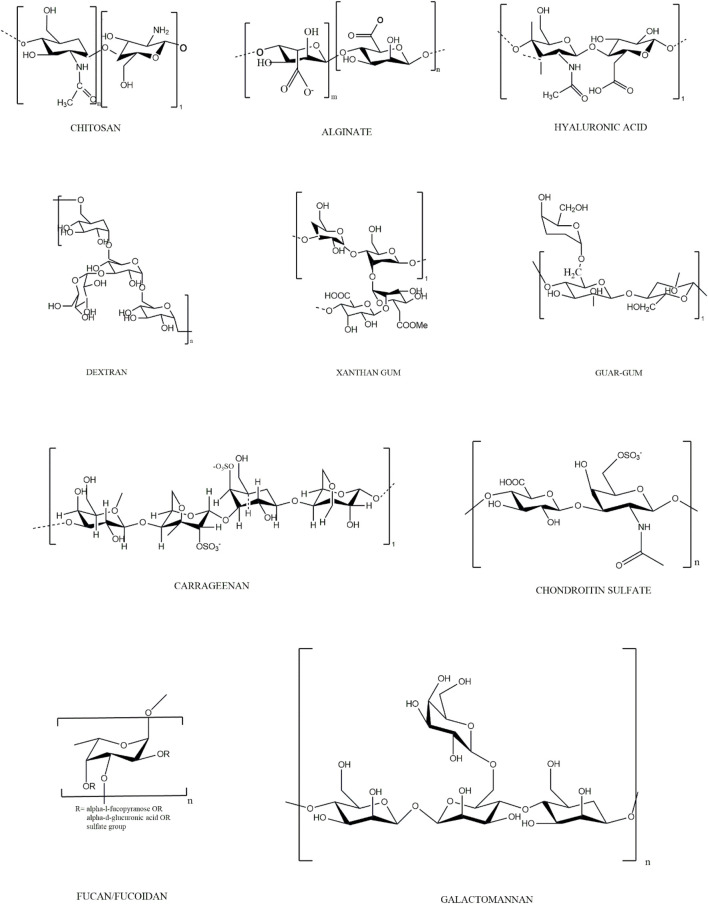
Over the past several decades, there has been significant growth in the design and development of more efficient and advanced biomaterials based on non-cellulosic biological macromolecules. In this context, hydrogels based on stimuli-responsive non-cellulosic biological macromolecules have garnered significant attention because of their intrinsic physicochemical properties, biological characteristics, and sustainability. Due to their capacity to adapt to physiological pHs with rapid and reversible changes, several researchers have investigated pH-responsive-based non-cellulosic polymers from various materials. pH-responsive hydrogels release therapeutic substances in response to pH changes, providing tailored administration, fewer side effects, and improved treatment efficacy while reducing tissue damage. Because of these qualities, they have been shown to be useful in a wide variety of applications, including the administration of chemotherapeutic drugs, biological material, and natural components. The pH-sensitive biopolymers that are utilized most frequently include chitosan, alginate, hyaluronic acid, guar gum, and dextran. In this review article, the emphasis is placed on pH stimuli-responsive materials that are based on biological macromolecules for the purposes of drug administration.
Overview
CoChat Summary
## TL;DR
This review surveys non-cellulosic biopolymer-based pH-responsive hydrogels for drug delivery, emphasizing how pH-triggered swelling/collapse can enable site-specific and sustained release. It argues that chitosan, alginate, hyaluronic acid, guar gum, and dextran are especially promising, while noting persistent materials challenges such as weak mechanics, batch variability, and microbial spoilage.
## Key findings
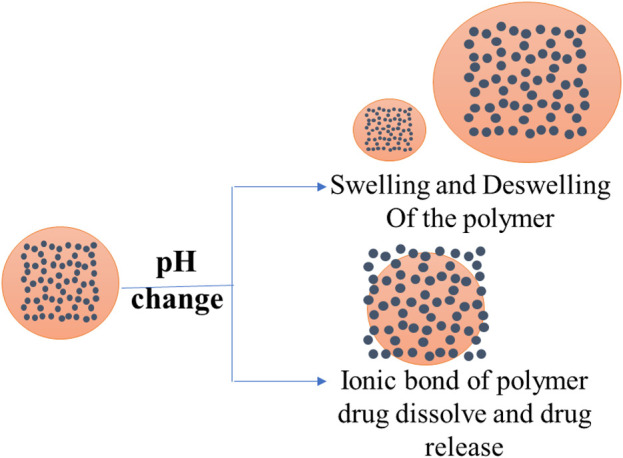
- pH-responsive hydrogels can exploit physiological pH differences across the GIT, tumor microenvironments, and intracellular compartments to achieve controlled release and reduce side effects.
- The review identifies the most frequently used pH-sensitive biopolymers as chitosan, alginate, hyaluronic acid, guar gum, and dextran.
- In injectable delivery, a multialdehyde guar gum and N,O-carboxymethyl chitosan hydrogel released Dox for 5 days and showed 72% mortality in MCF-7 cells; the paper says this was the first-ever instance of that crosslinking approach.
- For oral delivery, one chitosan-based metronidazole hydrogel remained in a dog’s stomach for over 48 h, and a capecitabine hydrogel showed 74.45%–83.54% swelling, 50.13%–72.43% loading, and up to 93% release within 30 h with a plasma t1/2 of 13 h and AUC of 42.88 μg h/mL.
## Methods
- Narrative review of published research on pH stimuli-responsive hydrogels from non-cellulosic biopolymers for drug delivery.
- The review organizes evidence by polymer type and by application route, especially oral, parenteral, and transdermal delivery.
- Main analysis is qualitative synthesis of reported material properties and drug-delivery outcomes; no new experimental dataset is presented.
## Limitations
- The paper states that non-cellulosic biopolymer hydrogels still face weak mechanical strength, limited processability, batch-to-batch variability, rapid biodegradation/catabolization, source limitations, and microbial degeneration/spoilage.
- It also notes challenges in achieving desired mechanical qualities, long-term stability, and avoiding possible immunogenicity of biological macromolecules.
- Evident from the text: this is a review article, so the paper does not present a single controlled experiment or a unified quantitative meta-analysis; it synthesizes heterogeneous prior studies instead.
Model-written summary. Check it against the paper before relying on it.
Integrity signals
Registry
Cites
Statistics
Figures
Verification
Claims the paper makes
30 Valid · 4 Not valid · 33 Not checked · 5 Own results and interpretations
The cited sources support only part of this claim — read each source’s verdict below.
In the paper
“Cationic polymers like chitosan swell in pH media below pKb due to the protonation of cationic amine/imine group (Ding et al., 2022; Rehman et al., 2022).”
§ pH stimuli-responsive hydrogels from non-cellulosic biopolymers for drug delivery > 2 Properties of non-cellulosic biological pH-sensitive polymer
What the sources say
- Not checked — no full text of the sourcecites Ding et al., 2022 matched to “Preparation and application of pH-responsive drug delivery systems” (2022) source
- Partly supportedcites Rehman et al., 2022 matched to “Ph responsive hydrogels for the delivery of capecitabine: development, optimization and pharmacokinetic studies” (2022) sourceExperimental — accuracy not yet measured
The Introduction says chitosan is cationic and that protonation of its primary amine groups makes it soluble in dilute acid. Section 2.2 attributes expansion of the chitosan-containing hydrogel network to repulsion between ionized amino groups. The paper does not give a pKb threshold or attribute swelling below it to amine or imine protonation; its Conclusions instead report greater swelling of the tested hydrogels at alkaline than acidic pH. (LLM, conf=0.86)
plainstates a cause- Asserted: passes — The authors put it forward as true.
- Checkable: passes — It can be checked against evidence.
- Load-bearing: unclear — It is unclear whether the paper’s conclusions depend on it.
- Based: passes — The paper gives a reason why it holds.
- Rests on 2 assumptions not shown here.
The cited sources support only part of this claim — read each source’s verdict below.
In the paper
“Chitosan, alginate, hyaluronic acid, dextran, xanthan, and gum-tragacanth are some examples of pH-sensitive biopolymers (Belscak-Cvitanovic et al., 2015; Garshasbi et al., 2023).”
§ pH stimuli-responsive hydrogels from non-cellulosic biopolymers for drug delivery > 2 Properties of non-cellulosic biological pH-sensitive polymer
What the sources say
- Not checked — no full text of the sourcecites Belscak-Cvitanovic et al., 2015 matched to “Improving the controlled delivery formulations of caffeine in alginate hydrogel beads combined with pectin, carrageenan, chitosan and psyllium” (2015) source
- Partly supportedcites Garshasbi et al., 2023 matched to “Stimuli-responsive injectable chitosan-based hydrogels for controlled drug delivery systems” (2023) sourceExperimental — accuracy not yet measured
The Introduction identifies chitosan as a polysaccharide, and section 6 (Anti-cancer; page unavailable) describes a chitosan-based hydrogel with pH-responsive drug release. The copy does not identify alginate, hyaluronic acid, dextran, xanthan, or gum-tragacanth as pH-sensitive biopolymers; hyaluronic acid appears only in a reference title. (LLM, conf=0.87)
plain- Asserted: passes — The authors put it forward as true.
- Checkable: passes — It can be checked against evidence.
- Load-bearing: unclear — It is unclear whether the paper’s conclusions depend on it.
- Based: passes — The paper gives a reason why it holds.
Every source the paper cites for this claim was checked and supports it.
In the paper
“It swells up to 1,000-fold compared to its volume due to its propensity to absorb water, resulting in a loose and water-rich network (Kamaly et al., 2016).”
§ pH stimuli-responsive hydrogels from non-cellulosic biopolymers for drug delivery > 2 Properties of non-cellulosic biological pH-sensitive polymer
What the sources say
- Supportedcites Kamaly et al., 2016 matched to “Degradable controlled-release polymers and polymeric nanoparticles: mechanisms of controlling drug release” (2016) source
The HA discussion (passage 1; page not supplied) says HA absorbs water and can expand up to 1,000 times its solid volume, forming a loose, hydrated network. (LLM, conf=0.95)
plainstates a cause- Asserted: passes — The authors put it forward as true.
- Checkable: passes — It can be checked against evidence.
- Load-bearing: unclear — It is unclear whether the paper’s conclusions depend on it.
- Based: passes — The paper gives a reason why it holds.
- Rests on an assumption not shown here.
- Supported
The cited sources support only part of this claim — read each source’s verdict below.
In the paper
“Alginate gels can encapsulate drugs or cells with minimal adverse effects due to their pH-dependent mild gelling ability (Milivojević et al., 2023).”
§ pH stimuli-responsive hydrogels from non-cellulosic biopolymers for drug delivery > 2 Properties of non-cellulosic biological pH-sensitive polymer
What the sources say
- Partly supportedcites Milivojević et al., 2023 matched to “Alginate gel-based carriers for encapsulation of carotenoids: on challenges and applications” (2023) sourceExperimental — accuracy not yet measured
Section 4.3.1 (page unavailable) says alginate gels form under mild temperature and pH conditions using non-toxic calcium ions, making the method suitable for sensitive biomolecules or living cells. The Introduction discusses drug delivery, and Section 4.3 discusses cell immobilization. But the paper does not attribute minimal adverse effects in drug or cell encapsulation to *pH-dependent* gelation; it describes mild ionic gelation and pH-dependent acid gelation separately. (LLM, conf=0.85)
plainstates a cause- Asserted: passes — The authors put it forward as true.
- Checkable: passes — It can be checked against evidence.
- Load-bearing: unclear — It is unclear whether the paper’s conclusions depend on it.
- Based: passes — The paper gives a reason why it holds.
- Partly supported
Every source the paper cites for this claim was checked and supports it.
In the paper
“The hydrogel turned around in the stomach on the radiographs, indicating that it floated on the gastric fluids rather than adhering to the gastric mucosa (El-Mahrouk et al., 2016).”
§ pH stimuli-responsive hydrogels from non-cellulosic biopolymers for drug delivery > 3 pH-sensitive hydrogel in drug delivery applications > 3.1 Oral drug delivery Drugs that are absorbed poorly along the GIT and higher pH are perfect candidates for stomach delivery. Gastric specific delivery is critical for gastric cancer, gastritis, and carcinoma (Ishak et al., 2007). Some of the above-mentioned stomach disorders are caused by Helicobacter pylori, which inhibits the gastric mucus layer. Due to insufficient drug absorption beyond the gastric mucus barrier and poor chemical stability in the gastric medium, single antibiotic therapies may not appear effective. Chitosan, its derivatives, and blends are employed as successful carriers to increase the drug residence time in the stomach and its sustained release (Bami et al., 2022). In one study, pH-sensitive chitosan-based hydrogels loaded with metronidazole were prepared. The hydrogels swelled more rapidly at the stomach pH and showed increased drug release rate compared to the intestinal pH. These findings revealed prolonged residence time of hydrogel systems in a dog’s stomach of over 48 h compared to commercially available metronidazole tablets. The dog’s stomach contained pH-sensitive chitosan-based hydrogels for 48 h, as seen by radiography. This shows that the housekeeping wave did not interchange the hydrogel. The migrating mylo-electric cycle of the stomach emptying cycle, which happens every 2 h in humans and 1 h in dogs, did not empty the hydrogel. The hydrogel turned around in the stomach on the radiographs, indicating that it floated on the gastric fluids rather than adhering to the gastric mucosa (El-Mahrouk et al., 2016). Orally administered drugs are mainly absorbed in the small intestine. The primary goal of oral drug delivery is safely delivering the drugs from the stomach’s acidic environment to the weakly alkaline intestinal milieu while preserving their pharmacological activity. Poor permeability through the intestinal mucosa, acid-catalyzed drug degradation, and proteolytic degradation along the GIT are additional challenges in oral drug delivery, along the pH gradient ranging from pH 1.2 (stomach) to pH 8 (intestine) (George and Abraham, 2007). These issues are addressed mainly by preventing drug release in the stomach by employing hydrogel carriers that shrink in the acidic gastric environment, preventing the drug from being released. Natural polymers with anionic pendant groups like carboxylic and sulphonate functional groups that remain protonated in an acidic medium the best choice for hydrogel delivery system matrix. As a result, hydrogels maintain their shrunk condition in this acidic environment, preventing rapid drug release. Acrylic acid and its derivatives are commonly used in naturally grafted polymers to counteract pH sensitivity and deliver the drug from the acidic gastric environment to the intestine, where the highest amount of drug can be released and absorbed (Yang et al., 2016). Dexamethasone has a short half-life (2-5 h) in the plasma due to the low aqueous solubility. Due to short half-life and indicated to be used in ulcerative colitis, it must be administrated in the small intestine and colon. Acrylic acid grafted guar gum/β-cyclodextrin composite hydrogels linked with tetraethyl orthosilicate (TEOS) for targeted intestine administration of dexamethasone were successfully formulated for this purpose. The hydrogels were pH-sensitive, with delayed drug release correlating to guar gum concentration and the highest drug release achieved at high pH in the colon (Das and Subuddhi, 2015).
What the sources say
- Supportedcites El-Mahrouk et al., 2016 matched to “Design, optimization, and evaluation of a novel metronidazole-loaded gastro-retentive pH-sensitive hydrogel” (2016) source
The In Vivo Evaluation section reports that radiographs showed the hydrogel changing position and turning around in the dogs’ gastric fluid. The Discussion describes the radiographic examination as proving its floating nature; that movement supports the citing sentence’s contrast with adherence to the mucosa. The indexed passages provide no page number. (LLM, conf=0.90)
hedged- Asserted: passes — The authors put it forward as true.
- Checkable: passes — It can be checked against evidence.
- Load-bearing: passes — The paper’s conclusions depend on it.
- Based: passes — The paper gives a reason why it holds.
- Supported
35 more claims · 15 with their cited sources checked
Create a free account to see all 72 claims and to verify the 1 reference still open.
- It may state two separate claims as one. 23
- Probably not a substantial claim. 11
Citations
Cites
Hydrogels for tissue engineering: scaffold design variables and applications
Drury, J. L., & Mooney, D. J. (2003) · Biomaterials · doi:10.1016/s0142-9612(03)00340-5 · Cited by 5,136 · cited 1×
“(Drury and Mooney, 2003).”
Kamaly, N., Yameen, B., Wu, J., & Farokhzad, O. C. (2016) · Chemical Reviews · doi:10.1021/acs.chemrev.5b00346 · Cited by 3,070 · cited 1×
“It swells up to 1,000-fold compared to its volume due to its propensity to absorb water, resulting in a loose and water-rich network (Kamaly et al., 2016).”
BackgroundStimuli-reponsive polymers and their bioconjugates
GIL, E., & HUDSON, S. (2004) · Progress in Polymer Science · doi:10.1016/j.progpolymsci.2004.08.003 · Cited by 2,385 · cited 1×
“A pH-responsive structural conformation with solubility variations in biopolymers is a common issue (Gil and Hudson, 2004).”
BackgroundPolyionic hydrocolloids for the intestinal delivery of protein drugs: alginate and chitosan—a review
George, M., & Abraham, T. E. (2006) · Journal of Controlled Release · doi:10.1016/j.jconrel.2006.04.017 · Cited by 2,012 · cited 1×
“Mannuronic and guluronic acid residues include carboxylic functional groups, making alginate pH-responsive (George and Abraham, 2006).”
BackgroundCarrageenans: Biological properties, chemical modifications and structural analysis – A review
Campo, V. L., Kawano, D. F., Silva, D. B. D., & Carvalho, I. (2009) · Carbohydrate Polymers · doi:10.1016/j.carbpol.2009.01.020 · Cited by 1,403 · cited 1×
“The biological form mu and nu carrageenan are precursors for kappa and iota carrageenan, respectively, whereas theta carrageenan is physiologically generated from lambda carrageenan (Campo et al., 2009).”
BackgroundStimulus-responsive hydrogels: theory, modern advances, and applications
Koetting, M. C., Peters, J. T., Steichen, S. D., & Peppas, N. A. (2015) · Materials Science and Engineering: R: Reports · doi:10.1016/j.mser.2015.04.001 · Cited by 1,191
Kocak, G., Tuncer, C., & Bütün, V. (2017) · Polymer Chemistry · doi:10.1039/c6py01872f · Cited by 1,189 · cited 2×
“as a function of their degree of (de)protonation (Kocak et al., 2016).”
BackgroundpH-Sensitive nano-systems for drug delivery in cancer therapy
Liu, J., Huang, Y., Kumar, A., Tan, A., Jin, S., Mozhi, A., & Liang, X.-J. (2014) · Biotechnology Advances · doi:10.1016/j.biotechadv.2013.11.009 · Cited by 1,121 · cited 1×
“In comparison to normal tissues, the tumor microenvironment is highly acidic due to tumor cells ’ aggressive metabolism (Liu et al., 2014). pH-sensitive hydrogels are widely utilized in medicine or gene delivery to target speci fi c organs or regions in the human body and cancer treatment to assault…”
BackgroundPolysaccharides in colon-specific drug delivery
Sinha, V. R., & Kumria, R. (2001) · International Journal of Pharmaceutics · doi:10.1016/s0378-5173(01)00720-7 · Cited by 872 · cited 1×
“It is sensitive to microbial degradation in the large intestine, (Sinha and Kumria, 2001; Seeli and Prabaharan, 2016).”
BackgroundRizwan, M., Yahya, R., Hassan, A., Yar, M., Azzahari, A., Selvanathan, V., Sonsudin, F., & Abouloula, C. (2017) · Polymers · doi:10.3390/polym9040137 · Cited by 844
Research works printed but not linked: 2
- Modasiya M. K. Prajapati B. G. Patel V. M. Patel J. K. (2010). Sodium alginate based in situ gelling system of famotidine: preparation and in-vivo characterizations. J. Sci. Technol. 5, 27– 42. 10.26265/e-jst.v5i1.627 · doi:10.26265/e-jst.v5i1.627
- Seeli D. S. Prabaharan M. (2016a). Guar gum succinate as a carrier for colon-specific drug delivery. Int. J. Biol. Macromol. 84, 10– 15. 10.1016/J.IJBIOMAC.2015.12.002 26675135 · DOI
Cited by
Fundamentals and Advances in Stimuli-Responsive Hydrogels and Their Applications: A Review
Protsak, I. S., & Morozov, Y. M. (2025) · Gels · doi:10.3390/gels11010030 · Cited by 185
“Such hydrogels and nanogels can be regulated by a variety of physicochemical stimuli, including temperature [20–22], pH [23–25], light [26,27], electric [28–30] and magnetic [31–33] fields; redox chemical reactions [34–37]; ultrasound irradiation [38,39]; and various entities, including small…”
pH-Responsive Hydrogels: Recent Advances in Pharmaceutical Applications
Patroklou, G., Triantafyllopoulou, E., Goula, P.-E., Karali, V., Chountoulesi, M., Valsami, G. N., Pispas, S., & Pippa, Ν. (2025) · Polymers · doi:10.3390/polym17111451 · Cited by 102
“…hydrogels already mentioned are gas-troretentive drug delivery, intestine and colon targeting drug delivery, their utilization in protein or peptide delivery, in transdermal patches, and for cancer targeting, with the aim of enhancing treatment effectiveness and preventing side effects [8,9].”
Stimuli-responsive hydrogels for skin wound healing and regeneration
Xin, H., Maruf, D. S. A. A., Akin-Ige, F., & Amin, S. (2024) · Emergent Materials · doi:10.1007/s42247-024-00930-8 · Cited by 94
Machine Learning-Based Process Optimization in Biopolymer Manufacturing: A Review
Malashin, I. P., Martysyuk, D., Тынченко, В. С., Gantimurov, A., Семиколенов, А. В., Nelyub, V., & Бородулин, А. С. (2024) · Polymers · doi:10.3390/polym16233368 · Cited by 81
Biomedical Trends in Stimuli-Responsive Hydrogels with Emphasis on Chitosan-Based Formulations
Kruczkowska, W., Gałęziewska, J., Grabowska, K. H., Liese, G., Buczek, P., Kłosiński, K. K., Kciuk, M., Pasieka, Z. W., Kałuzińska‐Kołat, Ż., & Kołat, D. (2024) · Gels · doi:10.3390/gels10050295 · Cited by 54
“Regarding pH responsiveness, hydrogen ions regulate gel shrinkage or swelling, which is useful in drug administration to a gastrointestinal system in which low pH can impede absorption [71,73,74].”
BackgroundSmart Polymer-Derived Injectable Hydrogels: Current Status and Future Perspectives
Maity, S., Mahata, K., Meshram, B., & Banerjee, S. (2025) · ACS Polymers Au · doi:10.1021/acspolymersau.5c00053 · Cited by 60
A review of pH-responsive chitosan-based hydrogels for drug delivery applications
Rodríguez‐Rodríguez, R., Carreón‐Álvarez, C., Cruz-Medina, C. A., Knauth, P., López, Z., Fletes-Vargas, G., & Sahagún, M. R. (2025) · European Polymer Journal · doi:10.1016/j.eurpolymj.2025.114173 · Cited by 48
Recent advances in injectable hydrogel therapies for periodontitis
Ran, S., Xue, L., Wei, X., Huang, J., Yan, X., He, T., Tang, Z., Zhang, H., & Gu, M. (2024) · Journal of Materials Chemistry B · doi:10.1039/d3tb03070a · Cited by 45
Innovative hydrogels in cutaneous wound healing: current status and future perspectives
Sawadkar, P., Lali, F. V., García‐Gareta, E., Garrido, B. G., Chaudhry, A. A., Matharu, P. K., Kyriakidis, C., & Greco, K. V. (2025) · Frontiers in Bioengineering and Biotechnology · doi:10.3389/fbioe.2025.1454903 · Cited by 53
Hydrogel-Based Systems as Smart Food Packaging: A Review
Niemczyk-Soczynska, B., & Sajkiewicz, P. (2025) · Polymers · doi:10.3390/polym17081005 · Cited by 47
“Although pH-responsive hydrogels could detect the pH changes associated with early bacterial metabolism, the pH change could not be sufficient for detection until a substantial population has grown [79].”
Emerging stimuli-responsive hydrogels for enhancing chronic wound healing
Yun, M., Langford, L., Russell, L., Ndiforamang, N., Zhang, A., & Bai, W. (2026) · RSC Applied Polymers · doi:10.1039/d5lp00092k · Cited by 53
Stimuli-Responsive Dendrimers as Nanoscale Vectors in Drug and Gene Delivery Systems: A Review Study
Fard, N. T., Panahi, H. A., Moniri, E., Soltani, E. R., & Mahdavijalal, M. (2024) · Journal of Polymers and the Environment · doi:10.1007/s10924-024-03280-y · Cited by 36
Injectable Hydrogels in Cardiovascular Tissue Engineering
Patel, R., & Patel, D. D. (2024) · Polymers · doi:10.3390/polym16131878 · Cited by 36
Hydrogel-Based Therapies for Ischemic and Hemorrhagic Stroke: A Comprehensive Review
Rotaru-Zăvăleanu, A. D., Dinescu, V. C., Aldea, M., & Greșiță, A. (2024) · Gels · doi:10.3390/gels10070476 · Cited by 36
“Hydrogels can also exhibit responsive characteristics, such as being pH-sensitive, temperature-sensitive, or enzyme-sensitive, allowing for targeted and controlled release of therapeutic agents in response to specific stimuli [188].”
BackgroundAdvancements in Hydrogels for Corneal Healing and Tissue Engineering
Wu, K. Y., Qian, S. Y., Faucher, A., & Tran, S. D. (2024) · Gels · doi:10.3390/gels10100662 · Cited by 33
“Guar gum succinate, for instance, contains acidic functional groups that would ionize and induce swelling at the intestinal pH of 7.4 [101].”
BackgroundInfluentialCellulose-Based Hybrid Hydrogels for Tissue Engineering Applications: A Sustainable Approach
Vázquez-Rivas, E., Desales-Guzmán, L. A., Pacheco-Sánchez, J. H., & Burillo, G. (2025) · Gels · doi:10.3390/gels11060438 · Cited by 32
Hydrogel Films in Biomedical Applications: Fabrication, Properties and Therapeutic Potential
Sutradhar, S. C., Shin, H., Kim, W., & Jang, H. (2025) · Gels · doi:10.3390/gels11110918 · Cited by 38
Tailoring Therapy: Hydrogels as Tunable Platforms for Regenerative Medicine and Cancer Intervention
Munteanu, C., Prifti, E., Surd, A. O., & Mârza, S. M. (2025) · Gels · doi:10.3390/gels11090679 · Cited by 22
“Furthermore, “smart” hydrogels may be made to react to certain internal (e.g., pH or temperature) or exterior (e.g., light) stimuli found in the tumor microenvironment, enabling on-demand and remotely controlled drug release [12].”
Advanced Biomanufacturing Technologies for Micro-physiological Systems
Kim, M. K., Yoon, J., Kim, D., Kim, J., Kim, J.-S., Go, G., Song, J., Son, S., Park, K., Lee, J., et al. (2025) · International Journal of Precision Engineering and Manufacturing · doi:10.1007/s12541-025-01330-6 · Cited by 16
Environmentally Responsive Hydrogels and Composites Containing Hydrogels as Water-Based Lubricants
Chen, S., Wu, Z., Wei, L., et al. (2025) · Gels · doi:10.3390/gels11070526 · Cited by 13
“Shear-responsive hydrogels are designed to form a lubricating layer under high shear rates, enabling friction-induced responsiveness [7–9]; hydrogels that are responsive to pH and ionic strength are tailored for seawater environments.”
Sun, J., Song, L., Zhou, Y., Wu, K., Li, C., Han, B., & Chang, J. (2025) · International Journal of Biological Macromolecules · doi:10.1016/j.ijbiomac.2025.142693 · Cited by 18
Advancements in insulin delivery: the potential of natural polymers for improved diabetes management
Ghazwani, M., Hani, U., Kyada, A., Ballal, S., Issa, B. S., Abosaoda, M. K., Singh, A., Sabarivani, A., & Ray, S. (2025) · Frontiers in Bioengineering and Biotechnology · doi:10.3389/fbioe.2025.1566743 · Cited by 17
Valente, K. P., Boice, G. N., Polglase, C., Belli, R. G., Bourque, E., Suleman, A., & Brolo, A. G. (2024) · Pharmaceutics · doi:10.3390/pharmaceutics16081016 · Cited by 13
“The use of pH-responsive hydrogels for targeted drug delivery has been investigated as a way to overcome a variety of disease processes and physiological conditions that can complicate or prevent drugs from reaching the desired site of therapeutic action [6,10].”
BackgroundYilmaz, A. S., Pepe, A., Latifi, N., Sawyer, W. G., & Dunne, M. R. (2025) · Materials & Design · doi:10.1016/j.matdes.2025.115318 · Cited by 20
pH-responsive polymer hydrogel nanocomposites for sensor applications: A review
Espenti, C. S., Mettu, M. R., Surendra, T. V., Srinivas, B., Kummara, M. R., Krishna Rao, K. S. V., Eppakayala, L., & Mallikarjun, A. (2025) · Sensors and Actuators A Physical · doi:10.1016/j.sna.2025.116853 · Cited by 16
Hydrogels—Advanced Polymer Platforms for Drug Delivery
(Vatcu), R. E., Iacob, A.-T., Fulga, I., Gioia, M. L. D., Dragostin, I., Fulga, A., Samal, S. K., & Dragostin, O.-M. (2026) · Polymers · doi:10.3390/polym18060709 · Cited by 23
Bhiri, N., Labour, M.-N., Li, S., Nasri, R., Nasri, M., & Hajji, M. (2025) · International Journal of Biological Macromolecules · doi:10.1016/j.ijbiomac.2025.144880 · Cited by 11
Nanoparticle-driven drug delivery system for cardiovascular treatment
Patel, R., Patel, D. D., Dani, U., & Kuperkar, K. C. (2025) · Journal of Cardiology · doi:10.1016/j.jjcc.2025.06.004 · Cited by 12
Stimuli-responsive Hydrogels for Targeted Antibiotic Delivery in Bone Tissue Engineering
Kumar, J., Tolepbergenova, M., Musayev, A., Aizhan, D., Бегимбекова, Л. М., Kumar, H., Gulnar, T., Kumar, P., & Khan, S. (2025) · AAPS PharmSciTech · doi:10.1208/s12249-025-03218-0 · Cited by 27
“This classification not only aids researchers in selecting the appropriate hydrogel for specific applications, such as drug delivery or tissue engineering, but also informs the development of new materials with enhanced functionality and performance [78, 79].”
Stimuli-Responsive Substrates to Control the Immunomodulatory Potential of Stromal Cells
Castilla‐Casadiego, D. A., Loh, D. H., Pineda‐Hernandez, A., & Rosales, A. M. (2024) · Biomacromolecules · doi:10.1021/acs.biomac.4c00835 · Cited by 9
Cheng, X., & Wu, L. (2024) · Inflammopharmacology · doi:10.1007/s10787-024-01554-4 · Cited by 8
“However, HA has some drawbacks but when combined with type-II collagen the material property has been enhanced, and it has been found to be effective for better replacement of NP (Vegad et al. 2023).”
Bhat, M. P., Lee, J. H., Kurkuri, M. D., Chen, T., Kim, C. S., & Lee, K. (2024) · International Journal of Biological Macromolecules · doi:10.1016/j.ijbiomac.2024.138906 · Cited by 9
The Photocleavable Protein PhoCl-Based Dynamic Hydrogels
Lei, J., & Li, H. (2024) · ACS Biomaterials Science & Engineering · doi:10.1021/acsbiomaterials.4c01584 · Cited by 7
Oral delivery of protein and peptide therapeutics
Chavda, V. P., & Balar, P. C. (2025) · Progress in molecular biology and translational science · doi:10.1016/bs.pmbts.2024.11.003 · Cited by 8
The Next Generation of Skin Care: Transforming Retinoid Therapeutics
Łuczak, J. W., Palusińska, M., Maślińska-Gromadka, K., Pietrzak, D., Szopiński, T., Lewicki, S., Schenk, T., & Szymański, Ł. (2025) · Cells · doi:10.3390/cells14211650 · Cited by 11
Stimuli‐responsive hydrogels: An intelligent tool for wound management
Zheng, D., Zhu, M., Liu, X., Zhang, C., Wu, D., Xie, T., Li, C., Zhao, P. Z., Chen, W., Fu, X., et al. (2026) · Interdisciplinary medicine · doi:10.1002/inmd.70104 · Cited by 10
In Situ Vaccines in the Era of Cancer Immunotherapy: Conceptual Innovation and Clinical Translation
Shi, Y., Hou, Y., Mabrouk, M. T., Yu, C., & Yang, Y. (2025) · Advanced Science · doi:10.1002/advs.202509836 · Cited by 14
Protein–Polysaccharide Hydrogels for Active and Intelligent Food Packaging: A Review
Saleem, F., Pawase, P. A., Bashir, O., Veer, S. J., & Roy, S. (2025) · Packaging Technology and Science · doi:10.1002/pts.70033 · Cited by 14
“Although pH-responsive hydrogels are able to register the pH changes that occur as bacteria are metabolically active early on, the pH change will not be noticeable until there is a large enough population [115].”
Daneshgar, H., Ahmadi, S., Abbariki, N., Rabiee, N., & Bencherif, S. A. (2025) · Advanced NanoBiomed Research · doi:10.1002/anbr.202500144 · Cited by 5
Mukubwa, G. K., Safari, J. B., Tetana, Z. N., Jones, C. N., Walker, R. B., & Krause, R. W. M. (2025) · Scientific Reports · doi:10.1038/s41598-025-26390-6 · Cited by 7
“Once the hydrogel reaches the intestine and encounters pH 7, it swells and rapidly releases EFV at the site of optimal absorption 89 .”
Wang, W., Jiang, J., Yu, H., & Sun, Y. (2025) · Chemical Engineering Journal · doi:10.1016/j.cej.2025.167273 · Cited by 12
Responsive Nano-structured Cubosomes: Advancements and Therapeutic Applications
Miranda, I., Misra, B., Manasa, C. M., Nayak, G., Likhitha, U., & Nayak, U. Y. (2025) · Advanced Pharmaceutical Bulletin · doi:10.34172/apb.025.43330 · Cited by 8
“23,24 The pH-responsive mesophase, designed with a lipid-based LLC system composed of mono-linolein and pyridinyl methyl linoleate, transitions its symmetry from a reverse hexagonal phase (H 2 ) at pH 7.4 to a bi-continuous cubic phase (pn3m) at pH 5.5.”
InfluentialLee, K. K., Jeong, W., & Chae, M. S. (2025) · Journal of Clinical Medicine · doi:10.3390/jcm14217768 · Cited by 8
“…hydrogels contain ionizable groups that reversibly respond to pH fluctuations through protonation/deprotonation, making them ideal for targeted drug delivery in pathological conditions with altered pH, such as tumors, inflammatory regions, or specific gastrointestinal compartments [12,67,76].”
Hydrogels in head and neck cancer: Innovations and translational advances in research and therapy
Wu, Z., Wu, Y., Alam, J., Viet, C. T., Dharmaraj, N., Molina, A. H., Sunga, G. M., Young, S., Amit, M., Li, X., et al. (2026) · Biomaterials · doi:10.1016/j.biomaterials.2026.124049 · Cited by 4
Intelligent self-healing hydrogels: AI-Empowered design, biomedical innovation, and future horizons
Bachhar, A., Dalapati, P., Bose, A., Barman, S., Roy, D., & Mandal, S. (2026) · Journal of Drug Delivery Science and Technology · doi:10.1016/j.jddst.2026.108215 · Cited by 8
Long, F., Pan, X., He, A., Wang, X., Wei, Z., & Gao, S. Y. (2026) · Experimental Biology and Medicine · doi:10.3389/ebm.2026.10835 · Cited by 2
Natural Biomaterials for Osteochondral Repair: From Source to Strategy
Liu, H., Zhang, H., Yang, W., Chen, H., Wang, J., & Chang, F. (2026) · Advanced Healthcare Materials · doi:10.1002/adhm.71344 · Cited by 3
Ленгерт, Е. В., Vlasicheva, Y. N., Kuznetsov, А. О., Gusliakova, О. I., & Ermakov, A. V. (2025) · Inorganic Materials Applied Research · doi:10.1134/s2075113324701764 · Cited by 2
Gautam, B., Veenbrink, V. A., Rugina, C., Sturm, M., Nastaseanu, V., Eijsbouts, T., Kiljański, M., & Esteves, A. C. C. (2025) · Journal of Polymer Science · doi:10.1002/pol.20250320 · Cited by 2
Gastrointestinal tract environment and its implications on oral drug delivery
Patole, V., Deshkar, S. S., Baheti, R., & Giram, P. S. (2024) · Elsevier eBooks · doi:10.1016/b978-0-443-13774-7.00001-3 · Cited by 2
Targeted Drug Delivery with Photoluminescent Emitters: Applications in Diagnostic
Bamisaye, A., Etafo, N. O., Bamidele, M. O., & Awobifa, O. S. (2025) · Engineering materials · doi:10.1007/978-3-031-88731-4_4 · Cited by 3
Gao, N., Du, N., Mu, X. N., Hu, L., Zhao, Y., Xiao, X., Li, J., & Liu, Y. (2025) · International Journal of Biological Macromolecules · doi:10.1016/j.ijbiomac.2025.144849 · Cited by 1
Exploring efficient therapy for cutaneous neoplasm using gel formulations
H., U. D., & Keerthy, H. S. (2025) · Drug Development and Industrial Pharmacy · doi:10.1080/03639045.2025.2560025 · Cited by 1
“Normal tissues have an intracellular pH of about 7.2 and an extracellular pH of about 7.4 [40]. in order to maximize drug release within tumor tissue and minimize exposure to healthy skin, pH-sensitive hydrogels take advantage of this difference by introducing ionizable polymers or acid-labile…”
InfluentialSHEIKH, Z., Sheikh, M., KHAN, M., SHEIKH, A., & HASNAIN, A. (2025) · Asian Journal of Pharmaceutical and Clinical Research · doi:10.22159/ajpcr.2025v18i12.54640 · Cited by 4
Jena, S., Kirti, A., Mayur, A., Sinha, A., Öz, T., Kujawska, M., & Verma, S. K. (2025) · Next research. · doi:10.1016/j.nexres.2025.101266 · Cited by 3
Crosslinking Biopolymers and Its Clinical Applications
Ahmed, S. A., Tumurkhuu, M., Valicherla, G. R., Malasala, S., Iqbal, B., Hasnain, S. M. M., & Warsi, M. H. (2026) · Materials horizons · doi:10.1007/978-981-95-2258-3_7 · Cited by 2
Behera, T. K., Dash, S. K., Naik, R. S., Pradhan, R. K., Kalsai, P., Ranbir, R., Sahu, K., & Sharma, P. (2026) · Journal of Drug Delivery and Therapeutics · doi:10.22270/jddt.v16i3.7602 · Cited by 1
Intelligent Hydrocolloid-Based Delivery Systems: Innovations in Pharmacy and Cosmetics
Khachatryan, K., Michalski, O., & Michalska, K. (2026) · Molecules · doi:10.3390/molecules31142468 · Cited by 4
“Only after passing into the intestines, where the pH rises, does the network undergo deprotonation and rapid swelling, releasing the intact drug [20,43,151].”
Unveiling the transformative horizon of biopolymers in drug delivery
Mishra, P., Rawat, B., Sahu, K. K., & Akram, W. (2025) · Polymer Bulletin · doi:10.1007/s00289-025-05919-9 · Cited by 4
Berti, I. R., Horue, M., Boztepe, T., Calderón, M., Mengatto, L. N., Gehring, S., Katz, S., Islan, G. A., & Karp, F. (2025) · Journal of Drug Delivery Science and Technology · doi:10.1016/j.jddst.2025.107558 · Cited by 1
Dadashi, P., Nazemi, Z., Radmanesh, F., & Nourbakhsh, M. S. (2025) · Biomaterials Advances · doi:10.1016/j.bioadv.2025.214615
In situ, implantable and locally injectable drug delivery: State of the art
Khan, M., Gorantla, A., & Vemula, P. K. (2025) · Elsevier eBooks · doi:10.1016/b978-0-443-30084-4.00002-8
Shatri, D. A. M. N., Lemmer, Y., Kalombo, L., et al. (2025) · Scientific African · doi:10.1016/j.sciaf.2025.e03153
Molzemi, S., Rezvani, M., Zamani, S., & Salehi, M. (2026) · Polymer Bulletin · doi:10.1007/s00289-025-06253-w
“This study did not directly examine tissue inflammation; however, previous research has demonstrated that pH variations can affect the responsiveness of hydrogels [ 70, 71].”
Hydrogel-enhanced brachytherapy in cervical cancer: redefining precision, efficacy, and safety
Moradpanah, S., Rahimi, S., Nayebzadeh, M., Doosty, F., Nasab, F. S., Habibi, Z., & Zarifi, N. (2026) · European journal of medical research · doi:10.1186/s40001-026-03876-1
Azadikhah, F., Azadikhah, F., Karimi, A. R., et al. (2026) · Carbohydrate Polymer Technologies and Applications · doi:10.1016/j.carpta.2026.101118
Nanofiber-based mechanochemical and immunological regulation of bone–tendon interface regeneration
Zhu, Y., 潘勇琨, Zhou, Y., Yi, Q., Yang, X., Zhang, M., Xie, Y., & Chen, P. (2026) · Nanoscale · doi:10.1039/d6nr01106c · Cited by 1
Recent advances in the delivery of natural-product antioxidants for the treatment of breast cancer
Almansoori, F. E., & Lee, S. (2026) · Frontiers in Bioengineering and Biotechnology · doi:10.3389/fbioe.2026.1764759
“The performance of hydrogels, however, is highly dependent on the type of polymer used, its composition, and the administration route (Vegad et al., 2023).”
Advances in research on polysaccharide-based hydrogels for bone repair
Wang, Y., Liang, Y., Han, Y., Shen, C., Xing, W., Ding, Q., Bi, X., He, W., Tan, Z., Lin, X., et al. (2026) · European Polymer Journal · doi:10.1016/j.eurpolymj.2026.114797
Innovative Hydrogels: A Novel Approach to Tackle Obesity and Its Associated Health Risks
Duque-Ossa, L. C., Alonso-Juarez, A., Ulloa-Garcia, I., & Mayolo‐Deloisa, K. (2026) · ACS Materials Au · doi:10.1021/acsmaterialsau.6c00045
Platforms based on gum biopolymers for controlled drug delivery
Esmaeilpour, D., Ghomi, M., Jahani, A., Zare, E. N., & Karimi-Maleh, H. (2026) · Materials Today Sustainability · doi:10.1016/j.mtsust.2026.101420
Huang, Q., Wang, L., Li, X., et al. (2026) · Dental Research · doi:10.1016/j.dtrs.2026.100045
Ravanello, B. B., Matos, F. S., Navalhas, B. R., Pereira, L., & Seixas, N. (2026) · Journal of Functional Biomaterials · doi:10.3390/jfb17070337
“…the developed CMC-based foams show promise as pH-responsive drug delivery platforms, particularly for oral drug administration, where protecting active compounds in acidic gastric conditions (pH 1.0–2.0) and enabling controlled release in intestinal environments (pH 5.5–7.4) are essential [50,51].”
InfluentialJoseph, B., Bharati, A., & Saha, D. (2026) · Frontiers in Soft Matter · doi:10.3389/frsfm.2026.1845065
Pothal, P., Sharma, R., Verma, R., Kumar, D., Mundlia, P., Dhiman, V., Bhadada, S. K., Goel, H., Ranawat, P., Barnwal, R. P., et al. (2026) · RSC Advances · doi:10.1039/d6ra03167f
Millotti, G., Laffleur, F., & Kestler, A. (2026) · Expert Opinion on Drug Delivery · doi:10.1080/17425247.2026.2712528
Toprakçı, İ., Kurtulbaş, E., Bozkurt, R. N., & Şahin, S. (2026) · Gels · doi:10.3390/gels12090774 · Cited by 2
“This pH-responsive behavior enables alginate hydrogels to provide protection in the gastric environment, particularly in oral drug delivery systems, whilst facilitating targeted release in the intestine, and it plays a significant role in enhancing bioavailability [17,175].”
Preparation and Phase Transition Study of a Multi-Environmentally Sensitive Hydrogel
Wang, B., Liu, F., Zhai, L., Zhang, Y., Tian, H., Pan, Y., & Liu, F. (2026) · Gels · doi:10.3390/gels12090793
Agarry, I. E. (2026) · Next Nanotechnology · doi:10.1016/j.nxnano.2026.100757
Wang, Y., Liu, L., Xiang, Q., Liu, Y., He, Q., Yuan, C., Zou, J., Zhao, C., & Zhang, T. (2026) · Intelligent Translational Medicine · doi:10.1016/j.itm.2026.100001
Metadata
- Authors
- Vegad, U., Patel, M., Khunt, D., Zupančič, O., Chauhan, S., & Paudel, A.
- Affiliations
- Gujarat Technological University (IN)
- Research Center Pharmaceutical Engineering (Austria) (AT)
- Graz University of Technology (AT)
- Corresponding author
- Vegad, Udaykumar
- Paudel, Amrit
- Venue
- Frontiers in Bioengineering and Biotechnology
- Publisher
- Frontiers Media SA
- Published
- 2023-09-12
- Volume
- 11
- Pages
- 1270364-1270364
- ISSN
- 2296-4185 (ISSN-L)
- PMC
- PMC10540072
- OpenAlex
- W4386695583
- Cited by
- 85
- References
- 84
- Citations by year
- 2026: 29 · 2025: 42 · 2024: 14
- FWCI
- 1.59
- Type
- journal article
- Language
- en
- Open access
- gold
- doi.org
- Licence
- Locations
- Frontiers in Bioengineering and Biotechnology (publishedVersion, cc-by)
- PubMed Central (publishedVersion, cc-by)
- PubMed (publishedVersion)
- DOAJ (DOAJ: Directory of Open Access Journals) (submittedVersion, cc-by-sa)
- Funders
- TU Graz, Internationale Beziehungen und Mobilitätsprogramme
- Topics
- Physical Sciences › Materials Science › Biomaterials › Hydrogels: synthesis, properties, applications
- Life Sciences › Pharmacology, Toxicology and Pharmaceutics › Pharmaceutical Science › Advanced Drug Delivery Systems
- Life Sciences › Agricultural and Biological Sciences › Food Science › Polysaccharides Composition and Applications
- Keywords
- pH-responsive hydrogels, stimuli-responsive polymers, drug delivery, controlled drug release, chitosan, alginate, hyaluronic acid, guar gum, dextran, chemotherapy delivery, biodegradable biomaterials
About these checks
Registry, retraction, Cites and statistics results are computed, not judged, with one exception: a printed reference that no index lists is read once by a model before it counts as a citation error. Claims are extracted by a model and kept only when their quote appears verbatim in the text; each cited source is then checked, with a model’s help, for whether it says what the claim relies on. Those verdicts can be wrong — read the claim’s quote and the cited source before relying on one.
The claim verdicts this report counts are experimental: their accuracy is not yet measured.
A language model drew the claims from the paper on 2026-10-11, under version 3 of the claim definition (model deepseek-v4.1-flash, prompt extract-v3).
A second model labelled each claim on 2026-10-11 (model jev-1.13-20260917, definition revision gold-guideline-v0.2).
Cited sources are checked with a language model’s help (gpt-6-sol).
Statistics and arithmetic are recomputed, not judged.
Confidence bands are shown only for fields calibrated on our annotated test set. None is calibrated yet, so no band is shown.
What counts as a claim ›How we measure confidence ›How we check this ›
Are you an author, or do you see a problem with this page? Request a review
Data sources
Bibliographic data: Semantic Scholar, OpenAlex, Crossref.
Contains information from the Semantic Scholar Academic Graph Datasets, made available under the ODC Attribution License (ODC-BY 1.0).
Semantic Scholar’s data is described in: Kinney, R., et al. (2023). The Semantic Scholar Open Data Platform. arXiv:2301.10140.
